
INTERNACIONAL
Elecciones en Perú: el progresista Sánchez estira su ventaja sobre López Aliaga, pero varias renuncias enturbian el panorama




INTERNACIONAL
Costa Rica vuelve a destacar entre los mejores destinos del mundo para jubilados, según Forbes
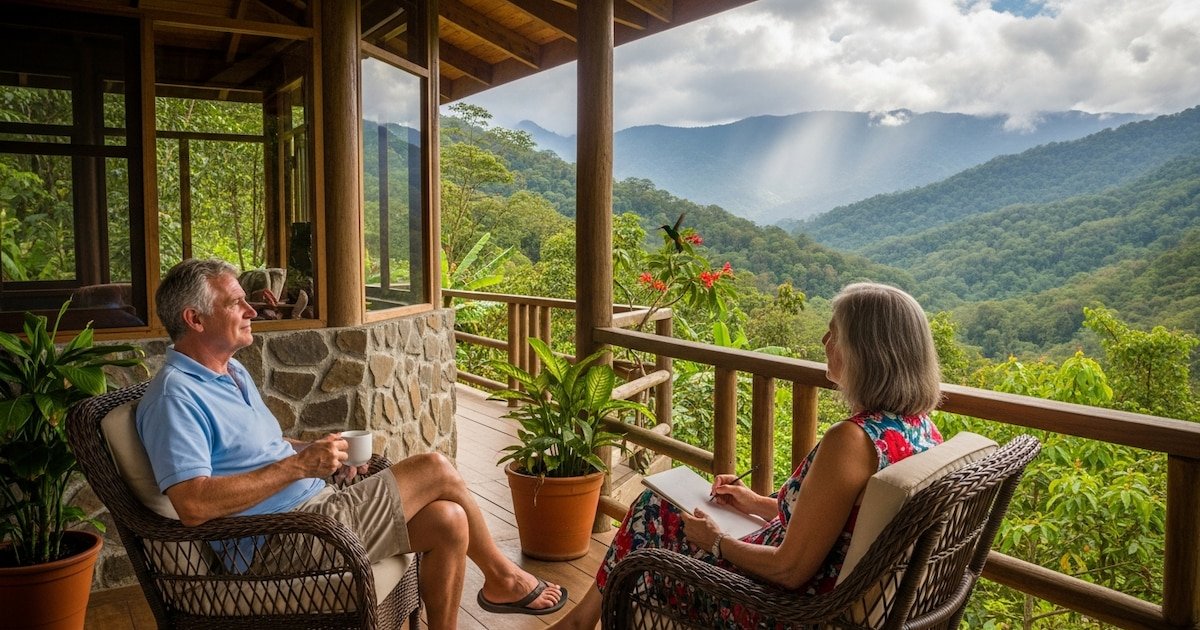
Costa Rica fue incluida nuevamente entre los mejores lugares del mundo para que ciudadanos disfruten su etapa de retiro, según la edición 2026 del ranking de destinos internacionales para jubilados elaborado por la revista Forbes.
La clasificación analizó 96 destinos ubicados en 24 países de cinco continentes, tomando en cuenta factores como costo de vida, impuestos, calidad y precio de los servicios médicos, seguridad, estabilidad política, facilidad para regresar a Estados Unidos, integración social, requisitos migratorios y riesgos asociados al cambio climático.
El país centroamericano destacó por una combinación de características que durante años han atraído a jubilados extranjeros: naturaleza, tranquilidad, acceso a servicios, cercanía con Norteamérica y un estilo de vida menos acelerado que el de muchas ciudades estadounidenses.
Según Forbes, Costa Rica mantiene un atractivo especial para quienes buscan retirarse cerca de espacios naturales. Sus playas en ambos océanos, los bosques tropicales y la diversidad ecológica fueron señalados como algunos de los principales motivos por los cuales el país continúa apareciendo en este tipo de rankings internacionales.
Además, el informe resalta que el costo de vida es considerablemente menor al promedio estadounidense, mientras que la seguridad es valorada como relativamente alta en comparación con otros destinos internacionales y el sistema político es considerado estable.

Sin embargo, el análisis también menciona algunos desafíos. Entre ellos destaca el impacto de la temporada lluviosa, especialmente las inundaciones que afectan distintas zonas del territorio nacional y que representan uno de los principales riesgos para residentes locales y extranjeros.
Uno de los puntos destacados por Forbes fue el sistema de salud costarricense. El ranking señala que en las principales ciudades del país existe atención médica de alta calidad a costos accesibles y menciona la posibilidad de que residentes extranjeros jubilados se incorporen a la Caja Costarricense de Seguro Social (CCSS).
El informe indica que algunos jubilados pueden pagar alrededor de $150 mensuales por la cobertura, aunque en la práctica la contribución depende de los ingresos declarados y de la situación particular de cada residente extranjero.
El idioma español aparece como un elemento recomendable para facilitar la adaptación, aunque Forbes señala que no representa una barrera determinante debido a la presencia de comunidades extranjeras y servicios orientados a residentes internacionales.
En materia migratoria, el país también conserva una ventaja competitiva. La publicación destaca la categoría de residencia para pensionados, conocida como “pensionado”, que permite a extranjeros con ingresos permanentes solicitar autorización para vivir legalmente en Costa Rica.
Este régimen exige demostrar una pensión vitalicia de al menos $1,000 mensuales y otorga una residencia temporal renovable por periodos de dos años, de acuerdo con la normativa migratoria costarricense. Además, el país permite a visitantes estadounidenses permanecer como turistas durante varios meses mientras completan sus trámites de residencia.
Otro aspecto señalado fue el sistema tributario. Forbes resalta que Costa Rica no grava los ingresos generados fuera del territorio nacional, una característica relacionada con su modelo de tributación territorial. Aunque Estados Unidos y Costa Rica no cuentan con un tratado específico para evitar la doble imposición, los ingresos extranjeros de muchos jubilados no son sujetos al impuesto costarricense.
Entre las zonas recomendadas aparecen San José, el Valle Central y comunidades como Atenas, reconocida internacionalmente por su clima templado. También se menciona Santa Cruz, en Guanacaste, como una alternativa atractiva para quienes buscan cercanía con playas y comunidades de extranjeros.
El Valle Central continúa siendo una de las regiones preferidas por jubilados internacionales debido a su cercanía con hospitales, servicios, el aeropuerto internacional y costos generalmente más bajos que algunas zonas costeras de alta demanda.

Costa Rica comparte la lista con otros destinos que compiten por atraer a esta población, entre ellos Panamá, México, Belice, Colombia, Uruguay, Portugal, España, Francia, Italia, Tailandia y Vietnam.
El ranking de este año también incorporó con mayor peso los riesgos climáticos. Algunos destinos europeos fueron retirados debido a factores como incendios forestales y temperaturas extremas, mientras que otros países fueron descartados por altos niveles de vulnerabilidad ante fenómenos naturales.
Costa Rica, que ha aparecido durante años en listas similares, mantiene su presencia gracias a una combinación de factores que siguen siendo valorados por los jubilados extranjeros: estabilidad, naturaleza, servicios médicos, cercanía geográfica con Estados Unidos y opciones migratorias accesibles.
No obstante, el escenario internacional cambia constantemente y cada edición de estos rankings refleja nuevas prioridades, especialmente aquellas relacionadas con seguridad, sostenibilidad y capacidad de los países para enfrentar los efectos del cambio climático.
Costa Rica,adultos mayores,casa de montaña,balcón,estadounidenses,paisaje montañoso

NEWYou can now listen to Fox News articles!
President Ronald Reagan met with Soviet leader Mikhail Gorbachev five times in the late 1980s. The first such meeting was in Geneva, Switzerland in November 1985 when the two leaders began to form a relationship. It was the second meeting in Reykjavik, Iceland, where Reagan and Gorbachev began to find trust.
«The reason I wanted to do it really, truly, was because I think these days we’ve gotten so good at yelling at one another that we are not talking anymore,» said «The Brink of War» director Michael Gunn. «What blew me away about the story when Secretary Schultz told me about it was that these were two guys who had every reason to hate each other, had every reason to be enemies, and they sat down in a room together and tried to make a better world.»
US RAMPS NUCLEAR WEAPONS PRODUCTION TO COLD WAR LEVELS AS CHINA PURSUES ‘UNPRECEDENTED’ BUILDUP
Jeff Daniels stars as President Ronald Reagan in «The Brink of War,» a film centered on the 1986 Reykjavik summit with Soviet leader Mikhail Gorbachev. («The Brink of War» / Angel Studios)
Jeff Daniels stars as Reagan in «The Brink of War,» which follows the Reykjavik summit with Gorbachev, played by Jared Harris. Reagan’s Secretary of State George Schultz, played by J.K. Simmons, was instrumental in giving Gunn behind-the-scenes details for his film.
«We spent hours and hours together. I interviewed him. He gave me the declassified transcripts that informed the script. He’s a hero of mine. The movie is dedicated to him, for him, for his public service,» Gunn said.
NEW FOX NATION DOCUMENTARY CHRONICLES 20-YEAR JOURNEY BEHIND ‘REAGAN’ FILM
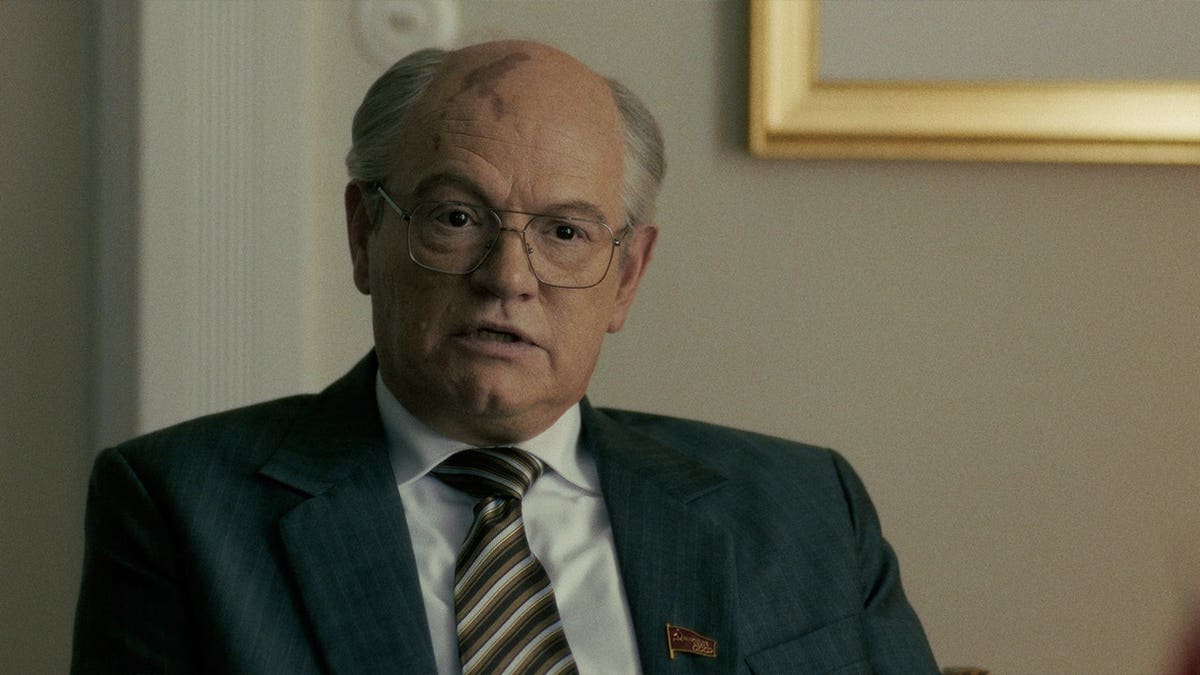
«The Brink of War» explores how Reagan and Mikhail Gorbachev built trust during nuclear arms negotiations in Iceland. («The Brink of War» / Angel Studios)
«The Brink of War» not only highlights the Reagan administration’s ambitions for peace but also their disappointments. One scene shows Reagan’s doubt over trusting Gorbachev amid the negotiations as Schultz assures him it was not the end of talks to find common ground between the two global powers.
«This moment where they figured out just the two of them in a room that they could trust one another, I think led to all that. The first arms reduction agreement in human history,» Gunn said.
While no final agreement was reached in Iceland, the summit paved the way for several more meetings between Reagan and Gorbachev. It also led to several peace treaties — like the Intermediate-Range Nuclear Forces Treaty (INF), which required both sides to liquidate a class of nuclear weapons.
PRESIDENT TRUMP’S NEGOTIATING TEAM PRAISED BY NUCLEAR EXPERTS FOR WALKING AWAY FROM PAKISTAN TALKS

Director Michael Gunn says Reagan and Gorbachev’s willingness to keep talking offers a lesson for leaders confronting conflicts today. («The Brink of War» / Angel Studios)
«For the first time on the highest level, we and the Soviets came close to an agreement on real reductions of both strategic and intermediate-range weapons,» President Reagan said after his meeting with Gorbachev in Iceland. «We were in sight of an historic agreement on completely eliminating the threat of offensive ballistic missiles by 1996. I can help remembering being told just a few years ago. Radical arms reduction was an impossible dream, but now it’s on the agenda for both sides.»
Gunn believes the Reagan and Gorbachev’s discussions should be an inspiration for ending today’s conflicts.
«I think the lesson for today is that we have to continue dialog,» Gunn said. «As tough as it gets, I want people to walk out of the theater with hope that if we engage, if we’re strong, if we are seeking peace in a genuine way and we find a genuine partner that we can make a better safer world even today.»
«The Brink of War» debuts in theaters Aug. 14.
media, reagan, foreign affairs, geopolitics, russia
INTERNACIONAL
Por la sequía extrema, Rumania dinamita el río Danubio para desviar agua hacia una planta nuclear
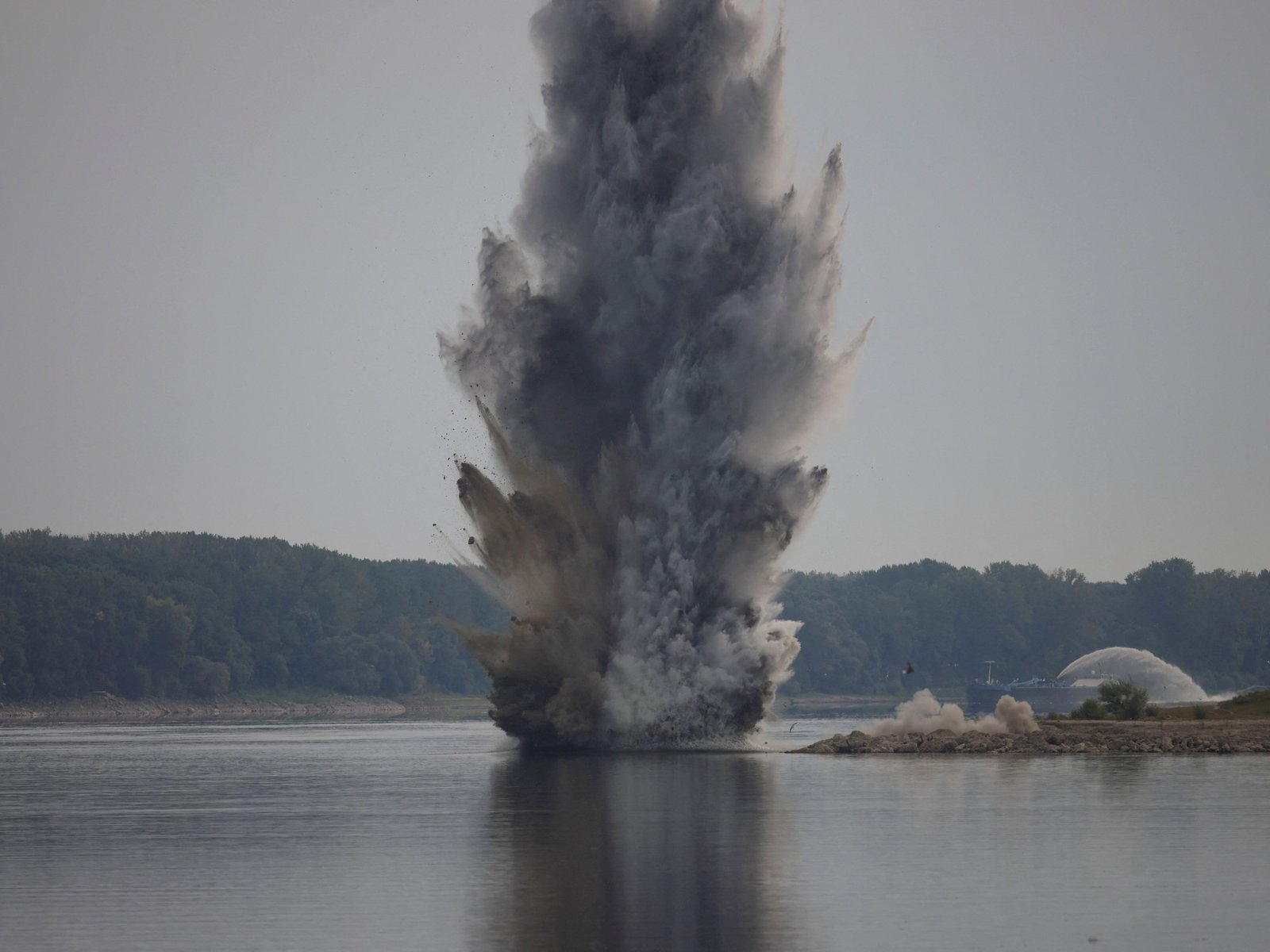
El Ejército de Rumania llevó a cabo este lunes una explosión controlada y submarina de una roca para redirigir un mayor caudal del Danubio hacia la central nuclear de Cernavoda, con el objetivo de evitar tener que desconectar su segundo reactor.
«Cada día adicional de funcionamiento de la central de Cernavoda supone una ganancia», declaró a la prensa el ministro de Defensa rumano, Radu Miruta, al anunciar el éxito de la inusual operación, después de haber fracasado un primer intento el domingo.
Situada en el sureste de Rumanía, la planta de Cernavoda, la única nuclear del país, requiere el agua del Danubio para la refrigeración del ciclo térmico.
El dramático descenso del nivel del río debido a una prolongada sequía y a una mayor evaporación causada por las elevadas temperaturas obligó a las autoridades a desconectar el martes pasado uno de sus dos reactores.
Ante la perspectiva de que la situación no mejore en los próximos días, se temía que fuera necesario desconectar también la segunda unidad, con lo cual la central quedaría completamente inoperativa.
Normalmente, con una potencia instalada de 706 MW en cada uno de los dos reactores, la planta, de fabricación canadiense y en funcionamiento desde hace casi tres décadas, genera un 20 % de la electricidad que consume el país, de 19 millones de habitantes.
Debido a la caída en la producción energética, el Gobierno declaró el viernes el Estado de Alerta Nacional hasta el 31 de agosto y anunció planes para aumentar la electricidad importada, principalmente desde Ucrania.
Ahora se espera que al menos la segunda unidad pueda seguir en funcionamiento después de que la Armada rumana consiguiera desviar temporalmente agua desde un canal adyacente hacia la zona de captación de Cernavoda usando 180 kilogramos de explosivos para dinamitar una roca.
El Ejecutivo había aprobado el viernes una partida presupuestaria extraordinaria, de unos 1,3 millones de euros, para llevar a cabo esas obras hidráulicas.
El caudal del Danubio se ha desplomado hasta situarse, a la entrada en Rumanía, entre los 1.550 y 1.600 metros cúbicos por segundo, casi tres veces menos que la media habitual en esta época (entre 3.900 y 4.700 metros cúbicos/s).
Por otro lado, los responsables de unas 80 empresas nacionales han sido convocados este lunes por el Ministerio de Energía para estudiar cómo pueden contribuir a aliviar la crisis energética.
Tras la reunión, el Gobierno anunció que los fabricantes de autos Dacia y Ford accedieron voluntariamente a parar su producción hasta el próximo día 19.
Según el portal informativo Antena 3, actualmente se estaría evaluando la posibilidad de que otras compañías puedan concentrar sus actividades en las horas de menor demanda o incluso reducir su producción en las próximas semanas.
Además, varias ciudades han comenzado a aplicar medidas de ahorro energético, como apagar parte del alumbrado público.
Los meteorólogos pronostican una nueva ola de calor extremo hasta el próximo viernes, con temperaturas de hasta 41 grados en el noreste del país.
El bajo caudal del Danubio también golpea a Hungría, que prevé desconectar en las próximas horas el último reactor aún operativo de su única planta nuclear, según anticipó este lunes el primer ministro, Péter Magyar.
El mandatario ya había anunciado durante el fin de semana que la central de Paks, que suministra la mitad de la energía que consume el país, estaba en una situación compleja ante la caída del nivel del agua a un mínimo histórico de 1,38 metro por debajo de lo normal, lo que impide la refrigeración de los reactores.
«Seguramente este lunes, y quizá mañana como máximo, podrá mantenerse operativa esta turbina que produce 240 megavatios de energía», frente a los 2.000 habituales de la planta, afirmó.
El jefe del Gobierno añadió que «es difícil predecir la altura del Danubio» y que no ve que sea posible que aumente tanto como para mantener funcionando la central.
Esta sería la primera vez que se desconecta la planta nuclear de Paks, que comenzó a funcionar hace 44 años.

Estrenos agosto en Crunchyroll: Animes que llegan – Nintenderos

Javier Milei y sus medidas, en vivo: el Gobierno cede para conseguir la Ley de Tierras y busca acuerdos para 2027

El abogado de Cristina Kirchner afirmó que la Argentina deberá cumplir lo que resuelva la ONU: “Es vinculante”

El primer trailer de Luisana Lopilato como Pepita la pistolera: su impactante transformación

Costa Rica vuelve a destacar entre los mejores destinos del mundo para jubilados, según Forbes

Javier Milei, en la encrucijada entre el voto moroso y el voto “terrorista”

“Vamos a acelerar con todo”: el objetivo del Gobierno por las reformas y la agenda electoral de cara al 2027

Reelecciones indefinidas: el oficialismo bonaerense niega que busque ampliar la Legislatura como parte de una reforma política para beneficiar a los intendentes

“Casta”, “parásito” y “sea democrático”: fuerte respuesta de Victoria Villarruel a Diego Santilli

¡Chau Luck Ra! La salida de soltera de La Joaqui, muy bien acompañada, a días de su separación
-
 POLITICA2 días ago
“Vamos a acelerar con todo”: el objetivo del Gobierno por las reformas y la agenda electoral de cara al 2027
-
 POLITICA1 día ago
Reelecciones indefinidas: el oficialismo bonaerense niega que busque ampliar la Legislatura como parte de una reforma política para beneficiar a los intendentes
-
 CHIMENTOS2 días ago
¡Chau Luck Ra! La salida de soltera de La Joaqui, muy bien acompañada, a días de su separación