INTERNACIONAL
Europa y China evitan una guerra comercial y sientan las bases para equilibrar el comercio

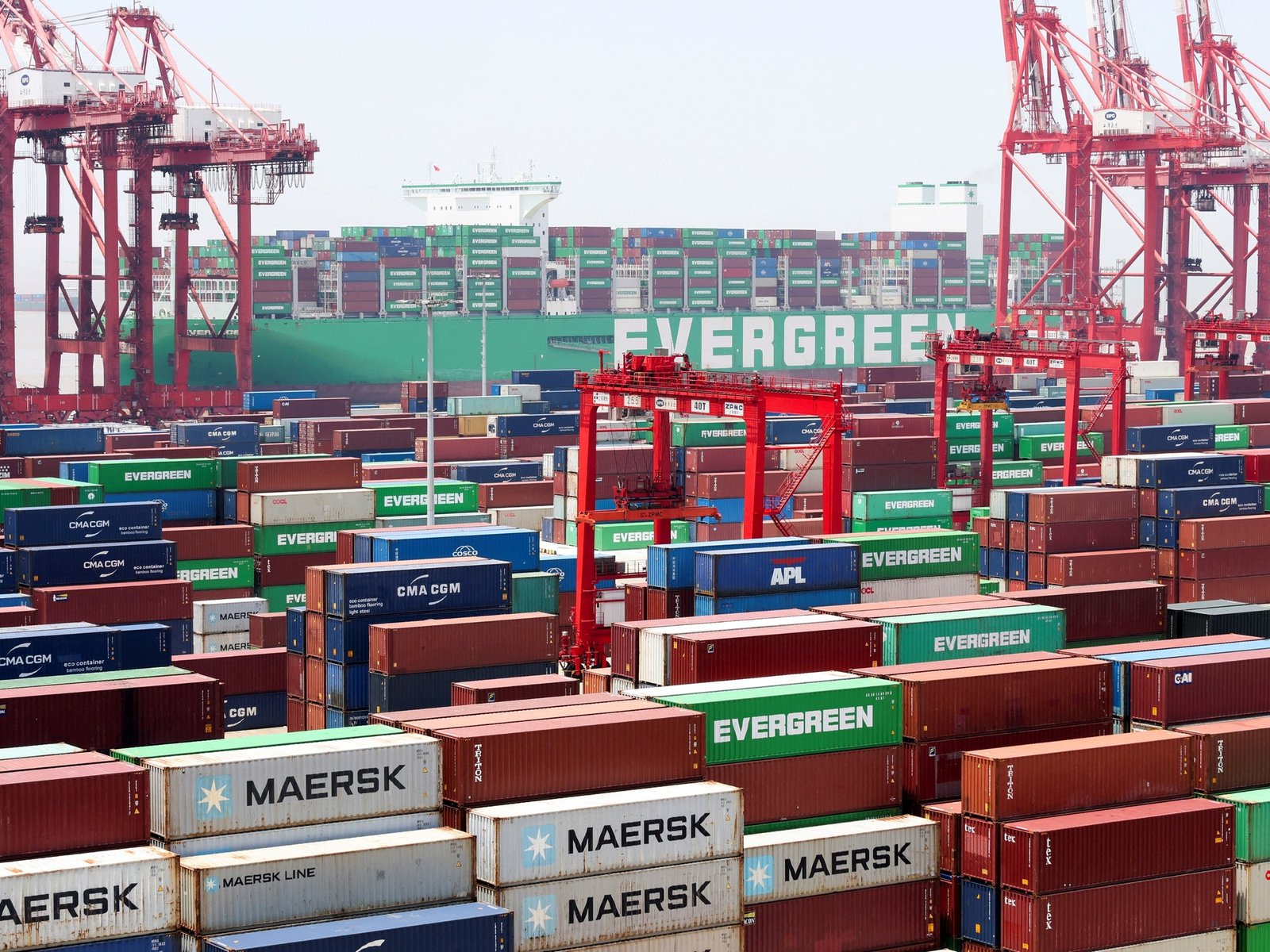
La Unión Europea y China pusieron ayer las bases para evitar una guerra comercial que parecía inminente ante la negativa china a tomar medidas para reequilibrar el comercio y la orden de los líderes europeos a la Comisión Europea de preparar medidas de retorsión comercial.
El déficit comercial de la Unión Europea con China llegó en 2025 a casi 400.000 millones de euros, más de 1.000 millones de euros cada día. Y en los primeros meses de este año el desequilibrio comercial ha ido aumentando. Los últimos datos dicen que el déficit comercial europeo con China era en mayo pasado un 15% superior al del mismo mes del año anterior. El de Alemania un 31% superior.
Las visitas de los dirigentes europeos a Beijing en los últimos meses (el alemán Friedrich Merz, el francés Emmanuel Macron, el español Pedro Sánchez o el británico Keir Starmer) sirvieron en algunos casos para atraer inversión china a Europa pero no para reequilibrar esa relación comercial.
La guerra comercial se iba acercando, aunque en la práctica a ninguno de los dos bloques le interesa. Este lunes, el comisario europeo de Comercio, Maros Sefcovic y el ministro chino de Comercio, Wang Wentao, pusieron las bases para evitar ese conflicto y pactaron medidas a corto y a medio plazo que tienen en cuenta las preocupaciones de Bruselas pero sin incordiar sobremanera a Beijing. Europa teme cualquier tipo de medida de retorsión desde China, de quien tiene una dependencia cada vez mayor en insumos esenciales como tierras raras.
La primera reunión del nuevo sistema de Consultas e Inversiones EU-China, de la que se esperaba poco resultado concreto, dio lugar a varios acuerdos “para estabilizar y hacer más equilibrada la relación bilateral”, según el comunicado conjunto de Maros Sefcovic y Wang Wentao. De la reunión salió sobre todo la creación de grupos de trabajo que deben dar resultados como máximo en octubre y que tratan sobre ese desequilibrio comercial, control de exportaciones, derechos de propiedad intelectual y la reforma de la Organización Mundial del Comercio.
Lo que Europa considera desequilibrio comercial con China para China es simplemente la competitividad de su economía. Pero China amenaza con medidas de retorsión comercial si los europeos ponen en marcha cualquier tipo de mecanismo que fuerce a sus empresas a buscar otros proveedores cuando su dependencia de China sea excesiva. Esa herramienta, en estudio, podría llegar a multar a las empresas europeas que no buscaran alternativas fuera de China cuando las hubiera.
Bruselas y Beijing también acordaron poner en marcha un mecanismo que supervisará “datos relevantes sobre intercambios (comerciales), flujos de comercio” y que “mejorará la transparencia y la confianza mutua para gestionar fricciones comerciales”. Los europeos desconfían de algunos datos que publica China y sólo se fían de sus aduanas.
China aceptó en la reunión “incrementar medidas de acceso a mercados” (muchas empresas europeas protestan porque todavía tienen restricciones para operar en China) e “iniciativas que puedan contribuir a equilibrar la relación comercial”.
El comunicado conjunto (algo muy raro en la práctica de la Comisión Europea) posterior a la reunión también asegura que tanto Bruselas como Beijing creen que el mecanismo puesto en marcha el año pasado para hablar de “tierras raras y otros materiales críticos y minerales” está dando buenos resultados. Pero acordaron que deben hacer más para “facilitar los esfuerzos que buscan mantener la estabilidad de las cadenas de suministros globales”.
China consiguió apoyo europeo para avanzar en la reforma de la Organización Mundial del Comercio, abandonada por Estados Unidos y que Beijing considera volcada a favor de los intereses occidentales. Las dos partes se comprometieron trabajar en conjunto en esa reforma “mejorando la autoridad y la efectividad de la OMC”.
De la reunión salen advertencias. El comisario Sefcovic explicó que espera “resultados tangibles” como muy tarde en octubre, cuando viajará a Beijing para una segunda reunión. La Comisión Europea tiene el mandato de los líderes nacionales de tomar medidas si el diálogo no funciona.
Julio y agosto son meses no hábiles políticamente en Bruselas salvo una emergencia. A principios de septiembre la presidenta de la Comisión Europea debe anunciar qué medidas aplicaría si el diálogo no dio resultados. A finales de octubre los dirigentes europeos las aprobarían. En las seis semanas entre esos dos momentos debe haber un acuerdo o estallará una guerra comercial entre dos de los mayores bloques comerciales del planeta.
Los gobiernos europeos quieren medidas drásticas si el diálogo no da frutos claros porque la industria europea pena hasta el punto de que la semana pasada se supo que Volkswagen, primera automotriz europea, prepara 100.000 despidos y el cierre de cuatro usinas porque es incapaz de competir contra los autos chinos híbridos y eléctricos.
Justo este lunes el Ministerio de Economía alemán aprobó la compra de la mayor cadena de tiendas de electrónica de Europa, el grupo MediaMarktSaturn, por el grupo chino JD.Com.

INTERNACIONAL
UK’s Burnham names Trump critic Ed Miliband foreign secretary; ex-Thatcher aide brands pick ‘disastrous’
NEWYou can now listen to Fox News articles!
President Donald Trump’s allies are warning that British Prime Minister Andy Burnham’s appointment of Ed Miliband as foreign secretary could strain the U.S.-U.K. relationship, citing Miliband’s history of attacking Trump and his support for net-zero energy policies.
Burnham appointed Miliband Monday, replacing Yvette Cooper and completing a remarkable political comeback for the former Labour Party leader. Miliband led Labour from 2010 until the party’s defeat in the 2015 general election and most recently served as energy security and net-zero secretary under former Prime Minister Keir Starmer.
The appointment makes Miliband Britain’s top diplomat and a principal counterpart to Secretary of State Marco Rubio at a time when Burnham is seeking to preserve close ties with Washington. Burnham spoke with Trump shortly after becoming prime minister and reaffirmed the importance of the bilateral relationship, according to Reuters.
ANDY BURNHAM TAKES OVER AS UK PRIME MINISTER, CALLS FOR ‘NEW POLITICAL MODEL’
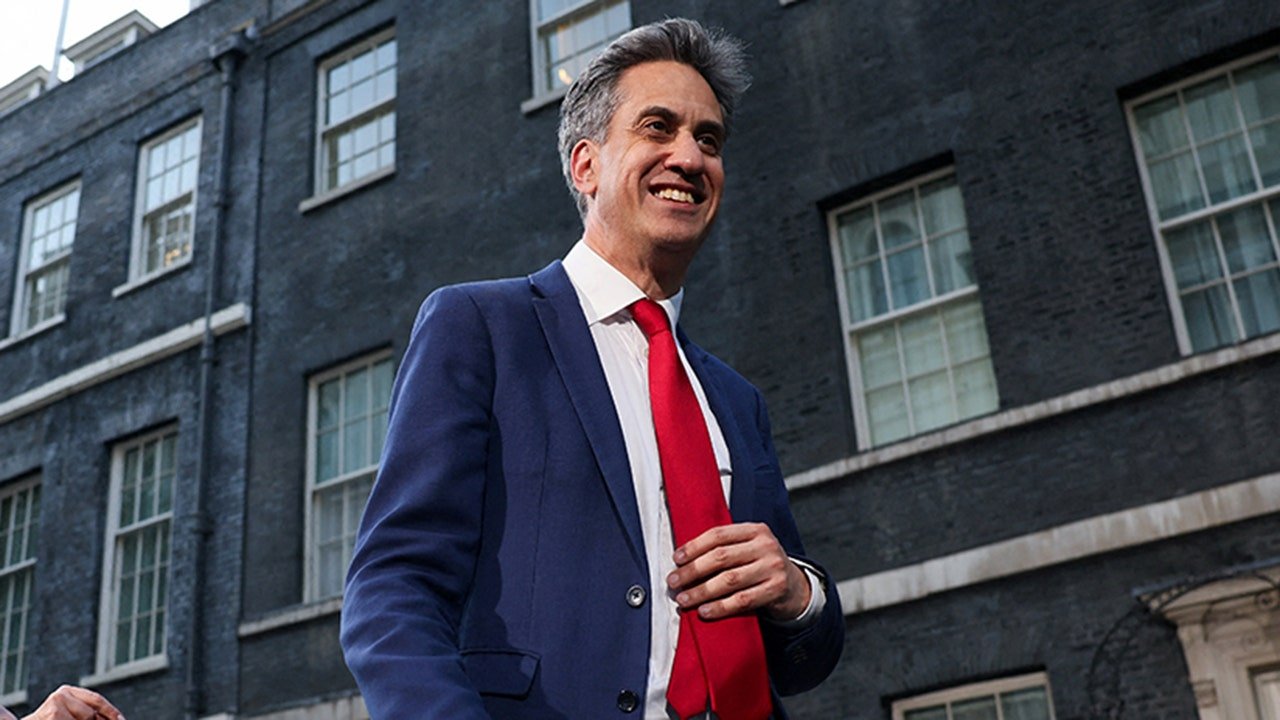
A journalist asks a question newly appointed British Foreign Secretary Ed Miliband on Downing Street after Britain’s newly appointed Prime Minister Andy Burnham took office in London, Britain, July 20, 2026. (Reuters/Jack Taylor)
The Daily Telegraph reported that Trump administration officials had warned Burnham’s team against giving Miliband a senior role. Steve Bannon, Trump’s former White House chief strategist and a political ally of the president, told the newspaper that the administration viewed Miliband’s appointment as «very injurious» to the special relationship. Bannon does not hold an administration position, and the White House has not publicly confirmed that such a warning was delivered.
The London Times separately reported before the appointment that the administration had signaled opposition to Miliband and was even more concerned about the prospect of him becoming foreign secretary. That reporting was not attributed to a named administration official.
Miliband has previously condemned Trump in unusually personal terms.
CAN KING CHARLES SAVE THE EVER-FRACTURING ‘SPECIAL RELATIONSHIP’ AFTER TRUMP ANGER AT STARMER OVER IRAN WAR?
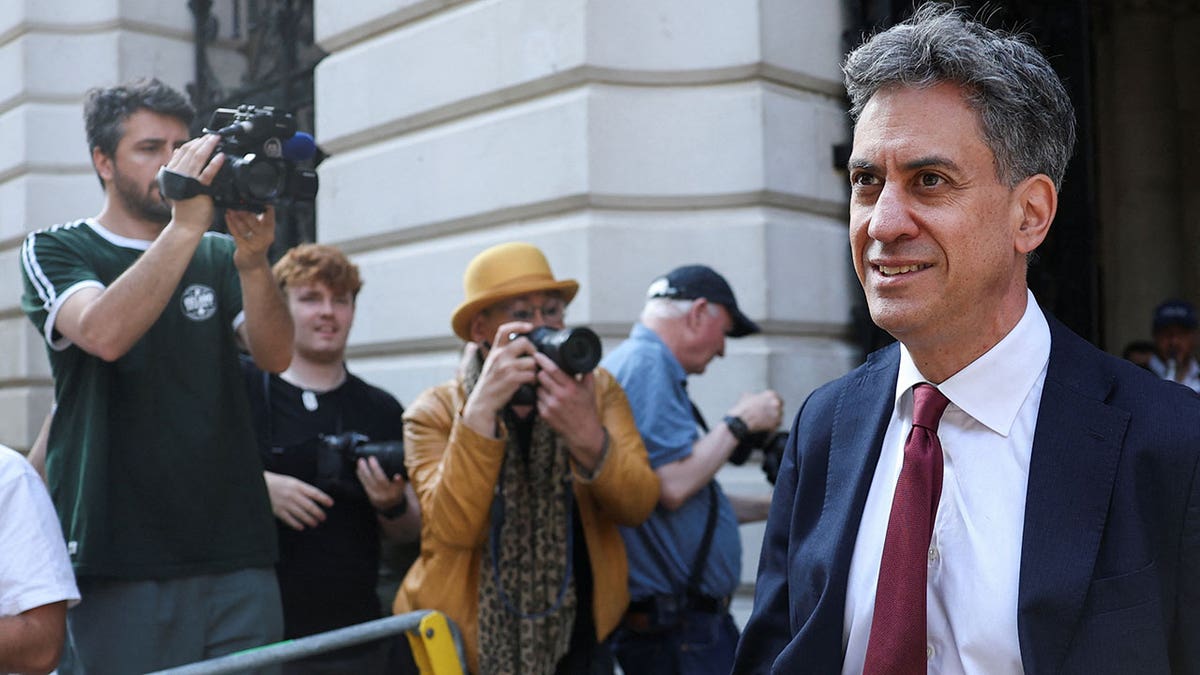
British Energy Security and Net Zero Secretary Ed Miliband walks on Downing Street before a cabinet meeting after British Prime Minister Keir Starmer announced a timeline for his resignation in London, Britain, June 23, 2026. (Toby Melville/Reuters)
During Trump’s first presidential campaign, Miliband described him as a «racist, misogynistic, self-confessed groper.» The comment resurfaced after Trump won the 2024 election, when BBC Breakfast presenter Jon Kay questioned Miliband about how he would work with the incoming president.
«How are you going to build a relationship with someone you described in the past as a racist, misogynistic, self-confessed groper?» Kay asked during the Nov. 12, 2024, interview.
«I’ve said some things in the past,» Miliband responded. «My job now as a government minister is to work with people.»
The differences extend beyond Miliband’s rhetoric about Trump. As energy secretary, Miliband became the public face of the Labour government’s net-zero agenda and its opposition to issuing new licenses for North Sea oil and gas exploration. Trump and members of his administration have pushed Britain to increase domestic fossil-fuel production.
Nile Gardiner, director of the Margaret Thatcher Center for Freedom at the Heritage Foundation and a former foreign policy aide to Prime Minister Margaret Thatcher, told Fox News Digital Miliband’s appointment was a «disastrous» decision.
«I think the appointment of Ed Miliband as U.K. foreign secretary is disastrous for Britain,» Gardiner said in an interview Tuesday. «It’s a demonstration of a real lack of strategic thinking on the part of Andy Burnham.
«Ed Miliband is no friend of the United States,» Gardiner continued. «He has been an outspoken critic of President Trump. Miliband is also widely viewed by U.S. conservatives as the architect of the whole net-zero agenda, which is viewed as completely poisonous by the U.S. administration.»
EUROPE’S ‘GREEN IDEOLOGY’ CLIMATE AGENDA RISKS CRUSHING ITS INDUSTRY, ENVIRONMENT MINISTER WARNS
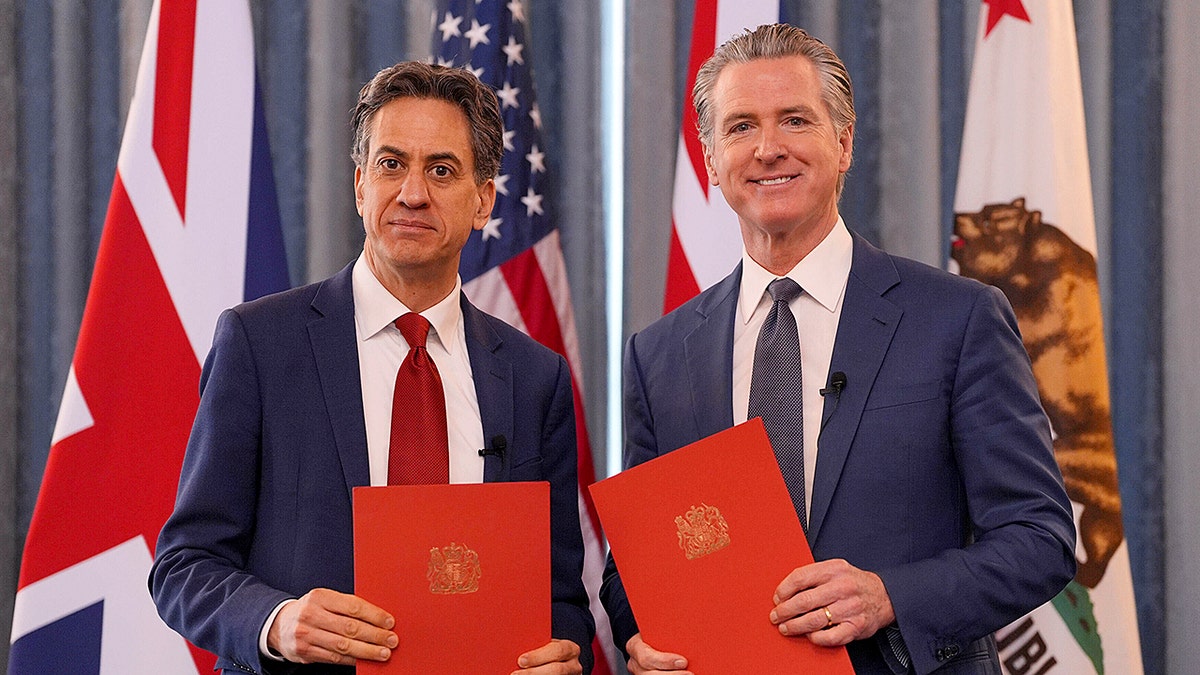
British Energy Security and Net Zero Secretary Ed Miliband, left, and California state governor Gavin Newsom pose after signing a clean energy agreement at the Foreign Office in London on Feb. 16, 2026. (Yui Mok/PA via AP)
Gardiner called the appointment a «very high-risk move» that «makes no sense.»
«Burnham is already off to a very bad start with this appointment,» he said. «I’m in no doubt there will be very significant tensions between President Trump and Prime Minister Burnham, and Miliband’s appointment is quite possibly the worst appointment that Burnham could make as foreign secretary.»
As he delivered his first remarks following the appointment, Miliband mentioned his family’s experience as Holocaust survivors.
«It’s the honor of my life, being asked by the prime minister to be the foreign secretary of our country,» Miliband said in a statement Tuesday. «My parents came here, Jewish refugees fleeing from the Nazis and, for them, Britain provided sanctuary and a beacon of hope in the fight against fascism.
«At a time when the values of democracy, the rule of law and freedom are under threat as never before, I will carry that spirit, their spirit, into my work as foreign secretary,» he said. «And now I’m going to go and get on with the task.»
Miliband also pledged to nurture Britain’s «strong, enduring and essential alliance» with the United States while deepening its strategic relationship with the European Union, according to the Financial Times.
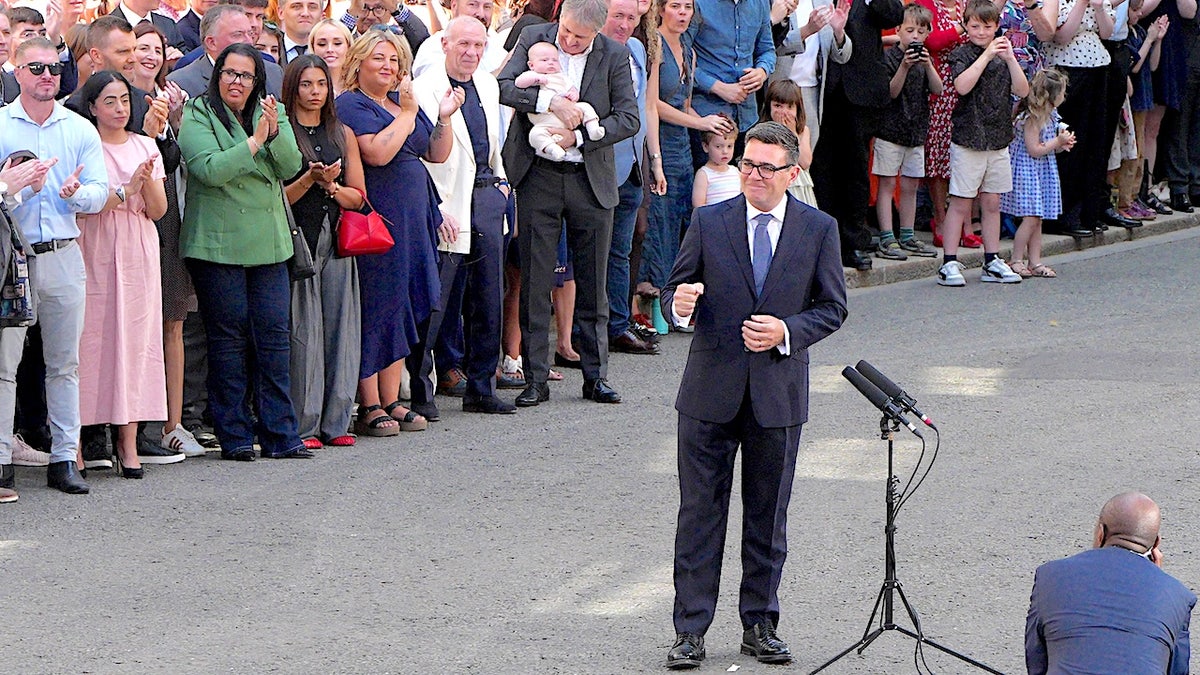
Prime Minister Andy Burnham assumes the leadership role without being elected, a fact not lost on critics of his democratic-socialist agenda. (Christopher Furlong/Getty Images)
His appointment has also raised concerns among some British Jewish and pro-Israel commentators.
Stephen Pollard, a former editor and current columnist for The Jewish Chronicle, argued in an opinion piece published Tuesday that Miliband’s record as Labour leader, including changes to party leadership rules that preceded Jeremy Corbyn’s rise, should concern British Jews and supporters of Israel. Pollard predicted that the Burnham government would pursue additional sanctions against Israel with the support of a Jewish foreign secretary.
The Burnham government had not announced additional sanctions against Israel as of Tuesday.
Conservative Member of Parliament Priti Patel separately criticized Burnham and Miliband over plans to proceed with the Chagos Islands agreement.
«Burnham and Miliband are wrong to press ahead with Labour’s appalling Chagos Surrender,» Patel wrote on X, arguing that the agreement would transfer British territory and cost taxpayers £35 billion (approximately $47 billion.)
CLICK HERE TO DOWNLOAD THE FOX NEWS APP
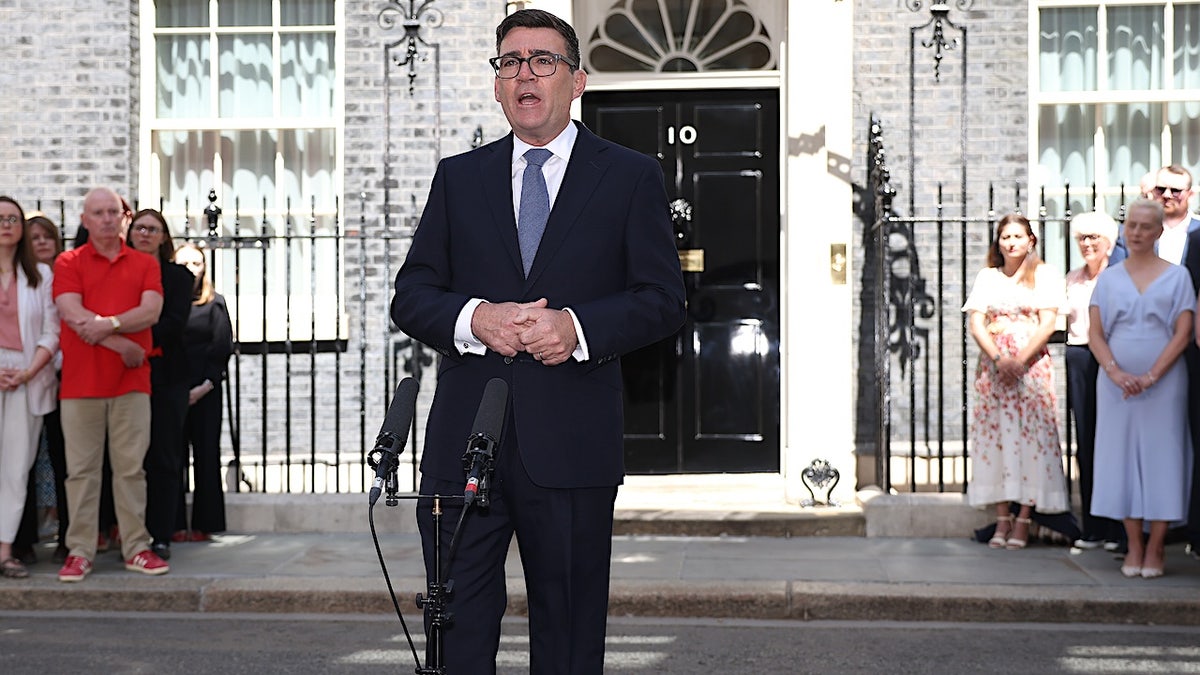
Andy Burnham delivers his inaugural speech as the U.K.’s new Prime Minister on July 20, 2026, in London, England. The member of Parliament for Makerfield became the U.K.’s 59th prime minister, succeeding Sir Keir Starmer, who resigned as leader of the Labour Party and Prime Minister in June. (Dan Kitwood/Getty Images)
«Once again, the same old Labour Party is undermining our national security and making Britain weaker on the international stage,» she added.
On Monday, President Donald Trump said he spoke with Burnham shortly after he took office, calling the conversation «very good.» Trump added that he and Burnham plan to meet in the «not too distant future» to discuss issues of mutual interest.
The White House, State Department, Miliband’s office and Burnham’s office did not immediately respond to Fox News Digital’s requests for comment.
Fox News’ Bonny Chu contributed to this article.
united kingdom, andy burnham, donald trump, politics, national security
INTERNACIONAL
Tragedia en Ohio: Cuatro hondureños mueren ahogados al intentar rescatar a un familiar en EE.UU.

Una reunión familiar terminó en tragedia en el estado de Ohio, Estados Unidos, donde cinco personas perdieron la vida al ser arrastradas por la corriente del río Scioto durante un intento de rescate.
Entre las víctimas se encuentran cuatro ciudadanos hondureños originarios de Lepaera, Lempira, además de un salvadoreño.
De manera preliminar, medios estadounidenses han informado que los fallecidos hondureños serían Miguel, Carmen, José Mario Pineda Díaz, de 33 años, y Marina Sulmy Regalado Miranda, de 29 años.
Sin embargo, las autoridades estadounidenses indicaron que la identificación oficial de las víctimas y la reconstrucción de los hechos continúan bajo investigación.
El incidente ocurrió en la localidad de Powell, al norte de la ciudad de Columbus, donde varios integrantes de una misma familia disfrutaban de una jornada de recreación antes de que ocurriera la emergencia.
Según el informe preliminar de las autoridades estadounidenses, la tragedia comenzó cuando uno de los adultos ingresó al río para nadar, pero poco después empezó a tener dificultades para mantenerse a flote debido a la fuerza de la corriente.
Al percatarse de la situación, otros familiares ingresaron al agua con la intención de rescatarlo. No obstante, también fueron arrastrados por la corriente, generándose una cadena de intentos de auxilio que terminó con la muerte de cinco personas.

Las autoridades señalaron que el caudal del río representaba un riesgo considerable ese día, lo que habría dificultado las labores de rescate entre los propios familiares.
Hasta el momento, las investigaciones continúan para establecer con precisión cómo se desarrollaron los hechos.
La emergencia fue reportada gracias a un automovilista que observó a un menor correr desesperadamente cerca del río.
De acuerdo con el reporte oficial, el niño explicó que varios miembros de su familia estaban atrapados en el agua, por lo que el conductor notificó inmediatamente la situación al sistema de emergencias 911.
Tras recibir la alerta, equipos de rescate se desplazaron hasta el lugar e iniciaron un amplio operativo de búsqueda.
Inicialmente lograron localizar a dos mujeres, quienes fueron trasladadas de emergencia a centros asistenciales. Sin embargo, debido a la gravedad de su condición, ambas fallecieron poco tiempo después.
Horas más tarde, los rescatistas recuperaron los cuerpos de tres hombres que permanecían desaparecidos, confirmando así el fallecimiento de las cinco personas involucradas en la tragedia.

Las autoridades estadounidenses informaron que entre las víctimas mortales había dos parejas de padres de familia, situación que dejó en condición de orfandad a dos menores de edad.
Ambos niños, menores de diez años, quedaron bajo la protección de los servicios de atención infantil mientras las autoridades determinan las medidas correspondientes y coordinan el acompañamiento de sus familiares.
El caso ha generado una profunda conmoción entre la comunidad hispana residente en Ohio y entre los habitantes de Lepaera, Lempira, de donde eran originarios los cuatro hondureños.

De acuerdo con datos del Servicio Geológico de Estados Unidos (USGS), el río Scioto registraba ese día un caudal superior al promedio, producto de las condiciones hidrológicas de la zona.
Las autoridades consideran que la fuerza inusual de la corriente habría sido uno de los principales factores que impidieron que las víctimas lograran salir del agua.
Mientras tanto, los organismos de emergencia reiteraron el llamado a la población para extremar las medidas de precaución al ingresar a ríos y cuerpos de agua, especialmente cuando las corrientes presentan niveles elevados, ya que una reacción impulsiva para intentar un rescate puede terminar convirtiendo una emergencia en una tragedia mayor.
Corresponsal:Desde Tegucigalpa, Honduras
INTERNACIONAL
WATCH: Smithsonian history museum director stumbles over basic questions on sex: ‘I’m not sure’
NEWYou can now listen to Fox News articles!
Smithsonian National Museum of American History Director Anthea Hartig appeared stumped by a basic question on sex and gender from Rep. Nancy Mace, R-S.C.
During a House hearing on alleged «extreme political activism» on display at the Smithsonian, Mace asked Hartig, «Do you believe that men can become women?»
Hartig hesitated before answering, «Ma’am, as the director of the museum, that’s not relevant in this case.»
«It’s very relevant,» Mace shot back. Motioning to images of Smithsonian displays featuring drag queens, Mace continued, «You’ve got men dressed up as women, and you have them on displays in front of kids. Do you think men can become women? Yes or no?»
DISCRIMINATORY ‘SHADOW’ REVIEW PROCESS LOCKS WHITE, ASIAN STUDENTS OUT OF CALIFORNIA MED SCHOOL, DOJ ALLEGES
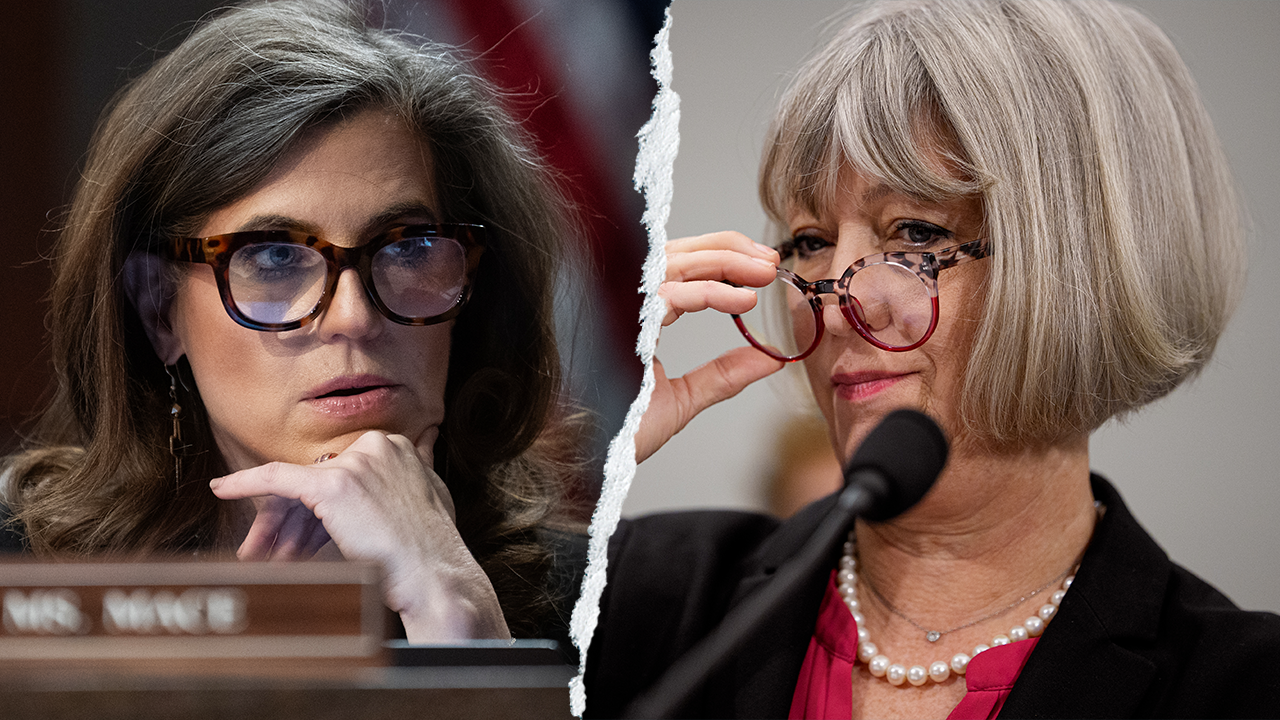
Rep. Nancy Mace, left, grilled National Museum of American History Director Anthea Hartig during a House subcommittee hearing on Capitol Hill on July 21, 2026. (Tom Williams/CQ-Roll Call, Inc via Getty Images; Andrew Harnik/Getty Images)
Hartig did not answer the question but instead began to discuss one of the drag queen displays pictured on the board behind Mace. The congresswoman interrupted her.
«What is a woman, Dr. Hartig?» Mace demanded.
Hartig began to answer that «as a director and as a historian, it’s not my-» before Mace cut her off again, saying, «You sexualized the American History Museum. So, this is a fair question. What is a woman?»
Looking down for a moment, Hartig responded, «We strive to represent and not categorize all Americans.»
«OK, I have another question for you,» Mace continued. «There’s a glossary at the museum that informs visitors that while American culture traditionally recognizes two genders, other countries recognize three or more.»
«So, enlighten me this morning: how many genders are there?» Mace asked.
Hartig hesitated again before asking, «Ma’am, which glossary?»
«This is a display, and it has a glossary that says other countries recognize three or more genders. So, I would like you to enlighten me today; you’re the director of the American History Museum, who’s sexualized things in front of kids. I want to know, I want to ask you, how many genders are there?»
Finally, Hartig responded, «I’m not sure which glossary you’re speaking,» before adding, «I’m happy to get back to you about that glossary.»
ANTI-ICE WALKOUT EXPOSES HOW SCHOOL DISTRICT ‘FAILED’ PARENTS, RISKED STUDENT SAFETY: ‘BROKEN MY TRUST’
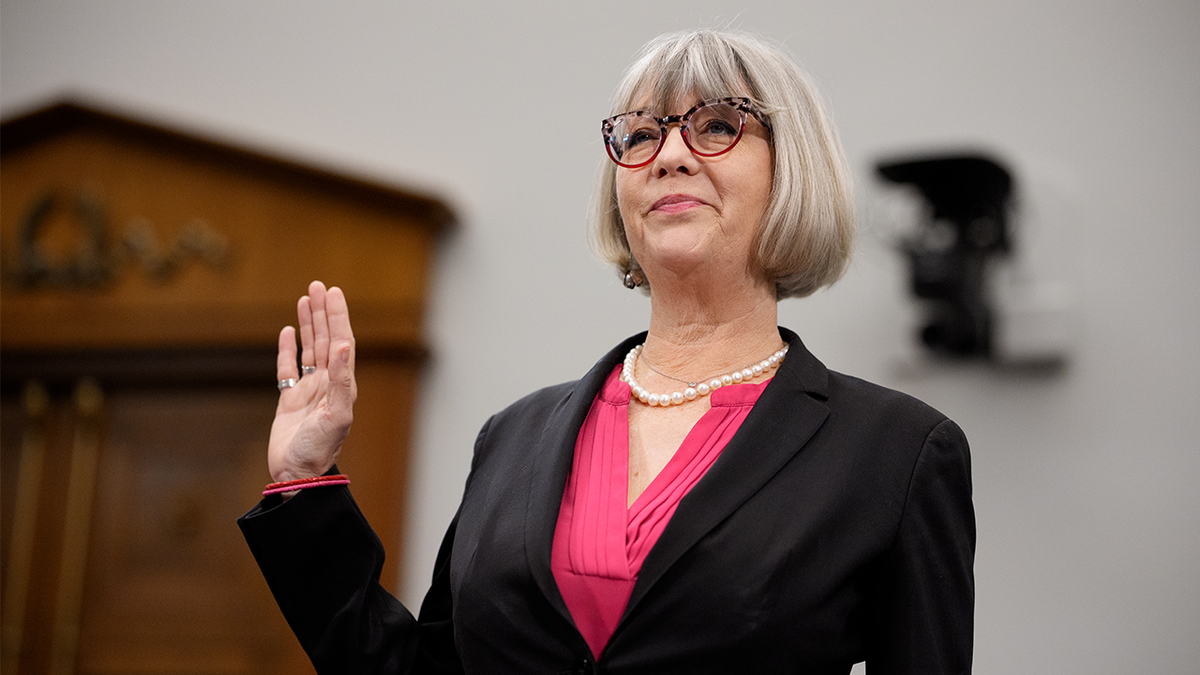
National Museum of American History Director Anthea Hartig is sworn in during a House subcommittee hearing on Capitol Hill on July 21, 2026, in Washington, D.C. (Andrew Harnik/Getty Images)
Mace pressed further, saying, «One of your exhibits at the American History Museum says sometimes gender isn’t revealed at birth. So, when is gender revealed?»
«When was your gender revealed to you, Dr. Hartig?» she added.
Smiling, Hartig simply answered, «I don’t really think that’s relevant to the conversation.»
«It is relevant. You have a display at the American History Museum talking about, ‘Gender isn’t always revealed at birth.’ So, when was your gender revealed?» insisted Mace.
Hartig began to answer by saying, «So, since I am a Ph.D.-» before Mace yielded the floor back to the committee chair.
Earlier this month, a sweeping new White House report concluded that the Smithsonian Institution’s National Museum of American History has become a taxpayer-backed institution of «ideological capture» and «extreme political activism.»
According to the 162-page «Restoring Truth and Sanity to American History» report, delivered on July 4, 2026, the museum treats the American story as a political tool rather than a shared national inheritance.
«The report concludes that the Smithsonian Institution, and the National Museum of American History in particular, under its current leadership and current interpretive ideology, cannot be trusted to tell America’s story honestly and in a way that is inspiring, unifying, and worthy of our great republic,» the White House Domestic Policy Council wrote in its July 4 report following up on President Donald Trump’s March 27 executive order. «By the intention and at the direction of current Museum and Smithsonian leadership, NMAH has become subject to institutional capture by a radical, activist ideology that is fundamentally opposed to telling the noble, honest story of the great country we know and love.»
FAR-LEFT ACTIVIST CONFERENCE AT TEACHERS UNION HQ RAISES CLASSROOM CONCERNS
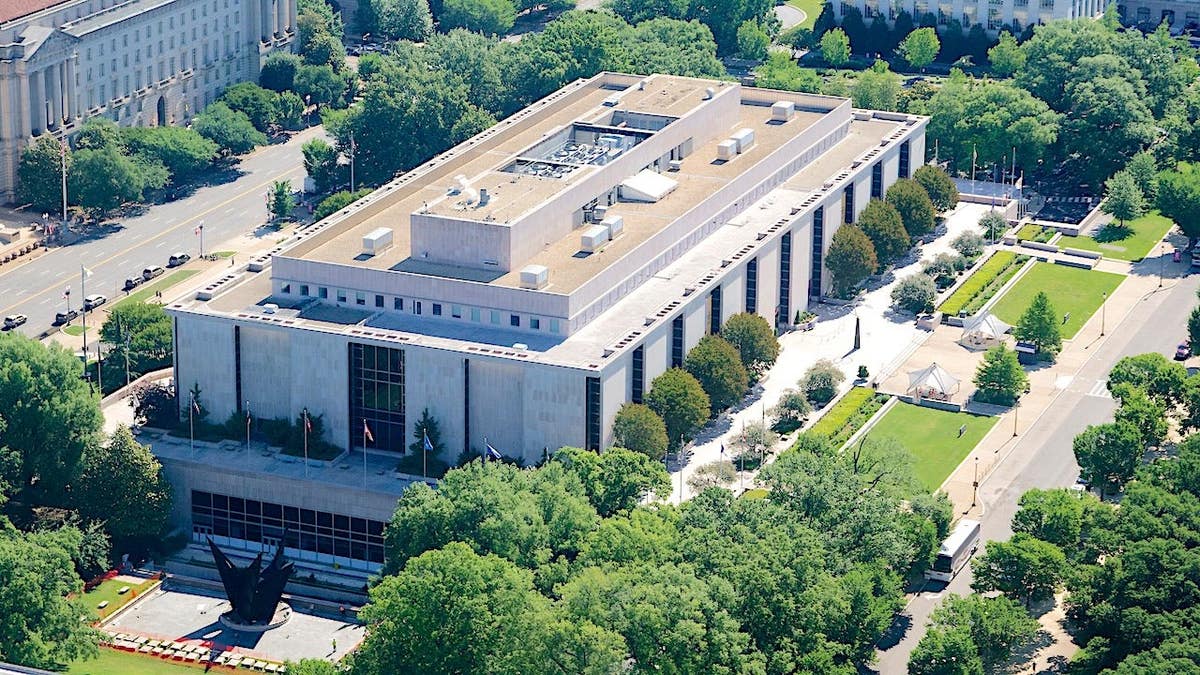
The Smithsonian’s National Museum of American History was called out for being «ideologically captured» and presenting woke revisionist history on the weekend of America’s 250th birthday. (Kevin Carter/Getty Images)
«At the Smithsonian’s National Museum of American History, visitors young and old should encounter the story of the United States told with honesty, seriousness, and pride,» the report’s executive summary began. «In particular, it should help the American people understand where America came from, what makes it distinctive, and why it is worth preserving.»
CLICK HERE TO DOWNLOAD THE FOX NEWS APP
Hartig said in her opening statement that «the Smithsonian takes the concerns raised in the White House Domestic Policy Council’s report seriously, and as we continue to fact-check the report, we unwaveringly attest that it does not fairly or accurately characterize the full body of work at the museum.»
SIGN UP TO GET THE POLITICS NEWSLETTER
She asserted that «the museum does not take sides in America’s political debates,» but instead, «We preserve and document the evidence of American life in all of its breadth, so that the public can encounter the past and draw their own conclusions.»
«There is always room for improvement, but I also know the beauty and the inspiration and the expertise that lies in our collections, our exhibits, and our programming,» said Hartig.
Fox News Digital reached out to the Smithsonian Institution for additional comment.
Fox News Digital’s Eric Mack contributed to this report.
woke, white house, history, donald trump, hearings house of representatives politics, politics

¿El riesgo país perforará los 400 puntos?: qué proyectan los analistas tras la mejora de la nota de la deuda argentina

Villarruel y Bullrich se reunieron en el Senado para descomprimir tensiones que desordenaron al oficialismo

Emanuel Ntaka, ex Mambrú, tras el debate mundialista sobre el racismo en Argentina: “Los afroargentinos existimos”

Ángel Correa será nuevo refuerzo de River Plate en este mercado de pases

Lo que dejó un domingo de vértigo

Milei evalúa presentar por cadena nacional la reforma del Banco Central, uno de los ejes de campaña del Gobierno

Sin la Copa y sin Messi en el avión, vuelve Tapia y deberá enfrentar tres frentes de tormenta tras la pausa del Mundial

Estados Unidos cambia una regla histórica del jugo de naranja vigente desde 1963 y afecta a toda la industria

Un diseño que pasó a la historia: quién fue el creador del trofeo de la Copa del Mundo

Antes de la clasificación, Franco Colapinto afrontará la última práctica libre del GP de Bélgica: hora, TV y todo lo que hay que saber

 POLITICA1 día ago
Sin la Copa y sin Messi en el avión, vuelve Tapia y deberá enfrentar tres frentes de tormenta tras la pausa del Mundial
- DEPORTE3 días ago
La tabla de títulos de los campeones de la Copa del Mundo y el listado de las selecciones más ganadoras de la historia
- POLITICA1 día ago
Le ganan a la inflación: los senadores pasarán a cobrar $12 millones brutos a partir de agosto