INTERNACIONAL
Former Attorney General Pam Bondi hails Trump admin’s ‘justice and transparency’ on Epstein files

NEWYou can now listen to Fox News articles!
Former Attorney General Pam Bondi, who spoke before the House Committee on Oversight and Government Reform on Friday, stood behind the Trump administration’s work releasing the Jeffrey Epstein files, according to a copy of her prepared opening remarks obtained by Fox News Digital.
«Before we start today, I want to reiterate what I have said many times regarding the Department’s handling during my tenure as Attorney General of the voluminous materials that are now commonly known as the Epstein Files,» she told the committee, according to the document.
«I am proud of the Department’s record and commitment to transparency under my leadership. We demonstrated an unprecedented commitment to transparency in the Department’s search for, collection, and review of the Epstein files, producing nearly 3 million pages of material, including thousands of videos and hundreds of thousands of images,» Bondi asserted.
Bondi has since departed from the Capitol following her voluntary transcribed interview with the House Oversight Committee, Fox News has learned. Friday’s interview was transcribed, though not video recorded.
BONDI GRILLED ON EPSTEIN FILES IN FIRST CAPITOL HILL RETURN SINCE DOJ OUSTER
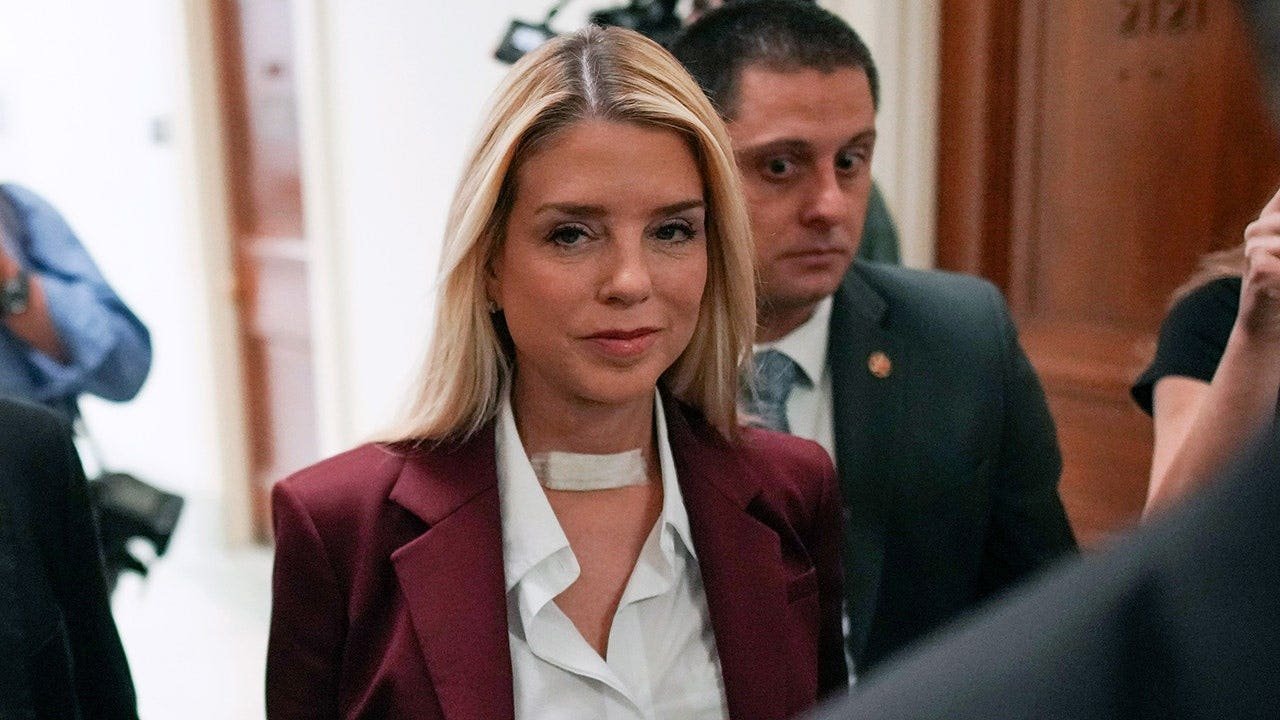
Former U.S. Attorney General Pam Bondi arrives to testify at a closed-door interview with the House Oversight Committee on Capitol Hill on May 29, 2026, in Washington, D.C. (Andrew Harnik/Getty Images)
«These investigations span FOUR administrations, dating back to the Bush administration and have gone on through the Obama administration, the first Trump administration, and the Biden administration. The only time federal prosecutors were permitted to launch investigations against Epstein and Maxwell was when President Trump occupied the White House. Only under President Trump were 3 million Epstein related documents released,» Bondi said, according to her prepared remarks.
The former attorney general further described «an enormously complicated and labor-intensive process.»
«To the best of my knowledge, the Department produced everything required under the Epstein Files Transparency Act. Our diligent and good faith effort to collect materials ensured that all potentially responsive documents that could be reasonably located would see the light of day,» she noted, according to the copy of her remarks.
«All Department components were directed to submit any potentially responsive records, resulting in a comprehensive review of millions of documents. As the head of a large Department with broad responsibilities, I did not lead every aspect of this effort or conduct that document review myself. I delegated oversight over this process to Deputy Attorney General Todd Blanche,» Bondi continue.
Blanche was appointed acting attorney general on April 2 after President Donald Trump announced Bondi’s departure. He is not considered Bondi’s permanent replacement as head of the DOJ.
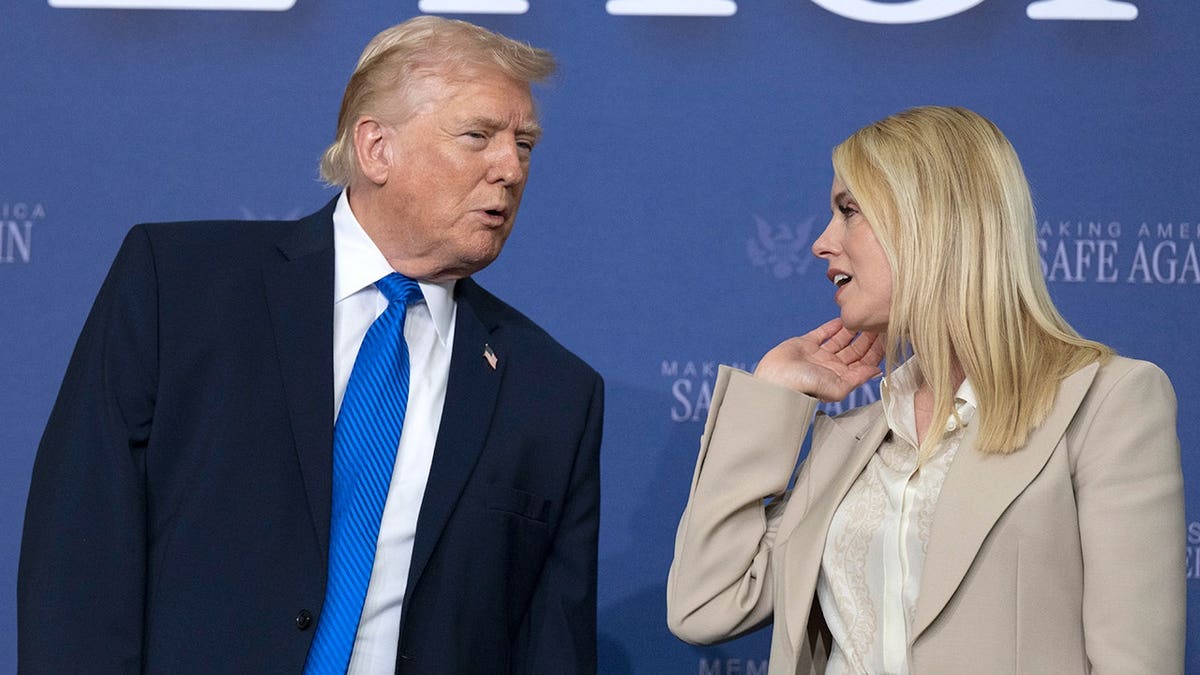
President Donald Trump interacts with then-U.S. General Attorney Pam Bondi as he took to the stage to participate in a roundtable discussion regarding the Memphis Safe Task Force (MSTF) in combating violent crime at the Memphis International Airport on March 23, 2026 in Memphis, Tenn. (Roberto Schmidt/Getty Images)
Bondi told the committee on Friday that «the team of professionals who reviewed all of the materials that we collected assured me the only materials that were withheld were either non-responsive, privileged, or duplicative.»
«Although not required by the Act, the Department has given Congress access to unredacted, duplicative materials in the Reading Room in an effort at maximum transparency,» Bondi said.
«There were redaction errors,» she continued. «But since day one of this process, this Department has been committed to accountability and transparency. Our stance has always been that the Department stands ready to review any potential evidence of criminal activity related to Epstein and his associates and would pursue appropriate investigative or prosecutorial action wherever the facts and law warrant.»
FORMER PRINCE ANDREW, SARAH FERGUSON DUBBED ROYAL FAMILY’S ‘BONNIE AND CLYDE’ AS EPSTEIN FALLOUT GROWS: AUTHOR
«I would like to repeat what I shared before the House Judiciary Committee in February: I have spent my entire career fighting for victims and I will continue to do so. I am deeply sorry for what any victim has been through, especially as a result of that monster. If they have any information to share with law enforcement about anyone who has hurt them or abused them, the FBI is waiting to hear from them,» Bondi’s opening statement said.
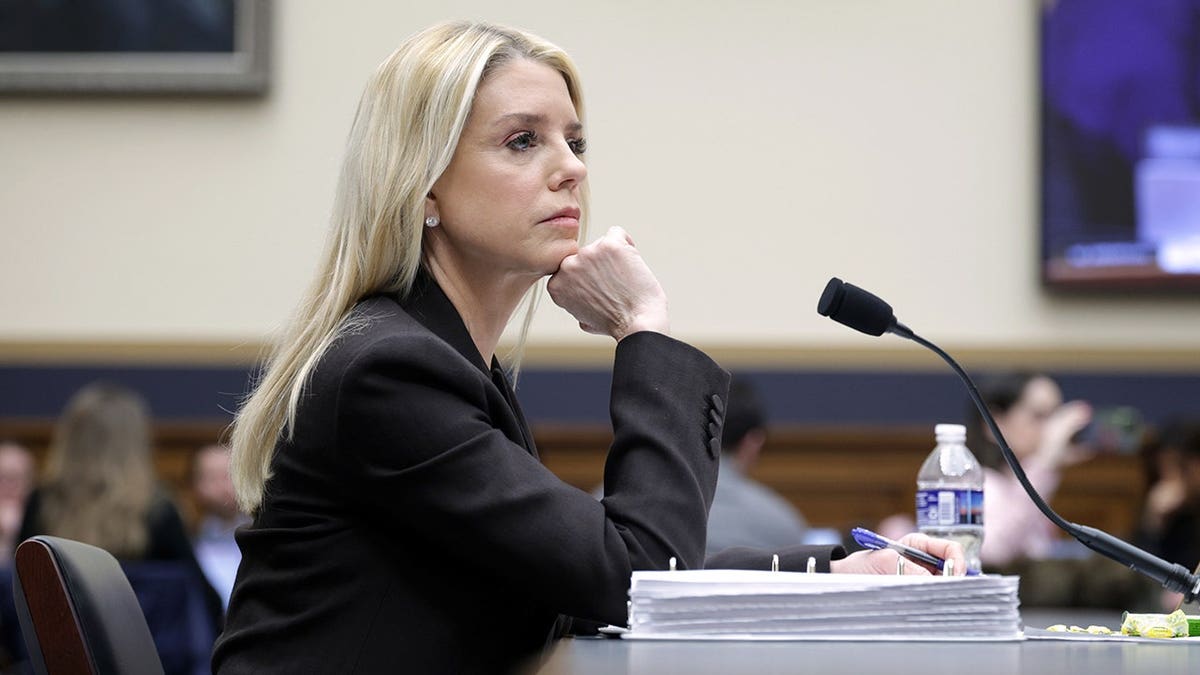
Then-U.S. Attorney General Pam Bondi testifies before the House Judiciary Committee in the Rayburn House Office Building on Feb. 11, 2026 in Washington, D.C. (Alex Wong/Getty Images)
CLICK HERE TO DOWNLOAD THE FOX NEWS APP
«The bottom line is: justice and transparency in this matter have been delivered at the direction of President Trump and his administration,» she asserted.
Bondi was diagnosed with thyroid cancer shortly after departing the Department of Justice last month, according to reports this week. Katie Miller, a former White House staffer and podcast host who is married to White House deputy chief of staff for policy Stephen Miller, reposted an Axios report on X on Tuesday.
«Pam has been quietly kicking cancer’s ass the last few weeks,» she wrote.
politics, pam bondi, jeffrey epstein, justice department, donald trump








NEWYou can now listen to Fox News articles!
Florida Attorney General James Uthmeier said he will be opening up an investigation into former National Institutes of Allergy and Infectious Diseases (NIAID) Dr. Anthony Fauci following Fauci’s explosive decision to invoke his Fifth Amendment right and not answer any questions during a congressional hearing Wednesday.
«Fauci’s lack of candor to Congress is unbelievable. My office is launching an investigation into Dr. Fauci. It’s past time we get the truth of what happened during COVID,» Uthmeier wrote in a Wednesday post on X.
Uthmeier further expanded on his decision in an exclusive statement to Fox News Digital.
FAUCI PLEADS FIFTH WITH ‘ZERO LEGAL JUSTIFICATION’ AS CRITICS ERUPT AND DEMAND CONTEMPT CHARGES
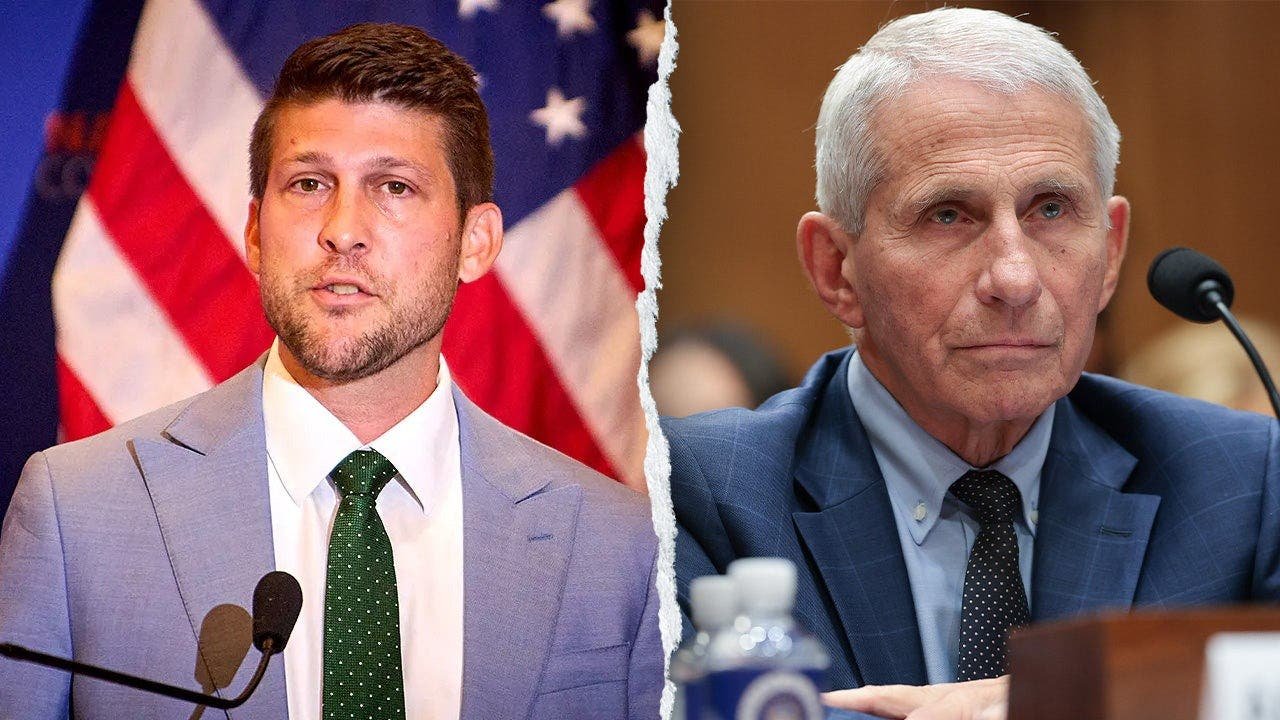
James Uthmeier spoke at the National Conservative Convention on Sept. 3, 2025, in Washington, D.C. (Dominic Gwinn/Middle East Images/AFP via Getty Images)
«In light of recent reports exposed by Senator Rand Paul, we will investigate any and all potential violations of Florida law involving Anthony Fauci,» Uthmeier told Fox News Digital.
«Our inquiry will focus on what Fauci knew, when he knew it, and how he misled the American people. We will examine the physical and monetary harms to Floridians that may have resulted from his deceptions and determine whether his conduct exposes him to liability under state law,» Uthmeier’s statement concluded.
Uthmeier cited revelations published by Senate Homeland Security and Governmental Affairs Committee Chairman Sen. Rand Paul, R-Ky., which revealed internal notes Fauci wrote on government computers during his time at NIAID.
FAUCI’S NEWLY RELEASED COVID DIARIES REVEAL BIZARRE FIXATION ON FAME AS PANDEMIC DEATHS MOUNTED
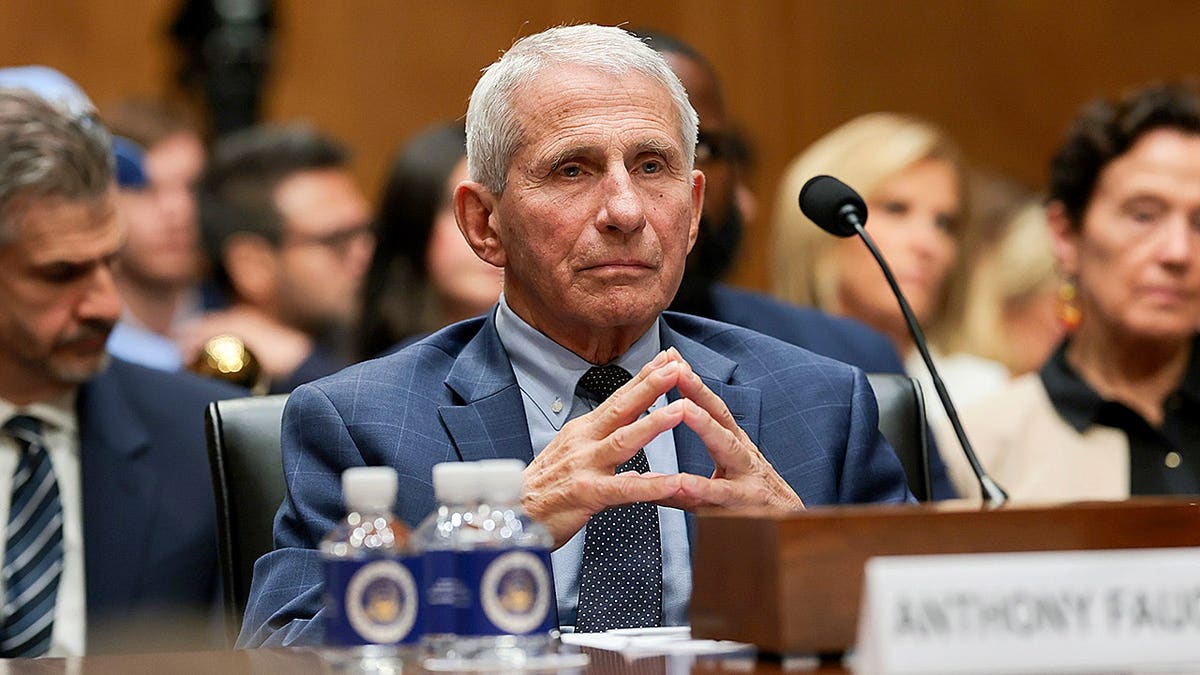
Former NIH Director Anthony Fauci listens during a Senate Homeland Security and Governmental Affairs Committee hearing on July 29, 2026, in Washington, D.C. Fauci declined to answer questions, asserting his Fifth Amendment right. (Anna Moneymaker/Getty Images)
The internal notes, which Paul and others have taken to referring to as Fauci’s «diary,» suggest Fauci appeared to publicly overstate the death rate from COVID-19 compared to what he wrote privately.
«[Former CDC Director] Tom Frieden called me this AM and we discussed various aspects of the outbreak,» Fauci wrote on Feb. 8, 2020.
«He and I are on the same page in thinking tht [sic] this is acting like a bad influenza in its transmissibility and that the denominator is much greater than 34,867 (above) making the case fatality rate (CFR) more like 0.2-0.3 % rather than 2.0%,» Fauci’s entry concluded.
However, a month later, in congressional testimony to the House Oversight Committee on March 11, 2020, Fauci pegged the mortality rate at 1%.
«I think if you count all the cases of minimally symptomatic or asymptomatic infection, that probably brings the mortality rate down to somewhere around one percent, which means it is 10 times more lethal than the seasonal flu,» he testified.
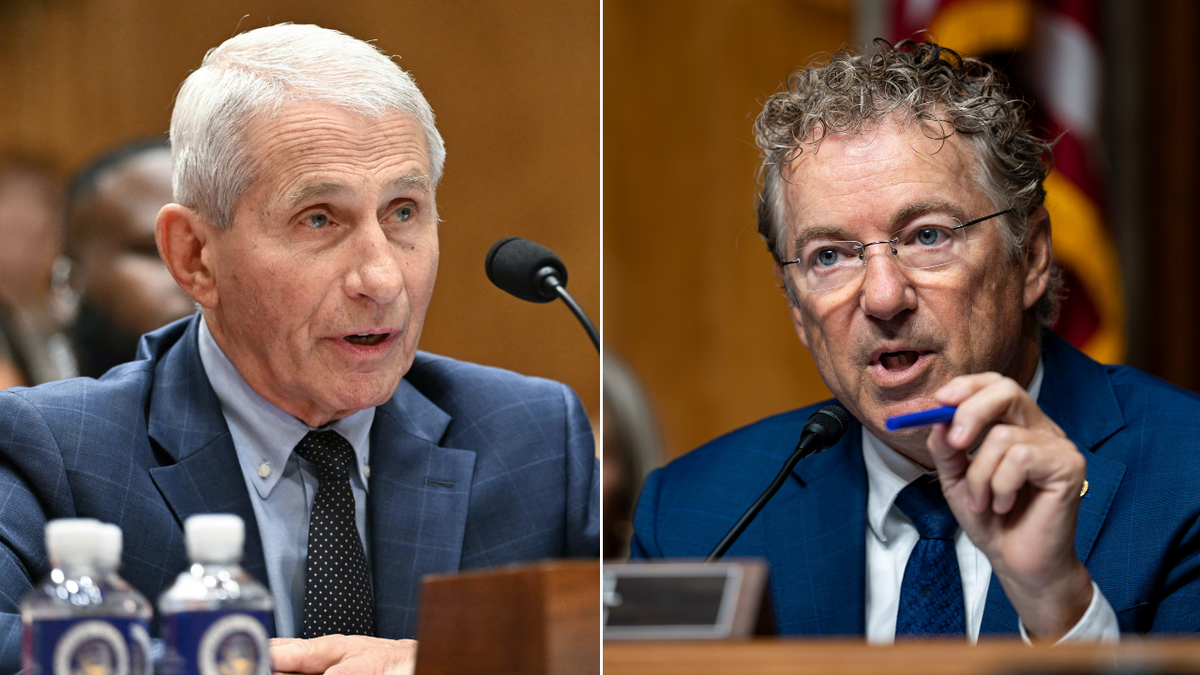
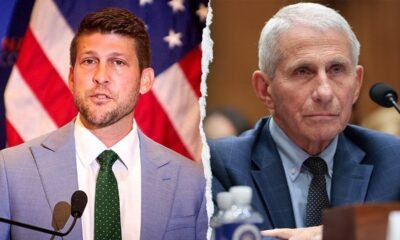
Anthony Fauci declined to testify in a Senate committee hearing on his role in the US response to COVID-19, invoking his Fifth Amendment rights. (Left (Alex WROBLEWSKI / AFP via Getty Images), Right (Al Drago/Bloomberg via Getty Images))
When called to testify on the revelations before the Senate Homeland Security and Governmental Affairs Committee on Wednesday, Fauci exercised his Fifth Amendment right and refused to answer legislators’ questions 111 times.
Uthmeier is not the only Republican to take aim at the former COVID czar Fauci in light of the revelations.
Sen. Ted Cruz, R-Texas, said Wednesday that Fauci should be held in congressional contempt for refusing to answer questions despite receiving a presidential pardon.
CLICK HERE TO DOWNLOAD THE FOX NEWS APP
«I think Anthony Fauci has had contempt for Congress and contempt for the American people for decades,» he said. «His diary shows that he deliberately lied to the American people over and over and over again,» Cruz said.
Paul, for his part, said his committee will vote on whether to hold Fauci in contempt next week.
investigations, anthony fauci, politics, florida, trending news

El Gobierno de Panamá aseguró que el país dejó atrás el desempleo de dos dígitos y que la recuperación del mercado laboral comienza a reflejarse en la economía de los hogares.
La ministra de Trabajo y Desarrollo Laboral, Jackeline Muñoz, afirmó que las cifras preliminares ubican la tasa de desempleo en alrededor de 9.1%, a la espera de la validación oficial del Instituto Nacional de Estadística y Censo (INEC).
Como respaldo a esa afirmación, el Ministerio de Trabajo reportó que entre enero y junio de 2026 se firmaron 174,383 contratos de trabajo, un crecimiento de 22.5% frente a los 142,391 registrados durante el mismo período del año anterior.
Sin embargo, la recuperación todavía no alcanza los niveles observados antes de la pandemia, ya que en el primer semestre de 2019 el país contabilizó 202,108 contrataciones, unas 27,700 más que las alcanzadas este año.

El incremento de las contrataciones estuvo impulsado principalmente por empleos de carácter temporal. Las estadísticas del Mitradel muestran que los contratos definidos, es decir, aquellos con una duración previamente establecida, concentraron 94.922 registros, equivalentes a más de la mitad de todas las contrataciones realizadas durante el semestre y un aumento de 23,3% respecto al año anterior.
A ellos se sumaron 38,394 contratos por obra determinada, modalidad que registró el mayor crecimiento porcentual al aumentar 33.1%, favorecida por la recuperación gradual del sector construcción.
En contraste, los contratos indefinidos, que ofrecen una mayor estabilidad laboral, ascendieron a 41,067, con un incremento de 12.4%, lo que evidencia que el mercado todavía genera una proporción importante de empleos de corta duración.
Muñoz sostuvo que los resultados responden a la reactivación económica y a la ejecución de proyectos públicos y privados que comienzan a traducirse en oportunidades de empleo.

La ministra recordó que durante 2025 se generaron alrededor de 63.000 nuevos puestos de trabajo y aseguró que la meta anunciada por el presidente José Raúl Mulino de crear 80,000 nuevos empleos es alcanzable.
Añadió que los sectores de contabilidad, logística, administración, comercio y automóviles encabezan actualmente la demanda de trabajadores, mientras que la construcción continuará siendo uno de los principales motores de contratación gracias al desarrollo de obras de infraestructura contempladas por el Gobierno.
También destacó que 936 jóvenes consiguieron una plaza laboral mediante el programa Mi Primer Empleo durante el primer semestre, mientras que 636 participantes ya cuentan con una vacante garantizada dentro de Mi Primer Empleo Agro.
Las cifras también reflejan importantes diferencias por sexo y región. Del total de contratos firmados durante el primer semestre, 117.898 correspondieron a hombres y 56.485 a mujeres, mientras que la sede central del Mitradel, que comprende principalmente la ciudad de Panamá, concentró 94,804 contrataciones.

Entre las provincias sobresalieron Panamá Oeste, con 13.345 contratos; Chiriquí, con 11.800; y Colón, con 9.130. El mejor desempeño mensual se registró en junio, cuando se firmaron 32.784 nuevos contratos, un aumento cercano al 39% frente al mismo mes del año anterior, lo que confirma la aceleración observada durante la primera mitad del año.
Pese a estos resultados, el mercado laboral panameño continúa enfrentando desafíos estructurales. La última Encuesta de Mercado Laboral del INEC, correspondiente a septiembre de 2025, situó la tasa de desempleo en 10.4%, equivalente a 227,302 personas sin trabajo, mientras que la informalidad alcanzó 47.1%, es decir, cerca de 785,000 personas laboraban sin contrato formal ni cobertura de seguridad social.
Aunque el Gobierno sostiene que el empleo formal mantiene una trayectoria de recuperación, el reto ahora será consolidar ese crecimiento mediante puestos de trabajo permanentes y recuperar el volumen de contrataciones que el país registraba antes de la pandemia, cuando el mercado laboral mostraba un mayor dinamismo y estabilidad.
contrato,laboral,acuerdo,negocios,firma,apretón de manos,empleo,oficina,carrera,profesional
INTERNACIONAL
Incendios en Europa: el fuego se extiende a Grecia y Gran Bretaña, y evacúan a los Clooney de su viñedo francés
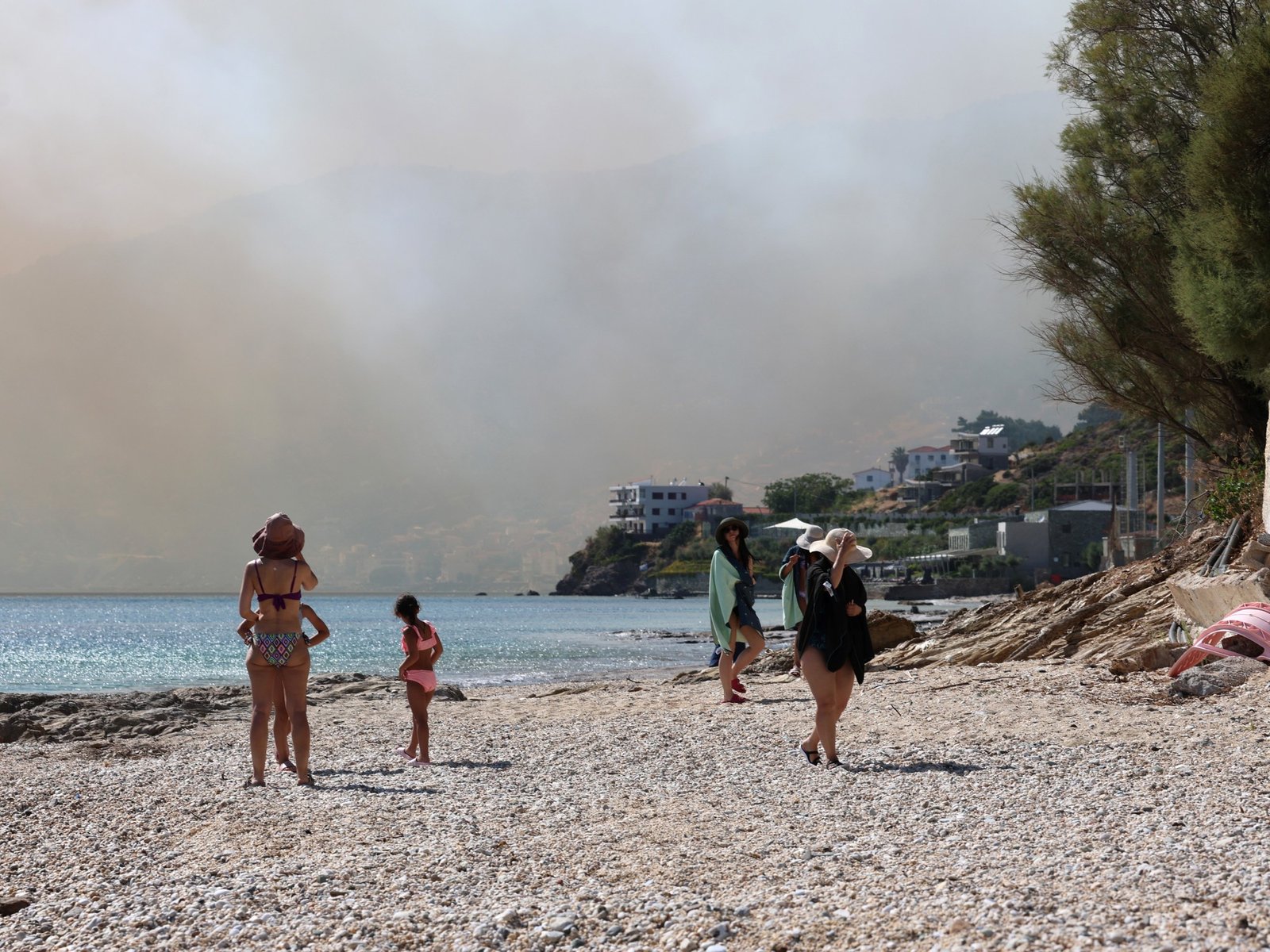
Incendios provocados en Francia
Incendio controlado en Francia

La advertencia de un alcalde de Gironda

Evacuación de los Clooney

Emergencia en Gran Bretaña

Situación en Grecia

Lula da Silva volvió a escalar la tensión bilateral con Javier Milei: “Ustedes vieron la payasada que vino a hacer”

Bombazo en la Premier League: Eddie Howe renunció a Newcastle tras cinco años y ya le buscan reemplazante

Reforma del BCRA: Milei prepara una cadena nacional “sanguinaria”, y estará acompañado por su equipo económico y sus “espadas” políticas

Florida AG threatens Fauci investigation after Senate hearing

Qué ver en Netflix: la miniserie de 7 episodios que es el plan ideal en la previa del fin de semana

UTEDYC acordó un esquema de aumentos con ajustes mensuales por inflación hasta el cierre de 2026

Crisis entre Milei y Lula: la trama política, personal y geopolítica detrás del mayor choque diplomático entre Argentina y Brasil

La pelea con Lula y el verdadero desafío que enfrenta Milei

San Isidro: la ballena que quedó varada en un banco de arena murió pese al operativo de rescate

Cómo manejar en el hielo y la nieve: técnicas y precauciones para usar el auto en la montaña en vacaciones de invierno

 POLITICA2 días ago
La pelea con Lula y el verdadero desafío que enfrenta Milei
- ECONOMIA2 días ago
Cómo manejar en el hielo y la nieve: técnicas y precauciones para usar el auto en la montaña en vacaciones de invierno
- ECONOMIA2 días ago
El BCRA cortó la racha de compra y en el mercado vuelan rumores de maniobras para frenar al dólar