INTERNACIONAL
Germany pledges to build Europe’s strongest army as NATO allies answer Trump pressure

NEWYou can now listen to Fox News articles!
This is part six of a series examining the challenges confronting the NATO alliance.
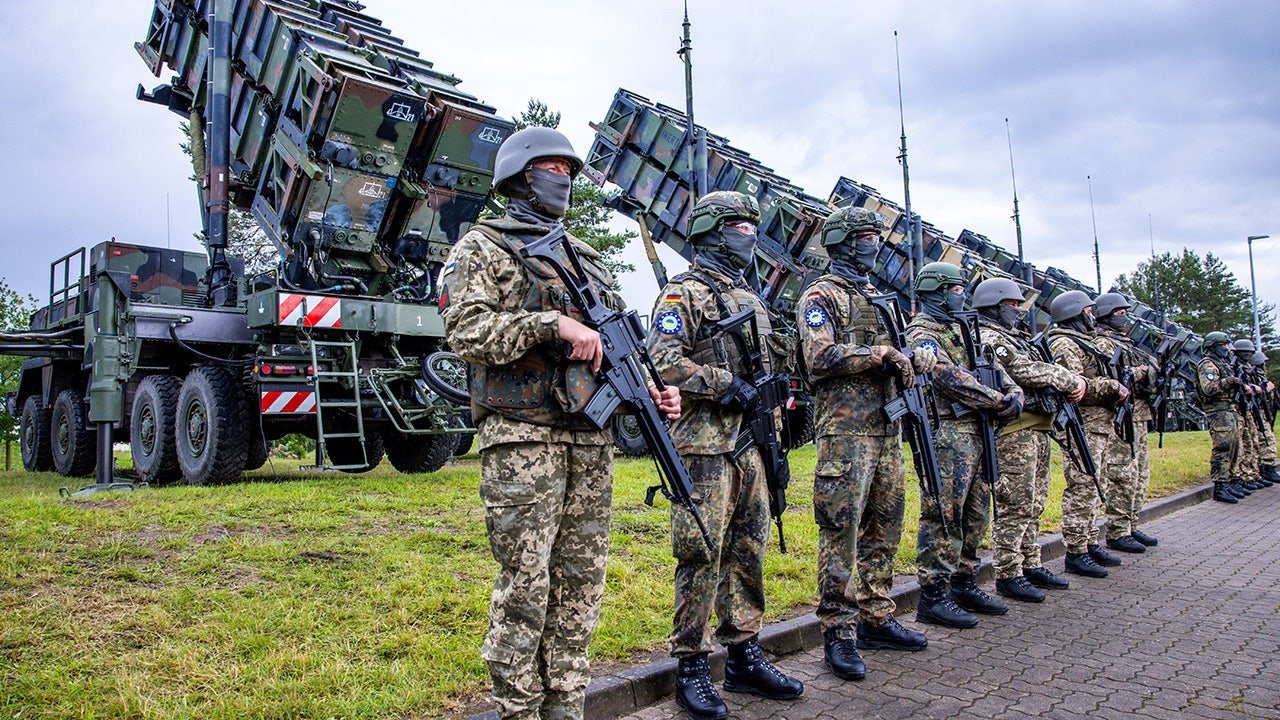
Germany is pledging to become a more powerful military force inside NATO, with Berlin’s ambassador to Washington telling Fox News Digital that the country is ready to assume greater responsibility for European security after decades in which the United States carried much of the alliance’s military burden.
«Germany is stepping up — we heard the call!» German Ambassador to the United States Jens Hanefeld told Fox News Digital in an exclusive interview.
Chancellor Friedrich Merz has said Germany’s armed forces should become the strongest conventional army in Europe, a goal Hanefeld said is now backed by Berlin’s new military strategy.
UK, GERMAN DEFENSE OFFICIALS DEFEND MILITARY BUILDUP UNDER RUSSIAN THREATS
Germany is pledging to become a more powerful military force inside NATO, with Berlin’s ambassador to Washington telling Fox News Digital that the country is ready to assume greater responsibility for European security. (Kira Hofmann/Photothek via Getty Images)
«Russia’s illegal war of aggression has shaken old certainties in Europe and Germany as the international rules we have relied on are being challenged,» Hanefeld said. «This changes the strategic environment we operate in.»
«Today, Germany is Ukraine’s largest supporter,» Hanefeld said in written answers. «Germany’s decision to become Europe’s strongest conventional army, well anchored in the NATO alliance, is an ongoing commitment.»
Germany’s historic military shift
The shift marks a historic turn for a country whose postwar military identity was built around restraint.
After World War II, West Germany was allowed to rearm only within a Western alliance framework, joining NATO in 1955 and building the Bundeswehr as a force embedded in collective defense rather than independent German power. For decades after reunification, Germany relied heavily on the U.S. security umbrella and often lagged behind NATO spending targets, feeding repeated American complaints that Europe’s largest economy was not pulling its weight.
Russia’s full-scale invasion of Ukraine in 2022 forced Berlin to begin rethinking that posture. Then-Chancellor Olaf Scholz called the shift a «Zeitenwende,» or turning point. Merz is now seeking to turn that phrase into a long-term military buildup.
In Germany, Hanefeld said, the changes underway are often described as a «Zeitenwende,» but he acknowledged that the transformation does not come easily given the country’s history.
GERMAN DEFENSE MINISTER SAYS MILITARY DRAFT COULD RETURN IF VOLUNTEER NUMBERS FALL SHORT
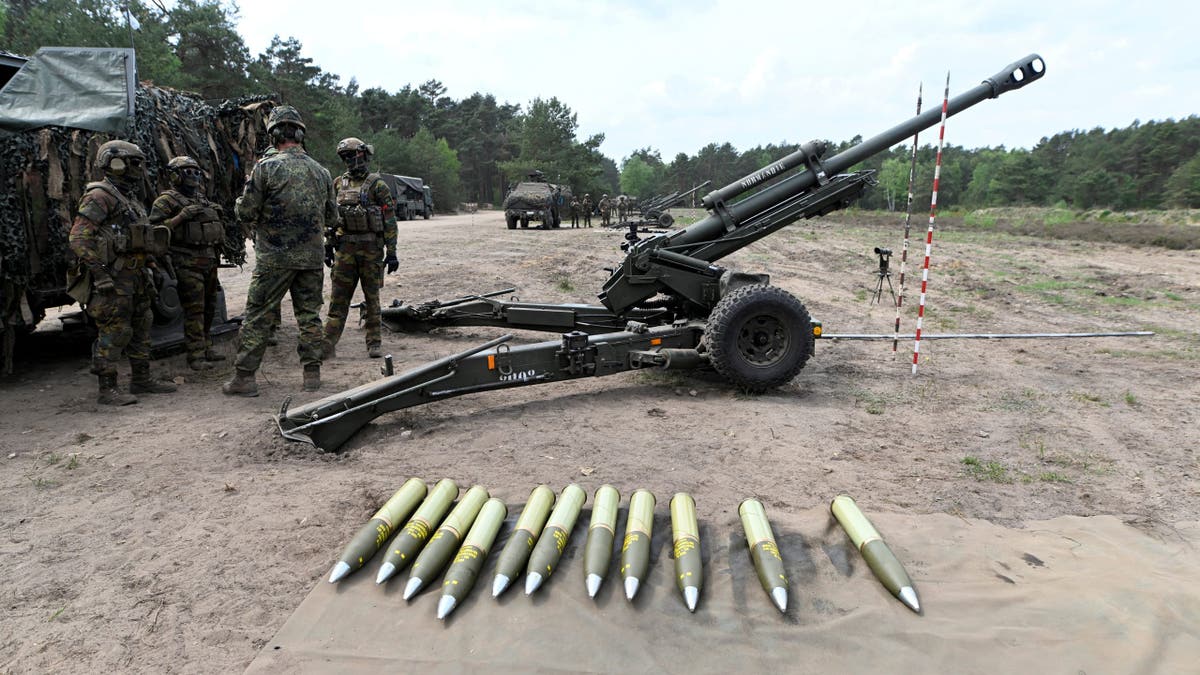
Ammunition for a howitzer is displayed during NATO training at a German army base in Munster, Germany, on May 10, 2022, involving up to 7,500 soldiers from nine nations. (Fabian Bimmer/Reuters)
Trump–Merz tensions complicate NATO politics
The effort is unfolding against a backdrop of public friction between President Donald Trump and Merz, a dispute that a U.S. defense expert warned could complicate critical decisions on deterring Russia.
The tension escalated after Merz criticized Washington’s handling of the Iran war, saying the United States was being «humiliated» by Iran’s leadership in negotiations and questioning the Trump administration’s exit strategy. Trump fired back by accusing Merz of being soft on Iran’s nuclear program, even though Merz has said Iran must not obtain a nuclear weapon.
The dispute quickly spilled into NATO politics. Trump later threatened to review possible U.S. troop reductions in Germany and said Merz should spend more time ending the war in Ukraine and «fixing his broken country» than commenting on Iran.
Then Merz added another irritant. Speaking to a young audience in Germany, he said he would not advise his children to live, study or work in the United States «today,» citing America’s changing social climate, while also saying he remained «a great admirer of America,» but «My admiration isn’t growing at the moment.»
GERMANY’S MERZ TO ‘ADAPT’ TO TRUMP DURING HIGH-STAKES MEETING ON TARIFFS, DEFENSE

President Donald Trump and German Chancellor Friedrich Merz met in the Oval Office at the White House in Washington, D.C., on March 3, 2026, to discuss issues including recent U.S. and Israeli strikes on Iran. (Win McNamee/Getty Images)
Retired Rear Adm. Mark Montgomery, a senior fellow at the Foundation for Defense of Democracies and former U.S. European Command official, told Fox News Digital that Merz was wrong to speak that way about Trump at a moment when Germany needs Washington’s support.
«Talking trash about the president at a meeting with school kids in Germany is not professional diplomacy, and especially a president who is well-known to be prickly as President Trump,» Montgomery said. «Germany is not the big country in this relationship, the United States is, and Merz needed to show more discipline as a national leader.»
Montgomery said those tensions risk affecting hard security decisions, including long-range strike capabilities in Germany.
He criticized recent U.S. moves to delay or potentially cancel a rotational deployment of long-range strike systems to Germany, which he said would have included Tomahawk, SM-6 or Precision Strike Missile capabilities. Reuters reported in May that Germany’s defense ministry said there had been no «definitive cancellation» of the deployment.
«Both of these are bad decisions being made by our Department of Defense,» Montgomery said. «These are weapons systems that are incredibly important to deterring Russia.»
He said the goal is not to fight Russia in Poland, the Baltics or the Suwałki Gap, but to prevent Moscow from attacking in the first place.
«And those long-range strike weapons are a big part of that. And I’m very disappointed in our Department of Defense,» Montgomery said.
A source with knowledge of the matter said that despite briefings about possible decreases in U.S. involvement, the U.S.–Germany defense relationship remains strong and cooperation remains close.
‘PUTIN IS PUSHING THE LIMITS’: EASTERN ALLIES WARN TRUMP NOT TO PULL US TROOPS
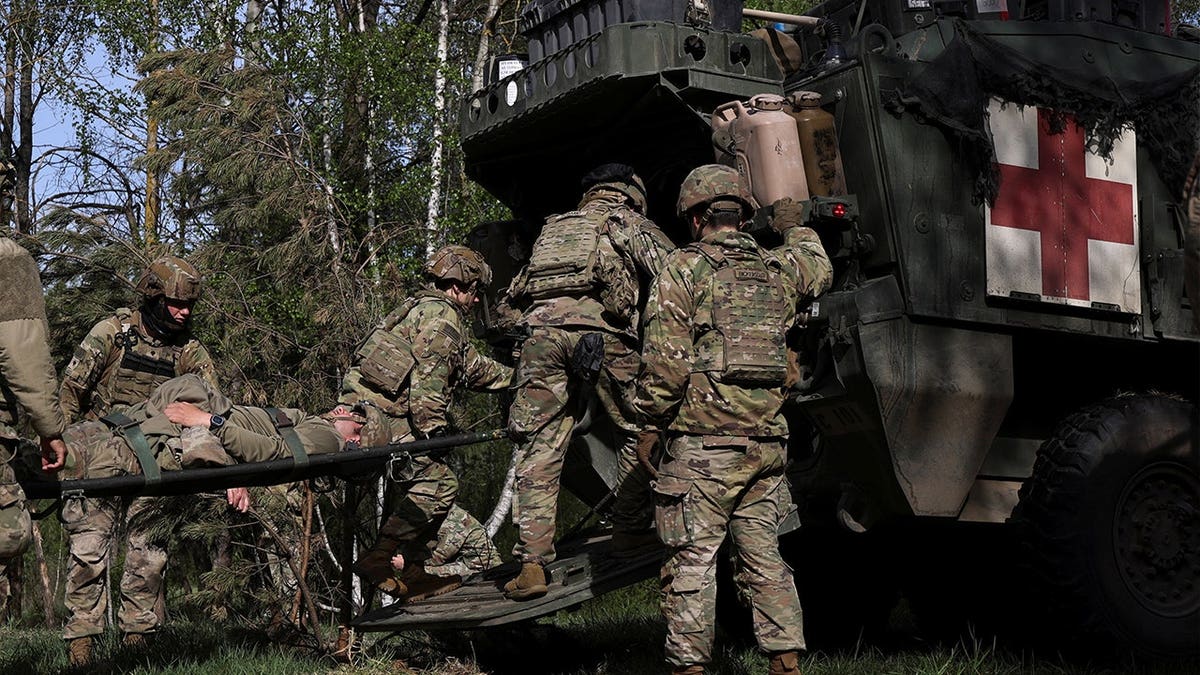
U.S. Army soldiers carry a simulated casualty into a MEDEVAC vehicle during NATO’s Sword 26 exercise, which tests new battlefield evacuation methods using drones and AI-assisted medical technology in Bemowo Piskie, Poland, May 11, 2026. (Kuba Stezycki/Reuters)
Europe’s future defense industrial base
«Germany developing a large, impressive defense industrial base is good for NATO, it’s good for Western security, and it’s even good for our primes,» Montgomery said, arguing that Germany, not Poland, France or the United Kingdom, is most likely to become the «beating heart» of Europe’s future defense industrial base.
Germany has long been central to the U.S. military presence in Europe. Hanefeld pointed to Ramstein Air Base, Landstuhl Regional Medical Center and the training area in Grafenwöhr as examples of Germany’s continuing importance to American power projection and NATO deterrence.
«These facilities serve U.S. national security interests and U.S. military personnel and further NATO’s ability to deter and defend,» he said. «I am confident: NATO will remain transatlantic at its core, but will become more European over the next decade.»
At the 2025 NATO summit in The Hague, allies agreed to invest 5% of GDP annually in defense and defense-related spending by 2035, including core military spending and broader security investments. Merz said at the time that the decision was meant to safeguard «freedom, security and prosperity,» according to the German government.
Hanefeld said Germany is already moving to meet that standard, saying Berlin will increase defense spending to 5% of GDP «well before» 2035 and recruit almost 100,000 new active-duty soldiers into the Bundeswehr.
He also pushed back against U.S. critics who argue that Germany and other European allies are still not carrying their fair share of the defense burden. Hanefeld said Germany has signed more than 380 contracts worth more than $33 billion with U.S. defense companies to procure and manufacture fighter jets, transport helicopters, air defense systems and ammunition.
«It’s a down payment on the transatlantic future and on our political commitment to shift the burden for deterrence and defense to Europe,» Hanefeld said.
TRUMP PUSHED NATO TO SPEND BIG — NOW COMES THE HARDER QUESTION: CAN EUROPE ACTUALLY FIGHT?

Sept 24, 2025; Augusta, Georgia, USA; H.E. Jens Hanefeld, Ambassador of the Federal Republic of Germany to the U.S., speaks during the Aurubis first melt ceremony at Aurubis Richmond. Aurubis is a metal recycling plant. (Katie Goodale – Augusta Chronicle/USA TODAY NETWORK)
Defending NATO’s eastern flank
One of Germany’s most visible commitments is its permanent brigade in Lithuania, expected to include around 5,000 German military and civilian personnel. The Bundeswehr says the force is intended to become fully operational for the defense of NATO’s eastern flank in the Baltic region within three years.
Hanefeld called the brigade one of Germany’s «signature efforts» to reassure Baltic allies that NATO «will defend every inch of allied territory.»
For Germany, the change is not only about money. It is a political and cultural break with decades of caution about military power. For the United States, it is also a test of whether the ally long criticized by Trump and other U.S. leaders for underspending can now become the European backbone Washington has demanded.
CLICK HERE TO DOWNLOAD THE FOX NEWS APP
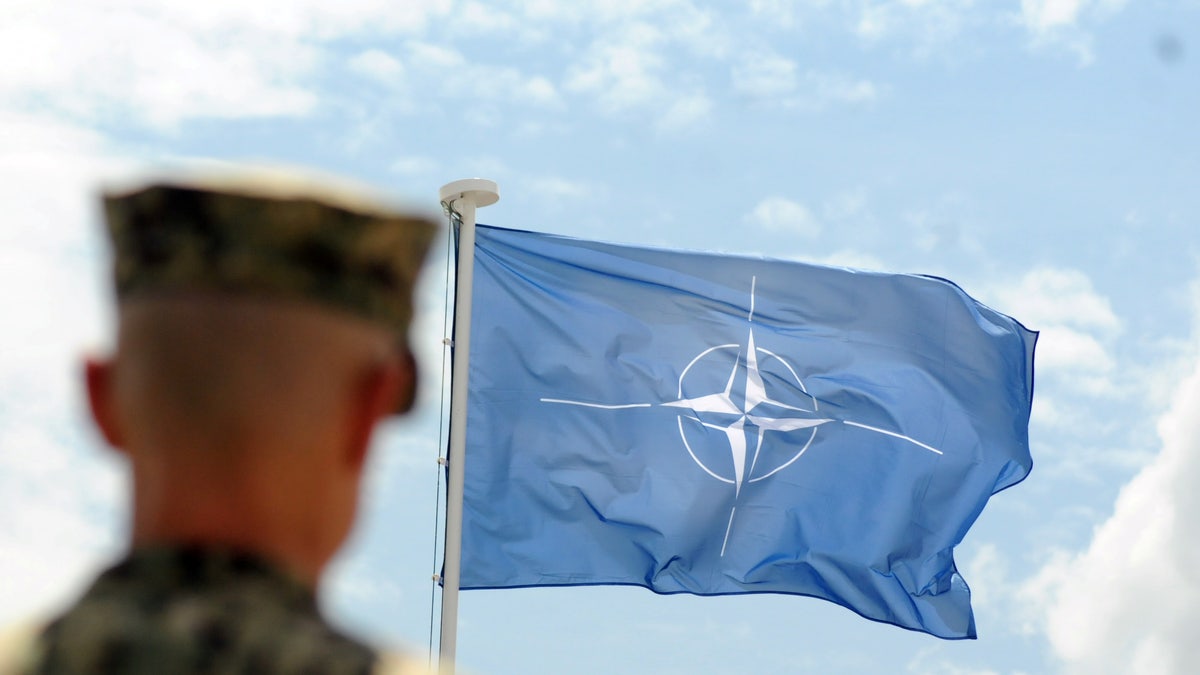
NATO peacekeeping mission KFOR marks its 20th anniversary during a ceremony in Pristina. (Laura Hasani/Reuters)
Hanefeld said that is exactly where Berlin intends to go.
«NATO will remain transatlantic at its core,» he said, «but will become more European over the next decade.»
nato, ukraine, germany, spending, military













NEWYou can now listen to Fox News articles!
Illinois Gov. JB Pritzker was dealt a major legal blow Friday after a federal judge gutted key state laws providing in-state tuition, financial aid and scholarships to illegal immigrants, marking another win for the Trump administration’s nationwide immigration agenda.
U.S. District Judge Stephen McGlynn, a Trump appointee serving in the Southern District of Illinois, sided with the Justice Department, ruling that Illinois’ in-state tuition policies, the RISE Act and the Illinois DREAM Act are «unconstitutional and invalid» as applied to illegal immigrants.
The ruling permanently prevents Illinois from enforcing the laws, although McGlynn delayed the order from taking effect for 14 days to allow the state to ask an appeals court to intervene.
JUSTICE DEPARTMENT SUES COLORADO OVER IN-STATE TUITION AND FINANCIAL AID FOR ILLEGAL IMMIGRANTS
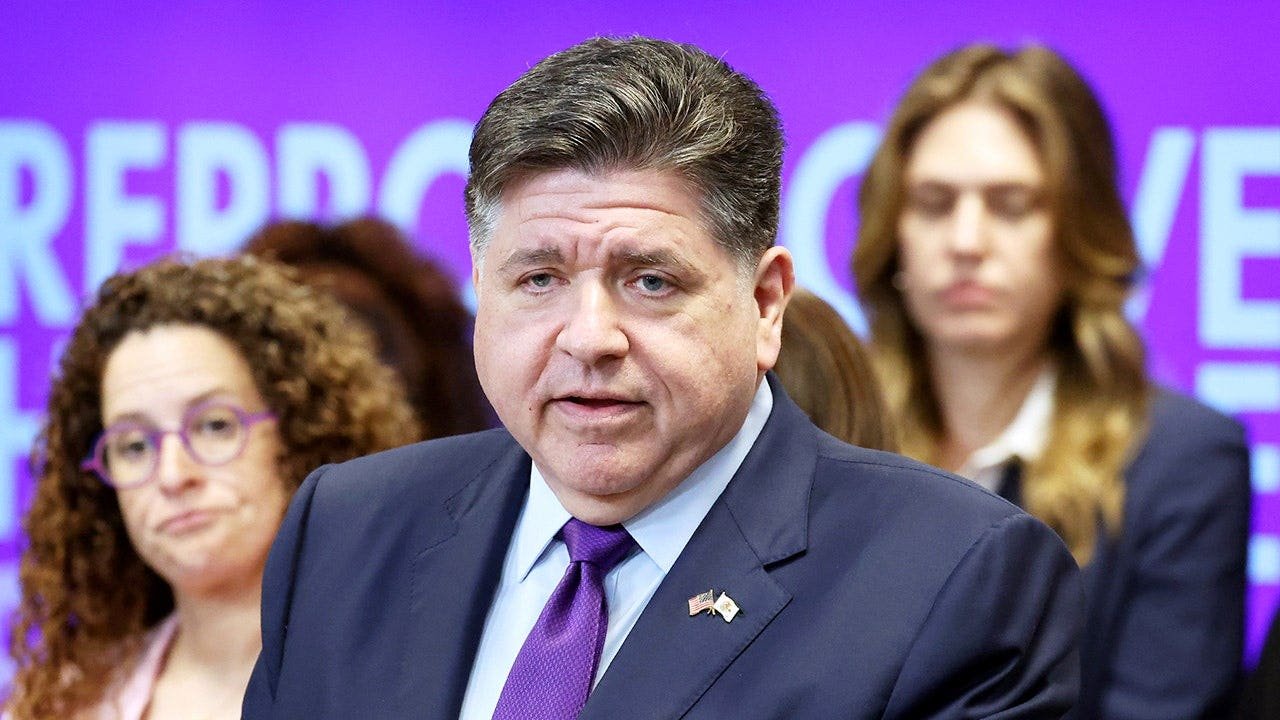
Illinois Gov. JB Pritzker holds a news conference in Chicago, Wednesday, June 24, 2026, to sign the Reproductive Health Records Privacy Act (HB 5295) into law. (Terrence Antonio James/Chicago Tribune/Tribune News Service via Getty Images)
U.S. Attorney Steven Weinhoeft celebrated the ruling.
«Illinois sought to incentivize illegal immigration on the taxpayer’s dime by treating illegal aliens better than U.S. citizens living in other states, in clear violation of federal law,» Weinhoeft said in a statement. «This ruling enforces the statute Congress wrote and stops the State from putting illegal aliens ahead of American citizens.»
The decision is the latest victory for the Trump administration’s effort to dismantle state laws extending higher education benefits to illegal immigrants and comes one day after the Justice Department filed a similar lawsuit against Colorado.
NEBRASKA ENDS IN-STATE TUITION BENEFITS FOR ILLEGAL IMMIGRANTS UNDER DOJ DEAL
The Justice Department filed the lawsuit against Illinois and a handful of colleges in September 2025, arguing that Illinois violated federal law by offering in-state tuition and financial aid to illegal immigrants without making those same benefits available to all U.S. citizens regardless of where they live.
McGlynn granted the federal government’s motion for summary judgment and denied Illinois’ motion to dismiss.
The ruling invalidates Illinois’ in-state tuition rules, the RISE Act, which provides access to state financial aid for certain students ineligible for federal aid, and the Illinois DREAM Act, which established scholarship opportunities for eligible students.
DOJ ESCALATES BLUE-STATE ICE STANDOFF AFTER STATES REFUSE KEY FEDERAL REQUEST
Rep. Mary Miller, R-Ill. praised the decision on X.
«This is a win for Illinois taxpayers and American students who were shut out while Pritzker prioritized foreigners in our country illegally,» Miller wrote.
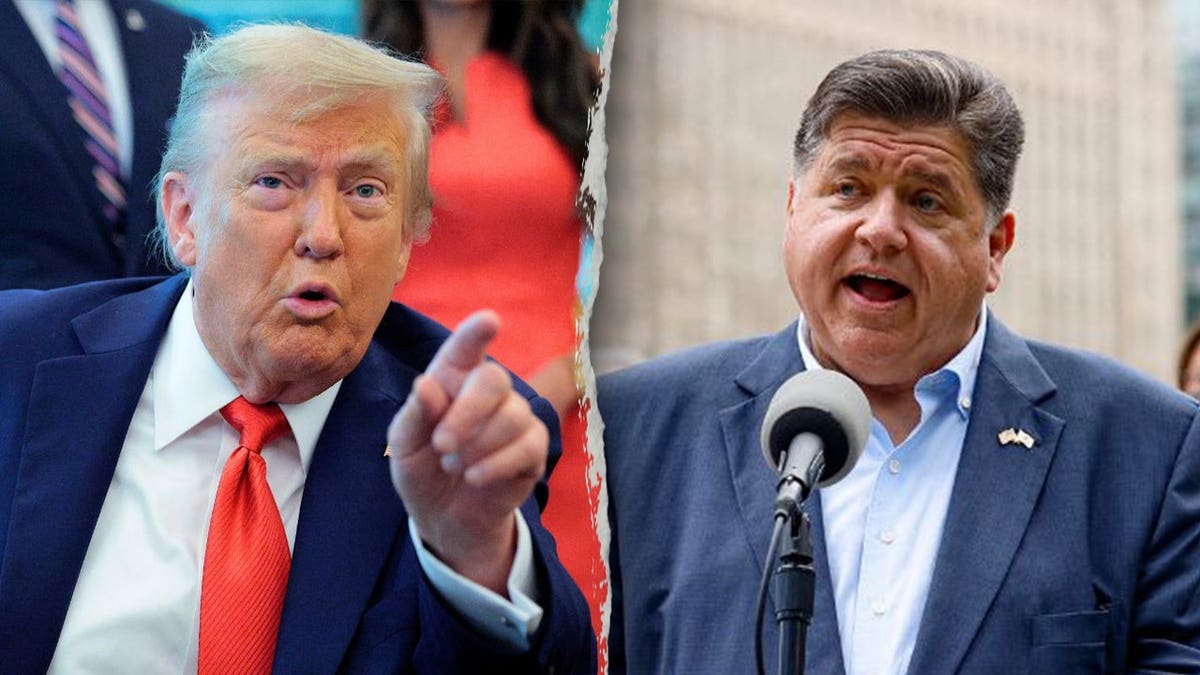
President Donald Trump and Illinois Gov. J.B. Pritzker side by side. (Chip Somodevilla/Getty Images; Kamil Krzaczynski/AFP via Getty Images)
The Justice Department has won or reached settlements in similar cases involving Texas, Kentucky, Oklahoma and Nebraska, with Nebraska agreeing to end in-state tuition benefits for illegal immigrants as part of a settlement. Lawsuits remain pending against Minnesota, Virginia, California, New Jersey, Kansas, Massachusetts, Rhode Island, Maryland and now Colorado.
In its lawsuit filed Thursday against Colorado, the Justice Department argued the state’s ASSET Act and related policies unlawfully provide lower tuition rates and state financial aid to illegal immigrants while denying those same benefits to out-of-state U.S. citizens.
«For three decades, Congress has made clear that Colorado cannot give education benefits to illegal aliens that it does not give to all American citizens,» Associate Attorney General Stanley Woodward said. «By granting illegal aliens in-state tuition, Colorado is not only violating federal law but subsidizing education for illegal aliens at taxpayers’ expense.»
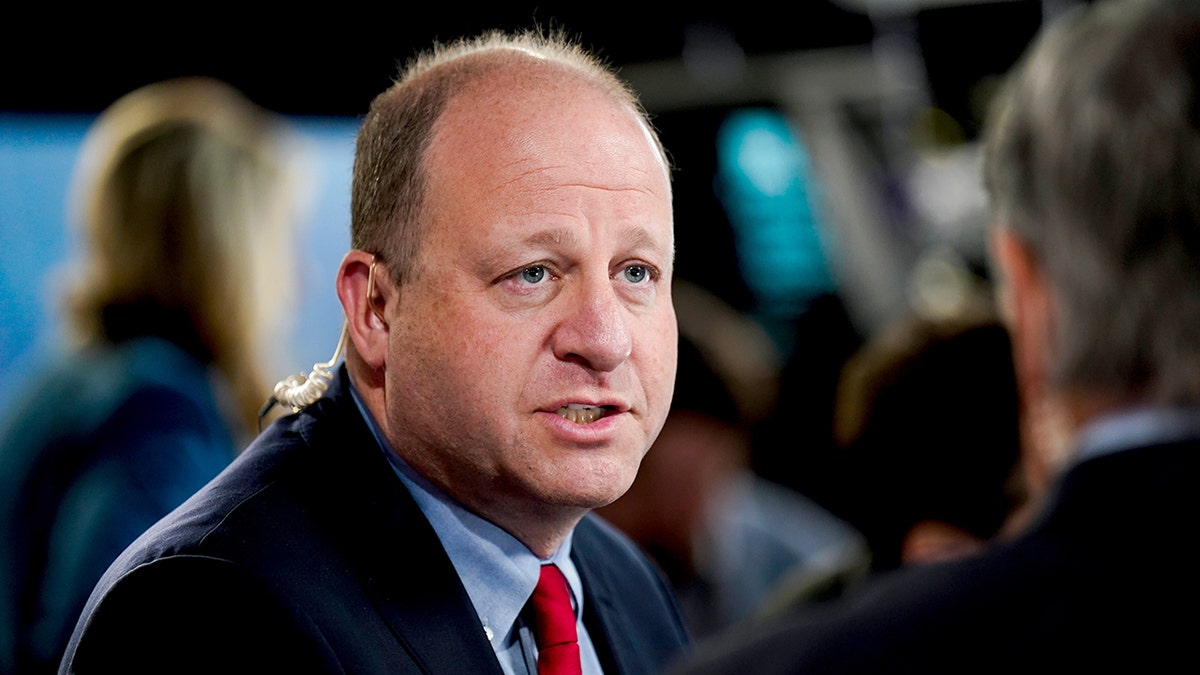
Jared Polis, governor of Colorado, speaks to members of the media in the spin room following the first vice presidential debate at the CBS Broadcast Center in New York, US, on Tuesday, Oct. 1, 2024 (Al Drago/Bloomberg via Getty Images)
«Our litigation efforts will not cease until we have fulfilled President Trump’s promise that illegal aliens will not obtain preferential treatment over our nation’s own citizens,» he added.
Colorado Gov. Jared Polis’ office defended the state’s policies.
CLICK HERE TO DOWNLOAD THE FOX NEWS APP
«The federal government seizing control of determining in-state tuition across the country is absurd,» a Polis spokesperson previously told Fox News Digital. «In Colorado, we are expanding access to education to provide students with the skills to get good-paying jobs and doubling down on strategies to save students money.»
Fox News Digital reached out to Pritzker’s office for comment.
illinois, illegal immigrants, immigration, education, federal courts, jb pritzker
INTERNACIONAL
“Atrapados en el infierno”: el drama de la población iraní en medio de la nueva escalada con Estados Unidos
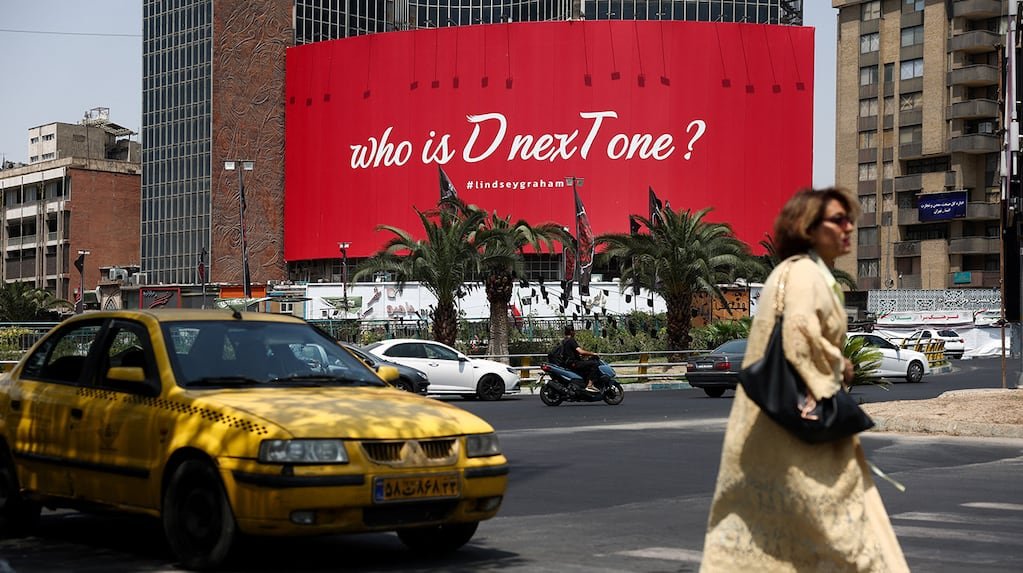
Un ritmo de guerra terriblemente familiar ha regresado para los iraníes: autopistas bombardeadas y una moneda en caída libre, publicaciones amenazantes del presidente Donald Trump en las redes sociales y una retórica incendiaria por parte de los gobernantes clericales de Irán.
Sin embargo, cuando Behnam, un músico desempleado en Teherán, llama a su familia o amigos para ver cómo están, nunca comienza hablando de la guerra. “La primera pregunta que nos hacemos unos a otros es: ¿Ya comiste?”.
Al igual que todos los iraníes entrevistados para este artículo, Behnam, de 38 años, pidió que no se usara su apellido por temor a represalias del gobierno de Irán. “Sinceramente, ha llegado a un punto en el que solo pensamos en sobrevivir”, dijo.
Atrás quedaron las charlas motivacionales de los familiares sobre encontrar trabajo, dijo, a medida que el desempleo se sigue disparando. Muchos iraníes han archivado sus planes de reparar edificios o reconstruir vidas devastadas por la guerra. Planear para el futuro parece un lujo absurdo cuando los amigos empobrecidos solo pueden permitirse comprar arroz por tazas y cuando Estados Unidos e Irán intercambian ataques contra sitios militares, puertos y plantas desalinizadoras de agua en toda la región.
Durante más de un año, los iraníes han estado atrapados en un ciclo constante de ataques aéreos, represiones de seguridad interna y devastación económica. Un breve alto al fuego alcanzado el mes pasado con Estados Unidos trajo un leve respiro ante la caída de las bombas, aunque no frente al desplome de la economía.
El desmoronamiento del acuerdo en las últimas semanas volvió a sumir al país en la guerra. Muchos iraníes se han quedado con la sensación de que sus vidas están en pausa o ya no les pertenecen.
“Ya no tengo control sobre mi vida”, dijo Behnam. “Nuestro destino está en manos de quienes no piensan en la gente común”.
Leé también: Medio Oriente entra en una nueva etapa marcada por el avance de los nacionalismos
Este ciclo de crisis ha plagado a los iraníes desde la guerra de 12 días de Estados Unidos e Israel que golpeó al país en junio del año pasado. A raíz de ello, el gobierno impuso un apagón de internet nacional que duró meses, citando preocupaciones de seguridad nacional. Eso hizo que la tambaleante economía cayera en picada.
Luego, una crisis monetaria en diciembre desató protestas antigubernamentales que se convirtieron en un movimiento en todo el país. Estas fueron aplastadas en enero durante una represión más feroz que cualquier otra que Irán hubiera experimentado en décadas, que dejó miles de muertos y al país amargamente dividido.
Semanas después, Trump y el primer ministro de Israel, Benjamin Netanyahu, anunciaron su guerra contra Irán y la describieron como una oportunidad única histórica para derrocar a los gobernantes autoritarios del país. Aviones de combate estadounidenses e israelíes bombardearon Irán, destruyeron infraestructura y mataron al líder supremo y a miles de civiles. Pero el régimen teocrático del país se mantuvo intacto, envalentonado por su supervivencia.
Asal, una comerciante de 20 años en una ciudad cercana a Teherán, estuvo entre los miles que participaron en las protestas de enero. Al romper a llorar mientras describía el arresto y la tortura que, según dijo, ella y sus amigos experimentaron, Asal dijo que alguna vez tuvo la esperanza de que la intervención de Estados Unidos e Israel ayudara a derrocar al régimen.
“Trump nos dijo que quería salvarnos, pero no era cierto”, dijo. “Lo que sea que pase en el futuro ya no me importa”. El humo se eleva tras una explosión en un lugar desconocido, durante lo que, según el Mando Central de EE.UU. (CENTCOM), son ataques contra objetivos militares iraníes, en esta captura de pantalla tomada de un video difundido el 23 de julio de 2026. (Foto: REUTERS)
Según algunos iraníes, a su malestar se sumaba el hecho de presenciar cómo sus seres queridos intentaban superar las adversidades económicas solo para ver sus pequeñas victorias aplastadas por la siguiente crisis.
Farzad, un diseñador web en Teherán, dijo que, en la recesión tras la guerra de 12 días, una amiga de la familia había empezado a vender encurtidos y mermelada casera a través de Instagram para complementar su pensión, que ya no era suficiente. Su otrora próspero negocio colapsó durante el apagón de internet, el cual el gobierno impuso durante la represión de enero y los primeros meses de la guerra.
Algunos iraníes dijeron en entrevistas que los precios se habían vuelto tan altos que estaban prescindiendo de la atención médica, o comprando vitaminas para reemplazar las frutas y verduras en su dieta porque eran más baratas.
“Deja de lado las estadísticas”, dijo Farzad. Cuando se trata de medir la crisis económica, dijo: “la conocemos con nuestros propios cuerpos, con nuestra experiencia vivida”.
Incluso cuando los bombardeos disminuyeron esta primavera, los iraníes se enfrentaron a nuevas humillaciones. Su gobierno continuó con la represión contra la oposición, lo que incluyó una ola de ejecuciones de los manifestantes de enero e incautaciones de propiedades de los disidentes. El mes pasado, unos ciberataques cerraron tres de los principales bancos de Irán, según las autoridades. Millones de iraníes perdieron repentinamente el acceso al poco dinero que tenían.
Para cuando se había resuelto el caos bancario, el país estaba de nuevo en guerra.
Los partidarios del gobierno de Irán argumentan que el país no tiene más remedio que seguir la lucha.
“Todo tiene un precio”, dijo Hossein, quien dirige un negocio en línea desde la ciudad portuaria de Bandar Abbas, la cual ha experimentado un intenso bombardeo estadounidense en la última semana. “Enfrentarnos a Estados Unidos y preservar nuestra independencia es mucho más valioso que convertirse en otro país de la región que simplemente dice que sí a todo lo que Estados Unidos quiere”.
Gran parte de los nuevos enfrentamientos se han concentrado en el sur de Irán. Farideh, de 51 años, ha quedado consternada por los bombardeos estadounidenses que han destrozado vías férreas y derribado puentes en su región, lo que ha dejado a algunos residentes varados durante días.
En la provincia sureña de Hormozgán, los ataques aéreos dejaron fuera de servicio redes eléctricas y una planta desalinizadora de agua, según Hamid Saed Panah, director de la compañía local de distribución de electricidad, y Ahmad Nafisi, vicegobernador de la provincia. Estados Unidos no ha comentado sobre estas afirmaciones.
Algunos residentes del sur dijeron que se habían quedado sin agua corriente y sufrían cortes de electricidad de horas de duración mientras tenían que soportar temperaturas que frecuentemente superan los 48 grados Celsius.
“Ha sido una experiencia extremadamente amarga y estresante, llena de desesperanza sobre el futuro”, dijo Farideh. Le costaba imaginar qué sería de la educación de sus hijos y con qué perspectivas profesionales se quedarían. “Desafortunadamente, nosotros, el pueblo, pagamos el precio de los errores y la terquedad de los gobiernos”.
Los leales a la república islámica acampan todas las noches en las calles de la mayoría de las ciudades, exigiendo que el gobierno continúe con la guerra en lugar de la paz y destrozando los nervios de aquellos iraníes desesperados por que la crisis termine.
“Las cosas se han puesto tan mal que todo el mundo ha perdido la cabeza por completo”, dijo Mohsen, dueño de un negocio en la ciudad central de Isfahán. “Estamos atrapados en el infierno y no hay salvación para nosotros”.
*Por Erika Solomon es la jefa del buró del Times para Irán e Irak. Sanam Mahoozi y Shirin Hakim colaboraron con reportería.
The New York Times, Irán, Estados Unidos
INTERNACIONAL
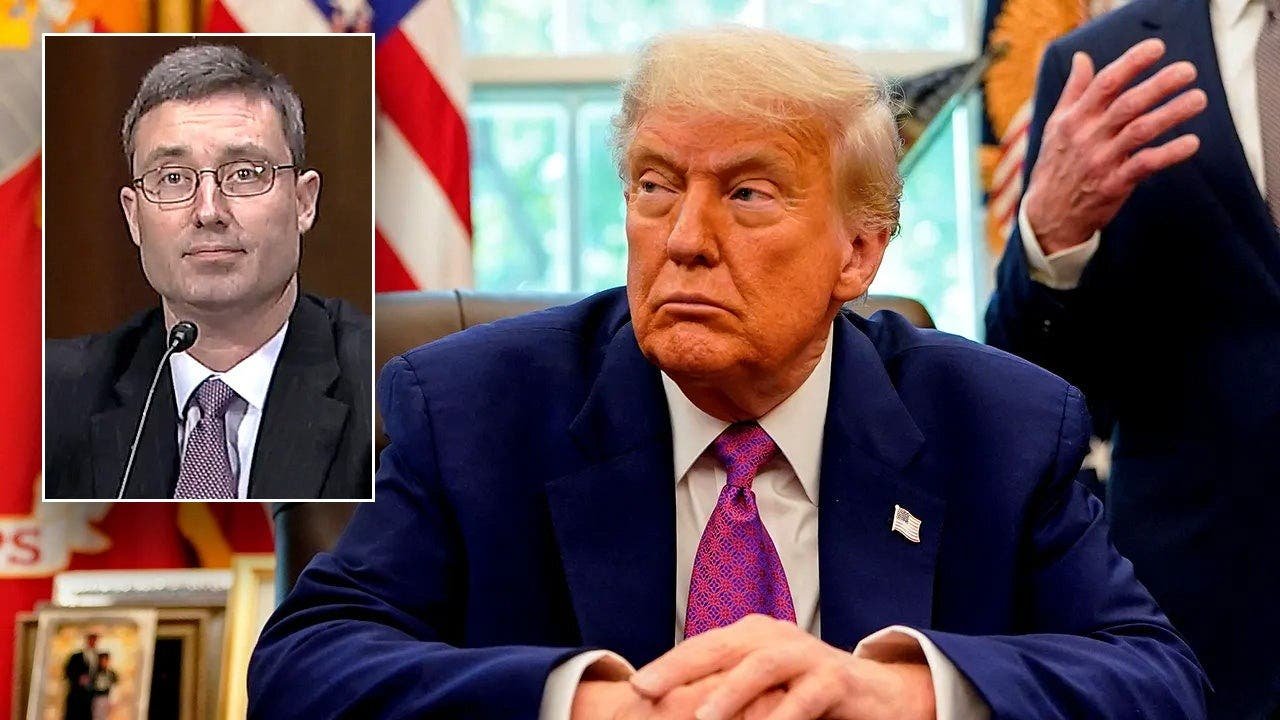
Biden judge blocking Ethiopian deportations despite SCOTUS ruling clashed with ICE before
NEWYou can now listen to Fox News articles!
A Biden-appointed federal judge on Friday became the second jurist in Massachusetts to block the Trump administration’s effort to end Temporary Protected Status for migrant groups, fueling a growing clash over whether lower courts are ignoring a recent Supreme Court ruling that narrowed their authority over such decisions.
U.S. District Judge Brian Murphy of the District of Massachusetts issued an administrative stay in African Communities Together v. Mullin, temporarily preserving TPS protections for Ethiopian nationals while the court considers whether plaintiffs may pursue constitutional claims in light of the Supreme Court’s June ruling. In a 6-3 decision in Mullin v. Doe, the Supreme Court significantly narrowed lower courts’ authority to block DHS decisions designating or terminating TPS.
Murphy’s ruling drew a swift response from DHS General Counsel James Percival, who accused him of «mutiny» against the Supreme Court and revived criticism of the judge’s May 2025 order halting a deportation flight to South Sudan. DHS blamed Murphy for leaving ICE officers stranded at a U.S. military base in Djibouti, where officials said they faced malaria exposure and the threat of rocket attacks from terrorist groups in neighboring Yemen.
U.S. District Judge Brian Murphy has temporarily blocked key Trump administration decisions to terminate Temporary Protected Status (TPS) (United States Senate Committee on the Judiciary/ REUTERS/Nathan Howard)
SUPREME COURT’S LATEST IMMIGRATION RULING WILL CAUSE AMERICANS TO ‘DIE AND SUFFER’ ATTORNEY WARNS
«Remember when that district judge rerouted a plane with child rapists headed for South Sudan? The judge made ICE land in Djibouti to face Malaria and terrorist rocket attacks from Yemen,» Percival wrote on X. «Fun fact: it was the very same Judge Brian Murphy who entered a lawless TPS order today!»
Murphy’s Friday order comes amid a months-long legal fight over the Trump administration’s effort to end Ethiopia’s TPS designation.
The litigation began after then-Department of Homeland Security Secretary Kristi Noem determined in December 2025 that conditions in Ethiopia no longer justified Temporary Protected Status and announced the designation would terminate. Under the department’s notice, Ethiopia’s TPS designation was set to expire after a 60-day wind-down period, with protections ending on Feb. 13, 2026, before Judge Brian Murphy intervened.
SUPREME COURT WEIGHS TRUMP EFFORT TO TERMINATE TEMPORARY PROTECTIONS FOR HAITIAN, SYRIAN MIGRANTS

U.S. President Donald Trump takes questions from the media during a bilateral meeting with President of Lebanon Joseph Aoun in the Oval Office of the White House on July 21, 2026 in Washington, DC. U.S. District Court Judge Patti Saris attends the opening ceremony for the Justice Stephen G. Breyer Community Learning Center on Courts and the Constitution at the federal courthouse in Boston, Massachusetts, U.S., March 25, 2025. (Kevin Dietsch/Getty Images; Brian Snyder/Reuters)
Earlier this year, Murphy sided with the challengers, granting their motion to postpone DHS’s termination of Ethiopia’s TPS designation after finding they were likely to succeed on claims that the department failed to follow the procedures Congress established for ending TPS.
But litigation was upended on June 25 after the Supreme Court ruled in Mullin v. Doe that lower courts generally cannot hear Administrative Procedure Act challenges to DHS decisions designating or terminating TPS. Since the Administrative Procedure Act formed the legal backbone of the plaintiffs’ challenge, the Trump administration argued Murphy’s injunction had been undermined and should be lifted.
However, the Supreme Court left open whether constitutional claims could still proceed, leading the plaintiffs to revise their complaint to focus on those arguments.
BLUE STATE LEADERS ERUPT AFTER SUPREME COURT’S DECISION ENDING TPS PROTECTIONS FOR HAITIANS, SYRIANS
Murphy’s ruling comes just hours after another judge in the District of Massachusetts, Senior U.S. District Judge Patti Saris, temporarily halted the Trump administration’s effort to terminate TPS for South Sudan. Saris issued an administrative stay preserving protections while she considers whether plaintiffs may amend their lawsuit following the Supreme Court’s ruling. Like the Ethiopia case, the South Sudan challenge was brought by African Communities Together along with individual TPS holders.
Saris said her order was simply meant to temporarily maintain the status quo while the court considers the case and was «not a ruling on the merits.»

A U.S. Department Of Homeland Security and U.S. Customs and Border Protection sign is displayed at the U.S. Customs and Border Protection Headquarters on May 18, 2025 in Washington, DC. (Kevin Carter/Getty Images)
The tandem rulings have led to calls for the Trump administration to ignore the lower courts’ ruling.
«These Democrat operatives in robes do not have the power to do this,» Mike Davis, a conservative legal activist and founder of the Article III Project, wrote on X. «The Supreme Court just made that crystal clear. So it’s time to ignore these clearly lawless orders.»
«These puny little district court judges have been overruled so many times by the supreme court, especially on immigration, I think it’s time for the president to take his constitutional oath seriously, and ignore them,» Ann Coulter, a conservative political commentator wrote on X.
Murphy has repeatedly clashed with the Supreme Court over the Trump administration’s immigration policies, with the justices twice siding with the administration in its challenge to his orders restricting deportations of illegal aliens to countries that are not their homelands.
CLICK HERE TO DOWNLOAD THE FOX NEWS APP
The Biden administration first granted Ethiopians Temporary Protected Status in 2022, declaring that war and a worsening humanitarian crisis had made it unsafe to return them to their home country. Then-DHS Secretary Alejandro Mayorkas pointed to ongoing armed conflict, widespread violence, human rights abuses, food insecurity, among the many reason as the basis for the designation. The protections took effect on Dec. 12, 2022, and were later extended through Dec. 12, 2025. DHS estimated approximately 26,700 Ethiopian nationals living in the United States could qualify for TPS.
Fox News Digital reached out to African Communities Together for comment.
judiciary, supreme court, kristi noem, federal courts, homeland security

Court checks Pritzker as Trump administration scores another immigration win

Un bróker de la City reveló cómo invertir $1 millón en bonos en dólares públicos y corporativos

Una policía de la fuerza porteña se suicidó en una comisaría de La Matanza mientras su ex novio la denunciaba por violencia

La despedida de Correa de Tigres antes del partido ante Barracas: «No todo fue fácil en el último tiempo»

Intentaron robar en la casa de Daniel Scioli en Villa La Ñata: hay dos detenidos y uno es un excustodio

Luisana Lopilato y Michael Bublé celebraron los 7 años de su hija Vida: “Verte crecer es un regalo hermoso”

Escándalo Mundial: Las presiones secretas, la amenaza de la FIFA por Malvinas y la verdad detrás del partido contra España

Jorge Berredo, general retirado de las FFAA, asumió como Secretario de Seguridad en San Isidro

Sin la anestesia mundialista, aflora la crisis del conurbano y Milei necesita reconectar con lo popular
Marc Stanley destacó el potencial de Vaca Muerta para “estabilizar la economía” y evitó hablar de política interna

 POLITICA3 días ago
Jorge Berredo, general retirado de las FFAA, asumió como Secretario de Seguridad en San Isidro
- POLITICA2 días ago
Sin la anestesia mundialista, aflora la crisis del conurbano y Milei necesita reconectar con lo popular
- POLITICA2 días ago
Marc Stanley destacó el potencial de Vaca Muerta para “estabilizar la economía” y evitó hablar de política interna