INTERNACIONAL
Grieving mothers scorch Dem lawmaker after he pivots during hearing to attack ‘MAGA Republicans’

NEWYou can now listen to Fox News articles!
A congressional hearing featuring the victims of crimes tied to illegal immigration erupted into a tense confrontation Thursday.
Rep. Hank Johnson, D-Ga., drew fierce backlash from grieving mothers and Rep. Brandon Gill, R-Texas, for appearing to dismiss their tragedies while pivoting to attacks on «MAGA Republicans.»
The fiery exchange happened during a hearing focused on «The Human Toll of Sanctuary Policies,» during which Johnson claimed the victims’ families’ comments were a «Steve Miller-approved» stunt with the sole purpose of «stir[ring] up passion and prejudice against immigrants who are people of color.»
SLAIN COLLEGE STUDENT’S MOTHER VOWS ‘FIGHT FOR JUSTICE’ AFTER ILLEGAL IMMIGRANT CHARGED IN CHICAGO KILLING
After offering brief condolences to the families of victims allegedly killed and critically injured by illegal immigrants, Johnson immediately pivoted to a partisan attack, arguing the committee should instead be holding hearings on the «human toll» of the «Trump MAGA tax cuts,» Trump’s foreign policy with Iran or the «cover up of the Epstein files.»
He went on to list a string of violent crimes committed by White men and noted the death of Renee Good, who was killed by federal authorities in January while protesting immigration enforcement.
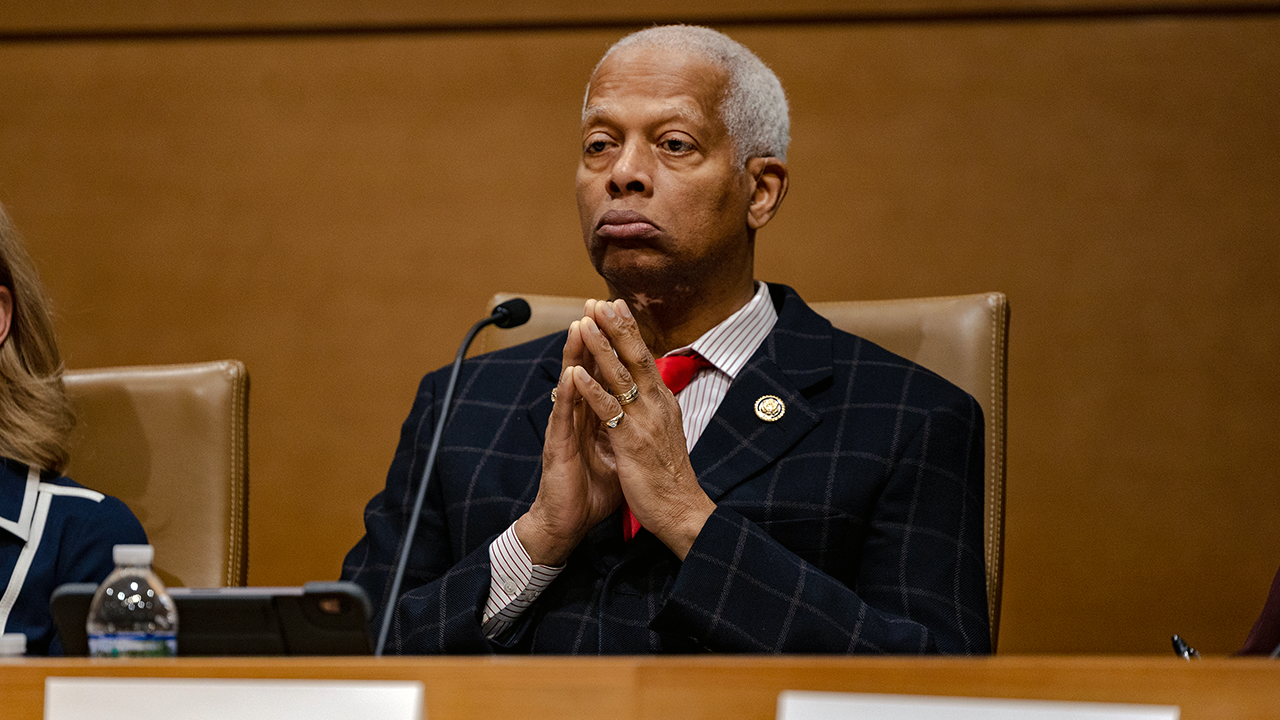
Rep. Hank Johnson, D-Ga., claimed during a congressional hearing Thursday that the victims’ families’ comments were a «Steve Miller-approved» stunt with the sole purpose of «stir[ring] up passion and prejudice against immigrants who are people of color.» (Jim Vondruska/Getty Images)
«I’m not minimizing the tragedy that is before us today with you three women, but the other tragedies at the hands of non-immigrants are just as important,» Johnson said.
He also accused the Republican majority of strategically «sandwich[ing]» a Democrat witness between the victims’ families for «dramatic effect.»
Gill fired back, calling Johnson’s tirade «one of the most disgusting testimonies I have ever heard» and blaming Democrat lawmakers for the tragedies during four years of open borders under the Biden administration.
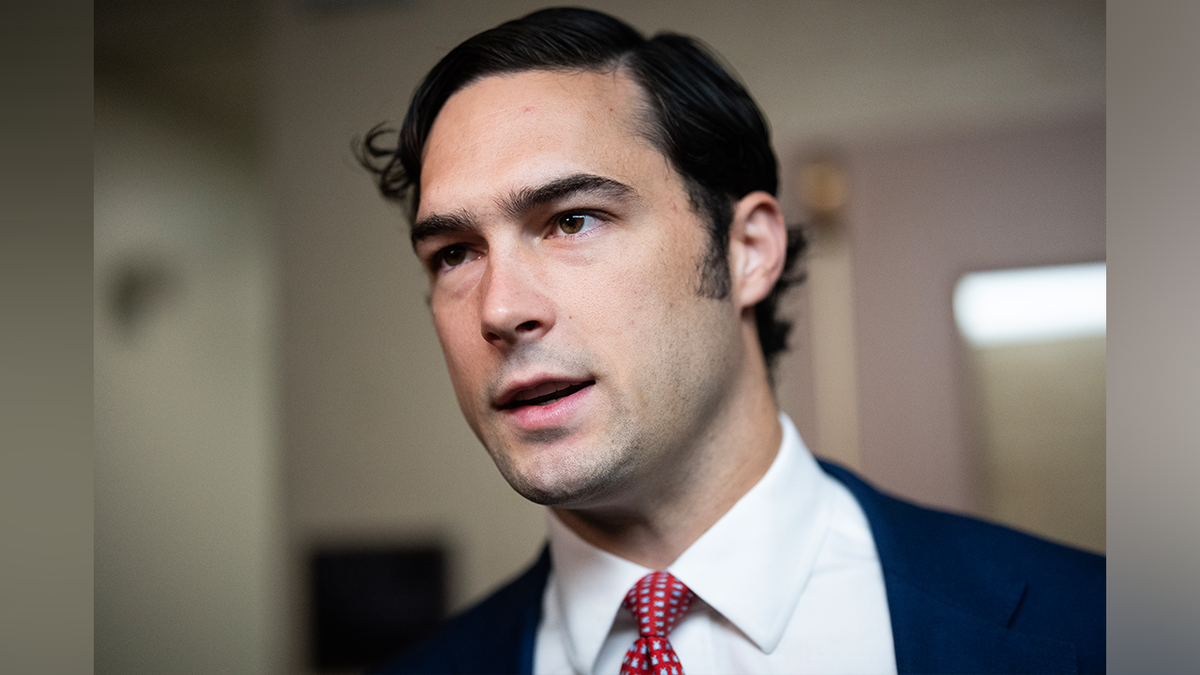
Rep. Brandon Gill, R-Texas, called Johnson’s tirade «one of the most disgusting testimonies I have ever heard.» (Tom Williams/CQ-Roll Call, Inc via Getty Images)
DHS SLAMS CALIFORNIA ‘SANCTUARY’ COUNTY AFTER MOM ALLEGEDLY MURDERED BY 2 HONDURAN NATIONALS
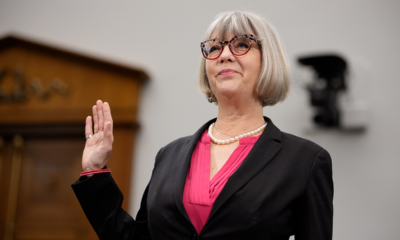
However, the most stinging reply to Johnson’s comments came from Jen Heiling, the mother of victim Brady Heiling, 18, who was killed along with his girlfriend, Hallie Helgeson, 18, in 2025, when an illegal immigrant from Honduras was allegedly driving the wrong way on I-90 while intoxicated, crashing into the teens’ car.
«You can put me in whatever order, in whatever seat. My tragedy is never going to be OK,» Heiling told Johnson. «Today’s our day. Hear us. Leave your butts in your seat. I don’t want to hear your butts.»
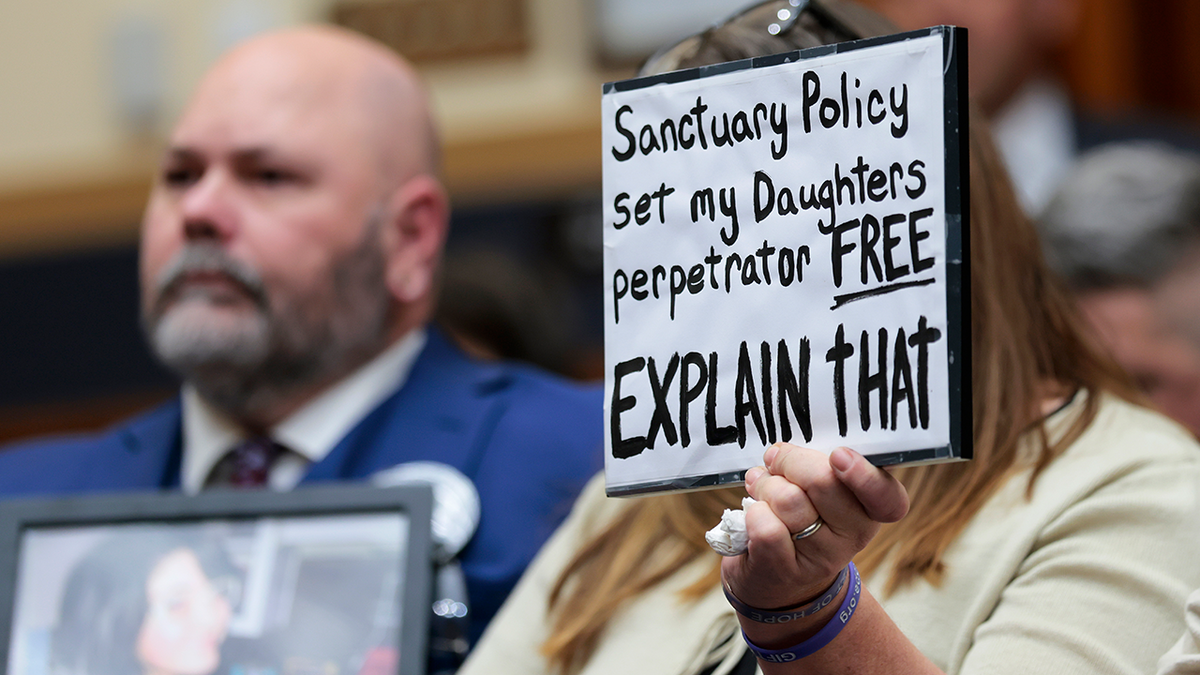
A woman holds up a sign that says «Sanctuary policy set my daughter’s perpetrator free, explain that» during a House Judiciary Committee hearing March 4 in the Rayburn House Office Building in Washington, D.C. (Heather Diehl/Getty Images)
She described how her 11-year-old and 16-year-old children are still waiting for the teens to come home, noting that her garage stall remains empty because her son’s car is still being held as police evidence.
«We can’t pick a headstone because that makes it too real. But you can sit here and tell us about what kind of hearing this should be,» Heiling said. «Renee Good is not the same as angel families. She made a choice. … Brady and Hallie didn’t get a choice. … They were living [by] American laws … and they were stolen by somebody who doesn’t care.»
CLICK HERE TO DOWNLOAD THE FOX NEWS APP
Patricia Fox, mother of Carissa Aspnes, who was seriously injured in a hit-and-run allegedly caused by an illegal immigrant, followed Heiling’s remarks by shooting back at Johnson’s comments about race, noting, «I don’t know if anybody has noticed, but I am not White. I wake up Brown every day.»
«I’m not sure what race has to do with any of this,» Fox said. «There’s four kids that we talked about today, and y’all can’t seem to stay on topic for what — an hour of your time.
«Today, we’re talking about sanctuary policies and how they have wrecked our families. Y’all come and y’all feed Carissa. You get her up from her bed using a crane, and then you tell me and lecture me what this hearing should be about.»
hearings house of representatives politics, migrant crime, democrats, illegal immigrants, republicans, politics











INTERNACIONAL
República Dominicana estrena su medallero en los Juegos Centroamericanos y del Caribe 2026 con plata en remo

La delegación de República Dominicana inauguró su medallero en los XXV Juegos Centroamericanos y del Caribe Santo Domingo 2026 al conquistar la medalla de plata en la prueba masculina de doble par de remos cortos ligero, gracias a la actuación de Carlos Rodríguez e Ignacio Vásquez.
La cita deportiva regional celebró su primera jornada de competencias oficiales en el Centro de Remo y Canotaje de la Presa de Rincón, en la provincia Monseñor Nouel, municipio Bonao. De acuerdo con el Comité Olímpico del país caribeño, la dupla dominicana finalizó en la segunda posición, solo superada por el bote venezolano integrado por José Guipe y César Amaris, que se quedó con el oro.
El bronce fue para México, representado por Rafael Mejía y Roberto Ahumada. La actuación de Rodríguez y Vásquez permitió a la delegación anfitriona subir por primera vez al podio y abrir oficialmente su cuenta de medallas en la justa regional, lo que fue destacado como un paso simbólico para el país caribeño.
La plata obtenida en el remo representa no solo un logro deportivo para República Dominicana, sino también un estímulo para el resto de la delegación anfitriona, llamada a protagonizar más actuaciones destacadas en las próximas jornadas del evento regional.

La ceremonia de apertura, realizada la noche de ayer, 24 de julio, dejó imágenes imborrables para el deporte dominicano. Uno de los momentos más emotivos se produjo cuando Félix Sánchez, doble campeón olímpico y referente del atletismo nacional, recibió la antorcha de los Juegos Centroamericanos y del Caribe Santo Domingo 2026.
El exatleta fue ovacionado por los presentes mientras portaba el símbolo de la competencia continental, y no pudo contener las lágrimas de alegría al recorrer parte del trayecto oficial del fuego deportivo.
Las imágenes del histórico deportista dominicano, visiblemente conmovido, circularon ampliamente en plataformas digitales y generaron muestras de respaldo de parte del público y las glorias del atletismo nacional. La emoción de Sánchez resumió el entusiasmo que despierta la organización del evento en territorio dominicano y la importancia de la cita para la identidad deportiva del país.
La organización de los Juegos Centroamericanos y del Caribe Santo Domingo 2026 implementó un amplio operativo de seguridad para garantizar el normal desarrollo de las competiciones y la tranquilidad de atletas, delegaciones y espectadores.
Más de 500 policías han sido desplegados en las distintas sedes, según confirmó la propia organización y entidad policial. Además, las autoridades locales indicaron que la presencia policial cubre tanto los escenarios deportivos como las áreas de alojamiento, transporte y espacios públicos vinculados al evento.
Esta medida busca evitar incidentes y asegurar que la cita regional se desarrolle en un ambiente seguro, con protocolos diseñados para responder a eventuales emergencias y situaciones imprevistas. La seguridad se ha convertido en uno de los ejes prioritarios para los organizadores, que esperan una afluencia constante de público durante los días de competencia.
La cita multideportiva reúne a delegaciones de más de 20 países, con la expectativa de jornadas de alto nivel competitivo y momentos de gran significado para atletas y aficionados. El operativo de seguridad y la organización de los escenarios deportivos forman parte de los factores que buscan consolidar a la capital dominicana como un referente para eventos regionales de esta magnitud.
La medalla de plata obtenida por República Dominicana marca el inicio de la participación nacional en los XXV Juegos Centroamericanos y del Caribe Santo Domingo 2026, en una jornada en la que el deporte, la emoción y la seguridad se convirtieron en protagonistas.
INTERNACIONAL
Alejandro Brullo, bombero que ayudó en Venezuela: «Se vuelve con las lágrimas en la mano, pero también con más experiencia y con la responsabilidad de que otros estén mejor preparados»
La televisión había mostrado el caos. Las imágenes recorrían el mundo desde hacía días y ninguno de los brigadistas ignoraba la dimensión de la tragedia. Sabían adónde iban. Sin embargo, cuando finalmente llegaron a la zona del desastre, entendieron que ninguna transmisión alcanzaba para explicar lo que encontrarían en La Guaira.
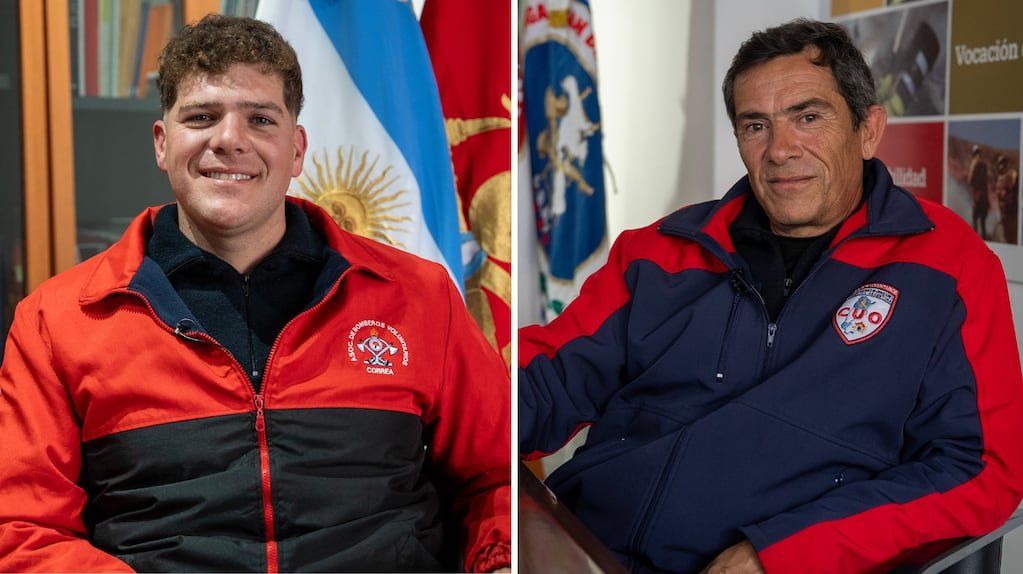
“Eran kilómetros y kilómetros y kilómetros de escombros”, dice a TN el comandante general Alejandro Brullo, director de Operaciones de la Federación Santafesina de Asociaciones de Bomberos Voluntarios.
Los sismos de magnitud 7,2 y 7,5 sacudieron el norte venezolano el 24 de junio y tuvieron su impacto más destructivo en el estado de La Guaira. El último balance oficial informó 3889 muertos, casi 17.000 heridos y 190 edificios colapsados.
Además, 6462 víctimas fueron rescatadas con vida y decenas de miles de familias necesitaron asistencia. En medio de esa devastación, equipos especializados de distintos países viajaron para colaborar en los operativos de búsqueda, entre ellos brigadistas argentinos. Los bomberos voluntarios de Santa Fe trabajando en pleno edificio derrumbado en La Guaira. (Foto: Prensa USAR)
Brullo fue el responsable de la delegación santafesina, integrada por 40 bomberos voluntarios pertenecientes a cuarteles de toda la provincia. Viajaron como parte de la brigada USAR ARG-15 para relevar a los primeros grupos argentinos desplegados en la emergencia.
No llevaron únicamente cascos, herramientas y uniformes: trasladaron más de seis toneladas de equipamiento técnico, además de alimentos, agua potable, insumos médicos y todo lo necesario para mantenerse de manera autosuficiente durante al menos una semana.
La notificación había llegado poco después de conocerse la magnitud de la catástrofe: en seis horas, los convocados debían presentarse en la sede de la Federación con la documentación y el equipamiento personal listo. Entre ellos estaba el cabo Alberto Ullua, integrante de la Asociación de Bomberos Voluntarios de Correa. Había un problema: no tenía pasaporte.

Alejandro Brullo, director de Operaciones de la Federación Santafesina de Asociaciones de Bomberos Voluntarios. (Foto: TN/Agustina Ribó)
Mientras sus compañeros se preparaban para viajar, inició un trámite urgente y quedó a la espera de saber si alcanzaría a formar parte del grupo. “Me hicieron sufrir hasta último momento. Cuando me llamaron para integrar los 40, fue como la convocatoria de Scaloni. Me importaba muchísimo poder estar ahí para ayudar”, cuenta.
Detrás de esa anécdota había una decisión más profunda. Ullua trabaja en una empresa de agroquímicos de su localidad y, como tantos bomberos voluntarios, tuvo que detener su vida cotidiana para responder a la emergencia. Algunos de sus compañeros pidieron vacaciones; otros intercambiaron guardias o necesitaron que alguien ocupara su puesto laboral. Él ya no tenía días disponibles. “Dije: ‘Me voy’. Por suerte, mi jefe me acompañó y otra persona tuvo que ponerse mi camiseta en el trabajo para cubrir el lugar que yo dejaba”, relata.
Al aterrizar en Venezuela, la ansiedad tuvo que transformarse rápidamente en disciplina. Había que descargar las herramientas, trasladarlas hasta La Guaira y montar una base segura desde la cual sostener un operativo que no se detenía. Los equipos trabajaban durante las 24 horas, divididos en turnos.

Cada intervención requería evaluar el riesgo de nuevos derrumbes antes de avanzar sobre las estructuras destruidas. (Foto: Prensa USAR)
Mientras algunos ingresaban en las estructuras derrumbadas, otros descansaban, preparaban alimentos, controlaban los generadores, revisaban las comunicaciones o acondicionaban las herramientas. Dormir también era una dificultad: durante el día, el calor volvía sofocantes las carpas; por la noche, la lluvia y el viento golpeaban el campamento.
Los primeros días, Ullua permaneció concentrado en la logística. Había que garantizar combustible, luz, comida y agua para todos. Cuando la base quedó organizada, comenzó a sumarse a los grupos que trabajaban sobre los edificios.
La remoción de escombros no consistía simplemente en levantar piedras. Cada fragmento podía sostener otro, cada movimiento podía modificar la estabilidad de toda la estructura y las réplicas agregaban un peligro permanente. “Es como un rompecabezas: tenés que evaluar qué mover y qué no, porque todo cambia mientras trabajás”, describe el bombero.
Leé también: “Yo sé que me escucharon”: el relato del único sobreviviente de una familia sepultada en el derrumbe de un edificio en Venezuela
A pocos metros de los brigadistas, las familias esperaban. No siempre sabían si la persona que buscaban estaba debajo de los restos, si había sido trasladada a un hospital o si permanecía desaparecida en otro punto de la ciudad. Esperaban una voz, un objeto, una señal mínima. “Se quedaban ahí, al costado de los escombros, aguardando alguna noticia. Eso te obliga a dar todo, a intentar devolverles todo lo que sea posible”, dice Brullo.
En uno de los tantos edificios derrumbados, una pareja esperaba encontrar a sus hijos. Cuando los bomberos llegaron, los padres estaban rezando ante el montículo de piedras. Se apartaron para dejar trabajar a la brigada, pero permanecieron cerca, observando cada movimiento y cada objeto que aparecía.
En la misma estructura, la hija del propietario buscaba alguna pertenencia de su padre. Ellos brindaban información sobre la distribución de los departamentos, los muebles y los lugares donde sus seres queridos podían haber quedado atrapados. Los equipos de búsqueda técnica y los perros marcaban los sectores prioritarios; después comenzaba una tarea lenta, física y precisa. Alberto Ullua, integrante de la Asociación de Bomberos Voluntarios de Correa. (Foto: TN/Agustina Ribó)
“Había calles donde manzanas enteras eran solamente escombros. Yo miraba y pensaba en la cantidad de posibilidades de vida que podía haber abajo”, recuerda Ullua. Sin embargo, asegura que ningún brigadista deja de creer. “La esperanza de encontrar a alguien con vida es la misma desde que salís de tu casa hasta que volvés. No hay un momento en el que decís: ‘Acá ya no queda esperanza’. Se trabaja hasta el último instante que determina el operativo”.
Esa esperanza sostuvo búsquedas extraordinarias. En La Guaira, los rescatistas llegaron a ordenar silencio absoluto alrededor de edificios colapsados para intentar detectar voces, vibraciones o señales de celulares. Equipos argentinos trabajaron junto con especialistas venezolanos, franceses y mexicanos. En algunos casos, los llamados de los familiares permitieron escuchar respuestas debajo de las estructuras y reactivar maniobras que estaban a punto de suspenderse.
En medio del dolor, los bomberos argentinos también encontraron una solidaridad que todavía los conmueve. Personas que habían perdido a los suyos se acercaban para ofrecerles el agua que guardaban para atravesar la tarde.
Otros trabajaban a su lado, removiendo restos de los mismos edificios donde buscaban a familiares y amigos. “Después de todo lo que habían vivido, verlos laburar a la par nuestra nos daba más fuerza. Era un impulso para seguir hasta completar el último minuto del turno”, señala Ullua.
Leé también: El drama de los chicos que quedaron huérfanos por los terremotos en Venezuela: “Tienen miedo y no pueden dormir”
Un día, mientras la brigada viajaba en colectivo, el chofer detuvo el vehículo. Se levantó, pidió la palabra y les agradeció por haber viajado hasta su país. Él también había sufrido pérdidas materiales y llevaba el cansancio de la tragedia en el cuerpo, pero se encontraba trabajando para trasladar a quienes necesitaban ayuda. Hubo silencio. Después, lágrimas. “Nos dijo unas palabras muy lindas. Era una persona golpeada por todo lo que había pasado y, aun así, estaba a disposición de los demás”, recuerda Ullua.
En otro momento, el bombero intercambió una remera de su cuartel de Correa por un parche de los bomberos venezolanos. La tela y el escudo regresaron a la Argentina; los abrazos quedaron en aquel lugar, ya difícil de nombrar.
Brullo dice que los bomberos conocen las técnicas para actuar en emergencias, pero eso no los vuelve inmunes. “Las cosas nos pasan de la misma manera que a cualquier persona. Tal vez aprendimos a lidiar un poco mejor con ellas, pero sentimos exactamente lo mismo. Los bomberos lloran, se ríen y necesitan a su familia”, afirma el líder del equipo.

Los bomberos voluntarios argentinos formaron parte del operativo internacional desplegado tras los terremotos que devastaron La Guaira. (Foto: Prensa USAR)
Durante la misión, intentaba enviar mensajes cotidianos para tranquilizar a sus hijas. En lugar de contarles qué edificio inspeccionaba o qué riesgos enfrentaba, escribía algo simple: “Hoy probé las arepas”. Era una manera de decirles que seguía bien.
Su familia conoce esa espera desde hace generaciones. Su abuelo y su padre fueron bomberos; sus hijas, su hermana, sus sobrinos y otros integrantes de la familia están vinculados al cuartel. Aun así, la costumbre no elimina el miedo. “Estoy seguro de que al menos una de mis hijas no quería que viajara. La familia se preocupa muchísimo. Sin ese acompañamiento, esta carrera se hace muy cuesta arriba”, reconoce.
Leé también: El dolor de uno de los rescatistas que encontró al nene argentino Lucas Gamez que murió en los terremotos en Venezuela
Cuando la delegación regresó a Santa Fe, Brullo pronunció una frase breve frente a sus compañeros y dirigentes: “Fuimos 40 y volvimos 40”. Habían viajado 40 santafesinos y los 40 regresaron sin complicaciones. Detrás de esas palabras había alivio, orgullo y una responsabilidad cumplida.
A un mes de los terremotos, Venezuela continúa intentando reconstruir las ciudades que huelen a muerte y alojar a miles de personas que perdieron sus hogares y no tienen dónde ir.
Para los bomberos argentinos, la misión tampoco terminó al aterrizar. Ahora deben transmitir lo aprendido, revisar procedimientos, fortalecer la preparación y trabajar sobre las marcas emocionales que dejó el operativo.
“No se vuelve siendo el mismo”, reflexiona Ullua. “Se vuelve con las lágrimas en la mano, pero también con más experiencia y con la responsabilidad de volcarla en los cuarteles para que otros estén mejor preparados”.
bomberos voluntarios, Santa Fe, Venezuela, Sumario
INTERNACIONAL
Maine Democrats crown Troy Jackson as Platner replacement as fresh scrutiny clouds Senate reset
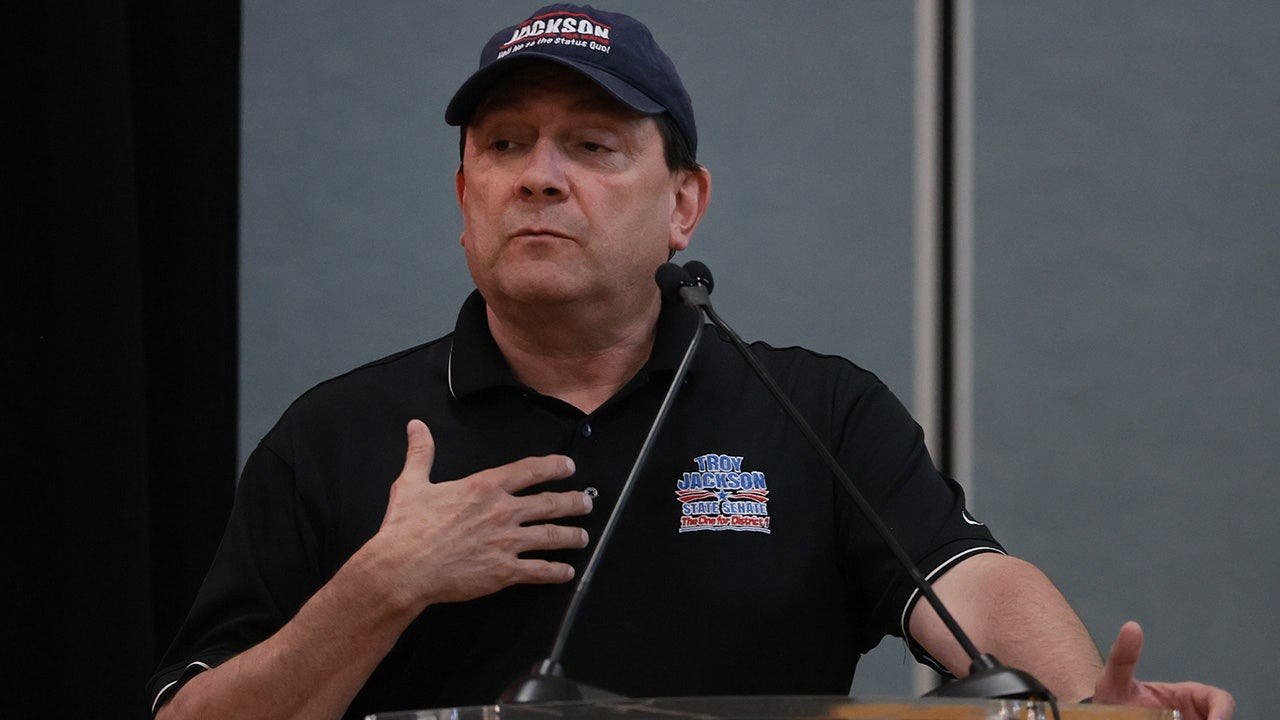
Maine Democrats rally around Troy Jackson for Senate bid
Fox News’ Bryan Llenas reports on Maine Democrats strongly supporting Troy Jackson, who is set to become the Senate nominee after Graham Platner’s primary victory ended due to rape allegations. The Maine Republican Party criticizes this nomination process, calling it a ‘sham.’
NEWYou can now listen to Fox News articles!
BANGOR, Maine – Maine Democrats on Saturday quickly coronated Troy Jackson as their party’s Senate nominee — following this month’s spectacular implosion of ex-candidate Graham Platner — in the high-stakes Senate showdown with longtime Republican Sen. Susan Collins.
Jackson, a former state Senate president, was elected in a landslide at the Maine Democratic Party’s nominating convention in Bangor. He was on a glide path to the nomination after winning the vast majority of the voting delegates chosen last weekend by Democrats in the northern New England state’s 16 counties.
Jackson’s top rivals in the race to replace Platner backed him after dropping out of the race the past few days, leaving only one long-shot candidate for delegates to also consider at the convention. He defeated Saundra Pelletier, a pharmaceutical company CEO, by a 566-5 margin in Saturday’s vote.
The Senate race in Maine, where Collins is the only GOP incumbent running for re-election in a state President Donald Trump lost in the 2024 election, is one of roughly a dozen midterm showdowns across the country that will determine if Republicans hold onto their slim majority or if the Democrats win back control of the chamber.
WHO’S UP AND WHO’S DOWN: CHECK OUT THE FOX NEWS POWER RANKINGS ON THE MIDTERM ELECTIONS
Former Maine Senate President Troy Jackson, arrives at the state Democratic Party’s Senate nominating convention, in Bangor, Maine on July 25, 2026 (Paul Steinhauser/Fox News )
«Are you ready to defeat Susan Collins? Well, then let’s unite this party. Let’s build the largest working class movement Maine has ever seen. And let’s win this fight,» Jackson, a fifth-generation logger from the remote northern tip of Maine and a one-time conservative Republican who became a Democrat over two decades ago, said in convention speech just ahead of the delegate vote.
While Jackson quickly raised over $1 million for his burgeoning Senate campaign and coalesced party support, there are some potential warning signs.
Following reports this past week digging into Jackson’s alleged temper and workplace conduct, reported claims of mortgage improprieties as well as other potential liabilities including his past strict anti-abortion stance, there are concerns by some in the party that following the Platner implosion, Democrats have landed another unvetted nominee.
«This is a bit of a rocket vetting process,» a Democratic strategist who works on Senate races, who asked to remain anonymous to speak more freely, told Fox News Digital. «Maine Democrats have seemingly made their choice and they’re just going to have to ride with it.»
A veteran Democratic consultant who also asked for anonymity said that «it’s very clear that Democrats should not be looking to Maine to flip the Senate.»
«The good news is that we have upset opportunities in places like Texas, Iowa, and Alaska,» added the consultant, who works with centrist Democratic Senate candidates.
Platner, a military combat veteran and oyster farmer who was backed by progressive champion and Independent Sen. Bernie Sanders of Vermont soon after he launched his bid last August, saw his campaign quickly catch fire. Two-term Democratic Gov. Janet Mills, who was heavily recruited by longtime Democratic Senate leader Sen. Chuck Schumer to run for the Senate, suspended her campaign this spring after trailing Platner in fundraising and in the polls.
FIVE THINGS TO KNOW ABOUT TROY JACKSON, WHO’S ABOUT TO REPLACE GRAHAM PLATNER AS THE DEMOCRATS’ SENATE NOMINEE
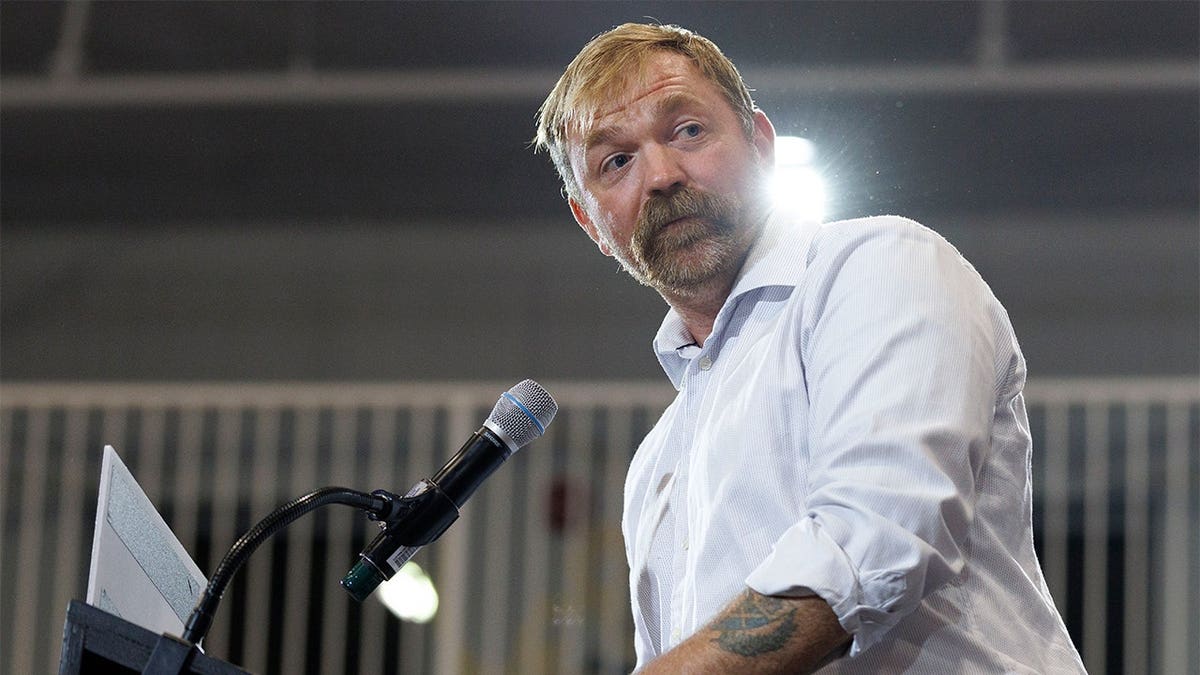
Graham Platner speaks at his Primary Election event on June 9, 2026, in Blue Hill, Maine. (CJ Gunther/Getty Images)
But even as Platner steamrolled the Democratic establishment and crushed the competition last month in Maine’s primary to capture the nomination, he had already been forced on defense in the wake of a slew of scandals.
Platner dropped out earlier this month, amid calls from top Democrats in Maine and across the country to immediately exit the race following an explosive report containing an allegation of rape from a woman he previously dated. Platner denied the report but stepped aside.
Jackson, who unsuccessfully ran for the Democratic gubernatorial nomination, campaigned alongside Platner during the primary. And he quickly made the case that he was the best equipped candidate to grab the mantle of the progressive and populist movement that had backed Platner.
Similar to Platner, Jackson is running on a platform aimed at working-class voters. He backs raising taxes on billionaires, the universal healthcare system known as «Medicare-for-all,» abolishing U.S. Immigration and Customs Enforcement (ICE), and he opposes military aid to Israel at a time that Democrats are increasingly divided on support for America’s longtime Middle East ally.
DEMOCRACY ’26: STAY UP TO DATE WITH THE FOX NEWS ELECTION HUB
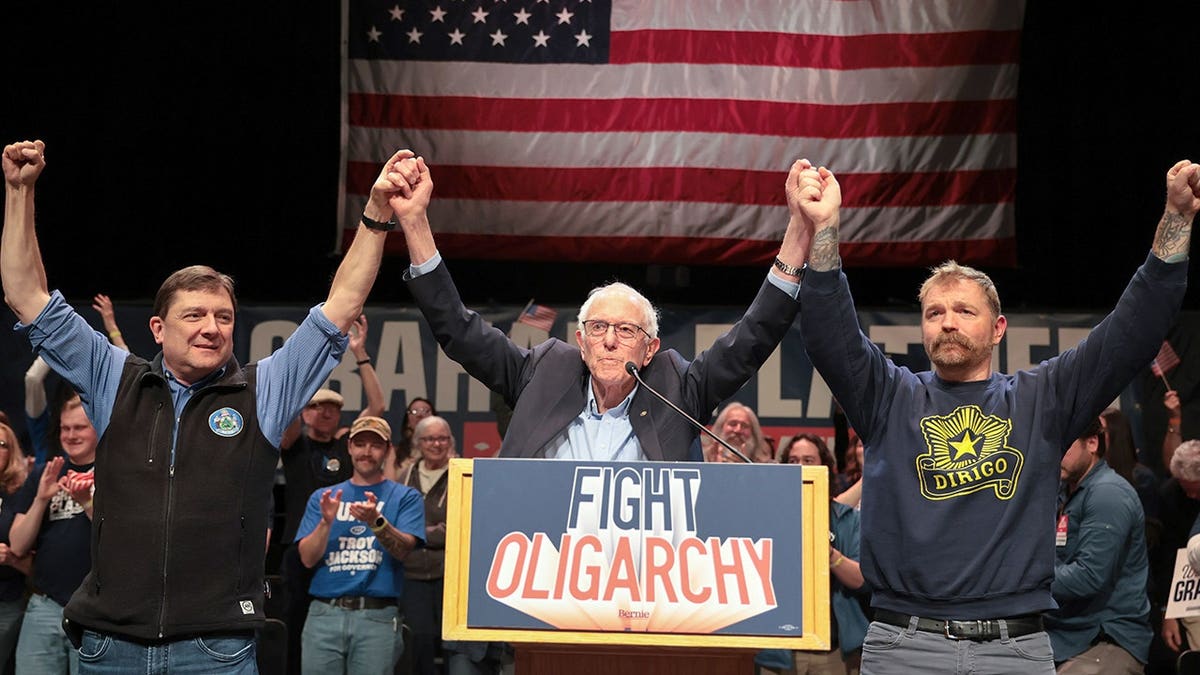
Sen. Bernie Sanders stands with Troy Jackson, who is running for Governor of Maine, and Democratic U.S. Senate candidate Graham Platner during a «Fighting Oligarchy» tour stop at the Collins Center for the Arts on the University of Maine campus on May 24, 2026 in Orono, Maine. (Joe Raedle / Getty Images)
Jackson, who also had Sanders’ support as he ran for governor, is currently backed in his Senate campaign by Our Revolution, the group born in 2016 out of Sanders’ first presidential campaign.
Rep. Ro Khanna of California, a leading progressive in the House and a potential 2028 Democratic presidential contender, was a top Platner backer. Khanna quickly moved his support to Jackson in this month’s sprint to succeed Platner.
And Jackson enjoys strong support from labor unions in Maine. The labor backing, along with support from Platner’s former allies, helped Jackson capture the overwhelming majority of county-selected delegates last weekend.
The 500 delegates chosen last weekend, along with 101 selected by the state party, voted in Saturday’s convention.
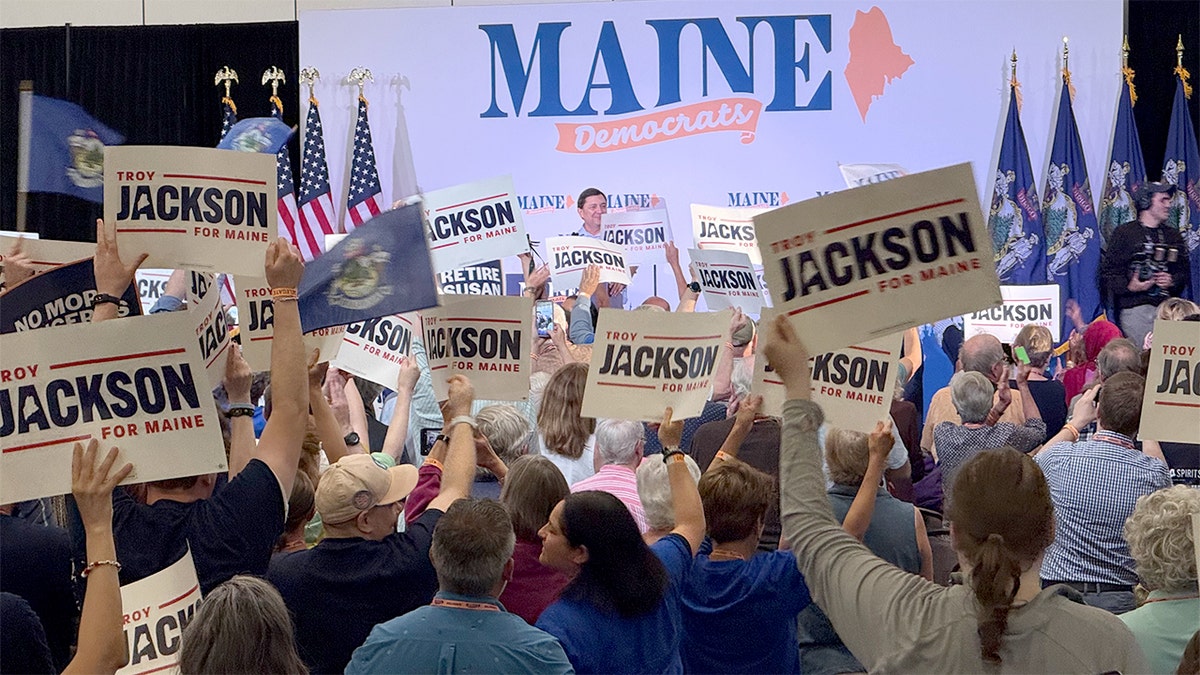
Former Maine state Senate President Troy Jackson celebrates with his supporters after winning the state Democratic Party’s U.S. Senate nomination, at a convention in Bangor, Maine on July 25, 2026. (Paul Steinhauser/Fox News)
Republicans argued that Democrats stacked the deck to back Jackson as Platner’s replacement.
«This coronation is proof that Democrats are willing to shove socialism down the throats of Maine voters, even if it means spitting in the face of Democracy to do it. Troy Jackson is a Platner apologist, a radical Bernie Bro, and a walking red flag displaying all the warning signs of the early days of the Platner campaign,» Republican National Committee spokesperson Kristen Cianci charged in a statement to Fox News Digital.
Cianci called Collins «a proven leader with unimpeachable character.»
Collins, as she runs for a sixth six-year term in the Senate, is facing a rough political climate for Republicans, amid GOP President Donald Trump’s underwater approval ratings, persistent inflation and what polls indicate is an unpopular war with Iran.
SIGN UP TO GET THE POLITICS NEWSLETTER
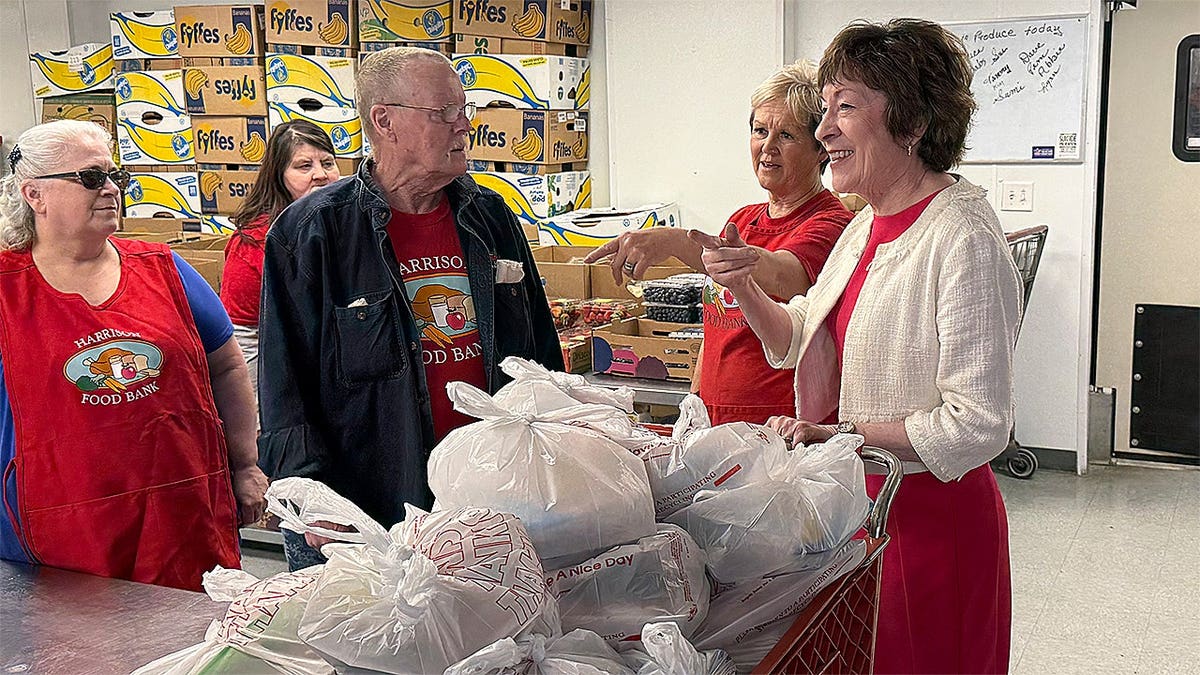
Republican Sen. Susan Collins of Maine tours a food bank in Harrison, Maine, on May 5, 2026. The food bank was able to expand thanks to federal funding that the senator helped obtain. (Paul Steinhauser/Fox News)
The senator, known as a moderate Republican who at times has voted against Trump, last month received bipartisan praise after reaching a milestone by casting her 10,000th consecutive Senate vote.
But Democrats are taking aim at Collins over her comments that she didn’t regret her 2018 vote to confirm Supreme Court Justice Brett Kavanaugh, despite his crucial vote four years later to overturn the landmark Roe v. Wade abortion ruling.
And following the fatal shooting in Maine earlier this month involving federal immigration agents, Democrats heavily criticized the Senate Appropriations Committee chair for her support for ICE funding.
But Collins has a history of defeating the Democrats’ efforts to oust her from the Senate.
Six years ago, she trailed Democratic challenger Sara Gideon, the then-Maine House speaker, but the senator ended up winning re-election by nearly 9 points .
The Senate showdown in Maine is expected to be competitive, combustible, and expensive, with outside groups on both sides spending big bucks to run ads.
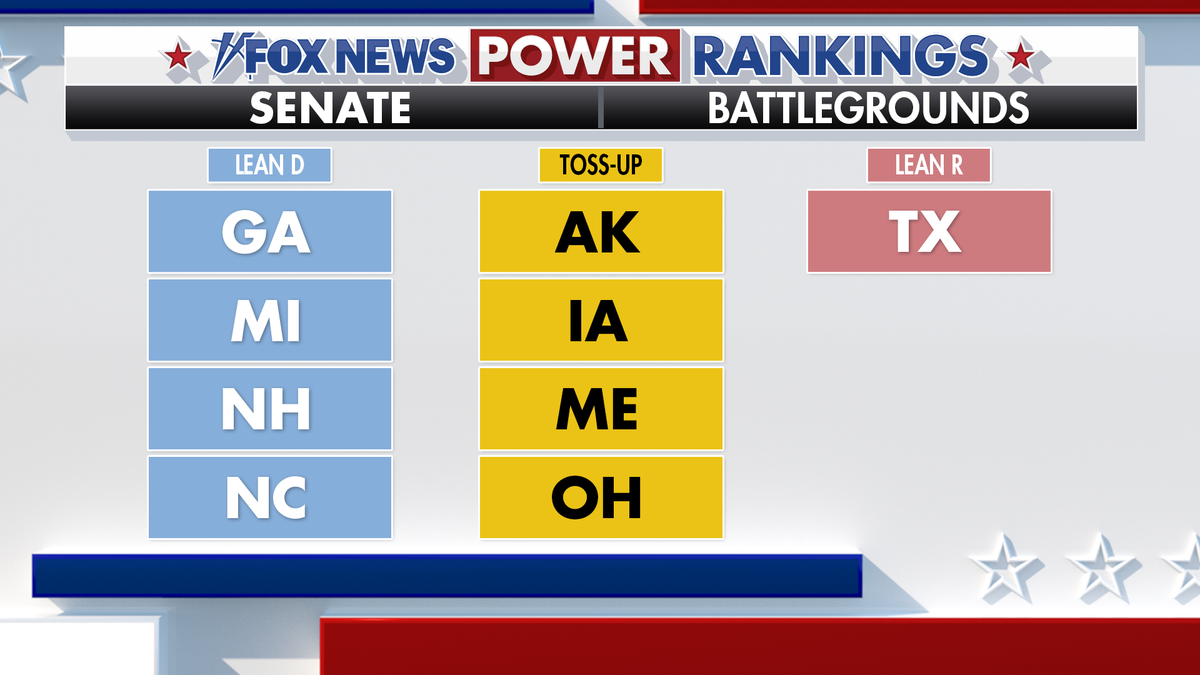
Fox News released its first Power Rankings of the 2026 midterm elections on July 21, 2026. (Fox News)
The first Fox News Power Rankings of the 2026 midterms, which gauge the competitiveness of elections using data, reporting and analysis, were released this week. And they rank the showdown in Maine as a toss-up.
CLICK HERE TO DOWNLOAD THE FOX NEWS APP
Meanwhile, a Pine Tree Poll conducted in recent days by the University of New Hampshire Survey Center indicated Jackson with a slight three-point edge over Collins, right at the edge of the margin of error, among likely general election voters in Maine.
maine, chuck schumer, bernie sanders, graham platner, senate, midterm elections, democrats elections

República Dominicana estrena su medallero en los Juegos Centroamericanos y del Caribe 2026 con plata en remo

Escalofriante caída de un gimnasta inglés en los Juegos de la Commonwealth: fue trasladado de urgencia al hospital

Las principales frases del discurso de Milei en Brasil con fuertes críticas al socialismo: “Nos dejaron pobres y solos”

Joaquín Furriel contó cómo fue ver la final del Mundial con su novia española: “Una situación incómoda”

Cuánto subirán los alquileres en agosto y cómo quedarán los precios caso por caso

Canales para ver el Newell´s vs. Talleres por el Torneo Clausura

Escándalo Mundial: Las presiones secretas, la amenaza de la FIFA por Malvinas y la verdad detrás del partido contra España

Jorge Berredo, general retirado de las FFAA, asumió como Secretario de Seguridad en San Isidro

Sin la anestesia mundialista, aflora la crisis del conurbano y Milei necesita reconectar con lo popular
Marc Stanley destacó el potencial de Vaca Muerta para “estabilizar la economía” y evitó hablar de política interna

 POLITICA3 días ago
Jorge Berredo, general retirado de las FFAA, asumió como Secretario de Seguridad en San Isidro
- POLITICA2 días ago
Sin la anestesia mundialista, aflora la crisis del conurbano y Milei necesita reconectar con lo popular
- POLITICA2 días ago
Marc Stanley destacó el potencial de Vaca Muerta para “estabilizar la economía” y evitó hablar de política interna