INTERNACIONAL
How mutiny at Southern Poverty Law Center triggered leadership collapse

NEWYou can now listen to Fox News articles!
The Southern Poverty Law Center (SPLC) is facing federal fraud allegations less than a year after a staff mutiny triggered a leadership shakeup that has plagued the organization ever since.
The Justice Department has accused the self-styled civil rights nonprofit of using paid informants to infiltrate extremist groups and funneling money to extremist groups — claims the organization is now forcefully disputing.
Margaret Huang, who led SPLC, resigned last July after 92% of staff backed a no-confidence vote months earlier, according to The Las Vegas Sun. The center laid off about 80 employees — about 25% of its workforce — in June 2024, the outlet reported.
Huang said she stepped down because she could not both care for her parents and meet the demands of the job, while the SPLC said at the time she left after five years at the helm «to prioritize family life.»
PRO-POLICE GROUP ASKS DOJ TO PROBE SOROS-BACKED VIRGINIA PROSECUTOR USING BIDEN-ERA LAW ONCE AIMED AT COPS
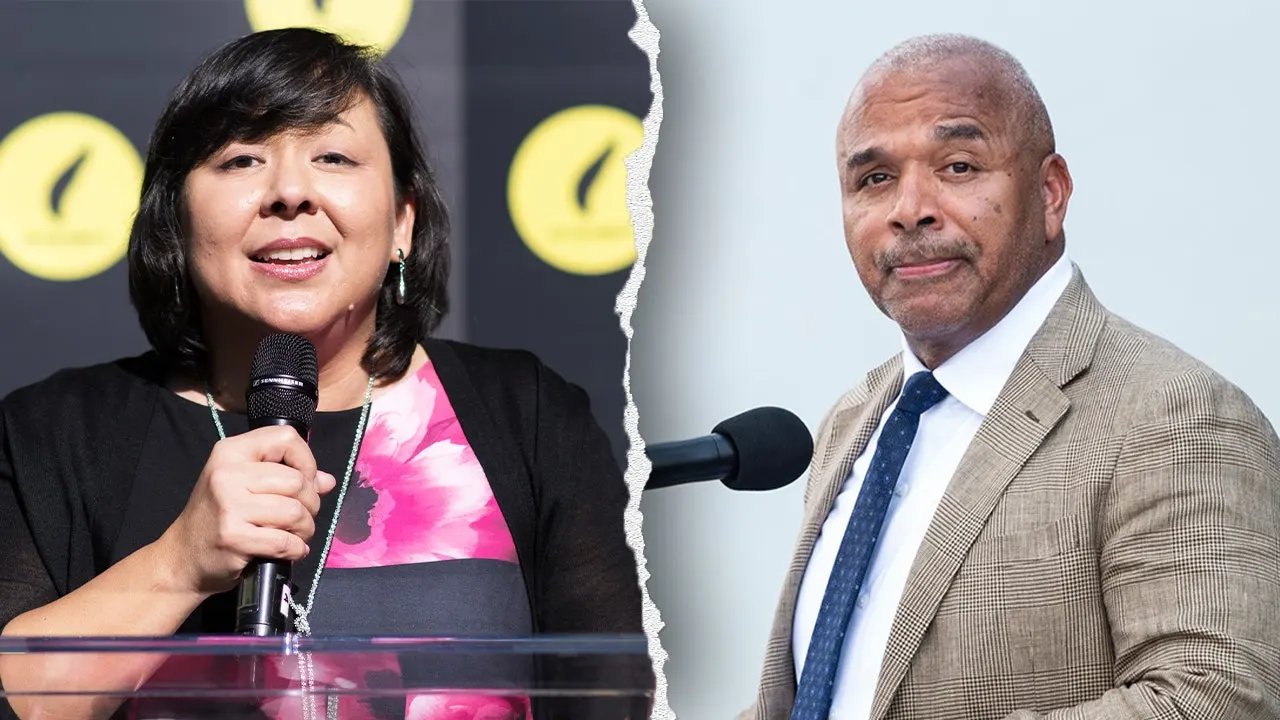
SPLC President Margaret Huang attends the Art For Amnesty Pre-Golden Globes Recognition Brunch in Los Angeles on Jan. 8, 2016. (Rob Latour/Variety/Penske Media)
The leadership rupture exposed deep tensions between staff and senior management at the Montgomery, Alabama-based group, which is known for civil rights litigation and racial justice advocacy.
Bryan Fair, a constitutional law professor at the University of Alabama and former chair of the SPLC board, stepped in as interim president and CEO following Huang’s departure.
Fair has since taken charge of the organization’s response to the Justice Department’s allegations. The group faces federal charges, including wire fraud, bank fraud and money laundering tied to its past use of paid informants.
«This use of informants was necessary because we are no stranger to threats of violence,» Fair said in a video message this week, pushing back on the allegations and framing the investigation as politically motivated.
«For 55 years, the Southern Poverty Law Center has stood as a beacon of hope, fighting white supremacy and various forms of injustice to create a multiracial democracy where we can all live and thrive. We are therefore unsurprised to be the latest organization targeted by this administration.»
He added that the SPLC «frequently shared what we learned from informants with local and federal law enforcement, including the FBI.»
EXCLUSIVE: TRUMP-ALIGNED LEGAL GROUP FILES FOIA REQUEST FOR DC CRIME DATA, CITING ALLEGED MANIPULATION
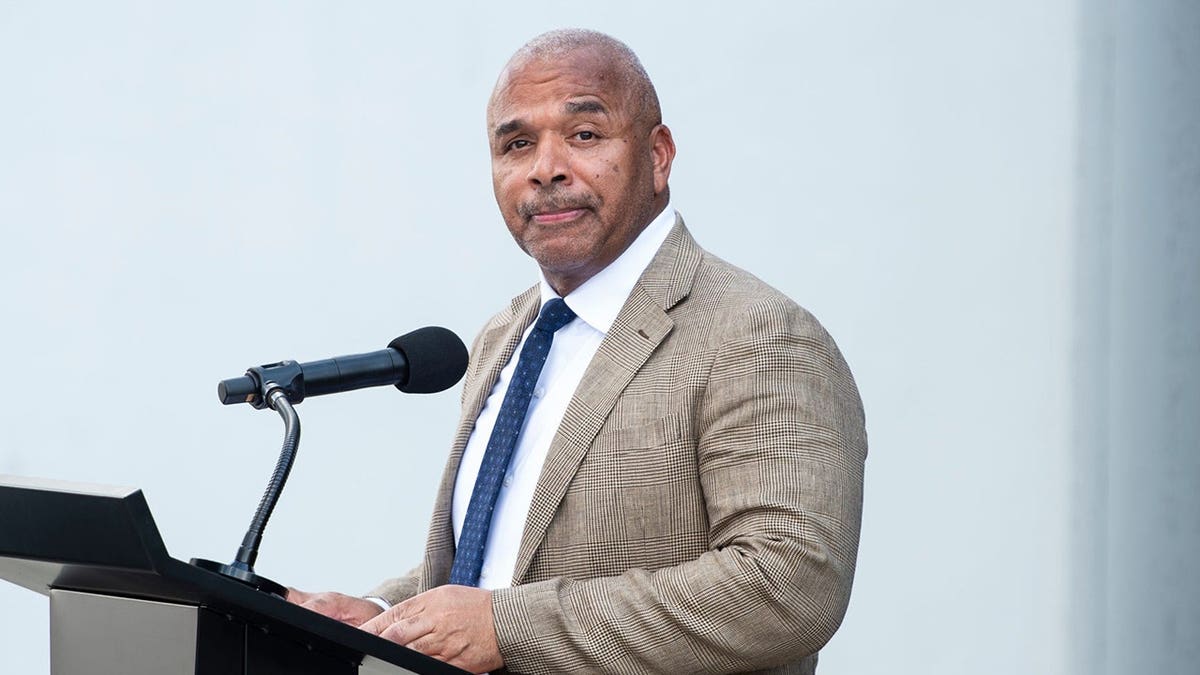
SPLC interim President and CEO Bryan Fair speaks during a wreath-laying ceremony at the Southern Poverty Law Center Civil Rights Memorial in Montgomery, Ala., on March 5, 2026. (Jake Crandall/Advertiser / USA TODAY NETWORK via Imagn Images)
«We will vigorously defend ourselves, our staff and our work,» Fair said.
Huang’s high-profile departure marked the latest leadership turmoil at the SPLC.
The organization underwent a major upheaval in 2019 when it fired co-founder and chief trial counsel Morris Dees and removed him from its board, according to the SPLC, triggering a broader restructuring.
That overhaul led to Huang becoming the organization’s first permanent president and CEO under a new leadership model, according to the SPLC. Huang currently serves as a senior advisor at the Leadership Conference on Civil and Human Rights, a coalition of civil rights organizations.
Dees’ dismissal followed internal allegations of misconduct and workplace culture concerns, including claims of racial discrimination and harassment, according to multiple reports. He was not charged with any crime.
CLICK HERE TO DOWNLOAD THE FOX NEWS APP
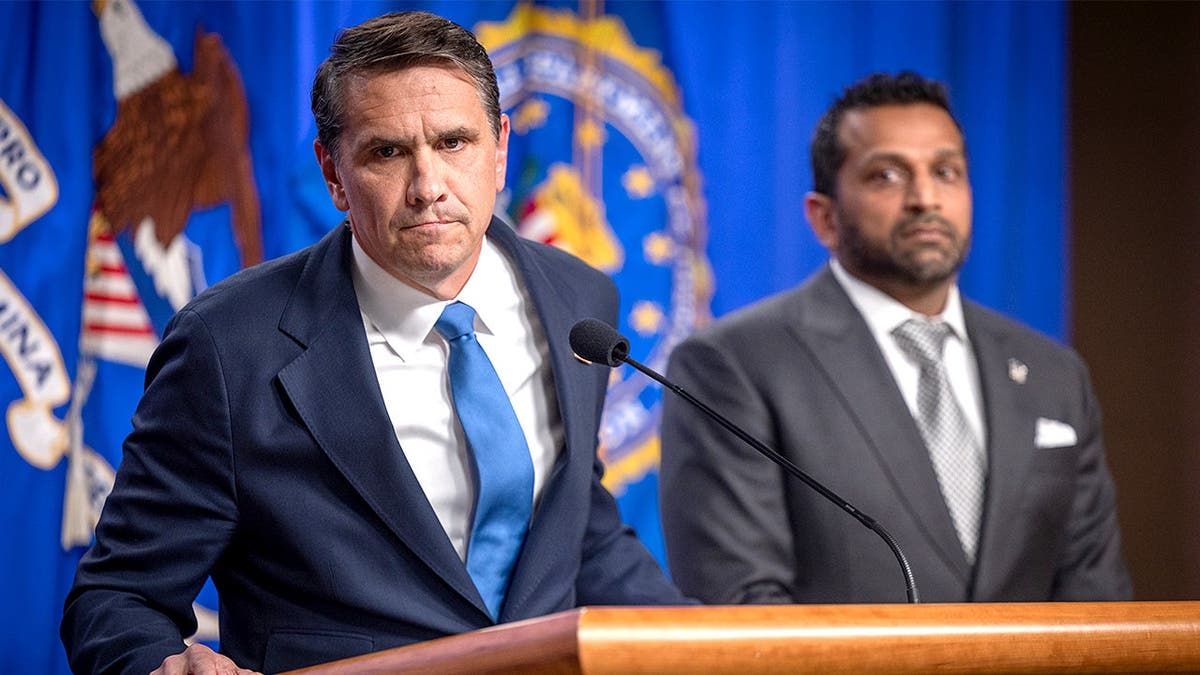
Acting Attorney General Todd Blanche spoke during a press conference alongside FBI Director Kash Patel at the Department of Justice on April 21, 2026, in Washington, D.C., following the indictment of the Southern Poverty Law Center. (Nathan Posner/Anadolu via Getty Images)
Dees co-founded the SPLC in 1971 with civil rights attorney Joseph Levin Jr., while civil rights leader Julian Bond served as its first president.
Fox News Digital has reached out to the SPLC and the Leadership Conference on Civil and Human Rights for comment.
fbi, human rights, law, investigations, justice department









INTERNACIONAL
Iran hangs 2 protesters in public, crowd cries ‘dishonorable’ as security fires tear gas
NEWYou can now listen to Fox News articles!
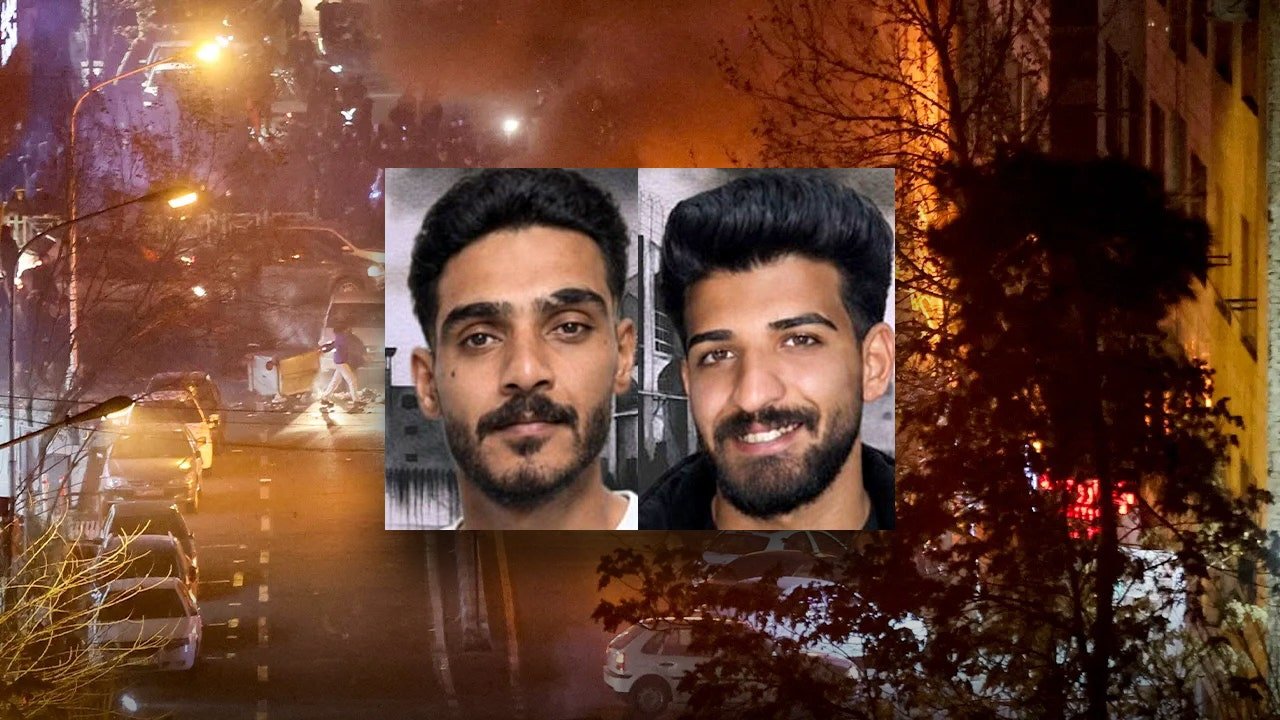
Iran publicly hanged two young men Tuesday over their alleged roles in January’s nationwide anti-government protests, as onlookers chanted «Dishonorable, dishonorable!» before security forces fired tear gas to disperse the crowd, according to the National Council of Resistance of Iran (NCRI), an exiled Iranian opposition group.
Abolfazl Sepahi Badjani and Amirhossein Safari Hosseinabadi were hanged Tuesday in Isfahan’s Shahid Alikhani Square — where authorities alleged they committed offenses connected to the Jan. 8 protests, according to the NCRI and Iranian state media.
The NCRI said onlookers condemned the executions before security forces fired tear gas to disperse the crowd. The opposition group also said security personnel had been deployed on rooftops and surrounding streets.
Iranian state media also reported the public executions, Reuters said, with Iran’s semi-official news agency Mehr saying they were carried out in Alikhani Square «in the presence of a group of people.»
WHO IS AHMAD VAHIDI? IRAN’S NEW IRGC CHIEF TIED TO GLOBAL ATTACKS AND ‘DEATH TO AMERICA’ IDEOLOGY
Iran publicly hanged Abolfazl Sepahi-Badjani Tuesday over his alleged roles in January’s nationwide anti-government protests (Human Rights Activists News Agency (HRANA))
«Fearing public outrage over this brutal crime, the regime’s suppressive forces had deployed agents in the surrounding streets and on rooftops,» NCRI President-elect Maryam Rajavi said in a statement shared on X.
The executions mark the latest escalation in Iran’s crackdown on protesters arrested during the nationwide demonstrations that began in late December and intensified in January.
Human rights groups have accused Iranian authorities of denying defendants due process, relying on coerced confessions and carrying out executions after unfair trials.
Iran’s judiciary, meanwhile, accused Badjani and Hosseinabadi of participating in the Jan. 8 killing of four members of the State Security Force during demonstrations in Shahid Alikhani Square.
US-SANCTIONED MOJTABA KHAMENEI NAMED IRAN’S NEXT SUPREME LEADER AFTER FATHER’S DEATH: REPORTS
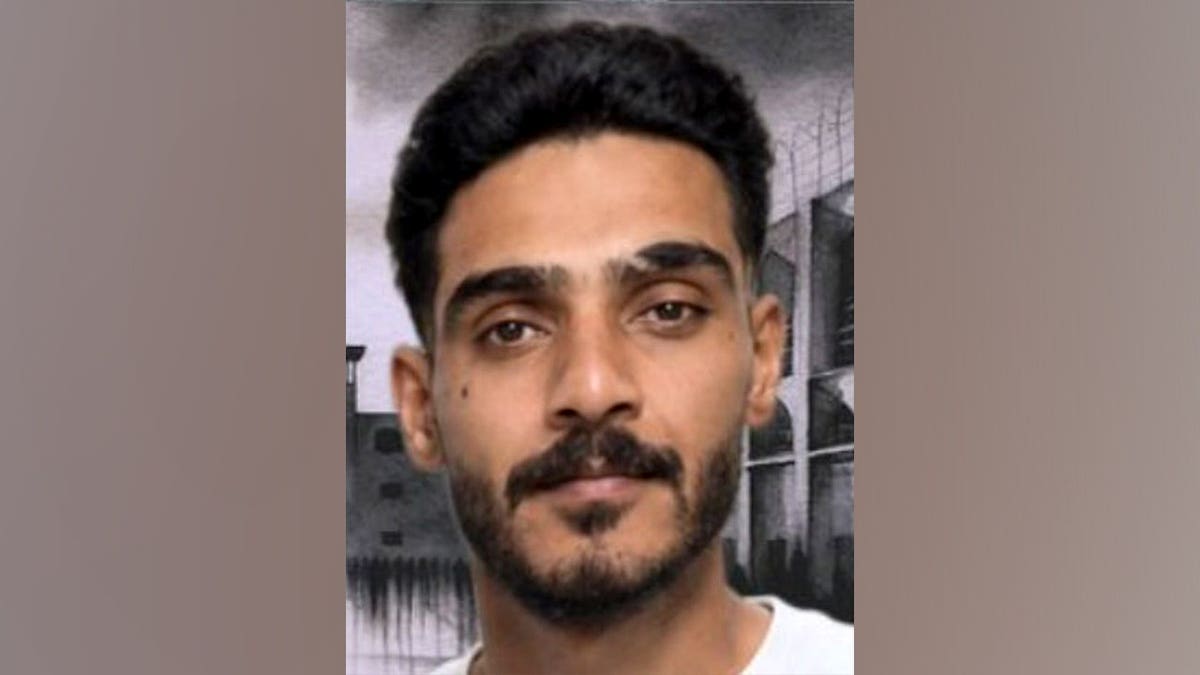
Amirhossein Safari Hosseinabadi was hanged Tuesday in Isfahan’s Shahid Alikhani Square — the same location where he had joined anti-government demonstrations months earlier. (Human Rights Activists News Agency (HRANA))
According to the judiciary’s Mizan news agency, Badjani and Hosseinabadi were convicted of moharebeh, or «enmity against God,» efsad-fil-arz, or «corruption on Earth,» as well as destruction and arson of public property, and acts that led to the deaths of four officers. Authorities also accused them of possessing firearms and Molotov cocktails.
The NCRI claimed Tuesday that the defendants were denied the right to choose their own lawyers, and even their court-appointed attorneys were denied access to the case files.
Iran publicly hanged Abolfazl Sepahi-Badjani Tuesday over his alleged role in January’s nationwide anti-government protests.
The judiciary, however, said the men had legal representation, appealed their convictions and were convicted using police reports, cellphone evidence, witness testimony, confessions and a crime scene reconstruction.
The pair were said to be among 12 protesters sentenced to death in what has become known as the Alikhani Square case.
Two other defendants, Erfan Esfandiari and Gol Mohammad Mohammadi, were executed July 19, bringing the total number of executions in the case to four.
The U.N. experts warned this week that the remaining defendants face an imminent risk of execution.
‘KILLING OFF THE COUNTRY’: IRAN EXECUTES DOZENS, ARRESTS 4,000+ IN WAR CRACKDOWN
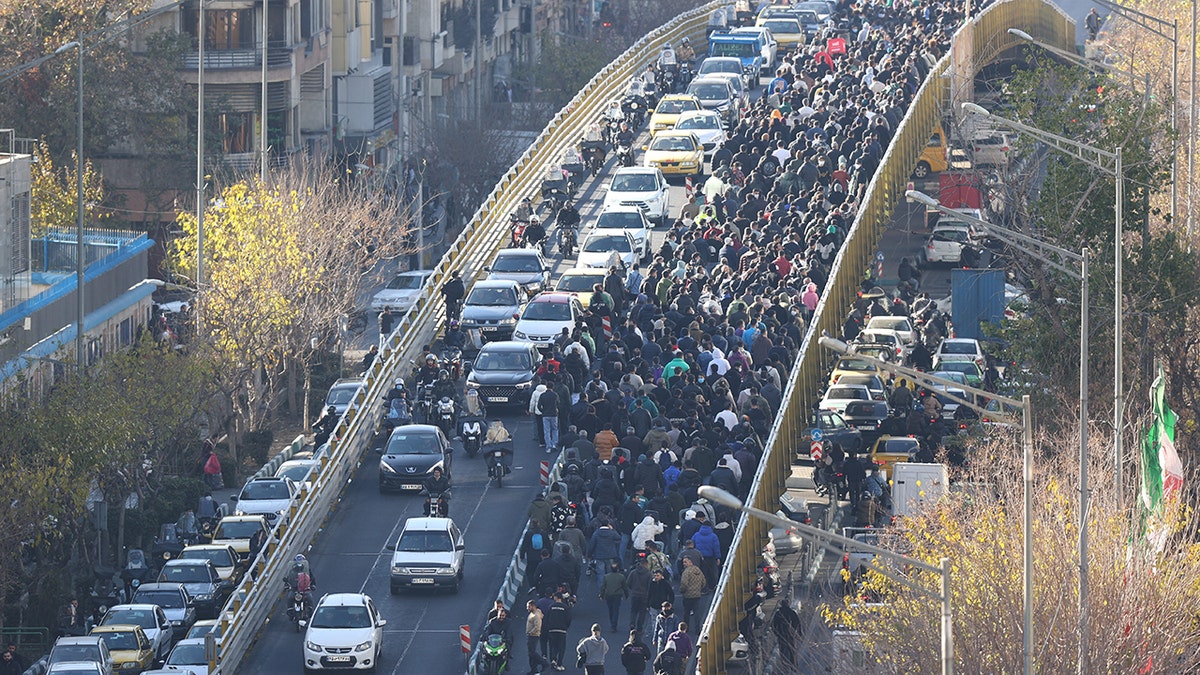
Protesters march in downtown Tehran, Iran, Monday, Dec. 29, 2025. (Fars News Agency via AP)
«The young men, aged between their late teens and early 20s, were reportedly arbitrarily deprived of their liberty, in some cases being subjected to enforced disappearance, ill-treated and accused of involvement in the killing of four security force members, as well as arson and vandalism during the Jan. 8, 2026, protests in Shahid Alikhani Square in Isfahan,» U.N. experts said in a statement.
The statement also said all defendants were sentenced to death during a single closed-door hearing without clarity about each individual’s alleged responsibility, calling the proceedings a violation of international fair trial standards.
Human Rights Watch said this week that at least 50 people have been executed over the past four months on what it described as vague national security charges.
CLICK HERE TO DOWNLOAD THE FOX NEWS APP
«By resorting once again to the medieval practice of public hangings, the Islamic Republic is trying to instill fear throughout society and deter future protests,» Iran Human Rights Director Mahmood Amiry-Moghaddam said in a post shared on X.
«Public executions are a cruel form of state terror that the international community must not tolerate,» he added.
The protests across Iran began in late December amid a deepening economic crisis before expanding into one of the largest anti-government movements in the Islamic Republic’s history.
iran, world protests, human rights united nations, human rights
INTERNACIONAL
NVIDIA advierte que la mayoría de los agentes de inteligencia artificial fracasa al pasar de la prueba a la producción
REUTERS/Dado Ruvic/Ilustración/Foto de archivo
El problema central de los agentes de inteligencia artificial dejó de ser su creación y pasó a ser su sostenimiento en el tiempo, afirmó Marcio Aguiar, director de la división Enterprise de NVIDIA para América Latina, en un comunicado difundido por la compañía. Según el ejecutivo, construir un agente capaz de ejecutar tareas específicas se volvió relativamente sencillo, pero mantenerlo funcionando todos los días, dentro de un presupuesto sostenible y con reglas claras sobre lo que puede o no hacer, es el verdadero obstáculo que enfrentan las empresas.
Los agentes de inteligencia artificial son sistemas que, a diferencia de los modelos que solo responden preguntas o generan texto e imágenes, ejecutan tareas de forma autónoma, acceden a documentos y toman decisiones limitadas dentro de reglas y permisos definidos. Su desarrollo atrajo fuertes inversiones durante el último año y multiplicó los anuncios corporativos, pero la brecha entre lo que las empresas muestran en sus demostraciones y lo que logran sostener en funcionamiento real se convirtió en uno de los debates centrales del sector tecnológico.
“Lo que vemos hoy es que muchas empresas ya han pasado de la fase de experimentación a la implementación de la inteligencia artificial, pero convertir esos proyectos en operaciones consistentes sigue siendo un reto”, sostuvo Aguiar en el comunicado. El directivo describió una distancia concreta entre el momento de la presentación de un proyecto y su funcionamiento sostenido: “Una demostración convence a la junta directiva en veinte minutos, pero lo que realmente define el éxito del proyecto es lo que ocurre en los seis meses siguientes, cuando el agente debe funcionar todos los días, dentro de un costo que la empresa pueda sostener y con reglas claras sobre lo que puede o no puede hacer”.

REUTERS/Ricardo Moraes
El diagnóstico de NVIDIA identifica tres errores recurrentes en las empresas que intentan escalar sus proyectos de agentes autónomos. El primero es subestimar el consumo de recursos computacionales que exigen estos sistemas una vez que pasan de un entorno de prueba a un uso masivo. El segundo es tratar la seguridad y la gobernanza como una etapa posterior al lanzamiento, en lugar de incorporarlas desde el diseño inicial. El tercero es escalar los proyectos sin tener claro el retorno de inversión esperado. La combinación de estos factores deriva, según el ejecutivo, en presupuestos excedidos, agentes desactivados tras incidentes de seguridad y proyectos piloto que permanecen indefinidamente en fase de experimentación sin llegar a producción.
Detrás de este diagnóstico hay un cambio en la naturaleza técnica de los propios agentes. La mayoría de los sistemas que operan hoy se activan mediante un comando puntual, ejecutan una tarea específica y terminan su actividad. Los llamados agentes autónomos de larga duración, en cambio, funcionan de manera continua en segundo plano: revisan a intervalos regulares sus listas de tareas, identifican cuáles requieren acción, ejecutan lo que está dentro de sus permisos y remiten a personas únicamente los casos que exigen una decisión humana. Este modo de funcionamiento implica un acceso más amplio y constante a datos internos, lo que eleva las exigencias de seguridad respecto de los agentes que se activan de forma puntual.
Aguiar situó esta discusión en el centro de la conversación que, según anticipa, dominará al sector en los próximos meses. “La pregunta que se hará el mercado de ahora en adelante no es quién tiene un agente, sino quién logra mantenerlo operando de manera segura y generando resultados”, planteó el ejecutivo, para quien las compañías que traten la infraestructura de soporte como un componente estratégico, y no como una capa técnica secundaria, estarán mejor posicionadas para escalar sus proyectos de inteligencia artificial.
Aguiar concluyó que la diferencia entre las empresas en los próximos dos años no estará determinada por el acceso a los modelos de inteligencia artificial, cada vez más equiparado entre competidores, sino por la capacidad de convertirlos en operaciones confiables bajo las reglas específicas de cada negocio. Esa capacidad de sostener en el tiempo lo que hoy funciona en una demostración será, según el planteo de NVIDIA, el factor que determine qué empresas logren capturar el valor prometido por la inteligencia artificial agéntica y cuáles queden atrapadas en una fase de experimentación permanente.
Europe
INTERNACIONAL
Dems reject Trump’s top spy pick after demanding replacement, leaving counter-terror tool in air
Jay Clayton set for DNI confirmation hearing
Fox News chief congressional correspondent Chad Pergram reports on Jay Clayton’s Senate confirmation hearing as he looks to become the next director of national intelligence. Pergram also reports House Republicans are linking the SAVE America Act to a State Department funding bill following the expiration of the FISA program.
NEWYou can now listen to Fox News articles!
Senate Democrats demanded a new, experienced person to lead the nation’s spy agencies, but when given the chance, they rejected President Donald Trump’s latest pick.
Still, their resistance was not enough to stop Republicans from confirming Jay Clayton to be the next Director of National Intelligence (DNI) to replace former DNI Tulsi Gabbard. Clayton, who was tapped to be the top prosecutor in Manhattan last year, was confirmed on a party line vote Tuesday.
He will replace acting DNI and Federal Housing Finance Agency director Bill Pulte, whose interim appointment prompted Senate Democrats to demand an immediate, permanent replacement over fears that Pulte would weaponize the nation’s 18 intelligence agencies or try to dismantle them.
SENATE CLEARS WAY FOR TRUMP’S TOP SPY AS KEY ANTI-TERROR PROGRAM REMAINS IN LIMBO
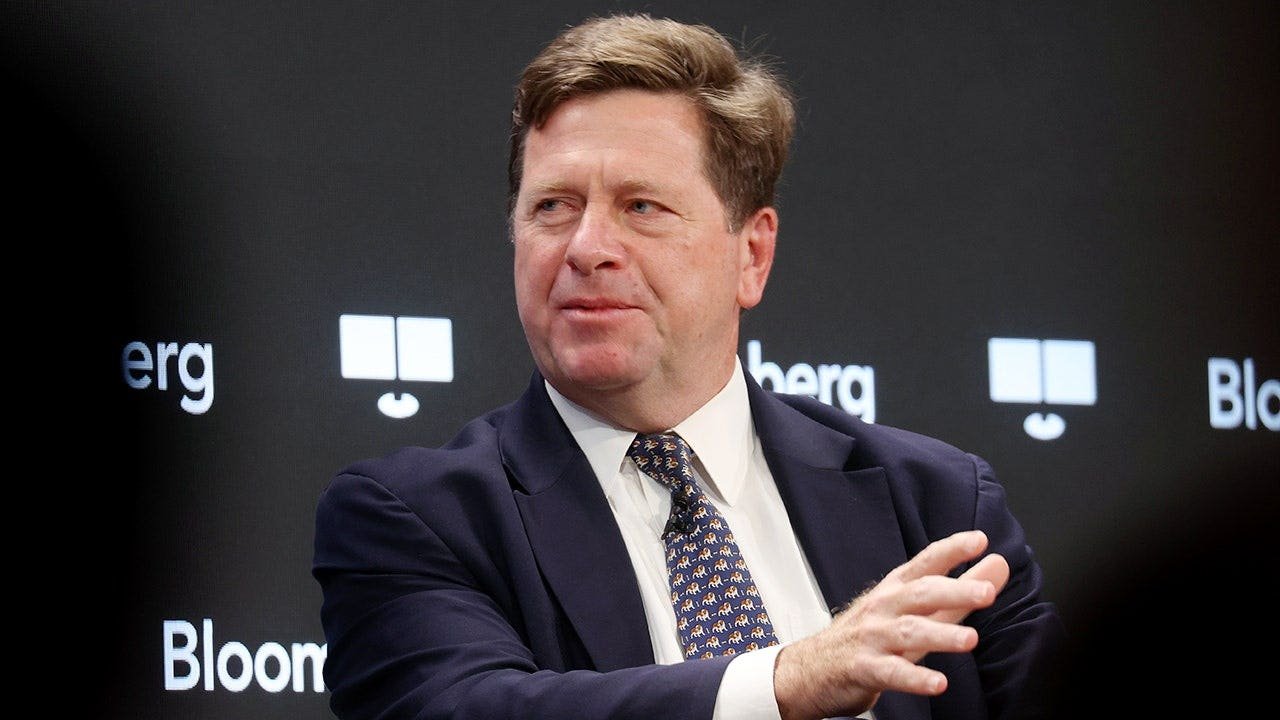
Jay Clayton, U.S. attorney for the Southern District of New York (SDNY), during the Bloomberg Global Credit Forum in New York, US, on Wednesday, June 3, 2026. (Michael Nagle/Bloomberg via Getty Images)
Clayton’s confirmation was thought to be a means to an end for the ongoing standoff over Section 702 of the Foreign Intelligence Surveillance Act (FISA), a tool that has been used to thwart several terror plots, including a planned mass-casualty event at a Taylor Swift concert in Vienna, Austria.
However, they changed their tune when it came time to vote, and after a contentious confirmation hearing where only Republicans voted to send him to the Senate floor.
«As Senate Republicans move to once again confirm an inexperienced and unqualified nominee to a position of massive national security consequence for years to come, one thing remains clear — this type of politicized leadership will only make Americans less safe,» Sen. Adam Schiff, D-Calif., said in a statement.
Boiled down, the Section 702 program allows the U.S. government to collect intelligence on foreigners abroad who are using U.S. communication systems, and it serves as a major part of Trump’s daily intelligence briefing.
LAWMAKERS SCRAMBLE AFTER TRUMP DERAILS BID TO REVIVE KEY COUNTERTERRORISM TOOL DAYS AFTER FBI THWARTS UFC PLOT
But it also sweeps up communications from Americans who are talking to foreign suspects — a key issue that threatened reauthorization among privacy hawks in both parties well before Pulte’s appointment and Clayton’s subsequent nomination.
The program expired, however, last month in response to Pulte’s appointment, despite warnings from Republicans that allowing Section 702 to go dark could have dire national security consequences.
And Clayton’s confirmation, for now, does not appear to be breaking through the partisan logjam. Sen. Mark Warner, D-Va., and the top Democrat on the Senate Intelligence Committee, told Fox News Digital that the pressure wasn’t on to reauthorize FISA.
«Democrats have refused to pass a bipartisan FISA bill until a new DNI is confirmed,» a spokesperson for Senate Intelligence Committee Chair Tom Cotton, R-Ark., told Fox News Digital. «Now that Jay Clayton is confirmed, it’s time for them to stop playing politics with national security and put up the votes to give our intelligence community the tools it needs to keep this country safe.»
TRUMP’S DNI PICK CLEARS KEY HURDLE, REVIVING PATH FOR NATION’S TOP ANTI-TERROR SURVEILLANCE PROGRAM
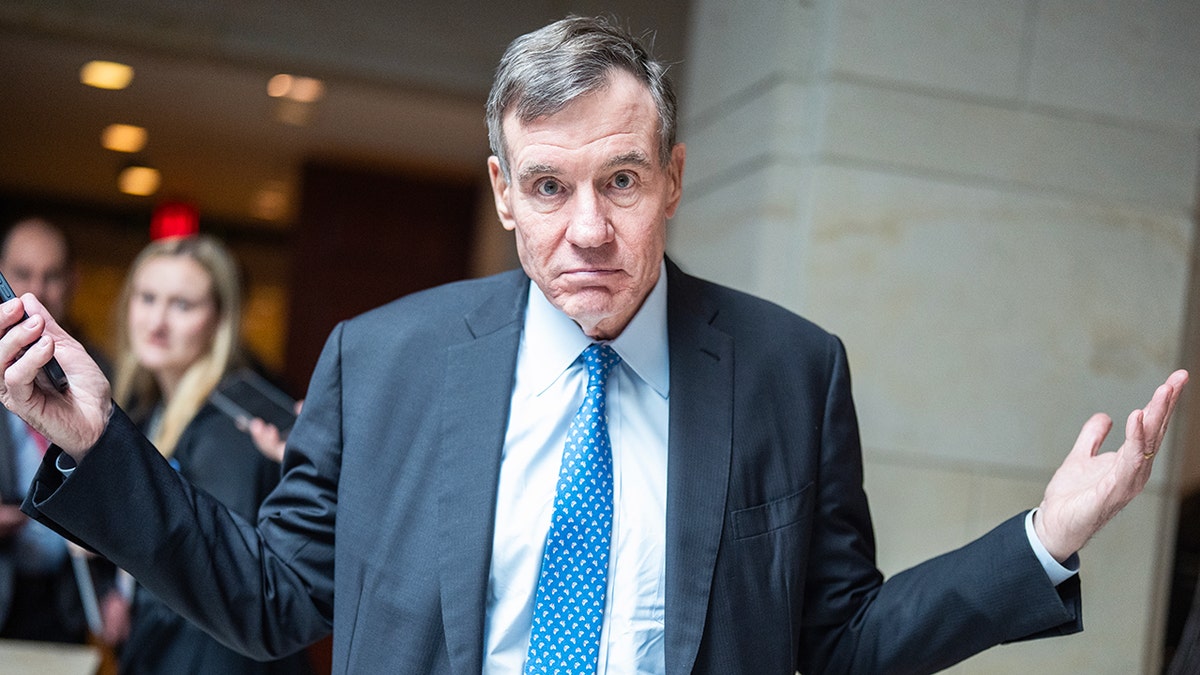
Sen. Mark Warner, D-Va., arrives to the Capitol Visitor Center for a briefing about Iran on Tuesday, February 24, 2026. (Tom Williams/CQ-Roll Call, Inc via Getty Images)
«You know … we don’t have the immediate time pressure because the communication providers are still cooperating,» Warner said.
Before the deadline to reauthorize, lawmakers had differing trains of thought on what would exactly happen should it go completely dark. Some argued that it would slowly draw down, given that FISA courts had already authorized continued intelligence gathering until 2027.
Others worried that telecommunications giants, like Google, would ignore agreements without explicit authorization from Congress.
CLICK HERE TO DOWNLOAD THE FOX NEWS APP
But, as Warner noted, the latter isn’t happening.
Still, it leaves Clayton and the intelligence community on a murky path forward in the months ahead. And there’s not much time left on the Senate’s calendar to tackle the issue. The upper chamber is slated to leave Washington after the first week of August, and won’t return until early September. From there, keeping the government open will be a top priority for Senate Majority Leader John Thune, R-S.D.
politics, senate elections, national security, tulsi gabbard, donald trump

Cuánto se ganaría por cada u$s100 invertidos en la acción de YPF si se cumple pronóstico de bróker

El Gobierno descartó incluir un blindaje al Indec en la reforma del Banco Central que presentará Milei

El Fulham de Arbeloa no arranca: sigue sin ganar en pretemporada

El vice de Lula calificó como “lamentables” los insultos de Milei y consideró que perjudican a la Argentina

Rosario: dos policías quedaron presos por matar a golpes a un ladrón que había entrado a robar a su casa

Iran hangs 2 protesters in public, crowd cries ‘dishonorable’ as security fires tear gas

Crisis entre Milei y Lula: la trama política, personal y geopolítica detrás del mayor choque diplomático entre Argentina y Brasil

Cuentapropismo emocional en lo profundo del conurbano

San Isidro: la ballena que quedó varada en un banco de arena murió pese al operativo de rescate

Joaquín Furriel contó cómo fue ver la final del Mundial con su novia española: “Una situación incómoda”

 POLITICA2 días ago
Crisis entre Milei y Lula: la trama política, personal y geopolítica detrás del mayor choque diplomático entre Argentina y Brasil
- POLITICA3 días ago
Cuentapropismo emocional en lo profundo del conurbano
- SOCIEDAD2 días ago
San Isidro: la ballena que quedó varada en un banco de arena murió pese al operativo de rescate