
INTERNACIONAL
Jeff Bartos says UN reform is no longer an ‘oxymoron’ after $570M in cuts

NEWYou can now listen to Fox News articles!
UNITED NATIONS — When Jeff Bartos appeared before the Senate Foreign Relations Committee in 2025 for his confirmation hearing, he was warned that the job he was seeking might not exist.
The Pennsylvania businessman, former political candidate and endurance athlete had been nominated by President Donald Trump to serve as U.S. ambassador for United Nations Management and Reform — a title that has long sounded aspirational in a building famous for bureaucracy.
During his confirmation hearing, Bartos recalled being greeted with a dose of skepticism.
«UN reform? That’s an oxymoron if I’ve ever heard one,» lawmakers told him.
TRUMP ADMINISTRATION COULD LEAD TO BUDGET CUTS, LEADERSHIP SHAKEUP AT UN
When Jeff Bartos appeared before the Senate Foreign Relations Committee in 2025 for his confirmation hearing, he was warned that the job he was seeking might not exist. (Eduardo Munoz/Reuters)
Less than a year later, Bartos believes the impossible is beginning to happen.
In an exclusive interview with Fox News Digital, the Trump administration official laid out an ambitious campaign to reshape an institution critics say has become bloated, inefficient and increasingly disconnected from its founding mission.
The effort comes at a pivotal moment for the United Nations. The stakes extend well beyond budgets. As the U.N. confronts a cash crunch, prepares to choose its next secretary-general and faces growing scrutiny from the administration, the debate over reform has become a battle over the institution’s future: whether it remains on its current course or undergoes its most significant restructuring in decades.
UN FACES SEVERE CASH CRISIS AS TRUMP ADMIN RAMPS UP PRESSURE ON WORLD BODY
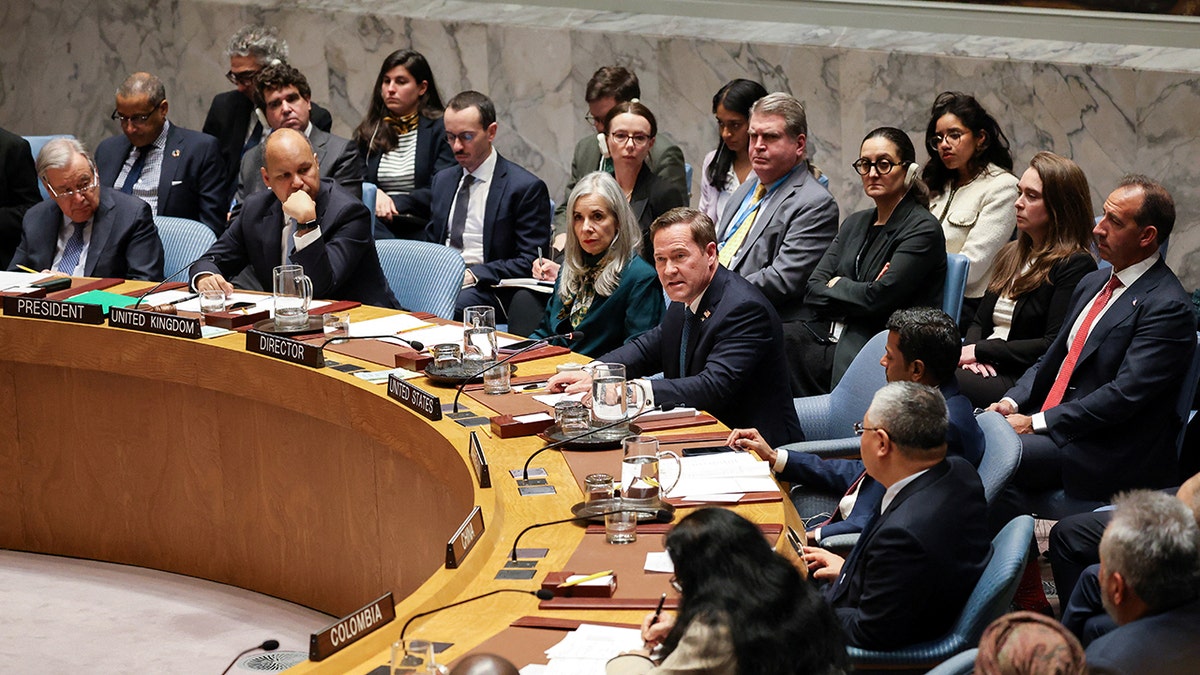
U.S. Ambassador to the United Nations Mike Waltz speaks during a United Nations Security Council meeting at U.N. headquarters in New York City on Feb. 28, 2026, following U.S. and Israeli strikes on Iran. (Heather Khalifa/Reuters)
Secretary-General António Guterres has repeatedly warned of a growing liquidity crisis as the organization struggles with delayed member-state payments, including billions owed by the United States. At the same time, the Trump administration has made clear that future funding and support will be increasingly tied to reforms.
Bartos argues that pressure is already producing results.
Sitting at the U.N. headquarters, he points to what he calls historic achievements: roughly $570 million cut from the U.N.’s regular budget and 2,900 positions eliminated through negotiations among all 193 member states.
«Again, never happened before in 80 years,» Bartos said.
«$570 million cut to the regular budget, approximately 3,000 posts cut. Unanimity. That’s by consensus. All 193 countries had to come together.»
For Bartos, the achievement is particularly striking because many diplomats viewed meaningful reform as impossible.
AMBASSADOR MIKE WALTZ LAYS OUT ‘AMERICA FIRST’ VISION FOR US LEADERSHIP AT THE UN
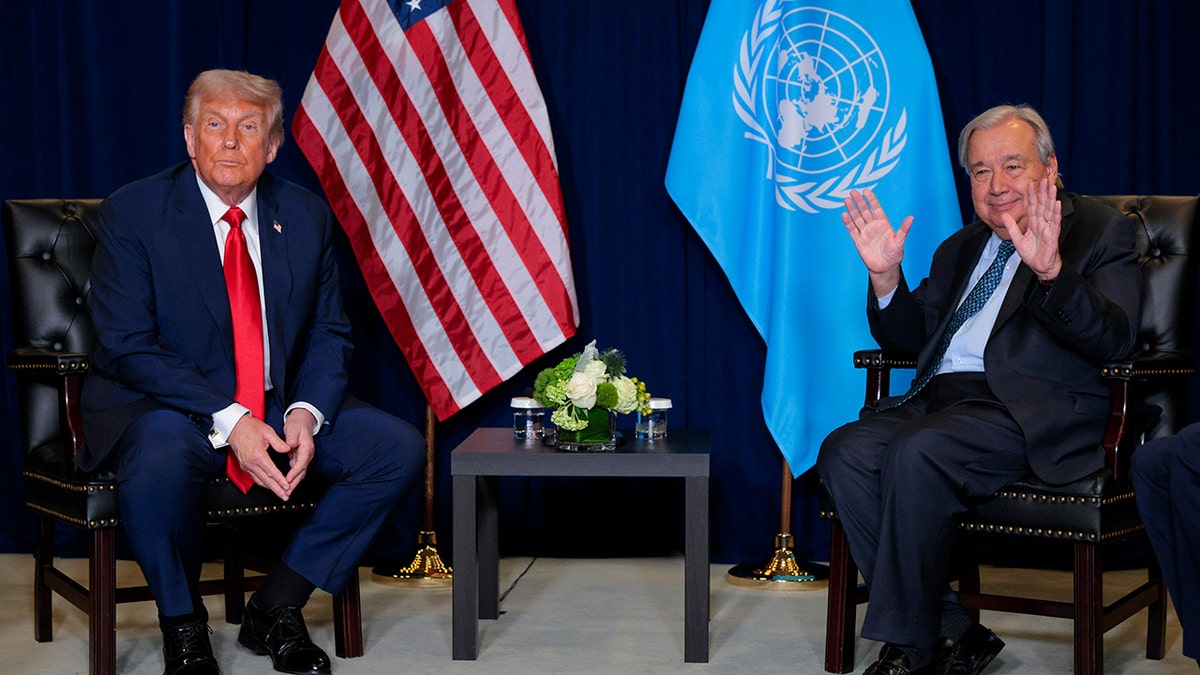
As the U.N. confronts a cash crunch, prepares to choose its next secretary-general and faces growing scrutiny from the administration, the debate over reform has become a battle over the institution’s future. (Chip Somodevilla/Getty Images)
«I promised you we wouldn’t let you down,» he recalled telling Senate Foreign Relations Committee Chairman Jim Risch months after his confirmation.
The reforms represent only what Bartos describes as a «down payment.» The next phase is already underway.
As member states negotiate peacekeeping budgets for the coming year, the administration is pushing to reduce spending, streamline missions and eliminate programs it believes no longer serve their intended purpose.
One example, Bartos said, involves changing how the U.N. reimburses countries that contribute equipment to peacekeeping missions.
Previously, reimbursement was largely based on whether equipment was present.
«The methodology that the U.N. used to reimburse troop-contributing countries for equipment was: ‘Is it there?’» Bartos said.
The United States pushed for a simple change: «You get reimbursed when the equipment is put into action to do work.»
The reform could save roughly $30 million annually, according to U.S. estimates.
For Bartos, however, the dollar figure matters less than what it represents.
«It’s a culture change,» he said. «Being efficient, being respectful of every dollar, thinking about the taxpayers who fund all this.»
That mindset is driving the administration’s next major targets: employee compensation and pensions.
Bartos argues that the U.N.’s pension system and benefits structure consume resources that could otherwise be directed toward humanitarian operations.
Not everyone at the United Nations agrees with Bartos’ assessment. U.N. officials argue that many of the reforms predate the Trump administration and were already being pursued under Secretary-General António Guterres.
«From day one, the Secretary-General has been committed to reforms,» U.N. spokesman Stéphane Dujarric told Fox News Digital and added, «A few days ago, on 28 May, the Secretary-General told Member States that they need to act on structural reform, saying, «Genuine reform requires tough choices. This is no time for complacency, self-interest, or foot-dragging.»
The UN80 initiative is Guterres’ flagship reform effort, aimed at cutting duplication, reviewing mandates and making the UN system more efficient.
Still, Bartos argues the pace and scope of reform changed dramatically once the United States began applying pressure through budget negotiations and funding discussions.
«The U.N. is at a decision point,» Bartos told Fox News Digital.
The debate comes as the organization faces mounting financial pressure. Dujarric said Guterres remains deeply concerned about ongoing liquidity challenges caused by delayed payments from member states, including the United States.
«Unlike a government, the U.N. cannot borrow or print money,» Dujarric said, warning that the organization is expected to execute programs with funds it has not received while also returning unused funds at the end of the year.
Earlier in 2026, Guterres urged member states either to pay their assessed contributions in full and on time or overhaul the U.N.’s financial rules to prevent what he described as the risk of financial collapse.
The reforms are unfolding as the U.N. begins preparing for one of the most consequential transitions in years: the search for a successor to Guterres, whose term expires at the end of 2026.
According to Bartos, reform has become a central topic in discussions with prospective candidates.
The administration hopes the next secretary-general will embrace efforts to reduce bureaucracy and return the institution to what Bartos repeatedly describes as a «back-to-basics» approach.
The challenge, he acknowledges, is enormous.
Yet Bartos insists the experience has prepared him in unexpected ways.
Before entering government, he completed two Ironman triathlons while balancing work and family life.
«It’s discipline, planning, prioritization,» he said. «It’s not dissimilar to budget negotiations.»
The comparison may sound unusual, but it reflects how Bartos views the job: not as a sprint, but as an endurance race requiring patience, persistence and long-term thinking.
The mission also carries a personal dimension.
TRUMP REMOVES US FROM UN HUMAN RIGHTS COUNCIL, BANS UNRWA FUNDING
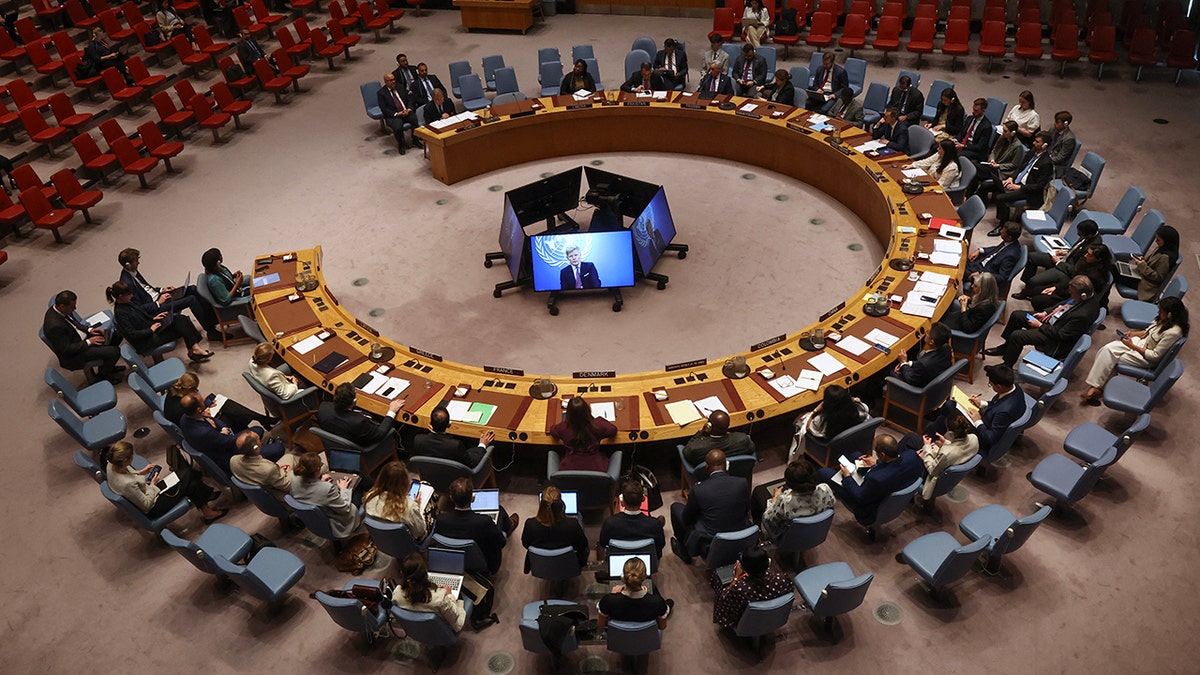
Bartos argues that the UN’s pension system and benefits structure consume resources that could otherwise be directed toward humanitarian operations. (Heather Khalifa/AP Photo)
After two unsuccessful statewide campaigns in Pennsylvania — first as the Republican nominee for lieutenant governor in 2018 and later as a candidate in the state’s 2022 Republican Senate primary — Bartos said he had largely stepped away from politics before returning to public service following the Oct. 7, 2023, Hamas attacks on Israel.
Bartos recalled his wife urging him to get involved: «You’ve spent your life working on these issues. You need to do something.»
He ultimately joined efforts to help elect Trump and later accepted the U.N. role.
Now, after tackling what many considered the first impossible mission — reforming the United Nations — Bartos is preparing for what may prove an even harder challenge.
Bartos said he was recently tasked by U.S. Ambassador to the U.N. Mike Waltz with helping lead efforts to combat what the administration views as entrenched anti-Israel bias across the U.N. system, including agencies, special rapporteurs and investigative bodies.
The debate intensified following the publication of the U.N. secretary-general’s annual report on conflict-related sexual violence, which added Israeli security forces to the report’s blacklist of parties credibly suspected of patterns of sexual violence in armed conflict. Israel rejected the allegations and announced it would suspend engagement with Secretary-General António Guterres’ office.
ISRAEL ACCUSES UN OF PLACING IT ON SAME SEXUAL VIOLENCE BLACKLIST AS HAMAS TERRORISTS, SEVERS TIES
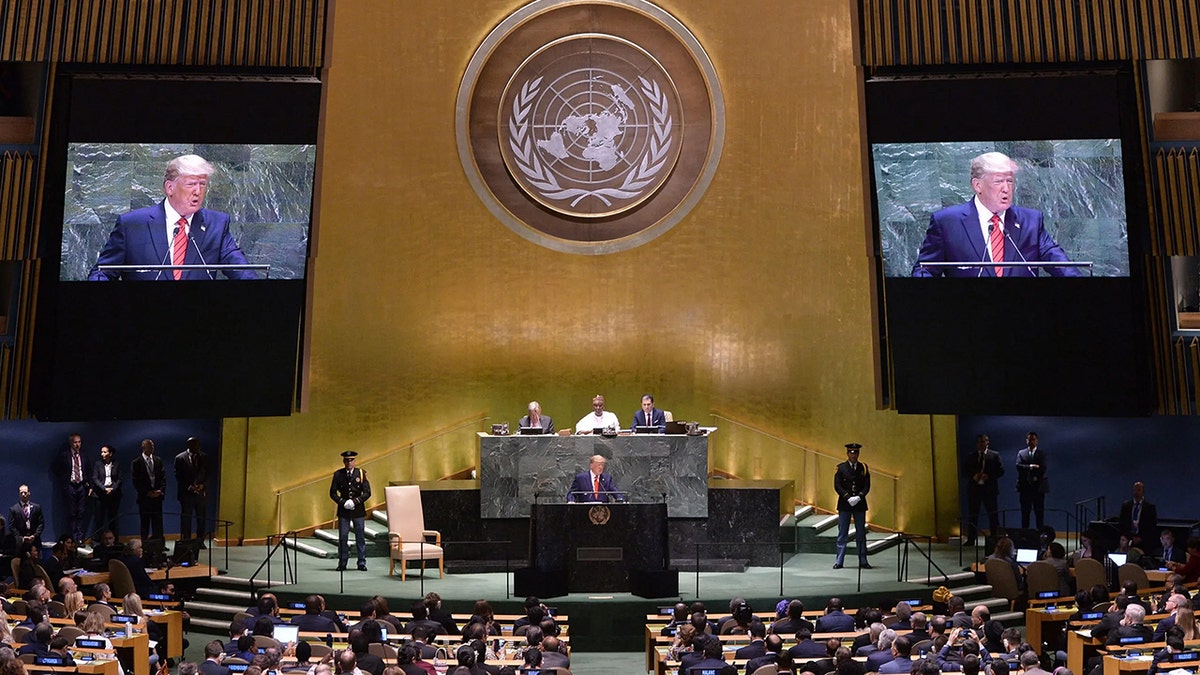
President Donald Trump addresses the 74th United Nations General Assembly at the United Nations Headquarters Sept. 24, 2019, during his first term. (AAnthony Behar/Sipa USA)
Responding to the report, Waltz told Fox News Digital that the UN has failed to address what he described as a longstanding pattern of institutional antisemitism.
«The U.N. was built in the wake of World War II and the Holocaust, and yet, remarkably, it continues to be weaponized against the Jewish people and Israel,» Waltz said. «Whether it’s a U.N. official regularly referencing Israel as a ‘stain on humanity’ and attacking American companies for doing business with Israel, or reports that spread misinformation and propaganda, this antisemitism is completely unacceptable.»
«It’s been over a year since the secretary general signed off on an ‘action plan’ to fight antisemitism at the institution — it would be nice if the institution actually used it,» he added.
Bartos argues that anti-Israel bias has become embedded across multiple U.N. bodies and says the administration is working to dismantle what he calls that infrastructure through diplomacy, funding decisions and engagement with the next generation of U.N. leadership.
CLICK HERE TO DOWNLOAD THE FOX NEWS APP
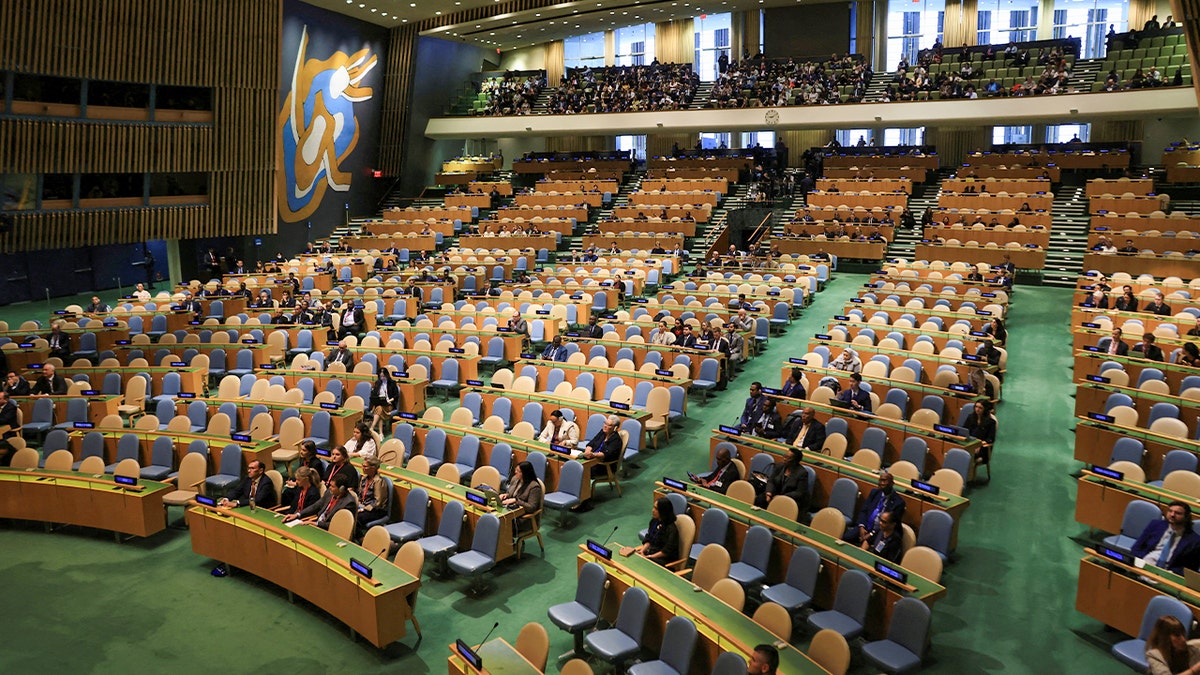
Israeli Prime Minister Benjamin Netanyahu addresses the 80th United Nations General Assembly at U.N. headquarters in New York City on Sept. 26, 2025, with many seats empty. (Caitlin Ochs/Reuters)
«There is not a day that goes by that we’re not working on that,» Bartos said.
The United Nations rejects accusations that it has ignored antisemitism within its ranks.
Dujarric told Fox News Digital that the secretary-general launched a formal Action Plan to Combat Antisemitism in January 2025 aimed at tracking antisemitism within U.N. structures and evaluating whether the organization’s policies and actions are effectively addressing the problem.
Dujarric also disputed suggestions that Guterres directly controls some of the U.N. bodies most frequently criticized by Israel and its supporters.
«The U.N. mechanisms that you allude to, including human rights mechanisms, are created by and accountable to Member States,» Dujarric said. «The Secretary-General has no authority over them.»
«It is very important for Member States to actively engage in these mechanisms if they have concerns about their content and tone,» he added.
«The U.N. is at a decision point,» Bartos concluded.
Whether the institution changes enough to satisfy its largest financial contributor remains one of the most consequential questions facing the organization — and the man charged with answering it insists the work is only beginning.
united nations, secretary general, peacekeeping, human rights united nations, reform, anti semitism










INTERNACIONAL
Cuatro crímenes y un misterio que sigue sin resolverse: el caso del asesinato de los estudiantes de Idaho que conmocionó a EE. UU.
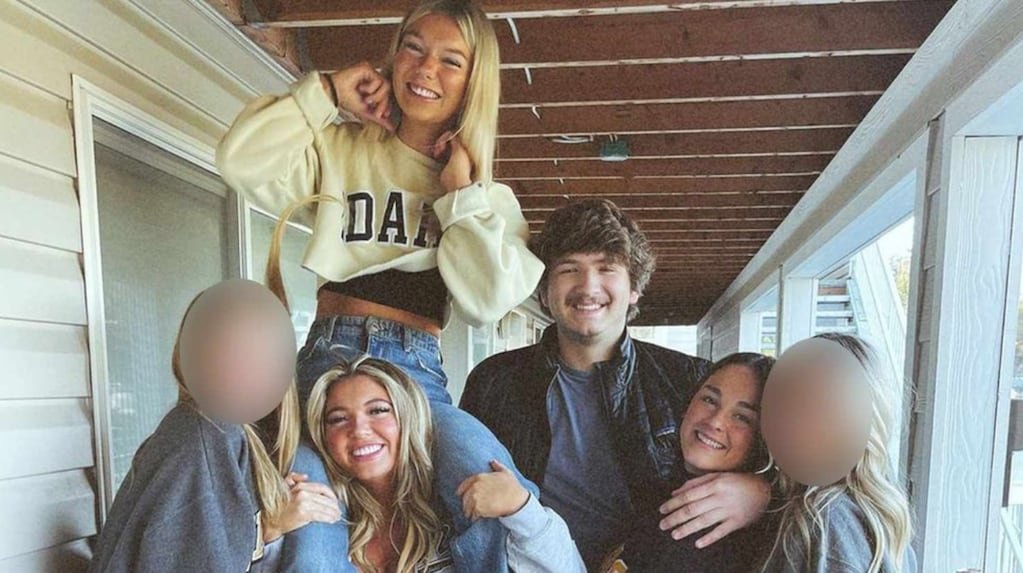
En la mañana del 13 de noviembre de 2022, un llamado al 911 alertó por un hecho inesperado cerca del campus de la Universidad de Idaho, en Estados Unidos: cuatro estudiantes de entre 20 y 21 años habían sido asesinados a puñaladas.
Las víctimas eran Madison Mogen, Kaylee Goncalves, Xana Kernodle y Ethan Chapin, todos fueron encontrados dentro de la casa que alquilaban para vivir mientras cursaban su carrera universitaria en la ciudad de Moscow.
La escena del crimen dejó desconcertados a los investigadores, ya que el caso parecía no tener explicación. No había sospechas de que los chicos tuvieran un “enemigo” y no estaba claro cuál había sido el motivo del hecho.
Sin embargo, una funda de cuchillo que había quedado olvidada sobre una de las camas, el registro de un auto blanco captado por las cámaras de seguridad y meses de análisis forenses terminaron llevando a los policías hasta un sospechoso inesperado.
El crimen
La casa ubicada en el 1122 de King Road era un punto de encuentro habitual para estudiantes de la Universidad de Idaho. Allí vivían cinco jóvenes que cursaban distintas carreras y compartían la rutina universitaria entre clases, trabajos y reuniones con amigos.
Madison Mogen y Kaylee Goncalves, ambas de 21 años, eran mejores amigas desde la infancia. Habían crecido juntas y, aunque Kaylee ya se había mudado porque estaba a punto de graduarse, había vuelto ese fin de semana para visitar a sus amigos y mostrarles el auto que se acababa de comprar.
En la misma propiedad vivía Xana Kernodle, de 20 años, estudiante de Marketing. Esa noche había salido junto a su novio, Ethan Chapin, también de 20, que estudiaba Recreación, Deportes y Turismo en la misma facultad. Ethan no vivía ahí, pero se había quedado a dormir después de que ambos regresaran de una fiesta organizada por la fraternidad.
La sexta integrante de la casa y otra compañera sobrevivieron al ataque. Ambas permanecieron en sus habitaciones durante la madrugada y fueron quienes, horas después, dieron aviso a las autoridades al advertir que algo no estaba bien.
Uno de los homenajes a los estudiantes asesinados en Moscow. (Foto: Reuters/Lindsey Wasson)
La noche del 12 de noviembre, los cuatro jóvenes hicieron planes por separado y volvieron a la casa durante la madrugada. Lo que ocurrió en las horas siguientes pudo reconstruirse gracias a cámaras de seguridad, registros de celulares y los testimonios obtenidos durante la investigación.
Según la acusación, un hombre llegó hasta la zona en un Hyundai Elantra blanco poco después de las 4 de la mañana. El vehículo fue captado en varias oportunidades circulando alrededor de la casa antes de detenerse.
Los investigadores sostuvieron que el sospechoso ingresó por una puerta corrediza ubicada en la parte trasera de la propiedad y comenzó el ataque en el tercer piso, donde dormían Madison y Kaylee. Luego bajó al segundo nivel y asesinó a Ethan y a Xana.
Una de las sobrevivientes declaró después que escuchó ruidos durante la madrugada y abrió la puerta de su habitación en varias oportunidades. En una de ellas vio pasar a un hombre vestido de negro, con la cara parcialmente cubierta y cejas pobladas, que salió de la casa sin atacarla. Asustada, se quedó encerrada hasta que horas más tarde se descubrieron los cuerpos de los cuatro estudiantes.
Durante semanas, la policía trabajó sin un sospechoso identificado. Sin embargo, una pequeña pieza olvidada en la escena del crimen terminaría siendo la clave para resolver el caso.

La casa en donde ocurrió el asesinato de los cuatro estudiantes. (Foto: Reuters/Lindsey Wasson)
Las pistas que llevaron a un enigma
En la primera etapa de la investigación, los agentes entrevistaron a cientos de personas, analizaron fotos y videos, y recibieron muchos llamados con posibles pistas. El objetivo no solo era saber quién estaba detrás de los crímenes, sino entender el motivo.
La primera prueba clave fue encontrada dentro de la casa. Sobre una de las camas los peritos hallaron la funda de un cuchillo de uso militar Ka-Bar. En el broche, recuperaron una muestra de ADN que, meses más tarde, sería determinante para identificar al responsable.
Al mismo tiempo, los investigadores analizaron las cámaras de seguridad instaladas en las calles y las propiedades de Moscow. Así fue como detectaron un Hyundai Elantra blanco que había pasado varias veces frente a la casa durante la madrugada del crimen.
Ese vehículo pertenecía a Bryan Kohberger, un estudiante de 28 años del doctorado en Criminología de la Universidad Estatal de Washington, ubicada a pocos kilómetros de Moscow.
La fiscalía que investigaba el caso del asesinato de los estudiantes de Idaho identificó a Bryan Kohberger como el principal sospechoso. (Foto: Reuters)

Los registros de telefonía celular también resultaron fundamentales, ya que permitieron establecer que el sospechoso se había conectado en reiteradas oportunidades a antenas cercanas a la casa durante los meses previos a los asesinatos, un dato que reforzó la idea de que había vigilado el lugar antes.
Con todas esas pruebas, el 30 de diciembre de ese mismo año, agentes del FBI y de la Policía detuvieron a Kohberger en la casa de sus padres en Pensilvania, donde había viajado para pasar las fiestas de fin de año.
El juicio y la condena
Durante más de dos años, el caso avanzó hacia un juicio que prometía convertirse en uno de los más importantes de la historia criminal de Idaho.
Sin embargo, el proceso dio un giro inesperado en 2025, cuando Bryan Kohberger aceptó un acuerdo con la fiscalía y se declaró culpable de los cuatro asesinatos para evitar un juicio en el que podía ser condenado a muerte.
Como parte del acuerdo, renunció a apelar la condena y aceptó una sentencia de cuatro cadenas perpetuas consecutivas, sin posibilidad de acceder a la libertad condicional.

En julio de 2025, Kohberger se declaró culpable de los cuatro asesinatos como parte de un acuerdo con la fiscalía. (Foto: Reuters)
Durante la audiencia de sentencia, familiares y amigos de las víctimas describieron el profundo impacto que los crímenes tuvieron en sus vidas y reclamaron respuestas que nunca llegaron.
Actualmente, Kohberger permanece alojado en la Institución de Máxima Seguridad de Idaho, donde cumplirá su condena.
El misterio que sigue sin resolverse
Si bien la Justicia logró determinar quién fue el autor material de los asesinatos, una de las preguntas que sigue sin respuesta es por qué lo hizo.
Por su parte, Kohberger nunca explicó cuál fue el motivo del ataque. Al declararse culpable, evitó el juicio, pero, además, no tuvo que dar una reconstrucción detallada de los hechos ni responder preguntas sobre el móvil.
Con el paso del tiempo surgieron distintas teorías: algunas sostienen que pudo haber desarrollado una obsesión con las víctimas; otras apuntan a que su interés por la criminología derivó en una fascinación por los asesinos. Sin embargo, ninguna de estas hipótesis fue confirmada por la fiscalía.
Estados Unidos, asesinatos, estudiante
INTERNACIONAL
New York gubernatorial candidate urges 9/11 attendees to turn away from Mamdani during ceremony
NEWYou can now listen to Fox News articles!
Bruce Blakeman, the Republican candidate in New York’s gubernatorial race, said Wednesday that attendees at this year’s Sept. 11 memorial ceremony should turn their backs on New York City Mayor Zohran Mamdani if he attends.
«I would equate this to a wake. You don’t go to a wake if you’re not welcome,» Blakeman, whose nephew was killed in the South Tower on Sept. 11, 2001, and who currently serves as Nassau County executive, told reporters.
«I think it’s completely appropriate if family members ask him not to come, but if he does come, I think there’s a respectful and peaceful way to protest that and I would suggest that people turn their back on the mayor,» he said.
FIREFIGHTER BROTHER OF 9/11 VICTIM INCENSED BY ‘RADICAL’ MUSLIMS WINNING KEY DEM PRIMARIES
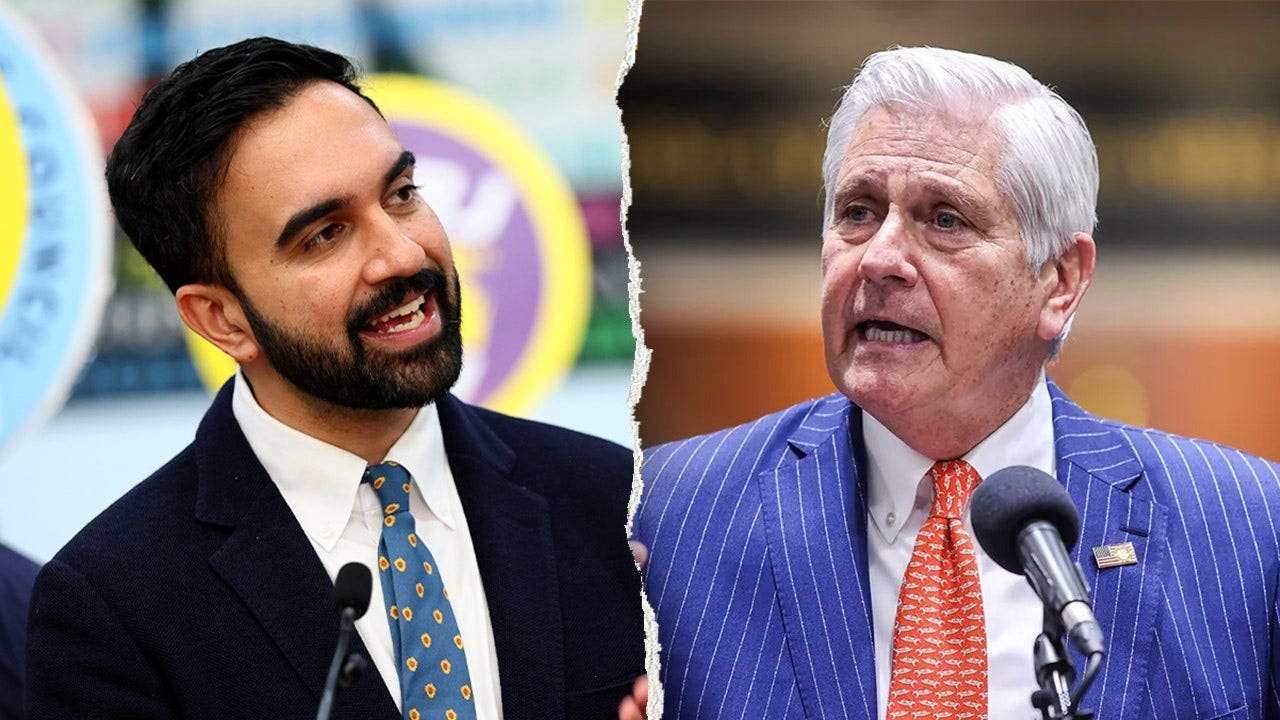
Nassau County Executive Bruce Blakeman, right, and New York City Mayor Zohran Mamdani. Blakeman called for a silent protest if Mamdani attends this year’s Sept. 11 memorial ceremony. (Steve Pfost/Newsday RM via Getty Images; Michael M. Santiago/Getty Images)
Blakeman argued Mamdani’s refusal to condemn the phrase «globalize the intifada» should disqualify him from attending the ceremony marking the 25th anniversary of the terrorist attacks.
«He’s not welcome there because he has yet to say anything in opposition to the global intifada. As a matter of fact, it seems like he supports that phrase, which is part of the reason why we had the tragedy we had on 9/11,» Blakeman said.
Mamdani’s office did not immediately respond to a request for comment from Fox News Digital.
The mayor has said he still plans to attend the ceremony.
9/11 FAMILIES PUSH TO BAN MAMDANI FROM 25TH ANNIVERSARY REMEMBRANCE OVER ‘HOSTILE’ RECORD
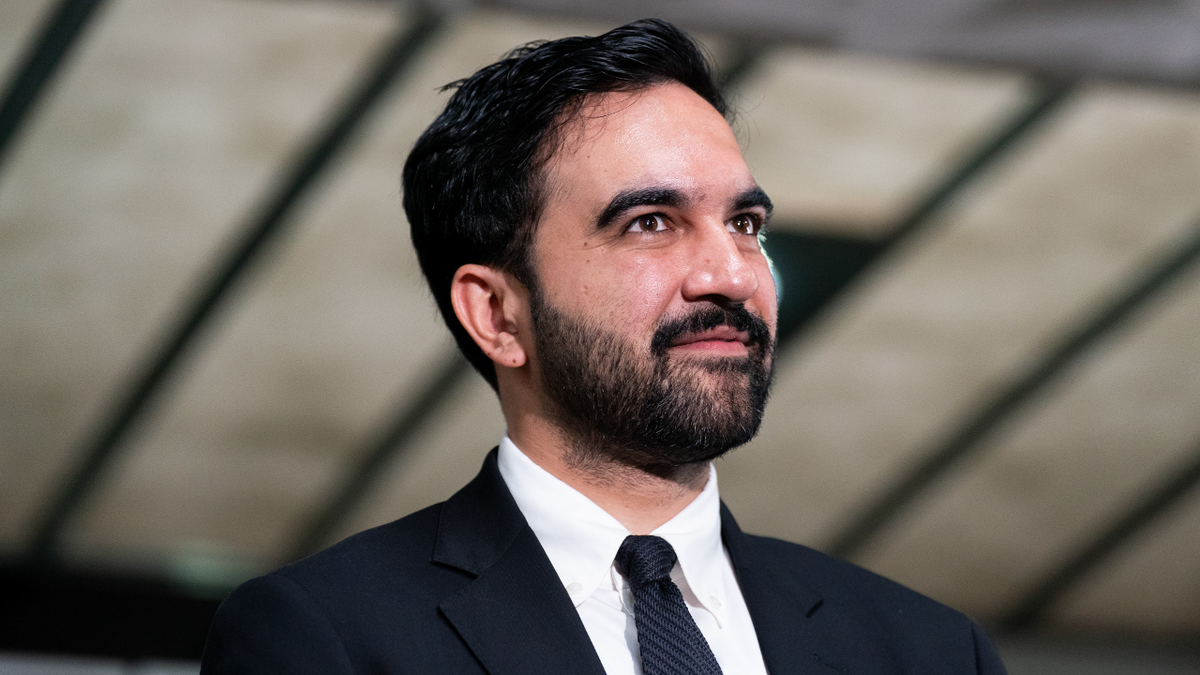
New York City Mayor Zohran Mamdani during an announcement on municipal grocery stores at a Campaign for Hunger community food distribution center in Brooklyn on July 27, 2026. (Adam Gray/Bloomberg via Getty Images)
«I will proudly honor the families, the survivors, the first responders forever impacted by that horrific terror attack by standing alongside them at this year’s 9/11 commemoration — reaffirming that we will never forget the solemn day…» Mamdani said last week.
His comments came after relatives of Sept. 11 victims launched a petition urging the National September 11 Memorial & Museum to bar Mamdani from attending the ceremony in Lower Manhattan.
«Concerns have been raised about Mr. Mamdani’s public positions, associations, and responses to rhetoric that many perceive as hostile to these shared values,» the Change.org petition states.
«Given these concerns, we respectfully ask that the organizers carefully consider whether Mr. Mamdani’s participation would align with the intention of the ceremony and the expectations of the families most directly affected by the tragedy.»
JEWISH LEADERS FAULT MAMDANI RHETORIC AS UPPER WEST SIDE STABBING, HATE CRIME PROBE CONTINUES
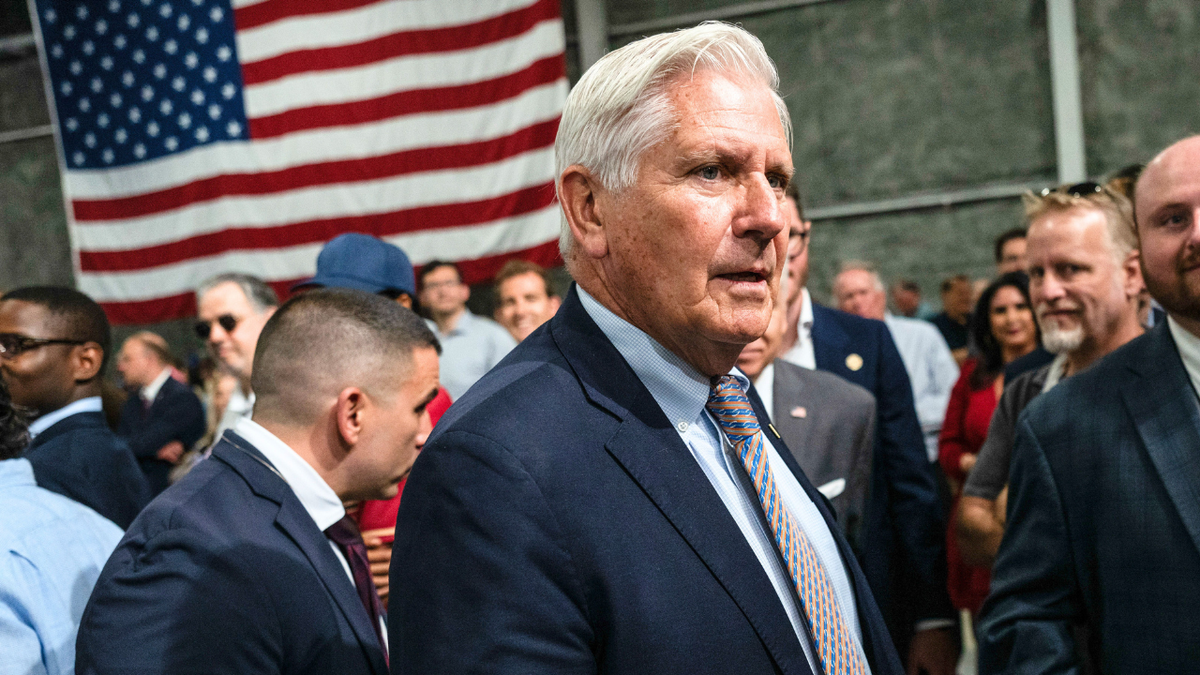
Bruce Blakeman, Nassau County executive and Republican candidate for New York governor, who is running to unseat Democratic Gov. Kathy Hochul and has secured President Donald Trump’s endorsement. (Victor J. Blue/Bloomberg/Getty Images)
A spokesperson for the 9/11 Memorial & Museum previously told Fox News Digital that the organization has «intentionally worked to keep the commemoration free of politics because remembering those we lost on 9/11 should never be a partisan issue.»
«Government officials from across the political spectrum, including every sitting president, governor, and mayor since 9/11, have attended the ceremony simply to bear witness — they do not deliver remarks and are asked to remain in a designated area,» the spokesperson added.
Former New York Gov. George Pataki was also asked Wednesday whether Mamdani should attend the ceremony.
«It’s my nature to be inclusive, and that is my instinct, but Sept. 11 is different. So, I may have comments on that,» Pataki said, according to the New York Post.
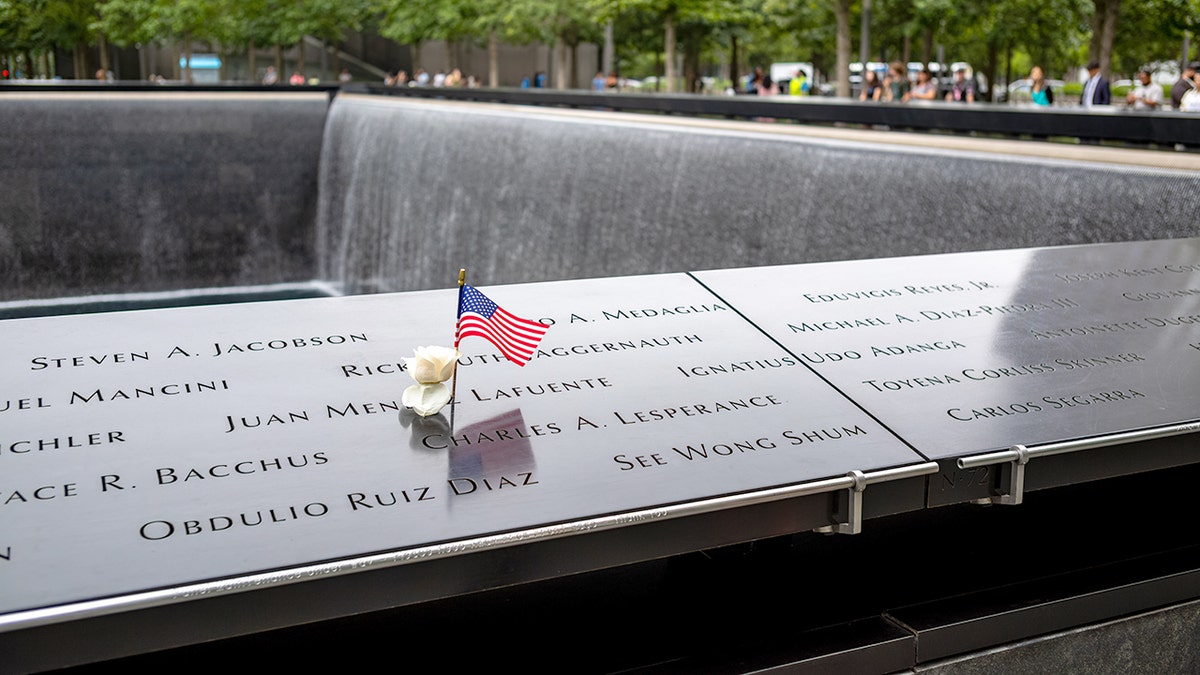
The 9/11 Memorial in the financial district of Lower Manhattan, New York at the site of World Trade Center. (iStock)
Fox News Digital’s Charles Creitz contributed to this report.
zohran mamdani, new york city, politics, gubernatorial, september 11
INTERNACIONAL
La OMS afirmó que el brote de ébola en África está superando la capacidad de respuesta para combatirlo
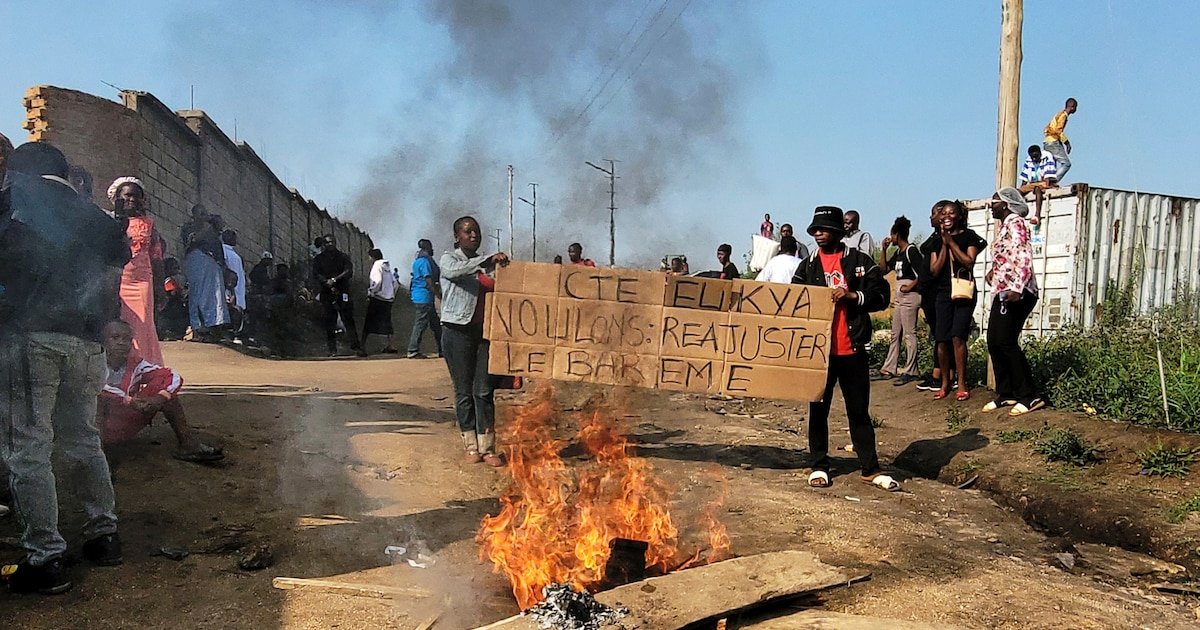
El director general de la Organización Mundial de la Salud (OMS), Tedros Adhanom Ghebreyesus, señaló que el brote de ébola se expande a un ritmo superior a los esfuerzos de control, según advirtió durante una visita a la República Democrática del Congo (RDC). Esta situación crítica se suma a que parte del personal sanitario en el país está en huelga por falta de pago.
Casi tres meses después del inicio del brote, el número de nuevos casos se duplica en algunos puntos críticos, señaló Tedros tras reunirse con autoridades en Kinshasa, capital de RDC. Es la segunda vez que el titular de la OMS visita el país desde que se declaró la aparición de la enfermedad a mediados de mayo.
“Todos coincidimos en que debemos aumentar urgentemente y de manera masiva los esfuerzos en todos los pilares de la respuesta y entre todos los socios”, afirmó Tedros.
Según el Ministerio de Salud de RDC, hasta este jueves se registraron 3.973 casos confirmados y 1.801 muertes. En la provincia de Ituri, epicentro del brote, familias reportan que la huelga de trabajadores sanitarios agravó la falta de acceso a la atención médica en una zona ya afectada por el conflicto armado y la lejanía, cerca de las fronteras con Sudán del Sur, Uganda y Ruanda.
Algunos empleados comenzaron a recibir pagos la última semana por su trabajo desde el inicio de la emergencia, pero reclaman mejoras salariales. Anicet Baluku, residente de Bunia, capital de Ituri, responsabilizó a la huelga de la muerte de sus dos hermanos por ébola. “Urgimos a las autoridades a encontrar una solución rápida para evitar que otras familias sufran la misma tragedia”, declaró a The Associated Press.

Tedros instó a tomar medidas que permitan llegar a todas las localidades afectadas, fortalecer la coordinación bajo el liderazgo del gobierno y proteger a los trabajadores de la salud. “Ante todo, las comunidades deben estar en el centro de la respuesta y ser dueñas de ella”, afirmó. “No podemos detener el ébola sin su confianza, liderazgo y colaboración”.
El actual brote superó en velocidad de transmisión a todos los anteriores y es el segundo más grande registrado, solo superado por el brote de África Occidental entre 2014 y 2016, que alcanzó más de 28.000 casos y más de 11.000 muertes.
El virus Bundibugyo, responsable de este brote, no cuenta con tratamiento ni vacuna aprobados. Las autoridades consideran que el brote se originó en una zona remota antes de su declaración oficial el 15 de mayo.
Médicos Sin Fronteras advirtió que el brote continúa “propagándose a un ritmo alarmante y sin precedentes”. La organización señaló que, aunque la respuesta se está ampliando, aún no alcanza a las comunidades con suficiente rapidez para interrumpir las cadenas de transmisión.
Por su parte, el Departamento de Estado de Estados Unidos anunció una asignación adicional de 242 millones de dólares para la respuesta inmediata al brote de ébola en la región, así como para medidas de preparación y asistencia humanitaria asociadas. Esta financiación eleva el total de la asistencia directa estadounidense a más de 512 millones de dólares.

La directora de los Centros para el Control y la Prevención de Enfermedades de África, Jean Kaseya, alertó durante una visita a Bunia que el rastreo de contactos no está funcionando de manera efectiva. Entre el 60% y el 70% de los nuevos casos no corresponden a personas que estaban siendo monitoreadas tras haber estado expuestas a pacientes infectados.
La detección tardía de casos ha sido un factor determinante en la tasa de mortalidad del 45%, informaron las autoridades. El Ministerio de Salud reportó que, de los 77 casos notificados en las últimas 24 horas, 44 fueron fatales. Actualmente, al menos 717 pacientes permanecen aislados y 749 han logrado recuperarse.
La directora de los Centros para el Control y la Prevención de Enfermedades de África, Jean Kaseya, señaló que el organismo coordina los esfuerzos con los equipos de respuesta en torno a la detección temprana, el rastreo de contactos más eficaz, el acceso rápido a atención de calidad y una mayor participación comunitaria.
(Con información de Associated Press)
General Health,Medicines,Africa,Health / Medicine

Griezmann ya deslumbra en Estados Unidos

Cuatro crímenes y un misterio que sigue sin resolverse: el caso del asesinato de los estudiantes de Idaho que conmocionó a EE. UU.

Leticia Brédice lució su transformación para interpretar a Susana Giménez en la serie de Moria Casán: “Es un sueño”

La agenda del Papa en la Argentina: el recorrido completo que prepara y los lugares elegidos para dar un fuerte mensaje social

“Gasté mucho dinero en alcohol, mujeres y autos; el resto lo despilfarré”: la frenética historia de uno de los futbolistas más icónicos

New York gubernatorial candidate urges 9/11 attendees to turn away from Mamdani during ceremony

“Vamos a acelerar con todo”: el objetivo del Gobierno por las reformas y la agenda electoral de cara al 2027

Javier Milei cruzó a Victoria Villarruel y elevó la tensión: “Es una opositora, replica los argumentos kirchneristas”

Reelecciones indefinidas: el oficialismo bonaerense niega que busque ampliar la Legislatura como parte de una reforma política para beneficiar a los intendentes

¡Chau Luck Ra! La salida de soltera de La Joaqui, muy bien acompañada, a días de su separación
-
 POLITICA2 días ago
Javier Milei cruzó a Victoria Villarruel y elevó la tensión: “Es una opositora, replica los argumentos kirchneristas”
-

 ECONOMIA20 horas ago
Dólar hoy en vivo: a cuánto se negocian todas las cotizaciones minuto a minuto este miércoles 5 de agosto
-
 INTERNACIONAL3 días ago
Trump v. Smithsonian: A timeline of how the White House fight over ‘woke’ history unfolded