
INTERNACIONAL
Madre e hija, científicos y buzos experimentados: quiénes eran las víctimas de la tragedia en Maldivas

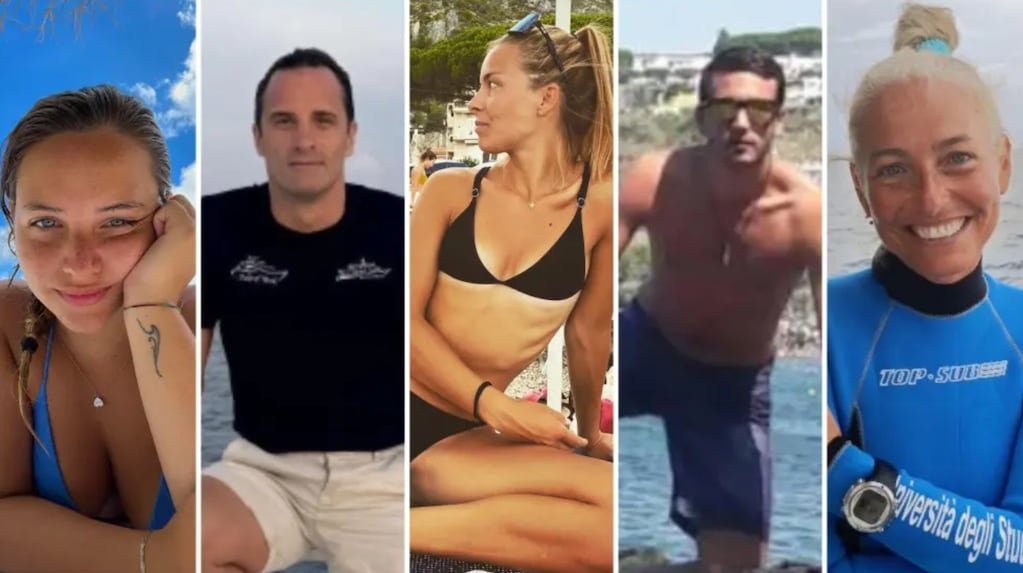
Cinco ciudadanos italianos murieron durante una inmersión en las Maldivas, en una de las tragedias de buceo más graves registradas en el archipiélago en los últimos años.
El accidente ocurrió en una cueva submarina cercana a la isla de Alimathà, en el atolón de Vaavu, una zona conocida por atraer a buceadores experimentados debido a sus profundidades y corrientes complejas.
El grupo participaba de una expedición científica y recreativa de una semana organizada desde el crucero especializado Duke of York.
Según las primeras reconstrucciones, los cinco italianos desaparecieron mientras realizaban una inmersión a entre 50 y 60 metros de profundidad.
Las autoridades locales todavía investigan las causas exactas del accidente y manejan distintas hipótesis, entre ellas desorientación dentro de la cueva, fallas en la mezcla de gases o problemas vinculados a la profundidad extrema.
Entre los fallecidos hay reconocidos investigadores de la Universidad de Génova, expertos en biología marina y el director de operaciones del crucero. La noticia conmocionó a la comunidad académica y a los amantes del buceo.
Quiénes eran las víctimas: científicos, instructores y una joven estudiante
Monica Montefalcone: referente en ecología marina
Una de las víctimas es Monica Montefalcone, profesora asociada de Ecología Marina en la Universidad de Génova.
Monica Montefalcone era una reconocida científica y buceadora experimentada. (Foto: gentileza The NY Post).
Tenía 51 años y era considerada una referente internacional en estudios sobre arrecifes coralinos, praderas marinas y cambio climático. Había dedicado gran parte de su carrera científica a investigar ecosistemas tropicales en las Maldivas y contaba con más de 240 publicaciones académicas.
Giorgia Sommacal: la hija de Monica, una vida marcada por el mar
Junto a ella murió su hija, Giorgia Sommacal, de 22 años. Estudiaba Ingeniería Biomédica en Génova y compartía con su madre la pasión por el mar y el submarinismo.

Medios italianos señalaron que desde pequeña había acompañado a Montefalcone en viajes y actividades vinculadas a la investigación marina.
Muriel Oddenino: investigadora y buceadora
Otra de las víctimas fue Muriel Oddenino, investigadora especializada en ecología marina y conservación de ecosistemas submarinos.

Muriel Oddenino es otra de las científicas que murieron en Maldivas. (Foto: gentileza Divernet).
Formada entre las universidades de Turín y Génova, trabajaba también en el Departamento de Ciencias de la Tierra de la universidad genovesa y participaba regularmente en campañas de investigación científica bajo el agua.
Federico Gualtieri: biólogo marino e instructor de buceo
También murió Federico Gualtieri, de 31 años, graduado en Biología Marina.
Había desarrollado investigaciones sobre biodiversidad en atolones de Maldivas y además era instructor certificado de buceo.

Federico Gualtieri, otra de las víctimas de la tragedia en Maldivas. (Foto: gentileza Divernet).
Según medios italianos, tenía previsto mudarse a Japón en los próximos meses para incorporarse a un proyecto científico internacional.
Gianluca Benedetti: director de operaciones y guía submarino
La quinta víctima es Gianluca Benedetti, director de operaciones del crucero y uno de los instructores encargados de coordinar las inmersiones.
Gianluca Benedetti era el capitán del yate. (Foto: gentileza Divernet).

Benedetti llegó por primera vez a las Maldivas en 2017 y quedó tan fascinado por el archipiélago que terminó instalándose allí. Dejó atrás su carrera en el sector financiero para dedicarse profesionalmente al buceo en Maldivas, donde trabajaba como guía submarino y capitán de embarcaciones turísticas. Fue el primer cuerpo identificado tras el accidente.
Una tragedia que golpea a la ciencia y al mundo del buceo
La tragedia generó una fuerte conmoción en Italia, especialmente en el ámbito universitario y científico. La Fiscalía de Roma abrió una investigación paralela mientras continúan las tareas de rescate y recuperación de los cuerpos en condiciones climáticas complejas.
maldivas, buceo



INTERNACIONAL
Los precios del petróleo suben ante la preocupación por los planes de reapertura del estrecho de Ormuz

El precio del petróleo subió este viernes en medio de nuevas preocupaciones por la apertura del estrecho de Ormuz, luego de que Irán, en coordinación con Omán, propusiera prohibir el paso de buques considerados hostiles y aplicar fuertes multas a quienes violen las reglas propuestas. El régimen persa mantiene un cierre de facto de la vía marítima estratégica desde el 28 de febrero de 2026.
Los futuros del crudo Brent, de referencia europea, ascendieron 80 centavos, o 0,97%, hasta 83,29 dólares el barril, mientras que el West Texas Intermediate (WTI) de Estados Unidos subió 64 centavos, o 0,83%, hasta 77,93 dólares.
El jueves, los futuros del petróleo cerraron con un alza superior a los 3 dólares por barril después de que Irán analizara un proyecto de ley para prohibir el paso de buques estadounidenses e israelíes por el estrecho de Ormuz, canal donde transitaba cerca de una quinta parte del petróleo y gas natural licuado mundial antes del inicio de la guerra en Medio Oriente a fines de febrero.
Los precios habían caído a principios de semana ante la posibilidad de una solución al conflicto, pero el Brent superó los 80 dólares el jueves tras haber caído por debajo de ese umbral por primera vez desde el 13 de julio. Ambos referenciales se encaminan a cerrar la semana con una caída cercana al 8%.

Las tensiones entre Irán y Estados Unidos mantienen la atención del mercado energético tras la presentación de un borrador de plan iraní que propone restringir el tránsito por el estrecho de Ormuz.
Analistas coinciden en que las hostilidades entre ambos países persisten. Lin Ye, vicepresidente de mercados de materias primas y petróleo en Rystad Energy, explicó que la reciente reacción de los precios del petróleo está vinculada a la difusión del plan iraní. “El detonante inmediato es más específico, está reaccionando al plan publicado por Irán para las condiciones de tránsito en Ormuz, que prohibiría buques estadounidenses e israelíes y exigiría a otros países ‘hostiles’ pagar compensaciones antes del paso”, declaró Ye en diálogo con Reuters. El ejecutivo remarcó: “Eso no es el mercado descontando un mal acuerdo, es la confirmación de que lo que surja será un corredor gestionado o condicional, no una restauración del flujo normal”.
Un legislador iraní informó que una comisión parlamentaria evalúa un proyecto preliminar que prohíbe el tránsito de barcos estadounidenses, israelíes y de otras naciones consideradas hostiles por el Parlamento de Irán. Este proyecto prevé multas de hasta el 20% del valor de la carga para quienes violen estas restricciones, informó la agencia Fars.
Según un alto funcionario iraní, Irán aspira a cobrar tarifas de entre el 5% y el 7% del precio de las cargas a los buques que utilicen el estrecho. Por su parte, Omán discute fijar tarifas cercanas al 3%, mientras que Washington rechaza cualquier tipo de cobro. Cuatro fuentes del sector consultadas por Reuters advirtieron que el acuerdo propuesto enfrenta dificultades de implementación debido a las sanciones de Estados Unidos y a las cláusulas restrictivas de seguros sobre cualquier pago.

Vandana Hari, fundadora de la consultora Vanda Insights, afirmó que “las señales de esta semana sobre un posible acuerdo de tránsito Irán-Omán han causado oscilaciones en la percepción del mercado, pero hasta ahora dejan sin claridad qué condiciones se necesitan para concretar el entendimiento”.
En paralelo, los hutíes de Yemen informaron sobre ataques con misiles y drones contra “despliegues sauditas” en las regiones de Marib y Hadramout, según reportó Reuters. El presidente de Estados Unidos, Donald Trump, declaró el jueves ante periodistas que considera que “la guerra terminará pronto”.
(Con información Reuters)
Europe

NEWYou can now listen to Fox News articles!
U.S. Senator Marsha Blackburn, R-Tenn., cruised to victory in a GOP primary on Thursday evening in a race to replace outgoing Tennessee Gov. Bill Lee.
With the nomination in tow, Blackburn is likely to become the next governor in the Volunteer State — a state that hasn’t elected a Democrat to its top executive role since 2006.
Lee, who has served in the role since 2019, is term-limited and cannot seek re-election. He last won reelection in a 64.9% to 32.9% victory over Democratic challenger Jason Martin, a businessman and doctor.
DEMS RALLY AROUND BEST HOPE TO DEFEND GOVERNOR’S MANSION FROM GOP TAKEOVER
Republican Sen. Marsha Blackburn of Tennessee is running for governor in the 2026 race to succeed term-limited GOP Gov. Bill Lee. (Joe Raedle/Getty Images)
Notably, Lee did not endorse anyone in the three-way Republican race for the 2026 nomination but noted that he had a close relationship with Blackburn when she announced her candidacy.
«I’ve been friends with Marsha for a long time, and she served as my congressman and representative in the General Assembly. I’m proud we have really good people running for governor in this state,» Lee told local outlets.
Blackburn, for her own part, promised to continue focusing on issues that Republicans have made centerpieces to the GOP platform in Washington, D.C.
She highlighted immigration as one such issue.
«As governor, I’ll deport illegals, stop the flow of drugs and drug money. We will crack down on Cartels, restrict cash transfers to drug havens and hit criminals and illegals where it hurts — in their wallets,» Blackburn said in a campaign video.
Blackburn also promised to prevent China from buying up Tennessee land, punctuating her commitment with a viral ad where she crushed a fortune cookie.
«It doesn’t take a fortune cookie to figure it out. Here in Tennessee we’re going to stop communist China and protect Tennessee land,» she remarked.
President Donald Trump also did not issue an endorsement in the race, saying that he had ties to one of Blackburn’s challengers: Rep. John Rose, R-Tenn.
TRUMP MAY HAVE ENDORSED DARLINE GRAHAM, BUT GOP SENATE HOPEFULS AREN’T BACKING DOWN
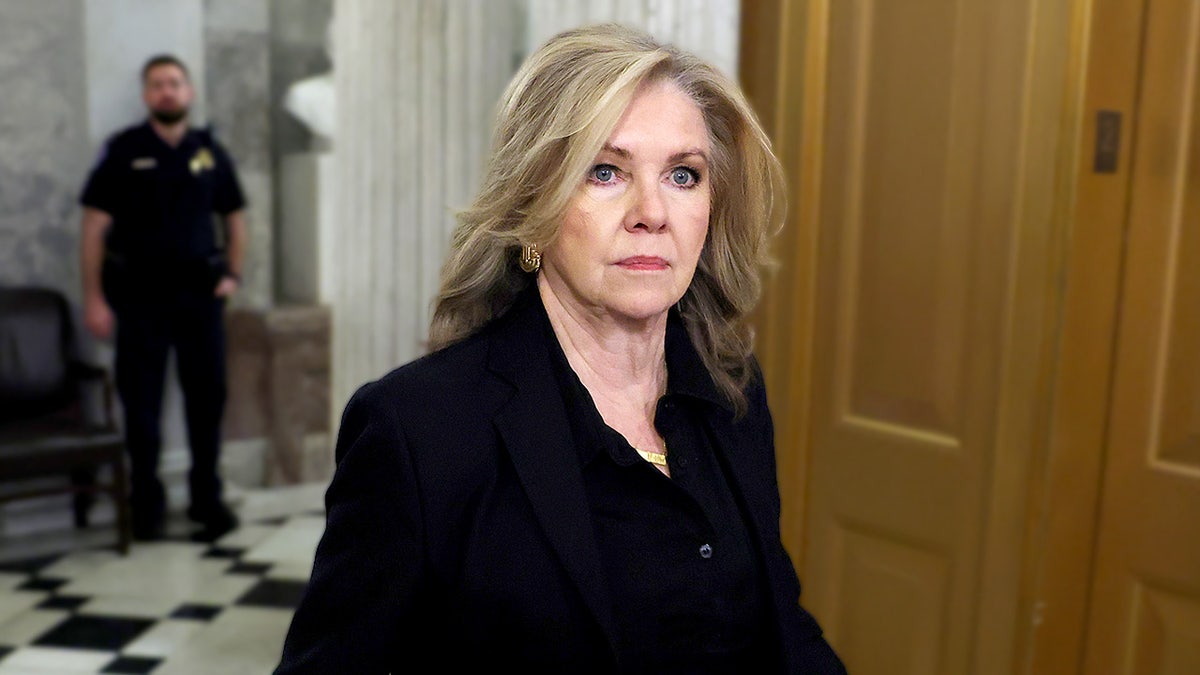
Sen. Marsha Blackburn walks out of the Senate Chambers during a vote at the U.S. Capitol Building in Washington, D.C., on October 27. (Anna Moneymaker/Getty Images)
Rose, an 8th-generation farmer and the millionaire founder of Transcender Corp., an IT certification company, has served in the Tennessee legislature since 2019. In his gubernatorial campaign, he pitched himself as a homegrown candidate focused on local solutions to local problems.
«I know that anything is achievable in Tennessee because I have lived it. Now, I’m asking for you to give me the chance to bring opportunity to all Tennesseans,» Rose said in a campaign video.
On his website, Rose highlighted five key areas of focus, including education, infrastructure, healthcare, energy and economic and community development.
A third candidate, State Rep. Monty Fritts, had run on a more aggressive, small-government platform.
«My number one priority is leaving more money in your pockets, in your purses and in your country bankrolls rather than sending it to Nashville,» Fritts said in a campaign video.
On his website, Fritts touted positions like shrinking the size of Tennessee’s budget, protecting citizen rights against encroaching government power and increasing parent input in education.
Fritts attracted controversy earlier this year when, as part of his campaign, he called for a ban on mosques and other «pagan religions.»
5 MEXICAN CARTEL BOSSES CHARGED IN WEAPONS, DRUG TRAFFICKING, TIMESHARE FRAUD SCHEMES, DOJ SAYS
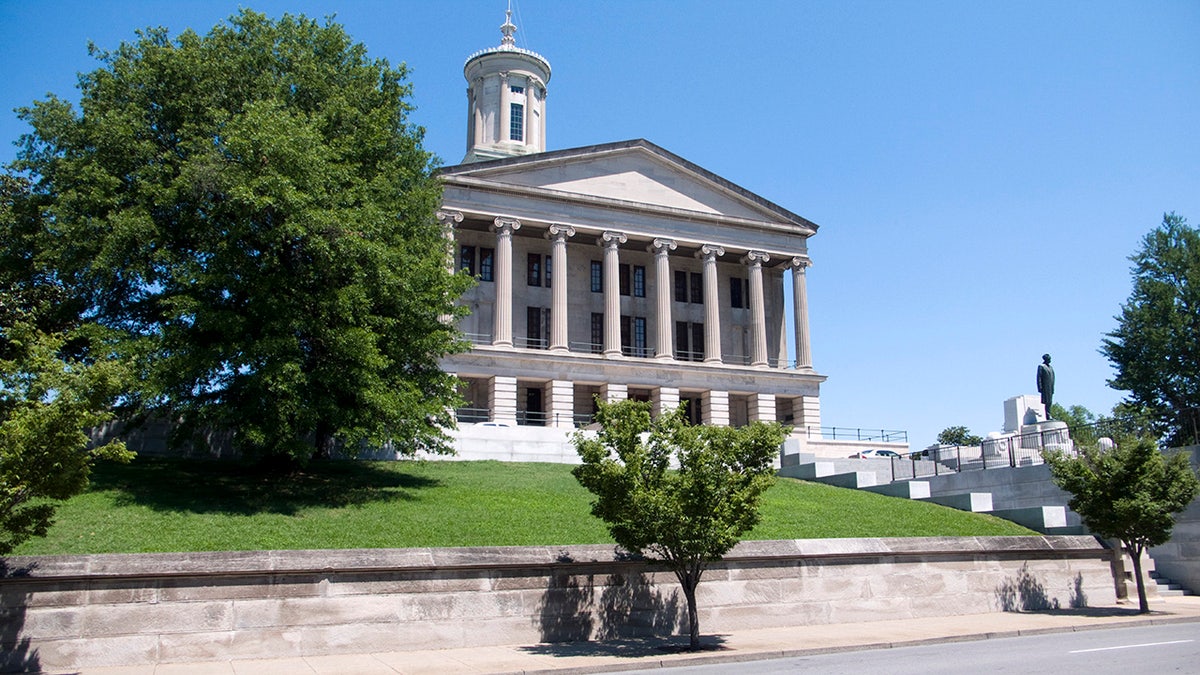
State Capitol Building Nashville Tennessee USA. (Photo by: Andrew Woodley/Universal Images Group via Getty Images) (Andrew Woodley/Universal Images Group via Getty Images)
«Islam is a little different story than perhaps other religions are, in that it’s not necessarily a religion; it’s a political movement,» Fritts said. «It’s that movement that, if you don’t submit, perhaps you are executed. I feel that Islam is incongruent with both our U.S. and Tennessee Constitution,» Fritts told local outlets.
Having cleared the primary, Blackburn will run in the state’s general election on Nov. 3 against her Democratic opponent, Memphis City Councilwoman and Chief Public Defender Jerri Green.
gubernatorial, tennessee, politics
INTERNACIONAL
Europa: la ola de calor pone a todas las grandes ciudades de Italia en alerta roja y Austria y Eslovaquia baten récords de temperatura

El calor obliga a Italia a declarar alerta
En Italia: Ventiladores y “playa urbana” para refrescar a la gente

Hungría reduce el uso de energía mientras la sequía afecta a central nuclear
Alemania se preocupa por el caudal de los ríos

Los Balcanes combaten los incendios y la sequía

Tapia: por qué trabaja para tener 64 equipos en el Mundial 2030

Los precios del petróleo suben ante la preocupación por los planes de reapertura del estrecho de Ormuz

Del test de Turing a la etiqueta nutricional: tres novedosos enfoques para medir la inteligencia de las máquinas

Conservative firebrand who went viral with anti-CCP ad survives key primary

Kicillof definió atar el desdoblamiento en Buenos Aires a lo que ocurra con las PASO a nivel nacional

Javier Milei y sus medidas, en vivo: la media sanción a la ley de propiedad privada y sus repercusiones

Javier Milei cruzó a Victoria Villarruel y elevó la tensión: “Es una opositora, replica los argumentos kirchneristas”

Dólar hoy en vivo: a cuánto se negocian todas las cotizaciones minuto a minuto este miércoles 5 de agosto

La oposición cuestionó a Benegas Lynch por su empresa para vender campos a extranjeros y el senador libertario se defendió

Inédito boicot a un decreto para bajar costos portuarios: el Gobierno envió intimaciones con Prefectura
-
 ECONOMIA2 días ago
Dólar hoy en vivo: a cuánto se negocian todas las cotizaciones minuto a minuto este miércoles 5 de agosto
-
 POLITICA9 horas ago
La oposición cuestionó a Benegas Lynch por su empresa para vender campos a extranjeros y el senador libertario se defendió
-

 POLITICA2 días ago
Brasil retira a su embajador en la Argentina: qué consecuencias tiene la medida diplomática