INTERNACIONAL
Mamdani-linked Platner adviser’s history with nude photos surfaces ahead of crucial Senate primary

NEWYou can now listen to Fox News articles!
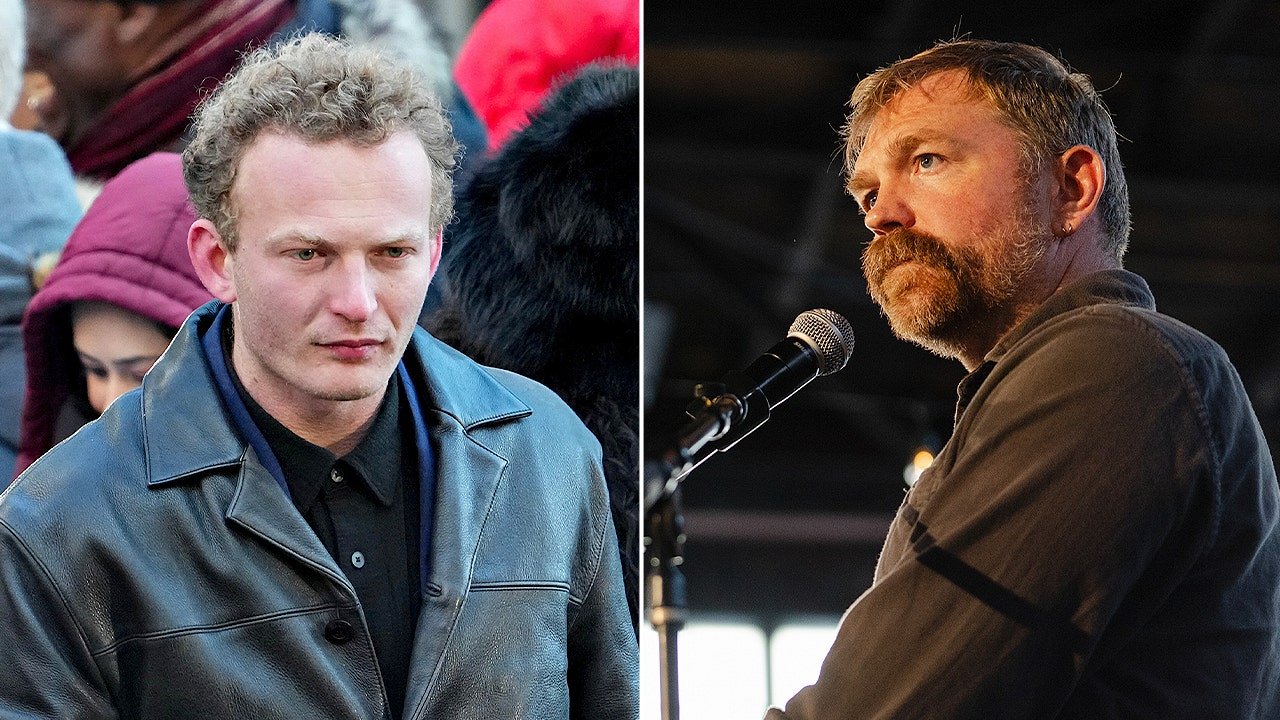
A Democratic Party campaign strategist who recently went viral for doing damage control for Graham Platner amid his public sexting scandals has past writings that include comments about sending and receiving «nudes» and a footnote in a puberty guide for boys that he wrote, which referenced using images of his own penis.
Morris Katz, an up-and-coming New York City Democratic Party campaign strategist credited with being a major factor in New York City Mayor Zohran Mamdani’s electoral upset last year, wrote on the Medium blogging platform in 2019, amid a separate Democratic Party sexting scandal, that he had both «sent» and «received nudes.» Katz also authored a 2020 puberty guide for boys that included, on page 17, a footnote saying that he initially considered using «images of my penis» to illustrate puberty before the publisher said it was inappropriate.
The resurfaced writings have drawn scrutiny over the last week from Maine Republicans after Katz was accused of trying to contain the fallout from the sexting scandal involving Platner that he exchanged sexually explicit messages with multiple women early in his marriage on Kik, an anonymous messaging app that has faced scrutiny over predatory behavior and child-safety concerns.
HOW MUCH BAGGAGE WILL DEMOCRATS ACCEPT FROM MAINE’S GRAHAM PLATNER?
The irony has not gone unnoticed by Republicans in Maine, who argue Katz’s past writings add another bizarre layer to a Platner campaign already struggling to move past allegations involving numerous scandals revolving around the candidate’s judgment.
Morris Katz, 27, has been widely credited with helping New York City Mayor Zohran Mamdani complete his upset victory last year against Andrew Cuomo and Curtis Sliwa. (Adam Gray/Bloomberg via Getty Images)
Jason Savage, executive director of the Maine Republican Party, told Fox News Digital that the combination of Platner and Katz is «like a sort of weird horror story,» arguing that both men appear unable to recognize «the guardrails of decency.»
«Morris Katz thinking that he was going to call up and intimidate Genevieve McDonald shows how bad his judgement is — he was never going to succeed at that and the fact he didn’t have the instincts to know better is just the first red flag of many for him,» Savage told Fox News Digital. «The combination of Morris Katz and Graham Platner is this weird horror story where neither one of them really understands the guardrails on decency. Neither one of them can recognize when there is a boundary.»
A Republican strategist, who is from rural Maine but wanted to remain anonymous when speaking to Fox News Digital, said the Katz controversy shows national progressive operatives are using Maine as a testing ground for an outsider-backed campaign that could ultimately weaken the seniority and resources incumbent Republican Senator Susan Collins has delivered to struggling communities across the state.
‘MAINE’S MAMDANI’: MAINE GOP CHIEF ISSUES WARNING ABOUT NEW CHALLENGER LOOKING TO OUST SUSAN COLLINS
«This guy [Katz], who is unbelievably strange, comes in from out of state and tries to get this horribly flawed guy, like limping, pleading across the finish line. That is so arrogant,» the GOP strategist said. «The arrogance that it takes to come in and say, ‘I’m an out-of-state progressive socialist here to make some money off a flawed candidate bleeding in the polls,’ and then try to take that away from the people who really need it, you’re going to take away what Susan Collins has done and will be able to do for these people.»
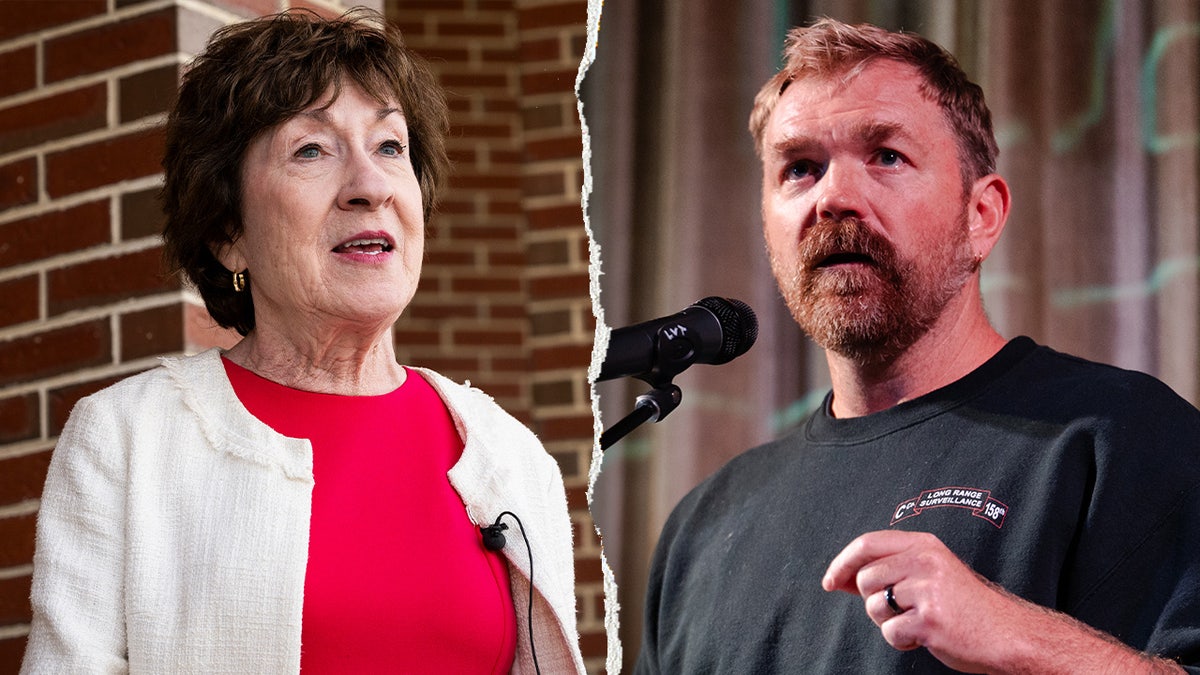
Susan Collins (left) and Graham Platner (right). (Graeme Sloan/Getty Images ; Sophie Park/Getty Images)
Platner’s campaign has been dogged by controversies since he emerged as a progressive challenger in Maine’s closely watched Senate race against incumbent Republican Sen. Susan Collins.
Some of the most recent firestorms have centered on reports alleging Platner was abusive to an ex-girlfriend and that he exchanged sexually explicit messages with multiple women early in his marriage on the platform Kik. Platner’s wife, Amy Gertner, reportedly disclosed the messages to campaign officials during an internal vetting process, and the campaign has acknowledged the messages existed while arguing the matter was addressed privately between Platner and his wife.
SENATE CANDIDATE GRAHAM PLATNER SENT EXPLICIT TEXTS TO MULTIPLE WOMEN WHILE MARRIED, WIFE SAYS: REPORT
The controversy intensified after reports that Platner still had an active profile on Kik, an anonymous messaging app that has faced criticism from child-safety groups and law enforcement officials. The profile reportedly featured a shirtless mirror selfie of Platner with a towel around his waist, which Republican staffers later appeared to mock outside the Democratic Senatorial Campaign Committee by showing up in towels.
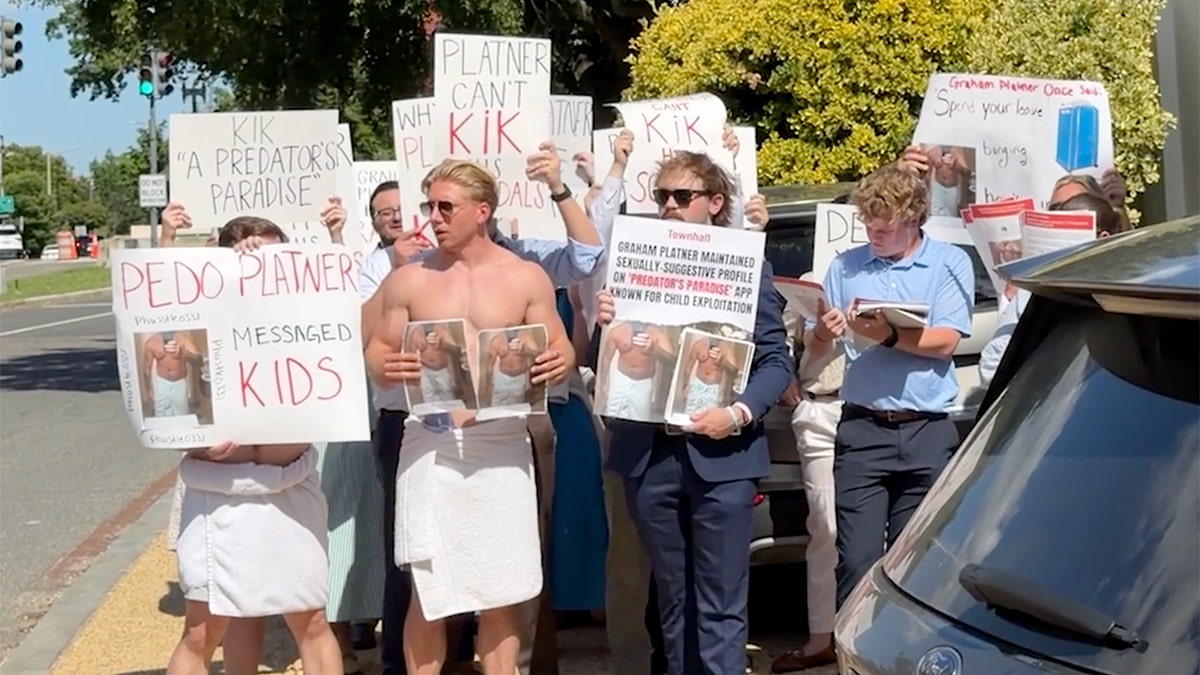
Republican staffers, including National Republican Senatorial Committee staffers, protest outside the Democratic Senatorial Campaign Committee headquarters in Washington, D.C., wearing towels to mock Maine Senate candidate Graham Platner’s reported Kik profile photo. (Nicholas Ballasy/Fox News Digital)
Platner had already faced scrutiny over a tattoo that critics identified as a Nazi-linked symbol, which he later covered up. Platner has said he was unaware of the symbol’s association with Nazis when he got the tattoo years ago, although McDonald has contested he has been aware of its meaning for some time.
Platner also apologized after old Reddit posts resurfaced in which he made a series of inflammatory comments about rape, race, political violence, police, rural Americans and military veterans. Platner has said his views have changed and that some of his past comments reflected a darker period in his life after military service.
CLICK HERE TO DOWNLOAD THE FOX NEWS APP
More recently, Platner denied allegations from a former girlfriend who accused him of abusive behavior, calling the claims politically motivated. His campaign has accused critics and national media outlets of focusing on private matters and personal attacks rather than the issues affecting Maine voters.
Fox News Digital reached out to Katz, the Platner campaign, Fight Agency, Mamdani’s team and McDonald for comment.
sex crimes, fund raising, zohran mamdani, republicans, campaigning









INTERNACIONAL
Andy Burnham asume como primer ministro del Reino Unido con una economía debilitada y el avance de Reform UK como principal desafío
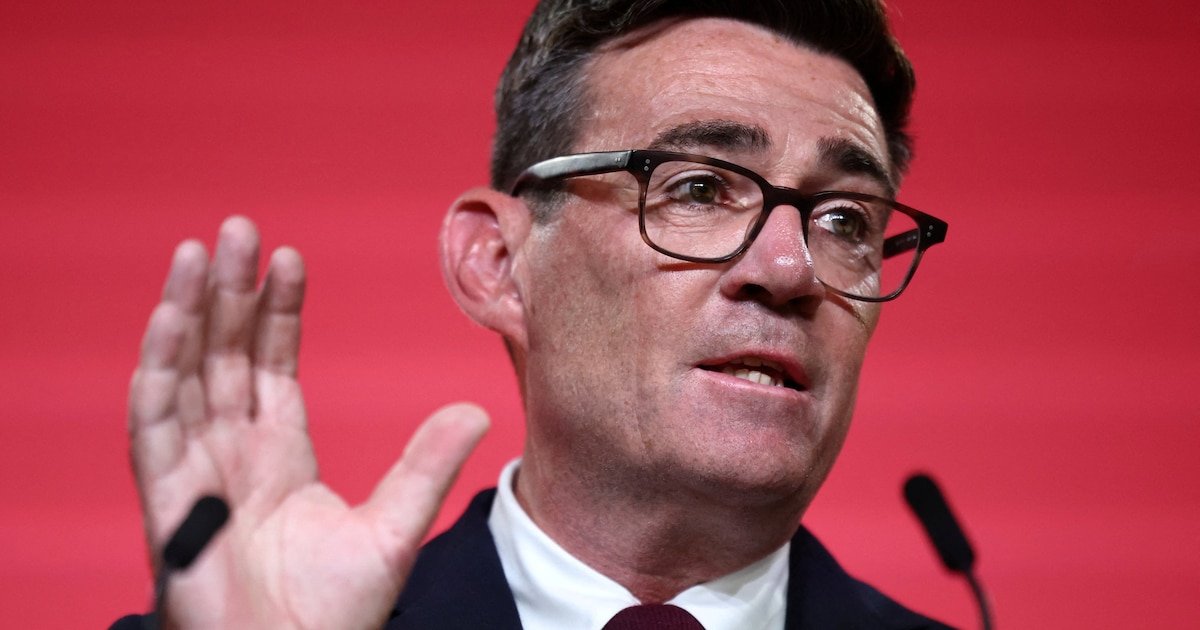
Andy Burnham asumirá este lunes como nuevo primer ministro del Reino Unido, tras recibir el encargo del rey Carlos III para formar Gobierno, en reemplazo de Keir Starmer, quien deja el cargo apenas dos años después de la amplia victoria electoral que devolvió al Partido Laborista al poder tras 14 años de gobiernos conservadores. El dirigente laborista llegará a Downing Street con una agenda marcada por el bajo crecimiento económico, el aumento del costo de vida, la inmigración irregular y el avance electoral del partido Reform UK, liderado por Nigel Farage.
La transición de poder comenzará con la visita de Starmer al Palacio de Buckingham, donde presentará formalmente su renuncia al monarca. Después de esa audiencia, ofrecerá un breve mensaje de despedida frente al número 10 de Downing Street. Más tarde, Burnham acudirá al palacio para recibir el mandato de formar Gobierno y pronunciará su primer discurso como primer ministro.
Su equipo anticipó que el nuevo jefe de Gobierno presentará las “prioridades para restaurar la confianza en el Gobierno y dar a Gran Bretaña un mayor margen de maniobra”, con especial atención sobre la crisis del costo de vida. También se espera que exponga iniciativas destinadas a impulsar el crecimiento económico y ampliar la descentralización del poder hacia las comunidades regionales.
Durante la jornada también se conocerán los principales nombramientos de su gabinete. Uno de los anuncios más esperados será la designación del nuevo ministro de Finanzas, en reemplazo de Rachel Reeves.
Burnham, de 56 años y exalcalde del Gran Manchester, recibió el respaldo del Partido Laborista después de la renuncia de Starmer el mes pasado. Los legisladores consideraron que era la figura con mayores posibilidades de contener el crecimiento de Reform UK, fuerza que ganó respaldo con un discurso centrado en la inmigración.

La vicepresidenta del Partido Laborista, Lucy Powell, sostuvo que la experiencia de Burnham fuera del centro político de Londres le permitió comprender la necesidad de aplicar medidas de mayor alcance para cumplir las promesas electorales del partido.
Según Powell, el nuevo líder pretende reformar de manera profunda el funcionamiento del Estado y modificar un sistema político que considera excesivamente centralizado. Además, afirmó que el objetivo consiste en ofrecer “seguridad para la gente común en el trabajo, seguridad en su hogar, una vivienda que puedan pagar y vivir en una comunidad de la que puedan sentirse orgullosos, con la certeza de que sus hijos tendrán oportunidades para el futuro”.
Entre los principales desafíos del nuevo Gobierno figuran una economía con escaso crecimiento, el elevado costo del endeudamiento público, el incremento del gasto en asistencia social y la llegada de migrantes irregulares en pequeñas embarcaciones a través del Canal de la Mancha, un fenómeno que impulsó el apoyo a Reform UK.
A ese escenario se suman factores internacionales, como la volatilidad de los precios de la energía por la guerra entre Estados Unidos e Irán, además de la incertidumbre derivada de la política exterior del presidente estadounidense, Donald Trump.
Burnham también afrontará restricciones fiscales que limitarán su margen de acción. El Reino Unido mantiene elevados niveles de deuda pública y reglas presupuestarias que obligan al Gobierno a equilibrar el gasto con la recaudación tributaria.

Antes de llegar a Downing Street, Burnham volvió al Parlamento hace apenas cuatro semanas. Entre 2001 y 2017 fue diputado y ocupó distintos cargos ministeriales durante los gobiernos laboristas de Tony Blair y Gordon Brown. Posteriormente construyó su perfil político como alcalde del Gran Manchester, donde adquirió notoriedad nacional.
El nuevo primer ministro dispondrá de un período relativamente corto para intentar revertir la situación del partido antes de las próximas elecciones generales, previstas para 2029. Las encuestas ubican actualmente a Reform UK como una fuerza con posibilidades de imponerse en esos comicios.
Durante un acto con simpatizantes el viernes pasado, Burnham calificó el cambio de liderazgo como la “última oportunidad” para que el Partido Laborista corrija su rumbo. También aseguró que cuenta con “un plan” para afrontar los problemas del país.
Su primera decisión política llegó incluso antes de asumir formalmente el cargo. El sábado anunció la cancelación del sistema nacional de identificación digital impulsado por Starmer, un programa cuyo costo estaba estimado en 1.800 millones de libras durante tres años.
Un portavoz del nuevo equipo de Gobierno explicó que esos recursos se destinarán “a donde más se necesitan, como ayudar con el costo de vida”, una de las prioridades que Burnham buscará instalar desde el inicio de su gestión.
(Con información de AFP)
Domestic,Politics,Europe,Government / Politics
INTERNACIONAL
Trump administration touts more than $1B in UN budget cuts as reform push gains momentum

NEWYou can now listen to Fox News articles!
UNITED NATIONS — The Trump administration says it has secured more than $1 billion in cuts to United Nations budgets in just six months, calling the reductions evidence that an institution long considered resistant to change is finally beginning to reform.
The latest milestone came June 30, when all 193 U.N. member states approved a peacekeeping budget of approximately $5.1 billion for the coming fiscal year — about $550 million, or 9.7%, less than the previous year.
Combined with a 15% reduction to the U.N.’s regular budget approved in December, U.S. officials say the agreements amount to more than $1 billion in cuts to assessed U.N. budgets, a level they describe as unprecedented.
INTERNATIONAL ‘DEEP STATE’ PRIME TARGET OF TRUMP-STYLE CANDIDATE FOR UN CHIEF
U.S. Representative for U.N. Ambassador Jeff Bartos addresses a meeting of the Security Council at U.N. headquarters in New York City, Nov. 25, 2025. (Eduardo Munoz/Reuters)
Assessed budgets are funded through mandatory contributions charged to member states under a formula based largely on the size of their economies.
«On June 30th, with U.S. leadership, all 193 countries came together again for the second time in six months,» U.S. Ambassador for U.N. Management and Reform Jeff Bartos told Fox News Digital. «We’ve achieved over a billion dollars of savings in six months, which is unprecedented. Any one cut would be unprecedented. The totality of the reforms is monumental.»
The agreement comes as the United Nations faces mounting financial pressure and prepares for a leadership transition in 2027, with Secretary-General António Guterres set to leave office at the end of his second term. At the same time, the Trump administration has made reform a central pillar of its U.N. strategy, arguing the organization has become overly bureaucratic and inefficient.
In response to questions from Fox News Digital, U.N. spokesman Stéphane Dujarric confirmed that the peacekeeping budget was reduced by roughly $550 million and the regular budget by 15%, describing both as «unprecedented reductions.»
US URGES DONORS TO ABANDON UNRWA FUNDING AS UN DEFENDS AGENCY’S MISSION
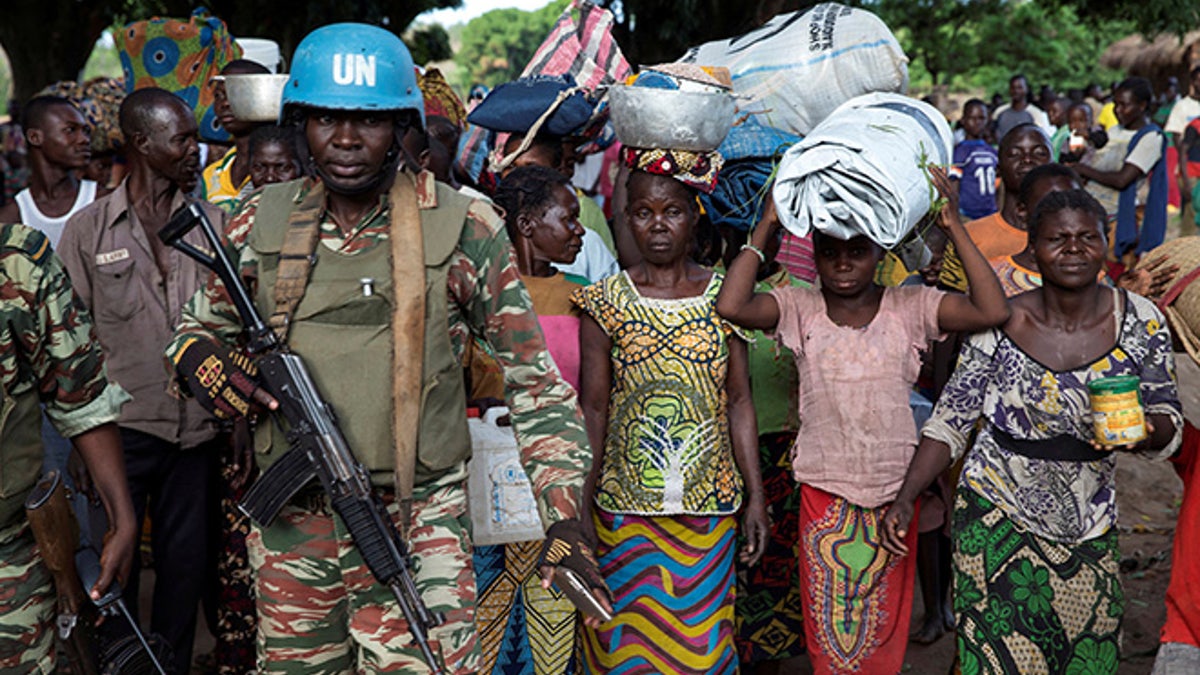
A Cameroonian United Nations peacekeeping soldier guards women as they arrive to the village of Bambara, Central African Republic, April 25, 2017. (Reuters/Baz Ratner)
Bartos argues the reforms reflect sustained pressure from the Trump administration and months of negotiations led by the U.S. Mission.
«The new budget, this reformed budget, the enhanced efficiency changes the culture of how the U.N. looks at peacekeeping,» Bartos said. «Every dollar has to achieve impact on the ground.»
He pointed to the U.N. Mission in South Sudan as an example, saying the United States worked to streamline the mission’s mandate before reducing its budget accordingly.
Another reform highlighted by the administration changes how the U.N. handles unused budget credits.
Until now, U.N. financial rules required the organization to return unspent funds to member states even if those contributions had never actually been paid, a practice critics said worsened the organization’s recurring liquidity crisis.
The General Assembly voted on June 30 to introduce, on a four-year trial basis, a new methodology under which unspent funds will be returned only when backed by cash actually received.
Bartos said the change could save the organization more than $1 billion over the next three years. That projected figure is separate from the more than $1 billion in budget reductions already approved over the past six months.
He called the change another example of «common-sense» reform and said it could save the organization more than $1 billion over the next three years.
The United Nations likewise welcomed the change, though officials noted it had been a long-standing priority of Guterres.
TRUMP CELEBRATES AFTER UN CLIMATE COMMITTEE MOVES AWAY FROM ITS MOST EXTREME GLOBAL WARMING SCENARIO
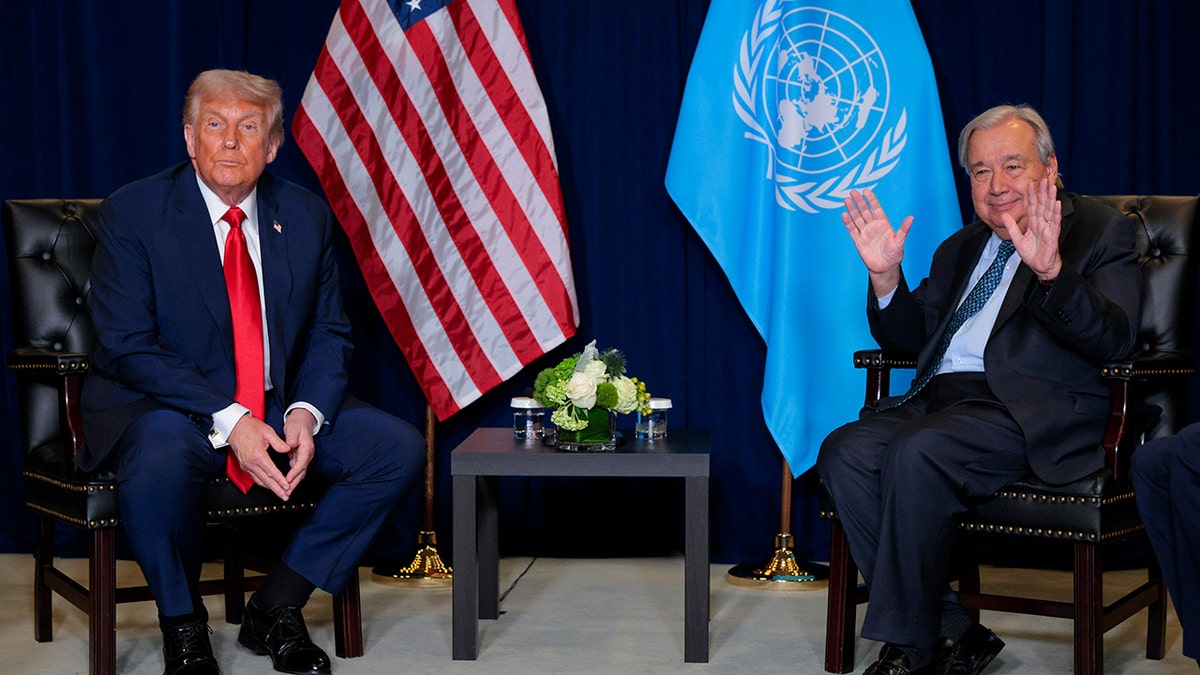
President Donald Trump meets with Secretary-General António Guterres during the 80th session of the General Assembly at the United Nations headquarters on Sept. 23, 2025, in New York City. (Chip Somodevilla/Getty Images)
«I have been pushing for this reform for almost a decade,» Guterres said after the vote. He described the previous system as a «Kafkaesque cycle» in which the organization was expected «to give back cash that did not exist.»
Dujarric said the reform would allow the U.N. to manage resources «in a more predictable and responsible way» while helping ensure operational continuity, particularly for peacekeeping missions.
Bartos insists the latest budget agreements are only the beginning.
Among the administration’s next priorities are reforms to staff compensation, employee benefits and the U.N. pension system, areas he argues consume resources that could otherwise support humanitarian operations and peacekeeping missions.
«We’re going to continue to see us push whether it’s on benefits, whether it’s on staff compensation, whether it’s on the pension system,» Bartos said. «There’s massive numbers of additional reforms that our team is working on right now.»
CLICK HERE TO DOWNLOAD THE FOX NEWS APP

Vehicles with the U.N. peacekeeping force in Lebanon drive along the main road leading to Lebanon’s southern town of Naqura, close to the border with Israel, on Oct. 27, 2022. (Mahmoud Zayyat/AFP/Getty Images)
He also suggested reform will remain a central issue as member states begin selecting the next secretary-general.
«We’re going to select the next secretary-general,» Bartos said. «That reform momentum that has been growing over the last 15, 18 months… you’ll see that continuing in 2027 with the new secretary-general.»
united nations, peacekeeping, reform, state department
INTERNACIONAL
Empresarios hacen un llamado para construir un Panamá más competitivo, sostenible, equitativo y de oportunidades
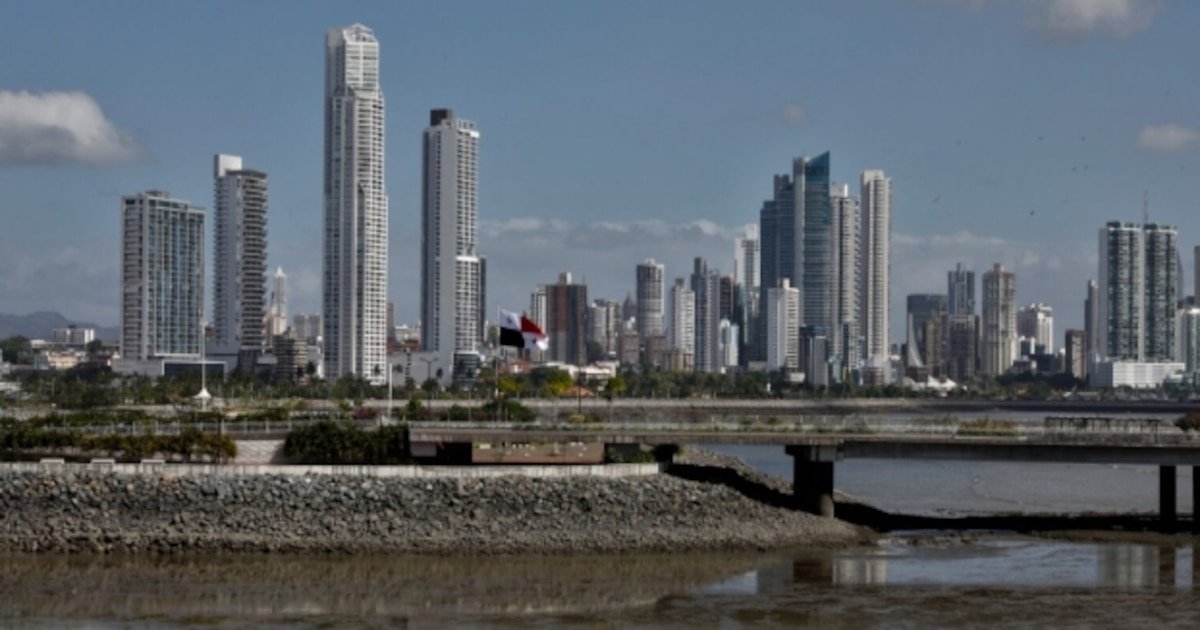
“Con profunda preocupación” la Asociación Panameña de Ejecutivos de Empresa (Apede) indica que observa el progresivo retroceso en la calidad de la democracia, situación que indica se refleja en el debilitamiento institucional y la pérdida de confianza en los contrapesos del poder.
“Sin una democracia sólida, instituciones independientes y reglas claras, es imposible atraer inversión de largo plazo o garantizar la paz social”, aduce la organización.
Apunta que el desarrollo de una nación requiere de planos claros y de una ejecución rigurosa, y por ello propone repasar los distintos niveles de una estructura que, según dice, ha venido delineando colectivamente y que constituyen las condiciones indispensables para alcanzar un progreso sostenible.
Manifiesta que al mirar en retrospectiva las posturas y propuestas durante este bienio, “descubrimos que no son planteamientos aislados; convergen en un diseño común: la planificación estratégica para edificar un Panamá verdaderamente competitivo, equitativo y de oportunidades”.
Para que cualquier obra resista el paso del tiempo, apunta que su base debe ser sólida e inquebrantable. En nuestro país, esos cimientos estructurales, entendidos como las bases no negociables del desarrollo, se componen de cuatro elementos fundamentales: seguridad jurídica, Estado de Derecho y calidad democrática; libertad económica y desburocratización; transparencia y fortalecimiento institucional; y sostenibilidad y transición ecológica.

“La seguridad jurídica, Estado de Derecho y calidad democrática constituyen el cimiento fundamental que sostiene toda la estructura”, reitera la asociación.
A su vez, añade que la libertad económica y desburocratización representan el impulso de la iniciativa privada.
“Observamos un entorno nacional cada vez más restrictivo, en el que las trabas burocráticas y la tramitología excesiva asfixian la competitividad. Defender la libertad económica exige desmantelar estos obstáculos, simplificando procesos para que el sector privado pueda emprender, competir y generar riqueza sin frenos estatales”, manifiesta.
Por su parte, la transparencia y el fortalecimiento institucional son el material que cohesiona toda la estructura. «La transparencia y la rendición de cuentas actúan como barreras frente a la corrupción y el clientelismo, prácticas que debilitan la democracia y erosionan la confianza ciudadana en el sistema».
De igual manera, para la Apede la sostenibilidad y transición ecológica constituyen un diseño pensado para resistir el futuro. Clama por la adopción de energías limpias y la protección responsable de la biodiversidad, que permiten asegurar que el crecimiento de hoy no comprometa el entorno ni las oportunidades de las próximas generaciones.

Con los cimientos asegurados, afirma que llega el momento del ensamblaje y de activar los motores del desarrollo humano y territorial.
“La estructura debe entonces levantar sus paredes, articulando el bienestar social con los sectores que dinamizan la economía real en cada región del país. Para lograrlo, se requiere avanzar en educación, talento e inteligencia artificial; dinamización sectorial e integración territorial; servicios públicos y acceso al agua; equidad de género e inclusión social; así como empleo formal y diálogo social permanente”.
La educación, talento e inteligencia artificial se convierten en el motor de la transformación humana. Enfrentar los retos de la era digital y la Inteligencia Artificial exige un sistema educativo moderno y un compromiso activo del sector privado en la capacitación y el reentrenamiento continuo de sus colaboradores, bajo un esquema estricto de meritocracia.
En cuanto a la dinamización sectorial y la integración territorial, para la Apede resulta urgente cerrar las brechas de infraestructura física y digital para potenciar nuestras ventajas competitivas. Esto, dice, implica modernizar el sector logístico, incentivar una agroindustria con vocación exportadora y desarrollar plenamente el turismo en el interior del país, contribuyendo así a una distribución más equilibrada de la riqueza.
Por otro lado, detalla que los servicios públicos y el acceso al agua son las venas que irrigan la productividad y sostienen la vida cotidiana. “Un desarrollo verdaderamente sostenible es inviable mientras persistan el desabastecimiento de agua potable y las deficiencias críticas en los servicios básicos, condiciones que afectan tanto la dignidad humana como la operatividad empresarial”, apunta el gremio.
Corresponsal:Desde Panamá

Andy Burnham asume como primer ministro del Reino Unido con una economía debilitada y el avance de Reform UK como principal desafío

Las exportaciones de café brasileño cayeron un 15,7% en el último año

“Prometo dar todo para traer esta Copa de vuelta a Argentina”: el juramento de Nico Paz tras perder la final del Mundial

El horóscopo de hoy: lunes 20 de julio

Trump administration touts more than $1B in UN budget cuts as reform push gains momentum

La feroz crítica de un famoso periodista español para Argentina tras la derrota en la final del Mundial: “La imagen es patética”

El machete del arquero inglés en una botella que sorprendió a Messi tras el triunfo: el dardo de un ayudante de Scaloni a Inglaterra

El fuerte cruce público entre Victoria Villarruel y Patricia Bullrich tras los chats filtrados antes de la sesión del Senado

Adrián Ravier, vocero de Milei: “No coincidimos en el Gobierno con esto de que la gente no llega a fin de mes”

Rubio’s call to combat global funders of far-left terrorism could put Singham in crosshairs

 INTERNACIONAL2 días ago
Rubio’s call to combat global funders of far-left terrorism could put Singham in crosshairs
- INTERNACIONAL2 días ago
Sismo de 7.4 sacude a Guatemala: Autoridades declaran alerta anaranjada por daños y descartan tsunami
- ECONOMIA2 días ago
Rogelio Frigerio presentó un seguro multirriesgo con un fondo de USD 1 millón para el maíz en Entre Ríos