
INTERNACIONAL
Manipulación, poder y ficción: las lecciones de ‘El mago del Kremlin’ sobre el teatro político moderno

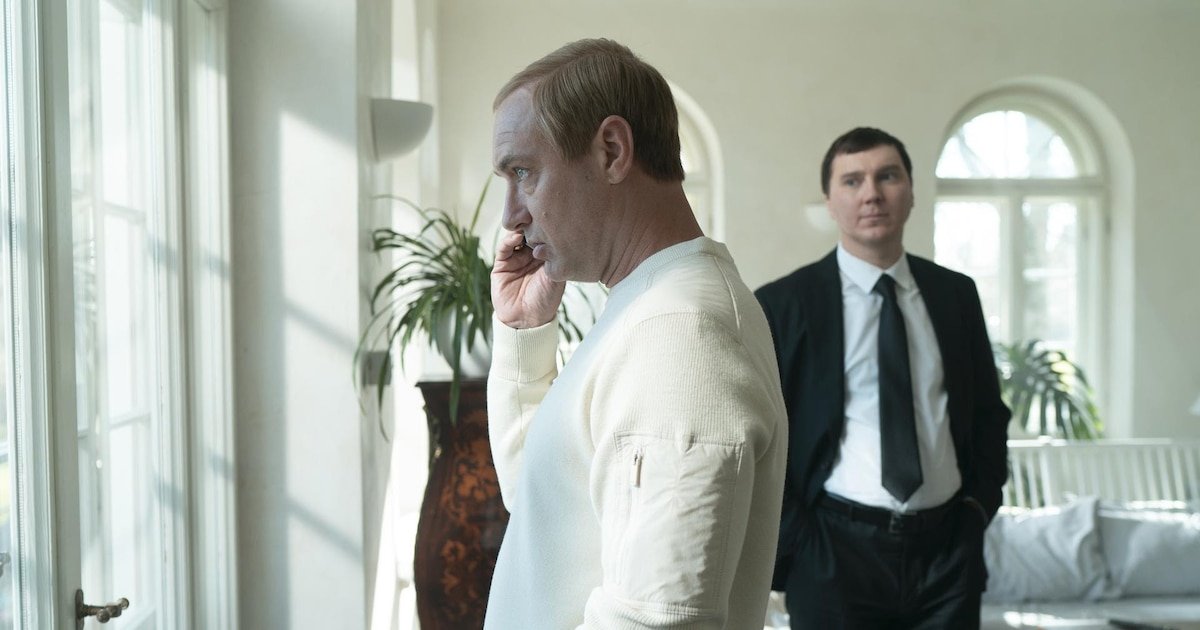
La historia está llena de relatos sobre “el hombre detrás del hombre”, aquel que movía los hilos, orquestaba los movimientos y observaba todo suceder. Aunque el texto al inicio de El mago del Kremlin, dirigida por Olivier Assayas, nos informa que esta película es “una obra de ficción con intenciones artísticas”, está basada, en parte, en la historia de uno de esos hombres: Vladislav Surkov, un político y empresario ruso que fue estrecho colaborador del presidente ruso Vladimir Putin hasta ser destituido abruptamente en 2020. Surkov fue considerado por algunos tanto una eminencia gris en el Kremlin como un gurú de la manipulación, manejando los medios para mantener el control.
Su avatar en esta película es Vadim Baranov (Paul Dano), un hombre de temperamento afable y refinado gusto por el arte y la literatura. El guion, escrito por Assayas junto a Emmanuel Carrère y basado en la novela de 2022 de Giuliano da Empoli, nos presenta a Baranov a través de un periodista estadounidense y estudioso de Rusia llamado Lawrence Rowland (Jeffrey Wright). Rowland ha publicado un artículo sobre Baranov en la revista Foreign Affairs: “Vadim Baranov y la invención de la democracia falsa”, y parece haber captado la atención del propio Baranov. Durante su estancia en Moscú en 2019, Rowland intercambia mensajes por redes sociales con una persona desconocida acerca de la novela proto-orwelliana Nosotros, escrita en 1924 por el bolchevique Yevgueni Zamiatin. Al aceptar la invitación de su interlocutor para conversar en persona, viaja hasta su casa de campo y descubre que se trata del propio Baranov.
A partir de allí, “El mago del Kremlin” adopta, en gran medida, la forma de una historia dentro de otra historia. Baranov lleva a Rowland a través de su vida, explicando en qué acertó y en qué se equivocó en su artículo, aunque da la impresión de que Baranov revisa su vida en busca de la respuesta a una pregunta que ni siquiera él puede formular.
Todo comienza con los días de estudiante de Baranov a principios de la década de 1990, en la vertiginosa “nueva Rusia”, justo después del colapso del comunismo soviético. Todo parecía posible y el dinero fluía libremente. Según recuerda Baranov, aquellos días parecían una fiesta interminable, o quizá una orgía, donde uno podía ver a un hombre desnudo atado con una correa siguiendo a una cantante punk en una fiesta en casa. Como estudiante vanguardista de teatro y luego director, Baranov vivía una vida de arte y poesía junto a su novia Ksenia (Alicia Vikander). Cuando el vulgar pero divertido Dmitri Sidorov (Tom Sturridge), inventor del primer banco comercial de Rusia, entra en sus vidas, las cosas primero se tornan más brillantes y después más amargas.
Pero Baranov sigue adelante y acepta un trabajo en la producción de programas de telerrealidad de baja calidad, y es entonces cuando la historia real empieza a tomar forma. El mago del Kremlin es realmente una película sobre cómo Rusia pasó de aquellos vertiginosos días postsoviéticos, al auge de la oligarquía y, finalmente, al establecimiento de Vladimir Putin (un Jude Law mayormente inquietante) como presidente, un exagente de la KGB que valoraba el poder por encima del dinero. Los oligarcas que eligen a Putin como sucesor de Borís Yeltsin se dan cuenta demasiado tarde de que este hombre no será su marioneta. “Lo que me interesa es devolverle la integridad a la Federación Rusa”, le dice Putin a Baranov. Y eso significa consolidar el poder, en sí mismo.
Baranov, con su talento para tejer historias, resulta útil para Putin, y a esas alturas ya le queda poco idealismo. A medida que se vuelve nihilista, y cree que la verdad es lo que él decida que sea, su país también lo hace. Sus antecedentes en teatro y telerrealidad resultan útiles: demuestra ser un genio de la comunicación, capaz de manipular el teatro político no solo para representar la realidad, sino para inventarla. Lo llaman “el nuevo Rasputín”.

Como ya se habrá deducido por el reparto, El mago del Kremlin no está en ruso; los actores hablan en inglés, lo que sugiere que se trata de una historia de la historia rusa pensada para públicos no rusos. Incluso con sus 136 minutos de duración (2 horas con 16 minutos), hay mucho que cubrir, por lo que avanza a buen ritmo. Esto genera un curioso efecto dramático: vemos la historia a través de los ojos de Baranov en grandes arcos, y figuras como Putin, que suelen estar en los titulares cotidianos, terminan pareciendo más personajes de una obra de teatro.
Y aunque eso puede resultar en una simplificación excesiva de una persona, también puede ser útil al intentar entender por qué alguien hace lo que hace. En una obra o una película, los personajes tienen papeles, rasgos psicológicos y motivaciones que impulsan sus arcos narrativos. Aquí, la versión levemente ficticia de un autoritario no está impulsada por el deseo de algo como el dinero, como los oligarcas, sino por el deseo de poder. Proyectar una imagen de fuerza es parte de ese deseo; la propaganda es el medio para lograrlo.
Es un marco útil para comprender a los líderes de todo el mundo, y Baranov es el cifrado ideal, alguien que comprende íntimamente cuán fácilmente pueden ser influenciadas y moldeadas las mentes de las personas. Ese vistazo tras el telón es la mayor fortaleza de El mago del Kremlin, y también su aspecto más aterrador: la noción de que, en una era en la que la verdad puede ser fabricada, quienes la fabrican tienen buena parte de la realidad en sus manos. Pero incluso ellos pueden ser descartados cuando dejan de ser útiles para los poderosos. Y entonces, ¿Cuál fue el sentido de toda esa magia?
Fuente: The New York Times

INTERNACIONAL
El Salvador recibe de la ONU equipo para detectar documentos fraudulentos en controles fronterizos

El Salvador incorporó un nuevo dispositivo de verificación documental entregado por la Oficina de las Naciones Unidas contra la Droga y el Delito (UNODC) para reforzar los mecanismos nacionales de identificación de documentos de viaje e identidad fraudulentos. La entrega se realizó en el marco de un proyecto de cooperación internacional, informó el Ministerio de Relaciones Exteriores este viernes.
La ceremonia oficial tuvo lugar en Viena, Austria, y fue organizada por el Laboratorio y Servicios Científicos (LSS) de la UNODC como parte del proyecto “Fortalecimiento de las capacidades para la investigación de la escena del crimen y el examen de documentos de seguridad en América Latina y el Caribe”, financiado por el Gobierno de Canadá. El evento reunió a especialistas en análisis documental y gestión fronteriza de 16 países de América Latina y el Caribe.
De entre los participantes hay otros países centroamericanos: Guatemala, Costa Ria, Honduras, Panamá y República Dominicana. Cada uno de los países participantes recibió un equipo de verificación documental para mejorar la detección y el reconocimiento de documentos fraudulentos en los puntos de control fronterizo y en otras instancias de verificación de identidad, según el Ministerio de Relaciones Exteriores.
“El objetivo del evento fue fortalecer las capacidades nacionales para la detección y el examen de documentos de viaje e identidad fraudulentos, mediante una capacitación especializada en técnicas avanzadas de verificación documental y el uso operativo de dispositivos de verificación de nivel intermedio”, expone la Cancillería salvadoreña.

Durante el evento, se ofreció una capacitación especializada en técnicas avanzadas de verificación documental, enfocada en el uso operativo de dispositivos de nivel intermedio. Representantes de la Policía Nacional Civil (PNC) de El Salvador participaron en el entrenamiento técnico impartido por la UNODC en Viena, donde completaron el proceso de formación y recibieron el equipo correspondiente.
En abril de 2026, La Dirección General de Migración y Extranjería (DGME) informó que en aras del fortalecimiento de la infraestructura limítrofe, El Salvador amplió sus opciones de control migratorio con la apertura de un nuevo punto fronterizo en el cantón El Coco, situado en el distrito de Chalchuapa, departamento de Santa Ana.
Desde el viernes 13 de marzo de 2026, quedó establecido este punto de control que conecta de manera directa con el municipio de Jerez, en el departamento de Jutiapa, Guatemala, lo que permite el tránsito debidamente regulado de personas entre ambas naciones hermanas.

Además, el país lleva dos años desde que la DGME, junto con el respaldo del gobierno de los Estados Unidos, inauguró el Centro Nacional de Análisis de Pasajeros (CENAP). Esta unidad especializada en inteligencia migratoria y perfilamiento de pasajeros facilitó el ingreso seguro al país en vuelos internacionales a través de una sede operativa conjunta.
El CENAP nació como una iniciativa conjunta entre la Dirección de Migración y la Oficina de Aduanas y Protección Fronteriza de Estados Unidos (CBP) para agilizar el ingreso al territorio de forma segura mediante herramientas tecnológicas sofisticadas y equipos de alto nivel.
Esto permitió perfilar y rastrear información de ciudadanos nacionales y extranjeros con destino a El Salvador, examinar ciclos migratorios de perfiles sospechosos, detectar posibles amenazas a la seguridad nacional, identificar personas de riesgo, combatir redes criminales de tráfico de personas, gestionar alertas internacionales y recopilar estadísticas, entre otras acciones.
corresponsal:Desde San Salvador, El Salvador
INTERNACIONAL
Trump’s White House ballroom foes face ‘very tough argument’ at Supreme Court, legal experts say
NEWYou can now listen to Fox News articles!
President Donald Trump could win the legal fight over his planned White House ballroom, say two legal experts who believe the U.S. the Supreme Court could end the case without weighing in on the underlying constitutional issue.
In a lengthy social media post Friday, Trump vowed to take the fight over his White House ballroom to the Supreme Court after the D.C. Circuit upheld a lower court order blocking above-ground construction. In a 2-1 decision, the appeals court ruled that the project cannot move forward without Congressional approval.
Trump pointed to the dissent written by Judge Neomi Rao, appointed by Trump in his first term, as grounds for appealing the decision to Supreme Court. Rao argued that the plantiffs, the National Trust for Historic Preservation, lack legal standing in the case.
The National Trust for Historic Preservation built its case for legal standing around Alison Hoagland, a member who lives near the White House and regularly visits President’s Park. Hoagland said she visits the area about once a month and argued that the proposed ballroom’s size and design would diminish her enjoyment of the area by overshadowing the White House and weakening its aesthetic.
TRUMP SAYS WHITE HOUSE BALLROOM RULING JEOPARDIZES LIVES OF FUTURE PRESIDENTS, VOWS SUPREME COURT APPEAL
President Donald Trump has overseen ongoing construction of the underground military fortress that is going to be below the $400 million privately funded East Wing ballroom. (Chip Somodevilla/Getty Images)
But according to Rao, the National Trust did not establish the kind of injury necessary to invoke the courts’ authority to block the project.
«The district court elevated the aesthetic displeasure of a single passerby over the government’s security interests in the ballroom and the security risks of leaving an open construction site at the President’s home and office,» Rao wrote.
Former Justice Department attorney Abhishek Kambli agreed, telling Fox News Digital the National Trust could face a particularly difficult hurdle on standing at the Supreme Court. He noted that, while Congress created the National Trust, the group still must show that its lawsuit is germaine to its interests.
«While they do have ownership of some properties, the President’s Park, where the White House East Ballroom is, is not one of them,» Kambli said. «And I think that’s going to be a very tough argument to sustain, especially with the Supreme Court, that’s more likely to agree with Rao than they are the [circuit court] majority, given the makeup of the Supreme Court, and the fact that the Supreme Court is very strict on standing.»
OBAMA JUDGE RULES ON EFFORT TO BLOCK AMERICA 250 EVENTS AT WH AND LINCOLN MEMORIAL
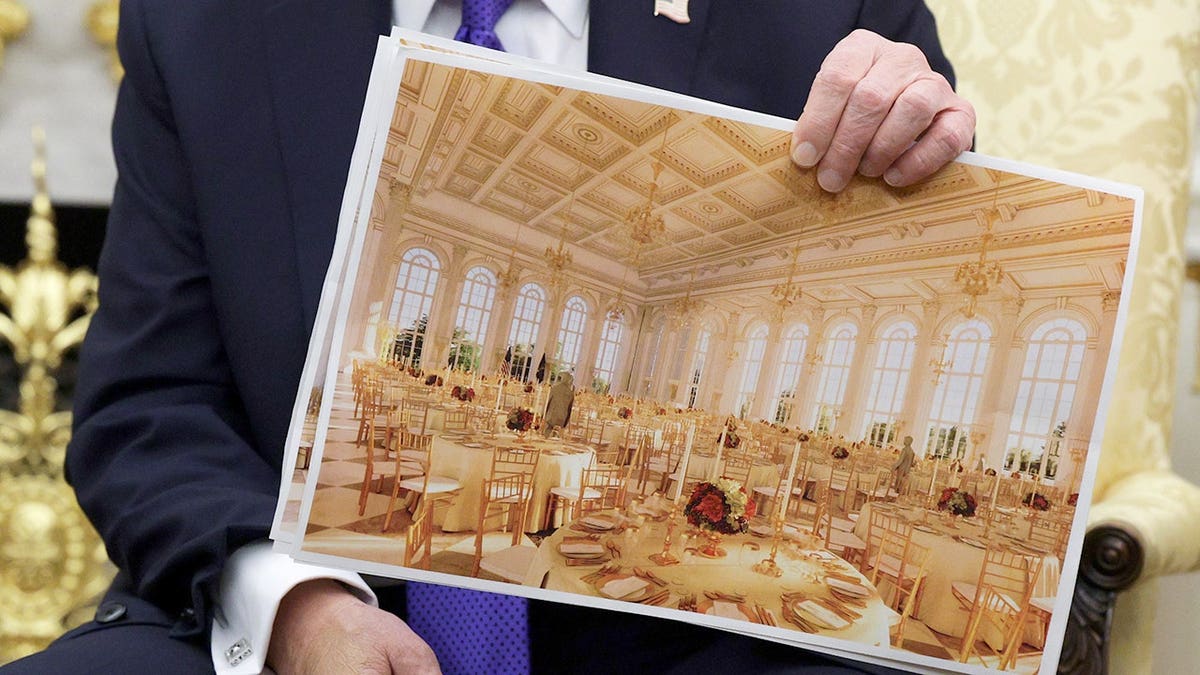
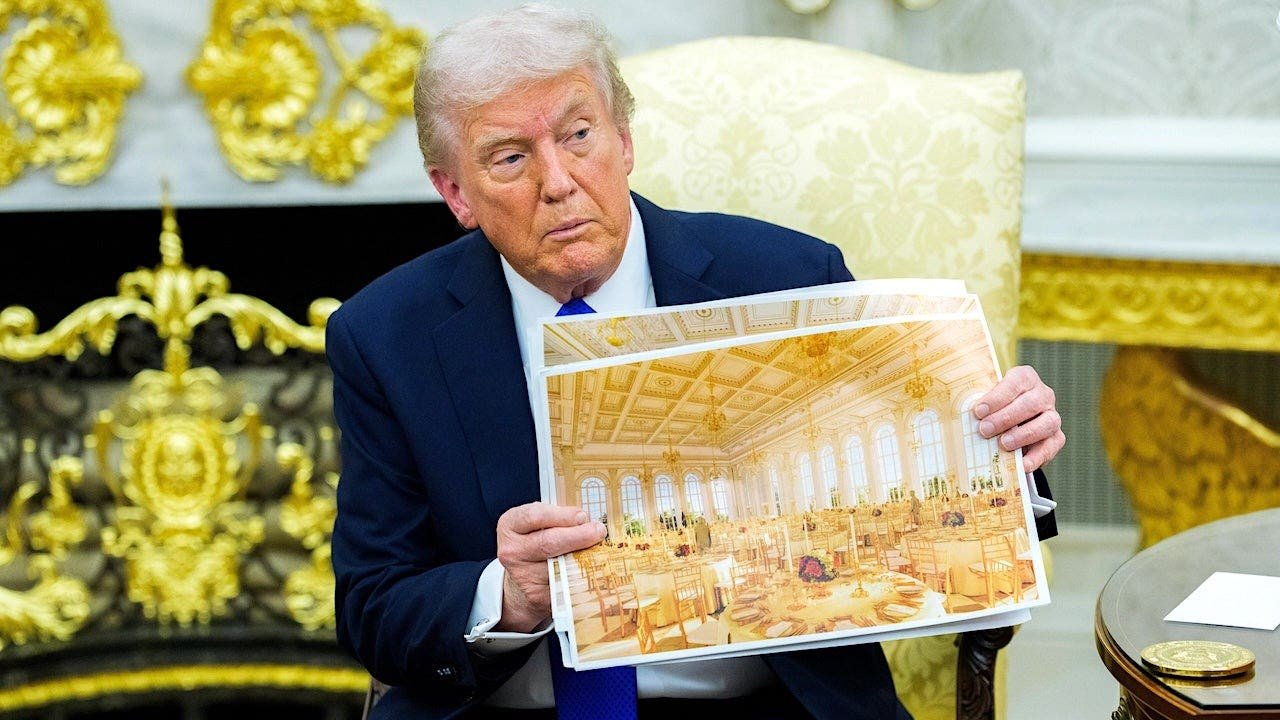
President Donald Trump displays a rendering of his proposed $250 million White House ballroom as he meets with NATO Secretary General Mark Rutte in the Oval Office of the White House in Washington, D.C., on Oct. 22, 2025. (Alex Wong/Getty Images)
Kambli also suggested that the National Trust faces a strong hurdle in proving it has standing based on aesthetic injury because it would have to prove it actually uses the space where the ballroom is being built
.
.
.
«Normally, aesthetic standing requires that you intend to use it,» Kambli said. «So, for instance, if you’re planning to be visiting the East Ballroom — and even this is kind of a stretch — that’s one thing, but if you’re someone on the outside that just passes it by, that’s a little tougher.»
A similar standing issue surfaced earlier in July when U.S. District Judge Amit Mehta, an Obama-appointed judge, rejected a lawsuit seeking to block the America 250 UFC event at the White House. He ruled that the plaintiffs had not met the standard of aesthetic harm to establish standing.
Hans von Spakovsky, a senior legal fellow at Advancing American Freedom, said he expects Trump to prevail on appeal as well, based on the standing issue.
«Under Supreme Court precedent, you cannot bring a claim, you cannot bring a lawsuit, until and unless you can demonstrate a concrete, actual injury,» Spakovsky told Fox News Digital. «The idea that a passerby, who claims she will be aesthetically injured because of what she sees at the White House, has an actual injury is absurd, and obviously, and clearly defies that precedent.»
If the Supreme Court takes the case, it could resolve it without deciding whether the administration had the legal authority to build the ballroom in the first place.
TRUMP WARNS JUDGE AGAINST SACRIFICING NATIONAL SECURITY BY BLOCKING WHITE HOUSE BALLROOM, DRONE BASE
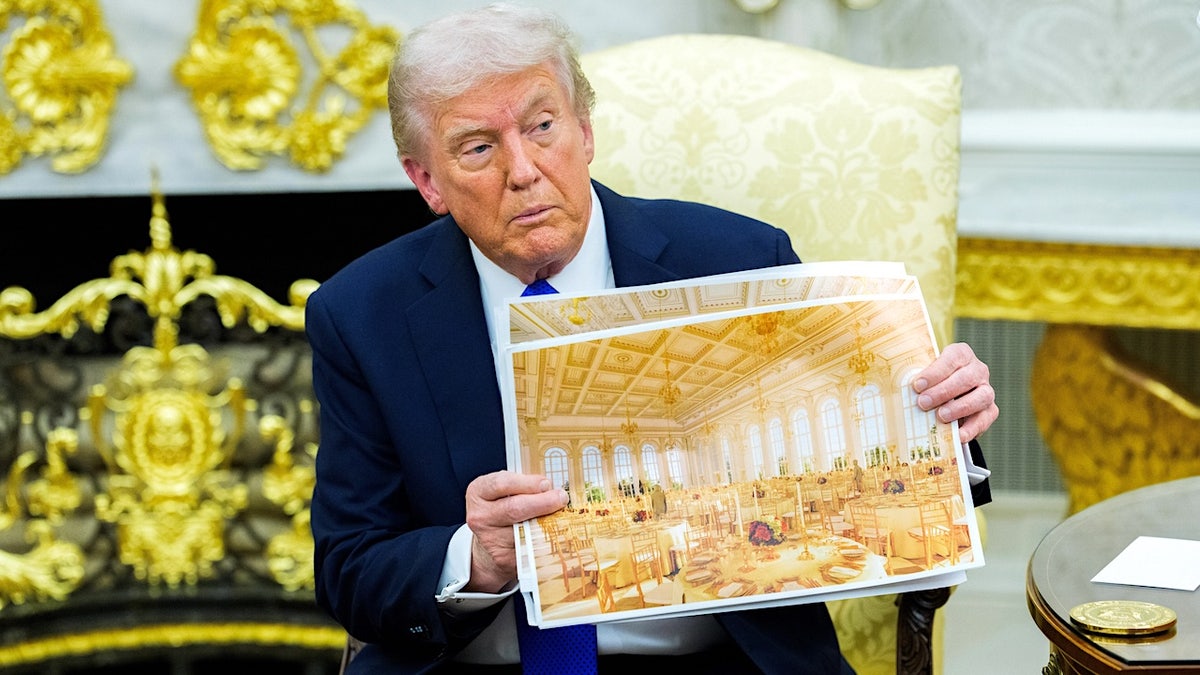
President Donald Trump holds design for a proposed White House ballroom while speaking to reporters. (Aaron Schwartz/CNP/Bloomberg)
«The Supreme Court won’t rule on the substantive issue if it can dismiss the case based on a lack of standing by the plaintiffs,» von Spakovsky said. «I also don’t know of anyone else who could establish standing to bring a lawsuit. Perhaps Congress could collectively, but the chances of that happening are very slim given the partisan divides in both the House and Senate.»
The National Trust argued in its lawsuit that federal law requires Congress to approve new construction on federal property in Washington, D.C., while the administration says existing law already gives the president authority to make alterations and improvements to federal property, including the White House.
Abhishek agreed with Rao’s reasoning that the terms «alteration» and «improvement» should be understood in their ordinary real-property sense.
«For instance, if I have an extension to my house, it doesn’t become a new house,» Abhishek said. «It’s the same house, but that’s an improvement done on the house. Or if I tear down some walls and then just create an open living space in my like between my living room and my kitchen, that’s also not a new house at that point.
«It’s the same house, but there was an alteration or an improvement done, so if you’re using real property terms, then it’s pretty clear how how the statutory authority would make sense,» Abhishek continued.
white house, judiciary, supreme court, donald trump, federal courts, law, politics
INTERNACIONAL
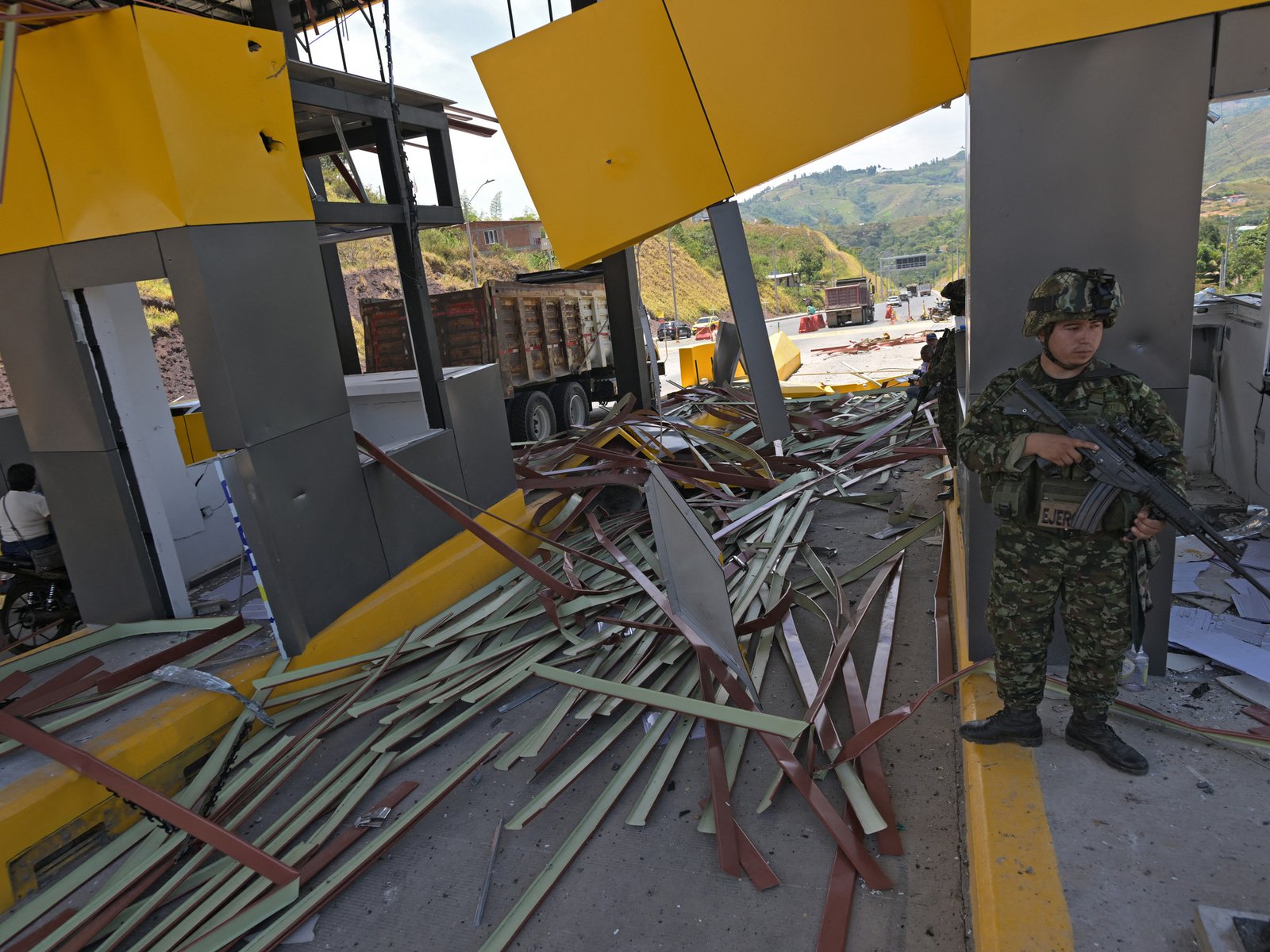
Un atentado con explosivos destruye un peaje en Colombia en el primer día del gobierno de Abelardo De la Espriella y tras el anuncio de mano dura


La China Suárez mostró el gesto que Mauro Icardi tuvo con Rufina Cabré

Diputados: el oficialismo buscará debatir las reformas del Banco Central y la Ley de Inocencia Fiscal antes de fin de mes

Detuvieron en un boliche a un policía, un cadete y otros tres sospechosos por el crimen en una distribuidora de La Matanza

El Salvador recibe de la ONU equipo para detectar documentos fraudulentos en controles fronterizos

Insólito video: una pelota se fue a la ruta en el fútbol uruguayo y ¡provocó un choque!

El Financial Times destacó la finca en Mendoza en la que CEOs de empresas tecnológicas planean enfrentar un posible “apocalipsis”

La oposición cuestionó a Benegas Lynch por su empresa para vender campos a extranjeros y el senador libertario se defendió

Dólar hoy en vivo: a cuánto se negocian todas las cotizaciones minuto a minuto este miércoles 5 de agosto

Brasil retira a su embajador en la Argentina: qué consecuencias tiene la medida diplomática

Las centrales obreras y los movimientos sociales anunciaron dos días de conflicto callejero
-
 POLITICA2 días ago
La oposición cuestionó a Benegas Lynch por su empresa para vender campos a extranjeros y el senador libertario se defendió
-
 DEPORTE6 horas ago
Murió Jorge Messi, en vivo: la resolución de la AFA para los partidos de todas las categorías del fútbol argentino
-
 POLITICA3 días ago
Javier Milei se reunirá con Daniel Noboa en Ecuador y con Abelardo de la Espriella en Colombia