
INTERNACIONAL
Margaret Press se jubiló como programadora informática y lo que hizo después cambió la forma de resolver crímenes

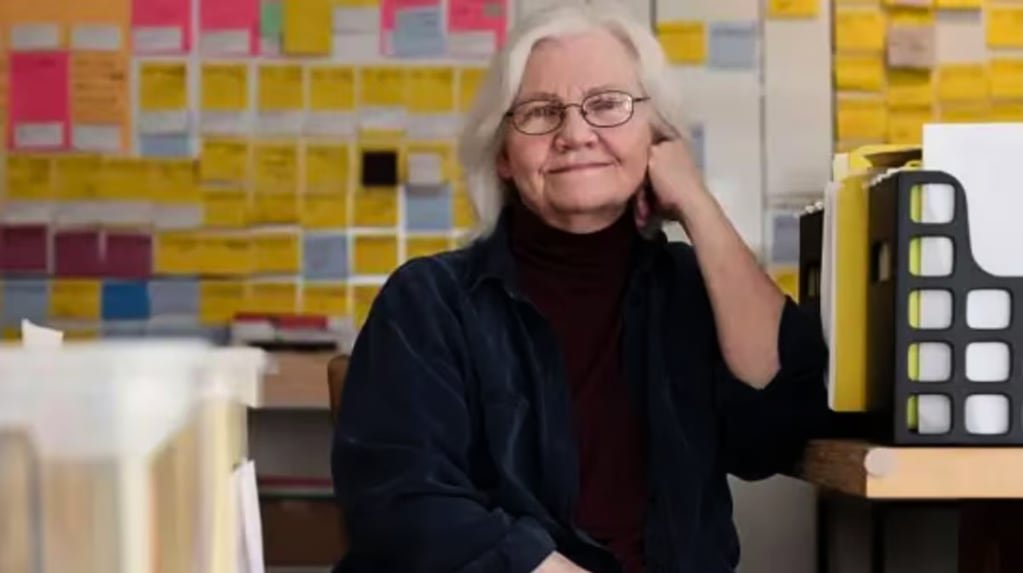
Margaret Press imaginaba que su jubilación estaría dedicada a una vida tranquila. Después de pasar gran parte de su carrera como programadora informática, pensaba disfrutar de la lectura y profundizar una de sus grandes pasiones: reconstruir árboles genealógicos.
Sin embargo, una idea inesperada cambió por completo su rumbo y la convirtió en una de las figuras más reconocidas de la genealogía genética forense, una disciplina que combina análisis de ADN e investigación familiar para identificar personas y aportar pruebas en causas criminales.
Gracias a esa combinación de tecnología, bases de datos genéticas y una enorme capacidad para rastrear vínculos familiares a lo largo de generaciones, Press comenzó a colaborar en la resolución de casos que durante años habían permanecido sin respuestas.
De programadora informática a referente de la genealogía genética
Margaret Press creció en Los Ángeles, California, y comenzó a interesarse por la genealogía a los 15 años gracias a su abuela. Más adelante estudió lingüística y desarrolló una extensa carrera en el mundo de la informática como programadora de software.
Además de trabajar en tecnología, también escribió novelas policiales y relatos de misterio, una experiencia que terminaría siendo muy útil para su futura labor como investigadora.
Tras jubilarse, se instaló en el norte de California para estar cerca de su familia y planeaba dedicar su tiempo libre a la lectura y a investigar árboles genealógicos. Pero una novela despertó una pregunta que cambiaría su vida: ¿era posible utilizar las herramientas de genealogía genética para identificar personas fallecidas cuya identidad se desconocía?
Margaret Press, la mujer que cambió la forma de resolver crímenes. (Foto: BBC)
Hasta ese momento, las pruebas de ADN con fines genealógicos se utilizaban principalmente para conocer el origen familiar o encontrar parientes biológicos. Press comprendió que esa misma información podía tener un enorme valor en investigaciones judiciales.
En 2017, junto con la genealogista forense Colleen Fitzpatrick, fundó el DNA Doe Project, una organización sin fines de lucro dedicada a identificar restos humanos desconocidos mediante genealogía genética.
Qué es la genealogía genética y cómo ayuda a resolver crímenes
La genealogía genética combina el análisis de ADN con la investigación tradicional de árboles familiares.
El proceso comienza con una muestra genética obtenida de una víctima sin identificar, una persona desaparecida o, en algunos casos, de un sospechoso. Ese perfil se compara con bases de datos de personas que compartieron voluntariamente su ADN para investigaciones genealógicas.

Resolvieron uno de los asesinatos más antiguos de Estados Unidos utilizando genealogía genética (Foto: Archivo).
Cuando aparecen coincidencias con familiares, los especialistas reconstruyen árboles genealógicos mediante registros civiles, censos, certificados de nacimiento, matrimonios y otros documentos históricos hasta reducir las posibilidades e identificar a una persona.
Finalmente, esa hipótesis se confirma mediante métodos tradicionales, como nuevas pruebas de ADN, registros oficiales o entrevistas con familiares.
Esta metodología permitió avanzar en investigaciones que permanecían estancadas desde hacía décadas y abrió una nueva etapa en la ciencia forense.
Leé también: ¿Moda o productividad? La razón por la que los programadores caminan con sus notebooks abiertas
Los casos que parecían imposibles y que Margaret Press ayudó a resolver
Uno de los trabajos más conocidos del DNA Doe Project fue la identificación de “Buckskin Girl”, una joven asesinada en Ohio en 1981 cuya identidad permaneció desconocida durante 37 años.
En 2018, gracias al análisis de ADN y a la reconstrucción de su árbol familiar, los investigadores lograron determinar que se trataba de Marcia King.

El estudio de Press permitió identificar a Marcia L. King, de 21 años, asesinada en Ohio en 1981. (Foto; BBC)
Otro caso que marcó a Press fue el de Lompoc Jane Doe, una mujer encontrada sin vida en California en 1969. Ese misterio fue uno de los que despertó su interés por aplicar la genealogía genética a investigaciones forenses y terminó impulsando la creación del DNA Doe Project.
También colaboró en el avance del caso Bear Brook, uno de los expedientes criminales más complejos de Estados Unidos, en el que esta técnica permitió identificar víctimas y aportar información clave para la investigación.
Cómo una programadora terminó revolucionando las investigaciones forenses
El trabajo de Margaret Press va mucho más allá del análisis de ADN. Su tarea consiste, sobre todo, en reconstruir historias familiares, conectar generaciones y encontrar relaciones que permitan descubrir la identidad de personas desconocidas.
Su experiencia en informática resultó fundamental. La capacidad para organizar grandes volúmenes de información, detectar patrones y analizar datos complejos terminó convirtiéndose en una herramienta decisiva para sus investigaciones.
Con el tiempo, ese conocimiento adquirido durante décadas frente a una computadora terminó ayudando a resolver algunos de los casos más difíciles de la ciencia forense moderna. Como resumió la propia Press en una entrevista con la BBC, “fue una manera de cerrar el círculo”.
árbol genealógico, adn, crimenes, Los Ángeles













INTERNACIONAL
Burrito debate rips open GOP civil war on affordability: ‘We will lose, and deserve it’
NEWYou can now listen to Fox News articles!
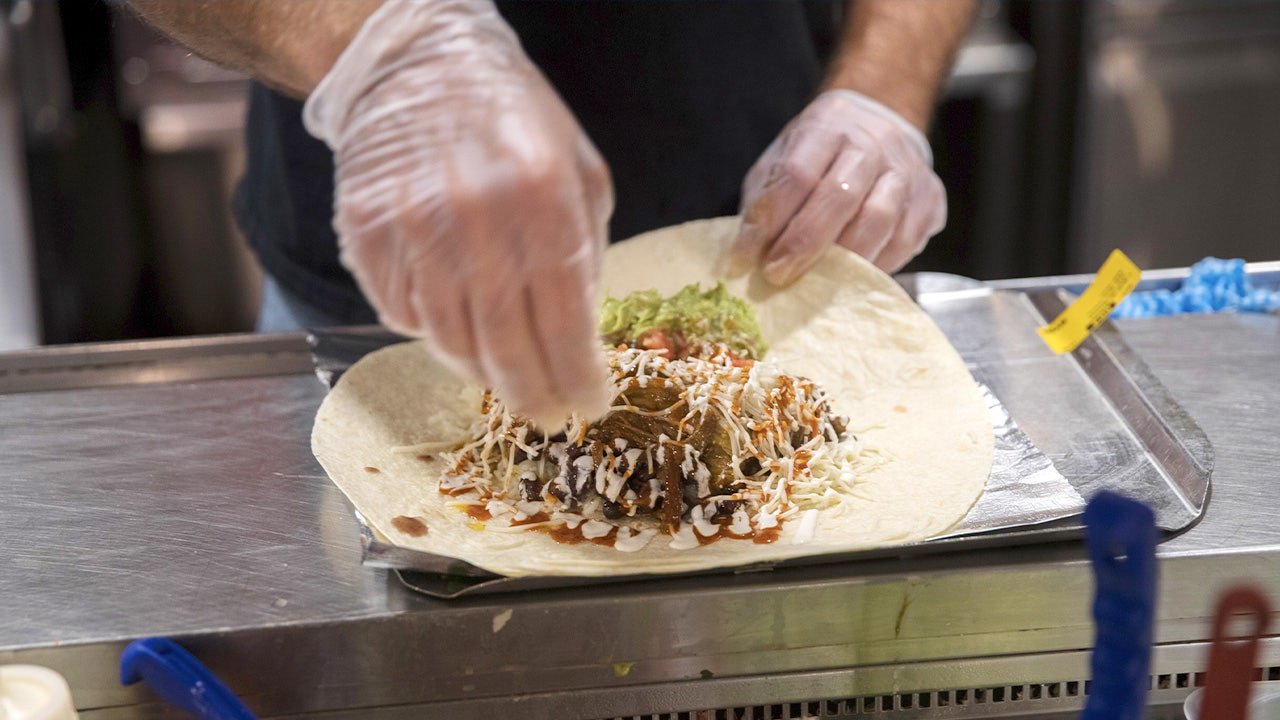
A debate over whether a burrito should cost $20 has ignited a Republican civil war over affordability and the party’s appeal to younger voters ahead of the midterm elections.
The clash began Wednesday when Turning Point USA spokesman Andrew Kolvet shared a college student’s complaint that basic purchases have become prohibitively expensive.
«One of our TPUSA college students gave me his take on affordability: ‘A burrito shouldn’t cost $20,’» he posted to X on Wednesday. «Yeah, a lot of this is a hangover from Covid and Biden-era inflation, but the lived experience is the same: It just feels like basic things cost too much.»
Fiscal conservatives took the position that food is generally affordable if one cooks for themselves and that purchasing a $20 burrito should be considered an occasional luxury. Those aligned with the populist wing of the GOP, meanwhile, argued that traditional conservatives are out of touch with the youth and that the Republican Party faces electoral peril unless it can meaningfully address affordability concerns.
NEW POLL COMPLICATES VANCE’S STATUS AS TRUMP’S LIKELY 2028 HEIR APPARENT
Andrew Kolvet, producer of ‘The Charlie Kirk Show,’ speaks during the public memorial service for Charlie Kirk at State Farm Stadium in Glendale, Arizona, on Sep.t 21. (Patrick t. Fallon/AFP via Getty Images)
«Just hearing about this dumb $20 burrito debate so just thought I’d make the losers on social media angry before going to bed,» Rep. Dan Crenshaw wrote on Wednesday night. «Stop whining, get a job, eat Ramen like the rest of us did in college, on a budget with 4 roommates. The market doesn’t care what you think something ‘should’ cost.»
RealClearInvestigations senior writer Mark Hemingway, however, said that such an approach to affordability concerns could prove toxic to the GOP.
‘IT’S A MESS’: GOP TURNS ON HOUSE CONSERVATIVES AS VOTER ID BLOCKADE STALLS TRUMP’S AGENDA

A Chipotle logo is displayed outside their restaurant on Feb. 24, 2025, in San Diego, California. (Kevin Carter/Getty Images)
«Andrew [Kolvet] is absolutely right about this, and pundits deflecting because you can cook at home cheaper are not helping,» he said. «Eating a burrito once in a while should not be an aspirational lifestyle, for crying out loud.»
«The comments saying stick to the dining hall or buy microwaveable burritos are missing the ENTIRE point,» Defense of Freedom Institute spokeswoman Angela Morabito said. «If the Right’s ‘solution’ to the affordability crisis is telling people to eat worse food, we will lose, and we will deserve it.»
Chipotle burritos generally run between about $9 and $12 depending on location, with cheaper restaurants, such as Taco Bell, offering more affordable options. Some fiscal conservatives also pointed out that young people can save money by preparing meals at home.
«A burrito only costs $20 when you buy it on Door Dash because you’re too lazy to walk over to Chipotle or Taco Bell (where you can get one for $3.99),» Fox News contributor Marc Thiessen wrote in response to a populist arguing that the GOP could surrender ground to socialists by not addressing affordability. «When I graduated I lived on ramen noodles, had two roommates, and worked two jobs. I didn’t whine about affordability, I worked hard so I could one day afford a better life.»
DOORDASH GETS FAA APPROVAL FOR ITS OWN DELIVERY DRONES

Vice President JD Vance attends a Cabinet meeting at Camp David in Maryland on July 31, 2026. (Aaron Schwartz/AFP via Getty Images)
Vice President JD Vance then added to the debate, responding to Thiessen.
«I’m surprised to hear Mark say this. If you’ve ever met him in person, it’s quite obvious the man has never missed a burrito,» the vice president wrote.
Bradley Devlin, politics editor at the Daily Signal, claimed that some involved in the burrito discourse were ignorant of financial sacrifices he says are quite common among young people.
«The Burrito Discourse has exposed that so people with thoughts on the youths have not spoken to one in years,» he wrote. «They do not expect to live off delivered food from bespoke restaurants and live on their own. I don’t know a single 20 something who lives on their own right now. Having a college degree and two jobs is around the highest it’s ever been. ‘The college premium’ has dried up.»
Others responded to the debate in jest.
«I don’t care for burritos,» Daily Wire host Michael Knowles posted.
fast food, republicans, politics, costs, jd vance
INTERNACIONAL
Más presión sobre la isla: Estados Unidos sancionó al ministro de las Fuerzas Armadas y a la cúpula de la industria militar de Cuba

Estados Unidos anunció este jueves sanciones contra el ministro de las Fuerzas Armadas cubano, general Álvaro López Miera, así como responsables y cinco empresas del sector industrial militar de la isla.
Los sancionados están implicados en «la adquisición y el mantenimiento de armas y equipo militar en el extranjero destinados a las fuerzas militares y de seguridad», explicó el comunicado del Departamento de Estado. Estados Unidos considera que Cuba es un Estado que «apoya el terrorismo».
Las sanciones alcanzan al ministro López Miera y a su viceministro Roberto Legrá, al que se acusa de estar involucrado en la compra de armamento ruso. También abarcan a altos funcionarios del ministerio.
Asimismo, fue sancionada la coronel Mónica Milián Gómez, agregada militar en la embajada en Moscú, que medios de comunicación en el exilio acusan de estar involucrada en el supuesto reclutamiento de cubanos para participar en la guerra contra Ucrania. Waldo Pérez Cortés, agregado militar en la embajada cubana en Beijing, también es sancionado.
La lista incluye a entidades como Tecnoimport, Duna, Unión de Industria Militar (UIM) y la empresa Yuri Gagarin, todas ellas especializadas en la compra y reparación de equipamiento militar.
Hace diez días, Estados Unidos había anunciado sanciones contra el ministro de Salud cubano, José Ángel Portal Miranda, y la red de brigadas médicas en el extranjero, la principal fuente de divisas del gobierno comunista.
Las sanciones también afectan a tres entidades cubanas del sector energético y a otras cuatro asociadas al conglomerado militar y empresarial Gaesa, algunas de las cuales habían cambiado de estatuto o habían sido transferidas para intentar evitar sanciones estadounidenses previas, explicó el Departamento de Estado en su comunicado.
El envío de brigadas médicas al extranjero constituye la principal fuente de ingreso de divisas del gobierno comunista de Cuba, con 7.000 millones de dólares en 2025, según cifras oficiales.
Para el año pasado, unos 24.000 médicos y otros profesionales cubanos de la salud trabajaban en 56 países.
Washington también castigó hace 20 días a las milicias populares cubanas, las brigadas de respuesta rápida y entidades oficiales o empresariales de la isla comunista, como parte de su campaña de presión económica.
El gobierno del presidente Donald Trump aplica desde enero un bloqueo petrolero contra la isla comunista que ha exacerbado los problemas energéticos y su crisis económica, la peor en décadas.
Las sanciones tienen como objetivo «los pilares interconectados» del aparato estatal y empresarial, explicó en su momento comunicado del Departamento de Estado.
En su calidad de «instrumentos de la represión», son sancionadas las milicias populares, dependientes del ministerio de las Fuerzas Armadas, las Brigadas de Respuesta Rápida y la Asociación de Combatientes de la Revolución, así como la corporación Antex.
Además también fueron sancionados el ministerio de Turismo, los grupos empresariales Gecomex, Caudal o Gemar, así como Enetec y Coreydan, ambas empresas del sector de importación y exportación de combustible.
Todas estas entidades ven confiscados sus bienes en Estados Unidos y se les prohíbe entablar relaciones comerciales con empresas o individuos en su territorio, así como el acceso a servicios financieros de cualquier tipo.
Varias de estas entidades están relacionadas con el conglomerado del ejército Gaesa, que es el principal gestor de la actividad económica en la isla.
Gaesa fue sometida a sanciones el 1 de mayo, y ya ha empezado a desprenderse de activos para intentar escapar a la presión económica.
En una nota explicativa por separado, el Departamento del Tesoro puntualizó que «no tiene la intención de perjudicar a personas no estadounidenses (…) por participar en transacciones que sean ordinariamente incidentales y necesarias para la liquidación de transacciones que involucren a GECOMEX, GEMAR o cualquier entidad en la que GECOMEX o GEMAR posean».
INTERNACIONAL
Thousands of migrants remain in Spanish territory after border rush, death toll hits about 100: Ceuta official
NEWYou can now listen to Fox News articles!
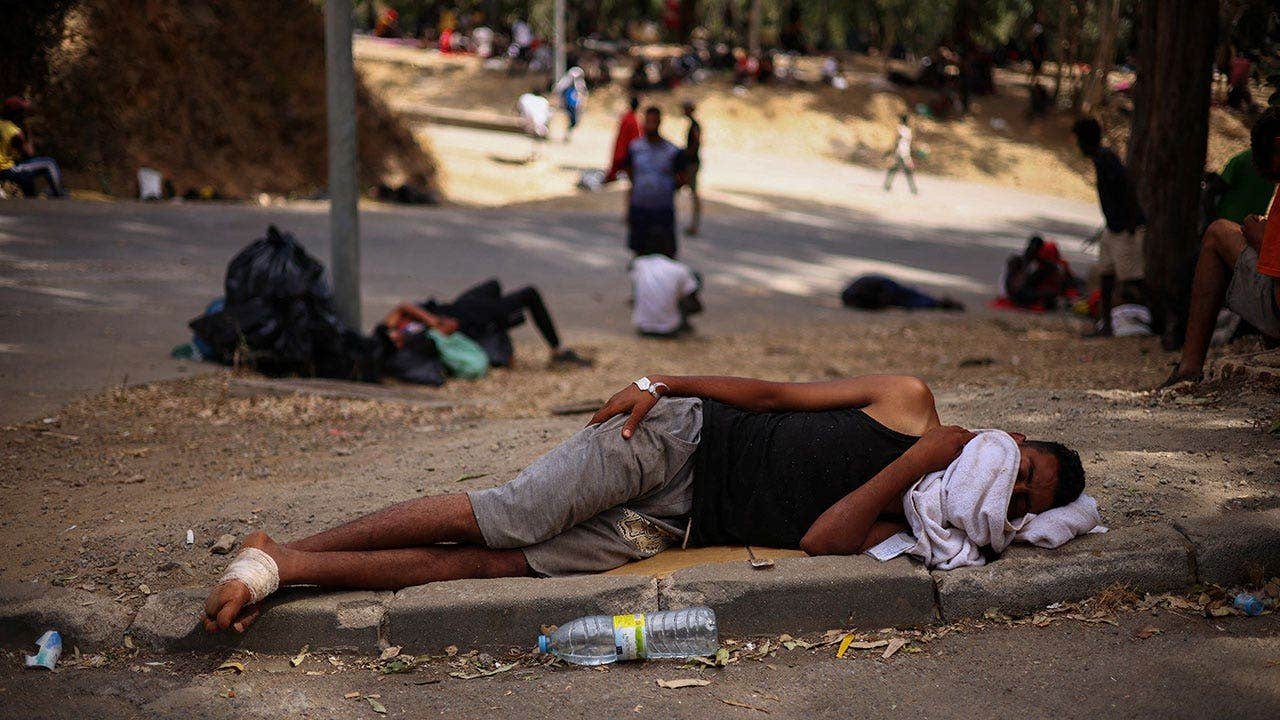
Between 3,000 and 5,000 migrants remain in Ceuta after hordes of mostly military-aged men rushed into the Spanish enclave from Morocco late last month, Ceuta’s president said Thursday.
While speaking from a video call during an extraordinary session of the European Parliament’s Committee on Civil Liberties, Justice and Home Affairs, Ceuta President Juan Jesus Vivas also revealed around 100 people died during the surge.
Authorities estimate roughly 80,000 migrants rushed into the territory within a 48-hour period in late July.
Vivas called the border crisis an «invasion» and «one of the most difficult moments in the recent history of our city.»
«According to the Dictionary of the Royal Spanish Academy, an ‘invasion’ should be understood in its second definition as the abnormal or irregular occupation of a specific place,» Vivas said, according to a Fox News Digital translation of his remarks, which he gave in Spanish.
AT LEAST 72 DEAD AMID MASS MIGRANT RUSH TO STORM SPANISH ENCLAVE OF CEUTA SPARKING BORDER CRISIS
Migrants run and cheer as they cross on foot into the North African enclave of Ceuta from Morocco, after swimming over from the Moroccan side and overwhelming police at the city’s breakwater, according to Spain’s Guardia Civil, in Ceuta, Spain, July 30, 2026. (FARO TV via Reuters)
«That is precisely what occurred on July 30 and 31, when approximately 80,000 people — equivalent to the entire population of Ceuta — stormed into our city. This characterization, moreover, aligns with the statement made by the President of the Government of Spain, who on Friday the 31st, during his visit to Ceuta, stated that we were facing an attack, a violation of Spain’s territorial integrity,» Vivas continued.
Echoing previous claims from Spain’s leftist President Pedro Sánchez and European Commission President Ursula von der Leyen, Vivas acknowledged roughly 75,000 of the migrants had returned to Morocco but added «under no circumstances does it allow us to claim that our city has returned to normal.»
«Ceuta has not returned to normal because between 3,000 and 5,000 people who entered during those fateful days of July 30 and 31 still remain,» Vivas said. «The reception centers for adult and minor migrants are in a state of collapse, turning the influx into a major humanitarian emergency.»
«Added to this are disruptions to public order and a high risk to public safety,» he continued. «Furthermore, the morale of Ceuta’s residents is severely affected. Our population feels sad, helpless, uneasy, fearful, and worried — and with good reason. It is inevitable to wonder whether this will happen again, and if that next time will be the definitive plunge into the abyss, causing us to cease being what we are: Spain and Europe. It has been exposed to the world that we are extraordinarily vulnerable, and that our security and integrity are in the hands of a third country, Morocco, which does not recognize our sovereignty.»
Migrants wait outside Ceuta’s temporary migrant center (CETI), which is currently at full capacity, following mass crossings of migrants on foot and by sea from Morocco into Spanish territory, in Ceuta, Spain, Aug. 3, 2026. (Pedro Nunes/Reuters)
He then proposed a set of actions authorities should take to return the city to normal. The proposals included expelling the remaining Moroccan migrants, provisioning more resources for the city’s migrant facilities, and the implementation of a new economic model which he called on to be «More Spain and More Europe.»
CEUTA MIGRANT SURGE EXPOSES SPAIN-MOROCCO TENSIONS AS ISLAMIST GROUPS REPORTEDLY SEEK TO EXPLOIT BORDER CRISIS
«We serve a society that has forged its character through courage to endure and the ability to overcome adversity. We are confident it will do so again, though I emphasize that the requested support from European authorities remains indispensable. Thank you very much,» Vivas concluded.

Ceuta President Juan Jesus Vivas seen during a meeting at the Consolat de Mar on Aug. 6, 2026, in Palma, Balearic Islands, Spain. The meeting takes place just one week after the unprecedented migration crisis at the border between Ceuta and Morocco. (Javier Fernandez/Europa Press via Getty Images)
Following the border rush between July 30-31, Sánchez called the incident «an attack, a violation of the territorial integrity of Spain.»
Fox News Digital contacted the governments of Spain and Ceuta for additional comment.
illegal immigrants, europe, border security, spain, world

Mercados: la Bolsa argentina opera en alza tras cuatro bajas consecutivas y ceden los bonos de la deuda

El bloque de La Libertad Avanza pidió remover del Senado a un estrecho colaborador de Villarruel

Boca Juniors anunció la contratación de Enner Valencia: cuándo llegará al país

El Ministerio de Capital Humano criticó el nuevo paro universitario: “Cumplimos lo acordado mediante el giro de fondos”

Burrito debate rips open GOP civil war on affordability: ‘We will lose, and deserve it’

Sanz, Negri y Jesús Rodríguez piden que la UCR tenga un candidato a presidente en 2027 para enfrentar a Milei

Javier Milei cruzó a Victoria Villarruel y elevó la tensión: “Es una opositora, replica los argumentos kirchneristas”

Reelecciones indefinidas: el oficialismo bonaerense niega que busque ampliar la Legislatura como parte de una reforma política para beneficiar a los intendentes

Un muerto y tres heridos al chocar un colectivo de turismo y un auto en Mendoza

Zaira Nara realizó un topless en Formentera y un comentario de un seguidor generó debate: “¿Nunca vestida?»
-
 POLITICA3 días ago
Javier Milei cruzó a Victoria Villarruel y elevó la tensión: “Es una opositora, replica los argumentos kirchneristas”
-

 ECONOMIA1 día ago
Dólar hoy en vivo: a cuánto se negocian todas las cotizaciones minuto a minuto este miércoles 5 de agosto
-

 POLITICA1 día ago
Brasil retira a su embajador en la Argentina: qué consecuencias tiene la medida diplomática