INTERNACIONAL
Miles de uruguayos participaron de la Marcha del Silencio para reclamar por sus desaparecidos durante la última dictadura militar

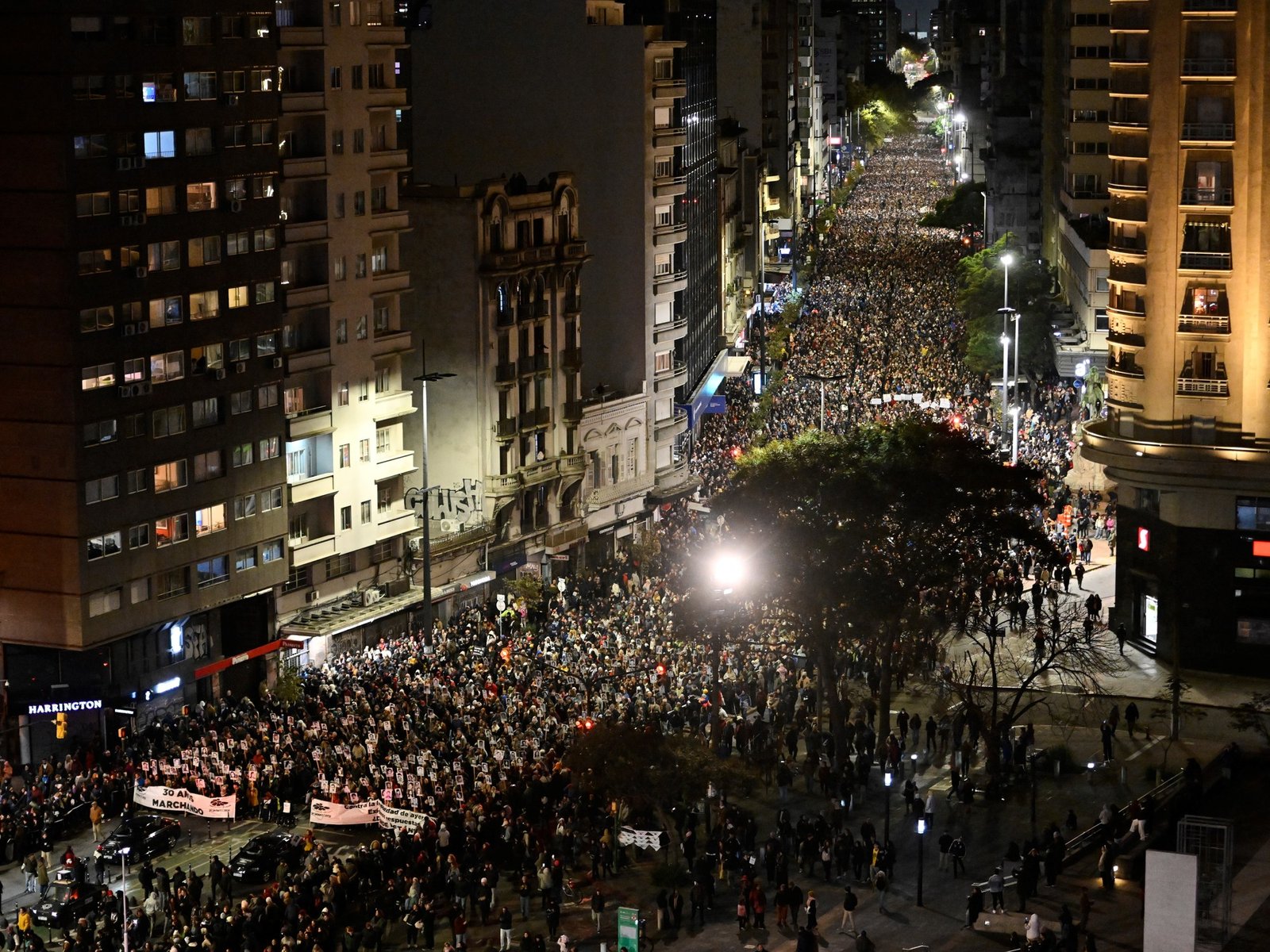
Miles de personas participaron este miércoles por la tarde en la Marcha del Silencio en Montevideo para reclamar memoria, verdad y justicia por los uruguayos desaparecidos durante la última dictadura militar. La movilización, que se realiza desde 1996, recorrió la principal avenida de la capital de Uruguay con las fotos de las 205 víctimas de desaparición forzada.
La marcha fue a paso lento y en completo silencio, sin banderas políticas y bajo la consigna «30 años marchando. Contra la impunidad de ayer y de hoy. Exigimos respuestas ¿Dónde están?». Según un comunicado oficial de la Presidencia de Uruguay, inició en la intersección de las calles Jackson y Rivera, donde se encuentra el Memorial a los Detenidos Desaparecidos en América Latina, y se trasladó hasta la plaza Libertad en medio de un silencio que únicamente se rompió en dos ocasiones: cuando se mencionó el nombre de las víctimas y cuando se cantó el Himno Nacional Uruguayo.
La convocatoria llega en el marco del 50 aniversario de la muerte de los legisladores Zelmar Michelini y Héctor Gutiérrez Ruiz, asesinados en 1976 en Buenos Aires junto a los militantes de izquierda Rosario del Carmen Barredo y William Whitelaw Blanco.
Hasta hace poco, el número oficial de desaparecidos en Uruguay era de 197 personas. Sin embargo, la semana pasada el equipo de investigación de la Institución Nacional de Derechos Humanos (INDDHH) incluyó ocho nuevos casos en la lista que elevaron la cuenta hasta 205. Según se indicó, tres de esas personas se consideran casos activos de búsqueda y otras cinco eran casos ya aclarados, pero no formaban parte de la nómina. mientras tanto, queda 81 denuncias que aún son estudiadas.
Durante la manifestación de este miércoles, además de los rostros de los familiares de las víctimas, también se pudieron ver miles jóvenes que los acompañaron por las calles de la capital uruguaya. En ese sentido, Alba González Souza, integrante fundadora de la asociación Madres y Familiares de Detenidos Desaparecidos en Uruguay que aún sigue buscando a su hijo Rafael Lezama, aseguró que la marcha dejó de ser de las familias «para ser de una gran parte del pueblo uruguayo, que la abriga y la sostiene».
En la previa a la convocatoria, la asociación había brindado una conferencia de prensa en la que sostuvieron que en estos los treinta años de marchas, y cincuenta años de lucha, «la impunidad sigue presente».
«Los archivos siguen dispersos y muchos de ellos ocultos; sigue faltando información y la búsqueda sigue siendo a ciegas. Se hace necesaria una política integral de búsqueda de todo el Estado que implique a todos sus agentes; el compromiso debe ser total e inequívoco», apuntó la asociación.
Por su parte, el presidente uruguayo, Yamandú Orsi, compartió una publicación en su cuenta de X, en la que sostuvo: «A 50 años seguimos buscando más respuestas, porque no son sólo memoria. La vida se sigue abriendo, año tras año y en silencio, en un gigantesco abrazo». Junto a ella, agregó fotografías de la multitud.
A 50 años seguimos buscando más respuestas, porque no son sólo memoria. La vida se sigue abriendo, año tras año y en silencio, en un gigantesco abrazo. pic.twitter.com/8HGMCskkTI
— Yamandú Orsi (@OrsiYamandu) May 20, 2026
En tanto, la vicepresidenta de la República Oriental, Carolina Cosse, dijo presente en la marcha y durante una conferencia de prensa la definió como «una causa nacional de construcción de verdad, de memoria y de justicia».
«Es un llamado a los mejores valores de nuestro pueblo para construir nuestra propia historia» y a «no leerla en libros escritos por otros», afirmó además Cosse y sostuvo que la búsqueda de los desaparecidos debe acercar a los uruguayos, en la medida en que entiende que todos pueden colaborar con acciones tales como «hablar de este tema, no esconderlo y preguntar».
Además de la marcha en Montevideo, también fueron convocadas más de 70 movilizaciones en otras ciudades del mundo, incluidas concentraciones en Buenos Aires, Santiago de Chile, Londres, Barcelona, Madrid, Santiago de Compostela, Mallorca, París y Estocolmo. Este jueves se realizará además un homenaje en Buenos Aires en un acto del que participarán el presidente uruguayo su vice.

INTERNACIONAL
La mayor estafa ganadera de Uruguay dejó un rojo de USD 272 millones: Justicia confirmó cifras de Conexión Ganadera
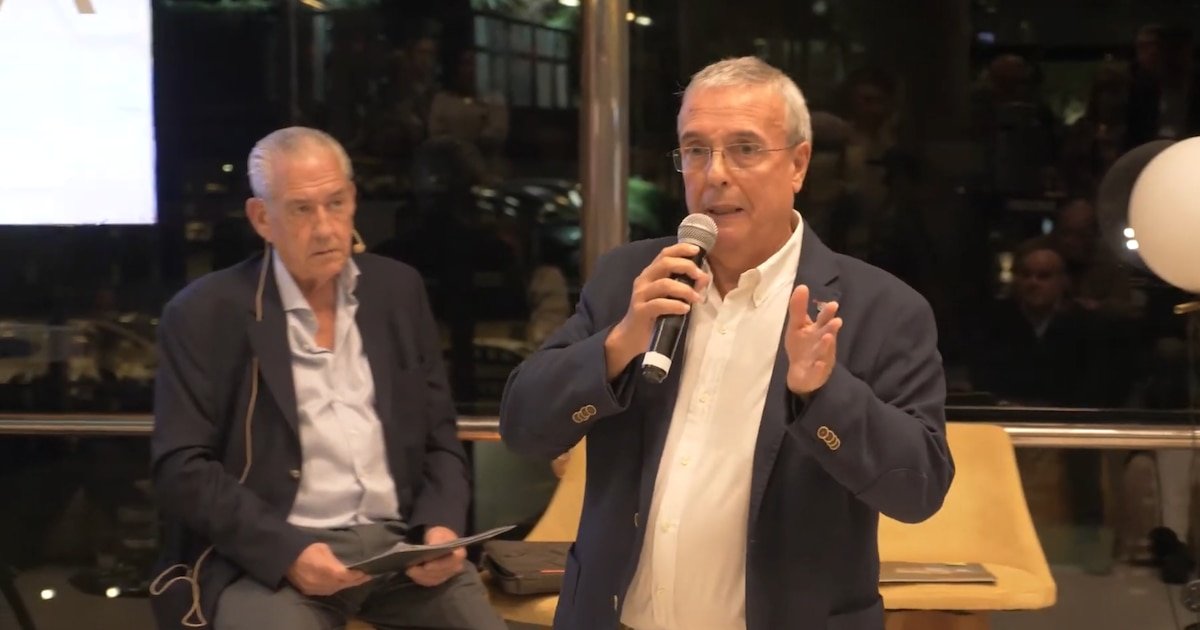
La Justicia uruguaya confirmó los números finales de la que es considerada la mayor estafa del país: el fondo pecuario Conexión Ganadera tiene un pasivo de USD 387 millones de dólares y un activo de USD 115 millones.
Conexión Ganadera se encargaba de captar el dinero de inversores para comprar ganado y, a cambio, pagaba una renta fija de, al menos, 7% anual. En realidad, el funcionamiento de esta empresa era un esquema Ponzi que quedó en evidencia hace un año y medio, cuando reconoció que no tenía dinero para pagar a sus clientes.
En el ámbito penal, el caso ha tenido tres imputados (los tres socios directores, ya que el cuarto se suicidó antes de que se supiera públicamente la crisis de la empresa). Además de esta investigación penal, hay otro proceso en curso en la justicia concursal, que se encarga de la liquidación de la empresa. En este ámbito está puesta la esperanza de los inversores de cobrar parte del dinero invertido.

Según informó El Observador, el síndico del concurso Alfredo Ciavattone entregó al juez Leonardo Méndez los números que confirman el pasivo del grupo económico. La relación activo/pasivo es del 29,8%, lo que hace altamente probable que muchos de los créditos no sean recuperables.
En un escrito, Ciavattone expresó: “Se considera que los acreedores tienen un crédito en el concurso que es derivado de daños y perjuicios verificados como consecuencia de la malversación de sus fondos. Si bien los inversores que contrataron con la concursada pactaron una renta ganadera o interés remuneratorio fijo, la realidad indica que en ningún caso este llegó a generarse. Muy por el contrario, con los recursos existentes en la masa activa de los concursos, ni siquiera puede restituirse el capital invertido”.

Los acreedores de Conexión Ganadera no vieron su patrimonio incrementado sino todo lo contrario: se redujo “gravemente”. Sin embargo, al momento de verificar los créditos se mantuvo “la ficción de su cómputo” para “considerar el principio de tratamiento igualitario entre acreedores de la misma clase”, señaló Ciavattone.
Si bien en la verificación de créditos se contabilizaron USD 115 millones, este monto tiene el problema de que se trata de sumas en su mayoría irrecuperables. Por ejemplo, los mayores montos son cuentas a cobrar a Hernandarias, la tomadora de ganado de Conexión Ganadera, así como a la herencia de Gustavo Basso, uno de los dos directores que se suicidó antes de que se conociera el rojo de la empresa.
Otra de las cuentas a cobrar es la de Don Coraje, que pertenecía a Daniela Cabral, la viuda de Basso, y era también tomadora de ganado. Otras empresas que le deben a Conexión Ganadera están siendo investigadas por el fiscal de Lavado de Activos Enrique Rodríguez.

Los dueños de Conexión Ganadera eran dos personas conocidas en Uruguay, que generaban confianza. Pablo Carrasco, uno de ellos, tenía un alto perfil mediático y solía generar polémica por sus opiniones en la radio. Basso, el otro, era un empresario respetado que colaboraba de forma activa con la comunidad católica de Florida, la ciudad a 100 kilómetros de Montevideo en la que vivía.
La muerte de Basso, el 28 de noviembre de 2024, había generado conmoción. El empresario murió en un accidente de tránsito en su Tesla. En un principio, su siniestro parecía uno más de esos que se cobran decenas de vidas en el país.
Carrasco y su esposa, Ana Iewdiukow, fueron a la cárcel de forma preventiva al ser imputados por estafa y lavado de activos. Lo mismo sucedió con la esposa de Basso, Daniela Cabral, pero en su caso la imputación fue solo por estafa y ahora cumple prisión domiciliaria en un lujoso apartamento en Punta del Este.

El fiscal Enrique Rodríguez señaló tiempo atrás en una audiencia judicial que por la deuda que tiene Conexión Ganadera hace que sean “prácticamente impagables” los créditos que los inversores tienen a su favor.
Corporate Events,Crime,South America / Central America,MONTEVIDEO
NEWYou can now listen to Fox News articles!
The director of the country’s premier American history museum said she has no regrets about any of the museum’s exhibits under her tenure after an expert confronted her with a «shocking» display that he said smeared founding father Benjamin Franklin.
Smithsonian National Museum of American History Director Anthea Hartig faced intense questioning from lawmakers during two Capitol Hill hearings this week. The hearings followed a White House Domestic Policy Council report accusing the museum of using taxpayer dollars and its status as a world-renowned institution to advance a «radical activist ideology.»
During a House hearing on Tuesday, Heritage Foundation expert Mike Gonzalez testified that a multiyear special exhibit titled «The Electric Dr. Franklin» included a display that «pondered whether he had ever done experiments, electrical electroshock on indentured servants or slaves.» Gonzalez testified that the display included this suggestion «without producing any evidence whatsoever,» which he called «shocking.»
«Why smear a founding father such as Ben Franklin by pondering such a really bizarre thing,» asked Gonzalez.
WATCH: SMITHSONIAN DIRECTOR PRESSED ON WOKE EXHIBITS: ‘IS MICKEY MOUSE RACIST?’
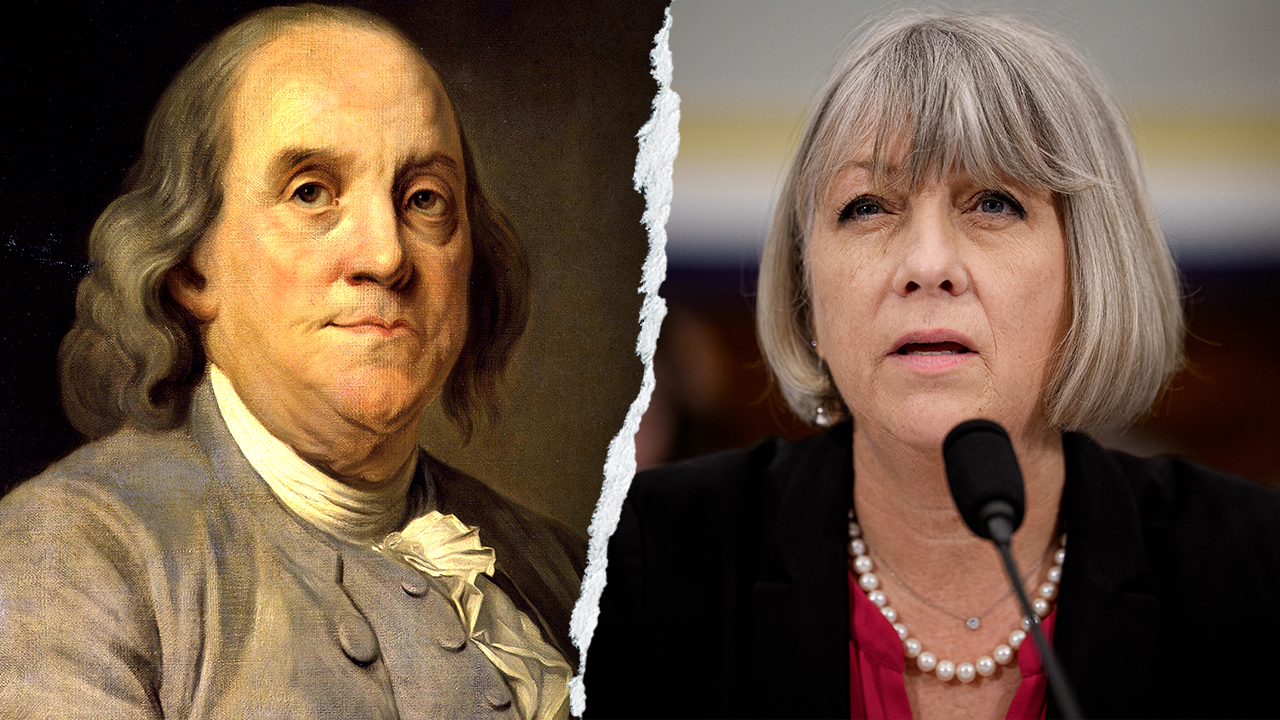
Smithsonian National Museum of American History Director Anthea Hartig (right) was questioned by House lawmakers on controversies involving the museum, including one exhibit that an expert said amounted to a «smear» against founding father Benjamin Franklin. (GraphicaArtis/Getty Images; Andrew Harnik/Getty Images)
Immediately after Gonzalez’s testimony, Rep. Brian Jack, R-Ga., confronted Hartig, saying, «We’ve heard a lot of concerning examples as just referenced. Do you have any regrets in your tenure thus far [about] some of the exhibits have been displayed? Do you regret any of the exhibits and if so, which?»
Hartig answered, «I am incredibly proud of the work we’ve done, but we are imperfect and we surely have made mistakes. But I don’t have any regrets.»
Jack pressed further, asking, «Which mistakes would you say you’ve made?»
To which Hartig responded, «There are always factual errors.»
«One of my favorite, currently,» she went on, «is that one of our volunteers has pointed out that we’ve been mislabeling a coin in the American Presidency exhibit for years, and we were, of course, you know, slightly embarrassed about that, but we fixed it.»
Hartig became director of the Smithsonian’s National Museum of American History in February 2019. The Benjamin Franklin exhibit opened to the public in 2021 and remained on display through 2025.
‘THE VIEW’ CO-HOST WHINES SMITHSONIAN HEARINGS ARE ABOUT TRUMP ADMINISTRATION NOT WANTING TO PAY REPARATIONS
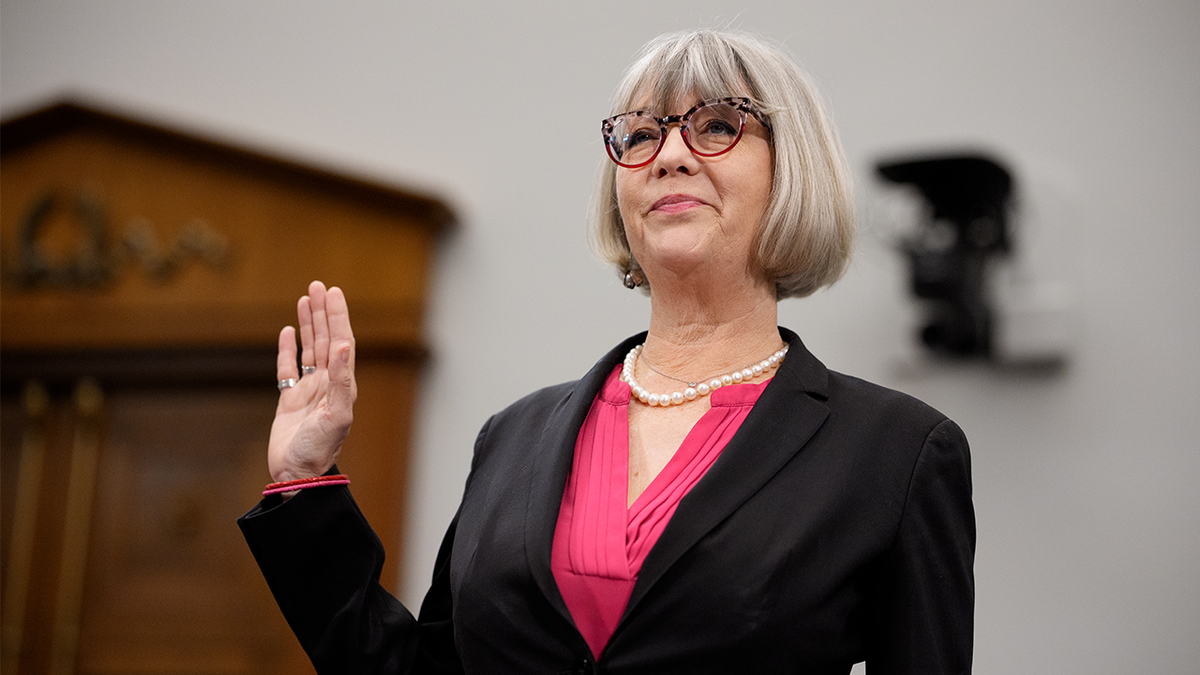
National Museum of American History Director Dr. Anthea Hartig is sworn in during an Oversight and Government Reform subcommittee on Delivering on Government Efficiency hearing on Capitol Hill on July 21, 2026 in Washington, DC. (Andrew Harnik/Getty Images)
The museum currently has a webpage containing expanded material from the exhibit. The site states that «researchers also used people as conductors to determine how far an electrical charge might travel, and if electrical effects would fade with distance. Franklin wrote about experiments in which he took shocks and used family and friends in these ways, although he seldom identified who in particular assisted him. Indentured servants and enslaved people in his household could also have been used, although we may never know for certain.»
A sweeping new White House report concluded that the Smithsonian Institution’s National Museum of American History has become a taxpayer-backed institution of «ideological capture» and «extreme political activism.»
According to the 162-page «Restoring Truth and Sanity to American History» report, delivered on America’s 250th birthday, NMAH treats the American story as a political tool rather than a shared national inheritance.
The White House Domestic Policy Council wrote that the «Smithsonian Institution, and the National Museum of American History in particular, under its current leadership and current interpretive ideology, cannot be trusted to tell America’s story honestly and in a way that is inspiring, unifying, and worthy of our great republic.»
Further, the report said that «by the intention and at the direction of current Museum and Smithsonian leadership, NMAH has become subject to institutional capture by a radical, activist ideology that is fundamentally opposed to telling the noble, honest story of the great country we know and love.»
WATCH: SMITHSONIAN HISTORY MUSEUM DIRECTOR STUMBLES OVER BASIC QUESTIONS ON SEX: ‘I’M NOT SURE’
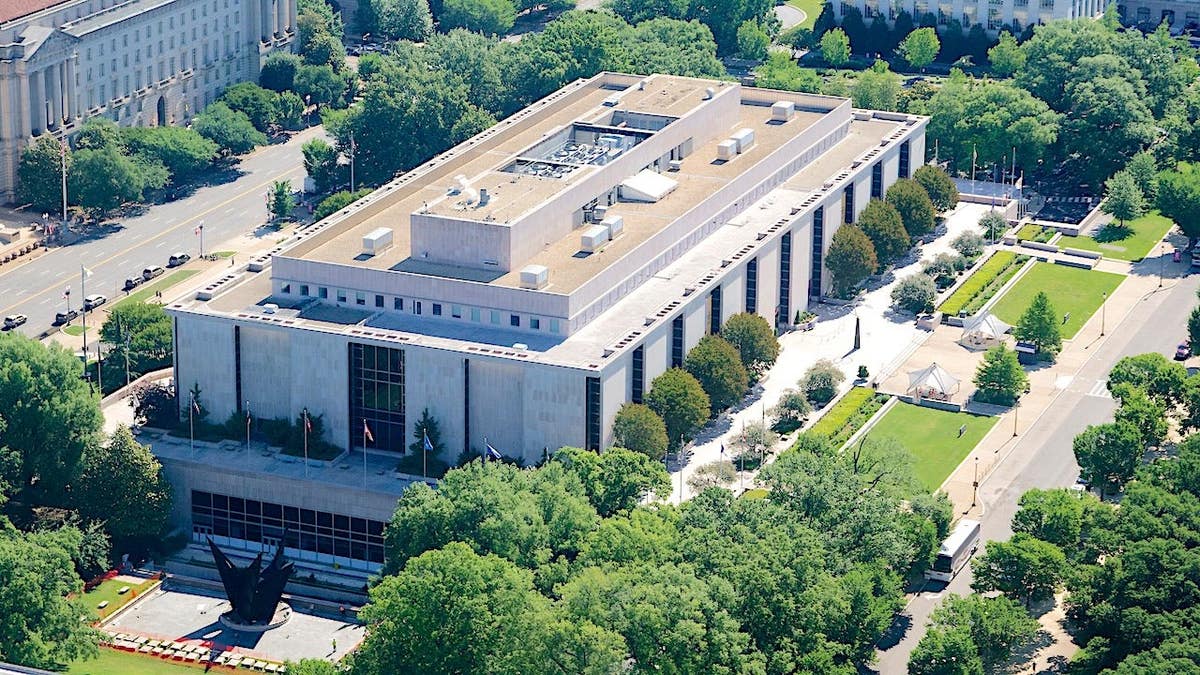
The Smithsonian’s National Museum of American History is being called out for being ‘ideologically captured’ and presenting woke revisionist history on the weekend of America’s 250th birthday. (Kevin Carter)
SIGN UP TO GET THE POLITICS NEWSLETTER
During her testimony Tuesday, Hartig said that «the Smithsonian takes the concerns raised in the White House Domestic Policy Counsel’s report seriously, and as we continue to fact check the report, we unwaveringly attest that it does not fairly or accurately characterize the full body of work at the museum.»
CLICK HERE TO DOWNLOAD THE FOX NEWS APP
She added that «there is always room for improvement, but I also know the beauty and the inspiration and the expertise that lies in our collections, our exhibits, and our programing.»
Fox News Digital reached out to the Smithsonian Institution, the National Museum of American History, and Gonzalez for additional comment.
hearings house of representatives politics, controversies education, museums exhibits, politics, white house, history, american stories
INTERNACIONAL
Un militar retirado irrumpe en la política de Italia y complica los planes de Giorgia Meloni



Evangelina Anderson celebró su cumpleaños en Marbella vestida de princesa: “Me deprime un poco cumplir años”

Los 5 cambios de alto impacto que transformarán para siempre el negocio inmobiliario en Argentina

La Libertad Avanza oficializó el “Día de la Unidad” para recordar el acuerdo con el PRO que llevó al triunfo electoral de 2025

Lío a la vista con De Bruyne: ‘No tiene que tomar ninguna decisión’

Un taxista acusó a un sindicalista de haberle pinchado una rueda y terminaron a las piñas en La Plata

La mayor estafa ganadera de Uruguay dejó un rojo de USD 272 millones: Justicia confirmó cifras de Conexión Ganadera

Escándalo Mundial: Las presiones secretas, la amenaza de la FIFA por Malvinas y la verdad detrás del partido contra España

Sin la Copa y sin Messi en el avión, vuelve Tapia y deberá enfrentar tres frentes de tormenta tras la pausa del Mundial

Samuel L. Jackson llamó a Argentina “el país más racista del mundo”: la contundente respuesta que le dejó Bárbara Lombardo

Le ganan a la inflación: los senadores pasarán a cobrar $12 millones brutos a partir de agosto

 DEPORTE2 días ago
Escándalo Mundial: Las presiones secretas, la amenaza de la FIFA por Malvinas y la verdad detrás del partido contra España
- CHIMENTOS3 días ago
Samuel L. Jackson llamó a Argentina “el país más racista del mundo”: la contundente respuesta que le dejó Bárbara Lombardo
- POLITICA3 días ago
Le ganan a la inflación: los senadores pasarán a cobrar $12 millones brutos a partir de agosto