INTERNACIONAL
Por miedo a Donald Trump, la OTAN analiza suspender sus cumbres este año

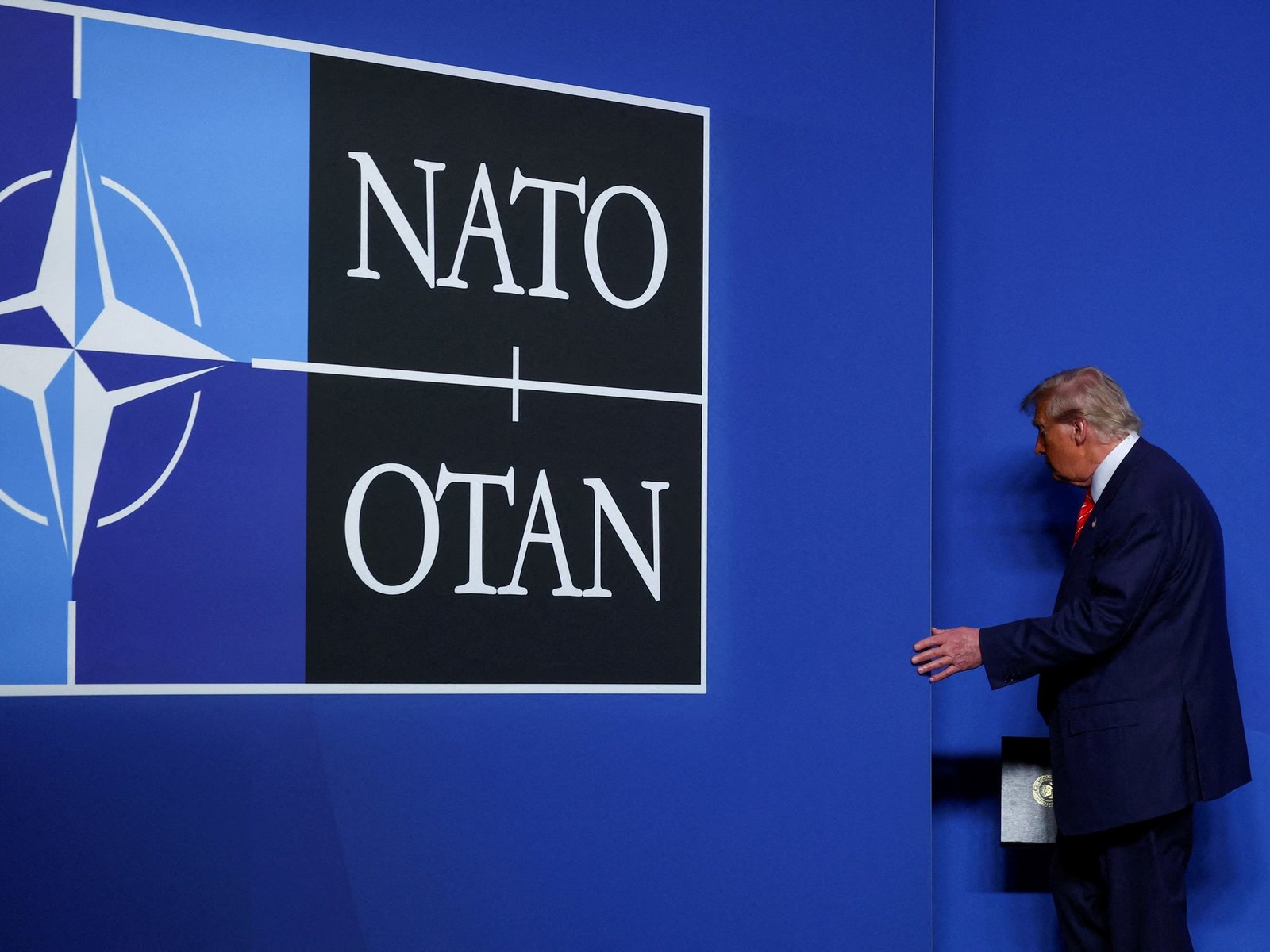
Las cumbres de jefes de Estado y de Gobierno de la OTAN fueron tradicionalmente ceremonias a las que se llegaba con todo decidido y masticado, donde los líderes básicamente se limitaban a repetir el compromiso de la defensa común noroccidental, a mostrar unidad y a poner buenas caras. Las advertencias a Rusia eran más o menos duras en función de la temperatura de la relación en ese momento y los presidentes estadounidenses de turno pedían a los europeos que gastaran más en Defensa, sin que estos hicieran mucho caso desde el fin de la Guerra Fría.
La relación era conveniente para todos. A los europeos les garantizaba la protección del paraguas militar, y nuclear, estadounidense. A Estados Unidos la posibilidad de disponer de bases militares en Europa y de contar con países amigos y aliados que ayudaban en misiones y que compraban la mayoría de sus armas a la industria estadounidense. Las cumbres eran políticamente aburridas porque todo se había decidido días o semanas antes en reuniones previas de cancilleres o ministros de Defensa.
Pero entonces llegó Donald Trump y empezó a romper la vajilla. En su primer mandato amenazó, sin ir más allá, con sacar a su país de la Alianza Atlántica si los europeos no gastaban más en medios militares. Ese gasto adicional, claro, tenía que ir a la industria militar estadounidense. Los europeos apretaron los dientes y esperaron a que el líder republicano se fuera, comprometiéndose a gastar el 2% del PBI en defensa, un porcentaje al que sólo llegaron el año pasado. Trump se iría, pensaron muchos. Pero Trump volvió. Y volvió como un elefante en un bazar.
Las exigencias del presidente estadounidense empezaron de nuevo por el gasto militar. En la cumbre de julio del año pasado en La Haya los europeos (excepto España) y Canadá se comprometieron a alcanzar para 2030 un gasto en Defensa equivalente al 5% del PBI de cada uno. Pocos lo cumplirán, pero Trump salió contento más allá de su bronca con el español Pedro Sánchez, que se ha ido repitiendo en los últimos meses.
Pero las broncas no se limitan ya al gasto. A finales del año pasado el presidente estadounidense empezó a amenazar con usar la fuerza para anexionar a Estados Unidos la isla danesa de Groenlandia. Dinamarca es miembro de la OTAN, una organización que de repente pasaba de ser de defensa mutua a ser un lugar donde el más fuerte amenazaba con las armas a uno de los más débiles. Los europeos cerraron filas con Dinamarca, enviaron unos pocos cientos de soldados a Groenlandia y Trump pareció dejar de lado el tema.
Entonces llegó el ataque estadounidense e israelí a Irán y el inquilino del Despacho Oval volvió a mirar a la OTAN con cara de pocos amigos. El ataque a Irán se sale totalmente del marco jurídico de la Alianza Atlántica porque no es un ataque a un país de la OTAN. Es lo contrario: uno de los socios de la OTAN ataca a un tercer país, sin provocación previa y sin consultarlo con sus supuestos aliados, a los que sólo exige sumarse cuando la guerra empieza a torcerse y no se convierte en la operación relámpago que hubiera querido el mandatario estadounidense.
Las cumbres anuales vuelven el 7 y 8 de julio a la capital turca de Ankara, pero a partir de ahí, según desveló en primer lugar este lunes la agencia Reuters y pudo confirmar Clarín en Bruselas en varias entrevistas este martes, la OTAN estudia simplemente no organizar esos cónclaves para no poner en bandeja a Donald Trump un escenario en el que pueda comportarse de forma disruptiva.
La cumbre de Ankara sigue sin una agenda clara y, salvo solución diplomática entre Irán y Estados Unidos, la guerra marcará el cónclave. Pero a partir de ahí el calendario es vidrioso. La cumbre de julio de 2027, que debe organizar Albania, podría pasarse al otoño de ese mismo año. Y en 2028 ya no celebrarse ninguna, para que las siguientes fueran ya con el sucesor de Donald Trump.
Algunos países estarían pidiendo que se hiciera oficial una decisión indicando que a partir de ahora las cumbres serían cada dos años, pero la Secretaría General de la OTAN no tomó una decisión todavía.
La costumbre de realizar cumbres anuales de varios días es relativamente nueva, porque sólo desde 2021 se han ido repitiendo anualmente estas cumbres. Antes se realizaban en función de la necesidad que los líderes veían de reunirse personalmente, no cada año como si fuera una obligación.
Más allá de evitar choques con Donald Trump, algunas fuentes consultadas en Bruselas consideran que la idea de celebrar una gran cumbre anual empuja a la OTAN a tener grandes anuncios que hacer en esas cumbres, aunque no haya necesidad de hacer anuncio alguno. Estiman que la Alianza Atlántica debe centrarse más en el trabajo y la estrategia a largo plazo, y menos en el espectáculo político. Volver a ser aburrida.

INTERNACIONAL
Prosecutor ousted after alleged romance with illegal immigrant sex-crime suspect: ‘Pattern of misconduct’
NEWYou can now listen to Fox News articles!
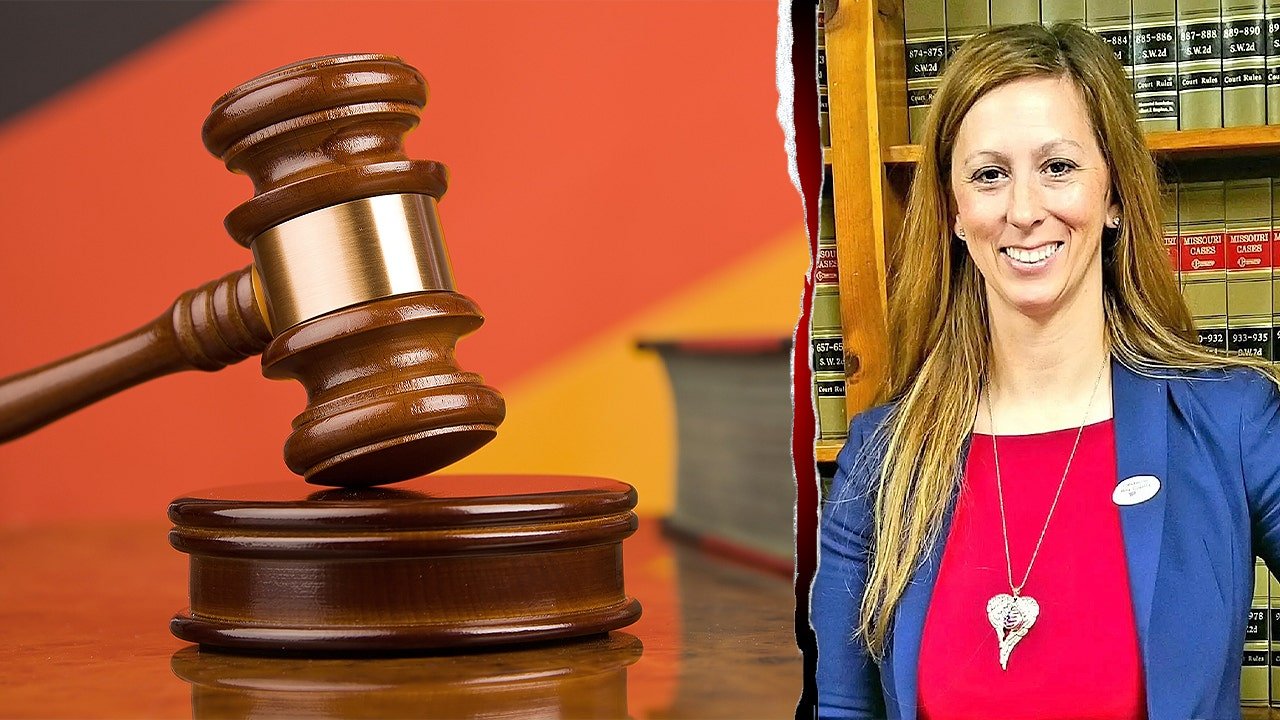
A Missouri county prosecutor has been stripped of her authority after the state attorney general accused her of carrying on a series of improper relationships with people tied to criminal cases in her county, including an illegal immigrant defendant facing sex crime charges.
A petition for quo warranto filed by the state’s Attorney General accuses Ray County Prosecutor Camille Johnston of failing to recuse herself from the investigation involving the illegal immigrant, Juan David Gutierrez, failing to disclose his whereabouts to law enforcement and transferring him the title to her vehicle to help him abscond. The filing also alleges Johnston had other improper relationships that posed conflicts of interest, including with a criminal defense attorney and a man charged in a domestic-violence case in Ray County.
Meanwhile, the AG’s petition against Johnston, which prompted a judge to grant a preliminary order barring her from exercising authority as prosecutor until the case is resolved, alleged Johnston retaliated against an employee who discovered one relationship and created an atmosphere of fear and intimidation inside her office.
«When an elected official treats public office like their personal playground, betraying the public trust, ignoring legal obligations, and putting self-interest first, removal isn’t a suggestion, it’s a necessity,» Missouri Attorney General Catherine Hanaway told Fox News Digital in a statement. «Johnston’s record reflects a sustained pattern of misconduct and willful neglect that has undermined the integrity of the prosecutor’s office and poses a serious threat to public safety. In Missouri, public office is public trust, not a personal entitlement, and no one is above accountability.»
UTAH JUSTICE ALLEGEDLY SENT ‘INAPPROPRIATE’ TEXTS TO LAWYER IN KEY REDISTRICTING CASE, OFFICIALS LAUNCH PROBE
Missouri’s Attorney General Catherine Hanaway has filed a petition to strip Ray County Prosecuting Attorney Camille Johnston (right) of her position. (Facebook/Camille Johnston for Ray County Prosecuting Attorney!)
Hanaway’s office told Fox News Digital that Johnston is «not allowed to take any actions in any official capacity» and, while she can fight for reinstatement as the proceedings continue, «at this time, she is no longer Ray County Prosecuting Attorney.» The AG’s office also confirmed that the sexual-violence suspect identified as «J.G.» in the petition is Juan David Gutierrez, whose case is currently charged but on hold pending an appeal in another matter.
Johnston «failed to recuse during the investigation» of the underlying sexual assault case involving Gutierrez, Hanaway’s office said, noting a local court later appointed the Missouri Attorney General’s Office to prosecute the case.
ICE DETAINS ILLEGAL IMMIGRANT ACCUSED OF SEXUALLY ASSAULTING MINOR AFTER HOSPITAL PARKING LOT BIRTH
According to the petition, Johnston and Gutierrez had lived together and had been involved in a romantic and intimate relationship before she took office as Ray County prosecutor on Jan. 1, 2023. The filing says Johnston was informed as early as Sept. 15, 2020, that Gutierrez was a suspect in a Ray County sexual assault, adding he is currently awaiting trial for felony sexual offenses.
Local outlet KSHB reported that Missouri highway patrol said authorities had not found Gutierrez when Missouri State Highway Patrol turned over its findings to the Attorney General’s office in 2020, and that the Attorney General’s office later declined prosecution and closed the case in 2022. However, according to KSHB, the case was revived after a private investigator doing volunteer cold-case work later flagged the case to then-Ray County Sheriff Scott Childers, who emailed the Attorney General’s office in 2023 about information that could help locate Gutierrez.
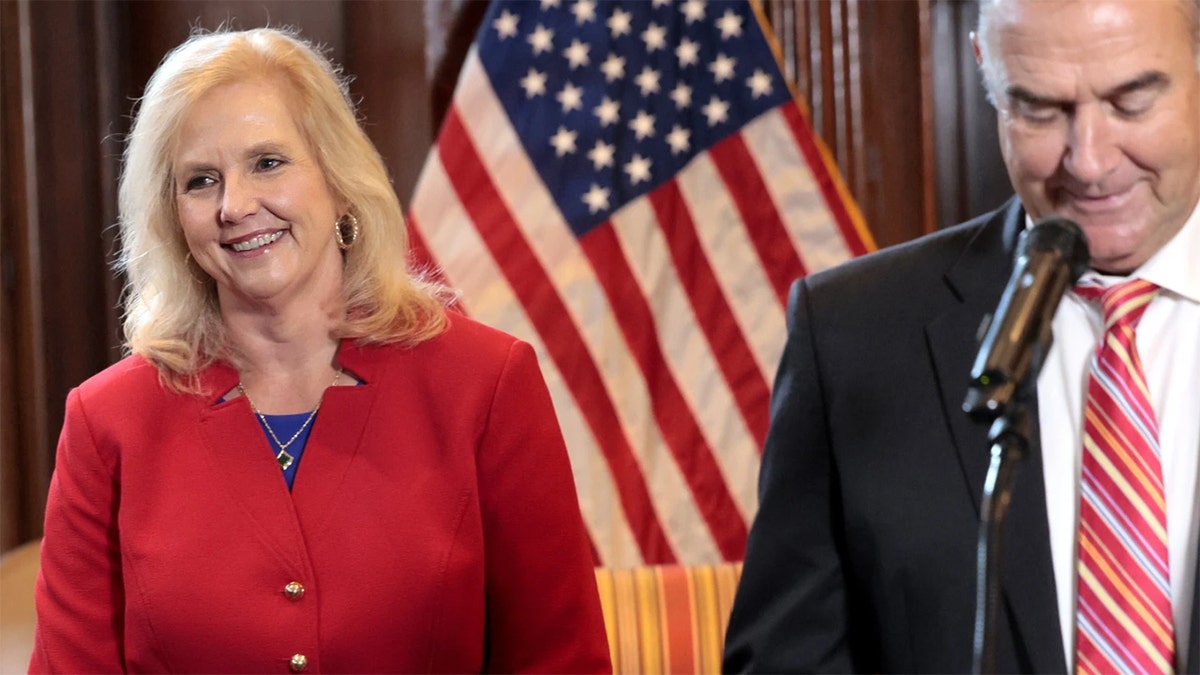
Then-U.S. Attorney Catherine Hanaway (left) speaks to reporters after Missouri Gov. Mike Kehoe (right) announced her appointment as the state’s next attorney general on Tuesday, Aug. 19, 2025, at the governor’s Capitol office in Jefferson City, Missouri. (AP Photo/David A. Lieb)
The AG’s office separately told Fox News Digital that Johnston admitted she knew Gutierrez’s immigration status for several years. The petition alleges Gutierrez is a citizen of Mexico who had been illegally present in the U.S. since 2019.
UTAH SUPREME COURT JUSTICE RESIGNS AMID PROBE INTO ALLEGED RELATIONSHIP WITH REDISTRICTING ATTORNEY
The petition also alleges Johnston knew Gutierrez’s whereabouts after he left Missouri, failed to disclose that information to law enforcement, visited him in Mississippi and vacationed with him in Florida. It accuses Johnston of transferring the title to her vehicle to Gutierrez in 2023 as well, and claims she «assisted» him in absconding from Ray County while knowing he had been accused of a sexual offense and was under criminal investigation.
Johnston’s attorney, Chad Gardner, did not immediately respond to Fox News Digital’s request for comment. Local reporting previously identified Gardner as Johnston’s attorney.
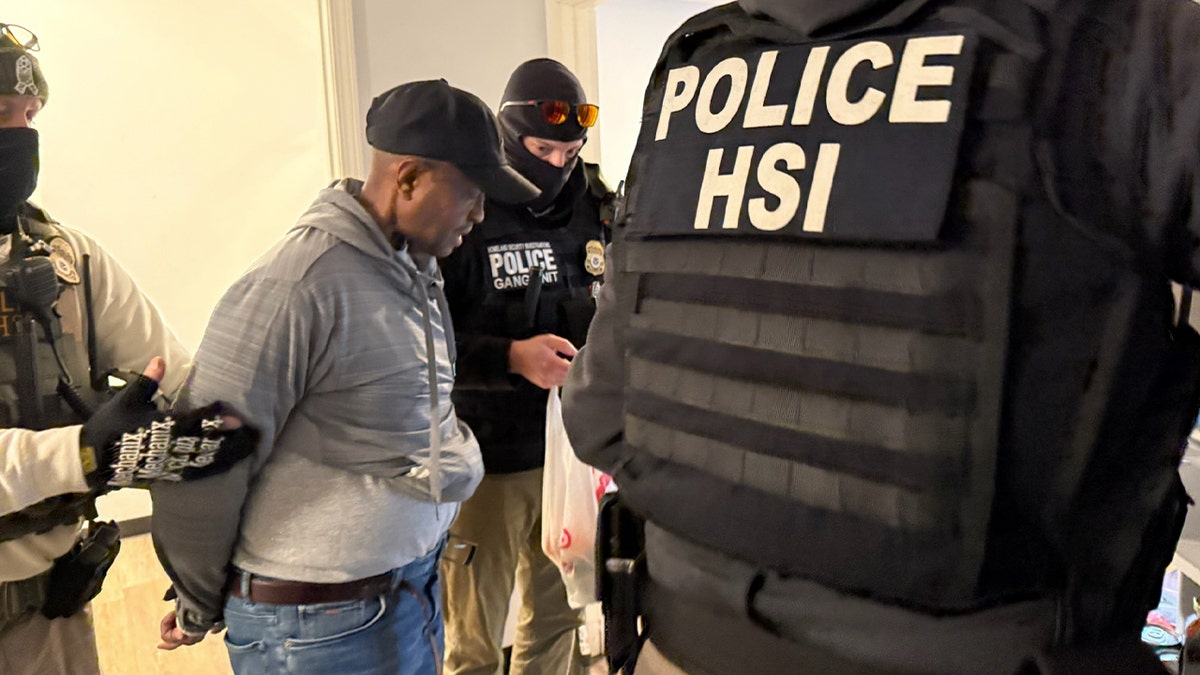
Federal agents arrest an illegal immigrant from Somalia. (Courtesy of ICE)
In addition to Johnston’s relationship with Gutierrez, the petition also accuses Johnston of maintaining a romantic relationship with a Ray County defense attorney who represented criminal defendants in cases prosecuted by her office, while allegedly failing to disclose the relationship or seek a special prosecutor in those cases.
The petition separately alleges Johnston had another romantic relationship with a man charged in a domestic-violence case, and was later disqualified from prosecuting that case after local law enforcement learned of the alleged relationship and sought a special prosecutor.
CLICK HERE TO DOWNLOAD THE FOX NEWS APP
Meanwhile, besides the improper relationships, Johnston allegedly «knowingly created» an atmosphere of fear and intimidation inside the Ray County Prosecuting Attorney’s Office by verbally berating staff and employees. The filing further alleges that a former employee learned Johnston was in a romantic relationship that could pose a conflict of interest, and that Johnston retaliated by firing the employee after learning they were aware of the relationship.
In each of the alleged relationships, the petition says Johnston recognized the impropriety but continued the conduct, withheld information about the relationships and «falsely denied the existence» of the allegedly compromising relationships when questioned.
Hanaway’s office said it stands by the allegations in the petition but could not comment on the possibility of criminal charges involving Johnston.
corruption crime, missouri, corruption, illegal immigrants, crime, politics, investigations, sex crimes, law
INTERNACIONAL
El régimen de Irán lanzó nuevos ataques contra instalaciones militares de EEUU en Jordania, Kuwait y Bahréin
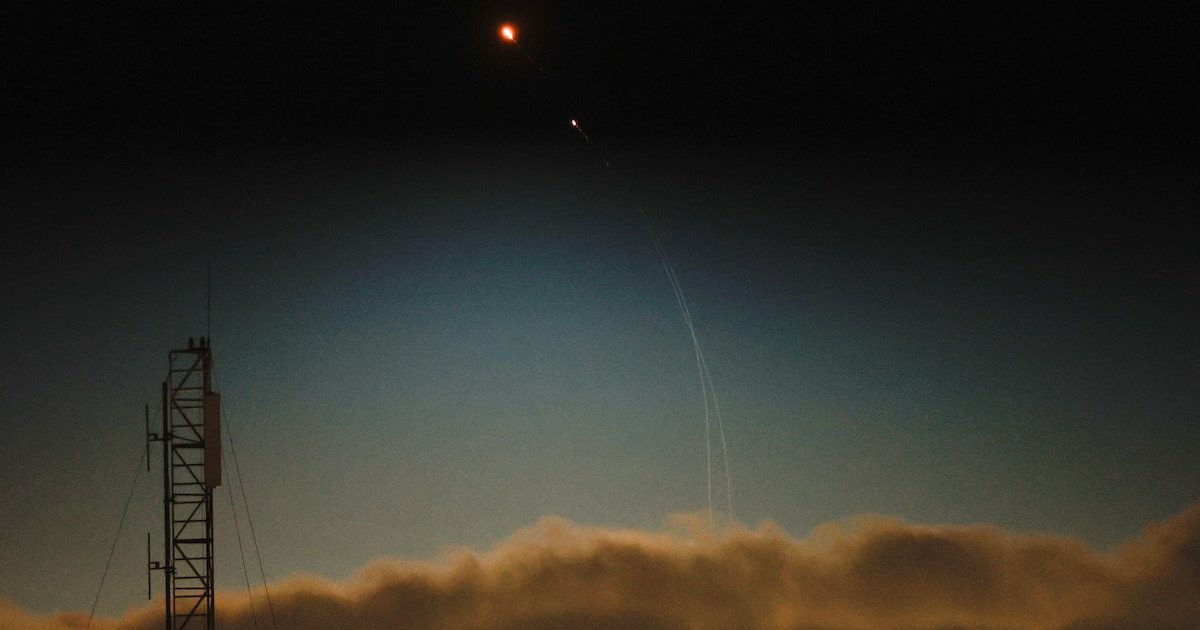
Irán atacó este martes instalaciones militares estadounidenses en Jordania, Kuwait y Bahréin y advirtió que lanzará ofensivas “más decisivas y potentes” contra Estados Unidos, en una nueva escalada del conflicto en Medio Oriente que también amenaza con extenderse al Mar Rojo tras el anuncio de los rebeldes hutíes de Yemen de bloquear los puertos de Arabia Saudita.
El ejército iraní informó que sus fuerzas alcanzaron sistemas de defensa aérea, instalaciones de radar y edificios administrativos utilizados por Estados Unidos en Kuwait y Bahréin, horas después de una nueva ronda de bombardeos estadounidenses contra objetivos iraníes.
La Guardia Revolucionaria sostuvo además que atacó e interceptó dos petroleros que, según su versión, “no cumplían con las normas” cuando intentaban atravesar el estrecho de Ormuz, uno de los principales corredores energéticos del mundo.
En un comunicado difundido por la agencia estatal IRNA, la fuerza militar iraní lanzó una nueva advertencia a Washington. “Con este barrido de radar, el enemigo debería prepararse para oleadas aún más decisivas y potentes de ataques con drones y misiles”, señaló.
La nueva ofensiva iraní llegó después de que Estados Unidos ejecutara el lunes por la noche ataques contra territorio iraní. Washington aseguró que esas operaciones estaban “diseñadas para degradar aún más las capacidades militares iraníes utilizadas para atacar el transporte marítimo comercial” en el estrecho de Ormuz.
La escalada militar se produce tras la muerte de al menos tres soldados estadounidenses en los últimos días. El presidente de Estados Unidos, Donald Trump, advirtió el lunes que Irán pagará “mucho más” por cada militar estadounidense fallecido.
Por su parte, el presidente iraní, Masoud Pezeshkian, afirmó que el conflicto ya se convirtió en “una guerra a gran escala”.
El Pentágono informó el lunes que cerca de 100 militares estadounidenses resultaron heridos desde el 7 de julio, la mayoría con conmociones cerebrales leves.
La situación también elevó la tensión en el estrecho de Ormuz. La Guardia Revolucionaria informó que dos buques cisterna que intentaban atravesar el paso marítimo “fueron alcanzados por explosiones, lo que provocó incendios masivos que los paralizaron”.
Previamente, la agencia británica de Operaciones de Comercio Marítimo (UKMTO) comunicó que un “proyectil desconocido” impactó contra un buque cisterna frente a las costas de Omán. Horas después, la organización reportó que otro petrolero en la misma zona también recibió el impacto de un proyectil.
El estrecho de Ormuz constituye una ruta estratégica para el comercio energético mundial, ya que en tiempos de paz transita por allí cerca de una quinta parte del petróleo comercializado en el planeta.
La guerra volvió a intensificarse después del fracaso del alto el fuego alcanzado en abril y del acuerdo marco negociado en junio. Tras ese colapso, Teherán restableció el bloqueo del estrecho de Ormuz y Washington respondió con un nuevo bloqueo sobre los puertos iraníes.

En paralelo, el conflicto amenaza con expandirse al Mar Rojo. Los rebeldes hutíes de Yemen, aliados de Irán, anunciaron que bloquearán los puertos saudíes, una decisión que podría afectar las exportaciones de petróleo de Arabia Saudita hacia Asia y alterar el suministro mundial de crudo.
Arabia Saudita condenó la amenaza de la organización yemení y calificó al grupo como la “milicia terrorista hutí”. Además, afirmó que “sigue apoyando al hermano pueblo yemení y a su gobierno legítimo”.
La semana pasada, fuerzas saudíes y combatientes hutíes intercambiaron disparos por primera vez en varios años, un episodio que puso bajo presión la tregua vigente desde 2022. Hasta entonces, los rebeldes se habían mantenido en gran medida al margen del conflicto abierto entre Irán, Israel y Estados Unidos desde finales de febrero.
Aunque Arabia Saudita continúa exportando millones de barriles diarios a través del puerto de Yanbu, sobre el Mar Rojo, los mercados energéticos mantienen la atención sobre una eventual interrupción de esa ruta. Los precios internacionales del petróleo subieron el lunes hasta su nivel más alto en un mes antes de moderarse durante las primeras horas del martes.
Durante los últimos meses, operadores y analistas siguieron de cerca la posibilidad de que los hutíes retomaran los ataques contra buques comerciales en el Mar Rojo y el golfo de Adén, como ocurrió durante la guerra de Gaza. El grupo, sin embargo, no precisó de qué manera aplicará el bloqueo anunciado contra los puertos saudíes.

Mientras continúan los enfrentamientos militares, permanecen abiertos algunos canales diplomáticos. El portavoz del Ministerio de Asuntos Exteriores de Irán, Esmaeil Baqaei, aseguró que los contactos con Washington por medio de mediadores siguen en marcha.
En ese contexto, el Ministerio del Interior de Pakistán informó que el ministro del Interior iraní, Eskandar Momeni, inició una visita de dos días a Islamabad, donde tiene previsto reunirse con el primer ministro Shehbaz Sharif y con el jefe del Ejército paquistaní, Asim Munir.
También este martes, el presidente del Líbano, Joseph Aoun, tiene previsto reunirse con Donald Trump en Washington en medio de la presión internacional para que Beirut avance en el desarme de Hezbolá, una de las principales condiciones planteadas por Israel para retirar sus tropas del sur del Líbano.
(Con información de AFP)
Domestic Politics,War,Middle East,Government / Politics,Military Conflicts
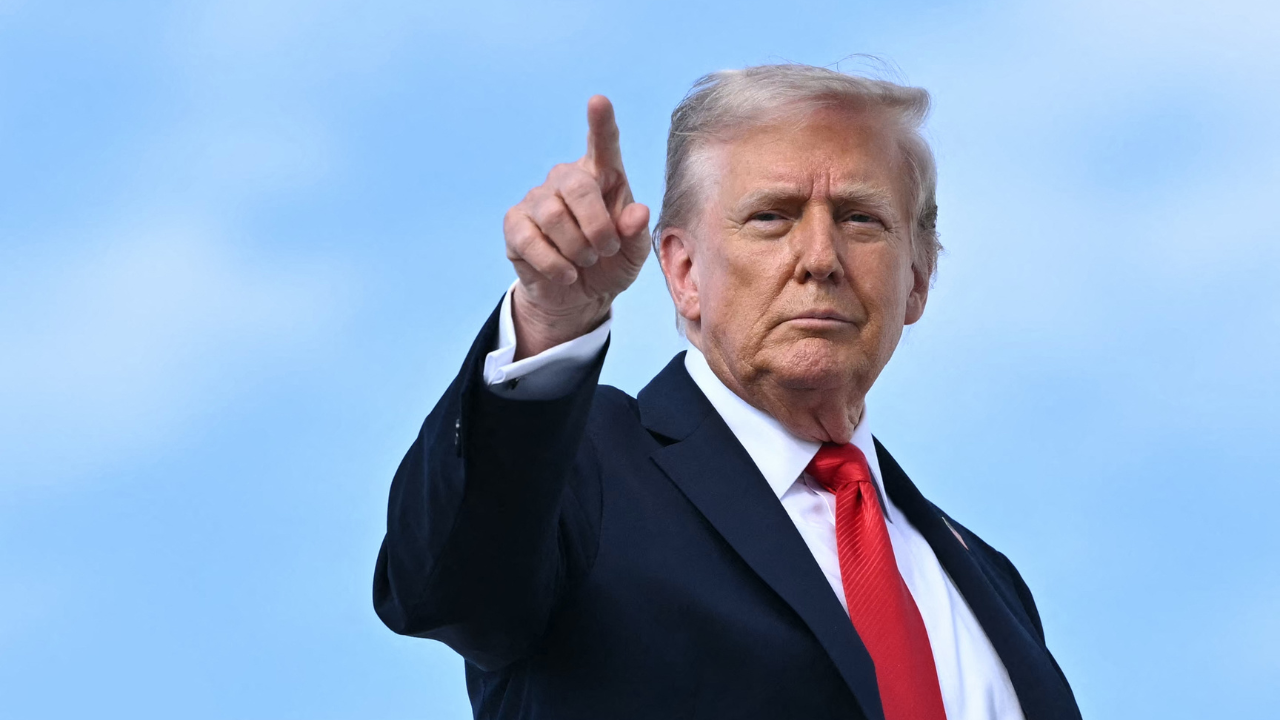
Analyzing Trump’s influence on GOP in primary races nationwide
President Donald Trump demonstrates an iron grip over the Republican Party’s primary races, securing victories for all his endorsed candidates in the 2026 primary season. Joe Concha notes the GOP is now the ‘MAGA party.’ Former Senator John Cornyn lost his primary to Trump-endorsed Ken Paxton in Texas, further underscoring Trump’s enduring power.
NEWYou can now listen to Fox News articles!
President Donald Trump’s immense clout over the GOP and the power of his endorsements in Republican nomination races face their latest test Tuesday, as Arizona holds primary elections.
Trump’s endorsements in a handful of key races, including in a top swing congressional district, could impact the midterm battles for the House majority and control of governors’ offices.
Trump is backing Rep. Andy Biggs, a former House Freedom Caucus chairman, for the GOP gubernatorial nomination and the chance to challenge Democratic Gov. Katie Hobbs in November.
Biggs, who is also backed by the political wing of the conservative powerhouse Turning Point USA, is considered the frontrunner in a race that also includes longtime Republican Rep. David Schweikert. Also on the ballot are concrete pumping contractor Scott Neely, who’s making his second straight run for governor, and business owner Ken Miceli.
DEMOCRACY ’26: STAY UP TO DATE WITH THE FOX NEWS ELECTION HUB
Arizona Gov. Katie Hobbs, a Democrat, is running for re-election this year. (Rebecca Noble/Getty Images)
The winner will face off in the general election with Democratic Gov. Katie Hobbs, a former Arizona Secretary of State who narrowly defeated then-GOP nominee Kari Lake four years ago. Hobbs was unopposed for re-nomination.
Down-ballot, the statewide race for the Republican attorney general nomination has become combustible as state Senate President Warren Petersen and military attorney Rodney Glassman have traded fire. The winner will challenge Democratic incumbent Kris Mayes in the general election.
In the race to succeed Schweikert in Arizona’s 1st Congressional District, which is anchored in the northeastern Phoenix suburbs, Trump is backing former Arizona Cardinals professional football player and former CBS Sports NFL analyst Jay Feely.
SIGN UP TO GET THE POLITICS NEWSLETTER
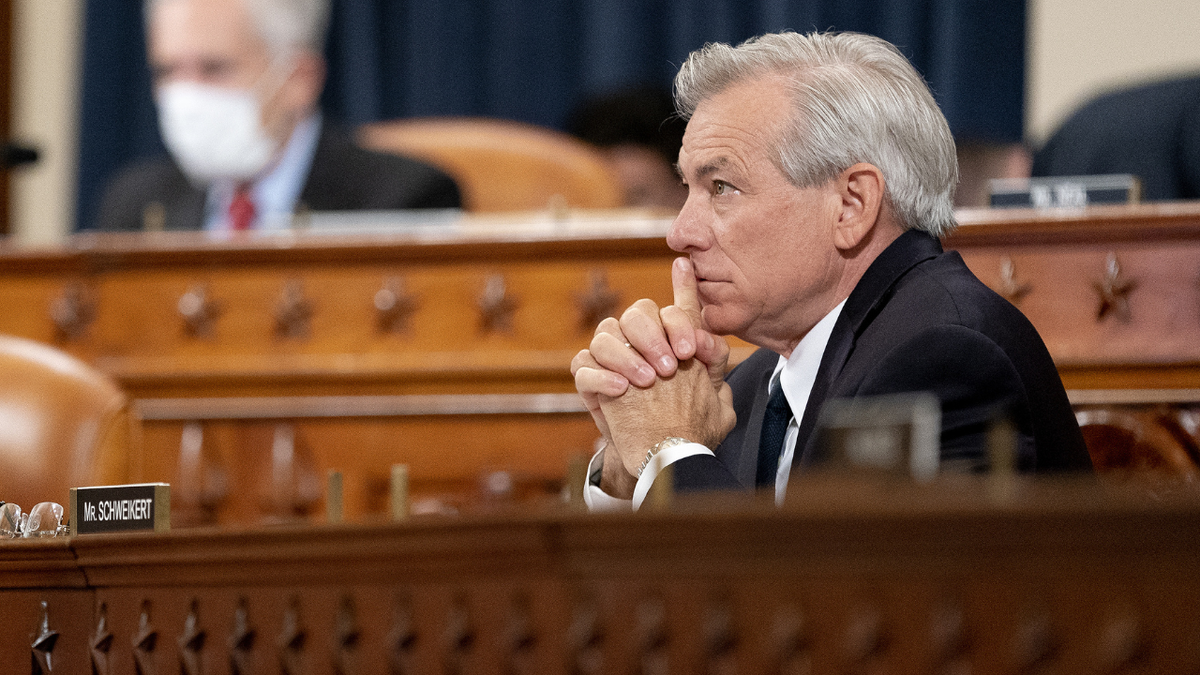
Republican Rep. David Schweikert, who represents a key swing congressional swing district, is running for the GOP gubernatorial nomination in Arizona. (Stefani Reynolds/Bloomberg/Getty Images)
Former state lawmaker Joseph Chaplik and businessman John Trobough are also running for the GOP nomination in the key swing district.
Former TV anchor Marlene Galán-Woods and former state Rep. Amish Shah are facing off in a rematch for the Democratic congressional nomination. Shah, an emergency room physician, won the 2024 faceoff.
Galán-Woods, a former Republican, has the backing of the Democratic Congressional Campaign Committee, which has big bucks to support her, as well as top Democrats Sen. Mark Kelly and former Gov. Janet Napolitano.
Rick McCartney, president and CEO of InMedia Company, and Jonathan Treble, founder of WithMe, are also on the ballot.
The midterm race in Arizona’s 1st District is one of two or three dozen across the country that will determine whether the GOP holds onto its razor-thin House majority.
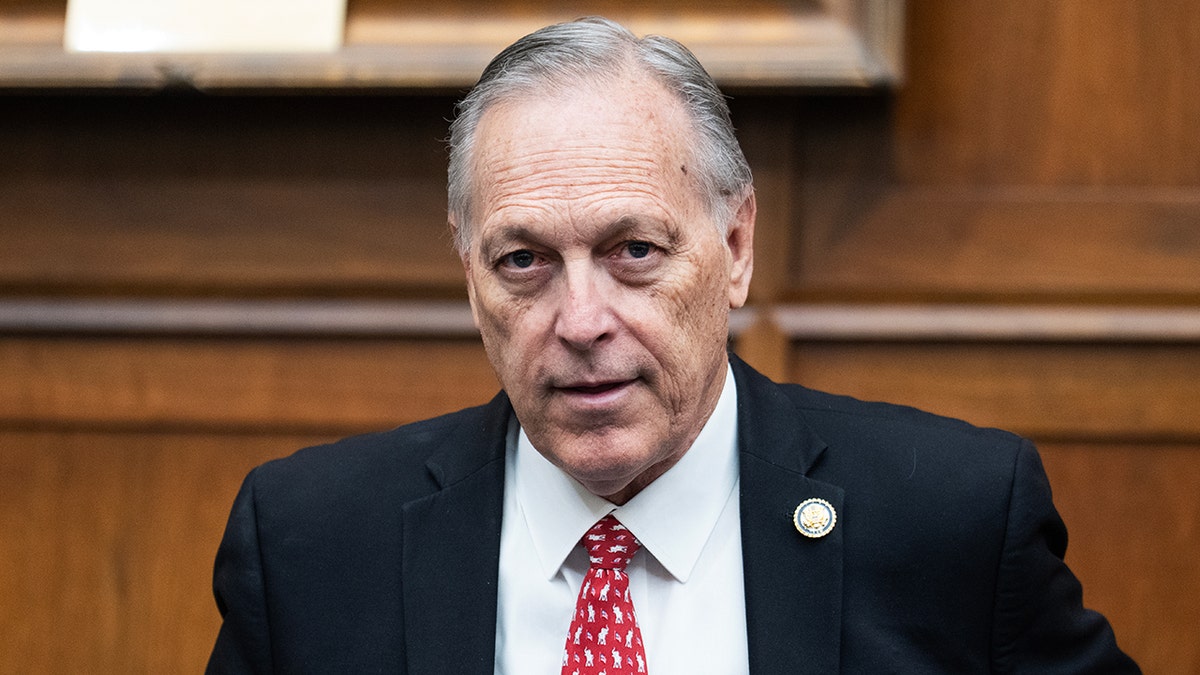
Rep. Andy Biggs of Arizona is running for the 2026 Republican gubernatorial nomination (om Williams/CQ-Roll Call, Inc via Getty Images)
In the race to replace Biggs in Arizona’s 5th District, which is located in the southeastern Phoenix suburbs, including parts of Mesa, Trump is backing former Pinal County Sheriff Mark Lamb, who is facing off with construction contractor Daniel Keenan for the GOP nomination.
Keenan has made the sexual misconduct and abuse-of-power allegations against Lamb a key part of his campaign. The Pinal County attorney last month cleared Lamb of criminal wrongdoing as it closed its investigation. And Trump, despite the controversy, reaffirmed his endorsement of Lamb earlier this month.
The winner of the Republican primary will be considered the clear favorite to succeed Biggs in the solidly red district.
The brute force of the president’s endorsement power has been on display in GOP primaries this spring and summer, with his candidates ousting incumbents he targeted in showdowns in Indiana, Kentucky and Texas, as well as the Louisiana primary.
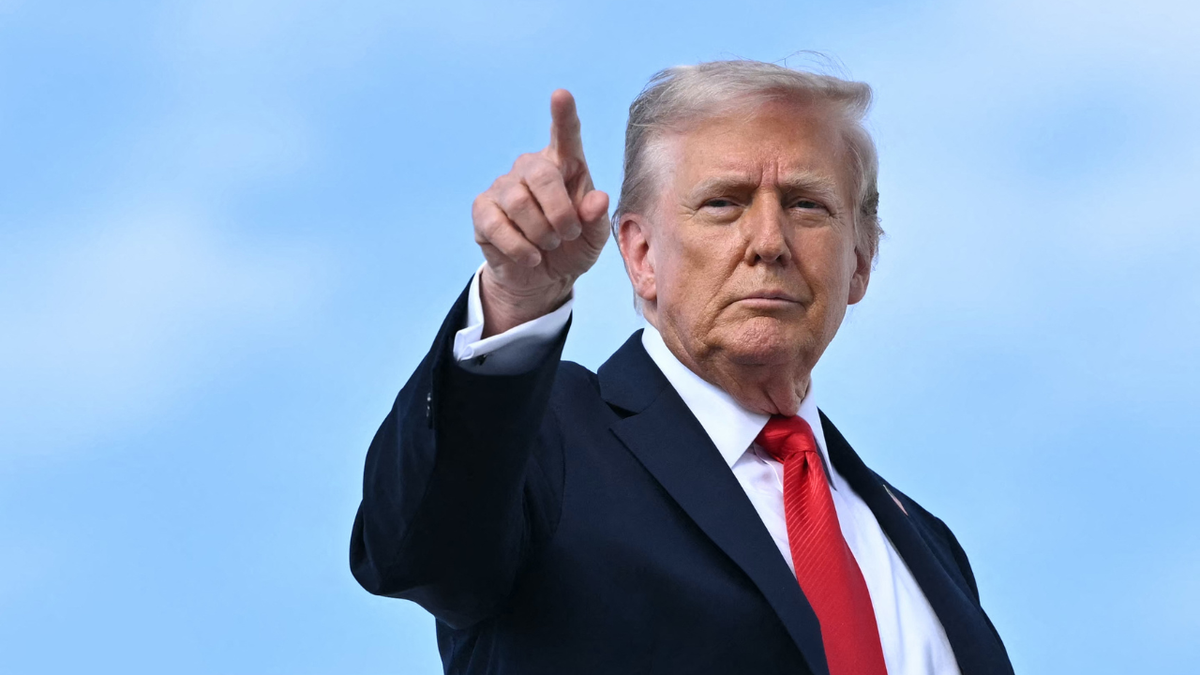
The power of President Donald Trump’s endorsements in Republican nomination showdowns will be tested again on Tuesday in Arizona’s primary. (Mandel Ngan/AFP/Getty Images)
But Trump’s endorsement streak in statewide and congressional Republican primaries was snapped in early June when his last-minute endorsement of Republican Rep. Randy Feenstra of Iowa in the race to succeed retiring GOP Gov. Kim Reynolds wasn’t enough to propel the three-term congressman to victory.
Feenstra was narrowly edged by Zach Lahn, a businessman, farmer and former political strategist who was backed by the political wings of MAHA — the acronym for the Make America Healthy Again movement aligned with Trump’s Health Secretary Robert F. Kennedy Jr. — and Turning Point USA, the powerful conservative organization co-founded by the late Charlie Kirk.
Trump-backed candidates won two of the three top races in key GOP primary runoff elections in Georgia and Alabama last month, with the one setback coming against a billionaire businessman who shelled out over $100 million of his own money to boost his campaign.
A week later, Trump-backed first-time candidate Anthony Constantino, a businessman and former boxer, defeated Robert Smullen, a retired Marine Corps colonel and New York assemblyman who had the backing of the state party, in the upstate New York race to succeed retiring GOP Rep. Elise Stefanik.
CLICK HERE TO DOWNLOAD THE FOX NEWS APP
Meanwhile, in South Carolina’s Republican gubernatorial runoff, Trump couldn’t lose.
That’s because, besides backing Lt. Gov. Pamela Evette a few weeks earlier, he also gave a last-minute endorsement to state Attorney General Alan Wilson, who ended up winning the late June showdown in a landslide.
The president also enjoyed victory in Louisiana, where Sen. Bill Cassidy, who voted to convict Trump in his 2021 impeachment trial, was ousted as he sought re-nomination. Trump-backed Rep. Julia Letlow ended up winning the nomination in last month’s runoff election.
state and local primaries, katie hobbs, donald trump, midterm elections, politics, republicans, arizona

Prosecutor ousted after alleged romance with illegal immigrant sex-crime suspect: ‘Pattern of misconduct’

El emotivo mensaje de Julián Álvarez tras regresar del Mundial: “Todos soñábamos con llevar la Copa a casa”

Le arrojaron un botellazo a Javier Milei y lastimaron a un custodio durante la asunción

Tras el recibimiento a la Selección, el Gobierno retoma el debate por las reformas y acelera el proceso preelectoral

Cuánto cuesta criar un hijo en la Ciudad de Buenos Aires y cómo cambia el monto según la edad

Se supo lo que pasó en el vestuario de Argentina entre los jugadores y la polémica que estalló en la arenga de Messi: «Estaban muy calientes»

Rubio’s call to combat global funders of far-left terrorism could put Singham in crosshairs

Sismo de 7.4 sacude a Guatemala: Autoridades declaran alerta anaranjada por daños y descartan tsunami

Canales para ver EN VIVO el San Lorenzo vs. Deportivo Riestra por la Copa Argentina

Rogelio Frigerio presentó un seguro multirriesgo con un fondo de USD 1 millón para el maíz en Entre Ríos

 POLITICA24 horas ago
Sin la Copa y sin Messi en el avión, vuelve Tapia y deberá enfrentar tres frentes de tormenta tras la pausa del Mundial
- INTERNACIONAL3 días ago
Estados Unidos cambia una regla histórica del jugo de naranja vigente desde 1963 y afecta a toda la industria
- INTERNACIONAL3 días ago
Birth tourism crackdown expands as House chairman raises criminal conspiracy case