INTERNACIONAL
Pro-life leader sounds alarm after doctor gets 6 months for forcing abortion pills on girlfriend

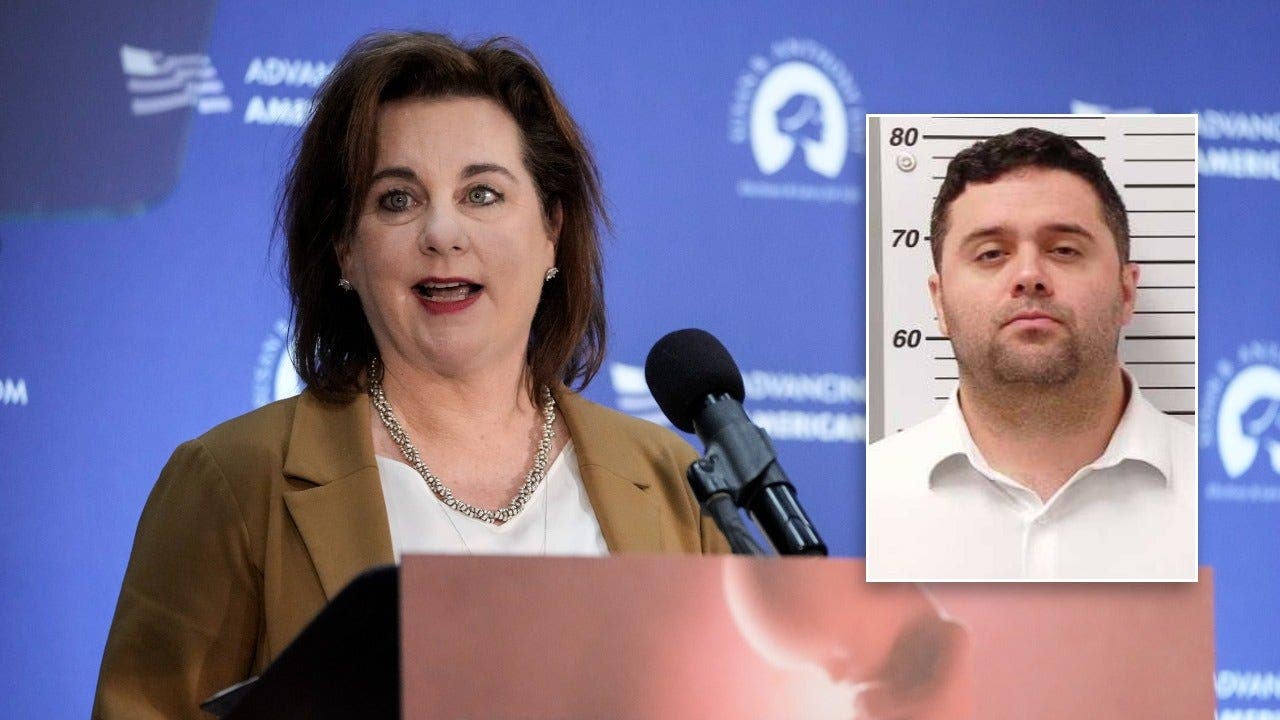
Marjorie Dannenfelser, the president of SBA Pro-Life America, told Digital that U.S. law has not caught up with the growing availability of abortion medication, allowing predators who use the drugs to end pregnancies without women’s consent to face relatively light consequences.
She pointed to the case of Hassan-James Abbas, an Ohio man accused of forcing abortion pills into his pregnant girlfriend’s mouth in December 2024. He was sentenced earlier this month to six months in prison.
The woman, Jona Affholder, went to the hospital and ultimately lost the baby.
«The fact that this guy got only six months in prison for his crime says a lot about the state of our culture right now,» Dannenfelser said. «This was a very much wanted pregnancy. She could support the baby on her own and didn’t need his help. But he had other ideas in mind.»
PRO-LIFE CEO PREDICTS TRUMP FDA NOMINEE COULD BRING RENEWED SCRUTINY TO ABORTION DRUG RISKS
Abbas, then a surgical resident at the University of Toledo, began dating Affholder in early October 2024, according to a lawsuit she filed against him.
Sometime in December that year, Affholder got pregnant. Authorities said once he found out, he illegally obtained mifepristone and misoprostol using his estranged wife’s identification information. It is unclear whether Abbas prescribed the drugs himself.
Taken together, the two medications terminate early pregnancies: mifepristone blocks progesterone, a hormone needed to sustain the pregnancy, while misoprostol causes contractions that expel the fetus.
TRUMP-BACKED VIVEK RAMASWAMY WINS OHIO GOP GUBERNATORIAL PRIMARY, WILL FACE DEMOCRAT AMY ACTON
Under current FDA rules, patients do not have to see a physician in person to receive a prescription, allowing mifepristone to be prescribed after a telehealth visit and mailed by a certified pharmacy.
After getting his hands on the pills, he began offering Affholder hot chocolate and tea, «which was out of character for their relationship,» according to the Lucas County Prosecutor’s Office.
On Dec. 18, 2024, Abbas invited her to his home in Holland, Ohio. Prosecutors said despite being aware of Affholder’s intention to keep the baby, he climbed on top of her in bed, held her down and shoved crushed abortion pills into her mouth.
Court records show that when Affholder tried to call 911, he took the phone out of her hand and hung it up. Eventually, she was able to leave Abbas’s residence and get to the hospital.
Affholder described this experience in a Daily Wire op-ed published in June 2026.
HAWLEY SENDS CRIMINAL REFERRAL OF ‘LEFT-WING DARK-MONEY’ GROUP OVER MAILED ABORTION DRUGS
«I fought him off and ran to call 911. He took my cell and my keys, blocking me from leaving. I rushed to the kitchen, trying to rinse the powder from my mouth. But he continued to restrain me, buying each minute for the drugs to do their intended purpose of killing our kid,» Affholder wrote.
«When he assumed the drugs had sufficiently aborted our baby, he returned my belongings, and I went straight to the hospital,» she added.
According to Affholder’s account, she began hemorrhaging after arriving at the hospital and ultimately miscarried.
Abbas, who was arrested the next day, initially pleaded not guilty. In May 2026, he pleaded no contest to four felony charges: disrupting public services, unlawfully distributing abortion-inducing drugs, identity fraud and using deception to obtain a dangerous drug.
As part of the plea agreement, prosecutors dropped charges of abduction and tampering with evidence. The state had alleged that Abbas drove away from the home on the night of the assault and threw the remaining pills out his car window.
BLUE STATE SHIELD LAWS ALLOWED 330K ABORTION PILLS TO BE SENT TO ABORTION BAN STATES, PRO-LIFE GROUP FINDS
Dannenfelser contrasted Abbas’ six-month sentence with Ohio’s penalties for rape, which can carry years or even life in prison depending on the circumstances.
«But… this coercion and this attack that led to the death of her wanted child gets only six months,» she said.
In February 2024, Mason Herring, of Texas, received the exact same sentence — six months — for slipping misoprostol into his then wife’s drinks. The baby survived but initially faced severe developmental delays.
«If you are Amy Acton running for governor [of Ohio], if you are Sherrod Brown running for the Senate, you need to answer for this because their Republican opponents are very much for limiting these drugs or controlling them at least,» Dannenfelser added.
Digital reached out to both campaigns for comment.
Dannenfelser also criticized Planned Parenthood and pro-choice advocates, accusing them of failing to speak out about Affholder’s case and others like it.
«Where are the advocates, the feminists, the people who are against the coercion of women, the people who are ‘my body, my choice,’ the people who say that medical care is all that they’re really looking for,» she said.
Planned Parenthood does not appear to have publicly commented on Affholder’s case, but the organization has explicitly condemned the act of giving women abortion drugs without their knowledge or consent.
Digital reached out to Planned Parenthood for comment.
Dannenfelser said the Department of Justice should take a more active role in prosecuting cases involving forced abortions.
«We do have every hope that the attorney general will move on this, and he’s referenced it at the Dallas convention that people who are pushing death in a pill will be disappointed,» she said. «That is the surest way to justice.»
On Tuesday, Sen. Bernie Moreno, R-Ohio, joined Dannenfelser in demanding Attorney General Todd Blanche take action, referencing Affholder’s case.
«My constituent was held down and force-fed crushed-up mail-order abortion pills,» Moreno wrote to Blanche. «Unsurprisingly, reckless Biden-era mail-in abortion policies are responsible for this hell-on-earth tragedy.»
abortion, politics, reproductive health, pregnancy, drugs











INTERNACIONAL
La salud de los Papas: cómo fue evolucionando la información oficial vaticana en los últimos 70 años
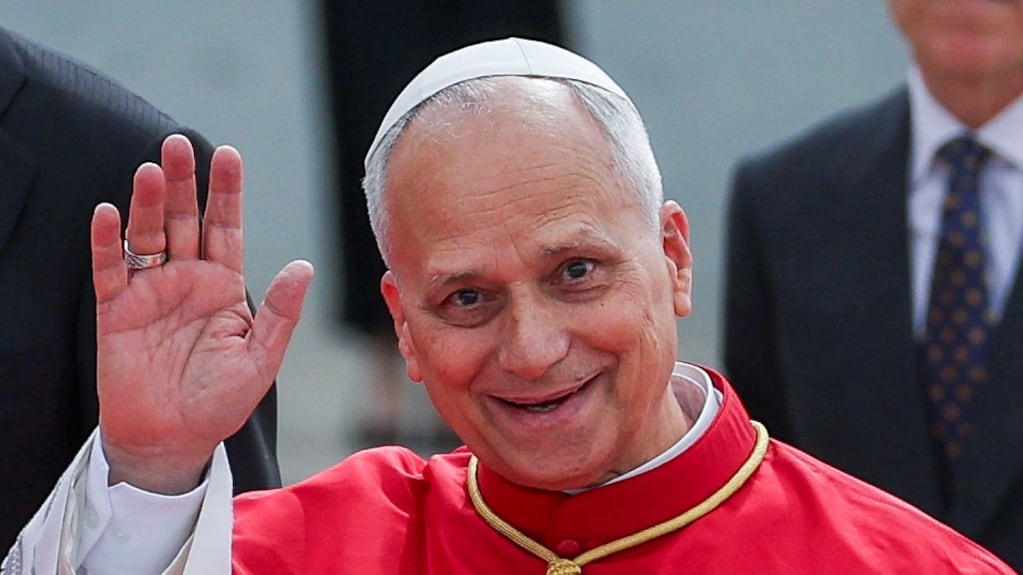
La operación para extirparle un nódulo pulmonar a León XIV puso sobre la mesa el debate sobre la salud de los Papas y cómo fue evolucionando la información oficial del Vaticano en los últimos 70 años. Así, en las últimas décadas, se pasó desde el silencio más absoluto sobre el cáncer que padecía Juan XXIII a la profusa comunicación que acompañó las hospitalizaciones de Francisco.
La comunicación del Vaticano en este tópico se ha ido abriendo poco a poco.
Este martes, la oficina de prensa vaticana anunció que la operación a la que fue sometido el papa León XIV “ha concluido con éxito, en el plazo y de la forma previstos”. Además, señaló que el pontífice “ha regresado a su habitación” y prometió mayor información en breve.
La salud de los Papas
Pero no siempre la información fue transparente y mucho menos divulgada en tiempo real, como ahora, con la ayuda de los avances tecnológicos y las redes sociales.
En las últimas décadas, la comunicación fue mejorando en cada pontificado. A continuación, una muestra de su evolución:
XIV

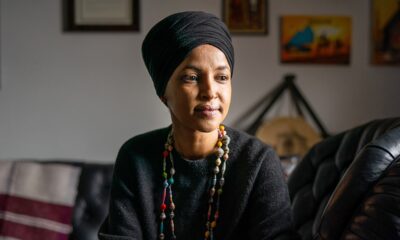
U.S. Attorney Jeanine Pirro revealed Tuesday that her office is investigating Rep. Ilhan Omar’s financial disclosures, opening a new chapter in the controversy surrounding the Minnesota Democrat’s previously reported multimillion-dollar assets.
Speaking on Fox News’ «America Reports,» Pirro said her office was examining Omar’s financial disclosures, which previously showed that the reported value of businesses tied to her husband, Tim Mynett, had surged from as much as $51,000 in 2023 to as much as $30 million in 2024.
The latest development comes one day after federal agents searched Omar’s Washington, D.C., home as part of an ongoing criminal investigation involving her immigration paperwork, two sources familiar with the probe told Digital.
The Justice Department confirmed that Homeland Security Investigations (HSI) agents executed a judicially authorized search warrant Monday as part of an ongoing federal criminal investigation. It remains unclear whether the search is connected in any way to the financial disclosure investigation described by Pirro.
WATCH: ILHAN OMAR DENIES FEDS HAVE CONTACTED HER AFTER BORDER CZAR HOMAN CONFIRMS ‘CRIMINAL’ INVESTIGATION
The disclosures drew scrutiny from congressional Republicans, including House Oversight Committee Chairman James Comer, R-Ky., who requested financial records from two companies tied to Mynett in February.
The original filings, examined by Digital earlier this year, showed millions of dollars in newly reported assets associated with two of Mynett’s business ventures — a California-based winery and a Washington, D.C.-based venture capital firm.
ILHAN OMAR NOT OUT OF THE WOODS DESPITE FINANCIAL DISCLOSURE REVISION, TOP REPUBLICAN WARNS
The winery, eStCru LLC, saw its reported valuation jump from between $15,000 and $50,000 in 2023 to between $1 million and $5 million in 2024. Rose Lake Capital LLC showed an even sharper increase, rising from a reported value of between $1 and $1,000 in 2023 to between $5 million and $25 million the following year.
Combined, the businesses had reported values ranging from approximately $15,000 to $51,000 in 2023, compared with between $6 million and $30 million in 2024.
Financial disclosure forms report assets in broad ranges rather than exact dollar amounts, meaning the filings did not establish the couple’s precise net worth.
In February, Comer requested documents and communications related to the finances of eStCru LLC and Rose Lake Capital LLC, raising questions about the dramatic increase in their reported valuations.
Omar subsequently amended her financial disclosures in April, reducing the couple’s combined reported assets to between $18,004 and $95,000. The revised filing listed her husband’s two businesses as having no net value after accounting for liabilities.
Omar’s office, at the time, said the original disclosures had failed to properly account for liabilities associated with her husband’s businesses, creating what it described as a misleading picture of the couple’s finances.
The congresswoman has repeatedly maintained that she is not a millionaire.
MEET THE LONGTIME BIZ PARTNER OF ILHAN OMAR’S HUSBAND AS QUESTIONS SWIRL OVER HER SKYROCKETING NET WORTH
In September, the Office of Congressional Conduct voted 5-1 to recommend that the House Ethics Committee dismiss misconduct allegations stemming from the financial disclosures.
The congressional watchdog found there was not substantial reason to believe Omar had reported false or incomplete information in violation of federal law or House rules.
Omar’s office characterized the findings as vindication, maintaining that the congresswoman had done nothing wrong.
The congressional watchdog’s review is separate from the federal investigation described by Pirro on Tuesday.
Omar’s latest annual financial disclosure, filed in May, listed assets totaling between approximately $20,000 and $125,000, according to a Minnesota Star Tribune analysis. The filing also reported student loan and credit card debt associated with her husband.
The Somali-born congresswoman has denied allegations of wrongdoing and has accused the Trump administration of targeting her for political reasons — especially after Monday’s raid of her Washington, D.C., residence.
The Minnesota Democrat has been a frequent target of criticism from President Donald Trump and congressional Republicans.
ilhan omar, politics, congress, investigations, democrats
NEWYou can now listen to Fox News articles!
Pope Leo XIV underwent a successful procedure at Agostino Gemelli University Hospital in Rome to remove a small node on his lung on Tuesday, the Vatican said.
The 71-year-old pontiff said Monday that doctors discovered the nodule at a «very early stage» and recommended its removal. The surgery went as planned and on schedule, and the pope is expected to remain hospitalized for approximately one week, according to Vatican spokesman Matteo Bruni.
«Doctors found a small lump in the lung,» Leo said after an Angelus address at St. Peter’s Square on Monday. «It was identified at a very early stage and well situated.»
POPE LEO ANNOUNCES TUMOR ON LUNG, SURGERY PLANNED IN ‘NEXT FEW DAYS’
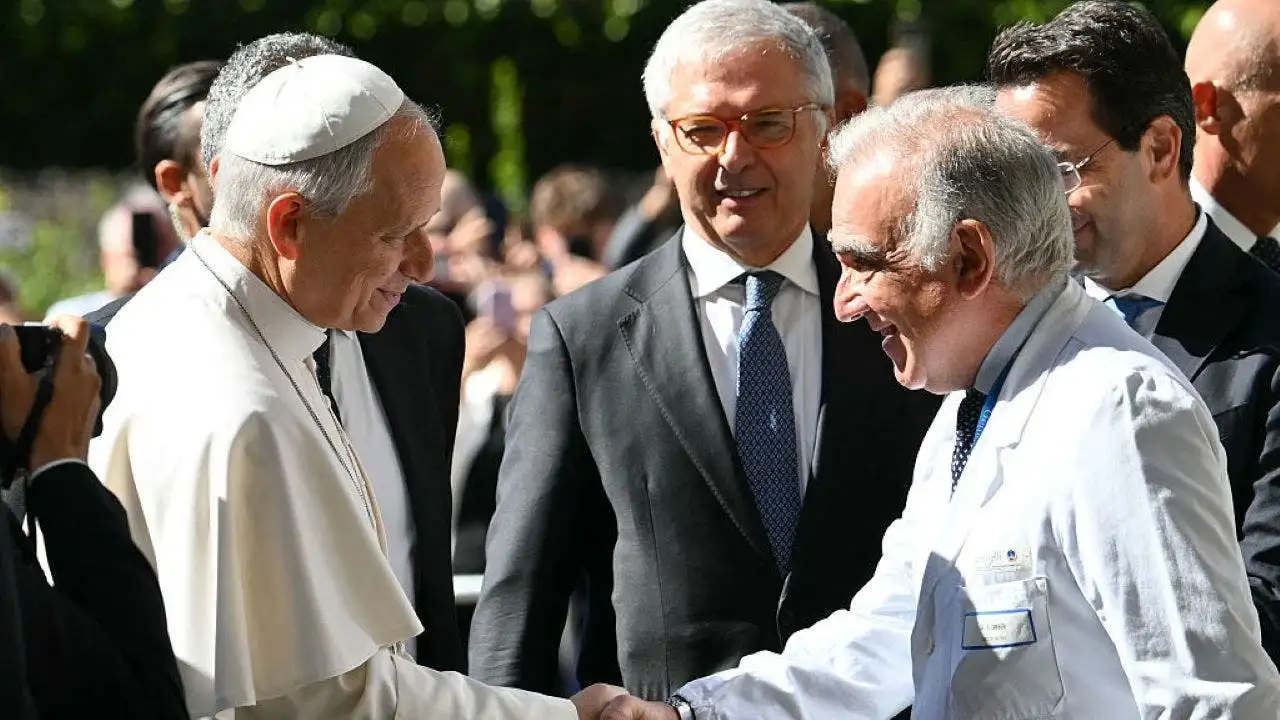
Pope Leo XIV is welcomed by Health Director Andrea Cambieri as he arrives at the Gemelli University Hospital for an operation to remove a lump from his lung in Rome on October 13, 2026. (Photo by Alberto PIZZOLI/AFP via Getty Images)
«The doctors consider it appropriate to intervene and so, following their advice, I decided to have surgery to remove it,» he continued. «The surgery is already scheduled for the next few days. I thank you for your spiritual closeness and I rely on your prayer.»
The surgery is likely to take place within a few days at the Gemelli Hospital in Rome, which is known as the «Pope’s» hospital, Vatican sources told Fox News.
POPE LEO XIV BEGINS HISTORIC 4-DAY VISIT TO FRANCE
The Vatican has not disclosed whether the nodule is cancerous, and no further details about the pope’s diagnosis or the planned procedure were immediately available.

Pope Leo XIV steps out as the first American pope in history at the Vatican on Thursday, May 8, 2025. (Vatican Media)
The announcement comes as a surprise for the American-born pontiff, who has no previously known health problems and is known for maintaining an active lifestyle.
POPE LEO VISITS SITE OF MIRACLE CURES, MEETS PEOPLE WHOSE UNEXPLAINED HEALINGS STUNNED DOCTORS
Leo regularly plays tennis and swims at the papal summer retreat in Castel Gandolfo, according to The Associated Press.
The pope is also scheduled to embark on a major international trip from Nov. 6–17, with planned stops in Uruguay, Argentina and Peru. It remains unclear whether his surgery and recovery will affect those travel plans.
UKRAINE’S ATTACKS ON RUSSIA ARE PUSHING PUTIN CLOSER TO NEGOTIATING TABLE, TRUMP NATO AMBASSADOR SAYS
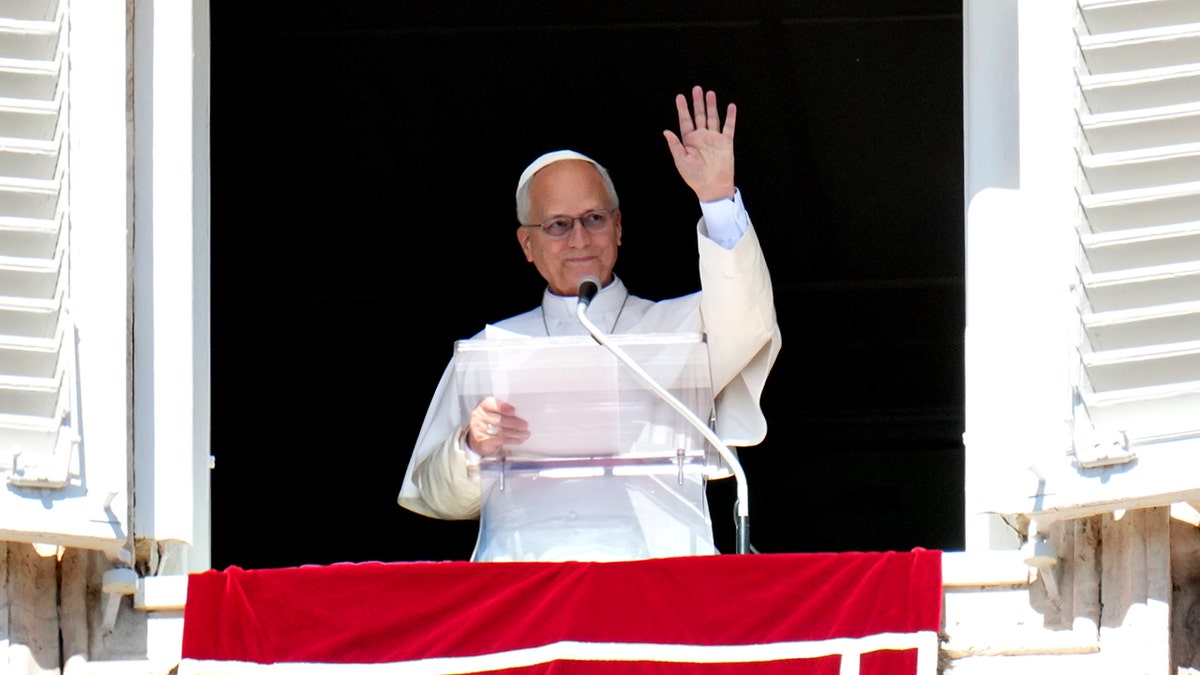
Pope Leo XIV delivers the Angelus prayer in St. Peter’s Square at the Vatican on Sunday, Oct. 11, 2026. (AP Photo/Gregorio Borgia)
In addition to addressing his health, Leo used his Sunday remarks to renew his appeal for peace in war-torn Ukraine, warning that the conflict continues to inflict suffering far beyond the country’s borders.
«The war in the martyred Ukraine continues to create suffering, even beyond its borders, especially in the poorest countries, where many people depend on the exports of cereals and grains,» the pope said.
Fox News’ Courtney Walsh and Stephen Sorace contributed to this report.
pope leo xiv, roman catholic, vatican, religion us, world, christianity religion

El BCRA multiplicó por cinco el ritmo diario de compras y el mercado mira atento al dólar

EN VIVO | Diputados debate en comisiones el Presupuesto 2027 – Nexofin

Canales para ver en vivo el Boca Juniors vs. Vasco da Gama por la Copa Sudamericana

Hace 40 años, Clint Eastwood comenzó a comprar tierras frente al Pacífico: hoy conserva el 85% de sus 2.000 acres sin urbanizar

Una inmobiliaria aprovechó el limbo judicial por la ley de tierras y ofreció a extranjeros campos con lago privado en la Patagonia

La salud de los Papas: cómo fue evolucionando la información oficial vaticana en los últimos 70 años

Carlos Tevez busca juntar a Cristiano Ronaldo y Leo Messi en su partido de despedida

Régimen Penal Juvenil: la Defensoría Oficial busca que la Justicia porteña revise la baja de la edad de imputabilidad

Democrats are changing their transgender message. Republicans say they’re just flip-flopping