INTERNACIONAL
Ricky Pineda, el niño descalzo que venció la pobreza y se convirtió en el primer médico indígena nicaragüense en EE.UU.

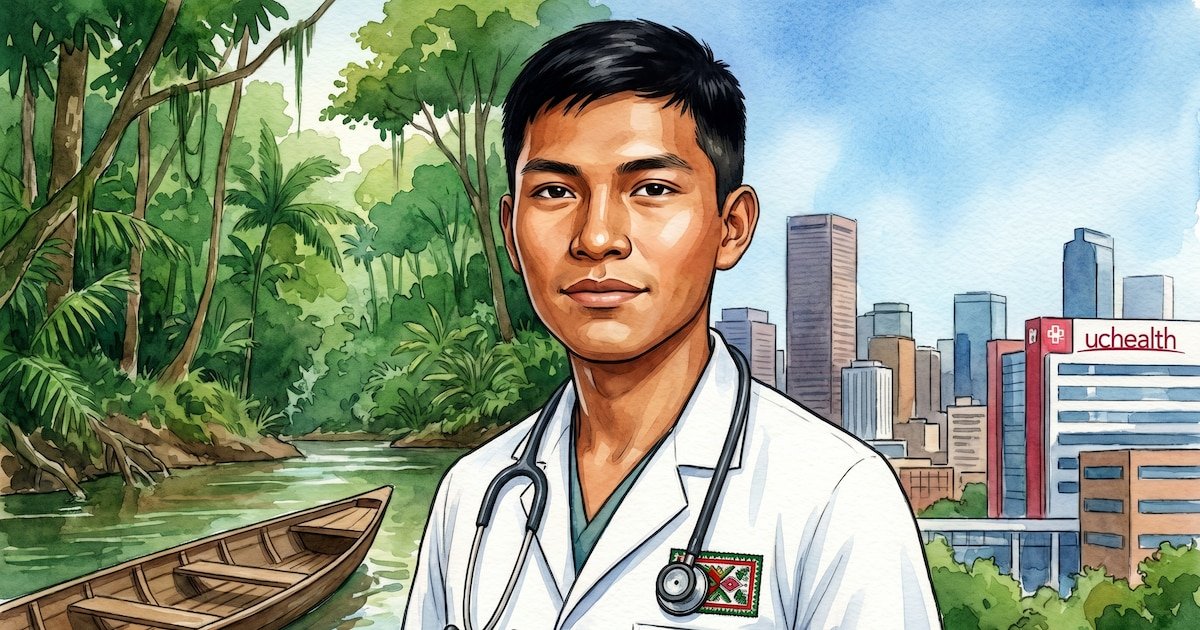
Ricky Leopoldo Pineda, nacido en la comunidad indígena de Amak, territorio Mayangna Sauni Bu, dentro de la Reserva de Biósfera Bosawás, en Nicaragua, se convirtió en el primer médico de su etnia y el primero en ejercer en un hospital de Estados Unidos.
A los veintiséis años, Pineda se convirtió en el orgullo de los suyos en un territorio olvidado por el Estado nicaragüense y marcado por la precariedad sanitaria, según lo documentó Voz de América, el periódico 100% Noticias y otros medios locales que documentaron la emotiva historia de este joven.
De los ocho hijos de la familia Pineda, Ricky era el tercero. La pobreza y el trabajo en el campo junto a su abuelo y su padre, Leopoldo Pineda Padilla, marcaron su infancia.
Desde los seis años, los niños de la zona acompañan a sus mayores a la montaña y a la siembra. Ricky asistía a la escuela descalzo, con un solo cuaderno, detallan las publicaciones.
La vocación de sacerdote se desvaneció el día en que su madre casi muere en un parto sin asistencia médica. “Muchas campesinas fallecían por muerte materna. Necesitaban a alguien que los ayudara”, explicó Ricky. El último parto de su madre ocurrió en una lancha, en medio de la selva, sin un médico, solo con una partera.
En 2022, la mortalidad materna en Nicaragua fue de 31.4 por cada 100,000 nacimientos. Ese año, 37 mujeres murieron en el país por causas asociadas al embarazo, sobre todo en el centro-norte y la Costa Caribe, según el Ministerio de Salud. La Organización Mundial de la Salud define muerte materna como aquella que ocurre desde la gestación hasta 42 días después del parto.
Una beca permitió a Pineda estudiar Medicina en la Universidad Católica del Trópico Seco (UCATSE) de 2015 a 2022. El obispo Abelardo Mata, entonces director de la universidad, facilitó el acceso a jóvenes sin recursos. El gobierno de Daniel Ortega clausuró la universidad y otras seis en febrero de 2022, alegando inconsistencias financieras.

Desde la mitad de la carrera, Ricky realizó prácticas prehospitalarias en centros de salud rurales. “Fui voluntario de los enfermeros, después estuve tres o cuatro meses en la montaña con las enfermeras. Íbamos a vacunar”. Ejercía de manera independiente, dando consultas privadas y visitando comunidades.
Anexa Alfred, del Mecanismo de Expertos sobre los Derechos de los Pueblos Indígenas, confirmó a Voz de América que las comunidades indígenas en Nicaragua enfrentan condiciones de extrema vulnerabilidad en salud y educación.
A los once años, Ricky dejó Amak para estudiar secundaria en Jinotega. No hablaba español. Una amiga de la familia le dio alojamiento. Aprendió el idioma mientras trabajaba limpiando jardines, enseñando mayangna y realizando otras tareas para costear sus estudios.
El trayecto se repitió en Estados Unidos. Antes de entrar al hospital, trabajó empaquetando productos y en un buffet. Su rutina incluía asistir a conferencias médicas y a la capilla del hospital para orar.
“Una cosa que doblé el esfuerzo es que yo iba las veces que podía a la capilla del hospital a orar para que Dios me diera una oportunidad, tan solo una”.
Obtuvo una beca para una maestría en Epidemiología y Salud Pública y presentó su currículum al UCHealth University of Colorado Hospital, en Denver. Tras superar exámenes y cursos, fue contratado en el área de cirugía, con turno completo de ocho horas. El idioma fue otra barrera: “Me esforcé el triple para poder aprender un poco y dar el salto a mi área, que es la medicina”.
En Denver recibió apoyo de otros médicos latinoamericanos, como Kenneth Meza y Daniel Fuenmayor. “Para mí significa muchísimo trabajar como el primer médico indígena de Nicaragua en un hospital tan prestigioso a nivel mundial como lo es UCHealth University of Colorado Hospital. Por encima de todo, la gracia y la gloria se las doy a Dios y a mi gente, que siempre han sido un motor para mí”.

Ricky sueña con especializarse en cirugía general y desarrollar la Fundación Dr. Ricky Bosawás, para apoyar a comunidades indígenas y promover oportunidades educativas para niños y jóvenes nicaragüenses.
“Mi mensaje a los jóvenes es que no tengan miedo de luchar por sus sueños, que sueñen alto y oren mucho a Dios, porque Dios cumple los sueños y nos lleva a lugares que nunca nos imaginamos”, contó a un medio local el joven.
Las luchas de Ricky Pineda llevan el nombre de su familia y de su comunidad, a la espera de que otro niño de Bosawás mire el hospital y piense que, algún día, el volar tan alto como él.
Ricky Pineda,Mayangna,Indígena,Médico,Nicaragua,Bosawás,Denver,UCHealth,Salud,Acuarela













NEWYou can now listen to Fox News articles!
EXCLUSIVE: President Donald Trump has directed federal agencies to waive prior nondisclosure agreements (NDAs) for former government employees and contractors cooperating with unidentified anomalous phenomena investigations, Fox News Digital has learned.
«President Trump recently directed the Department of War and the intelligence community to allow former government employees or contractors, that have relevant information about the disclosure of UAP, to come forward to meet with designated government representatives — AARO or the President’s UAP taskforce, ‘PURSUE’ — and have their prior NDAs abrogated,» a senior administration official said, with AARO referring to the All-domain Anomaly Resolution Office, the Pentagon office established to investigate UFOs and other unidentified anomalous phenomena (UAPs).
Another senior administration official emphasized the move was not a «declassification directive» and only allowed employees to come forward through government channels.
Officials say years of congressional inquiries, whistleblower allegations and newly declassified records have raised questions about whether additional witnesses have remained silent because they believed prior nondisclosure agreements prevented them from cooperating with government investigations.
Newly released infrared footage from U.S. Indo-Pacific Command shows an object officials described as resembling a six-pointed star over the Yellow Sea Jan. 1, 2025. (Department of War )
NEW TRUMP UFO FILE DUMP INCLUDES MILITARY FOOTAGE OF MYSTERIOUS STAR-SHAPED OBJECT

FBI rendering of witness account of «orbs launching orbs» is pictured above (Department of War)
UFO WHISTLEBLOWER CLAIMS BILLIONS IN SECRET SPENDING HIDDEN FROM CONGRESS
«People who believe that they have information have expressed reluctance in coming forward,» the official said. «We are eliminating that source of reluctance.»
Like other government employees and defense contractors with access to classified information or sensitive national security programs, many witnesses would have signed nondisclosure agreements as a condition of receiving security clearances or access to restricted information. Those agreements generally prohibit unauthorized disclosure of classified or otherwise protected information and typically remain in effect even after an individual leaves government service.
Former officials and contractors who disclose protected information without authorization risk losing security clearances, facing civil penalties or, in some circumstances, criminal prosecution if classified information is improperly disclosed.
Under the new process, former government employees and contractors who believe they possess relevant UAP information would first meet with designated officials at the Pentagon’s All-domain Anomaly Resolution Office (AARO) or the president’s UAP task force, PURSUE, who hold the appropriate security clearances. During those authorized discussions, any applicable nondisclosure agreements could be waived, allowing witnesses to share information without fear of violating prior agreements.
Information provided through the process would be reviewed through the administration’s existing declassification procedures.
«Any information that is received that sheds light on the UAP mystery will ultimately be made public,» the official said.
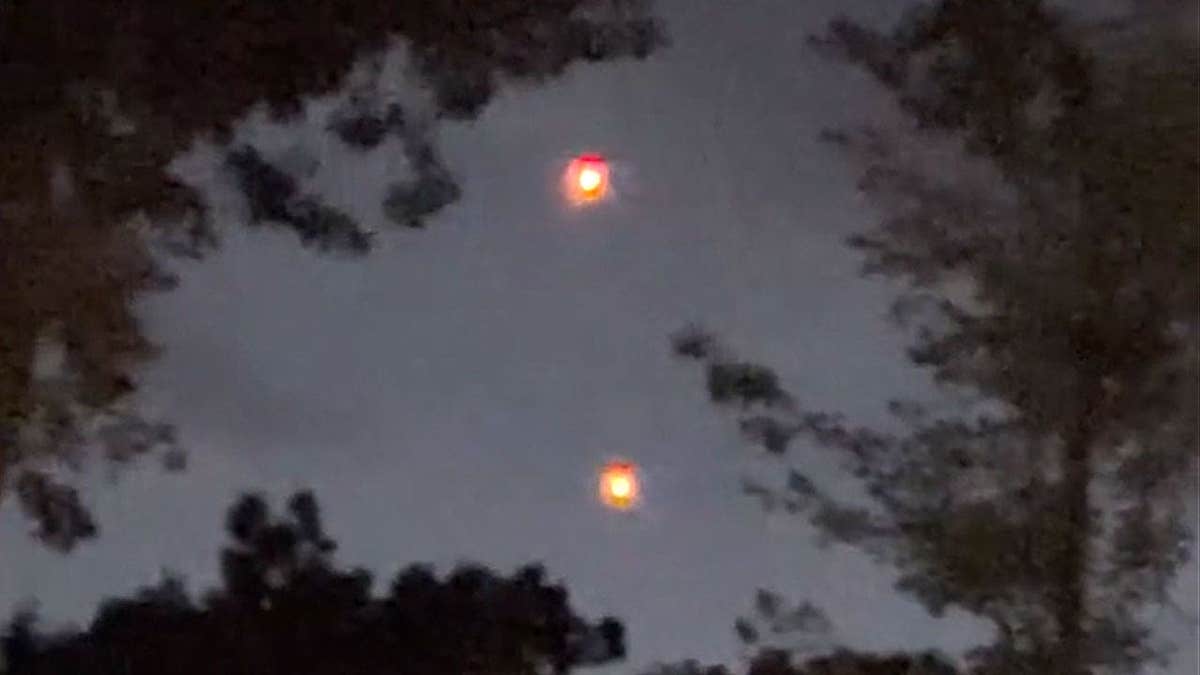
A screenshot of video footage from an alleged unidentified anomalous phenomenon (UAP) sighting in the northeastern United States in July 2025, which was detailed in files released by the DOW and originally obtained by the FBI. (DOW/FBI)
The official said the administration does not know whether potential witnesses actually possess significant new information, but wants to remove any perceived legal barriers so investigators can determine whether previously undisclosed information exists.
«You don’t know what you don’t know,» the official said.
The official said the focus is on incidents that remain unexplained, rather than known foreign technology, classified U.S. programs or natural phenomena.
The latest directive builds on the Trump administration’s broader effort to declassify decades of government records related to unidentified anomalous phenomena. Previous releases have included FBI and Pentagon records describing unexplained sightings reported by military personnel, law enforcement and astronauts, including accounts of glowing «mother orbs» that witnesses said released smaller objects near a sensitive U.S. national security site, mysterious orange spheres observed during military operations, and Apollo-era transcripts in which astronauts described unexplained lights and «jagged, angular fragments» drifting outside their spacecraft.
The latest tranche of UAP records included expanded details and imagery from a 2015 incident involving an unidentified object over the Pantex nuclear weapons facility in Texas, along with newly declassified infrared footage showing a mysterious six-pointed star-shaped object tracked by a U.S. military sensor over the Yellow Sea on Jan. 1, 2025.
The official said the next tranche of files will be made available «very soon.»
The directive follows years of complaints from some lawmakers and whistleblowers that former officials with firsthand knowledge were reluctant to come forward because of secrecy obligations.
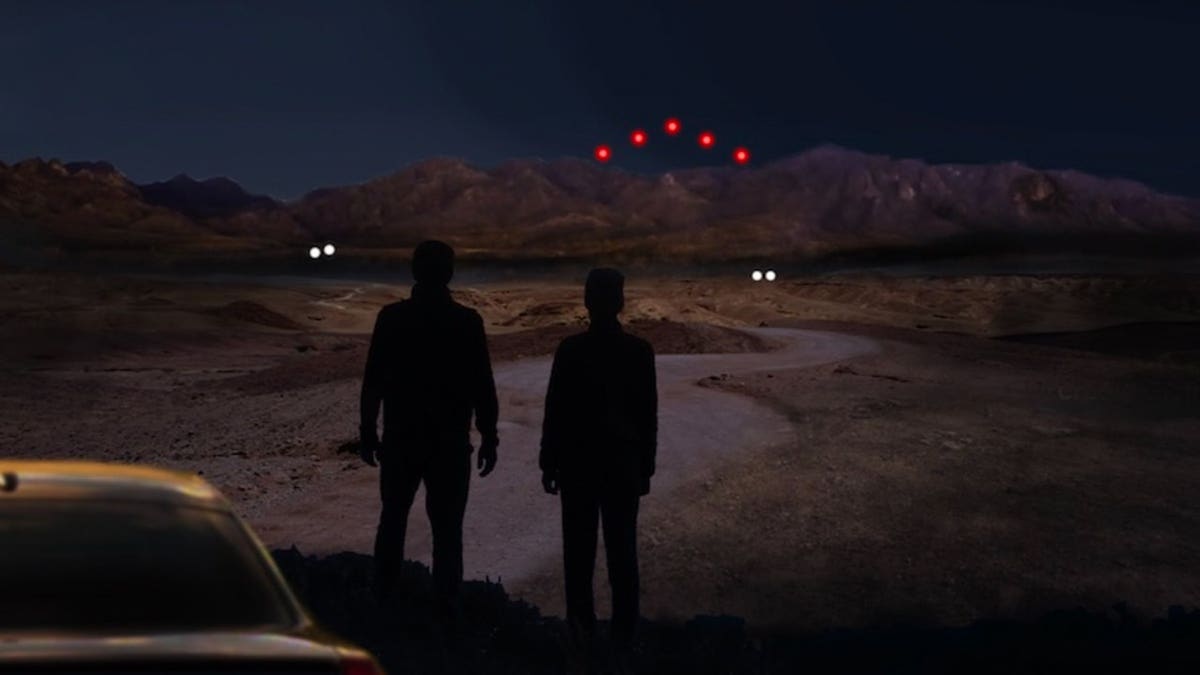
An artist’s rendering released by the U.S. Department of War depicting a 2023 sighting of «orbs launching other orbs» near a national security site in the western United States. (Department of War)
CLICK HERE TO DOWNLOAD THE FOX NEWS APP
Secretary of State Marco Rubio, then the vice chairman of the Senate Intelligence Committee, said in 2023 that multiple individuals with firsthand knowledge had approached the committee but were hesitant to speak publicly because of potential repercussions.
«Some of these people still work in the government and frankly, a lot of them are very fearful — fearful of their jobs, fearful of their clearances, fearful of their career, and some, frankly, are fearful of harm coming to them,» he said on News Nation in June 2023.
«Grant immunity to anyone who has already come forward, and everyone who will come forward. Open the door and let them speak,» Rep. Eric Burlison, R-Mo., demanded during a June 9 press conference on Capitol Hill.
Public interest in UAPs accelerated in 2017 after The New York Times revealed the Pentagon had quietly operated a secret program to investigate unexplained aerial encounters and published Navy cockpit videos showing objects exhibiting unusual flight characteristics.
Since then, Congress has held multiple bipartisan hearings on the issue, lawmakers have pressed intelligence agencies for greater transparency and former intelligence officer David Grusch’s allegations that the government had concealed information about UAP programs renewed calls for additional disclosure, despite the government’s denial of his central claims.
During the same event, former Air Force intelligence officer David Grusch renewed his allegations that secret UAP programs had operated outside normal congressional oversight, calling it «a real fraud, waste and abuse issue» and claiming his investigation uncovered «slush funds to the tune of billions of dollars per annum for these activities.»
The Pentagon has disputed Grusch’s central claims, and AARO has said its investigations found no verified evidence of extraterrestrial technology or credible evidence that the government has secretly recovered or reverse-engineered craft of non-human origin.
ufos, investigations, donald trump

Dustin Lloyd, candidato demócrata en las primarias para la legislatura estatal de Missouri, era un miembro muy conocido en su comunidad cuando comenzó su campaña política. Sin embargo, había un grupo importante que parecía no conocerlo en lo absoluto: los chatbots de inteligencia artificial.
Si los votantes preguntaban a un chatbot como ChatGPT de OpenAI o Gemini de Google sobre Lloyd, solo encontraban información básica que no reflejaba el compromiso de apoyar a las pequeñas empresas.
Afortunadamente para Lloyd, había una solución. Ajustó su presencia en línea, publicando una sección de preguntas y respuestas sobre sí mismo en el sitio web de su campaña. Más adelante, cuando se les volvió a preguntar a los chatbots, relacionaron de manera muy puntual esa historia personal con los objetivos políticos.
Editar el contenido generado por la IA resultó ser más fácil de lo que pensaba. Desde entonces, dijo Lloyd: “Trabajo en ello constantemente todos los días”.
Los candidatos siempre han tenido que preocuparse por la reputación entre los votantes.
Residentes rellenan sus boletas de primarias en Maine en una sala que suele usarse para bingos, el 9 de junio de 2026, en Belfast, Maine. (AP Foto/Robert F. Bukaty)
Ahora, también deben preocuparse por lo que la IA piensa de ellos. Ha surgido una nueva industria para ayudarlos a navegar por este mundo.
Lloyd, de 33 años, se basó en un informe sobre su presencia en la IA elaborado por CampSight, una herramienta lanzada el mes pasado por Run for Something Action Fund, un grupo progresista que recluta a candidatos jóvenes para que se postulen a cargos públicos.
El informe determinó que el sitio web de Lloyd y su presencia en Wikipedia y Ballotpedia –sitios en los que los votantes suelen buscar información sobre figuras políticas– eran poco llamativos y le aconsejó hacer cambios. Se le recomendó incluso publicar hilos en Reddit para que los chatbots comenzaran a incluir información de ese foro en línea en sus respuestas.
“Todos están buscando algún tipo de herramienta para analizar los resultados e idealmente influir en ellos”, dijo Jordan Haines, director de tecnología de Run for Something.
Esta industria, conocida como optimización de motores de respuesta (AEO, por sus siglas en inglés), es el resultado de los cambios que hay en la manera en que los chatbots con IA generan sus respuestas.
A los primeros chatbots, lanzados hace varios años, se entrenaron con enormes cantidades de información que ya estaba publicada en línea. Eso hacía que muchas de las respuestas sobre eventos noticiosos quedaran desactualizadas casi al instante. Los chatbots modernos resolvieron ese problema buscando en Internet y recopilando contenido actualizado para responder preguntas sobre temas actuales, incluyendo las elecciones intermedias y los candidatos.
Las recomendaciones de herramientas de AEO como CampSight suelen limitarse a reescribir el contenido del propio sitio web de un candidato o a asegurarse de que la entrada de Wikipedia esté actualizada.
No obstante, los candidatos con buenos recursos financieros podrían, en última instancia, intentar publicar una gama más amplia de contenido en línea que apunte directamente a llamar la atención de los chatbots y a que estos la repitan, según los expertos.
“Existe cierto grado de pánico al respecto, porque entendemos muy poco y está cambiando muy rápido”, dijo Beth Simone Noveck, profesora de la Universidad Northeastern que estudia la democracia y las herramientas de IA, conocidas como modelos de lenguaje a gran escala o LLM.
Y abundó: “Si hay personas que afirman entenderlo, incluso si dominan algunas de las técnicas, la naturaleza cambiante e impredecible de los LLM simplemente significa que es muy difícil controlar este proceso”.
Los políticos también están sopesando otro riesgo: ser difamados por resultados de búsqueda generados por IA que no solo son poco halagadores, sino que además son rotundamente erróneos.
Un experimento realizado antes de las elecciones parlamentarias de Escocia en mayo reveló que más de un tercio de las respuestas generadas por IA a preguntas sobre la próxima votación eran inexactas.
Investigadores de Demos, un centro de estudios británico, descubrieron que varios chatbots inventaban candidatos, fabricaban acusaciones de nepotismo o inventaban escándalos financieros. Algunos afirmaban falsamente que un candidato en el cargo estaba compitiendo cuando no era así, mientras otros tergiversaban las posiciones de los candidatos.
Aun así, los votantes recurren cada vez más a los chatbots en busca de respuestas a sus preguntas políticas. Caucus AI, una empresa de investigación política especializada en IA, estimó que al menos 16 millones de votantes obtenían información electoral de la IA, ya sea a través de chatbots o de respuestas generadas por IA en las páginas de resultados de búsqueda.
“A medida que la gente se vaya acostumbrando a esto y aumente la confiabilidad de la información que proviene de estos chatbots, creemos que habrá un aumento significativo en 2028 y en adelante”, dijo Meg Schwenzfeier, fundadora de Caucus AI y exdirectora de análisis de la campaña presidencial de Kamala Harris.
Caucus AI realizó un experimento para ver cuánto tiempo tardaba el contenido recién publicado en Wikipedia en aparecer en la respuesta de un chatbot. El resultado: unos 12 minutos. Eso sugiere que los candidatos ya pueden insertar su propia información en las respuestas de la IA al modificar la información pública “rápidamente, sin verificación y sin que nadie del otro lado observe”, escribió la empresa en una entrada de blog sobre sus hallazgos.
La firma ahora está monitoreando lo que dicen los chatbots sobre todos los candidatos al Senado, a la Cámara de Representantes y a gobernador y ha descubierto que algunos mensajes de los candidatos tienen una capacidad inusual para destacar.
Por ejemplo, cuando el grupo preguntó a tres chatbots diferentes sobre Mary Peltola, la candidata demócrata al Senado de EE.UU . por Alaska, todos citaron su eslogan único: “Pescado. Familia. Libertad”. Dustin Lloyd, a Democratic primary candidate for Missouri’s state legislature, at his home in Excelsior Springs, Mo., on July 14, 2026. Political campaigns have something new to worry about these days: unflattering or incomplete information produced by A.I. programs when voters ask questions about candidates. (Clayton Steward/The New York Times)
“Estamos investigando qué hace que eso destaque. Todavía hay mucho que no entendemos y estos modelos en sí mismos son cajas negras”, dijo Schwenzfeier.
Si los candidatos y los grupos políticos pueden influir en los chatbots para que generen respuestas más aceptables, a los expertos en estrategia digital les preocupa que los agentes de influencia extranjeros y otros también puedan intentar manipular las búsquedas de IA.
“Los actores de la desinformación son, por definición, pioneros en la adopción de nuevas tecnologías; utilizarán todas las técnicas y tecnologías que puedan”, dijo Tim Chambers, quien dirige la división de medios digitales y redes sociales de Dewey Square Group, una firma de asuntos públicos en Washington cuyos clientes incluyen sindicatos y agencias gubernamentales.
La firma ha estado ayudando a los clientes a auditar los sitios web para evaluar qué tan accesibles son para los rastreadores de los chatbots.
En una investigación publicada en febrero, Dewey descubrió que los sitios de extrema derecha y aquellos con una integridad factual “muy baja” habían configurado los sitios web para que las herramientas de IA los detectaran fácilmente, en comparación con los medios de centroizquierda o con un alto nivel de veracidad.
Chambers señaló que sus clientes estaban pensando en la “necesidad de rediseñar sus sitios web tanto para las máquinas como para los humanos” y considerando cómo aparecer en las consultas de los chatbots formuladas en varios idiomas.
Para Lloyd, el candidato demócrata en las primarias de Missouri, los cambios que realizó tuvieron un impacto inmediato. Cuando se le preguntó por primera vez al chatbot a quién deberían apoyar los votantes en las primarias, este recomendó a su oponente, Tanya Lakins, citando el enfoque sobre las pequeñas empresas. Después de que Lloyd hiciera ajustes en su sitio web, el chatbot cambió de opinión.
“Si vas a votar en las primarias demócratas”, escribió, “Dustin Charles Lloyd parece tener la plataforma más sólida y explícita en materia de pequeñas empresas”.
The New York Times, data-cc, data-cc-nyt
INTERNACIONAL
Dem ‘Epstein class’ attack backfires as top candidates funded by Epstein-tied billionaire
Jesse Watters exposes James Talarico’s rebrand and flip-flops
Jesse Watters highlights Texas Democratic Senate candidate James Talarico’s attempt to walk back his ‘woke past,’ mocking his sudden embrace of meat-eating and a ‘border security Democrat’ label. Watters questions Talarico’s authenticity, pointing out his past support for open borders and transgender children. He suggests the shift is a cynical political maneuver.
NEWYou can now listen to Fox News articles!
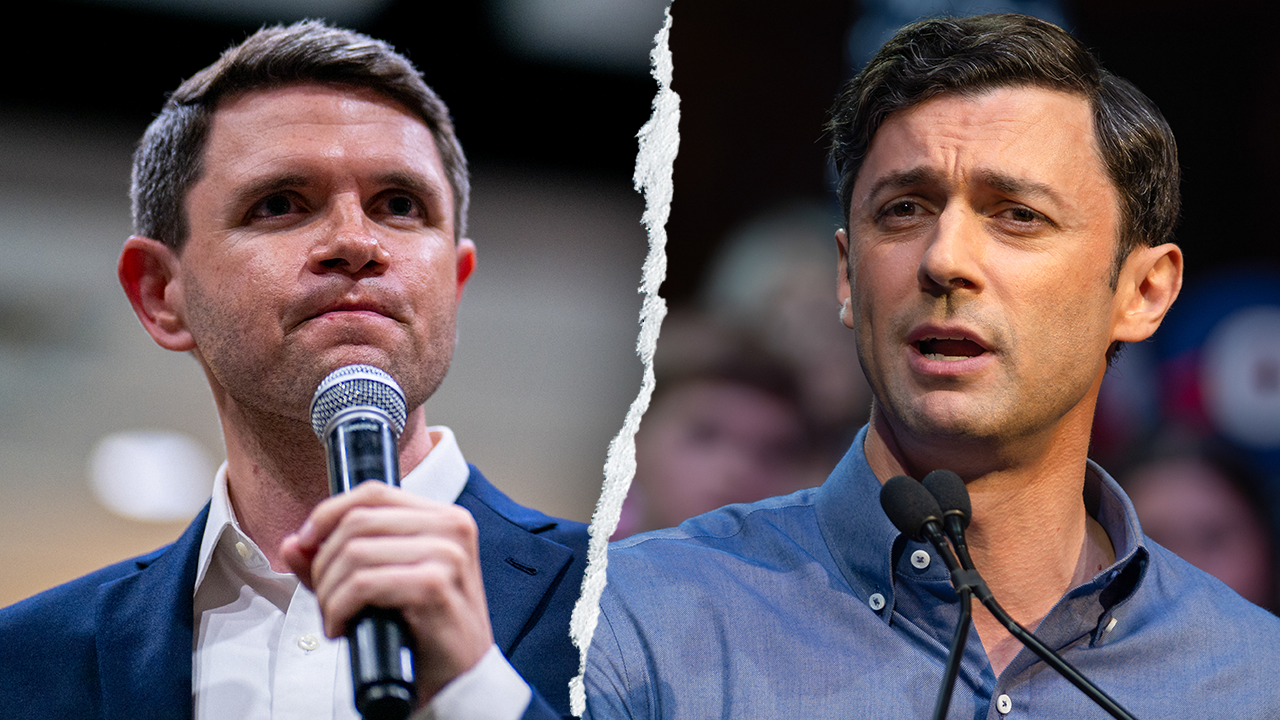
Democratic Senate candidates James Talarico and Jon Ossoff are facing scrutiny over significant donations from Reid Hoffman, a billionaire mega-investor with former associations to Jeffrey Epstein, after both accused Republicans of representing the billionaire «Epstein class» over working Americans.
Both Talarico, running in Texas, and Ossoff, running in Georgia, have repeatedly criticized billionaires’ involvement in politics and charged Republicans with being beholden to the «Epstein class» instead of the American people.
Meanwhile, Hoffman, a co-founder of LinkedIn who has previously admitted to spending a night on Epstein’s Caribbean island, has heavily invested in both campaigns. In the Texas Senate race, Hoffman has donated a whopping $11.5 million to the Talarico-aligned super political action committee (PAC), Lone Star Rising, according to the Texas Tribune. The outlet said the billionaire investor sunk $10 million to the PAC in June alone, accounting for nearly 80% of the group’s second-quarter fundraising. In Georgia, Hoffman donated the maximum legal amount, $7,000, to Ossoff’s campaign for the 2025-2026 cycle.
«Democrats like Jon Ossoff and James Talarico vilify corporate billionaires in one breath and accept their cash in the next,» a GOP operative remarked to Fox News Digital, adding, «They’re fueling the same ‘money in politics’ gravy train they claim to oppose.»
TALARICO TOUTS TEXAS ROOTS AS OUT-OF-STATE CASH POWERS SENATE CAMPAIGN
Democratic Senate candidates James Talarico (left) of Texas and Jon Ossoff (right) of Georgia are facing scrutiny for donations from Reid Hoffman, a billionaire tech investor with former ties to Jeffrey Epstein. (Brandon Bell/Getty Images; Ben Hendren/Bloomberg via Getty Images)
Hoffman has not been charged with any wrongdoing related to his previous association with Epstein.
Their first known meeting was on July 19, 2013, almost five years after he pled guilty in Florida to state charges of soliciting prostitution and procuring a minor for prostitution. According to Massachusetts Institute of Technology records, Hoffman, then a member of the university’s Media Lab Advisory Council, met with Epstein along with other faculty members on campus.
The next year, Hoffman visited Epstein’s private island, Little Saint James, and stayed overnight, the Wall Street Journal reported. Business Insider reported that in a recent podcast appearance Hoffman admitted to staying one night at Epstein’s island as part of an MIT fundraising trip. Regarding his visit, he quipped, «Note to self: Google before going.»
The Wall Street Journal reported that later in 2014, Hoffman sent Epstein ice cream, writing that it was for him or «for the girls.»
‘SHE SAW DOLLAR SIGNS’: FORMER OBAMA COUNSEL PRESSED OVER YEARS-LONG EPSTEIN TIES
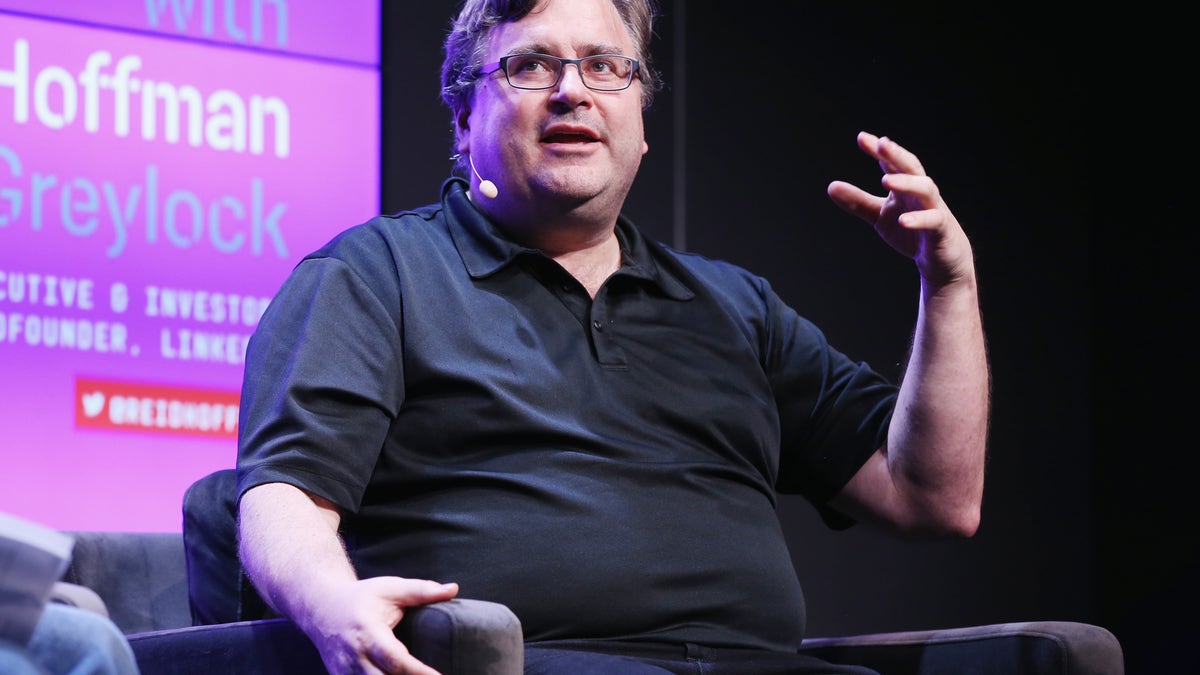
SAN FRANCISCO, CA – OCTOBER 13: Reid Hoffman speaks onstage at WIRED25 Festival: WIRED Celebrates 25th Anniversary Day 1 on October 13, 2018 in San Francisco, California. (Photo by Phillip Faraone/Getty Images for WIRED25 )
The two continued to maintain contact in the years that followed, with Hoffman and Epstein exchanging emails and Skype calls, according to the Wall Street Journal. Axios reported in 2019 that Hoffman hosted a dinner in 2015 at which Epstein was present along with other notable technology leaders, Elon Musk, Mark Zuckerberg and Peter Thiel.
The outlet reported that Hoffman apologized for his association with Epstein, saying that «by agreeing to participate in any fundraising activity where Epstein was present, I helped to repair his reputation and perpetuate injustice. For this, I am deeply regretful.»
Meanwhile, Talarico has repeatedly criticized Republicans using the «Epstein class» line. In one interview, he asserted, «The Epstein Class has no place in Texas.»
On the campaign trail, Forbes reported Talarico charging that «the only minority destroying America is the billionaires.» His campaign website asserts that «billionaire mega-donors aren’t just buying yachts and jets — they’re buying power, and they’re using that power to rig our political system.»
Fox News Digital reached out to Lone Star Rising, which has spent millions on pro-Talarico advertising, for comment on Hoffman’s $11.5 million in donations.
JT Ennis, a spokesperson for Talarico’s campaign, remarked to Fox News Digital that «our campaign has no control over contributions to any super PAC,» adding, «federal law prohibits coordination between political campaigns and outside entities.»
Ennis said that «anyone contributing to this movement is supporting a campaign that will tax billionaires more and limit their outsized political influence.»
Meanwhile, he ripped into Talarico’s Republican opponent, Texas Attorney General Ken Paxton, saying, «The only way to get Big Money out of our politics is to reject politicians like Ken Paxton,» who he accused of «want[ing] corporations and billionaires to decide our elections, not Texans.»
TALARICO SAYS THE DIVIDE IS ‘TOP VS. BOTTOM’ — THEN HEADS TO ONE OF AMERICA’S RICHEST DONOR ENCLAVES
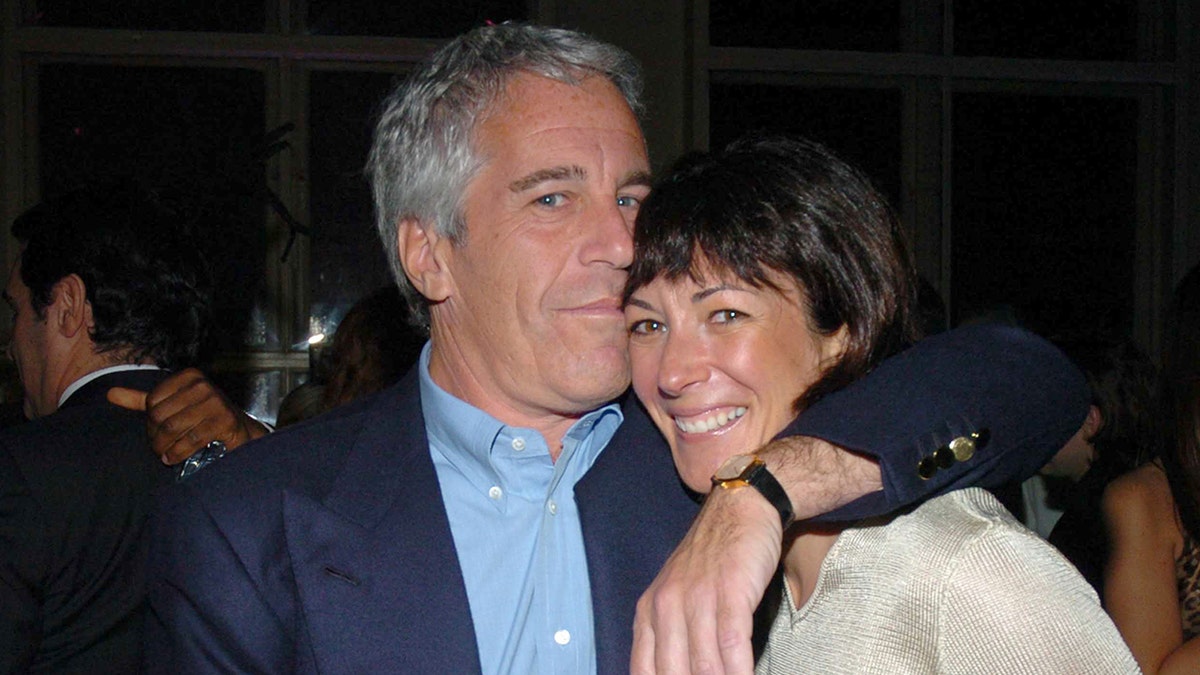
Jeffrey Epstein and Ghislaine Maxwell attend de Grisogono Sponsors The 2005 Wall Street Concert Series Benefitting Wall Street Rising, with a Performance by Rod Stewart at Cipriani Wall Street on March 15, 2005 in New York City. (Joe Schildhorn/Patrick McMullan via Getty Images)
«While Ken Paxton works to enrich himself and his donors, James will remain the only candidate in this race fighting to ban super PACs, ban corporate PACs, ban congressional stock trading, and tax billionaires so we can fix this broken, corrupt political system,» said Ennis.
Fox News Digital reached out to Paxton’s campaign for comment.
Fox News Digital also reached out to the campaign for Ossoff, who criticized the Trump administration in a news statement earlier this year for having the «wealthiest Cabinet ever.»
SIGN UP TO GET THE POLITICS NEWSLETTER
Ossoff remarked in the statement, «We were told that MAGA was for working-class Americans. But this is a government of, by, and for the ultra-rich … this is the Epstein class, ruling our country. They are the elites they pretend to hate.»
On the campaign trail Ossoff has railed against American politics for «running on secret money, corporate money, billionaire money» and accused the Trump administration of taking «American corruption to spectacular new heights.»
CLICK HERE TO DOWNLOAD THE FOX NEWS APP
Besides Talarico and Ossoff, Hoffman is also known to have donated the maximum legal amount, $7,000, to the re-election campaign for Sen. Cory Booker, a prominent national Democrat from New Jersey.
Fox News Digital reached out to Booker for comment.
democratic party, jeffrey epstein, elections, senate, cory booker, texas, georgia

La fecha en que el Atlético de Madrid espera la vuelta de Julián

Dólar hoy en vivo: a cuánto se operan todas las cotizaciones minuto a minuto este martes 21 de julio

El Gobierno se refirió a la designación de Javier Lanari en el directorio del Banco Nación

Long-hidden UFO information at center of Trump push to free former officials

La arenga de Messi en el vestuario antes de jugar contra España, que no salió en ningún lado: «Leo habló de que era su último partido»

El vocero presidencial defendió la designación del periodista Javier Lanari como director del Banco Nación

Rubio’s call to combat global funders of far-left terrorism could put Singham in crosshairs

Sismo de 7.4 sacude a Guatemala: Autoridades declaran alerta anaranjada por daños y descartan tsunami

Canales para ver EN VIVO el San Lorenzo vs. Deportivo Riestra por la Copa Argentina

Rogelio Frigerio presentó un seguro multirriesgo con un fondo de USD 1 millón para el maíz en Entre Ríos

 POLITICA1 día ago
Sin la Copa y sin Messi en el avión, vuelve Tapia y deberá enfrentar tres frentes de tormenta tras la pausa del Mundial
- DEPORTE3 días ago
Cómo va el historial entre la Selección Argentina y España, y cuántas veces se enfrentaron en mundiales
- DEPORTE2 días ago
La tabla de títulos de los campeones de la Copa del Mundo y el listado de las selecciones más ganadoras de la historia