INTERNACIONAL
Supreme Court’s junior justice goes on solo tear as Trump fights put her at odds with the bench

NEWYou can now listen to Fox News articles!
Justice Ketanji Brown Jackson stood out from her colleagues this week when she broke with them to rail against the high court’s decision to fast-track its landmark order dismantling a key provision in the Voting Rights Act.
But Jackson’s solo dissent was far from the first time the Biden-appointed justice has been on an island, as she has routinely blasted the court for not asserting more judicial authority over President Donald Trump’s executive actions and drawn rebukes from her colleagues for taking what they have viewed as flawed positions.
Ideological divides over high-profile cases have been common. The trio of liberals has remained unified against the Trump administration by opposing decisions, including on the interim docket, to curb universal injunctions, allow states to ban transgender medical treatments for minors, permit Trump to fire members of independent agencies, authorize the government to cancel immigrants’ temporary protected status and more.
But even in some of those cases, Jackson goes on solo diatribes, highlighting a deeper internal divide within the liberal bloc.
WHY JUSTICE JACKSON IS A FISH OUT OF WATER ON THE SUPREME COURT
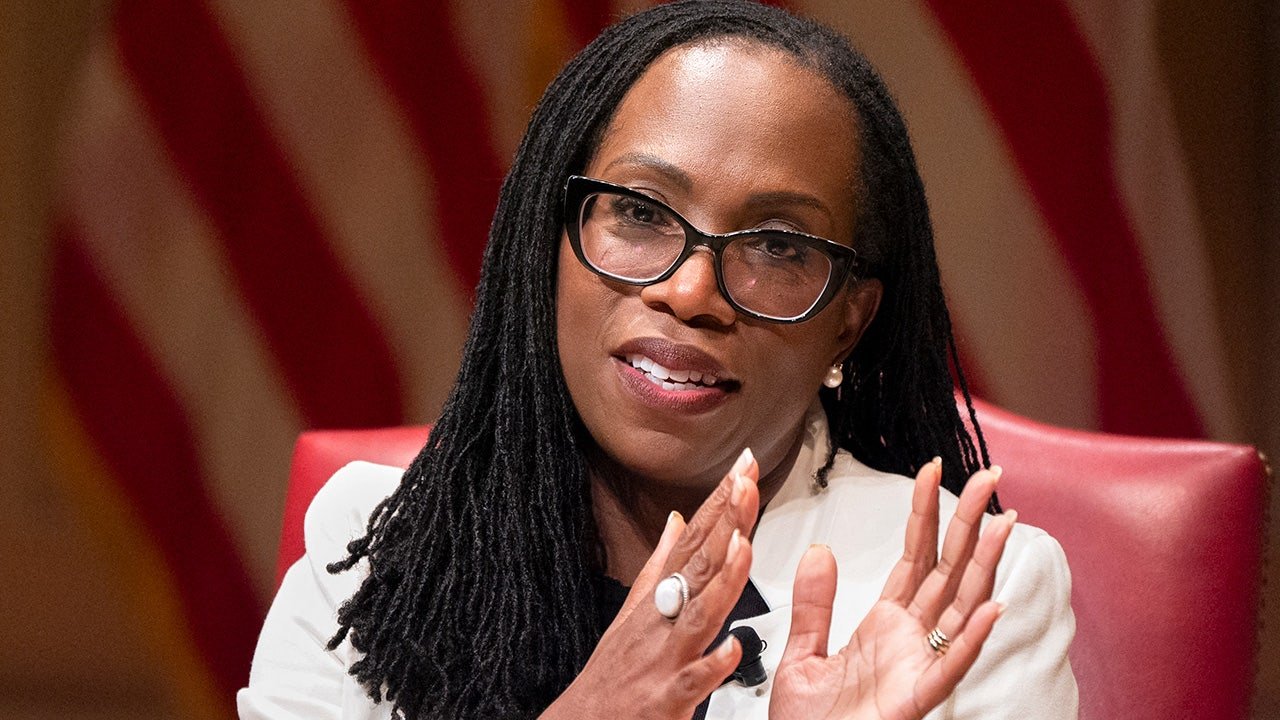
Supreme Court Justice Ketanji Brown Jackson speaks to the 2025 Supreme Court Fellows Program at the Library of Congress in Washington, D.C., on Feb. 13, 2025. (JACQUELYN MARTIN/POOL/AFP via Getty Images)
Below are five recent times Jackson gave lone opinions.
1. Louisiana redistricting judgment
The Supreme Court struck down Louisiana’s map last month, finding 6-3 it contained an unconstitutional racial gerrymander.
Upon request, the Supreme Court also decided 8-1 to fast-track the landmark decision — handing it down immediately rather than in roughly a month like it usually does — allowing several red states to more quickly attempt to implement new congressional lines after the high court weakened Section 2 of the Voting Rights Act by limiting the role race may play in congressional redistricting.
Jackson, the bench’s most junior justice, broke with her eight colleagues in that decision, saying the court improperly «[dove] into the fray» of active elections by handing its judgment down immediately.
«Not content to have decided the law, it now takes steps to influence its implementation,» Jackson wrote.
LATEST SCOTUS LEAK A GIFT TO LIBERALS ‘SALIVATING’ OVER CONTROL OF HIGH COURT NARRATIVE: EXPERTS
Justice Samuel Alito, joined by Justices Clarence Thomas and Neil Gorsuch, wrote a scathing concurrence for the sole purpose of ripping apart Jackson’s dissent, saying her claims were «groundless and utterly irresponsible.»
2. Universal injunctions
The Supreme Court is still weighing Trump’s signature plan to severely limit birthright citizenship, but it first entertained the subject last year by addressing how lower courts across the country uniformly issued nationwide injunctions against the plan. The high court decided 6-3 to ban such injunctions but left room for judges and plaintiffs to deploy other methods when seeking widespread relief.
Jackson gave a rogue, separate dissent in the case, drawing eyebrow-raising jabs from Justice Amy Coney Barrett.
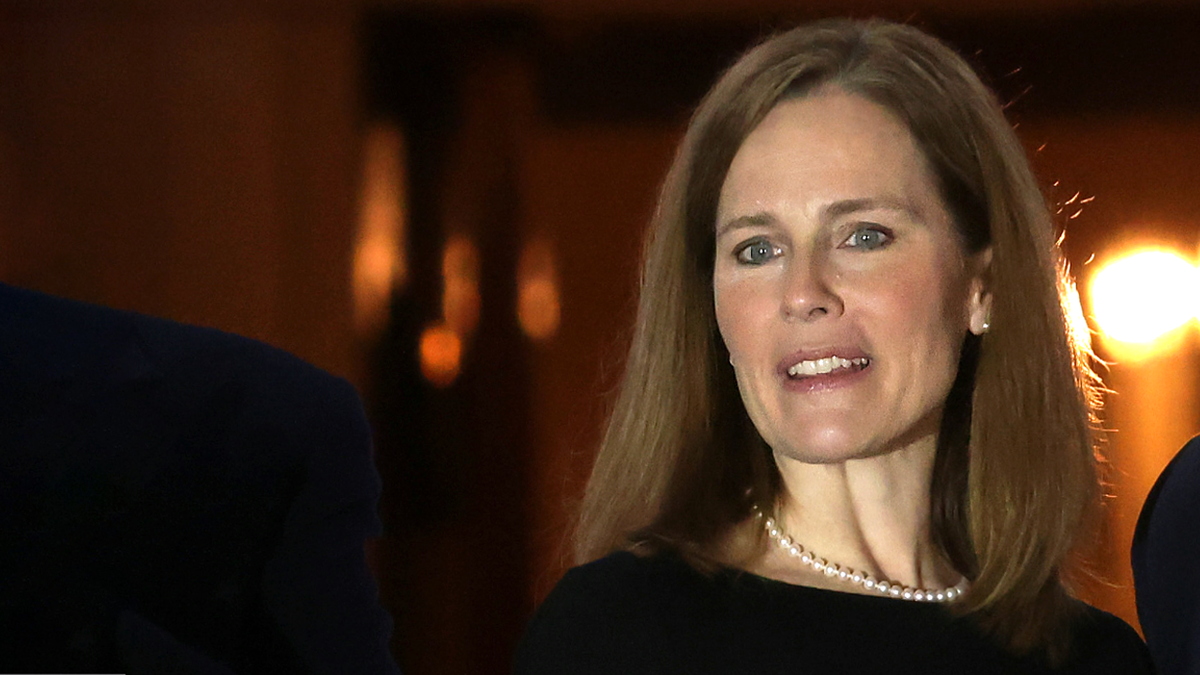
Justice Amy Coney Barrett delivered remarks at the Seventh Circuit Judicial Conference at the Swissotel hotel in Chicago, Illinois, on Aug. 18, 2025. (Getty Images)
«We will not dwell on Justice Jackson’s argument, which is at odds with more than two centuries’ worth of precedent, not to mention the Constitution itself,» Barrett wrote in the court’s opinion in 2025. «We observe only this: Justice Jackson decries an imperial Executive while embracing an imperial Judiciary.»
Jackson wrote that nationwide injunctions should be permissible because the courts should not allow the president to «violate the Constitution.»
Barrett disagreed.
«She offers a vision of the judicial role that would make even the most ardent defender of judicial supremacy blush,» Barrett wrote.
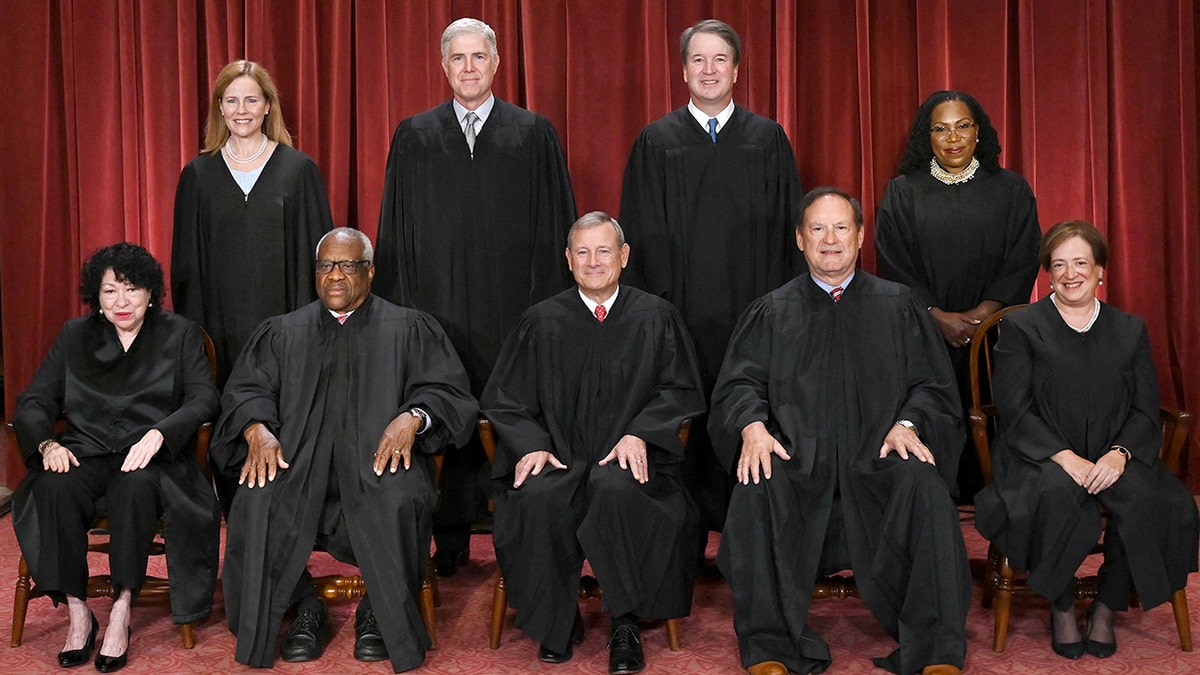
Justices of the US Supreme Court pose for their official photo at the Supreme Court in Washington, DC on October 7, 2022. (OLIVIER DOULIERY/AFP via Getty Images)
3. National Institutes of Health grants
The high court fractured last August in dual 5–4 decisions that allowed the National Institutes of Health to cancel nearly $800 million in research grants.
Jackson, in one of her most memorable one-person dissents, appeared to boil over with frustration, observing that the majority «bends over backward to accommodate» the Trump administration.
«This is Calvinball jurisprudence with a twist. Calvinball has only one rule: There are no fixed rules,» Jackson wrote. «We seem to have two: that one, and this Administration always wins.»
Some of the canceled grants were geared toward research on diversity, equity and inclusion; COVID-19; and gender identity. Jackson argued the grants went further and that «life-saving biomedical research» was at stake.
4. Colorado conversion therapy case
When the Supreme Court sided 8-1 with a Christian counselor who challenged Colorado’s ban on counseling minors about sexual orientation and gender identity — which the state barred as conversion therapy — Jackson was the lone dissenter, warning that «to be completely frank, no one knows what will happen now.»
Jackson said the key free speech decision defied «treatment standards» and bucked the medical profession, leading an unlikely colleague, Justice Elena Kagan, to openly reject her dissent.
Kagan, an Obama appointee, said Jackson’s view «rests on reimagining—and in that way collapsing—the well-settled distinction between viewpoint-based and other content-based speech restrictions.»
5. Reasonable suspicion for police
In a lower profile case about police stops, Jackson conspicuously found in April that the high court overstepped its authority by improperly meddling in a lower court’s assessment of how Washington, D.C., police decided to stop a man in a suspicious vehicle.
The Supreme Court reversed the decision by the lower court, saying it should have weighed the «totality of the circumstances» surrounding the vehicle and approved of an officer’s decision to briefly detain the man.
The decision was 7-2, but Justice Sonia Sotomayor opposed the ruling while also opting against joining Jackson’s dissent. Jackson accused the majority of trying to «wordsmith» and interfere with a typically routine evaluation of a police stop.
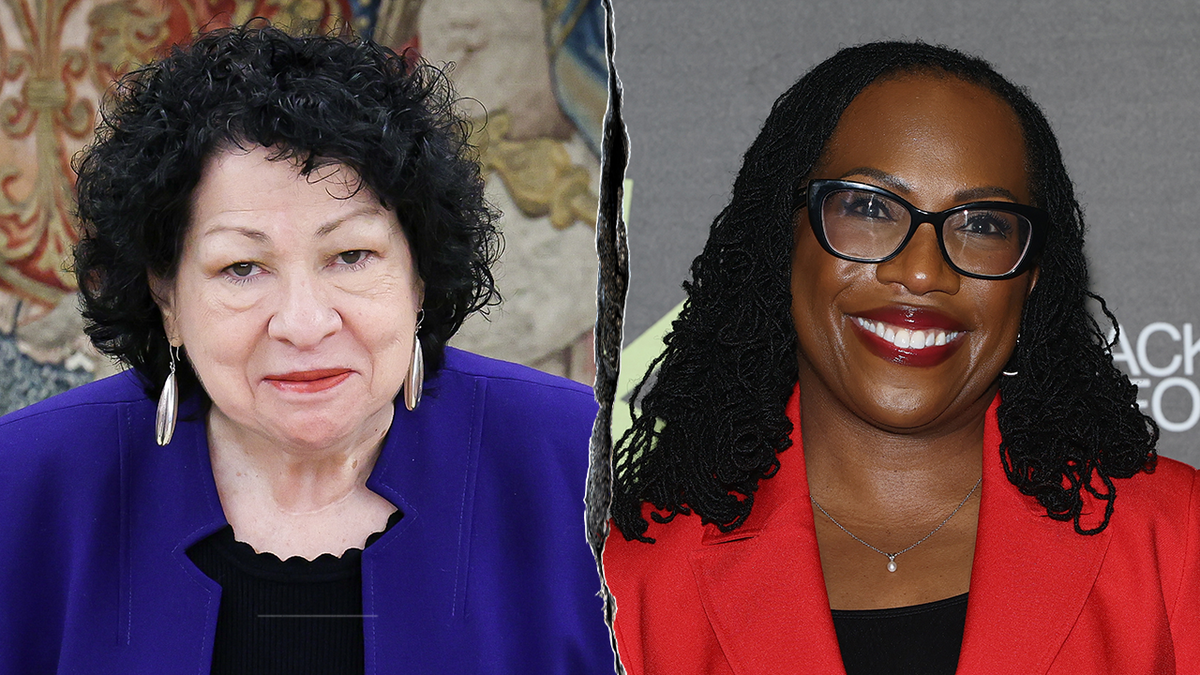
Justices Sonia Sotomayor and Ketanji Brown Jackson are pictured together. (Getty Images)
«I cannot fathom why that kind of factbound determination warranted correction by this Court,» Jackson wrote.
Jonathan Turley, George Washington University law professor and Fox News contributor, said in an op-ed this month that Jackson has «quickly developed a radical and chilling jurisprudence.»
Despite establishing herself as an outlier, Jackson also has a swathe of supporters from civil rights groups to celebrities. She has been showered with praise on «The View,» nominated for a Grammy for her audiobook and drawn encouragement from Democratic lawmakers.
CLICK HERE TO DOWNLOAD THE FOX NEWS APP
Jackson said during her appearance this year on «The View» that «criticism is part of the job.»
«Dissents are an opportunity for the justices who disagree with the majority to really describe their view of the law but also their concerns,» Jackson said, adding that «you hope that your view will prevail in the long run.»
Fox News Digital reached out to the Supreme Court’s press office for comment.
supreme court, individual rights, judiciary, federal judges, confirmation of amy coney barrett











INTERNACIONAL
Reporter’s Notebook: Why Fauci’s 111 Fifth Amendment pleas could end up before the courts
GOP calls for Fauci contempt charges after wild COVID hearing
Dr. Anthony Fauci faces potential contempt charges and criminal referral from Senate Republicans after his contentious testimony. He invoked the Fifth Amendment over 100 times during questioning about the COVID-19 pandemic response. Senators Rand Paul and James Lankford, along with legal expert Jonathan Turley, discuss the legal hurdles and public frustration surrounding Fauci’s actions.
NEWYou can now listen to Fox News articles!
Silence is golden.
But actions speak louder than words.
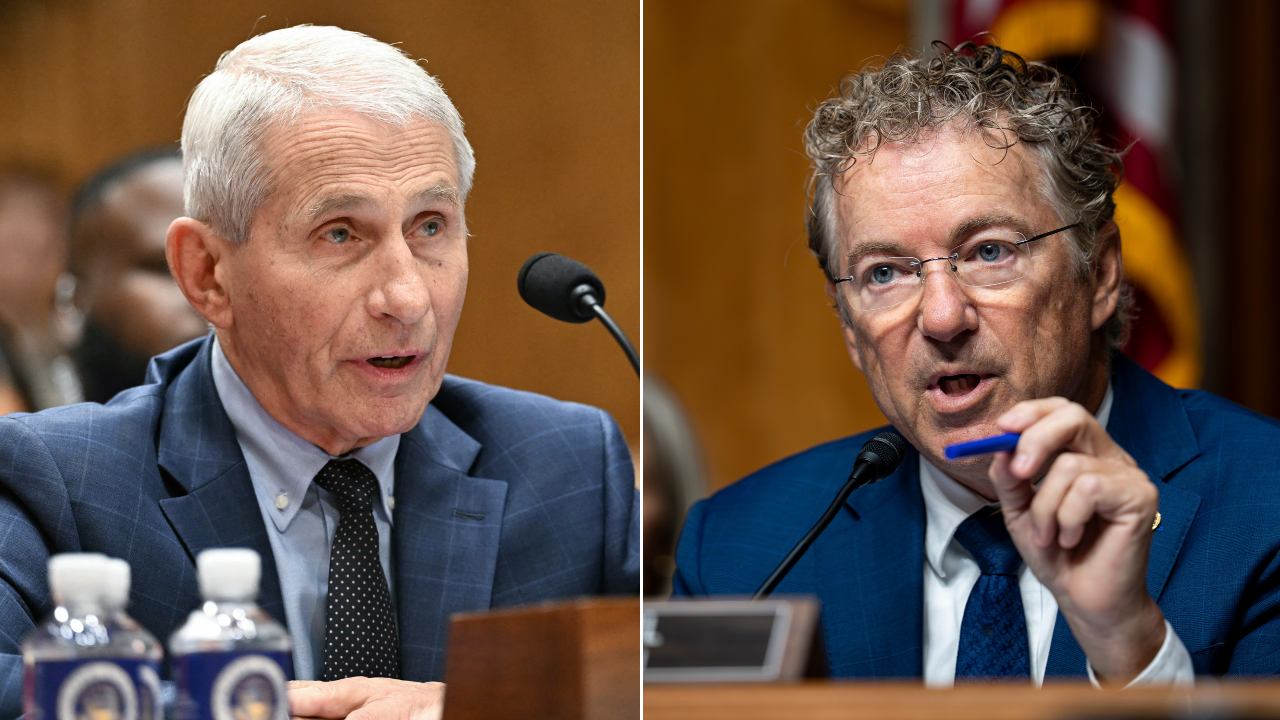
That’s the solution which Senate Homeland Security and Governmental Affairs Committee Chairman Rand Paul, R-Ky., is engineering for the reticence of Dr. Anthony Fauci. The head of the National Institute of Allergy and Infectious Diseases for 38 years, Fauci invoked the Fifth Amendment a staggering 111 times when appearing under subpoena before Paul’s panel this week.
Anthony Fauci declined to testify in a Senate committee hearing on his role in the U.S. response to COVID-19, invoking his Fifth Amendment rights. (Left (Alex WROBLEWSKI / AFP via Getty Images), Right (Al Drago/Bloomberg via Getty Images))
RAND PAUL SEEKS CONTEMPT CHARGES AFTER FAUCI INVOKES FIFTH AMENDMENT MORE THAN 100 TIMES
The only words Fauci spoke were his invocation of the Fifth Amendment on the advice of his attorney. But the action promised by Paul is contempt of Congress.
«There will be repercussions to your refusal to testify today,» warned Paul after Fauci invoked the Fifth. «The Committee will have to consider after this hearing what appropriate action should be taken against you for the failure to testify after being directed to do so. It’s against the law to obstruct an investigation of Congress.»
But it’s not as though Fauci was completely mum during the entire hearing. He offered an opening statement before leaning on the Fifth Amendment as a shield for the next three hours.
«The only conclusion I can reach is that the sole reason he is calling me before this committee is to get me to say something, anything, that could vindicate his repeated public pledges that I end up, in his words, quote, ‘behind bars,’ unquote,» Fauci said. «Any reasonable person who has followed his unhinged obsession with me would readily come to the same conclusion.»
And then Fauci fell mute. He ignored questions about his diary, inquiries about what ignited the pandemic, even interrogatives about the mundane.
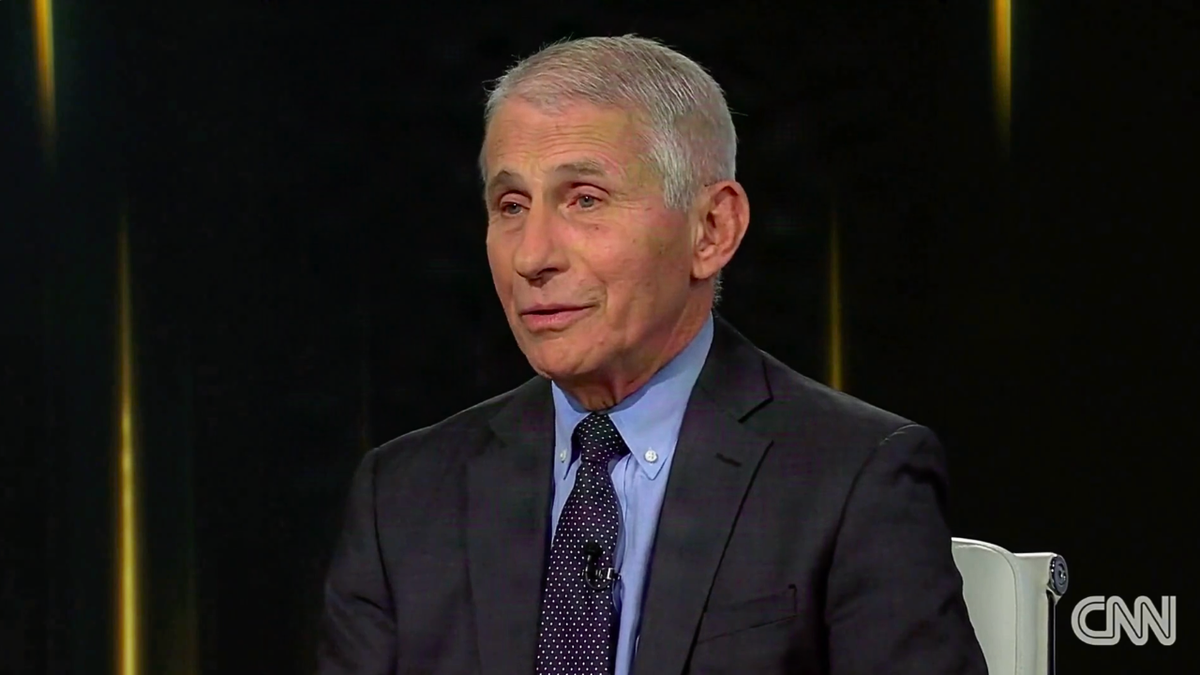
Fauci said Rand Paul, who recently released more than 1,000 pages of his personal diary entries, has an «obvious obsession» with pushing for his prosecution. (CNN)
TOP 5 MOMENTS FROM FAUCI’S HEARING: PAUL BOOTS LAWYER, MORENO ERUPTS AS CONTEMPT VOTE LOOMS
«What day of the week is it today?» asked Sen. Josh Hawley, R-Mo.
Hawley wasn’t done.
«What color tie are you’re wearing?» Hawley continued. «What is the color of the carpeting?»
From a legal standpoint, there is logic behind Hawley’s banal inquiries. These are carefully designed questions which a good prosecutor might ask a witness to trip them up.
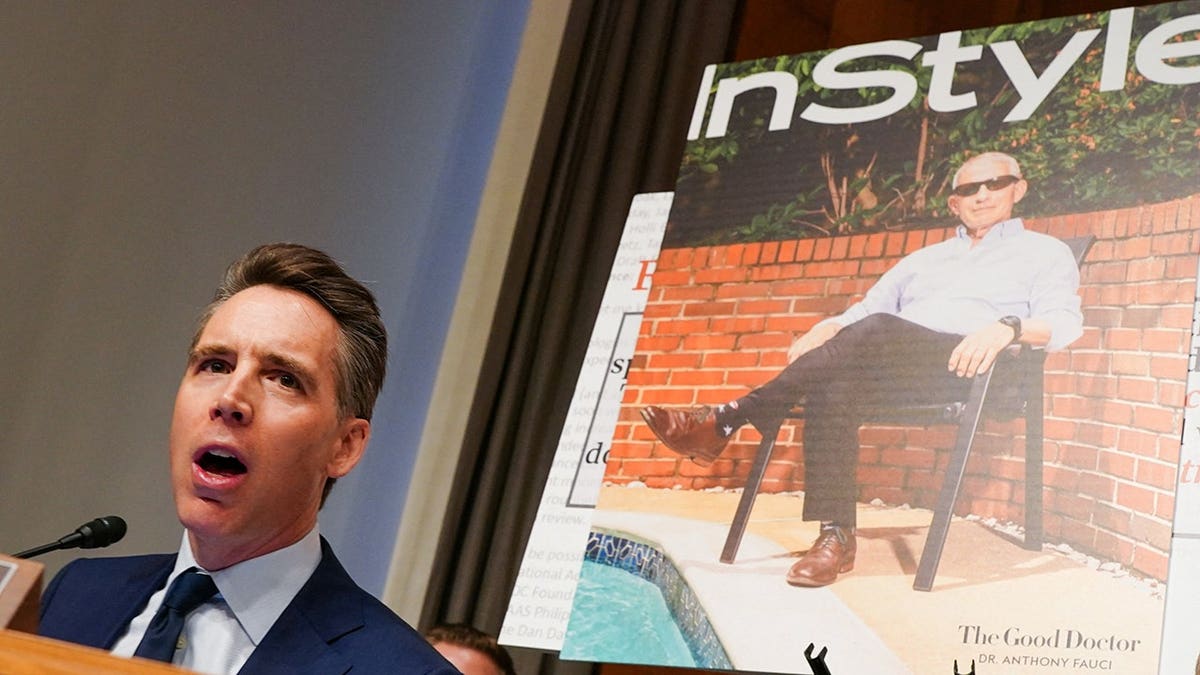
Sen. Josh Hawley, R-Mo., speaks in front of a board with an image of Anthony Fauci, the former Director of the National Institute of Allergy and Infectious Diseases and medical advisor to several U.S. presidents, as Fauci (not pictured) attends a U.S. Senate Homeland Security and Governmental Affairs Committee on Capitol Hill in Washington, D.C., U.S., July 29, 2026. Anthony Fauci declined to answer questions, invoking his Fifth Amendment right against self-incrimination. (REUTERS/Nathan Howard)
To wit: If Fauci had already invoked the Fifth Amendment, why is he suddenly answering questions about the calendar, his tie or carpeting? If Fauci replied «Wednesday,» «blue» or «green» as answers to Hawley’s queries, Paul could have asserted that the Fifth Amendment shield no longer applied. Thus, the committee, or the courts, should compel Fauci to respond to any question.
By the same token, Republicans argued that Fauci should have been able to answer such trite questions from Hawley because they had nothing to do with the proceedings. It’s kind of a «we win, you lose» proposition for the GOP.
Yet Fauci never deviated from the script, invoking the Fifth Amendment 111 times.
CAN FAUCI HIDE BEHIND THE FIFTH? GAME-CHANGING BIDEN PARDON MAY NOT PROVIDE COMPLETE COVER, EXPERTS SAY
By the way, Fauci’s repetitive legal recitation of the Fifth is not a Senate record. In 1958, mob boss Vito Genovese appeared before a Senate panel investigating organized crime. Genovese established the mark, invoking the Fifth a stupefying 150 times.
Republicans don’t think that Fauci had any right to invoke the Fifth even once, considering his pardon from former President Joe Biden. On one hand, they asserted he should be free to testify. Democrats took issue with that.
«I’m not surprised that he pled the Fifth because the objective is to put him in jeopardy of criminal prosecution,» said Sen. Richard Blumenthal, D-Conn. «So the more prudent course was to claim the Fifth Amendment.»
Hawley saw it differently, citing the 1896 Supreme Court case Brown v. Walker.
In the late 19th Century, the Supreme Court granted auditor Theodore Brown immunity to testify in a railway rate-fixing case. But Brown still refused to testify. However, the High Court ruled that Brown had to speak. Writing for the majority, Justice Henry Billings Brown (no relation), who also wrote the opinion in Plessy v. Ferguson, declared the following:
«If it be once conceded that the fact that his testimony may tend to bring the witness into disrepute, though not to incriminate him, does not entitle him to the privilege of silence, it necessarily follows that, if it also tends to incriminate, but at the same time operates as a pardon for the offense, the fact that the disgrace remains no more entitles him to immunity in this case than in the other.»
Translation: What you have to say may be embarrassing. But if you enjoy the privilege of immunity, you still have to cough up the goods, despite the Fifth Amendment.
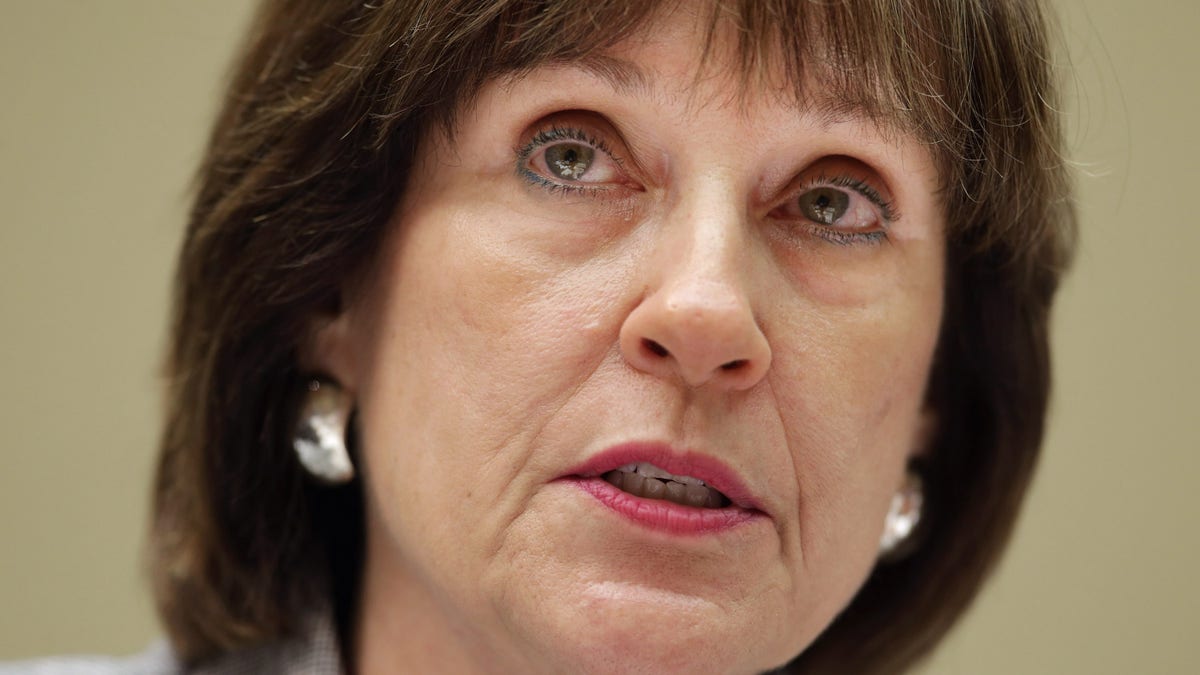
Lois Lerner, who headed the IRS division that oversaw tax-exempt groups, apologized for the targeting scandal and eventually resigned. (Chip Somodevilla/Getty Images)
How Fauci conducted himself in the hearing runs parallel to former IRS official Lois Lerner’s conduct in 2014. Republicans believed that Lerner blocked groups affiliated with the Tea Party from tax-exempt status or targeted them for scrutiny. At a 2014 House Oversight Committee hearing, Lerner delivered an opening statement. She then invoked the Fifth.
The full House later voted to hold Lerner in contempt of Congress for not answering questions and referred her to the Justice Department for prosecution. The DOJ, then operating under the administration of former President Barack Obama, did not take action against Lerner.
Whether or not DOJ prosecutes contempt of Congress often comes down to which party on Capitol Hill is doing the referring, and which party controls the Justice Department.
For instance, the Republican House referred former Attorney General Eric Holder to the DOJ for contempt of Congress in 2012. But it was Holder who ran the Justice Department. So that was a dead letter.
The Democratic House referred White House Counsel Harriet Miers to the DOJ in 2008. But the administration of former President George W. Bush was simply not going to prosecute its own lead attorney at 1600 Pennsylvania Ave.
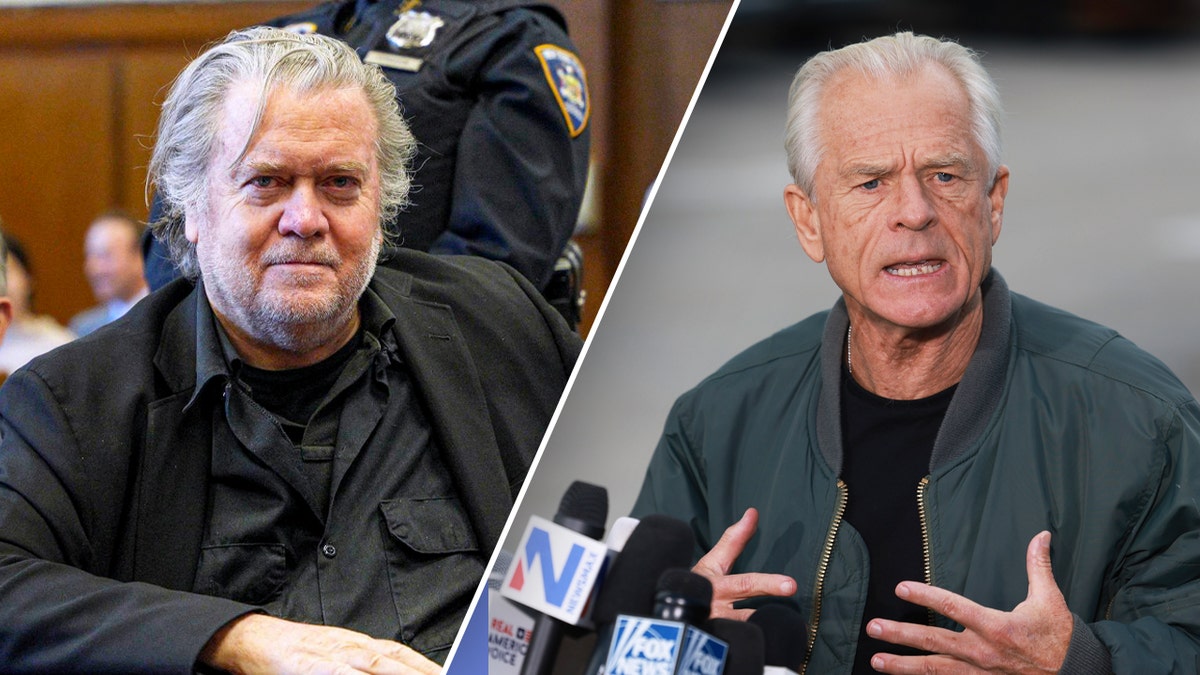
Former White House chief strategist Steve Bannon, left, and former Trump adviser Peter Navarro. (Getty Images)
The Democratic House held Trump administration figures Steve Bannon and Peter Navarro in contempt of Congress for failing to appear before the committee investigating the Jan. 6 riot. Naturally, the Biden Justice Department prosecuted that duo.
So could Fauci face prosecution from the Trump Justice Department after a referral from the Republican-led Senate?
The Lerner case bears further study. The Obama DOJ declined to prosecute Lerner because she asserted her Fifth Amendment rights — but after her opening statement. Fauci did the same. Would the Trump administration perceive Fauci’s protocol at the hearing through a similar lens?
Paul will ask his committee to prep a resolution holding Fauci in contempt of Congress in the coming days. But the full Senate must approve such a measure before sending it to the DOJ for possible prosecution.
It’s easier to adopt a contempt of Congress resolution in the House because it only requires a simple majority. The same is true in the Senate. But it must also clear a filibuster, which needs 60 votes. That’s why contempt of Congress citations are more prevalent in the House than the Senate.
But Paul believes he has a workaround.
«I plan on sending it directly with the legal brief supporting the argument to the Department of Justice,» Paul told Fox News.
It’s then up to DOJ to prosecute Fauci or not.
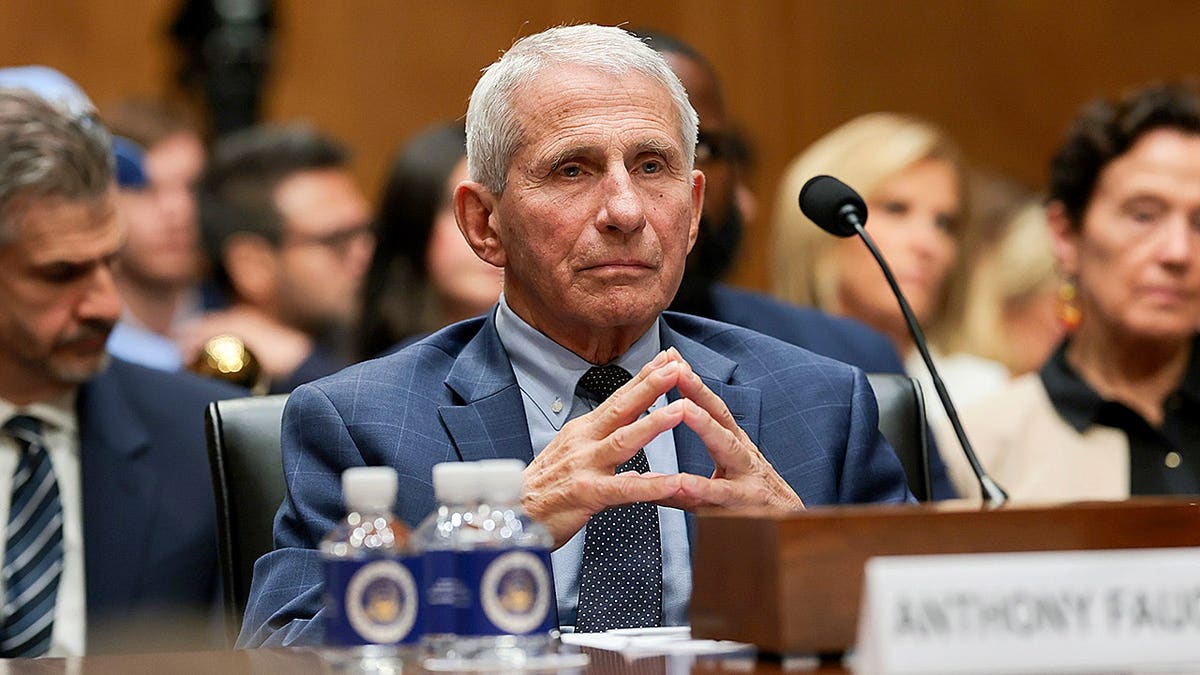
Former NIH Director Anthony Fauci listens during a Senate Homeland Security and Governmental Affairs Committee hearing on July 29, 2026, in Washington, D.C. Fauci declined to answer questions, asserting his Fifth Amendment right. (Anna Moneymaker/Getty Images)
However, in his same appearance on Fox, Paul said he had «sent a criminal referral on Anthony Fauci twice under Biden and twice under Trump.»
President Donald Trump’s DOJ hasn’t prosecuted Fauci before. But would prosecutors see it differently after Fauci’s performance at the hearing?
That brings us back to Lerner.
She invoked the Fifth Amendment and the DOJ did not prosecute. That establishes a precedent. Would the Trump DOJ follow that model? Or are we in for what could be a lengthy, perhaps seminal court battle about whether Fauci was in the right to invoke the Fifth Amendment? That may trigger a legal fight over his pardon from Biden — and perhaps what the High Court ruled in Brown v. Walker.
We’ll know when or if the DOJ takes action. In the case of Fauci, silence may be golden. But in this instance, it may be up to the courts to determine if it’s legal.
anthony fauci, congress, politics, rand paul, hearings
INTERNACIONAL
España refuerza su frontera con Marruecos tras la crisis migratoria en Ceuta que dejó al menos 67 muertos

La ciudad de Ceuta, enclave español en el norte de África, atravesó horas críticas luego de que casi 60.000 migrantes cruzaran la frontera desde Marruecos en apenas unos días, lo que desató una crisis diplomática y llevó al Gobierno español a reforzar la frontera con nuevas vallas.
El viernes por la noche, el Gobierno aseguró que “la práctica totalidad” de los migrantes ya había regresado a Marruecos, estimando en 48.000 las personas que volvieron en los últimos días. Sin embargo, la crisis dejó al menos 67 muertos en el intento de llegar al enclave, según datos del Gobierno local.
“En menos de 48 horas, la situación en Ceuta ya no tiene nada que ver y la normalidad se está alcanzando”, declaró el ministro del Interior, Fernando Grande-Marlaska, durante una rueda de prensa en la ciudad autónoma de Ceuta. Más de 60.000 migrantes llegaron a Ceuta en los últimos días. (Foto: REUTERS/Jon Nazca).
Este sábado, la ciudad amaneció cubierta de niebla y con grupos de jóvenes que seguían intentando regresar a Marruecos, bajo la atenta mirada de militares y agentes de la Guardia Civil. Los efectivos españoles no dudaron en empujar a quienes avanzaban lentamente, en medio de un clima de tensión.
La llegada masiva de migrantes, en su mayoría hombres jóvenes y adolescentes en busca de un futuro mejor, se produjo tanto a nado como saltando las vallas fronterizas.
El Ministerio del Interior anunció la instalación de una nueva barrera neumática en el espigón que delimita la frontera, una de las dos terrestres entre África y la Unión Europea (la otra es Melilla).
Europa endureció controles y creció la tensión política
El impacto de la crisis se sintió en toda la Unión Europea, con duras críticas de partidos de derecha y extrema derecha. En Italia, el Gobierno de Giorgia Meloni anunció la suspensión del tratado de libre circulación de la UE para ciudadanos no europeos que lleguen desde España, aunque aclaró que la medida no afecta a los españoles.

Más de 48.000 migrantes ya volvieron a Marruecos. (Foto: REUTERS/Fabian Bimmer).
Francia, por su parte, multiplicó por cinco la presencia de policías y gendarmes en la frontera con España. El ministro de Asuntos Exteriores español, José Manuel Albares, denunció la “confusión interesada” y recordó que no se puede cruzar de Ceuta a la Europa continental sin pasar por controles policiales.
En medio de la polémica, Pedro Sánchez defendió una política migratoria abierta y pidió a sus socios europeos evitar divisiones, aunque reconoció que Ceuta fue escenario de una “violación y ataque a la integridad territorial de España”.
El drama de los migrantes y el recuerdo de crisis anteriores
Muchos de los migrantes que llegaron a Ceuta buscaban una oportunidad para trabajar y mejorar su vida. “Todos sabemos que en África no hay muchas oportunidades. Así que esperamos ir a Europa para poder trabajar y ganarnos la vida”, contó Souleil Boyan, un joven senegalés de 19 años que llevaba cinco meses en Marruecos antes de cruzar.
Soufian, un marroquí de 42 años que entró nadando en Ceuta, afrmó: “¿Invasión? No. Eso es mentira. Toda la gente [de Marruecos] quiere subir, quiere un futuro bien, que no hay en Marruecos. Yo ahora mismo estaba trabajando de guardia de seguridad, 12 horas. ¿Y cuánto me pagan al día? 10 euros”, explicó. España devolvió a la mayoría de los migrantes a Marruecos. (Foto: REUTERS/Jon Nazca).
La situación superó a la crisis de mayo de 2021, cuando más de 10.000 personas cruzaron la frontera en dos días, tras una flexibilización de los controles por parte de Rabat en medio de una disputa diplomática con España.
A qué se debe la crisis migratoria
Pedro Sánchez dijo que las “mafias que trafican con seres humanos” habían hecho una “lectura interesada” de una sentencia del Tribunal Supremo español del 8 de julio, que dictaminó que las llamadas “devoluciones en caliente” (devolver de forma inmediata a un migrante que cruza irregularmente la frontera sin abrirle un procedimiento administrativo de expulsión) no se aplican en el caso de las llegadas por mar.
Según la sentencia, esta “devolución exprés” solo puede aplicarse a las personas que rebasen “los elementos de contención fronterizos establecidos, como las vallas”, pero no a quienes lo hagan por mar, como hicieron en los últimos días muchas de las personas que llegaron a Ceuta.
Los analistas también apuntan que las crisis migratorias recurrentes y el supuesto laxismo de las fuerzas de seguridad marroquíes para “abrir las puertas” serían un arma de presión diplomática, ya que Marruecos reivindica su soberanía sobre Ceuta y Melilla desde su independencia en 1956.
España denunció una actitud “egoísta” de algunos países de la UE y
En una carta, Sánchez denunció el sábado la actitud “egoísta” de algunos países de la Unión Europea ante la crisis migratoria y reclamó una reunión por videoconferencia de los ministros del Interior de los Veintisiete.
“Una actitud así —motivada por prejuicios, informaciones falsas, ignorancia o intereses políticos— no solo es contraria al derecho europeo, al derecho humanitario y a los principios de solidaridad que nos unen, sino que también va en contra de los intereses a largo plazo de Europa”, escribió.
España, migrantes
INTERNACIONAL
El gobierno de Estados Unidos exigirá fianzas de hasta 20,000 dólares a nicaragüenses que pidan visas de turismo y negocios
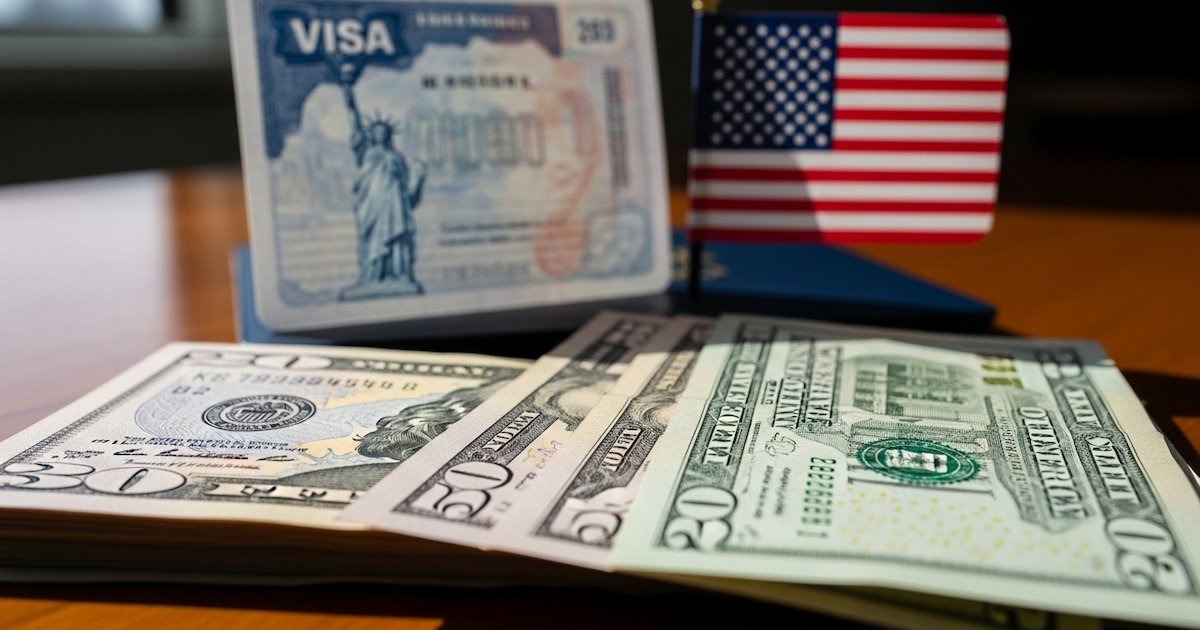
El Gobierno de Estados Unidos implementará fianzas de hasta 20,000 dólares para nicaragüenses que soliciten visas de turismo y negocios, una medida que busca disminuir la permanencia irregular de ciudadanos extranjeros en el país. Según informó Despacho 505, la nueva disposición, publicada por el Departamento de Estado, forma parte de un programa piloto que también afecta a solicitantes de otros 50 países, incluidos Cuba, Granada y Venezuela en el continente americano.
De acuerdo con el reporte de Despacho 505, la norma establece que los solicitantes de visas B-1/B-2 deberán depositar una fianza de 10,000, 15,000 o 20,000 dólares, determinada según la discreción de los funcionarios consulares. El dinero será administrado por el Departamento del Tesoro y el Departamento de Estado y podrá ser recuperado una vez que el viajero cumpla con las condiciones de su visado y regrese a su país de origen. Según el Gobierno estadounidense, la iniciativa responde a los altos índices de permanencia irregular de ciudadanos de los países incluidos en la lista.
Despacho 505 detalló que, durante el primer año de implementación del programa piloto, se identificaron 20,000 solicitudes sujetas al pago de la fianza y aproximadamente la mitad de los solicitantes desistieron del proceso. Además, el medio subraya que la medida provocó una reducción del 83% en la emisión de visas de turismo y negocios para los países alcanzados por la disposición.
La situación de Nicaragua en el contexto internacional ha captado la atención de distintos gobiernos a raíz de las crecientes restricciones políticas y sociales. La medida adoptada por Estados Unidos coincide con un escenario interno marcado por la represión estatal, el cierre de espacios democráticos y el incremento del control gubernamental sobre la sociedad civil. En los últimos años, el gobierno de Daniel Ortega ha aumentado de manera significativa el presupuesto de las fuerzas de seguridad, consolidando un aparato represivo que limita la libertad de expresión y de asociación.

Organizaciones defensoras de los derechos humanos han denunciado la cancelación masiva y arbitraria de títulos profesionales en el gremio de abogados, lo que ha debilitado el acceso a la defensa legal y ha generado preocupación entre los organismos internacionales. Además, se ha reportado la falta de debido proceso en numerosos casos judiciales y el bloqueo digital de los registros, lo que obstaculiza la transparencia y el acceso a la información pública.
Otro factor relevante es el reciente anuncio sobre la cancelación de las elecciones en Nicaragua, una decisión que ha sido interpretada por diversos sectores como una manifestación del cierre total de los espacios de participación política. La cancelación electoral representa una profundización de la crisis institucional y refuerza la imagen de un sistema político sin garantías democráticas.
En este contexto, la implementación de fianzas elevadas para el otorgamiento de visas a ciudadanos nicaragüenses aparece vinculada a las preocupaciones de Estados Unidos respecto a los flujos migratorios y las condiciones internas de los países de origen. Según el Departamento de Estado, la decisión se sustenta en indicadores que reflejan altas tasas de permanencia irregular y busca incentivar el cumplimiento de los plazos de estadía autorizados.
La medida ha generado críticas entre organizaciones de derechos de los migrantes, quienes advierten que las fianzas representan una barrera económica significativa para los solicitantes de países con bajos ingresos y afectan especialmente a ciudadanos de naciones con contextos de crisis. Voceros de estas organizaciones, citados por Despacho 505, consideran que la medida limita el acceso a vías legales de ingreso y genera un impacto desproporcionado sobre poblaciones vulnerables.

El programa piloto contempla la devolución de las fianzas a quienes respeten las condiciones de su visa, pero la exigencia de un depósito tan elevado restringe el alcance de la política. De acuerdo con datos oficiales recogidos por Despacho 505, la reducción en el número de visas otorgadas evidencia el efecto disuasorio de la medida, mientras que la exclusión de países como Nicaragua se produce en un contexto de creciente presión internacional sobre su gobierno.
La decisión de Estados Unidos se produce en un momento en que el éxodo de nicaragüenses ha aumentado por la falta de garantías, el deterioro de la economía y la represión política. En este escenario, las nuevas restricciones consulares suponen un desafío adicional para quienes buscan alternativas legales de movilidad internacional.
dólares,visa,inmigración,Estados Unidos,economía,finanzas,costos,billetes,documentos,viaje

“Lo estamos monitoreando”: por la crisis en Ceuta, el Gobierno no descarta realizar más cambios en la política migratoria

Un fan se puso un nombre de usuario relacionado con Skyrim. La policía lo arrestó y fue condenado a prisión por más de un año

En Córdoba, Estudiantes de Río Cuarto y Banfield se miden en una final anticipada por la Permanencia

Mega outlet con zapatillas Adidas por $60.000 y marcas top con descuentos de hasta 70%

Angustiada y en crisis: la fuerte foto de la hija menor de Wanda Nara atormentada por Mauro Icardi

Canales para ver el Estudiantes (RC) vs. Banfield por el Torneo Clausura

El BCRA cortó la racha de compra y en el mercado vuelan rumores de maniobras para frenar al dólar

World-famous Catholic shrine torched, ‘Devil in a skirt’ scrawled on Virgin Mary statue

La aprobación del Gobierno cayó en julio según distintas encuestas, en sintonía con el índice de la universidad Di Tella

SUTEP cerró paritaria y ya se sabe cuánto ganará un empleado de parque de diversiones durante 2026

 INTERNACIONAL3 días ago
Trump admin invokes 30-year dormant terror court as it seeks to deport Afghan woman tied to Election Day plot
- CHIMENTOS3 días ago
El romántico mensaje de Nico Vázquez a Dai Fernández: “Me encanta compartir con vos arriba y abajo del escenario”
- INTERNACIONAL2 días ago
Dem senator swipes credit for bill he opposed amid heated reelection bid: ‘Disturbing pattern’