
INTERNACIONAL
Trump expands Cuba sanctions beyond US companies in major crackdown on foreign enablers


NEWYou can now listen to Fox News articles!
The Trump administration is rolling out what experts describe as the most significant expansion of U.S. sanctions on Cuba in decades.
The administration is attempting what supporters say is the first broad application of Cuba-related secondary sanctions against foreign firms, aiming not only at Havana itself but also at foreign companies and banks that continue doing business with the island’s military-linked economic empire.
The new framework, established under an executive order signed by President Donald Trump May 1, applies pressure beyond U.S. companies for the first time, threatening foreign firms with sanctions exposure if they continue operating in key sectors of the Cuban economy linked to Grupo de Administración Empresarial S.A., or GAESA.
TRUMP ADMINISTRATION PRESSED TO CLOSE CUBA EMBARGO LOOPHOLE AS OIL SET TO RUN OUT WITHIN DAYS
Supporters say the move closes a loophole that allowed foreign investors to sustain Cuba’s communist regime while the longstanding U.S. embargo largely restricted Americans.
Critics argue the measures risk worsening an already severe humanitarian crisis on the island without meaningfully weakening the government.
Demonstrators attemp to burn the Communist Party headquarters in Morón, Cuba, after authorities allegedly opened fire on protesters without prior warning. (Obtained by Fox News Digital)
«At the top of the month, what the Trump administration did was for the first time extend the application of U.S. sanctions from just prohibiting trade between U.S. firms and U.S. persons and the Cuban island to third-party countries and enablers,» Max Meizlish, a former Treasury Department official now serving as a research fellow at the Foundation for Defense of Democracies, told Fox News Digital in an interview.
«For the first time ever in a truly unprecedented fashion, that’s the same logic that the administration is now applying to Cuba,» he said.
The sanctions focus heavily on GAESA, a sprawling military-linked conglomerate that analysts estimate controls between 40% and 70% of Cuba’s economy, including tourism, mining, retail, ports and financial services.
A recent Foundation for Defense of Democracies report authored by Meizlish and Connor Pfeiffer argued that foreign companies doing business in Cuba are effectively helping sustain the regime’s military and political leadership.
TRUMP DECLARES NATIONAL EMERGENCY OVER CUBA, THREATENS TARIFFS ON NATIONS THAT SUPPLY OIL TO COMMUNIST REGIME

Images of late Cuban President Fidel Castro, Cuba’s former President Raul Castro and Cuba’s President and First Secretary of the Communist Party Miguel Diaz-Canel are displayed in a billboard in Havana, Cuba, April 12, 2023. (Alexandre Meneghini/Reuters)
The State Department sanctioned GAESA and several affiliated entities in May under the new authorities, opening the door for potential penalties against foreign companies and financial institutions that continue dealings with them after a June 5 wind-down deadline.
Meizlish argued previous sanctions regimes failed because they isolated American companies while allowing foreign actors to continue financing the Cuban state.
«There’s a lot of Spanish firms, for instance, that have invested millions of dollars in luxury hotel properties, villa properties in Cuba that partner with GAESA, all funding this military enterprise at the expense of the Cuban people,» he said.
He also pointed to Canadian involvement in Cuba’s nickel and cobalt sectors, saying foreign investment has generated «huge amounts of money for the regime.»
«A lot of people think about the U.S. embargo over the years is actually being responsible for a lot of the problems on the Cuban island, but they don’t give consideration to the fact that GAESA, this newly sanctioned entity, has been sitting on an estimated $20 billion in assets and cash over the year while depriving the people of Cuba,» Meizlish told Fox News Digital.
But critics of the policy warn the economic fallout could land hardest on ordinary Cubans.
William LeoGrande, a longtime Cuba expert at American University, said the May 1 measures represent a major escalation because they specifically target foreign businesses rather than just Americans.
LeoGrande said the new sanctions represent a major escalation because they extend beyond Americans and aim to deter foreign companies from doing business with GAESA by threatening sanctions exposure.
LeoGrande acknowledged the measures could deprive the Cuban government of revenue but argued the broader population is likely to suffer most.
CUBA’S ENTIRE ELECTRICAL GRID COLLAPSES, LEAVING WHOLE ISLAND WITHOUT POWER

A woman with her son signals a car on a dark street during a blackout in Bauta municipality, Artemisa province, Cuba, on March 18, 2024. (YAMIL LAGE/AFP via Getty Images)
«This would potentially deprive the Cuban government of funds, but the impact will fall mainly on ordinary citizens because it means the government has fewer resources to import food, medicine and fuel,» he said.
The debate comes as Cuba faces its deepest economic and humanitarian crisis in years.
The World Food Programme says food insecurity is worsening amid fuel shortages, inflation and declining access to imported goods, while U.N. officials have warned that electricity shortages and blackouts are disrupting hospitals, vaccination programs and food distribution networks across the island.
LeoGrande also warned tougher sanctions could contribute to another migration crisis.
NICARAGUA BLOCKS PATHWAY USED BY CUBAN MIGRANTS TO REACH THE US

Protests take to the streets in Cuba over food, electricity shortages. (Reuters)
«Another unintended effect is that by making living conditions in Cuba even more desperate, tougher sanctions could trigger a mass migration like we saw in 1980 or 1994,» LeoGrande said.
On background, a U.S. official rejected arguments that American sanctions are responsible for Cuba’s humanitarian crisis.
«The suffering of the Cuban people is not caused by the U.S. embargo but by the Cuban dictatorship’s failed Communist policies and human rights violations,» the official told Fox News Digital. «The embargo does not prohibit Cuba’s access to world markets or trade with third countries.»
The official added that U.S. law explicitly permits exports of food, medicine and medical equipment to Cuba and accused the regime of hiding «billions in overseas bank accounts instead of investing in electricity, infrastructure and the daily needs of its people.»
The debate mirrors longstanding arguments surrounding U.S. sanctions on countries like Iran and Venezuela, where supporters view economic pressure as a tool to weaken authoritarian governments while critics argue regimes often survive and civilians absorb the economic damage.
CLICK HERE TO DOWNLOAD THE FOX NEWS APP
Meizlish argued sanctions should not be judged simply by whether they immediately topple governments.
«The problem isn’t that the embargo went too far,» he said. «It’s that it didn’t go far enough.»
Fox News Digital reached out to the Cuban Embassy in Washington for comment but did not receive a response by the time of publication.
cuba, administration, economy, sanctions, state department










INTERNACIONAL
Gen Keane questions whether Pakistan, Saudi Arabia and Qatar can be trusted in Iran talks
NEWYou can now listen to Fox News articles!
Retired Army Gen. Jack Keane questioned whether Pakistan, Qatar and Saudi Arabia can be trusted to help shape negotiations with Iran, accusing the regional partners of steering President Donald Trump away from military pressure while leaving the United States and Israel to bear the risks of confronting Tehran.
Keane, a Fox News senior strategic analyst and former Army vice chief of staff, said during a Monday appearance on Fox News’ «America’s Newsroom» that Pakistan and Qatar were «compromised» as mediators because, in his view, they favor Iran over the United States.
«It is well known in the Middle East region, by our intelligence services, by all the players, that the Pakistanis and the Qataris are compromised because they favor Iran at the expense of the United States,» Keane said. «This is historical. This is not new.»
NUCLEAR EXPERTS URGE TRUMP NOT TO LET IRAN STEER TALKS AWAY FROM REGIME’S ATOMIC THREAT
Vice President JD Vance (center) walks with Pakistan’s Chief of Defence Forces and Chief of Army Staff Field Marshal Asim Munir (left), and Pakistani Deputy Prime Minister and Foreign Minister Mohammad Ishaq Dar after arriving for talks with Iranian officials on April 11, 2026, in Islamabad. (Jacquelyn Martin – Pool/Getty Images)
Keane’s criticism contrasts with Trump’s public praise for Islamabad.
Trump said April 26 during a phone interview with Fox News that he had «great respect for Pakistan» because its officials had «been terrific» and «really tried» to advance negotiations with Iran. He added that Pakistan would remain involved in the process.
While speaking to reporters after the G7 summit in France on June 18, Trump also credited Pakistan and Qatar with helping advance the negotiations that produced the U.S.–Iran memorandum of understanding.
White House spokesperson Anna Kelly also defended the administration’s regional partners, telling Fox News Digital that, «President Trump has great relationships with leaders from Pakistan, Qatar and Saudi Arabia, and he appreciates the involvement of all of our regional partners who are assisting with negotiations.»
«If Iran cannot agree to a good deal with the United States, the fault will lie squarely with the regime, who will suffer the consequences,» Kelly added.
Mediators were preparing a second memorandum focused exclusively on the Strait of Hormuz, Wednesday reports indicated, potentially separating the immediate maritime crisis from the broader dispute over Iran’s nuclear activities.
Keane, a former four-star general, argued that their involvement may have contributed to Washington misunderstanding Iran’s intentions.
«And yet they’re mediators,» Keane said. «So their influence here, I think, had played a part in misleading the United States in terms of Iran’s real intentions.»
TRUMP SAYS SAUDI NUCLEAR AGREEMENT WON’T MOVE FORWARD WITHOUT ABRAHAM ACCORDS: ‘THEY HAVE TO BE A MEMBER’
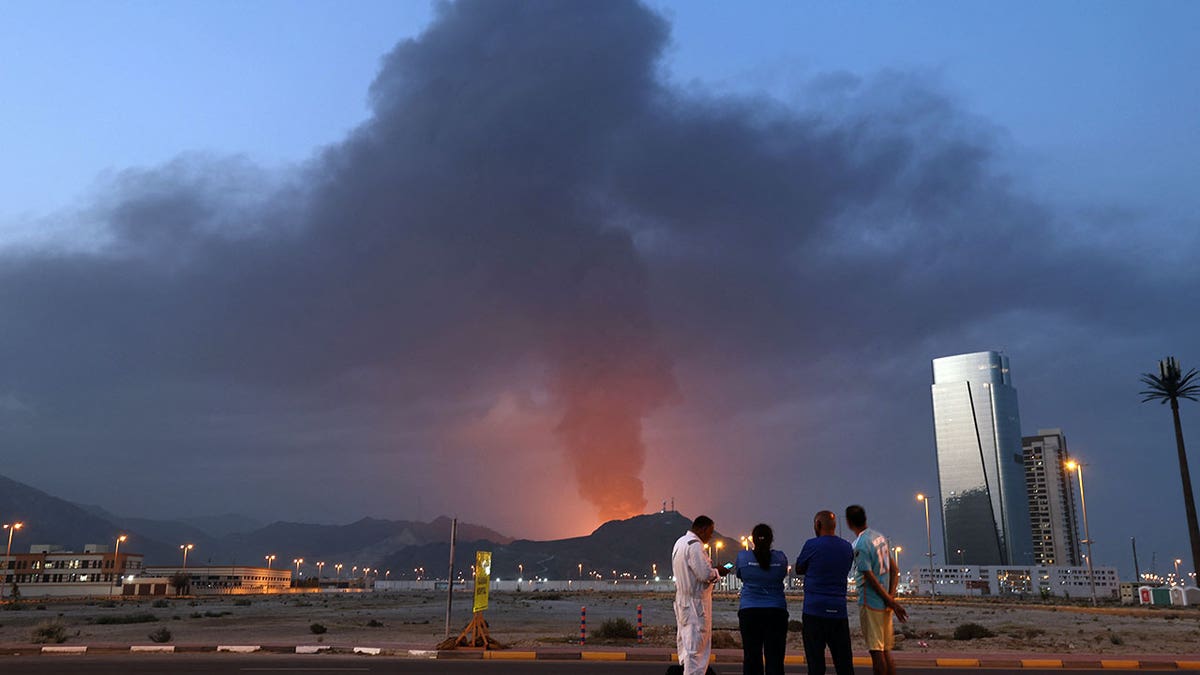
Foreign workers look at a tall plume of black smoke ascends following an explosion in the Fujairah industrial zone on March 3, 2026. Iran’s strikes on Gulf neighbors since February 28, following the U.S.-Israeli attack, forced the UAE to shut its airspace, blindsiding travelers who thought they were headed to one of the region’s safest holiday destinations. (Fadel Senna / AFP via Getty Images)
Pakistan and Qatar have played formal roles in the diplomatic process.
A June 22 joint statement from the two countries said they were mediating talks between the United States and Iran under the Islamabad Memorandum of Understanding. The framework established working groups on nuclear issues, sanctions, monitoring and dispute resolution, as well as a mechanism intended to prevent incidents involving commercial vessels in the Strait of Hormuz.
Pakistan declined to comment on Keane’s criticism. The Saudi and Qatari embassies in Washington did not respond by the time of publication.
Raza Rumi, editor-at-large of Pakistan’s The Friday Times, disputed Keane’s characterization, arguing that Islamabad’s working relationship with Tehran does not make it a compromised mediator.
IS THIS TRUMP’S LAST ‘LAST CHANCE’? CEASELESS STRING OF BROKEN CEASEFIRES FUELS DOUBT OVER IRAN DEAL
«Successful mediators are often those that enjoy channels of communication with all sides,» Rumi told Fox News Digital, saying Pakistan’s approach is shaped more by geography, security and economic concerns than ideological alignment with Iran.
He noted that Pakistan shares a long border with Iran and wants to prevent further instability, while also maintaining longstanding ties with the United States and close partnerships with Saudi Arabia and the United Arab Emirates. Rumi also pointed to the exchange of strikes between Pakistan and Iran in January 2024 as evidence that relations between the neighbors are not uniformly close.
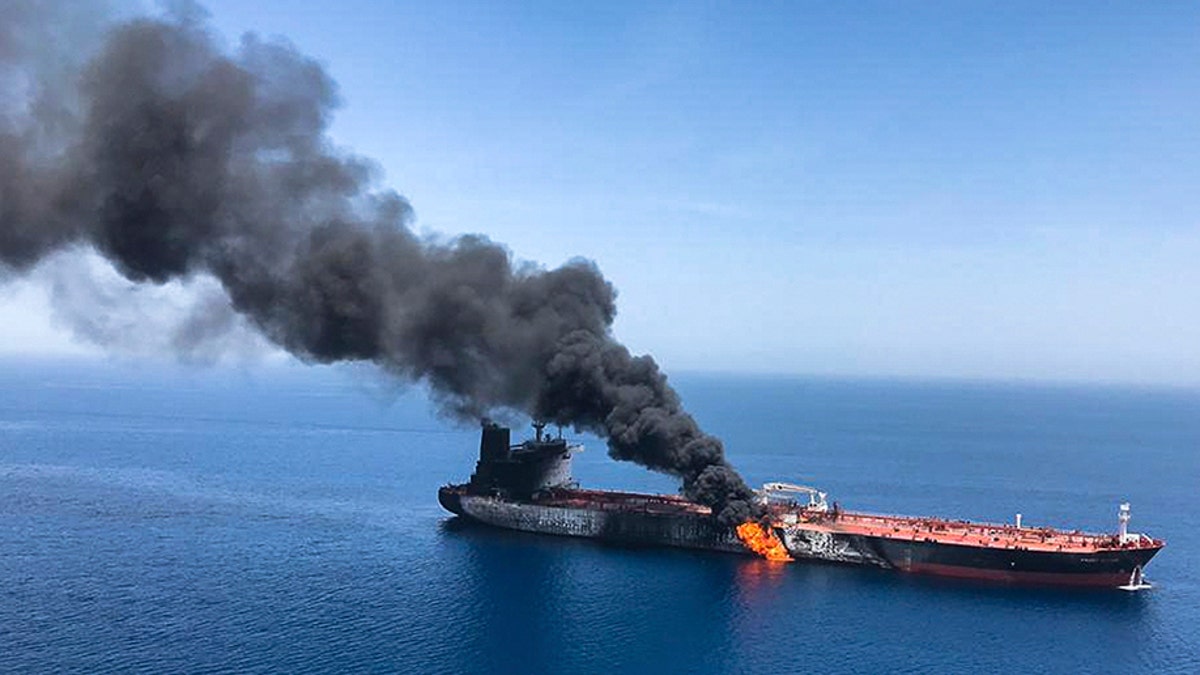
An oil tanker is on fire in the sea of Oman, Thursday, June 13, 2019. Two oil tankers near the strategic Strait of Hormuz were reportedly attacked on Thursday, an assault that left one ablaze and adrift as sailors were evacuated from both vessels and the U.S. Navy rushed to assist amid heightened tensions between Washington and Tehran. (AP Photo/ISNA)
«The suggestion that Pakistan somehow caused Washington to misunderstand Tehran’s intentions is difficult to substantiate,» Rumi said. «It would be a considerable stretch to attribute any American misreading of Iran’s intentions to Pakistani mediation.»
Keane directed even sharper criticism at Saudi Arabia, saying that Riyadh denied the United States access to Saudi airspace and a U.S. air base during preparations for a possible operation to forcibly reopen the Strait of Hormuz. He also claimed Saudi officials had repeatedly persuaded Trump not to resume major military operations against Iran.
«The fact of the matter is, the Saudis are not willing to sacrifice to rid the Middle East region of Iran’s aggression,» Keane said, describing the potential costs as casualties and damage to Saudi oil infrastructure.
«They’re willing for us to make that sacrifice, for sure,» he added. «They’re willing for Israel to make that sacrifice, for sure.»
His remarks highlighted a broader debate over whether Saudi caution represents an unwillingness to confront Tehran or a strategic effort to prevent an open-ended regional war.
GULF COUNTRIES STRONGLY CONDEMN IRAN’S DRONE ATTACK ON BAHRAIN AS RISING TENSIONS THREATEN MOU
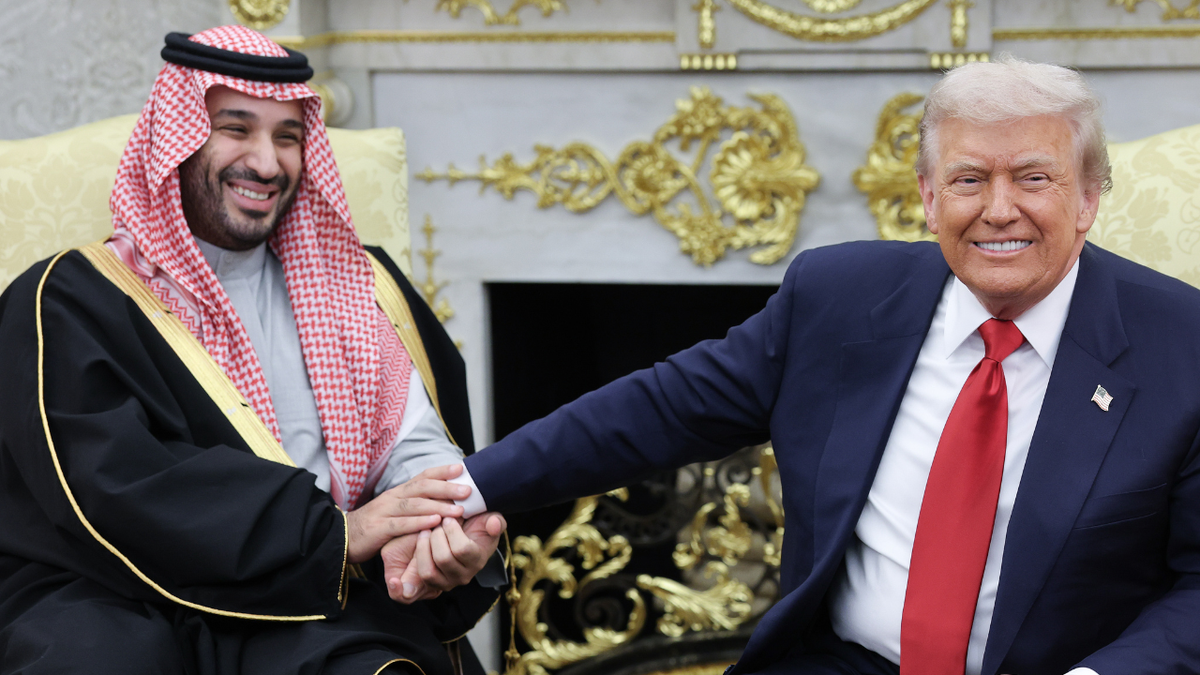
Salman Al-Ansari, a Saudi geopolitical analyst, rejected the suggestion that Riyadh is unwilling to confront Iran, saying the Kingdom distinguishes between credible deterrence and military action without clear objectives. (Win McNamee/Getty Images)
Salman Al-Ansari, a Saudi geopolitical analyst, rejected the suggestion that Riyadh is unwilling to confront Iran, saying the Kingdom distinguishes between credible deterrence and military action without clear objectives.
«Saudi Arabia supports confronting Iranian aggression, but not an open-ended regional war without clear objectives or an endgame,» Al-Ansari told Fox News Digital.
«Riyadh favors diplomacy backed by credible deterrence, but any agreement must be enforceable and verifiable, addressing Iran’s nuclear program, its proxies, and freedom of navigation in the Strait of Hormuz,» he added.
A Gulf affairs analyst who requested anonymity because of the sensitivity of the issue offered a different assessment, saying Saudi leaders fear that a wider confrontation would expose the Kingdom’s critical infrastructure to Iranian retaliation.
«Saudi Arabia believes it should appease Iran because it is deeply concerned about the consequences of a broader confrontation,» the analyst said. «Riyadh fears the damage Iran could inflict on the Kingdom’s infrastructure and has therefore favored restraint and negotiations over a decisive military campaign.»
The analyst described a widening divide among Gulf states, arguing that Saudi Arabia and Qatar favor accommodation while the United Arab Emirates, Bahrain and Kuwait support stronger pressure on Iran.
Richard Goldberg, a senior adviser at the Foundation for Defense of Democracies think tank and former National Security Council official, said during a separate Fox News appearance Wednesday, that Washington continues to depend on Saudi infrastructure even as disagreements persist over military strategy.
«When we talk about the Gulf states, we talk about Saudi Arabia and General Keane’s comments, remember, we also are relying on Saudi Arabia with their overland pipelines to keep us in the game here,» Goldberg said. «The fact that they’re at maximum capacity moving through the Red Sea also allows us to continue the strangulation strategy.»
TRUMP WARNS IRAN FIGHTING ISN’T OVER AS HE VOWS US WILL ‘WIN’ AS TALKS FADE
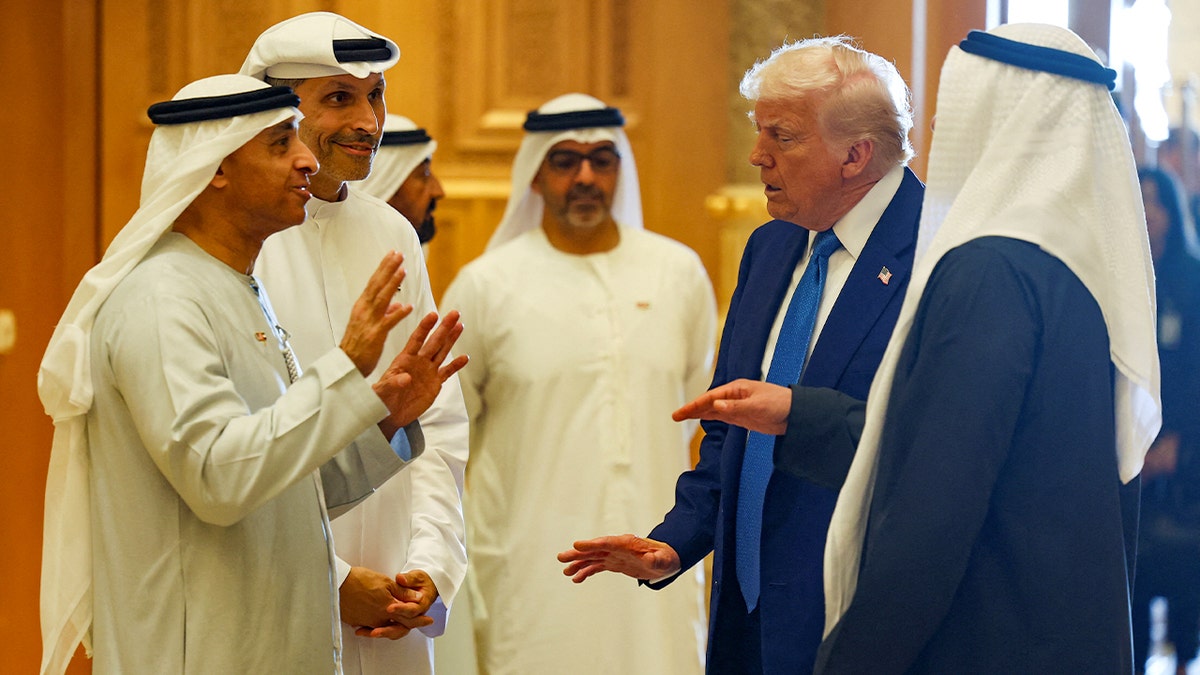
President Donald Trump attends a business forum at Qasr Al Watan during the final stop of his Gulf visit, in Abu Dhabi, United Arab Emirates, May 16, 2025. (Amr Alfiky/Reuters )
The debate comes as the United States and Iran continue negotiations over the Strait of Hormuz.
Oman, Pakistan, Qatar and Saudi Arabia all have been involved in the diplomatic effort, while reports Wednesday indicated that mediators were working on an interim arrangement that could establish separate shipping routes through Iranian and Omani waters as broader nuclear negotiations continue.
The central question is whether those negotiations can produce an enforceable agreement or merely allow Tehran to preserve its leverage over the waterway.
Keane said he remained doubtful that Iran was prepared to surrender meaningful control.
«They are not going to give up the Strait of Hormuz,» he said. «They think it’s a strategic asset.»
He predicted Iran would seek to retain some degree of control over the waterway and warned that reaching an agreement on Iran’s nuclear program would be even more difficult.
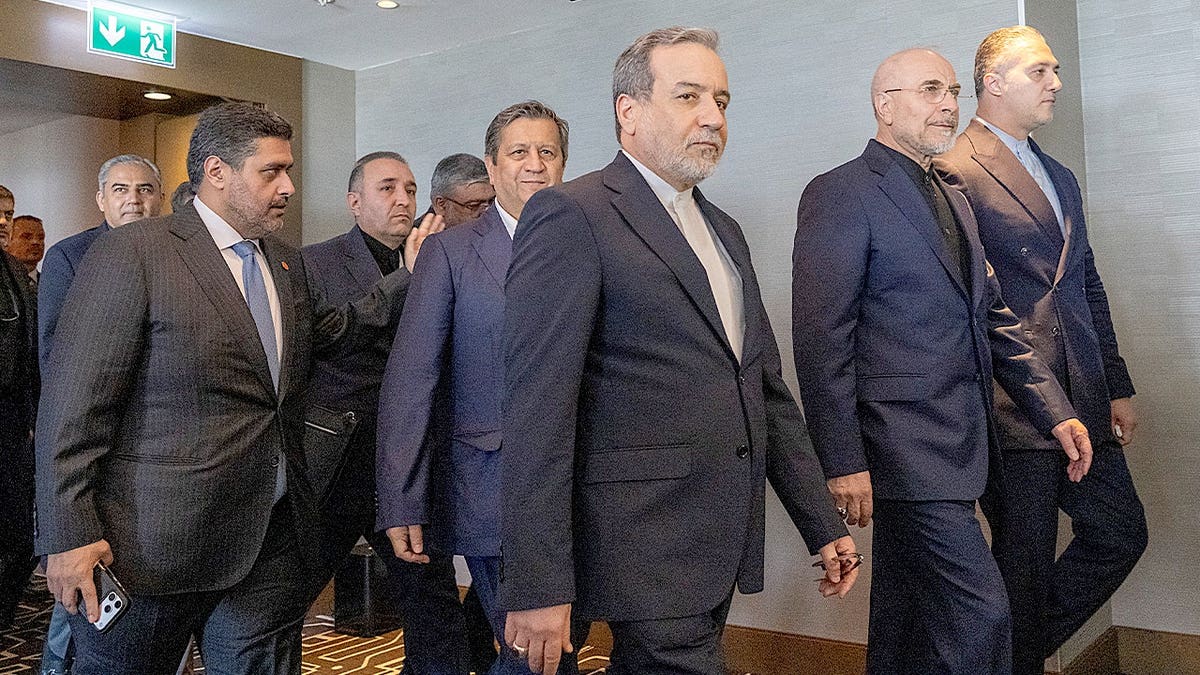
Iran sent an unprecedented «whole-regime» team to the U.S. deal talks which signals one priority, a counterterrorism expert said. (URS FLUEELER/Pool via REUTERS)
«My gut feeling here is no,» Keane said when asked whether Iran was prepared to reach and implement a substantive agreement. «The president is not going to make a bad deal here.»
war with iran, pakistan, saudi arabia, middle east, national security, iran
INTERNACIONAL
Brasil: los diplomáticos ven anómala y grave la revocación de la visa a la embajadora de Lula en Washington
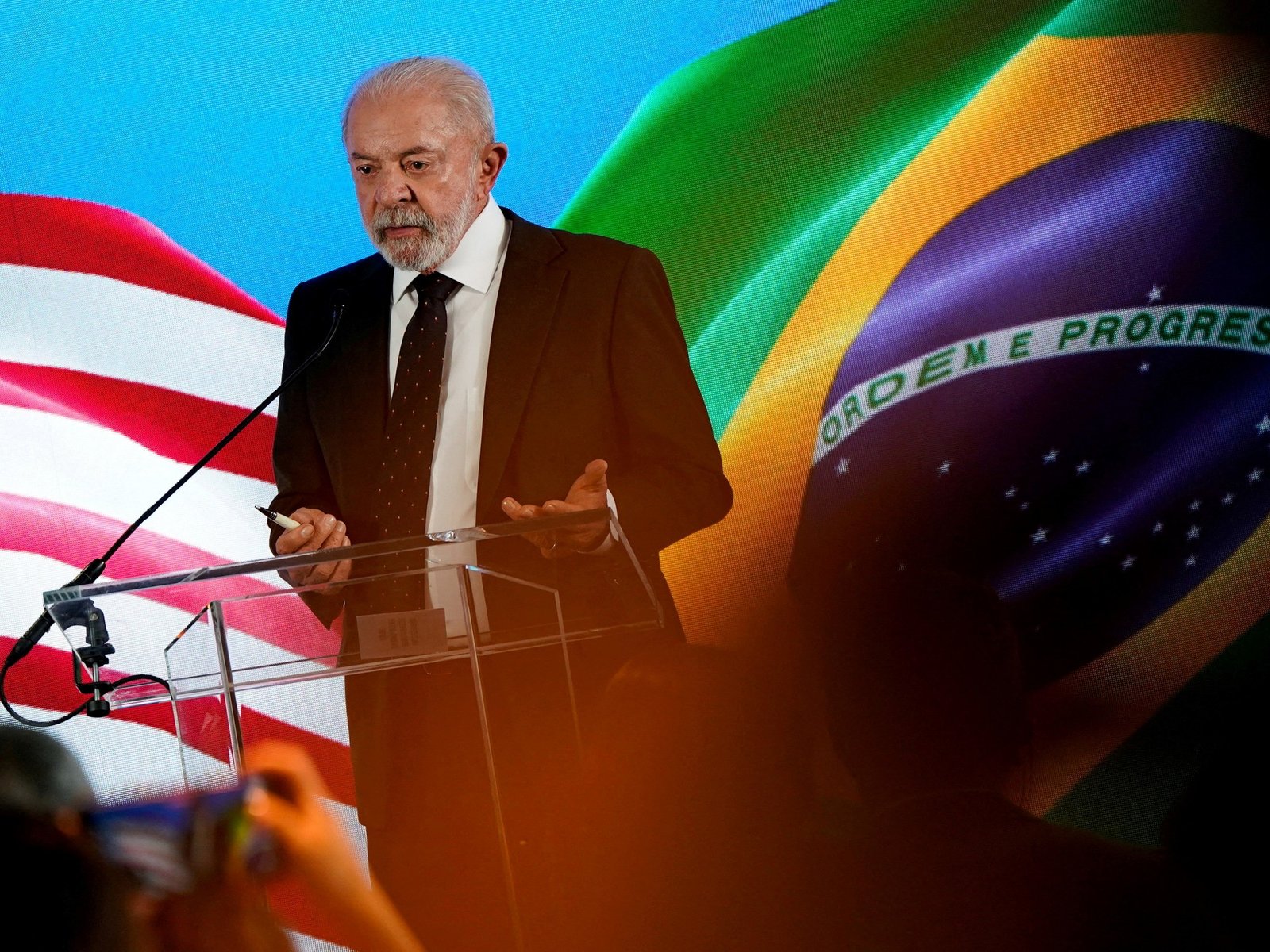
La decisión del gobierno de Donald Trump de revocar la visa de la embajadora brasileña en Washington, Maria Luiza Viotti, es considerada extremadamente grave, desproporcionada y sin precedentes por diplomáticos estadounidenses y brasileños.
La razón aducida por Washington para revocar el visado de Viotti fue la demora en la concesión del acuerdo al futuro embajador de EE.UU. en Brasilia, el cubano nortamericano Daniel Pérez.
Una investigación del sólido diario Folha de Sao Paulo, señala varios aspectos que los especialistas consideran anómalos en la decisión: Estados Unidos tarda aún más en analizar las solicitudes de aprobación (jerga para otorgar la autorización) para embajadores extranjeros, la demora en otorgarla tradicionalmente no genera represalias directas y, en la práctica diplomática, el nombre de un nominado no se anuncia públicamente antes de que el país anfitrión lo acepte.
«Este episodio en particular (la revocación de la visa) se centra en el hecho de que tenemos un candidato a embajador altamente calificado; el gobierno brasileño nos debe una respuesta rápida y positiva a la solicitud de acuerdo», dijo un alto funcionario estadounidense a los periodistas.
Pero, según diplomáticos estadounidenses, Estados Unidos tarda al menos dos o tres meses en revisar una solicitud y otorgar el acuerdo a los embajadores de otros países.
En el caso de Pérez, el nominado por Trump para embajador en Brasilia, han transcurrido poco más de dos meses desde su solicitud en junio. No existe constancia de que autoridades de otros países hayan revocado visas a embajadores estadounidenses debido a demoras en la concesión del agrément a sus representantes en Estados Unidos.
Además, las demoras o los indicios de que un país no aprobará a un embajador nominado no suelen dar lugar a represalias contra los diplomáticos. Esto solo ocurre cuando los embajadores son expulsados.
Existen dos ejemplos recientes. En agosto de 2015, el primer ministro israelí, Benjamin Netanyahu, solicitó al gobierno de Dilma Rousseff la aprobación para que Dani Dayan, quien había sido líder de colonos judíos, se convirtiera en el nuevo embajador de Israel en Brasil. Sin embargo, el gobierno del Partido de los Trabajadores se opuso a la política de asentamientos del gobierno israelí en los territorios palestinos ocupados.
Tras meses de incertidumbre, el Ministerio de Asuntos Exteriores israelí convocó al embajador brasileño para exigir una respuesta oficial. Netanyahu criticó la demora.
Sin embargo, no hubo represalias, y mucho menos la revocación del visado del entonces embajador brasileño en Israel, Henrique Sardinha Pinto. Este dejó el cargo recién en septiembre de 2016, tras cuatro años en el puesto.
Israel retiró su solicitud de acuerdo para Dani Dayan y lo propuso para otro cargo. Como señal de protesta y de deterioro de las relaciones diplomáticas, Israel dejó vacante el puesto de embajador en Brasil durante varios meses.
En 2021, casi seis meses después de proponer al exalcalde de Río de Janeiro, Marcelo Crivella, como embajador de Brasil en Sudáfrica, el gobierno de Jair Bolsonaro retiró la solicitud de nominación.
La nominación de Crivella —obispo con licencia de la Iglesia Universal del Reino de Dios— dependía de la aprobación de Sudáfrica, la cual no se produjo. La solicitud de agrément, una consulta formal en la que Brasilia solicitó a Pretoria autorización para nombrar a Crivella como embajador, fue ignorada por el gobierno de Cyril Ramaphosa.
El gobierno de Bolsonaro no tomó represalias contra Sudáfrica, y el entonces embajador del país, Vusumuzi Wellington Mavimbela, sigue en el cargo hasta el día de hoy.
Según diplomáticos estadounidenses y brasileños, al igual que en el caso de Netanyahu con Dani Dayan, Trump violó una de las reglas básicas de la diplomacia: no anunciar el nombre del nuevo embajador antes de que el país anfitrión acepte la nominación mediante la concesión del agrément.
Al anunciar a Pérez como el nuevo representante de Washington en Brasil sin consultar al gobierno brasileño y luego exigir una aprobación rápida del acuerdo, la administración Trump rompió el protocolo y demostró una falta de respeto.
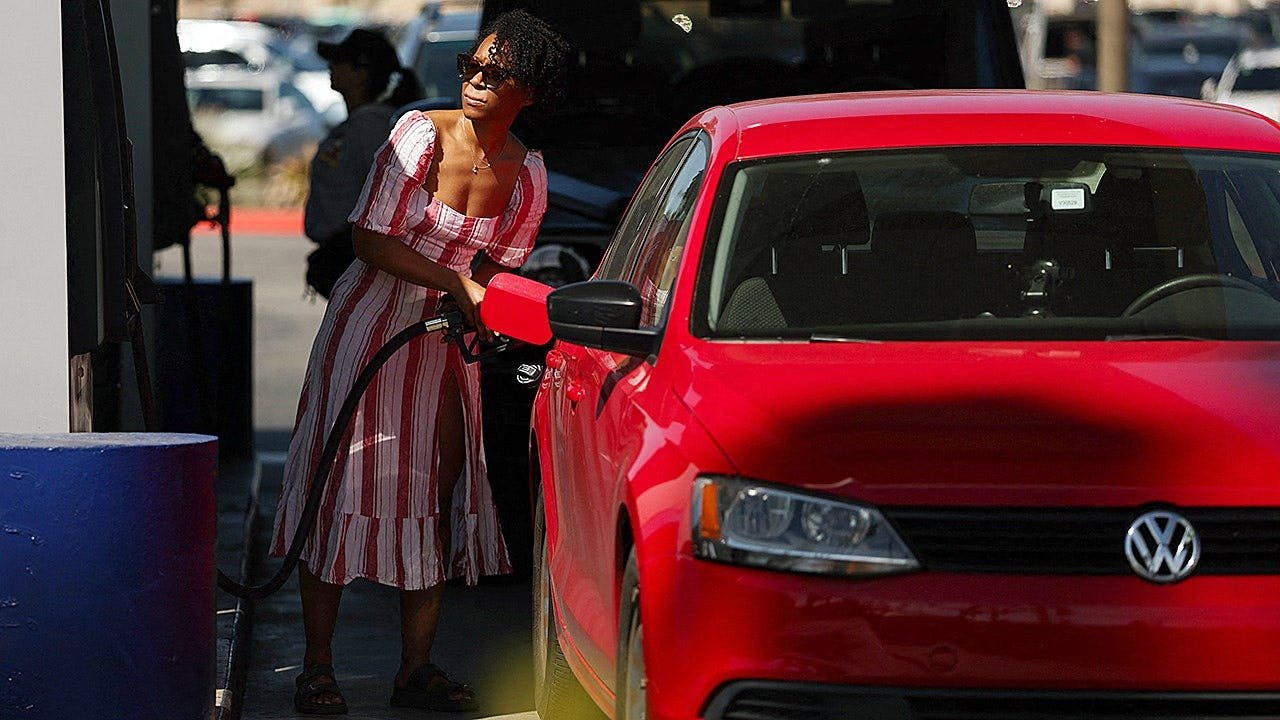
NEWYou can now listen to Fox News articles!
FIRST ON FOX: Senate Republicans are launching a multi-front effort targeting the legal framework they say allows California to exert outsized influence over vehicle and equipment emissions standards beyond its borders, creating economic and consumer consequences.
Republicans argue California has become the nation’s de facto emissions regulator — as manufacturers rarely create separate product lines for the Golden State and instead are inclined to build to California’s standards, creating implicit national requirements.
Sen. Cynthia Lummis, R-Wyo. — a top member of the Senate Environment and Public Works Committee (EPW) — is leading the effort alongside Sens. Eric Schmitt, R-Mo., Jon Husted, R-Ohio, and Pete Ricketts, R-Neb. They argue EPA waivers granted to California during the Obama and Biden administrations under the Clean Air Act have turned narrow environmental exceptions into de facto climate regulation advancing the state’s sweeping climate agenda.
«California’s climate zealots have run roughshod over the rest of the country for too long,» Lummis told Fox News Digital.
CALIFORNIA SUES TRUMP EPA OVER MOVE TO SUBJECT STATE VEHICLE EMISSIONS WAIVERS TO CONGRESSIONAL REVIEW
«Under Governor Newsom, Sacramento has decided it can dictate what Wyoming families drive and what equipment our small businesses use. That ends today.»
Last year, lawmakers successfully rescinded three Biden-era EPA waivers allowing California to create emissions standards for trucks, cars and buses that they said gave the state outsized regulatory control. Thursday’s package goes a step further by targeting earlier EPA decisions they say laid the legal foundation for those now-rescinded regulations.
Each resolution uses the Congressional Review Act (CRA) to nullify a different EPA waiver. The CRA gives Congress the power to check agencies’ executive power.
NEWSOM, WALZ URGE CONGRESS TO BLOCK ANTI-CLIMATE BILL IN THEIR ‘WOKE’ CRUSADE
Because the CRA bars agencies from issuing rules that are «substantially the same» without new authorization from Congress, Republicans argue overturning the waivers would prevent future administrations from simply reinstating them — which targets the legal foundation of such carveouts.
Collectively, the package targets California’s authority over gas-powered lawn equipment, passenger vehicle emissions standards, the Advanced Clean Cars program and the original 2009 EPA waiver allowing Sacramento to regulate greenhouse gas emissions from automobiles.
In the 1960s, the Clean Air Act gave California a narrow carve-out to seek EPA waivers for emissions rules that could be stricter than federal standards — but critics say the exemption, originally intended to address severe Los Angeles smog, has been weaponized to force manufacturing changes that reverberate across the country.
Andrew Bray, an executive with the National Association of Landscape Professionals, whose members rely on small off-road engines affected by the waivers, said he supports a responsible transition to lower-emission equipment — but underlined that it must come from «practical innovation» and not government mandates.
TRUMP’S REINDUSTRIALIZATION AGENDA FACES ITS BIGGEST HURDLE — AMERICANS
MCKITTRICK, CALIFORNIA – NOVEMBER 03: Pumpjacks operate in the Belridge oil field on November 03, 2021 near McKittrick, California. The Biden administration pledged to cut methane emissions from oil and gas production yesterday. In California, 35,000 oil and gas wells sit idle, many of which are unplugged and could leak methane gas. Scientists estimate that one-third of human-induced global warming is caused by methane. (Photo by Mario Tama/Getty Images) (Mario Tama)
«This resolution is a critical step in securing the flexibility businesses need while technology continuess to advance,» Bray said. Michael Lee of the Golf Course Superintendents Association of America added that the legislative process, not state-specific fiats with «nationwide consequences,» is the way to address the situation.
The four lawmakers leading the fight said in a release that California regulators have «abandoned any pretense of addressing local air quality and turned the waiver process into a backdoor for imposing a radical climate agenda on the entire country… without a single vote in Congress.»
Lummis’ resolution would rescind a 2025 waiver granted just before President Donald Trump took office that she said allowed California to phase out gas-powered small engines such as chainsaws and leaf blowers.
In doing so, manufacturers would no longer be inclined to transition to electric or zero-emission models.
TRUMP’S EPA CHIEF PUSHES BACK ON CLIMATE SKEPTICS BEING LABELED ‘SCIENCE DENIERS’
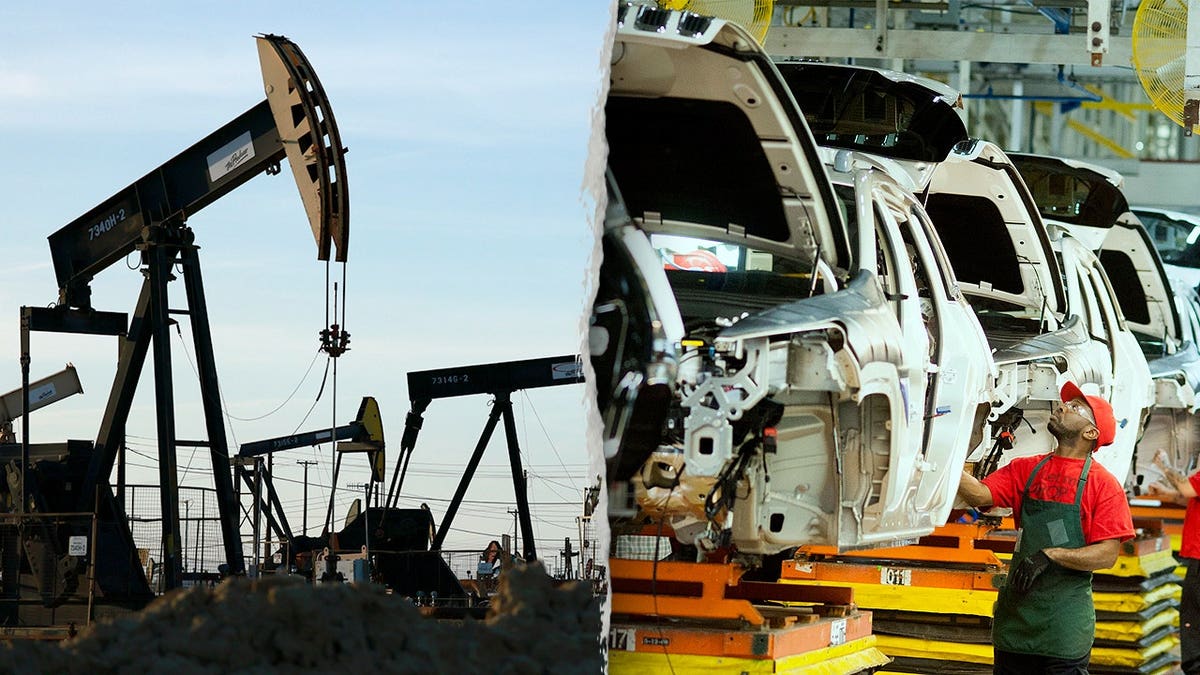
A California oil field in McKittrick, left; a Chrysler plant in the US, right. (Ty Wright/Getty Images; Getty Images)
Lummis’ resolution targets a 2025 EPA waiver that allowed California to move toward phasing out new gas-powered small engines such as chainsaws, leaf blowers and lawn mowers. Supporters say repealing the waiver would remove regulatory pressure encouraging manufacturers to transition those products toward zero-emission technology.
Husted’s resolution targets a 2022 EPA waiver that restored California’s authority to continue its Advanced Clean Cars program.
«Ohioans shouldn’t be forced to follow California’s lead when it comes to policies that make everyday life more expensive and less convenient,» he told Fox News Digital on Thursday.
Ricketts said the situation is proof that the Obama-Biden era of «overregulation and red tape» continues to cost Nebraskans and Americans writ large millions of dollars, citing his state’s massive agricultural industry as an example of regulatory reverberations from Sacramento.
EUROPE’S ‘GREEN IDEOLOGY’ CLIMATE AGENDA RISKS CRUSHING ITS INDUSTRY, ENVIRONMENT MINISTER WARNS
«They used California policies as a backdoor EV mandate and even tried to control how we cut our grass,» he said. His CRA resolution targets an Obama-era waiver originally authorizing the clean car program, while Schmitt seeks repeal of a waiver granted just months after President George W. Bush left office that allows California to enforce greenhouse gas emissions standards for new passenger vehicles beginning with the 2009 model year.
Schmitt said the waivers allow Sacramento to «continue to punish» manufacturers around the country and affect consumer choice and costs through their «climate alarmist rules.»
Together, Republicans say the four resolutions represent Congress’ broadest effort yet to unshackle states and manufacturers from California’s emissions framework by targeting not only individual regulations but the EPA decisions they argue made those regulations possible.
SIGN UP TO GET THE POLITICS NEWSLETTER
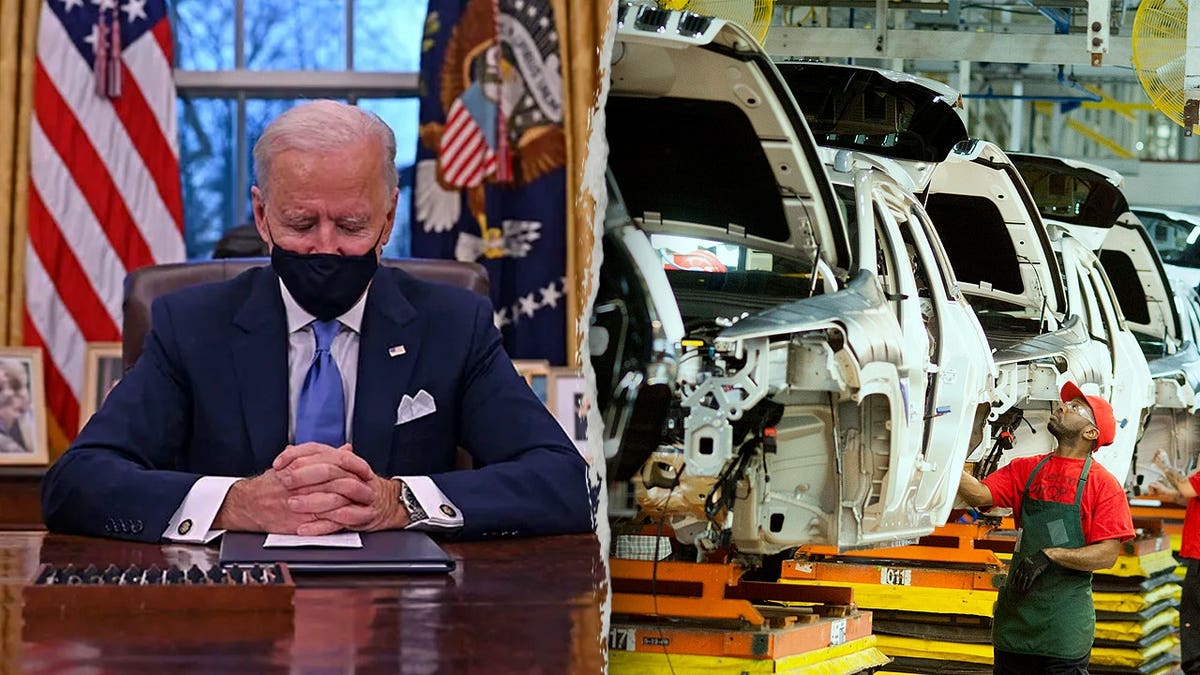
President Biden sits at the Resolute Desk, left; a Chrysler plant, right. (AFP/Getty Images; Getty Images)
Opponents are expected to counter that the effort would undermine California’s longstanding authority under the Clean Air Act to adopt stricter environmental standards.
Fox News Digital reached out to former Presidents Barack Obama and Joe Biden, as well as California Gov. Gavin Newsom, for comment.
controversies environment, gavin newsom, environment, republicans elections, joe biden, republicans, elections, donald trump, economy

La Libertad Avanza resignó el capítulo de tierras, pero salvó el resto del proyecto sobre la propiedad privada y confía en lograr la media sanción

La Joaqui lanzó una cumbia de desamor y sus fans apuntaron a Luck Ra: “Preferís la joda y yo prefería tus mimos”

Qué impacto podría tener el conflicto diplomático con Brasil en la industria automotriz argentina

Vuelve el Titán: Martín Palermo fue anunciado como nuevo entrenador de Platense

Gen Keane questions whether Pakistan, Saudi Arabia and Qatar can be trusted in Iran talks

La Liga de Intendentes gana adhesiones y reclama frenar la interna entre Kicillof y CFK para evitar una ruptura

Javier Milei cruzó a Victoria Villarruel y elevó la tensión: “Es una opositora, replica los argumentos kirchneristas”

Reelecciones indefinidas: el oficialismo bonaerense niega que busque ampliar la Legislatura como parte de una reforma política para beneficiar a los intendentes

¡Chau Luck Ra! La salida de soltera de La Joaqui, muy bien acompañada, a días de su separación

Un muerto y tres heridos al chocar un colectivo de turismo y un auto en Mendoza
-
 POLITICA3 días ago
Javier Milei cruzó a Victoria Villarruel y elevó la tensión: “Es una opositora, replica los argumentos kirchneristas”
-

 ECONOMIA22 horas ago
Dólar hoy en vivo: a cuánto se negocian todas las cotizaciones minuto a minuto este miércoles 5 de agosto
-
 INTERNACIONAL3 días ago
Top Trump ally warns super PAC bankrolled by Dem billionaire is meddling in his GOP primary