INTERNACIONAL
Trump llega a una China que siguió adelante


NEWYou can now listen to Fox News articles!
City Hall repeatedly touted New York City Mayor Zohran Mamdani’s 19-member judiciary advisory panel as a «truly representative cross-section» of New York City’s legal profession — but four Jewish bar associations say not one Jewish member was appointed.
The groups, backed by the Anti-Defamation League (ADL), are demanding Mamdani correct what they called a profound omission from the influential committee, which screens and recommends candidates for judgeships across the five boroughs and across various different courts, including Criminal Court, Family Court and, on an interim basis, Civil Court.
City Hall touted Mamdani’s 19-member judiciary advisory panel as a «truly representative cross-section» when it was announced July 22. Meanwhile, Mamdani’s own Jan. 2 executive order establishing the committee stated that its membership «shall reflect the cosmopolitan population of the City of New York.»
«The members announced today offer a truly representative cross-section of the legal profession in New York City, bringing a wide range of professional experience from all five boroughs to the Mayor’s Advisory Committee on the Judiciary,» said Ramzi Kassem, Chief Counsel to the Mayor and City Hall, who supervises the activities of the Committee.
BLUE STATE MOCKED AFTER ‘SEX AND THE CITY’ ACTRESS TAPPED TO RECOMMEND TOP JUDGES
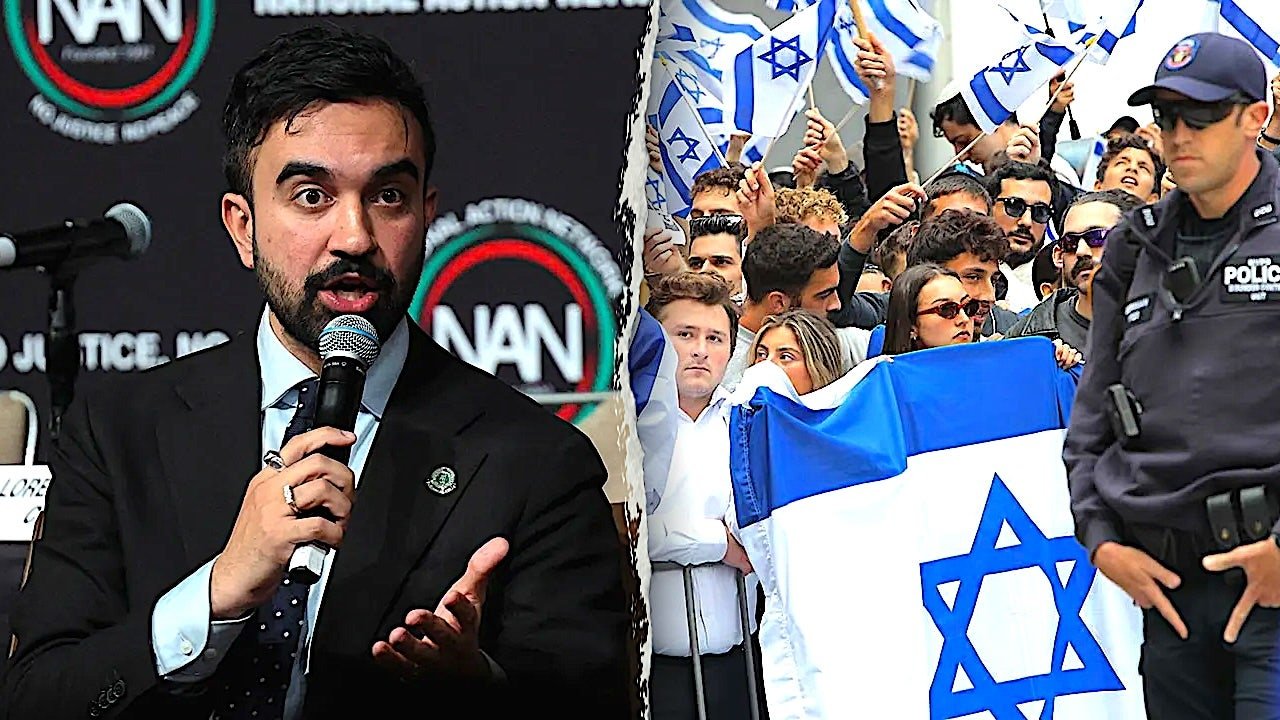
Left: Then New York City mayoral candidate, now mayor, Zohran Mamdani speaks during the National Action Network National Convention in New York City, U.S., April 3, 2025. Right: Demonstrators attend an «emergency rally for Gaza» outside of the Israeli Consulate in New York City, New York on Monday, Oct. 9, 2023. Supporters of both Palestine and Israel clashed at the event as Israel remains at war with Hamas. (Reuters/Jeenah Moon and Jennifer Mitchell for Fox News Digital)
«Under Mayor Mamdani’s leadership, [Mayor’s Advisory Committee on the Judiciary] will reach across the legal community to build a broad and highly qualified pool of judicial applicants,» Kassem continued. «An independent and impartial judiciary composed of jurists who have served their fellow New Yorkers in a range of legal circumstances is essential to a healthy democracy, and these appointments reflect our administration’s commitment to a fair, inclusive and transparent judicial selection process.»
But the Brandeis Association, Jewish Lawyers Guild, Brooklyn Brandeis Society and Queens Brandeis Association — along with other critics — say the absence of even one Jewish member from the 19-person panel exposes a glaring contradiction between City Hall’s rhetoric and its appointments.
«At a time when antisemitism is rising and Jewish communities are increasingly under threat, excluding Jewish voices from this influential body is not only disheartening, it is dangerous,» the groups wrote in a joint letter they sent to Mamdani on Monday. «The absence of Jewish representation on a committee entrusted with shaping the future of our judiciary sends a deeply troubling message to the Jewish community and undermines the committee’s credibility and ability to serve all New Yorkers fairly.»
NY ASSEMBLYMAN CALLS FOR DOJ TO INVESTIGATE MAMDANI, PROTECT JEWISH NEW YORKERS AFTER STABBING ATTACKS
In addition to Mamdani, the four groups sent the letter to New York Gov. Kathy Hochul, New York Attorney General Letitia James and New York Chief Judge Rowan Wilson, along with other state, city and judicial officials.
The letter’s warning, which included calls to «correct this exclusion,» came amid renewed fears over Jewish safety in the city.
On Tuesday, a hammer-carrying intruder entered the grounds of the Jewish Institute of Queens and shoved an 8-year-old boy into a fence during a struggle with security, leaving the child with a head injury, authorities said. Police did not believe the boy was the intended target, and investigators have not established a motive.
The frightening episode followed last week’s alleged hate-crime attack on an Orthodox Jewish man who was stabbed in the chest with a screwdriver shortly after leaving an Upper West Side synagogue. Prosecutors say the suspect shouted «Justice for Islam» and «Allahu Akbar» before committing the attack.
SUSPECT ARRESTED AFTER ALLEGEDLY YELLING ‘ALLAHU AKBAR,’ STABBING 2 MEN IN NYC ATTACK

Two men were stabbed in unprovoked attacks near Central Park by a suspect who allegedly shouted «Allahu Akbar,» police said. Investigators are examining possible hate and mental health motives. (WNYW)
The mayor’s office, the Mayor’s Advisory Committee on the Judiciary and committee Chairman Ali Najmi did not respond to Fox News Digital’s request for comment by publication time. However, Mamdani press secretary Joe Calvello told NBC New York that any suggestion the appointments to the Mayor’s Advisory Committee on the Judiciary were motivated by religion was «false.»
Calvello said Mamdani had appointed «a dozen qualified judges from a range of backgrounds, including Jewish judges,» and said the administration declined to appoint retired Justice John Leventhal, who is Jewish, after learning he had served on Ghislaine Maxwell’s legal team.
«Make no mistake, the leader of the Democrat Party, Mayor Mamdani, is working to bulldoze the rest of New York government to fit his ideology,» Mark Bednar, a principal at Monument Advocacy who previously led communications for former House Speaker Kevin McCarthy and served as communications director for then-Rep. Sean Duffy, told Fox News Digital. «Americans of all backgrounds should take notice of the threat his ideology poses, and to sound the alarm about anyone he appoints to important positions.»
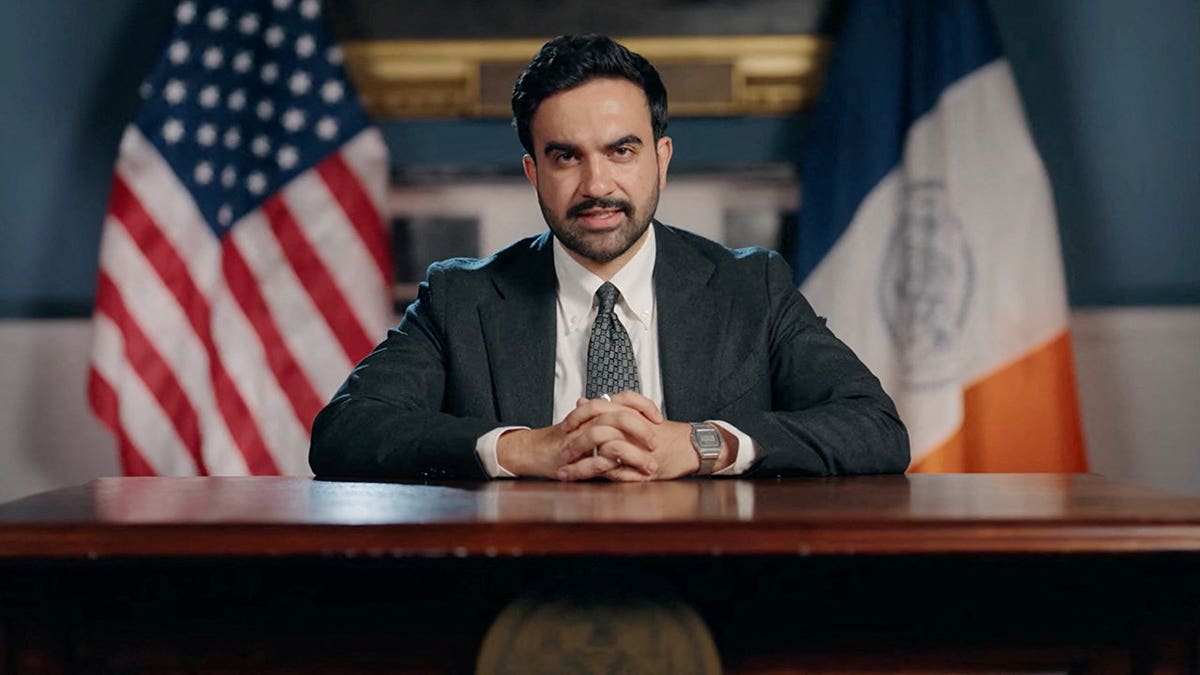
New York City Mayor Zohran Mamdani speaks about Israeli Prime Minister Benjamin Netanyahu in a still image taken from handout video released on July 21, 2026. (Reuters)
CLICK HERE TO DOWNLOAD THE FOX NEWS APP
Jewish civil rights attorney Gerard Filitti argued that the absence of Jewish members was particularly glaring in a city with the largest Jewish population in the country. He also pointed out the committee’s influence over the courts that hear hate-crime cases.
«His own chief counsel called the slate a truly representative cross-section of the city’s legal profession, in the city with the largest Jewish population in America, on the panel that will pick the judges who hear hate-crime cases,» Filitti wrote on X. «City Hall did not deny the exclusion. It changed the subject to judges Mamdani appointed elsewhere. Jewish New Yorkers are owed the same representation as everyone else, and this mayor just seated a panel that gives them none.»
zohran mamdani, new york city, judaism, politics, judiciary
INTERNACIONAL
Francia ordenó la evacuación de otras 4.000 personas por los incendios forestales en medio de una nueva ola de calor
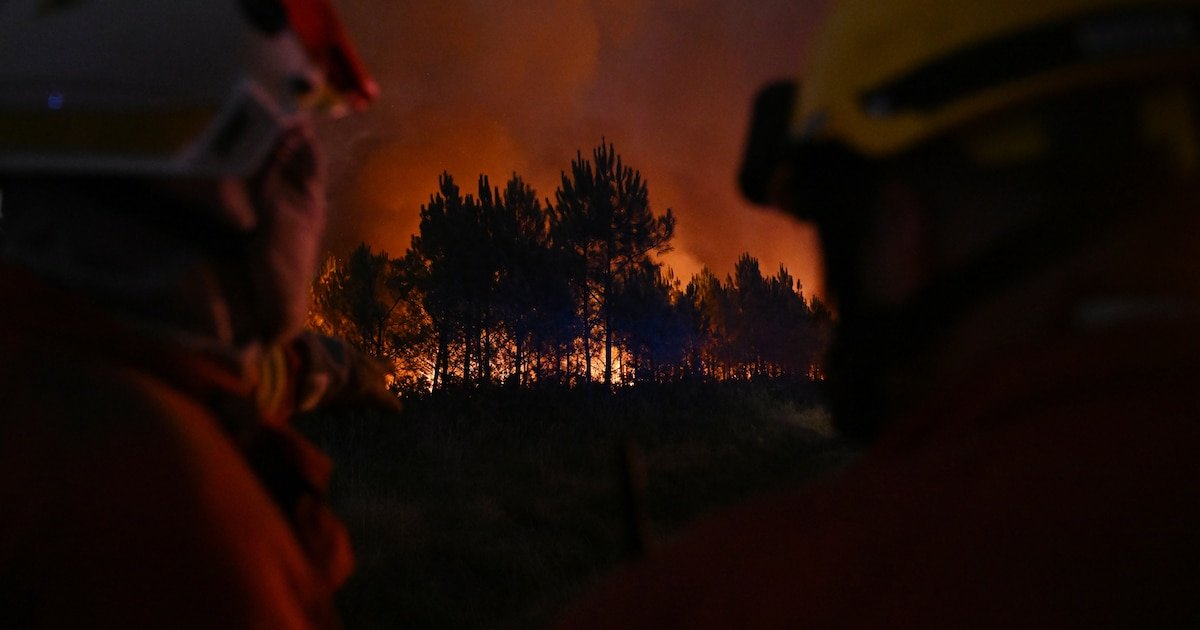
Las autoridades francesas ordenaron este martes la evacuación de 4.000 personas adicionales en sitios turísticos de la costa atlántica, en el marco de lo que podría convertirse en la mayor evacuación en Francia. El avance del incendio forestal al oeste de Burdeos mantiene bajo amenaza los esfuerzos de los bomberos, que ven complicado el control de la situación debido al regreso de altas temperaturas que marcan un promedio de 30°C de máxima durante esta semana.
El fuego se reactivó cerca de Grand Crohot, una concurrida playa de la península de Lège-Cap-Ferret, según informaron fuentes locales. Una flota de 23 aviones y helicópteros, en aumento respecto a los 18 desplegados inicialmente, trabajó arrojando agua y retardante de fuego para frenar la propagación de las llamas.
“La situación sigue siendo complicada. Eso está claro. Todavía no hemos superado la crisis”, advirtió la prefecta de Gironda, Sophie Brocas. La funcionaria detalló que unos 60.000 residentes evacuados preventivamente de Le Haillan y de zonas de Mérignac y Eysines, en las afueras de Burdeos, podrían regresar durante la jornada. Aunque no se registraron incendios en estas áreas, se recomendó a la población mantener sus teléfonos encendidos y mochilas de emergencia listas.
Mientras miles de personas debieron abandonar los puntos turísticos costeros, quienes regresaban a sus hogares recibieron advertencias para permanecer en estado de alerta ante la fragilidad del control sobre el incendio.

En Francia y España, alrededor de 330.000 personas debieron dejar sus hogares y lugares de vacaciones ante los grandes incendios forestales. España enfrenta su cuarta ola de calor del verano, con varios focos aún activos, incluido el mayor incendio registrado en su historia. Las autoridades comenzaron a levantar órdenes de evacuación y confinamiento domiciliario en algunos sectores tras avances los logrados por los bomberos durante la noche.
El incendio de la Gironda destruyó una superficie equivalente a cuatro veces el tamaño de París y forzó la evacuación de 220.000 personas. El ministro del Interior, Laurent Núñez, calificó la operación como “muy probablemente” la mayor evacuación civil efectuada en el país fuera de un contexto bélico.
La orden de evacuación preventiva abarca campings, complejos vacacionales, residencias turísticas y parques de ocio en los alrededores de la localidad de Lacanau, según comunicaron las autoridades regionales de Gironda. El portavoz de la federación francesa de bomberos, Eric Brocardi, indicó a la cadena BFMTV: «Nos encontramos en un punto crítico. Seguiremos combatiendo este incendio a pesar del aumento previsto de las temperaturas“.

Mientras las llamas alcanzaban viviendas y las autoridades pedían a los turistas mantenerse alejados, algunos visitantes expresaron su intención de no cancelar sus vacaciones pese al riesgo. Un grupo familiar comentó al diario galo Le Parisien que decidió continuar con su viaje, valorado en 4.000 euros (4.558 dólares), mientras que otro grupo evaluaba si abandonar unas vacaciones de 650 euros (741 dólares) por persona.
En el momento de mayor intensidad, el incendio de la Gironda provocó una gigantesca nube de tormenta negra, electrificada e iluminada desde el interior, fenómeno identificado como nube pirocúmulonimbo, el primero de su tipo registrado en Francia. Esta formación desencadenó relámpagos, vientos huracanados y la aparición de nuevos focos fuera del frente inicial.
El servicio meteorológico nacional activó una alerta amarilla por calor para la Gironda, con temperaturas previstas entre 33 y 35 °C (91 y 95 °F) en el interior, a partir del mediodía del martes.

El Ministerio del Interior informó que, en lo que va del año, los incendios han quemado más de 1.160 kilómetros cuadrados (448 millas cuadradas) en Francia.
Según el servicio climático Copernicus de la Unión Europea, el viejo continente es actualmente el que experimenta el calentamiento más rápido del planeta, con registros que duplican el promedio mundial. Europa Occidental marcó el junio más caluroso de su historia, y el calor extremo junto a la sequía han favorecido la propagación e intensidad de los incendios en Francia y España.
(Con información de Associated Press)
wildfires
INTERNACIONAL
French man discovers 5 dead babies hidden in boxes in his home after argument with wife: prosecutors

American mother describes being trapped with children in France wildfires
Rebecca Papin, an American mother, details the terrifying experience of being trapped with her two young children amidst raging wildfires in Southwest France, which have already forced over 220,000 people to evacuate. Papin recounts the fire’s sudden onset and her family’s struggle for basic resources.
NEWYou can now listen to Fox News articles!
A man in France discovered remains believed to belong to five newborns hidden inside cardboard boxes in his home after his partner gave birth at home and was taken to a hospital, according to prosecutors.
He became distressed after he found out about her pregnancy at a very late stage, despite her repeated denials, and began searching their home, prosecutors said. The couple already had two children, ages eight and nine.
The woman, 32, who was not identified, was allegedly arguing with her husband over what was in the boxes at their home in the town of Orange on Monday after she gave birth at home to a baby boy the day before.
She started complaining about abdominal pain during the argument on Monday. She was taken to a hospital and her husband stayed behind and discovered the dead babies hidden in the boxes.
NEWBORN VANISHED AFTER SECRET BIRTH, PARENTS ALLEGEDLY CLAIMED BABY ‘WAS A PRANK’: COPS
A man in France discovered five deceased babies inside cardboard boxes in his home after he and his wife had a fight. (Thibaud MORITZ / AFP)
The man, also 32, then notified authorities through the hospital where the woman was being treated for pain.
«The husband stayed behind when she was taken to the hospital, and looked inside the cardboard boxes they had been arguing over – that’s when he found the five dead babies,» an investigating source said, according to the US Sun. «All the [fetuses] were decomposing, and had been around for quite a while.»
Police searched the couple’s home, and prosecutors opened a criminal investigation into suspected murder on Monday.
HEATED LINDSAY CLANCY COURTROOM EXCHANGE OVER 911 CALL, CRIME SCENE PHOTOS SETS STAGE FOR MOM’S MURDER TRIAL
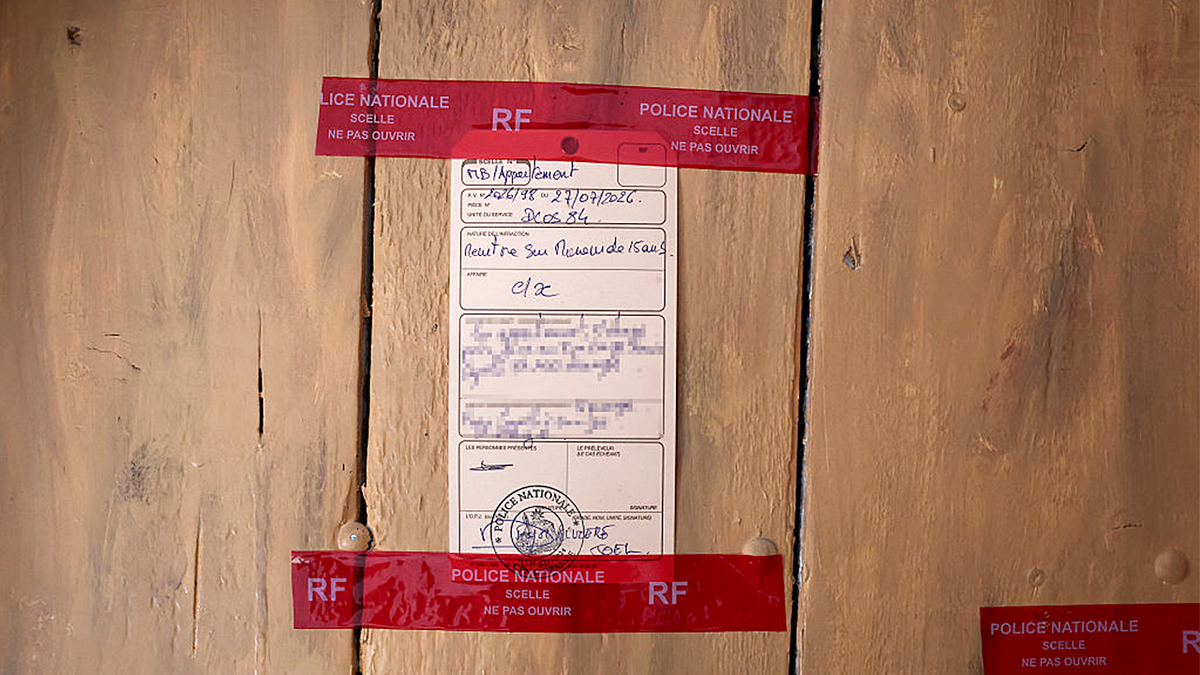
Prosecutors opened a criminal investigation into suspected murder on Monday. (Thibaud MORITZ / AFP)
A forensic pathologist estimated, based on initial findings, that the bones and decomposing remains belonged to five newborns.
Authorities said the remains included bones believed to belong to four newborns and the decomposing body of a fifth. Autopsies and further laboratory testing were ordered.
The man told police he was unaware of his wife’s possible pregnancies.
The public prosecutor’s office urged child welfare services to assess the health of the couple’s eight and nine-year old children. It also issued a provisional placement order for the newborn baby, pending referral of the case to a children’s court judge.
The mother, who was still in the hospital on Tuesday, has not yet spoken to investigators.
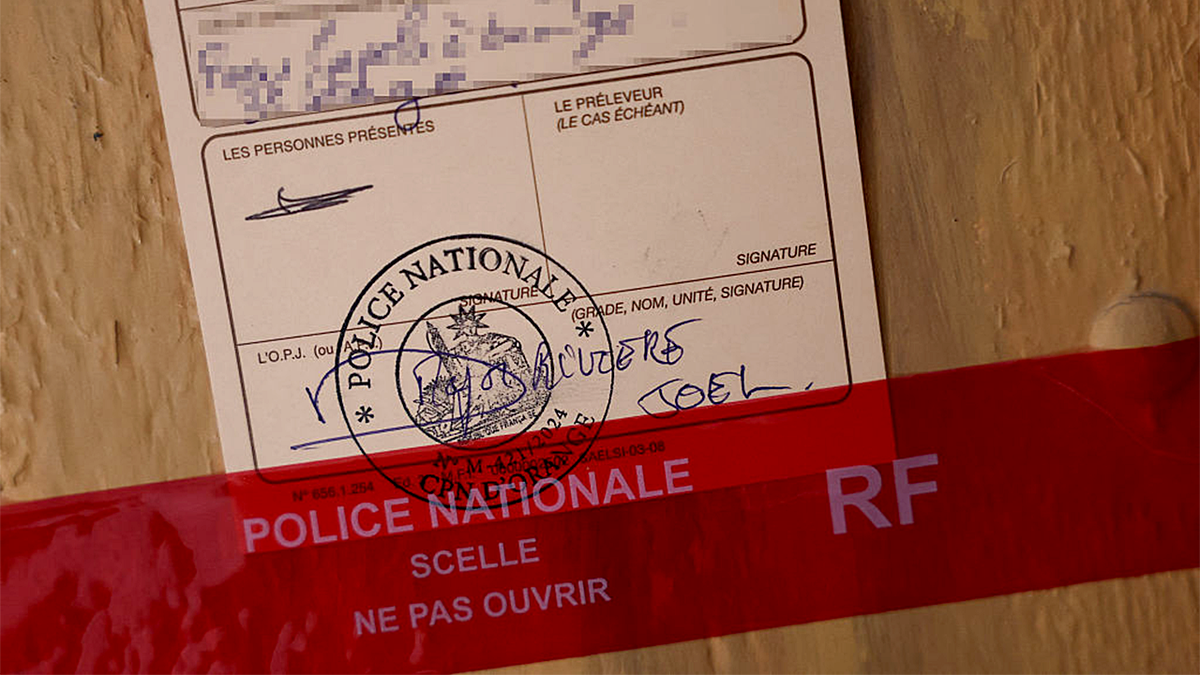
The man told police he was unaware of his wife’s possible pregnancies. (Thibaud MORITZ / AFP)
CLICK HERE TO DOWNLOAD THE FOX NEWS APP
A post-mortem examination has been ordered on the decomposing remains, and the bones will undergo anthropological analysis in a laboratory, according to prosecutors.
The couple had no history of problems and were described by a neighbor as «charming people,» according to French outlet AFP.
The neighbor, Florent Jean, told the outlet that the wife was a stay-at-home mother and the husband worked. Jean said the two were «normal people, really.»
Reuters contributed to this report.
france, world, family genres, pregnancy, police and law enforcement, crime world

El debate por las PASO empieza a condicionar al Gobierno en la previa de las negociaciones por las alianzas

No Jews on Mamdani’s ‘truly representative’ NYC judiciary panel, sparking backlash

El mercado de pases de la selección argentina rumbo al Mundial 2030

ANSES: quiénes cobran hoy, miércoles 29 de julio de 2026

El Gobierno demora la reforma electoral y negocia con los gobernadores qué hacer con las PASO

Santiago Mele fue presentado como el segundo refuerzo de Independiente en este mercado de pases

Crisis entre Milei y Lula: la trama política, personal y geopolítica detrás del mayor choque diplomático entre Argentina y Brasil

Cuentapropismo emocional en lo profundo del conurbano

San Isidro: la ballena que quedó varada en un banco de arena murió pese al operativo de rescate

Joaquín Furriel contó cómo fue ver la final del Mundial con su novia española: “Una situación incómoda”

 POLITICA2 días ago
Crisis entre Milei y Lula: la trama política, personal y geopolítica detrás del mayor choque diplomático entre Argentina y Brasil
- SOCIEDAD2 días ago
San Isidro: la ballena que quedó varada en un banco de arena murió pese al operativo de rescate
- POLITICA3 días ago
Milei cruzó al aire a De Mendiguren, exministro de Duhalde: “Vos, sí, ladrón”