INTERNACIONAL
Trump locks in ICE funding through end of presidency after House passes $70B package

NEWYou can now listen to Fox News articles!
Republicans’ sweeping immigration enforcement and border security package cleared the House on Tuesday, ending a months-long standoff with Democrats over funding President Donald Trump’s immigration crackdown agenda.
The $70 billion immigration enforcement measure passed 214-212 over the fierce objections of Democrats, who unanimously voted against the package. Rep. Kevin Kiley, I-Calif., an independent who caucuses with Republicans, also joined Democrats in opposing the measure.
Meanwhile, every GOP lawmaker present voted for the Senate-passed legislation, which funds Immigration and Customs Enforcement (ICE) and Customs and Border Protection (CBP) through fiscal year 2029.
Tuesday’s vote is a major victory for House Speaker Mike Johnson, R-La., who could spare just a handful of defections given Republicans’ fragile majority.
President Donald Trump during an executive order signing in the Oval Office of the White House in Washington, D.C., on June 3, 2026. (Shawn Thew/EPA/Bloomberg via Getty Images)
TRUMP ON VERGE OF SECURING $70B ICE FUNDING VICTORY AFTER HOUSE CLEARS HURDLE
The measure now heads to Trump’s desk, where he is expected to sign it into law.
The GOP-authored bill, known as the Secure America Act, provides $38 billion for ICE and a $26 billion infusion for the Border Patrol. It would also create a $5 billion funding pool to be controlled by Homeland Security Secretary Markwayne Mullin.
Kiley, who recently switched his party affiliation to independent, said he opposed the bill because it lacked reforms to immigration enforcement and bypassed the traditional appropriations process, which requires some buy-in from Democrats.
«The idea that we’re actually going to now weaken one of the few pillars of sanity we have, which is the annual bipartisan appropriations process, and set this precedent that when you don’t reach bipartisan agreement, you can just do an end run around it … that’s hugely problematic to me,» the California lawmaker told reporters.
«The whole reason I became an independent is because I think that extreme partisanship here has completely run amok, and it’s doing real damage to the country,» he added.
Republican leaders argued they were forced to use the partisan budget reconciliation process after Democrats repeatedly blocked Homeland Security funding bills. The legislative tool allowed GOP leadership to steer around Democrats’ opposition and pass the legislation at a simple majority threshold in the upper chamber.
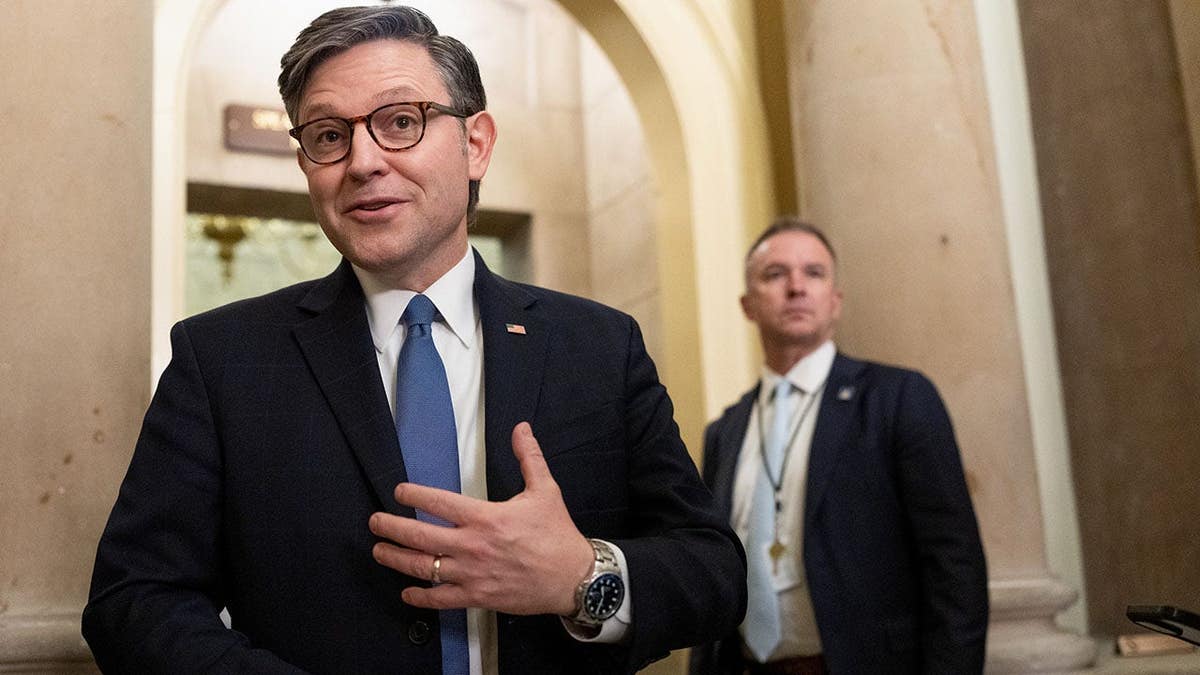
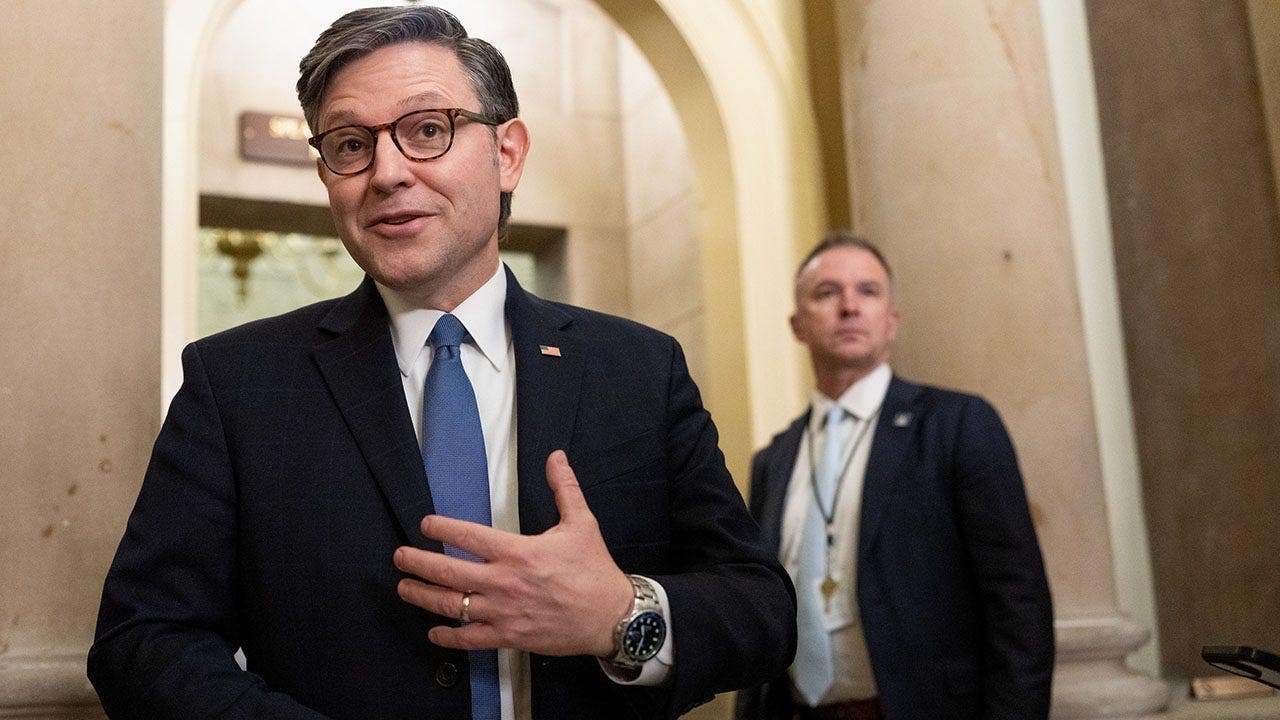
House Speaker Mike Johnson, a Republican from Louisiana, speaks to members of the media at the U.S. Capitol in Washington, D.C., on May 21, 2026. (Aaron Schwartz/Bloomberg)
DEMOCRAT WHO BROKE WITH PARTY SAYS HIS DHS FUNDING VOTE A ‘MISTAKE’ AFTER 2ND MINNEAPOLIS ICE SHOOTING
«This is a piece that Democrats have said they don’t want to fund because they want open borders,» House Majority Leader Steve Scalise, R-La., said Tuesday. «They have made it crystal clear, the Democrat Party in Washington, that they want to go back to open borders. And we’re not going to do that.»
For months, Democratic lawmakers refused to fund ICE and the Border Patrol unless it was paired with policy reforms. The party’s hardball tactics sparked the longest government shutdown in history, which largely ended after Trump signed a partial DHS bill in April.
Top Democrats initially took a hard turn against new ICE funding beginning in January after two Americans were killed by federal law enforcement officers during the Trump administration’s immigration enforcement surge in Minneapolis.
Their message stayed largely the same heading into Tuesday’s vote.
«Republicans are pouring your hard-earned tax dollars into an agency that has brutalized and terrorized communities and even killed American citizens,» House Democratic Caucus Chairman Pete Aguilar, D-Calif., said Tuesday. «Republican leadership likes to talk a lot about common sense, but where is the common sense in giving this federal agency essentially unlimited funds without a single reform in place?»
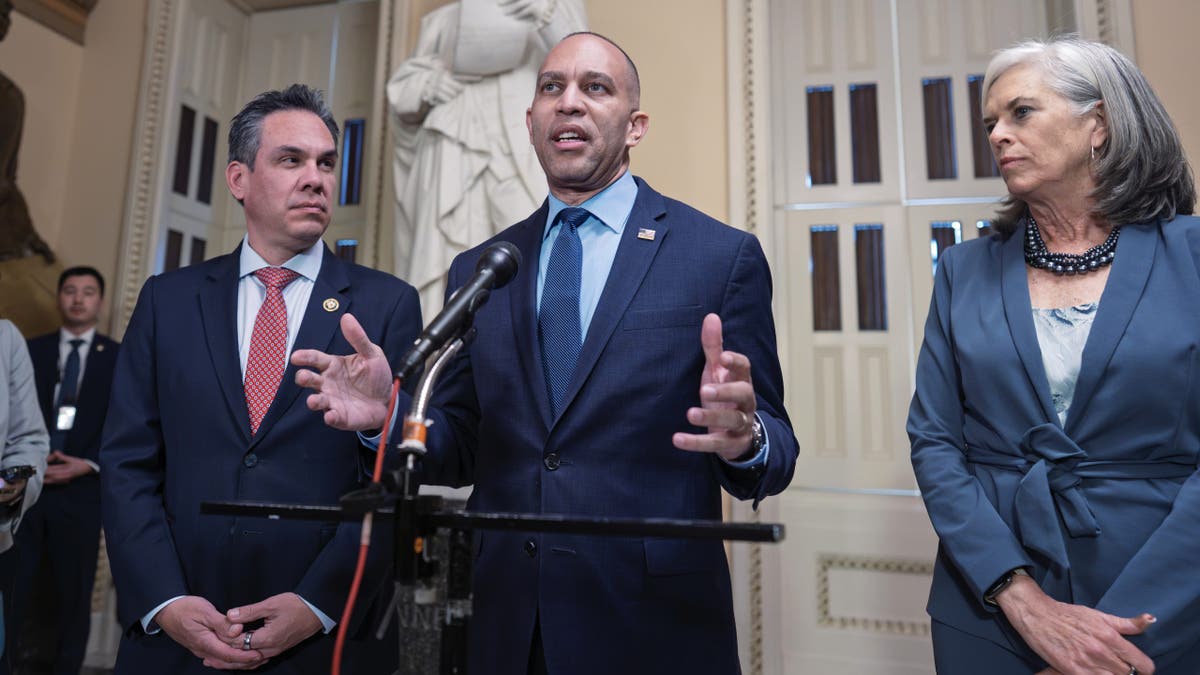
House Democratic leadership urged their members to vote against the package. (J. Scott Applewhite/AP)
CLICK HERE TO DOWNLOAD THE FOX NEWS APP
Though Republicans stayed largely united in the ICE funding fight, some conservative lawmakers argued the spending measure should be paired with policy reforms codifying some of the president’s executive orders.
Reps. Chip Roy, R-Texas, and Tim Burchett, R-Tenn., were among the GOP lawmakers who withheld their support for the package during a procedural test vote earlier on Tuesday. Johnson promised the conservative group a vote on border security legislation in the coming weeks, prompting holdouts to support the measure’s advancement, according to a source familiar with the discussions.
The budget reconciliation bill’s passage comes after congressional Republicans failed to meet a June 1 deadline set by Trump to send the measure to his desk.
The quick timeline fell apart after a cohort of Republicans in both chambers revolted against Trump’s roughly $2 billion «anti-weaponization fund.» Some GOP lawmakers, including moderate Rep. Brian Fitzpatrick, R-Pa., have since proposed legislation that would curtail the president’s authority to establish the fund.
politics, mike johnson, immigration, republicans elections, democrats, border security












INTERNACIONAL
Secret Service agent on JD Vance’s detail investigated for allegedly leaking operational security info

Secret Service TAKES DOWN armed man
A security breach near the White House ended with the Secret Service shooting a gunman who opened fire after being spotted on surveillance. The incident left a child wounded by the suspect’s gunfire.
NEWYou can now listen to Fox News articles!
A U.S. Secret Service (USSS) agent assigned to Vice President JD Vance’s security detail is being investigated over allegations of leaking sensitive information.
«A member of the Vice Presidential Protective Division is the subject of an administrative investigation, and potential criminal inquiry, involving allegations of compromising operational and information security,» Secret Service Chief of Communications Anthony Guglielmi said in a statement to Fox News.
The agency would not comment on the specifics of the case, Guglielmi said, but noted that «any conduct that potentially threatens the safety of a protectee will not be tolerated.»
TRUMP SAYS HE’S IRAN’S ‘NO. 1’ TARGET AS RENEWED CONFLICT RAISES ASSASSINATION FEARS
J.D. Vance and his wife, Usha, sit together at the Presidential Medal of Freedom. A U.S. Secret Service agent is being investigated for allegedly leaking sensitive information, the agency said. The move came amid reports that some agents have grown frustration with Vance’s last-minute trips. (Reuters)
The probe came a week after an MS Now report detailed alleged frustrations within Vance’s security detail over last-minute personal and family travel requests.
One day after the story was published, MS Now reported Vance’s office canceled a helicopter flight scheduled for his son’s golf lesson. The Trump administration said the proposed use of Marine Two — the call sign for the helicopter carrying the vice president — was for operational reasons.
«Compared to a motorcade, it drastically decreased the burden on local law enforcement and eliminated the inconvenience of road closures and disruptions to motorists along the long driving route,» the administration wrote in a statement to Fox News.
USHA VANCE MOCKS NEW YORK TIMES FOR DRAWING ‘POLITICAL SIGNIFICANCE’ FROM HER PREGNANCY FASHION
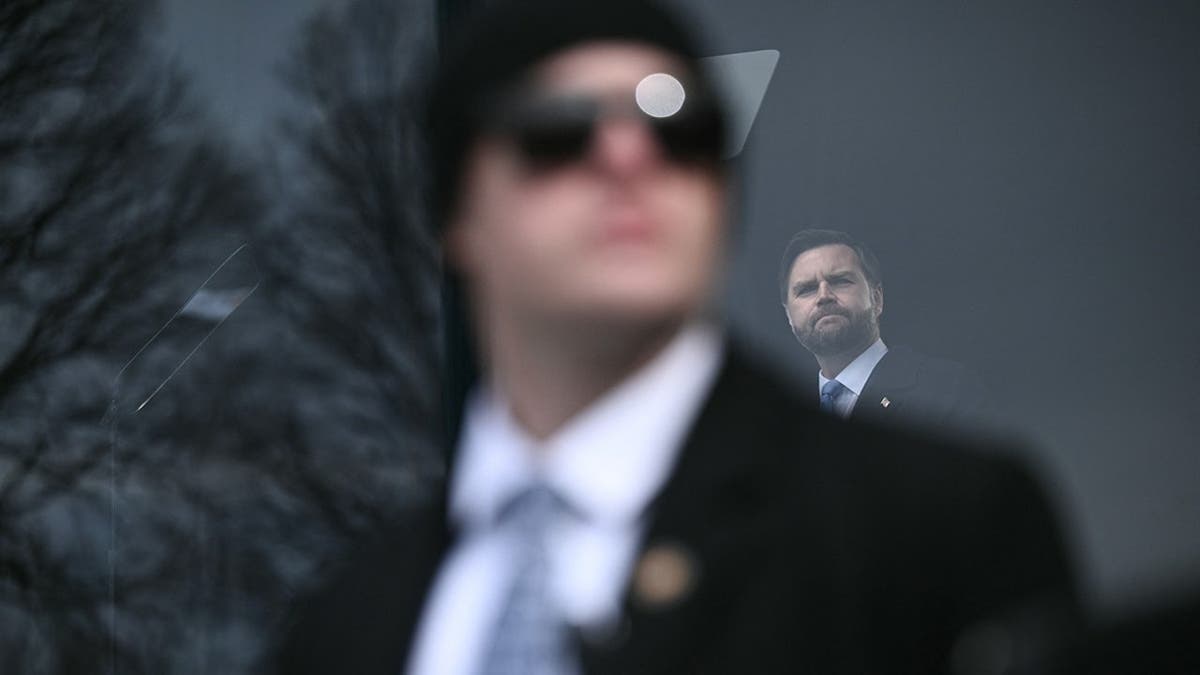
A Secret Service agent watches the crowd as Vice President JD Vance speaks behind bulletproof glass during the 53rd annual March for Life rally on the National Mall in Washington, D.C., on Jan. 23, 2026. The annual pro-life demonstration, themed «Life is a Gift,» marks the anniversary of the Roe v. Wade decision and includes a march toward Capitol Hill. (AFP via Getty Images)
The MS Now report noted that current and former Secret Service agents pointed out that prior vice presidents «eschewed using such expensive government perks for the convenience of their children’s schedule.»
Agents said the «off-the-record» (OTR) trips sometimes force them to cancel personal plans and require them to construct security plans in a hurry.
«The detail is tired of them not giving notice on things and making everything an OTR,» a person familiar with the detail’s frustration told the news outlet. «[Vance] thinks he can still move around like a U.S. senator.»
A Vance spokesperson told Fox News the family is grateful to the Secret Service.
IRAN-BACKED PROXIES SABOTAGING LEBANON PEACE AS JD VANCE LEADS US DELEGATION TO SWITZERLAND, HERZOG SAYS
«While protecting a vice president with a large policy portfolio and a young and growing family presents a unique challenge, agents of the Secret Service do so with excellence every day,» the spokesperson said.
Meanwhile, USSS Deputy Director Matthew Quinn said that all special agents understand the commitment required to serve on a protective detail.
«Our agents work tirelessly to ensure protectees’ safety and security, while also preserving normalcy to the extent possible,» Quinn told Fox News. «We are committed to supporting our personnel, which requires around-the-clock dedication and discipline. This is a job that requires absolute dedication and discipline. There is no room for compromise.»
The frustration among agents reportedly led some to create custom coins and stickers mocking the frequency of Vance’s last-minute travel, referencing the vice president’s Secret Service code name, «Bobcat.»
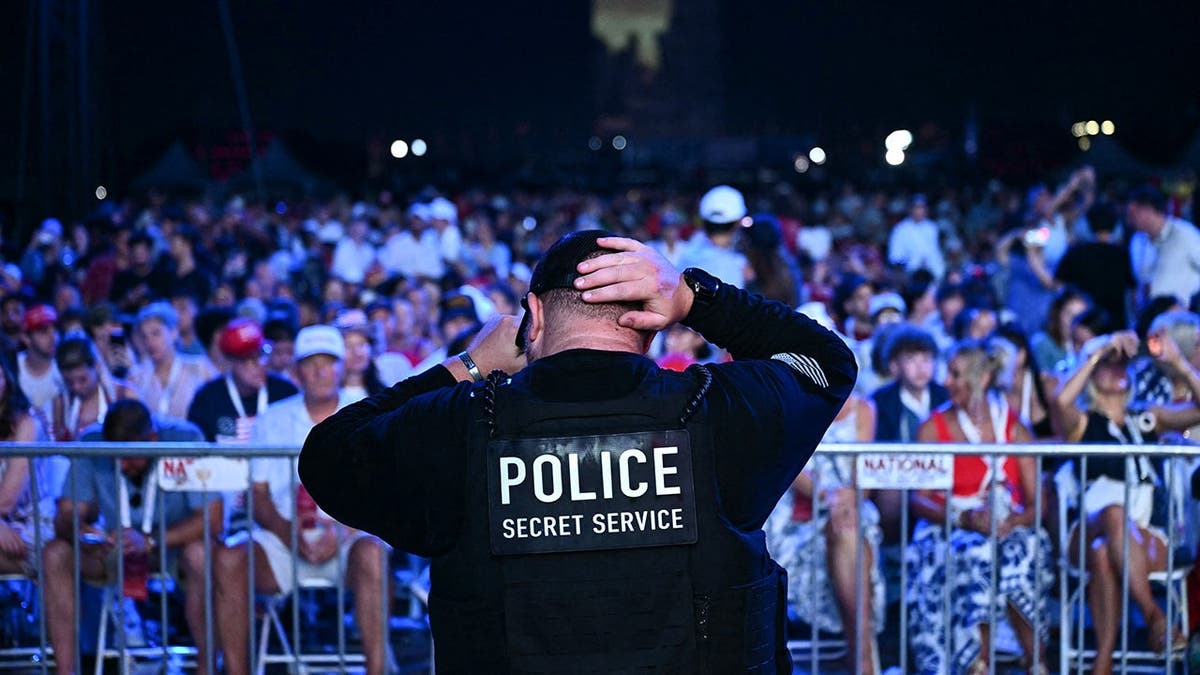
A member of the U.S. Secret Service stands as audience members wait for President Donald Trump to speak during the «Salute to America» Independence Day celebration on the National Mall in Washington, D.C., on July 4, 2026. The nation is marking the 250th anniversary of the United States Declaration of Independence. (AFP via Getty Images)
CLICK HERE TO DOWNLOAD THE FOX NEWS APP
Some coins reportedly read, «Bobcat OTR Survivors Club.»
The Trump administration acknowledged that last-minute trips can arise unexpectedly.
«Most past presidents and vice presidents have not had young children, and therefore the detail has not been presented with this nature of protective mandate,» the administration told Fox News.
«The Vice President is also a very active and involved Vice President, more so than recent officeholders,» the statement continued. «His unprecedented diplomatic role, for example, while critically important, has added new demands for a detail used to operating with lead times that are impossible in high-stakes diplomacy.»
jd vance, security, police and law enforcement, us
INTERNACIONAL
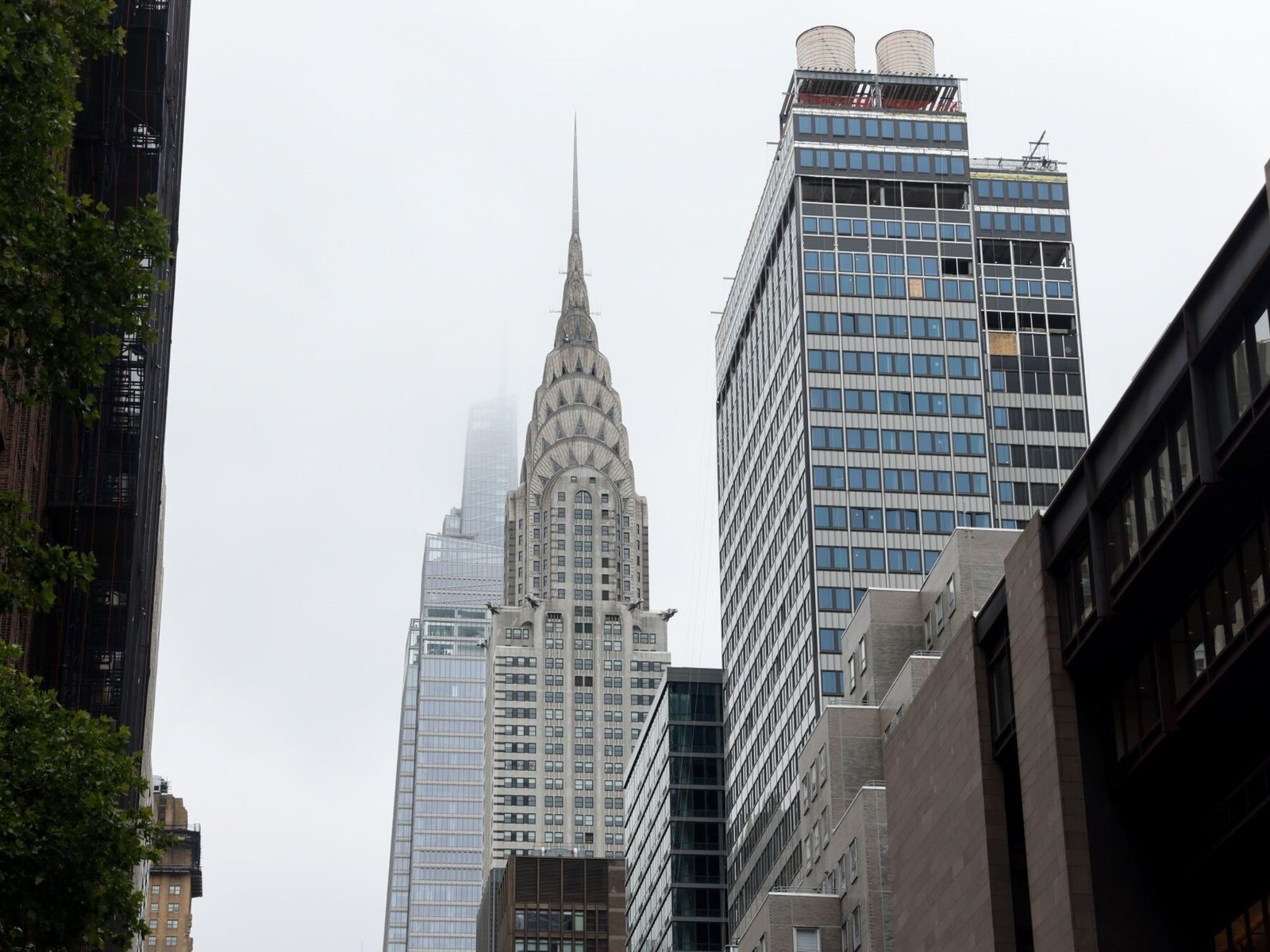
El brote de diarreas explosivas provocadas por un parásito avanza por Estados Unidos y en Nueva York investigan la ruta del cilantro
INTERNACIONAL
El sur de Europa sufre una ola de incendios avivados por temperaturas extremas: hay miles de evacuados
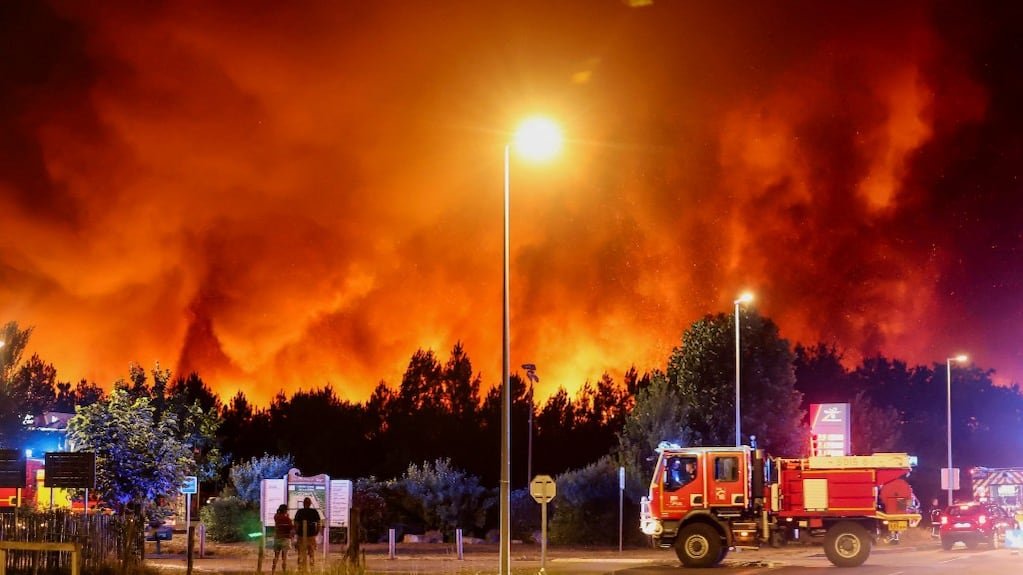
Violentos incendios forestales, avivados por el viento y las altas temperaturas, arrasaron varias regiones del sur de Europa y provocaron este jueves la evacuación de miles de personas en Francia y España.
Este año es el segundo con más superficie quemada por incendios en la Unión Europea a estas alturas desde que empezaron los registros hace 20 años, según datos satelitales del sistema Effis.
Al menos tres bomberos murieron en los últimos días, dos en Francia y un efectivo en Italia.
El gobierno español decretó la noche del jueves la emergencia de alcance nacional en la región de Madrid y en la provincia de Ávila, cerca de la capital. La medida, anunciada por el Ministerio del Interior, busca movilizar más recursos para combatir las llamas, que en Madrid provocaron la evacuación de 10.000 personas.
Qué está pasando en Francia
En tanto, el presidente Francés, Emmanuel Macron, anunció que pidió activar el mecanismo de protección civil de la UE por incendios. Se trata de una herramienta para coordinar la ayuda de emergencia europea cuando un desastre supera la capacidad de respuesta nacional de un país afectado.
En el sur de Francia, los bomberos luchan contra dos incendios de gran magnitud. Uno de ellos, en Le Porge, cerca de la ciudad de Burdeos, en el sudoeste del país, afectó 3400 hectáreas, según la última estimación de los bomberos.
“Los gendarmes vinieron a tocar puerta por puerta. El fuego estaba a 500 metros”, contó a Patrick Martineau, un residente de Le Porge de 69 años. Bomberos combaten las llamas en la zona de Le Porge, en Gironda, en Francia (Foto;: Reuters)
“Tenemos miedo y es difícil de comprender. Es surrealista. Cuando compramos aquí, hace seis años, no pensábamos en el riesgo de incendio”, dijo.
Según varias fuentes, el incendio habría sido provocado por trabajos de desbroce (limpieza de terreno) en un camino forestal.
Leé también: Estados Unidos condiciona el programa nuclear con Arabia Saudita: le exige que normalice sus relaciones con Israel
Según las autoridades, unas 20.000 personas -entre turistas y cientos de residentes de las localidades aledañas al bosque- se vieron obligadas a abandonar la zona.
El otro incendio, que comenzó el martes al mediodía en un campo y se extiende por el departamento del Var, en el sur de Francia, afectó 2500 hectáreas y más de 300 personas fueron evacuadas.
Durante la tarde, el prefecto, Simon Fabre, anunció que “el incendio se reavivó” y se reactivaron entre 50 y 100 focos.
Nuevas evacuaciones en España
Por la noche del jueves, el gobierno español de Pedro Sánchez decretó la emergencia de alcance nacional en la región de Madrid y en la provincia de Ávila, cerca de la capital.
Según se informó, la medida, anunciada por el Ministerio del Interior, busca movilizar más recursos para combatir las llamas, que en Madrid provocaron la evacuación de 10.000 personas.
El incendio más importante se encuentra a unos cien kilómetros al norte de Madrid, en la provincia de Guadalajara. Desde el jueves pasado, arrasó 32.000 hectáreas.

Un helicóptero lanza agua para apagar las llamas cerca de Guadalajara, España (Foto;: EFE)
Contra el incendio declarado cerca de Aldea del Fresno trabajan “18 dotaciones de bomberos”, junto a soldados de la Unidad Militar de Emergencias (UME), indicaron los servicios de emergencia.
Varias carreteras permanecen cortadas por las llamas.
En los últimos días se declararon numerosos incendios en España.
Impulsados por la ola de calor que asfixia al país desde hace dos días, estos incendios forestales se propagan muy rápidamente, sobre todo en las zonas desérticas, donde la maleza constituye el combustible ideal para el rápido avance de las llamas.
Incendios arrasan Sicilia
En Italia, decenas de incendios forestales y de vegetación arrasan Sicilia, anunció el ministro del Interior, Matteo Piantedosi.
Un centenar de habitantes, así como 22 pacientes de una clínica en el centro de la isla, donde las temperaturas superaron los 40°C en los últimos días, fueron evacuados el miércoles, según los bomberos.
“Se han desplegado 6000 efectivos y están operando 20 medios aéreos”, declaró el presidente de la región, Renato Schifani, quien precisó que cerca de 50 incendios -de los 344 reportados el miércoles- siguen activos.
Un portavoz de la Agencia de Protección Civil de Italia declaró que los incendios son avivados por “temperaturas muy altas y un suelo muy seco”. También se registraron más de 160 incendios en las últimas 24 horas en Calabria, la región vecina.
(Con información de AFP)
Europa, Incendios

El horóscopo de hoy: viernes 24 de julio

Caputo visitó La Rural y desactivó un posible anuncio sobre otra baja en las retenciones

Moyano echó a un dirigente de Camioneros imputado por un fraude de USD 10 millones en un hotel sindical

Los mejores memes de la victoria de Boca ante O’Higgins por Copa Sudamericana

María Soledad Morales. Mentiras, traiciones y escándalos, en el camino a las condenas por el crimen

“No vamos a investigar para atrás”: el Gobierno explicó el alcance de la Ley de Inocencia Fiscal

Escándalo Mundial: Las presiones secretas, la amenaza de la FIFA por Malvinas y la verdad detrás del partido contra España

Sin la Copa y sin Messi en el avión, vuelve Tapia y deberá enfrentar tres frentes de tormenta tras la pausa del Mundial

Samuel L. Jackson llamó a Argentina “el país más racista del mundo”: la contundente respuesta que le dejó Bárbara Lombardo

Le ganan a la inflación: los senadores pasarán a cobrar $12 millones brutos a partir de agosto

 DEPORTE2 días ago
Escándalo Mundial: Las presiones secretas, la amenaza de la FIFA por Malvinas y la verdad detrás del partido contra España
- POLITICA24 horas ago
Jorge Berredo, general retirado de las FFAA, asumió como Secretario de Seguridad en San Isidro
- ECONOMIA3 días ago
El Gobierno apuesta a la construcción para reactivar la economía: reunión clave, dudas por el bono y las propuestas del sector