INTERNACIONAL
Trump says ‘Iran lies and cheats’ as IRGC emerges as dominant force in negotiations with US

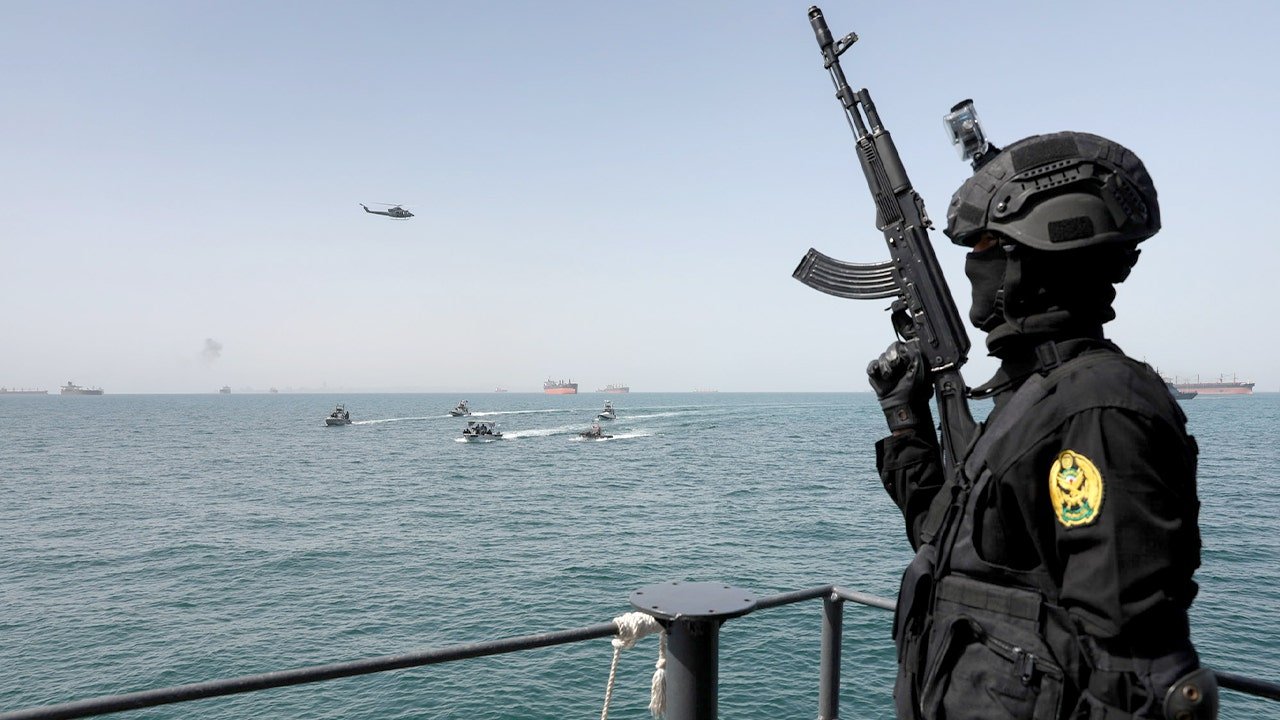
Trump threatens more strikes on Iran at NATO summit
Fox News senior strategic analyst retired Gen. Jack Keane analyzes the latest U.S. strikes on Iran, the Strait of Hormuz’s strategic importance and breaks down Ukraine’s request for more aid on ‘America’s Newsroom.’
NEWYou can now listen to Fox News articles!
As President Donald Trump voiced growing frustration Wednesday with Iranian negotiators, accusing them of lying and cheating, the latest escalation has exposed an even more fundamental problem for Washington: whether the officials at the negotiating table have the power to deliver an agreement — or whether anyone in Tehran does.
«I don’t know if we’re going to have a deal. We may just do it without a deal,» Trump said at the NATO summit in Ankara. «These people, they lie and they cheat.»
But Trump’s frustration with Iran’s negotiators is only part of the problem. Since the death of Ayatollah Ali Khamenei, it has become increasingly unclear who in Tehran has the authority to make — and enforce — an agreement.
TRUMP SAYS IRAN CEASEFIRE IS ‘OVER’ AFTER IRANIAN ATTACKS TRIGGER MASSIVE US RESPONSE
Tehran has deployed a new front on social media including an influence campaign to sway Americans and undermine President Donald Trump’s push for a nuclear deal. (Hamed Malekpour / Middle East Images / AFP via Getty Images)
Mojtaba Khamenei succeeded his father as supreme leader after the elder Khamenei was killed in the opening U.S.-Israeli attacks on Feb. 28. But Mojtaba has not appeared publicly since the attack, and U.S. assessments cited by Reuters have described authority as dispersed among senior Revolutionary Guard commanders and powerful civilian officials.
Parliament Speaker Mohammad Bagher Ghalibaf, a former IRGC commander who led Iran’s negotiating delegation, has emerged as one of the country’s most powerful surviving political figures.
Banafsheh Zand, an Iranian-American journalist and editor of the Iran So Far Away Substack, said power inside the Islamic Republic has fractured since the death of Ayatollah Ali Khamenei, leaving the Islamic Revolutionary Guard Corps as the country’s dominant force.
«The person who is negotiating with the U.S. is not necessarily someone who is endorsed by the others,» Zand told Fox News Digital.
She described Ghalibaf as one power center competing with figures including IRGC commander-in-chief Ahmad Vahidi, Quds Force commander Esmail Qaani and former Foreign Minister Mohammad Javad Zarif.
Vahidi controls the IRGC’s overall military structure, while Qaani oversees its external operations and relationships with Iran-aligned armed groups across the region. Zarif, by contrast, remains closely identified with the more accommodationist political camp that previously championed negotiations and sanctions relief.
«The hardliners, in terms of their political presence, have also been pushed aside,» Zand said. «So really, it’s the IRGC. And within the IRGC, whoever signs the deal is not necessarily signing on behalf of everybody else. They’re signing on behalf of themselves.»
Her assessment reflects a central problem facing Washington: Iran’s negotiators, political institutions and military commanders may not share the same interpretation of what was agreed — or the same willingness to implement it.
US CLAWS BACK KEY CONCESSION TO IRAN AFTER FRESH ATTACKS ON COMMERCIAL SHIPS IN STRAIT OF HORMUZ
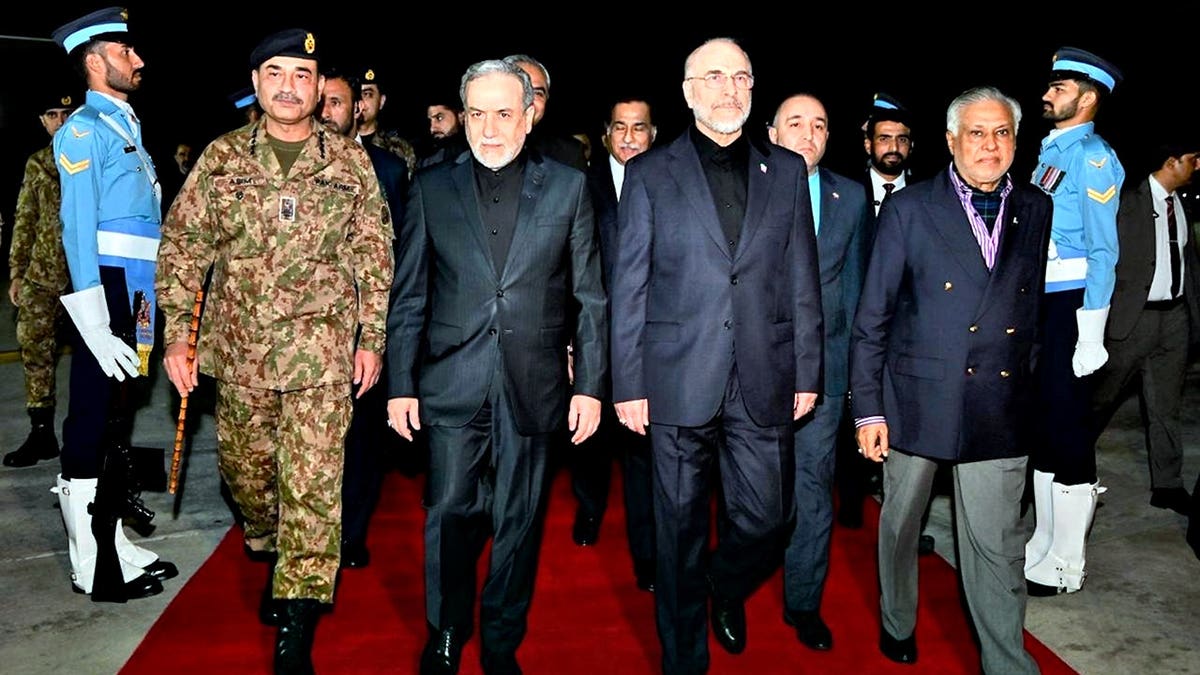
Iran’s Parliament Speaker Mohammad Bagher Qalibaf and Foreign Minister Abbas Araghchi were greeted by Pakistan Foreign Minister Ishaq Dar and Army Chief Field Marshal Gen. Asim Munir upon their arrival at Nur Khan airbase in Rawalpindi, Pakistan, on April 11, 2026. (Pakistan Ministry of Foreign Affairs/AP)
Yet Trump’s declaration does not necessarily mean diplomacy has been permanently abandoned.
Behnam Ben Taleblu, senior director of the Iran program at the Foundation for Defense of Democracies, told Fox News Digital that the clearest evidence would be the restoration of the U.S. blockade, the introduction of additional military forces or a new round of major economic sanctions.
Otherwise, he said, Trump may continue operating in the «gray zone» between negotiations and open war while keeping his options available.
The more difficult question is why Tehran would jeopardize sanctions relief and risk overwhelming American firepower when its military has already been severely degraded.
Ben Taleblu said Iran’s leaders appear to believe escalation is essential to the survival of the Islamic Republic.
«This is a regime that is weaker, but lethal, and less capable, but more confident,» he said. Iran’s leadership believes its adversaries have vulnerable economic and military interests throughout the Gulf, he added, while the regime itself is more willing to accept destruction.
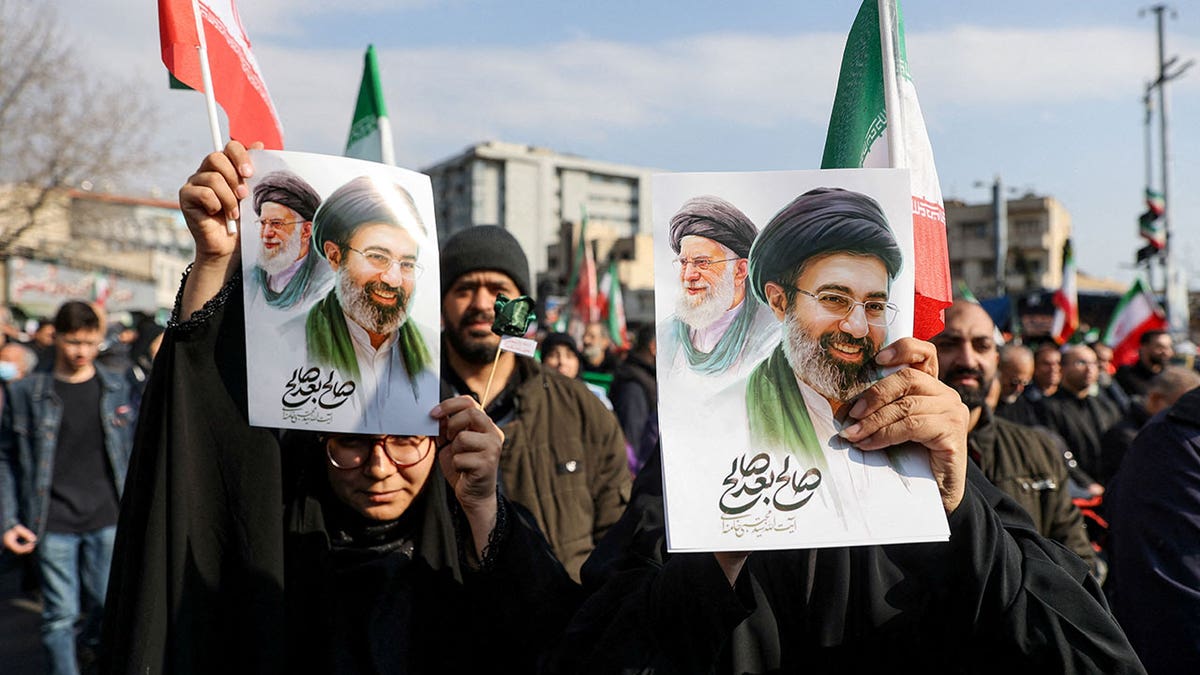
People hold placards with an image of Iran’s new supreme leader Mojtaba Khamenei with late Iranian Supreme Leader Ayatollah Ali Khamenei, during a gathering to support Mojtaba Khamenei, amid the U.S.-Israeli conflict with Iran, in Tehran, Iran, March 9, 2026. (Majid Asgaripour/WANA (West Asia News Agency) Via Reuters)
«Their survival and their military success and their political success runs through more, not less, escalation,» he said.
Lisa Daftari, foreign policy analyst and the editor-in-chief of The Foreign Desk, agrees the escalation is deliberate, aimed at turning regional instability into leverage.
«By targeting commercial shipping and Arab states, the regime is signaling that it can hold global energy flows and America’s regional partners hostage to extract leverage, distract from its domestic crisis, and test U.S. red lines,» Daftari told Fox News Digital.
She said Tehran is betting that Washington and its Arab partners will be unwilling to sustain another war and will ultimately back down first.
«The regime’s core weapon is time,» Daftari said. «By escalating in the Persian Gulf and attacking ships and Arab states, they are creating rolling crises that raise the cost of confronting them while they consolidate power at home.»
Daftari argued that the strategy reflects the Islamic Republic’s longstanding character rather than a temporary response to pressure.
TRUMP ENTERS FINAL NATO SUMMIT DAY AS UKRAINE, DEFENSE SPENDING TAKE CENTER STAGE
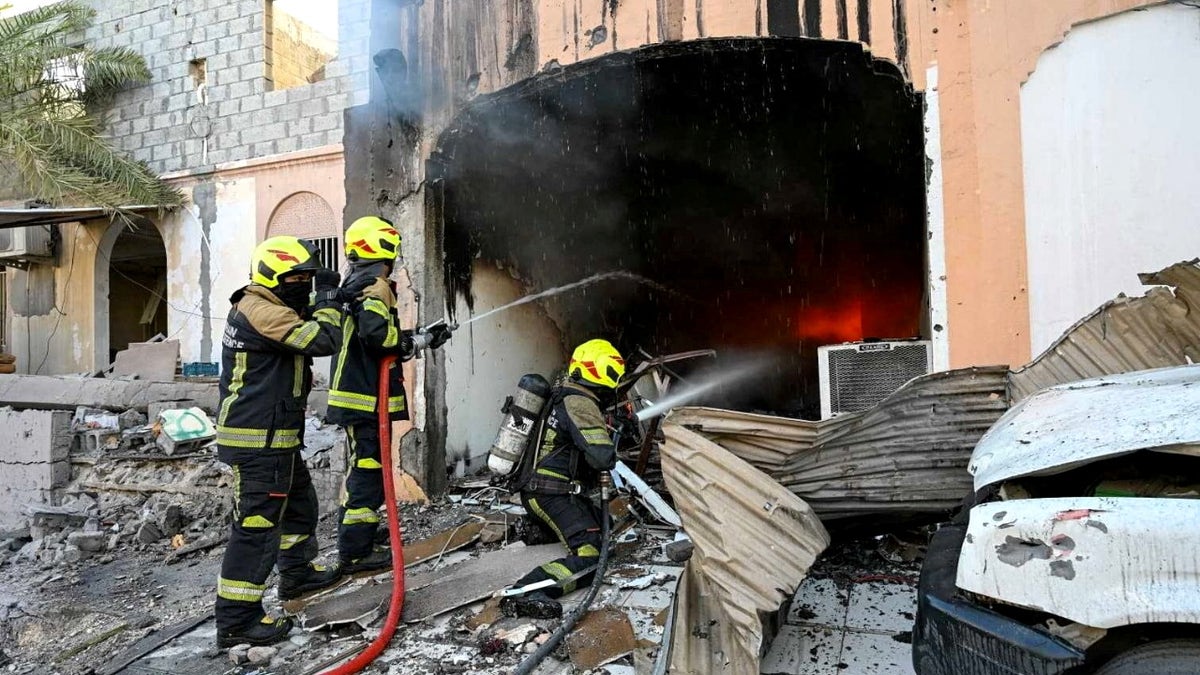
Firefighters work in the aftermath of Iranian drone attacks, at a location given as Bahrain (Reuters)
«This regime was never designed to be reformed or softened,» she said. «What they are showing us now is exactly who they intend to remain: a hardline, revolutionary regime determined to stay in power.»
But determining how that strategy is translated into action is more complicated. Authority in Tehran appears divided, raising questions about who is directing the escalation and whether the officials negotiating with Washington can commit the broader security establishment.
That division is already visible in the dispute over the Strait of Hormuz.
A Middle Eastern source familiar with the issue told Fox News Digital that Tehran and Washington are operating from fundamentally different readings of Clause five of the memorandum. The publicly released text says Iran will use its «best efforts» to arrange safe commercial passage through the strait without charge for 60 days, while removing military and technical obstacles and conducting demining operations. It does not expressly state that foreign vessels must obtain Iran’s approval or use routes designated by Tehran.
According to the source, Iran interprets that language as giving it responsibility — and therefore authority — to coordinate shipping and determine the routes vessels use during the interim period. Washington’s interpretation is that Iran agreed to lift its maritime blockade and fully reopen the international waterway.
When the two sides have different interpretations of a single page, how do they intend to write a treaty, the source said.
Iran views control over passage through the Strait of Hormuz as one of its last major sources of leverage over the United States, Gulf governments and the global economy, the source said, «That is the heart of the matter.»
CLICK HERE TO DOWNLOAD THE FOX NEWS APP
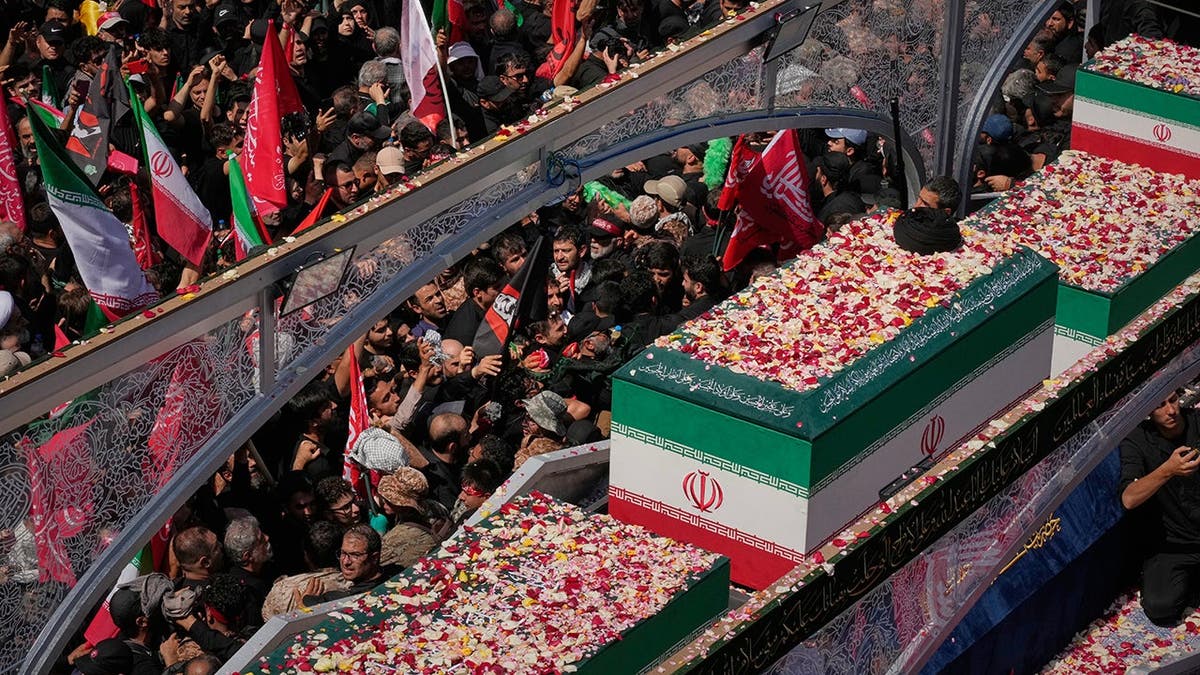
The truck carrying the coffins of the slain Iranian Supreme Leader Ayatollah Ali Khamenei and members of his family makes its way through mourners during the funeral procession toward Azadi Tower in Tehran, Iran, on Monday, July 6, 2026. (Vahid Salemi/AP)
Taken together, the experts’ assessments suggest Tehran is unlikely to face a simple choice between surrendering to Trump’s pressure and returning to negotiations. Ben Taleblu said the regime believes its survival depends on «more, not less, escalation,» while Daftari said it is deliberately «playing out the clock» by creating repeated regional crises. That raises the prospect that, even if Iranian officials return to the table, the IRGC could continue targeting commercial shipping, U.S. interests and American allies to preserve its leverage and strengthen its position inside Iran.
war with iran, donald trump, nato, iran, mojtaba khamenei





INTERNACIONAL
Guatemala declara alerta roja en el Trifinio por crisis de sequía: vicepresidenta Karin Herrera ordena medidas urgentes
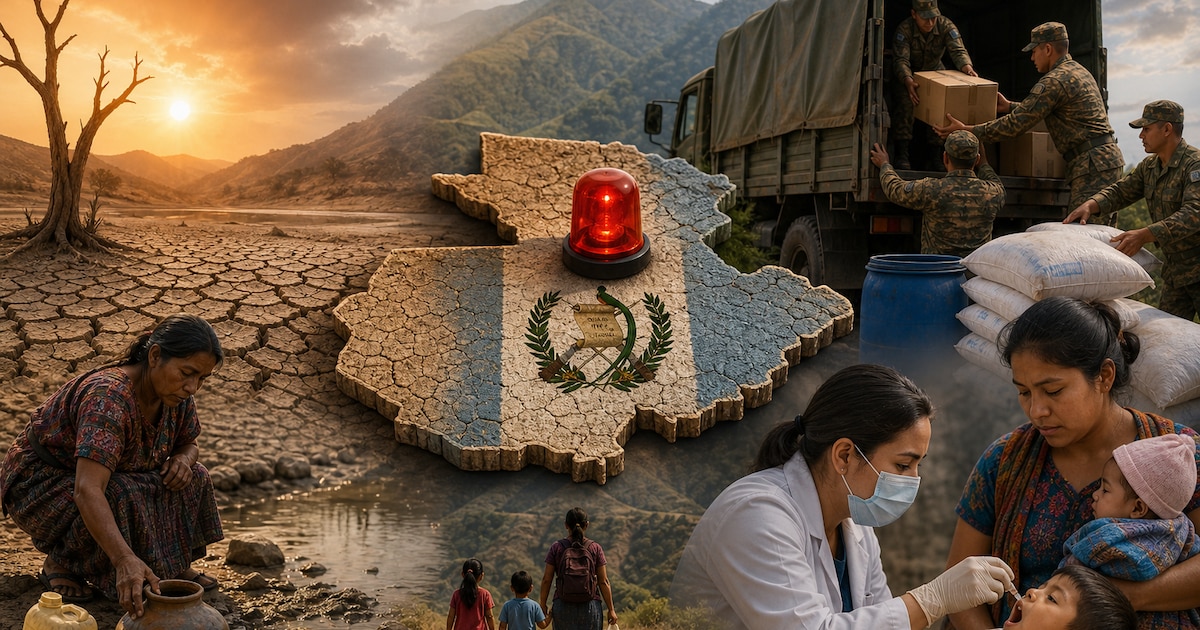
Guatemala declaró alerta roja en la región del Trifinio por los efectos agroclimáticos de El Niño, mientras la vicepresidenta Karin Herrera ordenó medidas urgentes para contener la escasez de agua y alimentos en municipios de Chiquimula y Jutiapa. La decisión, tomada el 11 de septiembre de 2026, busca reforzar la atención sanitaria, sostener el abastecimiento alimentario y proteger a las familias expuestas a la sequía en el corredor seco ampliado.
La alerta roja se activó después de que el Consejo Nacional de Seguridad Alimentaria y Nutricional declarara alerta naranja en todo el país ante el riesgo de afectaciones en la disponibilidad de agua y alimentos. La medida nacional antecedió a la elevación de la emergencia en la zona fronteriza del Trifinio.
La instrucción fue dirigida a la Coordinadora Nacional para la Reducción de Desastres durante dos reuniones extraordinarias encabezadas por Herrera. La Vicepresidencia informó que los encuentros buscaron coordinar a las instituciones responsables de atender las consecuencias de la sequía.
Un plan para el Trifinio y el corredor seco ampliado
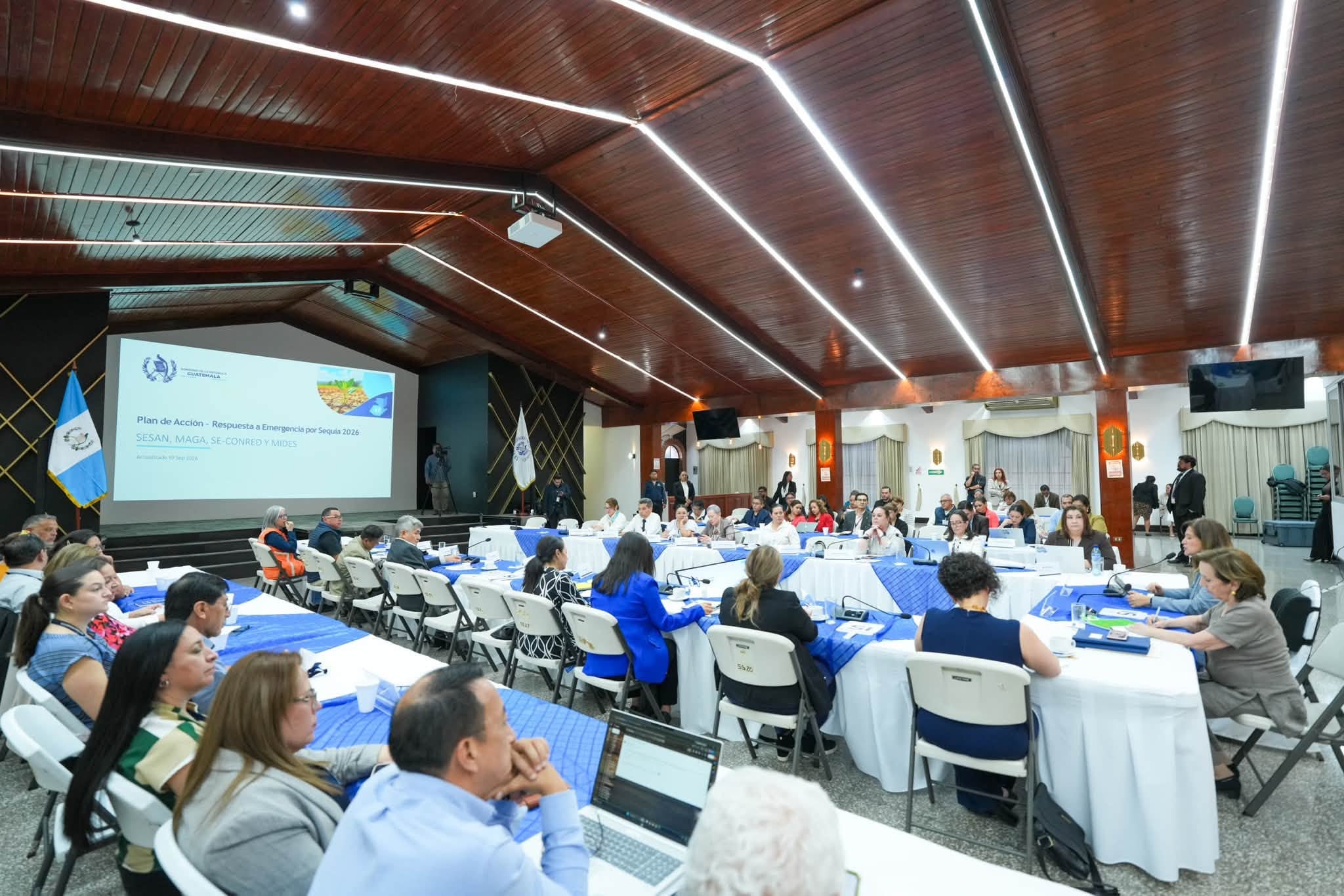
La primera reunión correspondió al Gabinete Específico de Desarrollo Social, que revisó los acuerdos alcanzados con el Gabinete Específico de Desarrollo Económico. Allí se presentó el Plan de Acción–Respuesta a Emergencia por Sequía 2026, diseñado para la Región Trifinio y el corredor seco ampliado, donde se concentra una parte de la vulnerabilidad alimentaria guatemalteca.
Cinco ministerios recibieron tareas específicas. El Ministerio de Economía deberá fijar precios de referencia y actuar frente a aumentos injustificados en productos de la canasta básica y combustibles.
El Ministerio de Salud Pública y Asistencia Social deberá sumar medidas de vigilancia y respuesta ante enfermedades relacionadas con la falta de agua o su mala calidad. También deberá incorporar al Consejo Nacional de la Juventud en las brigadas sanitarias.
El plan dispone el despliegue de 124 brigadas de salud y nutrición con equipos multidisciplinarios. Su labor incluirá suplementación, desparasitación y vacunación de niñas, niños y mujeres embarazadas, además del monitoreo comunitario de la calidad del agua, de acuerdo con el Consejo Nacional de Seguridad Alimentaria y Nutricional.
El Ministerio de Desarrollo Social tendrá que asegurar que los bonos conserven su carácter condicionado y alcancen a todos los beneficiarios prioritarios. A su vez, el Ministerio de Finanzas Públicas deberá identificar recursos disponibles y analizar medidas legislativas que permitan acelerar la ejecución presupuestaria.
Las autoridades asignaron al Ministerio de Agricultura, Ganadería y Alimentación la reducción de los plazos de entrega de alimentos. La cartera también deberá definir acciones para asegurar agua y alimentación al ganado afectado por la ausencia de pastos.
Reservas de alimentos, pozos y asistencia para productores
La emergencia contempla reservas estratégicas de alimentos y la activación del seguro agrícola como compensación ante la pérdida de cosechas. También prevé reservorios artesanales para captar agua de lluvia, raciones destinadas a la ganadería y la rehabilitación de pozos comunitarios.
Los productores rurales podrán acceder a crédito con tasas nulas mediante inversión de capital en cajas rurales. La medida busca evitar que los campesinos abandonen sus tierras por la pérdida de cultivos y la falta de recursos para sostener su actividad.
La Secretaría de Seguridad Alimentaria y Nutricional, Sesan, deberá mantener el seguimiento de las familias que atraviesan inseguridad alimentaria y actualizar la estimación de población afectada. Desde el Conasan también continuará la verificación del estado nutricional de la niñez y de la evolución de la crisis en los hogares más expuestos.
Herrera convocó a alcaldes y gobernadores del Trifinio y del corredor seco ampliado para que eleven las alertas necesarias ante los Coordinadores de Emergencia municipales y departamentales. El objetivo es garantizar el acceso al agua y la asistencia para las familias alcanzadas por la sequía.
Los gobiernos locales deberán utilizar recursos de los Consejos de Desarrollo en cocinas escolares y centros de recuperación nutricional, conforme a la tipología de seguridad alimentaria aprobada por el Consejo Nacional de Desarrollo Urbano y Rural. La instrucción busca dirigir fondos hacia los espacios donde se atiende a población con mayor riesgo nutricional.
“Cada día cuenta; tenemos que proteger la salud y la vida de la población guatemalteca”, afirmó Herrera durante la reunión del Gabinete Específico de Desarrollo Social. La vicepresidenta sostuvo que la respuesta debe situarse por encima de las banderas políticas y concentrarse en las familias vulnerables.
La producción nacional de granos resulta insuficiente, por lo que Guatemala deberá recurrir a importaciones para garantizar el abastecimiento oportuno. Herrera ordenó anticipar y agilizar esos procedimientos, además de fortalecer el monitoreo de caudales, embalses y generación hidroeléctrica con escenarios que permitan activar medidas preventivas.
“Es indispensable garantizar transparencia y trazabilidad en la entrega de la asistencia, verificando que llegue efectivamente a las familias que la necesitan”, señaló la vicepresidenta, según la Vicepresidencia. Las instituciones convocadas deberán presentar en 15 días calendario un informe escrito sobre los avances en la aplicación de las medidas.
Guatemala,reunión gubernamental,ministerios
NEWYou can now listen to Fox News articles!
President Donald Trump said Saturday during a trip to Ireland that he would love to see the country unified.
The Republic of Ireland gained independence from the United Kingdom in 1922, while Northern Ireland, established in 1921, has remained part of the U.K.
«I don’t want to cause any problems, but I will tell you, I’d love to see it unified. I have friends on both sides, great people. They’re Irish people. How can they be bad, right?» Trump said in Dublin while on stage with Ireland’s prime minister, Micheál Martin. «I’d like to see a unified country. I think it would be a great feather in everybody’s cap if that happened. It’s going to happen eventually.»
He added that the U.K. «will have something to say about it obviously,» but reiterated that unification would be a «great thing.»
TRUMP SAYS IRAN CONFLICT COULD END AFTER MIDTERMS
President Donald Trump meets with Ireland’s Prime Minister Micheál Martin at Farmleigh House in Phoenix Park in Dublin on Sept. 12, 2026. (Brendan Smialowski/AFP via Getty Images)
In response to Trump’s comments, British Prime Minister Andy Burnham said in a statement that the U.K. government’s stance on reunification remains unchanged.
«I am not aware that there is majority public support for another referendum, and until that changes, there will not be one,» Burnham told reporters in Parliament, according to Reuters.
Later Saturday, Trump addressed a crowd at the Deerfield Residence, the official home of the U.S. ambassador to Ireland.
U.S. Ambassador Edward S. Walsh introduced the president, who took the stage to the sound of Lee Greenwood’s «God Bless the USA.»
Early in his remarks, Trump revisited the question a reporter had asked during his meeting with Martin about the prospect of Irish reunification.
«That’s one of those questions where no matter what you say, no matter how well you say it, there’s no good answer, right?» he said, before saying reunification would be a «cool thing.»
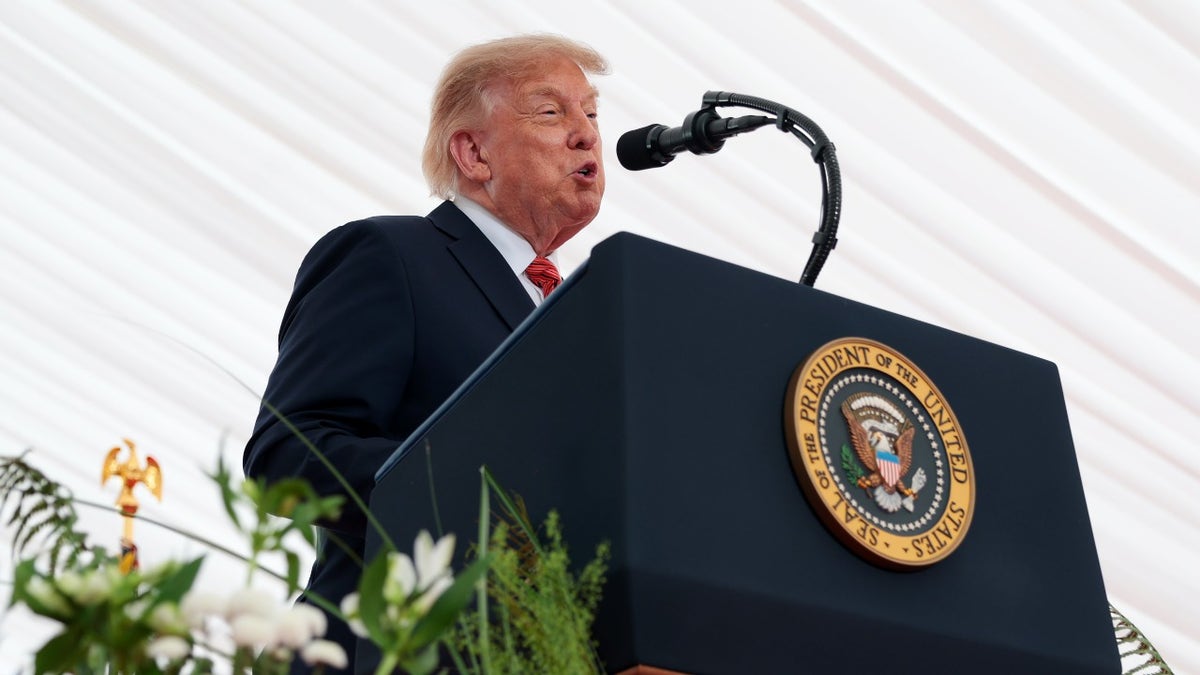
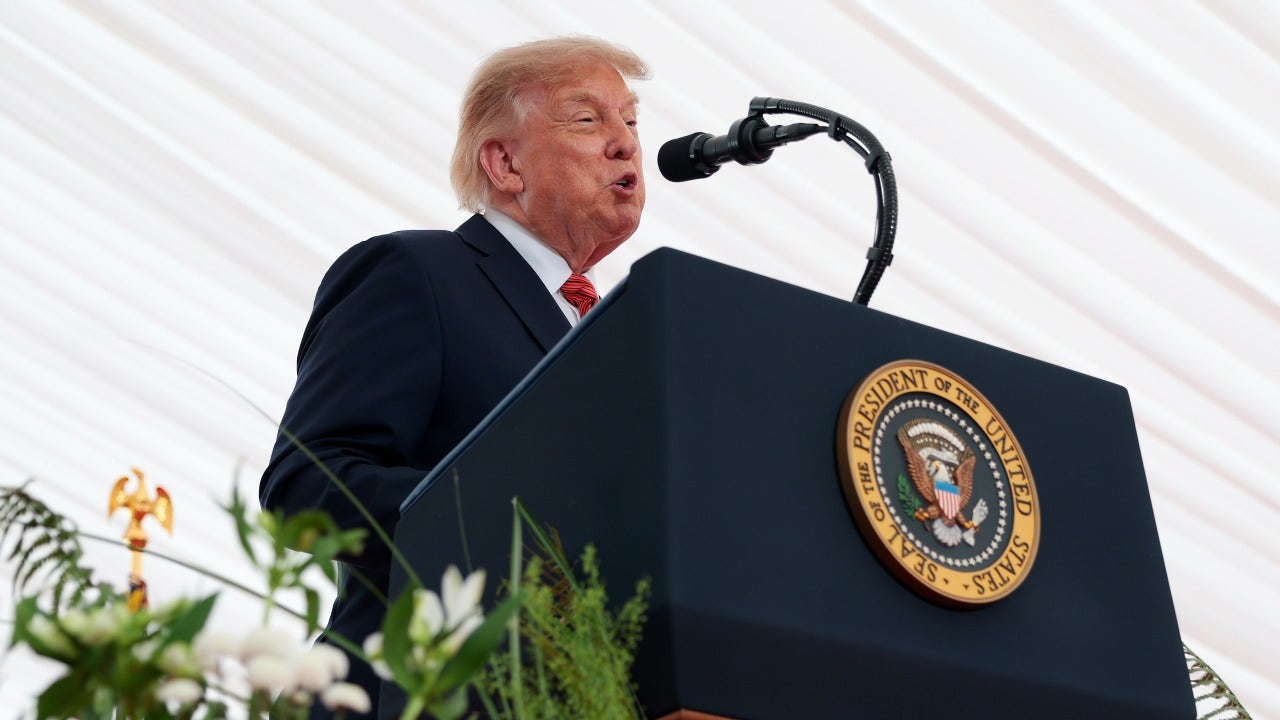
President Donald Trump delivers remarks to U.S. Embassy personnel and business leaders at Deerfield Residence on Sept. 12, 2026, in Dublin, Ireland. (Anna Moneymaker/Getty Images)
IRISH AUTHORITIES SEEK EXTRADITION WARRANT FOR SUSPECT IN MURDER OF AMERICAN MOM JAMEY CARNEY: REPORT
The debate over whether Ireland should be one country has been one of the island’s most divisive political issues for decades.
At times, it was far more than a war of words. From the late 1960s through the late 1990s, Northern Ireland was gripped by decades of sectarian violence known as «the Troubles.»
Irish nationalists and republicans — drawn largely from Northern Ireland’s Catholic minority — sought to reunite the island under a single Irish state.
Unionists and loyalists, who mostly belonged to the Protestant majority, wanted Northern Ireland to remain part of the U.K.
Throughout the conflict, more than 3,500 people were killed in violence involving Irish republican and loyalist paramilitary groups, as well as British security forces.
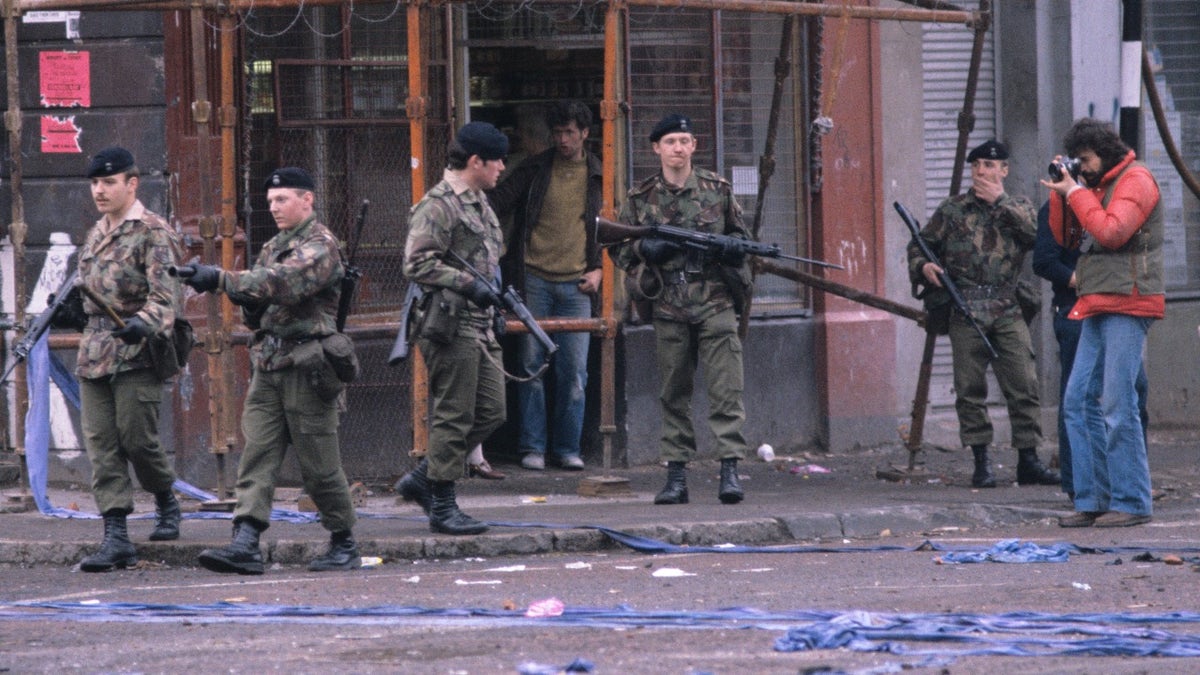
A photographer captures a scene of soldiers in front of a building in May 1981 in Northern Ireland. (Joe McNally/Getty Images)
The fighting largely ceased with a peace deal in 1998, but in the decades since, tensions remain between Protestants and Catholics in Northern Ireland.
A 2024 U.K. Parliament report found that 90% of students in Northern Ireland attend schools that «are effectively segregated along religious lines.»
The peace deal signed in 1998 — known as the Good Friday Agreement or the Belfast Agreement — set up a new government that had representation for both nationalists and unionists.
It also established that Northern Ireland will remain part of the U.K. unless a majority of citizens vote to leave through a referendum.
Brexit reignited debate over Ireland’s future, with Northern Ireland voting to remain in the European Union even as the U.K. as a whole voted to leave. Still, no referendum has been proposed or scheduled on whether Northern Ireland should leave the United Kingdom.
Reuters contributed to this report.
ireland, donald trump, uk politics, united kingdom
INTERNACIONAL
Los bloqueos por el alza de combustibles dejan seis agentes heridos y varios arrestos en Guatemala
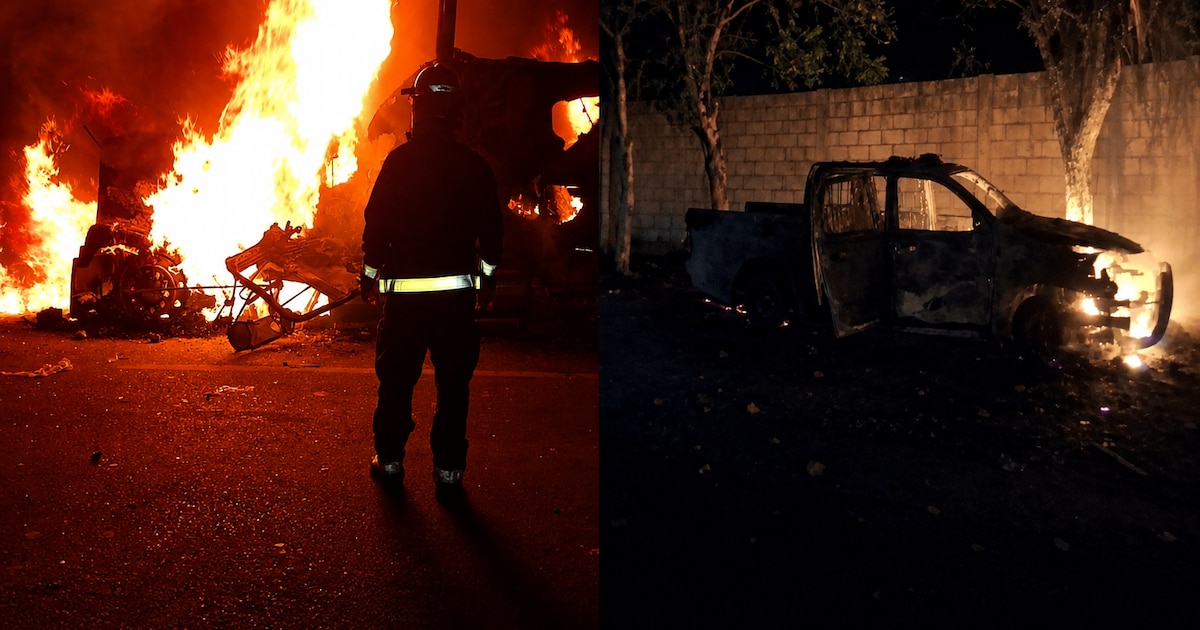
La Policía Nacional Civil (PNC) confirmó que seis agentes resultaron heridos durante el desalojo de un bloqueo el viernes 11 de septiembre, en el kilómetro 168 de la ruta a Cuyotenango, Suchitepéquez, en una jornada de protestas contra el aumento de los combustibles que también dejó vehículos incendiados en Zacapa y cortes en varios departamentos de Guatemala.
Un cierre continuaba activo el sábado 12 de septiembre a las 06:45 en el kilómetro 225 de la ruta departamental QUE-03, en la aldea Santo Domingo, Colomba Costa Cuca. El bloqueo había comenzado cuatro minutos antes, afectaba ambos sentidos de circulación y era el único punto cerrado en el reporte matutino de la Dirección General de Protección y Seguridad Vial (Provial); las demás rutas figuraban habilitadas.
El policía Ronal Gavino Morales Chávez sufrió un disparo en el estómago y fue trasladado en helicóptero a un centro asistencial de la Ciudad de Guatemala, después de ser estabilizado en el Instituto Guatemalteco de Seguridad Social de Mazatenango. Los otros cinco efectivos padecieron lesiones por explosiones de morteros, el impacto de una piedra en el cráneo y golpes en distintas partes del cuerpo.
La corporación indicó que sus Fuerzas Antidisturbios despejaron más del 90% de los puntos bloqueados en el país. El despliegue respondió a una orden de la Corte de Constitucionalidad para liberar las rutas con apoyo del Ministerio de Gobernación y el Ejército.
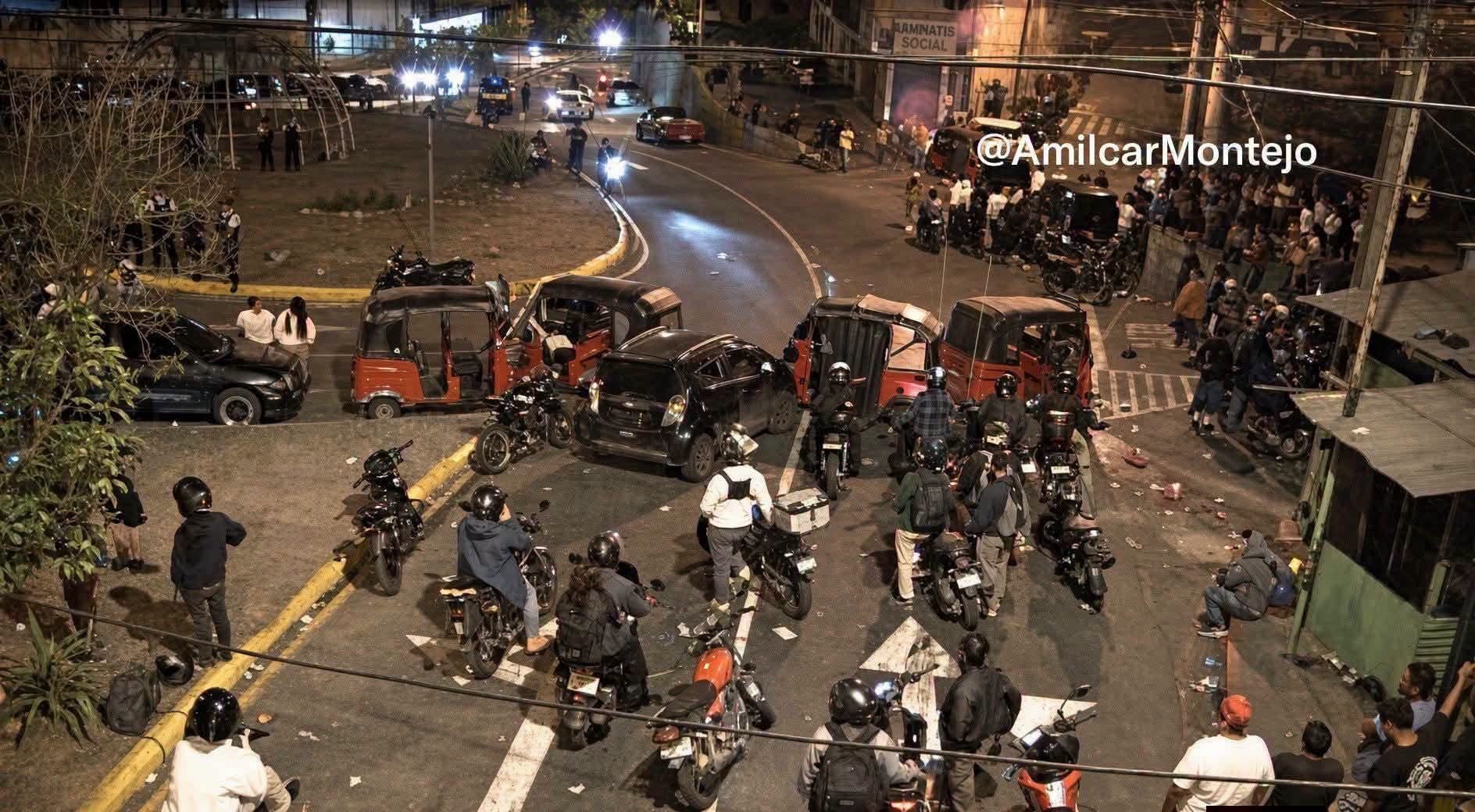
Dos focos de conflicto en Zacapa y Villa Nueva
Los incidentes persistían al cierre de la jornada en sectores de Zacapa y Villa Nueva, donde la PNC afirmó haber detectado la presencia de pandillas y estructuras del crimen organizado dentro de las manifestaciones. La institución acusó a esos grupos de usar a mujeres, adultos mayores y niños como escudos humanos.
La fuerza de seguridad solicitó la intervención de la Procuraduría de los Derechos Humanos y de la Procuraduría General de la Nación para proteger las garantías de los menores y las mujeres presentes en las zonas de conflicto. También pidió a los habitantes de los lugares donde continuaban los enfrentamientos que permanecieran en sus hogares mientras avanzaba el operativo.
“Atentar contra la paz en presencia de la niñez guatemalteca es un acto criminal que no quedará impune”, advirtió la policía. La institución requirió denuncias anónimas sobre actividades delictivas, instigación o presencia de personas infiltradas.
La PNC señaló que, con base en el artículo 257 del Código Procesal Penal, detendría en flagrancia a quienes obstruyeran las vías. Los vehículos y camiones utilizados deliberadamente para bloquear carreteras serían puestos a disposición de los tribunales para su comiso.
“Los promotores e instigadores de estos ataques violentos están debidamente perfilados e individualizados y enfrentarán todo el peso de la ley”, sostuvo la corporación.
Durante el operativo en Cuyotenango, las autoridades detuvieron a Armando Constancia Martínez, a quien le decomisaron piedras, hondas, morteros y otros objetos presuntamente utilizados para agredir a los agentes. El arresto se sumó a cuatro capturas previas por disturbios en San Miguel Petapa y Suchitepéquez.
En la zona cinco de Mixco, sobre la calzada San Juan, agentes de la comisaría 16 arrestaron a Juan “N”, de 44 años, y Joseline “N”, de 29, cuando arrojaban objetos contundentes contra policías que buscaban despejar la cuarta avenida.
Otros dos hombres fueron capturados en el kilómetro 19,5 de la ruta al Pacífico. William “N”, de 33 años, y Hugo “N”, de 28, estaban en un bloqueo que reunía a 150 personas, donde también se registró el lanzamiento de piedras contra los efectivos de seguridad.
La presencia policial fue reforzada en la colonia Bethania, el Anillo Periférico, Villa Nueva, la ruta al Atlántico y los sectores de Río Hondo y Zacapa, que concentraron algunos de los cierres más prolongados.
Camiones incendiados y reclamo de estado de excepción
La Cámara Guatemalteca de Transporte de Carga condenó los hechos de violencia, vandalismo y destrucción registrados durante las protestas, con especial referencia a la quema de vehículos y camiones de transporte pesado en la aldea Santa Cruz, en el kilómetro 124 de Zacapa.
“El derecho a manifestar nunca puede convertirse en una licencia para delinquir”, expresó la organización. El gremio sostuvo que ninguna causa justifica la destrucción de propiedad privada, las agresiones contra trabajadores ni la interrupción forzada de las principales vías de comunicación.
La cámara exigió al Gobierno de Guatemala el restablecimiento inmediato del orden y de la libre circulación en la carretera CA-9 y en todos los sectores afectados por bloqueos violentos. También reclamó al Ministerio Público una persecución penal inmediata contra los responsables materiales e intelectuales de la destrucción, los incendios de vehículos y las amenazas contra transportistas.
“Solicitamos respetuosamente, pero con absoluta firmeza”, al presidente que evalúe declarar un estado de excepción en los municipios donde la violencia haya superado la capacidad ordinaria de las autoridades, planteó el gremio.
Las movilizaciones surgieron después de que el Congreso de la República aprobara, con trámite de urgencia nacional, un decreto que establece precios máximos de referencia para el diésel y las gasolinas, además de un fondo de compensación para los importadores. Diversos sectores del transporte consideran insuficiente la medida frente al aumento de los combustibles registrado en los últimos meses.
Policía Nacional Civil,detención,seguridad pública

“En evaluación”: el Gobierno festejó los dichos de Trump sobre Malvinas y no lo descarta como mediador frente al Reino Unido

Guatemala declara alerta roja en el Trifinio por crisis de sequía: vicepresidenta Karin Herrera ordena medidas urgentes

Trump says he would ‘love’ to see Ireland unified as one nation

Las paradisíacas vacaciones de María Susini junto a India Arana en Bali: cascadas, playas y templos

Base Naval Integrada: el Gobierno asegura que la obra “pertenece 100% a la Argentina” y no incluye a otros países

Cómo está la clasificación a las Copas Libertadores y Sudamericana en la Tabla Anual a la espera de Atlético Tucumán-River Plate

El día que Owen Wilson se emocionó por el abrazo que le dio Lionel Messi tras un partido

La desafiante aventura de Carolina Baldini en moto por Europa: desde Edinburgo a Liverpool en dos ruedas

Berni se diferenció de Kicillof en la aplicación de la baja de la edad de imputabilidad

Cuánto cuesta comprar una pick up en la Argentina y cuáles son los modelos más baratos en septiembre

 POLITICA1 día ago
“¿Dónde está Kicillof?”: Patricia Bullrich cruzó al gobernador por la inseguridad en la Provincia
- POLITICA3 días ago
La intendenta de José C. Paz criticó a Kicillof por la inseguridad tras el crimen de un joven de 23 años
- ECONOMIA2 días ago
Así es la primera pickup compacta nacional: diseño, cuándo empezará a venderse y el novedoso sistema híbrido que tendrá