INTERNACIONAL
Trump threatened to ‘blow up’ Oman — why the tiny Gulf kingdom is caught between DC and Iran

NEWYou can now listen to Fox News articles!
President Donald Trump’s threat to «blow up» Oman if the Gulf kingdom didn’t «behave» has exposed a rare rupture with one of Washington’s most valuable Middle East partners — a country that has spent decades quietly serving as America’s backchannel to Iran.
«The strait’s gotta be open to everybody,» the president said during a Cabinet meeting Wednesday. «It’s international waters. Nobody’s going to control it. We’re going to watch over it. We’ll watch over it, but nobody’s going to control it. That’s part of the negotiation that we have. They would like to control it; nobody’s going to control it. It’s international waters. And Oman will behave just like everybody else, or we’ll have to blow ‘em up. They understand that. They’ll be fine.»
The remark came amid a dispute over the future of the Strait of Hormuz, the narrow waterway connecting the Persian Gulf to the Arabian Sea through which roughly a fifth of the world’s oil supply passes. The Trump administration has strongly opposed reported discussions involving Iran and Oman over a potential tolling system or joint management arrangement for the strait, arguing such a move would threaten freedom of navigation and give Tehran greater influence over one of the world’s most important shipping routes.
The comments reflected a broader dispute over how far Oman should go in its efforts to engage Iran as the two countries discuss proposals related to the future management of the Strait of Hormuz, one of the world’s most important shipping routes.
STRAIT OF HORMUZ TOLL WOULD SET ‘DANGEROUS PRECEDENT,’ UN SHIPPING AGENCY WARNS
Iranian Foreign Minister Abbas Araqchi meets Sultan of Oman Haitham bin Tariq Al Said at Al Baraka Palace in Muscat, Oman, April 26, 2026. (Oman News Agency/Handout via Reuters)
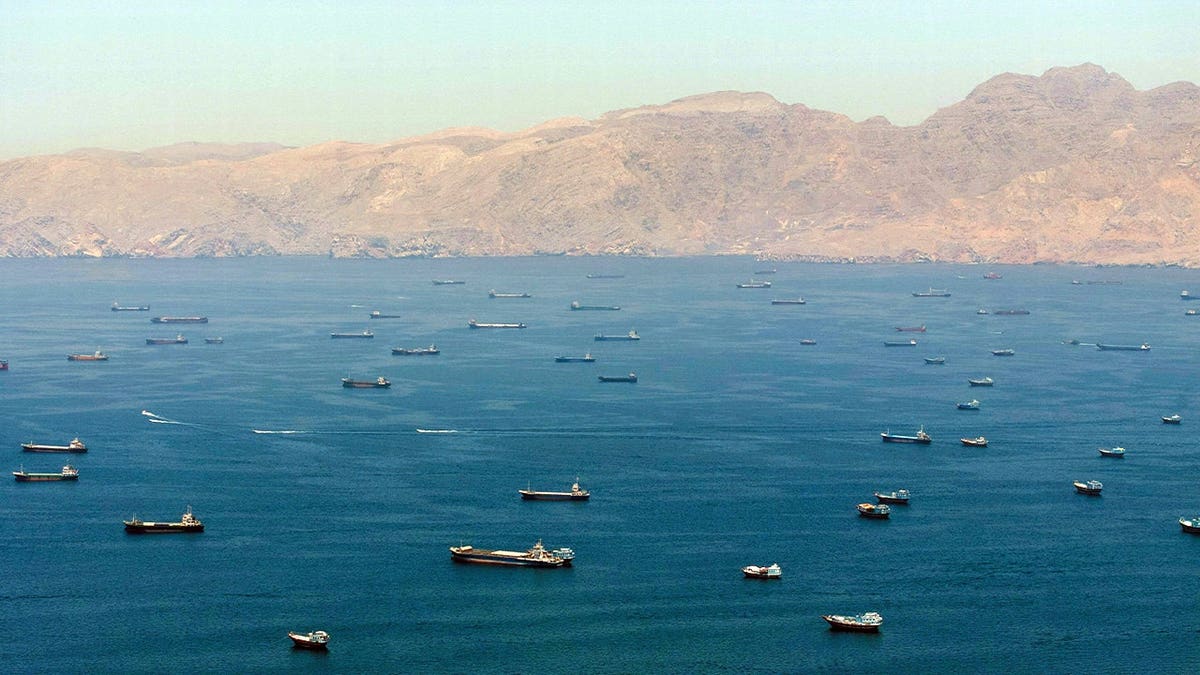
A drone view shows vessels anchored at the Strait of Hormuz, as seen from Musandam, Oman, May 25, 2026. (Stringer TPX IMAGES OF THE DAY via Reuters)
The Omani embassy and the White House could not be reached for comment on the underlying tensions or negotiations on the Strait of Hormuz.
Situated on the southeastern edge of the Arabian Peninsula, Oman occupies the southern side of the Strait of Hormuz and has long pursued a foreign policy distinct from many of its Gulf neighbors.
While maintaining close security ties with the U.S., Muscat also has preserved relations with Iran, allowing it to serve as one of the region’s key intermediaries. Oman helped facilitate secret U.S.–Iran talks that paved the way for nuclear negotiations, has repeatedly served as a diplomatic channel between Washington and Tehran and has played a role in negotiations involving Yemen’s Iran-backed Houthi rebels.
«Oman’s role as the Switzerland of the Middle East has advanced U.S. interests,» April Alley, a senior fellow at The Washington Institute, told Fox News Digital.
«They have facilitated numerous rounds of talks between U.S. and Iranians,» she said. «They were also able to broker a truce between the US and the Houthis in the Red Sea. Their neutrality allows them to be quiet facilitators when adversaries are ready to talk.»
Oman’s value to Washington historically has stemmed from its ability to maintain communication channels with actors that many U.S. partners cannot or will not engage directly.
The Gulf kingdom has served as a go-between in negotiations involving the United States and Iran, supported diplomatic efforts related to Yemen and frequently positioned itself as a neutral intermediary during regional crises.
Yacoubian described that role as «indispensable» to previous diplomatic efforts.
«Oman has long played an important role as a quiet mediator, acting as a go-between for the United States and Iran in various negotiations including for the Obama-era JCPOA and more recently with the Trump administration and its efforts to negotiate with Iran prior to the 12-day war in June 2025,» she said.
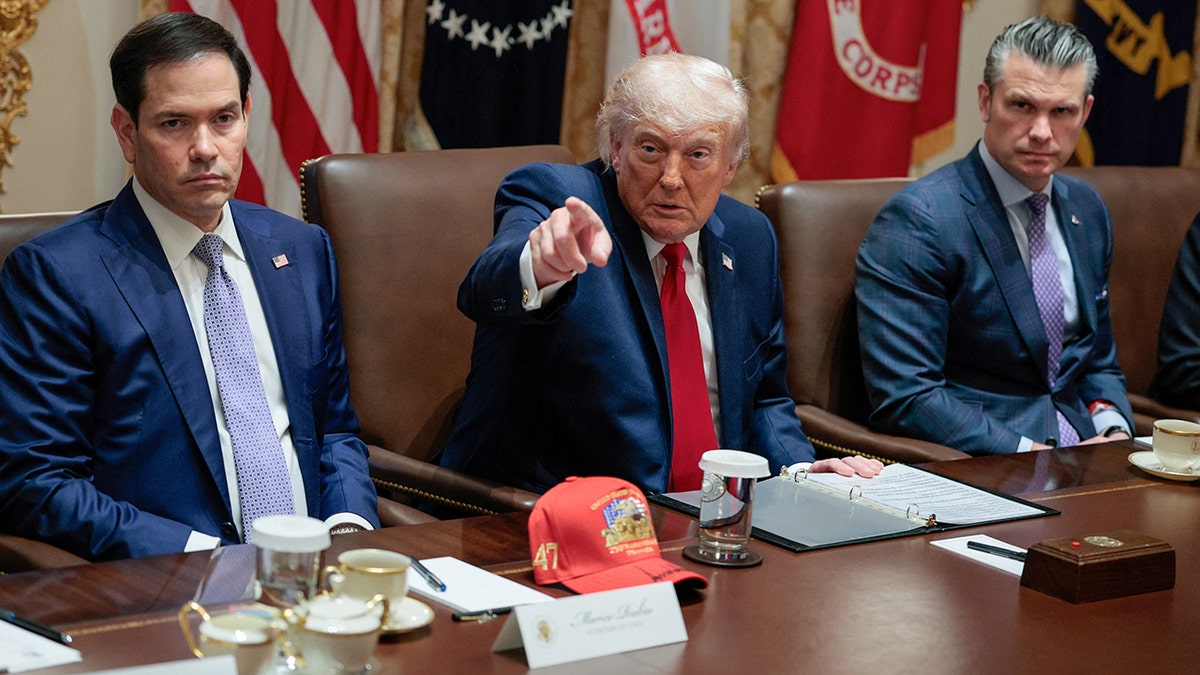
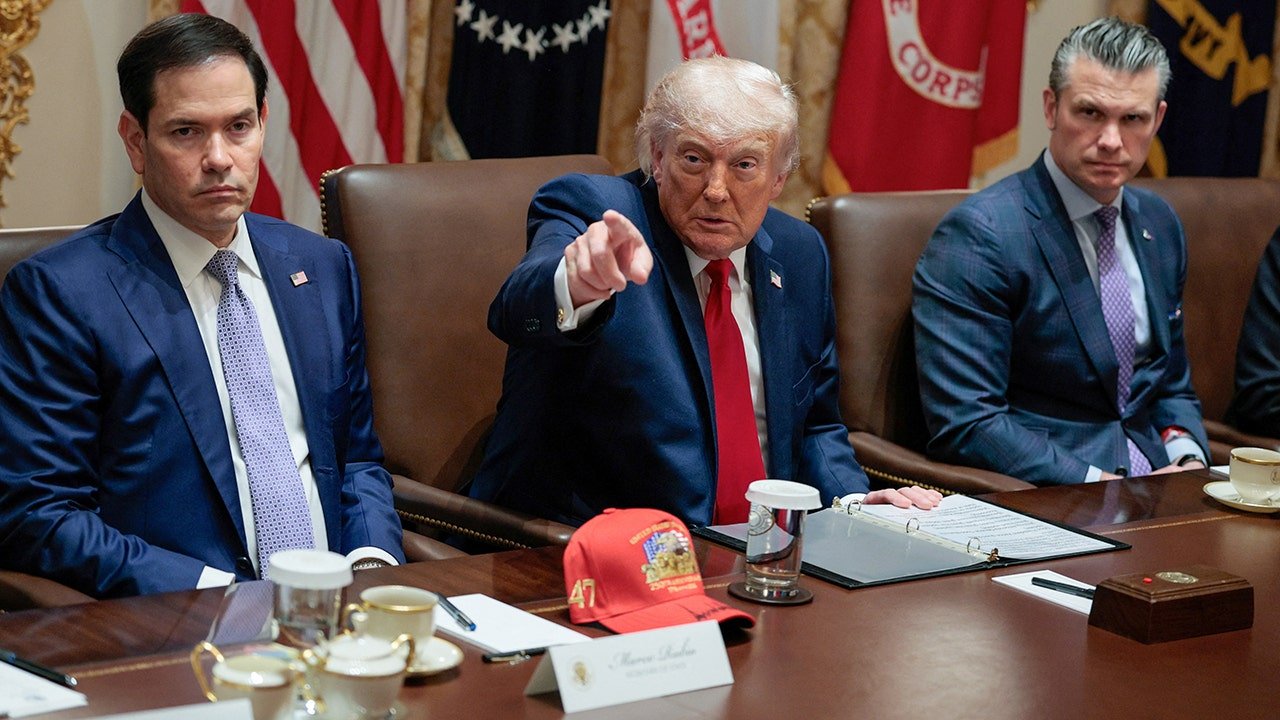
President Donald Trump attends a cabinet meeting with Secretary of State Marco Rubio and Defense Secretary Pete Hegseth in the Cabinet Room at the White House in Washington, D.C., on May 27, 2026. (Evan Vucci/Reuters)
A real dispute beneath the rhetoric
While Trump’s remarks drew attention, experts said they reflected a substantive disagreement over the future of the Strait of Hormuz rather than a purely rhetorical outburst.
«I think it was both,» Alley said when asked whether the remarks were simply an unusual threat directed at a longtime U.S. partner or reflected deeper concerns.
«Oman is an important defense partner, and the Trump administration has a record of working with them on mediation initiatives. The President has an unconventional style, but still this comment was shocking.»
«Beyond the shock value, I think it reflects clear frustration on the part of the administration with the Omani approach to the Strait,» she said. «The President is signaling that Oman has gone too far in discussions with Iran on options for opening the Strait that could give Iran administrative control and interfere with freedom of navigation.»
The administration’s concerns center on reports that Iran and Oman have discussed arrangements involving tolls, fees or joint administration of the strategic waterway.
«The administration is right to be concerned about tolls, fees, or joint management of the Strait,» Alley said. «All of these things are a recipe for Iran interfering with freedom of navigation in the long term and they could set a dangerous precedent for other international waterways.»
She warned that if Iran were able to exert administrative control over Hormuz, other Iran-backed groups could seek similar arrangements elsewhere.
«I could see the Houthis trying for the same in the Bab al-Mandeb,» she said.
Mona Yacoubian, senior adviser and director of the Middle East Program at the Center for Strategic and International Studies, similarly argued that any arrangement that financially benefits Iran through management of the strait would be cause for concern.
«If in fact under discussion, a joint management scheme that accrues monetary benefit to Iran, Oman, and possibly other GCC countries would be a justifiable cause for U.S. concern as this would undermine broader principles of freedom of navigation and set a worrying precedent globally,» she told Fox News Digital.
Yacoubian said Oman likely is attempting to serve as a bridge between Iran and Gulf Arab states amid concerns over future shipping disruptions in the strait.
«Oman is likely seeking to serve as a bridge between Iran and the Gulf Cooperation Council states,» she said.
But, Yacoubian added, «It is important to underscore that these types of threats are not well-received globally and contribute to an overall erosion of trust in the United States as a credible negotiator and leading global power.»
WHY GULF STATES AREN’T JOINING THE WAR AGAINST IRAN — DESPITE ATTACKS ON THEIR SOIL
Oman’s role has not been without controversy. Unlike many of its Gulf neighbors, Muscat has often sought to maintain relationships with rival regional powers even during periods of heightened tension.
Michael Rubin, a senior fellow at the Middle East Forum, argued that concerns about Muscat extend beyond the current dispute over the Strait of Hormuz.
«Oman often acts as Qatar-lite,» Rubin told Fox News Digital. «They like to mediate but, in the past at least, they appear to have turned blind eyes to terror finance and weapons smuggling.»
Rubin pointed to what he described as three longstanding concerns: alleged Iranian weapons smuggling through Oman to Yemen’s Houthi rebels, Oman’s hosting of Houthi leaders and what he characterized as financial incentives tied to disruptions in Red Sea shipping.
«It’s no secret that Oman has kind of chosen its own path, and sometimes split the difference between Iran and the rest of the Gulf in ways that have concerned U.S. policymakers,» Daniel Beinam, fellow of the Middle East Institute and former senior State Department official for Middle Eastern affairs, told Fox News Digital.
CLICK HERE TO DOWNLOAD THE FOX NEWS APP
Even so, Beinam emphasized the depth of the relationship between the two countries.
«For a century and a half, Oman has been a close partner to the United States,» he said.
middle east, national security, donald trump, foreign policy, iran








INTERNACIONAL
Trump gives Smithsonian days to replace ‘strange modernist sculpture’ with Founding Father

Smithsonian Museum faces backlash over activism shift
‘The Ingraham Angle’ host Laura Ingraham exposes how progressive curators inside the Smithsonian are rewriting American history through radical exhibitions. Historian Dr. Jody Edward Ginn analyzes the systemic exclusion of conservative perspectives, noting that a new exhibit features three times more liberal items than conservative ones. Ginn discusses how the progressive shift raises concerns about the political neutralization of America’s national museums.
NEWYou can now listen to Fox News articles!
President Donald Trump is calling on the Smithsonian to replace a decades-old modernist sculpture outside the National Museum of American History with a towering, 30-foot statue of George Washington.
In social media posts late Friday, Trump said the «Infinity» sculpture that has stood outside the museum since 1967 «says nothing about America,» while Washington, he argued, «more than anyone else, says everything about America.»
Trump also called for the museum to open a five-year exhibition honoring Washington that would run through Feb. 22, 2032, the 300th anniversary of the first president’s birth.
INSIDE THE BEHEMOTH SMITHSONIAN MUSEUM NETWORK DRAWING FIRE FROM THE TRUMP ADMINISTRATION
People walking past the «Infinity» sculpture outside the Smithsonian National Museum of American History on the National Mall in Washington, Tuesday, Sept. 8, 2026. (AP Photo/Pablo Martinez Monsivais)
Trump also wants the Smithsonian to install an 11-foot statue of Washington in the museum’s Flag Hall by Constitution Day on Sept. 17. The statue was featured at the recent Freedom 250 Grand Prix race.
«Immediately design and display a five-year exhibition worthy of the Life, Sacrifice, and Contributions of George Washington,» Trump wrote.
«Then, as soon as it is ready, install a 30-foot Washington Colossus where ‘Infinity’ stands today,» he added.
«Infinity,» created by New York artist José de Rivera, was commissioned by the federal government and installed outside the museum in 1967.
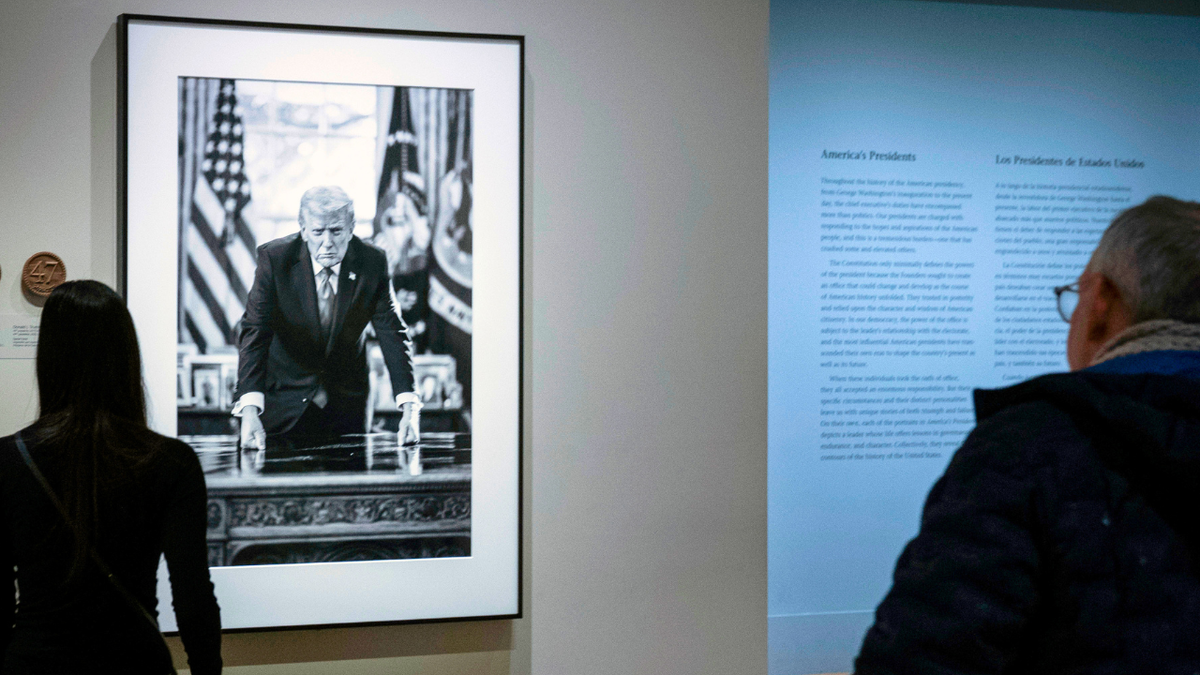
President Donald Trump has argued the Smithsonian should place greater emphasis on America’s founding principles, national achievements and patriotic history. (Maxine Wallace/The Washington Post/Getty Images)
It is unclear whether Trump can order the Smithsonian to make the changes. The institution is outside the executive branch and is overseen by a Board of Regents that includes Vice President JD Vance, Chief Justice John Roberts, lawmakers from both parties and citizen members.
Fox News Digital reached out to the Smithsonian for comment but did not immediately receive a response.
Trump has repeatedly criticized how the Smithsonian presents American history, particularly as the country celebrates its 250th anniversary.
EXCAVATION SET TO BEGIN ON TRUMP ADMINISTRATION’S 250-FOOT TRIUMPHAL ARCH AMID LEGAL BATTLE
In his posts Friday, he accused the National Museum of American History of giving too little attention to Washington and other Founding Fathers.
Trump singled out Washington’s crossing of the Delaware River on Christmas night in 1776 and the American victory at Trenton, saying the museum does not give those events the attention they deserve.
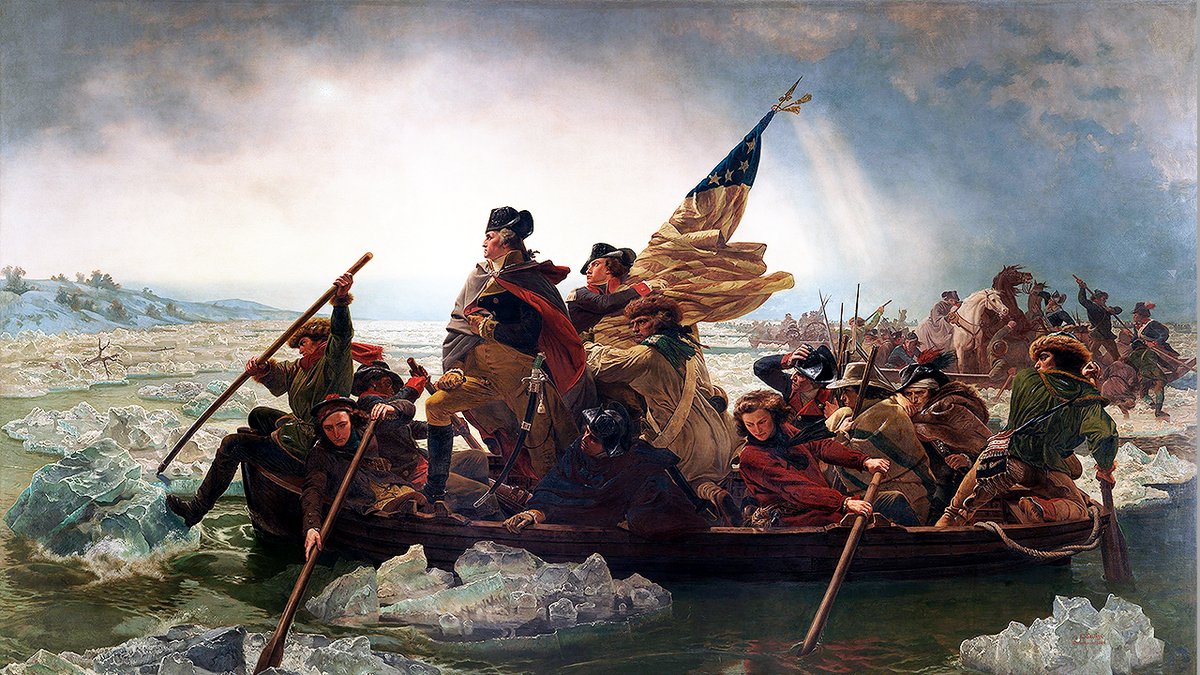
This painting, Washington Crossing the Delaware (by Emanuel Leutze, American, 1816 – 1868), 1851, shows George Washington’s crossing of the Delaware River on the night of December 25-26, 1776, as part of a surprise sneak attack on the British Army during the American Revolutionary War. (GraphicaArtis via Getty Images)
«He is easily America’s Greatest Hero,» Trump wrote of Washington. «Without him, our Country and our Freedoms wouldn’t exist.»
Trump also criticized the Smithsonian’s recently ended Center for Restorative History, an initiative created to spotlight stories that have been excluded from the national historical narrative.
Trump said the museum should instead create a «Center for American Heroes.»
«Tell the stories of Americans who faced great challenges, overcame them, built great things, defended our Country, made America better, and helped our Nation more fully live up to our Founding Ideals,» he wrote.
SUPREME COURT CHIEF JUSTICE PRAISES OUTGOING SMITHSONIAN LEADER WHO WAS UNDER PRESSURE FROM TRUMP ADMIN
Those criticisms have also led to action by the White House.
In March 2025, Trump signed an executive order aimed at eliminating what the White House called «divisive narratives» and «improper ideology» at the Smithsonian.
The White House followed this year with a report criticizing the Smithsonian, including what it said was a lack of attention to Washington and other Founding Fathers.
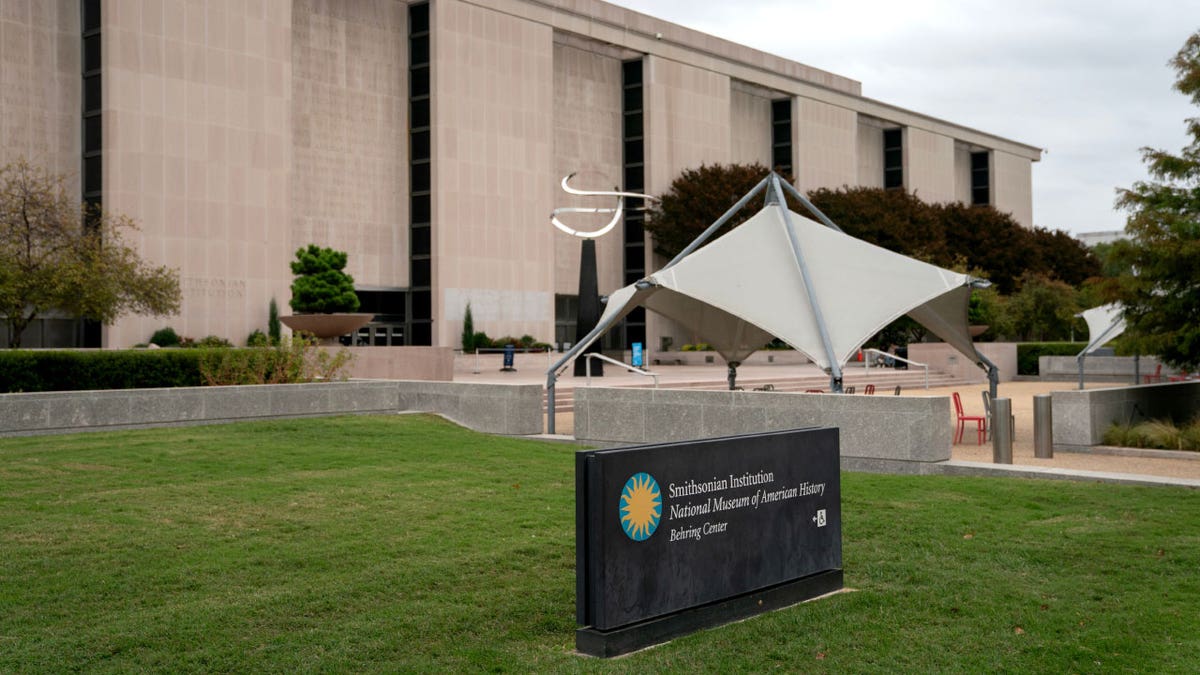
The Smithsonian National Museum of American History in Washington, D.C., on Sunday, Oct. 12, 2025. (Stefani Reynolds/Bloomberg via Getty Images)
In July, Trump ordered his administration to place signs outside the National Museum of American History telling visitors that some exhibits are inaccurate.
In a statement last year, the Smithsonian’s Board of Regents said it was committed to keeping the institution nonpartisan and its scholarship free from political or partisan influence.
The board also acknowledged that the Smithsonian «can and must do more» and directed its leadership to ensure museum content is unbiased.
Smithsonian secretary Lonnie Bunch announced last week that he will step down at the end of the year.
The Associated Press contributed to this report.
smithsonian, donald trump, white house, politics, heritage
NEWYou can now listen to Fox News articles!
FIRST ON FOX: Africa could become the next major frontier for data centers and Artificial Intelligence, experts say.
The Trump administration is backing and promoting American companies to make AI development, in their words, ‘the gold standard’. The U.S. is trying increasingly to grab business opportunities in Africa, as backlash and environmental restrictions hit data center development in the U.S. and Africa.
«Africa is emerging as a significant potential location for building AI infrastructure, especially as many mature markets face increasing environmental and power constraints,» Abhishek Goyal, Consultant at specialist research group Arizton Advisory & Intelligence, told Fox News Digital.
US COMPANIES WIN BILLIONS IN AFRICAN DATA CENTER DEALS IN DIRECT COMPETITION WITH CHINA
Rendering of U.S. company Cybastion’s projected data center in the Ivory Coast, West Africa. The U.S. Embassy in Abidjan helped facilitate a $170m contract with the government of the Ivory Coast which includes the provision of the data center. Image credit: (Cybastion)
He added, «The continent could become the next major frontier for AI infrastructure development. As the U.S. and Europe encounter challenges such as power scarcity, grid congestion, permitting issues and environmental regulations, Africa’s underdeveloped infrastructure presents an opportunity rather than a disadvantage.»
A State Department spokesperson told Fox News Digital, «We are committed to ensuring that American AI – including enabling infrastructure like data centers – continues to be the gold standard worldwide, and that we remain the partner of choice for foreign governments and businesses who are seeking to upgrade their telecommunications networks and AI capabilities.»
Amongst other deals, this year with U.S. help, an American company has won a $6.2 billion deal in Lesotho in Southern Africa for a data center and hydropower plant.
In the central African country of Gabon, the U.S. Embassy helped win $600 million in business for American companies in 2025. And this year, the embassy in this central African country has assisted in securing a $100 million contract to supply two data centers and a gas-to-power plant, in the face of strong competition from China.
TRUMP GETS MAJOR WIN AGAINST CHINA IN AFRICAN RARE EARTH MINERALS RACE
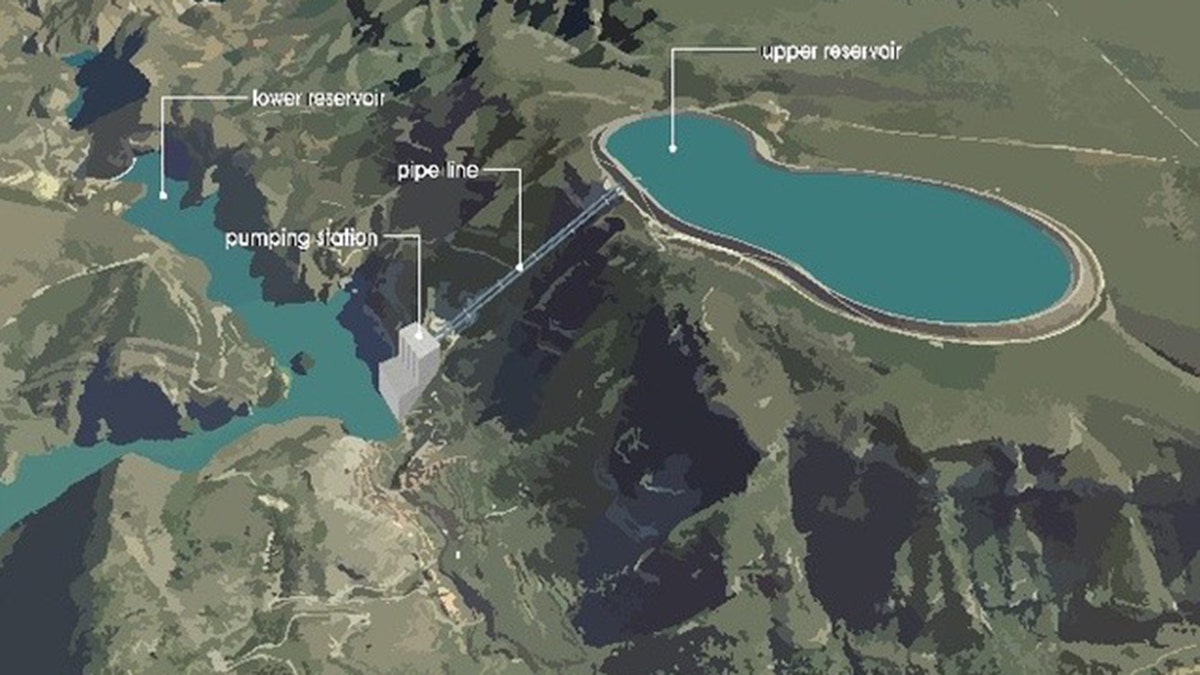
Rendering of the Kobong, Lesotho Pumped Hydro project, which is to be constructed in Lesotho by U.S. company Convalt Energy as part of a $6.2 billion deal with the government of Lesotho facilitated with the assistance of the U.S. government. (Convalt Energy)
Assistant Secretary of State for African Affairs Frank Garcia previously told Fox News Digital, «Under President Trump’s leadership, the United States is assisting U.S. companies to find new markets and flourish in Africa.»
«Africa is experiencing a data center boom, but it begins from a very small base,» Arthur Goldstuck told Fox News Digital. Goldstuck is CEO of South African technology research group World Wide Worx, and author of «The Hitchhiker’s Guide to AI – The African Edge.»
MASSIVE AI BOOM PUTS ONE OF AMERICA’S OLDEST MANUFACTURERS ON PATH TO DOUBLE IN SIZE, CEO SAYS
Goldstuck said that because of a lack of capacity currently, «Africa will not replace either market as any kind of center of global computing. Rather, its attraction lies in serving a rapidly growing African cloud market, and processing African data closer to the people and businesses that generate it.
He continued, «Africa also gives U.S. companies access to a cloud and AI market that remains severely under-served. The opportunities extend from operating data centers to supplying AI chips, cooling systems, cybersecurity and power infrastructure. In some countries, a data center can also become the guaranteed customer that makes a new renewable-energy project financially viable. American companies can therefore develop computing capacity and electricity generation together, in partnership with African companies and governments.»
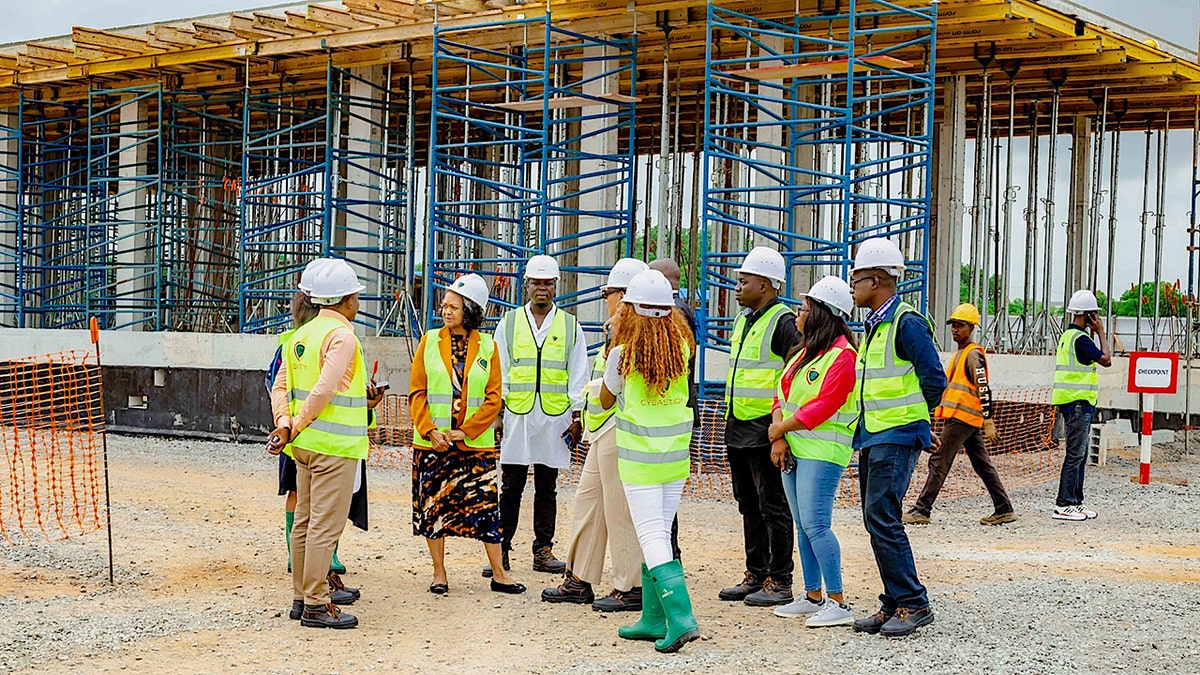
A recent site visit to the construction zone for a new data center in the Ivory Coast, which is part of a $170m contract facilitated by the U.S. Embassy for development by the U.S. company Cybastion. Photo credit Clement Djakey, Djakey Picture, for Cybastion. (Clement Djakey for Cybastion)
But Goldstuck said that data center growth is fueled by local needs on the continent. «It is a boom by African standards. Africa remains far behind the U.S. and Europe in installed capacity, and weak electricity grids make construction and operation more difficult. Demand is growing rapidly as governments, banks and other large companies seek local cloud and AI services. They increasingly want sensitive information stored within their own countries, which adds momentum to the expansion.»
Arizton’s Goyal added that «countries such as South Africa, Kenya, Nigeria, Morocco and Egypt are attracting large-scale (AI) projects.
«The U.S. Government aims,» a State Department spokesperson said, «to offer credible solutions that leverage public and private financing in priority areas, such as emerging technology, which demand that global telecoms networks remain secure for U.S. citizens and business. For example, undersea cables networks are being constructed across the Atlantic, providing more opportunity and connectivity to Africa than ever before.»
THE BIGGEST THREAT IN AMERICA’S RACE WITH CHINA ISN’T BEIJING, TECH EXECUTIVE WARNS
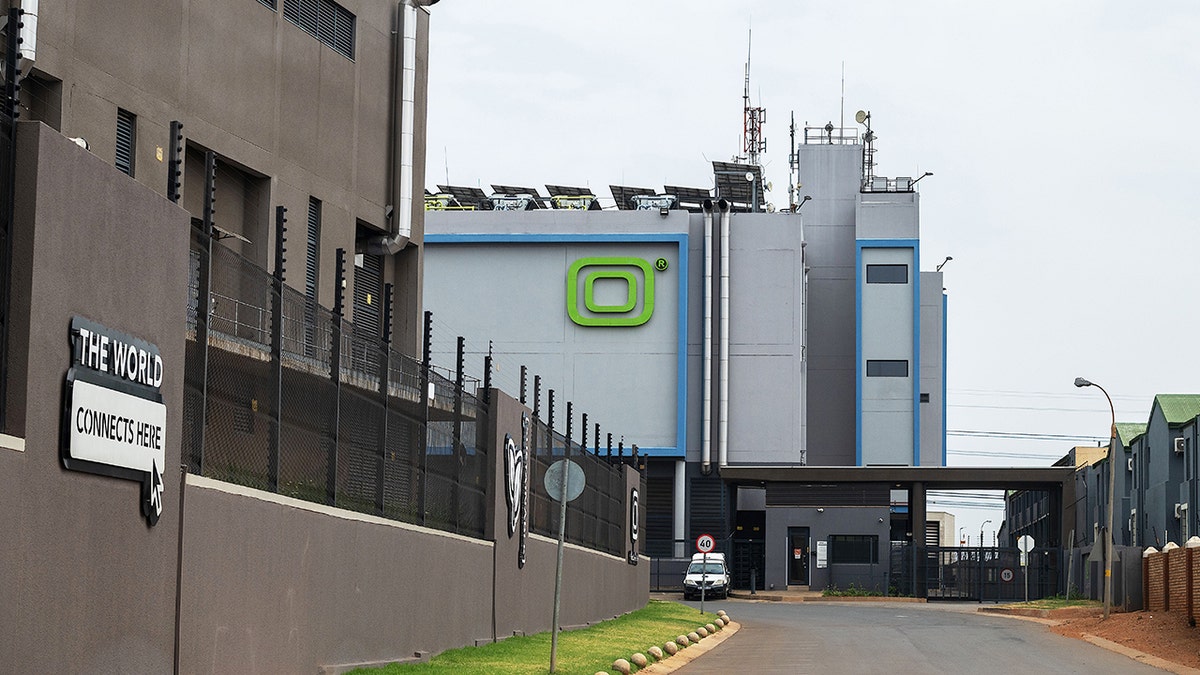
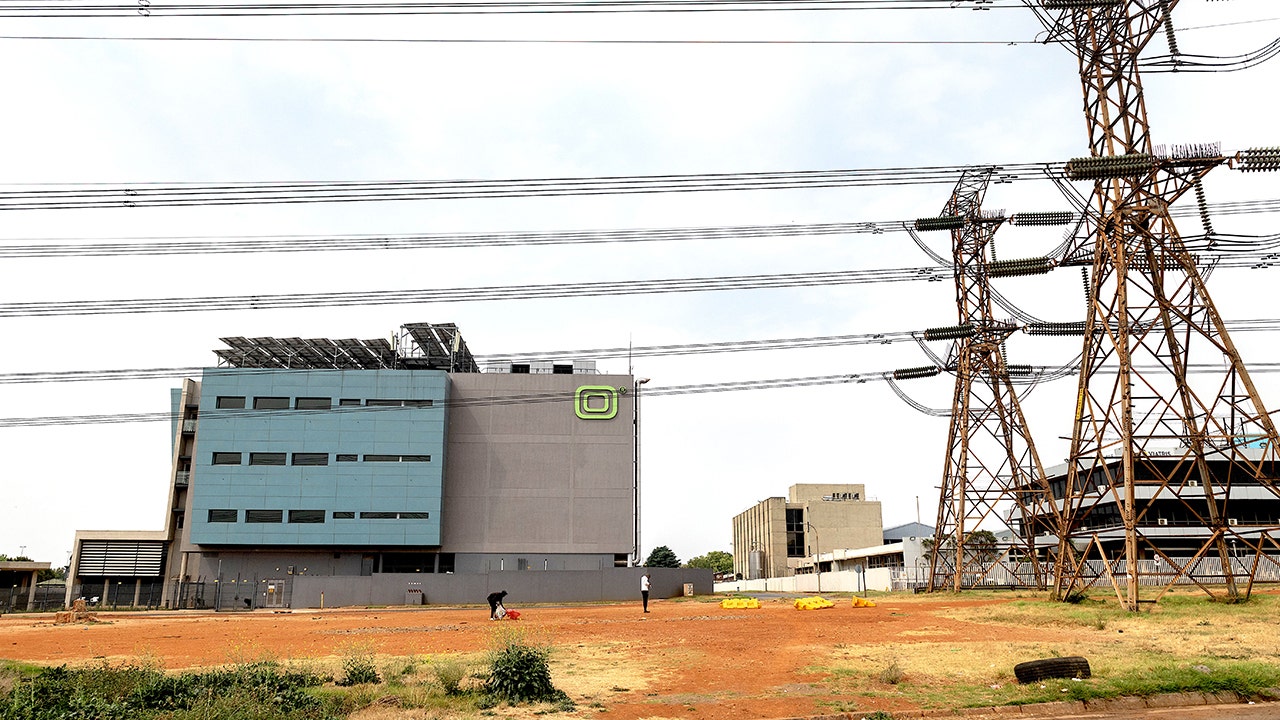
The Isando Campus, home to the Teraco Data Environments JB1 East & West, JB3 and JB5 data centers, in Johannesburg, South Africa, on Sunday, Sept. 28, 2025. Outside of South Africa, computing resources on the continent are often expensive and scarce. Photographer: (Leon Sadiki/Bloomberg via Getty Images)
U.S. companies using undersea AI cables to connect with African data centers is a possibility, Goldstuck said, but there are limitations. «Distance creates a slight delay, so African facilities would be less attractive for U.S. services requiring an instant response from American users. They could work well for backups, disaster recovery and some intensive AI processing, provided that the cost, security and legal jurisdiction made sense.»
Analysts say presently, much of Africa lacks regulation and is creating the risk of a wild west approach to business. The South African government recently claimed the country hosts 70% of the continent’s total data center capacity.
But Pitso Tsibolane, senior lecturer in information systems at the University of Cape Town, told Fox News Digital that in South Africa «there is currently no public register of data center facilities, no requirement that operators disclose how much water, electricity and land they will use and no binding commitments against which performance can be measured.»
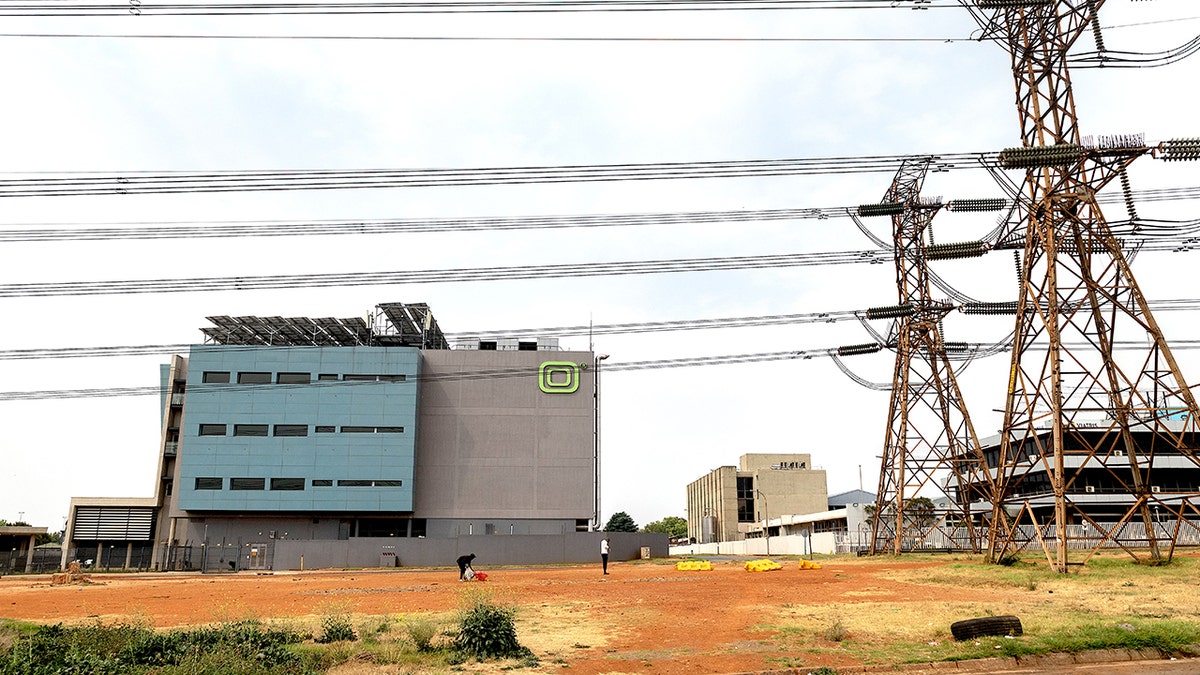
The Isando Campus, home to the Teraco Data Environments JB1 East & West, JB3 and JB5 data centers, in Johannesburg, South Africa, on Sunday, Sept. 28, 2025. ( Leon Sadiki/Bloomberg via Getty Images)
Tsibolane added, «That gap serves nobody. Communities cannot see what is being traded on their behalf, and responsible operators cannot distinguish themselves from the rest, because nobody’s numbers are on the table. South Africa hosts the majority of Africa’s data center capacity and has a real opportunity to become the jurisdiction that gets this right early: transparent disclosure, an independent factual baseline and predictable approvals. That combination is good for households, good for the grid and good for every investor who intends to be here for the long term.»
Arizton’s Goyal says the future for Africa could be bright. «Several African countries present a unique opportunity due to their abundant renewable energy potential — such as solar, wind, hydro and geothermal sources — as well as available land, lower development costs and fast-growing digital economies.»
africa, emerging economies, tech, energy planet earth, artificial intelligence
INTERNACIONAL
GOP women sound alarm as Lindsay Clancy backlash revives calls to repeal 19th Amendment: ‘Definitely a threat’
NEWYou can now listen to Fox News articles!
If you or someone you know is having thoughts of suicide, please contact the National Suicide Prevention Lifeline at 1-800-273-TALK (8255).
Calls to repeal women’s rights to vote are emerging from the online firestorm over the Lindsay Clancy trial, prompting Republican women to warn that the intraparty rhetoric could hurt the GOP.
«I think there’s definitely a threat in the Republican Party right now,» political and legal strategist Mehek Cooke told Fox News Digital.
The online calls to repeal the 19th Amendment come after Clancy’s high-profile murder trial ended in a mistrial, with 11 of the 12 jurors favoring a verdict of not guilty by reason of insanity. Clancy admitted to killing her three children, but her defense argued that she was not criminally responsible because she was suffering from postpartum psychosis.
LINDSAY CLANCY MISTRIAL DECLARED AFTER JURY DEADLOCKS IN KILLINGS OF HER THREE CHILDREN
Lindsay Clancy listens to testimony on Monday, Aug. 10, 2026. (Greg Derr/Pool/The Patriot Ledger)
«Convict Clancy. Also Repeal the 19th Amendment!» one user posted on X.
«The female jurors in the Lindsay Clancy trial are speaking out about their deliberations and disagreements with the sole male holdout. The more they speak the better they make the case for repealing the 19th Amendment,» posted another user.
Cooke warned that calls to strip women of the right to vote, largely coming from accounts identifying as conservative, risk alienating female voters from the Republican Party.
«When you have these fringe activists online talking about repealing the 19th Amendment or alienating women, it really doesn’t help,» Cooke said.
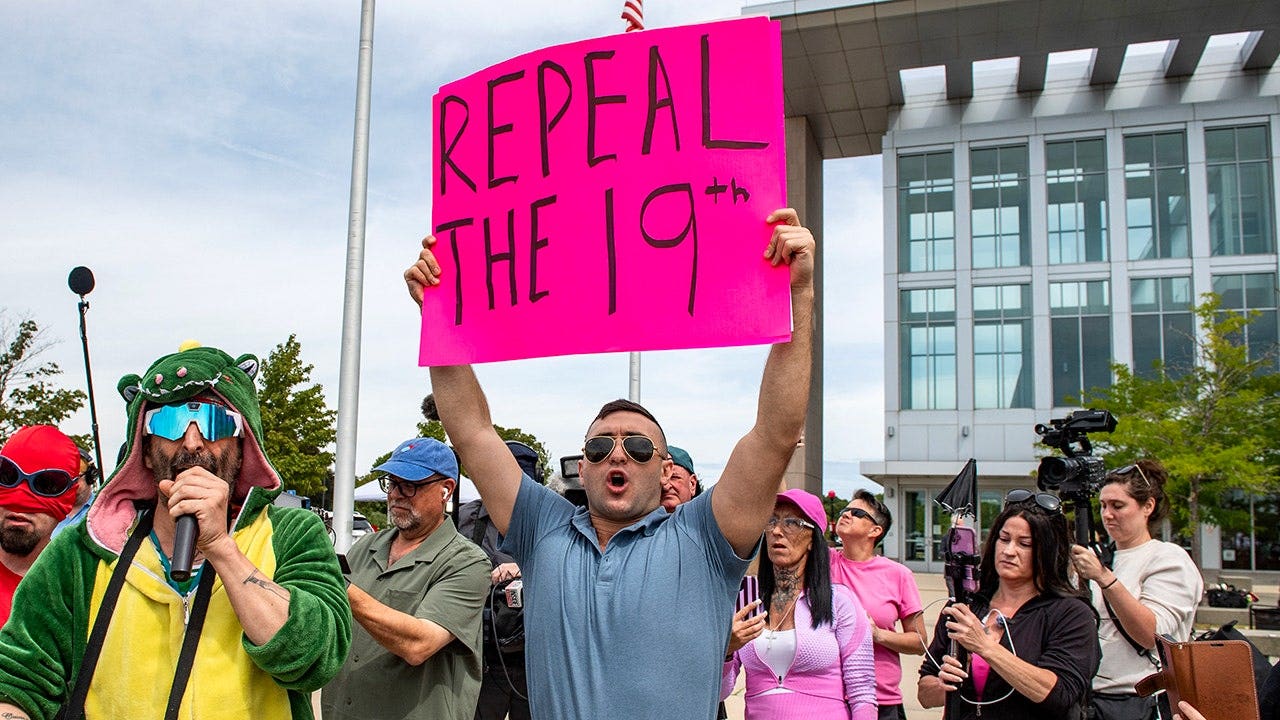
The calls followed after the case made waves on social media, particularly after hundreds of mostly female Clancy supporters gathered outside a Massachusetts courthouse during the murder trial. The demonstrators rallying behind Clancy argued the case is an example of the lack of understanding of postpartum depression.
ROGAN SHREDS SUPPORTERS OF LINDSAY CLANCY, SAYS THEY WOULDN’T RALLY IF A FATHER WERE ON TRIAL FOR SAME CRIME

Supporters of Lindsay Clancy gather outside of Plymouth Superior Court on August 20, 2026. (John Tlumacki/The Boston Globe via Getty Images)
But the demonstrations quickly turned into ammunition for online critics who argued that the support for Clancy is an indication that women should be stripped of their right to vote.
«This Lindsay Clancy trial has shown us How spiteful women can be, the fact that women are willing to even defend a child killer just because they want to be ok with the «sisterhood» should alarm you,» another user wrote on X.
The post continued, «They will gaslight you, they will use sign language against you and even try to call you all sort of names. But guess what, they are still wrong and they know it. Repeal the 19th.»
Cooke pushed back on the idea that the calls to repeal the 19th Amendment reflect the reality of the mainstream Republican party.
«Social media isn’t real life,» Cooke said. «I think a lot of people out there put these arbitrary crazy ideas, but it doesn’t really reflect what normal people think and what mainstream thinks.»
LINDSAY CLANCY MURDER TRIAL BECOMES SOCIAL MEDIA OBSESSION AS TIKTOKERS, SLEUTHS DEBATE CONTROVERSIAL CASE
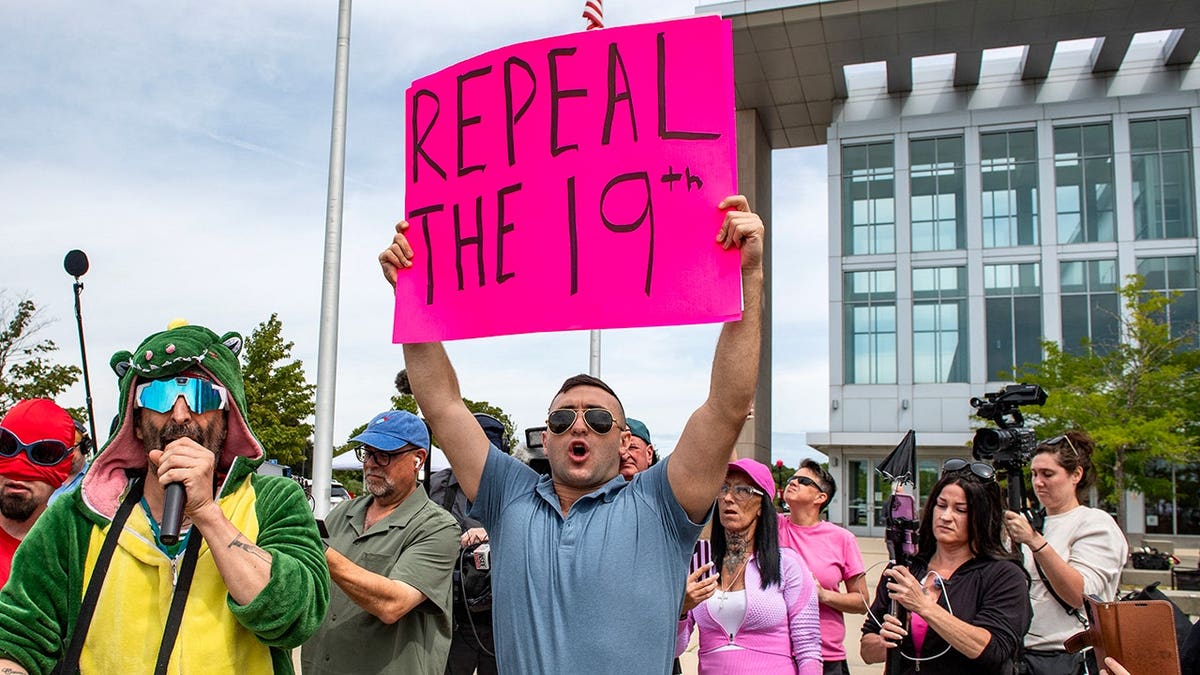
A protester holds a «Repeal the 19th» sign amid an online debate over women’s voting rights following the Lindsay Clancy trial. (JOSEPH PREZIOSO / AFP via Getty Images)
She continued, «I think you’re getting these calls because of where our culture is today. You looked at the Lindsay Clancy trial and all the women out there in pink that were continuing to support a woman who murdered three children. You’re constantly seeing this cultural push in terms of where women stand today in politics.»
Tiffany Losee, director of fundraising for The Conservative Caucus, told Fox News Digital that Democrats are to blame for pushing out this agenda and associating it with the broader Republican Party.
«You have to understand this is all a game to the Democrat Party,» Losee said. «They’re going to push out anything that looks fringe on the right.»
Losee also claimed that Democrats are using this rhetoric on the right to distract voters from the rise of socialism that has emerged within the Democratic Party, claiming if voters understood the ideals of the party they would «run faster than imaginable to get away from such government control.»
HOW THE ‘LONG MARCH’ THROUGH THE INSTITUTIONS LED TO SOCIALIST TAKEOVER OF DEM PARTY: ‘NEED TO WAKE UP’
«They’re gonna push out crazy, Lindsay Clancy ideas, or ‘look over here at something shiny, or communism is cool, socialism is cool, everything’s free,’» Losee said. «But then they will not take that extra step to educate the voter on what exactly they are pushing.»
Cooke and Losee spoke to Fox News Digital on the issue as Republicans gathered in Dallas for the party’s first-ever midterm convention, where the GOP gathered to rally their base to vote as Republicans work to stay in control of Congress as November’s midterm elections approach.
«I think the left has constantly alienated women,» Cooke said. «It’s our responsibility to pull them in and show them common sense.»
lindsay clancy, politics, republicans elections, political rights, rise of socialism, democratic party

Jaime Durán Barba advirtió por la caída de las inversiones extranjeras en Argentina y pidió un liderazgo “que convoque a un diálogo amplio”

Por qué levantamos los brazos al ganar: la ciencia detrás del lenguaje corporal de la victoria

¡Es un montón! El polémico video de Gimena Accardi sobre su amistad con Cande Vetrano y en plena infidelidad con Andrés Gil

Trump gives Smithsonian days to replace ‘strange modernist sculpture’ with Founding Father

«Debe ser difícil aceptar que has sido engañado por un chanta», la ironía del Presidente a su detractores por la reactivación económica

Con la campaña electoral en el horizonte, la inseguridad vuelve a imponerse en la agenda de la provincia de Buenos Aires

El día que Owen Wilson se emocionó por el abrazo que le dio Lionel Messi tras un partido

Berni se diferenció de Kicillof en la aplicación de la baja de la edad de imputabilidad

Cuánto cuesta comprar una pick up en la Argentina y cuáles son los modelos más baratos en septiembre

La desafiante aventura de Carolina Baldini en moto por Europa: desde Edinburgo a Liverpool en dos ruedas

 POLITICA2 días ago
“¿Dónde está Kicillof?”: Patricia Bullrich cruzó al gobernador por la inseguridad en la Provincia
- INTERNACIONAL2 días ago
Atraviesan dos pipas y paralizan el tránsito en ruta clave de la Ciudad de Guatemala en protesta por el alza a los combustibles
- DEPORTE2 días ago
La cima de la Zona A del Torneo Clausura se pondrá en juego con dos compromisos: hora, TV y formaciones