INTERNACIONAL
UK’s elite soldier unit faces exodus over ‘lawfare’ fears — warning sign for US military?

My heart breaks for these soldiers: Navy SEAL
Ret. Navy SEAL Jason Redman says there are a ‘lot of players’ in the Middle East who could be responsible for the ambush of two U.S. soldiers and one civilian interpreter on ‘Fox Report.’
NEWYou can now listen to Fox News articles!
Britain’s elite Special Air Service (SAS) is facing a growing exodus as soldiers resign over fears they could face years of legal scrutiny for actions taken on the battlefield, according to a report in The Telegraph.
Several sources told the British newspaper that members of 22 SAS, the British Army’s most elite regiment, have applied for premature release amid anger over investigations into alleged war crimes in Afghanistan, Syria and Northern Ireland.
The debate is not confined to Britain.
American troops could face similar concerns if political leaders fail to distinguish between legitimate investigations and politically motivated campaigns, according to John Spencer, executive director of the Urban Warfare Institute.
SIX DEMOCRATS URGE MILITARY MEMBERS TO ‘REFUSE ILLEGAL ORDERS’ IN VIRAL VIDEO; HEGSETH RESPONDS
«I welcome timely investigations of allegations of violations,» Spencer told Fox News Digital, «but want our leaders to protect all our forces, special or not, from agenda or politicized ‘witch hunts.’»
Australian Cpl. Ben Roberts-Smith attends a Victoria Cross and George Cross Association Reunion Service at St. Martin-in-the-Fields Church on May 30, 2012, in London. (Max Mumby/Indigo/Getty Images)
In Australia, the case of Victoria Cross recipient Ben Roberts-Smith has become a rallying point for veterans who fear elite soldiers could face years of legal battles after serving in combat.
Roberts-Smith, Australia’s most decorated living soldier, has denied allegations that he committed war crimes in Afghanistan. Earlier in April, Australian authorities charged him with five counts of murder related to his service in Afghanistan.
To many British veterans, the Australian case reinforces fears that the same trend could spread across other Western militaries, including the United States.
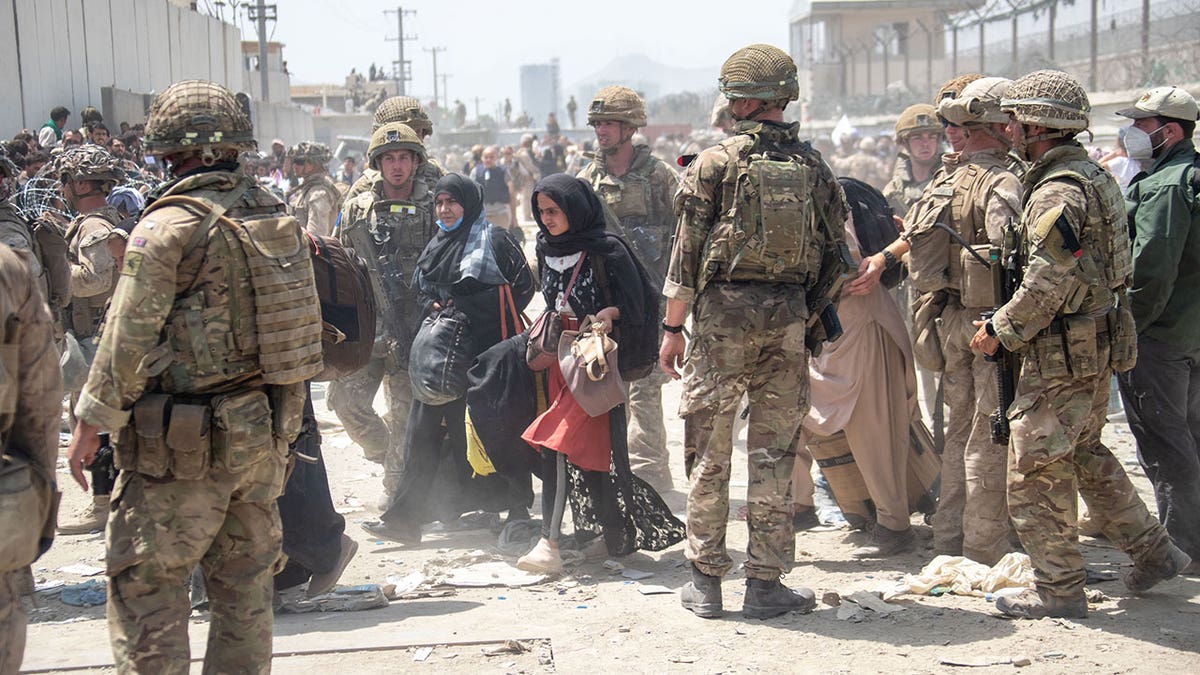
British armed forces work with the U.S. military to evacuate eligible civilians and their families on Aug. 21, 2021, in Kabul, Afghanistan. (MoD Crown Copyright/Getty Images)
At least two SAS squadrons have been affected, with several current and former members describing the losses as a «threat to national security.» The paper did not publish the precise number of departures for security reasons.
The resignations come as Prime Minister Keir Starmer’s government faces criticism over both defense spending and the treatment of veterans.
Britain’s armed forces have faced mounting scrutiny over their size and readiness in recent years. But the U.K. government says it is reversing that trend, reporting that total armed forces strength stood at 182,050 personnel as of Jan. 1, 2026, including 136,960 regular troops, an increase from the previous year.
The government also has pledged what it calls the largest sustained rise in defense spending since the Cold War, with military spending set to reach 2.6% of GDP by 2027, backed by an additional £5 billion this financial year and £270 billion in defense investment over the course of the current Parliament. Britain also has said it aims to raise defense spending to 3% of GDP by the end of the next Parliament.
Former and current soldiers said they believe Britain’s legal system has turned against troops who were sent to fight on behalf of the government.
«If a soldier discharges their weapon, they are almost certainly going to get a knock at their door one day,» George Simm, a former regimental sergeant major of 22 SAS, told The Telegraph. «It feels like a betrayal and a break in the trust.»
RETIRED GENERAL BLASTS DEMOCRATIC LAWMAKERS’ ‘IRRESPONSIBLE’ VIDEO URGING TROOPS TO REFUSE ‘ILLEGAL’ ORDERS

Britain’s elite Special Air Service (SAS) is facing a growing exodus as soldiers resign over fears they could face years of legal scrutiny for actions taken on the battlefield, according to a report in The Telegraph. (Omar Sobhani/Reuters)
The controversy centers on ongoing investigations into British special forces operations.
A total of 242 special forces troops, including 120 still serving, are currently involved in legal inquiries costing roughly £1 million per month. Those inquiries involve operations in Afghanistan, Northern Ireland and Syria.
Critics say those investigations have created a culture in which soldiers fear that decisions made in combat would later lead to prosecution.
Andrew Fox, a former British Army officer and senior fellow at the Henry Jackson Society, a London-based think tank, told Fox News Digital the relationship between soldiers and the government has been badly damaged.
«Soldiering contains a pact between the government and those they employ to use lethal force,» Fox said. «Soldiers will take human life within the rules set for them by international law, and in return, their governments should support them.
«This has been inverted, and international law has been weaponized and exploited by our enemies to persecute our soldiers. All too often, governments are coming down on the side of those enemies, not our troops.»
Fox said it was understandable that some soldiers would no longer want to serve.
«Of course, law breaking should be punished, but we are seeing a breakdown in trust between governments and their armed forces when politicians allow troops to be hounded through the courts unjustly,» he said.
Spencer said professional militaries depend on maintaining public trust through a strong internal justice system.
«A professional military holds the trust of its society because it lives by a strict ethical code, its laws, and its rules,» Spencer told Fox News Digital. «That trust is what gives soldiers the unique authority to use lethal force in the worst conditions a human being can face.»
Spencer said allegations of wrongdoing should be investigated quickly and fairly.
«We need investigations that move quickly and fairly on any credible allegation,» he said. «If there’s real evidence of wrongdoing under the law of armed conflict or the rules of engagement, then both the military and society must act on it. That’s how you keep the trust alive.»
PRINCE HARRY FIRES BACK AT TRUMP OVER NATO CRITICISM: ‘I LOST FRIENDS’ IN AFGHANISTAN
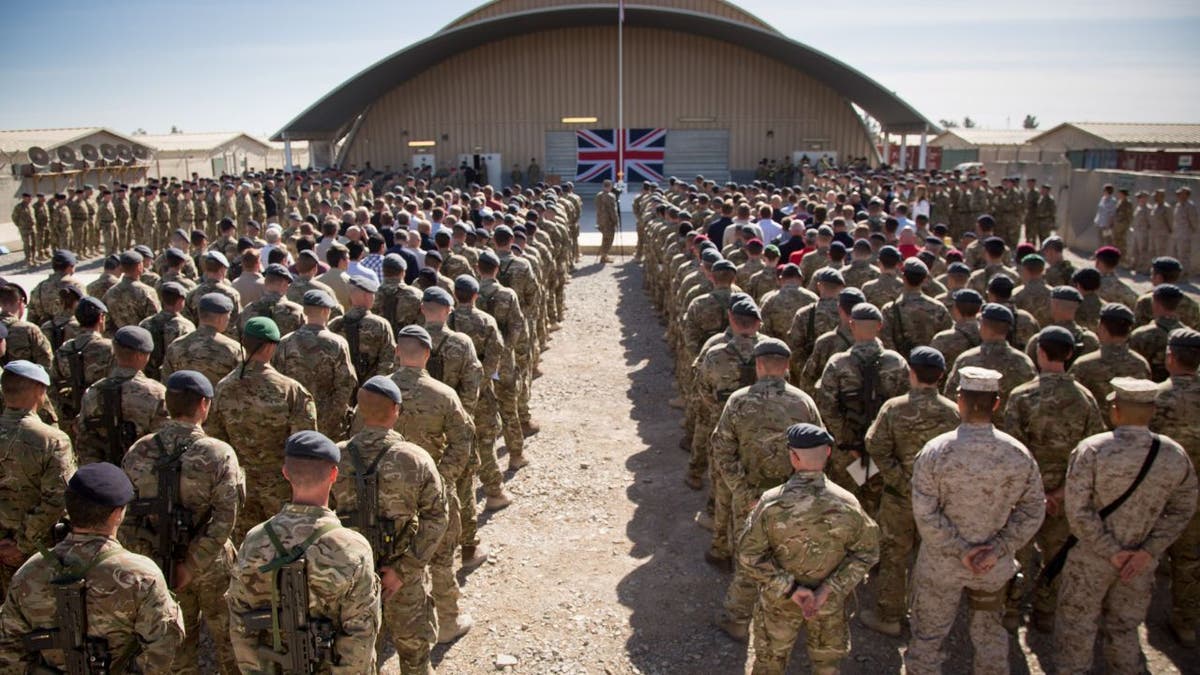
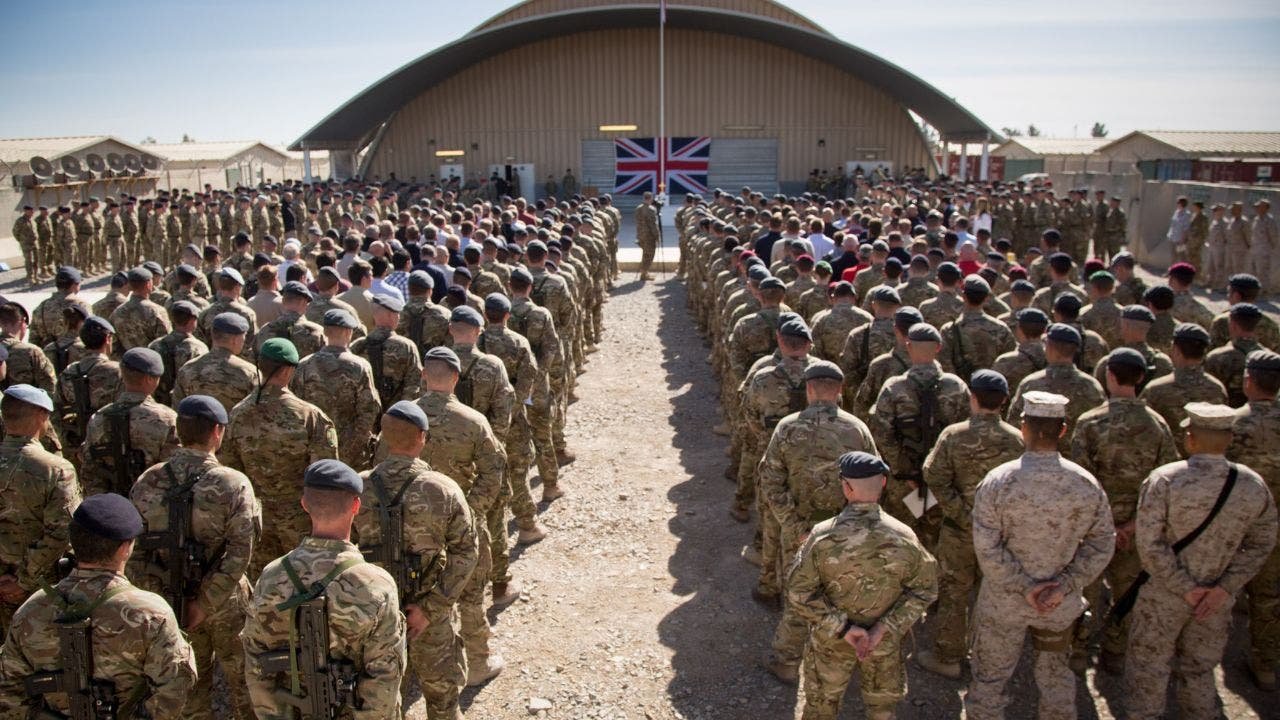
American troops could face similar concerns if political leaders fail to distinguish between legitimate investigations and politically motivated campaigns, according to John Spencer, executive director of the Urban Warfare Institute. (Matt Cardy/Getty Images)
At the same time, Spencer warned that some legal campaigns risk crossing the line into what troops perceive as politically motivated «witch hunts.»
«I’ve seen too many human rights lawyers blur the line between basic human rights and the actual law of armed conflict,» Spencer said. «They don’t always understand the application of the use of force in context or the split-second chaos of combat. When that turns into what troops call witch hunts, it eats away at morale and readiness.»
Spencer said governments have a responsibility both to investigate credible accusations and to protect troops from what he called agenda-driven campaigns.
«It’s also the duty of the government to shield the military from agenda-driven witch hunts,» he said. «A rigorous military justice system and honest self-policing are essential for an ethical force. Without them, the profession loses the very trust that lets it do its job.»
Britain’s Ministry of Defense spokesperson told Fox News digital that, «While it is a long-standing policy of successive governments to not comment on U.K. Special Forces, we are immensely proud of all our Armed Forces and their extraordinary contribution to keeping the U.K. safe at home and abroad.»
«We are committed to ensuring that the legal framework governing our Armed Forces reflects the practical realities of military operations — and that those who served with honor are properly protected,» he added, «Where the U.K. undertakes military action, it complies fully with U.K. and international law. We are clear that upholding those standards does not prevent our Armed Forces from conducting effective operations.»
Former British military chiefs warned in an open letter to Starmer in late 2025 that soldiers increasingly believe they must worry about «not only the enemy in front of them but the lawyer behind them.»
CLICK HERE TO DOWNLOAD THE FOX NEWS APP
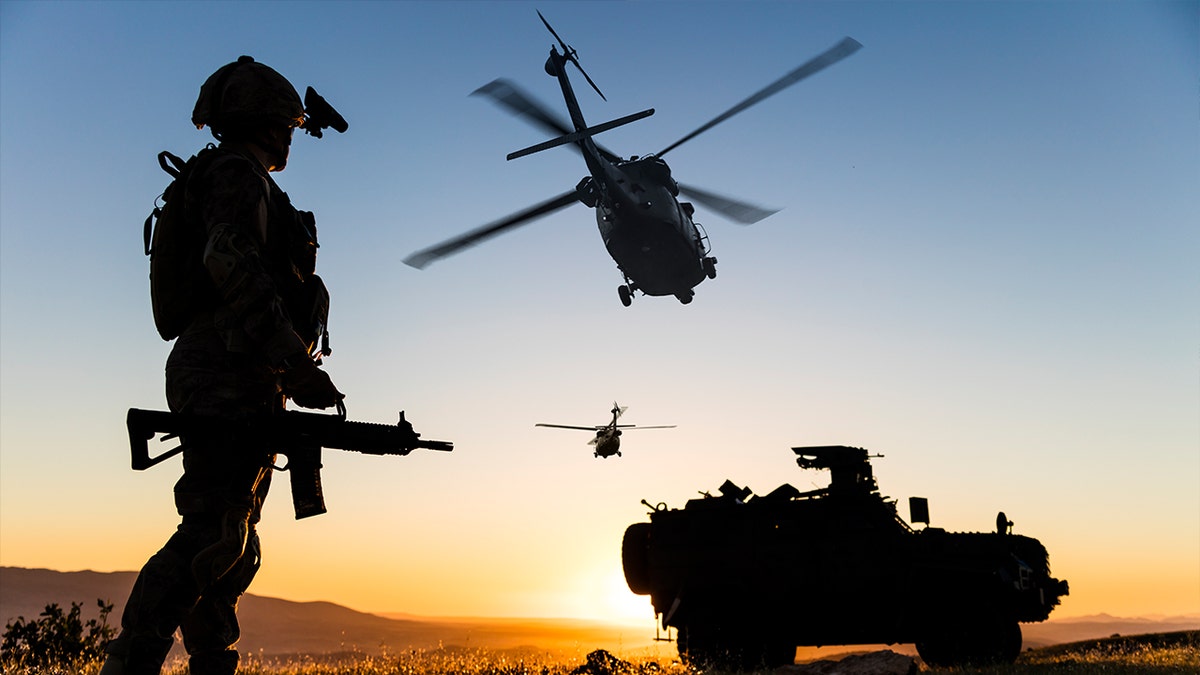
To many British veterans, the Australian case reinforces fears that the same trend could spread across other Western militaries, including the United States. (Guvendemir/Getty Iamges )
«Make no mistake,» the retired generals wrote, «our closest allies are watching uneasily, and our enemies will be rubbing their hands.»
national security, army, armed forces, investigations, veterans, united kingdom


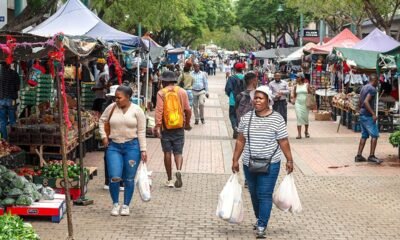









Si me preguntan, digo que soy más argentina que el Obelisco. Soy argentina, fuera del país me reconocen en la calle otros argentinos, yo los reconozco a ellos. Kolesnicov, me llamo. Patricia Kolesnicov: no es un apellido diaguita. Ni coya. Ni guaraní. Ni, bueno, español.
Hace un tiempo, con compañeros periodistas teníamos una regla: si aparecía en algún cable que venía del extranjero un apellido como el mío y un nombre en castellano, había que sospechar que ahí había un argentino. Acertamos varias veces.
Soy argentinísima y, en las fiestas, cocino pastrón con arroz turco. El pastrón es una delicia de los judíos de Europa del Este. El arroz turco es lo que acá conocemos como “pilav” y es oriental: porque soy argentina, judía y en parte de Europa del Este pero allá atrás hay también bisabuelos turcos. Se mezclaron en Buenos Aires, claro.
Dicho esto: por el pasillo llegan otros olores. Mi vecina, de familia italiana, nos mata con la salsa. Pero, ¿qué otros apellidos tiene detrás, cuántas historias? Si mi mezcla fueron judíos rusos y turcos, ¿cómo fue la de mi vecina?

Pienso apellidos argentinos: Pueyrredón, Menem, Quispe, Sato, Sturzenegger, Rossi, Tavares, O’Donnell, García, Kim, Kicillof, Mamani., Pien, Ndiaye. ¿Sigo? ¿Cuál es menos argentino? En este país, los apellidos tienen fecha de llegada: tarde o temprano, a nadie le llaman la atención.
Soy argentinísima y voy a lo de mi argentinísima amiga Sánchez que hace.. bagna cauda. En el supermercado chino de la otra cuadra me atiende una verdulera de Cochabamba -Bolivia- y mientras las dos compramos tomates, hablo con otro vecino, un joven coreano, que acaba de apoyar en el suelo su bolsa de carbón: habrá asado el día del partido, me dice. Y hay que prepararse. Frente al televisor, mi compañera de facultad de apellido francés insulta de una manera que hubiera puesto colorada a mi abuela. Y no en francés, justamente.
Entre aproximadamente 1870 y 1914 llegaron a la Argentina unos 5,9 millones de inmigrantes, de los cuales más de la mitad se radicó definitivamente. En el censo de 1914, casi el 30% de la población había nacido en el extranjero, una de las proporciones más altas del mundo. En la ciudad de Buenos Aires, los extranjeros rondaban el 50 %.
No fue casualidad todo esto: en el plan de Juan Bautista Alberdi, cuando se estaba imaginando el país en el siglo XIX, decía claro “Gobernar es poblar”. Él no pensaba, sin embargo, en poblar a mansalva, era selectivo: “Poblar es civilizar cuando se puebla con gente civilizada, es decir, con pobladores de la Europa civilizada . ( . . .) Pero poblar no es civilizar, sino embrutecer, cuando se puebla con chinos y con indios de Asia y con negros de África” . Por eso la Constitución nacional sigue teniendo, en su artículo 25, una directiva: favorecer la inmigración europea.

Mala suerte, Alberdi. Vinimos, de todos lados. Vinimos los pobres, los perseguidos, los que nadie quería, aquellos a quienes la Revolución Industrial había dejado sin trabajo, aquellos que escapamos de los pogroms, aquellos que huimos de la guerra, aquellos a quienes el ejército entró a buscarnos a casa, aquellos que buscábamos una vida mejor porque la que teníamos no estaba bien. Nadie se va a vivir a otro país si nada en la libertad, la seguridad y la abundancia., Nadie se va a otro lugar del mundo por pasear, nadie deja su casa, su forma de hablar, nadie se va a jugar de visitante por los lindos paisajes: ni en el siglo XIX ni ahora.
Ahora, digo, que vinieron tantos venezolanos, que endulzan el español rioplatense con su castellano, que hacen que las arepas -¿y los tequeños?- se empiecen a hacer un lugar en los menúes porteños. Sus apellidos suelen ser españoles: en las listas no se ven.
Durante el Mundial, se nos dijo “racistas”. Por favor: los negros que llegaron como esclavos -los trajeron aquellos europeos, ¿no?- perdieron sus apellidos, en general, y fueron bautizados como sus amos. Algunos fueron a la guerra de la Triple Alianza como soldados, algunos murieron en la fiebre amarilla porque vivían en los barrios pobres donde la epidemia pegó más fuerte. Spoiler: nadie sale rico de la esclavitud. ¿Dónde están? Las historias familiares -y las caras que nos cruzamos en las calles- muestran una historia que quedó escondida tras el relato de la argentina blanca: nos mezclamos, otra vez. Y, también la ola migratoria enorme, de Europa. No la Europa que quería Alberdi, pero la tez más o menos clara.

A principios de siglo llegaron también los japoneses. Y los caboverdianos. En los 70 y 80, chinos y coreanos. Más africanos vinieron desde los 90: de Senegal, de Ghana, de Nigeria. Sus apellidos todavía “se ven”, mientras que Messi, Menem, Mac Allister ya se perciben, simplemente, como argentinos. Algunos apellidos todavía nos llaman la atención. Otros dejaron de hacerlo. Quizá dentro de cincuenta años ocurra lo mismo con Kim o Ndiaye. Y, junto a los apellidos de quienes llegaron, siguen estando los de quienes nunca tuvieron que llegar: Quispe, Mamani, Catrileo. Porque la historia argentina no empezó con los barcos.
Basta recorrer una guía telefónica —o, hoy, un padrón electoral o una red social— para leer una historia de la Argentina. Los apellidos cuentan la conquista española, la supervivencia de pueblos originarios como los mapuches y los andinos, la gran inmigración italiana y española de fines del siglo XIX, la llegada de judíos, sirio-libaneses, armenios y galeses, las corrientes japonesas, coreanas y chinas del siglo XX y las migraciones africanas y latinoamericanas más recientes. Pero también cuentan silencios: los apellidos africanos que la esclavitud borró y muchos apellidos indígenas que fueron reemplazados por otros, castellanos. Más que un catálogo de orígenes, el mapa de los apellidos argentinos es una síntesis de cinco siglos de conquistas, migraciones, mezclas e integraciones.
Al final, “Kolesnicov”, no habla tanto sobre mí como sobre un camino que, también, es la historia del mundo. No se castellanizó, no hizo falta ni me obligaron. Si alguien me pregunta un nombre argentino, le doy este: Patricia Kolesnicov. Y sí, el pastrón queda espectacular con tapa de asado: la mezcla también es argentina.
Cabo Verde,Argentina,Mundial,festejo,fútbol,celebración,comunidad,deporte,aficionados,España
NEWYou can now listen to Fox News articles!
UNITED NATIONS — The Democratic Republic of Congo does not view growing American involvement in its critical-minerals industry as a contest with China, the country’s foreign minister told Fox News Digital, arguing that Kinshasa needs multiple partners to transform its vast natural wealth into prosperity for its people.
«I don’t like talking about competition. I like talking about complementarity,» Foreign Minister Thérèse Kayikwamba Wagner said in an exclusive interview at the United Nations.
CHINA’S GRIP ON RARE-EARTH MAGNETS COULD CRUSH US DRONE INDUSTRY BEFORE IT GROWS
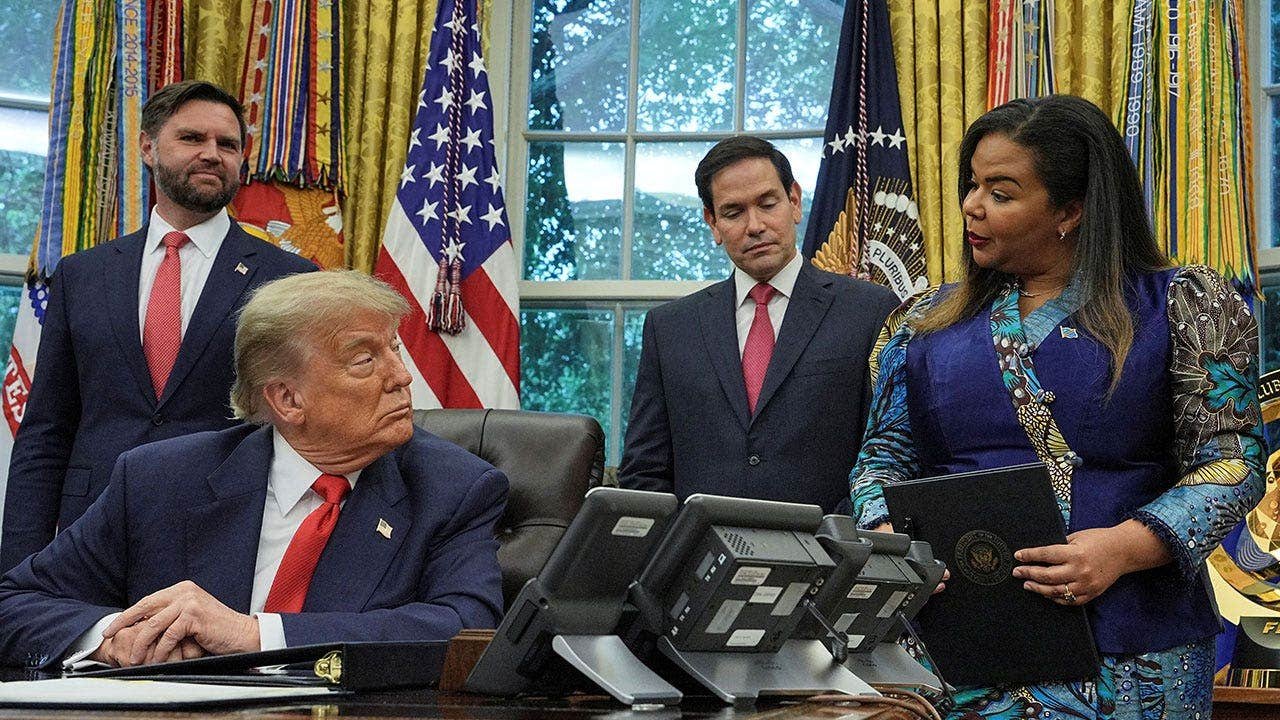
U.S. President Donald Trump, Secretary of State Marco Rubio and Vice President JD Vance meet Democratic Republic of the Congo’s Foreign Minister Therese Kayikwamba Wagner and Rwanda’s Foreign Minister Olivier Nduhungirehe (not pictured) in the Oval Office at the White House in Washington D.C., June 27, 2025. (Ken Cedeno/Reuters)
«A country as big as the USA, but also a country as big as the DRC and as big as China, they do not develop just with one single partner,» she added. «They develop with different partnerships that respond to different needs and that bring different expertise to the table.»
The comments come as the Trump administration seeks to increase American access to Congo’s copper, cobalt, lithium, gold and other strategic resources, while reducing U.S. reliance on mineral supply chains dominated by China.
A strategic partnership signed by Washington and Kinshasa on Dec. 4, 2025, calls for increased economic cooperation, investment and the development of secure and transparent critical-mineral supply chains. The agreement accompanied a broader regional framework linking economic integration to efforts to end decades of conflict between Congo and Rwanda.
TRUMP ADMIN BACKS BOLIVIA STATE OF EMERGENCY AS LEFTIST EX-LEADER’S LOYALISTS FRACTURE NATION
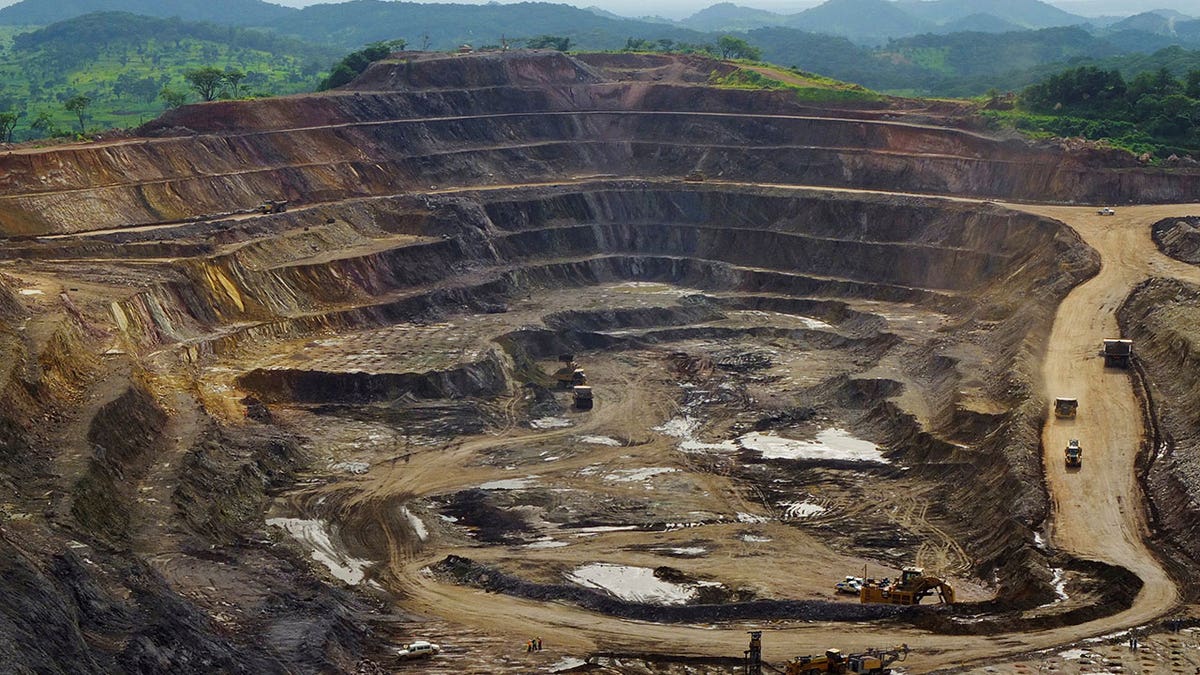
Excavators and drillers at work in an open pit at Tenke Fungurume, a copper and cobalt mine 110 km (68 miles) northwest of Lubumbashi in Congo’s copper-producing south, January 29, 2013. (REUTERS/Jonny Hogg/File Photo)
A separate arrangement involving DR Congo’s state mining company Gécamines and commodities trader Mercuria could give U.S. buyers priority access to some copper and cobalt supplies, Reuters reported on Dec. 5, 2025. The U.S. International Development Finance Corporation also expressed interest in taking a strategic stake in the partnership.
Kayikwamba Wagner said relations between the U.S. and DR Congo were taking «a more concrete shape» based on mutual economic interests.
She said Kinshasa welcomed «more U.S. interests in the DRC» that could help the country turn its mineral wealth into «tangible transformations for the lives of Congolese,» while also delivering benefits to American partners.
Speaking separately at a high-level U.N. meeting on critical minerals Tuesday, Kayikwamba Wagner warned that the global shift toward clean energy must not reproduce an economic model in which raw materials leave Africa while processing, technology and most of the profits remain elsewhere.
«The global energy transition must not become another extractive transition,» she said. «If it merely replaces one form of dependency with another, it will have fallen short of its promise.»
She called for foreign partnerships to support local processing, infrastructure, technology transfers, research, industrialization and access to financing — not simply secure supplies of raw materials.
CHILL COMING FROM TRUMP’S SUMMIT WITH XI IS PROOF OF A NEW COLD WAR WITH CHINA
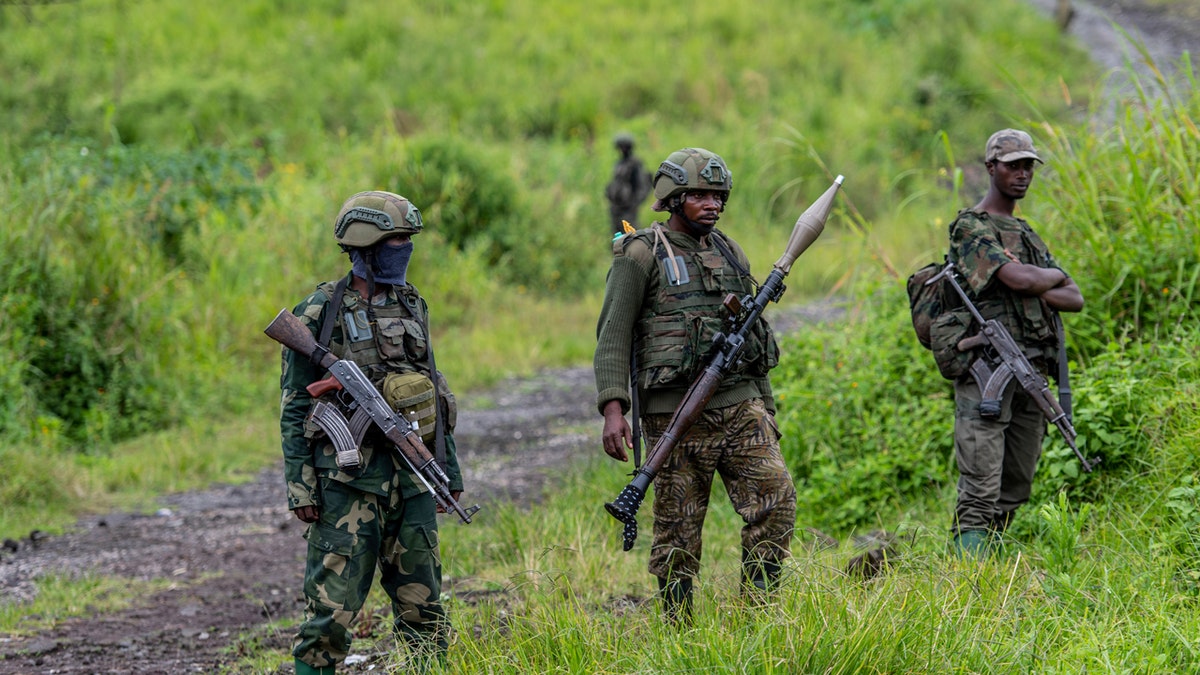
M23 rebels stand with their weapons in Kibumba, in the eastern of Democratic Republic of Congo, Dec. 23, 2022. M23, a rebel group with alleged links to Rwanda, has seized Rubaya, a mining town in eastern Congo known for producing a key mineral used in smartphones, the group said Thursday, May 2, 2024, in a statement. (AP Photo/Moses Sawasawa)
The minerals push is closely connected to the U.S.-mediated peace process between the DRC and Rwanda. The countries initially signed a peace agreement in Washington on June 27, 2025, before Presidents Félix Tshisekedi and Paul Kagame reaffirmed the deal and signed related economic agreements on Dec. 4. The framework was intended both to reduce fighting and attract Western investment to a region rich in cobalt, copper, tantalum and other minerals.
Kayikwamba Wagner acknowledged that the agreement had not ended the violence, but said Washington’s willingness to impose consequences for violations showed that the process remained meaningful.
«This is a 30-year conflict we’re dealing with,» she said. «It’s not going to happen overnight.»
She praised the administration for sanctioning the Rwanda Defense Force and senior Rwandan officials over what the Treasury Department described as their support for the M23 rebel group. Treasury said in March that the RDF had supported, trained and fought alongside M23 as it seized territory and strategic mining locations in eastern Congo. Rwanda has repeatedly denied supporting M23.
«I find it encouraging to see that we have with us a partner that is not willing to give up at the first obstacle,» Kayikwamba Wagner said.
She was in New York as the DRC, which holds the Security Council presidency for July, elevated the connection between natural resources, armed conflict and sexual violence.
Kayikwamba Wagner said rape and other forms of conflict-related sexual violence had risen sharply in areas held by M23 and Rwandan forces, affecting women and girls as well as men and boys.
Victims in occupied areas, she said, often lack access to courts, healthcare or other avenues for redress.
«This is also one of the reasons why we continue to be mobilized against this illegal occupation of eastern DRC,» she said, arguing that restoring state authority was essential to providing survivors with justice and medical care.
CLICK HERE TO DOWNLOAD THE FOX NEWS APP
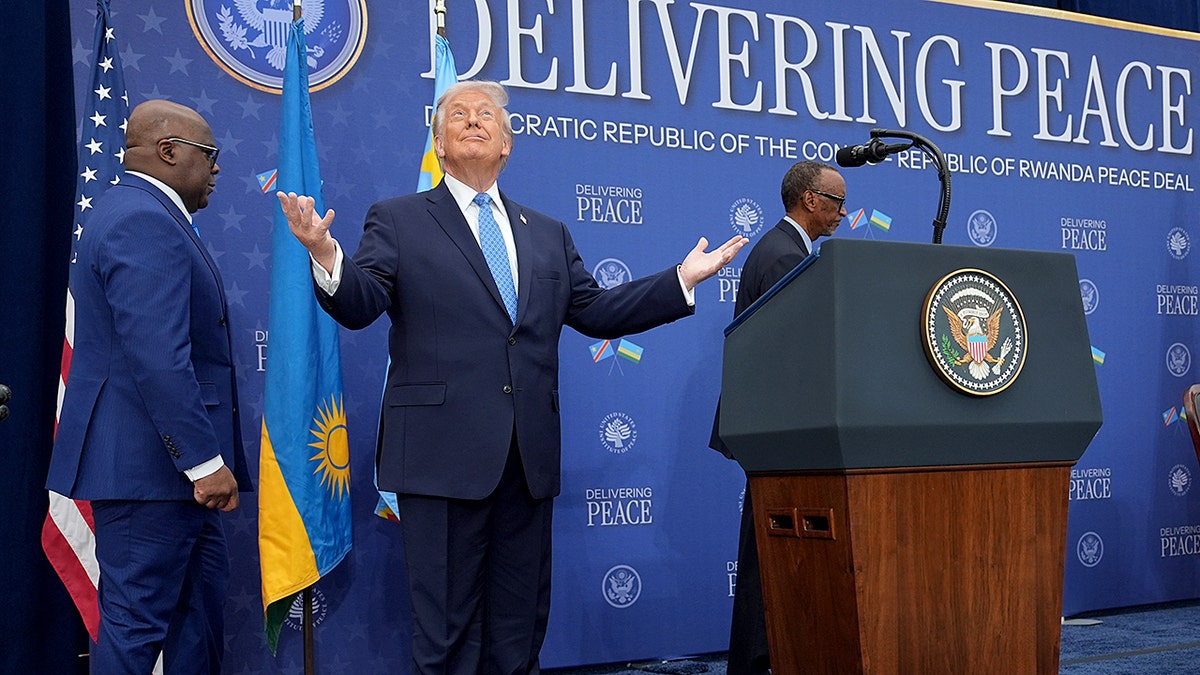
President Donald Trump arrives for a signing ceremony with Rwanda’s President Paul Kagame and Democratic Republic of Congo President Felix-Antoine Tshisekedi at the Donald J. Trump Institute of Peace, Thursday, Dec. 4, 2025, in Washington. (AP Photo/Evan Vucci)
In her U.N. remarks, she cited the Rubaya mining area, which is under M23 control and supplies a significant share of global tantalum demand. She said U.N. experts estimated that at least 1,400 tons of coltan were smuggled into Rwanda during the first year after the mines were seized, generating approximately $800,000 per month for the armed group.
The Treasury department imposed additional sanctions on June 25 against a network it accused of working with M23 to smuggle minerals from eastern Congo into Rwanda, saying the action was intended to support the Washington peace framework and improve transparency in regional mineral supply chains.
world, united nations, foreign affairs, geopolitics, emerging economies
INTERNACIONAL
Keir Starmer se despide en la previa del duelo ante Argentina: «Este es el final de mi trayectoria política»
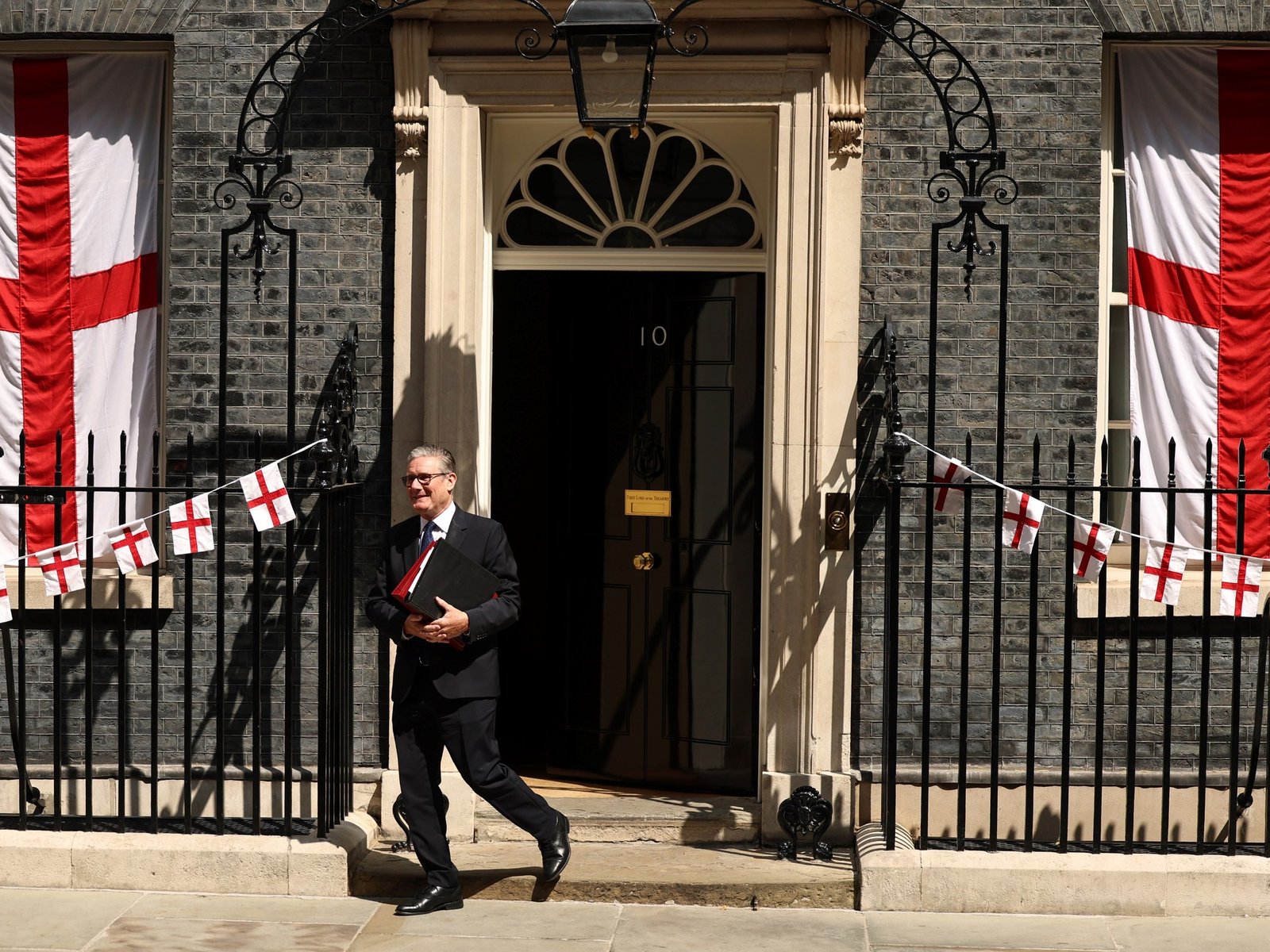
«El final de mi trayectoria política»

El último «Question Time»
El reloj para el hijo de un relojero
Primer primer ministro laborista en 10 años
Su no a la guerra con Irán y a Trump
La Legión de Honor
Llega Andy Burnham como premier

Perdón, el argentino nace donde puede

Un festejo mundialista con susto en Gran Hermano: la reacción de los participantes tras el triunfo argentino

Karina Milei reunió a los legisladores porteños de LLA y pidió llegar con un candidato propio para 2027

Tras su critica a Argentina, Gary Neville pidió debatir si Messi superó a Pelé y Maradona: la burla a Cristiano Ronaldo

Bancarios cerraron un nuevo aumento salarial y llevaron el básico a casi $2.500.000

El Senado bonaerense logró sesionar por segunda vez en el año: cruce picante entre peronistas y un libertario

El álbum de las vacaciones soñadas de Darío Barassi con su familia: “Ibiza, nos vas enamorando”

El petróleo sube más de 3% tras la reanudación de los ataques de EEUU contra Irán y la amenaza de cierre del estrecho de Ormuz

Operativo Reelección 2027: Los 8 Cambios Urgentes que Javier Milei Debe Implementar para Asegurar su Continuidad

Mitch McConnell breaks silence on mystery hospitalization after Graham’s death

 ECONOMIA3 días ago
Aumentó 900% la cantidad de repartidores de plataforma en los últimos 6 años
- DEPORTE14 horas ago
El machete del arquero inglés en una botella que sorprendió a Messi tras el triunfo: el dardo de un ayudante de Scaloni a Inglaterra
- INTERNACIONAL3 días ago
Detuvieron a un candidato opositor en el inicio de la campaña para las elecciones parlamentarias en Rusia