
INTERNACIONAL
US, Shield of the Americas condemn ‘ongoing efforts’ to overthrow Bolivia’s elected president amid unrest

NEWYou can now listen to Fox News articles!
The United States, along with the other countries that make up the Shield of the Americas, condemned the «ongoing efforts» in Bolivia to «overthrow the legitimately and overwhelmingly elected» government of President Rodrigo Paz on Friday.
«The member countries of Shield of the Americas denounce ongoing efforts to overthrow the legitimately and overwhelmingly elected government of President Rodrigo Paz in Bolivia,» the statement read. «We stand with Paz’s democratic government as it fights back against attempts to drag Bolivia backwards through cynical efforts to prevent the delivery of food, medicine and other vital supplies to the Bolivian people through fake road blockades.»
The statement added that «Mob rule cannot replace the decision that a majority of Bolivians made at the ballot box to turn the page on two decades of corrupt governments.»
It also said that anyone who is funding protests with «dirty money» from drug trafficking and transnational crime «should be held accountable. Those who have legitimate grievances should take advantage of the government’s willingness to dialogue, and denounce those who would abuse their causes to regain power.»
PETE HEGSETH WARNS NARCO-TERRORISTS AS U.S. BACKS BOLIVIA’S GOVERNMENT AMID COUP WARNINGS
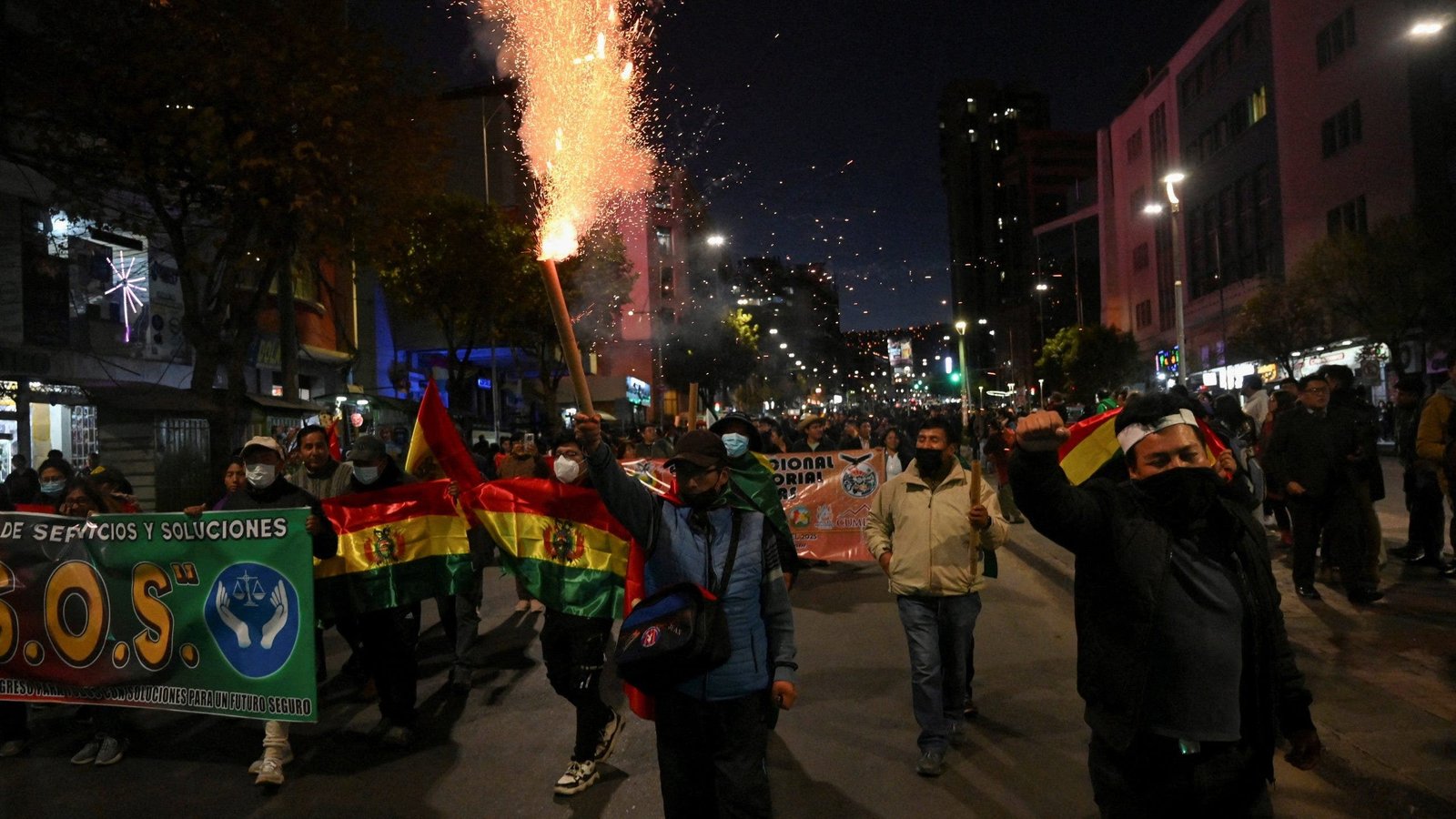
Demonstrators march in La Paz, Bolivia, on May 20, 2026, rallying against road blockades and pressure tactics used by protesters demanding the resignation of President Rodrigo Paz amid the country’s economic and fuel crisis. (Claudia Morales/Reuters)
The State Department made the joint statement along with Argentina, Bolivia, Chile, Costa Rica, Dominican Republic, Ecuador, El Salvador, Guyana, Honduras, Panama, Paraguay, and Trinidad and Tobago.
The statement comes as Bolivia’s capital, La Paz, has been rocked by weeks of social unrest as mass protests have blocked streets in major cities amid economic inflation and rising fuel prices.
Bolivian Defense Minister Marcelo Salinas resigned Tuesday.
Upon taking office, Paz supported a land reform bill to boost agribusiness that Indigenous farmers said put them at risk of eviction. He further scrapped fuel subsidies, sending prices surging by nearly 90%. Motorists complained that the gasoline was contaminated and ruined their cars.
PETE HEGSETH MAKES HOMELAND SECURITY TOP MISSION IN FIRST INTERVIEW AS SECRETARY OF WAR
The Trump administration has said drug traffickers are responsible for inciting the mass unrest.
Meanwhile, former President Evo Morales of the Movement for Socialism (MAS) party, the country’s first Indigenous president who ruled for an unprecedented 14 years, is calling for early elections. «Paz only has two paths left: a suicidal decision like militarization or … an election in the next 90 days,» he wrote on X.
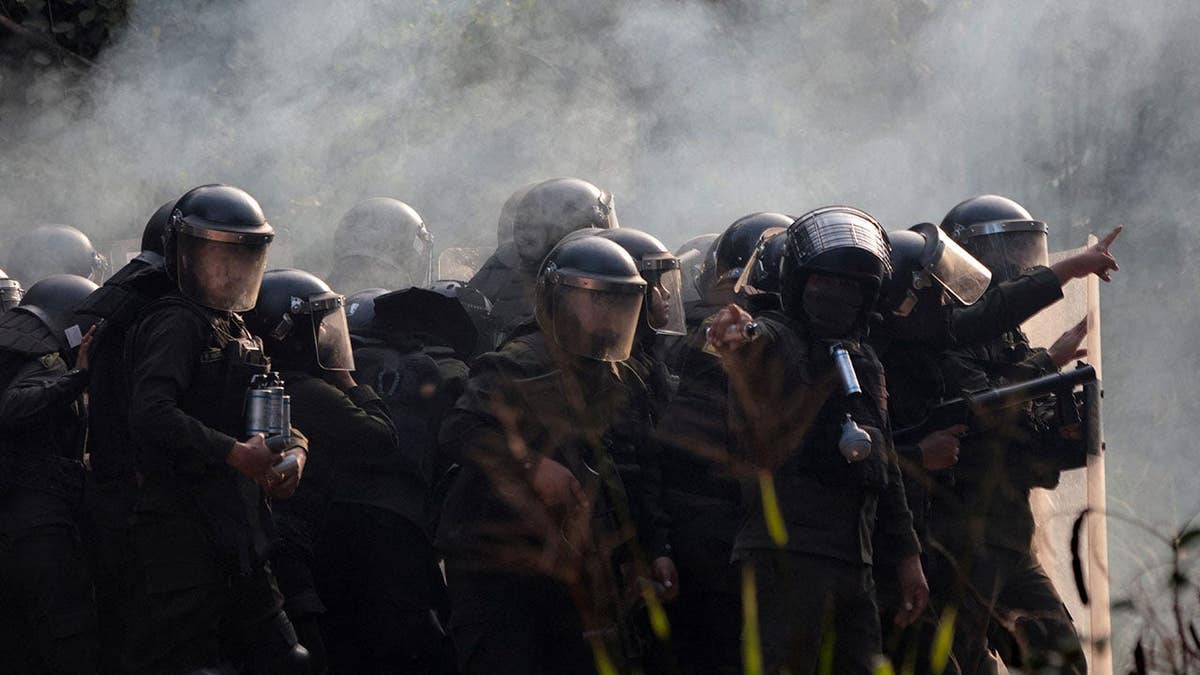
Police officers fired tear gas at community members who seized the Humberto Suarez oil facility during protests calling for President Rodrigo Paz’s resignation in Santa Rosa del Sara, Bolivia, on June 3, 2026. The protests have caused fuel and food shortages. (Ipa Ibanez/Reuters)
For almost two years now, Morales has been hiding out in Bolivia’s central coca-growing Chapare region, evading an arrest warrant on human trafficking charges relating to allegedly having sex with a 15-year-old girl. He rejects the allegations as politically motivated.
CLICK HERE TO DOWNLOAD THE FOX NEWS APP
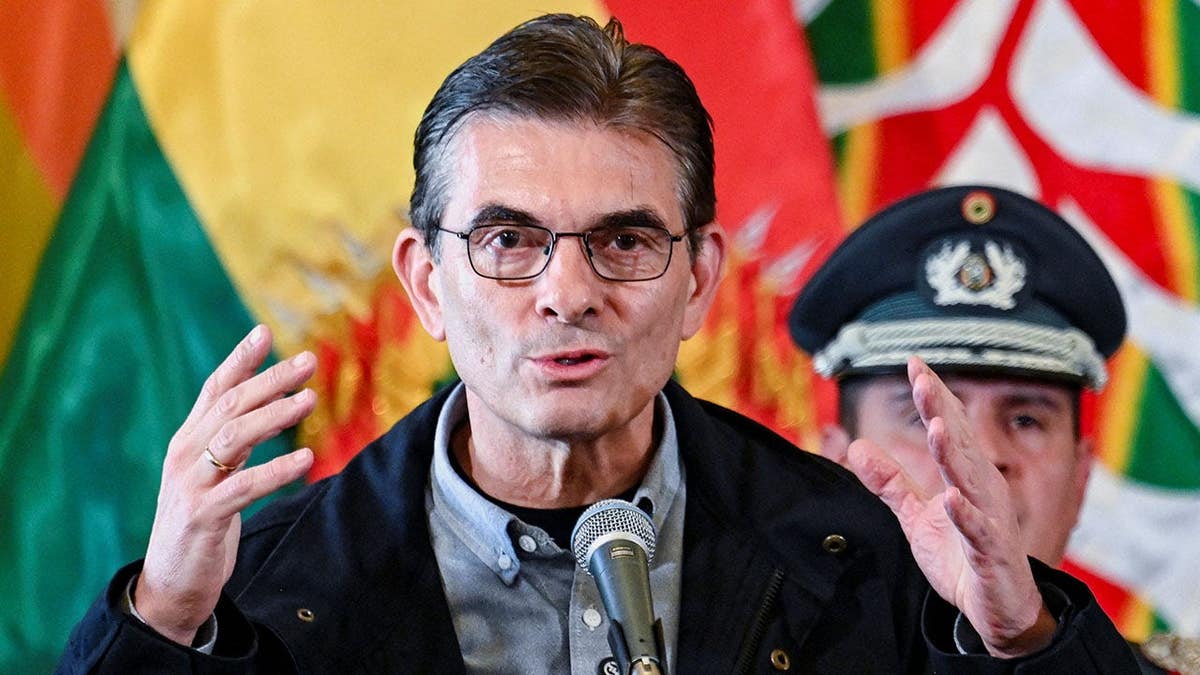
Bolivia’s President Rodrigo Paz delivers a speech in La Paz on June 3, 2026, after naming Ernesto Justiniano as defense minister following the resignation of Marcelo Salinas amid protests. (Claudia Morales/Reuters)
On Thursday, War Secretary Pete Hegseth said in a post on X, that the War Department and the Americas Counter Cartel Coalition (A3C), a recently established multinational military and political alliance, reject all attempts to overthrow the government of Rodrigo Paz Pereira six months into his term.
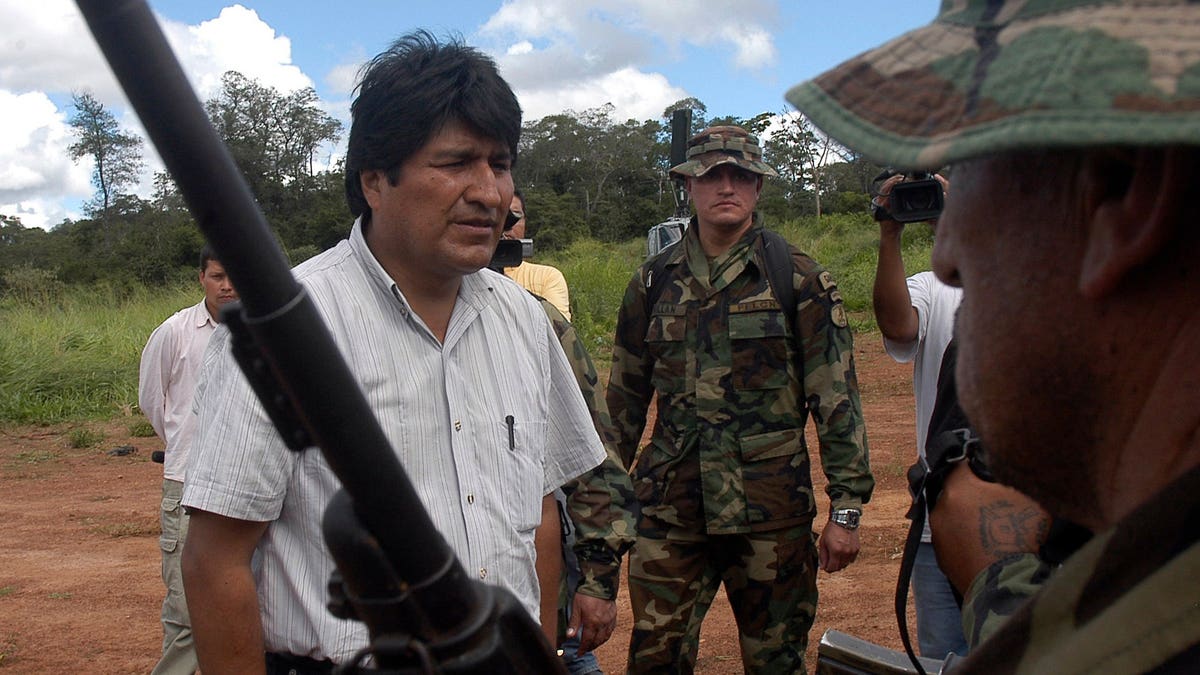
Bolivia’s former President Evo Morales greets a member of the country’s anti-drugs forces in Santa Cruz province near the Paraguay border on March 28, 2009. T (Stringer/Reuters)
«The United States is watching. Bolivia must not allow itself to fall prey to the old status quo of narco-terrorist dominance in the region,» Hegseth wrote. «We will continue to support our A3C partners like Bolivia to ensure that narco-terrorists are deterred from profiting on death and destruction in our hemisphere.»
Fox News’ Louis Casiano contributed to this report.
pete hegseth, latin america, americas, south america, state department












INTERNACIONAL
Abelardo De la Espriella asume la presidencia de Colombia en una ceremonia inédita y ante la «desobediencia civil» que lidera Gustavo Petro
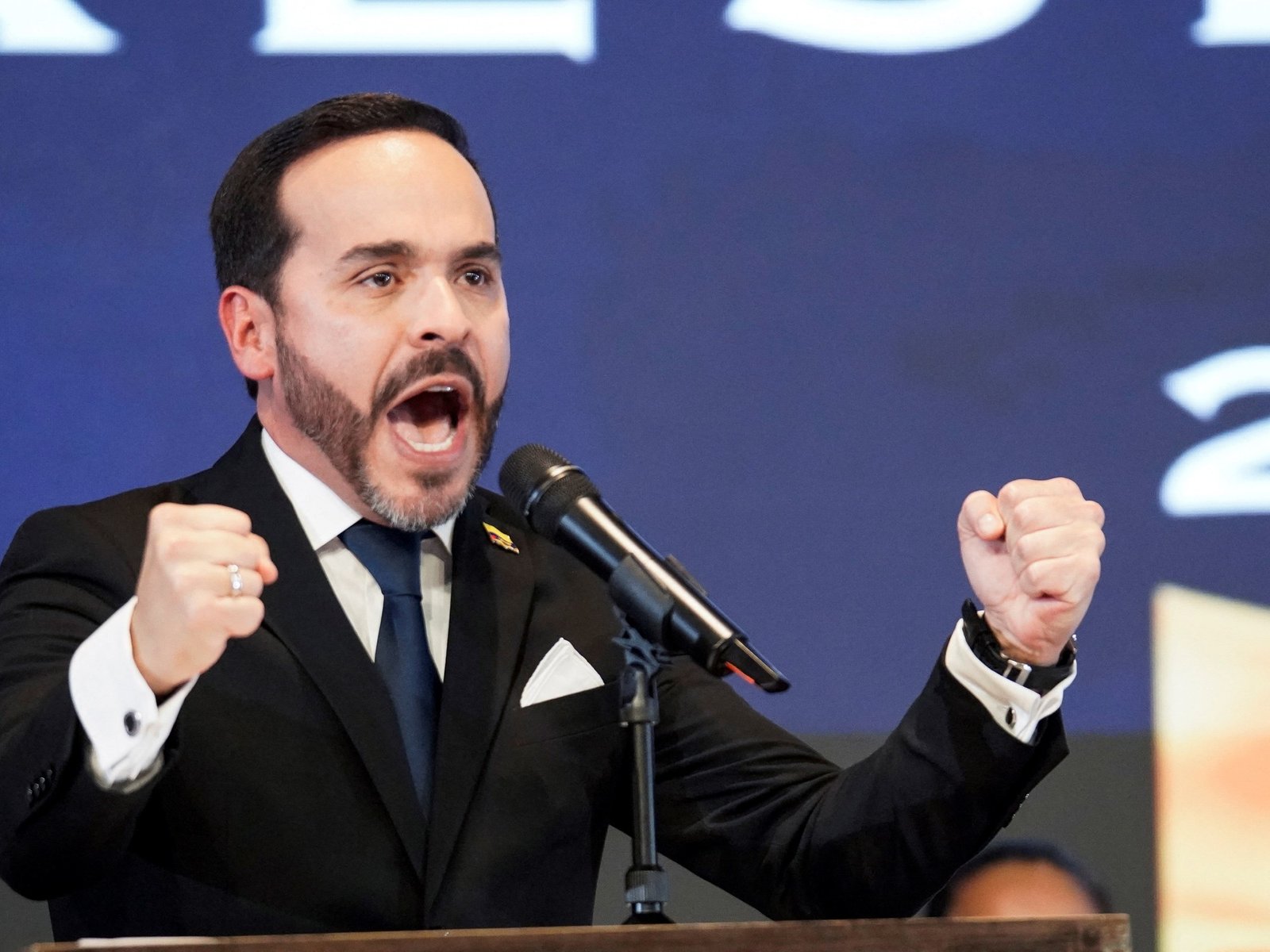
El libertario Abelardo de la Espriella asumirá este viernes en Cali la presidencia de Colombia para el periodo 2026-2030, en una ceremonia atípica que se celebrará por primera vez fuera de Bogotá y a la que asistirán el rey Felipe VI de España y al menos ocho presidentes latinoamericanos.
«Mi posesión será mucho más que una ceremonia. Será la primera demostración de que la descentralización deja de ser un discurso para convertirse en una realidad», expresó De la Espriella en X, donde destacó que su proyecto de gobierno «se construye desde las regiones, porque cuando las regiones prosperan, prospera Colombia».
Cali, capital del departamento Valle del Cauca y blindada para la ocasión, fue la opción escogida por el presidente electo después de que su idea de hacerlo en una guarnición militar en Popayán, capital del vecino Cauca, para homenajear a «los verdaderos héroes de la patria» en una zona marcada por el conflicto armado, fuera descartada.
Mi posesión será mucho más que una ceremonia. Será la primera demostración de que la descentralización deja de ser un discurso para convertirse en una realidad.
La Patria Milagro se construye desde las regiones, porque cuando las regiones prosperan, prospera Colombia.
El… pic.twitter.com/ZNpcZVzUqh
— Abelardo De La Espriella (@ABDELAESPRIELLA) August 5, 2026
Esa opción se descartó por el riesgo de una erupción del cercano volcán Puracé, actualmente en alerta naranja.
De la Espriella sucederá en el cargo al presidente Gustavo Petro, quien no reconoce su triunfo y promete liderar la oposición y la «desobediencia civil» contra el gobierno del abogado y empresario de ultraderecha.
A la ceremonia de este viernes no asistirá ningún congresista del Pacto Histórico, el partido de izquierda del que hace parte Petro, que convocó a plantones pacíficos en Bogotá, la ciudad caribeña de Barranquilla y Cali como parte de la oposición que ejercerá al próximo Gobierno.
Al nuevo mandatario colombiano le impondrá la banda presidencial el presidente del Congreso, el senador uribista Honorio Henríquez, en una sesión del Legislativo que se llevará a cabo en la Arena USC de la Universidad Santiago de Cali.
Este es un moderno complejo multipropósito con capacidad para más de 2.300 personas que cuenta con más de 800 plazas de estacionamiento, helipuerto, sistemas de sonido e iluminación de última generación y pantallas LED de alta definición.
«Mi posesión, queridos compatriotas, para que estén tranquilos, será una ceremonia austera y será la primera demostración de que la descentralización deja de ser un discurso para convertirse en una realidad», manifestó el presidente electo el domingo en sus redes sociales.
En ese sentido, De la Espriella destacó que el impacto económico de llevar la ceremonia de investidura a Cali será de 10.000 millones de pesos (unos 3,1 millones de dólares) «gracias al dinamismo que experimentarán los sectores hotelero, gastronómico, turístico, logístico, comercial y de servicios».
Para garantizar la seguridad del acto, hay «11.000 uniformados cuidando la ciudad» y «dispositivos tecnológicos cuidando el espacio aéreo», informó a EFE el alcalde de Cali, Alejandro Eder.
Sin embargo, hasta el momento no hay detalles de cómo será la ceremonia y cuál será la agenda de De la Espriella antes y después de ser investido.
La ceremonia de este viernes contará con la asistencia del rey Felipe VI, de España, y los presidentes de Argentina, Javier Milei; Ecuador, Daniel Noboa; Paraguay, Santiago Peña; Costa Rica, Laura Fernández; Panamá, José Raúl Mulino; República Dominicana, Luis Abinader; Chile, José Antonio Kast, y Honduras, Nasry Asfura.
El Salvador estará representado por el vicepresidente, Félix Ulloa, quien fue el primer invitado en llegar a Cali el miércoles y fue recibido por el alcalde de la ciudad y por la gobernadora del Valle del Cauca, Dilian Francisca Toro.
El delegado de Guatemala será la vicepresidenta Karin Herrera y también estarán el primer ministro de Curazao, Gilmar Pisa, en representación del Reino de los Países Bajos; los cancilleres de Brasil, Mauro Vieira, y de Israel, Gideon Saar, y una amplia delegación de Estados Unidos encabezada por el fiscal general interino, Todd Blanche.
El alcalde de Cali no confirmó ni negó la asistencia del presidente de la FIFA, Gianni Infantino, quien, según algunos medios locales, está entre los invitados a la investidura de De la Espriella.
Fuentes de la Federación Colombiana de Fútbol (FCF) que fueron consultadas por EFE sobre la presencia del directivo manifestaron no tener tampoco información al respecto.
INTERNACIONAL
EXCLUSIVE: Oversight Project sues to block Maryland Democrats’ redistricting measure backed by Gov Moore
NEWYou can now listen to Fox News articles!
EXCLUSIVE: A new lawsuit set to be filed in Maryland seeks to block a redistricting amendment backed by Democrat Gov. Wes Moore from appearing on the November ballot, arguing state officials advanced the measure after the state’s own legislative analysts concluded the statutory deadline for certifying ballot questions had already passed.
The complaint, filed Thursday night in Anne Arundel County Circuit Court by the conservative watchdog group Oversight Project and reviewed by Fox News Digital, argues HB 2100 could not lawfully reach voters because Maryland’s July 1 deadline for certifying statewide ballot questions expired more than a month before lawmakers convened a special session to approve the proposal.
The Oversight Project, which filed the lawsuit with Republican lawmakers, argues approval of the amendment could pave the way for an 8-0 Democratic congressional delegation.
SUPREME COURT DEALS BLOW TO VIRGINIA DEMOCRATS IN FIGHT OVER STATE COURT ELECTION MAP RULING
HB 2100 would ask voters to amend the Maryland Constitution so state constitutional standards governing compactness and boundaries would no longer apply to congressional districts.
The Oversight Project describes itself as working «to expose and root out corruption in government, among elected officials, and in our most influential organizations to ensure power resides with the American People.»
The complaint alleges Democratic sponsors characterized the amendment as merely «technical» in the Maryland House. (Getty, File)
Its filing points to a Department of Legislative Services fiscal note stating that «the new statutory deadline of July 1 for certification of ballot questions» had already passed. The fiscal note also states that election officials were required to publicly post the full text of a proposed constitutional amendment at least 90 days before Election Day.
According to the complaint, lawmakers then added the phrase «notwithstanding any other provision of law» to HB 2100 less than an hour before the joint committee hearing began. The plaintiffs argue the language was intended to override Maryland’s certification, notice and public comment requirements after those deadlines had already elapsed.
The complaint further alleges Democratic sponsors characterized the amendment as merely «technical» in the House, while Senate debate reflected that lawmakers understood the statutory timeline could no longer be met.
The filing cites remarks by Democratic state Sen. Cheryl Kagan during floor debate.
VIRGINIA DEMS ACCUSED OF ILLEGALLY ‘STEAMROLLING’ STATE LAW THAT COULD UPEND REDISTRICTING CRUSADE
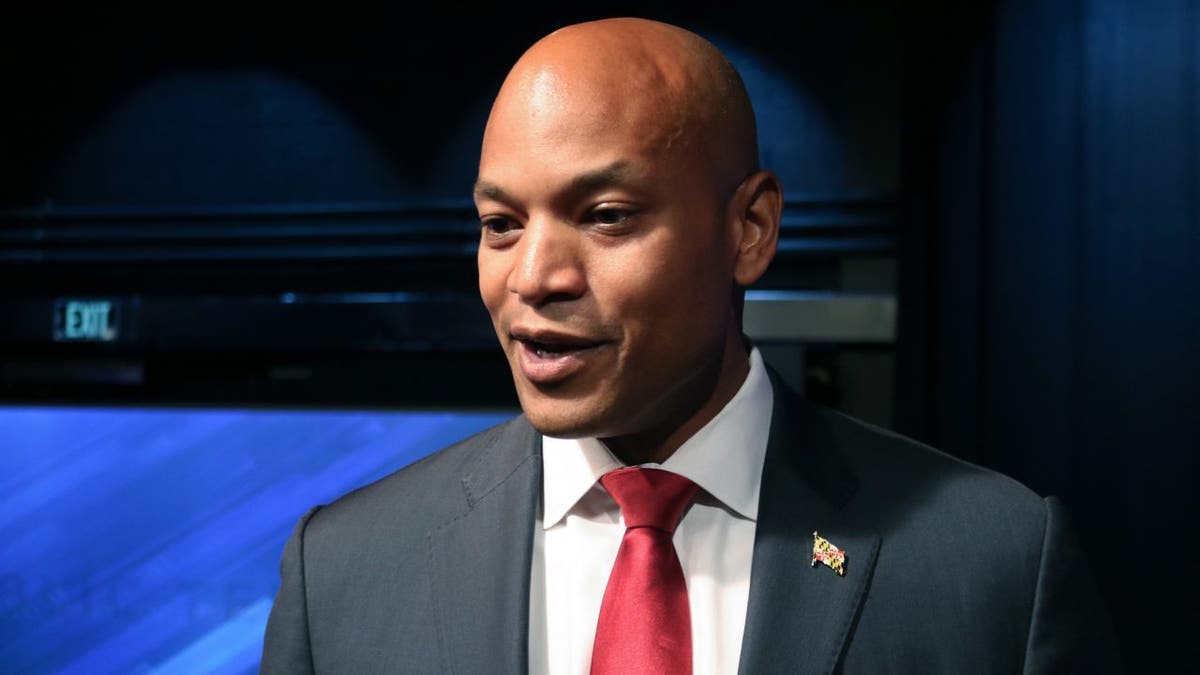
A new lawsuit in Maryland seeks to block a redistricting amendment backed by Democrat Gov. Wes Moore. (Brian Witte/AP Photo, File)
«There is no time to comply with the plain language of the law with our new law because July 1st is in the rearview mirror,» Kagan said, according to the complaint. «There’s no time to have the Secretary of State draft language, to have it published, to have a comment period, to have it modified. It’s just not an option.»
Maryland GOP Delegate Matt Morgan, one of the plaintiffs, told Fox News Digital the disputed language was introduced at 11:08 a.m. for a noon committee hearing.
«They have the law. They’re supposed to follow it. They didn’t,» Morgan said. «And now we’re going to take it to court and see what the judges have to say about it.»
DEMS CIRCLE THE WAGONS BY BLAMING GOP FOR THEIR GERRYMANDERING RESPONSE AHEAD OF MIDTERMS: ‘VERY DESPERATE’
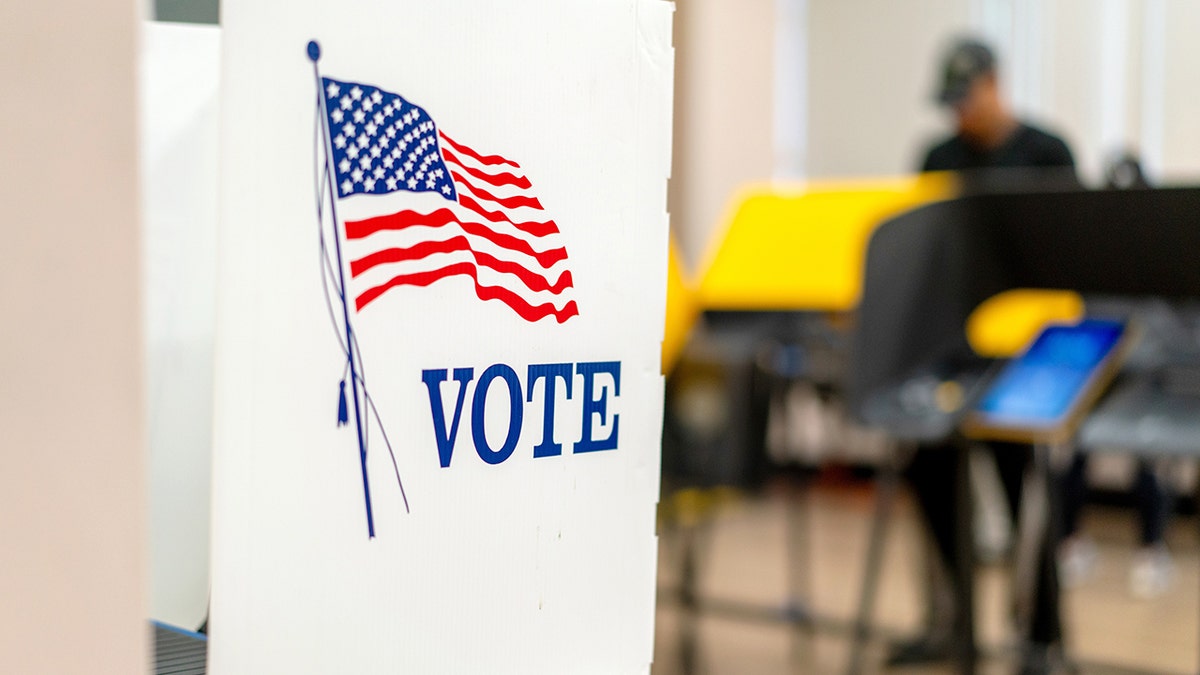
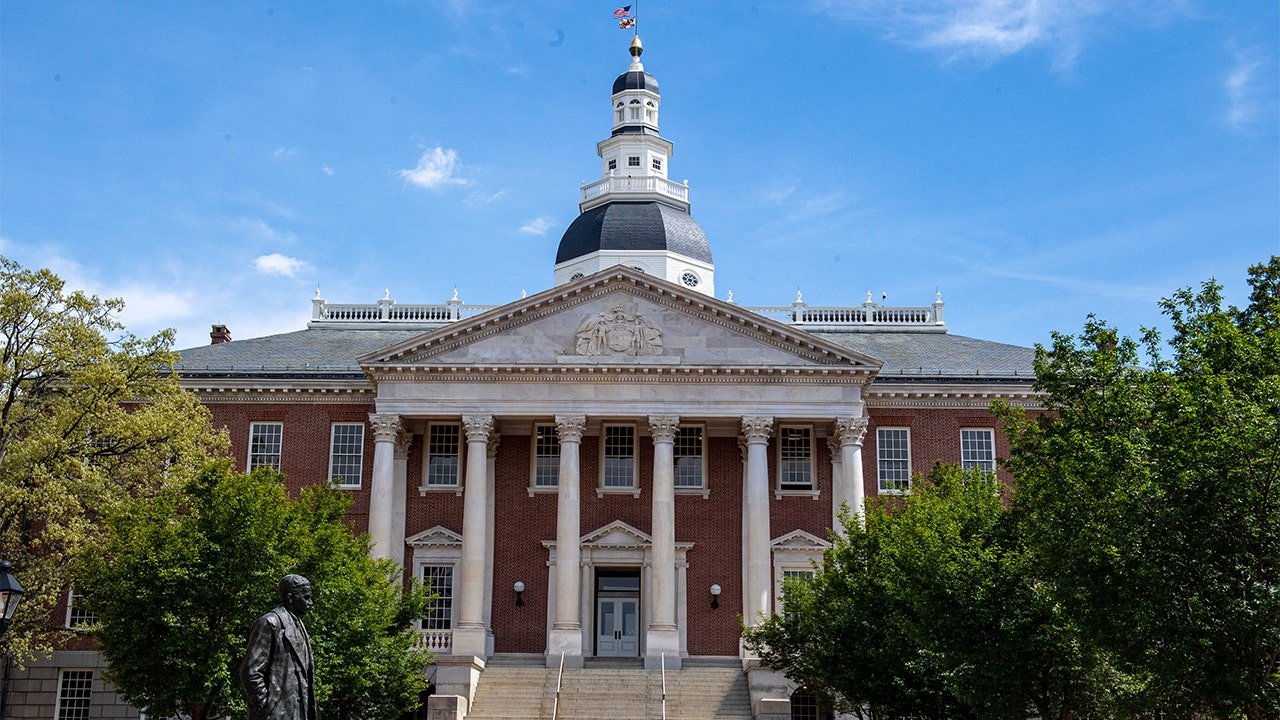
The complaint argues that HB 2100 could not lawfully reach voters because Maryland’s July 1 deadline for certifying statewide ballot questions expired more than a month before lawmakers convened a special session to approve the proposal. (Kyle Grillot/Bloomberg via Getty Images, File)
Morgan said Democratic leadership later described the amendment as «technical» on the House floor.
«The truth is that that was their way of trying to get around them missing all these statutory deadlines,» he said.
Republican Delegate Kathy Szeliga, another plaintiff, said legislators had only hours to review the revised language while the public had no opportunity to comment.
«The public got absolutely no time to look and weigh in on the amended language,» Szeliga told Fox News Digital. «So, it just reeks of a naked political, partisan power grab on the Democrats’ behalf.»
According to the complaint, the proposal is intended to overturn the practical effect of a 2022 state court ruling holding that those constitutional standards applied to congressional redistricting. Democrats hold seven of Maryland’s eight U.S. House seats.
REDISTRICTING WAR INTENSIFIES AS GOP SUFFERS SETBACKS IN TWO STATES
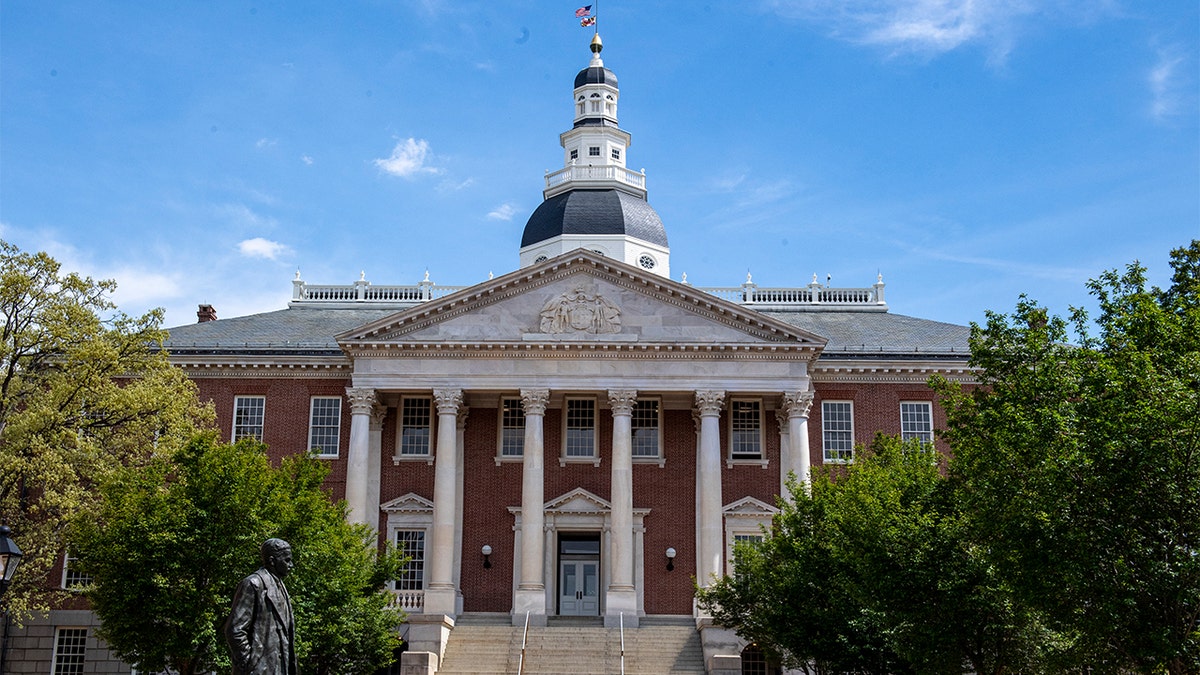
Democratic leadership described the amendment as «technical» on the state House floor. (Jonathan Newton/For The Washington Post via Getty Images, File)
Moore has publicly defended the amendment as a response to Republican-led redistricting efforts in other states, saying it would ensure «Marylanders — and no one else — have the final say over their representation.»
The lawsuit asks the court to bar state officials from certifying, printing, distributing, tabulating or canvassing votes on the amendment and requests expedited review because of the approaching election calendar.
Moore’s office, the Maryland Attorney General’s Office and the Maryland State Board of Elections did not immediately respond to Fox News Digital’s request for comment.
maryland, legislation, elections state and local, democratic party, midterm elections, congress, republicans elections
INTERNACIONAL
Con la presencia de Milei y bajo una alerta terrorista, asume el nuevo presidente de Colombia
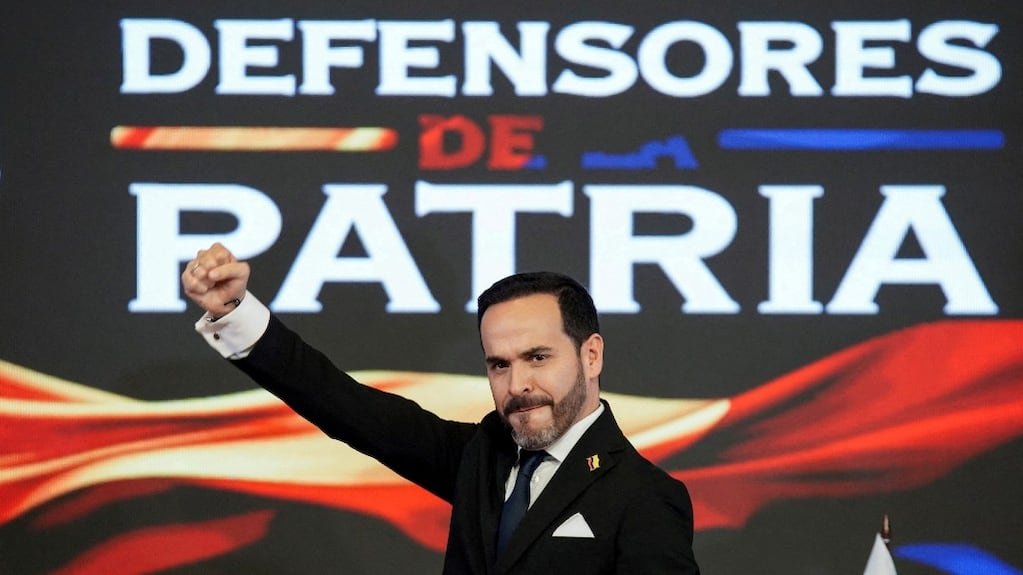
Con la presencia de Javier Milei entre los invitados especiales y bajo una alerta terrorista, el ultraderechista Abelardo de la Espriella asumirá este viernes la presidencia de Colombia, en un drástico viraje ideológico que pondrá punto final a cuatro años del primer gobierno de izquierda en la historia del país.
Unos 11.000 uniformados de la Policía, el Ejército y la Fuerza Aeroespacial Colombiana custodiarán la ceremonia que se llevará a cabo en Cali, la principal ciudad del sudoeste colombiano. Es la primera vez que la jura no se realiza en Bogotá, en una decisión que busca mostrar el inicio de un nuevo proceso de “descentralización” política.
El acto se desarrollará en la Arena USC, de la Universidad Santiago de Cali, que puede albergar a más de 2300 personas
De la Espriella, un polémico abogado mediático, de 48 años, ganó el balotaje del 21 de junio con un apretado margen de menos de un punto de ventaja sobre el candidato oficialista Iván Cepeda, heredero del presidente saliente, Gustavo Petro, quien no asistirá a la ceremonia porque considera fraudulento el proceso eleccionario. Solo 200.000 votos separaron a ambos candidatos entre los más de 25 millones contabilizados.
El nuevo mandatario asumirá un país aquejado por una nueva ola de violencia guerrillera y del crimen organizado y con el desafío latente de gobernar sin una mayoría en el Congreso. Además, afrontará un grave déficit fiscal, una profunda crisis del sistema de salud y una preocupante realidad climática y energética.
Los grandes desafíos del nuevo gobierno colombiano
El nuevo presidente afrontará un camino difícil. En el corto plazo tendrá ante sí cinco grandes frentes abiertos:
- Gobernabilidad. Este será un asunto clave para el nuevo gobierno. El izquierdista Pacto Histórico de Petro tiene la primera minoría en el Congreso, con 26 senadores y 43 diputados. El Centro Democrático (CD), una fuerza tradicional de la derecha colombiana, se sumará al nuevo gobierno y aportará 17 senadores y 30 diputados.
Por lo pronto, De la Espriella construyó un bloque de unidad en el Senado con el CD, Salvación Nacional, el Partido Conservador, la U y Cambio Radical. En total alcanzaría 49 votos, sobre un total de 103, pero apunta a crecer con disidentes del Partido Liberal.
En Diputados, el Centro Democrático ostenta la primera minoría, seguida por el Partido Liberal y el Pacto Histórico de Petro, con una dispersión de bancas entre partidos minoritarios que obligará al oficialismo a pactar grandes alianzas.
El presidente electo de Colombia, Abelardo de la Espriella, habla durante una conferencia de prensa en Bogotá, Colombia, el jueves 30 de julio de 2026. (Foto AP/John Vizcaino)
- Inseguridad. La violencia guerrillera y del crimen organizado sufrió un importante aumento en los últimos años a pesar del esfuerzo de Petro para pacificar el país a través del diálogo con grupos ilegales. “Este es el principal desafío porque fue un fracaso el plan de ‘Paz Total’ que intentó llevar adelante el gobierno saliente”, dijo a TN la politóloga Bibiana Ortega, de la Universidad Javieriana de Bogotá.
La Fundación Ideas para la Paz, citada por EFE, reveló que el número de guerrilleros creció 23,5% solo en 2025. Se calcula que son 27.121 personas en armas y en redes de apoyo del Ejército de Liberación Nacional (ELN) y las disidencias de las Fuerzas Armadas Revolucionarias de Colombia (FARC).
Pero estos grupos no están solos. Las organizaciones criminales mantienen también un enorme peso en el país. El Clan del Golfo, el mayor grupo criminal, tiene al menos 9840 miembros.
De la Espriella prometió “mano dura” en la campaña. Quiere replicar las políticas radicales de Nayib Bukele, a quien imita en su estilo y en su discurso, a pesar de las innumerables denuncias de organismos de derechos humanos contra el presidente salvadoreño.
“A esas personas que están al margen de la ley, un mensaje categórico: disponen de un mes para entrar en razón (…) y organizar su sometimiento al Estado de derecho. En mi Gobierno no habrá ofertas generosas ni concesiones inaceptables como las que recibieron del régimen que está llegando a su fin”, afirmó el nuevo presidente. En campaña, prometió “bombardear” a los grupos armados.
Colombia, Abelardo de la Espriella, Sumario

El conflicto en Medio Oriente reactiva la volatilidad del mercado y complica a los activos argentinos

Federico García Lorca, a los 22 años: “La vida es amable, tiene pocos días y tan solo ahora la podemos gozar”

Lamine Yamal revolucionó Colombia: posó con la camiseta y cantó una canción viral con los hinchas

El Gobierno realiza cambios sobre el paquete de desregulación y define en la mesa política cómo enviarlo al Congreso

ANSES: cuándo cobro en agosto 2026 si mi DNI termina en 4

Abelardo De la Espriella asume la presidencia de Colombia en una ceremonia inédita y ante la «desobediencia civil» que lidera Gustavo Petro

Javier Milei cruzó a Victoria Villarruel y elevó la tensión: “Es una opositora, replica los argumentos kirchneristas”

Dólar hoy en vivo: a cuánto se negocian todas las cotizaciones minuto a minuto este miércoles 5 de agosto

La oposición cuestionó a Benegas Lynch por su empresa para vender campos a extranjeros y el senador libertario se defendió

Top Trump ally warns super PAC bankrolled by Dem billionaire is meddling in his GOP primary
-
 ECONOMIA2 días ago
Dólar hoy en vivo: a cuánto se negocian todas las cotizaciones minuto a minuto este miércoles 5 de agosto
-
 POLITICA12 horas ago
La oposición cuestionó a Benegas Lynch por su empresa para vender campos a extranjeros y el senador libertario se defendió
-

 POLITICA2 días ago
Brasil retira a su embajador en la Argentina: qué consecuencias tiene la medida diplomática