INTERNACIONAL
Vuelve ‘House of the Dragon’: qué recordar antes del estreno de la tercera temporada

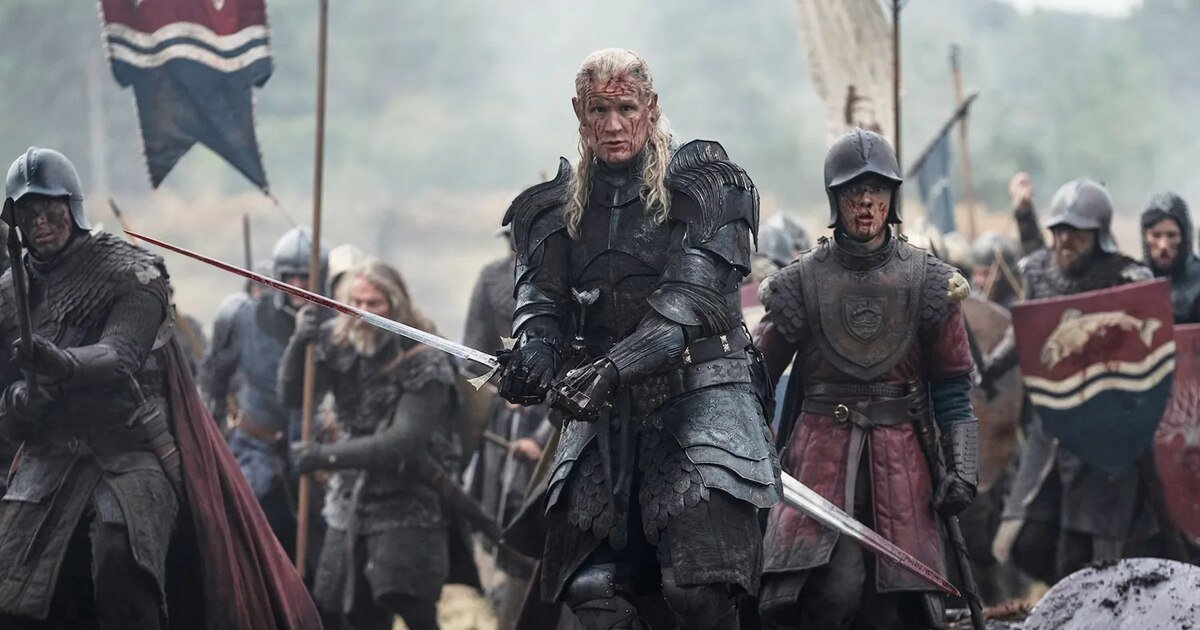
La segunda temporada de la épica precuela Game of Thrones, titulada House of the Dragon terminó con grandes batallas gestándose por tierra, mar y cielo entre las facciones en guerra de la Casa Targaryen, la familia real de los Siete Reinos de Westeros. Ha comenzado la Danza de los Dragones.
Pero con un reparto de personajes tan extenso, y sus numerosas intrigas, traiciones y alianzas furtivas, puede ser difícil seguirles la pista —y más aún recordarlos después de casi dos años desde que se emitió el último episodio. Antes del estreno de la tercera temporada este domingo, aquí tienes un recordatorio sobre las líneas de batalla y los pactos secretos que se han establecido para el conflicto que se avecina.
Rhaenyra Targaryen (Emma D’Arcy) fue proclamada heredera de todo el reino por su padre, Viserys (Paddy Considine). Luchando bajo los tradicionales estandartes negros de la Casa Targaryen, cuenta con el apoyo de su esposo y tío, Daemon (Matt Smith), quien brevemente consideró reclamar el trono él mismo antes de renovar su lealtad a su esposa.
Su principal apoyo es Lord Corlys Velaryon (Steve Toussaint), un famoso explorador y comandante naval conocido como la Serpiente del Mar. Aunque ya perdió a su esposa montadora de dragones, Rhaenys (Eve Best), por la causa de Rhaenyra, su flota, co-capitaneada por su hijo ilegítimo Alyn de Hull (Abubakar Salim), controla el mar.

Rhaenyra, por su parte, domina los cielos, con más de media docena de dragones a su disposición. Las fuerzas de la familia incluyen a Rhaenyra y su dragón, Syrax; su hijo Jacaerys (Harry Collett) y Vermax; Daemon y Caraxes; y la hija de Daemon, Baela (Bethany Antonia) y Moondancer. Su número se ve aumentado por tres descendientes ilegítimos de las antiguas casas valyrias, cada uno emparejado recientemente con su propio dragón: Ulf el Blanco (Tom Bennett) y Silverwing; Hugh Martillo (Kieran Bew) y el enorme Vermithor; y el hermano de Alyn, Addam (Clinton Liberty), y Seasmoke.
Tradición. Ambición. Misoginia. Una profecía confusa sobre la llamada Canción de Hielo y Fuego en los labios de un rey moribundo. Una combinación de factores puso a Aegon II Targaryen (Tom Glynn-Carney) en el Trono de Hierro.
Pero nada fue tan crucial como las maquinaciones de su ambicioso abuelo, Otto Hightower (Rhys Ifans), y su equivocada madre, Alicent (Olivia Cooke). Otto solo procuraba el bienestar de su propia casa. Pero Alicent creía sinceramente que Aegon estaba destinado a liderar los Siete Reinos, gracias a una afirmación críptica en el lecho de muerte de su esposo. Desde entonces, ha comprendido que lo entendió mal. (Viserys se refería a su ancestro Aegon el Conquistador).
Aegon llegó al trono, pero su reinado ha sido una serie de desastres. Uno de los primeros fue el asesinato accidental del hijo de Rhaenyra, Lucerys (Elliot Grihault), y su dragón, Arrax, a manos del hermano de Aegon, el tuerto Aemond (Ewan Mitchell), y su enorme dragón, Vhagar. En represalia por la muerte de Luke, Daemon contrató asesinos para eliminar a Aemond. Al no encontrarlo, optaron por matar al hijo muy joven y heredero de Aegon, Jaehaerys (Jude Rock).

Durante la batalla en la que murió Rhaenys, Aegon fue emboscado por el ambicioso Aemond, quien tiene sus propias aspiraciones al trono. Este ataque sorpresa dejó a Aegon terriblemente quemado y mutilado, y a su dragón, Sunfyre, dado por muerto. Con Aegon fuera de combate, Aemond pasó a ser más importante que nunca. Su dragón colosal es más poderoso que cualquier otro en la armada de Rhaenyra.
Sin embargo, la hermana de Aemond, la gentil y psíquica reina Helaena (Phia Saban), se niega a montar a su dragón, Dreamfyre. Su hermano menor, Daeron (quien aún no ha aparecido en pantalla), está lejos, al igual que el dragón de Daeron, Tessarion. Como ningún otro dragón está disponible para defender Desembarco del Rey, Aemond y Vhagar corren el riesgo de ser superados en número.
Aun así, el Equipo Verde cuenta con fuerzas convencionales a su favor. La familia de Alicent, la Casa Hightower, está concentrando un enorme ejército bajo los estandartes verdes que dan su color distintivo al bando de su hijo. (Daeron y Tessarion cabalgan con ellos). La Mano del Rey, Ser Criston Cole (Fabian Frankel), marcha hacia el norte junto al hermano de Alicent, Ser Gwayne Hightower (Freddie Fox), para enfrentar a Daemon en Harrenhal, el castillo embrujado adonde este viajó para tomar control de la estratégica región de las Tierras de los Ríos. Su aliado, Lord Jason Lannister (Jefferson Hall), planea unirse al asalto.
El hermano gemelo de Jason, Tyland (también Jefferson Hall), es el Maestro de Barcos de los Verdes y ha hecho un trato con la Tríarquía, una alianza de ciudades-estado del otro lado del Mar Angosto. Bajo el mando de su almirante, Sharako Lohar (Abigail Thorn), la flota extranjera atacará a su viejo enemigo, la Serpiente del Mar, en nombre de los Verdes.
Alicent ya no cuenta con aliados en el Consejo Verde. Su padre, Otto, ha desaparecido, siendo visto por última vez languideciendo en un calabozo desconocido. Su antiguo amante, Ser Criston, ha sido enviado a luchar contra un jinete de dragón, llevándose consigo a su querido hermano Gwayne. Sus hijos Aemond y Aegon desestiman sus consejos, incluso cuando uno no está ocupado incapacitando al otro. Alicent sabe que su familia —y Desembarco del Rey— no podrían sobrevivir a un ataque de los dragones de Rhaenyra, pero nadie escucha.

Así que la reina viuda viaja en secreto a Rocadragón con una propuesta para Rhaenyra, su amiga de toda la vida: Si Rhaenyra puede garantizar la seguridad de Alicent y Helaena, Alicent enviará lejos a Aemond y Vhagar para que luchen contra Daemon, ordenará a sus fuerzas deponer las armas y permitirá que la Reina Negra tome Desembarco del Rey pacíficamente. Alicent sabe que Rhaenyra se verá obligada a ejecutar a Aegon por traición para asegurar su derecho al Trono de Hierro. En última instancia, “un hijo por un hijo” es un trato que ambas mujeres demuestran estar dispuestas a aceptar.
Alicent no es la única del bando Verde que ve lo que se avecina. Lord Larys Strong (Matthew Needham), su maestre de espías, percibe que la ciudad caerá, junto con la espada del verdugo. Tras animar al rey a acelerar su recuperación, Larys saca a Aegon de la ciudad (destino: Essos) antes de que su hermano Aemond o su media hermana, Rhaenyra, puedan cortarle la cabeza. El derecho de la Reina Negra al Trono de Hierro nunca será seguro mientras Aegon siga desaparecido.
El acuerdo de Alicent y Rhaenyra solo cubre Desembarco del Rey. No tiene en cuenta la flota de la Tríarquía que se dirige a toda vela hacia la marina Velaryon, ni la carnicería que se avecina en las Tierras de los Ríos, donde Daemon espera a los ejércitos Verdes con su propio ejército —y dragón—. Además, no hay forma de saber cómo reaccionará cada bando ante la noticia del acuerdo entre Rhaenyra y Alicent, dada la enemistad entre ambas y la posibilidad de engaños.
También hay otros actores independientes en juego. Lord Larys, también conocido como el Pie Tullido, parece no ser leal a nadie más que a sí mismo. Los motivos de Alys Rivers Negra (Gayle Rankin), la bruja telépata que ha (en cierto modo) hecho amistad con Daemon en Harrenhal, también son inciertos. La otra hija de Daemon, Rhaena (Phoebe Campbell), sale secretamente en busca de vincularse con el dragón salvaje Sheepstealer, lo que podría inclinar la balanza del poder. A excepción del hijo de la Serpiente del Mar, Addam, los nuevos jinetes de dragón son relativamente desconocidos.
Fuente: The New York Times
Ewan Mitchell,Aemond Targaryen,House of the Dragon,La Casa del Dragón,HBO,serie,fantasía,actor,príncipe,medieval













INTERNACIONAL
Ucrania bombardeó una instalación energética y almacenes de Wildberries, “el Amazon de Rusia”, en la región de Volgogrado
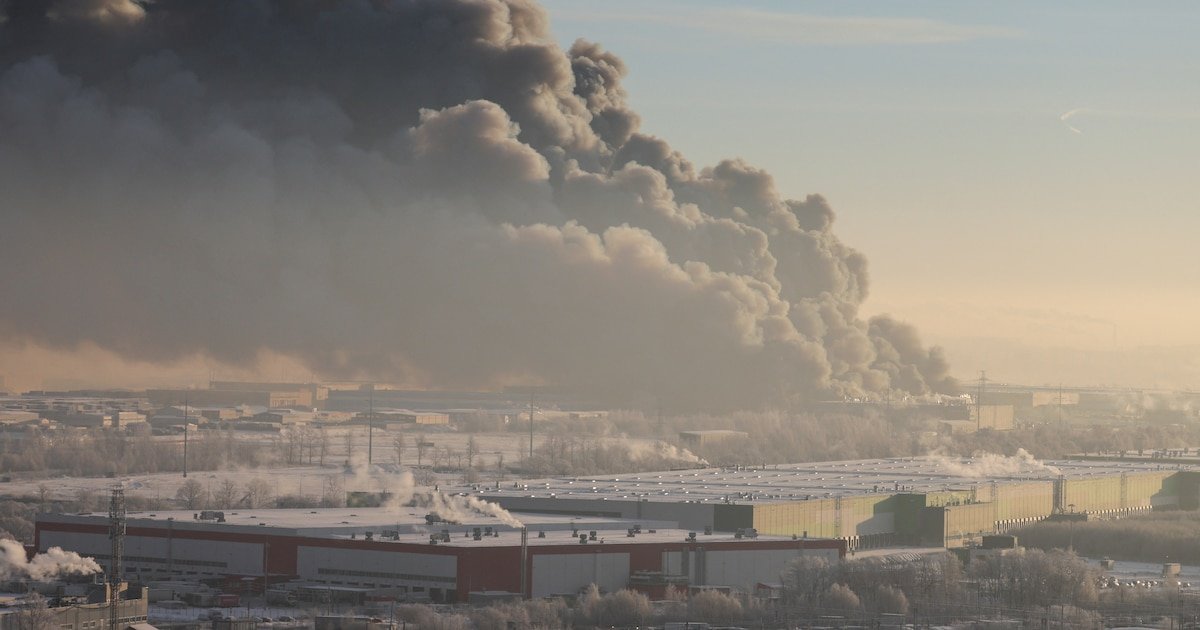
Un ataque con drones provocó un incendio en una instalación energética y en almacenes de la principal empresa de venta online minorista , Wildberries, en la región rusa de Volgogrado este viernes y dejó al menos cinco heridos, según informó el gobernador regional, Andrei Bocharov.
El mandatario no precisó detalles sobre el tipo de instalación afectada, aunque en la zona opera una refinería de petróleo propiedad de Lukoil. Esta instalación es una de las refinerías de petróleo más grandes de Rusia y produce gasolina, gasóleo, combustible para aviación y otros productos derivados del petróleo.
Bocharov indicó a través de Telegram que los cinco heridos recibieron atención médica. En la vecina región sureña de Rostov, una mujer resultó herida tras un ataque con drones en la localidad de Gukovo, según comunicó el gobernador Yuri Slyusar.
En las últimas semanas, Ucrania intensificó los ataques contra centros logísticos rusos, incluyendo almacenes de Wildberries, conocido como “el Amazon de Rusia”, que reportó daños recientes en varias de sus instalaciones. La empresa anunció en Telegram el pago de un segundo tramo de apoyo financiero a cerca de 100.000 vendedores cuyos productos resultaron afectados.
El Gobierno ucraniano sostiene que estos ataques en profundidad en territorio ruso constituyen “sanciones de largo alcance”, cuyo objetivo es debilitar la capacidad bélica de Moscú y forzar el fin de la invasión, que ya supera los cuatro años y medio. Mientras tanto, Ucrania continúa sufriendo bombardeos constantes sobre sus propias ciudades.
A su vez, la refinería de petróleo de Ryazan, una de las mayores de Rusia, suspendió el procesamiento de crudo tras un ataque con drones y podría permanecer cerrada durante aproximadamente dos semanas, según informó Reuters con referencia a fuentes del sector.
Ucrania anunció que las Fuerzas Armadas ucranianas atacaron la refinería, propiedad de la empresa petrolera líder en Rusia, Rosneft, durante la noche del miercoles. Una fuente consultada por el medio indicó que “la refinería de petróleo de Ryazan dejó de operar el miércoles”. “Se espera que el cierre dure aproximadamente dos semanas”, detalló.
El reporte señaló que, tras una parada no programada de este tipo, es necesario un tiempo considerable para reiniciar las operaciones de refinación, volver a poner en marcha las unidades primarias y secundarias, ajustar los procesos tecnológicos y restablecer el cumplimiento de los estándares de calidad del producto.
La infraestructura de la refinería ya había sufrido daños en un ataque con drones el pasado 15 de mayo, lo que también obligó a suspender temporalmente las operaciones. A pesar de la paralización actual, la planta continuó vendiendo productos petrolíferos en la Bolsa Internacional de Materias Primas de San Petersburgo hasta el jueves, ofreciendo lotes de gasolina y diésel.

En paralelo, el Ejército ruso tomó el control de cuatro localidades ucranianas en las últimas 24 horas, según informó el jueves el Ministerio de Defensa de Rusia. Tres de las poblaciones se encuentran en las regiones de Kharkiv y Sumy, donde Moscú busca establecer una franja de seguridad, y la cuarta en la región anexionada de Donetsk.
De acuerdo con el parte militar difundido por la red de mensajería MAX, “las unidades de la agrupación militar Norte establecieron el control de la localidad de Yúrchenkovo en Kharkiv, y de Mogritsia y Mala Slobidka en Sumy”. Además, el mando castrense añadió que “las unidades de la agrupación Centro liberaron la localidad de Krasnoyárske en la república popular de Donetsk”.
Pese al aumento de los ataques aéreos ucranianos contra la retaguardia rusa con drones y misiles, las fuerzas rusas siguen avanzando por tierra en las últimas semanas, aunque a un ritmo lento. Esta situación reavivó rumores sobre una posible segunda movilización en Rusia, algo que el Kremlin negó categóricamente.
(Con información de Reuters)

NEWYou can now listen to Fox News articles!
FIRST ON FOX: Florida Republican Sen. Ashley Moody introduced a bill targeting the Washington, D.C. public school system in a push to prioritize patriotism in the nation’s capital, Fox News Digital has learned.
The PLEDGE Act proposal would require teachers to feature the American Flag in their classrooms, and for administrators to provide students the opportunity to recite the Pledge of Allegiance every day.
«Currently, there are schools in Washington, D.C., the nation’s capital, that do not display our flag or set aside time for students to recite the Pledge of Allegiance, but they do teach them to be activists,» claims the press release shared with Fox News Digital.
FAR-LEFT ACTIVIST CONFERENCE AT TEACHERS UNION HQ RAISES CLASSROOM CONCERNS
Activists burn a U.S. flag at Black Lives Matter Plaza near the White House on July 4, 2020, in Washington, D.C. (Alex Wong/Getty Images)
In a city where Pride flags and progressive causes are prominently displayed across the district, some conservatives say patriotic symbols like the American flag have taken a back seat in schools — fueling concerns about how civic values are being taught to the next generations of Americans.
«Radicals want to teach kids to be ashamed of the United States of America and how to be activists instead. We should be teaching kids why America is worth loving, and most importantly, the principles and values that make America worth defending,» said Moody in the release.
Over 40 states have varying Pledge requirements in their schools — but not in the nation’s capital.
«My PLEDGE Act helps restore pride in our nation by reminding students every day of the freedom, responsibilities, and blessings that come with being an American, and the sacrifices made for our flag and everything it represents,» Moody said in a statement shared with Fox News Digital.
BERNIE SANDERS, DSA REVEAL DEMANDS FOR DEM PARTY AFTER SOCIALISTS SWEEP NEW YORK ELECTIONS

Protestors repaint «Defund the Police» on Black Lives Matter Plaza on the final night of the Republican National Convention, Aug. 27, 2020. (Evelyn Hockstein/For The Washington Post via Getty Images)
The bill comes amid a mayoral race in D.C., where socialist candidate Janeese Lewis George is the frontrunner. This continues a trend in the nationwide rise of the far-left Democratic Socialist of America (DSA) movement, which often spouts anti-American rhetoric.
The DSA platform, which aims to appeal to younger voters, wants to replace free-market capitalism with social ownership. It also pushes for major constitutional changes, like abolishing the Electoral College and expanding voting rights for noncitizens.
Younger Americans are significantly less likely to express strong national pride than older generations, with just 41% of Generation Z saying they are extremely or very proud to be American, according to a June 2025 Gallup poll.
The same poll says 58% of U.S. adults say they are «extremely» or «very» proud to be American, the lowest level the pollsters have recorded since it began asking the question in 2001.
DEMS PUT ON BLAST OVER POLL THAT SHOWS RECORD-LOW PATRIOTISM IN US: ‘TEAR OUR SOCIETY APART’
The DC Public School (DCPS) curriculum calls for students to learn more progressive politics, from studying Harvey Milk to learning how the LGBTQ+ community has shaped and defined the Washington, D.C., community.
For example, fifth-grade social studies standards in the district require students to analyze the rise of queer culture during the Black Renaissance and also require students to compare the experiences of LGBTQ+ service members returning to the U.S. after World War II, according to their 2023 Social Study Standards.

Sen. Ashley Moody, R-Fla., leaves the Senate floor after a vote in the U.S. Capitol on Oct. 21, 2025. (Bill Clark/CQ-Roll Call, Inc via Getty Images)
During President Donald Trump’s second term, his administration restored patriotic symbols to the nation’s capital by installing two large American flags on the White House grounds and removing the «Black Lives Matter» street mural on the plaza just blocks from the executive residence.
Washington, D.C., has long been a focal point for political demonstrations and protests. Trump, in his second term, deployed the National Guard to help bolster safety in the city.
Fox News Digital reached out to DCPS for comment.
READ THE FULL TEXT OF THE PROPOSED LEGISLATION:
patriotism, us protests, education, politics, washington dc, culture opinion
INTERNACIONAL
Trump puso en duda la licencia para que Ucrania produzca misiles Patriot y afirmó que Estados Unidos aún estudia esa posibilidad
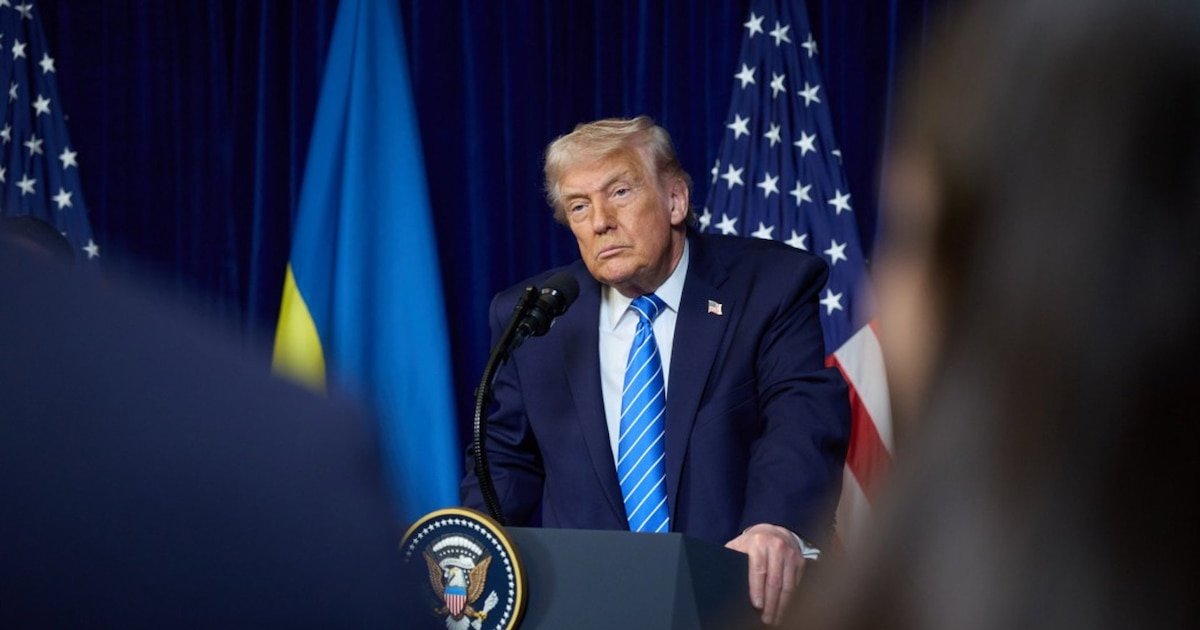
El presidente de Estados Unidos, Donald Trump, afirmó que todavía no decidió si Washington concederá a Ucrania una licencia para producir misiles Patriot, pese a que días antes Volodimir Zelensky aseguró que ambos mandatarios acordaron avanzar en esa dirección durante su reunión en la Casa Blanca.
En una entrevista telefónica con el Financial Times, Trump sostuvo que la posibilidad permanece bajo análisis y evitó confirmar que Estados Unidos autorizará la fabricación de esos interceptores en territorio ucraniano.
“No estaba seguro” de si Washington concedería a Ucrania una licencia para producir misiles Patriot, declaró el mandatario, antes de agregar: “Lo estamos estudiando”.
Trump explicó además por qué mantiene reservas sobre esa alternativa. “Es un arma extraordinaria, y… tenemos que tener cuidado con a quién le otorgamos la licencia. En realidad, no otorgamos licencias para equipos”, señaló.
Las declaraciones llegaron apenas dos días después del encuentro que mantuvo con el presidente ucraniano, Volodimir Zelensky, en la Casa Blanca. Tras esa reunión, el mandatario ucraniano describió el diálogo como “bueno” y aseguró que ambos conversaron sobre “la producción de misiles interceptores Patriot y otras ideas”.
A comienzos de julio, durante la cumbre de la OTAN celebrada en Turquía, Trump había afirmado que Washington concedería a Kiev una licencia para producir misiles Patriot, una posibilidad que Ucrania considera estratégica para fortalecer su defensa aérea.

Después del encuentro del martes en la Casa Blanca, Zelensky incluso aseguró que Trump “aceptó que nos dará licencias”, una afirmación que ahora contrasta con la cautela expresada por el presidente estadounidense.
El mandatario ucraniano también reveló contactos recientes con las empresas vinculadas al programa Patriot. “Tuve una reunión con los representantes de la producción… Espero que podamos hacer una coproducción. Esto es muy importante”, expresó.
Según la información disponible, tanto Lockheed como RTX fabrican interceptores Patriot.
El sistema de misiles constituye uno de los principales recursos de defensa aérea de Ucrania para interceptar misiles balísticos lanzados por Rusia contra Kiev y otras ciudades del país.
Durante la entrevista con el Financial Times, Trump insistió además en que su prioridad continúa centrada en poner fin a la guerra entre Rusia y Ucrania y anunció el próximo viaje de dos de sus enviados.
El presidente informó que Jared Kushner y Steve Witkoff visitarán Ucrania por primera vez en los próximos días. “En pocas palabras, queremos que termine la guerra entre Ucrania y Rusia”, sostuvo Trump.
Luego añadió: “No busco misiles. Buscamos la paz”.

En otro tramo de la entrevista, el mandatario estadounidense se refirió al conflicto con Irán y sostuvo que, pese a los recientes ataques atribuidos a Teherán contra distintos objetivos en Medio Oriente, considera que la situación terminará por favorecer a Estados Unidos. “Les estamos dando una paliza”, afirmó.
Trump también manifestó optimismo respecto del acuerdo de cooperación nuclear civil entre Estados Unidos y Arabia Saudita, anunciado la semana anterior.
El presidente indicó que conversó sobre la eventual normalización de las relaciones diplomáticas entre Arabia Saudita e Israel con el príncipe heredero saudita, Mohammed bin Salman, y con el primer ministro israelí, Benjamin Netanyahu. Según Trump, “a ambos países les agrada mucho. Podría suceder”.
No obstante, el príncipe heredero saudita había manifestado anteriormente que la normalización solo será posible si Israel adopta medidas irreversibles para permitir la creación de un Estado palestino, una condición que las autoridades israelíes rechazaron.
En la misma entrevista, Trump también comentó su primera conversación telefónica con el nuevo primer ministro Andy Burnham y vinculó esa gestión con el desarrollo energético del Reino Unido. “Lo que parece quedar muy claro es que él quiere enriquecer a su país, y sabe que puede lograrlo explotando el petróleo del Mar del Norte”, sostuvo.
Finalmente, elogió esa estrategia y cuestionó al anterior gobierno británico. “Creo que lo va a conseguir. Si Starmer lo hubiera hecho, no estaría ahora mismo sentado en casa viendo la televisión”, concluyó.
Asia / Pacific,Diplomacy / Foreign Policy

El Real Madrid tomó la decisión de ceder a Franco Mastantuono

Empezó Lollapalooza Chicago 2026 con el magnetismo visceral de Lorde y la electrónica emocional de John Summit

El camino en el Congreso del paquete de reformas económicas que anunció Milei: los proyectos oficiales y el ingreso por Diputados

Ucrania bombardeó una instalación energética y almacenes de Wildberries, “el Amazon de Rusia”, en la región de Volgogrado

Pagos de Anses: cuánto van a cobrar jubilados, pensionados, beneficiarios de la AUH y otros planes sociales en agosto 2026

Boca avanza en la Sudamericana: cuándo juega contra Recoleta en los octavos de final

Crisis entre Milei y Lula: la trama política, personal y geopolítica detrás del mayor choque diplomático entre Argentina y Brasil

La pelea con Lula y el verdadero desafío que enfrenta Milei

Cómo manejar en el hielo y la nieve: técnicas y precauciones para usar el auto en la montaña en vacaciones de invierno

El BCRA cortó la racha de compra y en el mercado vuelan rumores de maniobras para frenar al dólar

 POLITICA3 días ago
La pelea con Lula y el verdadero desafío que enfrenta Milei
- ECONOMIA3 días ago
Cómo manejar en el hielo y la nieve: técnicas y precauciones para usar el auto en la montaña en vacaciones de invierno
- ECONOMIA3 días ago
El BCRA cortó la racha de compra y en el mercado vuelan rumores de maniobras para frenar al dólar