INTERNACIONAL
Way harder than it should be: Why Congress may balk on $1.7B compensation fund

NEWYou can now listen to Fox News articles!
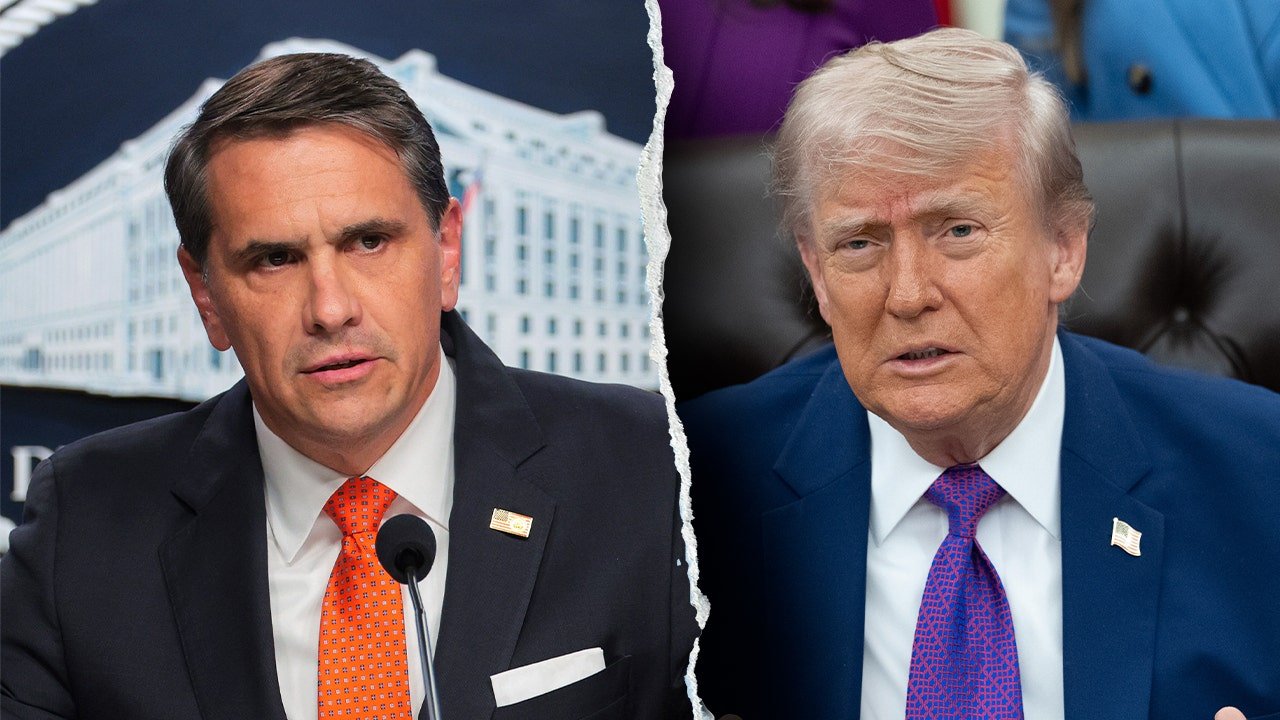
Acting Attorney General Todd Blanche had never appeared before a congressional panel asking for money to run his department until Tuesday morning.
And even though cabinet secretaries routinely make their budget requests to Congress, it appears that Blanche apparently didn’t even need to ask lawmakers for the most-controversial batch of federal funds in years.
It was already approved. Somehow.
Blanche’s Justice Department announced the creation of a billion compensation fund to pay people who Republicans say are victims of government weaponization. Who gets the money isn’t clear. And what’s murkier still is how the stash of cash came about.
APOLOGIES AND CASH HEADED TO ALLEGED ‘WEAPONIZATION’ VICTIMS IN BILLION-DOLLAR TRUMP SETTLEMENT
President Donald Trump speaks during a Fighting For American Workers event in Suffern, N.Y., on May 22, 2026. (Ryan Murphy/AP)
In short, President Donald Trump sued his own IRS for leaking his tax returns – along with the filings of several hundred other Americans. Then, Blanche’s own Department of Justice announced that the president essentially settled with himself.
«Per the settlement, plaintiffs will receive a formal apology but no monetary payment or damages of any kind. They have agreed, in exchange for the creation of this fund, to drop their pending lawsuit with prejudice, and also withdraw two administrative claims, including for damages resulting from the unlawful raid of Mar-a-Lago and the Russia-collusion hoax,» read the DoJ statement.
The fund is worth $1.776 billion. Get it? 1776.
REPUBLICANS RECOIL AS TRUMP’S BILLION-DOLLAR DOJ ‘SLUSH FUND’ FOR ALLIES THREATENS ICE, BORDER PATROL PLAN
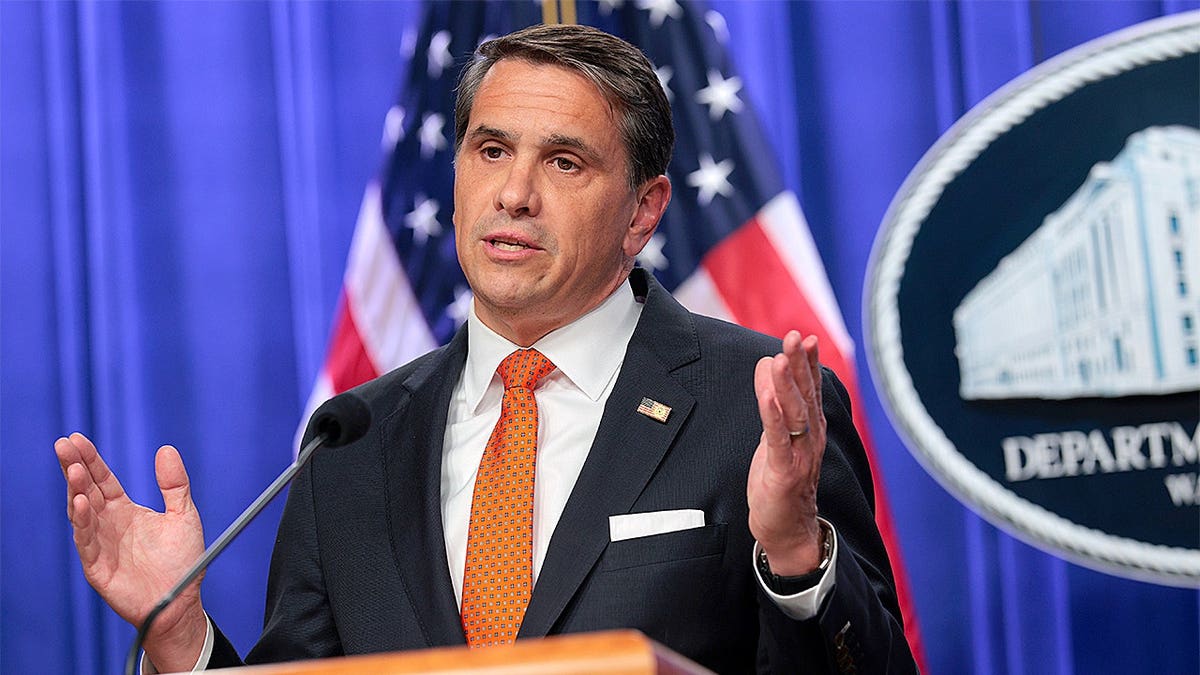
Acting Attorney General Todd Blanche spoke during a news conference at the Robert F. Kennedy Department of Justice building in Washington, D.C., on April 7, 2026. He discussed the department’s anti-fraud efforts and announced the creation of a National Fraud Enforcement Division. (Chip Somodevilla/Getty Images)
So while the president couldn’t receive money from this fund, his political allies and donors could.
All without congressional input.
«I realize it’s a lot of money,» said Sen. John Kennedy, R-La. «I want to understand where the money comes from. Do we find it in the budget? Do we have to borrow it? There’s just a lot of unanswered questions.»
DAVID MARCUS: HE BARELY SURVIVED BIDEN LAWFARE, AND NOW HE DESERVES TO GET PAID
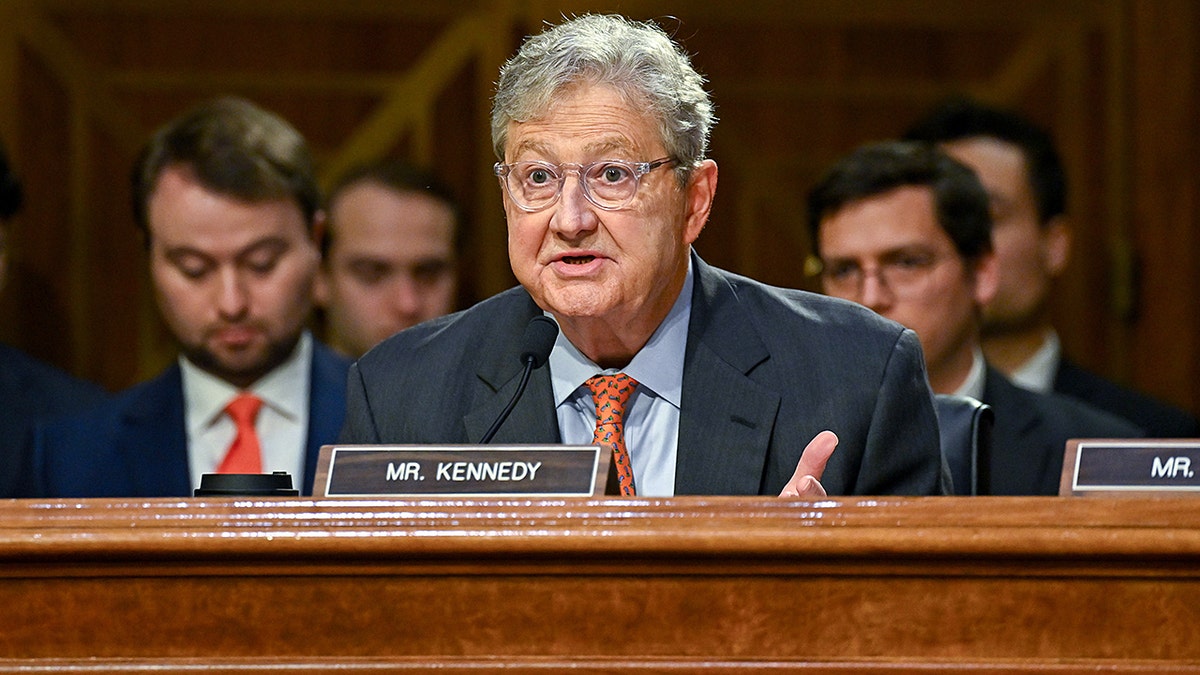
Sen. John Kennedy, R-La., has argued a third budget reconciliation package is unlikely to materialize this year, adding the forthcoming immigration enforcement-focused bill is the «last train leaving the station» ahead of November’s midterm elections. (Graeme Sloan/Bloomberg via Getty Images)
«What I want to know is how the fund is created and what its purpose is,» said Sen. Jerry Moran, R-Kan.
«And (I want to know) the legality of creating a fund that Congress hasn’t had anything to say about.»
The government swept up the phone information of multiple Republican lawmakers after the January 6 riot as part of Operation Arctic Frost. That included the records of Sen. Bill Hagerty, R-Tenn. He defended the fund.
‘COMPLETE FAILURE’: GOVERNMENT SHUTDOWN CRISIS THREATENS CAPITOL HILL AS TRUMP PLANS POLICY OVERHAUL
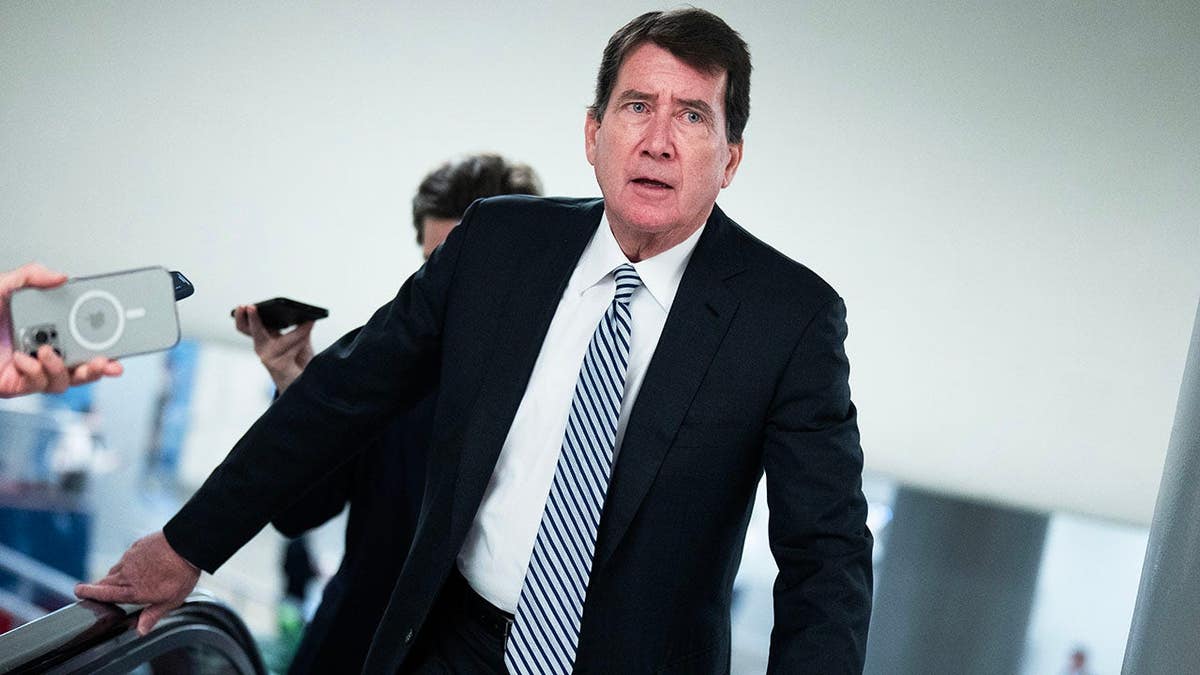
Sen. Bill Hagerty, R-Tenn., is seen inside the U.S. Capitol on Feb. 4, 2026. (Tom Williams/CQ-Roll Call, Inc.)
«What we ought to be talking about is the reasons for the compensation. Weaponization of government that took place under former President Joe Biden was an absolute disgrace,» said Hagerty.
Blanche formerly served as President Trump’s personal legal counsel. Lawmakers argued that Blanche reverted to that role when he created the compensation fund out of the ether.
«Mr. Attorney General, you are acting today like the president’s personal attorney. And that’s the whole problem,» said Sen. Chris Van Hollen, D-Md.
CONGRESSIONAL REPUBLICANS FACE BRUISING BATTLE TO AVOID GOVERNMENT SHUTDOWN
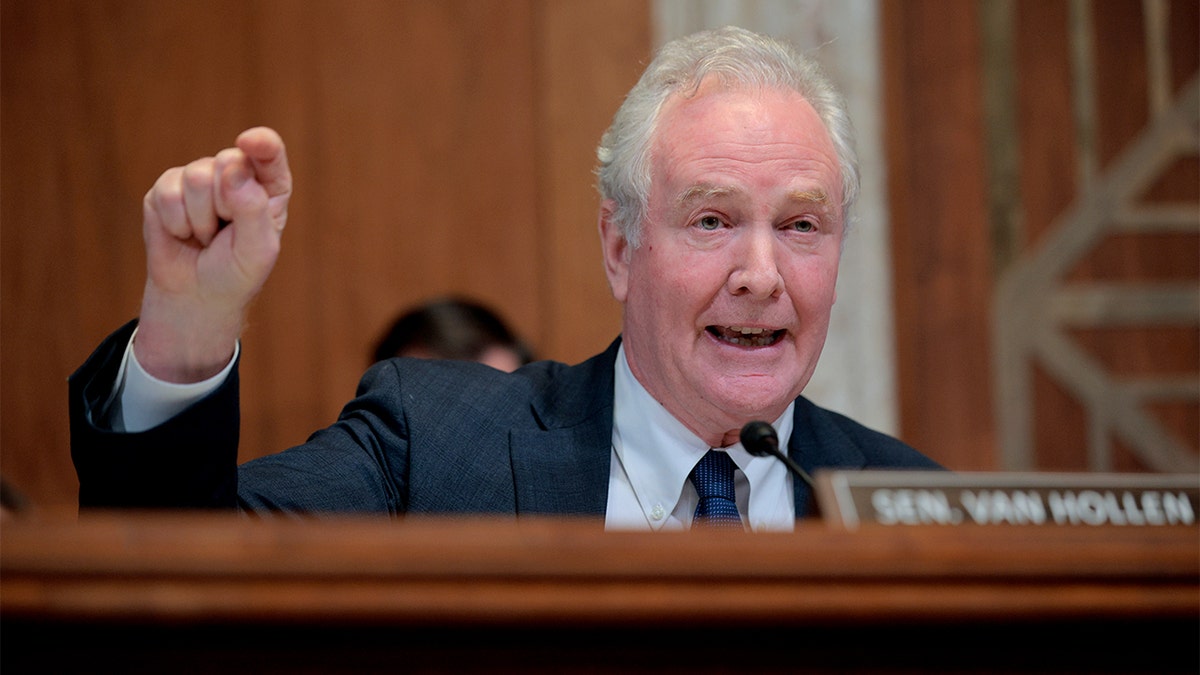
Sen. Chris Van Hollen questions U.S. Trade Representative Jamieson Greer during a subcommittee hearing in the Dirksen Senate Office Building on Capitol Hill in Washington, D.C., on Dec. 9, 2025. (Chip Somodevilla/Getty Images)
«You’re a very gifted lawyer. But from my perspective, you have very little faith to the Constitution and the people of America. And you’re the president’s consigliere,» piled on Sen. Jack Reed D-R.I.
Lawmakers questioned who qualifies for compensation.
«Will individuals who assaulted Capitol Hill police officers be eligible for this fund?» asked Van Hollen.
DEMS DEMAND TRUMP RESUME CASH FLOW AS THEY FINALLY GET LEVERAGE IN RACE TO PREVENT SHUTDOWN
«Anybody in this country is eligible to apply if they believe they are a victim of weaponization,» replied Blanche.
And that’s what concerned bipartisan lawmakers. The compensation conundrum instantly spilled over into a major bill, due to the hit the Senate floor.
Congressional Republicans were trying to pass a bill to finally address funding for ICE and Border Patrol, once and for all. But they planned to bypass a Democratic filibuster using a special process called budget reconciliation.
SENATE GOP LAUNCHES ALL-NIGHT VOTE-A-RAMA TO FUND ICE, BORDER PATROL THROUGH END OF TRUMP’S TERM

U.S. Immigration and Customs Enforcement agents patrol seen patrolling an airport. (Heather Diehl/Getty Images)
The good thing about reconciliation is that you can pass a bill with 51 yeas and don’t need to clear the filibuster with 60 votes. The bad thing is that the reconciliation process entails what the Senate refers to as a «vote-a-rama.» This is where senators can offer practically any amendment on any subject in a drawn-out process which might consume an entire calendar day.
Republicans freaked out that Democrats would force them to take controversial votes on the compensation fund. And frankly, many Republicans intended to author their own amendments to curb the fund – simultaneously inoculating themselves from blowback.
That political brew was too much for Senate Republicans.
DEMOCRATS’ LAST-MINUTE MOVE TO BLOCK GOP FUNDING PLAN SENDS LAWMAKERS HOME EARLY
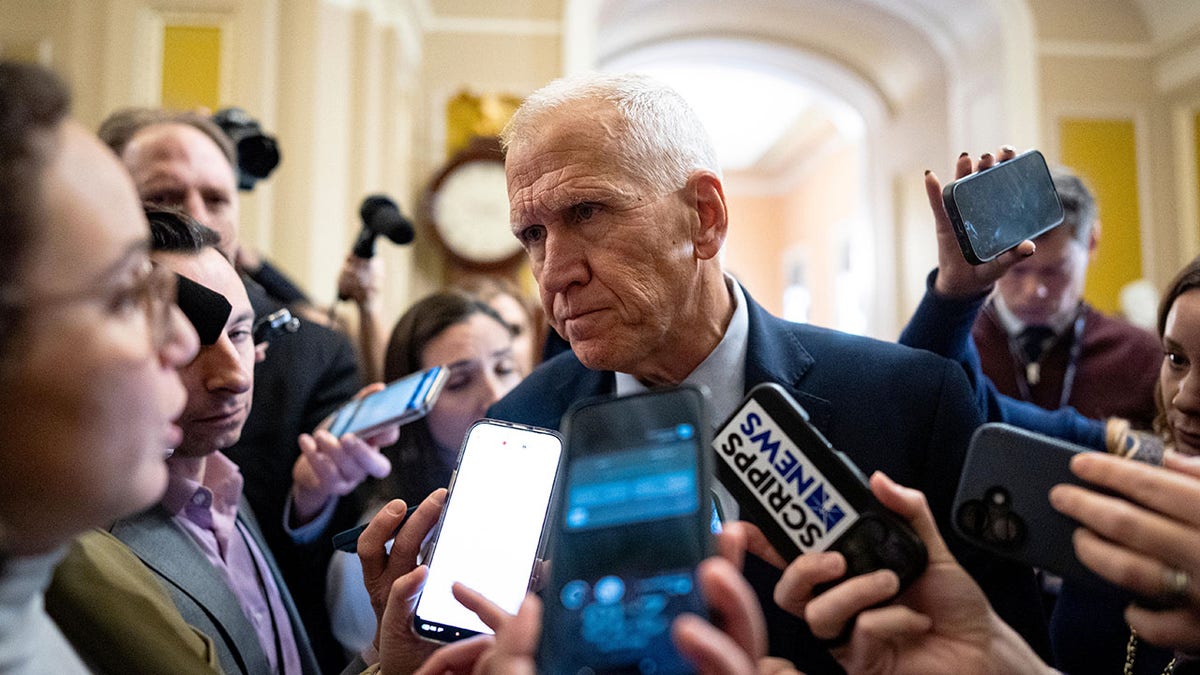
Sen. Thom Tillis, R-N.C., spoke to reporters after the Senate Republican policy luncheon at the U.S. Capitol in Washington, D.C., on Jan. 28, 2026. (Al Drago/Bloomberg via Getty Images)
They summoned Blanche to Capitol Hill Thursday morning to explain the fund. The meeting didn’t go well. Fox is told that Sens. Chuck Grassley, R-Iowa, and Tom Cotton, R-Ark., were pointed in their comments to Blanche. Sen. Thom Tillis, R-N.C., popped into the Capitol’s Ohio Clock Corridor en route to the meeting. Tillis was in mid-conversation. All anyone could hear Tillis say was «And I’m not voting for it!» as he walked by.
By early afternoon, Republican leaders scrapped the bill to fund Immigration and Customs Enforcement (ICE) and Customs and Border Protection (CBP) and sent everyone home for Memorial Day. It was the biggest legislative rebuke of President Trump’s second term.
«I just don’t know how this puppy dog will work,» said Kennedy. «I think there were six or seven people who are going to vote no.»
SENATE REPUBLICANS RACE TO FUND ICE, CBP WITHOUT DEMOCRATS AS SHUTDOWN DRAGS
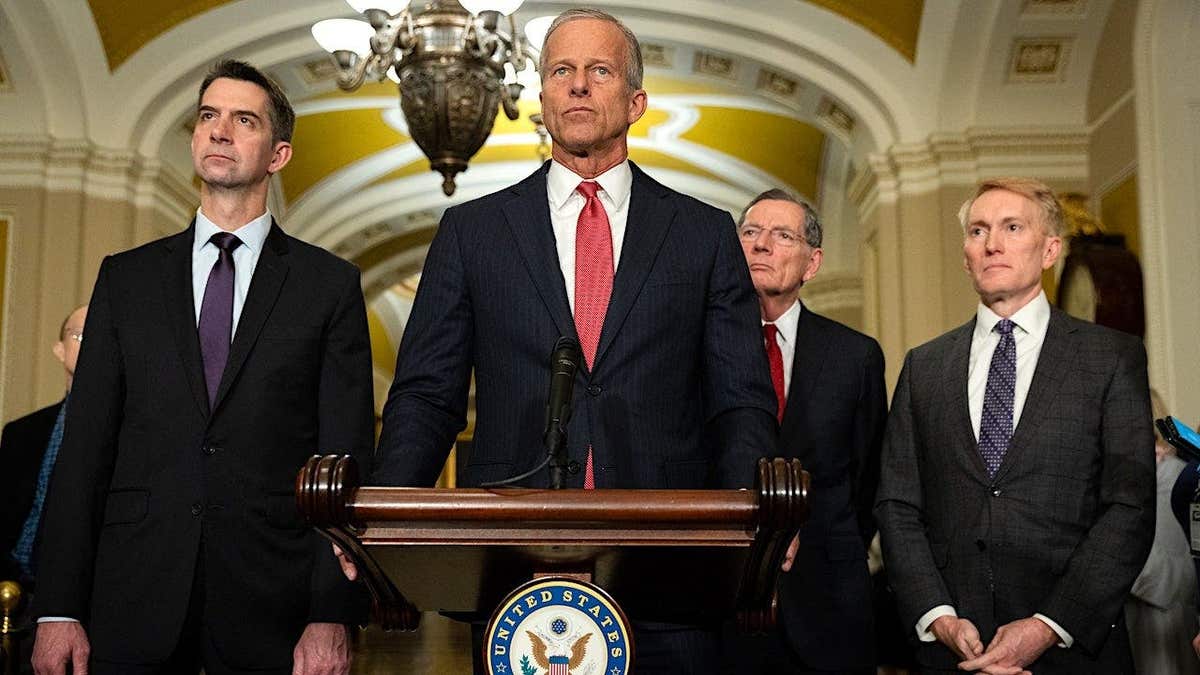
Majority Leader John Thune, R-S.D., and Senate GOP leaders are pushing forward with budget reconciliation to fund the final piece of government that had been shut down by Senate Democrats’ opposition to President Donald Trump’s Immigration and Customs Enforcement actions. (Nathan Posner/Anadolu)
Yet Republicans were practically on the verge of finally ending the ICE and Border Patrol funding impasse.
«The sole reason we are here today is because Democrats refused to fund law enforcement at the Department of Homeland Security,» said Senate Majority Leader John Thune, R-S.D.
The debate over funding for the president’s ballroom wasn’t exactly the foxtrot for Senate Republicans. But the compensation fund converted the reconciliation process into the samba.
CONGRESS MELTS DOWN: MEMBERS UNLEASH PERSONAL ATTACKS AFTER WEEKS OF SHUTDOWN DRAMA
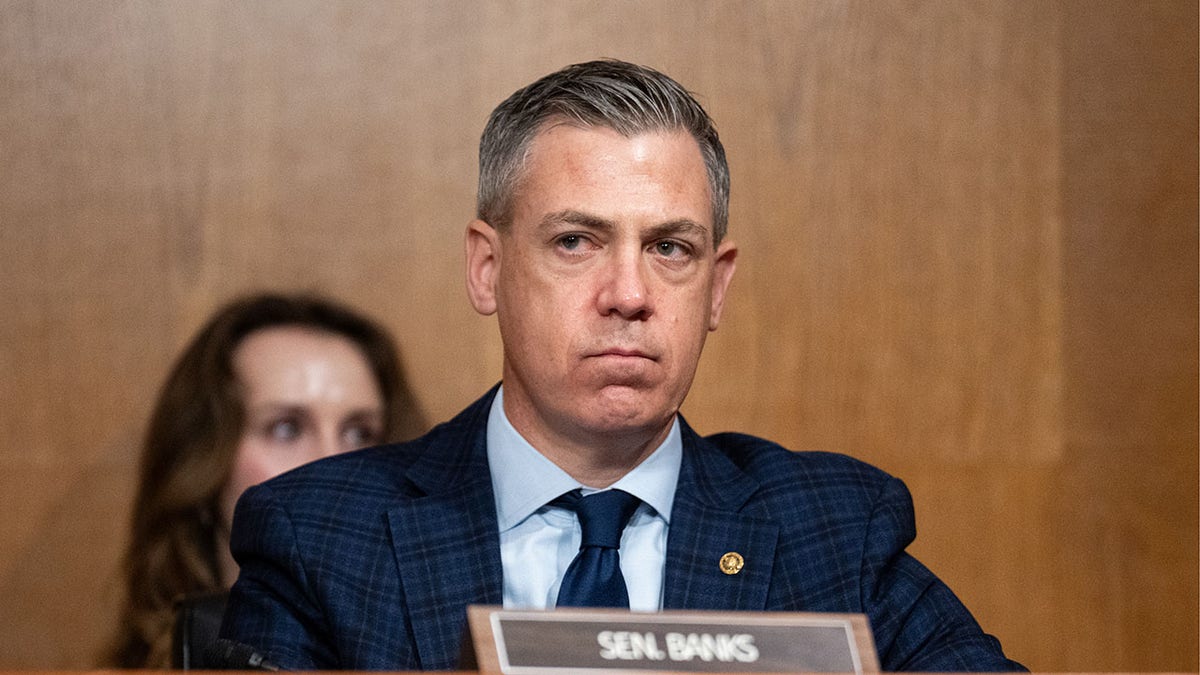
Sen. Jim Banks, R-Ind., listens during the Senate Health, Education, Labor and Pensions Committee confirmation hearing for Secretary of Education nominee Linda McMahon in the Dirksen Senate Office Building on Feb. 13, 2025. (Bill Clark/Unknown)
No fancy footwork here. Republicans managed to snatch defeat from the jaws of victory.
«There are a lot of questions about it. I have Republican colleagues who have concerns about who can receive funding from that fund,» said Sen. Jim Banks, R-Ind.
However Banks noted that «every single Republican who was on the ballot like I was in the ‘24 cycle talked about stopping the weaponization of government.»
HOUSE GOP TENSIONS ERUPT AS REPUBLICANS TURN ON EACH OTHER HEADING INTO YEAR’S END
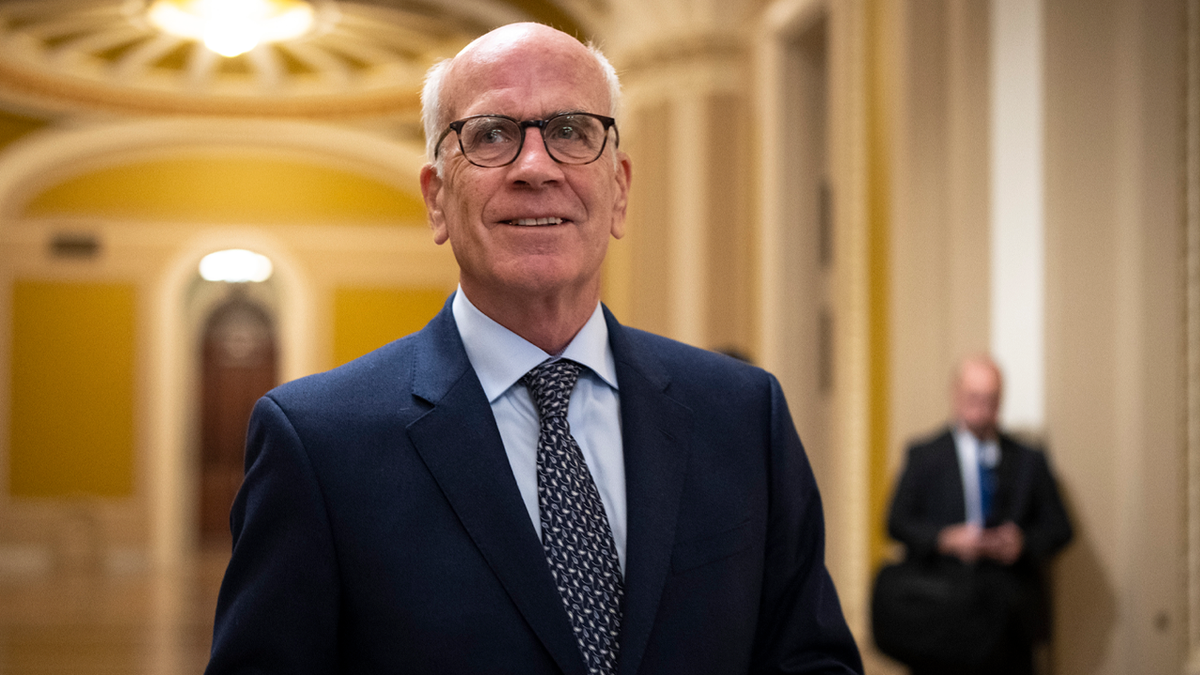
Sen.-elect Peter Welch, D-Vt., walks through the hallways of the Senate at the U.S. Capitol in Washington, D.C., on Nov. 15, 2022. (Drew Angerer/Getty Images)
Democrats watched as Republicans blanched at what Blanche told them.
«I think my Republican colleagues have reached their limit,» said Sen. Peter Welch, D-Vt.
Thune said the compensation fund «makes everything way harder than it should be.» He declared that the White House should should have «consulted» with Congressional Republicans about the fund ahead of time. So deadlocked, Thune and House Speaker Mike Johnson, R-La., dismissed everyone until early June.
OUT OF POWER: DEMOCRATS DISORIENTED IN FIGHT AGAINST TRUMP AGENDA
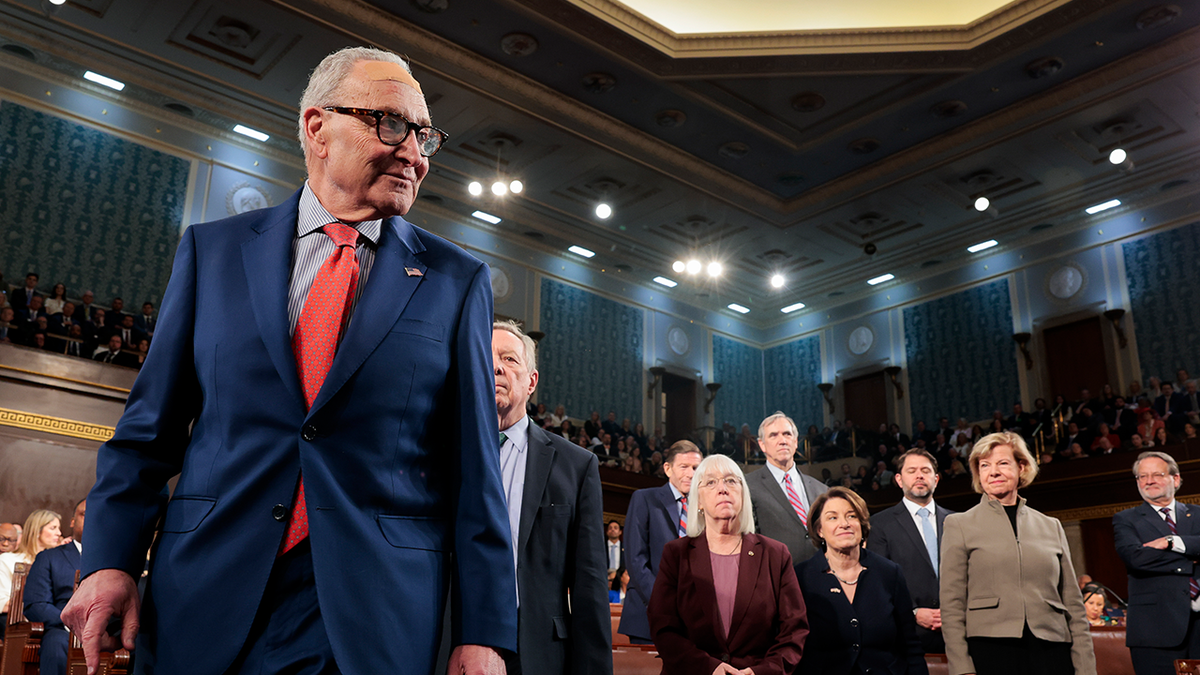
Senate Minority Leader Chuck Schumer, D-N.Y., is mounting a longshot bid to retake Senate control during November’s midterm elections. (Kylie Cooper-Pool/Getty Images)
«Republicans are so divided, so dysfunctional, so disorganized, that they are fleeing Washington. Their majority can’t melt down fast enough,» said Senate Minority Leader Chuck Schumer, D-N.Y.
However, some of the President’s allies defended the compensation fund.
«I feel comfortable that whose who have been wronged by their government should have some sort of redress,» said Sen. Eric Schmidt, R-Mo.
And even though the president recently steamrolled some GOP foes politically, Republicans blocked him legislatively.
«We should have full review of what we’re funding,» said Rep. Ryan Zinke, R-Mont. «Congress has our obligation.»
CLICK HERE TO DOWNLOAD THE FOX NEWS APP
So President Trump may get the personnel he wants in Congress next year as Sen. Bill Cassidy, R-La., and Rep. Thomas Massie, R-Ky., go by the wayside. But securing the policies may need to wait until the president’s preferred candidates are in place in 2027.
That’s why some lawmakers are questioning whether Congress can move any more meaningful legislation the rest of this year. Everything else from here on will be «way harder than it should be.»
congress, homeland security, attorney general, republicans, senate elections












INTERNACIONAL
Marine Le Pen afrontará la próxima semana un veredicto clave para el futuro de su partido de cara a las elecciones en Francia
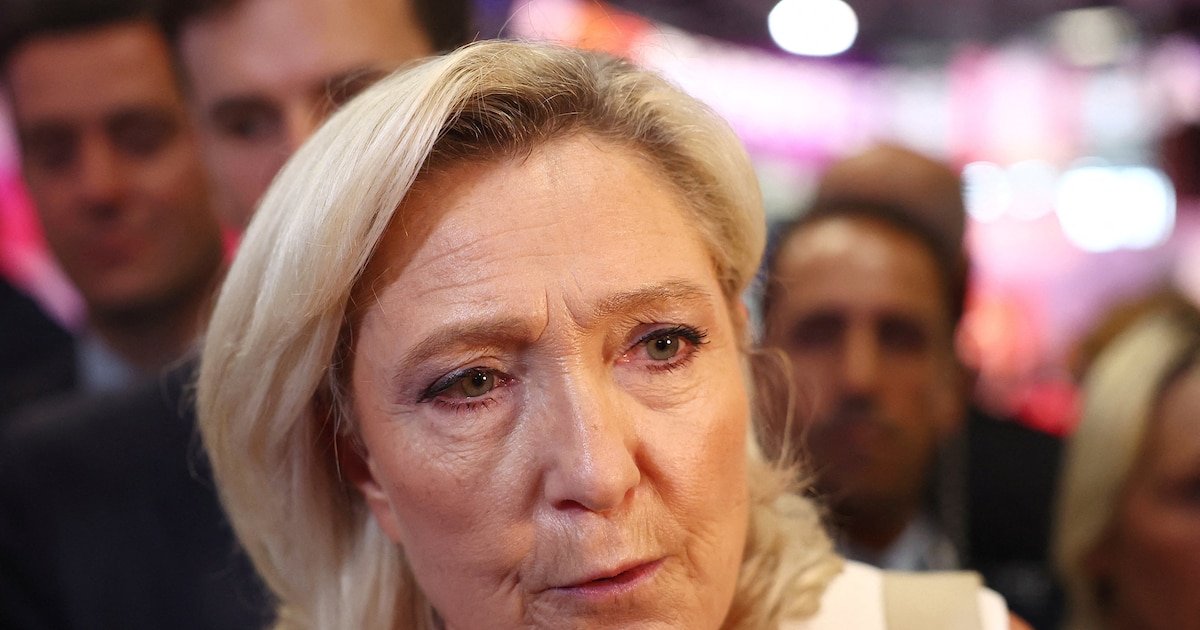
La posibilidad de que Marine Le Pen quede fuera de las elecciones presidenciales de Francia en 2027 se resolverá en cuestión de días, cuando el tribunal de apelaciones emita su veredicto definitivo. Si el fallo que se conocerá el próximo martes 7 de julio confirma la condena previa, la dirigente de Agrupación Nacional (RN) no podrá competir por el puesto que ha buscado durante más de una década.
En caso de confirmarse la inhabilitación, Le Pen se vería impedida de presentarse a la primera vuelta prevista para el 18 de abril del próximo año. Además, la imposición de un arresto domiciliario complicaría aún más su participación, pues restringiría de manera significativa su capacidad de campaña.
Durante el juicio de apelación, Le Pen sostuvo ante la corte que su formación actuó “de completa buena fe” y rechazó que existiera un sistema deliberado para desviar fondos del Parlamento Europeo. Sin embargo, la fiscalía defendió que la líder ultraderechista “profesionalizó” una práctica introducida por su padre, Jean-Marie Le Pen, al asumir el control del partido en 2011.
La dirigente política fue condenada en primera instancia a cuatro años de cárcel, con dos en suspenso, y a una inhabilitación de cinco años para ejercer cargos públicos, tras ser hallada culpable de emplear fondos europeos en beneficio de personal del partido en Francia entre 2004 y 2016. La acusación sostiene que el monto malversado asciende a varios millones de euros.
Le Pen declaró públicamente que solo decidirá si se presenta a las presidenciales después de conocer el resultado del tribunal. “No tengo miedo”, aseguró esta semana antes del fallo, y remarcó: “Si puedo presentarme, lo haré, siempre y cuando pueda hacer campaña”.

En caso de quedar fuera, la líder de RN sugirió que Jordan Bardella, actual presidente del partido y figura en ascenso con 30 años, podría asumir la candidatura. “Cuando eres candidato a la presidencia, necesitas tener total libertad de movimiento”, expresó Le Pen en una entrevista con el canal LCI y sumó que no puede depender de un magistrado para asistir a actos públicos.
El proceso judicial implica también a 24 ex diputados europeos, asistentes y contables, además del propio partido RN, acusados de operar un esquema para desviar recursos comunitarios. El tribunal dictaminó en primera instancia que existió una “estafa de empleos falsos” durante más de una década.
Le Pen calificó la investigación como una “caza de brujas” y denunció que algunos de sus seguidores enviaron amenazas de muerte a los jueces. Tanto ella como el partido y otras 11 personas presentaron una apelación. La fiscalía solicitó mantener la prohibición de cinco años y propuso una condena de cuatro años de prisión, con tres en suspenso, por el desvío de fondos.

Las encuestas recientes indican que la ultraderecha francesa lideraría la primera vuelta de los comicios de 2027, aunque existe incertidumbre respecto al desenlace en la segunda vuelta. Un sondeo de Harris Interactive Toluna realizado en mayo a más de 1.700 votantes mostró que Le Pen podría imponerse tanto a Jean-Luc Mélenchon, líder de la izquierda radical, como a los ex primeros ministros Gabriel Attal y Édouard Philippe.
La resolución del tribunal no solo definirá el futuro inmediato de la figura más relevante de la extrema derecha francesa, sino que también podría reconfigurar el escenario político de cara a las próximas elecciones presidenciales.
(Con información de AFP)
Crime,Government / Politics
INTERNACIONAL
Louisiana attorney general accused of threatening local officials in criminal indictment
NEWYou can now listen to Fox News articles!
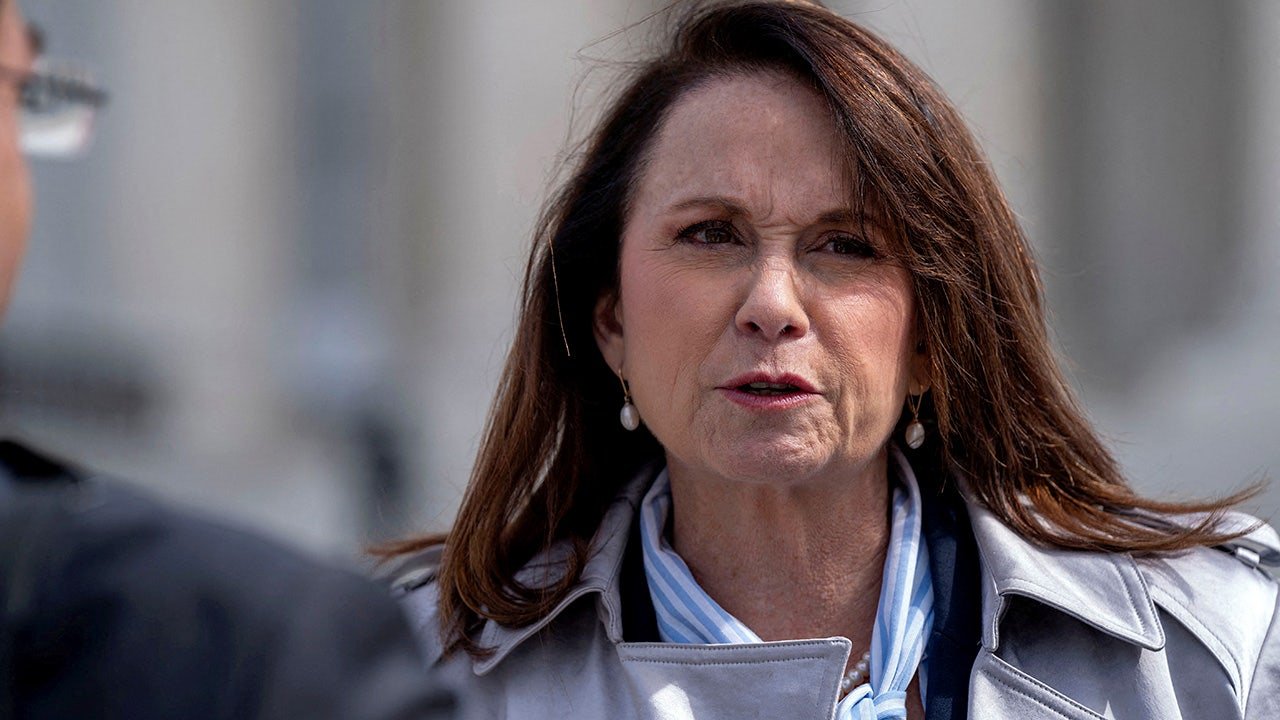
A New Orleans grand jury on Thursday indicted Republican Louisiana Attorney General Liz Murrill on charges including intimidation and malfeasance, accusing the state’s top law enforcement officer of threatening local officials during a high-profile political dispute over the Orleans Parish criminal court clerk’s office.
The 16-count indictment accuses Louisiana’s first female attorney general of threatening local officials with removal from office if they proceeded with actions she believed violated state law.
Assistant District Attorney Laurie White, who is prosecuting the case, said Thursday she expects it to be «very simple» and «very open and shut.»
INDICTED SPLC CHIEF FACES HOUSE GRILLING OVER ALLEGED SECRET PAYMENTS TO KKK MEMBERS
Louisiana Attorney General Liz Murrill leaves the U.S. Supreme Court after justices heard arguments in an appeal by President Joe Biden’s administration of restrictions imposed by lower courts on its ability to encourage social media companies to remove content deemed misinformation, in Washington, U.S., March 18, 2024. REUTERS/Bonnie Cash (REUTERS/Bonnie Cash)
Murrill responded in a post on X, calling the indictment «retaliatory, meritless, and unconstitutional» and saying she would immediately appeal to the Louisiana Supreme Court.
«I will not back down,» Murrill wrote. «I will continue enforcing the law, fighting corruption, and doing the job the people of Louisiana elected me to do.»
Republican Gov. Jeff Landry also defended Murrill, saying he would pardon her «as fast as the law allows.»
NEW MEXICO GOVERNOR DEMANDS FEDERAL REPARATIONS AFTER ACCUSING DEA OF FUELING STATE’S FENTANYL CRISIS
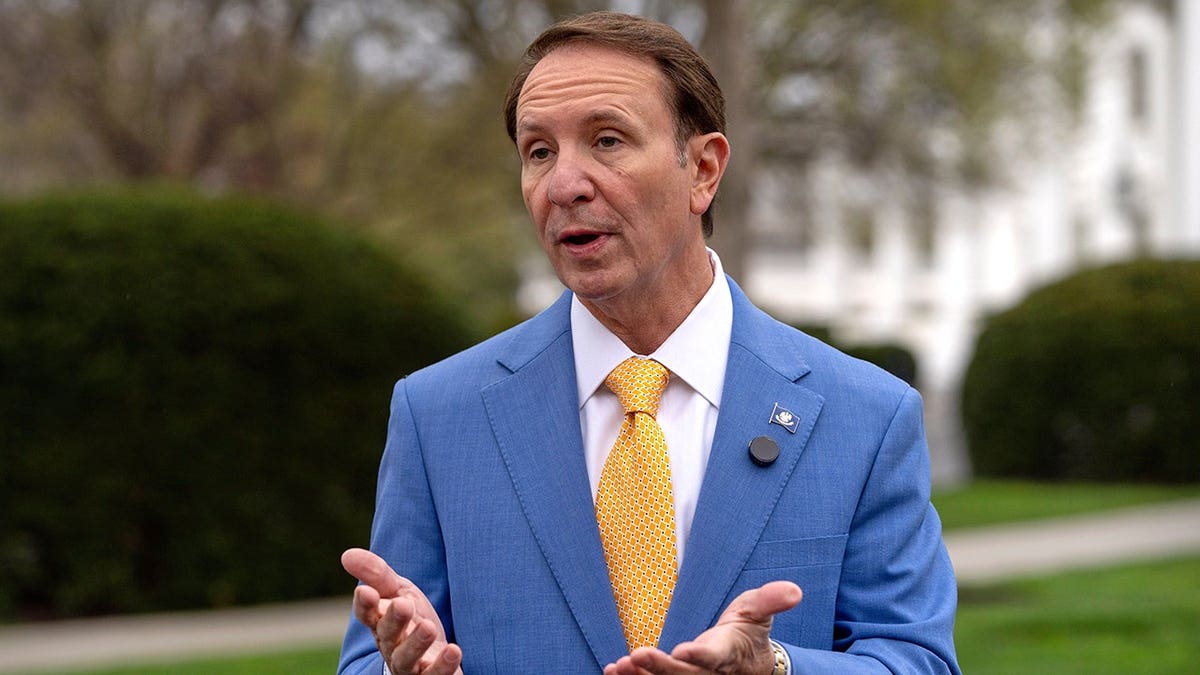
Louisiana Gov. Jeff Landry defended Attorney General Liz Murrill following her indictment and pledged to pardon her «as fast as the law allows.» (AP Photo/Mark Schiefelbein, file)
Landry said Murrill «will not have to worry about having her reputation tarnished by this kangaroo grand jury or the Orleans Kangaroo court.»
«The criminal justice system is a circus at its finest in Orleans and we will not have any of that!» he added.
In a follow-up post, Landry called for an investigation into the grand jury proceedings.
NEW MEXICO AG LAUNCHES CRIMINAL INVESTIGATION INTO DEA OVER ALLEGATIONS AGENTS LET FENTANYL FLOOD STATE

Louisiana Attorney Liz Murrill is surrounded by law enforcement leaders during a Dec. 18, 2025 press conference in Ruston. (Greg Hilburn/USA Today Network via Imagn Images)
«Based on the information contained in the motion by @AGLizMurrill, I am ordering the State Police to immediately begin investigating the alleged improprieties of this grand jury and those who ran it!»
The indictment stems from a months-long dispute between state leaders and New Orleans officials over the Orleans Parish criminal court clerk’s office.
At Landry’s urging, Louisiana lawmakers approved a Republican-backed overhaul that eliminated the elected Orleans Parish criminal court clerk position after Calvin Duncan, a man who spent nearly three decades in prison before his conviction was overturned, won the office. The law transferred the position’s duties to the parish’s civil court clerk, preventing Duncan from taking office.
After New Orleans officials sought to install Duncan or create a path for him to assume the office, Murrill warned they could face removal under Louisiana’s «usurper» laws, which prohibit support for an unauthorized officeholder. Prosecutors allege those warnings formed the basis of the criminal charges against her.
«We’re very interested in elected officials in New Orleans not being intimidated or threatened by letter or any other way,» White told reporters after the indictment was unsealed.
Bond for Murrill was set at $400,000 on Thursday, according to court records.
CLICK HERE TO DOWNLOAD THE FOX NEWS APP
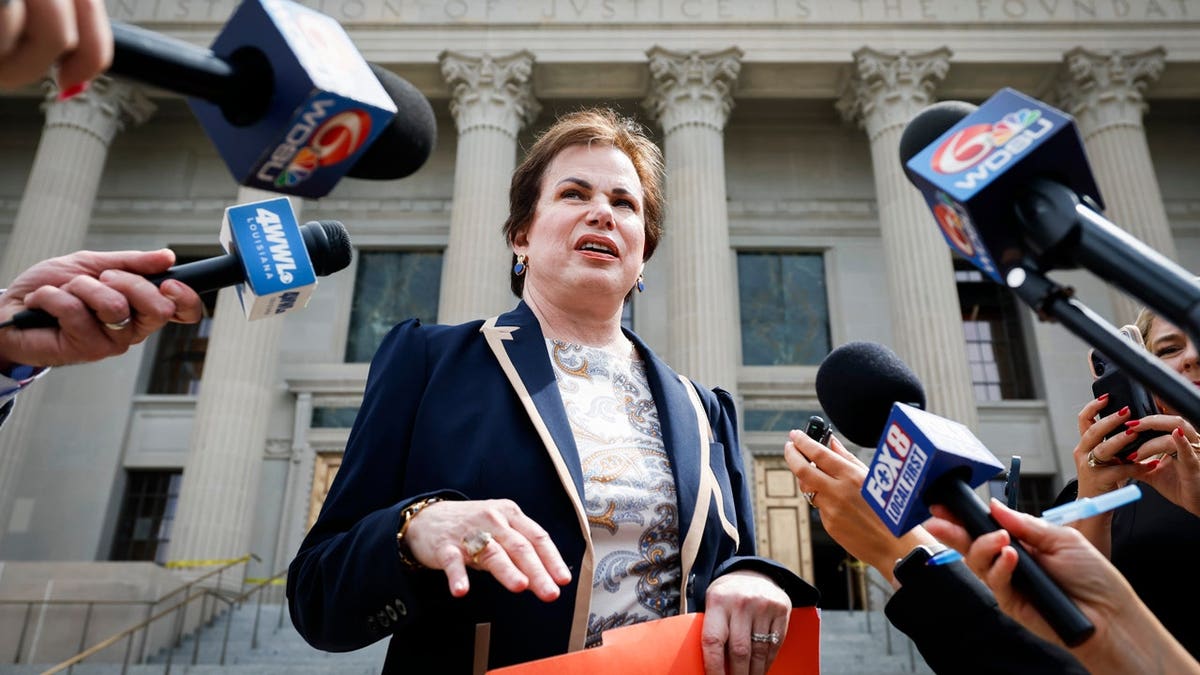
Special prosecutor Laurie White announces the indictment of Louisiana Attorney General Liz Murrill outside the Orleans Criminal District Court building in New Orleans, Thursday, July 2, 2026. (Sophia Germer/The Times-Picayune/The New Orleans Advocate via AP)
Fox News Digital has reached out to Murrill’s office for additional comment.
The Associated Press contributed to this report.
attorney general, louisiana, new orleans, controversies state and local
INTERNACIONAL
«El primero que llega, se lo lleva»: batalla campal por los aires acondicionados en Francia

En el Lidl: «El primero que llega, se lo lleva»
Batalla por los aires acondicionados
Vencen el tabú
La dependencia china
Comenzaron los incendios


Real Madrid sacó un comunicado para desmentir un supuesto interés por Enzo Fernández

Beneficios de Anses en julio 2026: cuáles son los descuentos en supermercados para jubilados y pensionados

Milei explicó su plan para modificar la carta orgánica del BCRA: “Un gran paso para terminar con la inflación”

Murió la actriz Susana Freyre en Brasil a los 97 años, seis décadas de cine, teatro y televisión

Mundial 2026, en VIVO: últimas noticias de hoy, 3 de julio, resultados, fixture, clasificados y todas las novedades del día

Stephen Hawking, científico: “El desarrollo de una inteligencia artificial completa podría ser el fin de la raza humana”

Con la incorporación de Santilli al Gabinete, el Gobierno relanza su estrategia para las elecciones 2027

Irán dilata nuevas reuniones con Estados Unidos e insiste en arancelar el paso por estrecho de Ormuz: se reunió con Omán

En medio de su separación, Magui Bravi contó por primera vez su traumático embarazo: «El parto fue de emergencia y…»

Exportadores y el sindicato de aceiteros acordaron un aumento de sueldo para todo 2026

 POLITICA2 días ago
Con la incorporación de Santilli al Gabinete, el Gobierno relanza su estrategia para las elecciones 2027
- CHIMENTOS1 día ago
En medio de su separación, Magui Bravi contó por primera vez su traumático embarazo: «El parto fue de emergencia y…»
- ECONOMIA1 día ago
¿Se recupera el mercado de los autos?: qué muestran los números de las cinco marcas que más 0 km venden en el país