INTERNACIONAL
Iran’s supreme leader severely disfigured by US strikes: report

NEWYou can now listen to Fox News articles!
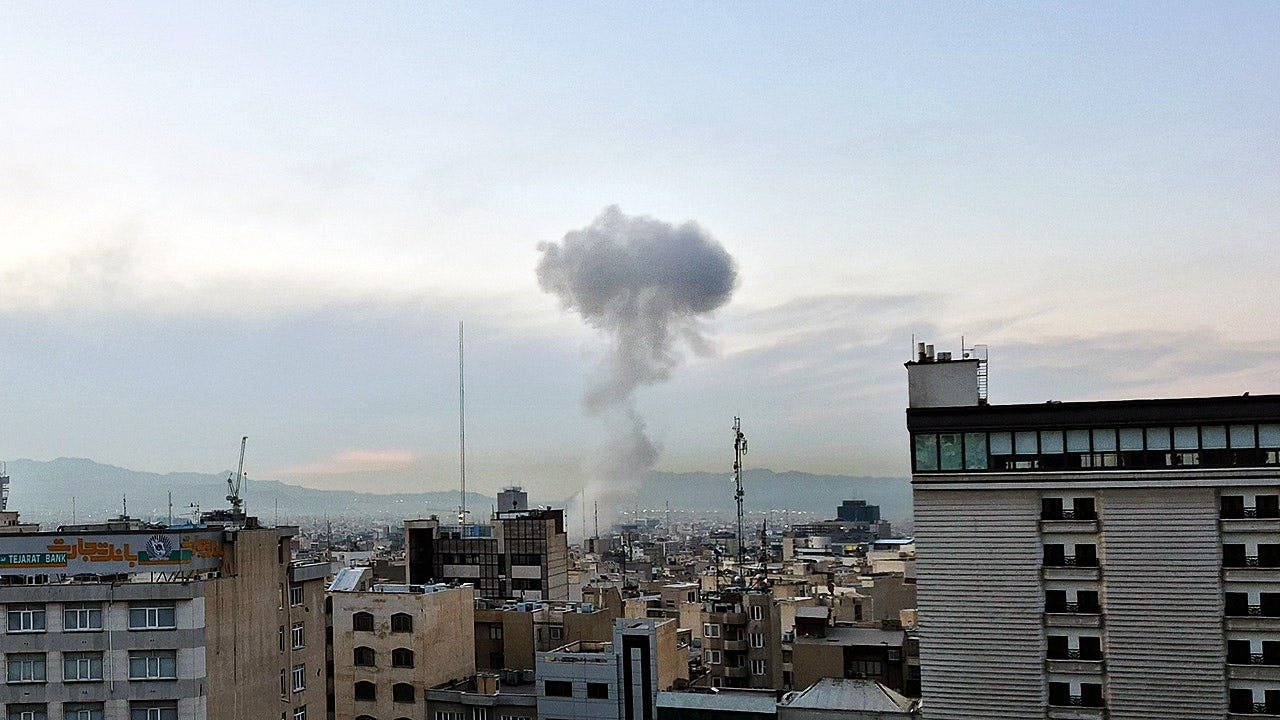
Iran’s new supreme leader Mojtaba Khamenei is severely disfigured after suffering leg and face injuries as a result of joint U.S.-Israel airstrikes on Tehran in February, Reuters reported Saturday.
Khamenei is recovering after incurring the injuries in the February 28 airstrikes that killed his father, former supreme leader Ayatollah Ali Hosseini Khamenei. He has not been seen publicly since being hospitalized.
Despite the injuries, Khamenei allegedly remains «mentally sharp,» Reuters reported, citing a trio of anonymous sources within his inner circle. The new supreme leader is in communication with the Iranian delegation in Pakistan for peace talks with a U.S. delegation led by Vice President JD Vance.
The Reuters report corroborates an earlier statement from Secretary of War Pete Hegseth, who told reporters on March 13 that Khamenei was «likely disfigured.»
IRAN POSTPONES TEHRAN FAREWELL CEREMONY FOR KHAMENEI WHERE LARGE CROWDS WERE EXPECTED TO GATHER
Vice President JD Vance walks with Pakistan’s Chief of Defense Forces Field Marshal Asim Munir, Deputy Prime Minister Mohammad Ishaq Dar, U.S. Embassy Charge d’Affaires Natalie A. Baker, and Interior Minister Mohsin Raza Naqvi after arriving for talks with Iranian officials in Islamabad, Pakistan, on April 11, 2026. (Jacquelyn Martin/Reuters)
He then reiterated the claim in a Thursday press conference while outlining the U.S. military’s achievements in Iran.
«Their top leadership was systematically eliminated, their previous Iranian supreme leader dead, the supreme national security council secretary dead, the supreme leader office advisor dead, the supreme leader military office chief dead, the defense minister no longer with us, the IRGC commander dead, the armed forces general staff commander dead, the intelligence minister dead, the IRGC navy commander no longer here, the IRGC Intel chief dead,» Hegseth listed.

Defense Secretary Pete Hegseth speaks to members of the media during a press briefing at the Pentagon in Washington, Tuesday, March 31, 2026. (AP Photo/Manuel Balce Ceneta)
«I skipped over a bunch, and I could go on and on and on, to include the new — so-called new supreme leader, wounded and disfigured. This new regime was out of options and out of time, so they cut a deal.»
NEW IRANIAN SUPREME LEADER ‘LIKELY DISFIGURED,’ HEGSETH SAYS
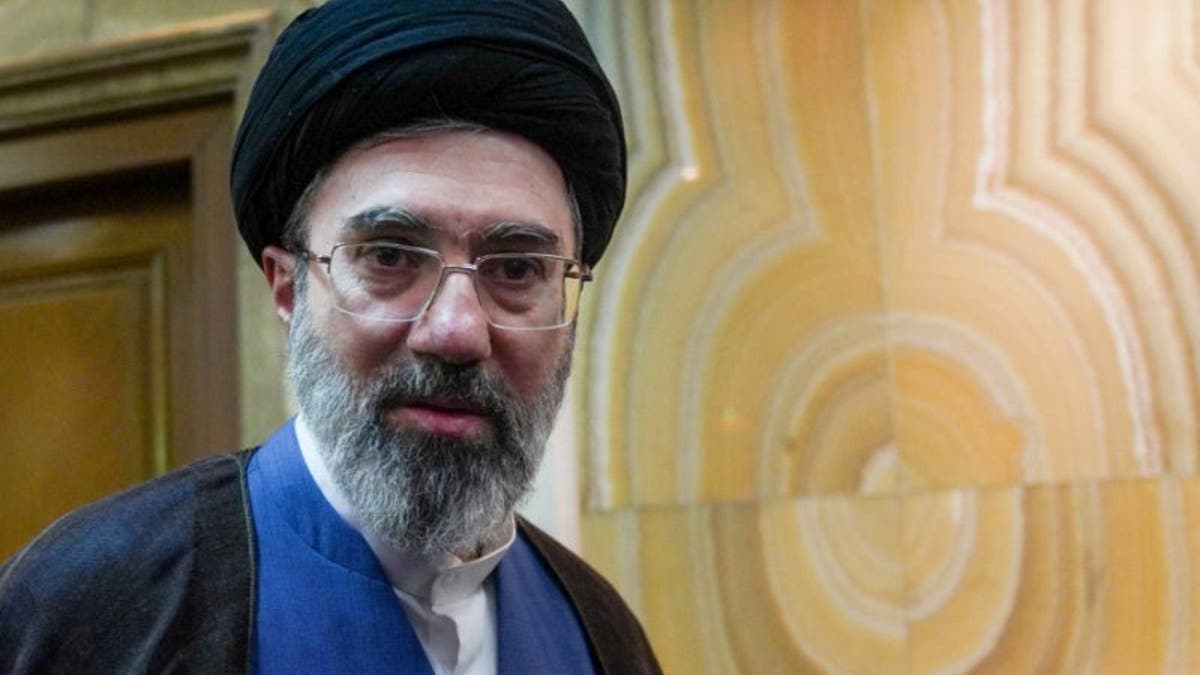
Mojtaba Khamenei, the new supreme leader of Iran and second son of the late Ayatollah Ali Khamenei, attends a meeting in Tehran, Iran, on Oct. 13, 2024. (Hamed Jafarnejad/ISNA/WANA/Reuters)
Despite his weakened condition, Khamenei vowed to put up resistance in a defiant written statement Thursday.
«Iran is not seeking war but will not forfeit its rights and considers all resistance fronts as a unified entity,» the statement read.
Hegseth dismissed the statement as «weak» in his March press conference.
EXILED IRANIAN CROWN PRINCE SAYS REGIME IS ‘CRUMBLING’ AFTER KILLING OF KHAMENEI, OTHER LEADERS
«It was a written statement. Iran has plenty of cameras and plenty of voice recorders. Why a written statement?» Hegseth asked. «I think you know why. His father, dead. He’s scared, he’s injured, he’s on the run and he lacks legitimacy. It’s a mess for them. Who’s in charge? Iran may not even know.»
Sources reportedly told Reuters that Khamenei could enter the public spotlight in a month or two, but only if «his health and the security situation allowed.
CLICK HERE TO DOWNLOAD THE FOX NEWS APP
While many publicly question where and when we may see the supreme leader again, Iranian hardliners stress the importance of him keeping a low-profile.
«Why should he appear in public? To become a target for these criminals?» an Iranian militiaman asked Reuters in a text message.
mojtaba khamenei, pete hegseth, war with iran, iran, israel








INTERNACIONAL
Combustibles en Honduras: anuncian alivio a la población con una nueva reducción en precios de los carburantes
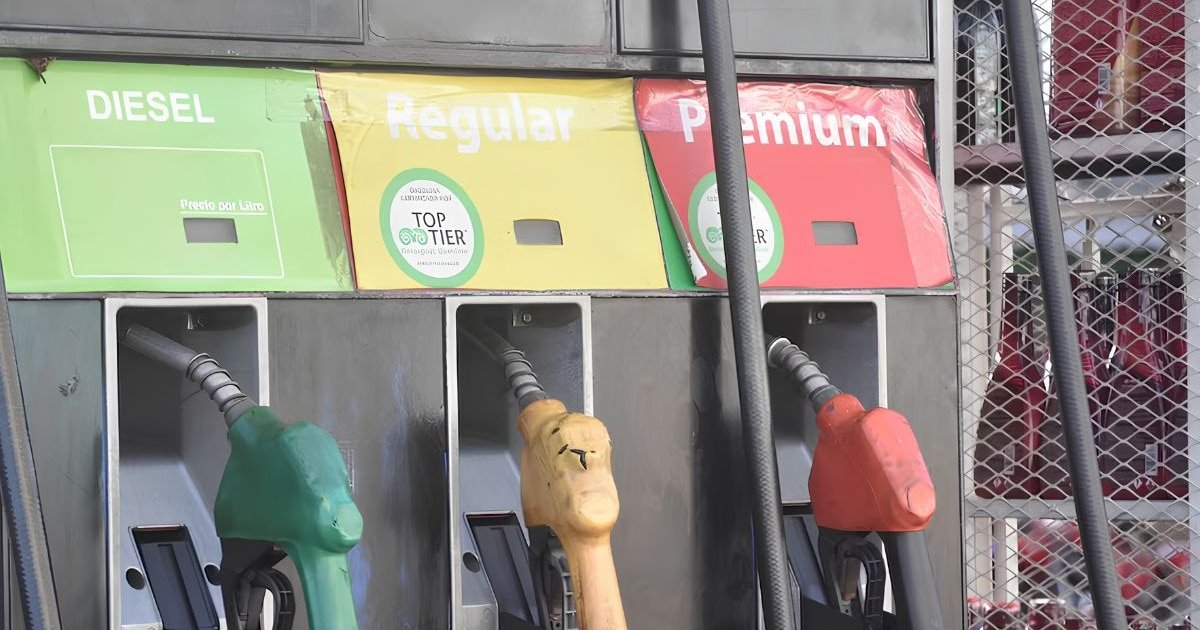
Los consumidores hondureños recibirán un alivio en sus bolsillos a partir del próximo lunes 15 de junio, luego de que la Secretaría de Energía oficializara una nueva estructura de precios que contempla rebajas en la mayoría de los combustibles comercializados en el país.
La medida estará vigente durante la semana comprendida entre el 15 y el 21 de junio y refleja una tendencia favorable para los derivados del petróleo, impulsada por el comportamiento de los precios internacionales del crudo.
De acuerdo con el ajuste anunciado por las autoridades, las reducciones oscilan entre los 2.15 y 2.45 lempiras por galón, dependiendo del tipo de combustible y la ciudad donde se comercialice.
En Tegucigalpa, la gasolina superior registrará una rebaja de 2.45 lempiras, por lo que su nuevo precio será de 139.53 lempiras por galón.

Por su parte, la gasolina regular disminuirá 2.27 lempiras y pasará a costar 129.13 lempiras por galón.
El queroseno también reflejará una importante reducción de 2.45 lempiras, ubicándose en 117.62 lempiras por galón.
Mientras tanto, el diésel experimentará una rebaja de 2.35 lempiras y se comercializará a 131.82 lempiras por galón.
En el caso del gas licuado de petróleo (GLP) de uso doméstico, las autoridades informaron que el precio permanecerá congelado en 249.62 lempiras gracias al subsidio gubernamental que continúa vigente.
Por otro lado, el GLP vehicular tendrá una disminución de 0.46 centavos, fijando su nuevo valor en 51.54 lempiras por galón.
La tendencia también se reflejará en San Pedro Sula, donde los consumidores se beneficiarán con reducciones similares en los principales carburantes.
La gasolina superior registrará una rebaja de 2.33 lempiras y tendrá un precio de 136.19 lempiras por galón.
La gasolina regular disminuirá 2.15 lempiras, estableciéndose en 125.80 lempiras por galón.
Asimismo, el queroseno reducirá su precio en 2.34 lempiras y se venderá a 114.26 lempiras por galón.

El diésel también registrará una baja de 2.22 lempiras, alcanzando un valor de 128.46 lempiras por galón.
En cuanto al GLP doméstico, el precio se mantendrá en 228.47 lempiras debido al mecanismo de subsidio implementado por el Gobierno.
El GLP vehicular, por su parte, experimentará una disminución de 0.46 centavos, ubicándose en 48.01 lempiras por galón.
Las variaciones semanales en los combustibles responden principalmente al comportamiento del mercado internacional del petróleo, ya que Honduras importa la totalidad de los derivados que consume.
Por esta razón, factores como la oferta global, conflictos geopolíticos, decisiones de los países productores y las fluctuaciones en los precios internacionales inciden directamente en los ajustes que se aplican en el mercado nacional.

Las rebajas anunciadas representan una noticia positiva para los sectores productivos y para los consumidores en general, especialmente en momentos en que los costos de transporte y distribución tienen un impacto directo en la economía familiar.
Transportistas, empresarios y consumidores suelen observar con atención estas variaciones, debido a que los combustibles influyen en el precio de numerosos bienes y servicios.
Las autoridades energéticas indicaron que continuarán monitoreando el comportamiento del mercado internacional para determinar los ajustes que correspondan en las próximas semanas.
Mientras tanto, los nuevos precios entrarán en vigencia a partir de las 6:00 de la mañana del lunes 15 de junio en todas las estaciones de servicio del país.
corresponsal:Desde Tegucigalpa, Honduras
INTERNACIONAL
California Dems accused of putting sanctuary law over migrant child welfare checks: ‘Real children’
NEWYou can now listen to Fox News articles!
California Democrats are facing accusations that the state’s sanctuary policies are leaving vulnerable migrant children unchecked after California Attorney General Rob Bonta’s office warned that local police welfare visits on unaccompanied minors using information from federal authorities could violate state law.
The warning from Bonta has become a flashpoint in a broader lawsuit brought by the City of El Cajon against California’s sanctuary state policies. City officials, like Mayor Bill Wells and City Councilman Steve Goble, argue that the state is putting law enforcement in an impossible position, such as forcing them to make a determination on whether to check on potentially vulnerable children flagged by federal immigration authorities and risk violating state law, or leave the vulnerable unaccompanied minors unchecked.
Goble told Fox News Digital he was informed during a February 2025 meeting with San Diego-area Homeland Security officials that federal authorities had a list of unaccompanied migrant children, including 52 with addresses in El Cajon. He said federal officials asked whether local police could help «ensure these kids are safe» through welfare checks, prompting Goble to seek guidance from Bonta’s office before dispatching officers.
I’M A MAYOR TRYING TO FOLLOW LAW BUT CALIFORNIA IS MAKING IT IMPOSSIBLE FOR COPS
«It’s kind of hard to imagine why they’re choosing this hill to die on,» Wells told Fox News Digital. «What they basically want to say is, ‘Because our narrative is so important, and protecting illegal aliens is so important, that, yeah, if a few kids get sex trafficked along the way — you know, you’re just making this up. You’re just using this as a way.’ I mean, these are real people. These are real children. I think it’s an incredibly insensitive argument.«
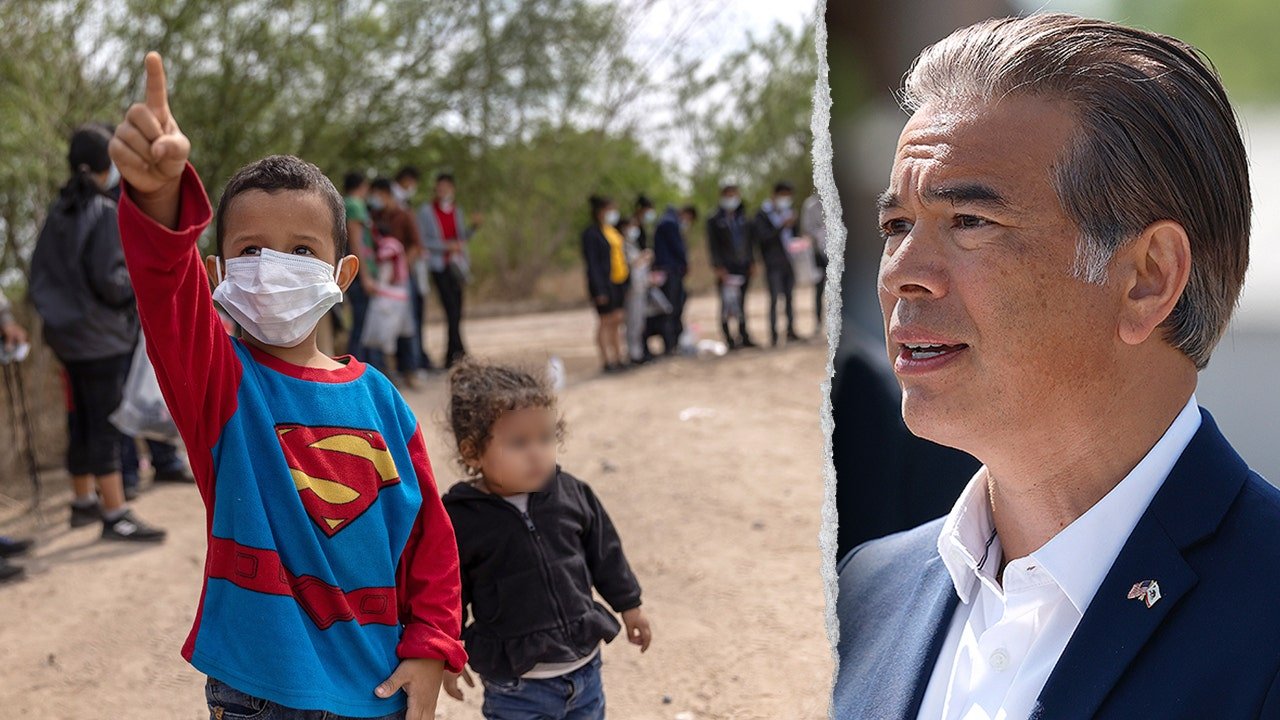
California’s sanctuary state policies have come under legal scrutiny by one Southern California town that says it has unaccompanied minors needing to be checked on, but law enforcement’s hands are tied due to state-level policies preventing them from making the welfare checks. In this photo, migrant children can be seen trying to get across the border (left), next to an image of California Attorney General Rob Bonta (right). (Getty Images)
Goble had asked Bonta’s office in a March 2025 letter whether local police could conduct the checks using contact information provided by federal authorities, writing that the city wanted to ensure all children were safe «regardless of citizenship or resident status.»
In the letter, Goble cited the inspector general’s concerns that unaccompanied minors are at heightened risk of trafficking, exploitation and forced labor, and wrote that «time is of the essence» in determining whether the children were safe.
Meanwhile, Bonta’s office responded in a June 2025 letter, warning that local law enforcement pursuing wellness checks «alongside or based on information provided by federal immigration authorities» could implicate conduct prohibited by SB 54, known as the California Values Act.
Bonta’s letter said these violations could include if officers confirmed location information provided by ICE, or reported the results of the check back to federal immigration authorities.
But Goble told Fox News Digital that the city was not asking police to act as immigration agents, but primarily wanted to confirm whether the children are safe.
CALIFORNIA TOWN WITH LARGE MIGRANT POPULATION MIGHT REVOKE SANCTUARY STATUS
«All I care about is, is the kid safe?» Goble told Fox News Digital. «I don’t care the immigration status or citizen status of anybody else in the room.»
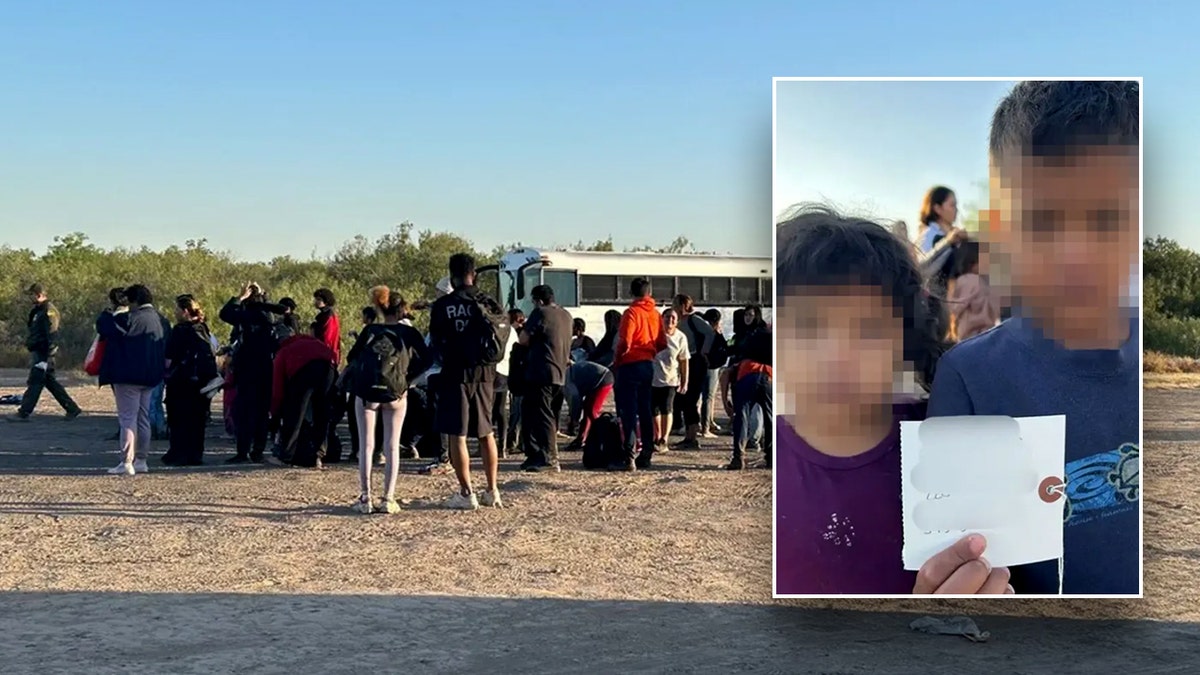
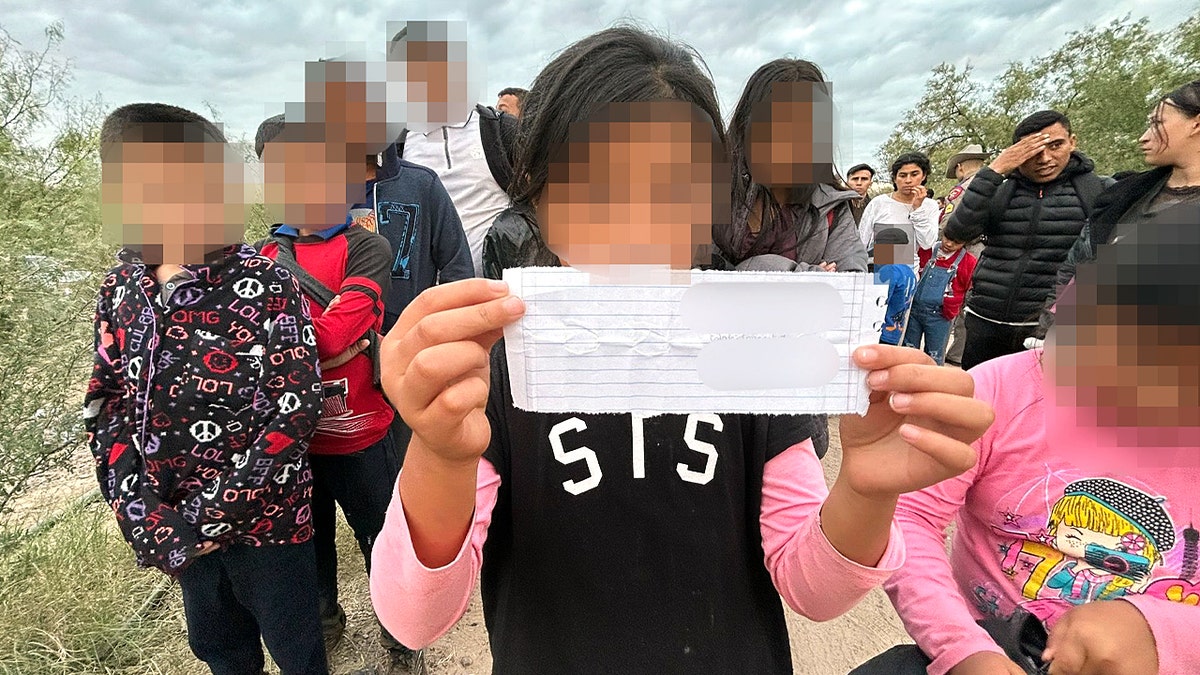
Unaccompanied children were found at the U.S. border in Texas. (Texas DPS)
The welfare-check dispute is one piece of a broader legal challenge El Cajon filed against Bonta on April 28, 2026, seeking relief from California’s sanctuary policies impacting how local law enforcement do their jobs, including SB 54, the TRUST Act and the TRUTH Act. In a May 20 motion for a preliminary injunction, the city asked the court to temporarily block Bonta from enforcing those laws against El Cajon while the case proceeds, arguing the policies are preempted by federal immigration law and put local police in the position of choosing between state restrictions and federal obligations.
The May 20 injunction motion specifically cites the Goble-Bonta exchange as an example of how the city says California’s sanctuary laws prevent El Cajon officers from engaging in «basic public safety work.» The filing argues that the state’s legal framework forces officers to spend time navigating «legal hairsplitting» instead of responding quickly to public-safety concerns, including checks on children in the community.
«Every time an El Cajon police officer steps out onto the street, they’re going to be breaking one of two laws,» Wells said to Fox News Digital. «They’re either going to be breaking federal law or they’re going to be breaking state law. And you cannot put police officers in that situation.»
BLUE STATE COUNTY FACES BACKLASH AFTER FAILED VOTE TO SCRAP ‘SUPER SANCTUARY’ POLICY: ‘FRINGE DEMOCRATS’
El Cajon’s lawsuit is not limited to the welfare checks. The April 28 complaint broadly asks a San Diego County court to declare California’s sanctuary restrictions invalid and to stop Bonta from enforcing them against El Cajon police.

El Cajon police officer Stephen Hannibal works his new dog Ace at the El Cajon Police Department on Wednesday, April 21, 2021 in El Cajon, CA. (Eduardo Contreras / The San Diego Union-Tribune via Getty Images)
Bonta’s office’s June 2025 response said it «share[s]» El Cajon’s concern for children who may be at risk of harm, but suggested county social service agencies may have a role when there is no evidence of criminal activity requiring law enforcement.
Wells and Goble pushed back on that argument; however, arguing Bonta’s suggestion ignored San Diego County’s December 2024 vote restricting county resources from being used to assist federal immigration enforcement.
«That means we’re not going to let our social service workers go do welfare checks on unaccompanied minors for the Department of Homeland Security,» Goble told Fox News Digital. «It’s another rock and a hard place.»
EX-BIDEN OFFICIAL’S CAMPAIGN FACES HEAT AS MISSING CHILDREN SCANDAL RESURFACES: ‘VOTERS DESERVE BETTER’
Wells added that it was difficult to accept Bonta’s suggestion that county agencies could serve as a neutral fallback for welfare checks tied to information from federal authorities. «This is the same county we would be deferring to, to check on these kids,» Wells added. «They’re not neutral. They’ve been very, very clear.»
Immigrant-rights advocates nationally have warned that ICE «welfare checks» on unaccompanied migrant children can function as immigration enforcement under the banner of child safety. The Young Center for Immigrant Children’s Rights has called the Trump administration’s ICE «wellness checks» harmful enforcement «in disguise,» while other advocates have warned that DHS visits can discourage sponsors from coming forward or expose families to deportation fears.
But Wells and Goble rejected that framing, arguing local police could check on children without reporting immigration violations discovered during the visit.
«That doesn’t make us federal immigration officers,» Wells said. «It just means that our officers could do their job like they’ve always done in the past before this unconstitutional law of SB 54 was passed.»
CLICK HERE TO DOWNLOAD THE FOX NEWS APP
«All a welfare check on anybody in our city, regardless of immigration status, is: Are they okay?» Goble added. «If they are, thank you very much. Have a good day. See you later.»
Wells noted the lawsuit is not about deputizing local police as immigration agents, but about ensuring officers can do basic public-safety work without running afoul of state law.
Fox News Digital reached out to Bonta’s office, as well as the Department of Homeland Security and Immigration and Customs Enforcement, but did not hear back in time for publication.
police and law enforcement, immigration, immigrant rights, california, sanctuary cities
INTERNACIONAL
Mike Waltz says Gulf allies back Trump’s Iran pressure campaign after regional trip: ‘Zero daylight’
Dan Hoffman questions Iran’s readiness to negotiate a deal
Former CIA Chief of Station Dan Hoffman discusses the potential Iran deal, expressing doubt about its sincerity. He highlights U.S. military strikes, sanctions and blockades as key leverage points. Hoffman questions whether Iran’s recent ‘maximalist demands’ indicate a genuine desire for a breakthrough after intense pressure.
NEWYou can now listen to Fox News articles!
U.S. Ambassador to the United Nations Mike Waltz said Gulf allies are backing President Donald Trump’s blockade and economic pressure campaign against Iran, telling Fox News Digital after a trip to Bahrain, the United Arab Emirates and the United Kingdom that regional leaders believe Tehran is feeling the pain.
Waltz spoke to Fox News Digital on Thursday evening shortly after landing back in the United States, as reports of a possible deal with Iran began to emerge. He said the situation was still shifting by the hour, noting that Iran had launched another strike on Bahrain shortly after he left the region.
Waltz, the highest-level U.S. official to visit the region since the war began, said Gulf partners strongly support the administration’s efforts to keep pressure on Iran through both the blockade and Treasury Secretary Scott Bessent’s «Operation Economic Fury.»
SCOTT BESSENT SAYS IRAN UNDERSTANDS ‘BRUTE FORCE’ AS TRUMP WEIGHS OPTIONS AMID NUCLEAR STANDOFF
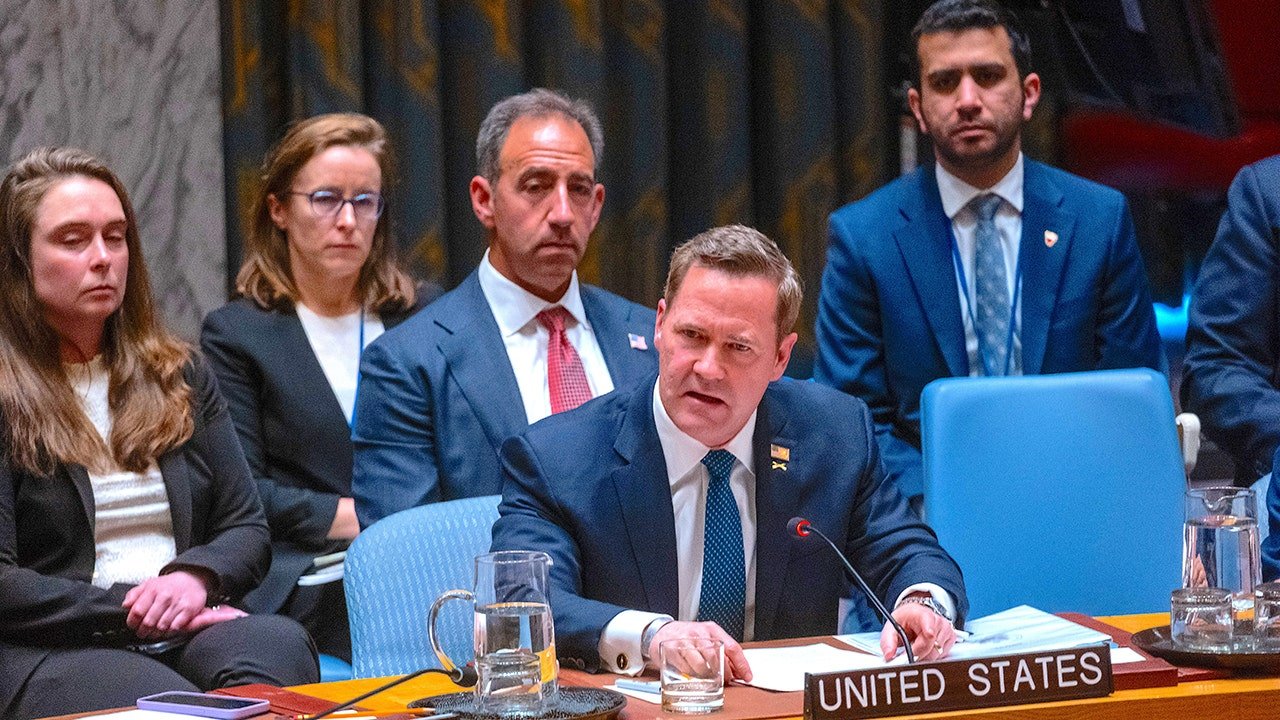
US Ambassador to the United Nations Mike Waltz is joined by Ambassador Jamal Fares Alrowaiei of Bahrain (left), Permanent Representative of the United Arab Emirates Mohamed Issa Abushahab,(right) and other Gulf states ambassadors as he speaks to reporters after the passing of a U.N. Security Council draft resolution on the situation with ships in the Strait of Hormuz on May 7, 2026 in New York City. (Spencer Platt/Getty Images)
«They very much support the blockade,» Waltz said, adding that allies shared with him «in a number of ways» how Bessent’s economic campaign is affecting the regime. The pressure campaign, Waltz said, is designed to squeeze Tehran while Trump continues negotiations aimed at preventing Iran from obtaining a nuclear weapon.
On Friday, an unnamed U.S. official told reporters in a briefing: «We do expect to be signing this agreement with Iran over the next few days. We assess it at 85%, but not 100%. We feel very good about the deal. We are not quite at the finish line, but we are very close»
Waltz said, «The UAE, in particular, believes that you have to keep that pressure and a very credible pressure,» he told Fox News Digital. «That’s what the Iranians understand and respond to.»
Waltz said leaders in the region validated U.S. assessments that Iran’s economy is deteriorating under the combined weight of sanctions, military pressure and isolation. He said Iran’s currency is «tanking,» foreign currency reserves are running out, inflation is continuing to rise and the regime is struggling to pay the military, government employees and police.
TRUMP’S ‘ECONOMIC FURY’ SQUEEZES IRAN — BUT CAN TEHRAN OUTLAST THE PRESSURE?
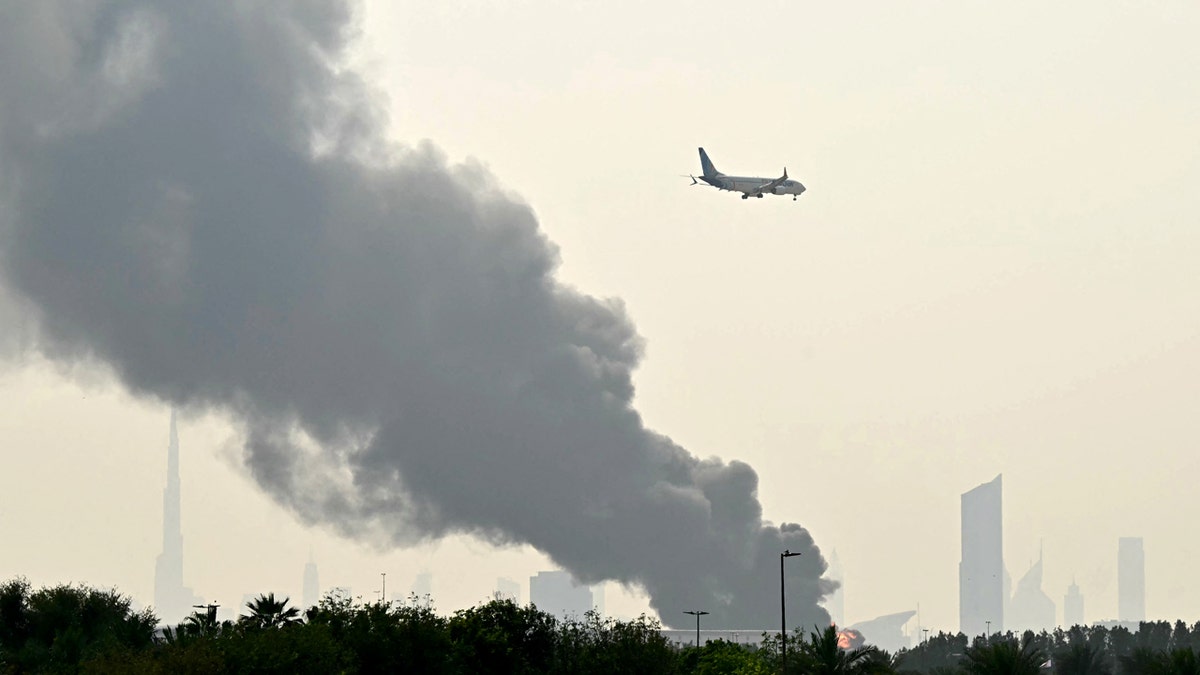
An Emirates aircraft flies past plumes of smoke from a fire near Dubai International Airport in Dubai on March 16, 2026, following missile and drone attacks across the UAE. (AFP/Getty Images)
«I think the regime is going to be increasingly desperate,» Waltz said, adding that Trump, Secretary of State Marco Rubio, Scott Bessent, Steve Witkoff and Jared Kushner would use that pressure «to their advantage.»
In the UAE, Waltz met with President Sheikh Mohammed bin Zayed and the foreign minister, describing the Emiratis as among the most active regional partners against Iran. «There is zero daylight,» Waltz said.
Waltz added the UAE has «both the capability and the will» to act, and said the Emiratis are prepared to take «short-term pain» to achieve the longer-term goal of blocking Iran from obtaining a nuclear weapon.
The UAE has been hit hard during the war. Waltz said the country had taken «by far the most missiles, the most drones, the most hits,» but had moved quickly to repair damage and restore operations.
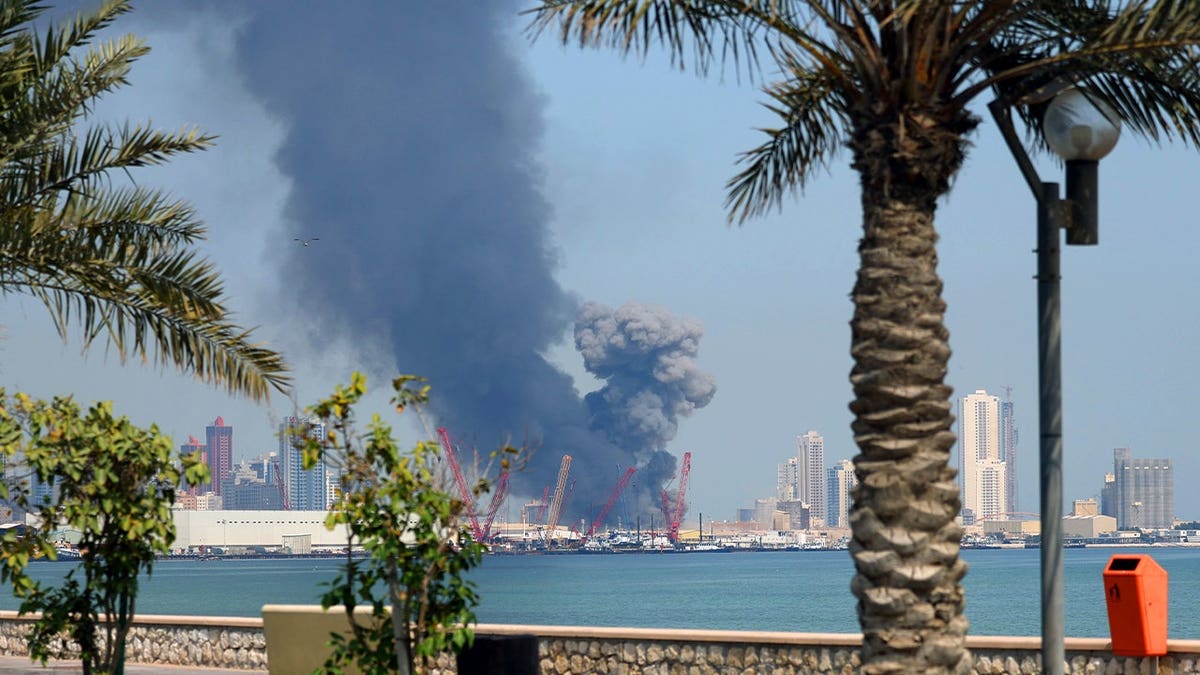
Aftermath of an Iranian missile strike on a Navy 5th Fleet installation in Bahrain is shown above. (Stringer/Anadolu via Getty Images)
Waltz also pointed to the Abraham Accords as a major factor in the UAE’s posture, saying the country’s growing partnership with Israel has become an «important shift» in the regional alignment against Iran.
Bahrain was another central stop on Waltz’s trip. The country hosts the headquarters of the U.S. Fifth Fleet and has been directly exposed to Iran’s attacks and threats around the Strait of Hormuz.
MIKE WALTZ PUSHES UN RESOLUTION TO STOP IRAN MINING KEY GLOBAL SHIPPING ROUTE
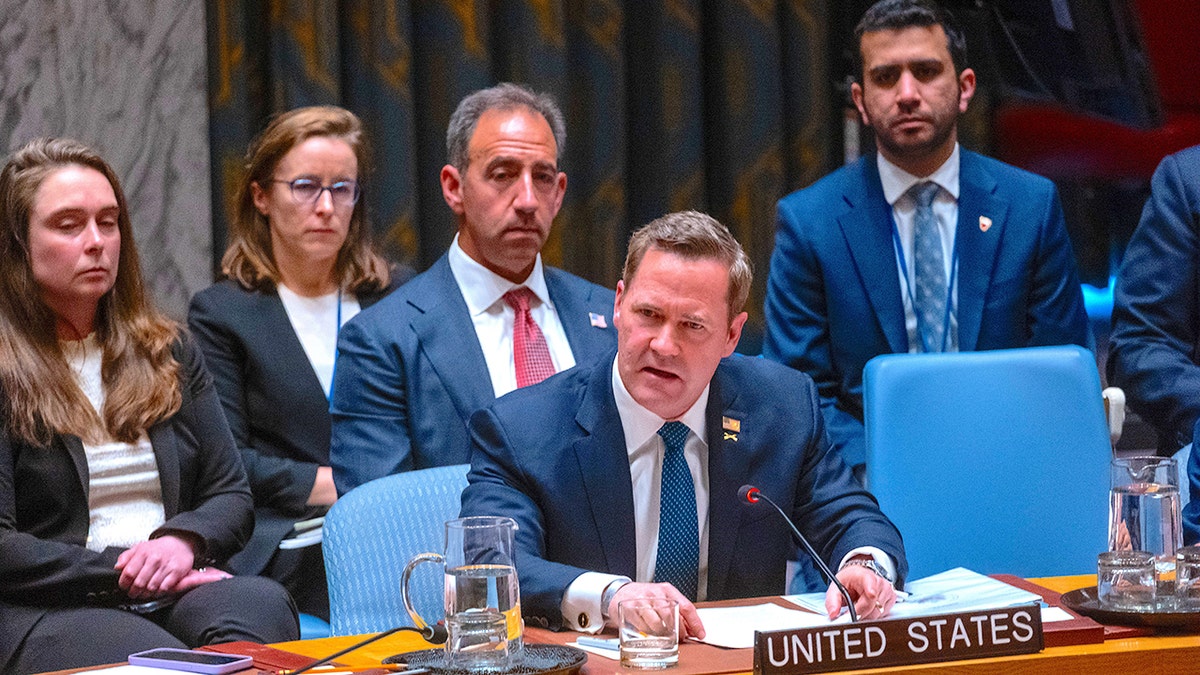
U.S. Ambassador to the United Nations Michael Waltz speaks at an emergency Security Council meeting on the situation in Iran at United Nations headquarters on Feb. 28, 2026 in New York City. (Spencer Platt/Getty Images)
«Until you go and really sit with them, you can’t appreciate what a strong ally they are,» Waltz said.
He said U.S. and allied teams in Bahrain are working with global shipping companies, local shipping officials, insurance companies and other maritime actors as the U.S. seeks to keep vessels moving through the Strait of Hormuz, one of the world’s most important energy chokepoints.
Waltz accused Iran of making a «phenomenally bad decision» by attacking its neighbors, including hotels, port facilities and energy infrastructure. During one visit to a petroleum site, he said he saw evidence that Iran had targeted fire suppression systems and first responders before striking storage tanks, in an apparent effort to maximize damage.
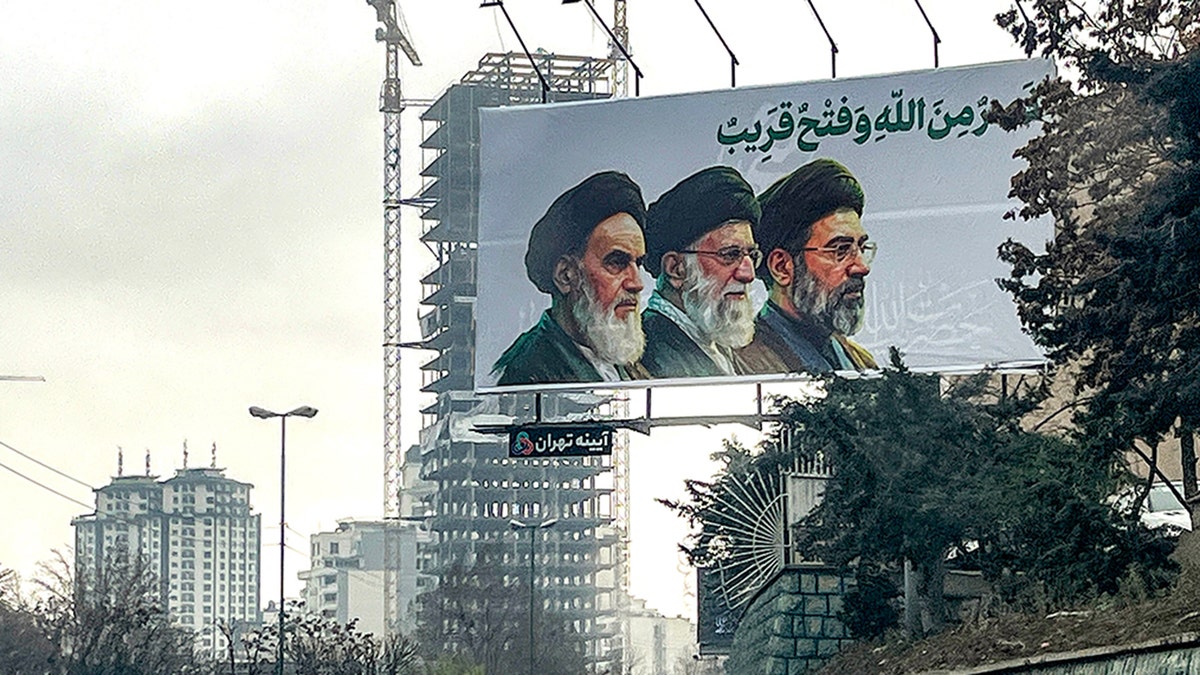
A billboard depicting Iran’s supreme leaders since 1979: (L to R) Ayatollahs Ruhollah Khomeini (until 1989), Ali Khamenei (until 2026), and Mojtaba Khamenei (incumbent) is displayed above a highway in Tehran on March 10, 2026. Iran marked the appointment of Ayatollah Mojtaba Khamenei to replace his father as its supreme leader on March 9, 2026. (AFP/Via Getty Images)
«The Iranians were deliberately targeting fire suppression systems,» Waltz said. «They were deliberately targeting first responders first.»
Despite the strikes, Waltz said allied air defenses have had «over a 90% success rate» in shooting down Iranian missiles and drones, with U.S. forces working «hand in glove» with Gulf partners.
CLICK HERE TO DOWNLOAD THE FOX NEWS APP
Waltz ended his trip in the United Kingdom, where he said officials have been strong partners at the U.N. Security Council on Iran. He acknowledged «hiccups» and «speed bumps» over basing and access issues, but said many of those concerns had been «smoothed over.»
«When we’re working to keep the Iranians isolated diplomatically,» Waltz said, «they’ve been very good to work with.»
war with iran, middle east, united nations, iran, sanctions

Insólita situación con la venta de autos: por qué los 0 km se compran hasta un 25% más baratos que los precios de lista

Racing Club acordó la llegada de nuevo entrenador pero Gustavo Costas no se desvinculó

Un diputado libertario habló del caso Adorni: “Solo pondría las manos en el fuego por el Presidente”

Kicillof opinó sobre el caso Adorni y habló de “pendrives” para la provincia: “Es mucha plata”

Declaraciones juradas, herencias y criptomonedas: el fiscal Pollicita ordenó nuevas medidas para investigar el patrimonio de Adorni

Colectivos y trenes aumentan tras el fin de semana largo

La advertencia del economista más escuchado por Milei: «Si Argentina tiene éxito, va a ser cara»

“Me parece una vergüenza”: la dura crítica de Victoria Villarruel a la declaración jurada de Manuel Adorni

Manuel Adorni y su esposa decidieron acogerse al régimen de “inocencia fiscal” aunque aseguran que no declararán dólares

Se viralizó un tuit en el que Adorni contaba que en 2018 le habían cortado la luz por falta de pago

 ECONOMIA3 días ago
La advertencia del economista más escuchado por Milei: «Si Argentina tiene éxito, va a ser cara»
- POLITICA2 días ago
“Me parece una vergüenza”: la dura crítica de Victoria Villarruel a la declaración jurada de Manuel Adorni
- POLITICA2 días ago
Manuel Adorni y su esposa decidieron acogerse al régimen de “inocencia fiscal” aunque aseguran que no declararán dólares