INTERNACIONAL
Senate Republican pushes crackdown on California-style ‘bureaucrat tax’ adding $100K to new homes


Americans flee blue states for lower taxes
Rastegar Capital CEO Ari Rastegar joins ‘Fox News Live’ to discuss Americans leaving blue states for lower taxes and the impact of rising rates on the housing market and supply-side issues, including helium and fertilizer.
NEWYou can now listen to Fox News articles!
FIRST ON FOX: A Senate Republican wants to slash six figures from the cost of a new home by rooting out cumbersome regulations at the state and local level, which he said will make homeownership more affordable for Americans.
Sen. Bill Hagerty, R-Tenn., wants to gut the so-called «bureaucrat tax,» which piles on regulations that amount to nearly $100,000 in added costs when building single-family homes, in order to expand the housing supply in the country and lower the barrier to entry for buying a home.
He’s introducing the Freedom to Build Act, which would create a designation of the same name that would open up a flow of federal grants to builders and communities that would offset construction costs and incentivize deregulation along the way.
TRUMP-BACKED AFFORDABLE HOUSING OVERHAUL CLEARS SENATE, WHILE HOUSE GOP RAISES RED FLAGS
Sen. Bill Hagerty, R-Tenn., is seen inside the U.S. Capitol on Feb. 4, 2026. (Tom Williams/CQ-Roll Call, Inc.)
But it’s not a federal mandate to spur deregulation. Instead, communities could opt into the Freedom to Build designation, which would, in turn, put those locales at the front of the line for federal grants from the Department of Housing and Urban Development.
«For many Americans, the dream of owning a home is increasingly out of reach, and excessive regulations have made new homes too costly for many American families,» Hagerty said in a statement to Fox News Digital. «My Freedom to Build Act streamlines costly and often redundant regulations to reduce the cost of a new home in our country.»
Hagerty’s legislation follows the newly released Economic Report of the President, which lamented the so-called bureaucrat tax and its effect on the construction of single-family homes. It described the bureaucrat tax as a barrier to building and homeownership because of the addition of «California-style fees, mandates, regulations, and red tape in many states and localities.»
BIPARTISAN HOUSING PUSH ADVANCES, BUT TRUMP-BACKED INVESTOR BAN FACES RESISTANCE

President Donald Trump irked Americans on both sides of the aisle on Sunday night by posting an AI-generated image depicting himself as Jesus Christ. (Tasos Katopodis/Getty Images)
The report contended that home prices rose sharply during a period of low interest rates between 2012 and 2021 because of «strong demand running up against a wall of tight supply due to bureaucratic costs and delays that function like a six-figure ‘bureaucrat tax’ on the cost of building a new home.»
The report also found that the bureaucrat tax constituted between 24% and 29% of the cost of a new home, and that the cumbersome regulations not only add to the cost of building a new home but also slow down the construction of a single-family home.
HOUSE PASSES BIPARTISAN HOUSING BILL AS TRUMP ZEROES IN ON AFFORDABILITY CRISIS
«Put even more concretely, the bureaucrat tax adds over $100,000 to the cost of a new single-family home,» according to the Economic Report of the President.
«Reform at the state and local levels to tackle the sources of the six-figure bureaucrat tax would greatly enhance the ability of supply to keep up with stronger demand,» the report continued.
Meanwhile, the Senate passed a massive affordable housing package backed by President Donald Trump last month.
CLICK HERE TO DOWNLOAD THE FOX NEWS APP
The 21st Century ROAD to Housing Act, which easily sailed through the upper chamber on a bipartisan vote, is geared toward helping first-time homebuyers and lower-income Americans enter the housing market or gain access to more affordable housing options.
It also includes Trump’s push for a ban on institutional investors buying up homes. Still, the bill has not moved in the lower chamber, where lawmakers are frustrated with some of the tweaks made in the Senate, including the institutional investor ban.
politics, housing, senate elections, regulation, donald trump












INTERNACIONAL
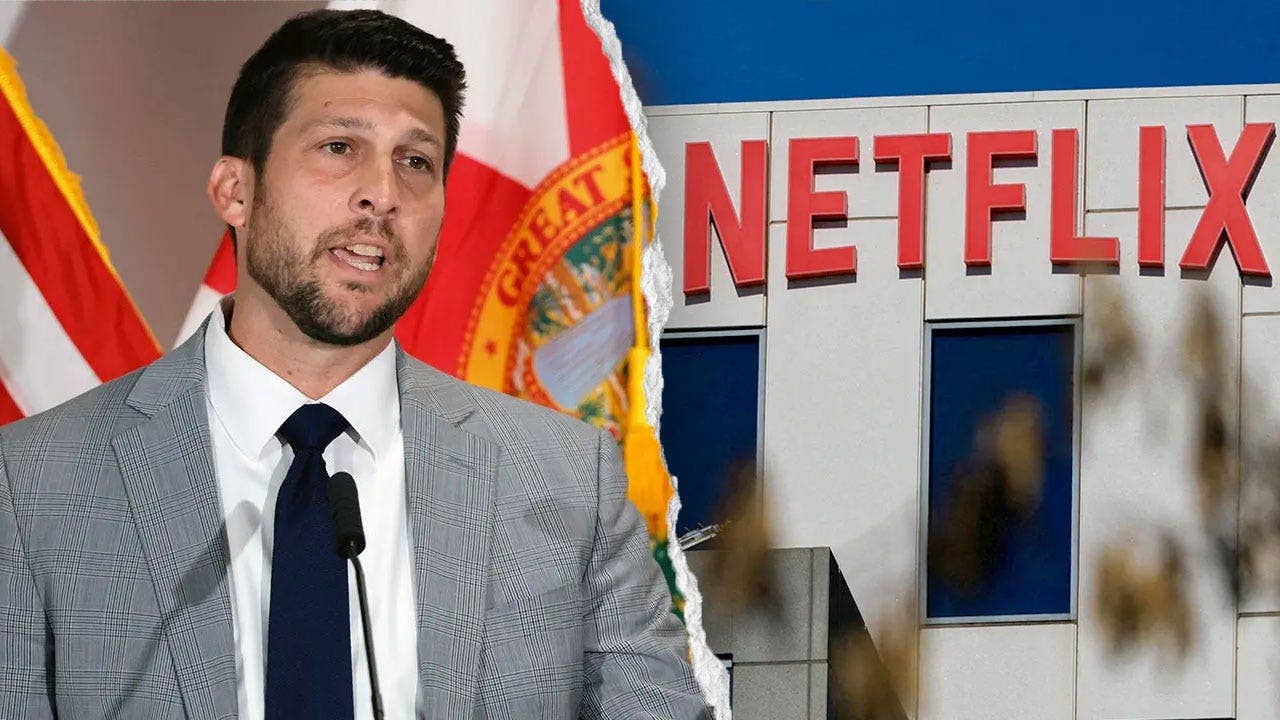
Florida sues Netflix, alleges streamer tracked children after promising families privacy
Texas lawsuit targets Netflix over user data
Fox News correspondent Madeleine Rivera reports on Netflix countering a Texas lawsuit that accuses it of privacy violations and using addictive design to target children on ‘Fox Report.’
NEWYou can now listen to Fox News articles!
Florida Attorney General James Uthmeier sued Netflix on Wednesday, accusing the streaming giant of misleading subscribers by promising an ad-free, privacy-focused service while secretly collecting years of behavioral data — including from children’s profiles — to build the advertising business it long insisted it would never create.
The 66-page lawsuit alleges Netflix built its brand by assuring consumers that paying a monthly subscription meant they could avoid the surveillance-driven advertising model used by other major technology companies. Instead, Florida alleges Netflix quietly collected extensive user data before launching its ad-supported platform in November 2022.
«Netflix told Florida families they could pay a monthly fee to escape Big Tech surveillance. That was false,» Uthmeier said in a news release announcing the lawsuit. «Netflix collected detailed data on children and families, designed its product to keep kids watching, and then commercialized that information to launch the advertising business it promised never to build. Parents, not corporate executives, direct the upbringing of their children. Netflix should expect to be held accountable.»
The complaint points to repeated public statements from Netflix executives who touted the company as different from advertising-supported competitors. Among them, the lawsuit cites former CEO Reed Hastings, who said during a 2020 earnings call that Netflix was «not integrating everybody’s data,» adding, «We don’t collect anything,» and describing the streaming service as «the safe respite» from companies that exploit users through advertising.
WASHINGTON POST FACES CLASS-ACTION LAWSUIT ALLEGING ‘SURVEILLANCE PRICING’ OF SUBSCRIBERS
The Netflix logo is shown on one of their buildings in the Hollywood neighborhood of Los Angeles on Dec. 2, 2025. (Mike Blake/Reuters)
Florida alleges those assurances were misleading because Netflix built what the lawsuit describes as a massive behavioral-data operation that records how subscribers use the platform. According to the complaint, Netflix tracks billions of user interactions, including what subscribers watch, search for, pause, rewind, skip and abandon, along with information about their devices and locations. The state alleges Netflix uses that information to improve its recommendation systems and support its advertising business.
The lawsuit places particular emphasis on Netflix’s Kids Profiles, which the company markets as dedicated spaces designed for children. Florida alleges Netflix encouraged parents to create children’s profiles by describing them as «Great for kids» and a child’s «own space» while continuing to collect and analyze children’s viewing behavior through the same telemetry systems used for adult accounts.
PARENTS PUSH CONGRESS TO ACT ON KIDS’ ONLINE SAFETY AFTER JURIES FIND META AND YOUTUBE LIABLE FOR HARM
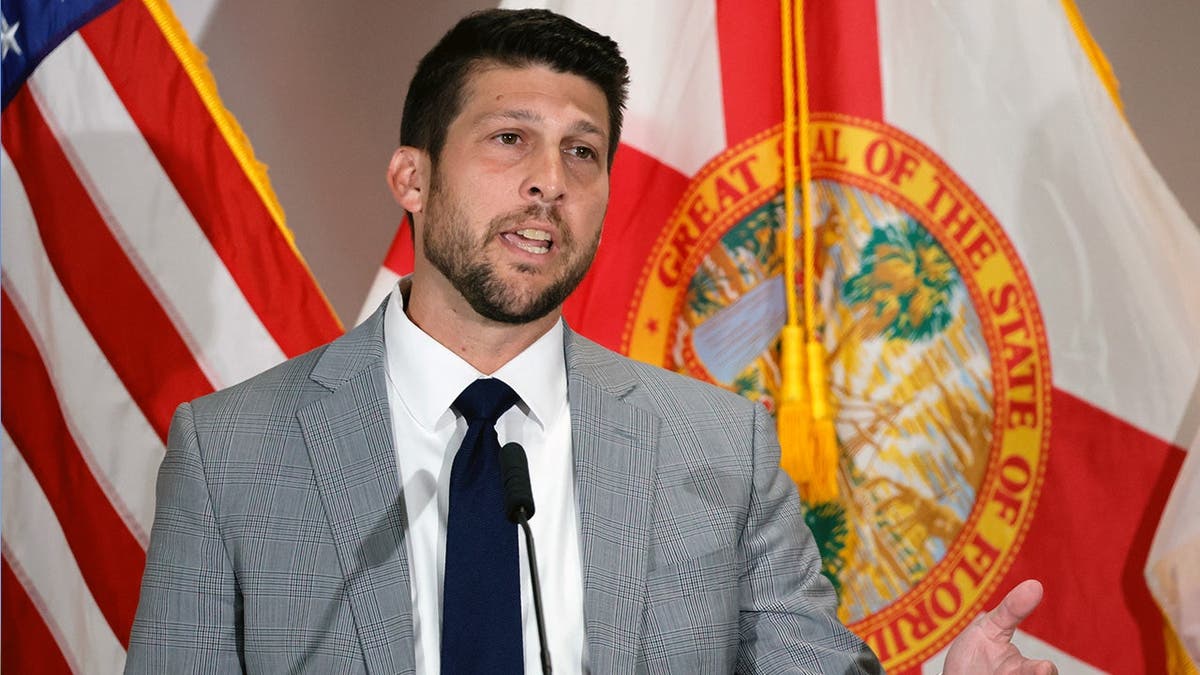
Florida Attorney General James Uthmeier announced a lawsuit accusing Netflix of misleading subscribers about its data collection practices and children’s privacy. (Amy Beth Bennett/South Florida Sun Sentinel)
Florida also accuses Netflix of using so-called «dark patterns» to keep viewers engaged. The complaint alleges autoplay, which is enabled by default on Kids Profiles, is intentionally designed to extend viewing sessions, increase binge watching and generate additional behavioral data, particularly from children.
The state further alleges Netflix expanded into the advertising business it once rejected by allowing advertisers and advertising technology companies to use subscriber data for audience targeting and campaign measurement after launching its ad-supported tier in November 2022.
The lawsuit accuses Netflix of violating the Florida Deceptive and Unfair Trade Practices Act and the Florida Digital Bill of Rights. Among other claims, Florida alleges Netflix unlawfully shared sensitive personal data collected from children without obtaining the consent required under state law.
MARYLAND MOVES TO BAN SURVEILLANCE PRICING IN GROCERY STORES

In this photo illustration, the logos of media service providers, Netflix, Amazon Prime Video, Disney+ and Hulu are displayed on the screen of an Apple MacBook Pro screen. (Chesnot)
Uthmeier is asking the court to permanently block the alleged practices, order Netflix to delete data the state says was deceptively collected from Floridians, stop using historical subscriber data to support its advertising business, purge behavioral data collected through Kids Profiles, prohibit the use of alleged dark-pattern designs and impose civil penalties authorized under Florida law.
Netflix did not immediately respond to Fox News Digital’s request for comment.
politics, technology, privacy, florida, netflix
INTERNACIONAL
Ukraine strikes deep into Russia’s Arctic gas heartland as Trump pushes Putin toward peace

Kushner and Witkoff meet with Russian and Ukrainian presidents
Fox News reporter Stephanie Bennett has the latest on U.S. peace envoys Steve Witkoff and Jared Kushner meeting with Russian President Vladimir Putin and Ukrainian President Volodymyr Zelenskyy as the Trump administration pushes to revive stalled peace negotiations, with discussions focusing on a potential path toward ending the war and broader diplomatic efforts on ‘Special Report.’
NEWYou can now listen to Fox News articles!
Ukrainian drones struck deep into Russia’s Arctic north Wednesday, sparking a fire at an industrial facility in Novy Urengoy, a city in the heart of Russia’s most important natural-gas producing region, according to Russian officials and the Associated Press.
Regional Gov. Dmitry Artyukhov said Russian air defenses repelled the attack but falling drone debris caused a fire at an industrial site. He did not identify the facility, and the extent of the damage was still being assessed, Reuters reported Wednesday.
Ukrainian defense manufacturer Fire Point appeared to claim involvement, posting: «Guess who covered more than 3,300 km and successfully hit the target.»
The extraordinary strike comes as Washington makes a renewed push to end the more than four-year war even as Russia and Ukraine intensify long-range attacks on each other.
UKRAINE UNLEASHES MORE THAN 400 DRONES NEAR MOSCOW IN ONE OF WAR’S BIGGEST ATTACKS
Flames and smoke rise from an industrial facility in Novy Urengoy, in Russia’s Yamalo-Nenets Autonomous Okrug, after a Ukrainian drone attack on Sept. 9, 2026. Russian officials said air defenses repelled the attack but falling debris sparked a fire. (East2West)
Speaking to reporters at Joint Base Andrews on Wednesday, President Donald Trump said he had just spoken with Russian President Vladimir Putin and suggested both Moscow and Kyiv may be prepared to negotiate.
«We had a great conversation. He is wanting to make a deal. And if Zelenskyy is wanting to make a deal, that would be very nice,» Trump said.
Asked what was holding up an agreement, Trump pointed to the personal animosity between Putin and Ukrainian President Volodymyr Zelenskyy, calling them «two people that hate each other.»
«These are two people that are tired of fighting,» Trump added.
Trump’s comments followed a weekend diplomatic push by U.S. special envoys Steve Witkoff and Jared Kushner, who traveled to Moscow and Kyiv in an effort to revive negotiations. The talks produced no breakthrough, according to the Associated Press.
RUSSIAN STRIKES CONTINUE FOLLOWING VISIT BY WITKOFF AND KUSHNER TO KYIV
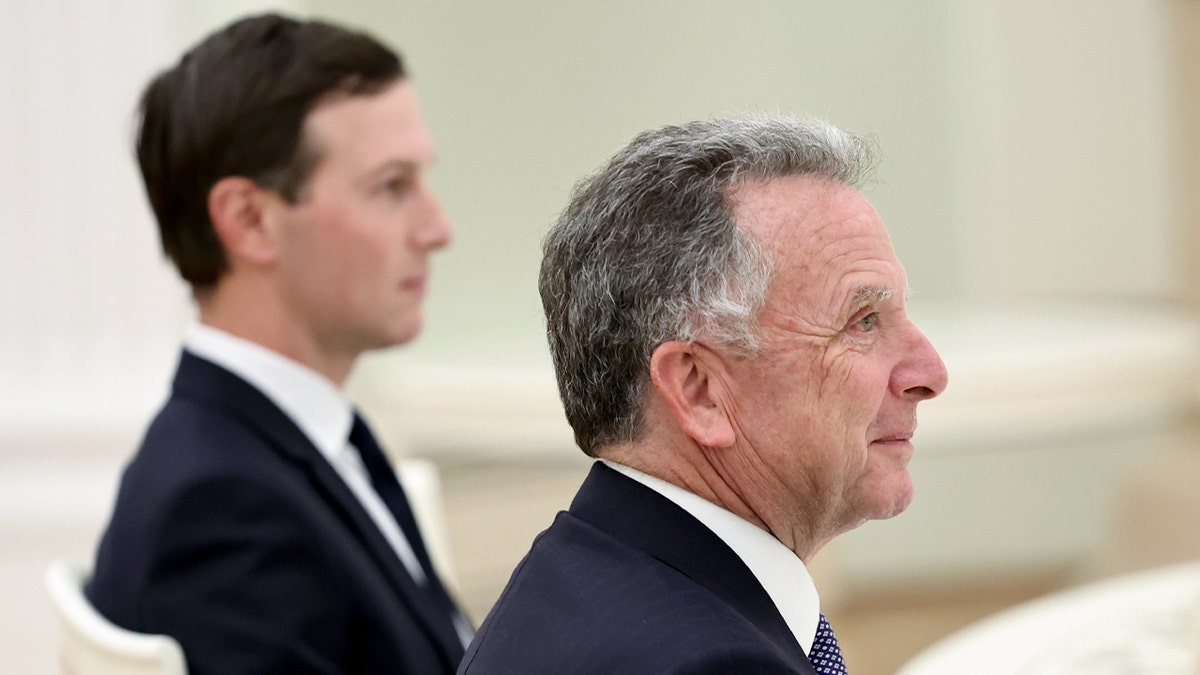
Steve Witkoff and Jared Kushner attend talks with Russian President Vladimir Putin at the Senate Palace of the Kremlin in Moscow on Dec. 2, 2025. (Alexander Kazakov, Sputnik, Kremlin Pool Photo via AP)
Russia resumed major missile and drone attacks on Kyiv shortly after the American delegation left Ukraine, killing five people and wounding 35 on Tuesday, Reuters reported.
A European intelligence source told Fox News Digital that the simultaneous diplomacy and military escalation reflects a long-standing dilemma for Western governments trying to engage Moscow.
«You have to talk, you have to explain,» the source said, arguing that communication is necessary to prevent misunderstandings.
RUSSIA UNLEASHES NEARLY 600 MISSILES AND DRONES ON KYIV IN DEADLIEST STRIKE SINCE MAY

Smoke and flames rise over Moscow on June 18, 2026, following a Ukrainian drone attack that hit the Kapotnya oil refinery and other targets in the Russian capital. (East2West)
But the source said Russian officials can interpret Western outreach differently.
«Whenever you talk with them, they consider that this is a Western weakness,» the source said, adding that the assessment was based in part on informal contacts with Russian officials.
The source also said Putin’s recent emphasis on Russian «military progress in Ukraine» appeared aimed in part at Washington, projecting strength as U.S. officials seek to revive negotiations.
The escalation is taking an increasing toll on civilians. The United Nations said last month that Russian attacks killed or wounded more Ukrainian civilians in July than in any month since March 2022, with 437 killed and more than 2,600 wounded.
More than 16,800 Ukrainian civilians have been killed and more than 51,000 wounded since Russia launched its full-scale invasion in February 2022, according to the U.N. Human Rights Monitoring Mission in Ukraine. Moscow has repeatedly denied deliberately targeting civilians and says its strikes are aimed at military and military-related facilities.
DRONE OFFENSIVE HITS RUSSIAN OIL TANKERS AND REFINERIES AT ‘INDUSTRIAL SCALE’ AS MOSCOW BANS DIESEL EXPORTS
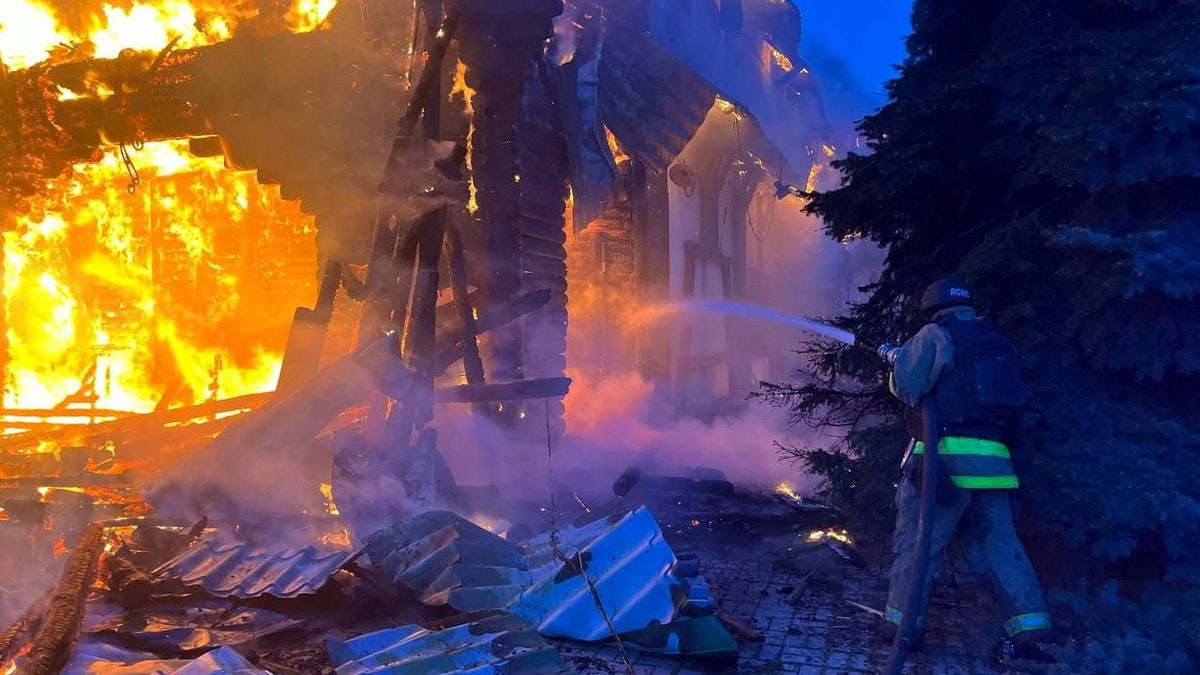
A rescuer works at the site of a Russian drone strike in Dnipro, Ukraine, in a picture released on April 30. (Governor of Dnipropetrovsk Regional Military Civil Administration Serhiy Lysak via Telegram/Handout via Reuters)
United24 described Wednesday’s attack as the deepest Ukrainian drone strike inside Russia since Moscow launched its full-scale invasion in February 2022.
Novy Urengoy lies roughly 1,740 miles from Ukraine’s border. Artem Zhoga, Putin’s envoy to Russia’s Urals Federal District, said a Ukrainian drone had attempted to strike a fuel-and-energy facility in Yamal, according to Meduza.
The city sits in Russia’s Yamalo-Nenets Autonomous Okrug, the country’s dominant natural-gas producing region. About 80% of Russia’s natural gas is extracted there, according to Interfax data cited by the Associated Press.
Artyukhov said there were no reported casualties.
The attack was part of a broader Ukrainian drone assault on Russia. Zelenskyy said Ukrainian forces also struck targets around the Black Sea port of Novorossiysk, including a naval base, an oil-loading terminal, military port facilities and warships capable of carrying cruise missiles, according to the Associated Press.
Russian authorities said four people, including a child, were killed and 29 wounded in the Novorossiysk attack.

Firefighters work at a site of an apartment building hit by a Russian drone strike in Kyiv, Ukraine, in this handout picture released Sept. 9, 2026. (Press service of the State Emergency Service of Ukraine in Kyiv/Handout via Reuters)
Russia, meanwhile, continued its own long-range campaign against Ukraine Wednesday. Russian drones struck the Starokozache border crossing between Ukraine and Moldova, killing two civilians and wounding three, while another wave of attacks on Kyiv killed one person and wounded 14, according to Reuters.
Reuters and the Associated Press contributed to this report.
russia, ukraine, wars, foreign affairs, national security
INTERNACIONAL
El vencimiento del TPS podría amenazar el flujo de remesas hacia El Salvador, según Alianza Américas

La incertidumbre por el vencimiento del TPS puede afectar el envío de remesas hacia El Salvador y dejar expuestas a más de 170,000 personas que han vivido durante décadas en Estados Unidos, advirtió Óscar Chacón, asesor de estrategias y cofundador de Alianza Américas.
Durante una entrevista en Frente a Frente, Chacón sostuvo que el fin de la protección obliga a muchas familias a destinar recursos a asesoría legal, trámites migratorios o la posibilidad de perder el empleo.
Esa reorientación de los gastos puede reducir el dinero disponible para los hogares que dependen de los envíos desde Estados Unidos. El asesor afirmó que millones de familias salvadoreñas reciben apoyo por medio de las remesas familiares.
Chacón dijo que tenía conocimiento de una reducción de las remesas durante los meses previos frente al año anterior, aunque aclaró que no había actualizado ese dato antes de la entrevista.
Si los beneficiarios que pierden el TPS ven reducidos sus ingresos o solo encuentran trabajos peor remunerados, tendrán menos capacidad para ayudar económicamente a sus familiares en El Salvador, planteó.
Aportes de los salvadoreños con TPS a Estados Unidos
El posible impacto en las remesas ocurre pese a los aportes que los salvadoreños amparados por TPS han realizado durante décadas en Estados Unidos, según Chacón.

El especialista sostuvo que esa población ha contribuido mediante el pago de impuestos, su presencia en el mercado laboral y la riqueza que su trabajo ha generado para las empresas estadounidenses.
A su juicio, el aporte no puede medirse únicamente en cientos de millones, sino en miles de millones de dólares acumulados a lo largo de 25 años.
Chacón también mencionó una dimensión que, según dijo, suele quedar fuera de la discusión pública: la contribución cultural de los inmigrantes salvadoreños y de la población extranjera en general.
El asesor agregó que la población inmigrante aporta juventud a una sociedad estadounidense que debe financiar jubilaciones y servicios de salud para las personas retiradas.
Los salvadoreños protegidos por TPS, sostuvo, han contribuido a esos sistemas sin tener certeza de que podrán acceder a esos beneficios futuros.
TPS: Óscar Chacón descarta una prórroga automática
La situación actual de los beneficiarios, según Chacón, ocurre pese a los aportes acumulados durante más de dos décadas y media en Estados Unidos.
El TPS para más de 170,000 salvadoreños llegó a su vencimiento el 9 de septiembre de 2026 sin una renovación formal anunciada por el Gobierno de Estados Unidos, afirmó el cofundador de Alianza Américas.
Durante la entrevista, rechazó la versión que circuló en redes sociales sobre una extensión automática de seis meses si las autoridades no emitían un anuncio. “No es cierto”, respondió.
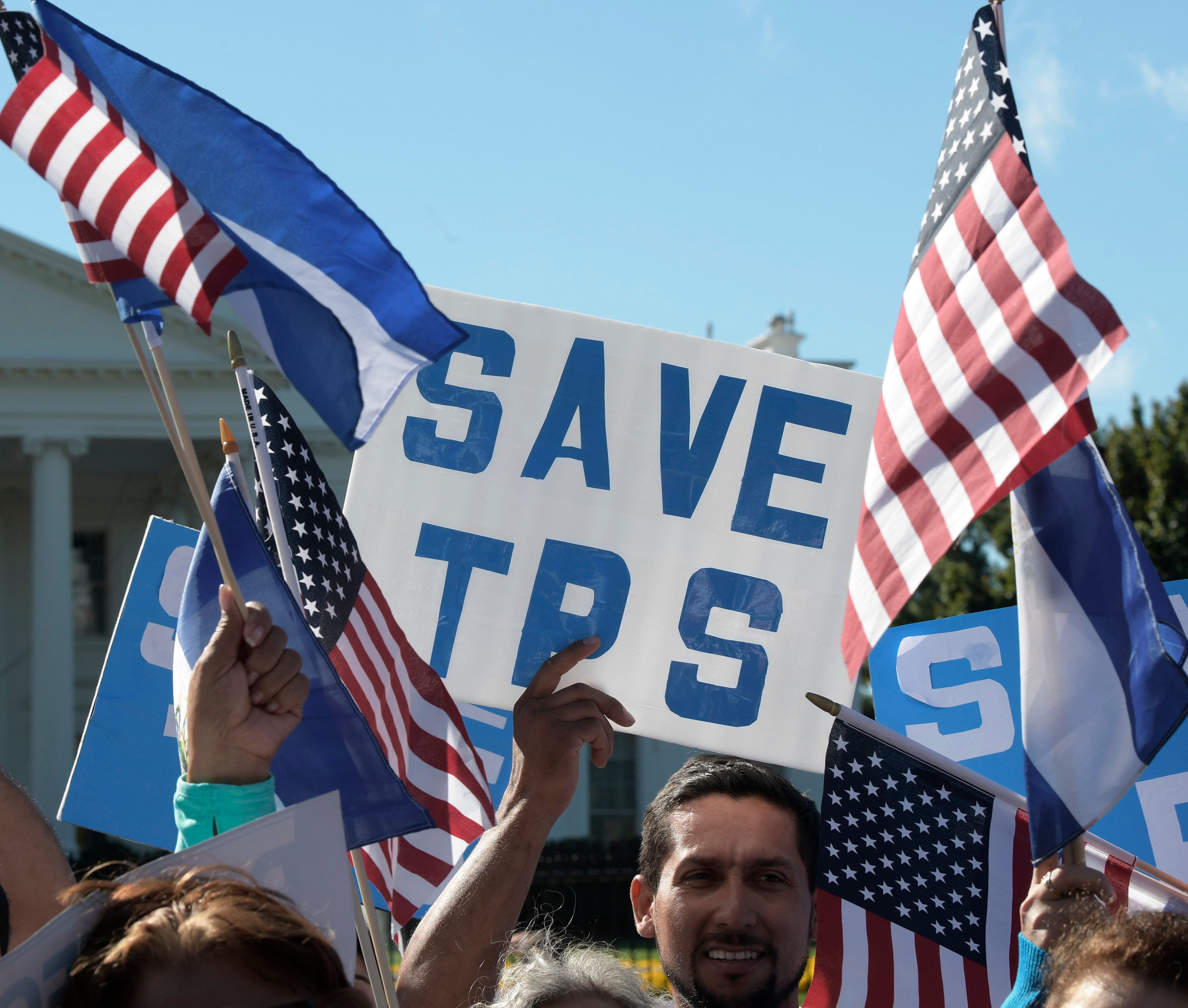
Chacón explicó que el secretario de Seguridad Nacional puede postergar la fecha final del programa. Esa decisión podría alcanzar hasta 18 meses, pero depende de la discreción de esa autoridad y debe estar respaldada por un documento escrito.
El especialista diferenció una postergación de la fecha de finalización de una renovación formal del Estatus de Protección Temporal. Aunque son trámites parecidos, una ampliación del plazo no equivale a mantener vigente la protección migratoria.
A falta de una comunicación oficial, Chacón consideró “prácticamente una imposibilidad” una renovación formal para los salvadoreños. Añadió que el Departamento de Seguridad Nacional todavía podía anunciar un período adicional para que las familias se prepararan.
TPS y 25 años de arraigo salvadoreño
La preocupación por una eventual salida se explica por el tiempo que los beneficiarios han permanecido en Estados Unidos. Chacón recordó que el TPS fue otorgado en 2001 a salvadoreños que ya residían en ese país.
Algunos habían permanecido entre ocho, 10 y 12 años sin autorización migratoria antes de inscribirse en el programa. El TPS les permitió evitar la deportación y obtener autorización para trabajar.
A partir de esa protección, muchas personas formaron familias, tuvieron hijos y nietos, compraron casas, abrieron empresas y reunieron bienes en Estados Unidos.
El cofundador de Alianza Américas sostuvo que la finalización del TPS afecta a una población que construyó durante más de 25 años su vida familiar, laboral y económica fuera de El Salvador.
“Estamos enfrentando el fin de sus vidas”, expresó al describir la situación de personas que, en muchos casos, no conocen otra realidad laboral o familiar distinta a la que tienen en Estados Unidos.
Chacón planteó tres escenarios generales: regresar a El Salvador, salir hacia un tercer país o permanecer en Estados Unidos sin la cobertura migratoria que les otorgaba el TPS.
El efecto del fin del programa, sin embargo, no será igual para todos. Cada persona debe revisar cuál era su condición migratoria previa antes de registrarse en el TPS.
Al concluir la protección, el beneficiario vuelve a la situación que tenía antes de su inscripción original. Si una persona tenía abierto un proceso de deportación cuando solicitó el TPS, podría retornar a esa condición.

Por esa razón, Chacón señaló que no hay una respuesta uniforme sobre las opciones o los plazos de cada salvadoreño. Cada expediente requiere una evaluación individual.
El asesor lamentó que no exista un acceso sencillo a asesoría jurídica especializada. Dijo que incluso las personas con capacidad para pagar un abogado pueden enfrentar dificultades para encontrar profesionales con experiencia en estos asuntos.
El Salvador y las dificultades de un retorno masivo
Dentro de esas alternativas, el regreso a El Salvador aparece como la opción formal más cercana. Sin embargo, Chacón cuestionó que el país tenga condiciones para recibir y reinsertar a más de 170,000 personas.
El asesor afirmó que buena parte de los beneficiarios tiene más de 50 o 60 años. A su juicio, ese grupo enfrentaría dificultades para obtener empleo por la discriminación laboral relacionada con la edad y por la escasez de plazas formales.
“Si sos mayor de 35, a veces ya no te quieren emplear”, dijo al referirse a las barreras que, según él, existen para las personas mayores en el mercado de trabajo salvadoreño.
Chacón también cuestionó la idea de que todos los retornados puedan abrir pequeños negocios. Señaló que El Salvador mantiene una alta presencia de economía informal, lo que limita esa posibilidad.
El cofundador de Alianza Américas sostuvo que los gobiernos salvadoreños no se prepararon desde 2001 para una posible finalización del TPS. Afirmó que se asumió que el programa se mantendría de forma indefinida.
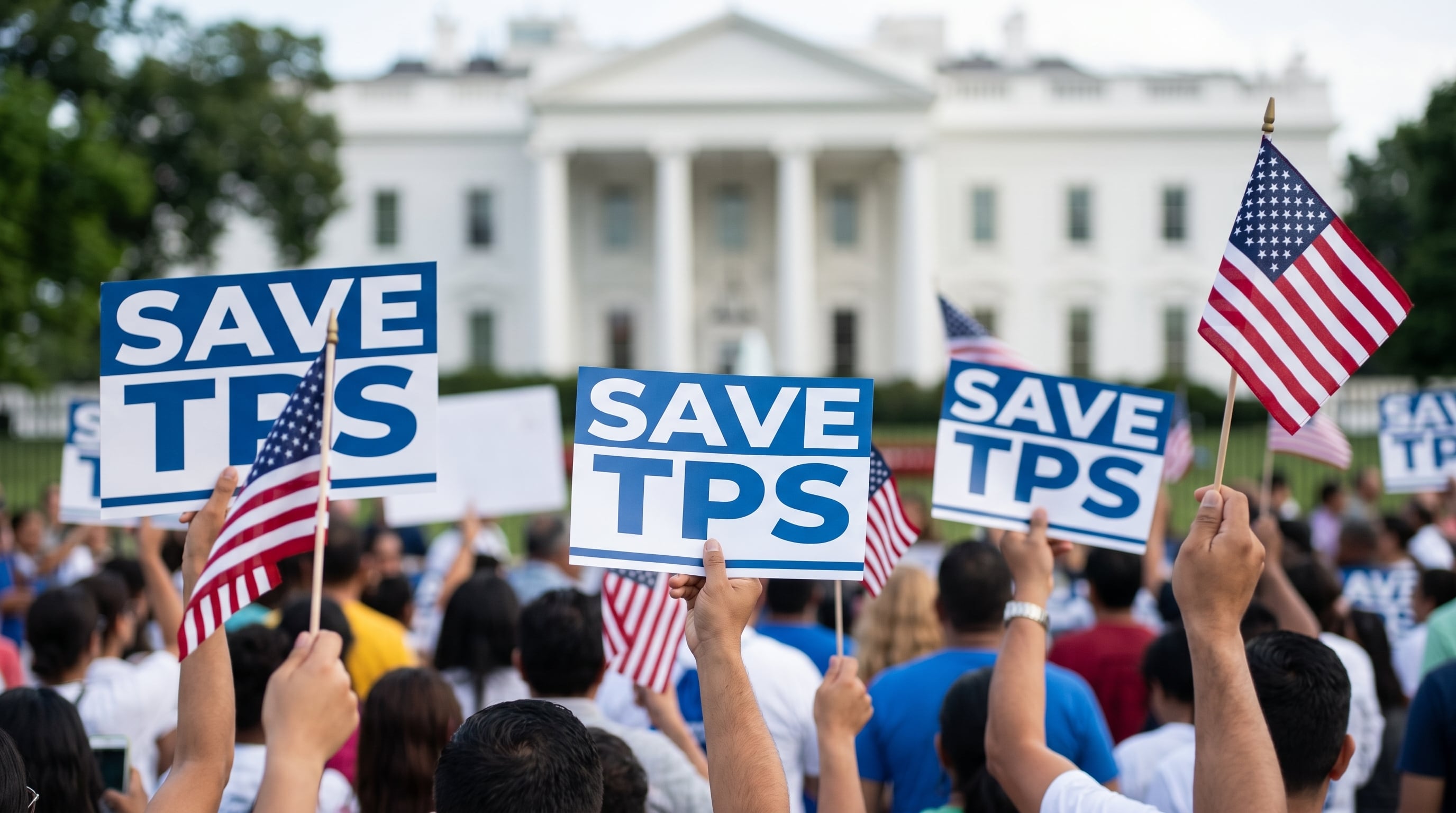
Más de 850,000 salvadoreños sin papeles
El desafío de un retorno no se limitaría a quienes tuvieron TPS. Chacón estimó que, además de los más de 170,000 beneficiarios del programa, hay más de 850,000 salvadoreños sin papeles en Estados Unidos.
La suma de ambos grupos supera el millón de personas. Para el entrevistado, un retorno masivo de esa dimensión representaría un desafío que El Salvador no está en condiciones de asumir.
Chacón afirmó que el escenario migratorio del Gobierno de Donald Trump apunta a devolver a sus países de origen a quienes no tienen autorización migratoria para permanecer en Estados Unidos.
“No estamos en una condición óptima” para recibir a los salvadoreños que pierden el TPS, manifestó. Añadió que el desafío sería aún mayor si las medidas alcanzan a un número más amplio de compatriotas sin documentos.
Guatemala,Remesas,Crecimiento económico

Sin libre emisión y autoridades blindadas: cambios históricos que busca Milei para el BCRA

Florida sues Netflix, alleges streamer tracked children after promising families privacy

Ukraine strikes deep into Russia’s Arctic gas heartland as Trump pushes Putin toward peace

Mauricio Macri criticó a la jueza que frenó la baja de la edad de imputabilidad en la provincia de Buenos Aires: “Es realmente muy preocupante”

Murió la actriz, directora y docente Victoria Fraga a los 73 años

Es oficial: Apple anuncia los iPhone 18 Pro, 18 Pro Max y el iPhone Duo, su primer móvil plegable. Fecha, precio y características

1000 días de Milei: los logros, las crisis que lo marcaron y los déficits de su gestión

Martín Menem dijo que Milei será el primer no peronista en ser reelecto y llamó a invertir más

Franco Colapinto largará en el puesto 7 con su Alpine el Gran Premio de Italia de la Fórmula 1: hora, TV y todo lo que hay que saber

Multas millonarias, arrestos y trabajo comunitario: cómo se prepara una provincia para enfrentar el Súper Niño

 SOCIEDAD2 días ago
Femicidio brutal en Merlo: un jubilado de 64 discutió con su esposa y la asesinó a puñaladas
- POLITICA2 días ago
El gobierno de Kicillof retendrá un 2% en los premios de las apuestas online
- DEPORTE2 días ago
El rotundo cambio de Julián Álvarez en una foto presentación del Atlético de Madrid tras quedarse en el club