INTERNACIONAL
WATCH: Ex-NATO chief draws red line as Trump fumes alliance abandoned US during Iran war

NEWYou can now listen to Fox News articles!
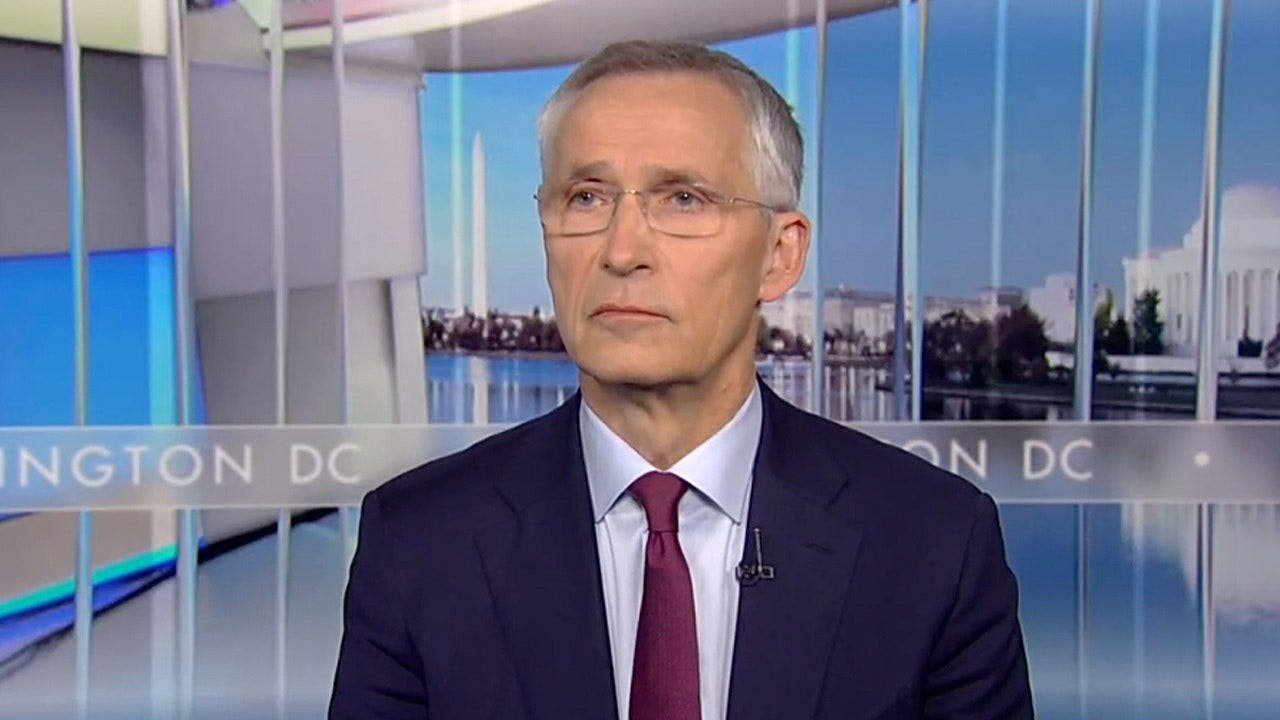
Former NATO Secretary-General Jens Stoltenberg signaled clear limits on the alliance’s role in the Iran conflict, saying it should not be pulled into supporting U.S. military operations even as President Donald Trump ramps up pressure on European allies — exposing a growing divide over what NATO is meant to do.
«NATO is a defensive alliance,» Stoltenberg, now Norway’s finance minister, told Fox News Digital in an interview Wednesday. «The strikes or the war against Iran were never an attempt to make that into a NATO operation.»
Stoltenberg framed the disagreement not over whether Iran poses a threat, but over how to confront it, with European governments favoring sanctions and diplomatic pressure over direct military involvement.
«We all agree the Iranian nuclear program is dangerous,» he said. «The question is how we achieve that goal.»
Former NATO Secretary-General Jens Stoltenberg signaled clear limits on the alliance’s role in the Iran conflict, even as President Donald Trump ramps up pressure on European allies. (Kevin Lamarque/Reuters)
NO RETREAT AT HORMUZ — IRAN MUST NOT CONTROL THE WORLD’S ENERGY LIFELINE
The divide reflects a deeper mismatch between Washington and its allies: Trump has treated the conflict as a test of NATO support — urging countries that benefit from the Strait of Hormuz to help secure it militarily — while European governments have largely rejected that approach, arguing the war falls outside the alliance’s mandate.
Trump has sharply criticized NATO allies for refusing to back U.S. operations tied to the conflict, at times questioning the alliance’s value and warning it had failed a key test as tensions escalated in the Strait of Hormuz.
«NATO wasn’t there for us, and they won’t be there for us in the future,» Trump said Wednesday on Truth Social.
The president has alternated between pressuring allies to step up and downplaying their importance, at one point calling NATO’s response a «very foolish mistake» while also insisting the United States «doesn’t need any help.»
Major European powers have resisted Trump’s push to provide military support.
«The feeling is, this is not Europe’s war,» European Union foreign policy chief Kaja Kallas told Reuters in an interview published March 17.
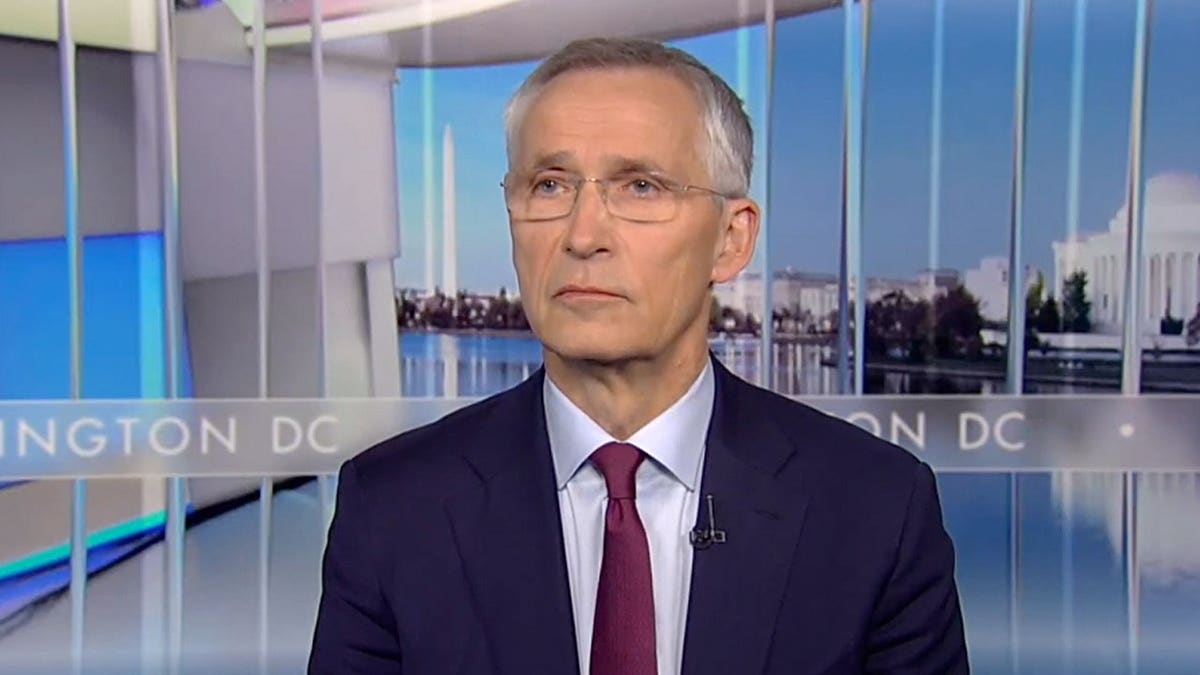
Former NATO Secretary-General and current Norwegian finance minister Jens Stoltenberg said the Iran war was not a matter for NATO to provide support. (Fox News Digital)
NATO CHIEF SIGNALS ALLIES MAY ACT ON HORMUZ, WARNS OF ‘UNHEALTHY CODEPENDENCE’ ON US
Spain blocked U.S. aircraft involved in the Iran conflict from using its airspace and denied access to key bases at Rota and Morón, forcing American forces to reroute missions. France has provided limited logistical support but restricted certain overflight requests tied to military operations, reviewing them on a case-by-case basis.
Stoltenberg pushed back on the idea that Europe has broadly abandoned the United States, arguing most allies have still provided logistical support behind the scenes.
«The majority of European allies have made sure that their bases and infrastructure were available for the United States,» he said. «There are some exceptions, but most have contributed.»
Countries like the United Kingdom and Romania have allowed U.S. forces to use bases for refueling, surveillance and defensive operations even as they declined direct combat roles.
The tension underscores a broader split inside the alliance: Trump has framed the Iran conflict as a test of NATO support, while NATO leadership has drawn a clear distinction between formal obligations and political expectations, maintaining the war falls outside the alliance’s core mission.
«President Trump has made his disappointment with the United Kingdom and other NATO allies clear, and as the President emphasized, ‘the United States will remember,» White House spokesperson Anna Kelly told Fox News Digital.
Asked whether he would pull the U.S. out of NATO, Trump said the move was «beyond reconsideration» in an interview with The Telegraph on April 1.
The Iran conflict began in late February after U.S. and Israeli strikes on Iranian targets triggered retaliation from Tehran, including the closure of the Strait of Hormuz, a critical global shipping lane that carries roughly a fifth of the world’s energy supply. The U.S. has since launched airstrikes and imposed a naval blockade aimed at increasing pressure to reopen the strait.
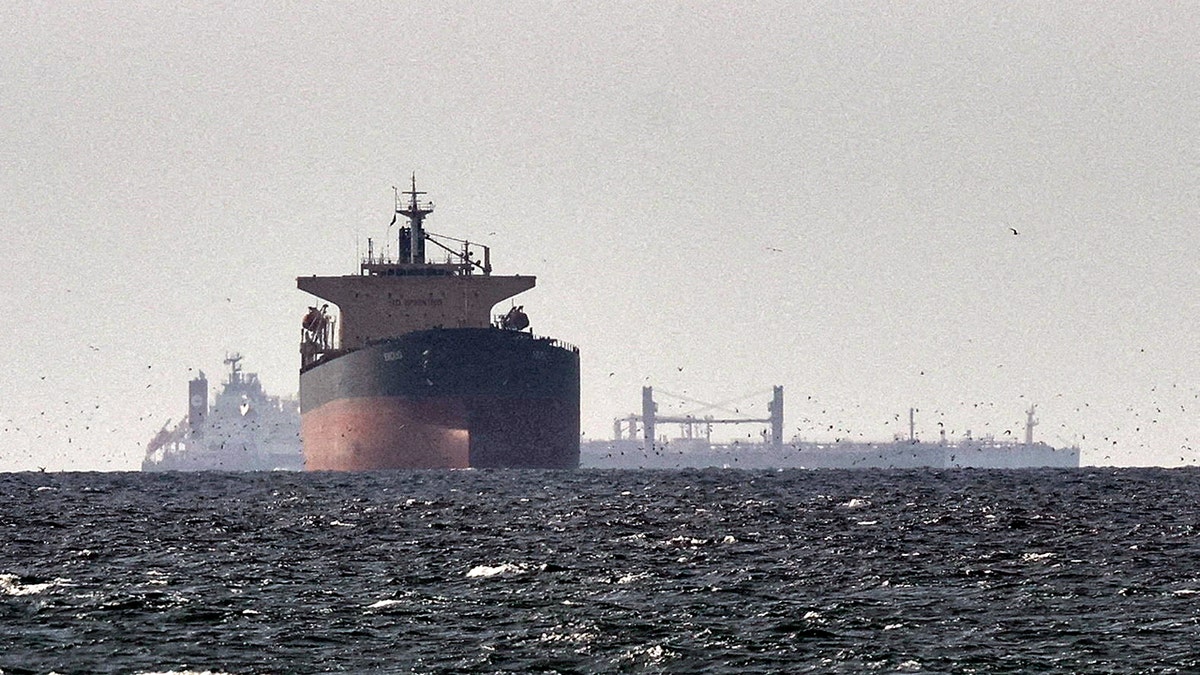
The Iran conflict began in late February after U.S. and Israeli strikes on Iranian targets triggered retaliation from Tehran, including the closure of the Strait of Hormuz. (Reuters/Stringer)
The economic fallout from the conflict is also shaping how European countries view the war and their role in it.
European natural gas prices surged — jumping around 50% early in the conflict and, at times, nearly doubling as LNG supply disruptions intensified.
CLICK HERE TO DOWNLOAD THE FOX NEWS APP
For Norway, however, the impact is more mixed. As one of Europe’s largest oil and gas exporters, the country stands to benefit from higher prices even as broader economic instability creates risks at home.
«There are two effects,» Stoltenberg said. «When prices are going up, our oil and gas revenues will increase. But at the same time … when inflation increases and economic growth slows, it will affect our economy.»
nato, middle east, war with iran, iran, sanctions







INTERNACIONAL
Cuba abre la economía, pero depende del respaldo de Estados Unidos para que el cambio funcione

Los cubanos recibieron la reforma con sensaciones ambiguas

La crisis eléctrica, una de las caras de la crisis


INTERNACIONAL
Una astronauta de la ESA visitó Buenos Aires: “Me impresiona el fanatismo por el espacio en Argentina”
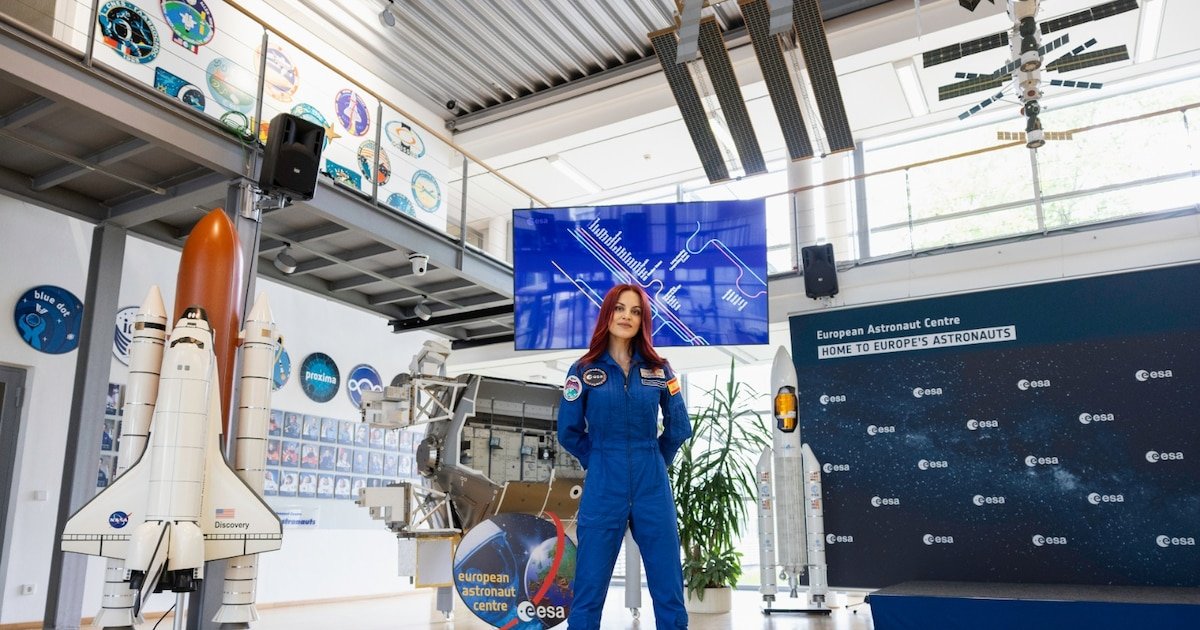
La visita de Sara García Alonso a la Argentina fue mucho más que una serie de charlas sobre exploración espacial. La bióloga molecular y astronauta de reserva de la Agencia Espacial Europea (ESA) trajo consigo un mensaje claro: la ciencia, la innovación y los sueños no reconocen fronteras ni techos para las nuevas generaciones.
Invitada por el Centro Cultural de España en Buenos Aires (CCEBA) y el Planetario Galileo Galilei, García Alonso desplegó una agenda intensa en Buenos Aires y Rosario, donde compartió su recorrido profesional y vital con adolescentes, científicas, docentes y profesionales del sector tecnológico y aeroespacial.
Nacida en León, España, Sara García Alonso fue la primera universitaria de su familia y la primera mujer española seleccionada como astronauta de reserva de la ESA. Su carrera es el resultado de una combinación singular de excelencia académica, empuje personal y pasión por la biomedicina y el espacio.

Tras obtener la licenciatura en Biotecnología y un máster en investigación biomédica y biológica por la Universidad de León, y doctorarse en Biología Molecular del cáncer y Medicina Traslacional en la Universidad de Salamanca, García Alonso orientó su trabajo a la búsqueda de nuevos tratamientos para el cáncer de pulmón y páncreas en el Centro Nacional de Investigaciones Oncológicas (CNIO) de España.
Sus logros la posicionaron entre las 100 mujeres más influyentes de España, según la revista Forbes, y le valieron distinciones como el Premio Ada Byron Joven 2023, la Medalla de Plata de la Comunidad de Madrid y el Premio Castilla y León. En 2025, publicó su primer libro, Órbitas. Apuntes de una vida en continua exploración, donde narra con honestidad el trayecto que la llevó de los laboratorios a los entrenamientos de astronauta en Colonia, Alemania.
Durante su estadía en Argentina, García Alonso encabezó jornadas de intercambio científico y divulgación para estudiantes y profesionales, con énfasis en acercar el universo STEM (ciencia, tecnología, ingeniería y matemáticas) a adolescentes y mujeres. El objetivo fue claro: motivar a quienes buscan referentes, demostrar que la vocación científica es un camino posible y necesario, y subrayar que el talento y la pasión abren puertas inesperadas.

La trayectoria de Sara García Alonso es un ejemplo de cómo la formación científica puede trascender disciplinas y fronteras. Tras años de investigación en medicina personalizada contra el cáncer, la científica decidió postularse a la convocatoria de la ESA en 2021.
“Llevo desde 2012 estudiando para ser astronauta. Las misiones espaciales son científicas y muchas de ellas nos enseñan a explorar y empujar los límites”, compartió ante el público argentino. Su postulación fue excepcional: de 23.000 candidatos de toda Europa, solo el 25% eran mujeres, pero entre los 17 seleccionados hubo 8 mujeres y 9 hombres.
Para García Alonso, este resultado demuestra que el talento “está distribuido de forma equitativa y que la profesión de astronauta depende exclusivamente de méritos psicológicos y cognitivos”.

La selección y el entrenamiento en la ESA no solo demandan excelencia técnica y física, sino también la capacidad de absorber y aplicar nuevos conocimientos en condiciones extremas.
“No existe una ‘carrera de astronauta’, sino que se buscan profesionales con capacidad de absorber nuevos conceptos para aplicarlos en laboratorios avanzados que orbitan nuestro planeta”, explicó. En su caso, la formación incluyó anatomía, fisiología, robótica, realidad aumentada y supervivencia, así como el desarrollo de habilidades blandas como el trabajo en equipo y la gestión del estrés.
En 2022, García Alonso fue incorporada como astronauta de reserva de la ESA, lo que la convirtió en la primera mujer española con esa distinción. Desde entonces, completó tres bloques de entrenamiento intensivo en el Centro Europeo de Astronautas en Colonia y se sumó a la élite internacional preparada para futuras misiones espaciales tripuladas. “He terminado la formación básica. Dura un año desde que te seleccionan. Mucha información teórica: Anatomía, fisiología, robótica, realidad aumentada”, resume.

Su mayor ambición, en palabras propias, es participar en una misión en la Estación Espacial Internacional para fusionar sus dos pasiones: la biomedicina y la exploración espacial. Para ella, realizar experimentos sobre nuevos tratamientos oncológicos en el entorno único de la microgravedad no solo sería un sueño personal, sino “una declaración de intenciones inspiradora para las futuras generaciones de científicas”.
En paralelo a su entrenamiento como astronauta, García Alonso mantiene su labor en el CNIO, donde lidera proyectos pioneros en oncología molecular.
Su carrera demuestra que la ciencia aplicada en la Tierra y en el espacio tienen más puntos en común de lo que suele pensarse: “Vi el nexo común entre los estudios biológicos que siempre hice y la pasión del espacio. Decidí intentarlo y ser astronauta y llevar la ciencia y los estudios científicos, como los oncológicos, fuera de la Tierra”.

La gira de Sara García Alonso por Buenos Aires y Rosario tuvo un eje prioritario: inspirar a jóvenes y mujeres a sumarse a la ciencia y a los desafíos de la tecnología y la exploración espacial.
“Estoy encantada por lo que estoy visitando en Rosario y Buenos Aires. He visto mucho interés por la ciencia en el público argentino. Me hablaban los chicos y jóvenes sobre el futuro. Veo mucha pasión, tanto en mis charlas en Rosario, como en el Complejo Astronómico de Rosario, en la Facultad de Ciencias Exactas de la Universidad Nacional de Rosario (UNR) y en el Planetario Galileo Galilei de Buenos Aires”.
La científica subrayó la riqueza de la oferta académica nacional y la articulación con instituciones como la CONAE, con la que la ESA firmó acuerdos para compartir datos satelitales y potenciar la cooperación internacional.

En el Planetario, García Alonso participó en el programa “Apasionadas por el Universo”, dirigido a adolescentes de entre 14 y 20 años. Compartió panel con referentes como Josefina Peres, líder del proyecto Saocom, y Susana Landau, doctora en astronomía. La actividad fue interactiva y cultural, y permitió poner en diálogo la experiencia europea con el talento argentino.
“Soy la primera de muchas que están por llegar”, alienta García Alonso, destacando que la inclusión de mujeres en la ciencia no solo responde a una cuestión de justicia, sino que amplía el rango de soluciones y enfoques. Durante la charla “Romper la gravedad” en Rosario, reivindicó el rol femenino en la tecnología y denunció la invisibilización histórica de las mujeres en disciplinas STEM. Según su mirada, el acceso igualitario a la ciencia es esencial para construir un futuro más innovador y equitativo.
Su mensaje principal estuvo dirigido a quienes enfrentan dudas e incertidumbres sobre su vocación: “Quiero transmitir a los jóvenes que no se pongan límites, que vayan por la buena dirección. Que apuesten a las carreras de ciencia y tecnología si les gustan y que persigan aquello que los motive. La vida y las circunstancias, la situación política o económica va a ponernos trabas. No podemos ponerles la curita antes de la herida. Debemos intentarlo. Hay que atreverse y no rendirse de antemano. El camino no está cerrado desde el principio. Es importante perseguir aquello que te motive porque de lo contrario estarás estancado”.

La experiencia de García Alonso también demuestra la importancia de la cooperación internacional, tanto para la investigación médica como para la exploración del espacio. “Los proyectos espaciales son ambiciosos. Salen adelante gracias a la cooperación internacional y espacial de distintos países y distintas agencias espaciales”.
Su dominio de varios idiomas, la pasión por el deporte y la divulgación científica complementan un perfil que desafía estereotipos y ofrece alternativas de futuro a quienes buscan inspiración en la ciencia. Las numerosas distinciones recibidas y su participación activa en conferencias y eventos STEM la consolidan como referente y mentora para jóvenes de todo el mundo.
En definitiva, la visita de Sara García Alonso a la Argentina dejó un mensaje potente: la ciencia no reconoce fronteras, y el espacio, lejos de ser un destino inalcanzable, es un campo abierto para quienes se atreven a explorar, aprender y transformar el conocimiento en motor de cambio.
INTERNACIONAL
Gabbard spotlights Fauci, COVID-origin questions in final act as intelligence chief amid succession fight
NEWYou can now listen to Fox News articles!
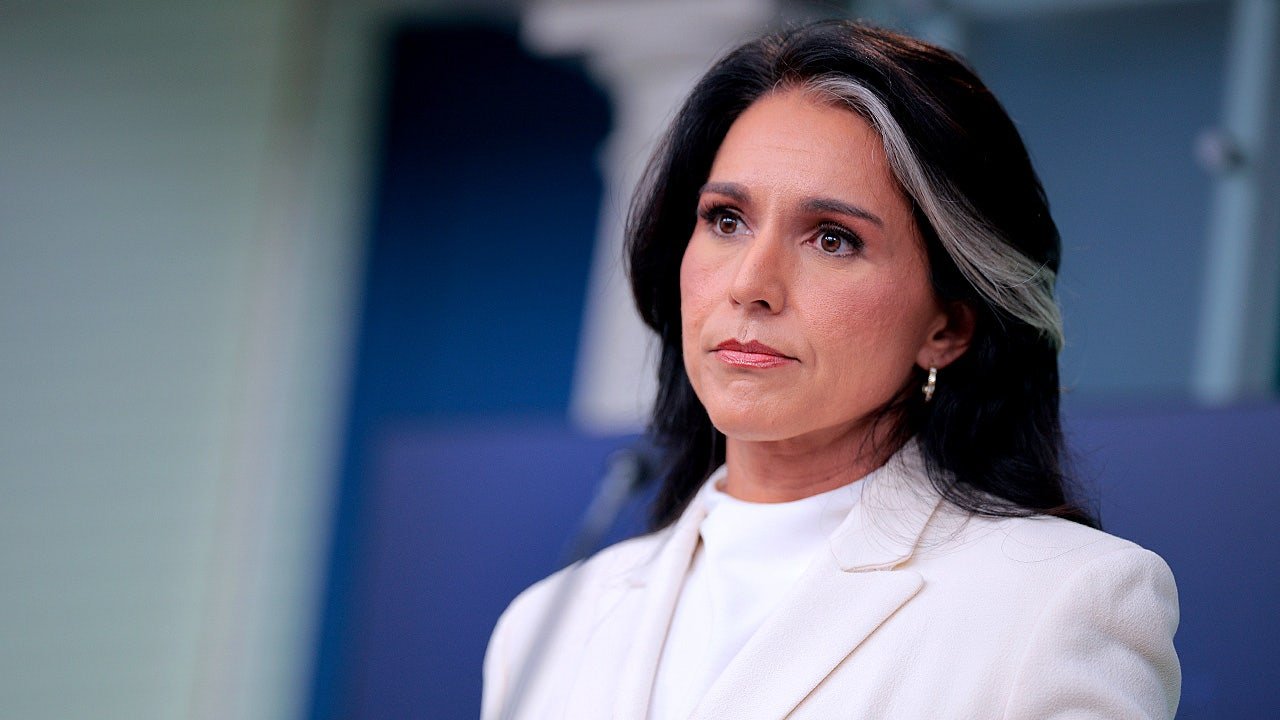
Just before leaving office amid a contentious battle over who will succeed her, Director of National Intelligence Tulsi Gabbard used one of her final acts atop the U.S. intelligence community to spotlight Dr. Anthony Fauci’s role in discussions surrounding the government’s COVID-19 origins review.
While much of the material is familiar, Gabbard’s release underscores her effort to make questions surrounding Fauci, COVID origins and federal support for virus research part of her closing legacy atop the intelligence community.
As Gabbard fired her final broadside, Bill Pulte, who has received bipartisan criticism over his lack of intelligence experience, is set to take the reins at the Office of the Director of National Intelligence while Trump’s permanent nominee remains stalled.
Jay Clayton, an attorney and former SEC chairman whom Trump nominated to permanently lead ODNI, has seen his confirmation process delayed after the president said he was holding up the nomination to pressure Congress to pass a voter identification measure.
Director of National Intelligence Tulsi Gabbard testifies during a Senate Intelligence Committee hearing on worldwide threats at the Hart Senate Office Building in Washington, D.C., on March 18, 2026. (Win McNamee/Getty Images)
WHY TRUMP PICKED BILL PULTE TO LEAD US INTELLIGENCE AS CRITICS QUESTION HIS QUALIFICATIONS
Pulte is a construction businessman and housing official who served as director of the Federal Housing Finance Agency. His tenure at the housing agency has drawn controversy over allegations that he used FHFA authority to target Trump’s political opponents, an allegation amplifying concerns among key senators that he may attempt to weaponize the intelligence community at the behest of the president during his interim tenure.
«We don’t need a weaponized DNI, we need professionals there,» Senate Majority Leader Sen. John Thune said of Pulte. Other powerful congressional Republicans, such as Sens. Cornyn, Cassidy, Murkowski, Collins and Tillis, have also voiced opposition to or concern over Pulte taking over ODNI.
Senate Democrats share many of the same concerns as their GOP colleagues.
Sens. Elizabeth Warren, Dick Durbin, Sheldon Whitehouse, Richard Blumenthal, Gary Peters, Adam Schiff, Mark Warner and Ron Wyden have all expressed concerns that Pulte would weaponize America’s intelligence apparatus against Trump’s enemies. Similar to many Republicans, they’ve criticized him for a lack of intelligence experience as well.
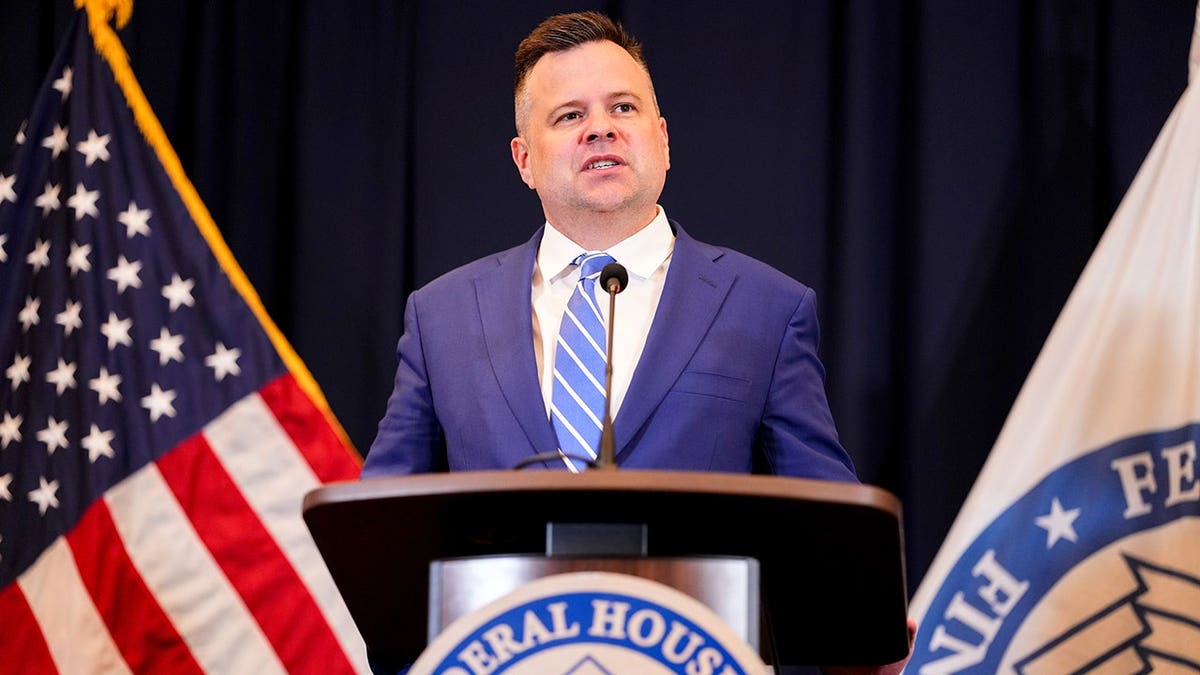
William Pulte, director of the Federal Housing Finance Agency (FHFA), during a news conference at the Federal Housing Finance Association (FHFA) headquarters in Washington, D.C., on Wednesday, April 22, 2026. (Eric Lee/Bloomberg via Getty Images)
TRUMP DNI PICK BRACES FOR SENATE GRILLING AS TEMPORARY STAND-IN FUELS DEM PRESSURE
Political observers believe that Clayton would face far less opposition from the Senate over his confirmation. However, the upper chamber has so far proven unwilling to move on the president’s voter identification legislation, complicating his advancement and setting the stage for a showdown between the White House and Congress.
While lawmakers and the president go back and forth over the fate of ODNI, Gabbard has sought to spotlight the Fauci documents on her way out.
The documents she released Thursday night include some information that was already known to the public as well as others that do not appear to have been publicly reported.
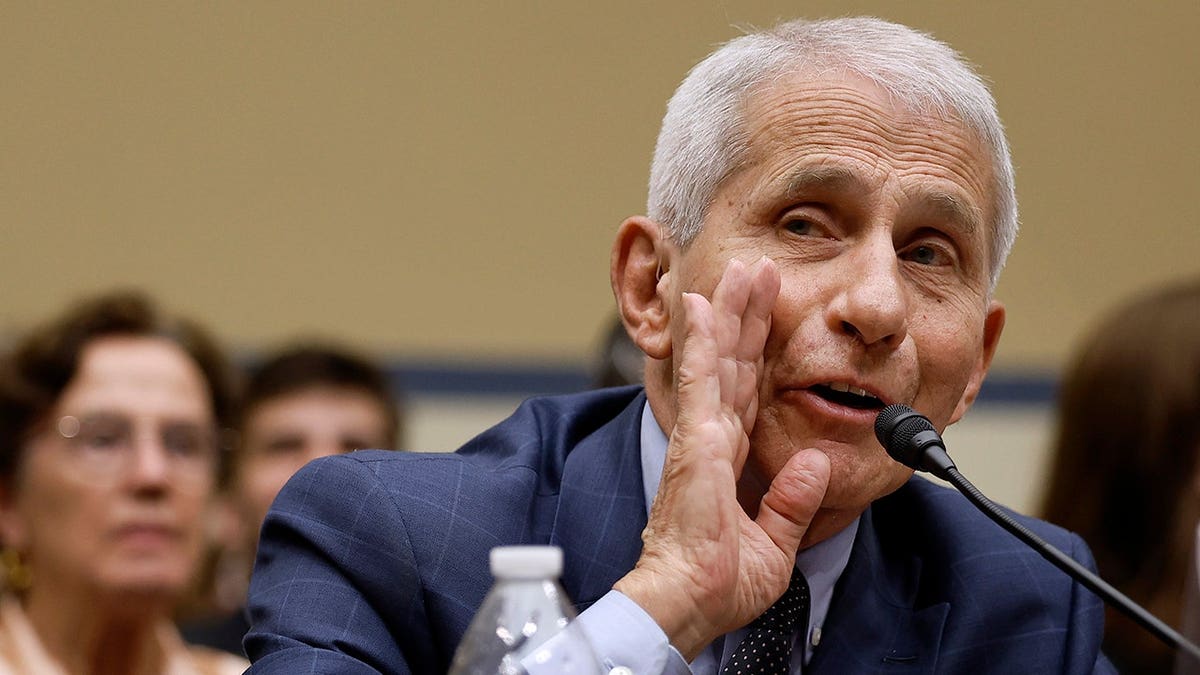
Dr. Anthony Fauci testifies before the House Oversight and Accountability Committee Select Subcommittee on the Coronavirus Pandemic at the Rayburn House Office Building in Washington, D.C., on June 3, 2024. (Chip Somodevilla/Getty Images)
ANTHONY FAUCI MAY BE DEPOSED AS GOP INTENSIFIES COVID INVESTIGATIONS IN NEW CONGRESS
Gabbard’s release contains newly declassified documents that show intelligence officials considered but ultimately rejected Fauci as an outside reviewer of their COVID-19 origins assessment, warning he would be seen as having a conflict of interest.
In a different exchange, intelligence officials tasked with analyzing the origins of the COVID-19 pandemic debated whether to take Fauci’s recommendations on who to interview for their study.
«For those who don’t know me, I’m the [REDACTED] and, as such, leading the [intelligence community’s] 90-day POTUS COVID origin study,» one official wrote in an email. «Per below, Dr Fauci recommended that the IC reach out to the below individuals who were coauthors of the attached paper as part of the study.»
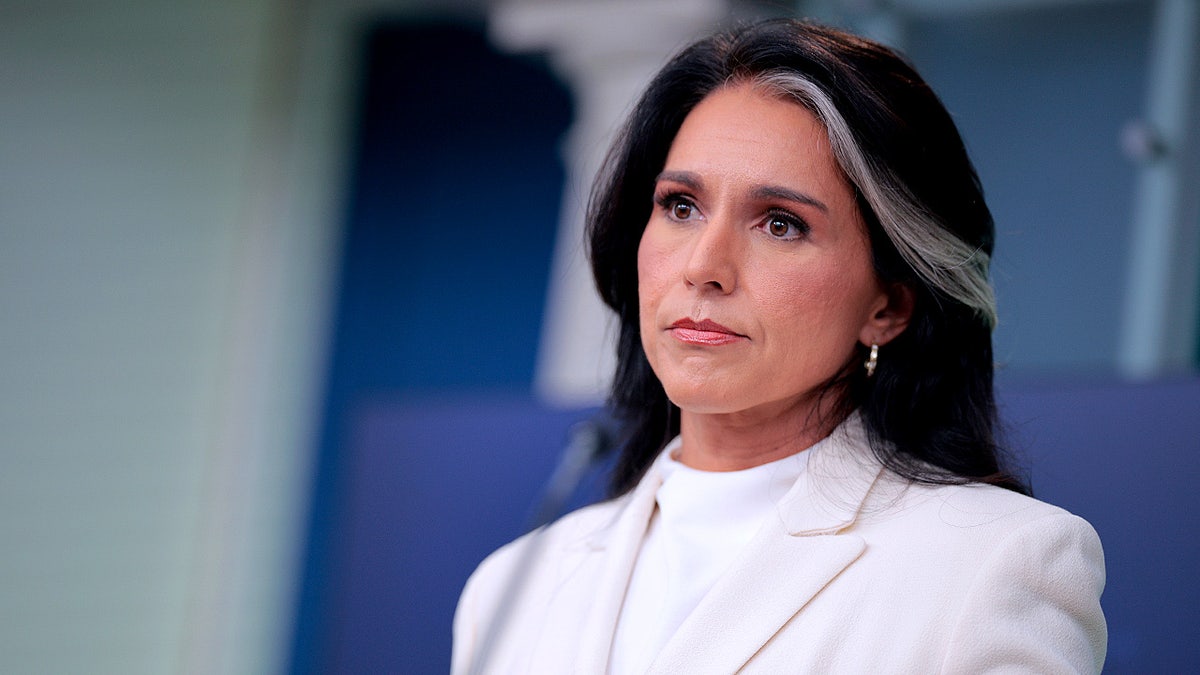
Director of National Intelligence Tulsi Gabbard speaks to reporters in the Brady Press Briefing Room at the White House on July 23. (Chip Somodevilla/Getty Images)
TOP 4 EXPLOSIVE MOMENTS FROM CIA WHISTLEBLOWER’S TESTIMONY ON ALLEGED COVID-19 LAB LEAK COVER-UP
Another official questioned whether it was prudent for the intelligence community to take the advice of a «policymaker» like Fauci when conducting internal affairs, «particularly given the various strong views on the subject and statements regarding their own conclusions.»
An intelligence official responded by arguing that Fauci should not be considered a policymaker in this context, but rather an important subject-matter expert.
«In this particular case, given Dr Fauci’s background we absolutely would like to follow-up on his outreach suggestions,» they wrote. «In this case he’s not a policymaker….he’s a SME with a wealth of knowledge about current and historical research who probably knows better than most who the real Coronavirus experts are.»
A CIA whistleblower previously claimed that Fauci exerted undue influence over the intelligence community’s assessment of COVID-19’s origins, claims that Gabbard now seeks to amplify with her release.
During the COVID-19 era, conservatives alleged that Fauci and other public health officials downplayed or helped steer scrutiny away from the lab-leak theory despite American financial links to coronavirus research in Wuhan, where the disease originated. Gabbard has framed her trove of documents as a look into how the intelligence community incorporated information from people like Fauci while investigating the virus’ origins.
CLICK HERE TO DOWNLOAD THE FOX NEWS APP
«Fauci worked with politicized career leadership in the Intelligence Community (IC) to suppress the truth about his actions, the virus’ lab-leak origins, and his role in directing U.S. funding for this dangerous research that caused immeasurable harm and countless lost lives,» ODNI’s press release accompanying the documents asserts. «These documents expose Fauci’s direct role in influencing and manipulating IC assessments on COVID-19, and how Fauci lied to Congress in 2024, when under oath he denied knowledge of or participation in discussions with intelligence officials about viral research.»
Gabbard left her role at ODNI to care for her husband, who has a rare form of cancer, Fox News Digital first reported.
anthony fauci, cia, appointments, tulsi gabbard, coronavirus

Qué ver en Netflix: la nueva serie española que acaban de estrenar y es ideal para el fin de semana

Cuba abre la economía, pero depende del respaldo de Estados Unidos para que el cambio funcione

FIFA estrenó en el Mundial la nueva ley inspirada en el caso Prestianni-Vinicius: Almiron fue expulsado por taparse la boca

El desarrollo de Pragmata contó con un grupo mayoritariamente femenino para supervisar la creación de Diana – Nintenderos

Interpelación contra Adorni en Diputados: los aliados especulan al límite y crece la incertidumbre por el quórum

La verdad detrás del llamativo freno en las compras de dólares del BCRA durante los últimos días

Patricia Bullrich: “El Presidente considera que Adorni dio una explicación razonable”

El Gobierno envía señales de que Adorni tiene las horas contadas para evitar que sesione el Senado

La secuencia del golazo de Messi para Argentina ante Argelia en el debut en el Mundial 2026 y los récords que rompió

GOP Gov DeWine urges Ohio to abolish the death penalty, says it is no longer a deterrent

 POLITICA2 días ago
Patricia Bullrich: “El Presidente considera que Adorni dio una explicación razonable”
- POLITICA3 días ago
El Gobierno envía señales de que Adorni tiene las horas contadas para evitar que sesione el Senado
- INTERNACIONAL3 días ago
GOP Gov DeWine urges Ohio to abolish the death penalty, says it is no longer a deterrent