INTERNACIONAL
Trump cuida su relación con China: envía señales de distención ante la dependencia de Beijing del crudo iraní

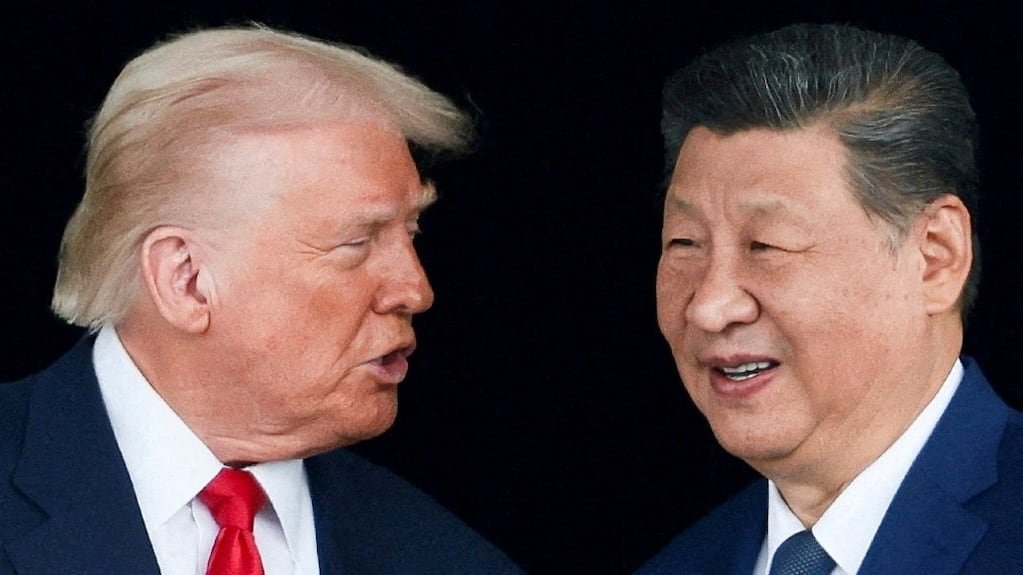
Donald Trump está haciendo todo lo posible para evitar una nueva crisis con China a un mes de su proyectada visita a Beijing y con el trasfondo de la guerra en Irán y la dependencia china del bloqueado petróleo del Golfo Pérsico.
El presidente estadounidense tiene agendado un viaje a la capital china el 14 y 15 de mayo para reunirse con su par Xi Jingping y limar cualquier aspereza remanente de la guerra arancelaria y la escalada bélica en Medio Oriente.
“Trump ha buscado estrechar lazos con Xi desde que acordó una tregua comercial en noviembre pasado, aunque las tensiones aumentaron debido a la guerra en Irán”, alertó el sitio estadounidense Axios.
El bloqueo impuesto por Washington al estratégico estrecho de Ormuz, por donde pasaba el 20% del petróleo mundial, está poniendo en aprietos a la economía china, que tiene en Irán a un socio clave en su política energética y su plan de expansión geopolítica enfocado en la llamada nueva Ruta de la Seda.
¿Cómo puede reaccionar China al bloqueo estadounidense del estrecho de Ormuz?
Se estima que China compra alrededor del 80% del total de las exportaciones de crudo iraní. El año pasado esta cifra representaba 1,38 millones de barriles diarios. La sucesión de sanciones internacionales impulsadas por Washington obligó a Irán a concentrar sus exportaciones petroleras en Beijing.
En contrapartida, el 13% de las importaciones petroleras de China proviene de Irán. El estrecho de Ormuz domina el conflicto de Medio Oriente (Reuters)
“Si bien China tiene una dependencia estructural del petróleo proveniente del Golfo Pérsico (cerca del 40% del oro negro que importa, transita por esa vía), según fuentes chinas el país podría resistir un bloqueo del Estrecho de Ormuz durante 4 a 6 meses”, dijo a TN el analista Jorge Malena, director del Comité de Asuntos Asiáticos del Consejo Argentino para las Relaciones Internacionales (CARI).
Leé también: El argentino Rafael Grossi fue elegido por Time como una de las 100 personas más influyentes del año
Según el experto especializado en temas chinos, “la manera sería haciendo uso de sus reservas estratégicas (unos 1000 millones de barriles), pero también acudiendo a otros proveedores (Rusia, Angola, Nigeria, Brasil, etc.) e incluso incrementando la extracción en los yacimientos del oeste del país (o iniciándola en el Mar del Sur de la China)”.
Pero algunas de estas medidas serían dolorosas. “Los barriles de reemplazo costarían entre 10 y 12 dólares más por barril. Rusia ha aumentado sus entregas, pero el cambio conlleva un costo real”, reveló un informe publicado este miércoles por The Jerusalem Post.
¿Qué busca Trump de China?
Trump no quiere una nueva crisis con China en medio de una guerra y a pocos meses de las elecciones de medio término de noviembre, que se presentan adversas para el partido Republicano, en parte por el alza del combustible derivado del conflicto en Medio Oriente.
El presidente estadounidense confía en que China utilice su poder como importador monopólico del crudo iraní para presionar a Teherán a alcanzar un acuerdo con Washington que ponga fin a la guerra. De hecho, en ámbitos diplomáticos se viene ponderando el rol de Beijing para convencer al gobierno de los ayatollah a sentarse en la mesa de negociaciones.
Pero Malena es escéptico. “Lo dudo, porque cuanto más se desgaste Estados Unidos, mejor para China. A menos que sus intereses se vean afectados”, opinó.
Leé también: Irán y EE.UU. preparan una nueva ronda de diálogo: negocian una moratoria en el enriquecimiento de uranio
La gran pregunta que se hacen hoy expertos en geopolítica internacional es si China desafiará a Washington con el envío de buques petroleros al estrecho de Ormuz para romper el cerco.
“Muy difícilmente lo haga, porque ello implicaría intervenir en la crisis del Estrecho y provocar una escalada”, advirtió Malena.
Pero no son los buques de bandera china los que suelen transportar el crudo iraní. El informe de The Jerusalem Post reveló que “la flota clandestina iraní fue creada precisamente para este juego: operaciones de falsa bandera, transpondedores falsificados y transferencias de barco a barco frente a las costas de Malasia”.
“Los registros aduaneros de China no muestran importaciones procedentes de Irán desde 2022, pero sus importaciones registradas de crudo ‘malayo’ en 2025 alcanzaron 1,3 millones de barriles diarios, más del doble de la producción total de Malasia. Esta red de evasión lleva años en funcionamiento“, indicó el informe.
Según el reporte, poco después de la entrada en vigencia del bloqueo estadounidense, el buque petrolero “Rich Starry” de bandera de Malawi (un país africano sin litoral) pero de propiedad china, zarpó de un puerto cerca de Sharjah (Emiratos Árabes Unidos) y cruzó el estrecho de Ormuz con aproximadamente 250.000 barriles de metanol, “con casi total seguridad procedentes de Irán”.
El buque puso a prueba el bloqueo. El Pentágono lo dejó pasar. Trump no quiere problemas con China. El presidente estadounidense, Donald Trump (Foto: EFE)
En ese complejo escenario geopolítico, el diario israelí advirtió: “El alto el fuego expira en seis días. Si la flota clandestina se retira del estrecho en las próximas 72 horas, Beijing habrá tomado una decisión. Si más buques de la clase ‘Rich Starry’ desafían el bloqueo, estará retando a Washington».
Pero Trump prefiere entonar la música que más quiere escuchar Xi Jinping.
“China está muy contenta de que esté abriendo permanentemente el Estrecho de Ormuz. Lo hago también por ellos, y por el mundo. Esta situación no volverá a repetirse. Han acordado no enviar armas a Irán. El presidente Xi me dará un fuerte abrazo cuando llegue allí en unas semanas. ¡Estamos trabajando juntos de forma inteligente y muy eficaz! ¿Acaso no es mejor que pelear? PERO RECUERDEN, somos muy buenos peleando, si es necesario, ¡mucho mejores que nadie!“, escribió el presidente estadounidense en su red social Truth Social.
A un mes de su visita a China, Trump necesita tranquilizar a Beijing. China conoce su juego. El gobierno chino está acostumbrado a jugar al ajedrez en el tablero internacional, con partidas largas y complejas en las que siempre es muy difícil ganarle.
Donald Trump, China, Irán












INTERNACIONAL
GOP’s freshman firebrand goes viral targeting ‘utterly intellectually indefensible’ DEI policies
NEWYou can now listen to Fox News articles!
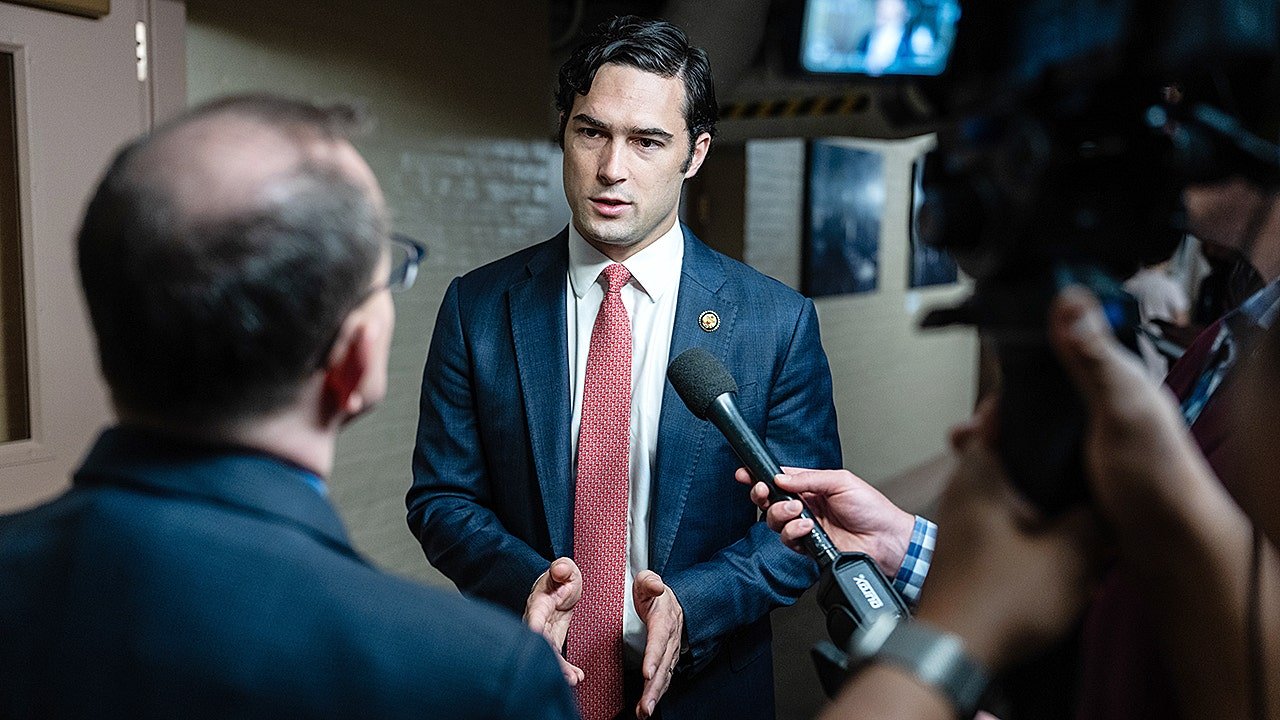
Texas Republican Brandon Gill has emerged as one of the House GOP’s most effective digital communicators, turning pointed committee questioning into viral moments that reach millions at a time when commanding attention online has become nearly as valuable as controlling the House floor.
The 32-year-old freshman lawmaker’s talents have quickly elevated his profile within the Republican conference, earning praise from colleagues who view him as a rising conservative voice and potential future leader while helping him build an audience far beyond Capitol Hill.
«You can go in there ,and I can yell and scream at a witness. I can give a massive soliloquy about whatever political views happen to be at the front of my mind that day, but whenever you have a witness on the other side of the witness stand who is sworn in, they can’t lie to you, or they’re not supposed to, it’s a huge opportunity to be able to just ask probing questions about what they believe, what they’re doing with our tax dollars, about ideologies that they are pushing or that the left has been pushing,» Gill said of his strategy.
«I think that so much of what the left believes in … is utterly intellectually indefensible. So, what I try to do is to ask probing questions that really get to the heart of whatever issue — we can take DEI as an example — try to ask probing questions that strike at the heart of what the left is actually advocating for.»
WATCH: BRANDON GILL CORNERS LAW SCHOOL GATEKEEPER WITH DEI QUESTION SHE WON’T ANSWER
Rep. Brandon Gill, R-Texas, leaves a House Republican Conference caucus meeting in the Capitol May 6, 2025. (Bill Clark/CQ-Roll Call, Inc via Getty Images)
And Gill’s supporters have lauded him for doing just that.
As chairman of the House Oversight Committee’s new Task Force on Defending Constitutional Rights and Exposing Institutional Abuses, he’s already grilled the director of the Smithsonian’s National Museum of American History and the president of the American Bar Association.
During one notable moment, Gill clashed with the museum director over an exhibit arguing that Mickey Mouse’s creation was rooted in racism.
«The left has weaponized DEI, I think, to politicize American institutions like the Smithsonian or like law schools. And that’s a problem. We’re a country that believes you should receive your just desserts,» Gill said. «You should receive what you deserve regardless of the color of your skin. And that is something that everybody ought to be able to get behind.»
Critics argue Gill’s rapid-fire questioning prioritizes viral moments over nuanced policy discussions. Shaun Harper, a University of Southern California professor who clashed with Gill during a House hearing on DEI, later wrote that the congressman repeatedly interrupted his attempts to provide context, insisting on yes-or-no answers. Supporters, meanwhile, say Gill’s pointed questioning exposes the ideological underpinnings of progressive policies.
The Republican millennial grew up on a cattle ranch in West Texas and lives in the town of Flower Mound with his wife and two young children while representing the northern part of the state.
DEMOCRATS LURE ‘POLITICALLY HOMELESS’ GEN Z TOWARD SOCIALISM — A COUNTERATTACK IS TAKING SHAPE
He’s also one of the most recognizable faces in a wave of young people who are changing the face of the GOP, which had long been known as the party of old age.
Gill argued it comes down to the left’s growing number of cultural landmines.
«So, you have the left forcing, you know, children in high school to believe that men can get pregnant, or telling, you know, college students, who just want to, like, live a normal life and have a good time that they’re racist or they have implicit transphobia,» Gill said.
«And then you look at the other side of the aisle and Republicans, by and large, are much more laid back. They’re much more nice. They’re not going around calling everybody they see racist or sexist. They’re just normal people.
«We’re not the party who’s going to deride you and to slander you. We’re the party that I think has much more open arms towards young people.»
And among many of his House GOP colleagues, that does indeed seem to be how Gill comes across. Fellow Republicans have called Gill low-key and easy to talk to in person, a far cry from his intense persona in the hearing room.
Several have also said they see Gill having a bright future on Capitol Hill.
REP GILL CHALLENGES ‘GENUINELY INSANE AND OBJECTIVELY OFFENSIVE’ DEMOCRATIC SOCIALISTS AFTER VIRAL HEARING
One House Republican, granted anonymity to speak candidly, told Fox News Digital, «He is a pretty humble guy. I always enjoy talking with him on the [House floor].
«He clearly does his homework and a great job preparing questions and exposing the left in committee,» that Republican said. «I can see him as the next U.S. senator from Texas.»
Another GOP lawmaker also complimented Gill’s readiness and said he would style him as a «future Jim Jordan,» referencing the House Judiciary Committee chair who’s been a leader of the conservative movement for years.
Jordan, R-Ohio, also happens to be one of the House Republicans Gill said he looks up to the most.
«I would say there’s a few members that I particularly look up to. One of them is Jim Jordan, who’s the chairman of the House Judiciary Committee. I think he does a brilliant job of exposing the left, and he’s somebody who just never misses. He always makes his point very clearly and succinctly. Somebody else I look up a lot is Byron Donalds, who is going to be the next governor of Florida, a brilliant guy,» Gill said.
Jordan told Fox News Digital that Gill was «an excellent addition to both the Judiciary and Oversight Committees and to our conference.»
«He’s got a remarkable ability to relay our message to the American people,» Jordan said.
Rep. Andy Harris, R-Md., chairman of the House Freedom Caucus, of which Gill is a part, praised the young congressman as a «rising star.»
«He’s putting the left in the hot seat, exposing Democrat delusions with simple, devastating questions,» Harris told Fox News Digital. «He’s showing America the corruption the Freedom Caucus is determined to root out.»
And Gill is rising quickly in the right-wing group, getting a featured speaking slot at the caucus’s 10-year anniversary last year.
But Gill has made headway with rank-and-file Republicans as well, winning the position of «class president» among his fellow first-term GOP lawmakers.
Asked where he thought that would take him in the future — whether a committee gavel or even a role in House GOP leadership — Gill would not say.
«Right now, I just want to do a good job where I’m at and make sure that Republicans can maintain control of the House. We have a huge opportunity to defy history and make sure that we continue doing the great work, the investigations, the hearings and the legislation that we’ve been doing for the past year and a half, for another two years,» Gill said, adding that he particularly enjoyed serving on the House Judiciary Committee.
CLICK HERE TO DOWNLOAD THE FOX NEWS APP
While the Texas Republican’s critics, mainly on the left, paint him as far-right and divisive, Gill views the criticism as validation.
«I would say, first and foremost, I do believe that if the left isn’t criticizing me, then I’m not doing a good job, and I’m not being effective. The left only attacks people that they believe are making a difference,» Gill said.
«Secondly, I would ask Democrats who are critical of me or of the hearings that we do to simply imagine that they’re in the witness stand and actually defend, intellectually defend, the views that they have. If you believe that DEI is a righteous endeavor, please explain to the American people in a simple and straightforward way why racial quotas are good, how that promotes meritocracy, how that makes America better off.»
meet the new congress, politics, house of representatives, republicans
INTERNACIONAL
Cómo cazan los tiburones ballena: cámaras submarinas revelan sus impactantes estrategias de alimentación
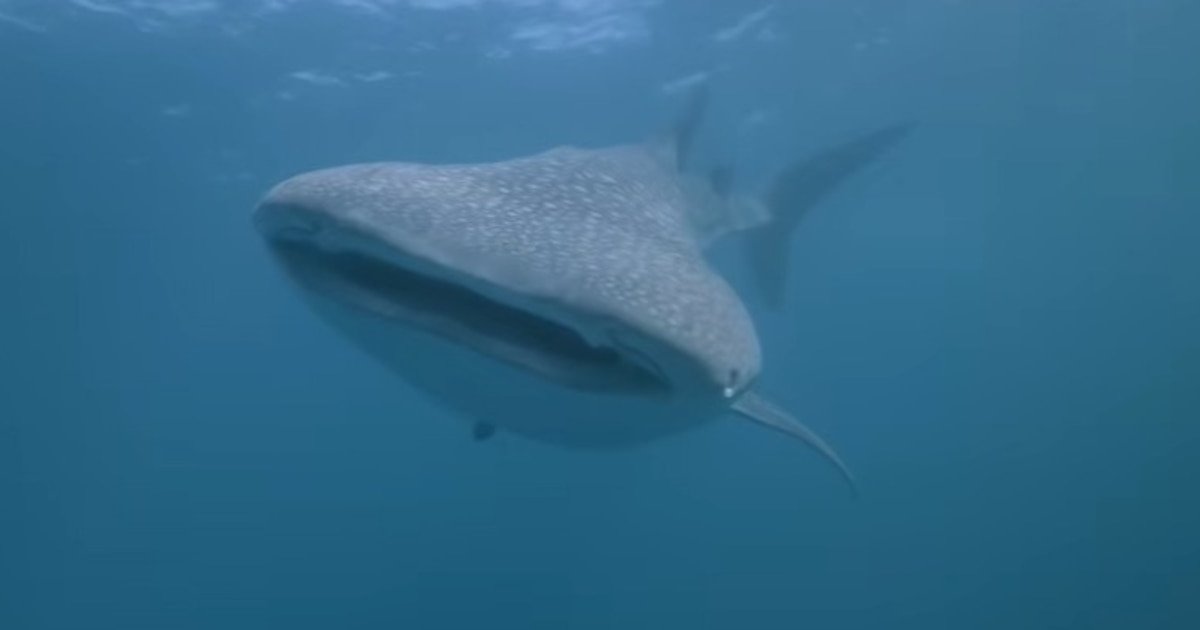
A 70 metros bajo la superficie de Ningaloo, en Australia Occidental, un tiburón ballena cruza el azul profundo en busca de alimento. Lo que nadie había visto hasta ahora ocurre frente a una diminuta cámara instalada en su aleta dorsal: el pez más grande del mundo nada tras una nube de kril, cambiando súbitamente su estrategia de caza en un entorno donde la comida escasea. La escena, registrada por un equipo científico internacional, redefine lo que se creía saber sobre la alimentación de esta especie y abre nuevas preguntas sobre su adaptación y supervivencia.
El tiburón ballena mide comúnmente entre 12 y 18 metros de largo, aunque los adultos más grandes pueden superar los 18 metros y el ejemplar más grande registrado alcanzó los 18,8 metros. Desde hace décadas, la mayor parte de lo que se conoce sobre el comportamiento de estos enormes peces proviene de observaciones superficiales realizadas desde botes o mediante snorkel. Pero estos métodos solo permiten estudiar una fracción mínima de su vida, gran parte de sus comportamientos bajo la superficie sigue siendo un misterio.
En la nueva investigación, publicada en la revista Marine Biology, los científicos recurrieron a etiquetas electrónicas equipadas con cámaras y sensores de movimiento de alta resolución. Estos dispositivos se fijaron en la aleta dorsal de ejemplares juveniles cerca de Ningaloo, un reconocido sitio de agregación de la especie ubicado sobre la costa oeste de Australia Occidental, a unos 1.200 kilómetros al norte de Perth, junto al Océano Índico. Las cámaras permanecieron en los animales durante 24 horas y luego se desprendieron automáticamente, facilitando la recuperación de los datos sin afectar a los tiburones.
El impacto del experimento fue inmediato: por primera vez, el equipo pudo observar de cerca cómo los tiburones ballena alternan entre distintos modos de caza a lo largo de toda la columna de agua, desde la superficie hasta profundidades de 70 metros.
Uno de los hallazgos más reveladores contradice la creencia tradicional de que los tiburones ballena solo se alimentan en la superficie. “Descubrimos que los tiburones ballena usan una mezcla de varios comportamientos de alimentación a lo largo de toda la columna de agua y junto al fondo marino”, explicaron los investigadores en The Conversation.
El análisis de los videos, junto a la revisión de más de 100 estudios científicos previos, permitió construir el mayor catálogo de conductas de la especie hasta el momento, con 36 comportamientos distintos identificados. Entre ellos, destaca el “deslizamiento lento” cerca del fondo, en el que el animal avanza con la boca abierta, y la “caza activa” en la superficie, cuando persigue enjambres densos de kril, su presa favorita. Es decir, el tiburón ballena adapta su forma de comer según la densidad de alimento disponible en su entorno.
La explicación de este fenómeno es directa: muchas veces, los tiburones ballena optan por conductas de bajo esfuerzo para alimentarse en aguas donde la densidad de presas es baja, y solo despliegan estrategias más activas cuando encuentran bancos abundantes de kril. “Es como picotear de la despensa mientras decidís qué vas a cocinar para la cena”, resume la autora principal del estudio, Christine Barry.

El trabajo revela que los tiburones ballena presentan una flexibilidad de forrajeo excepcional, mayor que la detectada en otros grandes filtradores como el tiburón peregrino o las ballenas. Esta variedad podría explicar cómo la especie logra sobrevivir en aguas tropicales, donde el alimento suele estar disperso y en cantidades limitadas. Es decir, la amplitud de estrategias alimenticias se convierte en una ventaja crucial en hábitats impredecibles.
“Si los investigadores logran colocar más cámaras en tiburones ballena en otros puntos del mundo, seguramente surgirán nuevos hallazgos y el conocimiento sobre esta especie seguirá creciendo”, concluyen los autores.

La investigación no solo documentó la caza activa de kril en la superficie, un comportamiento nunca antes filmado desde la perspectiva del animal, sino que también identificó seis modos principales de alimentación de bajo esfuerzo. Este hallazgo sugiere que la especie pasa la mayor parte del tiempo “snackeando” en aguas pobres en alimento, a la espera de encontrar una concentración significativa de presas.
Las cámaras, al registrar tanto el entorno como el movimiento del tiburón, permitieron correlacionar imágenes con datos precisos sobre la profundidad y la velocidad del animal. Así, los científicos lograron construir un etograma —un inventario de conductas— con un nivel de detalle sin precedentes. Es decir, una lista organizada que describe cada comportamiento observado y su contexto.
Otro estudio, publicado el año pasado en Frontiers in Marine Science reveló que casi el 77% de los tiburones ballena presentaban heridas causadas por actividades humanas. Durante trece años, un equipo de científicos reunió información en Bird’s Head Seascape, un área marina ubicada en el extremo noroeste de la isla de Nueva Guinea, dentro de la provincia de Papúa Occidental, Indonesia. Esta región alberga una de las mayores poblaciones de tiburón ballena del planeta, que se congregan en aguas donde abundan plataformas llamadas «bagans».
Se trata de estructuras de madera y flotadores instaladas por los pescadores locales, que colocan grandes redes bajo estas plataformas. Por las noches, luces potentes atraen bancos de peces como anchoas y sardinas.
Cuando los peces se agrupan bajo el bagan, los pescadores levantan la red y los capturan. Los tiburones ballena, atraídos por la actividad y los restos de carnada, se acercan a estas plataformas y quedan expuestos a golpes y cortes con redes, sogas o las propias estructuras. Hoy esos animales lucen cicatrices como evidencia de la convivencia forzada con la pesca y el turismo.
“Las cicatrices y lesiones más comunes aparecen por el contacto con bagans y barcos turísticos, y muy pocas veces por depredadores naturales”, explicó Edy Setyawan, del Instituto Elasmobranch de Indonesia y autor principal del estudio. El 80% de las heridas analizadas surgieron por interacción con estructuras o embarcaciones humanas, y no por otros animales.
Según los e, las zonas donde hay turismo y bagans concentran a los tiburones jóvenes, y allí se ven la mayoría de las lesiones.
En la población observada predomina una mayoría de machos jóvenes, mientras que las hembras adultas son muy escasas. Esto sugiere que las hembras suelen permanecer más lejos de la costa, posiblemente en mar abierto, donde hay menos redes y menos actividad humana.
tiburón ballena,kril,banco de peces,océano
INTERNACIONAL
La ola de calor en Europa dejó casi 20.000 muertos sólo en junio, en uno de los veranos más mortíferos de las últimas décadas

Europa vivió a finales de junio algunos de los días más mortíferos de lo que va del siglo. La ola de calor que se sufrió en buena parte del occidente europeo entre el 22 y el 28 de junio había provocado, dijeron poco después las autoridades, unos 3.000 muertos. Aquellos datos eran preliminares. Ahora han vuelto a actualizarse (y todavía no son definitivos, porque los sistemas de vigilancia epidemiológica revisan sus estimaciones a medida que incorporan certificados de defunción retrasados) y multiplican prácticamente por seis aquella cifra.
EuroMOMO, la red que centraliza los datos de las autoridades sanitarias nacionales, estima que en realidad pudieron ser casi 20.000 los fallecidos por la ola de calor de aquellos días. Eso convertiría aquella semana en la más mortífera en Europa desde la histórica ola de calor de 2003, por encima de cualquier semana de la pandemia del covid-19. Los datos se extraen de calcular el exceso de muertes con respecto a períodos iguales de años anteriores sin olas de calor.
El Instituto Robert Koch alemán revisó esta semana al alza su primera estimación y ahora calcula que la ola de calor se llevó a 5.120 personas. La mayoría, 4.270 víctimas mortales, tenía más de 75 años. En Alemania la ola de calor provocó un duro debate político. Los ecologistas criticaron con dureza al primer ministro Friedrich Merz, que desde que llegó al poder ha reducido la financiación destinada a políticas de protección frente al cambio climático justo cuando esos episodios extremos aumentan de intensidad y de frecuencia.
Alemania, desde la llegada de Merz, es uno de los países que más presiona en Bruselas para diluir los compromisos europeos de lucha contra la crisis climática y permitir que las empresas puedan seguir contaminando durante más tiempo y pagando menos por ello. Los eurodiputados del partido de Merz también están entre los que más critican todo el Pacto Verde Europeo porque consideran que daña la competitividad de la industria europea.
Francia fue el país en el que la revisión de datos ha sido más espectacular. Durante el primer balance, publicado poco después de la ola de calor, las autoridades sanitarias francesas estimaron en unos 2.000 el exceso de fallecidos achacables al intenso calor. Pero esta semana aumentaron aquella primera estimación hasta 5.764 fallecidos contando desde el 17 hasta el 2 de julio. Es un 36,2% de muertes más de lo esperado en esas fechas. Un tercio del exceso de muertes se produce en la región de París, que no concentra ni el 20% de la población francesa.
Bélgica, con una población de 11,6 millones de habitantes (17% de la población francesa o 14% de la alemana) sufrió entre el 18 y el 29 de junio un exceso de mortalidad de casi 2.000 decesos.
Las autoridades sanitarias aseguran que el país sufrió en esos días la mayor mortalidad diaria de su historia reciente. El 27 de junio murieron al menos 640 belgas debido a la ola de calor, un dato al que no se llegó ni en lo peor de la pandemia de covid. Para los belgas fue la peor ola de calor de su historia en términos de víctimas mortales.
España, que multiplica casi por cinco la población belga, sufrió relativamente menos víctimas. En parte porque la Península Ibérica está acostumbrada a olas de calor y por lo tanto mejor preparada. Más allá del uso masivo de climatización para refrescar viviendas, lugares de trabajo, escuelas, transportes públicos y hospitales, en buena parte del país las viviendas se construyen para que se calienten lo menos posible. En el norte de Europa es al revés, se construyen para que se calienten todo lo posible con el sol.
El dato español roza los 1.000 muertos debidos a la ola de calor, a falta de una estimación definitiva en las próximas semanas. Los españoles vivieron el segundo mes de junio más caluroso de su historia con una temperatura media 3,2 grados superior a la media de ese mes.
Las autoridades británicas no quieren todavía cerrar cifras, pero hablan de varios miles de muertes adicionales, sobre todo en el sur de Inglaterra y Gales. Lo que sí se sabe ya es que el Servicio de Ambulancias de Londres registró durante la última semana de junio el mayor número de llamadas por emergencias potencialmente mortales de toda su historia y que los hospitales de la capital tuvieron que activar planes extraordinarios para atender una avalancha de pacientes muy superior lo normal.
Italia es el único país de Europa occidental que todavía no publicó cifras, pero las autoridades regionales sí dijeron ya que habían tenido aumentos de hospitalizaciones y de fallecimientos.
La Organización Mundial de la Salud y la Comisión Europea llevan años avisando de que estas olas de calor en Europa serán cada vez más frecuentes, más intensas y durarán más tiempo. El viejo continente es la región del mundo que más rápidamente se caliente, el doble que la media mundial. A partir del lunes empieza la siguiente ola de calor, con temperaturas rozando de nuevo los 40 grados en todo el sur del continente y hasta la mitad de Francia o Alemania. Bruselas espera 34 grados el próximo jueves.

Este sería el próximo equipo de Juan Fernando Quintero

Milei necesita ganar antes de ganar

El conmovedor homenaje a Gaspi en la Velada del Año 6: «Deberían estar…»

El trabajo independiente explicó casi el 80% del crecimiento de los ingresos en el sector privado en los últimos dos años

Rebeldes con causa: Defensor y su vuelta olímpica ‘al revés’ en modo revolucionario

Los mensajes que traerá León XIV sobre la agenda social podrían generar incomodidades en el Gobierno

Escándalo Mundial: Las presiones secretas, la amenaza de la FIFA por Malvinas y la verdad detrás del partido contra España

Jorge Berredo, general retirado de las FFAA, asumió como Secretario de Seguridad en San Isidro

Sin la anestesia mundialista, aflora la crisis del conurbano y Milei necesita reconectar con lo popular
Marc Stanley destacó el potencial de Vaca Muerta para “estabilizar la economía” y evitó hablar de política interna

 POLITICA3 días ago
Jorge Berredo, general retirado de las FFAA, asumió como Secretario de Seguridad en San Isidro
- POLITICA3 días ago
Sin la anestesia mundialista, aflora la crisis del conurbano y Milei necesita reconectar con lo popular
- POLITICA2 días ago
Marc Stanley destacó el potencial de Vaca Muerta para “estabilizar la economía” y evitó hablar de política interna