INTERNACIONAL
Trump squeezes Iran with maximum pressure — why it hasn’t forced a breakthrough

NEWYou can now listen to Fox News articles!
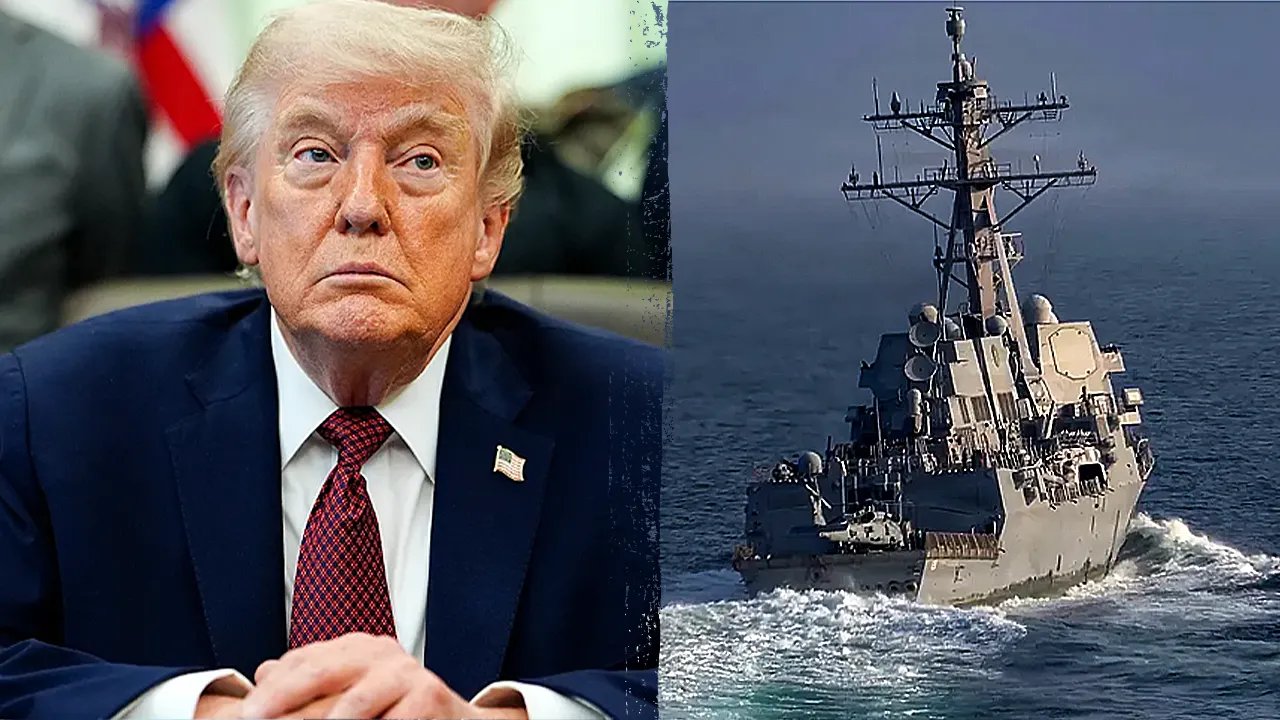
After two months of conflict, neither a deadly bombing campaign nor a blockade on Iranian exports has forced Tehran to make the concessions the Trump administration is seeking.
The campaign has intensified in recent weeks, targeting Iran’s oil exports and financial networks while a naval blockade has disrupted shipments through the Strait of Hormuz, a critical artery for global energy flows. U.S. officials argue the combination of military pressure and economic isolation is intended to weaken Iran’s capabilities and force it back to the negotiating table on more favorable terms.
While the U.S. has killed Iran’s Supreme Leader Ali Khamenei and dozens of top military and political figures, the regime itself remains intact. His son, Mojtaba Khamenei, was selected to succeed him, and leadership remains firmly hardline.
Aaron David Miller, a former State Department Middle East negotiator and fellow at the Carnegie Endowment, said the administration may have misjudged the type of negotiating partner it would face.
HORMUZ CHOKE POINT PERSISTS AS IRAN HALTS OIL TRAFFIC DESPITE TRUMP CEASEFIRE
«Trump was looking for an Iranian Delcy Rodriguez,» he told Fox News Digital. «More likely, he’s going to end up with an Iranian Kim Jong Un.»
The campaign has intensified in recent weeks, targeting Iran’s oil exports and financial networks while a naval blockade has disrupted shipments through the Strait of Hormuz, a critical artery for global energy flows. (CENTCOM)
He expressed doubt that any decisive victory was possible while the current Iranian regime remained in power.
«And we do not have the capacity to remove the regime.»
The standoff increasingly has become a test of whether U.S. pressure can be converted into political concessions — or whether it is instead being diluted through workarounds, institutional resilience and competing constraints.
So far, analysts say, Iran has proven more capable of absorbing and rerouting pressure than Washington has been able to translate it into durable gains.
On Monday, Iran floated a proposal to reopen the Strait of Hormuz in exchange for relief from the blockade, while deferring negotiations on more contentious issues.
But analysts caution that such proposals do not address the core dispute and may not even mean the same thing to both sides.
«What the Iranians mean by opening the straits, and what Trump means, may be two different sorts of things,» Miller said.
At the center of the standoff is Iran’s nuclear program, where the gap between the two sides remains wide. The Trump administration has pushed for Iran to eliminate its uranium enrichment capability entirely, while Iran insists that enrichment is a sovereign right and non-negotiable — leaving little room for compromise.

CENTCOM shared footage of strikes against airplanes amid Iran war (U.S. Central Command on X)
That divide continues to block a broader agreement, even as both sides explore more limited steps to reduce immediate tensions.
US ‘LOCKED AND LOADED’ TO DESTROY IRAN’S ‘CROWN JEWEL’ ‘IF WE WANT,’ TRUMP WARNS
«It’s almost unimaginable that this administration and the Iranian leadership are willing to make the kinds of concessions that would allow this administration to walk away with a win,» Miller said.
«Iranians are willing to give concessions, but Trump is looking for capitulation,» said Trita Parsi, executive vice president of the Quincy Institute for Responsible Statecraft think tank. «And you can’t get a country to capitulate unless you have defeated them.»
Instead of folding under pressure, Iran largely has responded by adapting.
Despite the blockade, Iran has continued to move at least some oil through workaround methods, including sanctioned vessels, smaller ports and alternative routing strategies, even as overall exports have come under strain.
Those efforts have expanded in recent weeks. Reports indicate Iran is exploring overland shipments, including potential rail exports to China, while vessels have increasingly rerouted through Iranian territorial waters or controlled shipping corridors to bypass restrictions.
«The United States successfully closes off one avenue for them, and slowly but surely they are finding workarounds,» Parsi said.
The financial impact of the campaign has been significant, even if uneven. Estimates vary, but some analysts put Iran’s potential losses from the blockade at roughly $400 million per day, largely driven by disrupted oil exports and reduced access to hard currency.
At the same time, Iran has not been fully cut off. The country has continued to generate billions in oil revenue in recent months, underscoring both the scale of the pressure and its limits.
While a sustained drop in oil revenue would strain the government’s official budget and force cuts to public spending, the country’s most powerful institution, the Islamic Revolutionary Guard Corps, operates through its own economic networks, including smuggling routes and cross-border trade.
That allows key parts of the regime to continue functioning even under heavy sanctions, meaning economic pain often falls unevenly — hitting civilians before it weakens the state’s coercive apparatus.
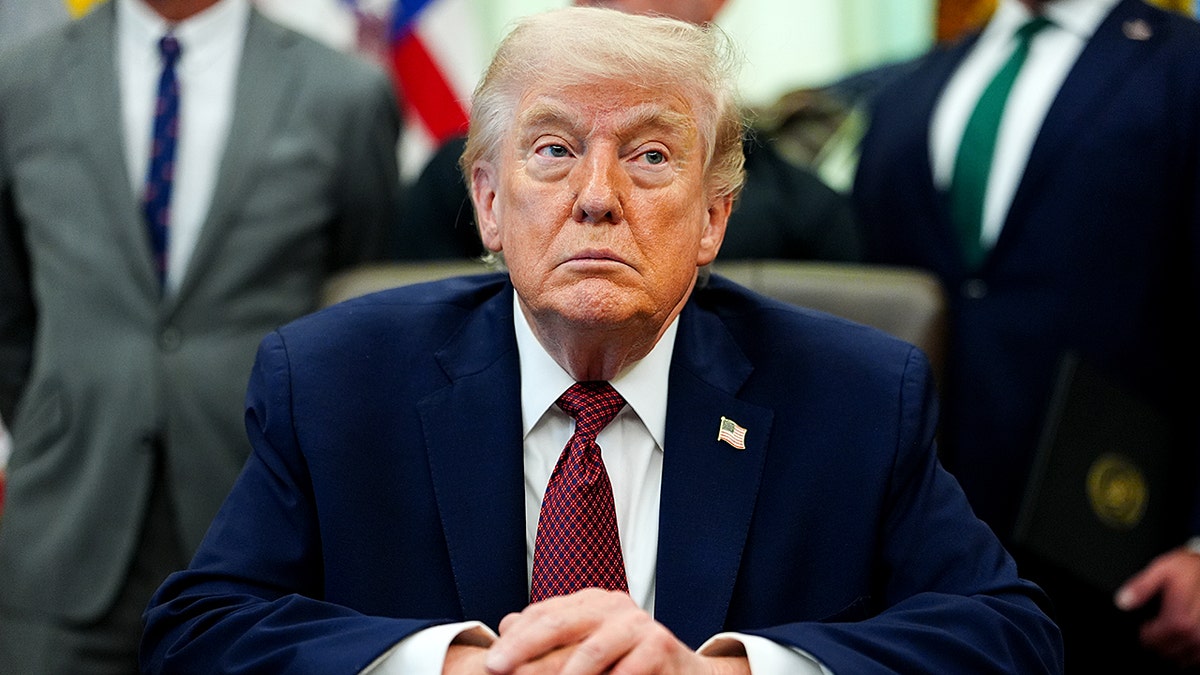
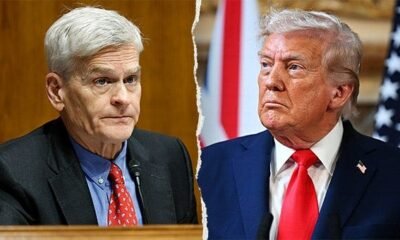
«Trump was looking for an Iranian Delcy Rodriguez. More likely, he’s going to end up with an Iranian Kim Jong Un.» (Julia Demaree Nikhinson/The Associated Press )
Even attempts to directly destabilize Iran’s leadership have not fundamentally altered that dynamic. U.S. and Israeli operations earlier in the conflict killed Khamenei along with dozens of senior military and political figures.
Yet the regime has remained intact, with power consolidating among remaining political and security elites aligned with hardline positions.
How long Iran can sustain that posture remains uncertain. Miller said a prolonged blockade could eventually force a breaking point — but only if Washington is willing to maintain it.
«If the administration is prepared for six months to keep up this blockade, I think they could probably break the Iranian economy,» Miller said.
But he cautioned that such timelines are difficult to predict and that even U.S. intelligence lacks a clear picture of when economic pressure might translate into political concessions.
That uncertainty raises a broader question about the sustainability of the strategy. While Iran’s leadership may be willing to absorb significant economic pain, the U.S. faces its own constraints, including potential strain on military resources and growing risks to global energy markets.
CLICK HERE TO DOWNLOAD THE FOX NEWS APP
«There are no midterms. There are no primaries. There are no sell-by dates for Iran,» Miller said. «And Trump has a sell-by date.»
The White House did not respond to a request for comment.
For now, both sides appear to be waiting for the other to lose the political will to sustain the standoff, with global energy markets caught in the middle.
ali khamenei, nuclear proliferation, war with iran, iran, sanctions










INTERNACIONAL
Fiscal advierte que el narcotráfico podría converger con el tráfico de fauna en Costa Rica
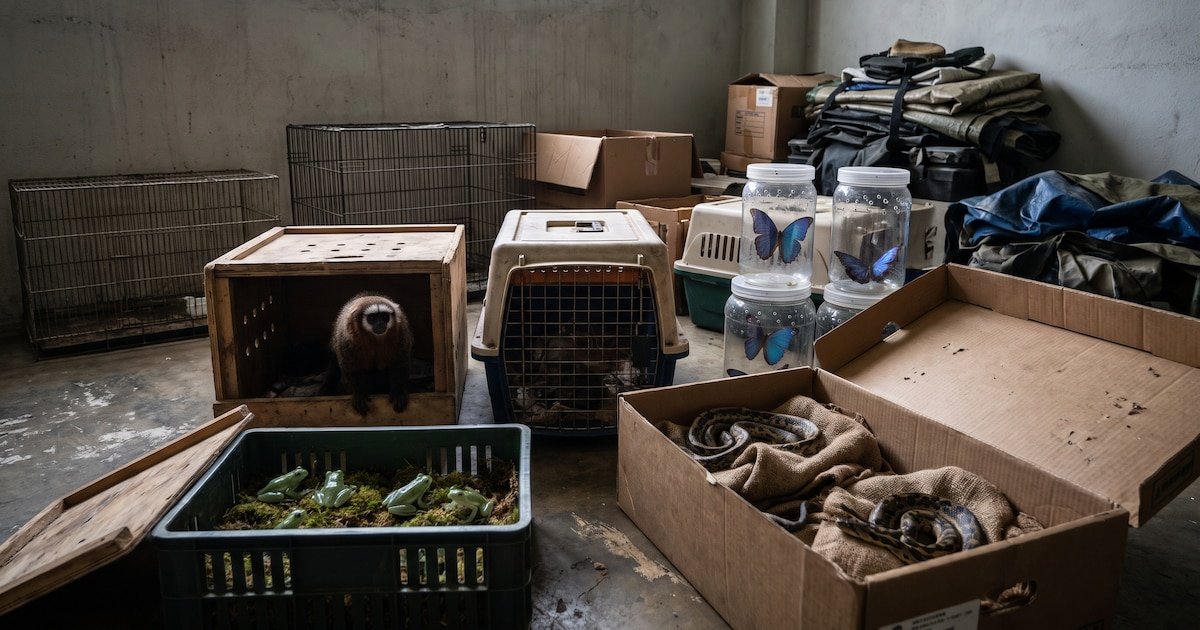
El avance del narcotráfico sobre el tráfico de vida silvestre en Costa Rica representa una preocupación creciente para las autoridades. El fiscal adjunto de la Fiscalía Ambiental, José Pablo González, advirtió que las redes que capturan, trasladan y venden animales en el país ya muestran esquemas similares a los del crimen organizado, lo que podría dar lugar a una convergencia entre ambos delitos si no se fortalecen la legislación y los controles.
Durante un seminario sobre criminalidad organizada en delitos ambientales, González indicó que, aunque actualmente no se puede afirmar que el narcotráfico haya tomado el control de las estructuras de delincuencia ambiental en Costa Rica, esa posibilidad está próxima. Según datos de Interpol, el comercio ilegal de vida silvestre genera cerca de USD 20,000 millones al año. La alerta fue difundida por El Observador.
Las organizaciones dedicadas al tráfico de animales presentan una estructura dividida en funciones: una persona recolecta, otra transporta y una tercera comercializa los ejemplares. González expresó que, en algunos casos, las rutas empleadas para movilizar animales coinciden con las utilizadas para el tráfico de drogas, lo que genera impacto sobre manglares, esteros y canales. Además, existe presunta colaboración con administradores de ciertos alojamientos turísticos, donde se ofrecen animales y rutas de traslado.
Las bandas buscan especialmente monos tití, mariposas morpho, ranas de cristal, serpientes y escarabajos. Andrea Borel, vocera de Humane World for Animals, señaló que se han detectado operaciones que abarcan desde insectos hasta mamíferos. Los monos tití, cuya población se limita a Costa Rica y Panamá, son demandados principalmente por mercados de Norteamérica, Nicaragua y Honduras, según explicó González.

En marzo de este año, la Fiscalía Adjunta Ambiental realizó un operativo en la Zona Norte que permitió rescatar cinco perezosos —tres adultos y dos crías—, seis serpientes, varias ranas de cristal y una danta. Estas acciones incluyeron seis allanamientos en distintos puntos, entre ellos centros turísticos. Los datos refuerzan la preocupación sobre la influencia de un turismo que promueve la interacción con fauna silvestre, sumando presión sobre los hábitats.
La demanda tanto interna como externa sostiene el tráfico de vida silvestre. Borel explicó que existen compradores interesados en conservar animales como trofeos, adornos o piezas de colección. Aunque no hay una cifra exacta sobre el tamaño del mercado en Costa Rica, la extracción de ejemplares afecta los ecosistemas y la supervivencia de especies, según la representante de Humane World for Animals.
La extracción selectiva de individuos clave genera desequilibrios en la biodiversidad, afectando los ecosistemas donde habitan. Borel consideró que aún se requiere mayor investigación para comprender cómo operan estas redes y de qué manera reciben y mantienen los animales. Además, recomendó a la población “mantener los ojos y los oídos abiertos” para detectar este tipo de situaciones.
En Costa Rica, la Ley de Conservación de la Vida Silvestre establece sanciones para el comercio, tráfico y traslado de animales silvestres sin permisos, lo que incluye el decomiso de los ejemplares y sus derivados. González resaltó la importancia de actualizar la legislación y aumentar la conciencia social para evitar que las similitudes operativas entre el tráfico de fauna y el narcotráfico deriven en una sola organización criminal.
En el país, la ausencia de controles más estrictos y de investigaciones orientadas al funcionamiento de las redes de tráfico facilita la existencia de un mercado dedicado a la extracción y comercialización de fauna silvestre. Este contexto ha sido señalado en reiteradas ocasiones por autoridades y organizaciones, según informó El Observador, que han solicitado a la ciudadanía informar sobre actividades vinculadas para contribuir a su detección.
tráfico de animales,fauna silvestre,rescate animal,mono tití,rana de cristal,mariposa morpho
NEWYou can now listen to Fox News articles!
FIRST ON FOX: Young Americans are far less likely than older generations to see China as a major threat to the United States, according to a new poll, revealing one of the sharpest generational divides in U.S. foreign policy.
Some 93% of Americans age 65 and older said they are concerned about China’s ability to spy on the United States, compared with just 62% of those ages 18 to 29, according to the Ronald Reagan Institute Summer Survey.
Younger Americans also were consistently less likely than seniors to express concern about China’s potential use of force against Taiwan (56% versus 86%), technology theft (61% versus 91%), purchases of U.S. land (68% versus 93%) and China’s role in the flow of fentanyl into the United States (68% versus 92%).
Despite the generational divide, concern about China remained high nationally. More than 80% of Americans said they were concerned about China’s role in the flow of fentanyl into the United States, its ability to spy on Americans and its purchases of U.S. land. Sixty-six percent also said Taiwan’s security matters to the United States.
FOX NEWS POLL: VOTERS DOUBT NEW AGREEMENT WILL STOP IRAN FROM DEVELOPING NUKES
The findings come as Washington and Beijing are trying to stabilize one of the world’s most consequential relationships after years of escalating economic and military tensions.
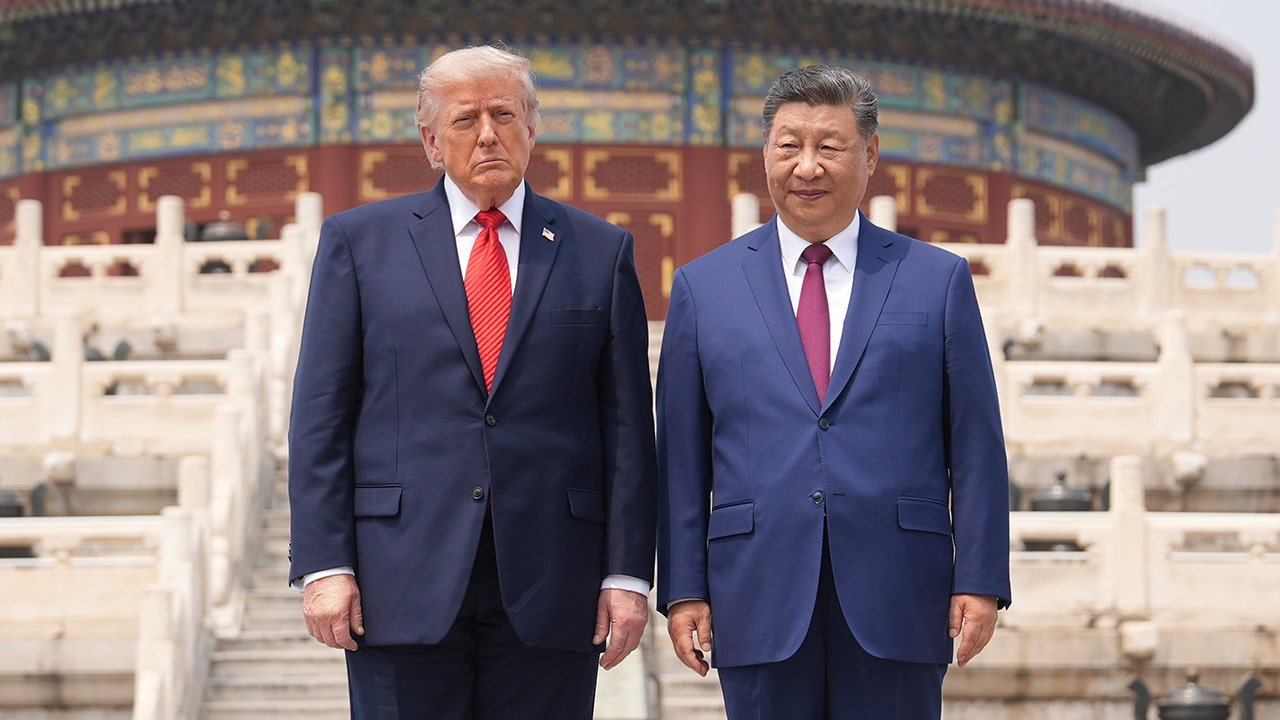
After imposing triple-digit tariffs on China at the start of his administration, President Donald Trump met with Chinese President Xi Jinping in China in May and announced a series of trade and investment agreements and pledged to continue dialogue.
While concern about China remains widespread across the country, the survey suggests younger Americans view the U.S.’s chief geopolitical rival through a markedly different lens than older generations, raising questions about how public attitudes could evolve as younger voters make up a larger share of the electorate.
The findings stand out because they diverge from the prevailing view among many national security experts, who continue to characterize China as America’s principal long-term neer-pear competitor and adversary, even as Washington and Beijing seek to stabilize their relationship through diplomacy.
«There is rightful alarm regarding China’s historic military buildup and the expansion of its military activities in the region and beyond,» War Secretary Pete Hegseth at the Shangri-La Dialogue in Singapore in May.
But, he added, U.S.–China relations are «better than they’ve been in many years.»
Chinese President Xi Jinping and President Donald Trump visited the Temple of Heaven on May 14, 2026, in Beijing, China, during a high-level summit between the two leaders. (Brendan Smialowski – Pool/Getty Images)
After the May summit between Trump and Xi, the U.S. president told reporters: «We settled a lot of different problems that other people wouldn’t have been able to solve.»
He called Xi a «great leader» and China a «great country.»
Other recent research points to broader differences in how Gen Z views U.S. foreign policy.
A 2025 Carnegie Endowment survey found younger Americans were less likely than older generations to prioritize maintaining U.S. technological dominance over China and generally favored a less expansive American leadership role abroad.
The Reagan Institute Summer Survey is the organization’s annual public opinion poll on foreign policy and national security, designed to gauge Americans’ views on issues ranging from global engagement and military strength to China, NATO, the Middle East and democratic values.
The poll also found broad shifts by party on what America’s role in the world should look like: Republicans were more likely than Democrats to say the United States should be more engaged and take the lead in world affairs.
Seventy-one percent of Republicans said the U.S. should take a leading role internationally, compared with 55% of Democrats. Overall, 61% of Americans said the U.S. should be more engaged in global affairs, while 27% preferred a less engaged approach.
MOST TRUMP SUPPORTERS STILL BACK NATO DESPITE YEARS OF TRUMP’S CRITICISM, NEW POLL FINDS
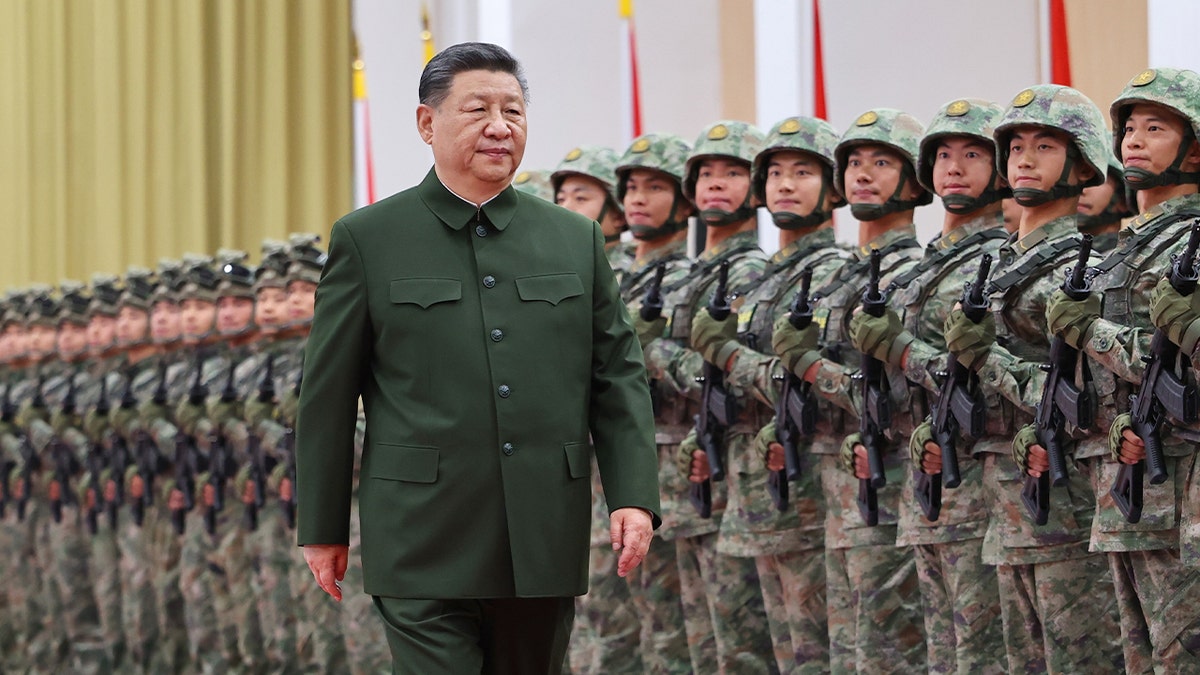
Young Americans are far less likely than older generations to see China as a major threat to the United States, according to a new poll, revealing one of the sharpest generational divides in U.S. foreign policy. (Li Gang/Xinhua via Getty Images)
The findings represent a notable shift from recent years.
Democratic support for greater U.S. engagement fell from 65% to 55% over the past year, while Republican support increased from 69% to 71%, widening the partisan gap from four percentage points to 16. The survey also found 43% of Democrats now say U.S. involvement in the world is harmful, up from 22% a year ago.
The survey was conducted May 26 through June 3 among 1,555 U.S. adults and carries a margin of error of plus or minus 2.5 percentage points. Researchers used a mixed-mode methodology that included live telephone interviews, an online panel and text-to-web responses.
CENTCOM shared footage of strikes against airplanes amid Iran war. (U.S. Central Command on X)
CLICK HERE TO DOWNLOAD THE FOX NEWS APP
To better reflect the U.S. population, the results were weighted using demographic benchmarks from the U.S. Census Bureau’s 2023 American Community Survey, including age, gender, race, region and education. The survey also included an oversample of 338 self-identified MAGA Republicans under age 30, which carries a margin of error of plus or minus 5 percentage points.
The findings also come after a year in which the Trump administration has taken a more assertive posture overseas than some expected.
In addition to ordering strikes on Iran, the administration has expanded military operations against cartel-linked targets in the Western Hemisphere and intervened to capture former President Nicolas Maduro Venezuela, moves that have put questions of American power and global leadership back at the center of public debate.
china, taiwan, foreign policy senate, republicans, demographics
INTERNACIONAL
Honduras: Poder judicial otorga amparo a exjuez Marco Vallecillo y ordena nueva resolución en caso de extorsión

La Sala de lo Constitucional de la Corte Suprema de Justicia (CSJ) resolvió por unanimidad otorgar un recurso de amparo penal a favor de Marco Antonio Vallecillo Banegas, quien enfrenta un proceso por la presunta comisión del delito de extorsión en perjuicio de un testigo protegido, al concluir que existieron deficiencias en la resolución emitida por la Corte de Apelaciones Penal.
El portavoz del Poder Judicial, Melvin Duarte, informó que la decisión del máximo órgano constitucional ordena al tribunal de segunda instancia emitir una nueva resolución debidamente motivada, conforme a los parámetros establecidos por la Constitución y sin pronunciarse sobre la responsabilidad penal del imputado.
“La Sala de lo Constitucional de la Corte Suprema de Justicia resolvió por unanimidad otorgar el recurso de amparo penal interpuesto a favor del señor Marco Antonio Vallecillo Banegas dentro del proceso que se le sigue por la presunta comisión del delito de extorsión en perjuicio de testigo protegido”, declaró Duarte.
El funcionario explicó que el recurso fue presentado por la defensa de Vallecillo contra la sentencia emitida el 8 de octubre de 2024 por la Corte de Apelaciones Penal con competencia nacional en materia de criminalidad organizada y medioambiente, la cual confirmó el auto de formal procesamiento y la medida de prisión preventivadictada en su contra.

Según Duarte, la Sala Constitucional determinó que el tribunal de alzada incurrió en una vulneración al debido proceso y a la tutela judicial efectiva, al no realizar un análisis suficiente sobre la procedencia del antejuicio, uno de los argumentos expuestos por la defensa durante la apelación.
Asimismo, el portavoz señaló que los magistrados advirtieron que la Corte de Apelaciones omitió pronunciarse sobre el agravio relacionado con el ofrecimiento de una caución económica como medida sustitutiva a la prisión preventiva, aspecto que, a criterio de la Sala, representa un defecto de motivación que afecta el derecho a la libertad personal del procesado.
“La Sala Constitucional señaló que la Corte de Apelaciones omitió pronunciarse sobre el agravio relativo al ofrecimiento de una caución económica como medida sustitutiva a la prisión preventiva, lo que constituyó un defecto de motivación que afectó el derecho a la libertad personal”, detalló Duarte.
En consecuencia, la resolución establece que la Corte de Apelaciones deberá emitir un nuevo fallo debidamente fundamentado, atendiendo los aspectos que fueron omitidos en la resolución anterior y respetando las garantías constitucionales invocadas por la defensa.
No obstante, la Sala dejó claro que la concesión del amparo no implica un pronunciamiento sobre la procedencia de la fianza ofrecida ni sobre el fondo del proceso penal, por lo que la investigación contra Vallecillo continúa su curso conforme al procedimiento establecido por la ley.

La Corte de Apelaciones deberá emitir una nueva resolución debidamente motivada. (Foto: Cortesía/Archivo)
La decisión se limita a corregir los vicios de motivación identificados en la resolución apelada y obliga al tribunal competente a emitir un nuevo análisis que responda a todos los planteamientos formulados por las partes dentro del proceso judicial.
La resolución de la Sala de lo Constitucional no modifica de manera automática las medidas cautelares impuestas a Marco Antonio Vallecillo, sino que obliga a la Corte de Apelaciones a revisar nuevamente el caso y emitir un fallo que responda de forma expresa a todos los argumentos planteados por la defensa, conforme a los estándares de motivación exigidos por la Constitución.
El amparo constitucional constituye un mecanismo jurídico destinado a proteger los derechos fundamentales cuando estos han sido vulnerados durante un proceso judicial.
En este caso, la Sala concluyó que la decisión impugnada presentaba deficiencias en su fundamentación, razón por la cual consideró procedente ordenar la emisión de una nueva resolución por parte del tribunal competente.
corresponsal:Desde Tegucigalpa, Honduras

Argentina, un equipo competitivo con respuestas y la diferencia que mostró con otros candidatos

El funeral de Ernestina Pais: el último adiós de familiares y amigos durante la emotiva ceremonia en el cementerio

Todos los aumentos de servicios esenciales que llegarán en julio

¿Códigos de error de Nintendo Switch 2? Antes de contactar con el servicio técnico, revisa esto – Nintenderos

Las repercusiones de la renuncia de Adorni en los medios del mundo

Javier Milei irá a la cumbre del Mercosur en tensión con Brasil y con Venezuela como telón de fondo

Líderes mundiales ofrecieron ayuda humanitaria y equipos de rescate a Venezuela tras los devastadores terremotos

La bomba de Nico Occhiato tras el escándalo de Florencia Peña con Messi: “Lo más groso que pudimos haber logrado”

El punto de quiebre que sentó la suerte de Manuel Adorni y los preparativos que hace el Gobierno ante su inminente salida

Una escena estremecedora: el dato más doloroso de los minutos posteriores a la muerte de Ernestina Pais

 CHIMENTOS19 horas ago
La bomba de Nico Occhiato tras el escándalo de Florencia Peña con Messi: “Lo más groso que pudimos haber logrado”
- POLITICA23 horas ago
El punto de quiebre que sentó la suerte de Manuel Adorni y los preparativos que hace el Gobierno ante su inminente salida
- ECONOMIA1 día ago
Cómo ganar $20 millones con Mercado Pago: el paso a paso para quienes cobran ANSES