INTERNACIONAL
Trump’s ‘Economic Fury’ squeezes Iran — but can Tehran outlast the pressure?

NEWYou can now listen to Fox News articles!
As the Trump administration escalates its campaign against Iran through sanctions, naval pressure and financial enforcement, a central question is emerging: Can unprecedented economic strain truly weaken the regime, or will Iran’s rulers once again absorb the pain, suppress unrest and survive?
Treasury Secretary Scott Bessent said in a Tuesday post on X that the «Economic Fury» campaign already has disrupted «tens of billions of dollars in revenue» that would otherwise support terrorism, while arguing Iran’s inflation has doubled and its currency has sharply depreciated under the current maximum pressure campaign.
Bessent also warned that Kharg Island, Iran’s primary oil export terminal, is nearing storage capacity and could soon force production cuts, which he said may cost the regime an additional roughly $170 million per day in lost revenue.
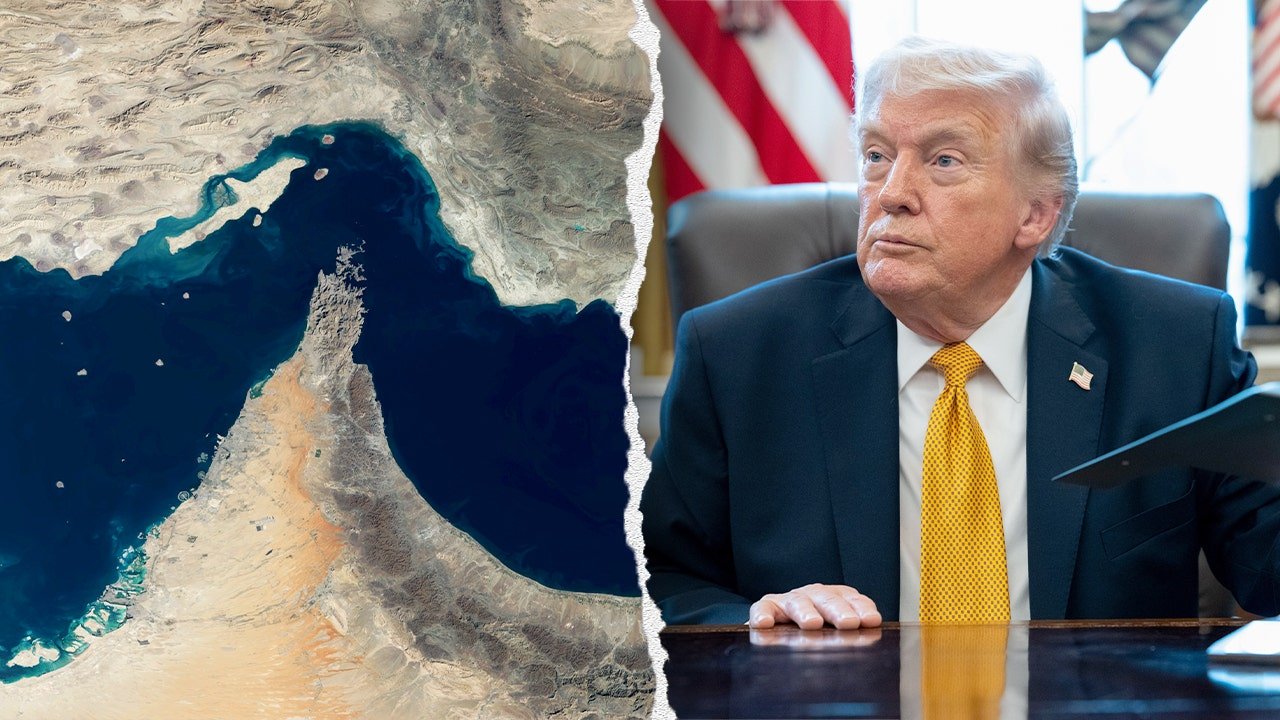
IRAN IS ‘TRYING TO GIVE THE GLOBAL ECONOMY A HEART ATTACK’ BY CLOSING STRAIT OF HORMUZ, UAE MINISTER SAYS
The escalating pressure campaign marks one of the most aggressive U.S. efforts in years to economically isolate Iran. But the central question is whether this strategy can force meaningful concessions from a regime that has historically absorbed economic pain, or whether it risks triggering broader instability — from energy market shocks to regional escalation — before Iran is pushed to a breaking point.
A cargo ship sails in the Persian Gulf toward the Strait of Hormuz on April 22, 2026. (AP Photo)
A senior administration official told Fox News Digital that Treasury is aggressively expanding «Economic Fury» beyond traditional sanctions by targeting Iran’s ability to generate, move and repatriate funds across oil, banking, cryptocurrency and covert trade networks.
The official said Treasury has disrupted billions in projected Iranian oil revenue in recent days alone, including freezing $344 million in regime-linked cryptocurrency, while also escalating pressure on Chinese «teapot» refineries, foreign banks and sanctions-evasion networks facilitating Tehran’s trade.
The Treasury also has warned financial institutions in China, Hong Kong, the United Arab Emirates and Oman that continued facilitation of Iranian illicit commerce could trigger secondary sanctions, while signaling that foreign companies — including airlines — may also face penalties if they support prohibited Iranian activity.
But Alireza Nader, an Iranian independent analyst based in Washington, is skeptical that economic pressure alone will force a strategic breaking point.
«It looks like a game of chicken and I think the regime thinks that it can win this game of chicken with President Trump,» he told Fox News Digital.
«I don’t see this economic blockade … leading to some sort of breaking point for the regime,» Nader added, arguing that Iran’s leadership has repeatedly shown it is willing to let ordinary citizens bear extraordinary suffering to preserve power.
«The regime cares about staying in power,» he said, warning that public hardship does not necessarily translate into vulnerability.
«The economic clock is moving much faster on Iran than on its adversaries.»
That skepticism stands in stark contrast to Miad Maleki, a former Treasury sanctions analyst, who argues Washington may now hold its greatest leverage over Iran since the 1979 revolution.
«We’ve never had the level of leverage that we have today with Iran in the history of our conflict … since 1979,» Maleki said.
NEXT MOVE ON IRAN: SEIZE KHARG ISLAND, SECURE URANIUM OR RISK GROUND WAR ESCALATION
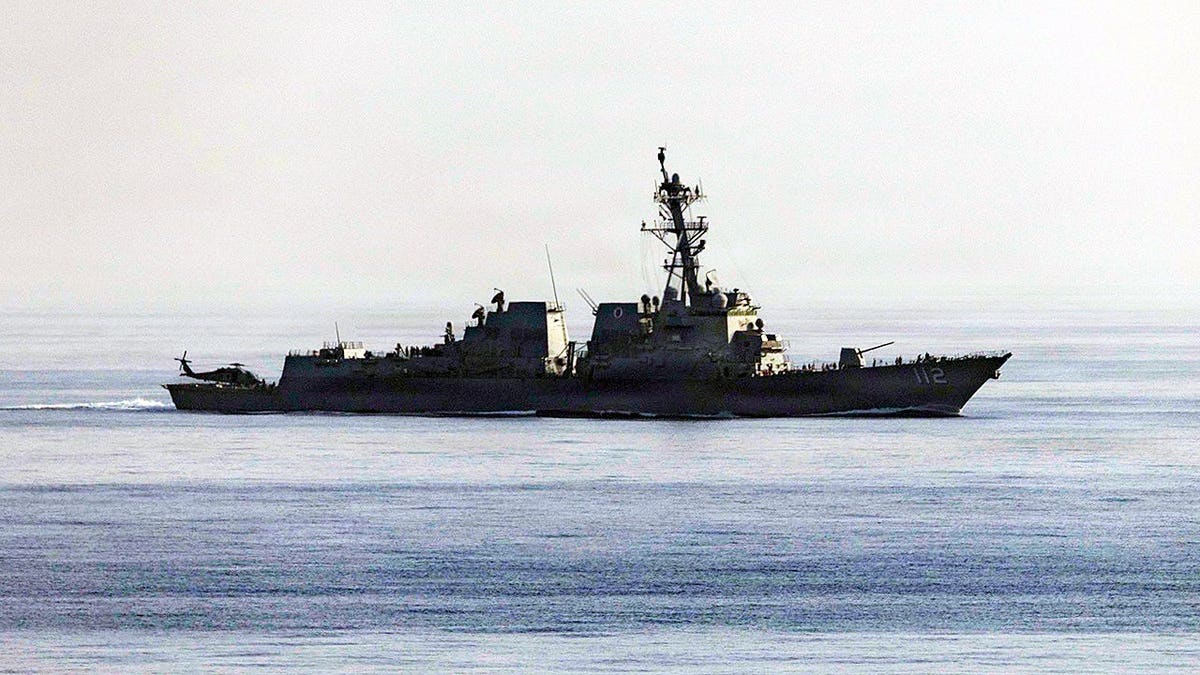
A senior administration official said Treasury has disrupted billions in projected Iranian oil revenue in recent days alone. (CENTCOM)
For Maleki, what makes this moment different is not sanctions alone, but the convergence of sanctions, naval blockade and aggressive secondary enforcement.
He said Iran’s already fragile economy — marked by 104% food inflation and a roughly 90% collapse in purchasing power — could face roughly $435 million in daily economic losses if maritime restrictions hold.
«Iran’s economy relies on the Strait of Hormuz more than any other economy,» Maleki said, arguing that disruption around the strait may ultimately hurt Iran faster than its adversaries.
If restrictions are fully enforced, Maleki warned, «crude onshore storage shortages in about 7 to 14 days, then they can buy a few weeks with filling up a dozen tankers already in the Persian Gulf, but they have to start dropping oil extraction now in anticipation of running out of storage. They are also facing gasoline shortages in matters of days or a few weeks, forced oil-production cuts, and eventually banking or salary strain.»
Independent shipping intelligence from from shipping intelligence firm Kpler suggests Iran’s oil bottleneck may already be intensifying, though perhaps on a slightly longer timeline than some sanctions advocates predict.
Before the conflict, Iran exported roughly 2 million barrels of oil per day, Court Smith, Kpler’s head of engagements and partnerships, told Lauren Simonetti at FOX Business, but current exports appear closer to 1 million barrels daily, leaving an estimated 1 million barrels per day accumulating in storage.
Smith estimated Iran may have roughly 30 days before shoreside storage faces severe capacity constraints under current conditions, while warning that older fields or marginal wells could already be facing early shut-in pressures.
To buy time, Iran has reportedly begun pulling decades-old tankers out of storage for temporary floating capacity, a sign of mounting logistical strain.
Former Israeli national security adviser Yaakov Amidror argues the blockade should not be judged by whether it forces immediate capitulation, but by whether Washington has the patience to let time erode Iran’s strength.
«Blockade is one of the oldest forms of warfare,» Amidror said. «Blockade equals time.»
In his view, the strategy’s advantage is precisely that it imposes relatively low costs on the United States while gradually exhausting Iran’s economy.
«The siege does its work. It weakens Iran,» he said, describing it as one of the cheapest long-term methods of pressure available.
Amidror also pushed back forcefully against claims that modern enforcement is unrealistic.
«I don’t buy the idea that the U.S. Navy in the 21st century can’t monitor the 35 kilometers of blockade» he said, arguing that American surveillance, satellites and naval assets are more than capable of controlling the choke point over time.
Danny Citrinowicz, a nonresident fellow with the Atlantic Council’s Middle East Programs, offers a far more skeptical view.
«The blockade won’t force Iran to capitulate,» Citrinowicz said.
BLOCKADE 101: AMERICAN SEA POWER ON DISPLAY AS TRUMP CORNERS IRAN AND WARNS OFF CHINA
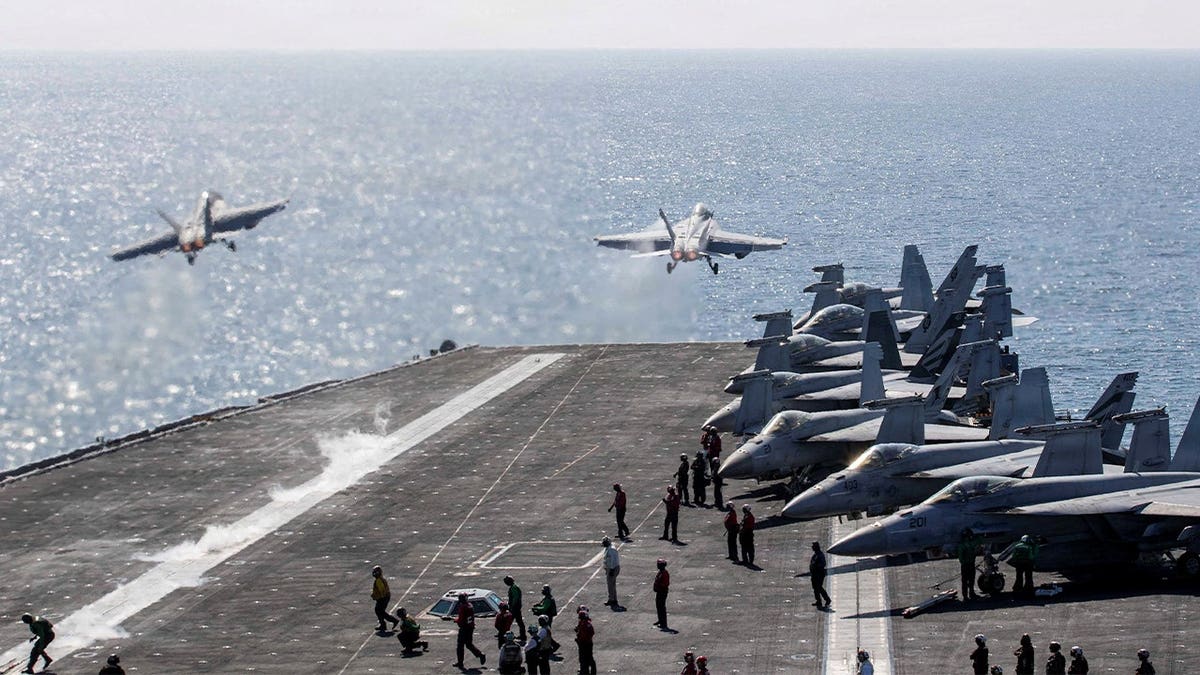
Treasury Secretary Scott Bessent said in a Tuesday post on X that the «Economic Fury» campaign already has disrupted «tens of billions of dollars in revenue» that would otherwise support terrorism. (U.S. Navy/Handout via Reuters)
«This country is under sanctions since 1979 … they know how to make adjustments,» he added.
«The regime isn’t just dependent on oil and energy exports to survive, it has other means of income,» Nader argued, «Oil and natural gas are its biggest sources of income, but I think this regime has made a calculation that it can withstand even months of economic siege because it may think that the Trump administration is more vulnerable to political pressure.»
«Look,» he added, «American voters vote in the president and vote out the president. In Iran, nobody’s voted in and out. The regime maintains power through brutal force. If there are public disturbances, if there are new uprisings, the regime will try to deal with them as it has in the past to mass violence, killing thousands of people. That’s how this regime stays in power.»
Citrinowicz warned that Iran may escalate regionally or exploit global energy vulnerabilities long before economic collapse forces surrender, potentially driving oil prices sharply upward and creating international political pressure before Tehran truly breaks.
«In the pain game … the world will feel that before,» he said.
That leaves the administration facing a strategic endurance contest: Can economic warfare degrade Iran faster than the regime can adapt, repress and weaponize global pain?
Nader believes Iran’s rulers may still calculate that they can outlast U.S. patience through repression and resource management.
Maleki believes the economic «clock is moving much faster» on Iran than on its adversaries.
Amidror argues time itself may be Washington’s greatest weapon.
CLICK HERE TO DOWNLOAD THE FOX NEWS APP

A senior administration official told Fox News Digital that Treasury is aggressively expanding «Economic Fury» beyond traditional sanctions by targeting Iran’s ability to generate, move and repatriate funds across oil, banking, cryptocurrency and covert trade networks. (Petty Officer 3rd Class Tajh Payne/U.S. Navy/Reuters)
And Citrinowicz warns that if the United States expects quick capitulation, it may be underestimating both Iran’s resilience and its willingness to escalate.
Fox News Digital has reached out to the Iranian mission to the U.N., CENTCOM and the Pentagon for comment.
war with iran, inflation, us navy, economy, iran, sanctions








INTERNACIONAL
Panamá flexibilizará permisos ambientales y podrá restringir el acceso a zonas protegidas por el impacto de El Niño
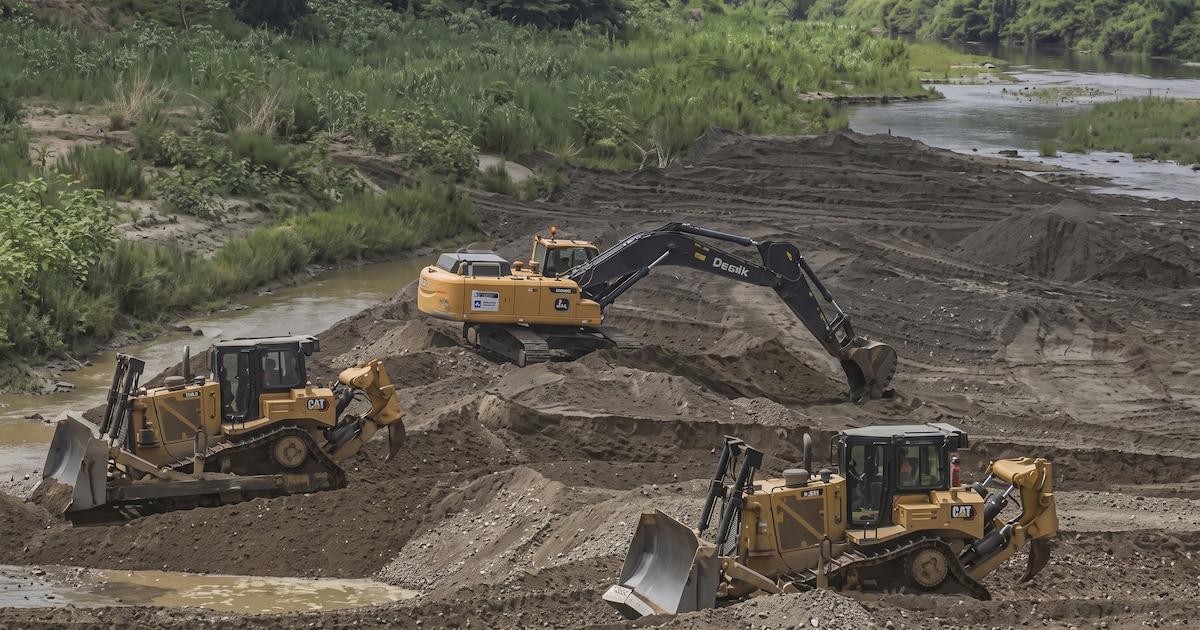

El Ministerio de Ambiente autorizó una serie de intervenciones extraordinarias para enfrentar inundaciones y la sequía prevista por el fenómeno de El Niño en Panamá.
Las medidas incluyen dragados, construcción de obras en cauces, instalación de puentes modulares, protección de fuentes de agua y rescate de animales y plantas amenazados.
Las disposiciones aparecen en la Resolución DM-0433-2026, publicada el 7 de septiembre en la Gaceta Oficial. El documento desarrolla las acciones ambientales que podrán ejecutarse durante la emergencia nacional y hasta 60 días después de su finalización, con un límite fijado inicialmente para el 30 de junio de 2027.
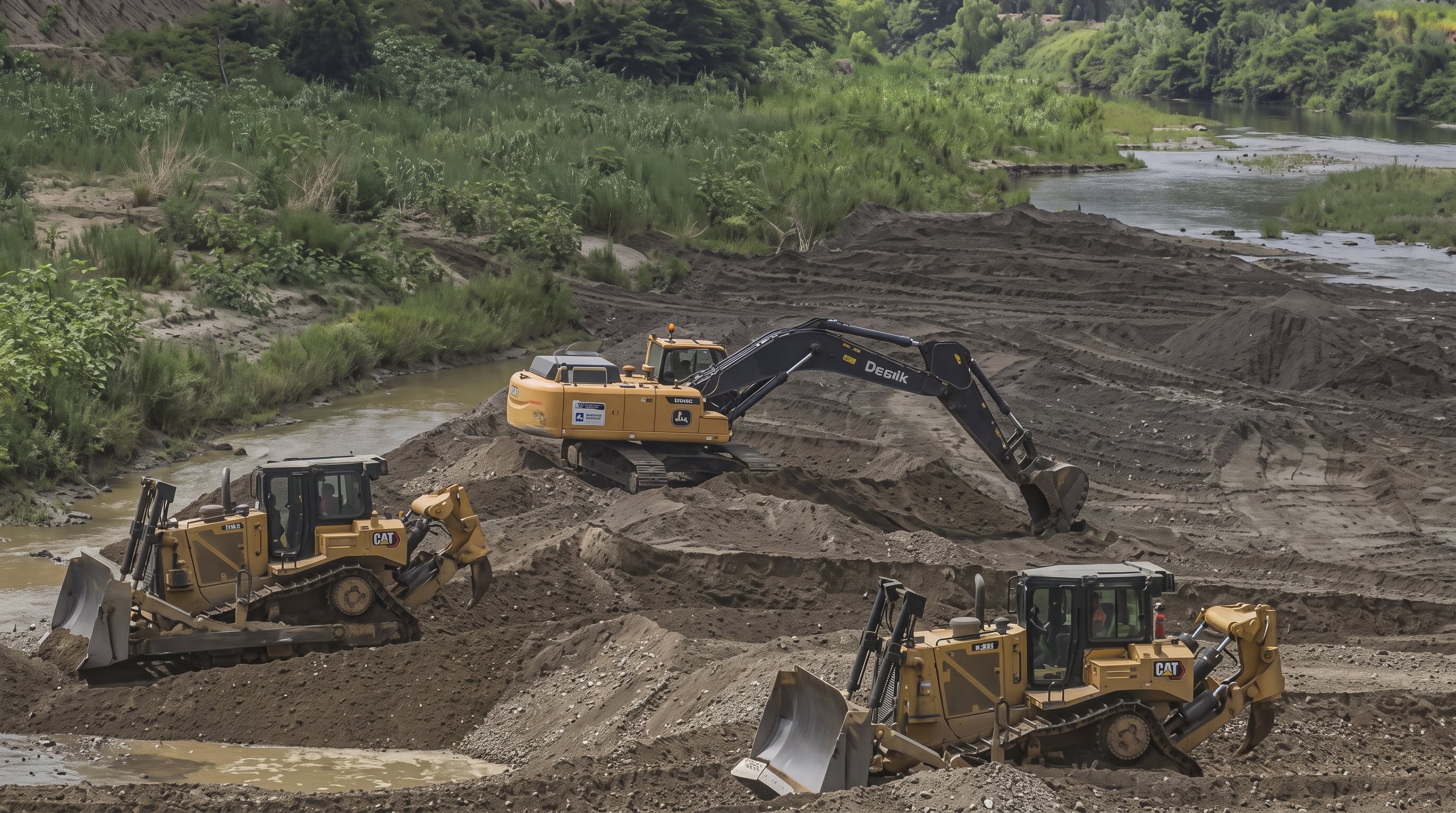
Una de las medidas de mayor alcance permite que determinadas obras estatales sean ejecutadas sin completar una evaluación de impacto ambiental, siempre que estén directamente vinculadas con la mitigación de los daños.
La excepción incluye trabajos en cauces, dragados y colocación de puentes modulares para restablecer comunicaciones o reducir riesgos.
Esto abre la puerta a retirar sedimentos, árboles, rocas y otros materiales que obstruyan ríos o aumenten el peligro de desbordamientos. También podrían realizarse adecuaciones destinadas a recuperar el flujo del agua y proteger comunidades, carreteras o infraestructuras amenazadas, aunque la resolución no autoriza intervenciones privadas bajo esta excepción.
La exoneración del estudio ambiental no representa un permiso ilimitado. Cada proyecto tendrá que estar relacionado directamente con la emergencia y quedar inscrito ante MiAmbiente.
Las autoridades deberán documentar su descripción, ubicación y entidad responsable, además de mantener controles que permitan revisar posteriormente sus efectos y el cumplimiento de las medidas de protección.
Las direcciones nacionales y regionales también podrán autorizar el aprovechamiento de madera caída como consecuencia del desastre. La medida permitirá retirar y utilizar árboles derribados por inundaciones, deslizamientos u otros eventos, pero exigirá su registro y la emisión de los permisos y las guías necesarias para transportar los productos forestales.
Para evitar que esa autorización sea utilizada como cobertura para la tala ilegal, los puestos de control de los organismos de seguridad verificarán las guías forestales emitidas durante la emergencia.
El uso indebido de estos documentos podrá generar sanciones administrativas, además de responsabilidades civiles o penales, dependiendo de la infracción cometida.
MiAmbiente deberá aplicar medidas especiales en áreas protegidas, fuentes de agua y zonas ambientalmente sensibles. La resolución permite restringir temporalmente el acceso a lugares considerados de alto riesgo o severamente afectados, una decisión que podría alcanzar parques, reservas, nacimientos de ríos y otros espacios vulnerables ante incendios, sequías o deslizamientos.
El documento también ordena priorizar el rescate, traslado, cuidado y protección de especies de flora y fauna expuestas a los efectos del fenómeno climático. Cuando resulte necesario, las autoridades podrán establecer centros temporales de rehabilitación para atender animales afectados y preparar su recuperación o posterior retorno a condiciones seguras.
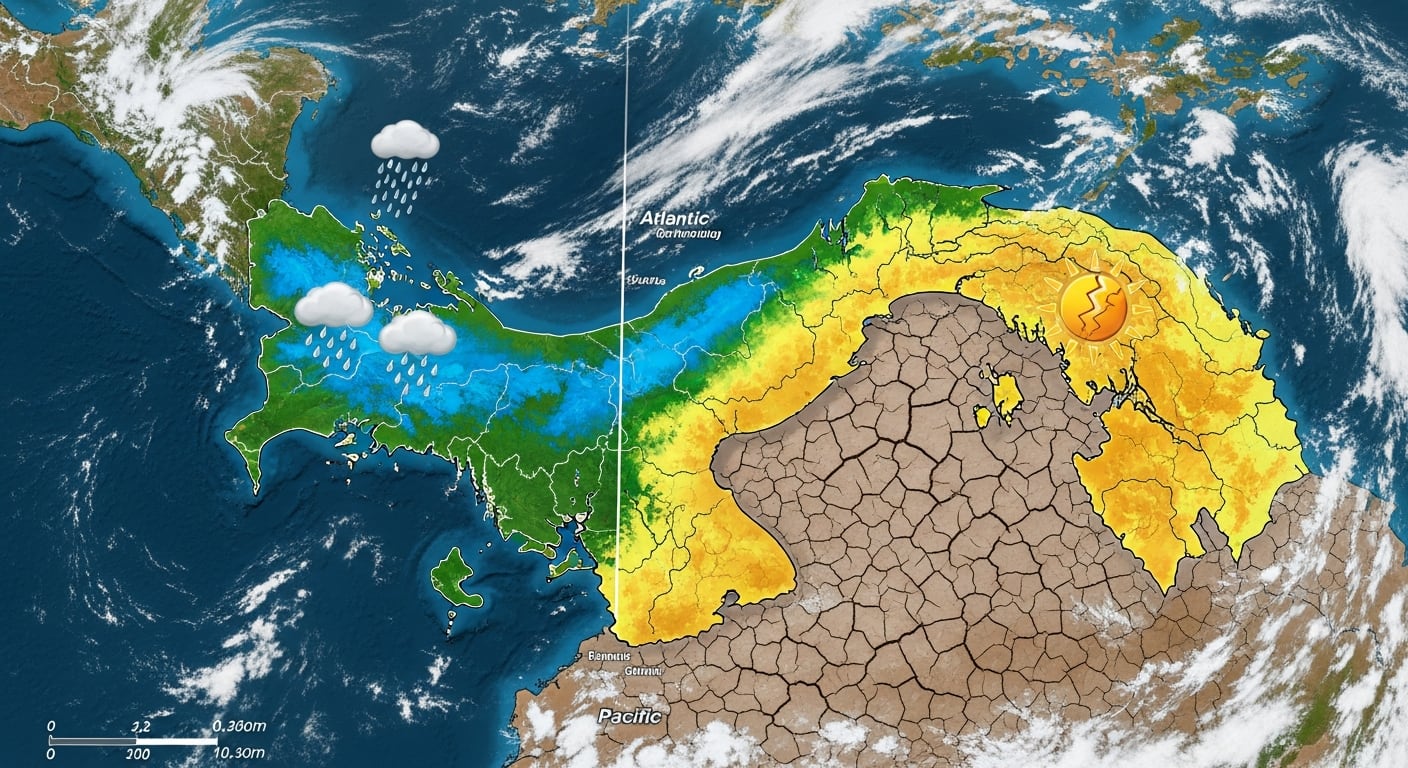
Otra línea de acción será el seguimiento de los niveles de cuencas hidrográficas, lagos y embalses del país, con atención específica al lago Bayano. MiAmbiente coordinará con el Sistema Nacional de Protección Civil, la Autoridad del Canal de Panamá y otras instituciones el reporte de condiciones que puedan agravarse por la falta de lluvias.
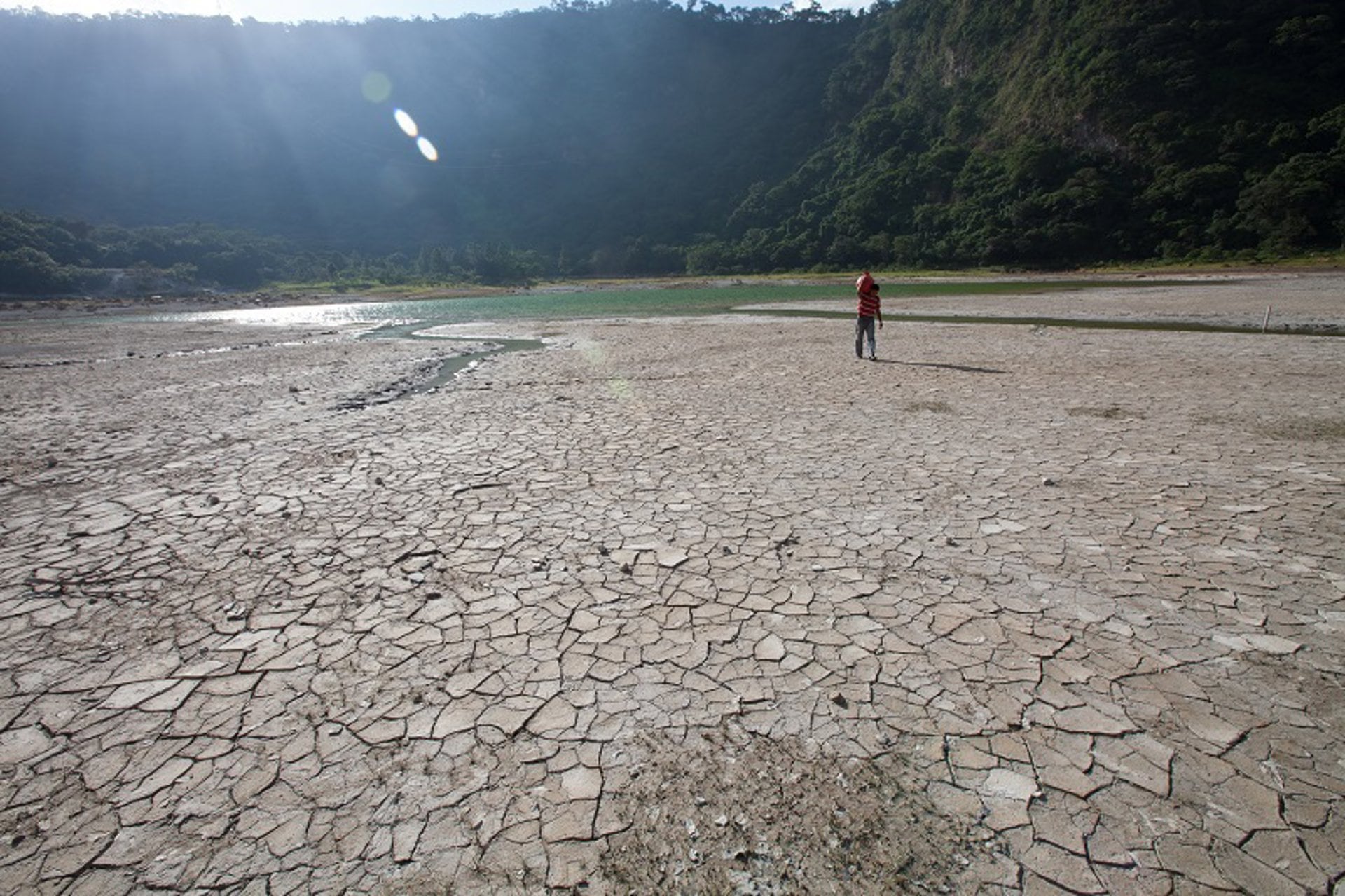
El Instituto de Meteorología e Hidrología de Panamá prevé un déficit de precipitaciones entre octubre de 2026 y marzo de 2027, mientras los efectos de El Niño podrían extenderse hasta mayo. Esta situación amenaza el abastecimiento de agua, la generación hidroeléctrica, la agricultura y la disponibilidad hídrica requerida para las operaciones del Canal de Panamá.
La emergencia tiene una naturaleza doble porque Panamá debe responder simultáneamente a los daños causados por inundaciones y al riesgo de una próxima sequía. Entre enero y agosto, 15,643 personas resultaron afectadas por eventos pluviales, con más de 70% de los casos concentrados en Bocas del Toro y Colón.
El Consejo de Gabinete autorizó hasta $80 millones para obras, bienes y servicios relacionados con la emergencia, mediante procedimientos especiales de contratación. Sin embargo, ese monto no pertenece exclusivamente a MiAmbiente ni constituye una transferencia automática: los recursos deberán incorporarse según la disponibilidad presupuestaria y ser aprobados para cada intervención solicitada.
Las medidas provisionales tendrán que ser supervisadas, controladas y fiscalizadas durante toda su ejecución, mientras las dependencias ambientales presentarán informes mensuales.
La rapidez concedida para actuar reduce trámites ante una amenaza climática, pero también exige controles efectivos para evitar que la emergencia termine justificando obras innecesarias, daños ambientales o gastos sin suficiente sustento.
buildings,city,clean up the river bottom,cleaning,cleanliness,day,facilities,heavy equipment,holiday,japan,landscape,lifestyle,machine,promenade,public facilities,river,river alley,river bed,road,shovel car,sidewalk,tokyo,walking,water
NEWYou can now listen to Fox News articles!
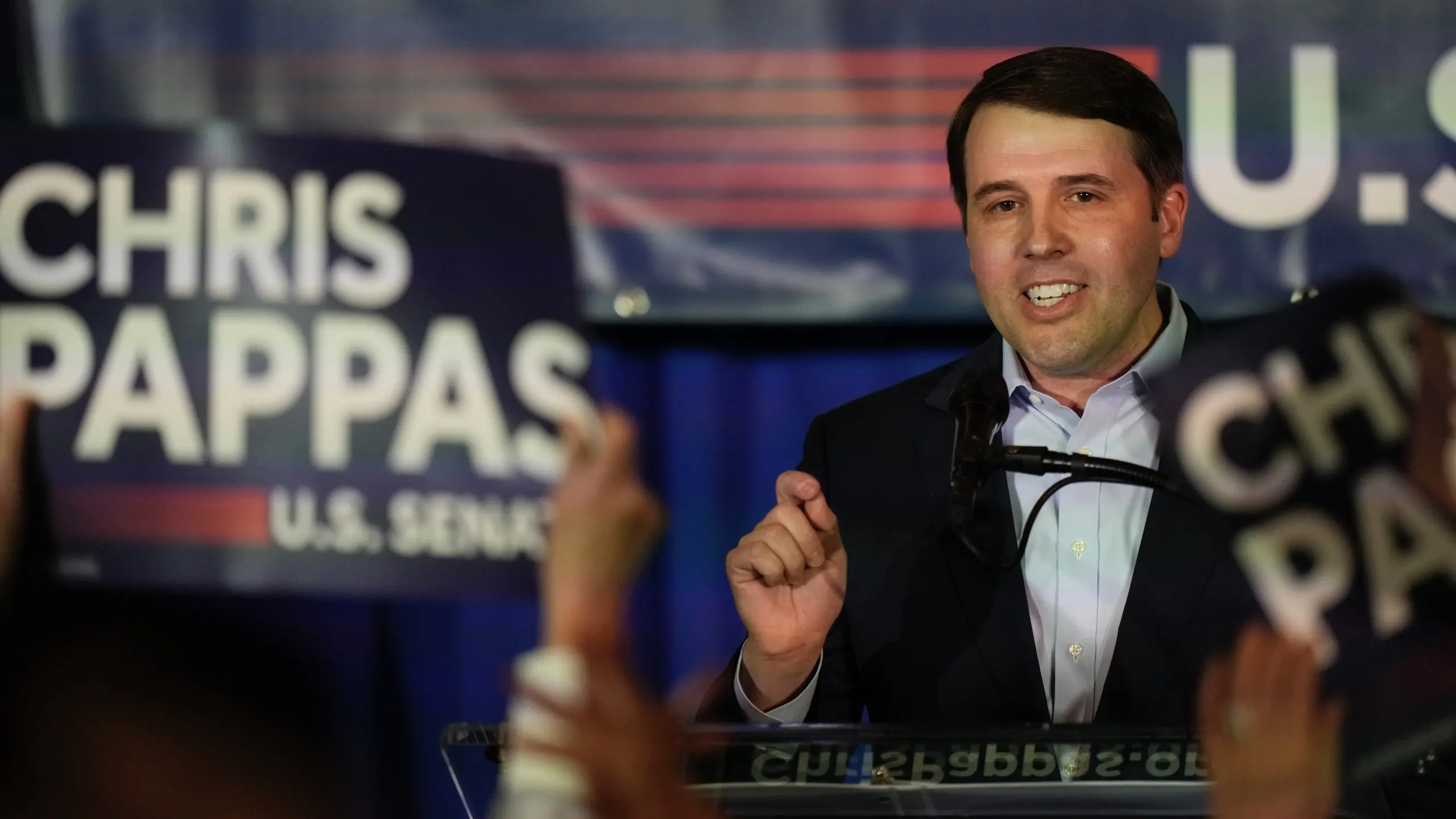
Rep. Chris Pappas on Tuesday won the Democratic Senate nomination in swing state New Hampshire, in a key race that is a must-hold for the Democrats in the midterm elections.
Pappas defeated socialist rival and first-time candidate Karishma Manzur, the Associated Press reports, in the showdown to succeed retiring longtime Democratic Sen. Jeanne Shaheen, the first woman in the nation’s history elected governor and senator.
Republicans haven’t won a Senate election in New Hampshire in 16 years, but they view the open Democrat-held seat as a top flip opportunity in the fight to hold their slim majority in the midterms.
The race between Pappas and Manzur was one of the final fights in a six-month primary season that saw the far-left score a slew of high-profile victories over centrists in what’s been framed as a battle for the Democrats’ ideological future.
THESE 12 MIDTERM RACES WILL DECIDE WHICH PARTY CONTROLS THE SENATE
Manzur, who saw a surge in support in recent weeks, took the fight to Pappas.
«All he wants to do is just get his little cushy job and go to D.C. Go to all these parties and these restaurants and just do whatever the bare minimum is,» she charged in a Fox News Digital interview.
The first-time candidate, scientist with a Ph.D. in biochemistry, and nonprofit leader who is a member of a local Democratic Socialists of America (DSA) group, pushed for universal health care, raising the minimum wage to at least $20 per hour, abolishing ICE, and ending all military aid to Israel for what she argues is the Israeli government’s «genocide» against the Palestinian people in their war against Hamas in Gaza.
Manzur argued that Pappas, who has been supported over the years by the pro-Israel lobby AIPAC, is a «genocide enabler.»
«Chris Pappas has had his turn and has not been able to serve this state honorably. He hasn’t done a good job in serving his corporate donors, his AIPAC foreign-aligned lobbies,» she claimed.
DEMOCRACY ’26: STAY UP TO DATE WITH THE FOX NEWS ELECTION HUB
Democratic Rep. Chris Pappas of New Hampshire, a U.S. Senate candidate, is joined by Sen. Elizabeth Warren of neighboring Massachusetts, at a campaign stop in Dover, N.H. on Sept. 5, 2026. (Jessica Sonkin/Fox News)
Pappas, in an interview with Fox News Digital, said, «Israel’s a historic ally of the United States, the only democracy in the region. And you can say that while you have vehement disagreements with the Netanyahu government as I’ve expressed.»
And referring to Israeli Prime Minister Benjamin Netanyahu, Pappas said, «I think Netanyahu’s being incredibly reckless right now. He faces voters in a matter of weeks and could lose his election. And I think that would be important to set a new tone for the U.S.-Israel relationship.»
Pappas, who was the frontrunner for his party’s nomination ever since Shaheen announced early last year that she wouldn’t seek re-election, enjoys strong establishment and union backing. And for over a year, as he runs for the Senate, Pappas also takes aim at what he calls a political system «rigged for billionaires.»
Regardless, Manzur charged that Pappas took a page from her playbook.
«It’s really embarrassing and insulting to the people of New Hampshire. He’s been there for eight years. He has not provided any of that sort of populist messages, and now he’s realizing, wait, he’s dropping in the polls, and now he has to catch up,» Manzur charged. «That’s another one of those deceptions that… Chris Pappas always engages in.»
CHECK OUT THE LATEST FOX NEWS POLLING IN THE MIDTERM ELECTIONS

Democratic congressional candidate Karishma Manzur speaks with supporters during a campaign stop in Dover, New Hampshire, on Sept. 3, 2026. (Paul Steinhauser/Fox News)
Pappas defended his record, noting «I’ve been fighting to change Washington to get big money out of our political system since I got elected to Congress in 2018.»
And Pappas emphasized he’s «appealing to those voters between the 20 and 80-yard line on the political playing field, and there are a lot of them in New Hampshire. This is not a left-wing or a right -wing state. It’s a state of voters who are pragmatic.»
Pappas will face off in the general election against either former Sen. John E. Sununu, who topped former Sen. Scott Brown.
Asked how he’ll unify his party after a primary showdown that turned heated, Pappas said, «I’ve always been able to bring people together, and that’s how you do things in New Hampshire.»
Pointing to the high-stakes head, Pappas said, «Democrats are coming together regardless of how these primaries are shaking out because they understand where the real fight is. This is an election here in New Hampshire that’s going to determine the balance of power in the United States Senate. And Democrats won’t be able to take the majority back in the US Senate if they don’t hold this specific seat here in New Hampshire.»
democrats elections, midterm elections, senate elections, new hampshire, state and local primaries, elections
INTERNACIONAL
“El Niño” se fortalece y amenaza con marcar un récord: NOAA anticipa cambios de lluvia y temperatura
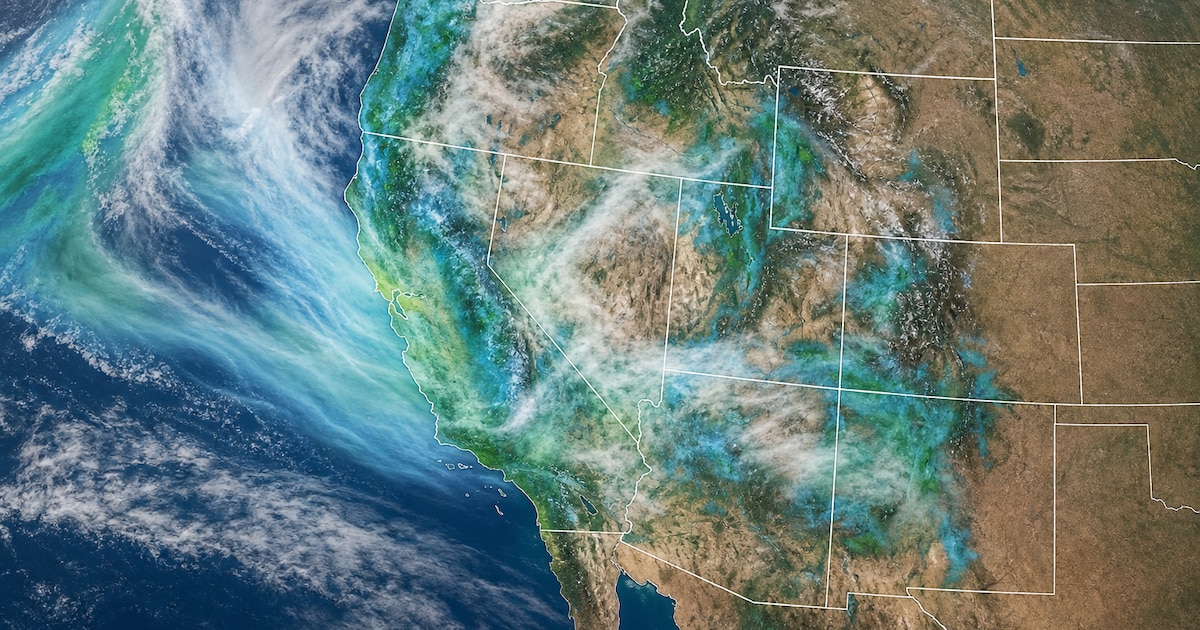
La Administración Nacional Oceánica y Atmosférica de Estados Unidos prevé que el actual El Niño se fortalezca durante los próximos meses y mantenga una alta probabilidad de alcanzar una intensidad muy fuerte en el otoño y el invierno boreales de 2026-27. El escenario puede modificar los patrones estacionales de lluvia y temperatura en Estados Unidos, con señales que incluyen más precipitaciones en sectores del sur y el oeste, y menores acumulados en partes del norte.
Según el Centro de Predicción Climática de la NOAA, existe una probabilidad superior al 90% de que El Niño sea muy fuerte durante el otoño y el invierno del hemisferio norte. El organismo también calcula un 69% de probabilidad de que el evento supere en intensidad a los registrados desde 1950, bajo un criterio técnico que considera un valor trimestral del Índice Oceánico Relativo de El Niño, conocido como RONI, igual o superior a +2,5 ℃ entre octubre y diciembre de 2026.
La previsión adquiere relevancia por el alcance climático del fenómeno, que influye sobre la circulación atmosférica del Pacífico y puede afectar el régimen de lluvias de Estados Unidos, América Latina, Asia y Oceanía. La Organización Meteorológica Mundial informó el 3 de septiembre que El Niño ya está establecido y que podría persistir hasta febrero de 2027 con una probabilidad cercana al 100%, aunque señaló que otros factores oceánicos y atmosféricos pueden modificar los efectos regionales.
Qué prevé la NOAA sobre El Niño para el invierno 2026-27
El Centro de Predicción Climática informó que el calentamiento de las aguas superficiales del Pacífico ecuatorial se intensificó durante julio. Las anomalías superaron los +2 ℃ en el Pacífico oriental, mientras que el índice Niño-3.4 alcanzó +1,4 ℃ y el índice Niño-1+2 llegó a +2,9 ℃. De acuerdo con el informe, la atmósfera respondió con patrones compatibles con el fenómeno, entre ellos anomalías de vientos del oeste en niveles bajos y un aumento de las lluvias en áreas del Pacífico central y oriental.
La NOAA clasifica El Niño a partir de observaciones oceánicas y atmosféricas. El fenómeno requiere temperaturas de la superficie marina superiores a los valores normales en una parte del Pacífico ecuatorial central y oriental, junto con cambios persistentes en los vientos alisios, las precipitaciones y la presión atmosférica. Según NOAA Climate.gov, El Niño y La Niña son las fases cálida y fría, respectivamente, de un patrón climático natural denominado El Niño-Oscilación del Sur.
La entidad estadounidense indicó que los modelos climáticos disponibles anticipan una continuidad del fortalecimiento hasta el final de 2026. La posibilidad de un episodio de intensidad histórica se refiere exclusivamente a las temperaturas oceánicas y a los indicadores climáticos utilizados para comparar eventos desde 1950. Esa proyección no implica que Estados Unidos vaya a experimentar condiciones meteorológicas sin precedentes ni permite anticipar el impacto de cada sistema de tormentas.
La Organización Meteorológica Mundial coincidió en que las condiciones del Pacífico tropical respaldan una intensificación adicional durante los próximos meses. Según la OMM, un evento muy fuerte puede alterar los patrones de lluvia, temperatura y circulación atmosférica en amplias zonas del planeta, con riesgos asociados de inundaciones, sequías y calor extremo. El organismo también precisó que esos efectos dependen de las características de cada región y de la interacción con otros fenómenos climáticos.
Qué estados de Estados Unidos podrían recibir más lluvia
Los mapas de perspectivas estacionales del Centro de Predicción Climática para septiembre, octubre y noviembre favorecen precipitaciones superiores a los valores normales en partes del suroeste de Estados Unidos, las Grandes Llanuras centrales y meridionales, y sectores costeros del sureste. Las probabilidades más altas, por encima del 40%, se concentran en áreas del suroeste, la Gran Cuenca y las Montañas Rocosas centrales y meridionales, de acuerdo con el Centro de Predicción Climática.
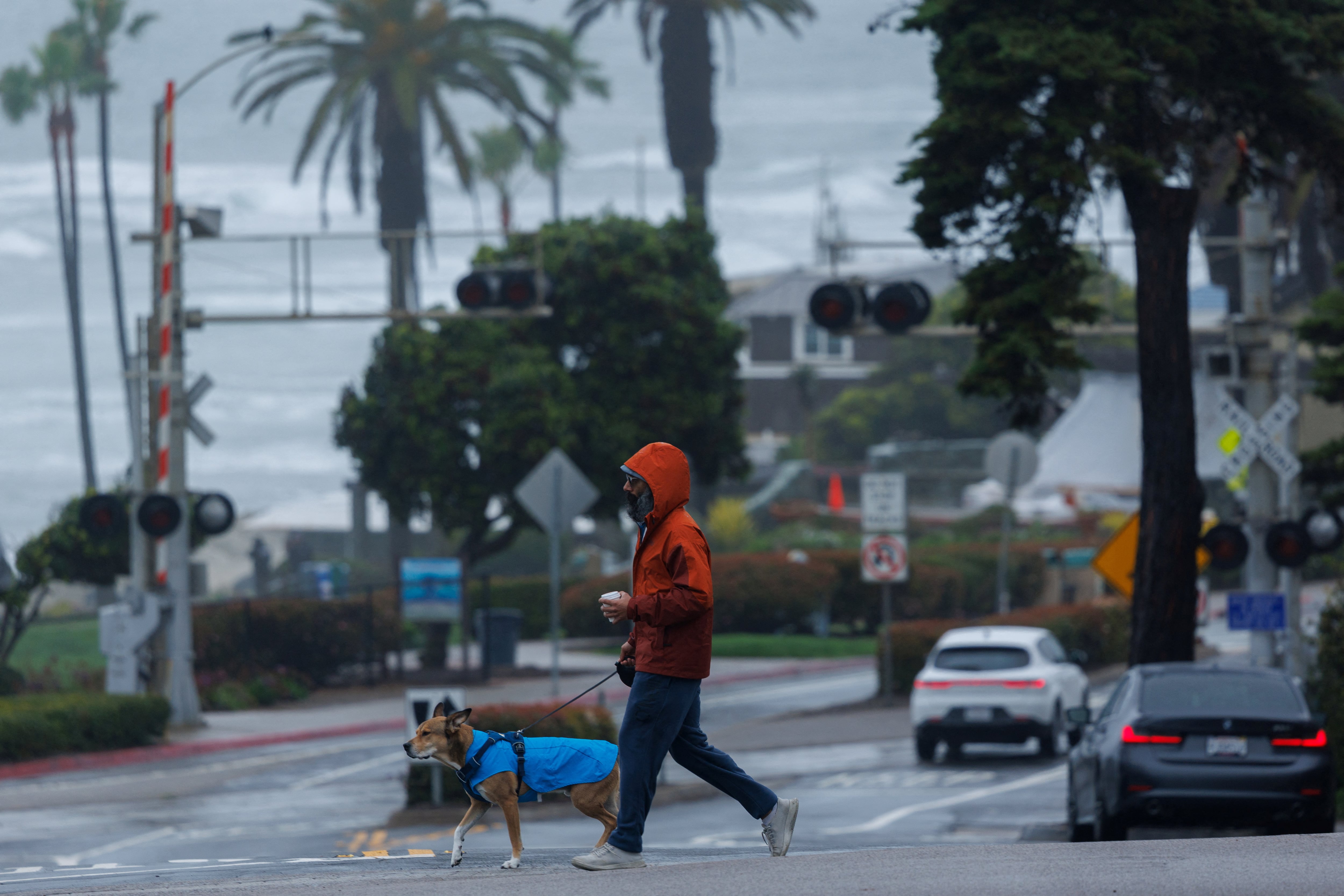
California está incluida entre las áreas donde un El Niño intenso puede aumentar las probabilidades de una temporada más húmeda. Sin embargo, la NOAA advierte que el patrón no se repite de la misma manera en todos los episodios. Los análisis históricos muestran que varios eventos fuertes coincidieron con más precipitaciones en partes de la costa oeste, aunque también existieron inviernos con resultados distintos en sectores del estado.
El comportamiento de las lluvias está ligado al desplazamiento de las corrientes en chorro, bandas de vientos intensos en altura que dirigen sistemas de baja presión y masas de aire. Según NOAA Climate.gov, El Niño puede favorecer una corriente en chorro más meridional sobre Estados Unidos durante el invierno, lo cual incrementa las posibilidades de precipitaciones en la franja sur del país. Esa señal es más visible durante diciembre, enero y febrero, aunque puede extenderse al inicio de la primavera.
El sureste, la costa del Golfo y partes de las llanuras del sur también figuran entre las zonas con mayor probabilidad de recibir más lluvia durante un episodio de El Niño. El Servicio Nacional Oceánico de la NOAA señala que el fenómeno suele favorecer condiciones más húmedas en el golfo de México y el sureste estadounidense. La formulación oficial se refiere a promedios estacionales y no supone que todas las áreas de esos territorios registren lluvias por encima de lo normal.
Newsweek citó a Tony Fracasso, meteorólogo del Centro de Predicción Meteorológica de la NOAA, quien dijo que California y el sureste podrían concentrar algunos de los principales efectos. La declaración coincide con los patrones históricos descritos por los organismos estadounidenses, aunque el funcionario habló con el medio y no en un comunicado institucional sobre un pronóstico específico para cada estado.
Dónde aumentan las probabilidades de condiciones más secas
El mapa estacional de la NOAA señala una leve inclinación hacia precipitaciones por debajo de los valores normales en buena parte de la región de los Grandes Lagos, el noreste y algunos sectores de Washington, Idaho y Montana. El organismo utiliza esa categoría cuando los modelos detectan una probabilidad algo mayor de lluvias inferiores al promedio, pero sin una señal suficiente para establecer una previsión concluyente.
Los antecedentes climáticos muestran que El Niño puede favorecer condiciones más cálidas y secas en áreas del norte de Estados Unidos y Canadá. Según el Servicio Nacional Oceánico de la NOAA, el desplazamiento hacia el sur de la corriente en chorro del Pacífico deja a algunas regiones septentrionales con menos influencia de los sistemas de tormentas invernales. Aun así, el organismo advierte que la distribución de las precipitaciones puede variar dentro de cada estado.
Para septiembre-noviembre, el Centro de Predicción Climática favorece temperaturas por encima de lo normal en gran parte del oeste y el centro de Estados Unidos, los Grandes Lagos, el noreste, Florida y áreas costeras del sureste y del golfo de México. El pronóstico no significa que todas las jornadas serán más cálidas ni descarta irrupciones de aire frío, heladas o episodios de nieve durante el invierno.
La NOAA tampoco elabora a esta distancia pronósticos de acumulación de nieve por estado. Las perspectivas estacionales calculan probabilidades sobre precipitación acumulada y temperatura media, mientras que la nieve depende de factores de corto plazo, como la temperatura local, la altura y la trayectoria precisa de cada tormenta. Por ese motivo, no hay respaldo oficial para afirmar desde ahora que California, Nevada, Utah, Colorado, Nuevo México o Arizona recibirán una cantidad determinada de nieve.
Los antecedentes de 1997-98 y 2015-16 no definen el próximo invierno
Los episodios de 1997-98 y 2015-16 suelen utilizarse como referencias por su intensidad. Según el Centro de Predicción Climática, el ciclo de 1997-98 estuvo entre los más fuertes del registro histórico y coincidió con un invierno húmedo y tormentoso en California y el sur de Estados Unidos. Los informes de la NOAA documentaron inundaciones en California y el sureste, además de lluvias extremas y deslizamientos en Perú.
El Niño de 2015-16 también alcanzó valores elevados en varios indicadores oceánicos. De acuerdo con el Laboratorio Marino y Meteorológico del Pacífico de la NOAA, ese evento fue comparable con 1997-98 en algunas mediciones de temperatura del Pacífico ecuatorial. Sin embargo, los efectos observados en cada región no fueron idénticos, una diferencia que ilustra los límites de las comparaciones entre un episodio y otro.
La próxima discusión diagnóstica sobre ENSO está prevista para el 10 de septiembre. Hasta esa actualización, los pronósticos oficiales ofrecen una guía sobre probabilidades regionales para la temporada, mientras que los avisos meteorológicos de corto plazo determinarán los riesgos concretos de lluvias intensas, viento, inundaciones, heladas o nevadas. Según la NOAA, la población y las autoridades locales deberán seguir esas previsiones diarias y semanales para conocer posibles impactos en sus zonas.
El Niño,precipitaciones,Estados Unidos,meteorología,océano Pacífico

El Vaticano reunirá a sindicatos, empresas y movimientos populares en una nueva cumbre con León XIV

En Bethesda todos daban por hecho que The Elder Scrolls 6 llegaría justo después de Fallout 4, pero Todd Howard tenía otros planes

El Patronato de la Infancia organiza un torneo de golf para ayudar a un comedor escolar que alimenta a 600 chicos

Noelia Marzol reveló todos los trucos y retoques estéticos que utiliza: “Casi nada es mío”

La Argentina resistió la turbulencia global, pero el mercado espera dos datos clave que definirán el ánimo de los inversores

Causa Cuadernos: Roberto Baratta pidió ampliar su indagatoria para responder a las acusaciones del exgerente de Techint

Franco Colapinto elogió la pole de Gasly en Monza y explicó cuál fue la diferencia de rendimiento con su compañero de Alpine

Arizona voter-law fight reaches SCOTUS as election groups warn ‘absurd’ consequence could ensue

Final Fantasy VII Revelation confirma nuevos detalles: Cambio de personaje, pistola de agarre y más – Nintenderos

El Gobierno nacional y la Conferencia Episcopal anunciaron avances en la planificación de la visita de León XIV

 POLITICA3 días ago
1000 días de Milei: los logros, las crisis que lo marcaron y los déficits de su gestión
- POLITICA3 días ago
Martín Menem dijo que Milei será el primer no peronista en ser reelecto y llamó a invertir más
- DEPORTE3 días ago
Franco Colapinto largará en el puesto 7 con su Alpine el Gran Premio de Italia de la Fórmula 1: hora, TV y todo lo que hay que saber