INTERNACIONAL
Minnesota lawmakers fail at trying to get Omar to testify about alleged fraud, GOP leader talks next steps


NEWYou can now listen to Fox News articles!
Rep. Ilhan Omar, D-Minn., refused to respond to a request from a Minnesota committee seeking more information on her ties to the massive fraud scandal in the state, prompting a failed subpoena vote on Tuesday, but the committee’s chair says more options exist.
The subpoena, which required a two-thirds committee vote in favor to pass, only got five out of the six votes needed despite the committee’s Republican majority.
«We have reached out to Representative Ilhan Omar on multiple occasions, inviting her to testify and inviting and requesting documents,» State Rep. Kristin Robbins, chair of the House Fraud Prevention and State Agency Oversight Committee, said ahead of the vote. «We have endeavored in multiple ways to get access to [information] because, as everyone knows, Representative Omar had had some role, whether inadvertent or not. She passed the MEALS Act in March of 2020, and that took the guardrails off the federal school nutrition program, which created the conditions for [fraud].»
WATCH: ILHAN OMAR ROASTED FOR BRUTAL RESURFACED VIDEO ABOUT ‘WORLD WAR ELEVEN’
A week after FBI agents raided the offices of Minnesota nonprofit Feeding Our Future after accusations the group’s partners defrauded the federal government of millions of dollars, evidence of the raid is seen in the offices Thursday, January 27, 2022 in St. Anthony, Minn. Agents also raided the home of Feeding Our Future executive director Aimee Bock. (Photo by Shari L. Gross/Star Tribune via Getty Images)
«I do think the subpoena is important. This is one of dozens, if not hundreds of things we are investigating. We have had hundreds of whistleblower reports. They continue to come in weekly,» Robbins added, noting she will continue to try to reach out to Omar’s office to get cooperation. «Even though the committee will no longer have official hearings we will continue to investigate these whistleblower reports and webs of fraud.»
Fox News Digital touched base with Robbins on Tuesday about possible next steps.
«They’re fading,» Robbins said about the committee’s options after a failed subpoena vote. «But I’ll certainly talk to our friends in Congress to see if they would be willing to issue a subpoena. I don’t know if they are, but they would have the same authority and it’s still relevant to them because it’s a federal program that’s been swindled. So I don’t know if they would be willing to do it, but it’s worth asking.»
Robbins added that the federal government has a «whole menu of legal options» given that Omar is a member of Congress.
«They have so many investigations going on, I don’t know where this falls on the priority list,» Robbins said.
OMAR ACCUSED BY GOP OPPONENT OF OPENING UP THE DOOR TO MASSIVE MINNEAPOLIS FRAUD: ‘DEEP, DEEP TIES’
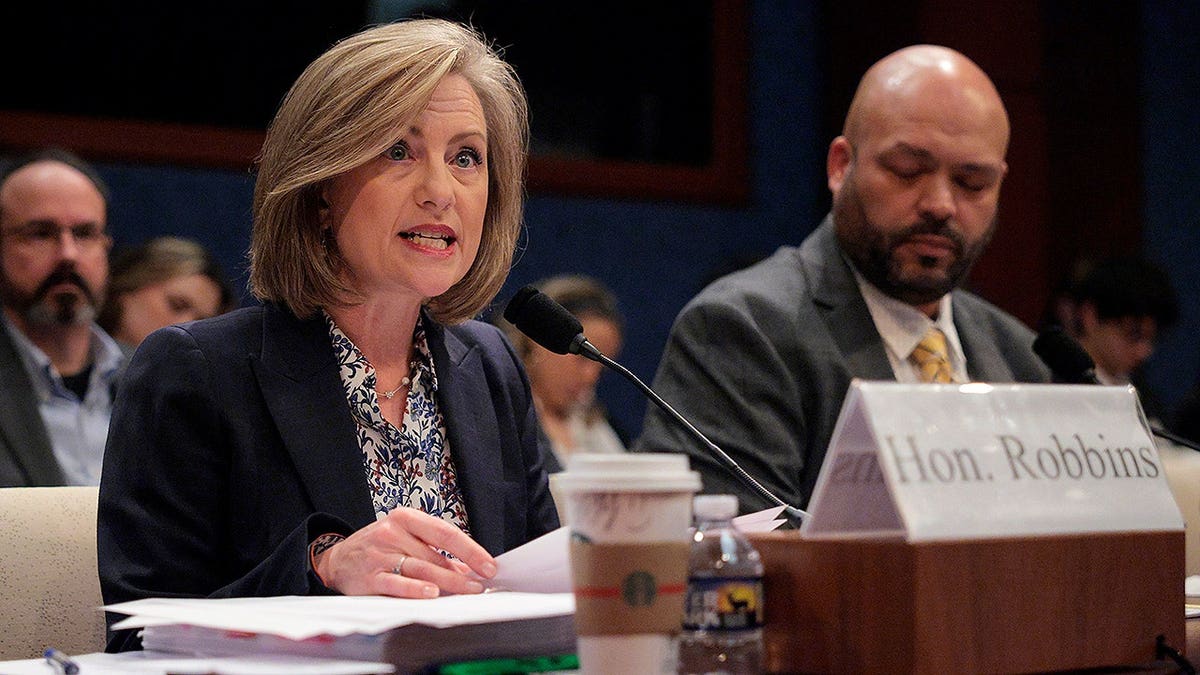
Minnesota State Rep. Kristin Robbins (L) delivers an opening statement as she testifies alongside Minnesota State Rep. Walter Hudson during a hearing before the House Oversight and Government Reform Committee about the Trump Administration’s decision to freeze $10 billion in child care funds for families with low incomes in California, Colorado, Illinois, Minnesota and New York at the U.S. Capitol on January 07, 2026 in Washington, DC. (Chip Somodevilla/Getty Images)
Last month, Robbins says the congresswoman «ghosted» the committee by failing to appear to testify at a hearing focused on the MEALS Act, a federal COVID-19 relief measure passed in 2020 and sponsored by Omar.
«Minnesotans and the Members of the House Fraud Prevention & State Oversight Committee were disappointed that you failed to appear before our committee to answer questions,» Robbins wrote before asking Omar to turn over communications showing how she promoted expanded access to federal child nutrition programs, including emails, texts and meeting records with the Minnesota Department of Education and constituents.
The request also zeroed in on Omar’s public promotion of a Minneapolis restaurant that later became linked to the program. Robbins cited a Somali-language TV appearance in which Omar highlighted Safari Restaurant as a meal distribution site and asked for all communications related to the video and the restaurant’s participation.
CLICK HERE TO DOWNLOAD THE FOX NEWS APP
Robbins is seeking records of any contact between Omar and a long list of individuals charged or implicated in the Feeding Our Future case, including nonprofit founder Aimee Bock and dozens of alleged co-conspirators.
The deadline for Omar to respond to the committee’s questions was Tuesday, May 5.

Rep. Ilhan Omar speaks at Karmel Mall in Minneapolis, Minn., on Jan. 28, 2026. (Eric Thayer / Los Angeles Times via Getty Images)
Fox News Digital reached out to Omar’s office for comment.
«It’s the same story every time,» Robbins posted on X after the vote. «Fraud is committed, information is suppressed, and the dysfunction continues.»
republicans, ilhan omar, minnesota, minnesota fraud exposed, investigations













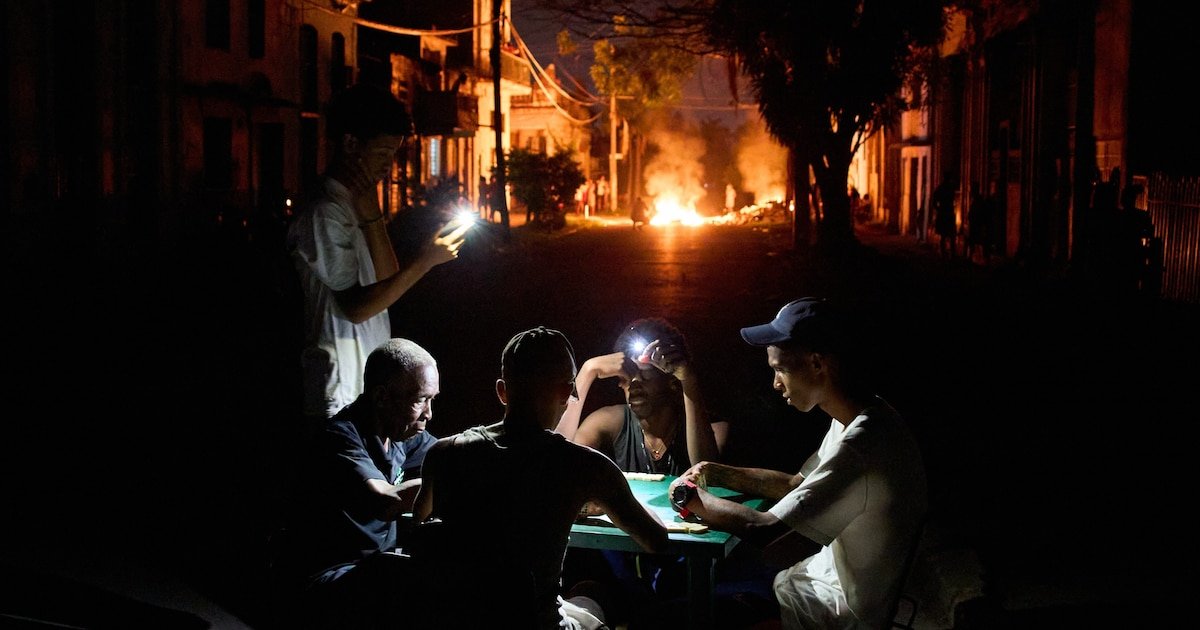
Cuba sufrió el lunes su tercer apagón nacional desde el inicio del año, después de que el sistema eléctrico nacional quedara completamente desconectado al mediodía y dejara sin suministro a los 9,6 millones de habitantes de la isla. El régimen atribuyó la crisis al bloqueo estadounidense sobre el suministro de combustible, mientras las autoridades advirtieron que la falta de petróleo dificulta el restablecimiento del servicio.
La empresa estatal Unión Eléctrica (UNE) informó una “desconexión total” del sistema eléctrico nacional, aunque no precisó la causa del colapso. Se trata del octavo apagón de alcance nacional desde finales de 2024, en medio de un deterioro cada vez mayor de la infraestructura energética del país.
El director de Electricidad del Ministerio de Energía y Minas, Lázaro Guerra, explicó en la televisión estatal que la escasez de combustible afecta las tareas de recuperación. “La falta de combustible sin duda complica el proceso de restauración“, afirmó, aunque evitó fijar un plazo para el restablecimiento del servicio.
El dictador Miguel Díaz-Canel responsabilizó directamente a la política de sanciones de Estados Unidos por la nueva interrupción del suministro eléctrico. “Mientras Estados Unidos intenta provocar un estallido social mediante el estrangulamiento que supone bloquear el acceso de Cuba al combustible, la UNE moviliza todos sus recursos para revertir el colapso del Sistema Eléctrico Nacional“, expresó el mandatario.
El nuevo apagón ocurrió en un contexto de extensos cortes programados de electricidad que ya afectaban a todo el país. En algunos sectores de La Habana, los vecinos soportaban interrupciones superiores a las 30 horas consecutivas, mientras que en zonas rurales los cortes superaban las 70 horas. Las autoridades aplicaron esas restricciones para ahorrar el escaso combustible disponible para las centrales eléctricas.

La crisis energética se agravó después de que el presidente estadounidense Donald Trump endureciera en enero las restricciones sobre el suministro de petróleo hacia Cuba. Según las autoridades de la dictadura cubana, esa medida redujo aún más el combustible disponible para alimentar las plantas generadoras.
Desde entonces, Washington solo autorizó el ingreso de un buque petrolero procedente de Rusia, como parte de la estrategia de presión destinada a poner fin a más de seis décadas de gobierno comunista en la isla.
La población volvió a expresar su frustración por la falta de electricidad y las dificultades que provoca en la vida cotidiana. «Vivir así es una agonía“, afirmó Meyboll Font, trabajadora independiente de 51 años.
La mujer explicó que su barrio de La Habana recibía apenas “tres o cuatro horas de electricidad al día”, aunque señaló que el apagón nacional incrementó la incertidumbre porque «nunca sabes cuándo volverá la electricidad“.
En otro sector de la capital, un joven programador de software que trabaja para una empresa emergente vinculada al turismo describió las consecuencias del corte. «No tenemos WiFi, no tenemos electricidad, no podemos trabajar“, aseguró.

Los apagones forman parte de la vida cotidiana en Cuba desde hace varios años debido al deterioro del sistema de generación eléctrica, compuesto principalmente por antiguas centrales construidas con tecnología soviética. Las autoridades de la dictadura sostienen que la escasez de combustible limita además el funcionamiento de los generadores que respaldan la red nacional.
La crisis energética se suma a una situación económica cada vez más delicada. La escasez de alimentos, agua potable y medicamentos se profundizó en los últimos meses y obligó incluso a postergar algunas cirugías. Esa situación llevó a Naciones Unidas a advertir sobre una emergencia humanitaria en la isla. El transporte también sufrió fuertes restricciones por la falta de combustible.
El mes pasado, el régimen cubano presentó un amplio paquete de reformas de mercado que, de aplicarse, reduciría de forma significativa el control estatal sobre la economía.
Sin embargo, el Departamento de Estado de Estados Unidos calificó esas iniciativas como «señales superficiales de humo» y sostuvo que la administración de Trump espera «reformas económicas y políticas mucho más sustanciales que conviertan a Cuba en un país apto para la inversión» y otorguen libertad política a los cubanos.
Ambos gobiernos mantuvieron varias rondas de conversaciones para intentar reducir las tensiones, aunque el canciller cubano, Bruno Rodríguez, aseguró la semana pasada que «no hubo avances» para superar el conflicto.
(Con información de AFP)
daily life around the world,in ap photos,in photos,major global news moments of may,the top photos of the day by ap’s photojournalists,the top photos of the day by ap’s photojournalists;daily life around the world, in photos ;major global news moments of may, in ap photos
INTERNACIONAL
China launches rare submarine ballistic missile as Pacific allies strengthen defense ties before NATO summit
NATO’s strategic shift addresses China, Russian threat in new ‘NATO 3.0’
Brent Sadler, a former Navy captain and Pentagon official, highlights NATO’s strategic shift to address evolving threats. He details the potential for American troop redistribution in Europe and emphasizes a «NATO 3.0» approach that balances threats from China and Russia. Sadler stresses the need for NATO allies to significantly increase defense spending and enhance capabilities, including missile defense, to deter aggression.
NEWYou can now listen to Fox News articles!
China publicly announced it launched a ballistic missile from a nuclear-powered submarine into the Pacific Ocean Monday — a rare acknowledgment of its sea-based nuclear capabilities that came as U.S. allies deepen security ties in the Indo-Pacific and NATO leaders prepare to meet amid growing concerns over Beijing’s military ambitions.
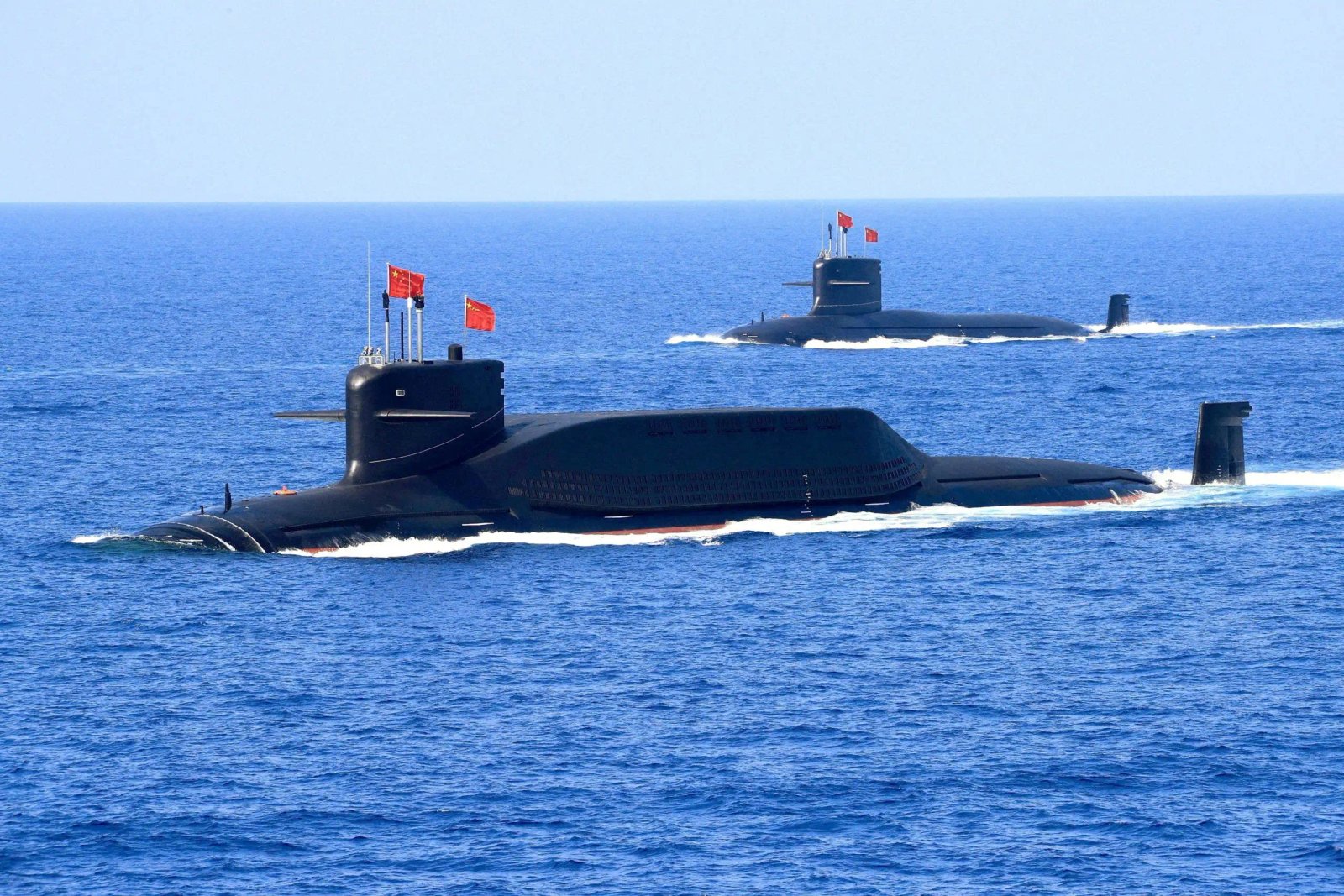
China’s People’s Liberation Army Navy said the missile, carrying a dummy warhead, was fired from a Type 094 Jin-class ballistic missile submarine during what Beijing described as a routine annual training exercise.
The launch highlights one of the Pentagon’s biggest long-term concerns: China’s ability to field a more survivable nuclear force capable of threatening the U.S. and its allies from the sea. Unlike land-based missile launches, a ballistic missile fired from a submerged nuclear submarine demonstrates one of the most survivable elements of a country’s nuclear arsenal because the vessels are significantly harder to detect and destroy before they can launch a retaliatory strike.
The growing capability also means China could eventually threaten the U.S. homeland from a wider range of patrol areas, reducing the need for its submarines to venture into more vulnerable waters.
AIR FORCE REVEALS B-2’S HIDDEN SHIP KILLER CAPABILITY AS CHINA THREAT GROWS
A nuclear-powered Type 094A Jin-class ballistic missile submarine of the Chinese People’s Liberation Army (PLA) Navy is seen during a military display in the South China Sea April 12, 2018. (Reuters/Stringer)
Chinese officials said the launch landed in a designated area of the Pacific Ocean and was conducted in accordance with international law.
«It is a routine arrangement in China’s annual military training program. It is consistent with international law and customary international practice and is not directed at any specific country or target,» Chinese foreign ministry spokesperson Mao Ning said at a news conference Monday.
«The whole process was safe, standard and professional. We hope relevant countries will not read too much into it.»
TRUMP BETS ON FORMER NATO TROUBLEMAKER AS TURKEY’S STRATEGIC VALUE SURGES
The launch came on the eve of NATO’s summit in Ankara, Turkey, where alliance leaders are expected to focus primarily on the war in Ukraine, defense spending and collective security, while also addressing the growing strategic challenge posed by China. In recent years, NATO has expanded its engagement with Indo-Pacific partners including Australia, Japan, New Zealand and South Korea, reflecting concerns that security in Europe and the Pacific is increasingly interconnected.
It was the first such test since 2024, according to Chinese state media, occurring at noon local time Monday.
New Zealand, which had just signed a defense pact with Fiji, claimed the missile landed in the South Pacific Nuclear Free Zone, where testing atomic weapons is prohibited.
China said the missile carried a dummy rather than a nuclear warhead, and New Zealand did not accuse Beijing of violating the Treaty of Rarotonga, which establishes the South Pacific Nuclear Free Zone and prohibits nuclear explosive devices within the region. Instead, officials criticized the launch as inconsistent with the spirit of maintaining the Pacific as a nuclear-free region.
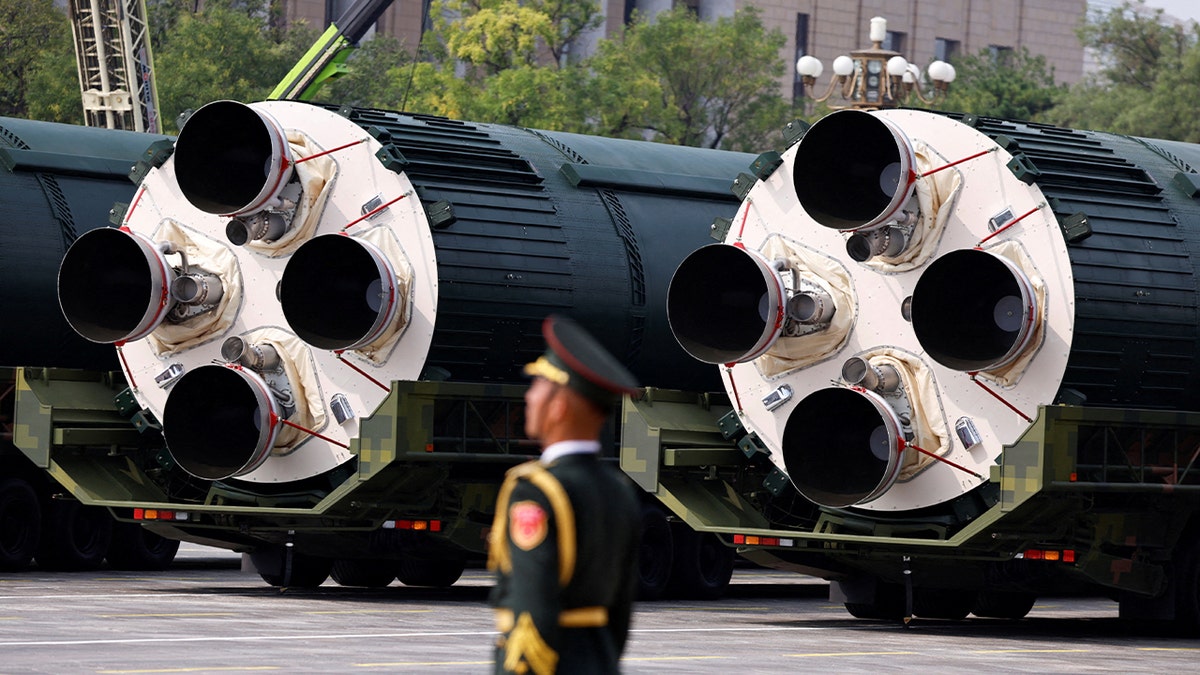
China may be conducting low-yield nuclear tests, a State Department official says. (Tingshu Wang/File Photo/Reuters)
Australia’s foreign minister, Penny Wong, said China had informed Australia ahead of the test but added, «Australia has been clear with China that we regard this as destabilizing to the region.»
China’s rapid military buildup added to the concern, according to Wong, who described it as «lacking in the transparency and reassurance as to intent that the region expect.»
In a joint cabinet statement, Japan raised «serious concern over the intensification of China’s military activities and strongly urged China to reconsider its actions.»
The Pentagon has repeatedly warned that China is rapidly modernizing and expanding its nuclear forces, projecting that Beijing will continue increasing the size, sophistication and survivability of its arsenal through the next decade. China’s military has also expanded naval patrols beyond the first island chain while increasing military pressure on Taiwan and asserting territorial claims in the South China Sea.
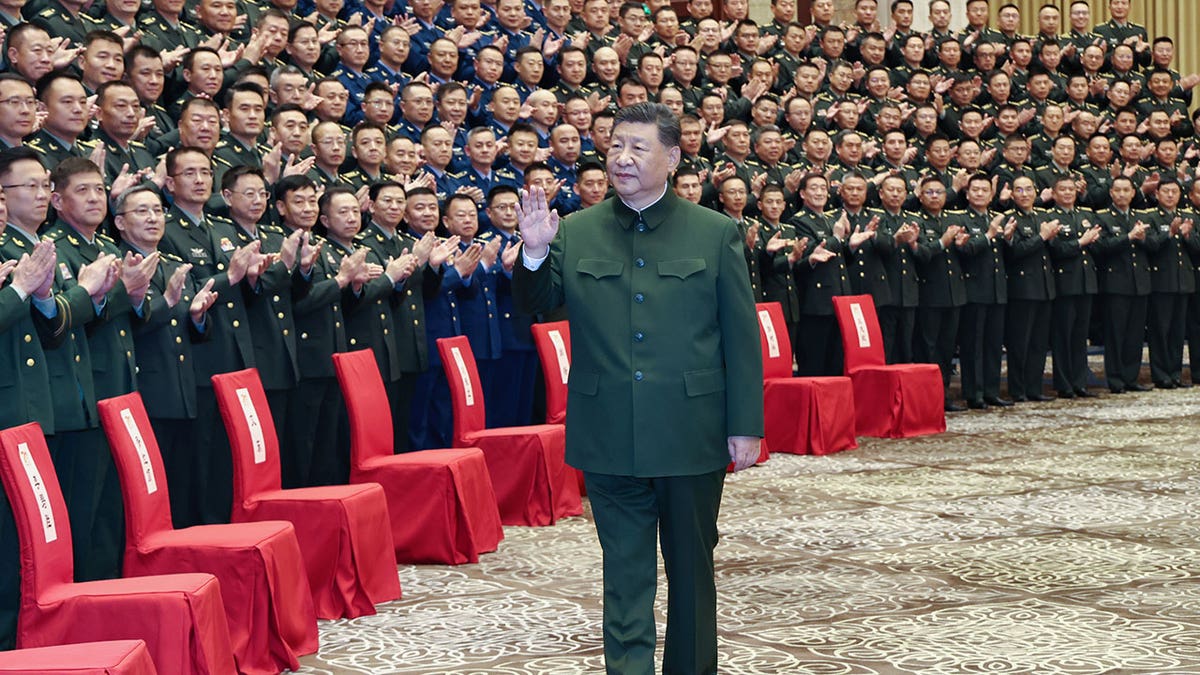
Chinese President Xi Jinping, also general secretary of the Communist Party of China Central Committee and chairman of the Central Military Commission, meets with representatives of military personnel stationed in northwest China’s Xinjiang Uygur Autonomous Region, in Urumqi, the regional capital, Sept. 23, 2025. (Photo by Li Gang/Xinhua via Getty Images)
The Pentagon projects China will field more than 1,000 nuclear warheads by 2030, up from an estimated stockpile in the low 600s through 2024.
Officials say Beijing is expanding all three legs of its nuclear triad — land-based missiles, strategic bombers and nuclear-powered ballistic missile submarines — while improving its ability to survive a first strike and retaliate.
CLICK HERE TO DOWNLOAD THE FOX NEWS APP
At the same time, the People’s Liberation Army Navy is the world’s largest by number of battle force ships, while it has fielded advanced hypersonic weapons, expanded long-range missile forces and invested heavily in artificial intelligence, cyber capabilities and space-based systems that U.S. officials say are designed to challenge American military advantages in the Indo-Pacific.
U.S. defense officials have also warned that China continues to refine the capabilities needed for a potential conflict over Taiwan, including joint operations involving naval, air, missile and amphibious forces.
Annual military exercises around Taiwan have grown larger and more complex, reflecting Beijing’s efforts to increase military pressure while rehearsing operations that could support a blockade or invasion.
The U.S. has maintained a sea-based nuclear deterrent for decades through its fleet of Ohio-class ballistic missile submarines, which routinely conduct operational deterrent patrols and periodic test launches of Trident II D5 ballistic missiles. The Navy is now replacing those submarines with the next-generation Columbia class, which is expected to begin entering service later this decade.
Unlike China, however, the U.S. regularly publicizes scheduled Trident missile tests and has long operated a mature fleet of ballistic missile submarines that defense officials consider the most survivable leg of America’s nuclear triad.
The Pentagon and U.S. Indo-Pacific Command could not immediately be reached for comment.
china, nuclear proliferation, military, nato
INTERNACIONAL
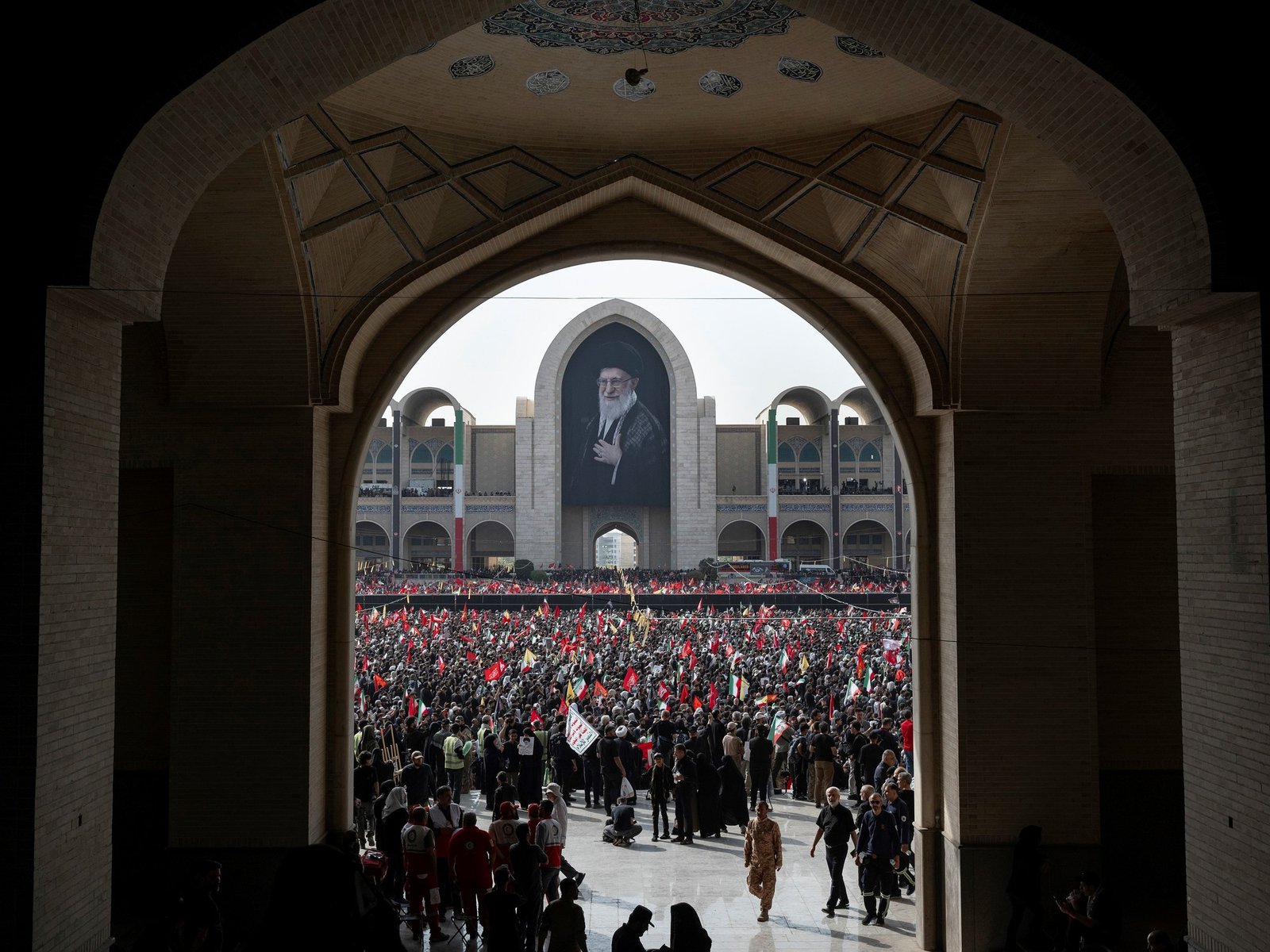
La unidad momentánea en un funeral enmascara las profundas divisiones entre los líderes de Irán


El triunfo de la política

La crisis política en Misiones generó un parteaguas en el oficialismo: el gobernador Passalacqua suma adhesiones y Rovira pierde referentes

Lionel Scaloni: «No cambiaremos el esquema por Salah o por Marmoush»

Córdoba: un adolescente de 15 años murió tras ser arrollado por un tren cuando cruzaba las vías en bicicleta

Alberto Fernández arribó al castillo de Elmau, donde se realiza el G-7

El programa financiero 2027 quedó demasiado ajustado si el Gobierno no consigue acceso al mercado internacional

El Salvador, segundo país más dependiente de importaciones alimentarias, según la Mesa por la Soberanía Alimentaria

Javier Milei y sus medidas, EN VIVO: denunciaron al Presidente por los ejercicios militares conjuntos de Argentina y EE.UU.

Guido Rodríguez renovó con Valencia: firmó hasta 2028 y algo más

La Justicia ordenó revisar la causa contra Guillermo Moreno por la manipulación de los datos del INDEC

 DEPORTE14 horas ago
Portugal vs España: formaciones, hora y dónde ver por tv
- POLITICA2 días ago
Fin al presidente antisistema: Milei ya tiene su “casta” y se aferra al dogma económico
- ECONOMIA1 día ago
La producción textil aceleró su caída y la capacidad instalada siguió entre las más bajas de la industria