INTERNACIONAL
Iranian dissidents seize on Trump remarks about armed resistance, fueling revival of Reagan doctrine

NEWYou can now listen to Fox News articles!
After President Donald Trump suggested this week that Iranians «would fight back» if they had weapons, Iranian dissidents, military analysts and some Republican lawmakers are openly reviving a once-taboo question: should the West move beyond «maximum pressure» on Tehran and actively support armed resistance inside Iran?
«They have to have guns. And I think they’re getting some guns. As soon as they have guns, they’ll fight like, as good as anybody there is,» Trump said in an interview with «The Hugh Hewitt Show,» while discussing anti-regime unrest and the Iranian government’s crackdown on protesters.
The comments come as the Iranian regime emerges weakened from weeks of war, while frustration continues to simmer among many Iranians after years of failed protests and violent crackdowns by the Islamic Revolutionary Guard Corps.
LINDSEY GRAHAM URGES US, ISRAEL TO ARM IRANIAN CIVILIANS IN ‘SECOND AMENDMENT SOLUTION’ TO TOPPLE REGIME
Protesters rally in Washington, D.C., on March 7, 2026, supporting regime change in Iran following U.S. and Israeli strikes that killed Iran’s supreme leader, Ayatollah Ali Khamenei. (Samuel Corum/Getty Images)
Supporters of a more aggressive approach argue sanctions, diplomacy and unarmed demonstrations have failed to produce meaningful change inside Iran and say the current moment may represent the best opportunity in decades to challenge the regime from within. Critics warn that openly discussing armed resistance could endanger protesters, deepen divisions inside the opposition and risk pushing Iran toward civil war.
The idea of armed resistance echoes aspects of the Reagan Doctrine, the Cold War-era strategy in which the U.S. backed anti-Soviet resistance movements around the world, from Afghanistan to Nicaragua.
«We need to give Iranians the tools now, and they’ll finish the job themselves,» Brett Velicovich, founder of Powerus and a former U.S. military and intelligence specialist focused on drone warfare, told Fox News Digital.
«It’s their time to do something. There has never been a better chance.»
AS AIRSTRIKES RAIN DOWN ON THE IRANIAN REGIME, CAN A FRACTURED OPPOSITION UNITE TO LEAD IF IT FALLS?
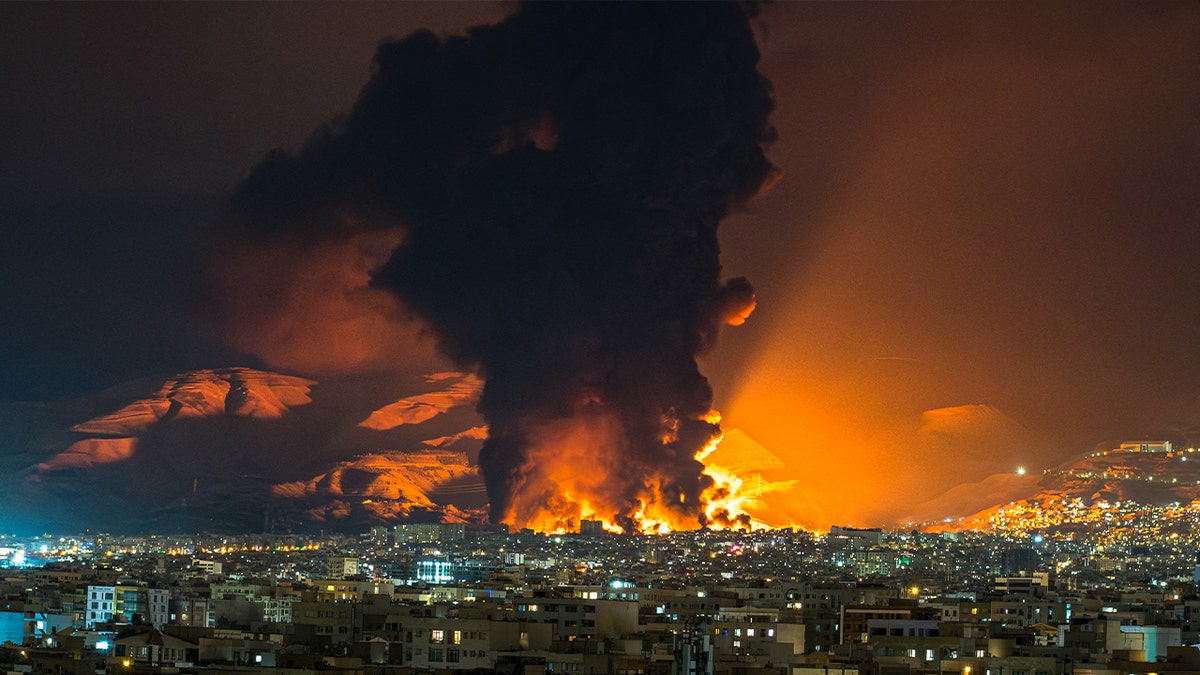
Smoke and flames rise at an oil depot in Tehran after airstrikes on March 7, 2026. The United States and Israel launched strikes against Iran on Feb. 28, leading to Iranian missile retaliation and increased concerns about global energy and transport disruption. (Sasan/Middle East Images/AFP via Getty Images)
Velicovich described the strategy as «Reagan Doctrine 2.0,» updated for the age of drones and decentralized warfare.
«Cheap FPV drones, loitering munitions, and small arms let motivated fighters turn Iran’s streets and mountains into a nightmare for the IRGC,» he said. «This isn’t fantasy; it’s asymmetric warfare that works.»
He argued that modern drone technology has fundamentally changed the balance between governments and insurgent or resistance movements.
«Drones democratize power,» Velicovich said. «The regime’s monopoly on violence ends the day the people get eyes in the sky and precision strike capability.»
IRANIAN KURDISH FIGHTERS SAY THEY’RE READY TO STRIKE TEHRAN, WAITING FOR OPENING
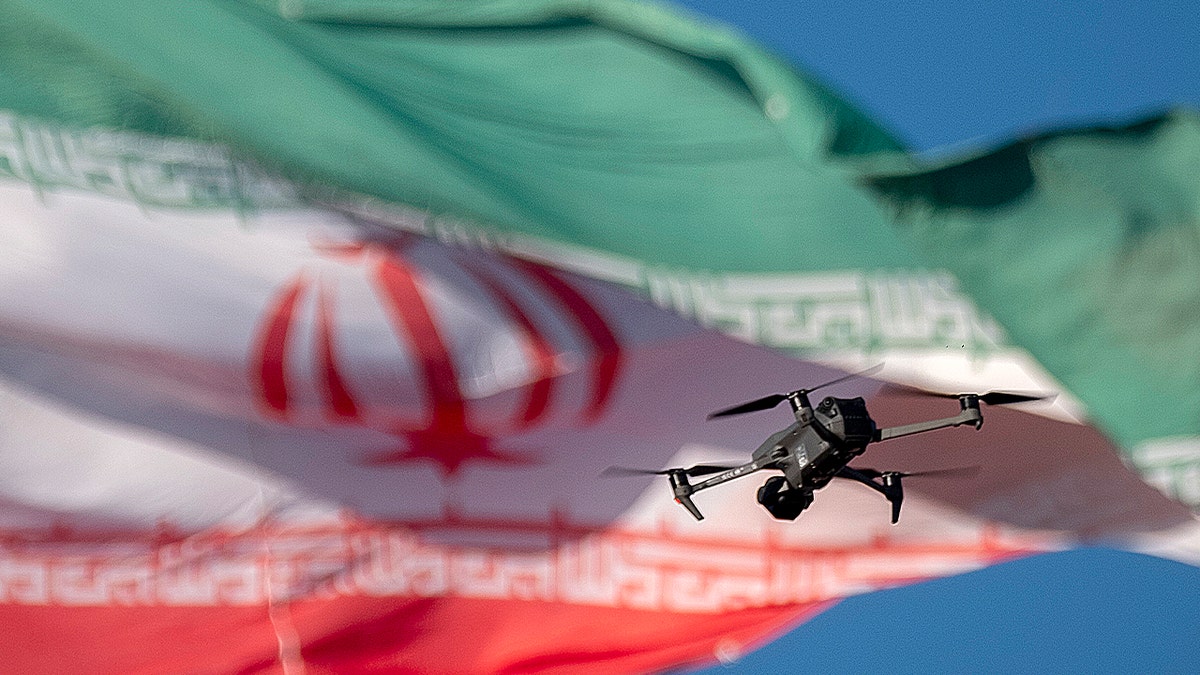
Iran is building a decentralized FPV drone capability in basement factories using Chinese parts, defense expert Cameron Chell warns, citing a potential threat to the U.S. homeland. (Getty)
Still, even some critics of the Iranian regime caution that the comparison to Cold War proxy movements has limits.
Unlike Soviet-controlled Eastern Europe or Afghanistan in the 1980s, Iran is a highly nationalistic country with a fragmented opposition and deep fears of foreign intervention following decades of conflict across the Middle East.
Still, calls for more direct support for anti-regime forces are increasingly moving into mainstream Republican foreign policy discussions.
Sen. Lindsey Graham, R-S.C., recently called for what he described as a «Second Amendment solution» inside Iran.
«If I were President Trump and I were Israel, I would load the Iranian people up with weapons so they could go to the streets armed and turn the tide of battle inside Iran,» Graham said on «Hannity.»
The question of who would actually receive support, however, remains deeply controversial.
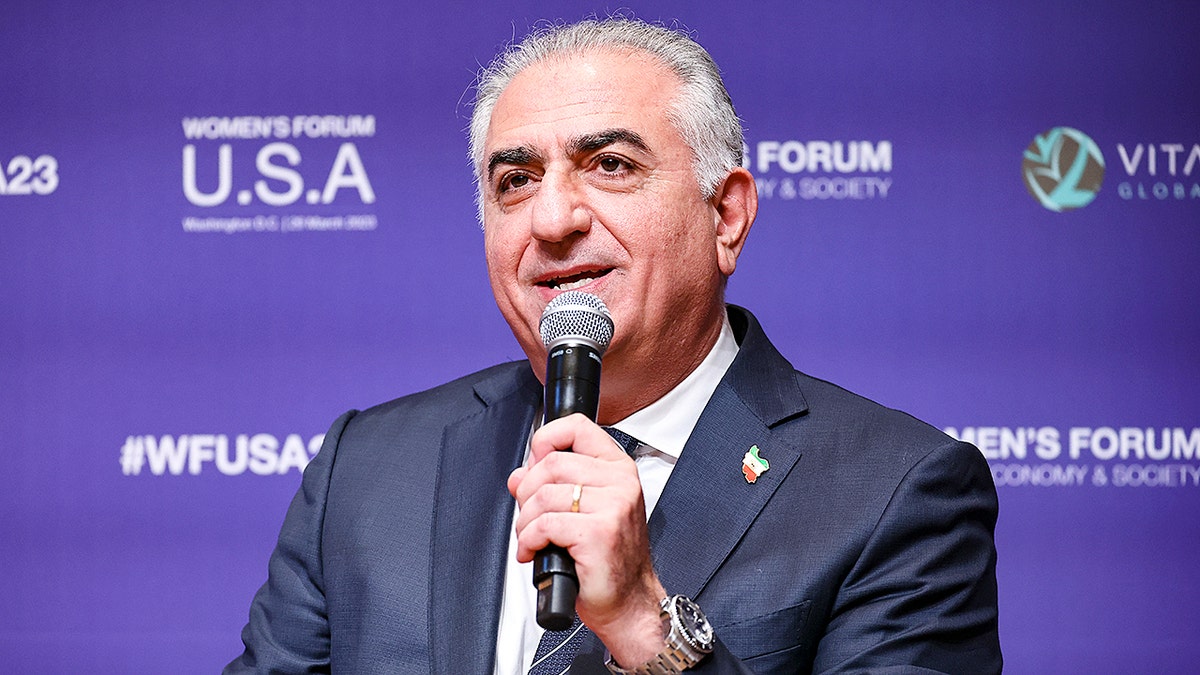
Exiled Iranian Crown Prince Reza Pahlavi speaks at the Women’s Forum hosted by Vital Voices in Washington, D.C., on March 29, 2023. (Paul Morigi/Getty Images)
Some opposition supporters continue to rally around exiled Crown Prince Reza Pahlavi, whose name has surfaced during anti-regime protests inside Iran and who has urged the international community not to give Tehran «another lifeline.»
Another group that has acted in various operations against the regime is the controversial People’s Mujahedin Organization of Iran, or MEK, which has long positioned itself as an organized opposition force against the Islamic Republic. The MEK recently posted videos showing its members targeting «regime centers and symbols of crime and repression,» in response to the execution of two of its members last month — Hamed Validi and Mohammad (Nima) Massoum-Shahi.
Others point to existing armed or semi-organized anti-regime groups, including Kurdish organizations, Baloch insurgent networks and underground resistance cells operating inside Iran.
Sardar Pashaei, director of the Hiwa Foundation and a former Iranian wrestling champion now living in the United States, warned that publicly discussing arming protesters could itself put lives at risk.
«I think we must be extremely cautious on this issue, especially publicly, because the regime can use it as a pretext to arrest protesters, fabricate cases and even justify executions,» Pashaei told Fox News Digital.
IRAN’S INTERNET BLACKOUT HIDING STRIKE DAMAGE AND SUPPRESSING DISSENT, ISRAELI OFFICIALS SAY
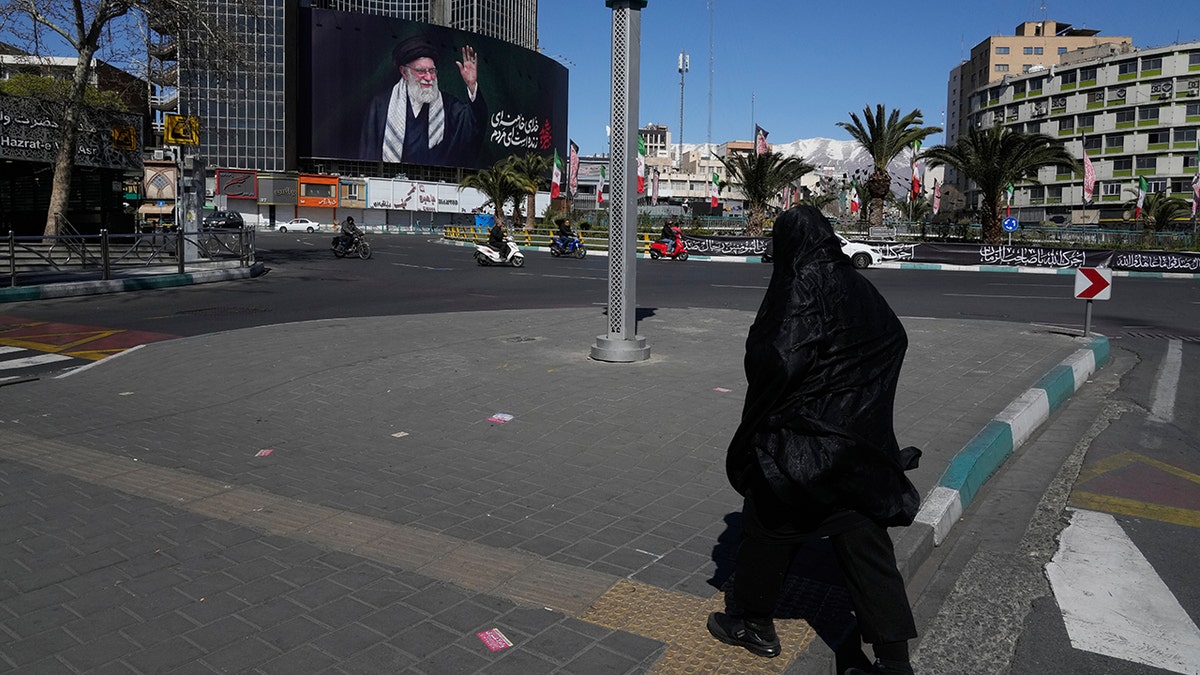
A woman walks across a nearly empty public square in Tehran, Iran, with a large billboard displaying the portrait of the late supreme leader, Ayatollah Ali Khamenei, in the background on March 3, 2026. (Vahid Salemi/AP Photo)
«For decades, the Islamic Republic has used accusations of ties to the United States, Israel, or espionage to target dissidents and political prisoners.»
Pashaei argued the better approach is supporting Iranian civil society, restoring internet access and backing democratic opposition groups that reflect Iran’s ethnic and political diversity.
The issue became even more sensitive after Trump said during a phone interview with «Fox News Sunday» in early April that his administration had previously attempted to send firearms to Iranian protesters through Kurdish channels, though the effort failed.
IRAN REGIME FACES ‘BEGINNING OF THE END’ AS EXILED CROWN PRINCE SEES ‘GOLDEN OPPORTUNITY’
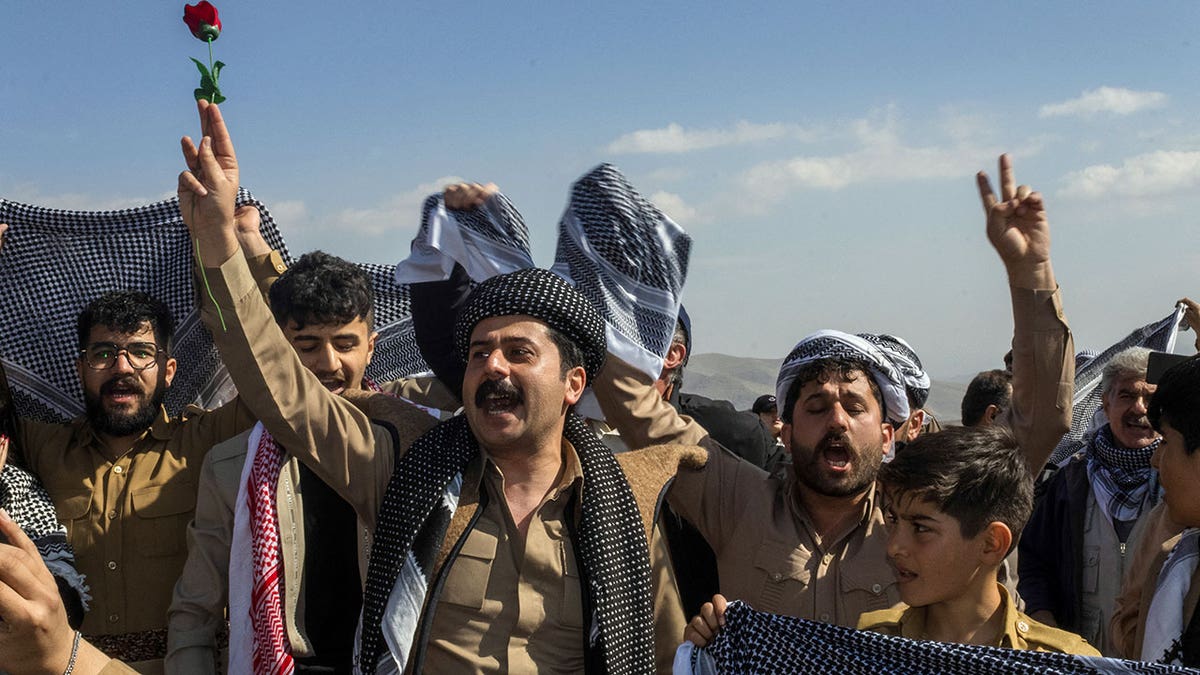
Men and women hold Kurdish scarves and roses during Nowruz festivities in Saqqez, Iran, on March 15, 2024. (Barbod Khorshidi/Middle East Images/AFP via Getty Images)
«We sent guns to the protesters, a lot of them. We sent them through the Kurds. And I think the Kurds took the guns,» Trump said.
Several Kurdish groups have denied receiving such shipments.
Pashaei warned that claims of foreign weapons support could deepen divisions inside the opposition while also exposing Kurdish groups to further retaliation from Tehran.
«During the so-called ceasefire period, Kurdish opposition groups were targeted more than 30 times with drone and missile attacks,» he said, adding that four young Kurdish Peshmerga fighters were killed, including 19-year-old Ghazal Mowlan.
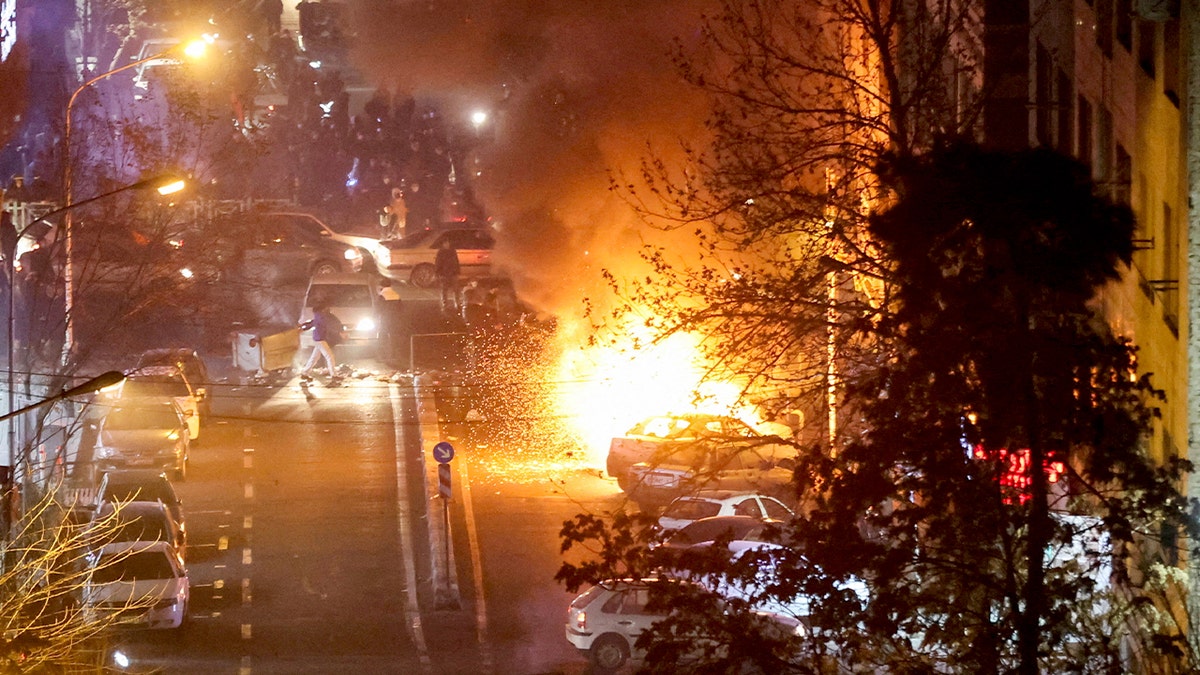
Cars burn in a street during a protest over the collapse of the currency’s value in Tehran, Iran, Jan. 8, 2026. (Stringer/West Asia News Agency via Reuters)
One source familiar with discussions surrounding Iranian opposition strategy said supporters of a more aggressive approach increasingly believe the current moment presents a rare opportunity to identify, train and support local resistance networks capable of protecting protesters and challenging the regime from within.
The source argued that while Iran spent decades building and cultivating proxy networks across the Middle East, Western governments largely avoided investing in organized anti-regime infrastructure inside Iran itself.
Others warn that empowering armed factions could trigger ethnic fragmentation, civil war or a Syria-style conflict inside Iran.
According to the source, supporters of a more aggressive approach increasingly believe the current moment presents a rare opportunity to identify, train and support local resistance networks capable of protecting protesters and challenging the regime from within.
Whether Washington is willing to move beyond pressure campaigns and sanctions toward something closer to a modernized Reagan Doctrine remains unclear.
CLICK HERE TO DOWNLOAD THE FOX NEWS APP
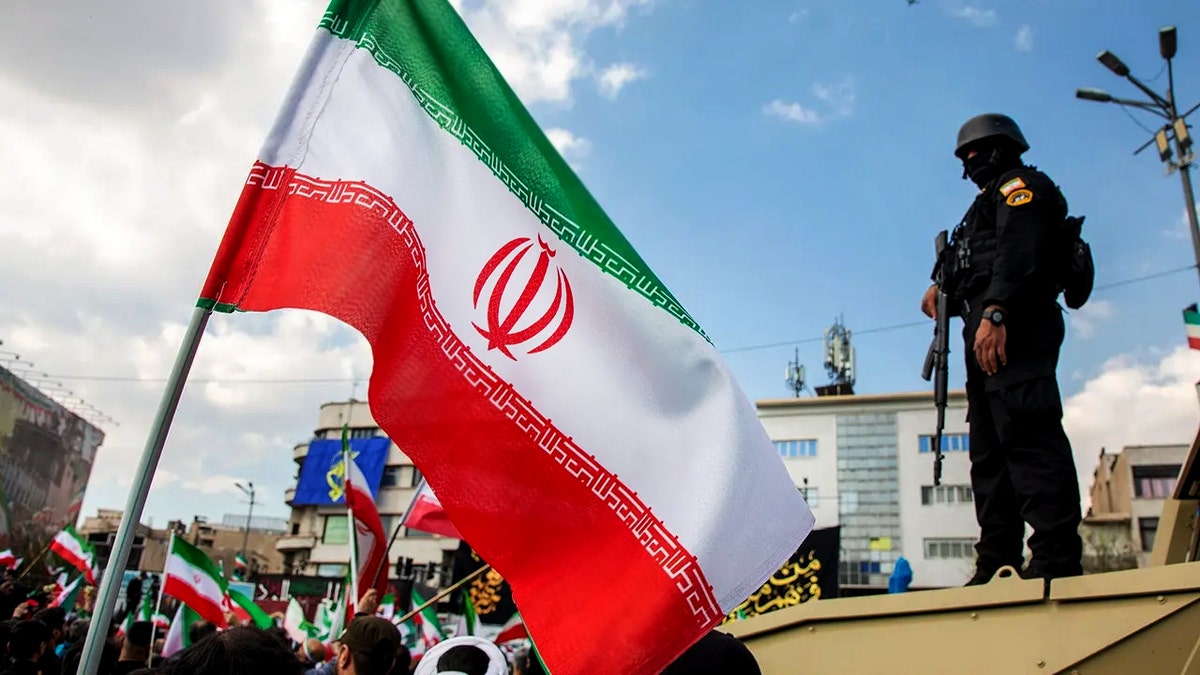
Members of security forces watch over the crowd during a funeral procession for IRGC Navy Chief Alireza Tangsiri and other senior naval commanders killed in U.S.-Israeli strikes in Tehran, Iran, on April 1, 2026. (Majid Saeedi/Getty Images)
For now, Trump’s comments have pushed a once-theoretical conversation into the open, while some argue the current moment may represent the best opportunity in decades to challenge the regime.
war with iran, world protests, defense, drones, iran, sanctions








INTERNACIONAL
Panamá flexibilizará permisos ambientales y podrá restringir el acceso a zonas protegidas por el impacto de El Niño
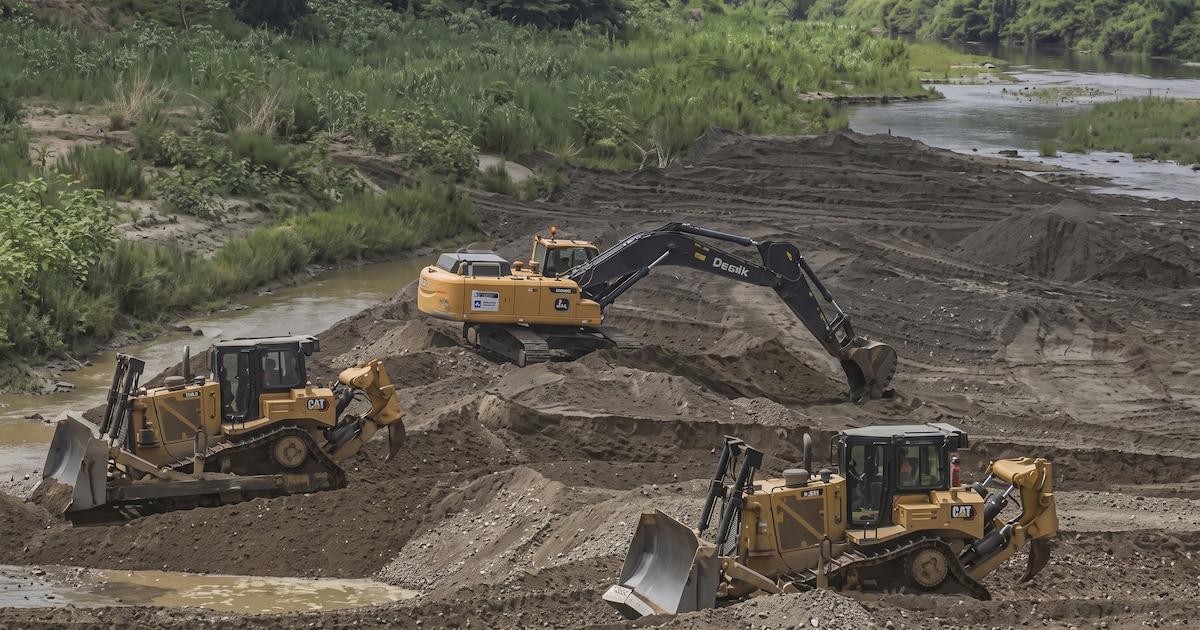

El Ministerio de Ambiente autorizó una serie de intervenciones extraordinarias para enfrentar inundaciones y la sequía prevista por el fenómeno de El Niño en Panamá.
Las medidas incluyen dragados, construcción de obras en cauces, instalación de puentes modulares, protección de fuentes de agua y rescate de animales y plantas amenazados.
Las disposiciones aparecen en la Resolución DM-0433-2026, publicada el 7 de septiembre en la Gaceta Oficial. El documento desarrolla las acciones ambientales que podrán ejecutarse durante la emergencia nacional y hasta 60 días después de su finalización, con un límite fijado inicialmente para el 30 de junio de 2027.
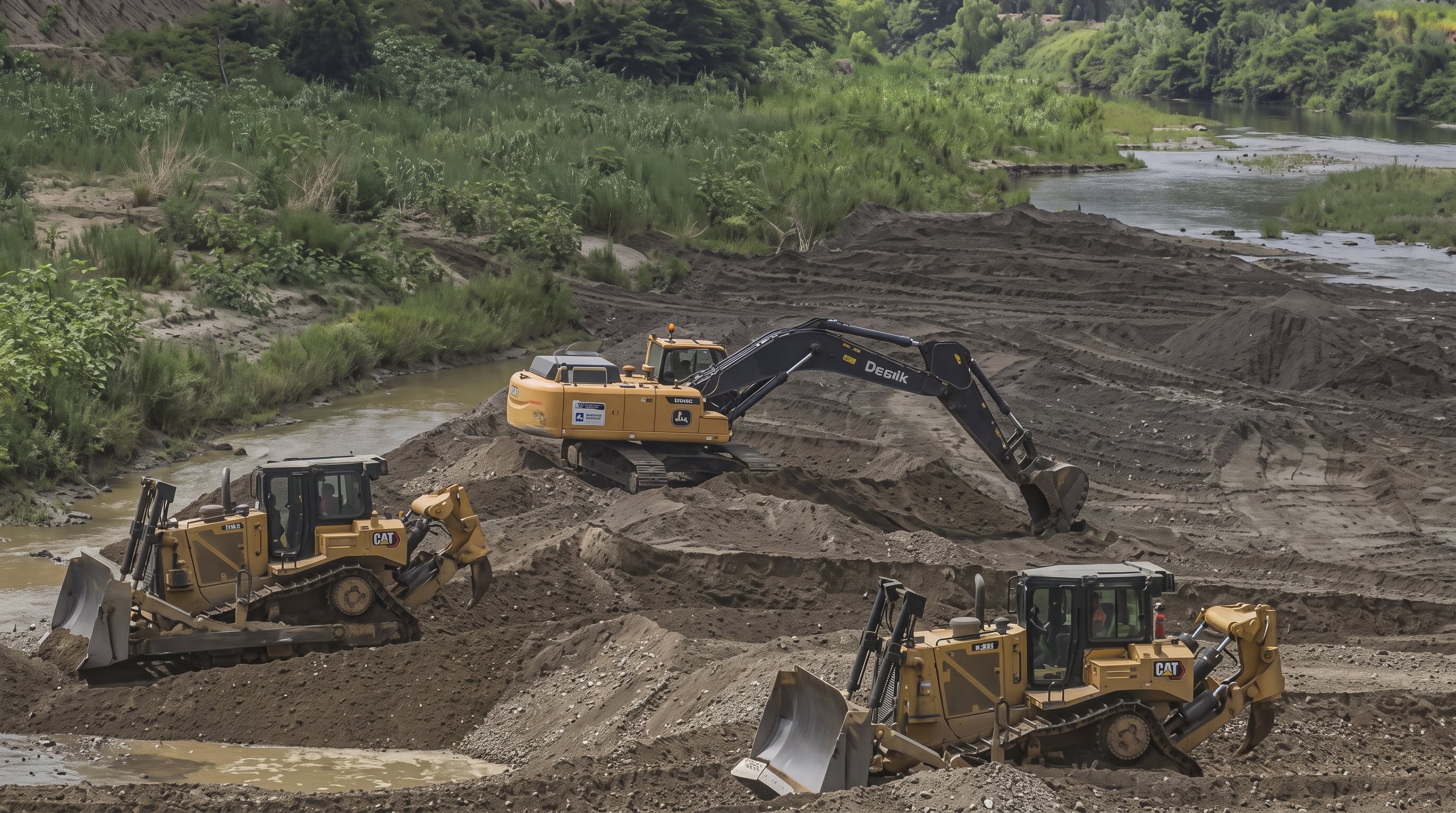
Una de las medidas de mayor alcance permite que determinadas obras estatales sean ejecutadas sin completar una evaluación de impacto ambiental, siempre que estén directamente vinculadas con la mitigación de los daños.
La excepción incluye trabajos en cauces, dragados y colocación de puentes modulares para restablecer comunicaciones o reducir riesgos.
Esto abre la puerta a retirar sedimentos, árboles, rocas y otros materiales que obstruyan ríos o aumenten el peligro de desbordamientos. También podrían realizarse adecuaciones destinadas a recuperar el flujo del agua y proteger comunidades, carreteras o infraestructuras amenazadas, aunque la resolución no autoriza intervenciones privadas bajo esta excepción.
La exoneración del estudio ambiental no representa un permiso ilimitado. Cada proyecto tendrá que estar relacionado directamente con la emergencia y quedar inscrito ante MiAmbiente.
Las autoridades deberán documentar su descripción, ubicación y entidad responsable, además de mantener controles que permitan revisar posteriormente sus efectos y el cumplimiento de las medidas de protección.
Las direcciones nacionales y regionales también podrán autorizar el aprovechamiento de madera caída como consecuencia del desastre. La medida permitirá retirar y utilizar árboles derribados por inundaciones, deslizamientos u otros eventos, pero exigirá su registro y la emisión de los permisos y las guías necesarias para transportar los productos forestales.
Para evitar que esa autorización sea utilizada como cobertura para la tala ilegal, los puestos de control de los organismos de seguridad verificarán las guías forestales emitidas durante la emergencia.
El uso indebido de estos documentos podrá generar sanciones administrativas, además de responsabilidades civiles o penales, dependiendo de la infracción cometida.
MiAmbiente deberá aplicar medidas especiales en áreas protegidas, fuentes de agua y zonas ambientalmente sensibles. La resolución permite restringir temporalmente el acceso a lugares considerados de alto riesgo o severamente afectados, una decisión que podría alcanzar parques, reservas, nacimientos de ríos y otros espacios vulnerables ante incendios, sequías o deslizamientos.
El documento también ordena priorizar el rescate, traslado, cuidado y protección de especies de flora y fauna expuestas a los efectos del fenómeno climático. Cuando resulte necesario, las autoridades podrán establecer centros temporales de rehabilitación para atender animales afectados y preparar su recuperación o posterior retorno a condiciones seguras.
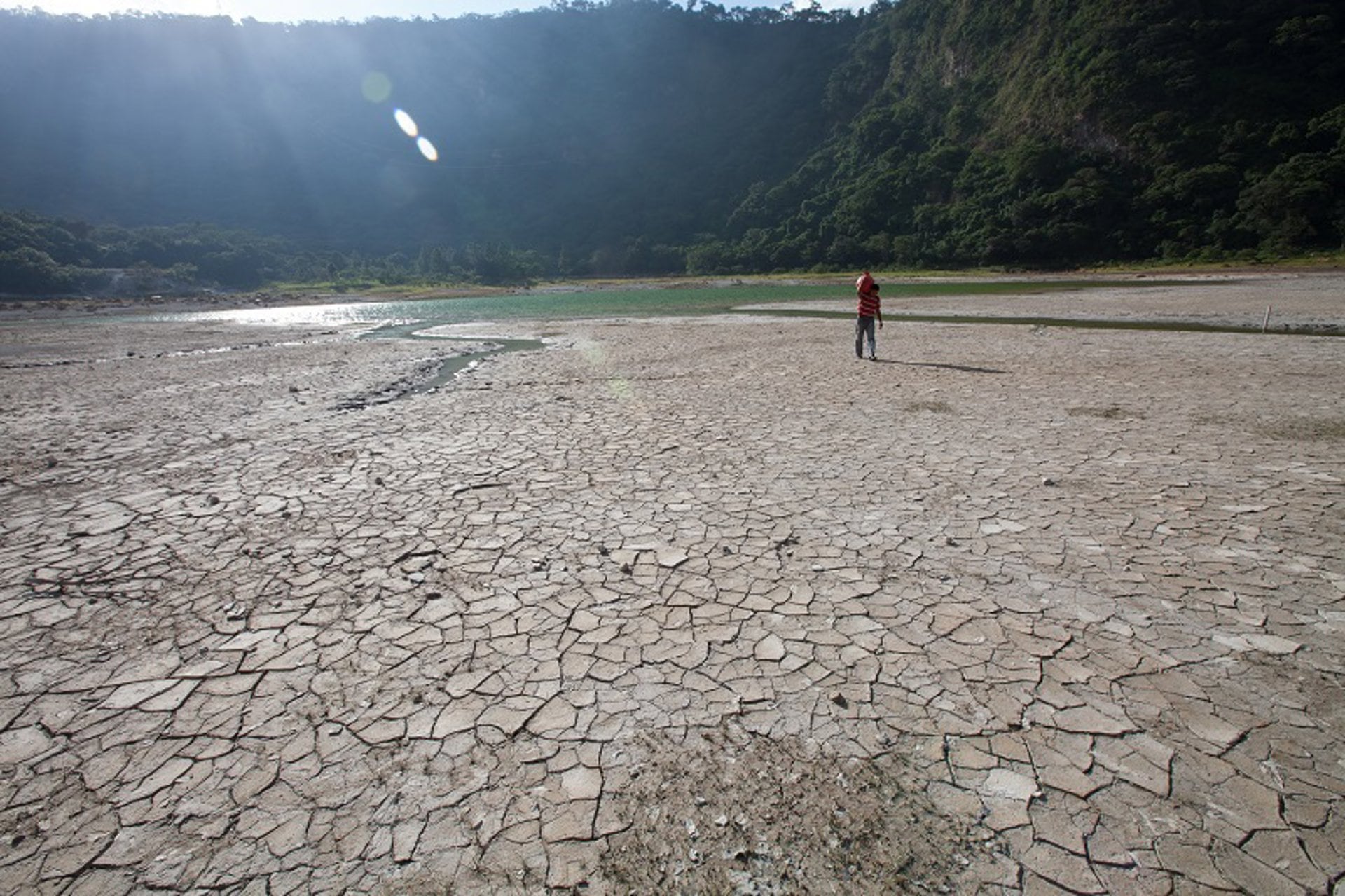
Otra línea de acción será el seguimiento de los niveles de cuencas hidrográficas, lagos y embalses del país, con atención específica al lago Bayano. MiAmbiente coordinará con el Sistema Nacional de Protección Civil, la Autoridad del Canal de Panamá y otras instituciones el reporte de condiciones que puedan agravarse por la falta de lluvias.
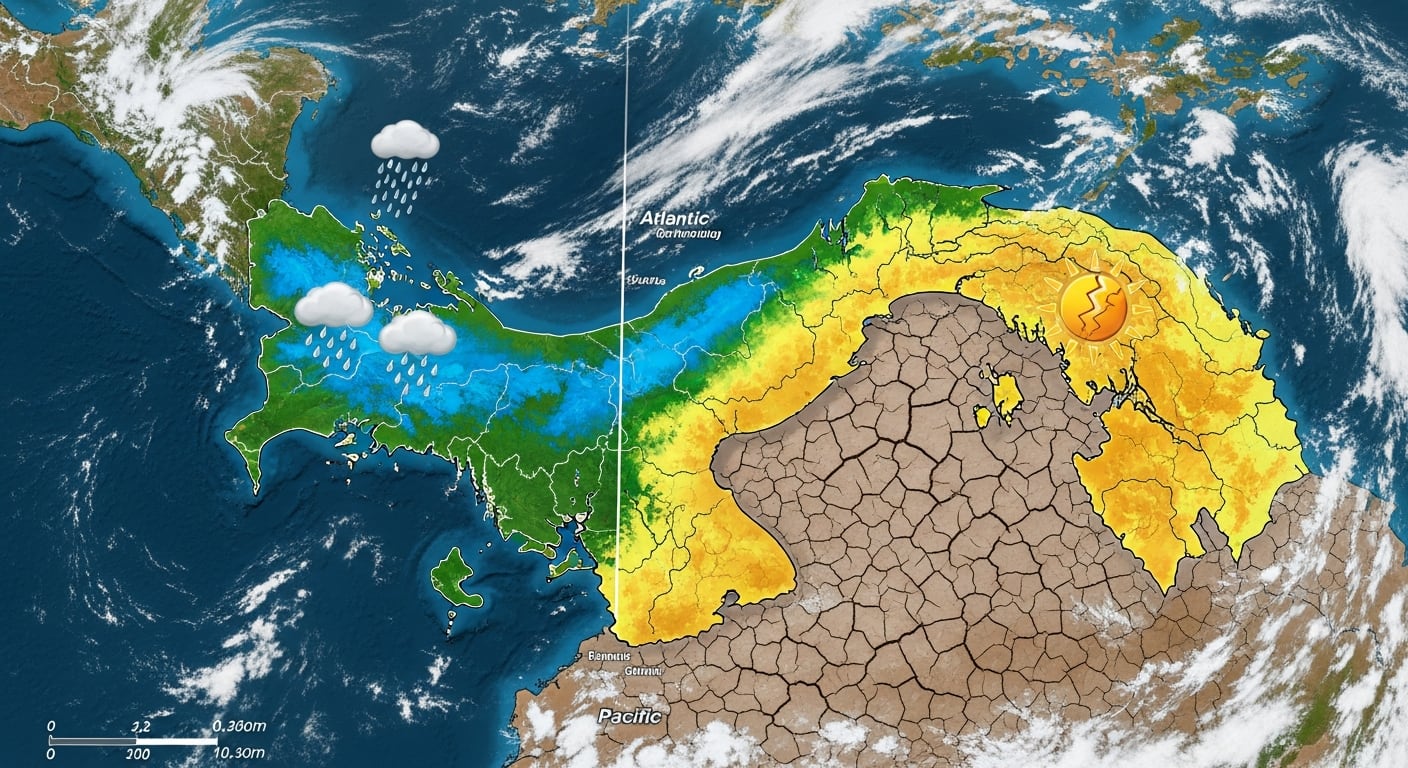
El Instituto de Meteorología e Hidrología de Panamá prevé un déficit de precipitaciones entre octubre de 2026 y marzo de 2027, mientras los efectos de El Niño podrían extenderse hasta mayo. Esta situación amenaza el abastecimiento de agua, la generación hidroeléctrica, la agricultura y la disponibilidad hídrica requerida para las operaciones del Canal de Panamá.
La emergencia tiene una naturaleza doble porque Panamá debe responder simultáneamente a los daños causados por inundaciones y al riesgo de una próxima sequía. Entre enero y agosto, 15,643 personas resultaron afectadas por eventos pluviales, con más de 70% de los casos concentrados en Bocas del Toro y Colón.
El Consejo de Gabinete autorizó hasta $80 millones para obras, bienes y servicios relacionados con la emergencia, mediante procedimientos especiales de contratación. Sin embargo, ese monto no pertenece exclusivamente a MiAmbiente ni constituye una transferencia automática: los recursos deberán incorporarse según la disponibilidad presupuestaria y ser aprobados para cada intervención solicitada.
Las medidas provisionales tendrán que ser supervisadas, controladas y fiscalizadas durante toda su ejecución, mientras las dependencias ambientales presentarán informes mensuales.
La rapidez concedida para actuar reduce trámites ante una amenaza climática, pero también exige controles efectivos para evitar que la emergencia termine justificando obras innecesarias, daños ambientales o gastos sin suficiente sustento.
buildings,city,clean up the river bottom,cleaning,cleanliness,day,facilities,heavy equipment,holiday,japan,landscape,lifestyle,machine,promenade,public facilities,river,river alley,river bed,road,shovel car,sidewalk,tokyo,walking,water
NEWYou can now listen to Fox News articles!
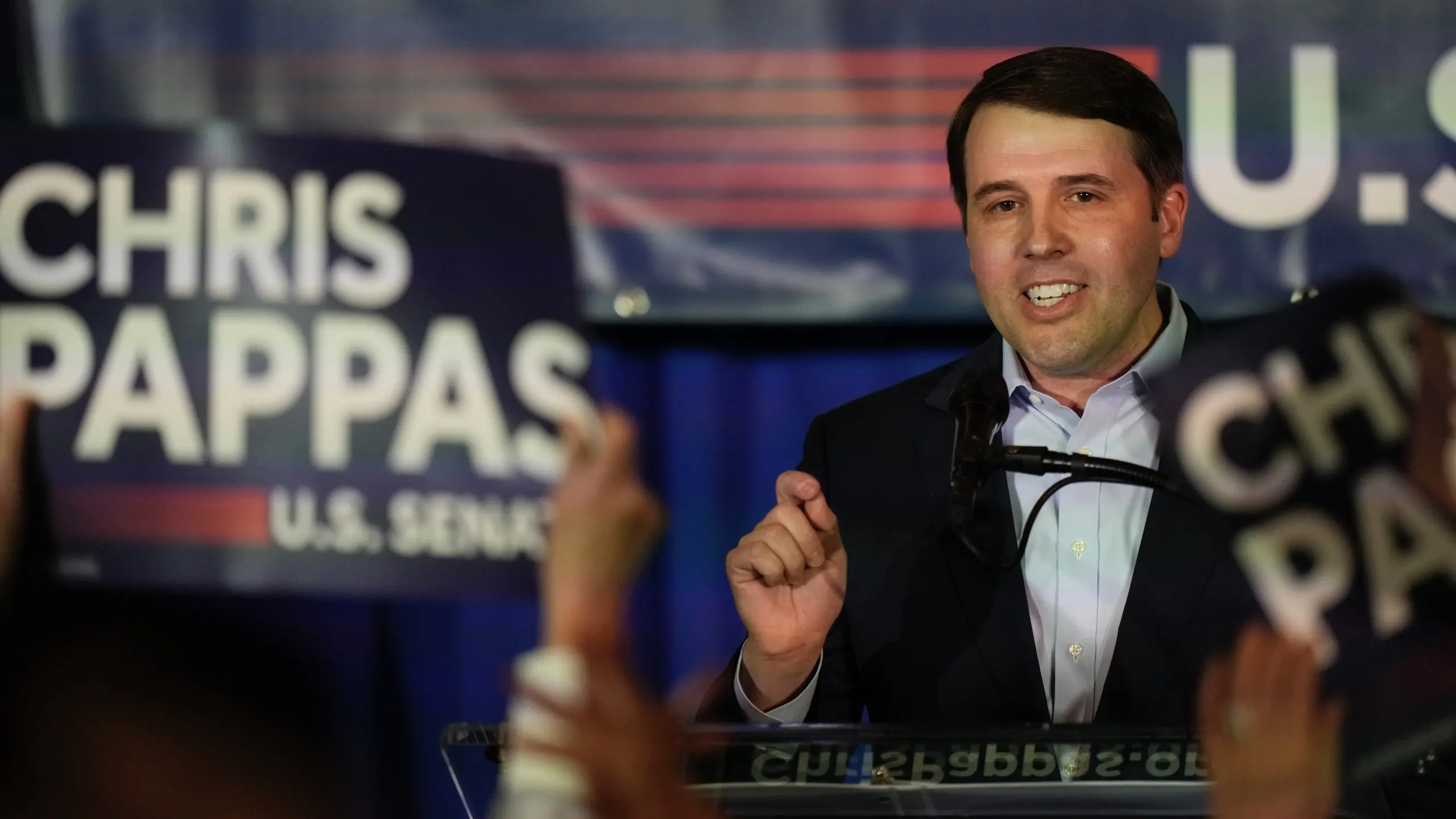
Rep. Chris Pappas on Tuesday won the Democratic Senate nomination in swing state New Hampshire, in a key race that is a must-hold for the Democrats in the midterm elections.
Pappas defeated socialist rival and first-time candidate Karishma Manzur, the Associated Press reports, in the showdown to succeed retiring longtime Democratic Sen. Jeanne Shaheen, the first woman in the nation’s history elected governor and senator.
Republicans haven’t won a Senate election in New Hampshire in 16 years, but they view the open Democrat-held seat as a top flip opportunity in the fight to hold their slim majority in the midterms.
The race between Pappas and Manzur was one of the final fights in a six-month primary season that saw the far-left score a slew of high-profile victories over centrists in what’s been framed as a battle for the Democrats’ ideological future.
THESE 12 MIDTERM RACES WILL DECIDE WHICH PARTY CONTROLS THE SENATE
Manzur, who saw a surge in support in recent weeks, took the fight to Pappas.
«All he wants to do is just get his little cushy job and go to D.C. Go to all these parties and these restaurants and just do whatever the bare minimum is,» she charged in a Fox News Digital interview.
The first-time candidate, scientist with a Ph.D. in biochemistry, and nonprofit leader who is a member of a local Democratic Socialists of America (DSA) group, pushed for universal health care, raising the minimum wage to at least $20 per hour, abolishing ICE, and ending all military aid to Israel for what she argues is the Israeli government’s «genocide» against the Palestinian people in their war against Hamas in Gaza.
Manzur argued that Pappas, who has been supported over the years by the pro-Israel lobby AIPAC, is a «genocide enabler.»
«Chris Pappas has had his turn and has not been able to serve this state honorably. He hasn’t done a good job in serving his corporate donors, his AIPAC foreign-aligned lobbies,» she claimed.
DEMOCRACY ’26: STAY UP TO DATE WITH THE FOX NEWS ELECTION HUB
Democratic Rep. Chris Pappas of New Hampshire, a U.S. Senate candidate, is joined by Sen. Elizabeth Warren of neighboring Massachusetts, at a campaign stop in Dover, N.H. on Sept. 5, 2026. (Jessica Sonkin/Fox News)
Pappas, in an interview with Fox News Digital, said, «Israel’s a historic ally of the United States, the only democracy in the region. And you can say that while you have vehement disagreements with the Netanyahu government as I’ve expressed.»
And referring to Israeli Prime Minister Benjamin Netanyahu, Pappas said, «I think Netanyahu’s being incredibly reckless right now. He faces voters in a matter of weeks and could lose his election. And I think that would be important to set a new tone for the U.S.-Israel relationship.»
Pappas, who was the frontrunner for his party’s nomination ever since Shaheen announced early last year that she wouldn’t seek re-election, enjoys strong establishment and union backing. And for over a year, as he runs for the Senate, Pappas also takes aim at what he calls a political system «rigged for billionaires.»
Regardless, Manzur charged that Pappas took a page from her playbook.
«It’s really embarrassing and insulting to the people of New Hampshire. He’s been there for eight years. He has not provided any of that sort of populist messages, and now he’s realizing, wait, he’s dropping in the polls, and now he has to catch up,» Manzur charged. «That’s another one of those deceptions that… Chris Pappas always engages in.»
CHECK OUT THE LATEST FOX NEWS POLLING IN THE MIDTERM ELECTIONS

Democratic congressional candidate Karishma Manzur speaks with supporters during a campaign stop in Dover, New Hampshire, on Sept. 3, 2026. (Paul Steinhauser/Fox News)
Pappas defended his record, noting «I’ve been fighting to change Washington to get big money out of our political system since I got elected to Congress in 2018.»
And Pappas emphasized he’s «appealing to those voters between the 20 and 80-yard line on the political playing field, and there are a lot of them in New Hampshire. This is not a left-wing or a right -wing state. It’s a state of voters who are pragmatic.»
Pappas will face off in the general election against either former Sen. John E. Sununu, who topped former Sen. Scott Brown.
Asked how he’ll unify his party after a primary showdown that turned heated, Pappas said, «I’ve always been able to bring people together, and that’s how you do things in New Hampshire.»
Pointing to the high-stakes head, Pappas said, «Democrats are coming together regardless of how these primaries are shaking out because they understand where the real fight is. This is an election here in New Hampshire that’s going to determine the balance of power in the United States Senate. And Democrats won’t be able to take the majority back in the US Senate if they don’t hold this specific seat here in New Hampshire.»
democrats elections, midterm elections, senate elections, new hampshire, state and local primaries, elections
INTERNACIONAL
“El Niño” se fortalece y amenaza con marcar un récord: NOAA anticipa cambios de lluvia y temperatura
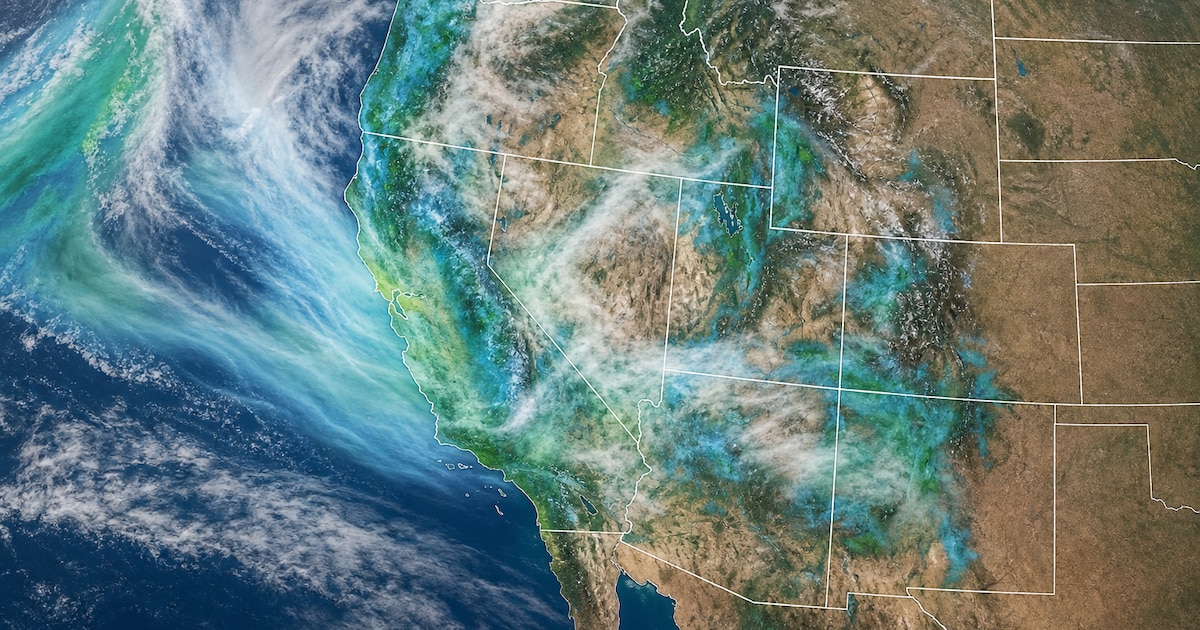
La Administración Nacional Oceánica y Atmosférica de Estados Unidos prevé que el actual El Niño se fortalezca durante los próximos meses y mantenga una alta probabilidad de alcanzar una intensidad muy fuerte en el otoño y el invierno boreales de 2026-27. El escenario puede modificar los patrones estacionales de lluvia y temperatura en Estados Unidos, con señales que incluyen más precipitaciones en sectores del sur y el oeste, y menores acumulados en partes del norte.
Según el Centro de Predicción Climática de la NOAA, existe una probabilidad superior al 90% de que El Niño sea muy fuerte durante el otoño y el invierno del hemisferio norte. El organismo también calcula un 69% de probabilidad de que el evento supere en intensidad a los registrados desde 1950, bajo un criterio técnico que considera un valor trimestral del Índice Oceánico Relativo de El Niño, conocido como RONI, igual o superior a +2,5 ℃ entre octubre y diciembre de 2026.
La previsión adquiere relevancia por el alcance climático del fenómeno, que influye sobre la circulación atmosférica del Pacífico y puede afectar el régimen de lluvias de Estados Unidos, América Latina, Asia y Oceanía. La Organización Meteorológica Mundial informó el 3 de septiembre que El Niño ya está establecido y que podría persistir hasta febrero de 2027 con una probabilidad cercana al 100%, aunque señaló que otros factores oceánicos y atmosféricos pueden modificar los efectos regionales.
Qué prevé la NOAA sobre El Niño para el invierno 2026-27
El Centro de Predicción Climática informó que el calentamiento de las aguas superficiales del Pacífico ecuatorial se intensificó durante julio. Las anomalías superaron los +2 ℃ en el Pacífico oriental, mientras que el índice Niño-3.4 alcanzó +1,4 ℃ y el índice Niño-1+2 llegó a +2,9 ℃. De acuerdo con el informe, la atmósfera respondió con patrones compatibles con el fenómeno, entre ellos anomalías de vientos del oeste en niveles bajos y un aumento de las lluvias en áreas del Pacífico central y oriental.
La NOAA clasifica El Niño a partir de observaciones oceánicas y atmosféricas. El fenómeno requiere temperaturas de la superficie marina superiores a los valores normales en una parte del Pacífico ecuatorial central y oriental, junto con cambios persistentes en los vientos alisios, las precipitaciones y la presión atmosférica. Según NOAA Climate.gov, El Niño y La Niña son las fases cálida y fría, respectivamente, de un patrón climático natural denominado El Niño-Oscilación del Sur.
La entidad estadounidense indicó que los modelos climáticos disponibles anticipan una continuidad del fortalecimiento hasta el final de 2026. La posibilidad de un episodio de intensidad histórica se refiere exclusivamente a las temperaturas oceánicas y a los indicadores climáticos utilizados para comparar eventos desde 1950. Esa proyección no implica que Estados Unidos vaya a experimentar condiciones meteorológicas sin precedentes ni permite anticipar el impacto de cada sistema de tormentas.
La Organización Meteorológica Mundial coincidió en que las condiciones del Pacífico tropical respaldan una intensificación adicional durante los próximos meses. Según la OMM, un evento muy fuerte puede alterar los patrones de lluvia, temperatura y circulación atmosférica en amplias zonas del planeta, con riesgos asociados de inundaciones, sequías y calor extremo. El organismo también precisó que esos efectos dependen de las características de cada región y de la interacción con otros fenómenos climáticos.
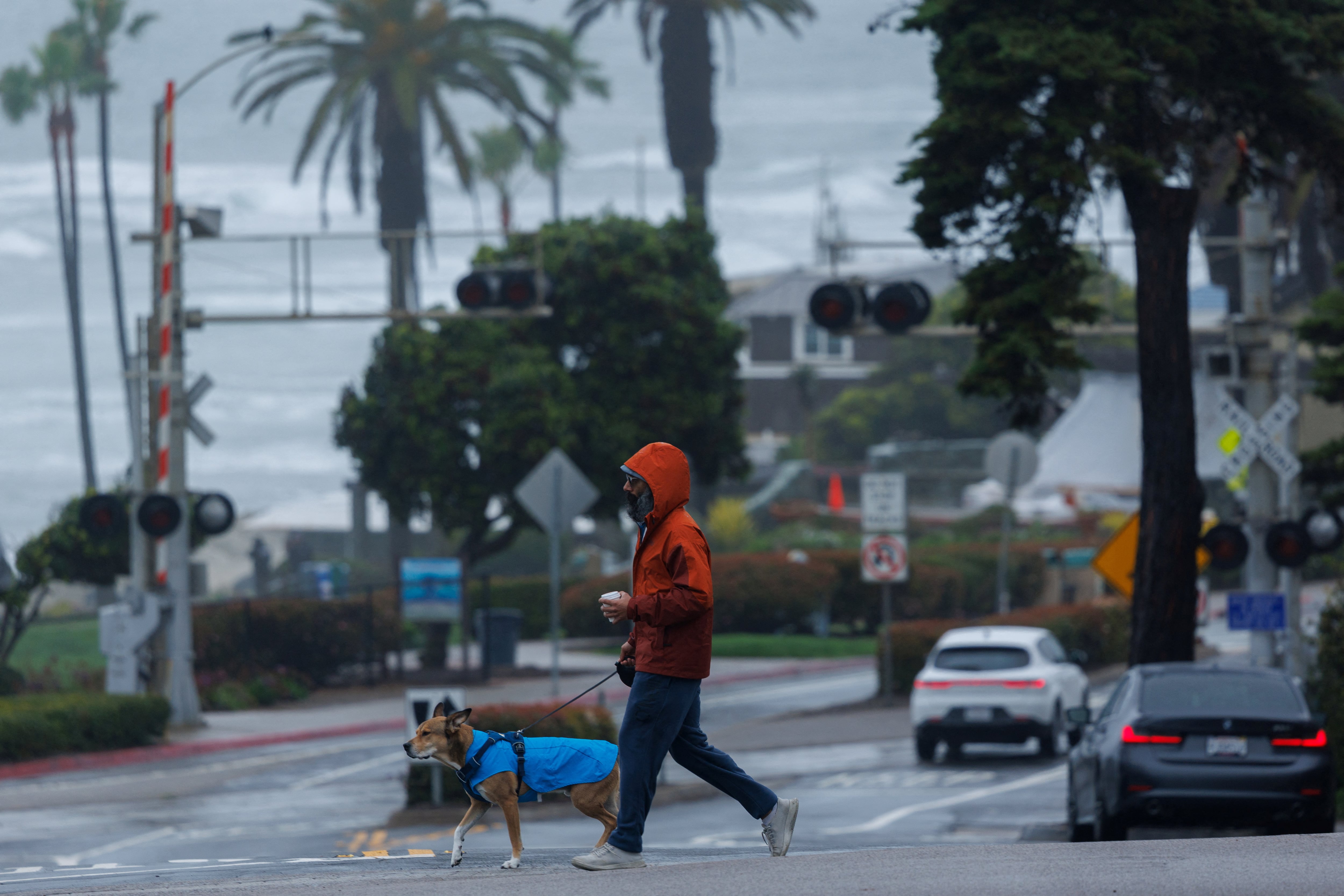
Qué estados de Estados Unidos podrían recibir más lluvia
Los mapas de perspectivas estacionales del Centro de Predicción Climática para septiembre, octubre y noviembre favorecen precipitaciones superiores a los valores normales en partes del suroeste de Estados Unidos, las Grandes Llanuras centrales y meridionales, y sectores costeros del sureste. Las probabilidades más altas, por encima del 40%, se concentran en áreas del suroeste, la Gran Cuenca y las Montañas Rocosas centrales y meridionales, de acuerdo con el Centro de Predicción Climática.
California está incluida entre las áreas donde un El Niño intenso puede aumentar las probabilidades de una temporada más húmeda. Sin embargo, la NOAA advierte que el patrón no se repite de la misma manera en todos los episodios. Los análisis históricos muestran que varios eventos fuertes coincidieron con más precipitaciones en partes de la costa oeste, aunque también existieron inviernos con resultados distintos en sectores del estado.
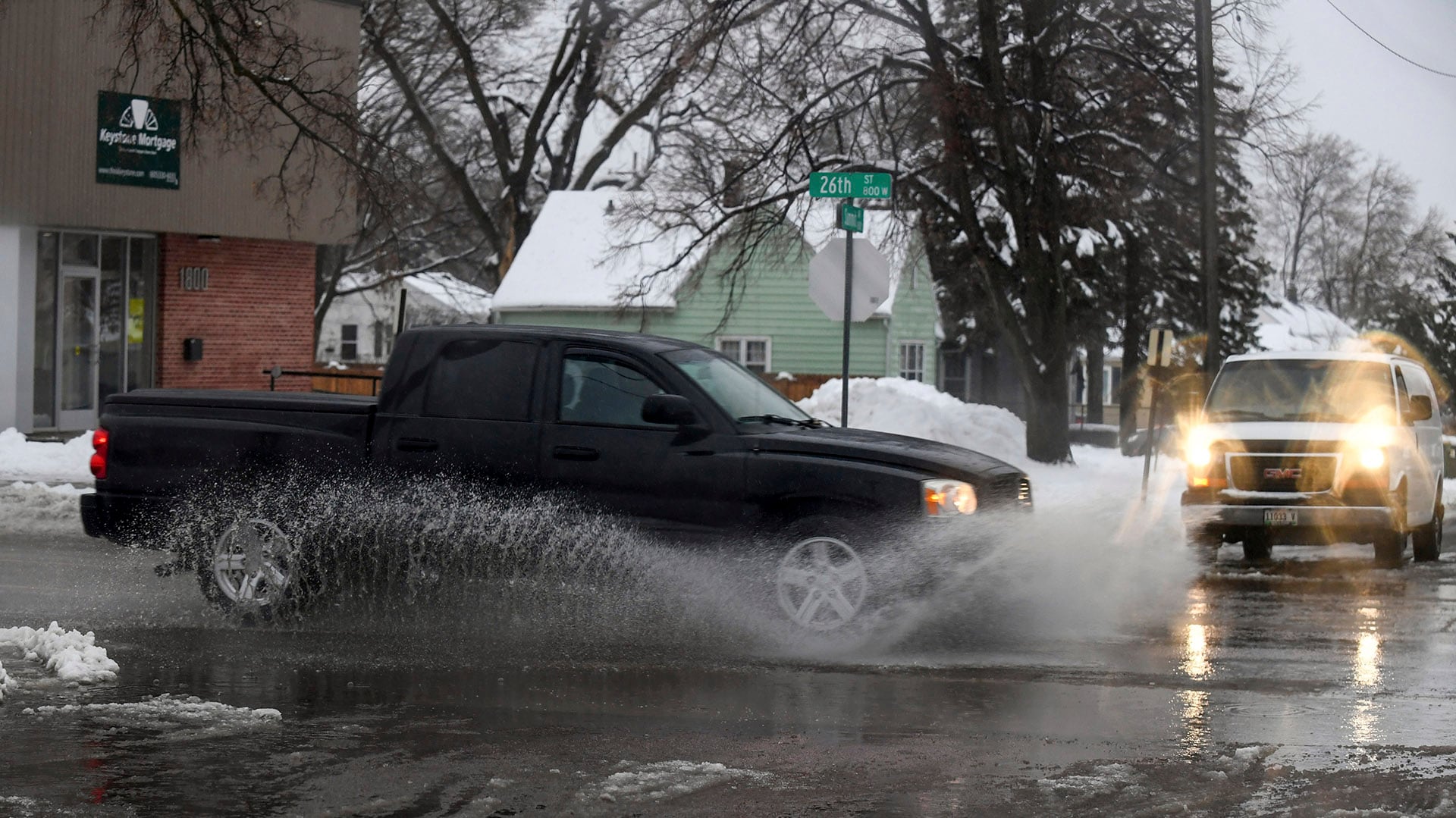
El comportamiento de las lluvias está ligado al desplazamiento de las corrientes en chorro, bandas de vientos intensos en altura que dirigen sistemas de baja presión y masas de aire. Según NOAA Climate.gov, El Niño puede favorecer una corriente en chorro más meridional sobre Estados Unidos durante el invierno, lo cual incrementa las posibilidades de precipitaciones en la franja sur del país. Esa señal es más visible durante diciembre, enero y febrero, aunque puede extenderse al inicio de la primavera.
El sureste, la costa del Golfo y partes de las llanuras del sur también figuran entre las zonas con mayor probabilidad de recibir más lluvia durante un episodio de El Niño. El Servicio Nacional Oceánico de la NOAA señala que el fenómeno suele favorecer condiciones más húmedas en el golfo de México y el sureste estadounidense. La formulación oficial se refiere a promedios estacionales y no supone que todas las áreas de esos territorios registren lluvias por encima de lo normal.
Newsweek citó a Tony Fracasso, meteorólogo del Centro de Predicción Meteorológica de la NOAA, quien dijo que California y el sureste podrían concentrar algunos de los principales efectos. La declaración coincide con los patrones históricos descritos por los organismos estadounidenses, aunque el funcionario habló con el medio y no en un comunicado institucional sobre un pronóstico específico para cada estado.
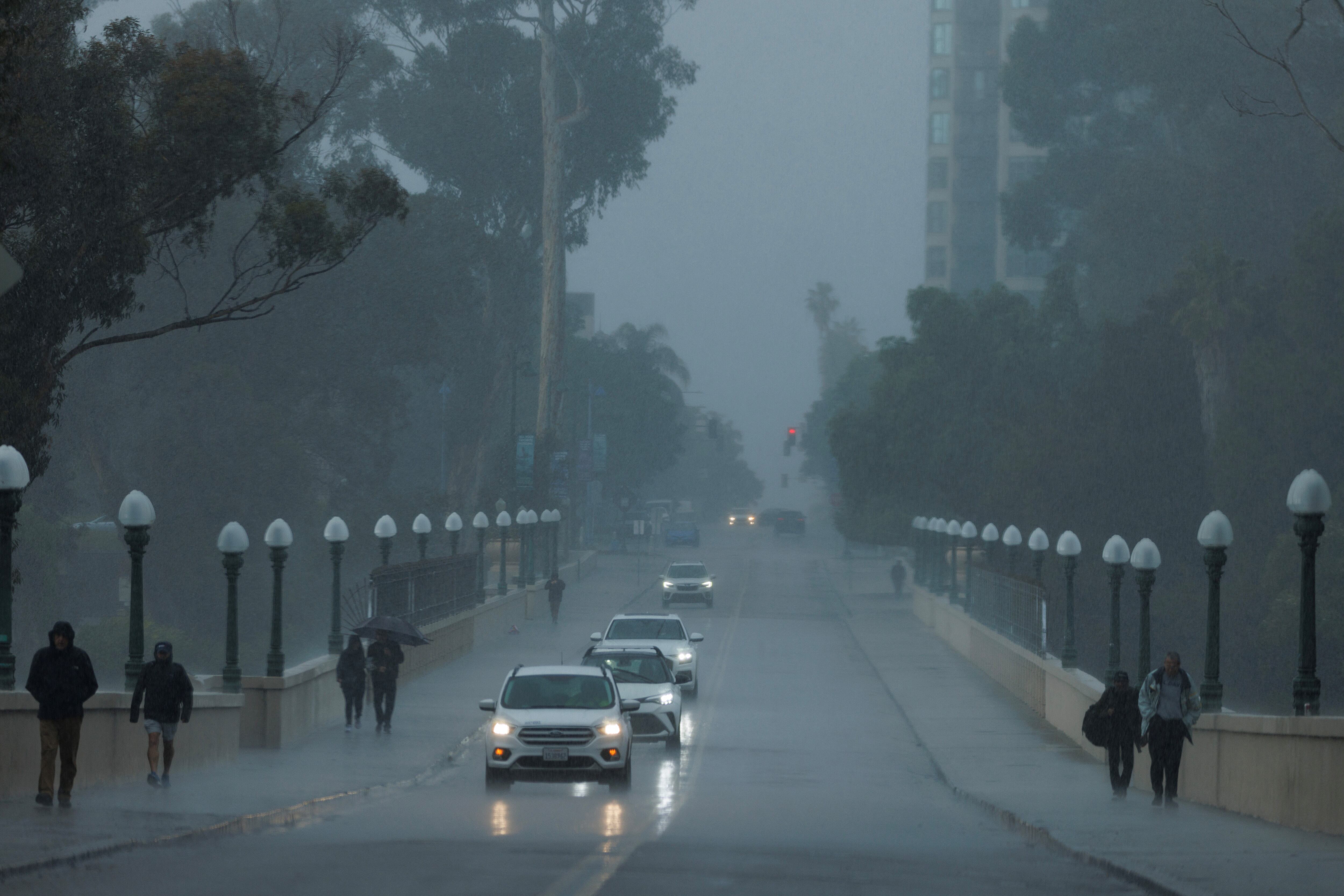
Dónde aumentan las probabilidades de condiciones más secas
El mapa estacional de la NOAA señala una leve inclinación hacia precipitaciones por debajo de los valores normales en buena parte de la región de los Grandes Lagos, el noreste y algunos sectores de Washington, Idaho y Montana. El organismo utiliza esa categoría cuando los modelos detectan una probabilidad algo mayor de lluvias inferiores al promedio, pero sin una señal suficiente para establecer una previsión concluyente.
Los antecedentes climáticos muestran que El Niño puede favorecer condiciones más cálidas y secas en áreas del norte de Estados Unidos y Canadá. Según el Servicio Nacional Oceánico de la NOAA, el desplazamiento hacia el sur de la corriente en chorro del Pacífico deja a algunas regiones septentrionales con menos influencia de los sistemas de tormentas invernales. Aun así, el organismo advierte que la distribución de las precipitaciones puede variar dentro de cada estado.
Para septiembre-noviembre, el Centro de Predicción Climática favorece temperaturas por encima de lo normal en gran parte del oeste y el centro de Estados Unidos, los Grandes Lagos, el noreste, Florida y áreas costeras del sureste y del golfo de México. El pronóstico no significa que todas las jornadas serán más cálidas ni descarta irrupciones de aire frío, heladas o episodios de nieve durante el invierno.
La NOAA tampoco elabora a esta distancia pronósticos de acumulación de nieve por estado. Las perspectivas estacionales calculan probabilidades sobre precipitación acumulada y temperatura media, mientras que la nieve depende de factores de corto plazo, como la temperatura local, la altura y la trayectoria precisa de cada tormenta. Por ese motivo, no hay respaldo oficial para afirmar desde ahora que California, Nevada, Utah, Colorado, Nuevo México o Arizona recibirán una cantidad determinada de nieve.
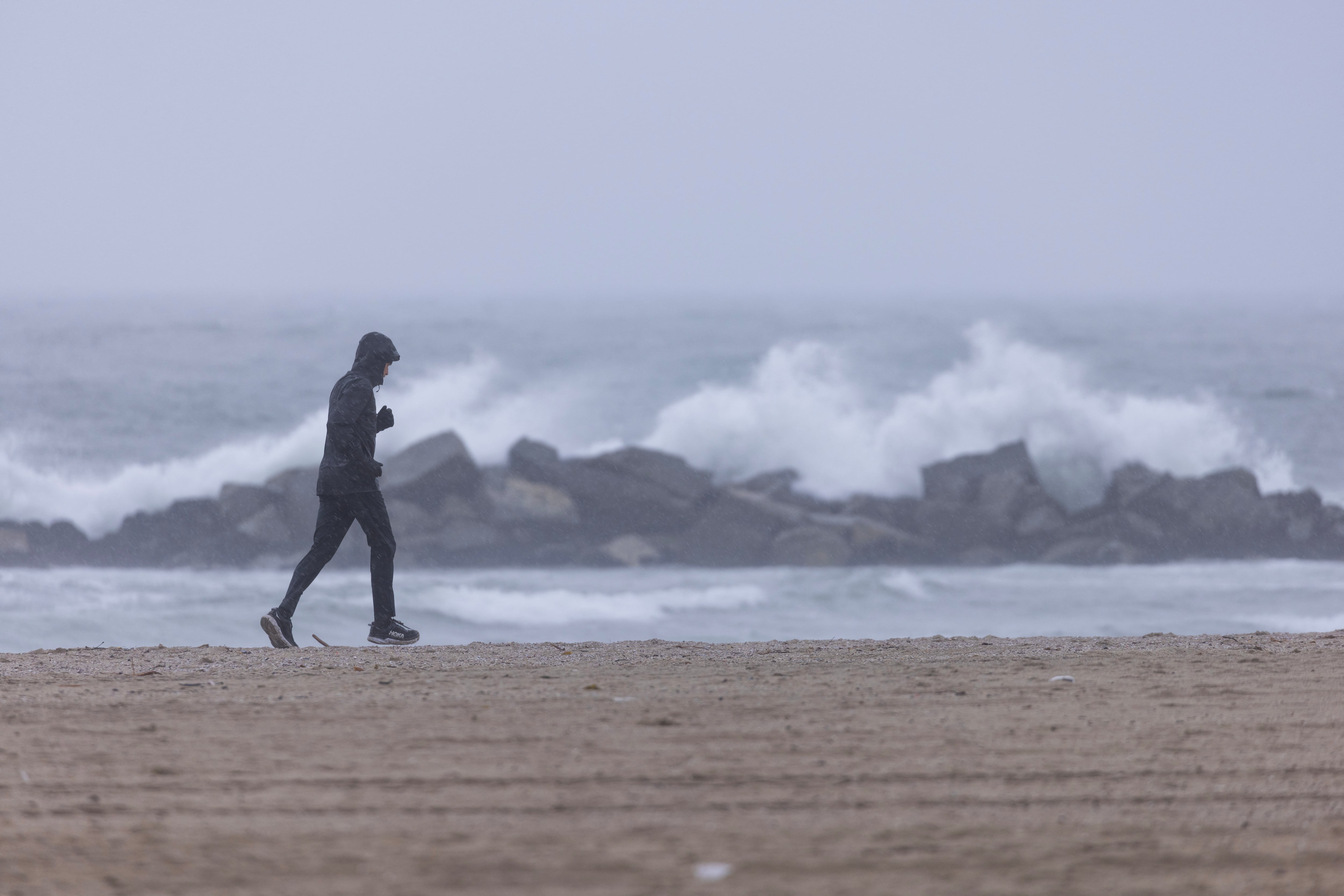
Los antecedentes de 1997-98 y 2015-16 no definen el próximo invierno
Los episodios de 1997-98 y 2015-16 suelen utilizarse como referencias por su intensidad. Según el Centro de Predicción Climática, el ciclo de 1997-98 estuvo entre los más fuertes del registro histórico y coincidió con un invierno húmedo y tormentoso en California y el sur de Estados Unidos. Los informes de la NOAA documentaron inundaciones en California y el sureste, además de lluvias extremas y deslizamientos en Perú.
El Niño de 2015-16 también alcanzó valores elevados en varios indicadores oceánicos. De acuerdo con el Laboratorio Marino y Meteorológico del Pacífico de la NOAA, ese evento fue comparable con 1997-98 en algunas mediciones de temperatura del Pacífico ecuatorial. Sin embargo, los efectos observados en cada región no fueron idénticos, una diferencia que ilustra los límites de las comparaciones entre un episodio y otro.
La próxima discusión diagnóstica sobre ENSO está prevista para el 10 de septiembre. Hasta esa actualización, los pronósticos oficiales ofrecen una guía sobre probabilidades regionales para la temporada, mientras que los avisos meteorológicos de corto plazo determinarán los riesgos concretos de lluvias intensas, viento, inundaciones, heladas o nevadas. Según la NOAA, la población y las autoridades locales deberán seguir esas previsiones diarias y semanales para conocer posibles impactos en sus zonas.
El Niño,precipitaciones,Estados Unidos,meteorología,océano Pacífico

El Vaticano reunirá a sindicatos, empresas y movimientos populares en una nueva cumbre con León XIV

En Bethesda todos daban por hecho que The Elder Scrolls 6 llegaría justo después de Fallout 4, pero Todd Howard tenía otros planes

El Patronato de la Infancia organiza un torneo de golf para ayudar a un comedor escolar que alimenta a 600 chicos

Noelia Marzol reveló todos los trucos y retoques estéticos que utiliza: “Casi nada es mío”

La Argentina resistió la turbulencia global, pero el mercado espera dos datos clave que definirán el ánimo de los inversores

Causa Cuadernos: Roberto Baratta pidió ampliar su indagatoria para responder a las acusaciones del exgerente de Techint

Franco Colapinto elogió la pole de Gasly en Monza y explicó cuál fue la diferencia de rendimiento con su compañero de Alpine

Arizona voter-law fight reaches SCOTUS as election groups warn ‘absurd’ consequence could ensue

Final Fantasy VII Revelation confirma nuevos detalles: Cambio de personaje, pistola de agarre y más – Nintenderos

El Gobierno nacional y la Conferencia Episcopal anunciaron avances en la planificación de la visita de León XIV

 POLITICA3 días ago
1000 días de Milei: los logros, las crisis que lo marcaron y los déficits de su gestión
- POLITICA3 días ago
Martín Menem dijo que Milei será el primer no peronista en ser reelecto y llamó a invertir más
- DEPORTE3 días ago
Franco Colapinto largará en el puesto 7 con su Alpine el Gran Premio de Italia de la Fórmula 1: hora, TV y todo lo que hay que saber