INTERNACIONAL
EE.UU.: liberaron a los padres mexicanos de un joven enfermo que pidió verlos antes de morir


La historia de Kevin González, un joven de 18 años nacido en Chicago y diagnosticado con cáncer de colon en etapa 4, conmovió a ambos lados de la frontera. Su único deseo era poder abrazar a sus padres, Norma e Isidoro González, antes de morir. Pero ellos estaban detenidos bajo custodia migratoria en Arizona, lejos de su hijo, que ahora se encuentra en México.
Este jueves, un juez migratorio de Estados Unidos ordenó la liberación y deportación expedita de los padres de Kevin, quienes permanecían detenidos desde el 14 de abril en el Centro Correccional de Florence, Arizona.
Un viaje marcado por la urgencia y el dolor
Kevin está en la casa de su abuela Victoria, en Durango, donde pasa sus últimos días acompañado por familiares y amigos. Su salud se deterioró rápidamente: el cáncer se extendió al estómago y los pulmones, y ya no recibe tratamiento médico, solo los cuidados básicos de su abuela.
“Al dolor físico se suma la angustia emocional por la ausencia de sus padres y la impotencia de no estar con ellos”, contó Victoria a medios locales. La historia de Kevin comenzó en la Navidad pasada, cuando se sintió mal y recibió el diagnóstico devastador de cáncer avanzado. Kevin González junto a su hermano. El joven fue diagnosticado con cáncer de colon en etapa 4. (Foto: gentileza El Sol de Durango).
Al enterarse de que le quedaba poco tiempo, Kevin viajó desde Chicago a México para despedirse de sus padres. Pero al llegar, descubrió que ellos ya no estaban en Durango: habían sido detenidos intentando cruzar la frontera de manera ilegal, en un acto desesperado por reencontrarse con su hijo.
Un drama familiar y una lucha contra el sistema
Norma e Isidoro González habían sido deportados en 2011 y, por ese antecedente, no lograron obtener visas humanitarias ni de turista para ingresar a Estados Unidos. La familia presentó documentos médicos del Hospital de la Universidad de Chicago y el diagnóstico terminal de Kevin, pero ninguna solicitud prosperó ante las autoridades estadounidenses.
La noticia fue confirmada por la cónsul general de México en Chicago, Reyna Torres Mendívil, quien detalló que Norma e Isidoro ya se encuentran en el cruce de Nogales, frontera con México, y pronto estarán en camino a Durango.
La decisión judicial y el derecho a una despedida
La cónsul Torres Mendívil explicó que el consulado de Chicago trabajó junto al de Tucson para coordinar la defensa legal de los padres y facilitar su repatriación. El cónsul Fernando Sánchez, desde Tucson, detalló que Norma e Isidoro enfrentaban cargos por “reingreso indocumentado”, pero finalmente el magistrado optó por la repatriación expedita.
El juez consideró que mantener a los padres detenidos ya no respondía a un interés de seguridad pública y que, en cambio, se estaba afectando el derecho de un ciudadano estadounidense a despedirse de su familia antes de morir.
«Quiero ver a mis padres aunque sea por última vez“, dijo Kevin en una entrevista televisiva. Ahora, tras una larga espera y una lucha marcada por el dolor, ese último deseo está a punto de cumplirse.

Kevin González junto a su hermano. (Foto: gentileza Univisión).
El único contacto que Kevin tuvo con su madre fue a través de una videollamada desde el centro de detención. La situación generó un fuerte reclamo social y político: la congresista por Arizona, Adelita Grijalva, pidió públicamente la liberación inmediata de los padres, calificando el caso como un tema de “decencia humana”.
La historia de Kevin González conmovió a miles en las redes sociales. El joven, de apenas 18 años y oriundo de Chicago, enfrenta un diagnóstico devastador: cáncer de colon en etapa cuatro. Su mayor deseo es simple y profundo: volver a abrazar a sus padres, Norma Anabel Ramírez Amaya e Isidoro González Avilés, quienes dejaron todo en Durango para intentar estar a su lado.
Un viaje desesperado y una familia separada
La familia vivió semanas de angustia. Los padres de Kevin pidieron una visa humanitaria al gobierno de Estados Unidos, pero la respuesta fue negativa. Desesperados, en abril decidieron cruzar la frontera de manera irregular, arriesgando todo por el sueño de reencontrarse con su hijo.
“Desde abril estamos esperando esto y, apenas ayer, un juez se conmovió con la historia de mi niño y ordenó su liberación”, contó la abuela de Kevin, Virginia, al diario Milenio.
“Llorábamos de tristeza, ahora lloramos de alegría”, dijo también al canal Univisión. Kevin González tiene 18 años y podrá volver a ver a sus papás. (Foto: gentileza Univisión).
Ahora, el joven se encuentra en la casa de su abuela, esperando ansioso el momento de volver a ver a sus padres. “Desde el jueves al saber la noticia, Kevin no durmió en toda la noche. Estuvo preguntando por sus papás, ya está ansioso por verlos”, expresó Virginia.
Según declaró su abuela al diario El Sol de Durango, el joven mejoró con la noticia de la liberación de sus papás. “Se le nota una mejoría en su cara desde que supo que ya venía su mamá, ya hasta platicó un poquito más”, compartió emocionada.
Virginia también agradeció el apoyo que recibieron. “Nunca imaginamos tanta solidaridad”, dijo.
La familia González, marcada por la lucha y el amor, espera que el reencuentro se concrete en las próximas horas. El deseo de Kevin es claro: abrazar a sus padres y compartir con ellos el tiempo que le queda.
Estados Unidos, México












INTERNACIONAL
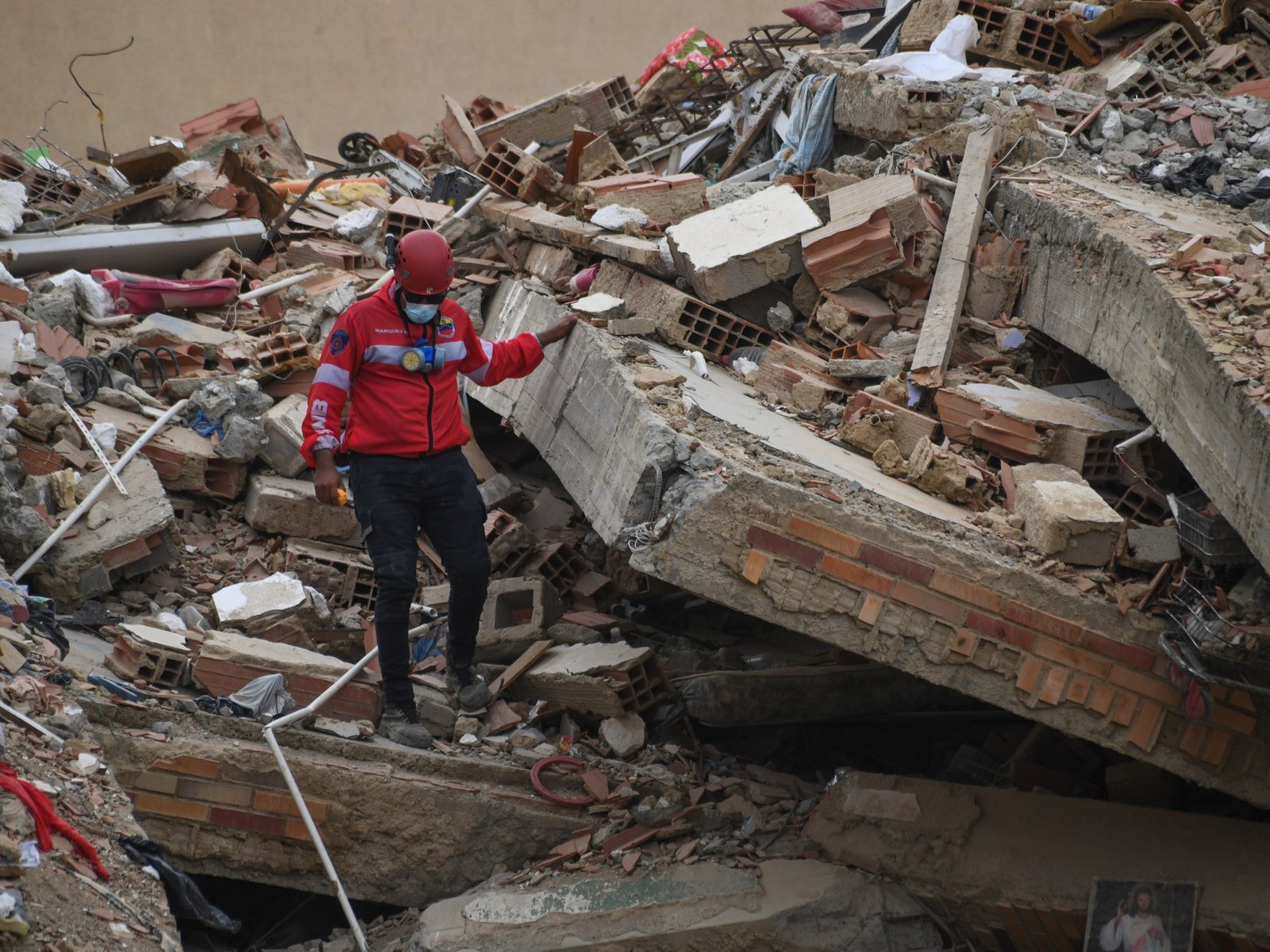
Venezuela y los desafíos de su reconstrucción: costos en alza, viviendas temporales y aprender a convivir con la amenaza de un nuevo terremoto
El sistema de colores

La reconstrucción

«Los verdaderos responsables son las malas construcciones, la corrupción y la incompetencia del Estado»


NEWYou can now listen to Fox News articles!
A bipartisan push to make Daylight Saving Time permanent is heading for a chamber-wide vote after clearing a key House hurdle.
The House Rules Committee on Monday teed up a floor vote on the Sunshine Protection Act, which would allow states to enact Daylight Saving Time year-round — with an option to opt out. The committee approved the rule in a 6-4 vote.
The measure has the support of many coastal lawmakers and President Donald Trump, who has repeatedly urged Congress to make Daylight Saving Time permanent and end the twice-a-year ritual of changing clocks — a practice currently observed by every state except Hawaii and most of Arizona.
Proponents argue that resetting clocks has negative health impacts, while permanent Daylight Saving Time would boost outdoor recreation, tourism and economic activity, among other benefits.
Rep. Vern Buchanan, a Republican from Florida, attends a House Ways and Means Committee hearing in Washington, D.C., on April 22, 2026. (Graeme Sloan/Bloomberg via Getty Images)
CONGRESS EYES RARE BIPARTISAN HOUSING WIN WITH OR WITHOUT TRUMP’S HELP
Most Americans already set their clocks forward one hour each spring to preserve more evening daylight before «falling back» one hour in November.
«Americans are overwhelmingly supportive of this policy and want to end the practice of ‘springing forward’ and ‘falling back.’ Locking the clock all year long would have positive impacts on sleep schedules, energy conservation, motor vehicle safety, and our economy,» Chairman Brett Guthrie, R-Ky., said in an opening statement Monday.
«In practice, this change would mean more time for people to exercise outside, visit family, attend concerts and sporting events, attract customers to their retail businesses, and more.»
«Floridians and Americans across the country are tired of the biannual time change, and the evidence is clear that permanent daylight saving time can improve public health, reduce traffic accidents, lower crime and encourage more outdoor activity,» Rep. Vern Buchanan, R-Fla., who authored the measure, previously said in a May news release.
«Ending the clock change is a commonsense reform that will improve everyday life for millions of Americans,» he added.
The legislation’s momentum comes after the House Energy and Commerce Committee overwhelmingly passed the measure 48-1 in May.
«It’s time that people can stop worrying about the ‘Clock,’ not to mention all of the work and money that is spent on this ridiculous, twice-yearly production,» Trump wrote following the Sunshine Protection Act’s advancement out of committee. «It will also be a very nice WIN for the Republican Party. Take it! We are going with the far more popular alternative, Saving Daylight, which gives you a longer, brighter Day — And who can be against that — This is an easy one!»

President Donald Trump speaks to the media as he arrives at the U.S. Capitol on June 24, 2026, in Washington, D.C. (Andrew Harnik/Getty Images)
SLEEP DOCTOR REVEALS THE BRUTAL HEALTH DOWNSIDE OF DAYLIGHT SAVING TIME
Roughly 20 states have already passed legislation that would make Daylight Saving Time permanent if Congress were to authorize the practice. Alabama, South Carolina, Oregon, Maine and Florida are among those places.
But opponents, including several medical organizations, argue that permanent standard time — which provides more sunlight in the morning — would be the healthier option because it would more closely align with the body’s natural circadian rhythms.
Rep. Mary Gay Scanlon, D-Pa., proposed amending the bill with language from her co-sponsored Sunshine for Our Kids Act, which would make standard time permanent nationwide. The amendment was quickly rejected.
Scanlon argued that permanent daylight saving time would pose significant health and safety risks by leaving more Americans — particularly children — in darkness during morning hours. She also pointed to the nation’s brief experiment with year-round daylight saving time in 1974, which Congress abandoned after widespread public backlash.
Rep. Nanette Barragán, D-Calif., was also the lone lawmaker to oppose the legislation during the Energy and Commerce Committee markup in May, citing concerns that year-round daylight saving time could negatively affect children’s health and sleep schedules.
Some conservative lawmakers have also argued that GOP leadership should be focused on what they describe as more pressing legislative issues, including legislation codifying Trump’s border security executive orders and the stalled SAVE America Act.
«Republicans are majoring in the minors — fiddling with the clocks while the country burns,» Rep. Keith Self, R-Texas, a member of the conservative House Freedom Caucus, wrote Monday.
The House has already passed versions of the SAVE America Act multiple times, but the measure has struggled to overcome the Senate’s legislative filibuster.

This illustration photo shows a clock in the background of a smartphone showing the time after Daylight Saving Time was implemented in Los Angeles. (Chris Delmas/Getty Images)
CLICK HERE TO DOWNLOAD THE FOX NEWS APP
The Senate unanimously passed a version of the Sunshine Protection Act in 2022, but it died in the House amid opposition, including from lawmakers who voiced concerns about darker morning hours in parts of the country during the winter.
politics, health, congress, donald trump, republicans elections, house of representatives politics
INTERNACIONAL
Trump informó que EEUU investiga la posible presencia de drones iraníes en Cuba: “Si los tienen, nos encargaremos de ello en breve”
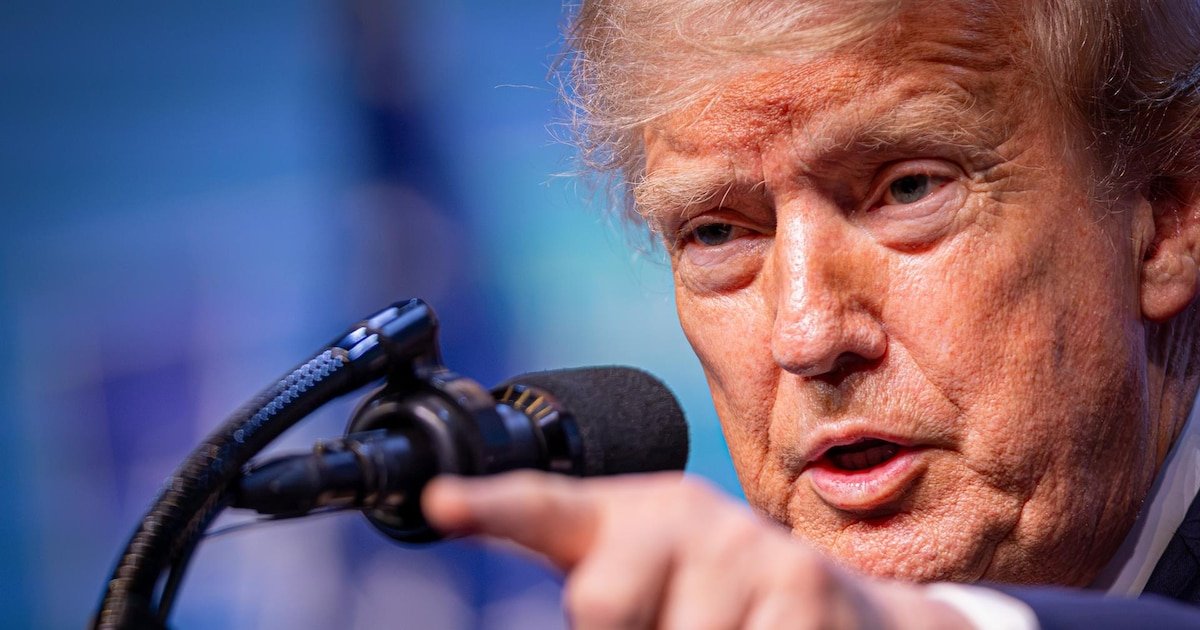
El presidente de Estados Unidos, Donald Trump, informó el lunes por la noche que su Gobierno investiga una posible presencia de drones iraníes en Cuba y advirtió que Washington actuará si confirma esa información. “Si los tienen, y es muy posible que los tengan, nos encargaremos de ello. Marco está justo en la habitación de al lado. Y si los tienen, nos encargaremos de ello en breve”, afirmó desde el Despacho Oval.
Trump respondió a preguntas de la prensa sobre una eventual presencia de drones iraníes en la isla y sostuvo que su administración no permitirá esa situación. Además, planteó la posibilidad de que Cuba también almacene armamento iraní.
«Podría ser» que la isla caribeña estuviera «almacenando algunos» misiles iraníes, señaló el mandatario. “Lo estamos investigando ahora mismo”, expresó, antes de remarcar que su Gobierno no va a «permitir que eso ocurra“.
Las declaraciones del presidente llegaron poco después de que el secretario de Estado, Marco Rubio, anunciara que Washington continuará con el uso de «todas las herramientas a su disposición» para «impulsar» reformas «políticas y económicas» en Cuba y poner fin a «décadas de represión e incompetencia económica de su régimen comunista“.
En la víspera, el embajador de Estados Unidos ante las Naciones Unidas, Mike Waltz, sostuvo que Cuba alberga bases «tanto rusas como chinas» y atribuyó a Moscú y Beijing la presencia de «puestos de inteligencia, puestos de recolección de señales y oficiales militares en Cuba“.

Las declaraciones se producen en un contexto de creciente presión de Washington sobre La Habana. Al embargo vigente desde hace más de seis décadas, Estados Unidos sumó desde comienzos de año un bloqueo energético que provocó, en distintas ocasiones, la interrupción total del suministro eléctrico en la isla.
El pasado viernes, las autoridades cubanas confirmaron un nuevo apagón eléctrico de alcance nacional, el cuarto registrado en lo que va del año.
El régimen cubano incorporó más de 300 drones militares de origen ruso e iraní desde 2023, según fuentes de inteligencia citadas por Axios. El informe sostiene que las Fuerzas Armadas Revolucionarias (FAR) analizan un eventual uso de estos sistemas contra objetivos militares estadounidenses, como la Base Naval de Guantánamo o instalaciones en Cayo Hueso, en medio de la creciente tensión con Estados Unidos.
Las autoridades del régimen, encabezadas por Miguel Díaz-Canel, invocaron el derecho a la legítima defensa, aunque no negaron la posesión de estos sistemas. El canciller Bruno Rodríguez advirtió que habrá un «baño de sangre» si Washington ejecuta una acción militar contra la isla.
De acuerdo con el portal El Toque, el interés de las FAR por los drones antecede a 2023 y responde a una política de cooperación militar con Irán, Rusia, Bielorrusia, Argelia, Venezuela y Vietnam. El medio también señala que existen indicios de que la industria militar del régimen desarrolló capacidad para ensamblar y modificar estos equipos.

Uno de los primeros antecedentes documentados data de 2012, cuando el entonces director de la empresa bielorrusa Minsk Aircraft Overhaul Plant, Yevgeny Vaitsekhovich, informó sobre un proyecto conjunto con la dictadura cubana para ensamblar drones Sterkh-BM. En 2024, el ministro de las FAR, Álvaro López Miera, visitó instalaciones militares en Bielorrusia donde inspeccionó modelos Irkut, Orlan, Supercam, Formula, VR-12, Moskit y Busel.
Según Axios, no existe evidencia pública sobre los modelos exactos incorporados por las FAR, aunque las fuentes consultadas apuntan a sistemas similares a los utilizados en la guerra de Ucrania, entre ellos los iraníes Shahed-136, Arash-2 y Mohajer-6, además del ruso Geran-2.
El Shahed-136 posee un alcance estimado de entre 2.000 y 2.500 kilómetros y puede transportar una ojiva de 40 a 50 kilogramos. El Arash-2 ofrece una autonomía de hasta 30 horas, mientras que el Mohajer-6 incorpora sensores electroópticos e infrarrojos y puede portar municiones guiadas de precisión.
El informe también indica que gran parte de los drones observados en Cuba corresponde a modelos comerciales chinos adaptados para tareas de vigilancia y reconocimiento. Además, las instituciones educativas de las FAR incorporaron formación específica en Vehículos Aéreos No Tripulados (VANT) y la Empresa Militar Industrial Yuri Gagarin presentó drones con capacidad para lanzar pequeñas granadas de mortero durante el ejercicio Meteoro 2025, lo que evidencia capacidad de ensamblaje, modificación y mantenimiento dentro de la isla.

El análisis publicado por Axios sostiene que «presentar drones armados como ‘medios defensivos’ supone una confusión conceptual sobre los principios básicos de la doctrina militar o una deliberada distorsión del lenguaje para consumo político interno“. Además, señala que la incorporación de estos sistemas respondió a un proceso de planificación de varios años y no a una reacción inmediata frente a las tensiones recientes con Estados Unidos.
(Con información de Europa Press)
Domestic,Politics,North America,Government / Politics

Cómo seguirá la situación judicial de Edgardo Kueider tras haber sido condenado en Paraguay por intentar ingresar US$200.000 sin declarar

Yanina Latorre opinó sobre el partido de Argentina versus Inglaterra: “No tiene nada que ver con la guerra de Malvinas”

Venezuela y los desafíos de su reconstrucción: costos en alza, viviendas temporales y aprender a convivir con la amenaza de un nuevo terremoto

Fue un peso pesado del BCRA y alerta que el resultado del plan Caputo por ahora es decepcionante

El esperanzador mensaje de Messi a horas del Argentina-Inglaterra por las semifinales del Mundial: la reacción de Antonela Roccuzzo

Desarticularon una banda que embotellaba agua en plantas cladestina que funcionaban en casas particulares del conurbano

Pablo Cervi, senador de LLA, defendió la eliminación de las PASO: “Hay que sacarle ese costo a la población”

“Hablame bien”: el tenso cruce de Lionel Messi con el árbitro en la victoria de Argentina ante Suiza en el Mundial

El álbum de las vacaciones soñadas de Darío Barassi con su familia: “Ibiza, nos vas enamorando”

Hackearon a la AFA y enviaron correos con falsas denuncias sobre el arbitraje ante Egipto

 DEPORTE2 días ago
“Hablame bien”: el tenso cruce de Lionel Messi con el árbitro en la victoria de Argentina ante Suiza en el Mundial
- CHIMENTOS1 día ago
El álbum de las vacaciones soñadas de Darío Barassi con su familia: “Ibiza, nos vas enamorando”
- ECONOMIA1 día ago
El petróleo sube más de 3% tras la reanudación de los ataques de EEUU contra Irán y la amenaza de cierre del estrecho de Ormuz