INTERNACIONAL
Inside the ‘digital lockdown’ for US officials as Trump arrives in China

NEWYou can now listen to Fox News articles!
As President Donald Trump and hundreds of aides, security personnel and officials prepare to travel to China, many will leave behind one of the most basic tools of modern government: their everyday cellphones.
Instead, officials entering China often travel with stripped-down «clean» devices, temporary laptops and tightly controlled communications systems designed to minimize the risk of surveillance, hacking or data collection in what U.S. officials consider one of the world’s most aggressive cyber environments.
The precautions can transform even routine tasks into logistical headaches. Messages that would normally travel instantly through encrypted apps or synced devices are instead routed through controlled channels, temporary accounts or relayed in person.
CHINA-LINKED HACKING GROUP TARGETS PHONES BELONGING TO TRUMP FAMILY, BIDEN AIDES: REPORT
Contacts disappear. Cloud access is limited. Some officials operate for days without their normal digital footprint.
Current and former officials say the measures reflect a longstanding assumption inside the U.S. government: anything brought into China — phones, laptops, tablets or even hotel Wi-Fi connections — should be treated as potentially compromised.
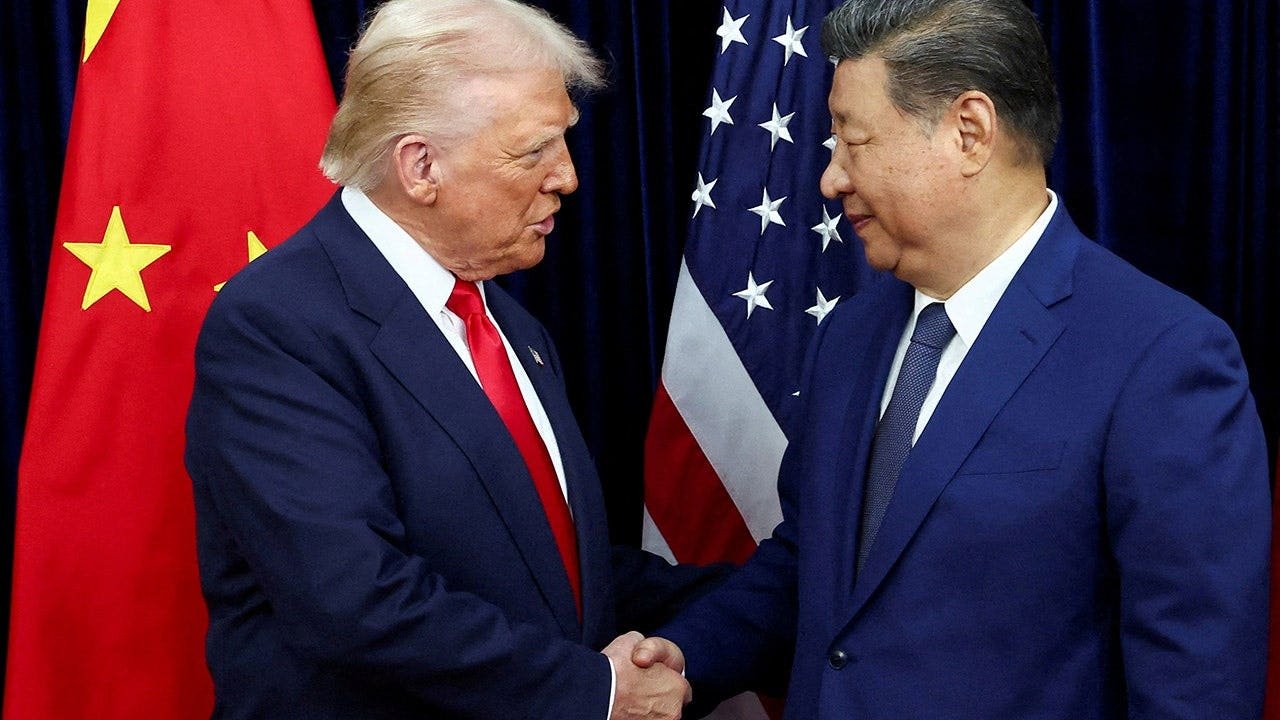
As President Donald Trump and hundreds of aides, security personnel and officials prepare to travel to China this week, many will leave behind one of the most basic tools of modern government: their everyday phones. (Evelyn Hockstein/Reuters)
«China is a mass surveillance state,» said Bill Gage, a former Secret Service special agent and now director of executive protection for Safehaven Security Group. «Briefings for U.S. officials begin well before the president arrives, and they make clear that everything is monitored.»
«We always tell people to assume everything you say and do — both in person and digitally — could be monitored,» said Theresa Payton, former White House chief information officer and CEO of cybersecurity firm Fortalice Solutions. «And to conduct themselves accordingly.»
Ahead of Trump’s high-stakes meetings with Chinese President Xi Jinping, the digital precautions underscore the broader mistrust shaping the relationship between Washington and Beijing, where cybersecurity, espionage and surveillance concerns now permeate nearly every aspect of official engagement.
TRUMP TO CONFRONT XI AT HIGH-STAKES SUMMIT OVER CHINA BACKING FOR IRAN, RUSSIA
The precautions will extend beyond government officials. The delegation traveling with Trump also is expected to include executives from major American firms, including Apple, Boeing, Qualcomm and BlackRock — companies operating at the center of the U.S.–China economic and technological relationship.
In Washington, officials are often told to leave their phones behind when entering places like the Chinese Embassy. Those same concerns are amplified when traveling to China itself, where U.S. officials operate under the assumption that devices, networks and even hotel rooms could be monitored.
Even charging a phone can become a security concern.
Federal cybersecurity guidance has long warned travelers to avoid plugging devices into unknown USB ports or untrusted charging systems because compromised hardware can potentially be used to extract data or install malicious software — a tactic commonly referred to as «juice jacking.»
As a result, officials traveling to high-risk countries often carry preapproved charging equipment, external battery packs and government-issued accessories rather than relying on local infrastructure.
«There are no safe electronic communications in China,» Gage said, noting officials are advised to limit digital activity to only what is necessary for the mission.
The Chinese government has rejected claims that it engages in improper surveillance.
«In China, personal privacy is protected by law,» Chinese Embassy spokesperson Liu Pengyu told Fox News Digital. «The Chinese government places a high priority on protecting data privacy and security in accordance with the law. It has never required—and will never require—enterprises or individuals to collect or store data in violation of the law.»
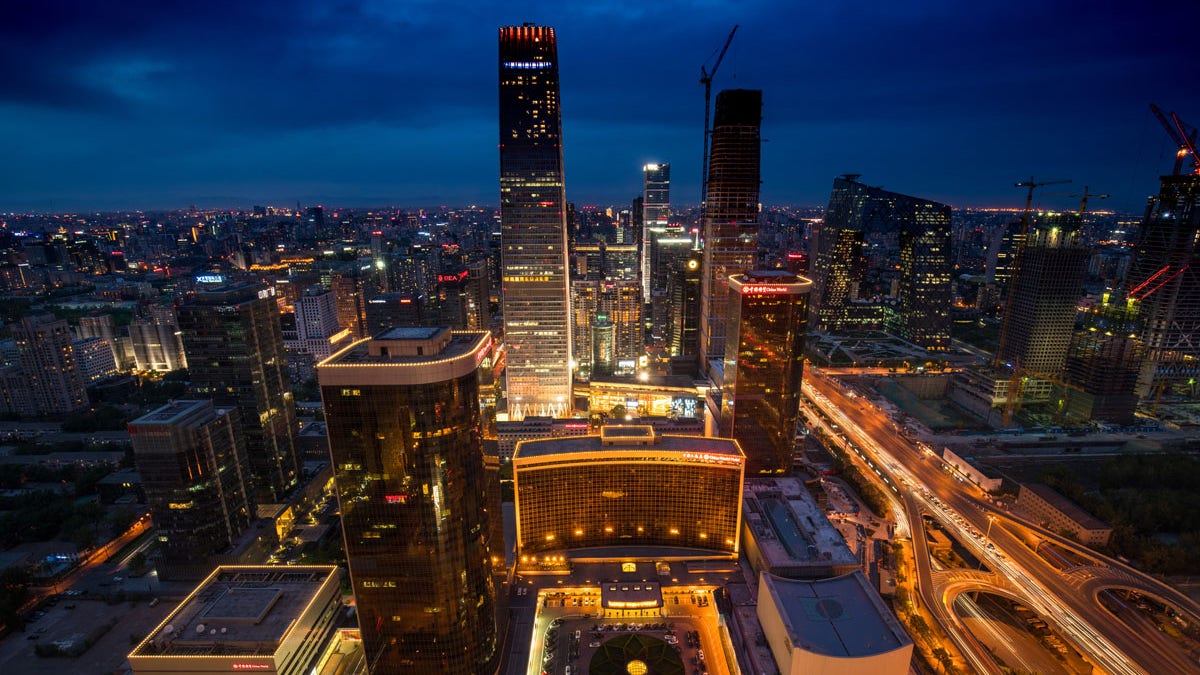
«China is a mass surveillance state,» said Bill Gage, a former Secret Service special agent and now director of executive protection for Safehaven Security Group. «Briefings for U.S. officials begin well before the president arrives, and they make clear that everything is monitored.» (iStock)
Payton said officials may also be issued temporary devices configured with known «golden images,» allowing security teams to detect whether a device has been altered or accessed during the trip.
«You may see executives issued loaner phones with a known ‘golden image,’ meaning security teams can compare the device before and after use to see if it’s been tampered with,» she said.
«There may be controlled ‘safe zones’ set up where officials can communicate back to the U.S., but everything is tightly managed,» Payton added.
When sensitive conversations need to happen, the logistics become even more complex.
U.S. officials traveling overseas frequently rely on temporary sensitive compartmented information facilities, or SCIFs — secure spaces designed to prevent electronic surveillance and eavesdropping. Those facilities can be established inside hotels or other controlled locations during major diplomatic trips.
«The White House Military Office and communications teams create controlled spaces where they can monitor both physical and digital access to ensure sensitive conversations remain secure,» Payton said.
The precautions can create a surprisingly analog environment for a modern presidential delegation. Paper documents become more common, digital access is restricted and aides accustomed to constant communication often operate through tightly controlled channels.

Officials entering China often travel with stripped-down «clean» devices, temporary laptops and tightly controlled communications systems designed to minimize the risk of surveillance, hacking or data collection in what U.S. officials consider one of the world’s most aggressive cyber environments. (iStock)
The White House could not immediately be reached for comment.
U.S. officials have spent years warning about Chinese cyber espionage campaigns targeting American government agencies, critical infrastructure, defense contractors and telecommunications networks.
Intelligence officials have accused Beijing-linked hackers of infiltrating everything from federal systems to power grids and water utilities, while repeatedly attempting to collect information on senior American officials and policymakers.
«China will conduct extensive research on every member of the U.S. delegation — from senior officials down to junior personnel,» Gage said, describing the level of intelligence targeting officials are warned about before traveling.
Payton said the high-profile nature of a presidential visit only increases the risk.
«This is a well-publicized event, so you have to assume everything from nation states to opportunistic actors may be trying to listen in,» she said.
CLICK HERE TO DOWNLOAD THE FOX NEWS APP
The issue exploded into public view in 2023, when a suspected Chinese surveillance balloon crossed the continental United States before being shot down by the U.S. military after traversing sensitive military sites. U.S. officials later said the balloon was part of a broader surveillance effort linked to Beijing.
More recently, federal officials have warned about sophisticated China-linked cyber groups such as Volt Typhoon and Salt Typhoon, which U.S. authorities say targeted critical infrastructure and telecommunications systems in ways that could support espionage or disruption during a future conflict.
security, laptops, cybercrime, xi jinping, apple








NEWYou can now listen to Fox News articles!
Nevada Lt. Gov. Stavros Anthony has an unusual plan to rev up the Silver State’s entertainment business: space tourism; and with Elon Musk having significant business interests in the state, he won’t have to look far to find the man to do it.
Anthony’s background has been anything but boring: he had a nearly three-decade career in law enforcement, was a regent in the state’s higher education system, and served as a longtime Las Vegas city councilman.
He ran a spirited campaign for mayor of Las Vegas, and since 2022 has served alongside Governor Joe Lombardo, leading the Silver State. The Lombardo/Anthony ticket was the only one in America in which Republicans defeated an incumbent Democratic governor and lieutenant governor.
Recently, Anthony sat down with Fox News Digital at FreedomFest in Las Vegas to discuss his career, the Nevada economy, and electoral prospects in 2026, in what is shaping up to be one of the tightest gubernatorial races in the country.
JOE LOMBARDO CRUISES PAST SIX GOP CHALLENGERS TO SECURE NEVADA REPUBLICAN GUBERNATORIAL NOMINATION
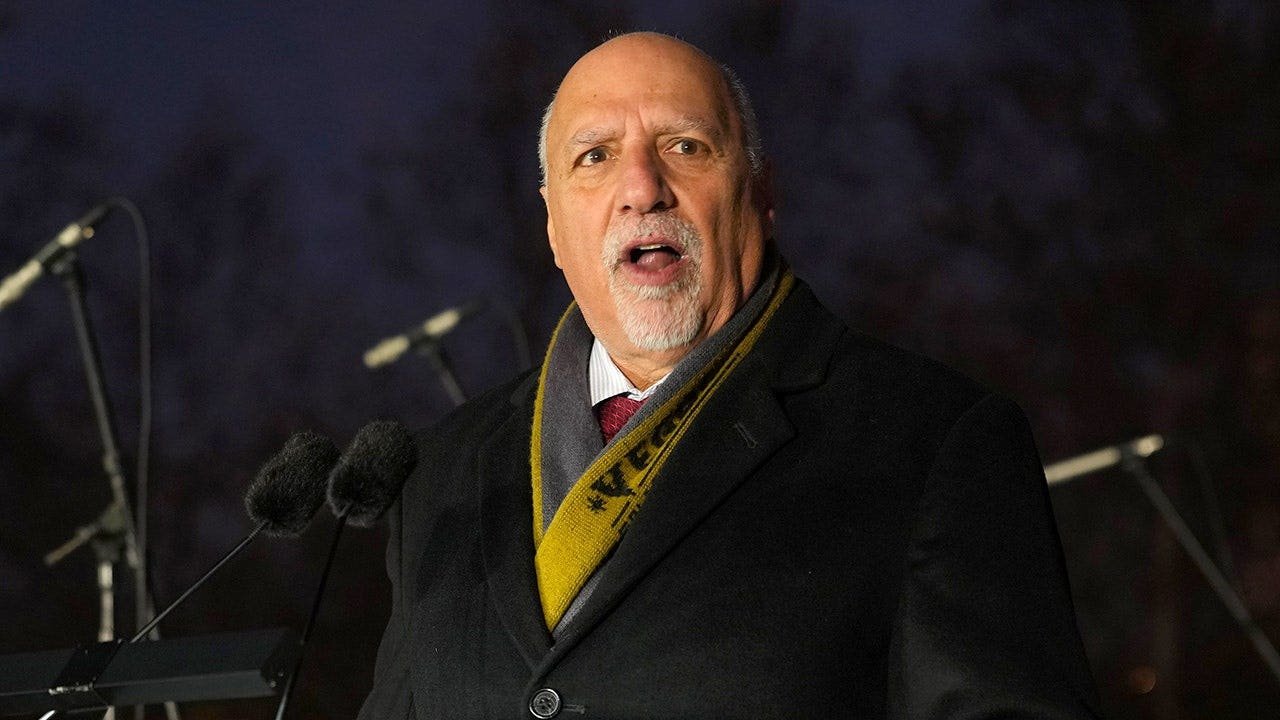
Nevada Lieutenant Gov. Stavros Anthony delivers remarks during the U.S. Capitol Christmas Tree lighting ceremony on the West Front Lawn at the U.S. Capitol on Dec. 2, 2025, in Washington, D.C. (Andrew Harnik/Getty Images)
Anthony promotes the state as a mecca for the entertainment business, touting a light regulatory touch and a thriving climate for entrepreneurship. He’s particularly bullish on professional sports, and the nascent space tourism industry.
«If you look at 10 years ago, we didn’t have one major sporting activity here in Nevada. They actually would not come here because they thought there would be illegal gambling and corruption and bribery and so on and so forth. In 10 years, we’ve become the sports capital of the world. Baseball is coming. We have hockey. We have football. We’re going to have basketball coming. F1. NASCAR, we have women’s basketball on and on and that just kind of cropped up.
«The thing about Las Vegas is anything can happen here, so it’s really not up to me as a lieutenant governor to decide what’s the next big thing in tourism. It’s the tourist industry that has to decide what’s the next big thing.
REPUBLICAN GOVERNOR TARGETED BY DEMOCRATS LAUNCHES RE-ELECTION BID IN KEY BATTLEGROUND
«One thing that is of interest is space tourism. I think that might be a future here in Nevada because we have a lot of open land where… somebody like Elon Musk can shoot rockets up into outer space, hang out up there for a while, have some drinks. Hang out with friends.
«What an experience that would be to see the Earth from up there and actually make it a tourist kind of an adventure. So those are the kind of things that we’re constantly thinking about, but it’s the private sector that needs to do it, and I am very much in favor of allowing our entrepreneurs to come up with the next best thing and to support them.»
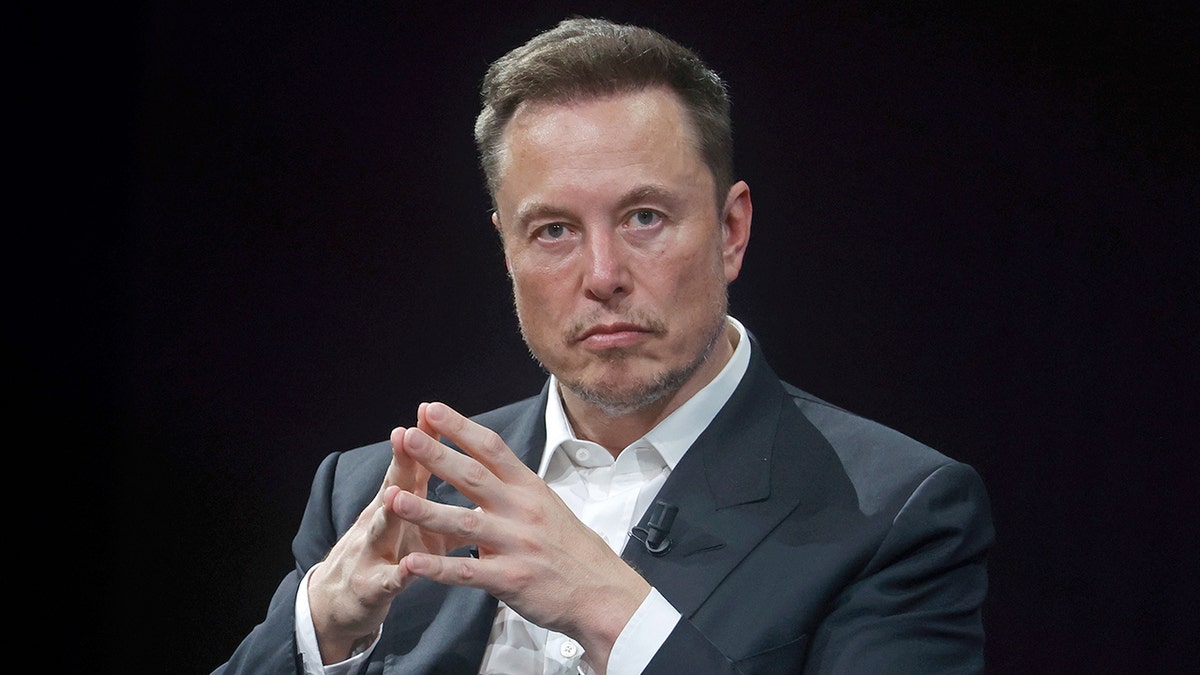
Elon Musk speaks at the Viva Technology conference focused on innovation and startups at the Porte de Versailles exhibition center in Paris on June 16, 2023. (Chesnot/Getty Images)
Anthony credits his lengthy career with Las Vegas Metro Police for giving him the problem-solving foundation to launch a successful political career:
«You know, most people think of the policing that they see on television. High-speed pursuits, gunfights, bar fights, chasing people down dark alleys, and arresting serious criminals. And that is a big part of policing. But really, 90% of police work is really solving problems. Going into neighborhoods, finding out what are the issues in those neighborhoods, helping those neighbors solve issues to make their quality of life a lot better.
«I’ve learned that that’s really what I should be doing as an elected official. My job is to go out there and talk to people and find out what the state can do, what a county could do, what a city could do to make their lives better: helping folks live the American dream and not causing problems like higher taxes, higher regulations, getting in their way, those sorts of things. So that’s really what I learned about police work.»

Nevada Gov. Joe Lombardo speaks onstage after a parade for Bruno Mars honoring his impact on Las Vegas entertainment at Toshiba Plaza on April 10, 2026, in Las Vegas, Nevada. (Photo by Ethan Miller/Getty Images for MGM Resorts)
President Trump has endorsed the Lombardo/Anthony ticket, and he believes that the new no tax on tips policy will prove to be a major electoral boost come November.
«Well, President Trump has endorsed the governor. President Trump has endorsed me. He was just here a couple of months ago to talk about his no taxes on tips, which was a huge thing here in Nevada.»
TRUMP ENDORSES NEIGHBORING STATE LIEUTENANT GOVERNORS FOR RE-ELECTION
«I think President Trump will be here. He’s welcome anytime to come to the great state of Nevada and talk to folks in Nevada. When he was campaigning, he would have events with 5,000 or 6,000 people attending. So we have a good relationship with him. We want to have a relationship with him, and I believe he’ll be here to talk about some of the great things his administration is doing, not only in the country, but how it’s impacting Nevada in a positive way.»
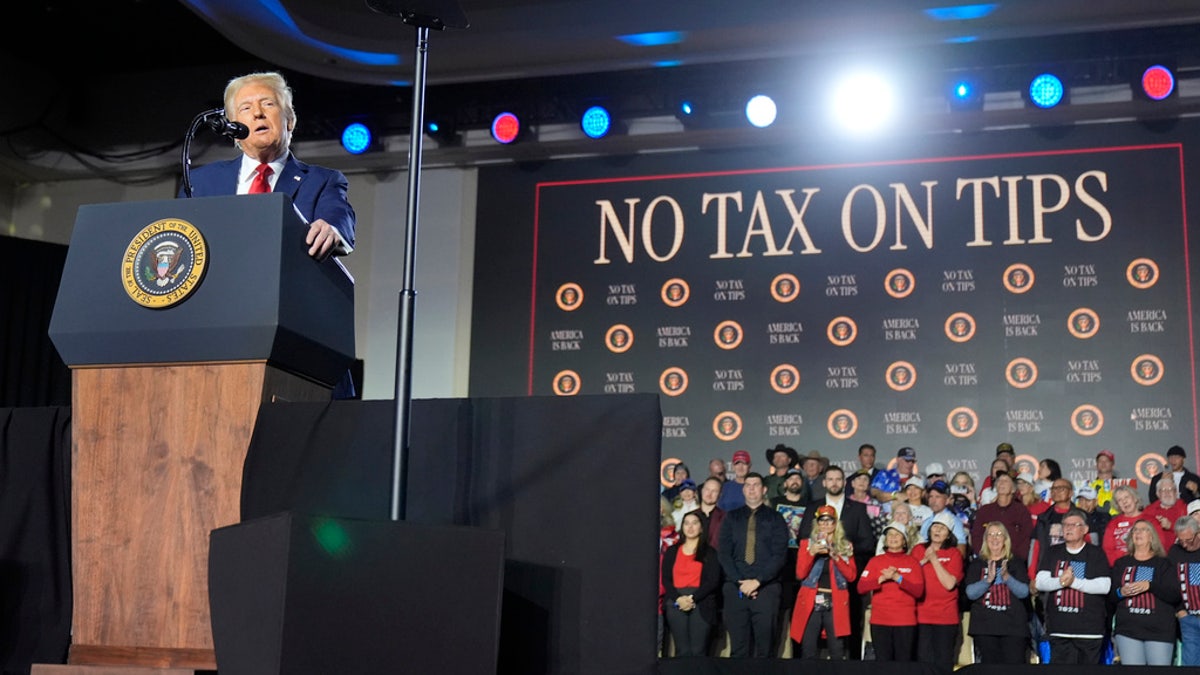
President Donald Trump speaks about the economy during an event at the Circa Resort and Casino in Las Vegas, Saturday, Jan. 25, 2025. (AP Photo/Mark Schiefelbein)
Finally, Anthony notes that his political philosophy is heavily shaped by his immigrant parents from Cyprus who instilled the values of hard work, self-reliance, and fiscal responsibility.
«When they came to the United States, and they didn’t have anything, all they could do was find a job and get married and raise a family… number one: you work hard.
CLICK HERE TO DOWNLOAD THE FOX NEWS APP
«Number two: you don’t ask the government for anything. You want them to protect you, you want to have roads. But you don’t ask them for welfare, you don’t ask them for unemployment checks, you don’t ask them for food stamps. So that’s not something that they thought the government would do.
«Their responsibility was to work hard, raise a family, buy a home and live the American dream. That taught me a lot. And that’s really how I’ve continued my public service. I am here to support Nevadans in ways that they want support, but I’m not here to carry them. They need to carry themselves, and I think they understand that.»
politics, midterm elections, republicans elections, nevada
INTERNACIONAL
“El statu quo en Nicaragua es intolerable para los Estados Unidos y sus vecinos”, afirma subsecretario Michael Kozak
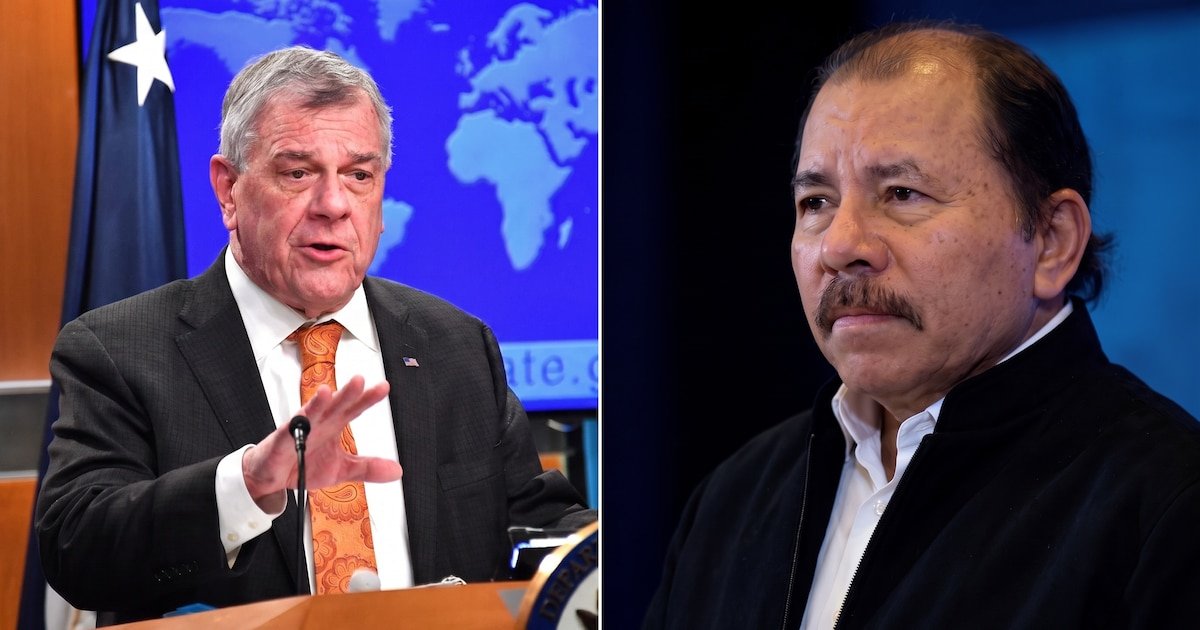
El subsecretario Michael Kozak afirmó ante el Senado de Estados Unidos que el statu quo en Nicaragua “debe” cambiar “pronto”, al definir al régimen de Daniel Ortega y Rosario Murillo como una “brutal y cleptocrática dinastía dictatorial” y ubicar al país entre las principales preocupaciones de seguridad de Washington en el hemisferio occidental.
En la misma comparecencia, el funcionario sostuvo que la política exterior de la administración de Donald Trump hacia América Latina tuvo entre sus resultados una caída del 92% en los encuentros diarios de inmigrantes ilegales en la frontera suroeste estadounidense durante los primeros 17 meses de gestión, un dato que presentó como parte del endurecimiento de la agenda regional.
Kozak declaró ante el Subcomité para el Hemisferio Occidental del Comité de Relaciones Exteriores del Senado que Nicaragua “sufre bajo una dinastía dictatorial brutal y cleptocrática que reprime todas las facetas de la Iglesia Católica, así como a sus ciudadanos comunes, y alberga a adversarios de seguridad de los Estados Unidos”, indican medios regionales.
“El statu quo en Nicaragua es intolerable para los Estados Unidos y sus vecinos, así como para el pueblo nicaragüense. Debe cambiar, y pronto”, declaró según medios como 100% Noticias.
La audiencia estuvo centrada en la Estrategia de Seguridad Nacional y en la política de Estados Unidos hacia América Latina. Citado por Centroamérica360, el subsecretario remarcó que la preocupación de su gobierno no se limita a un solo país. “Nos preocupa la inestabilidad y los actores malignos en Cuba, Nicaragua y Venezuela”, dijo durante su testimonio.
Ese señalamiento elevó el tono de las críticas de la administración Trump contra el régimen nicaragüense. De acuerdo con el medio centroamericano, se trató de una de las declaraciones públicas emitidas hasta ese momento por un funcionario de esa administración sobre la situación política del país.

Durante su intervención, Kozak también evaluó la política exterior de Washington en la región y colocó el combate a la inmigración ilegal como “primer objetivo” de la administración Trump. En ese punto, sostuvo que el enfoque de seguridad fronteriza aplicado con socios regionales “resultados sin precedentes”.
La cita textual que presentó fue la siguiente: “Nuestro primer objetivo ha sido eliminar la inmigración ilegal. El enfoque integral del presidente Trump hacia la seguridad fronteriza, trabajando con socios en toda la región, ha logrado resultados sin precedentes: los encuentros diarios de inmigrantes ilegales en la frontera suroeste de Estados Unidos han disminuido un 92%”.
El subsecretario aseguró además que su gobierno facilitó el mayor número de deportaciones de su historia para retirar a extranjeros sin derecho a permanecer en Estados Unidos. También dijo que ese liderazgo permitió a países socios mejorar el control de sus propias fronteras.
En otro tramo de su comparecencia, afirmó que varios líderes extranjeros reconocieron los efectos sociales del tráfico de personas a través de sus territorios. Sostuvo además que la reducción de la inmigración ilegal afectó una fuente importante de ingresos de los cárteles, porque, según su explicación, una parte muy significativa de sus ingresos globales provenía del traslado de migrantes hacia Estados Unidos.

Según Centroamérica360, Kozak abordó además la situación venezolana y dijo que Estados Unidos considera necesario encontrar un equilibrio para convocar elecciones después de la emergencia generada por los terremotos que afectaron al país.
En ese contexto, indicó que no deberían celebrarse comicios demasiado pronto ni demasiado tarde. “Creo que algo así como el 40% de los votantes en Venezuela no están registrados en este momento. Tienen que arreglar el padrón electoral, renovar el Consejo Electoral”, afirmó.
También señaló que la Asamblea Nacional de 2015 y las autoridades interinas habían anunciado que empezarían a trabajar el primero de agosto para activar los elementos necesarios para organizar esas elecciones.
Michael Kozak,Daniel Ortega,Estados Unidos,Nicaragua,política
NEWYou can now listen to Fox News articles!
Andy Burnham, the former Greater Manchester mayor who has frequently criticized President Donald Trump, is poised to become the United Kingdom’s next prime minister after emerging as the only candidate to replace outgoing Labour leader Keir Starmer.
Burnham, 56, received nominations from 322 of Labour’s 403 Members of Parliament on the first day of the leadership process, far surpassing the 81 required to enter the contest and leaving potential rivals with virtually no path to qualify.
He is expected to be formally confirmed as Labour leader Friday and appointed prime minister by King Charles III on Monday after Starmer’s resignation.
Britain’s parliamentary system allows the governing party to replace its leader — and therefore the prime minister — without holding a national election. The next nationwide election does not have to be held until 2029.
KEIR STARMER REPORTEDLY CONSIDERING STEPPING DOWN AS PM AND COULD ANNOUNCE TIMETABLE FOR DEPARTURE
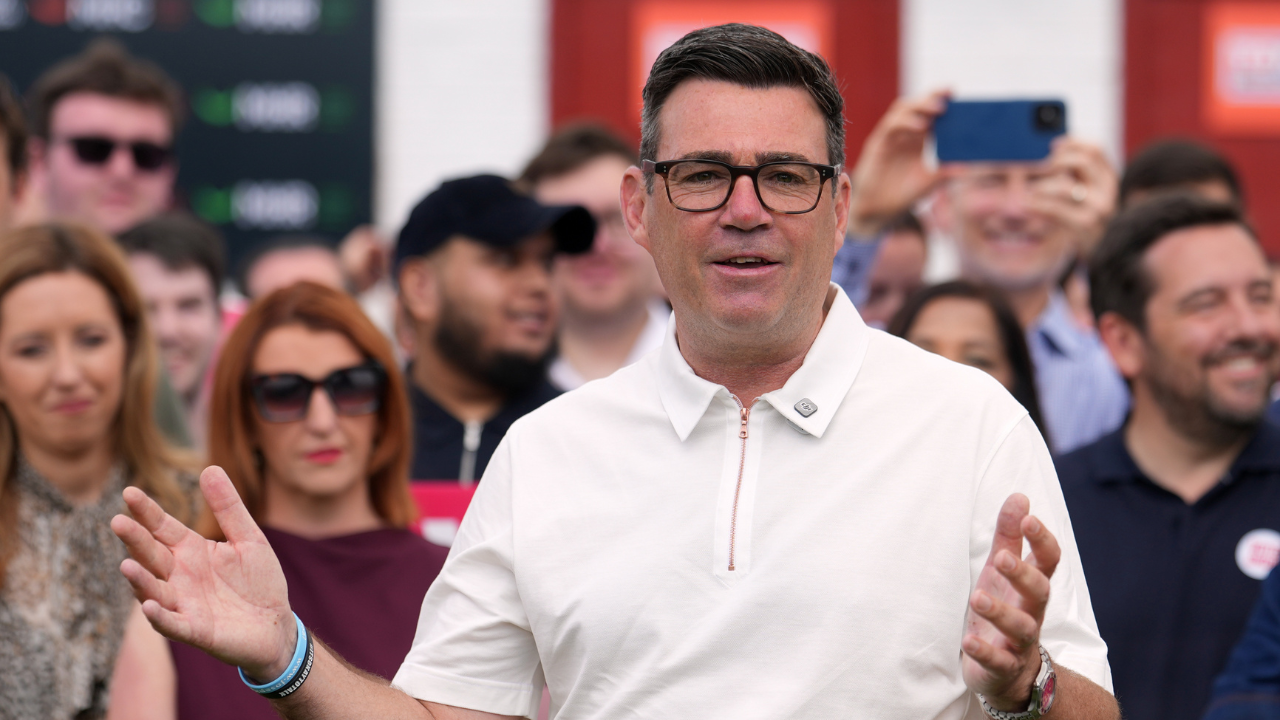
Greater Manchester Mayor Andy Burnham of the Labour Party reacts after being declared the winner in the by-election at The Edge where votes were being counted on June 19, 2026, in Wigan, England. (Ryan Jenkinson/Getty Images)
Burnham’s rapid path to Downing Street is drawing criticism from political opponents and foreign policy analysts who say he has not faced the scrutiny that would normally accompany either a competitive party leadership race or a general election campaign.
«Andy Burnham is the least scrutinized incoming U.K. Prime Minister of recent times,» Alan Mendoza, executive director of the London-based Henry Jackson Society, told Fox News Digital.
«He has faced neither a general election nor an internal party leadership debate in order to establish his positions for wider consumption,» Mendoza said. «He wasn’t even a candidate at the last general election.»
Burnham did, however, win 54.8% of the vote in June’s Makerfield parliamentary by-election, defeating Reform UK’s candidate and returning to the House of Commons after nearly a decade away. Before returning to Parliament, he had been directly elected mayor of Greater Manchester three times.
Reform UK leader Nigel Farage argued in a previous interview with Fox News Digital that Burnham should seek a new national mandate.
«The public are tired of the game of musical chairs that’s been taking place in 10 Downing Street over the last decade,» Farage said.
NIGEL FARAGE RESIGNING FROM UK PARLIAMENT
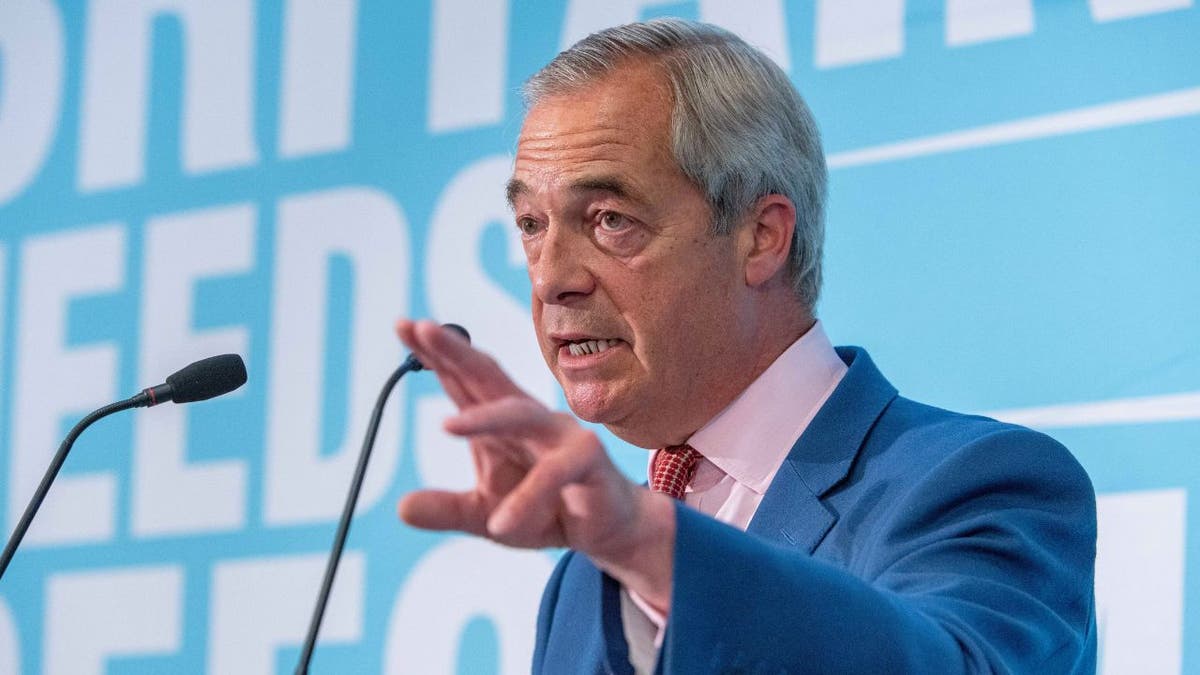
Reform UK leader Nigel Farage speaks during a news conference in Westminster, United Kingdom, June 10, 2025. (Thomas Krych/Anadolu via Getty Images)
«Mr. Burnham will come in, he will have no mandate,» he added. «I don’t even know what his policies are. Literally, I don’t. So, I think for all of those reasons, there ought to be a general election and a fresh mandate.»
Farage made the comments before resigning his parliamentary seat this month to trigger an Aug. 13 by-election in Clacton, where he plans to run again. Farage said he wanted voters to judge him amid parliamentary scrutiny over allegations involving gifts from wealthy supporters. He has denied wrongdoing. Police are separately investigating donations made to Reform UK, but no arrests have been announced.
Who is Andy Burnham?
Burnham grew up in north-west England between Liverpool and Manchester. The son of a British Telecom engineer and a receptionist, he joined the Labour Party as a teenager, studied at Cambridge University and was first elected to Parliament in 2001, according to The Associated Press.
He rose through Labour’s ranks during the governments of Tony Blair and Gordon Brown and served in several senior positions, including as culture secretary and health secretary.
Burnham ran unsuccessfully for the Labour leadership in 2010 and again in 2015. He left Parliament in 2017 after winning election as mayor of Greater Manchester, a regional position he used to build a national political profile.
A British Union flag flies from a souvenir stall near the Houses of Parliament in London, U.K., Oct. 27, 2025. (Jason Alden/Bloomberg via Getty Images)
As mayor, Burnham promoted greater regional control over transportation and public services. His administration brought Greater Manchester’s fragmented bus system under public control as part of the Bee Network, a regional transportation project that became one of his signature achievements.
He also became closely associated with the campaign for accountability over the 1989 Hillsborough stadium disaster, in which 97 Liverpool soccer fans were killed. Burnham supported victims’ families in their long-running effort to expose police failures and rebut false accusations originally directed at supporters.
MEET ‘COUNT BINFACE,’ THE TRASH CAN-CLAD COMEDIAN CHALLENGING NIGEL FARAGE
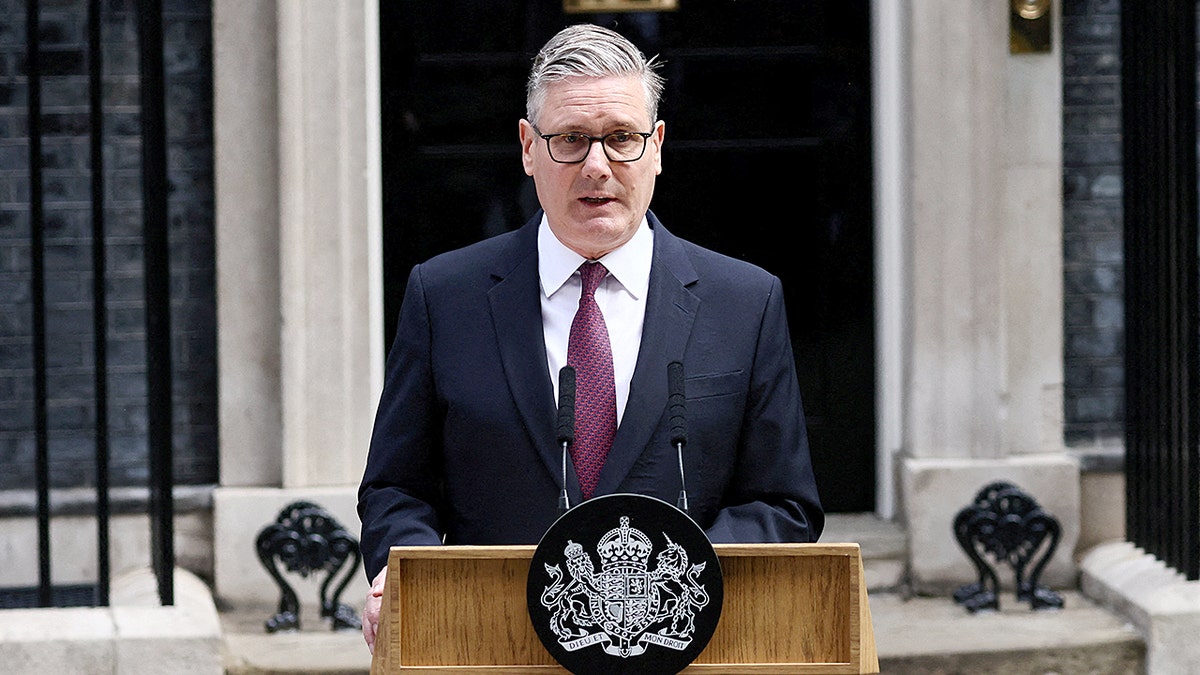
British Prime Minister Keir Starmer announces the timeline for his resignation after Andy Burnham’s decisive victory last week in the Makerfield by-election outside 10 Downing Street, in London, Britain, June 22, 2026. (Reuters/Jack Taylor )
What has Andy Burnham said about President Trump?
Burnham has repeatedly criticized President Donald Trump, accusing him of contributing to global instability while warning that Britain risks importing the polarization of American politics. In a 2025 interview with The London Economic, Burnham compared Trump’s return to office to the turmoil caused in Britain by former Prime Minister Liz Truss.
«The instability that Liz Truss brought to Britain, I think Trump is bringing to the U.S. and the world,» Burnham said in the interview. He also described several of Trump’s decisions, including his approach to the Russia-Ukraine war, as «out of order.»
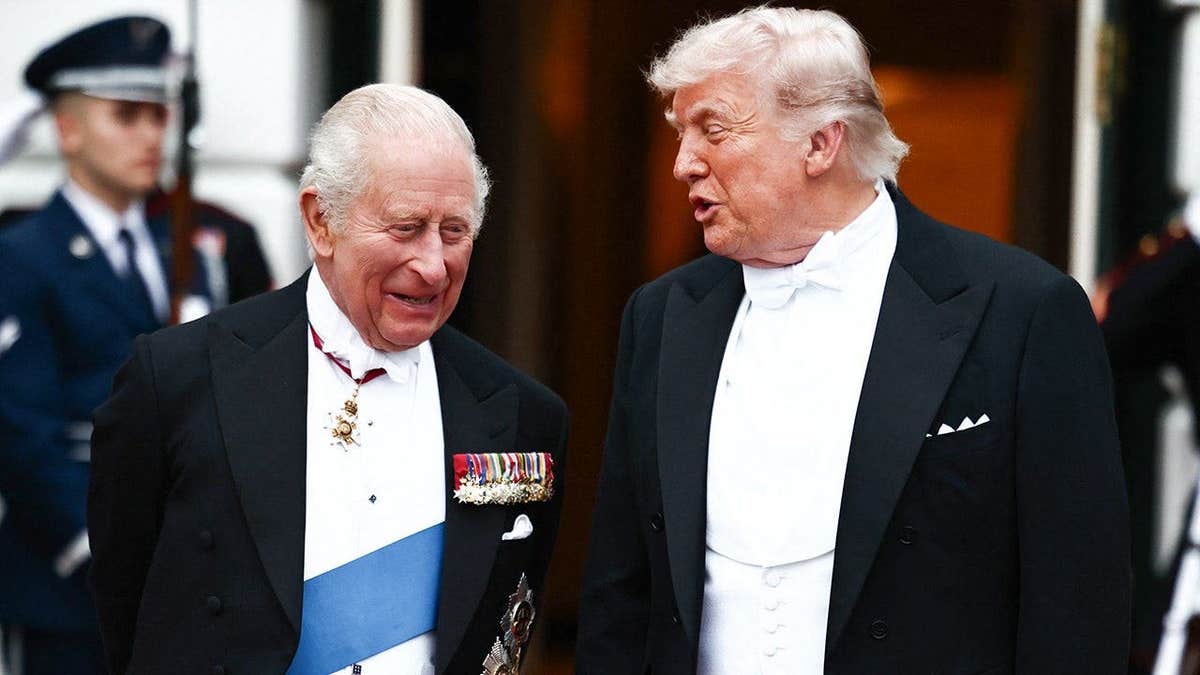
President Trump and King Charles shared a laugh outside the White House ahead of a state dinner. (Henry Nicholls/AFP via Getty Images)
Burnham’s criticism of Trump dates back to the president’s first election in 2016. After Trump’s victory, Burnham described some of his rhetoric as «deeply troubling» but argued that politicians on the left should examine why working-class voters had turned to him rather than simply blaming the electorate.
«We have to look closer to home,» Burnham said, according to The Guardian.
His language became sharper following the Jan. 6, 2021, riot at the U.S. Capitol. As the attack unfolded, Burnham wrote on X that «any UK politician who gave Trump the time of day should be ashamed right now.»
More recently, during his Makerfield parliamentary campaign, Burnham warned that Britain was moving toward «the politics of the United States of America,» which he described as «a polarized, poisonous politics where people in communities don’t work together anymore.»
KING CHARLES FOLLOWS QUEEN ELIZABETH’S PLAYBOOK WITH A TWIST DURING TRUMP STATE VISIT: EXPERT
Despite those attacks, Burnham has stopped short of advocating a rupture with Washington. According to Time, he supported Starmer’s effort to maintain a working relationship with Trump, while arguing that Britain must be prepared to disagree with the United States.
«Obviously, the relationship is important to the U.K., but not to the point where we just go along with anything they say,» Burnham said.
Trump has already responded dismissively to the likely incoming British leader. Asked in June what he knew about Burnham, Trump said, «I don’t know, I think I see that he was, I guess, the mayor of a town.» Trump added that he had heard Burnham was «extremely liberal» and suggested that he would oppose expanded North Sea oil drilling, before declaring that «the U.K. is dying,» according ton Reuters.
What are Andy Burnham’s political views?
Burnham is generally regarded as being to the left of Starmer. He has said he wants to take what he calls «Manchesterism» nationwide, describing an approach that places «people and place before party» and transfers greater attention and authority from London to regions that have historically received less investment.
He has emphasized infrastructure, housing, transportation and regional economic development, while arguing against what he calls «trickle-down economics.» The Associated Press reported that his priorities have also included vocational education, youth employment, lower energy bills and cheaper rail travel.
Mendoza said that Burnham’s past positions and recent statements suggest he would move the British government further to the left.
«What we can be certain of is that he will be looking to impose a fairly radical left-wing agenda for the country based on his past beliefs and recent pronouncements,» Mendoza said.
«In no particular order, these include introduction of wealth taxes, changes to the electoral system, a vast expansion of social housing and attacks on hitherto allies of the U.K. like Israel.»
FROM LONDON SYNAGOGUES TO NEW YORK PRESCHOOLS — ANTISEMITIC ATTACKS ESCALATING ON BOTH SIDES OF THE ATLANTIC
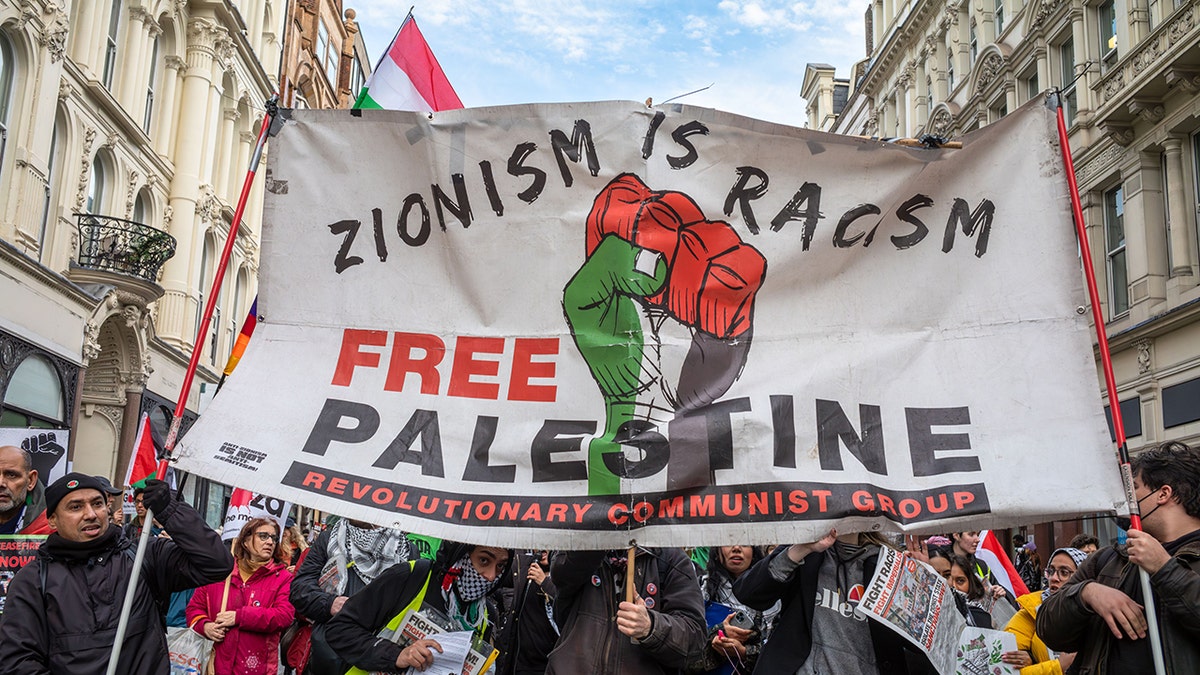
Pro-Palestinian protesters hold a banner and chant at at anti-Israel protest in London Dec. 9 2023., (Andy Soloman/UCG/Universal Images Group via Getty Images)
Burnham has sought to counter concerns about his limited recent national security experience.
He has pledged continuity in Britain’s commitments to NATO, its nuclear deterrent, the United States and Ukraine, according to The Associated Press.
He has also called for Britain to rebuild its military capabilities and domestic defense industry in response to what he described as an increasingly dangerous international environment.
On the war in Gaza, Burnham has criticized Labour’s earlier response and argued that the party was too slow to call for a ceasefire. The Associated Press reported that he has raised the possibility of additional sanctions and trade restrictions involving goods linked to Israeli settlements. Burnham has also condemned Hamas’ Oct. 7, 2023, terrorist attack against Israel.
Burnham has not served in Britain’s national government since 2010 and spent almost a decade outside Parliament, meaning his record is far more developed on domestic and regional policy than on current foreign policy and national security questions.
When could Britain hold a general election?
Burnham would not be required to call an immediate general election. Labour won a large parliamentary majority under Starmer in July 2024, allowing the party to remain in power until 2029 unless Burnham decides to seek an earlier mandate.
Mendoza predicted that Burnham could attempt to capitalize on the momentum surrounding his arrival at Downing Street.
«As he is never likelier to be more popular than on day one of his premiership, we should also be on the watch for his calling of an early general election in order to capitalize on this unique moment,» Mendoza said.
CLICK HERE TO DOWNLOAD THE FOX NEWS APP
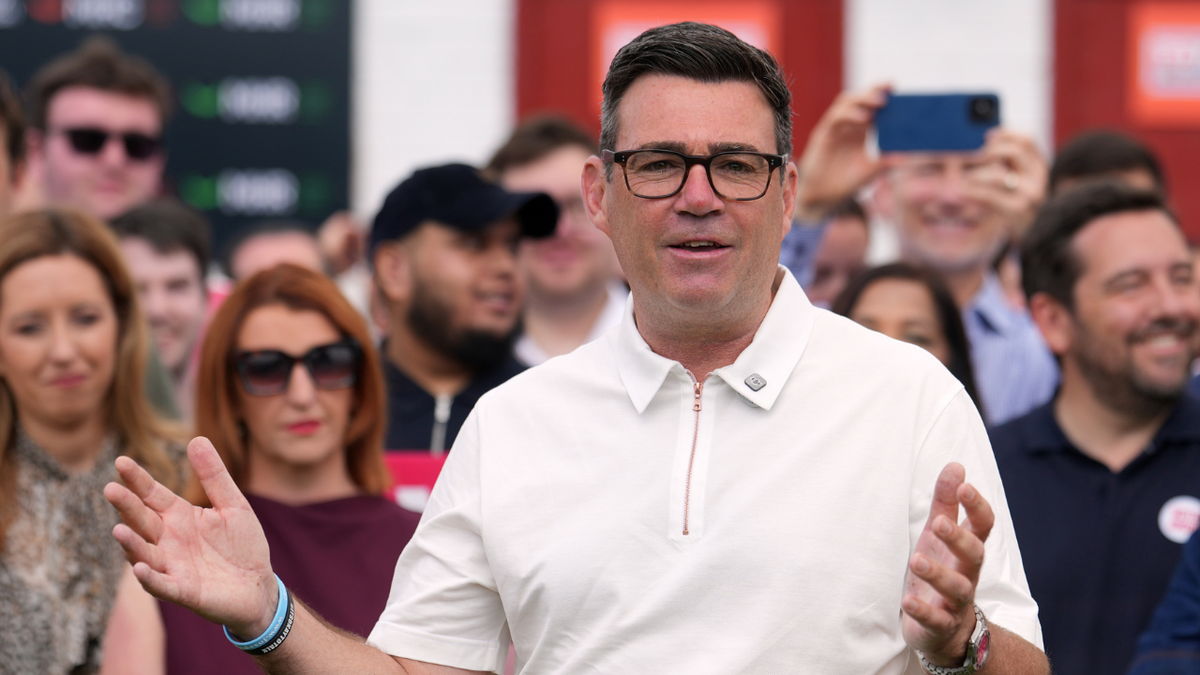
Britain’s Labour Party candidate Andy Burnham speaks to supporters after the Makerfield by-election in Ashton in Makerfield, England, June 19, 2026. (Jon Super/AP)
Burnham would inherit an economy facing weak growth, pressure on public finances, strained health and welfare services and continuing concern over the cost of living.
He would also become Britain’s seventh prime minister in just over a decade, reflecting the rapid political turnover at Downing Street since the country’s 2016 vote to leave the European Union.
andy burnham, united kingdom, europe, donald trump

Javier Milei expresó su “emoción infinita” tras el triunfo de Argentina sobre Inglaterra y reveló su cábala para ver los partidos

Locura total en Argentina luego de la victoria ente Inglaterra en el Mundial 2026: así se festejaba en el obelisco

Mercados: tras el positivo dato de inflación, las acciones y los bonos argentinos mantuvieron las ganancias

Nevada Lt. Gov.: Elon Musk could make space tourism state’s next big industry

La interna llega a un momento crítico, entre intereses y negocios

Mirtha Legrand, La Mona Jiménez y los famosos argentinos en los memes del triunfo de Argentina frente a Inglaterra

El álbum de las vacaciones soñadas de Darío Barassi con su familia: “Ibiza, nos vas enamorando”

“Hablame bien”: el tenso cruce de Lionel Messi con el árbitro en la victoria de Argentina ante Suiza en el Mundial

El petróleo sube más de 3% tras la reanudación de los ataques de EEUU contra Irán y la amenaza de cierre del estrecho de Ormuz

Cámara de Comercio panameña cierra filas y llama a fortalecer la Zona Libre de Colón

 POLITICA2 días ago
Operativo Reelección 2027: Los 8 Cambios Urgentes que Javier Milei Debe Implementar para Asegurar su Continuidad
- ECONOMIA2 días ago
Aumentó 900% la cantidad de repartidores de plataforma en los últimos 6 años
- ECONOMIA2 días ago
Quiénes se quedan con las esquinas más cotizadas de la Ciudad tras el cierre de sucursales bancarias