INTERNACIONAL
Trump pushes Xi on trade after Supreme Court ruling dents key China pressure tool

NEWYou can now listen to Fox News articles!
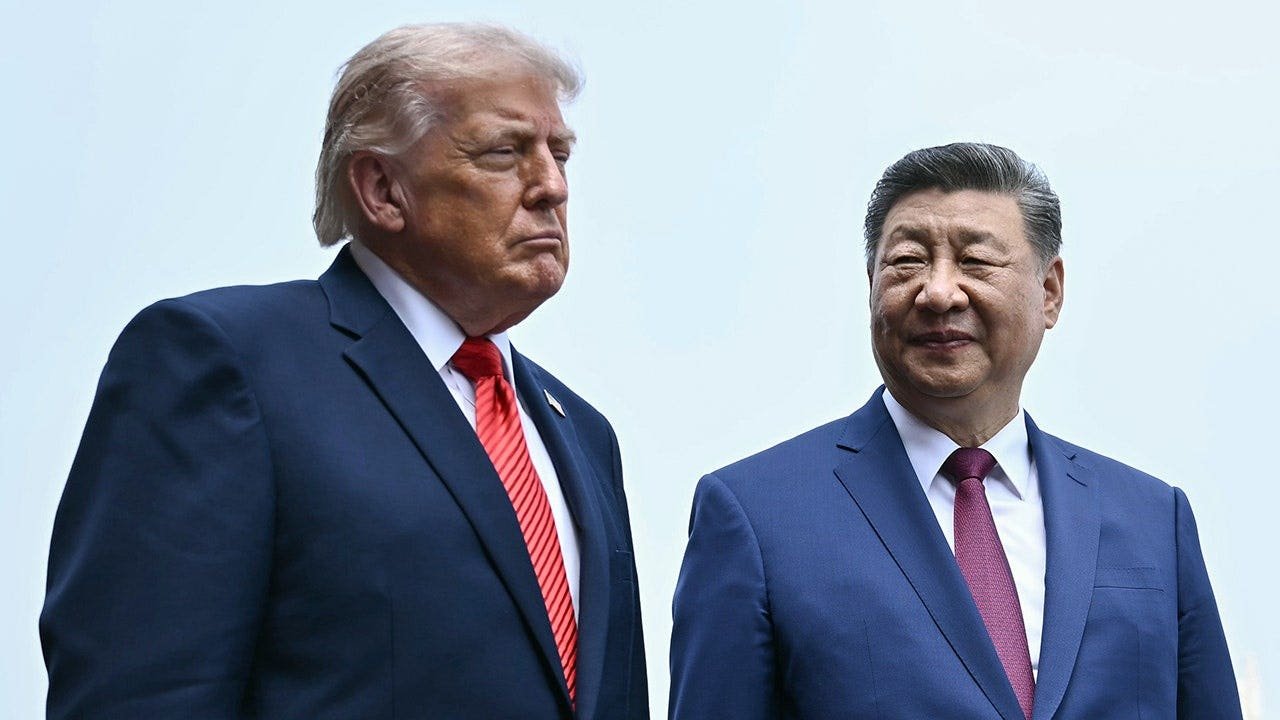
Trade has emerged as a central focus of President Donald Trump’s high-stakes meetings with Chinese President Xi Jinping this week, following a Supreme Court setback over Trump’s tariff agenda earlier this year.
«President Trump had a good meeting with President Xi of China,» a White House official told pool reporters early Thursday morning. «The two sides discussed ways to enhance economic cooperation between our two countries, including expanding market access for American businesses into China and increasing Chinese investment into our industries.»
The talks come as Trump’s tariff agenda faced a setback after a Supreme Court ruling limited his use of emergency powers to impose duties, which cut directly into one of his preferred tools for pressuring Beijing. The ruling came against the backdrop of a yearslong tariff standoff between the U.S. and China, with Trump arguing aggressive duties are needed to force fairer trade terms while Beijing has repeatedly pushed back.
TRUMP’S TARIFF POWER GRAB BARRELS TOWARD SUPREME COURT
President Donald Trump and Chinese President Xi Jinping greet other officials at the Great Hall of the People in Beijing, China, on May 14, 2026. (Kenny Holston-Pool/Getty Images)
«I will be asking President Xi, a Leader of extraordinary distinction, to ‘open up’ China so that these brilliant people can work their magic, and help bring the People’s Republic to an even higher level!» Trump posted to Truth Social on May 12, previewing he would press Xi on American trade. «In fact, I promise, that when we are together, which will be in a matter of hours, I will make that my very first request. I have never seen or heard of any idea that would be more beneficial to our incredible Countries!»
After Trump touched down in China on Wednesday, Chinese Ministry of Foreign Affairs spokesperson Mao Ning wrote on X Thursday, that «President Xi stressed to President Trump that facts have shown time and again that trade wars have no winner.»
«China-U.S. economic and trade ties are mutually beneficial and win-win in nature. Where disagreements and frictions exist, equal-footed consultation is the only right choice,» she added.
TRUMP GETS RED-CARPET WELCOME IN CHINA, BUT PAST BEIJING TRIP SHOWS PAGEANTRY ONLY GOES SO FAR
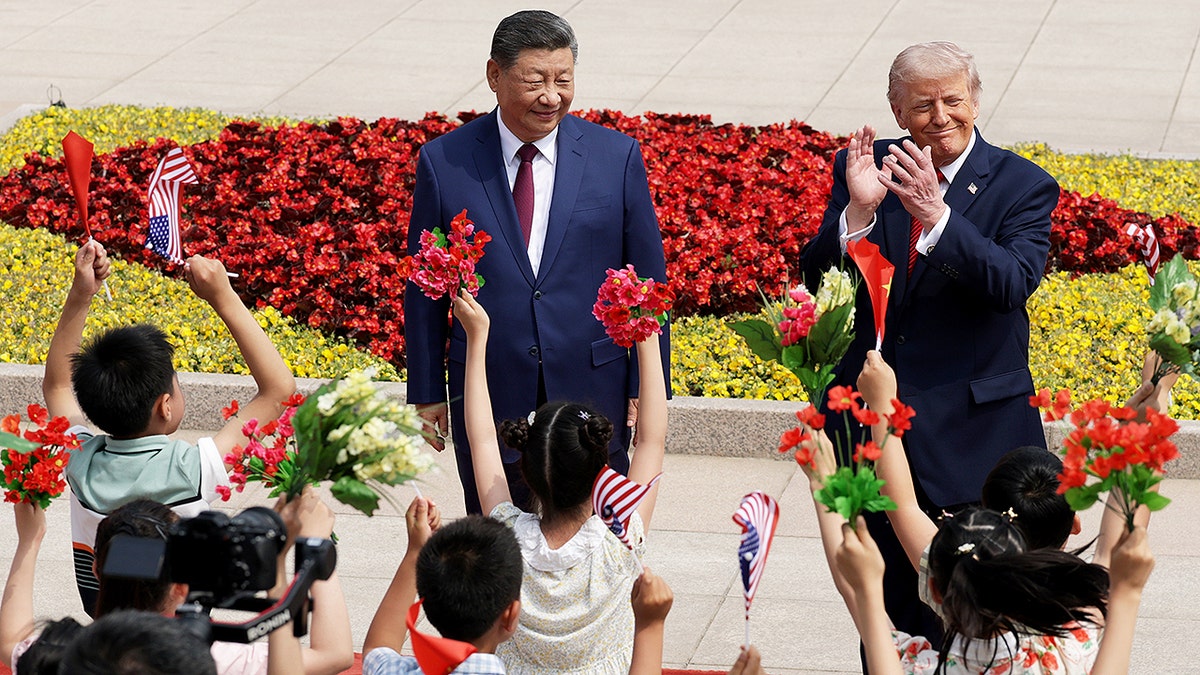
U.S. President Donald Trump and Chinese President Xi Jinping attend a welcome ceremony at the Great Hall of the People on May 14, 2026 in Beijing, China. President Trump is meeting with President Xi Jinping in Beijing to address the Iran conflict, trade imbalances, and the Taiwan situation while establishing new bilateral boards for economic and AI oversight. (Alex Wong/Getty Images)
Tariffs have been at the center of Trump’s China strategy since his first term, when he imposed duties on Chinese imports and Beijing retaliated with tariffs of its own. The fight has remained one of the defining pressure points in the relationship between the world’s two largest economies.
A major piece of Trump’s «America First» agenda has focused on leveling the global trade playing field by holding other countries accountable for trade deficits. One of his first moves after returning to office was rolling out the «Liberation Day» tariffs in April 2025, which were designed to serve as leverage in trade negotiations while also generating new revenue.
The Supreme Court, in a 6-3 ruling, invalidated Trump’s use of an emergency law to impose tariffs in February, ruling that the International Emergency Economic Powers Act does not authorize the president, even after declaring a national emergency, to impose tariffs.
Trump had championed ahead of SCOTUS’ decision that the court should rule in his favor as part of his larger effort to boost the economy, jobs and bring down costs for Americans.
KAVANAUGH RIPS SUPREME COURT MAJORITY’S ‘ILLOGICAL’ LINE ON TARIFFS
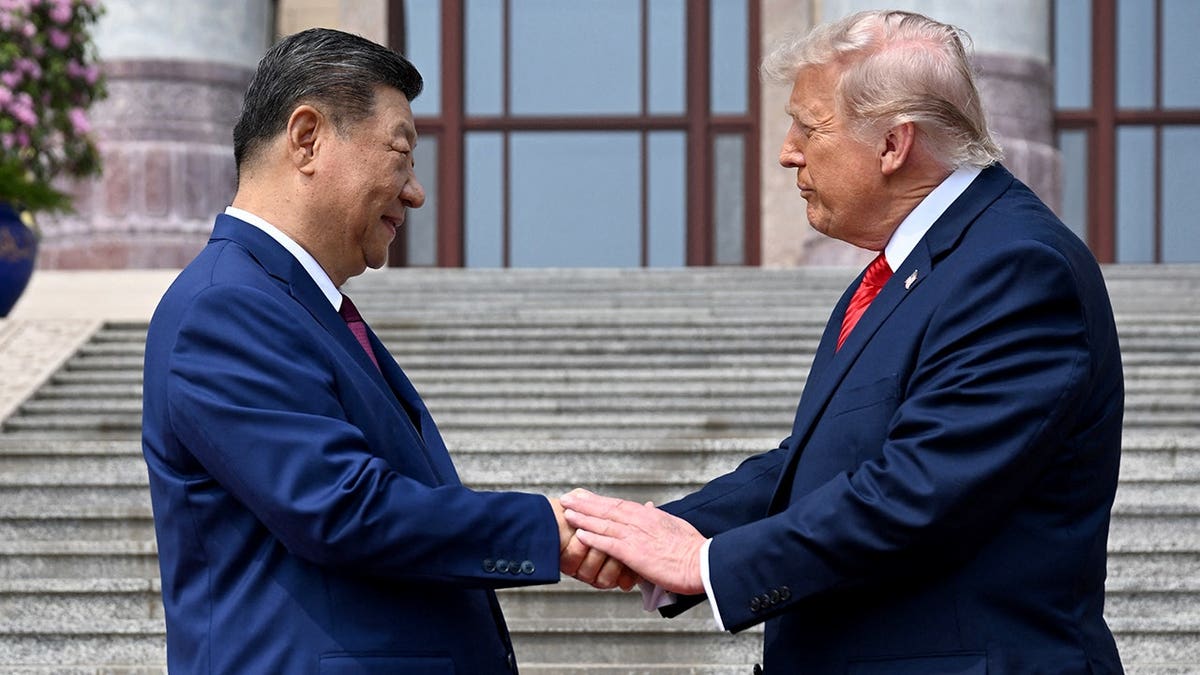
US President Donald Trump (R) shakes hands with China’s President Xi Jinping at the Great Hall of the People in Beijing on May 14, 2026. (Kenny HOLSTON / POOL / AFP via Getty Images)
Justice Brett Kavanaugh dissented, joined by Justices Clarence Thomas and Samuel Alito. Trump took issue with Justices Neil Gorsuch and Amy Coney Barrett — both of whom he nominated in his first term — for joining the majority, including just this month when he said the ruling has cost the U.S. $159 billion.
«I don’t want loyalty, but I do want and expect it for our Country,» Trump posted to Truth Social on Sunday. «Yes, I have another way of doing Tariffs, but it is far slower, and more laborious than what was just determined, in a close decision, to be ‘illegal’ or ‘unconstitutional,’ with three powerful, and highly accurate, dissents! Well, maybe Neil, and Amy, just had a really bad day, but our Country can only handle so many decisions of that magnitude before it breaks down, and cracks!!!»
TRUMP’S SIGNATURE TARIFFS HANG ON KEY QUESTION ABOUT CONGRESS’ POWER BEFORE SUPREME COURT
Trump moved to preserve his tariff pressure campaign through other trade authorities, including Section 122 of the Trade Act of 1974, though that route is temporary and has already drawn its own legal challenge.
A White House spokesperson told Fox News Digital on Thursday that the administration is also looking to Section 301, which allows the U.S. to investigate and respond to unfair foreign trade practices.
«This tariff tool has already held up from prior legal challenges,» said the spokesperson.
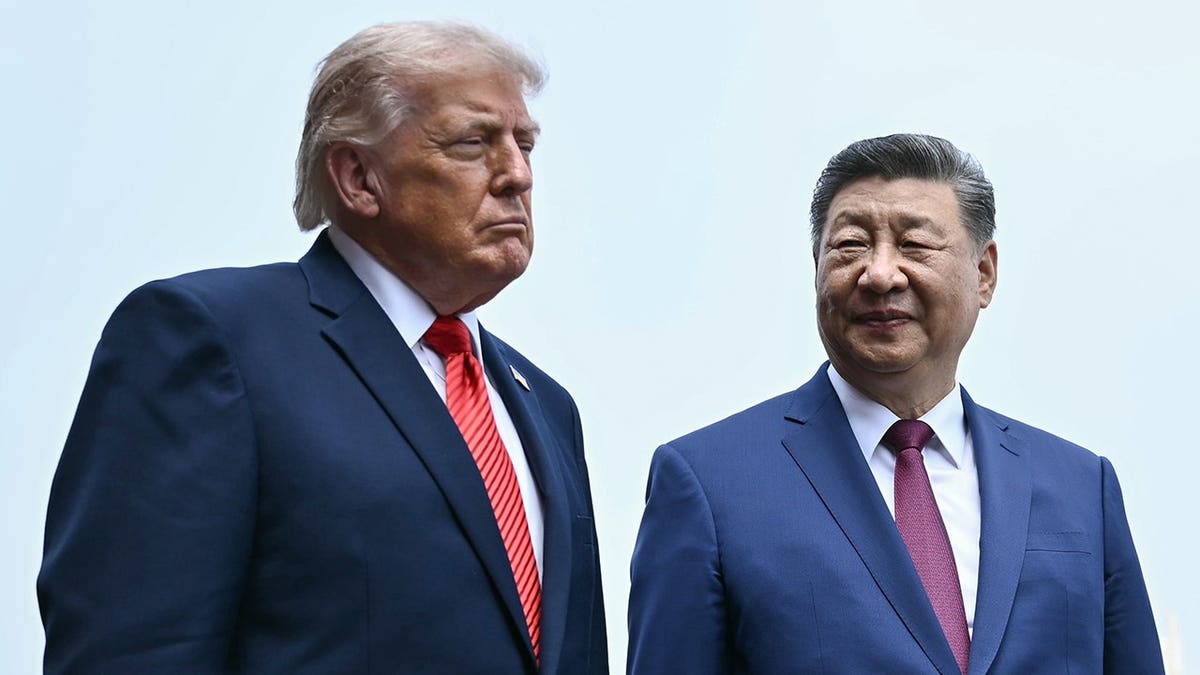
China’s President Xi Jinping (R) and US President Donald Trump visit the Temple of Heaven on May 14, 2026 in Beijing, China. (Brendan Smialowski – Pool/Getty Images)
Trump visited China in 2017 in meetings that produced more than $250 billion in announced commercial deals and cooperation pledges at the time, but it did not prevent trade relations from deteriorating in 2018.
This week’s talks come amid a renewed tariff standoff that reignited after Trump returned to office in 2025. The pressure began with new fentanyl-related tariffs on Chinese goods in February, before widening into a broader reciprocal tariff push that triggered retaliation from Beijing, and has since shifted toward negotiations over temporary off-ramps.
U.S. Trade representative Jamieson Greer previewed goals for Trump’s state visit last month on Fox News’ «My View with Lara Trump,» sharing that a top priority is stability between the two countries.
«We want to make sure we continue to have a flow of the rare earth we need for our manufacturing we wanna make sure that the Chinese continued to buy a lot of American agriculture and airplanes and other kinds of things that Americans are good at making, and we want to set the table to continue to have stability over the next six months to a year and so these are the kind of things that we’re looking for as outcomes from the trip,» Greer said.
CLICK HERE TO DOWNLOAD THE FOX NEWS APP
Fox News Digital’s Emma Colton contributed to this report.
donald trump, white house, appeals, trade, xi jinping









INTERNACIONAL
Fury erupts as US brand fires 1,600 employees after securing thousands of foreign worker visas
Boston federal judge blocks Trump fee for H-1B visas
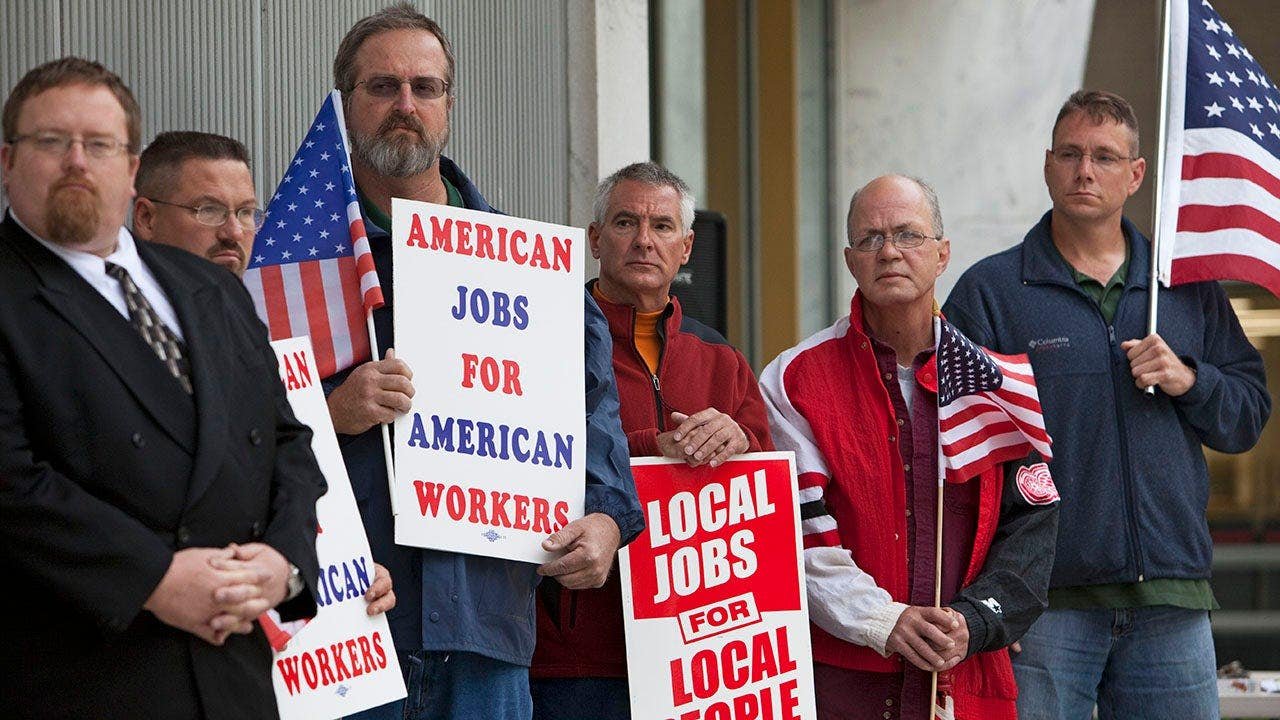
A federal judge in Boston has blocked the Trump administration’s $100,000 H-1B visa fee, stating it is an unauthorized tax without congressional approval. The policy, enacted last year, drastically increased the fee from $2,000-$5,000 to prioritize U.S. citizens. The White House plans to appeal the decision.
NEWYou can now listen to Fox News articles!
A popular U.S.-based gaming brand owned by Microsoft is facing fury after mass employee layoffs occurred in the wake of the company being approved for thousands of foreign worker visas.
Microsoft announced that it will lay off 4,800 people total and 1,600 from the corporation’s XBOX division, which makes and sells the dominant video game console.
Meanwhile, Microsoft has been approved this year to hire from foreign countries 2,273 employer-sponsored, non-immigrant workers under what is known as the H-1B visa program, according to data from U.S. Citizen and Immigration Services (USCIS).
Furious online critics claim that American jobs are being unfairly handed to foreigners in an effort to cut labor costs but at the cost of leaving U.S. workers in the lurch.
‘AMERICA FIRST’ IMMIGRATION OVERHAUL BILL WOULD CODIFY TRUMP’S CAMPAIGN PROMISES ONCE AND FOR ALL
Asha Sharma, chief executive officer of Xbox,, during the Bloomberg Tech conference in San Francisco, California, US, on Thursday, June 4, 2026. The event brings together the leading CEOs, investors and innovators who are harnessing technology to change the world around us. Photographer: David Paul Morris/Bloomberg via Getty Images (David Paul Morris/Bloomberg via Getty Images)
«A great way to fix this is to throw anyone doing this in prison,» said one user on X. «Fire Americans to replace with thousands of visa workers? Straight to jail, and assets seized. This story has been told countless times. Fire American staff and hire foreigners. Over and over.»
«It is the fault of our Government [sic] for approving the H-1Bs,» another social media user lamented. «Our Government [sic] has sold us out of jobs at home and those being moved to other countries.»
HOUSE REPUBLICANS RIP INTO SENATE FOR DELAYING IMMIGRATION RECONCILIATION PACKAGE: ‘I’M VERY FRUSTRATED’
Another user described the H-1B program as «industrial scale job theft from Americans.»
Microsoft is the sixth-largest beneficiary of H-1B visas, a program that is overwhelmingly dominated by workers from India. The company has even more H-1B applications pending. Microsoft has employees worldwide, but most are in the United States.
«These decisions are based on business need, not visa status. H-1B employees were also impacted by job eliminations in the U.S.,» a Microsoft spokesperson told Fox News Digital when reached for comment on the lay offs.

Fans compete in a gaming tournament at Microsoft retail store at the Florida Mall on November 21, 2013 in Orlando, Florida and another five cities across the country for a chance to win up to $25,000 in prizes and a chance to participate in a final showdown at the Jacksonville, Fla. Microsoft Store opening, featuring a performance by Macklemore and Ryan Lewis. Tournament finalists will receive an Ultimate Xbox One Gaming House including all launch night titles in each of the six participating stores. (Photo by Gerardo Mora/Getty Images for Microsoft) (Gerardo Mora/Getty Images for Microsoft)
«Every single employer is exploiting the H-1B visa program,» said the Project for Immigration Reform.
A lawmaker even called for a complete end to the non-immigrant visa program.
TRUMP TAPS ACTING LABOR SECRETARY KEITH SONDERLING FOR PERMANENT ROLE PENDING SENATE CONFIRMATION
«This is INSANE. LEGAL immigration is a major problem. These companies, especially big tech, are abusing these immigration programs to replace American workers with foreign workers,» said Rep. Riley Moore, R-W.Va.
«No more. It’s long past time to end the H-1B scam.»
XBOX CEO Asha Sharma cited the company’s financial health for the layoffs.
«Our business today is not healthy,» said a memo from Sharma, according to The Associated Press. «We are operating at margins that are 3-10x lower than comparable platform and publishing businesses.»
Sharma added that her strategy is to «reset» XBOX.
Some online critics, however, claimed Sharma’s Indian heritage played a role in firing the Americans, given the percentage of H-1B workers from India. Sharma was born in Wisconsin.
Vice President JD Vance announced on Tuesday a large-scale investigation into H-1B visa fraud.
«Today, I’m proud to announce that the federal Department of Labor has started dozens of subpoenas and investigations into foreign fraudsters who are trying to take advantage of the H-1B visa program,» he said during a press conference in Milwaukee, Wisconsin.
«American jobs ought to go to American workers and not foreign fraudsters and the Department of Labor is fighting back against it.»
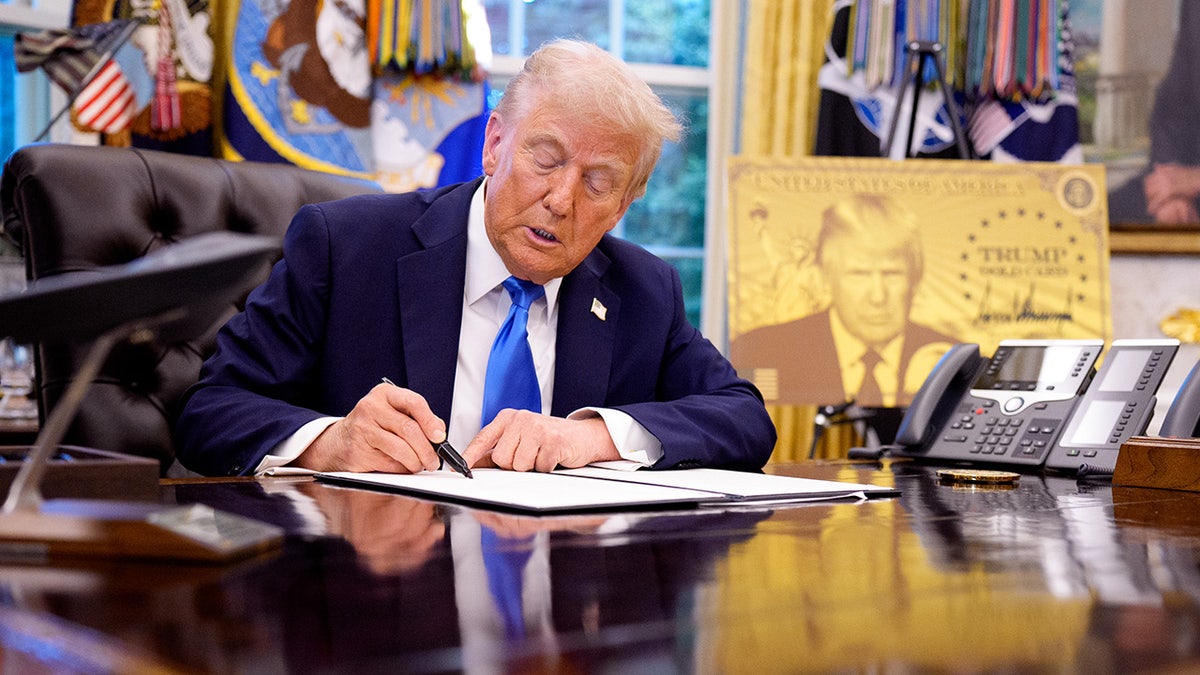
President Donald Trump signed two executive orders on Sept. 19, 2025, establishing the «Trump Gold Card» and introducing a $100,000 fee for H-1B visas. The «Trump Gold Card» is a visa program that allows foreign nationals permanent residency and a pathway to U.S. citizenship for a $1 million investment in the United States. (Andrew Harnik/Getty Images)
CLICK HERE TO DOWNLOAD THE FOX NEWS APP
Recently, President Donald Trump tried to limit employers’ use of the H-1B program by imposing a $100,000 fee for companies seeking H-1B applications.
A federal judge struck down that order, reasoning that it amounted to a tax that only Congress has the ability to impose.
politics, jobs, tech, microsoft, big tech backlash
INTERNACIONAL
Era el estilista de las celebridades, apareció muerto junto a su madre y una carta escondía la verdad
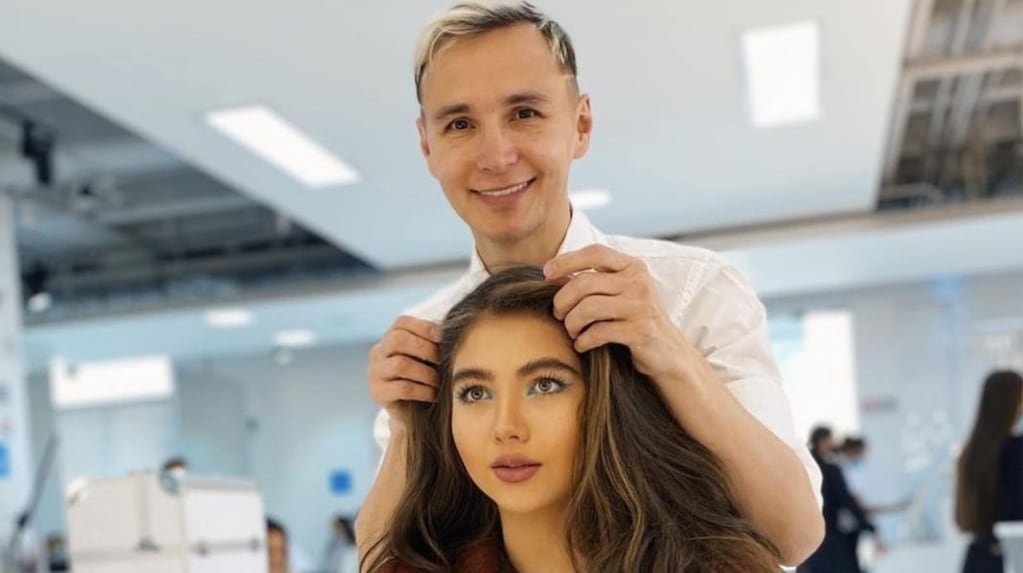
Mauricio Leal era uno de los estilistas más reconocidos de Colombia. Dueño de un exclusivo salón de belleza en Bogotá, trabajaba con actrices, modelos, cantantes e influencers, y había construido una exitosa carrera que lo convirtió en una figura muy querida dentro del mundo del espectáculo.
Pero el 22 de noviembre de 2021 su nombre comenzó a ocupar las portadas de todos los medios por un motivo completamente distinto. Ese día fue encontrado muerto junto a su madre, Marleny Hernández, en la casa que ambos compartían en La Calera, un municipio ubicado en las afueras de Bogotá.
Lo que en un principio parecía un homicidio seguido de suicidio terminó convirtiéndose en uno de los casos policiales más impactantes de la historia reciente de Colombia, con una investigación que descubrió una escena cuidadosamente montada y reveló que el asesino era una persona de su entorno más cercano.
El hallazgo
La mañana del 22 de noviembre, familiares y allegados comenzaron a preocuparse porque Mauricio no respondía los llamados ni los mensajes. Poco después, las autoridades ingresaron a la casa y encontraron una escena estremecedora.
El peluquero y su madre estaban muertos dentro de la casa, ambos con múltiples puñaladas. Junto al cuerpo de Mauricio se encontró una carta escrita a mano en la que, supuestamente, confesaba haber asesinado a su madre para luego quitarse la vida. “No puedo más”, decía ese documento, que después se convirtió en la principal prueba de la causa.
Durante las primeras horas, esa hipótesis pareció convencer a parte de los investigadores. Sin embargo, había varios detalles que no terminaban de cerrar.
Las heridas, la posición de los cuerpos y distintos elementos hallados en la propiedad despertaron sospechas entre los peritos, que comenzaron a reconstruir minuto a minuto lo que había ocurrido. El peluquero Mauricio Leal junto a su madre, Marleny. Ambos fueron asesinados en noviembre de 2021. (Foto: City TV)
Con el avance de las pericias forenses, la teoría del homicidio seguido de suicidio empezó a derrumbarse. Los especialistas concluyeron que Mauricio había sido obligado a escribir la carta antes de morir y que, debido a la gravedad de las heridas que presentaba, era prácticamente imposible que hubiera podido redactarla por voluntad propia después de atacar a su madre.
Además, el análisis de la escena permitió establecer que alguien había intentado alterar la evidencia para hacer creer que se trataba de un suicidio.
La investigación dio entonces un giro total: ya no buscaban explicar una tragedia familiar, sino identificar al responsable de un doble homicidio cuidadosamente planificado.
El principal sospechoso
A medida que avanzaban las declaraciones y el análisis de cámaras de seguridad, todas las miradas comenzaron a dirigirse hacia Jhonier Leal, hermano mayor de Mauricio.
Los investigadores detectaron inconsistencias en sus declaraciones y movimientos que no coincidían con el relato que había dado sobre las horas previas al crimen. Jhonier y Mauricio Leal. (Foto: La República)
También encontraron pruebas que indicaban que había manipulado distintos elementos de la escena y que había permanecido en la casa durante un tiempo mayor al que había reconocido.
La Fiscalía colombiana sostuvo que el hombre había organizado el asesinato con un objetivo económico: quedarse con la importante fortuna de Mauricio, que incluía propiedades, vehículos, empresas y otros bienes obtenidos durante años de trabajo.
En enero de 2022, apenas dos meses después del crimen, Jhonier Leal fue detenido e imputado por el doble homicidio.
Durante una audiencia sorprendió al admitir su responsabilidad. Entre lágrimas, aceptó haber asesinado tanto a su hermano como a su madre y pidió perdón a su familia.
Sin embargo, poco tiempo después cambió completamente su estrategia judicial. Su defensa aseguró que había sido presionado para declararse culpable e intentó retractarse de la confesión, por lo que el proceso continuó con la presentación de pruebas periciales, testimonios y reconstrucciones realizadas por la Fiscalía. Mauricio Leal era conocido como el «peluquero de las estrellas» en Colombia. (Foto: El Universo)
Leé también: La consideraban como una hija, pero ella los traicionó: una joven secuestró a sus vecinos para robarles y luego los enterró vivos
La condena
Tras analizar toda la evidencia reunida durante la investigación, la Justicia concluyó que el doble crimen había sido cometido por Jhonier Leal y que el móvil había sido económico.
Los jueces consideraron probado que asesinó a su hermano y a su madre, que intentó simular un homicidio seguido de suicidio mediante la carta encontrada junto al cuerpo de Mauricio y que alteró la escena para desviar la investigación.
En junio de 2024 fue condenado a más de 55 años de prisión por el doble homicidio agravado.
Colombia, Asesinato
INTERNACIONAL
De escasez de remedios a falta de médicos especializados: la vida de los cubanos se complica mientras ven colapsar el sistema de salud
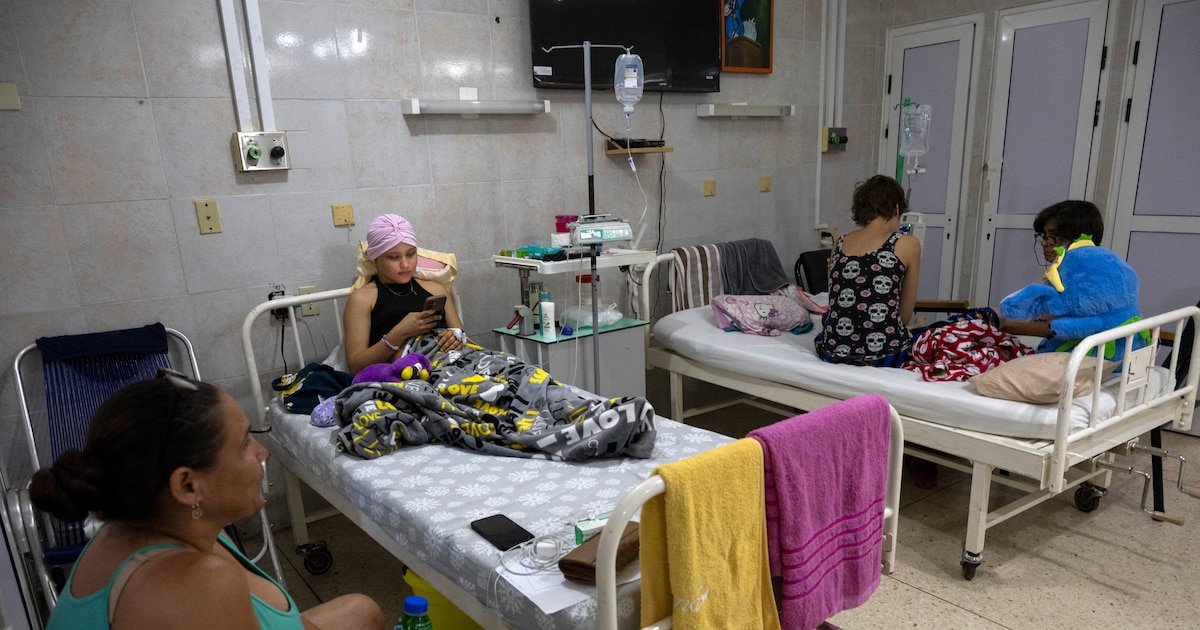
La crisis que atraviesa el sistema de salud en Cuba se refleja en casos como el de Rosa Valentina Pérez, quien lleva casi tres semanas esperando una tomografía computarizada en la principal clínica oncológica de La Habana. La urgencia de su diagnóstico contrasta con la realidad: solo un escáner funciona en la capital y la lista de espera es larga.
“No se pueden imaginar lo que es tener este dolor, saber que tu esperanza de vida se está reduciendo y oírles decir: ‘Veamos cuándo podemos hacer esa tomografía’”, relató Pérez. Su historia ilustra el deterioro de un sistema que durante décadas fue considerado el emblema de la revolución cubana.
Aunque Cuba fue célebre por su atención médica gratuita y de calidad, hoy la sanidad pública está al borde del colapso. Factores como la pandemia, el endurecimiento de sanciones internacionales y una crisis energética agravada por el bloqueo de combustible llevaron la infraestructura hospitalaria a una situación crítica.
En los hospitales cubanos, los cortes de energía y la escasez de medicamentos son el pan de cada día. A esto se suman el éxodo de profesionales hacia el exterior y la obsolescencia de los equipos médicos, lo que deja áreas prioritarias como oncología, cardiología y nefrología al límite de sus capacidades.
El director del Instituto Nacional de Oncología y Radiobiología, Luis Eduardo Martín, expuso la magnitud del problema: “El 80% de los equipos utilizados en diagnóstico y tratamiento están obsoletos o averiados”. Este déficit tecnológico obliga a los médicos a “administrar medicamentos sin poder verificar en ocasiones que estén teniendo el efecto que esperamos… porque no contamos con los reactivos ni el equipo para controlarlos”.

La lista de espera para acceder a la radioterapia en el INOR supera los 1.200 pacientes. El relato de Pérez a la agencia AFP, quien tras una cirugía de cáncer de mama necesita saber si la enfermedad avanzó o no, se repite entre quienes enfrentan el drama de la demora diagnóstica.
La situación actual en el sistema de salud cubano es insostenible: la falta de recursos, equipos dañados y la escasez de personal también provocaron que los tratamientos y diagnósticos se ralenticen o se limiten, poniendo en riesgo la vida de miles de pacientes. El deterioro afecta tanto a adultos como a niños, y las soluciones improvisadas rara vez bastan para evitar consecuencias graves.
La crisis no distingue edades. Según datos oficiales, la supervivencia al cáncer infantil cayó del 85% al 65% en pocos años. “Es muy frustrante saber que puedes salvar al niño, lograr una mayor tasa de supervivencia, y no puedes hacerlo porque tienes las manos atadas”, lamentó Mariuska Forteza, jefa de oncología pediátrica del INOR.
La falta de reactivos y combustible para transportar muestras entre hospitales obligó a recortar análisis sanguíneos esenciales. A pesar de la adversidad, los técnicos intentan mantener los equipos en funcionamiento. “A veces tengo que venir al hospital a medianoche o a las 2 de la madrugada para reparar equipos para que el paciente pueda comenzar su tratamiento”, contó Alexis Amado Domínguez, técnico de reparaciones.

En el Instituto Nacional de Cardiología y Cirugía Cardiovascular, el número de operaciones cardíacas anuales cayó de más de 400 a apenas 100, según el médico José Esteban Abreu. Unos 130 pacientes esperan la implantación de un marcapasos, mientras el personal recurre al canibalismo de piezas para mantener algunos equipos activos.
“Siempre estamos inventando, trabajando, innovando”, dijo el técnico Luis Alexis Duncan, mostrando equipos desmantelados que esperan ser reparados en el taller que atiende el 80% del equipamiento médico de la ciudad.
La inventiva cubana, aunque legendaria, no alcanza para sortear todas las limitaciones. Incubadoras y respiradores neonatales defectuosos se acumulan en los talleres, mientras el éxodo de médicos y enfermeros agrava una situación ya crítica. Los salarios estatales, pagados en pesos muy devaluados, no alcanzan para retener al personal sanitario.
En la unidad de diálisis del Hospital Hermanos Ameijeiras, la jefa de nefrología Iamara Castro admitió que debieron reducir las sesiones de cuatro a dos horas para atender a más pacientes. “Cuando se acorta el período de hemodiálisis, se acorta la vida”, señaló con gravedad, subrayando que el servicio se sostiene por la pura “compasión”.

Nelson Companioni, paciente de 81 años, describió su temor a que los equipos fallen antes de terminar su tratamiento. “Se ve a las enfermeras arrodilladas allí, golpeándolo para que funcione”, relató sobre la escena habitual en el hospital.
(Con información de AFP)
horizontal,sanction

El próximo paso clave del plan de Milei y los dilemas para mostrar la recuperación económica antes de un 2027 electoral

Georgieva visitará Argentina por primera vez como directora del FMI tras la invitación de Milei

Mundial 2026, en VIVO: últimas noticias de hoy, 10 de julio, fixture, resultados y los detalles de la jornada minuto a minuto

Pokémon Unite añade este Holoatuendo Neo Street Style para Mewtwo – Nintenderos

La Tora Villar contó cuál es el jugador más ‘fachero’ de la Scaloneta: “Tienen esa cosa turra que es hermosa”

El Gobierno evalúa incluir cambios en las leyes de Discapacidad y Universidades en el Presupuesto 2027

Ojo con las multas de tránsito: las más caras llegan a $3.8 millones

Mora récord: Caputo aseguró que bancos privados están rescatando a sus clientes con préstamos al 25% anual

Portugal vs España: formaciones, hora y dónde ver por tv

¿Conviene un plazo fijo? Esto ganás con $1 millón y las tasas de cada banco

 ECONOMIA3 días ago
Ojo con las multas de tránsito: las más caras llegan a $3.8 millones
- ECONOMIA3 días ago
Mora récord: Caputo aseguró que bancos privados están rescatando a sus clientes con préstamos al 25% anual
- ECONOMIA3 días ago
¿Conviene un plazo fijo? Esto ganás con $1 millón y las tasas de cada banco