INTERNACIONAL
JD Vance reveals what drew him back to God after seeing Christians had life ‘figured out’

NEWYou can now listen to Fox News articles!
EXCLUSIVE: Vice President JD Vance said years spent chasing academic, professional and financial success ultimately left him searching for something deeper, leading him back to Christianity and eventually to the Catholic faith he practices today.
«I was really worried about where I went to school and what kind of job I had and what kind of money that I made. But I felt like that wasn’t making me a good person, whereas the Christians in my life seem to have it figured out,» Vance told Fox News Digital in an interview as his new memoir, «Communion: Finding My Way Back to Faith,» hit bookshelves.
Whether they were rich or poor, whatever their background or education was. They were just much better people; they were much more gracious and much more kind.»
Vance’s book debuted on Tuesday, recounting the path that took him from a Protestant childhood to atheism — and ultimately to the Catholic faith he embraces today. Vance’s reflections come as he is increasingly regarded as one of the Republican Party’s strongest potential presidential candidates for 2028.
JD VANCE RELEASING BOOK ABOUT FAITH JOURNEY, CONVERSION TO CATHOLICISM
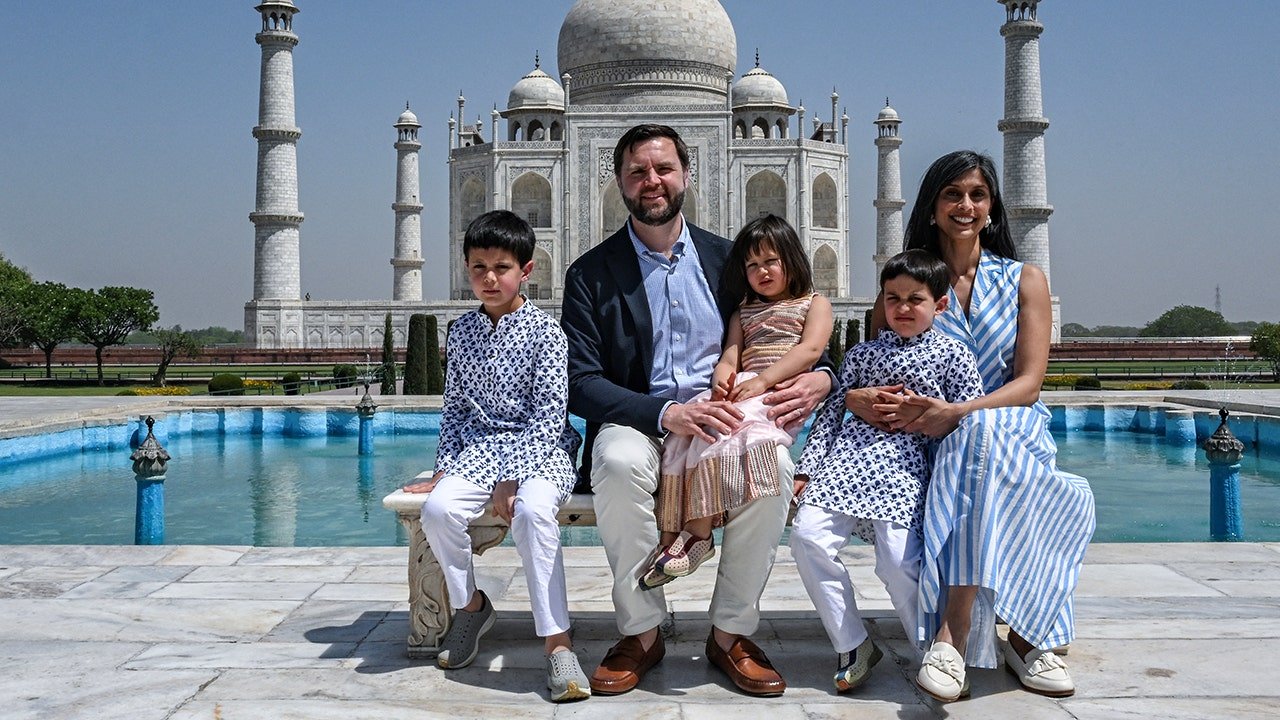
Vice President JD Vance and his family, including wife Usha Vance and their three children, pose for a photo outside the Taj Mahal in Agra, India, on April 23, 2025. (Kenny Holston/Pool/Reuters)
«There have been so many people who have been very good to me, but I just felt at home in the churches that I was going to with my Catholic friends and that’s a big part of why I converted,» Vance told Fox News Digital.
He came to believe that the joy, kindness and character he saw in the Christians around him stemmed from their faith.
«Some of those people call the Catholic Church their home. So I’d go to church with them or I’d talk to them about various things that were on my mind… sometimes God puts people in front of you,» said Vance.
SECOND LADY USHA VANCE ON MOTHER’S DAY AND WHAT SHE STRIVES FOR AS A MOM

Vice President JD Vance and his wife Usha Vance attend the Commander-in-Chief Ball in Washington, D.C., on Jan. 20, 2025. (Anna Moneymaker/Getty Images)
He shared that he loves how American Christianity is «dynamic» with the various denominations.
Vance drew headlines in October when he spoke out about his wife’s Hindu faith, sharing his desire for her to convert.
«Do I hope eventually that she is somehow moved by the same thing that I was moved by in church? Yeah, I honestly do wish that,» Vance said at the time.
In his book, the vice president points out that it is his wife who helps usher the children off to Sunday Mass even though she does not practice Catholicism.
JD VANCE DEFENDS WIFE USHA AGAINST ‘DISGRACEFUL’ ATTACKS OVER INDIAN HERITAGE: SHE’S ‘WAY OUT OF THEIR LEAGUE’
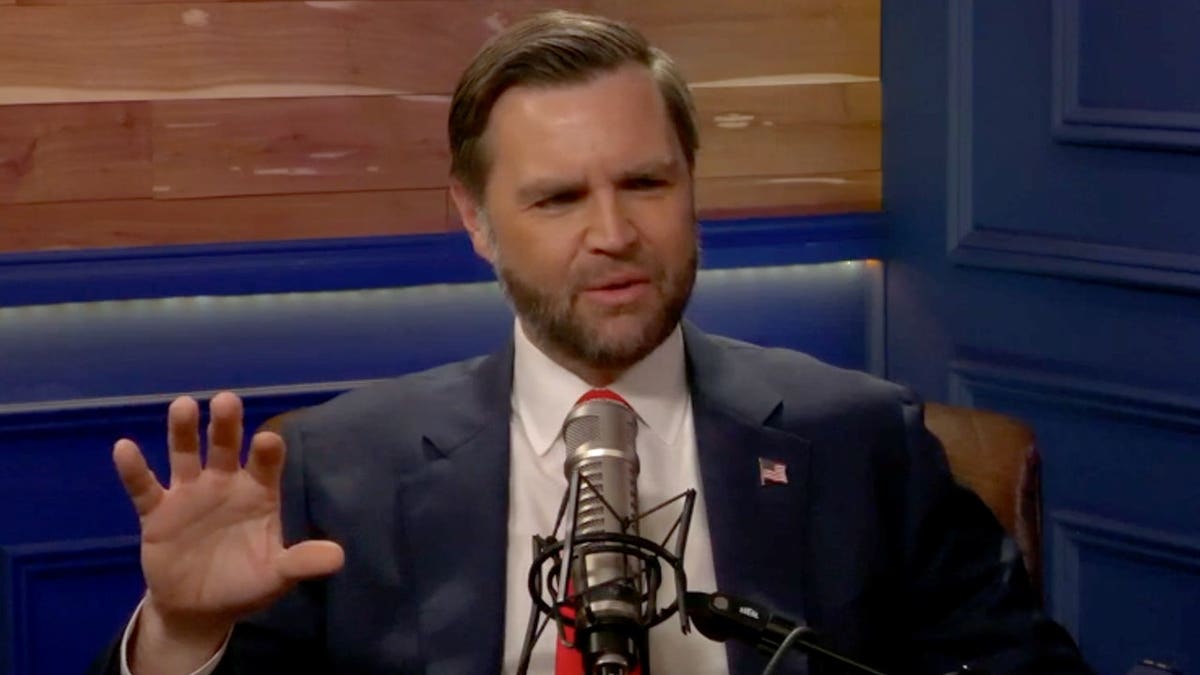
In his new book ‘Communion: Finding My Way Back to Faith,’ VP JD Vance recounts his spiritual journey and how his wife supports his Catholic faith life. (Fox News Digital)
«Usha and I talk about everything. She really is my best friend, and she’s the most interesting person,» said Vance.
The Vances have three children, Ewan, 8, Vivek, 5, and Mirabel, 4, and are expecting a fourth child in July.
Vance said he was surprised by the backlash to his comments last year, arguing that it is «common sense» to want the people you love to share your faith.
Illinois Democratic representative Raja Krishnamoorthi, who is Indian-American himself, took aim at the vice president.
«At a time when Hindu and Indian-American communities are confronting a climate of rising prejudice, talk of mass deportations, and growing anti-Hindu sentiment—even against members of his own party—it’s deeply disappointing that the Vice President would add to that climate through his recent comments while remaining silent in the face of hate,» the congressman wrote on X.
Vance shared that their family life is still centered around faith no matter what faith it is.
CLICK HERE TO DOWNLOAD THE FOX NEWS APP
«She definitely participates in the rituals of the church with us, and I really love that. That’s part of our family life that is very good. Whether we do church at home or whether we go out to a church, she’s the person who’s helping me get the kids ready, and the kids are always late, and it takes forever to get their shoes on.
«Even though she’s not a Christian, she’s been very much a part of my faith journey in ways big and small,» said Vance.
family personal freedoms, republicans elections, faith personal freedoms, usha vance, jd vance








INTERNACIONAL
Trump says Iran missiles ‘aren’t the problem’ after White House made them central to war rationale
NEWYou can now listen to Fox News articles!
For months, senior Trump administration officials argued that Iran’s ballistic missile arsenal helped shield Tehran’s nuclear ambitions and was a key reason the U.S. launched Operation Epic Fury attacks on the country.
Now, President Donald Trump is suggesting Iran having missiles may not be a problem at all.
«If other countries have them, it’s a little bit unfair for them not to have some. If Saudi Arabia and Qatar, and they all have some, I would say that in relative proportion, I think it’s okay,» Trump said at the G7 Wednesday. «Am I going to let Saudi Arabia have missiles, but [Iran] can’t have them? It doesn’t work that way.»
«Missiles aren’t the problem. They hurt a little location, but they don’t blow up the planet.»
«The Gulf nations will address the nonnuclear issues, as we’ll be talking about the ballistic missiles,» the president added. «And we’ll talk, also, about the terrorist proxies that they have that — we don’t want that to happen.»
A map displays the range of ballistic missiles fired from Iran, highlighting areas within reach. (Fox News)
ISRAELI OFFICIALS REPORTEDLY WARN IRAN’S BALLISTIC MISSILES COULD TRIGGER SOLO MILITARY ACTION AGAINST TEHRAN
Trump made the remarks while discussing whether Iran should be permitted to retain missile capabilities in a news conference at the G7 in Évian-les-Bains, France, just as details of the memorandum of understanding between the U.S. and Iran were being released.
The comments strike a much different tone than arguments repeatedly made by senior administration officials in recent months, who described Iran’s ballistic missile force as both a major threat to regional security and a protective shield for Tehran’s nuclear program.
«Iran can never have a nuclear weapon and we will not allow Iran to hide behind the immunity of a massive short-term ballistic missile inventory, or the ability to make them or launch them,» Secretary of State Marco Rubio told reporters in a press conference on March 3. «What they are trying to do, and have been trying to do for a very long time, is build a conventional weapons capability as a shield to hide behind.»
TRUMP VOWS TO HIT IRAN ‘VERY HARD’ AFTER OBLITERATING NEARLY ’90 PERCENT’ OF REGIME MISSILES
Other senior officials repeatedly described degrading Iran’s missile capabilities as a central objective of Operation Epic Fury.
In remarks at the White House on March 2, Trump said, «Our objectives are clear. First, we’re destroying Iran’s missile capabilities … and their capacity to produce brand new ones.»
War Secretary Pete Hegseth later said March 4 the mission was «laser-focused» on obliterating Iran’s missiles and the facilities that produce them, while White House Press Secretary Karoline Leavitt said the same day one of the administration’s primary goals was to «destroy the regime’s deadly ballistic missiles and completely raze their missile industry to the ground.»
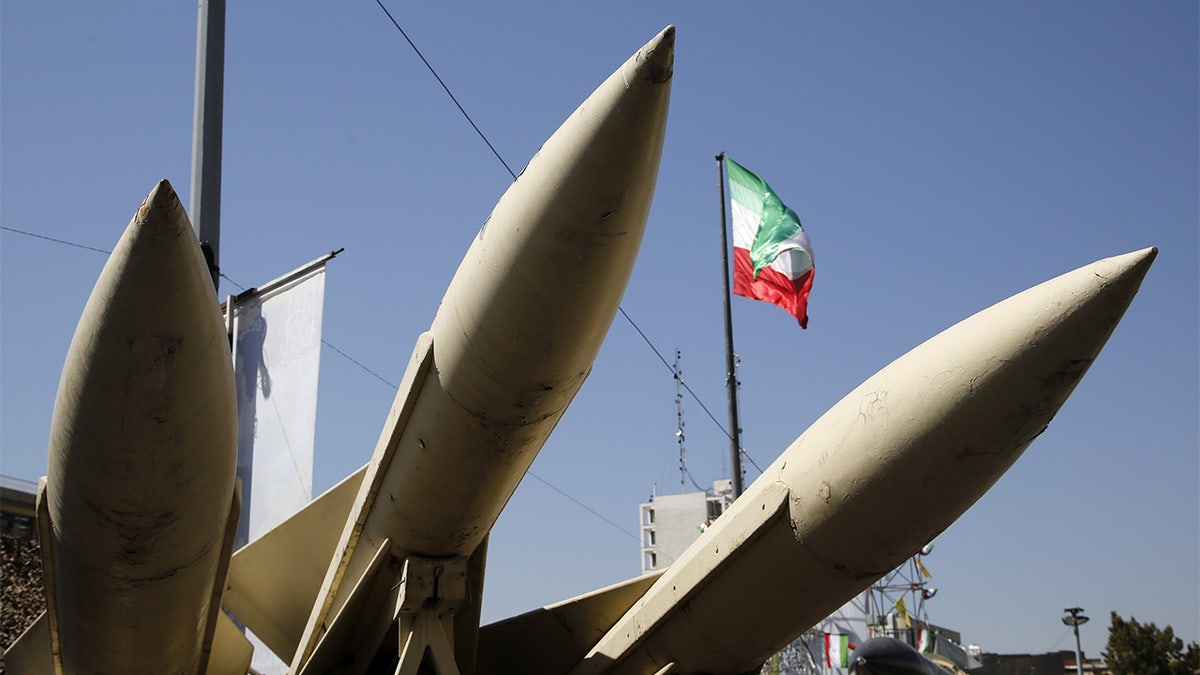
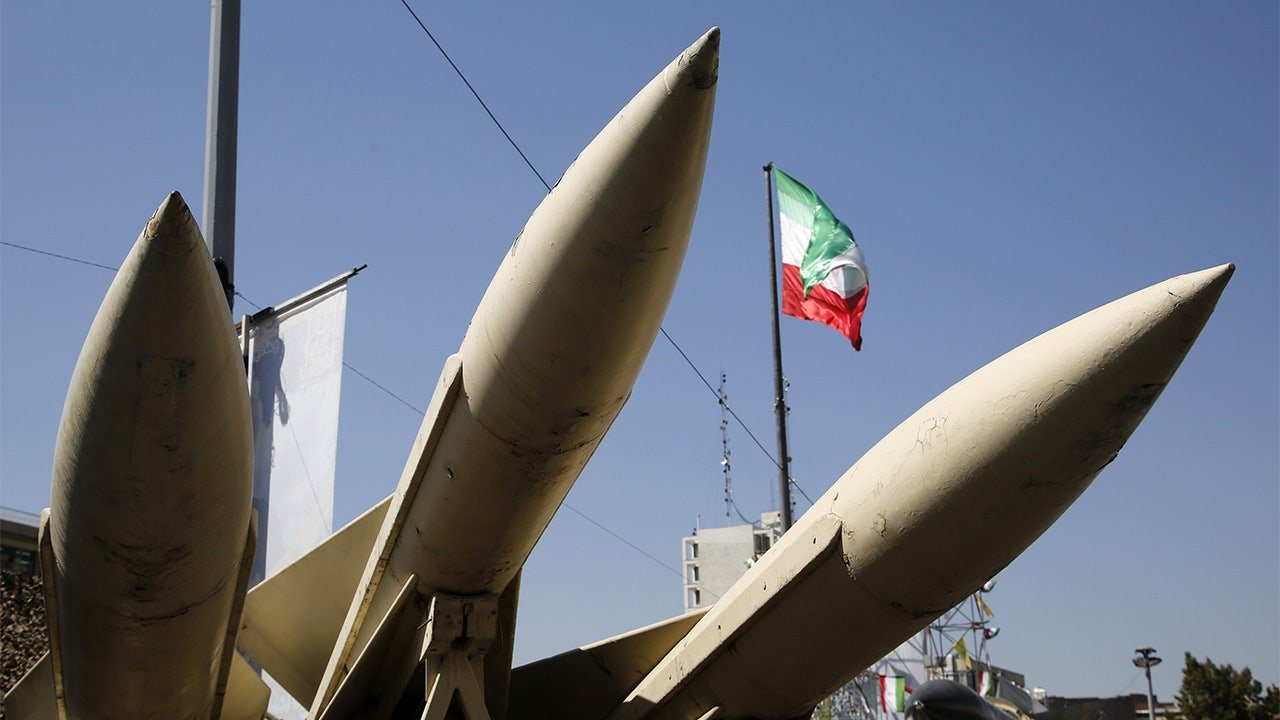
Heavy weapons, including ballistic missiles, air defense systems and unmanned aerial vehicles, are displayed during the 44th anniversary of the eight-year war with Iraq, known as Holy Defense Week, at Baharestan Square in Tehran, Iran, on Sept. 25, 2024. (Photo by Fatemeh Bahrami/Anadolu via Getty Images)
Rubio repeatedly returned to the theme throughout the operation, arguing that degrading Iran’s missile force was necessary to prevent Iran from using conventional military power as cover for a future nuclear weapons program.
TRUMP SAYS US, ISRAEL SHATTERED IRANIAN MILITARY CAPABILITIES, PRESSES LEADERS TO SURRENDER: ‘CRY UNCLE’
«This is about very specific objectives,» Rubio told reporters on March 30. «The President laid them out on the first night of the operation… Here they are — you should write them down. Number one, the destruction of their air force. Number two, the destruction of their navy. Number three, the severe diminishing of their missile launching capability. And number four, the destruction of their factories so they can’t make more missiles and more drones to threaten us in the future. All of this so that they can never hide behind it to acquire a nuclear weapon. That was our objective from the beginning; that remains our objective now.»
Leavitt made similar comments the same day, saying the objectives of Operation Epic Fury included «destroying their ballistic missiles» and dismantling the infrastructure used to produce them while ensuring Iran never obtains a nuclear weapon.
Trump’s remarks at the G7 also raised questions about the administration’s approach to Iran’s nuclear program, another issue that administration officials had previously described in far less flexible terms.
Trump’s comments also come as the administration pursues a memorandum of understanding with Iran that leaves unresolved one of the central disputes in the nuclear negotiations: the future of Tehran’s enrichment program.
Under the framework agreement unveiled this week, the United States and Iran agreed to spend 60 days negotiating the fate of Iran’s nearly 900-pound stockpile of near-weapons-grade 60% enriched uranium and any future enrichment activities. Administration officials said the minimum outcome under discussion would involve down-blending the material under International Atomic Energy Agency supervision, while acknowledging that key details of a final agreement remain unsettled.
Officials described Iran’s willingness to dilute its stockpile as a significant concession, but also acknowledged that the memorandum does not resolve whether Iran will ultimately be permitted to retain any enrichment capability.
TRUMP REAFFIRMS HARD LINE ON IRAN NUCLEAR DEAL: ‘WILL NOT ALLOW ANY ENRICHMENT OF URANIUM’
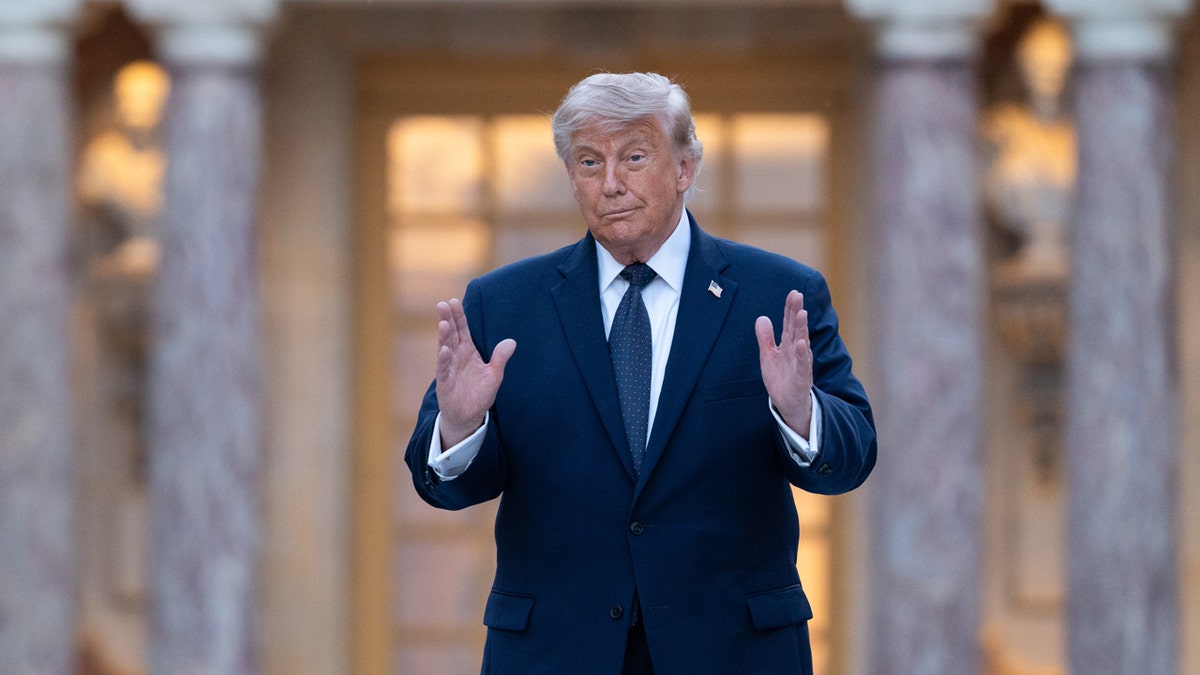
President Donald Trump arrives for a gala dinner at the Versailles Palace in Versailles, France. (Nathan Laine/Bloomberg via Getty Images)
Trump appeared to strike a more accommodating tone when discussing Iran’s access to nuclear power at the G7.
«It is a little hard, though, when you say that somebody wants it, other people have it, other, adjoining states have it. And you’re not letting them have it for purposes of electricity and things like that,» Trump said. «It’s always a little tough. You have to use a little common sense.»
CLICK HERE TO DOWNLOAD THE FOX NEWS APP
The administration had previously drawn a much harder line on Iran’s nuclear program. Special envoy Steve Witkoff said the United States could not allow Iran to retain «even 1 percent» enrichment capability, while White House officials repeatedly described the end of Iranian enrichment as a red line.
The White House referred back to Trump’s recent remarks on missiles when asked for additional comment. «
«We are going to let the President’s comments stand,» a State Department spokesperson said when asked for comment.
The Pentagon could not immediately be reached for comment.
war with iran, iran, pete hegseth, national security, nuclear proliferation
INTERNACIONAL
El presidente de Bolivia declaró el estado de excepción para liberar las rutas: “Los bolivianos no pueden seguir siendo rehenes”
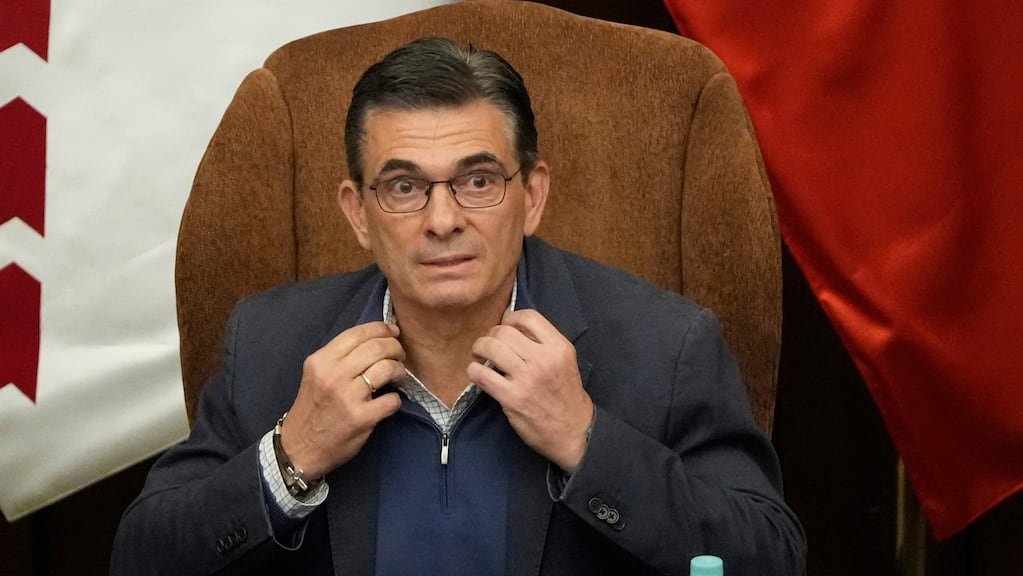
La tensión en Bolivia escaló al máximo este sábado, cuando el presidente Rodrigo Paz decretó el estado de excepción en todo el país y ordenó la movilización de policías y militares.
La medida llegó después de más de seis semanas de protestas y bloqueos encabezados por indígenas aimaras y campesinos afines a Evo Morales, que reclaman la renuncia del mandatario.
El viernes, Paz había logrado un acuerdo con la poderosa Central Obrera Boliviana (COB) para intentar pacificar el país. Sin embargo, los indígenas de la Federación Túpac Katari y los cocaleros vinculados al expresidente Evo Morales decidieron mantener los cortes de rutas y endurecer la protesta.
El Gobierno denuncia un “intento de golpe de Estado”
En un mensaje transmitido por el canal estatal desde el Palacio de Gobierno, Paz anunció: “Hemos tomado la decisión de declarar el estado de excepción en todo el territorio nacional”.
“Los bolivianos no pueden seguir siendo rehenes de bloqueos que impiden trabajar, estudiar, recibir atención médica, abastecerse y llevar sustento a sus hogares», afirmó en X.
El presidente justificó la medida ante lo que calificó como “un intento de golpe de Estado desde el narcoterrorismo”. El viernes, Paz había logrado un acuerdo con la poderosa Central Obrera Boliviana (COB) para intentar pacificar el país. REUTERS/Claudia Morales
El gobierno de centroderecha, que asumió en noviembre tras dos décadas de poder de izquierda, acusa a Evo Morales de impulsar las manifestaciones y de financiarse con dinero del narcotráfico, aunque hasta ahora no presentó pruebas.
Morales, que está oculto en la región cocalera de Chapare para evitar una orden de captura por un caso de trata de menor que él niega, también rechazó cualquier vínculo con el narcotráfico.
Un país paralizado por la crisis y los bloqueos
Las protestas comenzaron a principios de mayo, cuando obreros, campesinos e indígenas lanzaron una huelga y cortes de rutas para exigir soluciones a la crisis económica más grave en 40 años y rechazar la venta de gasolina de mala calidad, que generó malestar generalizado.
Con el correr de los días, la falta de acuerdos llevó a que todos los sectores exigieran la renuncia presidencial y los bloqueos se extendieran a todo el país. En La Paz y El Alto, la situación se volvió crítica: hubo enfrentamientos con la policía y una fuerte escasez de alimentos, medicinas y combustibles.
Militares y policías, en las calles
Paz declaró que instruyó a la Policía Boliviana y a las Fuerzas Armadas a “ejecutar las acciones necesarias para restablecer el libre tránsito, recuperar las carreteras y garantizar la seguridad de la población”.
El decreto, publicado horas después en la Gaceta de Bolivia, tendrá una vigencia máxima de 90 días. Además, los ministerios de Gobierno y Defensa podrán restringir los derechos a la circulación, locomoción y reunión cuando lo consideren necesario. El Congreso deberá ratificar la medida en las próximas horas.
El acuerdo con la COB y el rechazo de los cocaleros
El decreto de excepción se firmó tras el acuerdo del viernes entre el Gobierno y la COB. Mario Argollo, líder sindical, anunció: “Desde este momento se están levantando las medidas de presión a nivel nacional”. Además, destacó el compromiso del Gobierno de cumplir de inmediato lo pactado.
Paz celebró el acuerdo y afirmó: “El diálogo es más fuerte que la propia fuerza, no sobreviven los más fuertes, sobreviven los que se saben adaptar”.
Leé también: Israel bombardeó el sur de Líbano, pese a a la tregua: hay al menos 16 muertos
Sin embargo, los sindicatos de campesinos y cocaleros rechazaron el pacto y anunciaron que los bloqueos —que ya suman medio centenar en todo el país— continuarán. “Se ha determinado radicalizar las piquetes de huelgas de carreteras”, advirtió el dirigente campesino Antonio Mallku.
Los cocaleros, en un comunicado, ratificaron que mantendrán la movilización y calificaron como “una traición la firma del convenio”.
Más de un centenar de detenidos y promesas de no privatizar
El Gobierno abrió la semana pasada un diálogo con Argollo y se formaron mesas de trabajo entre sindicalistas y ministros. Los acuerdos incluyen estudiar la liberación de los detenidos en marchas y bloqueos, que según la Defensoría del Pueblo ya superan el centenar. Además, la administración de Paz se comprometió a no privatizar empresas estatales, como reclamaban los sindicatos.
Mientras tanto, la tensión sigue en aumento y Bolivia permanece en vilo, con las calles militarizadas y la incertidumbre sobre el futuro político del país.
Bolivia, protestas, Rodrigo Paz
Rep. Rich McCormick ‘worried’ by Iran deal: ‘I don’t trust them at all’
Rep. Rich McCormick, a Georgia Republican, weighs in on the evolving Iran nuclear talks, reiterating his strong distrust for the Iranian regime. He supports President Trump’s position, labeling the deal an «unconditional surrender» and highlighting concerns that billions in unfrozen assets could empower Iran’s military. McCormick emphasizes the regime’s history of hostility and calls for its change.
NEWYou can now listen to Fox News articles!
President Donald Trump’s new Iran framework is drawing warnings from nuclear experts who say the deal could leave Tehran too much control over its uranium stockpile unless inspectors first locate, secure and verify the material.
The concern centers on language in the reported U.S.-Iran memorandum of understanding (MOU) saying the two sides will resolve the fate of Iran’s enriched uranium stockpile through a still-to-be-negotiated process. The MOU identifies on-site «downblending,» which means diluting enriched uranium so it is less usable for a nuclear weapon, under International Atomic Energy Agency (IAEA) supervision as the minimum acceptable method for dealing with the material.
The MOU does not explicitly say Iran will retain a civilian nuclear program, but it says the two sides will discuss enrichment and other matters related to Iran’s «nuclear needs» in a final deal.
«Unfettered verification is everything,» Chuck DeVore, Chief National Initiatives Officer at the Texas Public Policy Foundation, told Fox News Digital. «There can be no denial for teams to inspect on the ground. Remote, technological means can achieve a lot, but nothing beats in-person inspections.»
TRUMP NUCLEAR TALKS FACE DEFINING QUESTION: WHAT HAPPENS TO IRAN’S URANIUM STOCKPILE?
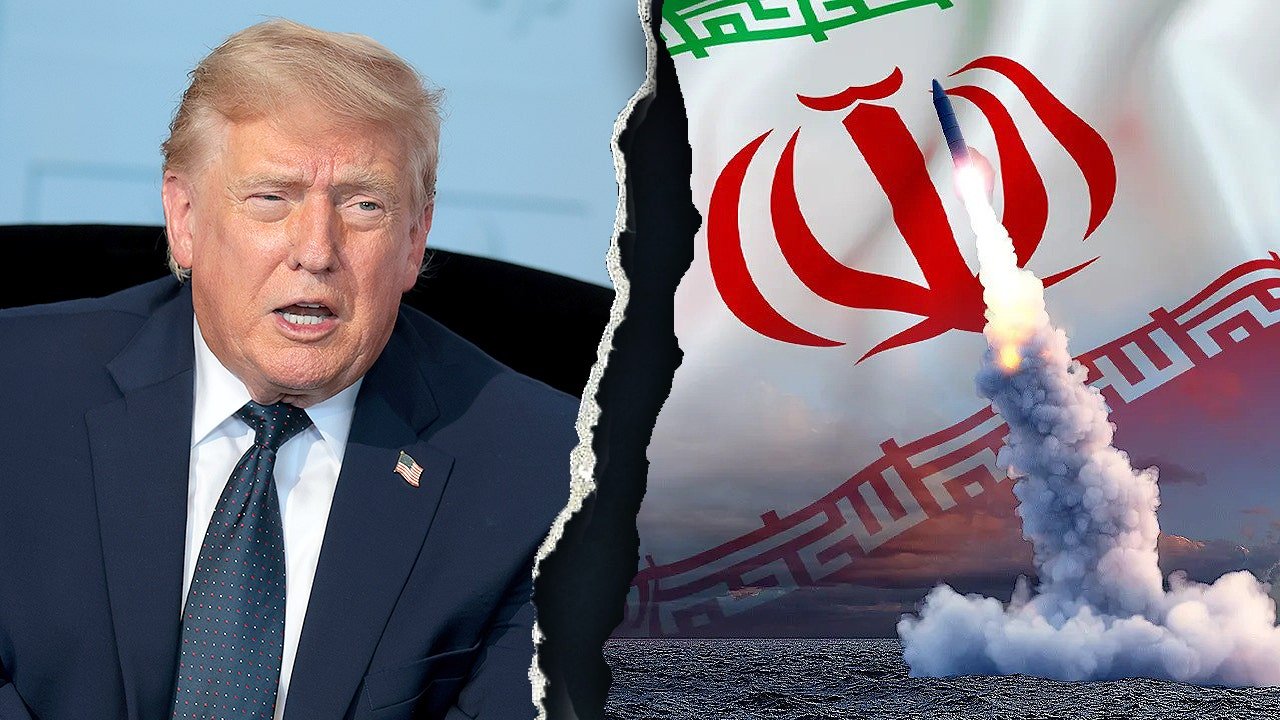
A composite image shows President Donald Trump alongside a missile launch with the Iranian flag in the background. Nuclear experts are warning that Trump’s reported Iran framework could leave Tehran too much control over its uranium stockpile unless inspectors first fully account for and secure the material. (Anna Moneymaker/Getty Images)
The warnings from experts come as the MOU has already been signed, while planned follow-up talks in Switzerland aimed at launching technical negotiations were postponed Friday. The delay leaves key nuclear details unresolved as the agreement begins a 60-day window for negotiating a final deal.
IAEA supervision would only be meaningful if inspectors first regain enough access to fully account for Iran’s enriched uranium stockpile and ensure Tehran does not retain unchecked control of the material, nuclear experts who spoke with Fox News Digital warned. Meanwhile, a recent IAEA report released this month underscored the agency’s limited visibility into Iran’s declared nuclear program after last year’s military strikes, saying that aside from a single inspection at an Iranian nuclear power plant, the agency «has not received information from Iran» about the status of its other declared nuclear facilities or associated nuclear material. «Nor has the Agency had access» to those sites for in-field verification, the report noted.
A senior administration official told Fox News Digital on background that the MOU required Iran’s regime to reaffirm that it will not procure or develop nuclear weapons, calling that a critical first step under Iran’s new Supreme Leader.
The official said the U.S. has reached understandings with Iran when it comes to its uranium stockpile, and the new deal is the first step of turning these understandings into real results, which include progress on enriched uranium stockpiles, dismantlement of nuclear sites, an enrichment ban and inspection access. The official added that the U.S. has already had productive discussions with Iran on those issues and, now that the MOU is formally in place, negotiators will work to make quick progress.
US-IRAN TALKS POSTPONED IN SWITZERLAND AMID ISRAEL-HEZBOLLAH TENSIONS; HORMUZ REMAINS A KEY ISSUE
The official also referred Fox News Digital to comments Vice President JD Vance made Thursday, when he said the deal’s benefits depend on Iran following through on its promises.
«They have promised not to enrich. They have promised that they would allow inspectors in to destroy that highly enriched stockpile. And then, of course, it’s not usable anymore. You take it somewhere else,» Vance said. «They promised a number of things, and that’s why the deal contemplates a number of benefits if they do those things. But it doesn’t do anything if they don’t actually meet those promises.»
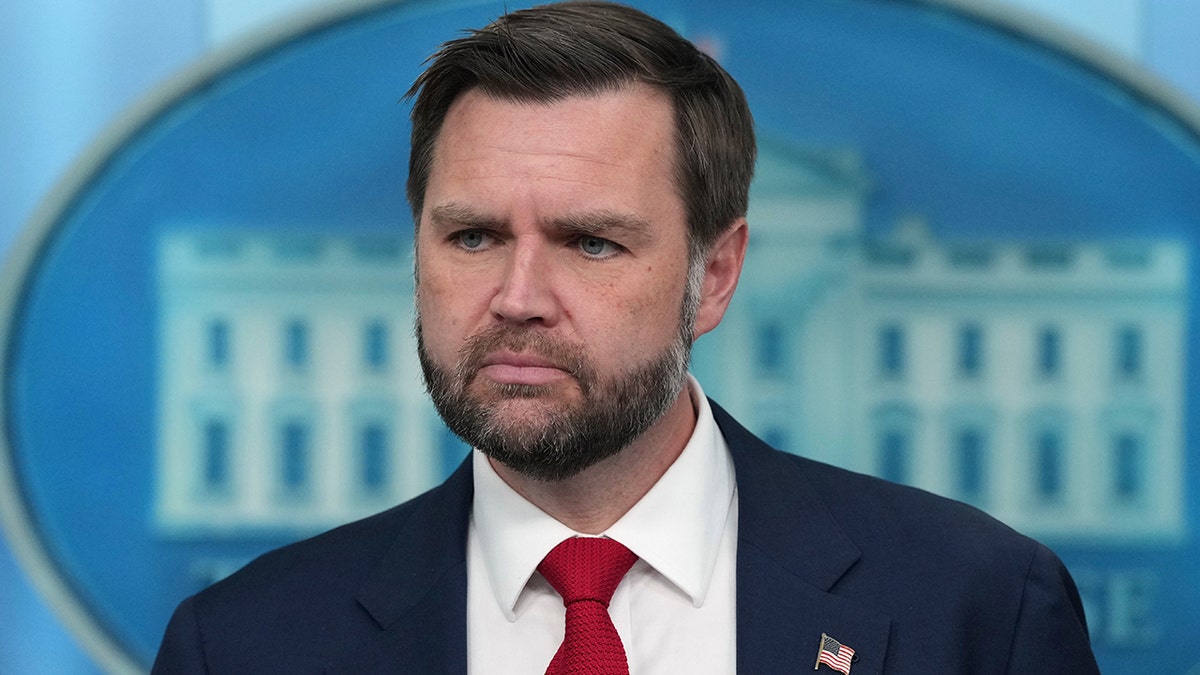
Vice President JD Vance listens as a reporter asks a question in the James Brady Press Briefing Room at the White House, on Thursday, June 18, 2026, in Washington. (Jacquelyn Martin/AP)
Andrea Stricker, deputy director of the Foundation for Defense of Democracies’ Nonproliferation Program, told Fox News Digital that any credible agreement must begin with recovering and safeguarding Iran’s enriched uranium stockpile, and not allowing Tehran to keep control of the material while it is diluted inside the country.
«Without verifiably dismantling and destroying all of Iran’s fundamental nuclear capabilities — nuclear material, facilities, centrifuges, manufacturing capabilities, equipment, documentation, and weaponization capacities, and ensuring scientists are redirected to civilian work — Iran’s pledge on paper is meaningless,» she told Fox News Digital, noting that Iran’s enriched uranium stockpile could, if recovered and further enriched, provide enough weapons-grade material for roughly 22 nuclear weapons.
HOW DOES TRUMP SOLVE KEY ‘NUCLEAR DUST’ HANG-UP IN NEGOTIATIONS TO END IRAN WAR?
DeVore was more cautious about assigning a single number to Iran’s potential weapons capacity, saying the estimate depends heavily on the sophistication of the weapon design. He said the same stockpile could translate into fewer basic weapons or be stretched further by a more advanced nuclear program.
He said on-site downblending, if properly verified, would be aimed at making Iran’s roughly 1,000 pounds of 60% enriched uranium unavailable for further enrichment. DeVore cautioned that the material would still need additional processing to be turned into weapons-grade uranium and said he does not believe Tehran can currently do that because key facilities were destroyed in last year’s strikes.
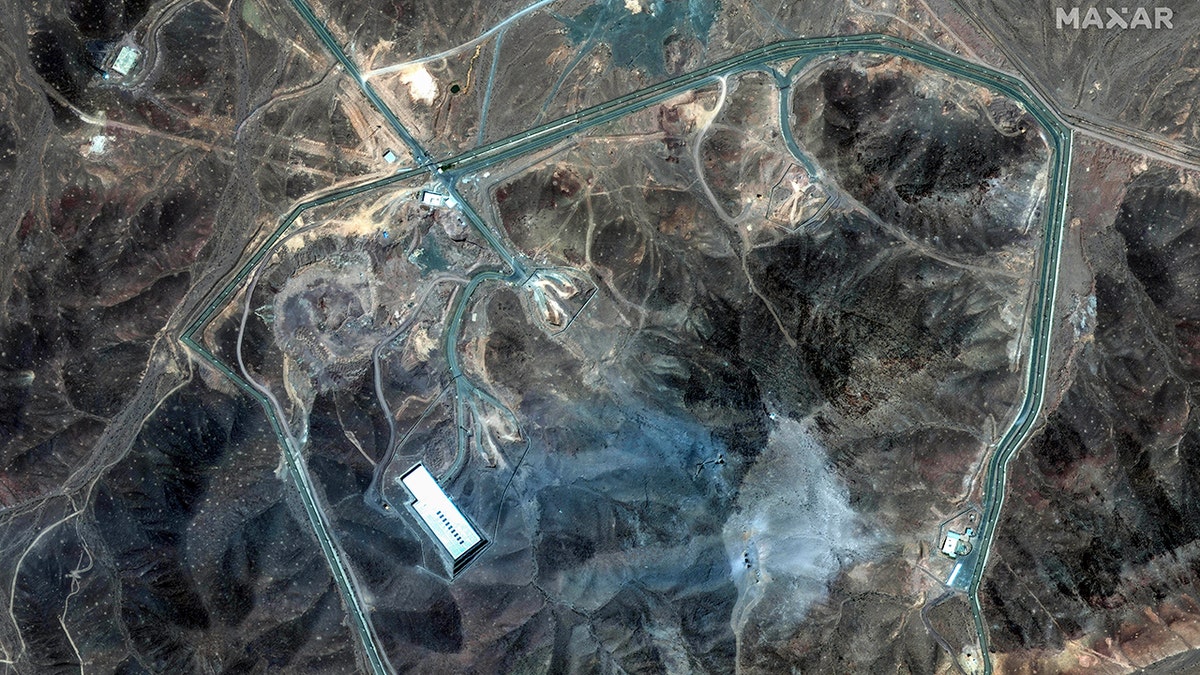
A satellite image shows damage at the Fordo enrichment facility in Iran after U.S. strikes on June 22, 2025. (Maxar Technologies)
Asked what would be needed to make any Iran deal enforceable, DeVore told Fox News Digital the U.S. must avoid repeating what he described as a key weakness of the Obama-era nuclear deal: allowing Tehran to restrict access or keep certain sites off limits. He said the «ultimate question» is on-site verification, warning that Washington cannot allow itself to be pushed into «an agreement for agreement’s sake.»
TOP SENATE REPUBLICAN RIPS INTO TRUMP’S IRAN DEAL, SAYS $300B MAKES OBAMA DEAL LOOK LIKE ‘A PITTANCE’
DeVore also said the Obama-era JCPOA gave inspectors too much notice and too little freedom to inspect suspicious locations as well, arguing that any new deal must avoid a system where Iran can delay, limit or steer inspections before the IAEA gets on the ground.
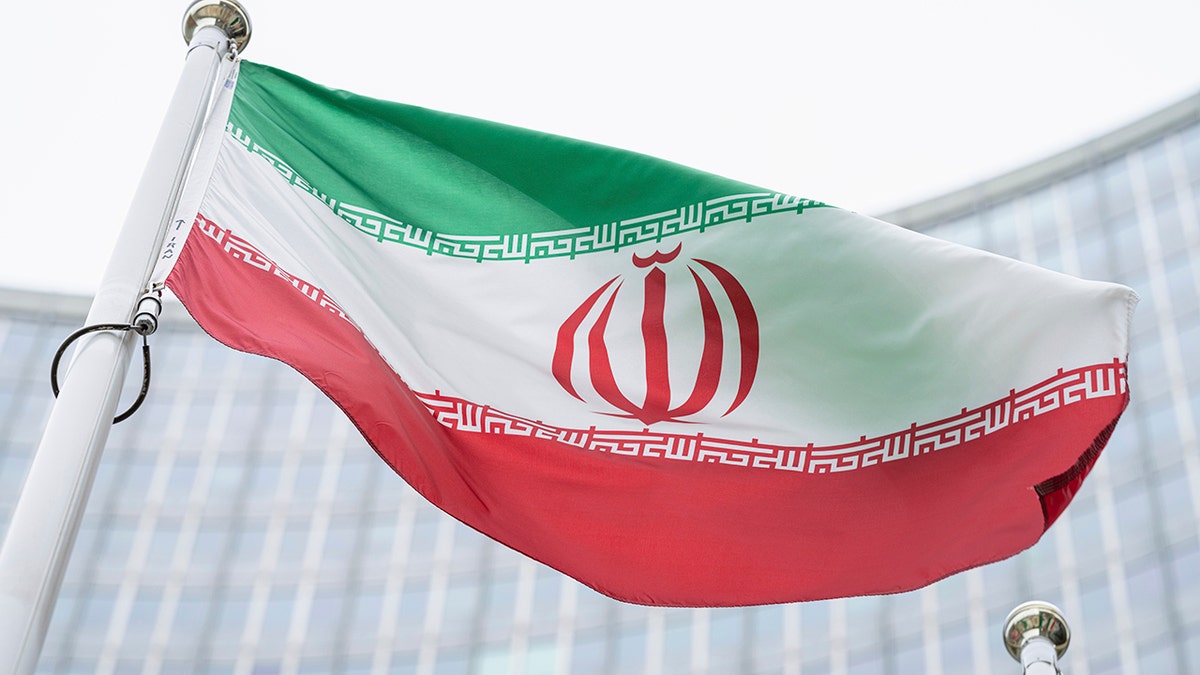
The flag of Iran waves in front of the International Atomic Energy Agency headquarters in Vienna, Austria. (Florian Schroetter/AP Photo)
DeVore told Fox News Digital that his concern is informed by his experience as a young special assistant for foreign affairs in the Reagan administration, when he worked on verification issues surrounding Cold War-era nuclear agreements with the Soviet Union, including the Peaceful Nuclear Explosions Treaty and the Threshold Test Ban Treaty.
In those negotiations, DeVore said, the danger was that the minimum level of verification sought by defense and intelligence officials could become the starting point for diplomats, meaning the final deal could end up below what experts believed was necessary.
CLICK HERE TO DOWNLOAD THE FOX NEWS APP
«Once you say, ‘This is the minimum we need,’ then that becomes the starting point, so anything agreed to is less than that,» DeVore said. «That’s what I fear.»
Fox News Digital reached out to the IAEA asking whether the agency can currently account for Iran’s enriched uranium stockpile and whether it has any comment on the verification questions raised by the reported framework.
iran, nuclear proliferation, treaties, enforcement, sanctions, foreign policy, foreign affairs, middle east foreign policy

Trump says Iran missiles ‘aren’t the problem’ after White House made them central to war rationale

Con dos goles de Matheus Cunha y uno de Vinicius, Brasil goleó 3-0 a Haití por la fecha 2 del Grupo C del Mundial

El gesto de Milei con Villarruel en el acto por el Día de la Bandera que no mostró la transmisión oficial

¿Hasta cuándo me pueden pagar el aguinaldo de junio 2026?

Murió Roberto García, referente del periodismo político y económico

Fernando Gago sufre un infarto durante una rueda de prensa

Patricia Bullrich: “El Presidente considera que Adorni dio una explicación razonable”

El Gobierno envía señales de que Adorni tiene las horas contadas para evitar que sesione el Senado

La secuencia del golazo de Messi para Argentina ante Argelia en el debut en el Mundial 2026 y los récords que rompió

GOP Gov DeWine urges Ohio to abolish the death penalty, says it is no longer a deterrent

 POLITICA3 días ago
Patricia Bullrich: “El Presidente considera que Adorni dio una explicación razonable”
- POLITICA3 días ago
Decomisan un helicóptero producto del lavado de las coimas de Odebrecht
- POLITICA3 días ago
Papelón y escándalo: anularon un sorteo de viviendas en PBA porque se olvidaron de incluir una bolilla