INTERNACIONAL
Gorsuch suggests Supreme Court’s Trump ruling is opening move against administrative state

NEWYou can now listen to Fox News articles!
The Supreme Court may have done more Monday than give President Donald Trump new firing power — it may have opened the door to a far broader challenge to the modern administrative state, the sprawling network of federal agencies that many conservatives have long dubbed the «deep state.»
In a 6-3 decision, the Court ruled Trump could lawfully remove Federal Trade Commission Commissioner Rebecca Slaughter, overturning much of the nearly 90-year-old Humphrey’s Executor precedent that had protected independent agency officials from at-will dismissal.
While Chief Justice John Roberts’ majority opinion held that the FTC’s leaders must remain accountable to the president because the agency exercises executive power, Gorsuch argued the ruling raises a broader constitutional question over whether Congress can continue allowing executive agencies to exercise sweeping legislative and judicial powers.
«The fourth branch’s powers still exist; they have just been reassigned to the President,» Gorsuch wrote in a concurring opinion.
SCOTUS TAKES UP TRUMP’S BID TO FIRE FTC COMMISSIONER AT WILL — A SHOWDOWN THAT COULD TOPPLE 90-YEAR PRECEDENT
Rebecca Slaughter, commissioner at the Federal Trade Commission, speaks during a House Judiciary Committee hearing in Washington, D.C., on July 13, 2023. (Al Drago/Bloomberg via Getty Images)
That observation could become the next major front in the Supreme Court’s ongoing effort to reshape the modern administrative state.
For decades, independent agencies such as the FTC, Securities and Exchange Commission, Federal Communications Commission and National Labor Relations Board have combined multiple governmental functions under one roof. They investigate alleged violations, write regulations carrying the force of law and adjudicate enforcement actions through administrative proceedings.
With Humphrey’s Executor now overruled, those agencies remain intact, but their leadership is subject to presidential control if they exercise executive power. Gorsuch questioned whether Congress can continue delegating broad legislative and judicial authority to agencies that are now unmistakably under presidential supervision.
«The power to write new regulatory crimes still exists,» Gorsuch wrote. «The ability to judge disputes in-house remains, but now the house is white.»
Carrie Severino, president of the Judicial Crisis Network, said Gorsuch’s concurrence points toward the next phase of litigation.
CONGRESS EXPANDED THE EXECUTIVE—ONLY FOR TRUMP TO QUASH MUCH OF THE ADMINISTRATIVE STATE
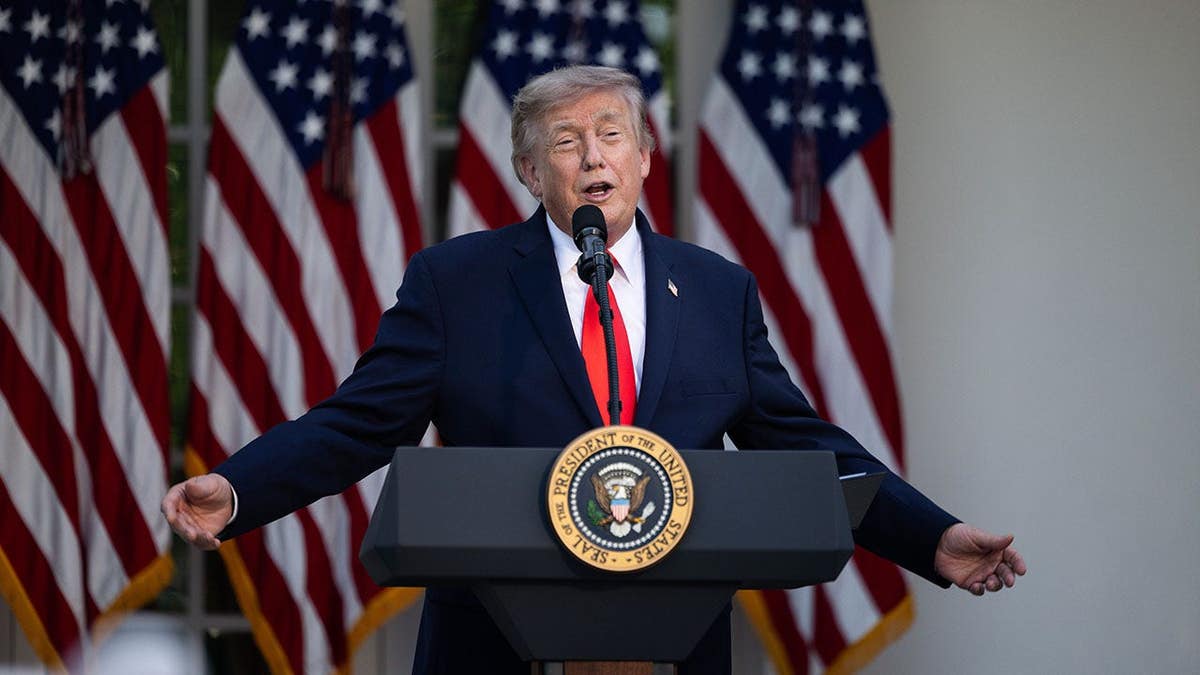
President Donald Trump speaks during a Rose Garden Club dinner at the White House in Washington, D.C., on June 25, 2026. He hosted U.S. farmers from Iowa in the newly renovated Rose Garden. (Tierney L. Cross/Getty Images)
«I think the next step in this type of litigation won’t be looking at firings per se, but really trying to make sure all of these administrative agencies actually fall into one of our constitutional buckets,» Severino said. «Are they executive agencies or are they legislative or are they judicial? You can’t straddle all of this.»
She said that while Monday’s ruling restored presidential control over executive agencies, it did not resolve whether those same agencies can continue exercising quasi-legislative and quasi-judicial powers that Congress has delegated over decades.
«There still remains to be more work going back and taking out of these agencies that now are properly under executive control the activities that really aren’t fundamentally executive in nature,» Severino said.
Haley Proctor, a constitutional law professor at Notre Dame Law School, similarly described Gorsuch’s opinion as a roadmap for future legal challenges.
LEGAL CHALLENGES ON ADMINISTRATIVE REACH EXPECTED IN TRUMP’S DEREGULATORY SCHEME, EXPERTS SAY
«I do think what Justice Gorsuch is pointing out is that this is the first step toward rethinking the way in which the administrative state is empowered and structured,» Proctor said.
Rather than simply expanding presidential authority, Proctor said the concurrence raises the possibility that Congress may ultimately have to reclaim powers it has delegated to agencies or assign certain responsibilities back to Article III courts.
«If we’re concerned about the amount of power that the Federal Trade Commission has, then the next step would be to reconsider giving that power to the Federal Trade Commission because some of the decisions that it’s making could be made by Congress instead and some of the decisions that it’s making could be made by the courts,» she said.
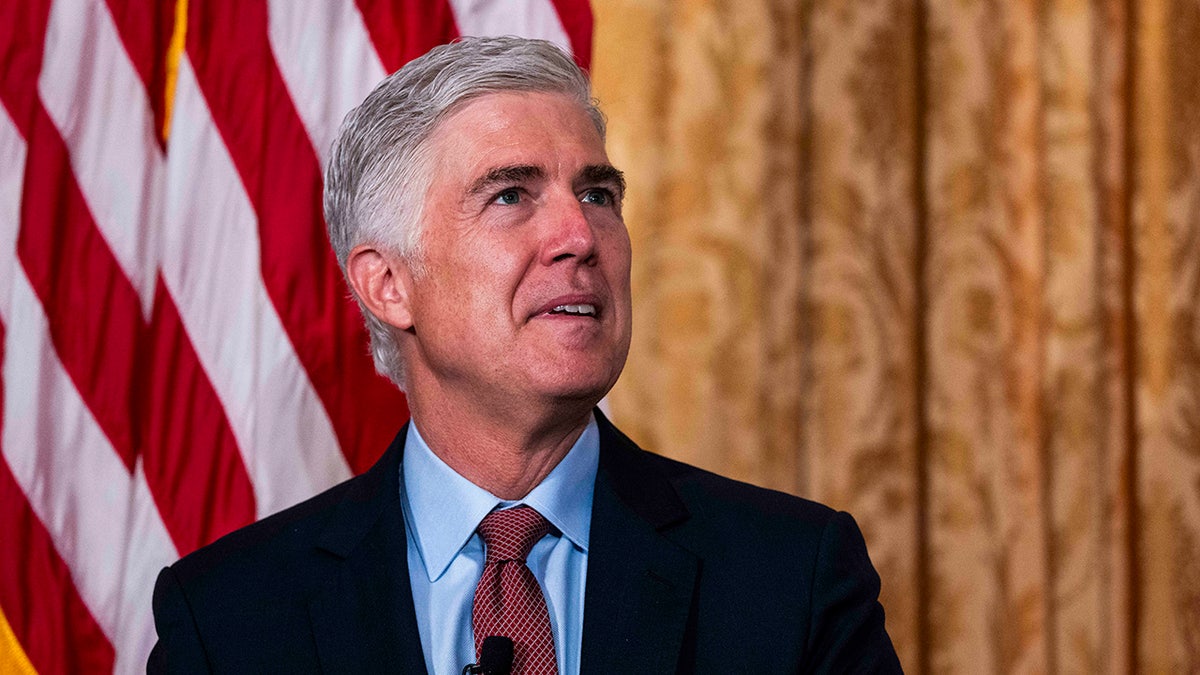
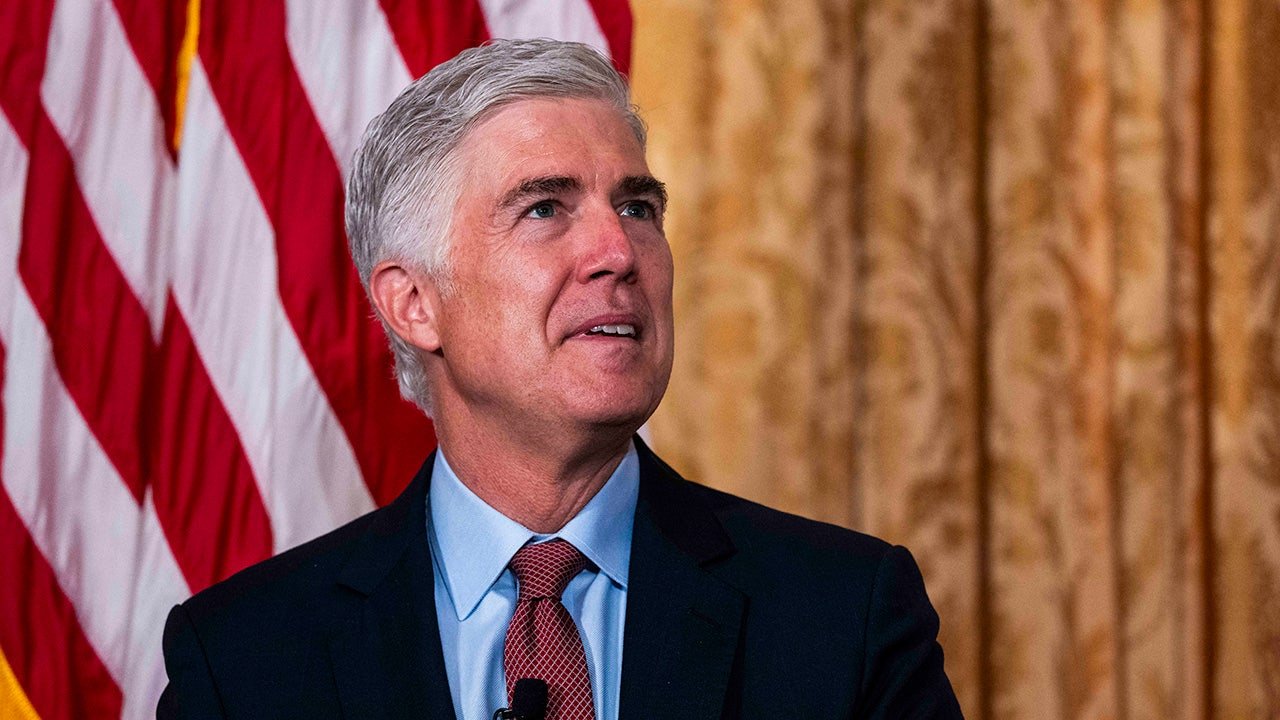
Supreme Court Justice Neil Gorsuch speaks at the Nixon Presidential Library and Museum in Yorba Linda, Calif. (Paul Bersebach/MediaNews Group/Orange County Register)
The majority opinion did not resolve those questions. Instead, Roberts limited the Court’s holding to presidential removal authority, concluding that the FTC «unquestionably exercises executive power» and therefore its commissioners must remain accountable to the president.
The Court stopped short of deciding how much power Congress can give executive agencies to make rules or resolve disputes, saying questions involving agencies such as the Federal Reserve will have to wait.
CLICK HERE TO DOWNLOAD THE FOX NEWS APP
But Gorsuch suggested future cases could go much further, arguing the Constitution provides the tools to dismantle much of the modern administrative state. He pointed to several constitutional doctrines that could be used to sharply limit the power of independent federal agencies and return lawmaking authority to Congress and judicial power to the courts.
«From here, the only sure path is to finish the journey we start today and restore legislative and judicial powers to where they belong: in Congress and the courts,» Gorsuch wrote.
supreme court, congress, judiciary, donald trump, executive













NEWYou can now listen to Fox News articles!
Russian President Vladimir Putin has publicly acknowledged that Ukrainian long-range strikes are creating fuel supply problems inside Russia, as videos obtained by Fox News Digital show long lines, angry motorists and fights erupting at filling stations across several Russian regions.
Speaking at a meeting with government ministers and other officials after a wave of Ukrainian attacks on Russian oil infrastructure, Putin said on Sunday that strikes on «critical infrastructure» and energy facilities were creating «problems,» including shortages affecting motorists, businesses and agricultural producers, but said Russia was dealing with them, according to Reuters.
The remarks marked a rare admission from the Kremlin that Ukraine’s long-range campaign is having an impact beyond the battlefield.
UKRAINE LAUNCHES WHAT APPEARS TO BE ONE OF ITS LARGEST DRONE ATTACKS AGAINST RUSSIA: REPORT
For Ukraine, the fuel crisis is evidence that its long-range strike campaign is doing more than damaging individual facilities. The attacks are forcing Moscow to manage visible problems at home, exposing a vulnerability in a country whose global power has long rested on its energy sector.
Smoke and flames rise over Moscow on June 18, 2026, following a Ukrainian drone attack that hit the Kapotnya oil refinery and other targets in the Russian capital. (East2West)
Ukraine increasingly has used long-range drones to target Russian oil refineries, depots and supply routes hundreds of miles from its border. Ukraine hit two Russian oil refineries overnight, Reuters reported Sunday, including one in Krasnodar, Russia, and another in Yaroslavl, Russia, as Kyiv continues targeting infrastructure linked to Moscow’s war effort.
Fuel shortages have spread across Russia, including occupied Crimea, southern Russia, Siberia and Moscow. Moscow also is weighing emergency measures, including temporarily allowing the production and import of lower-quality fuel, according to a draft government document reported by the Kommersant daily newspaper.
Maxim Katz, a Russian opposition figure and former Moscow municipal deputy, told Fox News Digital that the fuel shortages are real and increasingly difficult for Russians to ignore.
«There are fuel problems in Russia right now — real ones,» Katz told Fox News Digital. «I’m getting a lot of reports, and I can see it too: It’s hard. You can’t find fuel, or you have to stand in line. In some cities, you have to spend half a day looking for fuel, and then they give you only a little, and you have to get back in line again.»

Fights are erupting in filling station queues across Russia after Ukrainian drone strikes triggered chronic fuel shortages. (East2West)
Katz said the shortages appear tied directly to Ukraine’s attacks on Russian refining capacity.
«They are bombing the refineries very effectively,» he said. «Putin doesn’t have a way to defend them. Right now, it looks like there is no way to defend them, and that is a major pressure point on Putin.»
Videos obtained by Fox News Digital from East2West news agency show scenes of frustration at Russian filling stations, where drivers are seen waiting in long queues and arguing as shortages bite. In one video, two women appear to argue over a place in line, with one insisting, «I was in the queue,» before the confrontation escalates into shouting and threats.
‘PURE HELL’ IN MOSCOW AS UKRAINIAN DRONES STRIKE MAJOR REFINERY SUPPLYING CAPITAL’S FUEL MARKET

Russian President Vladimir Putin chairs a meeting on securing fuel supplies for the domestic market in Moscow, June 28, 2026. (Sputnik/Gavriil Grigorov/Pool via Reuters)
In Serov, Russia, police were called after a male driver was seen shouting obscenities at several women before punching one of them, according to a video.
In Ryazan, Russia, video shows a fight breaking out near a forecourt as drivers waited for fuel. In Irkutsk, Russia, a man is seen leaning into the open window of a hatchback and repeatedly hitting another motorist.
One woman, identified only as Tanya, 29, told east2west she waited 13 hours in Siberia to get half a tank of fuel and blamed Putin’s war for the chaos.
«He should stop this senseless conflict and let us live normally,» she told the outlet.
‘PURE HELL’ IN MOSCOW AS UKRAINIAN DRONES STRIKE MAJOR REFINERY SUPPLYING CAPITAL’S FUEL MARKET

The Moscow Oil Refinery in Kapotnya burns after being hit during Ukraine’s June 18, 2026, drone attack on the Russian capital. (East2West)
Katz said the fuel disruption comes alongside deeper economic pressure caused by the Russia–Ukraine war, including high domestic borrowing, steep interest rates and a budget increasingly built around military spending.
«The whole economy is now built on war,» Katz said. «War does not produce anything. Nothing comes back from it. So what remains is a big hole.»
He said Russia is not yet on the verge of collapse, but the strain is «growing and growing,» with economic officials warning that spending may need to be cut as the budget deficit becomes harder to close.
This assessment was also confirmed to Fox News Digital by a European intelligence source, who said the economic pressure is effectively working.
CLICK HERE TO DOWNLOAD THE FOX NEWS APP
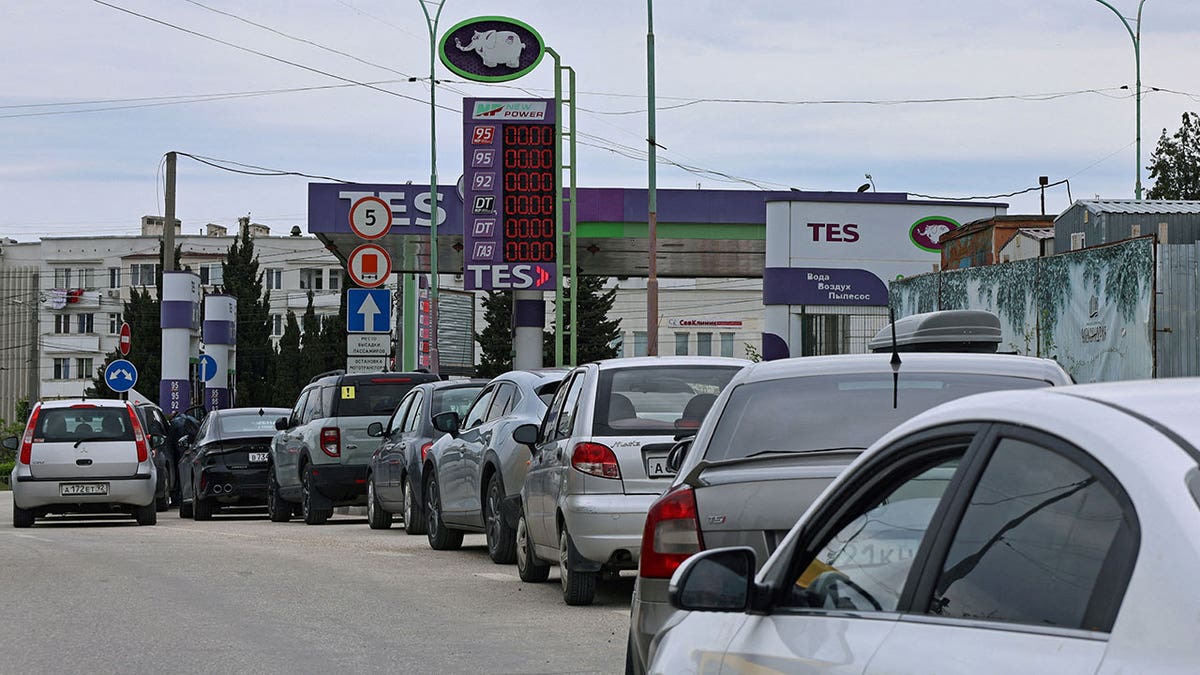
Cars queue for fuel at a gas station after the authorities restricted fuel sales amid a supply shortage following Ukrainian attacks on logistics routes in the course of Russia-Ukraine conflict, in Sevastopol, Crimea June 1, 2026. (Reuters)
Fox News Digital reached out to Russian and Ukrainian spokespeople for comment.
Reuters contributed to this story.
russia, vladimir putin, ukraine, wars
INTERNACIONAL
Poll shows Platner’s oyster-farmer image failing to win over working-class Maine voters
NEWYou can now listen to Fox News articles!
A poll released this week, in addition to showing a dead heat in the Maine Senate race, suggests that Democratic candidate Graham Platner’s working-class bona fides as an oyster farmer — which he has made a central part of his campaign — aren’t resonating.
Platner currently trails incumbent Republican Sen. Susan Collins by 21 points, 37% to 58%, with registered voters who do not hold a four-year college degree, according to a New York Times/Portland Press Herald/Siena poll released on Monday.
Additionally, the poll shows Platner up 37 points with White college-educated voters but trailing Collins by 23 points with White non-college-educated voters.
In the September 2020 New York Times/Siena poll, Collins led Democrat Sara Gideon by just 48%-45% with White non-college-educated voters, a 20-point swing from six years ago in a race Collins won by about nine points statewide.
PLATNER’S ANTI-CORPORATE CRUSADE HITS AWKWARD SNAG AS RECEIPTS TELL ANOTHER STORY
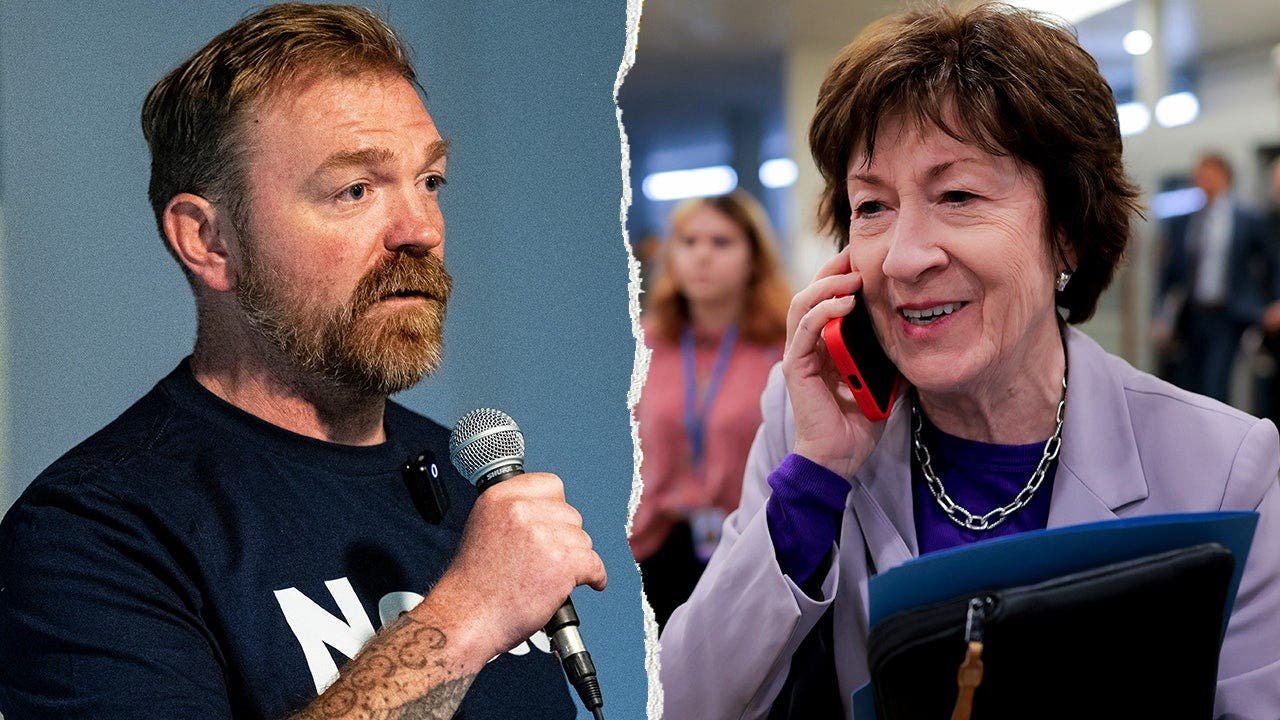
Graham Platner, left, pictured alongside Sen. Susan Collins, R-Maine, right. (Graeme Sloan/Getty Images; Heather Diehl/Getty Images)
Platner’s sagging support from those without a college degree has prompted some on social media to suggest his messaging to working-class voters as an oyster farmer from rural Maine is falling flat, despite his repeated pledges to fight against «corporate greed» and the billionaire «oligarchy.»
Ryan Girdusky, founder of the 1776 Project PAC, posted on X that «Graham is what a college educated person thinks a working-class person is supposed to act like and working-class people can see he’s a fraud.»
«Blue collar voters can tell he’s not one of them,» journalist Melissa Braunstein posted on X.
EXCLUSIVE: COLLINS PITS RECORD BUILT IN MAINE POTATO FIELDS AGAINST PLATNER’S ‘ANGRY RHETORIC’
Platner has faced criticism during his campaign for claims about his background as he has long identified himself as an oyster farmer and harbor master, giving a blue-collar tinge to his left-wing campaign, at the same time financial disclosures show that he brings in relatively little money from oyster farming and reports have suggested that Platner receives the majority of his income through veteran’s disability payments, Fox News Digital previously reported.
In his pitch to working-class voters, Platner has also had to overcome his own wealthy background that resulted in him attending private schools, including The Hotchkiss School, an exclusive $75,000-a-year boarding school in Lakeville, Connecticut.
«Mainers know authenticity, and they can spot a pretender from a mile away,» Maine Republican state Rep. Laurel Libby told Fox News Digital. «Maine voters aren’t looking for a performance, they’re looking for someone who understands their lives and will fight for them — that has always been Susan Collins.»
THE GROWING LIST OF CONTROVERSIES THREATENING DEMOCRAT GRAHAM PLATNER’S MAINE SENATE BID
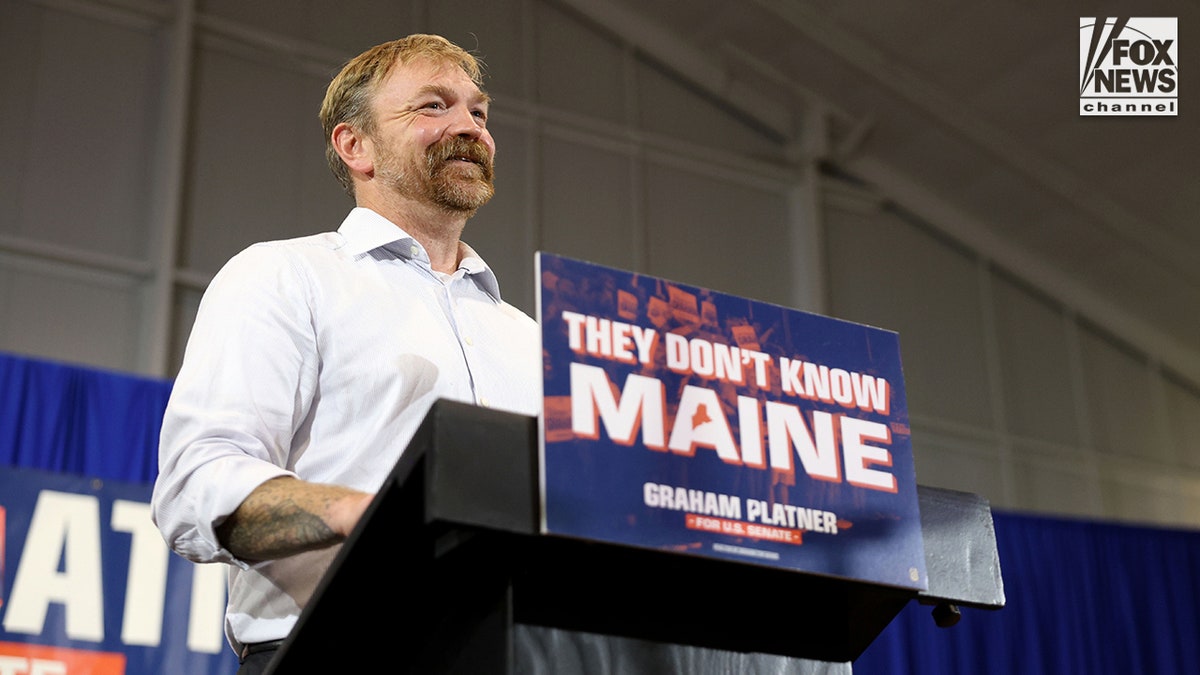
Graham Platner addresses the crowd at his watch party after winning the Democratic nomination for U.S. Senate at a YMCA in Blue Hill, Maine, on June 9, 2026. Platner will face Republican Sen. Susan Collins in the election for the seat. (Matthew Symons for Fox News Digital)
The various controversies surrounding Platner, including infidelity, physical abuse of an ex-girlfriend, a Nazi-linked tattoo, disparaging comments about the military and referring to himself as a «communist,» appear to have hurt him with voters, as only 44% said he has «good character» while 47% said he is «too extreme» for the state.
Fox News Digital reached out to the Platner campaign for comment.
Still, despite the questions about his background and his controversial statements, Platner’s pitch to voters as a combat veteran who will push back against Trump and the establishment of both parties has helped him to a two-point lead over Collins, according to the New York Times poll, in a race that could decide the balance of power in the U.S. Senate in November.
Fifty-four percent of respondents in the poll said they’d like to see the Democrats win back the Senate majority in the midterms, five points higher than the 49% who are supporting Platner. And Collins is capturing 10% of voters who prefer the Democrats control the Senate.
CLICK HERE TO DOWNLOAD THE FOX NEWS APP
Warning signs for Collins in the poll include a majority that said they thought the senator would be too supportive of Trump and even some of her own supporters worry that the 73-year-old Collins is too old to be an effective senator.
Fox News Digital’s Paul Steinhauser contributed to this report.
fox news poll, graham platner, polls, republicans, senate elections

Los libertarios de Río Negro se rearman y suman a sus filas a un dirigente clave de Pro

El Gobierno apeló el fallo que frenó la privatización de AySA con duros cuestionamientos a la Defensoría del Pueblo bonaerense

Pruebas Aprender: siete de cada 10 estudiantes alcanzó el nivel de lectura esperable para su edad

La exestrella de la NFL Chris Johnson, anunció que padece ELA y conmovió al deporte estadounidense

WATCH: Fights break out at Russian gas stations as Putin admits fuel shortages

Qué significa que tu gato se acueste arriba de tus zapatos y por qué no deberías ignorarlo

El punto de quiebre que sentó la suerte de Manuel Adorni y los preparativos que hace el Gobierno ante su inminente salida

La bomba de Nico Occhiato tras el escándalo de Florencia Peña con Messi: “Lo más groso que pudimos haber logrado”

Cómo ganar $20 millones con Mercado Pago: el paso a paso para quienes cobran ANSES

Una escena estremecedora: el dato más doloroso de los minutos posteriores a la muerte de Ernestina Pais

 POLITICA3 días ago
El punto de quiebre que sentó la suerte de Manuel Adorni y los preparativos que hace el Gobierno ante su inminente salida
- CHIMENTOS3 días ago
La bomba de Nico Occhiato tras el escándalo de Florencia Peña con Messi: “Lo más groso que pudimos haber logrado”
- POLITICA3 días ago
Manuel Adorni renunció después de tres meses de escándalo por su patrimonio