INTERNACIONAL
Europa afronta escasez de agua y desigualdad en el acceso durante la ola de calor


La ola de calor y la falta de lluvias colocan a varios países de Europa en una situación crítica respecto al acceso al agua. El informe de la organización Europe in Motion ‘Overheated and Underprepared’, y citado por la agencia Euronews, señala que uno de cada diez ciudadanos de la Unión Europea afronta escasez de agua. El consumo promedio del 5,8% de los recursos hídricos europeos no refleja las profundas diferencias existentes entre los Estados miembros.
Chipre representa el caso más grave, con un uso de hasta el 92% de sus recursos de agua dulce en verano, muy por encima del umbral de alerta del 20%. Según el informe, las autoridades chipriotas solicitan a la población una reducción del consumo del 10%, equivalente a dos minutos menos de uso diario por persona. El Gobierno promueve la instalación de plantas desalinizadoras para asegurar el suministro de agua potable, sobre todo en la temporada turística.
Después de Chipre, otros países mediterráneos enfrentan presiones intensas sobre sus recursos hídricos. Malta registra un consumo anual del 33%, que escala al 67% en verano. De acuerdo con datos de la oficina estadística Eurostat y la Agencia Europea de Medio Ambiente (AEMA), la explotación hídrica alcanza niveles de alerta en Grecia (37%), Rumanía (34%), Portugal (31%), Italia (27%) y España (26,5%) durante los meses más cálidos.
El informe subraya que estos valores sitúan a estos países en zonas de alto riesgo, donde la combinación de altas temperaturas y aumento poblacional incrementa la presión sobre los sistemas de abastecimiento. La AEMA advierte que el impacto de la sequía y el cambio climático incrementará la frecuencia y la intensidad de estas crisis al menos hasta 2030.

La escasez de agua no solo depende de la cantidad disponible. También de la capacidad de los sistemas de distribución. La AEMA indica que aproximadamente el 10% de los europeos tiene dificultades para acceder a agua limpia y segura. El problema es especialmente grave en Chipre (36,5%) y Grecia (31,5%), donde la proporción de población afectada supera ampliamente la media de la Unión Europea.
Llama la atención que países como Bulgaria, Hungría, Croacia e Irlanda, aunque no presentan tasas elevadas de explotación de recursos, enfrentan dificultades para garantizar el acceso debido a infraestructuras envejecidas y sistemas de suministro deficientes. De acuerdo con Euronews, esta situación sugiere que la escasez tiene menos relación con la cantidad de agua y más con la gestión y el mantenimiento de las redes hidráulicas.
Por otro lado, países como Francia, Portugal y España, a pesar de los desafíos en la explotación de agua dulce, lograron mantener bajo el porcentaje de población afectada por la falta de acceso a agua potable y segura. Sus sistemas de distribución muestran una capacidad de respuesta más eficiente, con cifras por debajo de la media europea del 9%.

El informe de Europe in Motion resalta que la gestión del agua se convirtió en un asunto prioritario para la Unión Europea, especialmente ante la perspectiva de veranos cada vez más calurosos y secos. La creciente demanda, el turismo estacional y el cambio climático complican la capacidad de los gobiernos para garantizar el suministro a toda la población.
La agencia de noticias internacional, recoge que la urgencia de actuar se refleja en las medidas adoptadas en Chipre y en las advertencias de la AEMA sobre la necesidad de modernizar infraestructuras y aumentar la resiliencia de los sistemas de distribución. La experiencia de los países mediterráneos podría anticipar retos similares en otras regiones si no se aplican soluciones sostenibles.
La disparidad entre los Estados miembros evidencia la necesidad de estrategias diferenciadas y coordinadas, en las que el acceso equitativo y la inversión en tecnología sean ejes centrales para evitar una crisis hídrica generalizada en el continente.
weather







INTERNACIONAL
El Instituto Guatemalteco de Migración anuncia nuevas oficinas regionales en cuatro departamentos
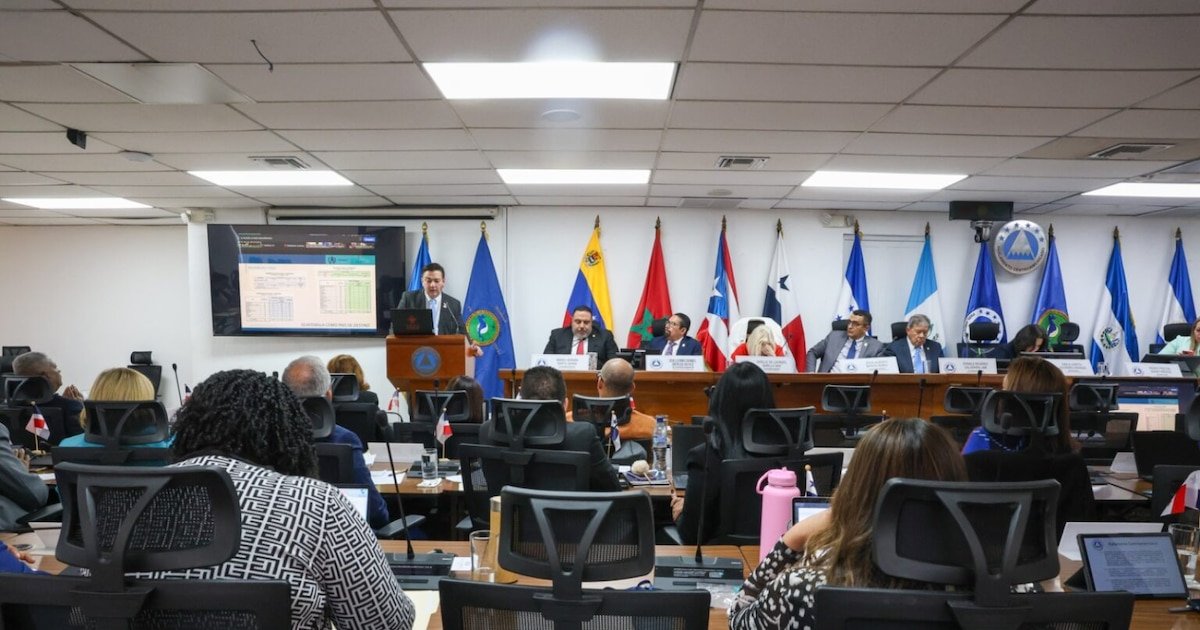
El director del Instituto Guatemalteco de Migración (IGM), Alfredo Danilo Rivera, presentó ante el Parlamento Centroamericano las acciones con las que Guatemala busca reforzar su gestión migratoria, con foco en la atención a personas retornadas, la ampliación territorial de los servicios y la aplicación de la Política Migratoria Nacional bajo un enfoque de derechos.
Entre los anuncios centrales, el funcionario informó que el IGM ya habilitó sedes migratorias regionales en Chiquimula y Zacapa, y que abrirá próximamente nuevas oficinas en Izabal, Cobán, Quetzaltenango y Huehuetenango para acercar los trámites a la población en distintos puntos del país.
La exposición tuvo lugar durante una Cortesía de Sala en la Sesión Plenaria del Parlamento Centroamericano (Parlacén), un espacio protocolario en el que autoridades e invitados especiales presentan asuntos de interés ante los diputados de la región.
Rivera explicó la situación migratoria de Guatemala y sostuvo que el trabajo del IGM se desarrolla con un enfoque humanitario. Según expuso, las personas migrantes son reconocidas como sujetos de derechos de conformidad con la legislación guatemalteca.

El director del instituto detalló que la atención institucional alcanza tanto a las personas guatemaltecas retornadas como a los extranjeros que se encuentran en territorio nacional. También señaló que las medidas en marcha buscan cumplir la Política Migratoria Nacional y promover una migración regular, ordenada y segura.
Dentro de ese esquema, destacó el Plan Retorno al Hogar, una estrategia interinstitucional orientada a garantizar una atención “digna y humana” a los guatemaltecos que regresan desde México y Estados Unidos.
La descentralización de los servicios apareció como uno de los ejes de la presentación. Rivera indicó que la desconcentración administrativa ya avanzó con las oficinas en Chiquimula y Zacapa, y precisó que las próximas aperturas previstas en Izabal, Cobán, Quetzaltenango y Huehuetenango buscan facilitar los trámites migratorios sin concentrarlos en un solo punto del país.
Otro de los puntos expuestos ante el Parlacén fue la reactivación del Consejo Parlamentario Regional sobre las Migraciones (Coprem). Rivera planteó la importancia de retomar ese mecanismo para fortalecer la coordinación y el diálogo entre los países centroamericanos frente a los desafíos de la movilidad humana.
La intervención del titular del IGM ante el organismo regional concentró así tres líneas de acción: la atención integral a personas en movilidad, el despliegue de nuevas sedes migratorias y la articulación regional en materia de migraciones, en coordinación con instituciones nacionales y centroamericanas vinculadas al tema.
El Gobierno de Guatemala atendió a más de 29.000 migrantes retornados en 2026
En paralelo, Guatemala brindó atención integral a 29.153 personas migrantes retornadas entre el 1 de enero y el 14 de junio de 2026, procedentes de Estados Unidos y México, según registros del Instituto Guatemalteco de Migración.
Del total atendido, 28.441 fueron personas adultas y 712 niñas, niños y adolescentes. En este último grupo, 449 retornaron acompañados y 263 no acompañados, quienes recibieron acompañamiento y orientación inmediata al momento del retorno.
El Centro de Recepción de Retornados en la zona 13 de la ciudad de Guatemala opera de forma interinstitucional con el IGM, CONAMIGUA, SOSEP, SBS, RENAP, PNC, MSPAS y PGN, con atención según las competencias de cada entidad.
De acuerdo con el IGM, el centro de recepción vía aérea cuenta con áreas especializadas para niñas, niños, adolescentes y unidades familiares, además de clínicas de atención primaria para personas adultas y pediatría, servicio de llamadas, salas de atención psicosocial, acceso a internet, servicios sanitarios y tasa de cambio para facilitar una recepción “digna, segura y ordenada”.
En el mismo lugar se invita a integrarse al Plan Retorno al Hogar y ser trasladados al Centro de Atención y Registro, donde se ofrecen servicios sin costo con más de 20 instituciones, con acceso a opciones laborales, médicas y asesoría legal, además de telefonía móvil mediante la entrega de un chip con internet y mensajería. Quienes ingresan por vía terrestre pueden solicitar el plan al 2411-2412 o por WhatsApp al 4214 3566.
sesión plenaria,orador,delegados,asamblea,diplomacia,reunión

NEWYou can now listen to Fox News articles!
Russian President Vladimir Putin has publicly acknowledged that Ukrainian long-range strikes are creating fuel supply problems inside Russia, as videos obtained by Fox News Digital show long lines, angry motorists and fights erupting at filling stations across several Russian regions.
Speaking at a meeting with government ministers and other officials after a wave of Ukrainian attacks on Russian oil infrastructure, Putin said on Sunday that strikes on «critical infrastructure» and energy facilities were creating «problems,» including shortages affecting motorists, businesses and agricultural producers, but said Russia was dealing with them, according to Reuters.
The remarks marked a rare admission from the Kremlin that Ukraine’s long-range campaign is having an impact beyond the battlefield.
UKRAINE LAUNCHES WHAT APPEARS TO BE ONE OF ITS LARGEST DRONE ATTACKS AGAINST RUSSIA: REPORT
For Ukraine, the fuel crisis is evidence that its long-range strike campaign is doing more than damaging individual facilities. The attacks are forcing Moscow to manage visible problems at home, exposing a vulnerability in a country whose global power has long rested on its energy sector.
Smoke and flames rise over Moscow on June 18, 2026, following a Ukrainian drone attack that hit the Kapotnya oil refinery and other targets in the Russian capital. (East2West)
Ukraine increasingly has used long-range drones to target Russian oil refineries, depots and supply routes hundreds of miles from its border. Ukraine hit two Russian oil refineries overnight, Reuters reported Sunday, including one in Krasnodar, Russia, and another in Yaroslavl, Russia, as Kyiv continues targeting infrastructure linked to Moscow’s war effort.
Fuel shortages have spread across Russia, including occupied Crimea, southern Russia, Siberia and Moscow. Moscow also is weighing emergency measures, including temporarily allowing the production and import of lower-quality fuel, according to a draft government document reported by the Kommersant daily newspaper.
Maxim Katz, a Russian opposition figure and former Moscow municipal deputy, told Fox News Digital that the fuel shortages are real and increasingly difficult for Russians to ignore.
«There are fuel problems in Russia right now — real ones,» Katz told Fox News Digital. «I’m getting a lot of reports, and I can see it too: It’s hard. You can’t find fuel, or you have to stand in line. In some cities, you have to spend half a day looking for fuel, and then they give you only a little, and you have to get back in line again.»

Fights are erupting in filling station queues across Russia after Ukrainian drone strikes triggered chronic fuel shortages. (East2West)
Katz said the shortages appear tied directly to Ukraine’s attacks on Russian refining capacity.
«They are bombing the refineries very effectively,» he said. «Putin doesn’t have a way to defend them. Right now, it looks like there is no way to defend them, and that is a major pressure point on Putin.»
Videos obtained by Fox News Digital from East2West news agency show scenes of frustration at Russian filling stations, where drivers are seen waiting in long queues and arguing as shortages bite. In one video, two women appear to argue over a place in line, with one insisting, «I was in the queue,» before the confrontation escalates into shouting and threats.
‘PURE HELL’ IN MOSCOW AS UKRAINIAN DRONES STRIKE MAJOR REFINERY SUPPLYING CAPITAL’S FUEL MARKET

Russian President Vladimir Putin chairs a meeting on securing fuel supplies for the domestic market in Moscow, June 28, 2026. (Sputnik/Gavriil Grigorov/Pool via Reuters)
In Serov, Russia, police were called after a male driver was seen shouting obscenities at several women before punching one of them, according to a video.
In Ryazan, Russia, video shows a fight breaking out near a forecourt as drivers waited for fuel. In Irkutsk, Russia, a man is seen leaning into the open window of a hatchback and repeatedly hitting another motorist.
One woman, identified only as Tanya, 29, told east2west she waited 13 hours in Siberia to get half a tank of fuel and blamed Putin’s war for the chaos.
«He should stop this senseless conflict and let us live normally,» she told the outlet.
‘PURE HELL’ IN MOSCOW AS UKRAINIAN DRONES STRIKE MAJOR REFINERY SUPPLYING CAPITAL’S FUEL MARKET
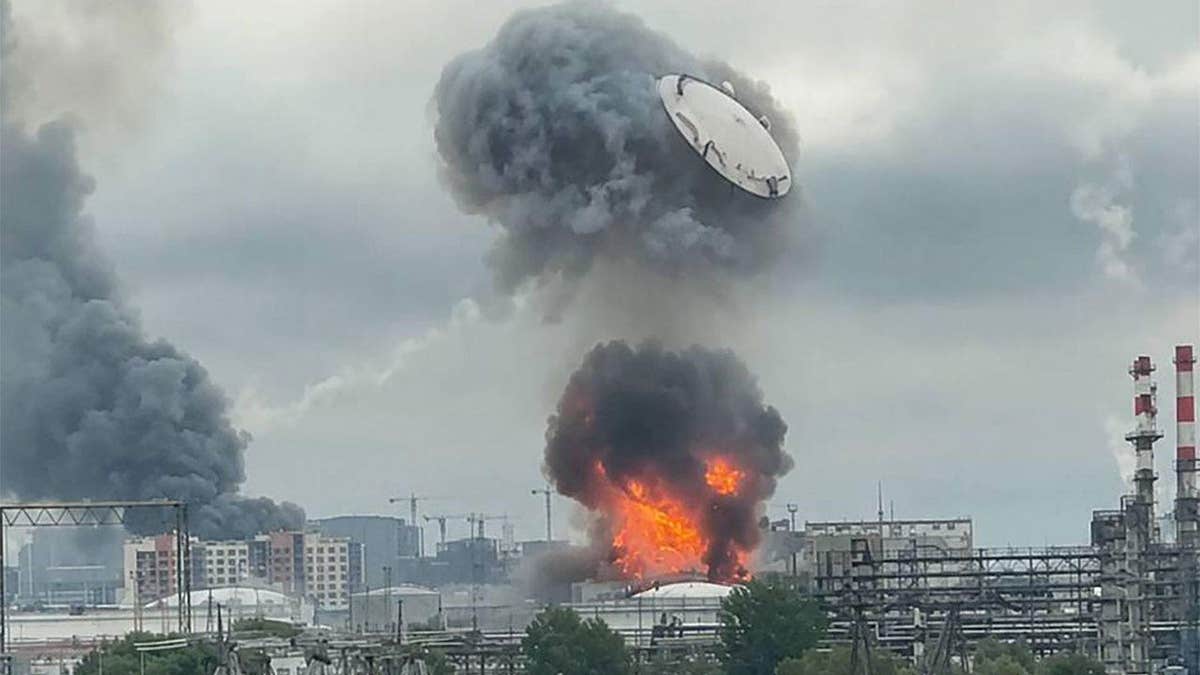
The Moscow Oil Refinery in Kapotnya burns after being hit during Ukraine’s June 18, 2026, drone attack on the Russian capital. (East2West)
Katz said the fuel disruption comes alongside deeper economic pressure caused by the Russia–Ukraine war, including high domestic borrowing, steep interest rates and a budget increasingly built around military spending.
«The whole economy is now built on war,» Katz said. «War does not produce anything. Nothing comes back from it. So what remains is a big hole.»
He said Russia is not yet on the verge of collapse, but the strain is «growing and growing,» with economic officials warning that spending may need to be cut as the budget deficit becomes harder to close.
This assessment was also confirmed to Fox News Digital by a European intelligence source, who said the economic pressure is effectively working.
CLICK HERE TO DOWNLOAD THE FOX NEWS APP
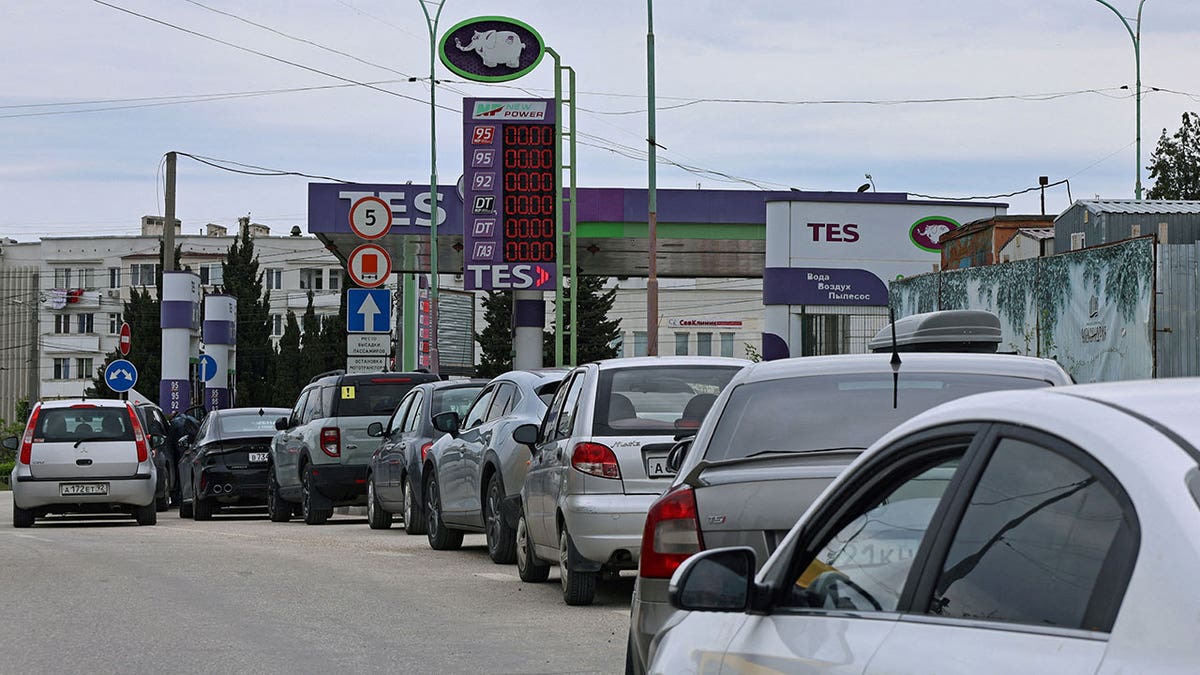
Cars queue for fuel at a gas station after the authorities restricted fuel sales amid a supply shortage following Ukrainian attacks on logistics routes in the course of Russia-Ukraine conflict, in Sevastopol, Crimea June 1, 2026. (Reuters)
Fox News Digital reached out to Russian and Ukrainian spokespeople for comment.
Reuters contributed to this story.
russia, vladimir putin, ukraine, wars
INTERNACIONAL
Poll shows Platner’s oyster-farmer image failing to win over working-class Maine voters
NEWYou can now listen to Fox News articles!
A poll released this week, in addition to showing a dead heat in the Maine Senate race, suggests that Democratic candidate Graham Platner’s working-class bona fides as an oyster farmer — which he has made a central part of his campaign — aren’t resonating.
Platner currently trails incumbent Republican Sen. Susan Collins by 21 points, 37% to 58%, with registered voters who do not hold a four-year college degree, according to a New York Times/Portland Press Herald/Siena poll released on Monday.
Additionally, the poll shows Platner up 37 points with White college-educated voters but trailing Collins by 23 points with White non-college-educated voters.
In the September 2020 New York Times/Siena poll, Collins led Democrat Sara Gideon by just 48%-45% with White non-college-educated voters, a 20-point swing from six years ago in a race Collins won by about nine points statewide.
PLATNER’S ANTI-CORPORATE CRUSADE HITS AWKWARD SNAG AS RECEIPTS TELL ANOTHER STORY
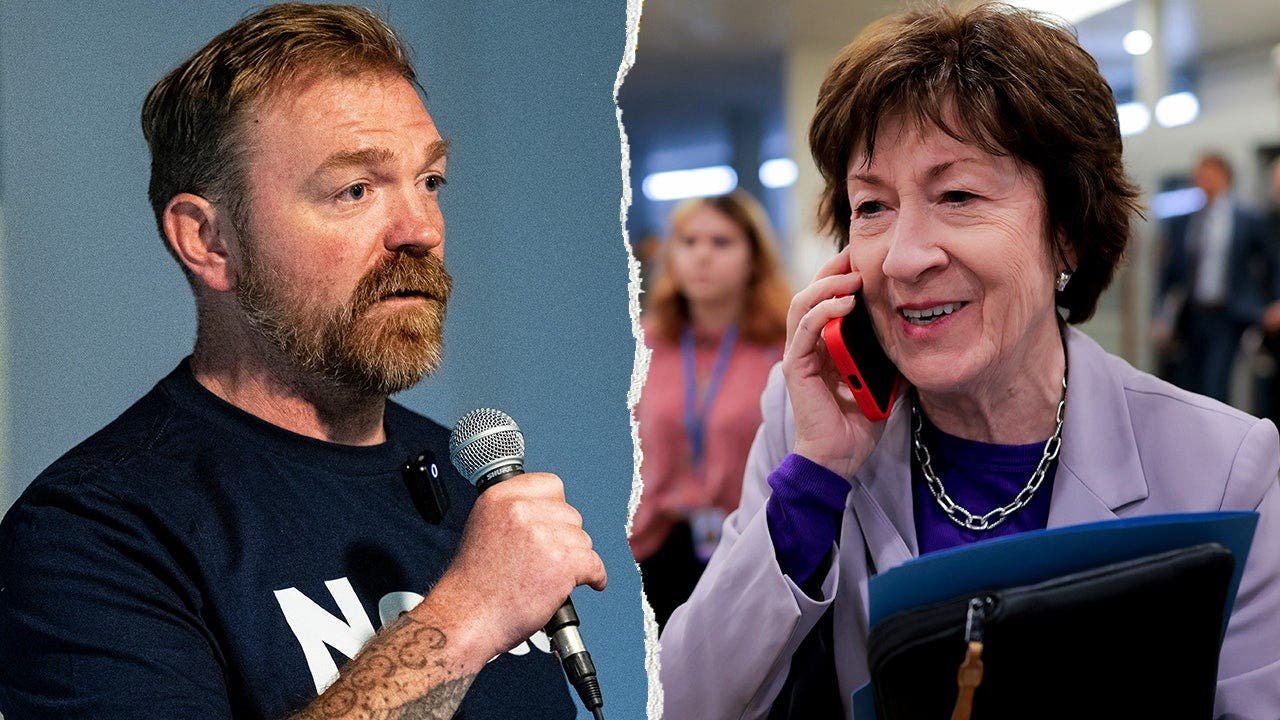
Graham Platner, left, pictured alongside Sen. Susan Collins, R-Maine, right. (Graeme Sloan/Getty Images; Heather Diehl/Getty Images)
Platner’s sagging support from those without a college degree has prompted some on social media to suggest his messaging to working-class voters as an oyster farmer from rural Maine is falling flat, despite his repeated pledges to fight against «corporate greed» and the billionaire «oligarchy.»
Ryan Girdusky, founder of the 1776 Project PAC, posted on X that «Graham is what a college educated person thinks a working-class person is supposed to act like and working-class people can see he’s a fraud.»
«Blue collar voters can tell he’s not one of them,» journalist Melissa Braunstein posted on X.
EXCLUSIVE: COLLINS PITS RECORD BUILT IN MAINE POTATO FIELDS AGAINST PLATNER’S ‘ANGRY RHETORIC’
Platner has faced criticism during his campaign for claims about his background as he has long identified himself as an oyster farmer and harbor master, giving a blue-collar tinge to his left-wing campaign, at the same time financial disclosures show that he brings in relatively little money from oyster farming and reports have suggested that Platner receives the majority of his income through veteran’s disability payments, Fox News Digital previously reported.
In his pitch to working-class voters, Platner has also had to overcome his own wealthy background that resulted in him attending private schools, including The Hotchkiss School, an exclusive $75,000-a-year boarding school in Lakeville, Connecticut.
«Mainers know authenticity, and they can spot a pretender from a mile away,» Maine Republican state Rep. Laurel Libby told Fox News Digital. «Maine voters aren’t looking for a performance, they’re looking for someone who understands their lives and will fight for them — that has always been Susan Collins.»
THE GROWING LIST OF CONTROVERSIES THREATENING DEMOCRAT GRAHAM PLATNER’S MAINE SENATE BID

Graham Platner addresses the crowd at his watch party after winning the Democratic nomination for U.S. Senate at a YMCA in Blue Hill, Maine, on June 9, 2026. Platner will face Republican Sen. Susan Collins in the election for the seat. (Matthew Symons for Fox News Digital)
The various controversies surrounding Platner, including infidelity, physical abuse of an ex-girlfriend, a Nazi-linked tattoo, disparaging comments about the military and referring to himself as a «communist,» appear to have hurt him with voters, as only 44% said he has «good character» while 47% said he is «too extreme» for the state.
Fox News Digital reached out to the Platner campaign for comment.
Still, despite the questions about his background and his controversial statements, Platner’s pitch to voters as a combat veteran who will push back against Trump and the establishment of both parties has helped him to a two-point lead over Collins, according to the New York Times poll, in a race that could decide the balance of power in the U.S. Senate in November.
Fifty-four percent of respondents in the poll said they’d like to see the Democrats win back the Senate majority in the midterms, five points higher than the 49% who are supporting Platner. And Collins is capturing 10% of voters who prefer the Democrats control the Senate.
CLICK HERE TO DOWNLOAD THE FOX NEWS APP
Warning signs for Collins in the poll include a majority that said they thought the senator would be too supportive of Trump and even some of her own supporters worry that the 73-year-old Collins is too old to be an effective senator.
Fox News Digital’s Paul Steinhauser contributed to this report.
fox news poll, graham platner, polls, republicans, senate elections

El Instituto Guatemalteco de Migración anuncia nuevas oficinas regionales en cuatro departamentos

Los libertarios de Río Negro se rearman y suman a sus filas a un dirigente clave de Pro

El Gobierno apeló el fallo que frenó la privatización de AySA con duros cuestionamientos a la Defensoría del Pueblo bonaerense

Pruebas Aprender: siete de cada 10 estudiantes alcanzó el nivel de lectura esperable para su edad

La exestrella de la NFL Chris Johnson, anunció que padece ELA y conmovió al deporte estadounidense

WATCH: Fights break out at Russian gas stations as Putin admits fuel shortages

El punto de quiebre que sentó la suerte de Manuel Adorni y los preparativos que hace el Gobierno ante su inminente salida

La bomba de Nico Occhiato tras el escándalo de Florencia Peña con Messi: “Lo más groso que pudimos haber logrado”

Cómo ganar $20 millones con Mercado Pago: el paso a paso para quienes cobran ANSES

Una escena estremecedora: el dato más doloroso de los minutos posteriores a la muerte de Ernestina Pais

 POLITICA3 días ago
El punto de quiebre que sentó la suerte de Manuel Adorni y los preparativos que hace el Gobierno ante su inminente salida
- CHIMENTOS3 días ago
La bomba de Nico Occhiato tras el escándalo de Florencia Peña con Messi: “Lo más groso que pudimos haber logrado”
- POLITICA3 días ago
Manuel Adorni renunció después de tres meses de escándalo por su patrimonio