INTERNACIONAL
Former top cop warns of loophole exploited by illicit Chinese vape companies ‘targeting our youth’

NEWYou can now listen to Fox News articles!
A former top law enforcement official is sounding the alarm on an attempt by illicit Chinese vape companies to exploit legal loopholes by replacing nicotine with an unregulated substitute to continue selling flavored disposable vapes to children.
«These Chinese organized crime groups, what they realized is if they go ahead and just change the ingredients in the packaging, then they create confusion and there is no enforcement or regulatory agency that then is responsible to address these illicit, illegal, disposable vapes,» former Bureau of Alcohol, Tobacco, Firearms and Explosives Deputy Director Edgar Domenech told Fox News Digital in an interview.
The synthetic compound, 6-methyl nicotine, also known as 6MN or «NIX,» is a nicotine analog marketed under brand names including Nixodine and Metatine, with some manufacturers arguing 6-methyl nicotine products fall outside the Food and Drug Administration’s (FDA) authority.
Domenech, the former sheriff of New York City, said that while nicotine is a well-known addictive substance regulated by the FDA, the nicotine substitute «manufactured illegally in China» is an «unknown variable» that hasn’t been studied enough.
FORMER ACTING DHS SECRETARY WARNS CHINESE CRIMINAL ORGANIZATIONS ARE INFILTRATING AMERICA’S HEMP INDUSTRY
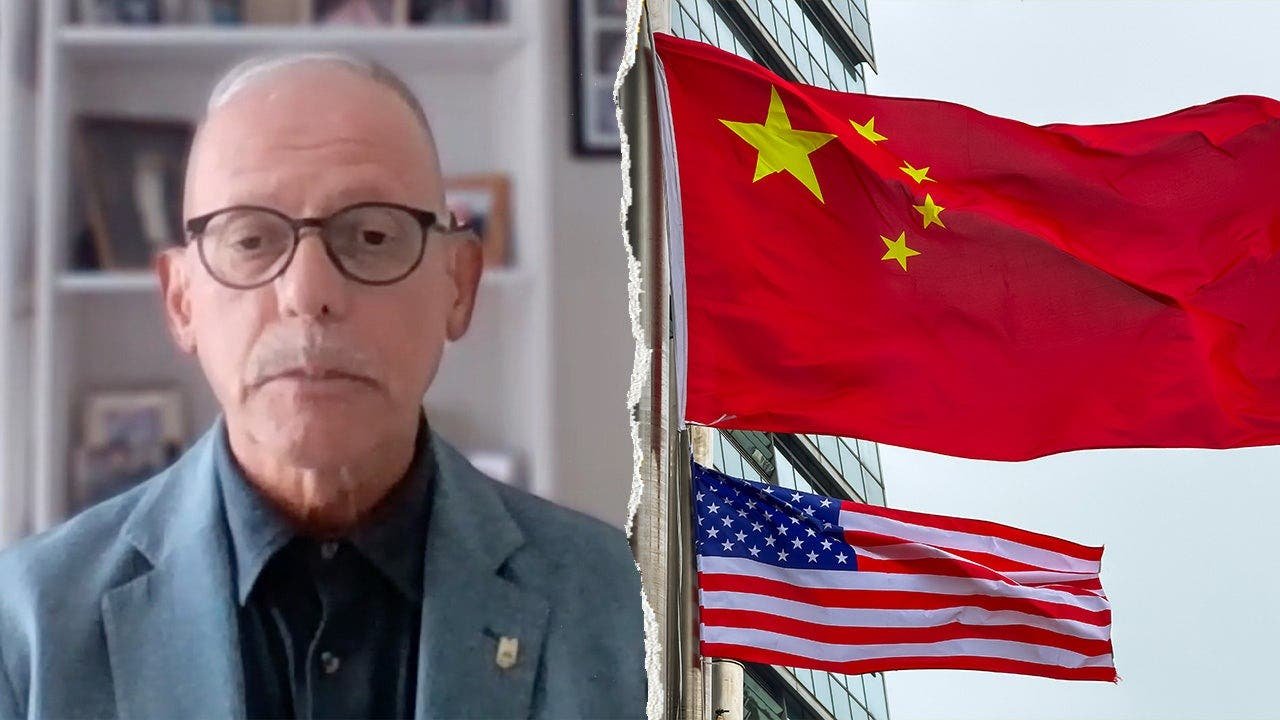
Former Bureau of Alcohol, Tobacco, Firearms and Explosives Deputy Director Edgar Domenech told Fox News Digital illicit Chinese vape companies are exploiting legal loopholes by replacing nicotine with an unregulated substitute. (Fox News Digital; Cheng Xin/Getty Images)
«It’s a different type of substance,» he said. «Now, all of a sudden, the FDA doesn’t have oversight, but it’s the same product. It’s a disposable vape product with flavors targeting our kids and our youth with unknown chemicals.»
Pointing to law enforcement’s role in combating the illicit trade, Domenech said the companies create «confusion» by changing the product’s ingredients, causing law enforcement and regulatory agencies to «take no action.»
«The organized crime groups — they’re five steps in front of us,» he said. «By changing the substance, they are now creating additional new obstacles to figure out.»
Domenech said the companies keep the same branding, packaging, and flavors while changing just one ingredient, allowing them to profit from children who may not realize what they’re consuming.
CORPORATE AMERICA’S CHINA ADDICTION HAS BECOME A NATIONAL SECURITY THREAT
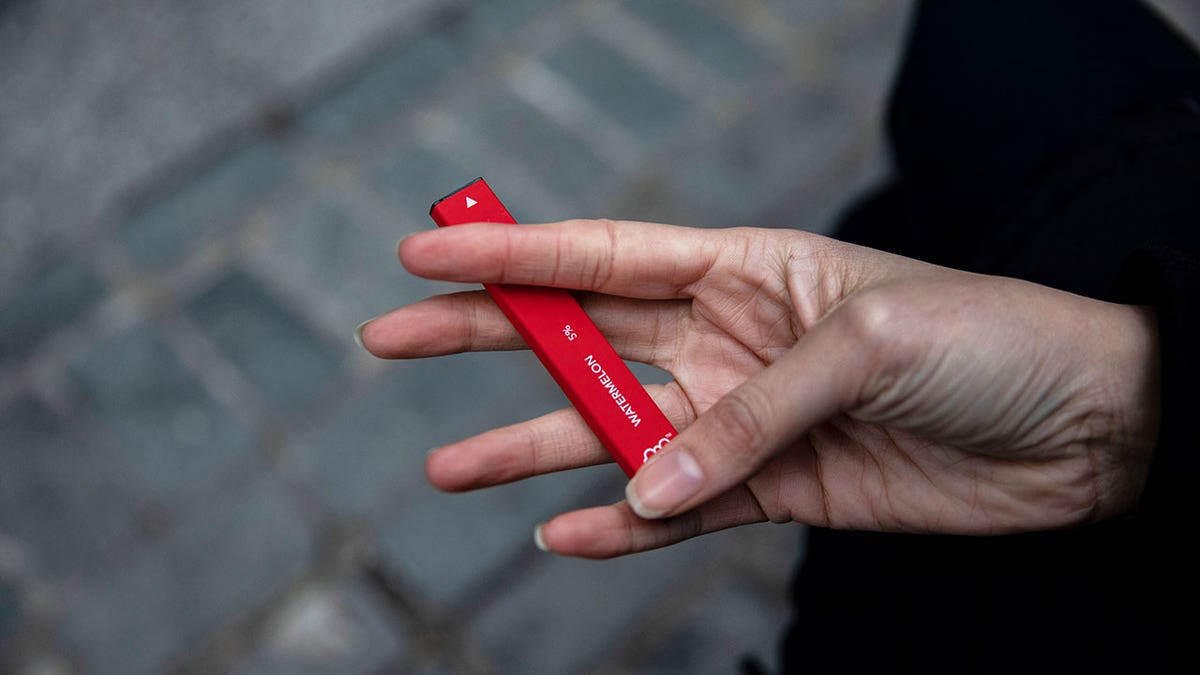
A woman holds a Puff Bar flavored disposable vape device in New York City, Jan. 31, 2020. (Marshall Ritzel/AP Photo)
«They’re putting these products side by side in these big shops, because the packaging is all the same,» he said. «All they’ve done is changed one of the ingredients in the product.»
Domenech said the companies are targeting «our youngest, most vulnerable generation» with flavored disposable vapes containing chemicals whose long-term health effects remain unknown.
«They’re targeting our youth with flavors,» he said. «Whether it’s fruity flavors, candy-type flavors, dessert flavors. They’re targeting our kids to go ahead and ingest these products with unknown consequences because we don’t know what’s in them to begin with.»
As youth vaping has become more widespread, Domenech said some schools have installed bathroom sensors that detect vaping, adding, «We’ve got 11-year-olds, 12-year-olds, 14-year-olds vaping these products.»
EXPLOSIVE HOUSE REPORT REVEALS SECRET OPERATION INSIDE CHINA AT CENTER OF SOUTH KOREA’S FIGHT WITH US COMPANY

A selection of colorful disposable vapes on display for sale in a souvenir shop in London, Jan. 29, 2024. (Kirsty Wigglesworth/AP Photo)
He said that the products could lead to «unknown health and mental well-being issues down the line.»
«There is nothing healthy about the illegal disposable vapes that are flavored targeting our kids,» he said.
A recent Duke University study found 6-methyl nicotine may be stronger than nicotine, raising concerns it could be more addictive. Public patent records list Geoff Habicht, CEO of Arizona-based Mi-Pod, which Fox News Digital previously reported on as part of an investigation examining ties between the vaping industry and China, as an inventor on U.S. patents referencing 6-methyl nicotine and related compounds.
Raising awareness among lawmakers, health professionals, parents, and schools is vital to closing regulatory gaps and preventing more children from using the products, according to Domenech.
«Education is paramount for us to combat this issue,» he said. «We need to educate our policymakers, we need to educate our health professionals, we need to educate our parents, the educational system to make them understand that these products are illegal, they have unknown substances that can have unknown consequences, health consequences.»
Domenech said lawmakers and law enforcement need clearer guidance to identify and seize the products.
«We need to have a concerted effort to educate our policymakers at the federal level but also at the state and local levels because we need boots on the ground to understand what they can do legally in seizing these products,» he said.
CLICK HERE TO DOWNLOAD THE FOX NEWS APP
Domenech called the companies a «national security problem,» saying the products «should be seized the moment they enter this country, period.»
«We’re losing a generation of our future, our future leaders to this product,» he said.
politics, regulation, congress, china, drugs, health, stop smoking











El Ejército de Ucrania ha anunciado ataques en las últimas horas contra 21 buques cisterna rusos en el mar de Azov, todos ellos según el Estado Mayor ucraniano parte de la llamada flota fantasma que emplea Rusia para evadir las sanciones comerciales internacionales.
En un comunicado, el Estado Mayor ucraniano también ha confirmado ataques contra cuatro remolcadores, dos buques de carga en seco y una draga, todos ellos empleados para “apoyo logístico militar, transportar carga y respaldar el funcionamiento de la infraestructura portuaria”.
El Estado Mayor ucraniano está ahora mismo “determinando el alcance de los daños”.
Las autoridades rusas se han limitado a confirmar por el momento la muerte de al menos una persona y varios heridos tras un ataque ucraniano con drones contra cuatro embarcaciones rusas en la bahía de Taganrog, en el sur del país y cerca de la frontera común.
Según ha asegurado el gobernador de la región de Rostov, Yuri Sliusar, “un marinero de uno de los buques ha fallecido sin que haya habido ninguna otra víctima mortal”.
“En total, cuatro embarcaciones de distintos tipos fueron atacadas en la bahía de Taganrog, una de ellas un buque cisterna que transportaba metanol. Como consecuencia del ataque, un marinero del buque técnico falleció, pero no hubo otras víctimas”, ha informado el gobernador.
Según Sliusar, los buques han sufrido diversos daños, pero “no existe amenaza de derrame o fuga de metanol” tras el ataque perpetrado por las fuerzas ucranianas, que habrían utilizado “15 drones” en total.
“Más de 15 drones fueron destruidos durante el ataque aéreo. La ciudad de Taganrog, así como los distritos de Azov y Neklinovski, fueron el objetivo”, ha concluido Sliusar.

El presidente de Ucrania, Volodimir Zelensky, ha ordenado a sus Fuerzas Armadas centrar los próximos ataques sobre refinerías de Rusia ante la escasez de combustible en el país, lo cual ha creado un malestar social entre la población, donde se han podido apreciar imágenes de largas filas de vehículos en las gasolineras, con enfrentamientos entre los ciudadanos incluidos en los últimos días.
Zelensky ha asegurado que la crisis de combustible en Rusia “se agudiza” por la negativa del presidente Vladimir Putin a poner fin a la guerra y ha advertido de que los ataques de largo alcance que han venido lanzando en las últimas semanas continuarán y para ello ha anunciado la creación de un “comando especial”.
Zelenksy urgió este sábado a avanzar en los acuerdos de licencia para los misiles Patriot y en el proyecto europeo conjunto de defensa antibalística tras el nuevo ataque nocturno de Rusia, que lanzó 121 drones y doce misiles, seis de ellos balísticos que Ucrania no pudo derribar.
“Esperamos que nuestros socios cumplan sus promesas en relación con los paquetes de ayuda acordados en la cumbre de la OTAN para ayudar a proteger a nuestra población. Debemos avanzar lo más rápidamente posible en los acuerdos de licencia para los Patriot y en el proyecto europeo conjunto de defensa antibalística. En estos momentos, la máxima prioridad para todas nuestras instituciones es hacer que esto sea una realidad”, escribió el presidente ucraniano en X.
Según la Fuerza Aérea ucraniana, Rusia lanzó desde las 18:00 horas del viernes seis misiles balísticos Iskander-M/S-400 desde la región rusa de Briansk, cuatro misiles aéreos guiados Kh-59/69 desde el espacio aéreo de la península ucraniana de Crimea, anexionada por Moscú en 2014, y dos misiles antirradar Kh-31 desde aguas del mar Negro.

Además, en su ataque nocturno, Rusia usó contra Ucrania 121 drones de ataque Shaehd, Gerbera e Italmas y drones réplica Parodia, lanzados desde las regiones rusas de Kursk, Mílerovo, Oriol y Primorsko-Ajtarsk, desde la zona ocupada en la región ucraniana de Donetsk, y desde Chauda y Gvardíiske, en Crimea, agrega el comunicado en Telegram.
“Nuestros defensores lograron derribar la mayoría de los objetivos, pero no los balísticos”, señaló Zelensky.
Así, según el parte de la Fuerza Aérea, hasta las 08:30 horas del sábado, la defensa antiaérea logro derribar o neutralizar dos misiles aéreos guiados Kh-59/69 y 111 drones enemigos en el norte, sur y este del país.
Se registraron impactos de misiles balísticos, de dos misiles aéreos guiados y de siete drones de ataque en once localizaciones, así como la caída de fragmentos de aparatos derribados en tres.
Se está verificando la información sobre los dos misiles antirradar, agrega la Fuerza Aérea, que advertía a la hora de la publicación del parte que el ataque continuaba con la presencia de varios drones enemigos en el espacio aéreo.
Zelensky denunció que once personas, entre ellas un niño, resultaron heridas en Kiev durante el ataque nocturno y agregó que incluso antes de que se emitiera la alerta aérea ya se registraron impactos contra infraestructuras civiles.
En la capital ucraniana resultaron dañados edificios de viviendas, oficinas y un seminario teológico.
También continúan las labores de desescombro en las regiones de Odesa, Sumi, Járkov y Cherníguiv, agregó el presidente.
(Con información de Europa Press y EFE)
Europe
INTERNACIONAL
Inside the slapdash Platner vetting job that ignored warnings before bid blew up: source

Maine Senate candidate’s top strategist laughs at vetting process
Dan Moraff, top strategist for Maine Senate candidate Graham Platner, laughs when asked about his vetting process, admitting their firm missed controversial details. Fox News contributor Jonathan Turley criticizes the strategists for being ‘unserious,’ questioning the damage to public trust. Turley emphasizes the severe implications of the failed vetting on Democratic Party credibility and the integrity of the election.
NEWYou can now listen to Fox News articles!
Graham Platner’s Senate campaign repeatedly ignored warnings from its own vetting team that he needed a more robust background check, a source familiar with the early stages of the campaign told Fox News Digital.
An in-depth vetting process could have saved Democrats a massive headache in one of the most important Senate races of the 2026 cycle, something that has led many on the left to blame Dan Moraff and Morris Katz — the political staffers behind Platner’s meteoric rise — for not doing their due diligence before putting him forward.
The source confirmed to Fox News Digital that the vetting process was largely handled by Moraff and Katz, who limited investigators to a three-day review of Platner.
Graham Platner speaks at his Primary Election event on June 9, 2026 in Blue Hill, Maine. (CJ Gunther/Getty Images)
PLATNER’S THREE-DAY VETTING JOB COMES BACK TO HAUNT DEMS AS RAPE ALLEGATION ROCKS SENATE BID
The firm that vetted Platner repeatedly reached out to the campaign, warning them that additional vetting was required as the initial review had turned up several concerning pieces of information that could lead to more serious issues — warnings that were ignored by Platner’s staff, according to the source familiar with the early stages of the campaign.
During the vetting process, campaign staff didn’t allow the individuals investigating Platner to interview him, the source told Fox News Digital. In addition to the vetting process identifying Platner’s Reddit posts, which the Wall Street Journal previously reported, it also turned up information that cast doubt on Platner’s blue-collar image, the source added.
ACTIVISTS BEHIND GRAHAM PLATNER’S RISE ADMIT VETTING PROCESS DIDN’T BRING UP NAZI-LINKED TATTOO
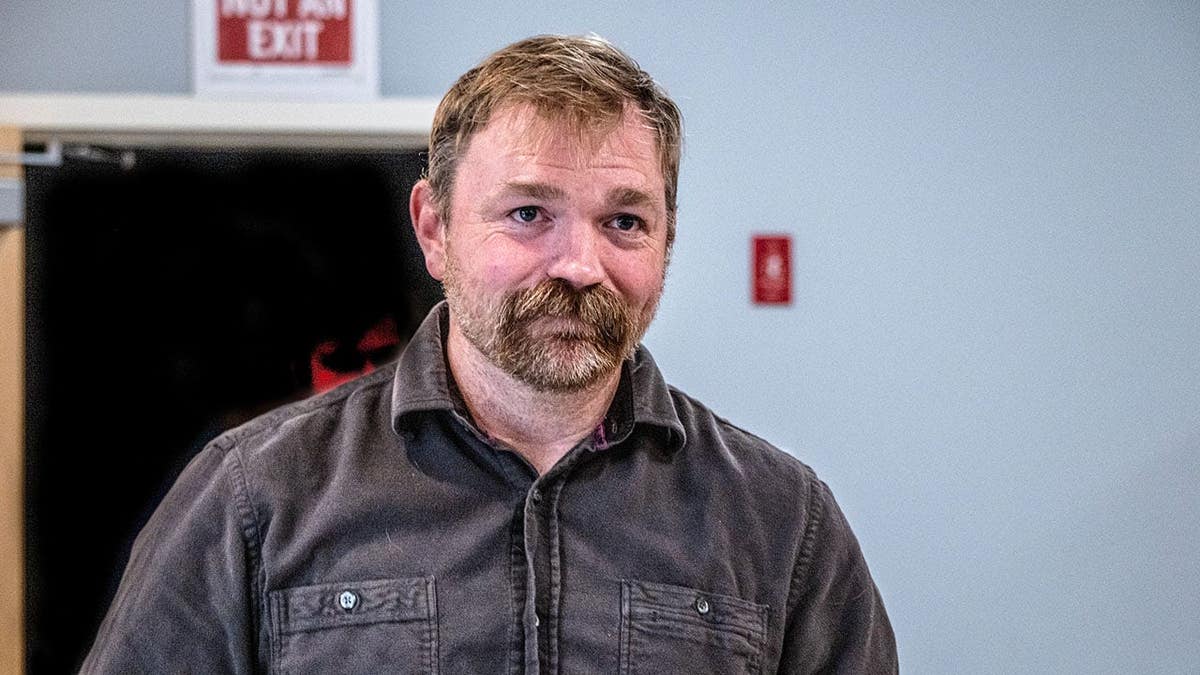
Democratic U.S. Senate candidate Graham Platner speaks to voters at a town hall at the Elks Lodge 188 on June 7, 2026 in Portland, Maine. Platner is the presumptive Democratic nominee and will face incumbent Sen. Collins (R-ME) for Maine’s U.S. Senate seat in the general election. (Photo by Laura Brett/Getty Images) (Laura Brett/Getty Images)
«The firm sent us a thing and it had some of the posts, but it didn’t have all of them,» Moraff told the Wall Street Journal in June of the vetting process, referencing Platner’s now-deleted Reddit posts.
Many of the scandals that went on to rock the Platner campaign — such as his DUI, his relatively affluent upbringing and Nazi-linked tattoo — were discoverable via public information and later reported by the press.
Platner suspended his senatorial campaign on Wednesday after an ex-girlfriend accused him of raping her. His withdrawal followed a string of scandals stemming from controversial posts he made on his deleted Reddit account, a Nazi-linked tattoo he acquired during his time in the armed forces and his alleged mistreatment of women.
He filed the paperwork necessary to officially withdraw from the election on Friday.
MILLIONS IN DEM AD MONEY VANISHED FROM PLATNER RACE DAYS BEFORE RAPE ALLEGATION DOOMED SENATE BID
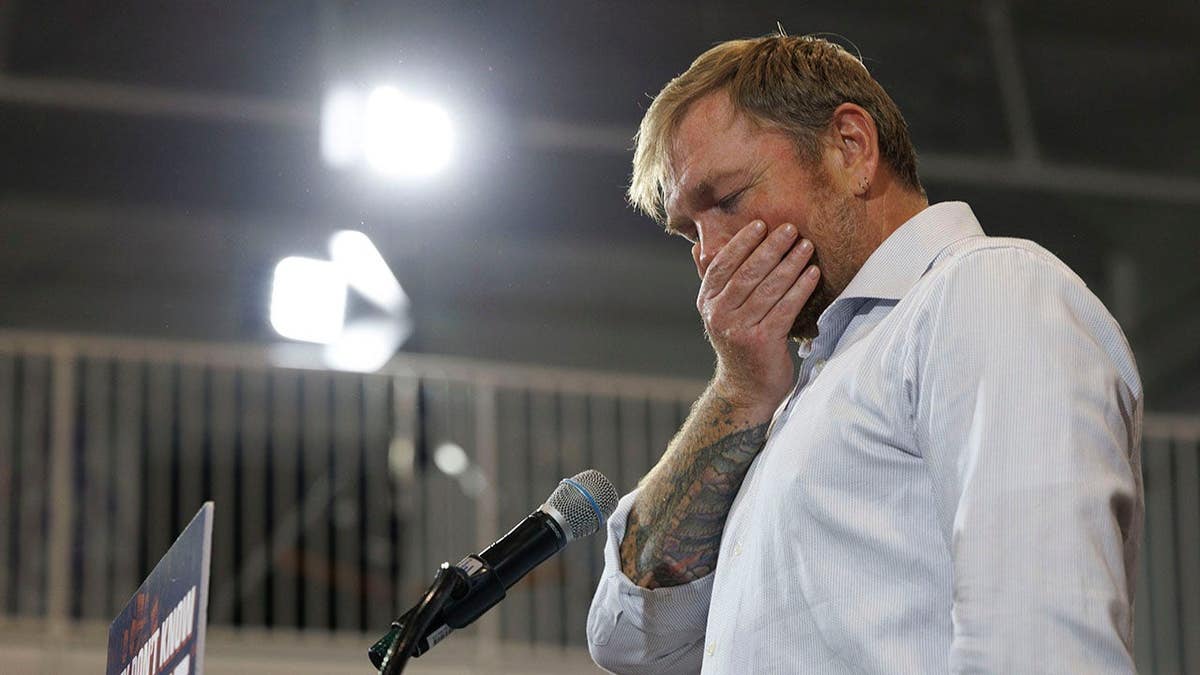
Democratic U.S. Senate candidate Graham Platner speaks at his primary election event in Blue Hill, Maine, on June 9, 2026. (CJ Gunther/Getty Images)
«That’s odd … no one asks for, like, three days’ worth of research,» an individual familiar with candidate vetting told Fox News Digital. «It’s not unusual to have to rush an initial triage research product,» the source said, explaining that truncated background checks like that are almost always followed by «a comprehensive doc or a more thorough doc.»
Speaking to the Wall Street Journal, Platner’s campaign defended its decision to commission an abridged vetting process on the grounds that they didn’t have the financial resources to afford a more complete investigation at the outset. The campaign paid just over $6,000 for its vetting, compared to the tens of thousands of dollars usually required for a full background check of a political candidate.
Platner, however, very quickly became one of the strongest Democratic fundraisers in the nation, bringing in over $16 million in contributions between July 2025 and June 2026, raising questions as to why his campaign didn’t seek out a complete vetting once it had the resources to do so.
CLICK HERE TO DOWNLOAD THE FOX NEWS APP
Democrats in Maine are holding a nominating convention to replace Platner ahead of the July 13 statutory deadline to remove him from the ballot. Party delegates will vote to choose the Democratic nominee for the November general election.
The Platner campaign, Moraff and Katz did not respond to requests for comment when reached by Fox News Digital on Friday.
graham platner, politics, maine, senate elections, midterm elections
NEWYou can now listen to Fox News articles!
Ukraine’s intensifying campaign against Putin’s oil industry is having a growing impact inside Russia, forcing one of the world’s largest energy producers to restrict diesel exports, pursue fuel imports and confront shortages stretching from occupied Crimea to cities deep in the country.
Inside Russia, the consequences are becoming increasingly visible. Former Russian opposition politician and commentator Maxim Katz said the shortages represent one of the first direct ways many Russians have experienced the consequences of the war — and could become particularly sensitive ahead of State Duma elections scheduled for September.
«This is the first time that Russians actually sees that the war has an effect on their day-to-day life — not only in the cost of fuel, but in its availability,» Katz told Fox News Digital in a Zoom interview from Israel, where he lives in exile. «You cannot buy it. And that’s a big deal for Russia.»
DRONE OFFENSIVE HITS RUSSIAN OIL TANKERS AND REFINERIES AT ‘INDUSTRIAL SCALE’ AS MOSCOW BANS DIESEL EXPORTS
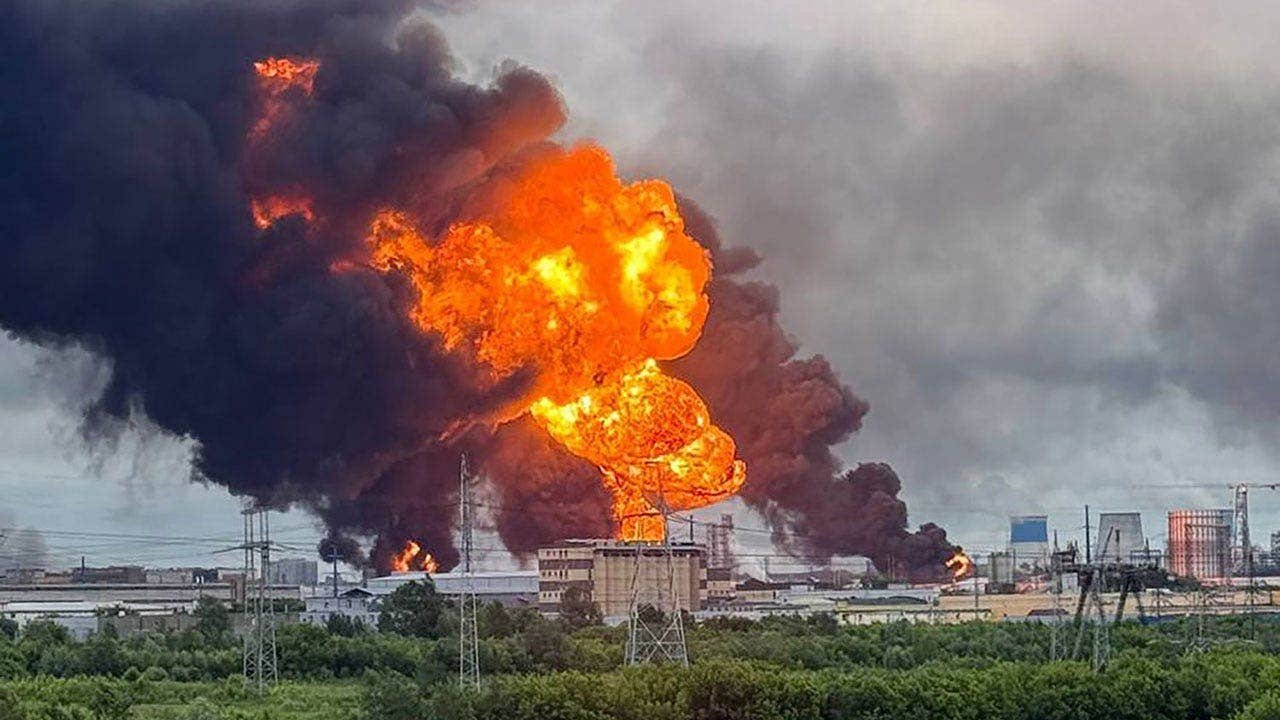
Smoke and flames rise over Moscow on June 18, 2026, following a Ukrainian drone attack that hit the Kapotnya oil refinery and other targets in the Russian capital. (East2West)
Katz said elections in Russia are neither free nor competitive, but they still serve an important function for Putin by projecting public support to regional leaders, business figures and other members of the elite.
«If everybody sees in September that he has 20% support or 10% support, then questions begin about why he should appoint governors or control the system,» Katz said. «That is something he does not want to deal with.»
The fuel crisis, Katz argued, threatens Putin’s effort to portray himself as fully in control and to keep the cost of the war away from ordinary Russians.
«Putin tried to convince everybody that Moscow would continue to live its regular life and nobody would see the war,» Katz said. «It was his war, not the war of ordinary Russians. But when the war comes home, this is a completely different story, and it changes the equation.»
Katz also pointed to the striking reversal of Russia — historically one of the world’s largest exporters of oil and refined products — seeking fuel supplies from abroad. Reuters reported that Moscow had approached Kazakhstan about importing approximately 50,000 metric tons of gasoline after refinery outages reduced Russian gasoline output by roughly 25% from a year earlier.
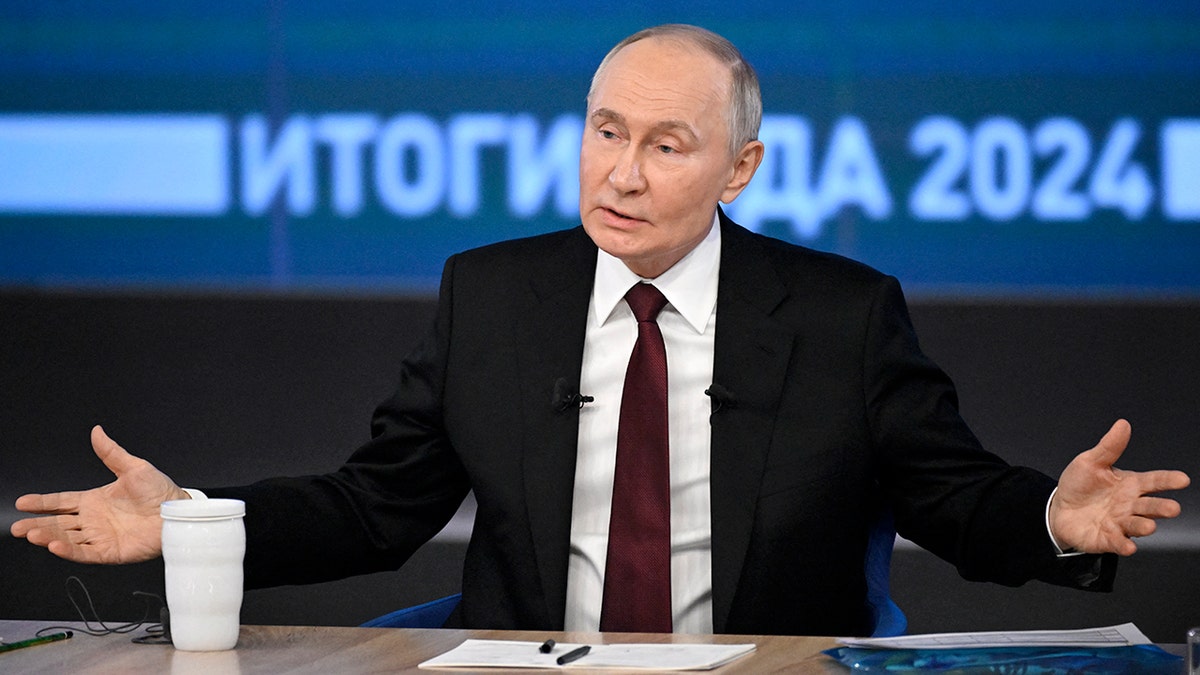
Russian President Vladimir Putin holds his annual end-of-year press conference in Moscow on Dec. 19, 2024. (Alexander Nemenov/AFP via Getty Images)
The campaign reached a new milestone this week when Ukrainian drones struck the Omsk refinery, Russia’s largest, roughly 1,700 miles from Ukrainian-held territory. The facility temporarily halted processing after the attack, according to Reuters. Days later, another strike shut Russia’s Saratov refinery for the third time this year.
The expanding crisis raises a central question for Ukraine and its allies: Can attacks on the infrastructure that powers Russia’s military and economy alter President Vladimir Putin’s calculations — or will the Kremlin continue shielding its war effort while shifting the burden onto ordinary Russians?
«They have to buy fuel from Kazakhstan now,» Katz said. «Russia is one of the biggest exporters of oil and oil products and always has been. This is crazy.»
Still, Katz cautioned that the Kremlin would likely continue prioritizing military supplies even as civilian shortages worsened.
«He will find the fuel for the tanks. That is not the issue,» Katz said. «The issue is his grip on Russia.»
WATCH: FIGHTS BREAK OUT AT RUSSIAN GAS STATIONS AS PUTIN ADMITS FUEL SHORTAGES
Retired U.S. Air Force Gen. Philip M. Breedlove, former commander of U.S. European Command and NATO Supreme Allied Commander Europe, said the effects are already becoming significant.
«Without question, Ukraine’s campaign against Russia’s oil and energy infrastructure is having a real and growing impact on the Russian homeland,» Breedlove told Fox News Digital. «The reported reductions in fuel production are significant — close to a third by some estimates.»
«These strikes are beginning to seriously impact not just the economy but the Kremlin’s ability to sustain its war effort and military operations,» he added. «When Ukraine is able to hit large, high-value energy targets deep inside Russian territory, that changes the equation.»
«Russia cannot effectively defend every refinery and energy facility across their enormous territory, and that is the core problem for Moscow,» Breedlove said. «Every asset they deploy to defend their infrastructure are assets not deployed to the frontlines.»
Moscow has already taken emergency measures. Russia banned diesel exports through the end of July as drone attacks forced unplanned refinery shutdowns and reduced domestic supplies. Seaborne exports of diesel and gasoline fell 39% in June compared with May and 46% from the previous year, according to Reuters.
RUSSIAN GENERALS’ ASSASSINATIONS EXPOSE GROWING RIFT INSIDE PUTIN’S SECURITY APPARATUS
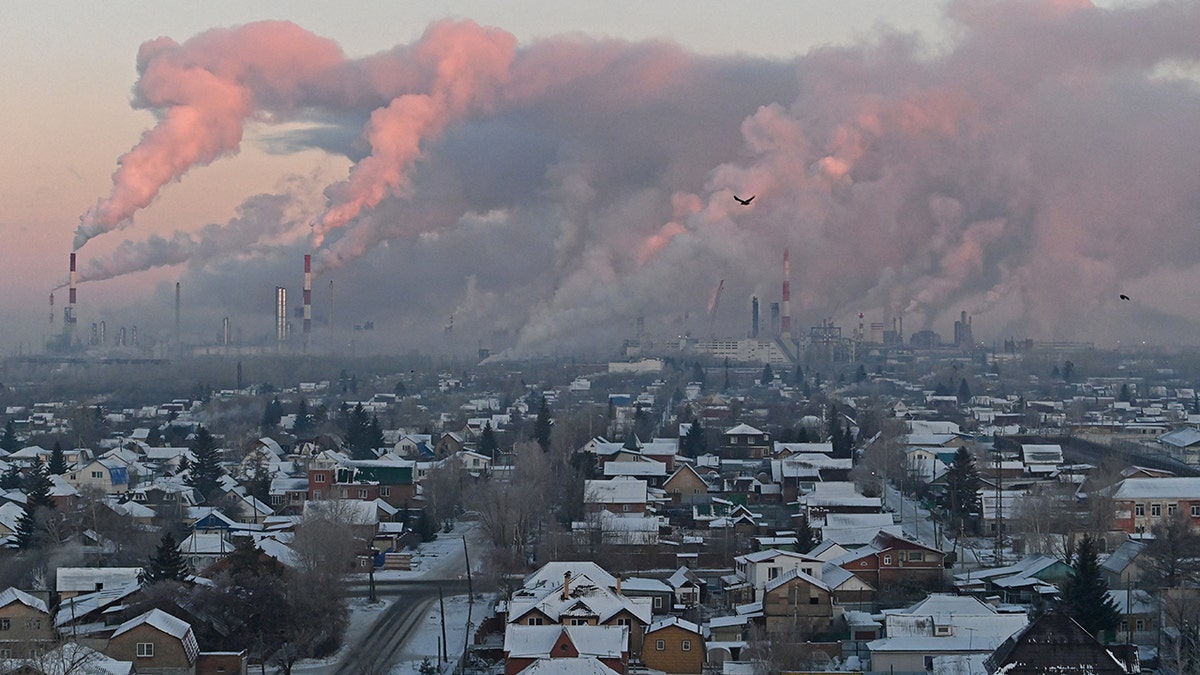
Steam rises from chimneys of the Gazprom Neft’s oil refinery in Omsk, Russia November 18, 2022. (Alexey Malgavko/Reuters)
Ukraine’s ambassador to Israel, Yevgen Korniychuk, said American intelligence has played an important role in helping Kyiv penetrate Russia’s extensive air-defense network.
«You always have to give credit to the United States,» Korniychuk told Fox News Digital. «U.S. intelligence is helping Ukrainian missiles and drones avoid Russian anti-missile defense.»
The Wall Street Journal, citing U.S. officials, said in a 2025 report that «The U.S. will provide Ukraine with intelligence for long-range missile strikes on Russia’s energy infrastructure.» Reuters, citing the Financial Times, also reported that «U.S. intelligence has helped Kyiv strike important Russian energy assets, including oil refineries, far beyond the front line, the newspaper said, citing unnamed Ukrainian and U.S. officials familiar with the campaign.»
Fox News Digital reached out to the State Department and the White House to confirm the reports and the Ukrainian ambassador’s claims.
Korniychuk said the strikes are creating serious pressure inside the Russian system, even if they have not yet persuaded Putin to change course.
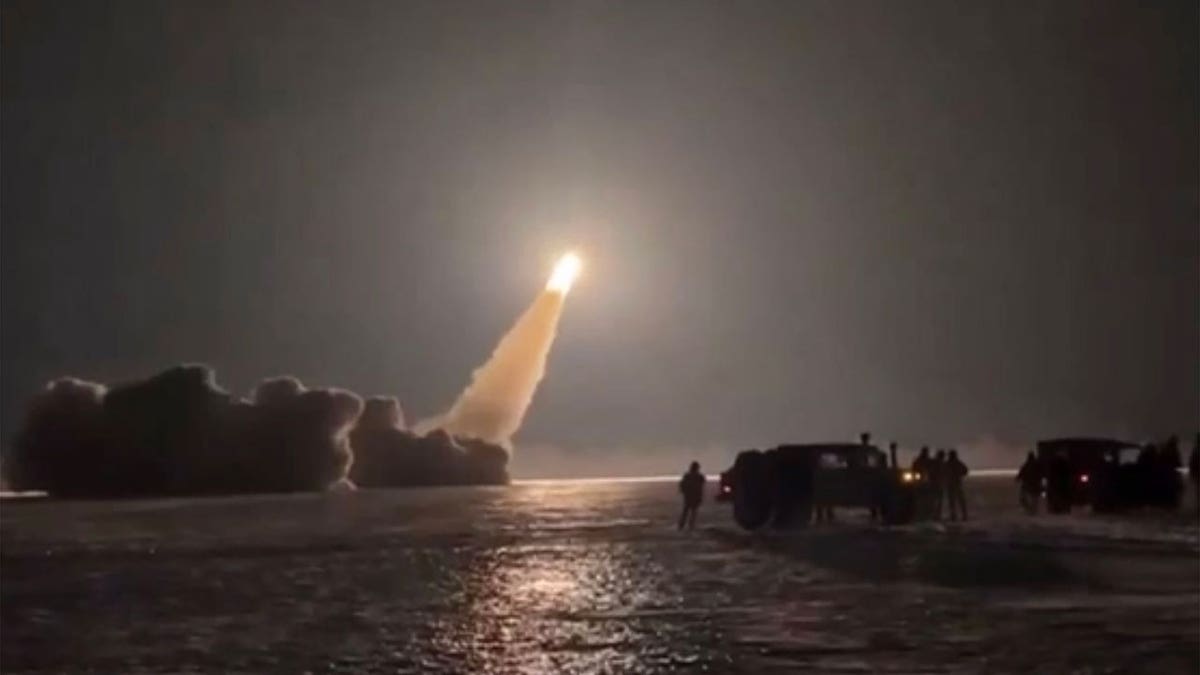
Footage shows the launch of Ukraine’s homegrown long-range «Flamingo» cruise missiles during a strike on Russian military infrastructure (East2West)
«The majority of the Russian leadership understands that this is a crucial problem, but Putin personally does not,» he said. «The distance between him and the rest of the Russian leadership is growing tremendously. Even people he has trusted for many years understand that this is going nowhere, but that will not necessarily bring Putin to the same conclusion.»
Retired Lt. Gen. Richard Newton, former U.S. Air Force assistant vice chief of staff, argued that the broader strategic picture is shifting in Ukraine’s favor.
«Throughout the conflict, the vast majority of the Russian homeland has been a sanctuary,» Newton said. «However, over the last several months, Ukrainian drone attacks have reached deep inside Russia — up to 1,500 miles recently.»
Newton said the pressure was arriving as Western support strengthened.
«That is a credit to President Zelenskyy, his military leadership and Ukraine’s defense industrial base,» he said. «And it comes at the right time, with Europe now providing military capabilities and financial resources — and now, with renewed public support from President Trump.»
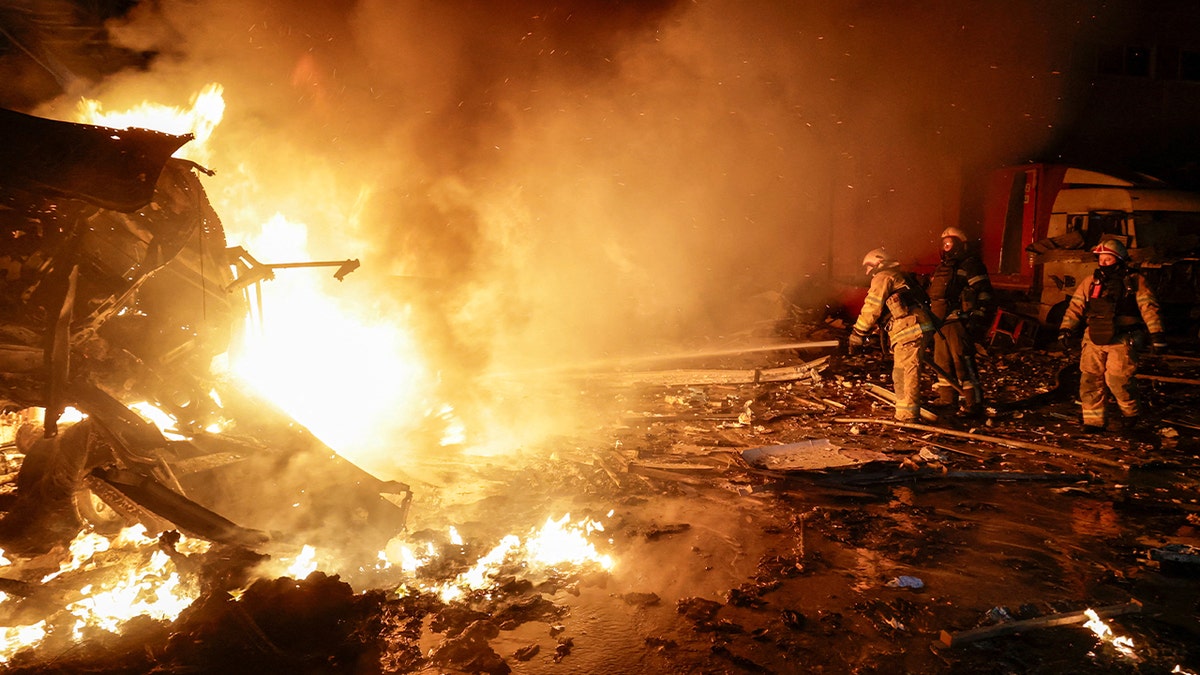
Firefighters work at the site of a logistics hub belonging to a private delivery company after it was hit by Russian missile strikes in Kharkiv, Ukraine, on Jan. 13, 2026. (Sofiia Gatilova/Reuters)
Yet the strategy has limits. Russia continues to generate billions in energy revenue beyond the reach of Ukrainian drones.
Urgewald, a Germany-based nonprofit environmental and human-rights organization analysis of Kpler cargo data found that the European Union received 114 of the 118 cargoes shipped from Russia’s Yamal LNG project between January and May 2026 — about 97% of the project’s exports. The shipments totaled 8.37 million metric tons and had an estimated value of roughly $5.7 billion.
«Current trends show EU payments for Russian Yamal LNG are on course to reach almost $7 billion in the first half of 2026 alone,» Alexander Kirk, a sanctions campaigner at Urgewald, told Fox News Digital. «These dollars support Russia’s war economy and help sustain Moscow’s aggression against Ukraine, including the drone and missile warfare terrorizing Ukrainian cities.»
The figures capture the dual reality confronting Kyiv: Ukraine can damage refineries, disrupt domestic fuel supplies and force Moscow to divert resources, while Russia continues earning substantial revenue from global energy markets.
Amb. Korniychuk said Zelenskyy had given the military 40 days to substantially change the situation.
Katz cautioned that there was no way to predict whether Putin’s system was approaching collapse, but said authoritarian regimes can appear stable until they unravel with extraordinary speed.
He compared that uncertainty to the final months of the Soviet Union.
«Nobody before the August Putsch could even think that in three months from now there would be no Soviet Union,» Katz said. «Systems like this — this is one of their common things — collapse quick.»
For now, Ukraine’s strikes have not halted Russian military operations or forced Putin to negotiate. But they have reached deep into Russia, strained its fuel system and undermined the Kremlin’s effort to keep the war distant from its population.
CLICK HERE TO DOWNLOAD THE FOX NEWS APP

The Russian oil tanker intercepted between Spain and Morocco. (Etat Major des Armees)
The question being asked by analysts is no longer whether Ukraine can hit Russia’s economic engine, but how much sustained pressure that engine — and Putin’s political system — can withstand.
russia, vladimir putin, ukraine, volodymyr zelenskyy, conflicts, global economy

Más pruebas podrían complicar a Martín Insaurralde: investigan si benefició a una empresa de fotomultas vinculada a la sobrina de Jesica cirio

Ucrania atacó 21 buques de la flota fantasma rusa en el mar de Azov

Intensa persecución a dos motociclistas que eludieron un control policial: uno tenía 17 años y antecedentes por robo

Tras el cierre de Express Beer, Quilmes pagó sueldos y aguinaldo de los 220 trabajadores

Argentina vs. Suiza, EN VIVO: Roja Directa y todos los canales legales para ver el Mundial 2026 hoy

Inside the slapdash Platner vetting job that ignored warnings before bid blew up: source

Mora récord: Caputo aseguró que bancos privados están rescatando a sus clientes con préstamos al 25% anual

Inédito: la billetera de una petrolera rinde más que usar Mercado Pago o invertir en plazo fijo

El fabricante de Nike y Adidas cierra su última planta en la Argentina y despide a sus 150 trabajadores

El Gobierno confirmó que mantendrá la custodia a Adorni por motivos de seguridad

 DEPORTE3 días ago
Boca Juniors tiene cerrado a su segundo refuerzo: viene de disputar la Copa del Mundo con su selección
- POLITICA3 días ago
Operativo reelección: la situación política y financiera de los 13 mandatarios que negocian una alianza con Milei
- INTERNACIONAL3 días ago
WATCH: Surfaced videos of Dem Senate candidate backing ‘defund the police’ contradict recent denials