
INTERNACIONAL
Trump DOJ corners school district with 7-day ultimatum over trans policy keeping parents in the dark

NEWYou can now listen to Fox News articles!
Assistant Attorney General Harmeet Dhillon demanded in a letter sent July 29 that a school district in Maryland stop hiding information about student gender transitions from parents or face litigation from the Justice Department.
«By categorically withholding ‘(i)nformation about a student’s gender identity’ from parents except where ‘legally required,’ AACPS appears to have adopted a blanket, district-wide practice of nondisclosure untethered to FERPA’s enumerated exceptions … parents were denied access to their child’s full record, information was disclosed without parental consent, and the parents were denied a hearing to correct the record,» she wrote, aimed at the Anne Arundel County school system.
«Comply with the law or face us in court,» Dhillon later added on X.
The demand marks the Trump administration’s latest effort to challenge school policies that allow students to socially transition without their parents’ knowledge, testing whether federal education privacy law requires districts to disclose gender-identity records. Anne Arundel County now faces possible litigation — and potentially the loss of federal funding — unless it reverses the policy within seven days, escalating a national dispute over parental rights, a significant plank in the president’s policy agenda.
‘SHAME ON YOU’: SHERRILL KNEW VOTER-ROLL BOMBSHELL WAS COMING WHEN SHE CALLED TRUMP A LIAR, DOJ OFFICIAL SAYS
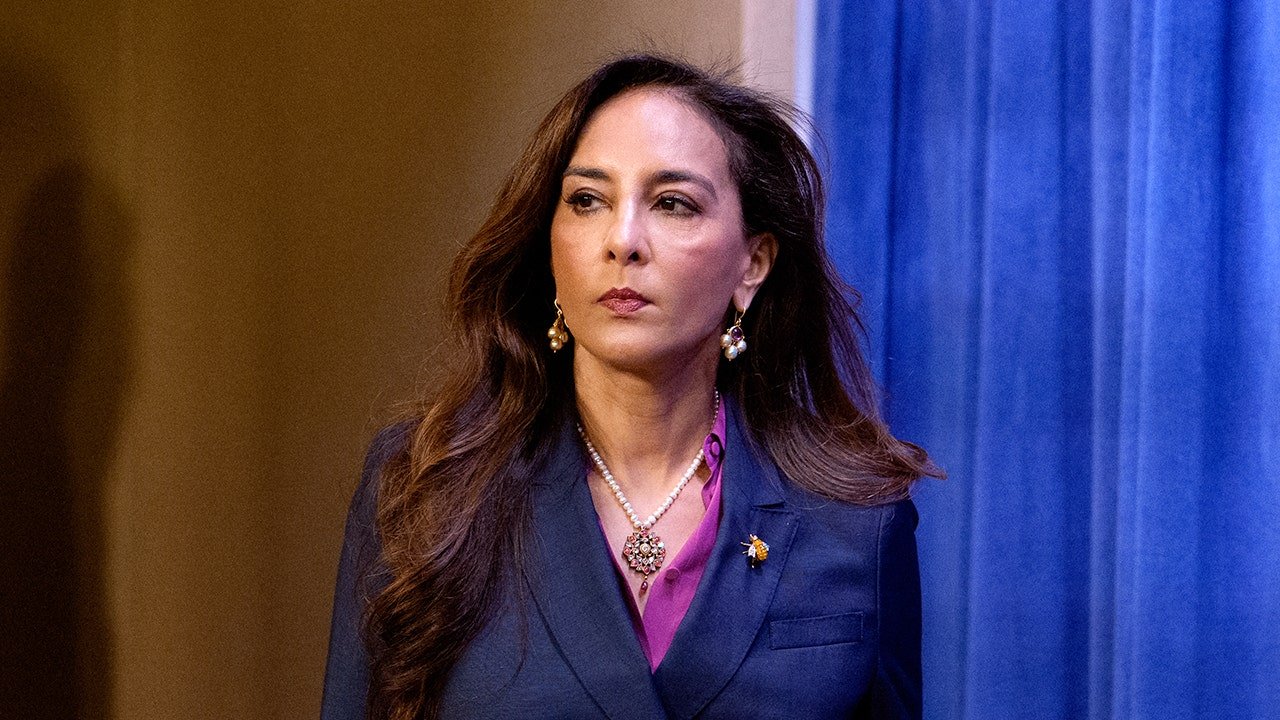
Assistant Attorney General for Civil Rights Harmeet Dhillon arrives for a news conference at the Justice Department on September 29, 2025, in Washington, DC. (Andrew Harnik/Getty Images)
The Family Educational Rights and Privacy Act (FERPA) is designed to give parents the legal right to access their children’s educational records, which the Trump administration argues includes information related to changes in their gender identity. The law has previously been used by the DOJ in attempts to overturn similar policies in Maine and California.
LGBT advocates argue that nondisclosure for information linked to a child’s gender identity is important to preserving the safety of children growing up in non-affirming or abusive households. Social conservatives, meanwhile, take the position that schools don’t have the right to conceal information about their children from them.
Before Dhillon sent her letter Wednesday, the DOJ and the Department of Education announced that they had entered a partnership to crack down on transgender nondisclosure policies in both Anne Arundel County and Ann Arbor Public Schools in Michigan, potentially withholding federal funds from the district until it changes course.
VIRGINIA SCHOOL DISTRICT SUED OVER ALLEGED POLICY OF KEEPING STUDENTS’ GENDER TRANSITIONS HIDDEN FROM PARENTS
FILE PHOTO: A U.S. Justice Department logo or seal showing Justice Department headquarters, known as «Main Justice,» is seen behind the podium in the Department’s headquarters briefing room before a news conference with the Attorney General in Washington, January 24, 2023. (REUTERS/Kevin Lamarque/File Photo)
In a press release announcing the joint effort, the agencies claimed that the Education Department had received complaints from parents in Anne Arundel County who alleged the district «was secretly helping their daughter pretend to be male at school» and declined to provide information about it when confronted.
An Education Department official told Fox News Digital that the agency does not comment on ongoing investigations and a DOJ spokesperson referred Fox News Digital to Dhillon’s remarks when reached for comment.
Students enrolled in Anne Arundel Public Schools are, per district policy, allowed to use any name or pronoun they prefer, even if it doesn’t align with their sex, without requiring parental approval. Staff are, however, instructed to involve the student’s family in developing a support plan for the student unless «there is a genuine safety concern for the student’s physical, emotional, or mental health safety.»
TRUMP ADMINISTRATION OPENS FOUR TITLE IX INVESTIGATIONS INTO MICHIGAN AND NORTH CAROLINA SCHOOL DISTRICTS
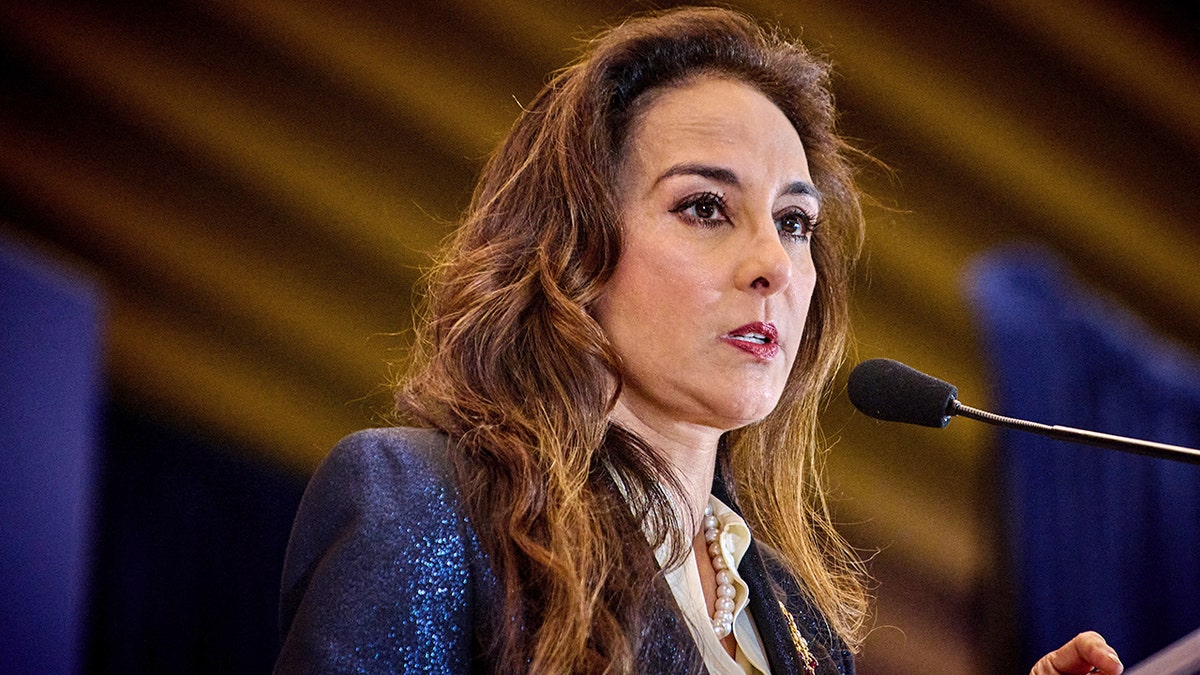
Harmeet Dhillon speaks at the National Conservative Convention in Washington D.C., Sept. 2, 2025. (Dominic Gwinn / Middle East Images via AFP) (Photo by DOMINIC GWINN/Middle East Images/AFP via Getty Images)
Additionally, the policy designates records about student gender identity as confidential medical information and advises that it should be revealed when legally necessary.
The Anne Arundel, Maryland, and Ann Arbor, Michigan, school districts did not respond to requests for comment when reached by Fox News Digital.
«School districts that hide information from parents are violating federal law,» Dhillon said. «FERPA is not optional, and any districts that attempt to bypass or distort its requirements should expect immediate federal action. In partnership with the Department of Education, the Department of Justice will initiate enforcement proceedings with districts that fail to comply.»
Dhillon’s letter gives Anne Arundel Public Schools seven days to rescind its policy, provide parents impacted with the relevant records and inform staff that they cannot withhold information from parents. If the deadline is not met, the letter claims the district could face legal action.
justice department, maryland, politics, dept of education, privacy









INTERNACIONAL
Socialist insurgents eye Midwest gains as Dem civil war threatens must-hold Senate seat
NEWYou can now listen to Fox News articles!
DETROIT, MI – The high-stakes fight between the left-wing and the center-left establishment for the future of the Democratic Party is front-and-center on Tuesday in Michigan’s primary.
Boosted by a string of victories this spring in mostly blue congressional districts across the country, the Democrats’ ideological war moves to the Great Lakes battleground state, where progressive victories could reshape the party and endanger must-hold seats in the midterm elections.
Also at stake as Michigan joins Kansas, Missouri, Virginia and Washington State in holding mid-summer primaries is President Donald Trump’s immense clout over the GOP and the power of his endorsements in Republican nominating contests.
But taking top billing is Michigan’s divisive and expensive Democratic Senate primary, which is seen as the biggest stage to date in the fierce fight for the future of the Democratic Party.
THE MIDTERM SENATE RACES THAT COULD FLIP THE BALANCE OF POWER IN CONGRESS
«This is ground zero in the battle for the future of the Democratic Party pitting status quo corporate Democrats against shake up the system economic fighters, and we’ll see who wins,» Adam Green, co-founder of the Progressive Change Campaign Committee (PCCC), a leading group on the left, told Fox News Digital.
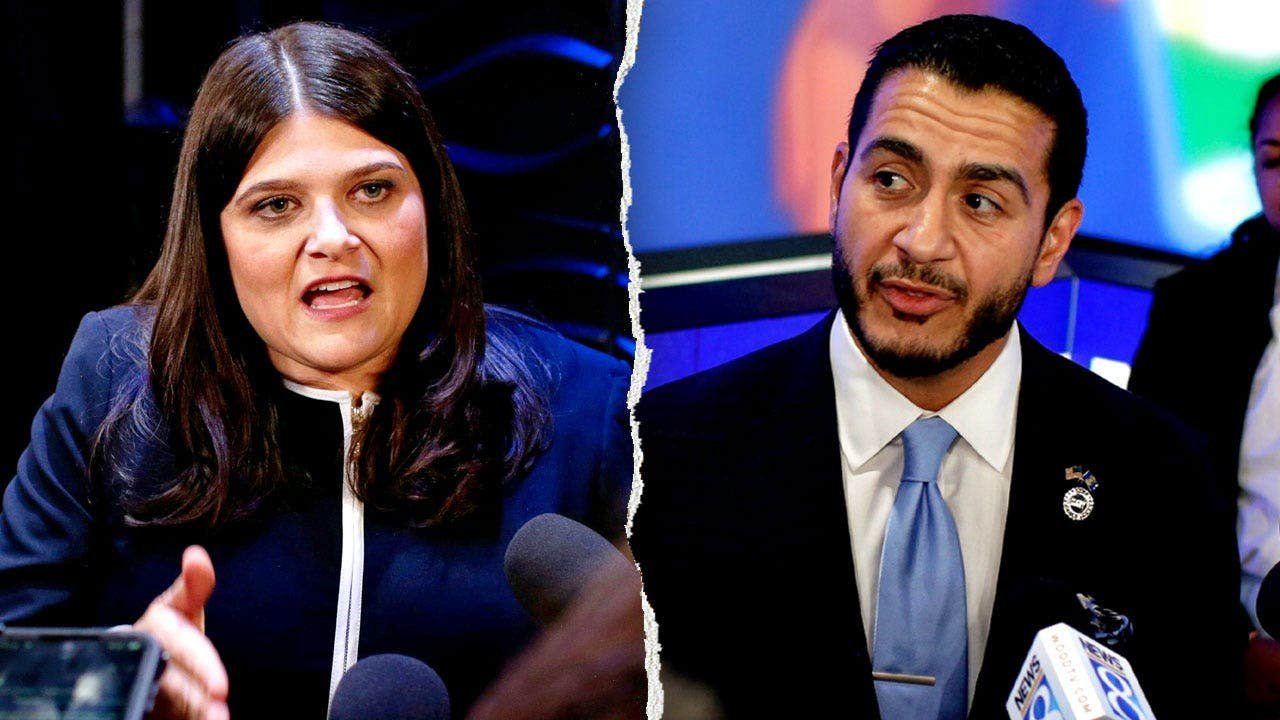
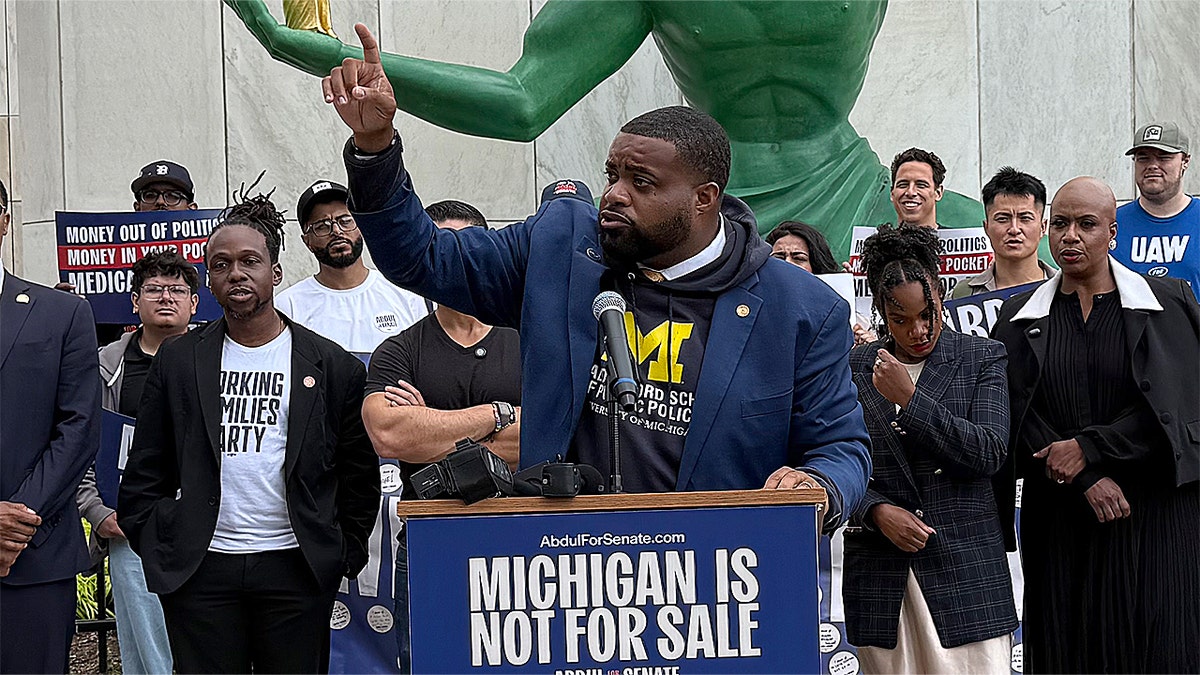
The primary face-off pits Abdul El-Sayed, a former Wayne County Health Department director, against Rep. Haley Stevens, a more moderate candidate backed by the establishment. The race to succeed retiring Democratic Sen. Gary Peters, who is backing Stevens, is a must-hold for the Democrats and one of roughly a dozen Senate races from coast to coast that will determine if Republicans hold onto their slim Senate majority.
Matt Bennett, one of the leaders at the Third Way, a leading center-left Democratic organization, told Fox News Digital the Michigan showdown is «the first time the left is competing for a swing seat» and warned, «the significance is it could really put this seat in jeopardy.»
El-Sayed, who, if elected, would make history as the nation’s first Muslim senator, is an epidemiologist who unsuccessfully ran for governor as an insurgent candidate in 2018. He has made support for «Medicare-for-all» a major component of his campaign.
The far-left candidate has also called for abolishing Immigration and Customs Enforcement (ICE), and is a vocal critic of Israel amid its war with Hamas — even characterizing Israel’s actions in Gaza as «genocide» against Palestinians.
MIKE ROGERS ARGUES ABDUL EL-SAYED IS ‘A SPECIAL SAUCE OF CRAZY’
And El-Sayed, who is backed by top far-left leaders and teamed with progressive champions Sen. Bernie Sanders of Vermont and Rep. Alexandria Ocasio-Cortez of New York on the Michigan campaign trail two weeks ago, and who served as a top surrogate on Sanders’ 2020 presidential campaign, has vowed not to accept PAC donations.
Stevens, who flipped a GOP-held district in her 2018 election to Congress, is backed by top national and Michigan Democrats, including Peters, term-limited Gov. Gretchen Whitmer, and longtime Senate Democratic Leader Sen. Chuck Schumer.
Schumer and the party establishment view Stevens as more electable than El-Sayed, who has sparked controversy with his past comments.
«I am the best Democrat to go forward. I am the only person in this race who has won tough primaries multiple times. You know, running with the Michigan grit, resilience and determination,» Stevens told Fox News Digital on Sunday, as she teamed up with Peters on the campaign trail.
DEMOCRACY ’26: STAY UP TO DATE WITH THE FOX NEWS ELECTION HUB
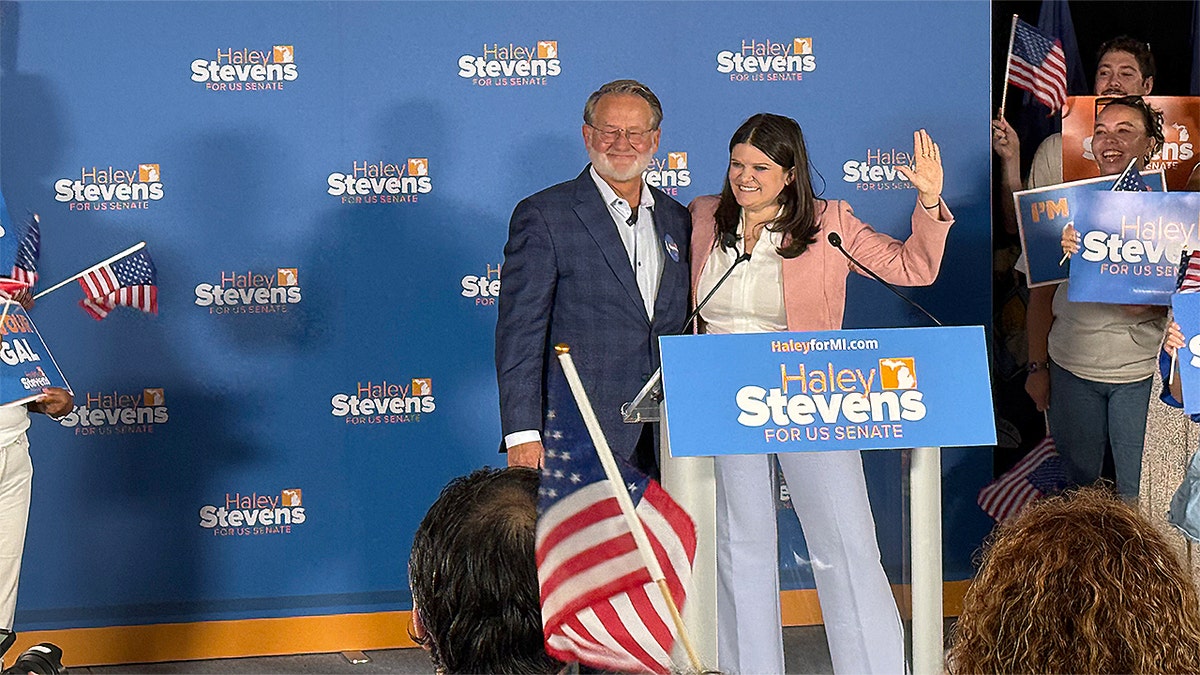
Over $80 million has been spent on the primary showdown, making it the most expensive Democratic Senate nomination race in history. Much of the money has been shelled out by outside groups in support of Stevens and against El-Sayed. The biggest spending comes from United Democracy Project, a political action committee aligned with the American Israel Public Affairs Committee (AIPAC).
El-Sayed, who has repeatedly attacked Stevens over the massive infusion of AIPAC-linked money, told reporters on Sunday, «If you need $70 million to come in here and help get you elected, then the question has to be, are you actually electable on your own terms.»
The winner will face off in the midterms against former Republican Rep. Mike Rogers, who is on a glidepath to win the GOP Senate nomination.
The Trump-backed Rogers, who lost the 2024 Senate election in Michigan by a razor-thin margin, said in a Fox News Digital interview that he doesn’t care whom he faces-off with in November.
«It doesn’t matter to us. We’ve looked at both candidates. We feel confident we’re going to beat either one of those candidates that come out of that race,» Rogers highlighted.
And Rogers claimed, «They are very radical, and they are way too extreme for Michigan. I mean, Abdul, he has his own special sauce of crazy.»
SIGN UP TO GET THE POLITICS NEWSLETTER
But Democrats are confident they can regroup after a combustible primary.
«Let’s make sure that anyone but Mike Rogers gets to the United States Senate,» Stevens told reporters on Sunday. «After the primary, you’re going to see a united Democratic Party. You are going to see us going full force, full fledged ahead.»
And El-Sayed told Fox News Digital, «I think we all understand the risk of Donald Trump. We all understand the risk of Mike Rogers.»
The left-wing versus establishment battle is also playing out in Michigan’s 7th Congressional District, a key Republican-controlled swing seat race that’s among roughly two-dozen that will impact whether the GOP holds onto its fragile House majority.
William Lawrence, a co-founder of the Sunrise Movement, which advocates for political action to tackle climate change, is on the rise against two more moderate Democrats. Lawrence is backed by Sanders and El-Sayed, as well as some top progressive groups. The primary winner will face GOP Rep. Tom Barrett in the general election.
The party civil war is also on display in Michigan’s deep blue 13th Congressional District.
MEET THE FAR LEFT INSURGENTS WAGING WAR ON THE DEMOCRATIC PARTY IN THE 2026 MIDTERMS
Rep. Shri Thanedar, who is supported by top House Democratic leaders, is being challenged by state Rep. Donovan McKinney, who is backed by Sanders, El-Sayed, and Squad members Reps. Ilhan Omar of Minnesota, Ayanna Pressley of Massachusetts, and Summer Lee of Pennsylvania.
And the ideological warfare is also front-and-center in Missouri, in the state’s St. Louis-based and heavily Democratic 1st Congressional District.
Rep. Wesley Bell is facing off in a rematch against former Rep. Cori Bush, a Squad member who Bell ousted in the 2024 primary.

TK (Michael B. Thomas/Getty Images)
Trump’s endorsements are getting tested in two statewide showdowns on Tuesday, in Michigan and Kansas.
The president is backing Rep. John James in Michigan’s GOP gubernatorial primary. James, a West Point graduate and one-time Republican rising star, is facing off against multi-millionaire businessman Perry Johnson, a former gubernatorial and presidential candidate.
The winner will take on likely Democratic nominee and current Secretary of State Jocelyn Benson, in the race to succeed Whitmer.
In Kansas, Trump is supporting state Senate President Ty Masterson in a crowded field of Republican gubernatorial contenders.
Democratic Gov. Laura Kelly is term-limited, which makes the race to succeed her a top flip opportunity for the GOP.
In Washington State, the marquee primary showdown is in the state’s 3rd Congressional District, where Democratic Rep. Marie Gluesenkamp Perez, a former auto shop co-owner, is facing a crowded field of challengers from both parties.
Washington state has a top-two primary system in which all candidates, regardless of party, compete on the same ballot and the two highest vote-getters move on to the general election.
The race is another crucial House showdown that may decide the chamber’s majority.
In Virginia, voters head to the polls to cast ballots in Senate primaries and in a handful of House primaries in extremely competitive districts that may impact the balance of power on Capitol Hill.
bernie sanders, state and local primaries, michigan, midterm elections, donald trump, democrats elections, republicans
INTERNACIONAL
Paz anunció una reforma del gabinete, recortó ministerios y afirmó que comienza una etapa de transformaciones profundas en Bolivia

El presidente de Bolivia, Rodrigo Paz, anunció el lunes la reducción de la estructura del Gobierno central, que pasó de catorce a doce ministerios, tras eliminar las carteras de Planificación del Desarrollo y de Turismo Sostenible, Cultura, Folclore y Gastronomía, una medida que, según sostuvo, busca construir un Estado “eficiente” y reducir la “burocracia”. El anuncio ocurrió durante el acto de juramento de los nuevos ministros de Relaciones Exteriores, Héctor Huanca, y de la Presidencia, Fernando Aramayo.
Durante la ceremonia, el mandatario también informó que el hasta ahora ministro de la Presidencia, José Lupo, fue propuesto como nuevo embajador de Bolivia ante la Organización de los Estados Americanos (OEA).
Paz defendió la decisión de reducir la cantidad de ministerios y afirmó que forma parte de un proceso de reorganización del aparato estatal. “Recibimos un Gobierno que venía con 21 ministerios (…) Nosotros generamos otra instancia de catorce ministerios y hoy día, reduciendo la burocracia estamos pasando a doce ministerios. O sea que el Gobierno central está dando señales claras de buscar un Estado no ausente, sino presente, eficiente”, expresó.
El mandatario explicó que parte de las funciones del Ministerio de Turismo Sostenible, Cultura, Folclore y Gastronomía permanecerán dentro del Poder Ejecutivo, mientras que otra parte quedará bajo la órbita de una nueva agencia nacional.
Según indicó, ese organismo permitirá “darle agilidad” al vínculo entre “lo público y privado” y entre “lo nacional e internacional”, con el objetivo de generar un mayor impacto económico a partir de las actividades vinculadas al turismo, la cultura, el folclore y la gastronomía.

Respecto al Ministerio de Planificación del Desarrollo, Paz confirmó su eliminación y precisó que las funciones que consideró necesarias pasarán a otras instituciones del Estado. Además, informó que el actual titular de esa cartera, José Fernando Romero, continuará dentro del Gobierno con nuevas responsabilidades.
El presidente destacó la labor del funcionario durante esta etapa de reorganización administrativa. “Tuvo una labor extraordinaria para ir generando menos burocracia y mayor eficiencia en la capacidad de atención de los ciudadanos”, afirmó al referirse a Romero.
Paz también sostuvo que la modificación de la estructura ministerial marca una nueva etapa para su administración, que el próximo 8 de agosto cumplirá nueve meses desde su inicio.
Según señaló, las decisiones anunciadas representan el cierre de un “tiempo de transición” y el comienzo de las “transformaciones profundas” que prometió durante la campaña electoral.
El mandatario recordó que uno de sus principales compromisos antes de asumir el cargo consistía en “ordenar la casa” antes de avanzar en una agenda de reformas con organismos internacionales y socios externos.
En ese sentido, ratificó que ese proceso de “ordenamiento” constituye ahora “un punto de partida de las transformaciones” que pretende impulsar su administración.

La reforma ministerial se conoció casi una semana después del anuncio del acuerdo alcanzado entre Bolivia y el Fondo Monetario Internacional (FMI) para un programa técnico por 1.900 millones de dólares, destinado a respaldar las reformas económicas impulsadas por el Gobierno con el objetivo de estabilizar una economía que atraviesa una crisis.
Entre los compromisos contemplados en ese entendimiento figuran la continuidad de la “racionalización” del gasto público, la reducción gradual del déficit fiscal, la preservación del “financiamiento monetario cero” del déficit y la promoción de reformas orientadas a mejorar el clima de negocios y favorecer el crecimiento económico con protección social, según informó el organismo internacional.
Los anuncios del Ejecutivo también llegaron un día después de que el empresario y excandidato presidencial Samuel Doria Medina comunicara el retiro de su respaldo político al Gobierno.
Doria Medina argumentó que le “preocupa la corrupción” y cuestionó la ausencia de un cambio “integral” en distintas áreas del Estado, según expresó al anunciar el fin de su apoyo a la administración de Rodrigo Paz.
La reducción del gabinete constituye una de las principales modificaciones institucionales impulsadas por el Gobierno boliviano desde el inicio de la gestión y se produce en un contexto marcado por el programa de reformas económicas acordado con el FMI y por movimientos dentro del escenario político nacional.
(Con información de EFE)
INTERNACIONAL
Incertidumbre por el estado de las negociaciones entre Estados Unidos e Irán tras un ataque contra un buque en el estrecho de Ormuz
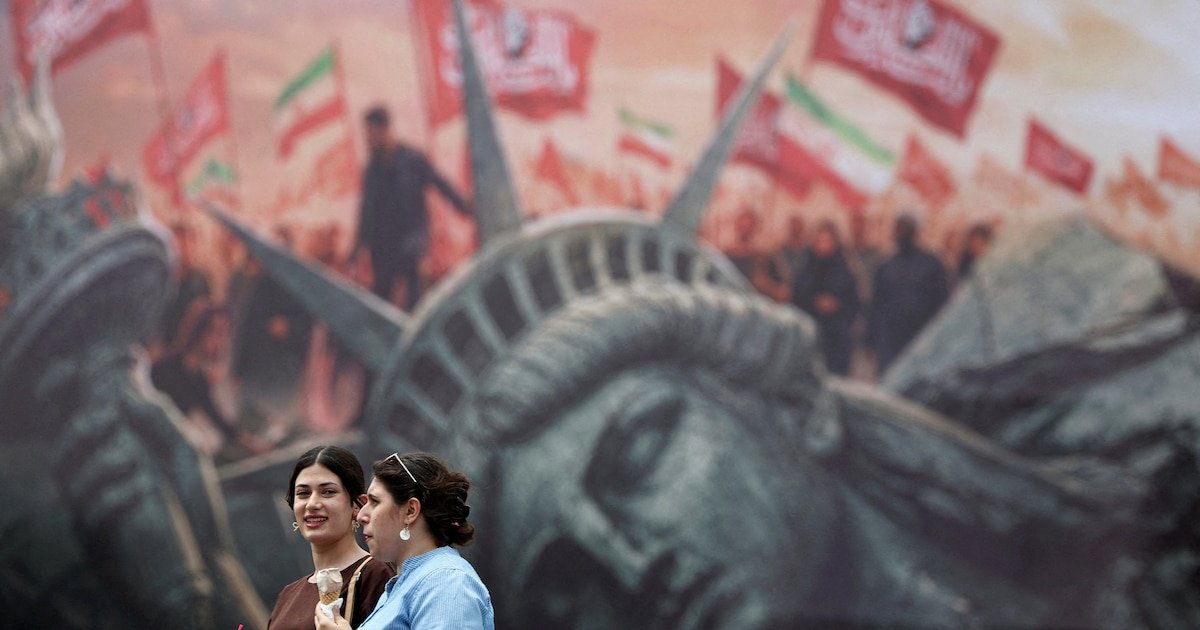
Estados Unidos e Irán ofrecieron este martes versiones opuestas sobre la existencia de negociaciones para poner fin a la guerra que ambos mantienen desde hace cinco meses, mientras un nuevo ataque contra un buque en las cercanías del estrecho de Ormuz volvió a exponer la fragilidad de una de las principales rutas energéticas del mundo. La contradicción entre Washington y Teherán coincidió con un tránsito marítimo reducido en la zona y con la persistencia de las tensiones sobre el control del paso estratégico.
El presidente de Estados Unidos, Donald Trump, sostuvo el lunes que las conversaciones con Irán ya comenzaron y aseguró que varios países de Medio Oriente impulsan esos contactos. Durante un acto en el Despacho Oval, el mandatario afirmó: “Están en marcha ahora mismo”, en respuesta a una consulta sobre el estado de las negociaciones.
Trump también señaló que los intercambios se desarrollan a pedido de Irán, Arabia Saudita, Emiratos Árabes Unidos y Qatar, entre otros actores regionales. Además, lanzó una advertencia al gobierno iraní al afirmar: “Esta es la última oportunidad para que (Irán) firme un buen documento.”
Las declaraciones del mandatario estadounidense llegaron después de que el fin de semana anunciara la cancelación de unos “ataques masivos” que, según explicó, ya estaban autorizados contra Irán y que finalmente suspendió debido a la posibilidad de abrir una instancia diplomática.
Sin embargo, la versión de Teherán fue completamente distinta. El lunes, el portavoz del Ministerio de Asuntos Exteriores iraní, Esmail Baghaei, rechazó que existan conversaciones con Washington y descartó reuniones previstas para los próximos días.

Según Baghaei, Irán no tiene previsto recibir delegaciones extranjeras ni enviar negociadores al exterior, y todos los integrantes del equipo negociador permanecen dentro del país, con la única excepción del ministro de Asuntos Exteriores, Abbas Araqchi, quien cumple una peregrinación religiosa en Irak.
El funcionario iraní precisó que las únicas conversaciones abiertas corresponden a Omán y se limitan a cuestiones relacionadas con la administración del estrecho de Ormuz.
La diferencia entre ambas posiciones alimentó la incertidumbre sobre el futuro del conflicto, que ya cumple cinco meses y mantiene un fuerte impacto sobre la seguridad regional y el comercio internacional.
El escenario volvió a tensarse después de que un buque de carga informara que recibió el impacto de un proyectil de origen desconocido cerca del estrecho de Ormuz, frente a la costa de Omán.
La información fue difundida por la Agencia de Operaciones de Comercio Marítimo del Reino Unido (UKMTO), que registró el incidente en una zona clave para el transporte mundial de hidrocarburos.
Durante las últimas semanas, Irán redujo de forma considerable el tránsito por el estrecho, una vía por la que normalmente circula cerca de una quinta parte de los envíos mundiales de petróleo crudo y gas natural.
Los datos de la firma especializada Kpler reflejaron que el movimiento marítimo permaneció limitado. El lunes atravesaron el estrecho seis embarcaciones, entre ellas tres petroleros y tres graneleros, frente a los siete buques registrados el día anterior.

A pesar de la persistencia de la tensión militar, los mercados reaccionaron con expectativas de una posible reducción del conflicto.
Los futuros del crudo Brent retrocedieron alrededor de un 7%, hasta ubicarse cerca de 83,77 dólares por barril, mientras el índice Dow Jones cerró en un máximo histórico. En la apertura del martes, las bolsas asiáticas y el petróleo mostraron ligeras subidas.
Trump volvió a defender esa misma jornada la posición estadounidense mediante un mensaje publicado en Truth Social, donde calificó a los dirigentes iraníes de “increíblemente hipócritas” y reiteró que solicitaron una reunión para avanzar hacia un entendimiento.
El mandatario también insistió en que la Armada estadounidense mantiene el control del estrecho de Ormuz y escribió: “¡El muro de acero de Estados Unidos! Nada llegará a Irán a menos que nosotros queramos, y nada llegará a menos que se logre un acuerdo o una rendición total”.
Las declaraciones se inscriben en un esquema que se repitió desde el comienzo de la denominada “Operación Furia Épica”, lanzada por Estados Unidos junto con Israel hace más de cinco meses. En distintas oportunidades, Trump anunció acciones militares de gran escala y posteriormente las suspendió al argumentar la existencia de contactos diplomáticos.
No obstante, Irán mantiene su rechazo público a negociar con Washington desde el fracaso del memorando de entendimiento firmado entre ambas partes el mes anterior, cuyo objetivo consistía en poner fin a la guerra.

El conflicto también dejó sin cumplir los principales objetivos planteados por la administración estadounidense al inicio de la campaña militar: desmantelar el programa nuclear iraní, limitar la capacidad ofensiva de Teherán contra sus rivales regionales y generar condiciones para un cambio político interno.
Mientras tanto, la disputa sobre el estrecho de Ormuz continúa como uno de los principales puntos de desacuerdo. Washington sostiene que el memorando firmado en junio obligaba a Irán a garantizar la apertura de la vía marítima, mientras que Teherán afirma que ese documento preserva expresamente su autoridad sobre el tránsito en ese corredor estratégico.
(Con información de REUTERS)
Society / Social Issues,Middle East,Top Pictures

🟡 Hay alerta amarilla por tormentas y nevadas en cinco provincias para hoy, martes 4 de agosto

Socialist insurgents eye Midwest gains as Dem civil war threatens must-hold Senate seat

Máximo Kirchner lanza un perfil nacional: recorrerá el país como delegado de CFK y asumirá un rol electoral

Paz anunció una reforma del gabinete, recortó ministerios y afirmó que comienza una etapa de transformaciones profundas en Bolivia

Neymar deja su retirada en el aire: ‘No sé cuánto tiempo debo continuar’

Tras abandonar LAM, Karen Reichardt aseguró que le va a mandar carta documento a Angel de Brito y a Matilda Blanco

“Vamos a acelerar con todo”: el objetivo del Gobierno por las reformas y la agenda electoral de cara al 2027

Reelecciones indefinidas: el oficialismo bonaerense niega que busque ampliar la Legislatura como parte de una reforma política para beneficiar a los intendentes

¡Chau Luck Ra! La salida de soltera de La Joaqui, muy bien acompañada, a días de su separación

“Casta”, “parásito” y “sea democrático”: fuerte respuesta de Victoria Villarruel a Diego Santilli
-
 POLITICA2 días ago
“Vamos a acelerar con todo”: el objetivo del Gobierno por las reformas y la agenda electoral de cara al 2027
-
 POLITICA1 día ago
Reelecciones indefinidas: el oficialismo bonaerense niega que busque ampliar la Legislatura como parte de una reforma política para beneficiar a los intendentes
-
 CHIMENTOS2 días ago
¡Chau Luck Ra! La salida de soltera de La Joaqui, muy bien acompañada, a días de su separación