INTERNACIONAL
Foreign hackers breach two more US water utilities, threaten safety of Colorado residents

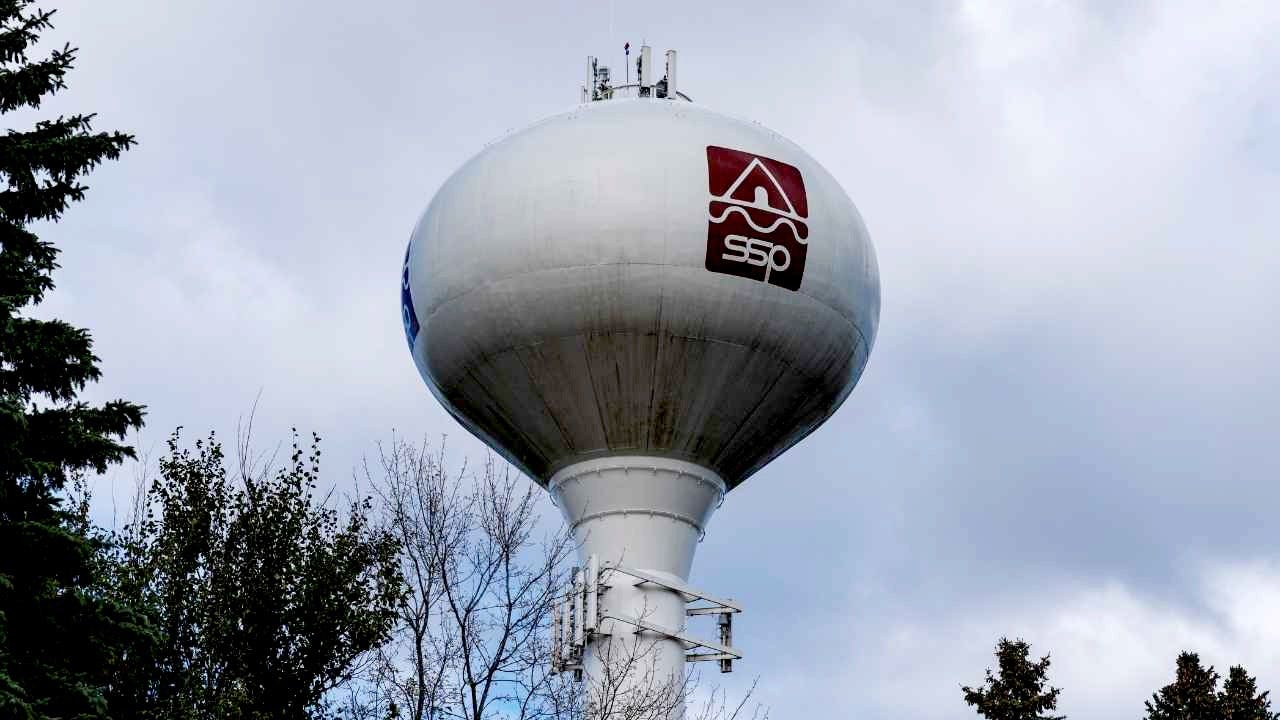
Foreign actors hacked two Colorado water utilities’ computer systems last month, changing pumping cycles, disabling alarms and altering equipment settings before operators regained control, state officials said Thursday.
The intrusions did not affect drinking water quality or treatment processes, according to Colorado Gov. Jared Polis’ office. But the incidents add Colorado to a widening series of breaches in U.S. water and wastewater infrastructure.
High-profile cyberattacks have targeted more than 100 drinking water and wastewater systems across 12 states this year, according to the Environmental Protection Agency, expanding the footprint of a threat that federal authorities warned this summer was disrupting water operations across the country.
WATER CYBERATTACK HITS AT LEAST 7 STATES
Colorado officials have not identified the actors behind the intrusions of the two small systems or said whether they are connected to the broader activity reported elsewhere in the country.
«These were brief incidents, and the risks were quickly addressed by the providers themselves, who subsequently alerted the state,» Polis spokeswoman Eric Maruyama said in a statement.
The hackers altered equipment settings, disabled remote access and alarms and changed pumping cycles, according to the governor’s office.
The incidents demonstrate how hackers can reach beyond traditional computer networks and gain access to operational technology used to control physical equipment at water plants, including pumps, valves and other machinery.
The water utility systems that were impacted provide drinking water to approximately 400 people.
IRANIAN HACKERS ATTACKED OUR WATER SYSTEMS. HERE ARE 5 THINGS OUR LEADERS NEED TO DO NOW
Federal authorities warned in July that malicious cyber actors were targeting internet-connected operational technology at water and wastewater utilities. At the time, the FBI and EPA said utilities in at least seven states had reported incidents, some of which degraded water operations.
The agencies said attackers had remotely accessed internet-facing programmable logic controllers, or PLCs, and tampered with device configurations, in some cases causing utilities to lose monitoring or control capabilities. Reported operational effects included loss of water pressure and flooding.
The Colorado breaches follow a series of attacks on water systems across the country this summer, including cyber activity affecting more than 30 community water systems in Minnesota.
Federal investigators have examined whether Iranian actors or hackers affiliated with Iran were responsible for the Minnesota attacks, though officials had not publicly attributed the activity at the time.
President Donald Trump disputed suggestions that Iran was behind the Minnesota attacks, saying during a Cabinet meeting, «They blame it on Iran. I don’t think so.»
He instead blamed Minnesota officials.
IRAN’S CYBERWAR TARGETS ORDINARY AMERICANS. WE NEED TO DISMANTLE THE HACKER NETWORK
The recent incidents have renewed attention to longstanding cybersecurity vulnerabilities within America’s water infrastructure, particularly among small and rural utilities that can have limited cybersecurity staff and resources.
Many utilities use internet-connected industrial control systems to remotely monitor and operate pumps, valves, water pressure and other equipment. Federal officials have urged operators to remove programmable logic controllers from direct exposure to the internet and strengthen authentication and access controls.
The EPA, which serves as the federal government’s sector risk management agency for water and wastewater systems, told Digital it is working with utilities, states and federal partners to identify vulnerabilities and strengthen cybersecurity.
Since fiscal year 2025, the agency has identified more than 900 vulnerabilities in over 650 water systems and helped eliminate about 700 at more than 500 utilities.
The EPA has also conducted more than 710 cybersecurity risk assessments and provided direct technical assistance to approximately 15,900 utilities.
The FBI declined to comment when reached by Digital.
national security, colorado, homeland security, technology, water, politics









INTERNACIONAL
Trump declares victory in historic deal with Greenland as he secures ‘permanent’ US military rights
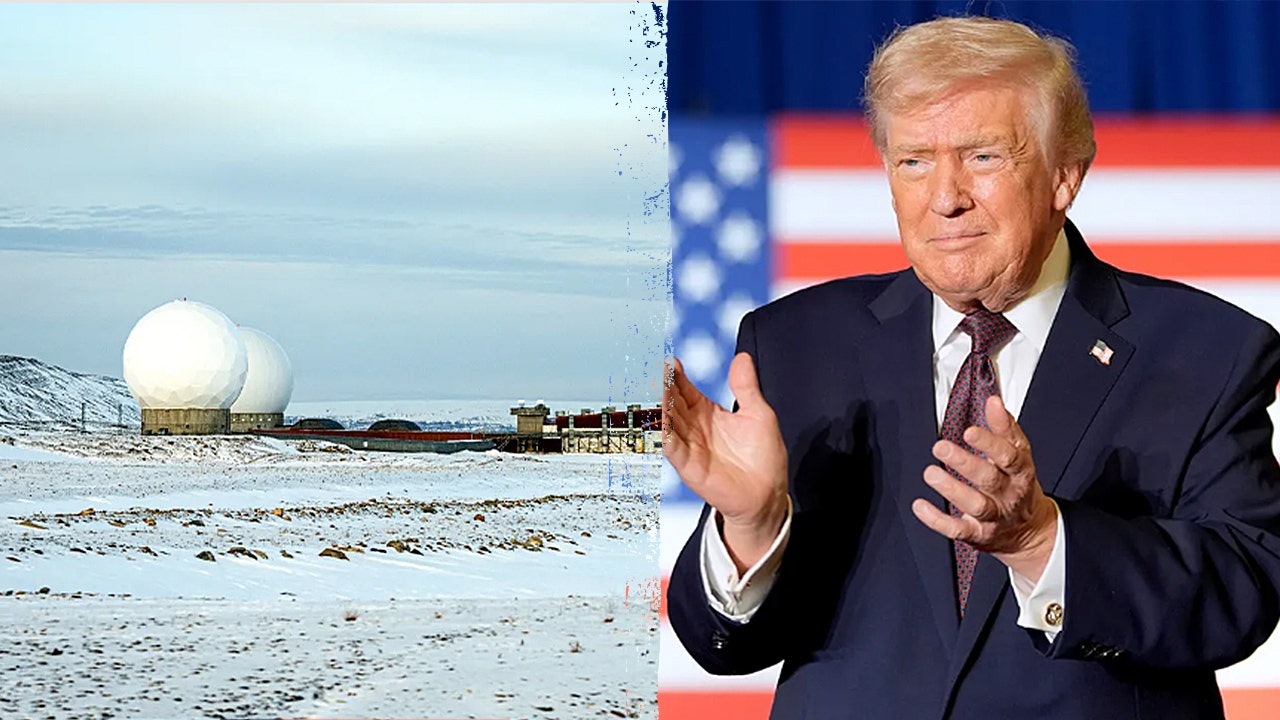
FIRST ON FOX: President Donald Trump struck a sweeping agreement with Denmark and Greenland this week granting the United States permanent military rights on the strategically placed Arctic island.
The U.S. will now have permanent access, basing and overflight rights in Greenland and the ability to establish additional military installations as needed, according to a senior U.S. official who outlined the deal exclusively to Digital.
The deal bars China, Russia and other non-NATO countries from establishing military bases or maintaining troops in Greenland. It also restricts adversaries from investing in sensitive sectors that could pose a threat to U.S. national security.
«This historic deal is a huge win for the United States and the American people,» Secretary of State Marco Rubio told Digital. «Thanks to President Trump’s vision and leadership, this historic agreement permanently guarantees U.S. security interests in the Arctic at zero cost to the U.S. taxpayer.
DENMARK VOWS TO DEFEND GREENLAND AFTER TRUMP REITERATES US SHOULD CONTROL TERRITORY
«Greenland will forever be part of the strategic defense area of North America and exclude any adversary from it and the surrounding area,» Rubio said. «This deal permanently and completely addresses our national security concerns in Greenland.
The new agreement, which has no expiration date, stops short of transferring sovereignty over Greenland to the U.S. But administration officials still view its permanence as key to addressing the security concerns that drove Trump’s push to acquire the territory in the first place.
«The difference here is we’re not spending any money for the right» to expand the U.S. military presence, the senior official explained.
The deal is designed to remain in effect even if Greenland eventually becomes an independent country, they added.
«For over 100 years, Presidents have known the strategic importance of Greenland, but NONE of them were able to do anything about it. I am proud to be the President that permanently and conclusively addressed this very important situation. This is an «Infinite Life» Agreement, there is no end!» Trump wrote on Truth Social Friday.
Digital reached out to the governments of Greenland and Denmark for comment.
Trump had repeatedly argued that control of Greenland was necessary for U.S. national security, pointing to the island’s strategic location in the Arctic as Russia and China expand their presence and capabilities in the region.
The deal significantly expands on the longstanding U.S. defense relationship with Greenland. The U.S. already operates Pituffik Space Base and has maintained military access to the island under a defense agreement dating back to 1951.
Under the new agreement, however, Denmark and Greenland would not have approval authority over additional U.S. military installations. The U.S. would consult with them but would have the right to build new installations when it determines they are necessary without needing their buy-in, the official said.
The administration believes an expanded U.S. military footprint in Greenland could eventually play a role in Trump’s planned Golden Dome missile defense system.
«We will immediately begin the process of developing a large Military presence in the appropriate part of Greenland, of which there are many. We will work with the people of Greenland in its development and construction,» Trump added.
RUSSIA’S QUIETER NUCLEAR SUBMARINES THREATEN NATO, FORMER COMMANDER WARNS
The deal only allows the U.S. and its allies to make «sensitive investments» on the island, such as telecommunications infrastructure, undersea cables, ports and critical minerals.
The administration is seeking to prevent Greenland from becoming another version of what it sees as the strategic vulnerability that developed around the Panama Canal, where Chinese commercial interests have fueled U.S. concerns that ostensibly civilian infrastructure could have national security implications.
«We’re never going to face that in Greenland as a result of this,» the official told Digital.
Officials from both Greenland and Denmark, which holds sovereignty over the self-governing island territory, initially scoffed at Trump’s insistence that the U.S. must «own» Greenland.
But months of negotiations between Rubio, White House advisor Stephen Miller and officials at the State Department and National Security Council led to a deal that satisfied all sides, a second official told Digital.
Representatives from all three countries went through «various rounds of quiet negotiations that never leaked and never got out there» starting in February, as Denmark and Greenland came to see the agreement as serving their own security interests.
«They recognize, at the end of the day, that they have a national security concern here as well,» Rubio said. «Denmark and Greenland understand that they don’t have the financial means necessary to defend Greenland if it were to come under attack or be threatened. The United States has the power to do that.»
donald trump, greenland, nato, politics, national security, treaties, geopolitics
INTERNACIONAL
Third person dies after mosquito is reportedly trapped on plane to Germany in ‘airport malaria’ phenomenon
NEWYou can now listen to Fox News articles!
Three people have died from malaria after a mosquito was transported aboard a flight to Germany, according to reports.
Several people were rushed to a hospital amid a rare outbreak of the tropical disease following flights to Frankfurt, The Sun reported.
It was unclear where the flights departed from.
The third person, a resident of Schwanheim, just north of the airport, died recently. In August, an airport worker also died from the disease. Neither had traveled to a malaria-endemic region.
MEASLES-INFECTED TRAVELER MAY HAVE EXPOSED PASSENGERS AT LAX AND NEARBY HOTEL, HEALTH OFFICIALS WARN
A Lufthansa Airbus A320 sits at Remote Stand V143 at Frankfurt Airport in Kelsterbach, Frankfurt am Main, Hesse. Frankfurt Airport is Germany’s main international airport by passenger numbers and is operated by Fraport as the main hub for Lufthansa. (Getty Images)
Another German resident also came down with malaria, which can only be contracted from the bite of an infected mosquito and cannot be spread from human to human.
«Both individuals had become infected with the malaria-causing parasite Plasmodium falciparum, even though they had not traveled to a malaria-endemic region and had not worked at the airport,» city officials said.
DEADLY MOSQUITO-BORNE VIRUS CLAIMS FIRST LIFE IN MAJOR US CITY AS CASES SPREAD
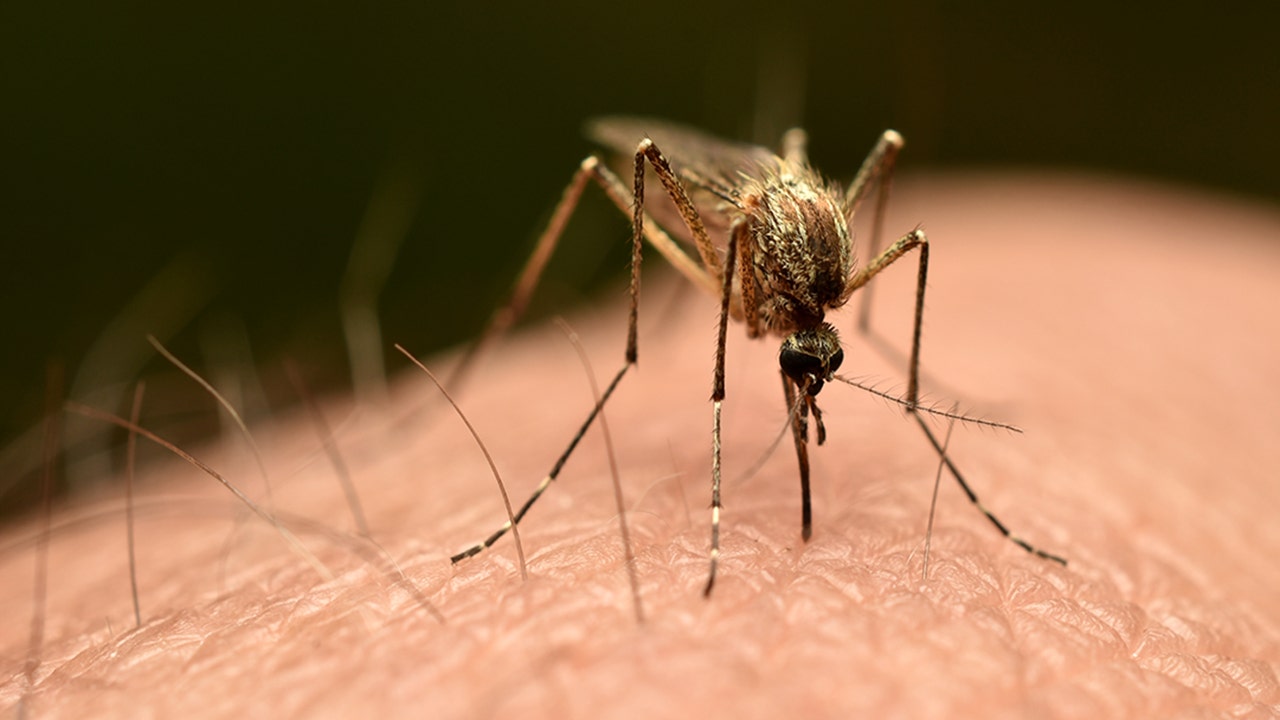
The terrifying phenomenon, known as «airport malaria,» occurs when an infected mosquito becomes trapped aboard a plane or inside luggage, is carried to a malaria-free area and bites someone locally.
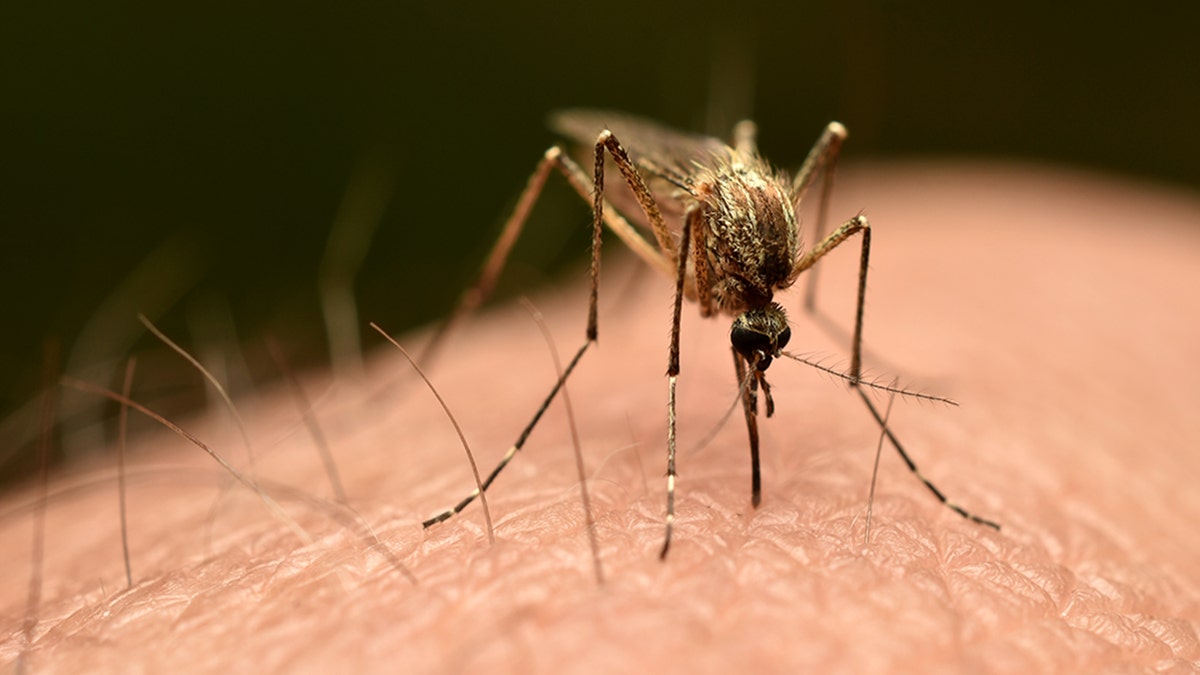
Three people have died after a mosquito became trapped on a plane to Frankfurt, Germany, officials there said. (iStock)
In July, airport officials set traps around the property to contain the malaria outbreak, The Sun reported.
WEST NILE VIRUS DETECTED IN SOUTHERN STATE AS HEALTH OFFICIALS WARN RESIDENTS ABOUT MOSQUITOES
Germany’s Robert Koch Institute, the agency responsible for disease control and public health, said airport workers became ill after contracting malaria between July 4 and July 6.
In total, six employees contracted the disease, according to Fraport, the firm that operates Frankfurt Airport, The Express reported.

Airport workers became sick with malaria between July 4 and July 6. (iStock)
«We have provided comprehensive information to all employees and encourage them to consult a doctor if they experience any symptoms,» the firm said.
infectious disease, travel safety, germany, travel
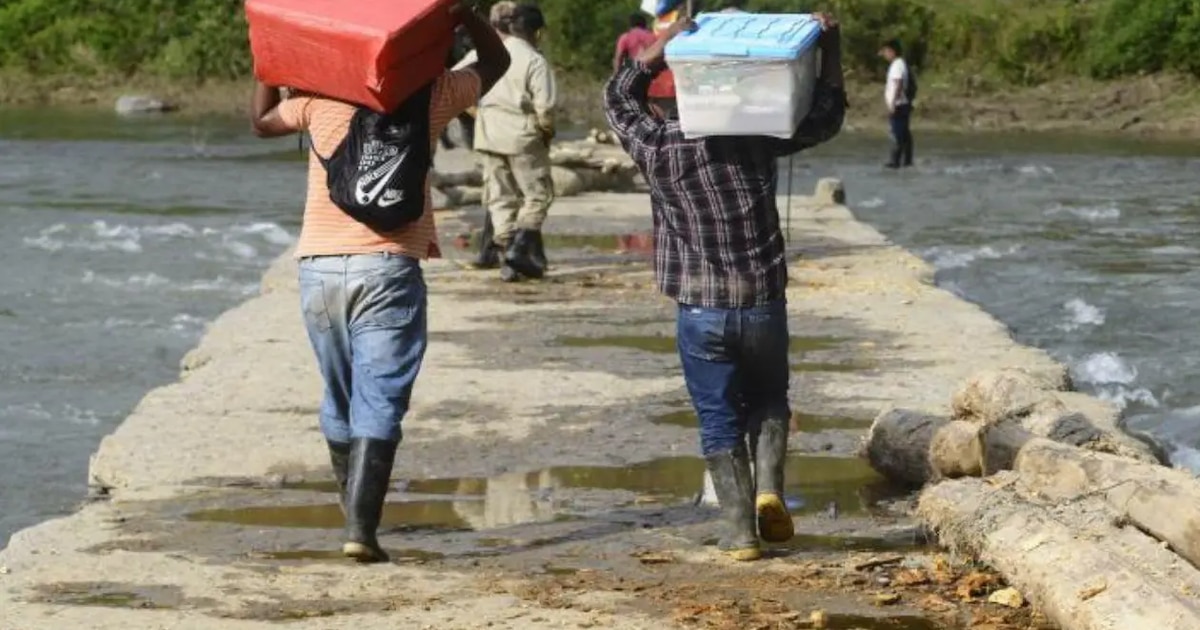
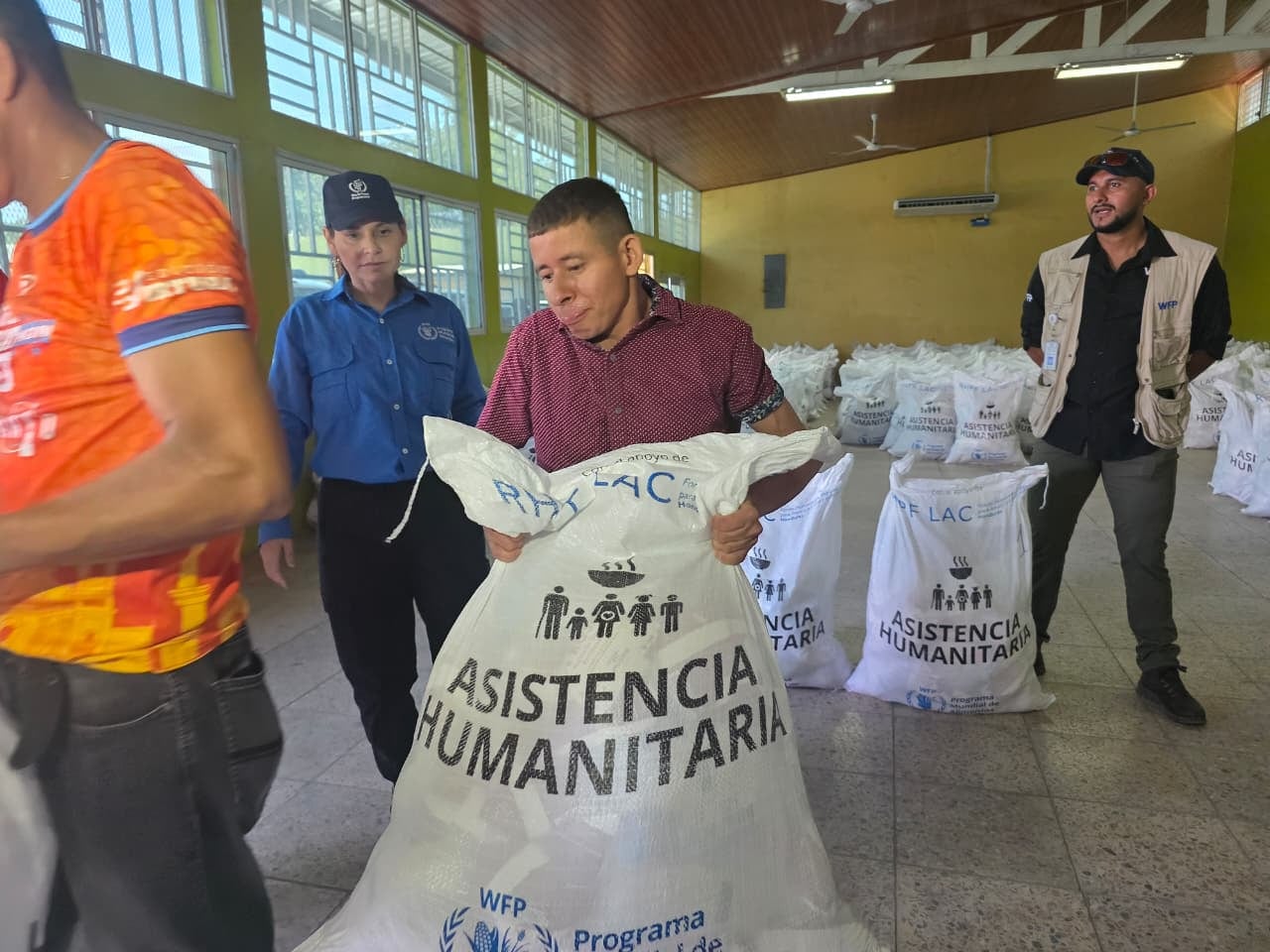
Más de 37.000 familias hondureñas afectadas por la sequía han recibido asistencia humanitaria durante los últimos meses, mientras el Gobierno de Nasry Asfura prepara nuevas medidas para enfrentar el déficit de lluvias, entre ellas la denominada siembra o “bombardeo” de nubes, con la que las autoridades pretenden apoyar zonas agrícolas afectadas.
La emergencia climática ha obligado al Estado a combinar la entrega de alimentos, acceso al agua y apoyo a productores con nuevas alternativas para intentar reducir los efectos de la falta de precipitaciones en distintas regiones del país.
El ministro de la Secretaría de Gestión de Riesgos y Contingencias Nacionales (Copeco), Reinaldo Sánchez, informó que más de 37.000 familias de municipios afectados han recibido ayuda humanitaria mediante una operación coordinada entre el Gobierno hondureño y organismos internacionales.
De acuerdo con el funcionario, las entregas se han desarrollado durante los últimos meses con el respaldo de agencias de Naciones Unidas, el Fondo Humanitario de Estados Unidos, la Secretaría de Desarrollo Social (Sedesol) y Copeco.
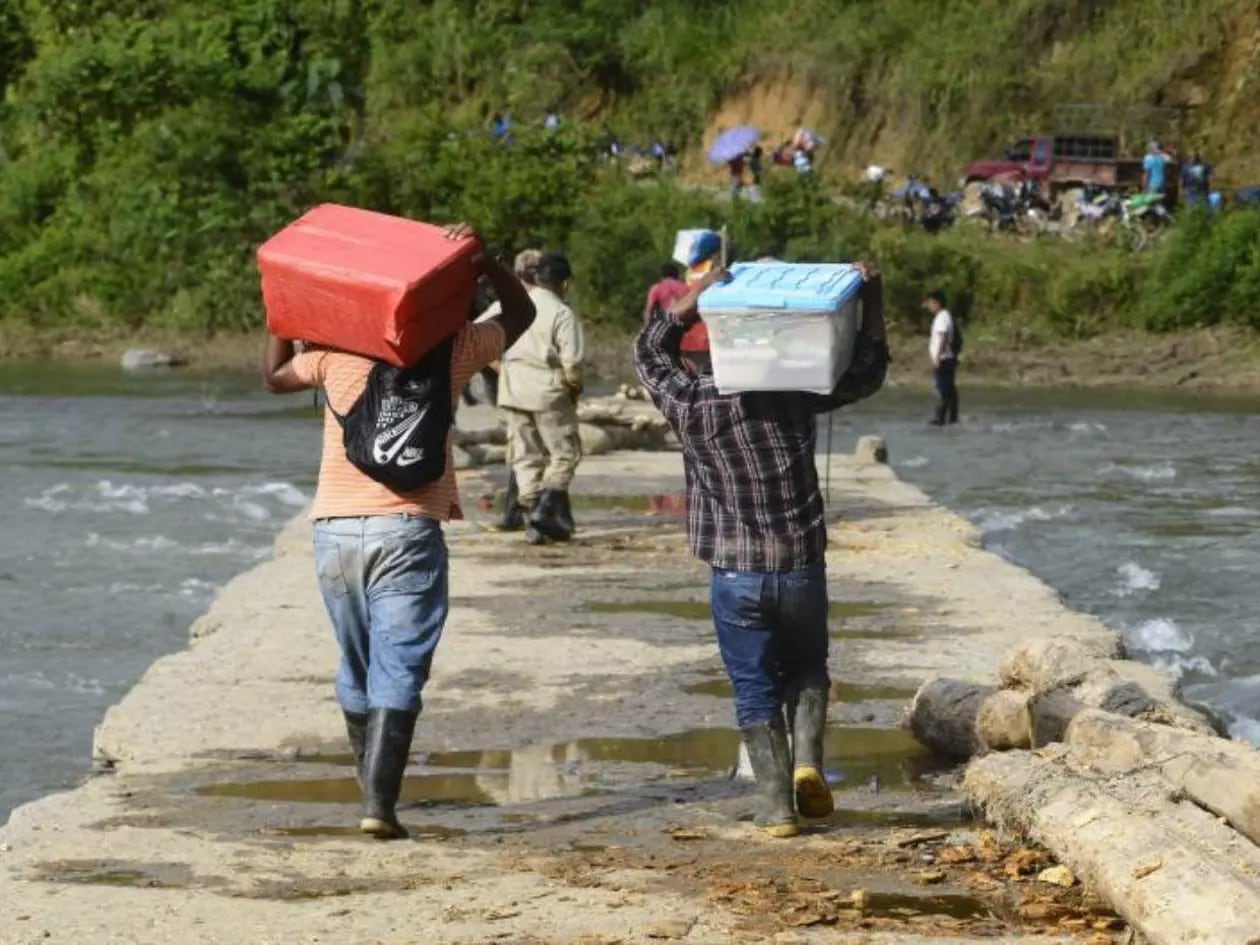
Sánchez explicó que la asistencia ya alcanzó a 37 municipios y que las autoridades mantienen vigilancia sobre las comunidades que continúan enfrentando los efectos del déficit de lluvias. Según el funcionario, los recursos disponibles permitirán ampliar la cobertura hacia sectores que todavía no han recibido ayuda.
El ministro de Copeco advirtió que algunas de las comunidades que ya fueron atendidas podrían volver a recibir asistencia, dependiendo de cómo evolucione el período de lluvias y, especialmente, de los resultados de la producción de postrera.
La preocupación está relacionada con el impacto que una temporada irregular de lluvias puede tener sobre los cultivos y, posteriormente, sobre la seguridad alimentaria de las familias que dependen de la agricultura y la ganadería.
“Va a depender de cómo se desarrolla la postrera”, explicó Sánchez, al señalar que, si la producción no alcanza los niveles esperados, el Gobierno tendría que brindar nuevamente una respuesta humanitaria a las comunidades afectadas.
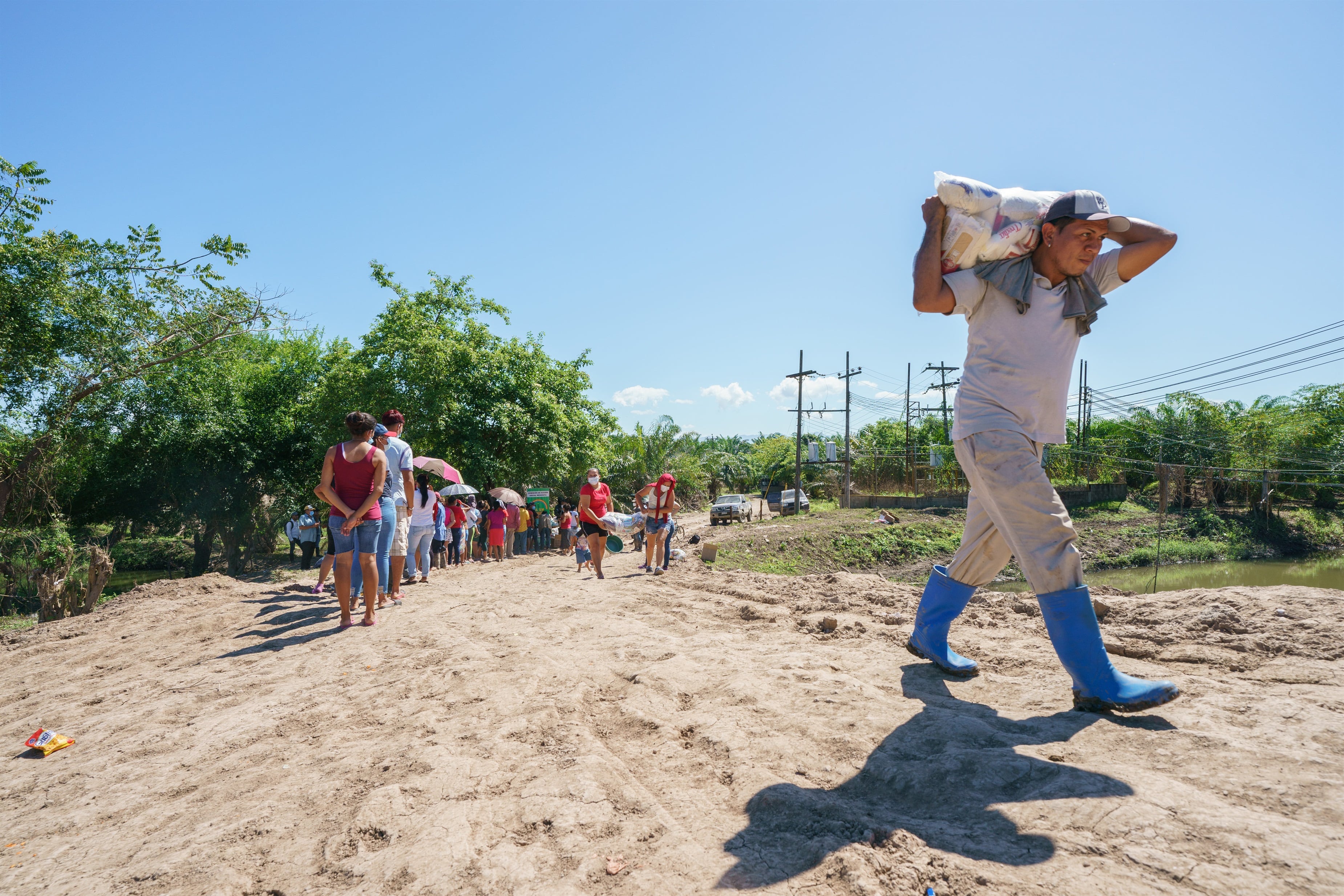
La estrategia contempla además acciones relacionadas con la perforación de pozos, vigilancia de la producción agrícola y atención sanitaria, especialmente en zonas donde las condiciones climáticas puedan favorecer la aparición de enfermedades como el dengue y la chikungunya.
El funcionario también mencionó acciones de apoyo a pequeños productores y ganaderos, entre ellas la entrega de alimento para ganado y el bono de incentivo agrícola para quienes todavía cuentan con condiciones para producir.
La distribución de asistencia humanitaria también ha generado cuestionamientos sobre la posibilidad de que los recursos sean utilizados con fines políticos. Ante estas críticas, Sánchez aseguró que existen mecanismos de veeduría y supervisión para controlar las entregas.
El titular de Copeco sostuvo que las instituciones buscan trabajar de la mano con los alcaldes y autoridades locales, con el objetivo de garantizar que la asistencia llegue a las comunidades que realmente la necesitan.
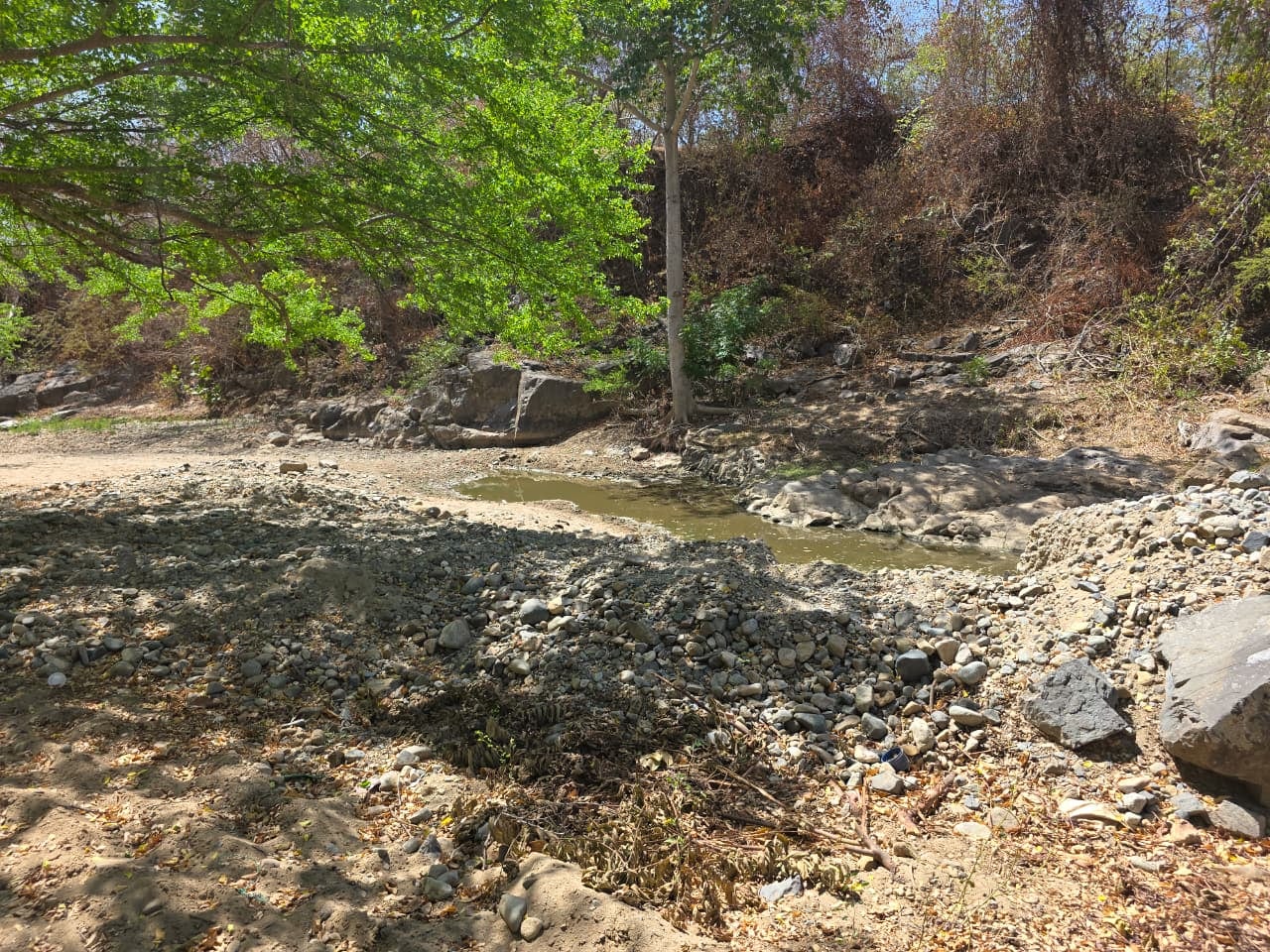
Según Sánchez, la respuesta no se limita a la entrega de alimentos, sino que incluye diferentes componentes destinados a atender las consecuencias de la sequía, como agua, salud y apoyo productivo.
El funcionario aseguró que los recursos ya están disponibles para continuar ampliando la cobertura y mantener vigilancia en los municipios que permanecen bajo los efectos del déficit de lluvias.
Mientras continúa la entrega de ayuda, el Gobierno de Nasry Asfura prepara una alternativa adicional para enfrentar la sequía: la siembra de nubes, conocida popularmente como “bombardeo de nubes”.
El secretario de Agricultura y Ganadería, Moisés Abraham Molina Guillén, informó que la intervención pretende apoyar un área estimada de entre 1,8 y 2 millones de hectáreas afectadas por la falta de lluvias.
“Son alrededor de 1.8 millones de hectáreas o dos millones de hectáreas las que se van a intentar apoyar, con esto, en la zona más perjudicada por la sequía”, precisó el funcionario.
La SAG informó que Honduras ya cuenta con la aeronave y el personal que participarán en la operación. Durante la próxima semana se espera la llegada de los equipos, insumos y componentes que deberán ser adaptados al avión antes de iniciar los vuelos.
“Estamos listos. Ya está el avión aquí, ya están las personas. El equipo viene la próxima semana, probablemente el lunes, los insumos y lo que hay que adaptarle al avión”, afirmó Molina.
Sin embargo, el procedimiento no significa que las autoridades puedan generar lluvia de manera independiente de las condiciones meteorológicas.
Técnicamente, la siembra de nubes requiere la existencia de nubes con características adecuadas para que las partículas utilizadas puedan favorecer procesos dentro de ellas que incrementen el tamaño de las gotas o cristales y eventualmente produzcan precipitación.
Por ello, los vuelos estarán condicionados a la aparición de nubes apropiadas para realizar la intervención.

La oposición reclama una comisión del Congreso para intervenir en la política sobre Malvinas

Trump declares victory in historic deal with Greenland as he secures ‘permanent’ US military rights

Manuel Adorni mantiene la custodia, se mueve en auto oficial y prepara la justificación de su patrimonio

Third person dies after mosquito is reportedly trapped on plane to Germany in ‘airport malaria’ phenomenon

Juli Poggio fue la primera accidentada de MasterChef y mostró su herida: «Prefiero cortarme que quemarme»

El riesgo país es el más alto del último mes, tras la histórica medida de la FED

El BCRA equipara reglas y exige más requisitos a fintech para competir con bancos

Autos eléctricos e híbridos: cuánto cuesta cargarlos en casa, cuánto demora y qué se necesita para instalar el equipo

ANSES: quiénes cobran hoy, martes 15 de septiembre de 2026

"Atendiendo a los kukas mentirosos": el presidente Javier Milei opinó sobre las reservas en el oro del Banco Central

 ECONOMIA16 horas ago
"Atendiendo a los kukas mentirosos": el presidente Javier Milei opinó sobre las reservas en el oro del Banco Central
- POLITICA2 días ago
Cortocircuito y quiebre entre la Casa Rosada y sus diputados por la ley de discapacidad
- POLITICA2 días ago
Malvinas: una jueza de Río Grande ordenó a Rockhopper y Navitas frenar el avance del proyecto petrolero Sea Lion