INTERNACIONAL
Four American tourists among 6 killed after explosion levels building near Athens’ Acropolis

NEWYou can now listen to Fox News articles!
Four American tourists were among six people killed in Greece when a devastating explosion leveled a residential building near Athens’ famed Acropolis, according to officials.
The four Americans — two men and two women believed to be two couples — were staying in the two-story building in the historic Plaka district, the historic neighborhood at the foot of the Acropolis and close to some of Athens’ most heavily visited landmarks, when the blast struck Friday.
The two couples had been expected to catch a flight from Athens airport at 3 p.m. Friday but never showed up, a police source told Reuters. Documents and belongings recovered with the four victims indicated they were U.S. citizens, according to Greek state broadcaster ERT and other local media.
AMERICAN TOURISTS STABBED OUTSIDE ATHENS’ ACROPOLIS AS POLICE DETAIN SUSPECT IN APPARENT RANDOM ATTACK
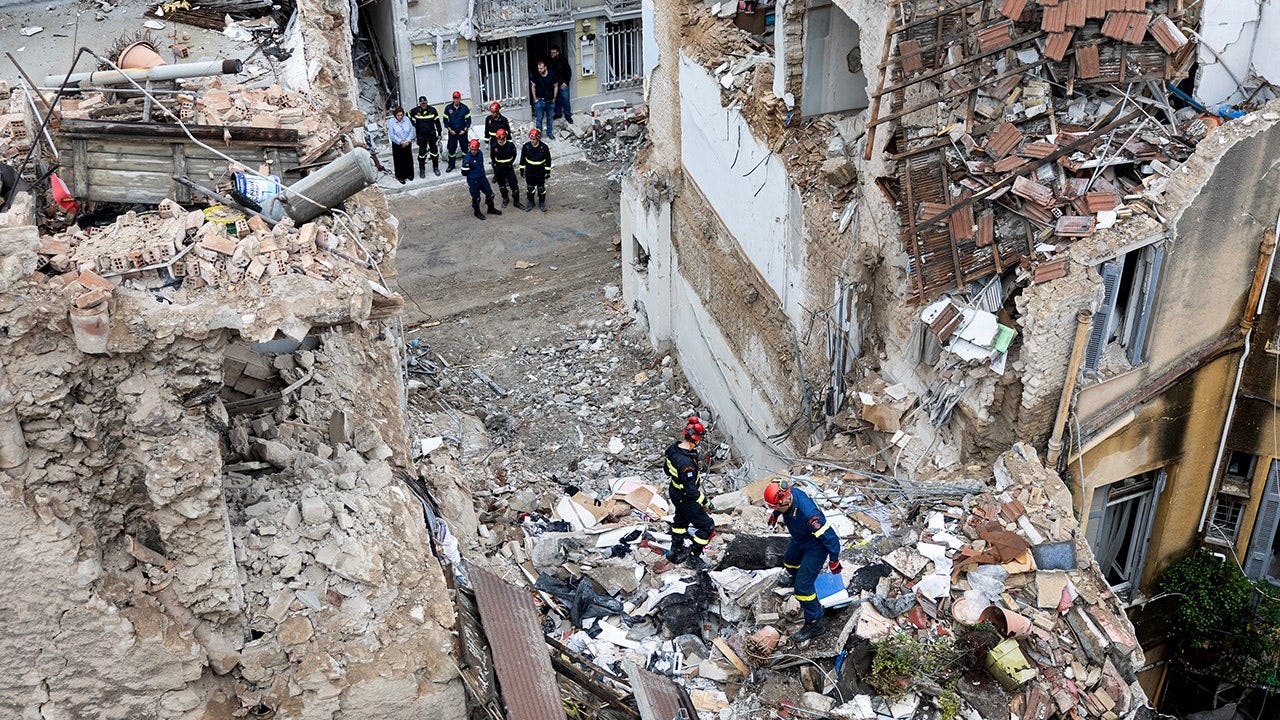
Firefighters work at the scene following Friday’s powerful blast in Athens’ Plaka district, Saturday, Sept. 26, 2026. (AP Photo/Yorgos Karahalis)
U.S. Ambassador to Greece Kimberly Guilfoyle mourned the victims in a post on X.
«I am deeply saddened to learn of the death of four American citizens in yesterday’s explosion in central Athens,» Guilfoyle wrote.
Emergency crews searching through the rubble recovered six bodies from the collapsed building Saturday, authorities said.
Firefighters had been searching for an elderly couple who lived in one apartment and four tourists staying in another as crews painstakingly removed debris, fire brigade spokesman Vassilis Vathrakogiannis said in a televised briefing.
EXPLOSION NEAR GERMAN TRAIN STATION INJURES 2 UKRAINIAN CITIZENS
The explosion was believed to have been caused by a major gas leak, Athens Mayor Haris Doukas said. Authorities were investigating the cause after reports of a gas smell in the area.
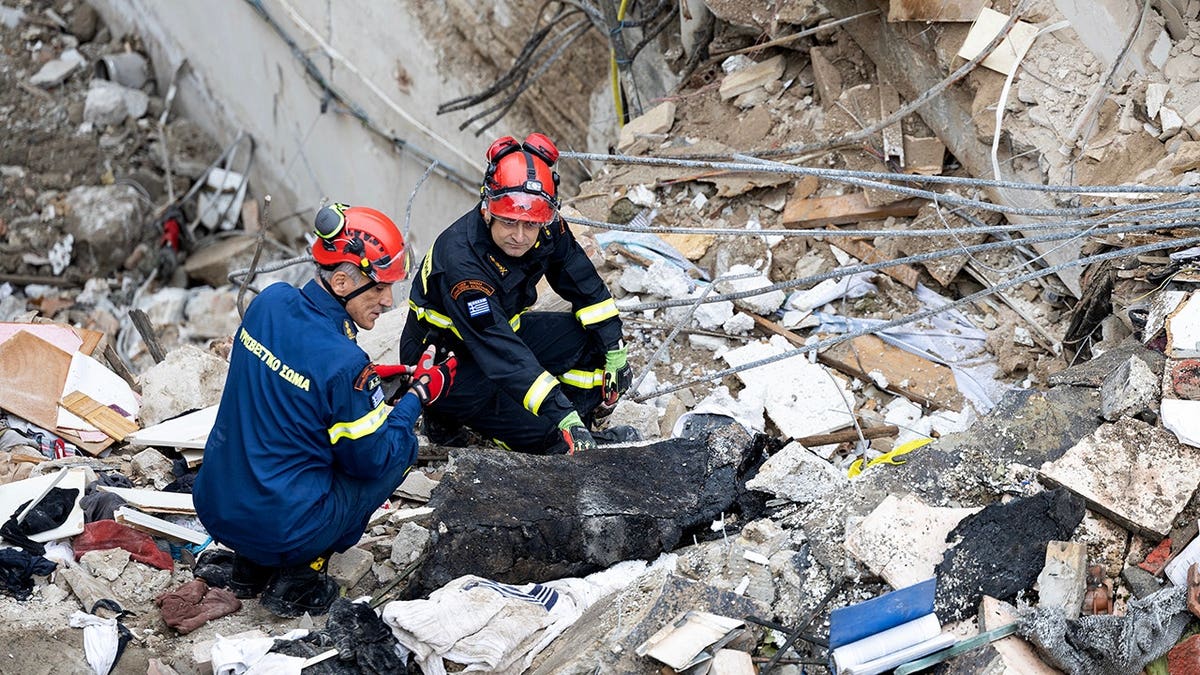
Firefighters work at the scene following Friday’s powerful blast in Athens’ Plaka district, Saturday, Sept. 26, 2026. (AP Photo/Yorgos Karahalis)
The powerful blast destroyed the building and damaged nearby homes, shops and vehicles, sending rubble and shattered glass as far as three blocks away, Reuters reported.
Video from the scene showed debris strewn across the street and parked cars crushed beneath falling rubble. The destroyed building was reduced to twisted metal, broken tiles and concrete, with clothing and household belongings scattered among the wreckage.
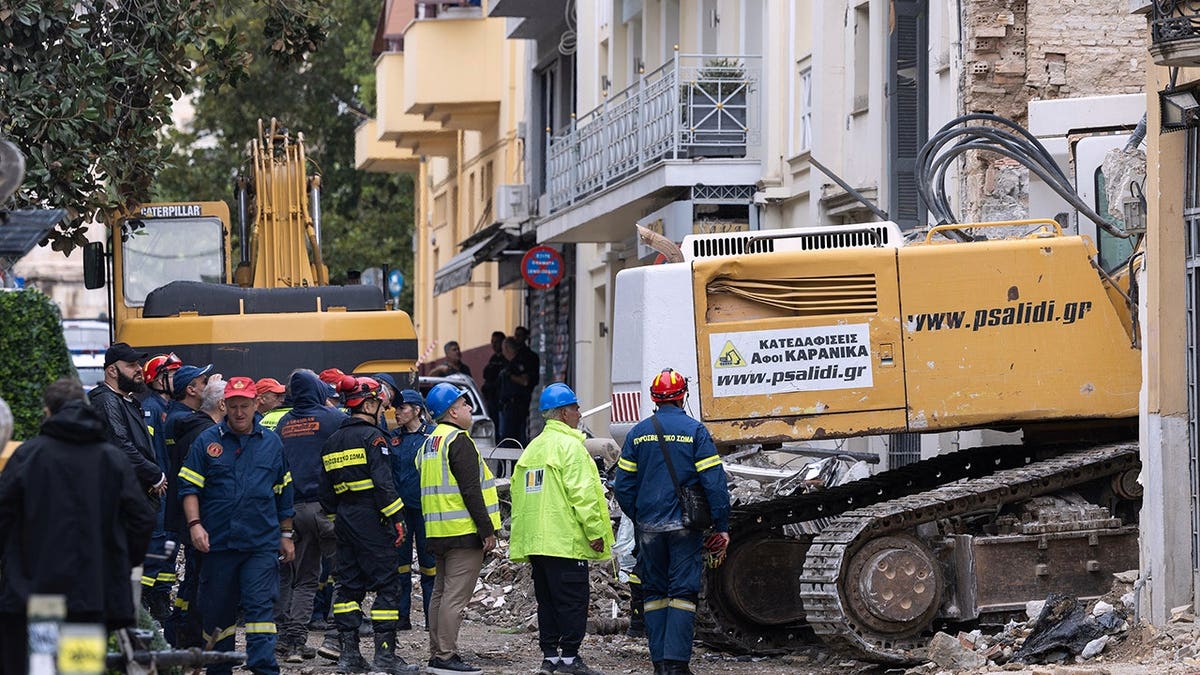
Rescuers work at the scene following Friday’s powerful blast in Athens’ Plaka district, Saturday, Sept. 26, 2026. (AP Photo/Yorgos Karahalis)
The search-and-rescue operation involved 30 firefighters and three dogs, while crews also used cameras and sensors to comb through the debris.
Two women were injured in an adjacent building on Lysikratous Street, according to the fire department. Resident Andreas Martzaklis told the Associated Press that all those rescued from the neighboring building were tourists.
The damage extended to a nearby church, where the pastor said Sunday services would be held outdoors because the building had been damaged in the explosion.
The Associated Press and Reuters contributed to this report.
europe, disasters us, world













INTERNACIONAL
Irish PM rejects antisemitism concerns in Ireland amid dramatic vote over boycotting Israel game

Irish Prime Minister Micheál Martin rejected claims that Ireland’s sharp criticism of Israel has crossed into antisemitism as tensions flared around a politically charged soccer match between the countries Sunday, with Irish players holding a last-minute vote over whether to boycott the game.
Martin, in an exclusive interview with Digital this week in New York, outlined why Ireland has taken such a staunch position against the Israeli government’s conduct of the war in Gaza, calling its military response «absolutely disproportionate» while pressing Israel to «change strategy» and calling for increased humanitarian aid to Gaza.
Martin argued that Ireland’s own history — particularly its experience ending decades of conflict in Northern Ireland — gives the country a role to play as a voice for peace on the international stage, a theme he returned to while discussing Ukraine and the ongoing debate over Irish reunification.
«I think for the vast majority of people it does not,» Martin said when asked directly whether anti-Israel sentiment in Ireland had crossed the line into antisemitism.
«We have no toleration for antisemitism, none,» Martin added.
NEW YORK TIMES ISSUES CORRECTION, DELETES LINE QUESTIONING IF ISRAELIS WERE VICTIMS OF OCT 7 TERROR ATTACK
The extraordinary player vote came after months of pressure surrounding the UEFA Nations League fixture on Sunday, with more than 160 Irish sports figures calling for a boycott and players themselves publicly questioning whether the match should go ahead.
A «significant majority» of players ultimately voted on Saturday to play the game, while one player left the squad after expressing his wish not to take part.
In the interview, Martin strongly condemned Hamas’ Oct. 7 terrorist attack and defended Israel’s right to exist in security.
«First of all, we condemned, absolutely, the outrageous terrorist attack by Hamas in October,» Martin told Digital.
«We believe in a two-state solution,» Martin said. «We believe that Israel, of course, has a right to exist in security and its people need to be guaranteed of security. But likewise, Palestinians should have a right to live in their homeland in a peaceful way.»
«There are many peaceful voices in Palestine that I’ve met who want peaceful coexistence with Israel.»
Martin said Ireland’s strongly pro-Palestinian position was rooted partly in its own history.
«There’s a very strong pro-Palestinian position in Ireland,» Martin said. «Ireland, the Irish government and the Irish people, probably because of our own history, but also because of a sense of right and justice and fairness.»
Thousands have taken to the streets across Ireland since the war began, while national broadcaster RTÉ refused to air this year’s Eurovision Song Contest after Israel’s participation was confirmed.
Ireland spent centuries under British rule before most of the island gained independence a little more than a century ago, while Northern Ireland remains part of the United Kingdom.
He said Israel’s military response to the Oct. 7 attack had resonated deeply in Ireland and called for increased humanitarian aid into Gaza.
«We want humanitarian aid going into Gaza. There’s not enough humanitarian aid going in,» Martin said, pointing to the conditions facing roughly 2 million people there, including shortages of food and shelter and children without access to education.
Martin said Ireland wanted Israel to reconsider its conduct of the war, asking whether it would «change strategy» and «change its approach to the whole issue.»
«So that’s the background to the Irish position,» he said. «People are angry in terms of what’s going on in the Middle East and that’s the manifestation of it.»
ANTISEMITIC VIOLENCE REACHES DEADLIEST LEVEL SINCE 1994, NEW GLOBAL REPORT FINDS
Republic of Ireland manager Heimir Hallgrímsson said his players were uncomfortable with the games, declaring: «We’re not playing with genocide, we’re playing against genocide.» The Israeli Football Association accused him of «stupidity, ignorance and hypocrisy,» prompting Martin to call the remarks «unacceptable.»
The FAI previously sought Israel’s suspension from international competition. Separately, Irish soccer officials later voted to fulfill the Israel fixtures after being warned a boycott could cost the association at least $6.3 million and trigger UEFA sanctions.
Sunday’s game will be played in Hungary, while Ireland’s Oct. 4 home fixture has been moved to Serbia and will be played behind closed doors. Irish supporters will not have access to either game.
An organized campaign dubbed #StopTheGame has, meanwhile, spent months pressuring Irish soccer officials and players not to fulfill the Israel fixtures, staging protests and urging the national team to refuse to play.
The campaign has also spilled onto the field. During a friendly against Qatar in May, protesters threw tennis balls bearing «Stop The Game» messages onto the pitch in opposition to the Israel fixtures.
Martin has resisted calls for Ireland to boycott Israel, arguing that unilateral action could be «self-defeating» and may hurt Irish soccer without having any effect on Israel.
The dispute over the games reflects a broader debate over whether Ireland’s criticism of Israel has crossed a line.
The American Jewish Committee raised concerns directly with Martin in Washington in March 2025 about antisemitism and what it called the «vilification of Israel in Ireland.» An Anti-Defamation League official also participated in the meeting. The AJC alleged that antisemitism had become «pervasive» in Ireland.
Martin pointed to Ireland’s annual Holocaust commemorations and the historic contribution of Jewish communities in Dublin, Cork and elsewhere in rejecting the suggestion that antisemitism was broadly tolerated in Ireland. He also pointed to Ireland’s participation in international efforts against antisemitism and said the country campaigns against it globally.
«We cherish that contribution that the Jewish community has made to Ireland,» Martin said.
Martin’s defense of Ireland’s position came before he addressed world leaders at the United Nations on Thursday, where he delivered a sharply critical assessment of Israel’s conduct in Gaza and the West Bank, declaring that the international community had «failed Palestine.»
«When the full truth of what has happened, what is still happening in Gaza, is finally known, when the evidence is gathered, when the testimonies are heard, when the true horrors are finally and fully revealed, it will shame the world,» he said. «Nobody will be able to say that we did not know.»
Martin accused violent Israeli settlers in the West Bank of acting with «near-total impunity» and said Palestinian communities faced displacement and destruction «amounting to ethnic cleansing.»
He reiterated his support for a two-state solution, saying the only viable outcome was for «a State of Palestine and a State of Israel» to live side by side «in peace, security and dignity.»
During his Digital interview, Martin connected Ireland’s position on the Middle East to its experience ending decades of violence in Northern Ireland, saying «we feel we can make a contribution to that conflict resolution pathway.»
That role has taken on added significance as Ireland holds the rotating presidency of the Council of the European Union, giving it an elevated diplomatic role at a time of multiple international conflicts.
Martin also pointed to a personal experience that shaped his thinking, recalling meeting Israeli Rami Elhanan and Palestinian Bassam Aramin in Israel, two fathers who each lost a daughter in the conflict and later worked together for peace. Their stories are told in Colum McCann’s novel «Apeirogon.»
«That’s an inspiration to me,» Martin said, adding that he had met both men in Israel. He said their work reflected Ireland’s own efforts to reconcile communities divided by generations of conflict.
Beyond the Middle East, Martin addressed Russia’s war in Ukraine, saying a ceasefire along existing battle lines could provide a starting point for negotiations while rejecting territorial gains by force.
«Ukraine can’t cede territory that Russia hasn’t even conquered, despite four years of war,» Martin said. «From our perspective, no one has the right to go into another country and take its territory.»
Ireland has maintained its military neutrality while providing humanitarian and non-lethal assistance to Ukraine and taking in more than 120,000 Ukrainians since Russia’s invasion. Martin rejected suggestions that such support compromised Ireland’s neutrality, noting that Dublin has not supplied lethal weapons. «We want the war to end,» he said.
Martin’s focus on ending long-running conflicts also extends to Ireland’s own divided island. He and his Fianna Fáil party support reunification with Northern Ireland, but he said greater trust between the two communities must come first.
«I believe in unity and my party believes in unity, but we have to work on it,» Martin said. «We have to build reconciliation amongst the different traditions on the island of Ireland.»
Under the Good Friday Agreement, a referendum would be called if it appeared likely that a majority in Northern Ireland supported reunification — an issue that gained fresh attention when Trump said during his recent visit to the country that he would «love» to see a united Ireland.
Martin also pointed to Ireland’s unique relationship with the United States, crediting Washington with playing a «critical» role in the Northern Ireland peace process in the 1990s.
Asked whether Washington could play a role again in a future reunification process, he replied: «To a degree maybe, potentially, yeah.»
israel, anti semitism, ireland, politics, geopolitics, ukraine, sports
INTERNACIONAL
SCOTUS detention fight could unleash dangerous criminal migrants onto US streets, experts warns

A Supreme Court battle over whether certain noncitizens with criminal records are entitled to bond hearings during lengthy deportation proceedings could become a public safety concern by making it harder for the federal government to keep some detainees behind bars, legal experts warn.
The Trump administration is asking the justices to take up Genalo v. D.C., a case involving a Dominican citizen with four criminal convictions who has been detained by Immigration and Customs Enforcement while fighting removal.
The dispute centers on a Second Circuit precedent requiring a bond hearing when mandatory immigration detention becomes «unreasonably prolonged.» At that hearing, the government must prove by clear and convincing evidence that the detainee poses a flight risk or danger to the community.
MACHETE-WIELDING MS-13 GANGSTER WANTED FOR MURDER WALKS FREE AFTER BIDEN-APPOINTED JUDGE RELEASES HIM: DHS
Chad Mizelle, chair of litigation at the America First Policy Institute and a former acting associate attorney general and Justice Department chief of staff, told Digital the implications extend beyond immigration law.
«We are talking about criminal aliens here,» Mizelle said. «Those are individuals who have been accused of or convicted of an aggravated felony. Accused or convicted of murder. Accused or convicted of child rape. Accused or convicted of grievous harm upon another human being.»
«So these are the worst of the worst individuals,» Mizelle continued. «Do we want those individuals walking the streets, re-committing, harming other individuals?»
Mizelle argued Congress imposed mandatory detention on certain noncitizens with criminal records to keep them detained during removal proceedings, while the Second Circuit’s prolonged-detention rule could incentivize some detainees to drag out their cases long enough to seek bond.
DOJ MOVES TO STRIP CITIZENSHIP FROM 17 PEOPLE ACCUSED OF HIDING DISTURBING CRIMES
The man at the center of the administration’s latest petition, identified in court papers as D.C., is a 62-year-old Dominican citizen who illegally entered the United States and has four criminal convictions, according to court records.
In 1997, D.C. was charged with multiple drug offenses, including selling and possessing a controlled substance. He failed to appear for trial, was convicted by a jury and sentenced in absentia to three to nine years in prison, but did not serve that sentence until 2024. In 2007, he was charged with possessing a forged instrument after presenting false identification to police and again failed to appear in court.
In 2016, D.C. faced several charges stemming from a domestic dispute, including second-degree strangulation, third-degree assault and acting in a manner to injure a child under 17. He pleaded guilty to criminal obstruction of breathing or blood circulation and also resolved his earlier forged-instrument case with a guilty plea. Later that year, he pleaded guilty to criminal contempt.
D.C. was finally arrested on the outstanding warrant from his 1998 drug conviction in April 2024. After completing his state sentence in September 2025, ICE immediately detained him while his removal proceedings continued.
FEDERAL APPEALS COURT COMPARES TRUMP MIGRANT DETENTION POLICY TO JAPANESE AMERICAN INTERNMENT
The district court subsequently ordered that D.C. receive a bond hearing under binding Second Circuit precedent but denied his separate request for immediate release. The government is now asking the Supreme Court to take the case before the Second Circuit itself rules — an unusual procedure known as certiorari before judgment.
The administration turned to D.C.’s case after two other noncitizens at the center of the same legal fight saw their cases become moot.
One, Carol Williams Black, had been detained for roughly seven months. His case became moot after he received a final order of removal and permanently left the United States. Black was convicted of sexually abusing a child in 2000. The Supreme Court therefore granted review in June only as to the second detainee, G.M.
G.M., a lawful permanent resident from the Dominican Republic, pleaded guilty to second-degree assault in May 2015 after being accused of attacking and robbing a man during a 2012 incident in New York City. He was sentenced to two years in prison and was released early on parole in December 2016 after serving 19 months. ICE arrested G.M. at his home on Oct. 5, 2020, and detained him for 21 months without a bond hearing while removal proceedings continued.
TRUMP’S FIGHT OVER RARELY USED 18TH-CENTURY DEPORTATION LAW LIVES ON IN LATEST COURT CLASH
The Supreme Court was scheduled to hear his case Oct. 13. But in late August, New York Democratic Gov. Kathy Hochul granted G.M. a full and unconditional pardon for the assault conviction that had formed the basis for his deportation proceedings and mandatory detention. Solicitor General John Sauer agreed the case was moot, and the Supreme Court dismissed it Sept. 11 without ruling on the merits.
The administration then identified D.C. as its replacement vehicle and asked the justices to hear the same constitutional questions this term.
FEDERAL JUDGE TIES ICE AGENTS’ HANDS WITH RULING ON WARRANTLESS SOUTHERN CALIFORNIA ARRESTS
Carrie Severino, president of Judicial Crisis Network (JCN), said the dispute is likely to affect many similar immigration cases nationwide.
«This is not a question that’s only going to affect D.C., the criminal Dominican national at issue in this case,» Severino told Digital. «This is an issue that’s going to affect criminal aliens across the country.»
A victory by D.C. would impose new hurdles on the government, including additional hearings and use of resources, Severino said.
«As we know, immigration cases, skipping out on showing up for court dates is incredibly common,» she added. «This is not something that I think the court ought to be granting on a regular basis that they’d be letting people out on bond simply on their word that they’re going to be coming back when they know that they are likely to be removed.»
The case also raises questions about who must prove whether continued detention is necessary. The Second Circuit ruled that the government must prove by clear and convincing evidence that a detainee should remain in custody.
«And so, if the Supreme Court winds up affirming what the Second Circuit held, that means it’s going to be harder for the government to be able to detain this particular population of criminal aliens or terrorism-linked aliens,» Florida State University law professor Michael Morley told Digital. «There are going to be situations where the government is not able to show that a particular person is either likely to flee or poses a risk of danger and this dangerousness by a heightened or clear and convincing standard.»
«It means that these criminal aliens who are already subject to removal proceedings are more likely to be released into the community while those underlying removal proceedings continue to make their way slowly through the adjudicative process,» Morley continued.
The Supreme Court has not yet agreed to hear D.C.’s case.
immigrant rights, migrant crime, federal courts, supreme court, deportation, illegal immigrants, judiciary, law
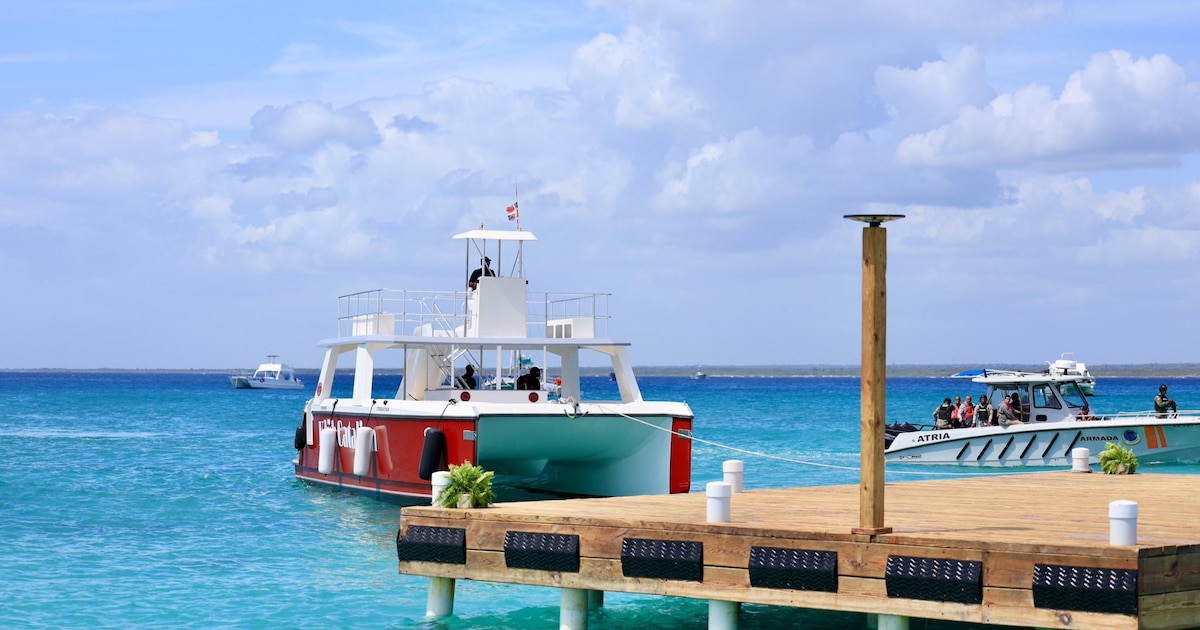
República Dominicana sumó 8,556.415 visitantes entre enero y agosto de 2026, un alza del 6.9% frente al mismo período de 2025. El dato, difundido por el Ministerio de Turismo (Mitur), llega justo cuando el turismo mundial casi no crece.
Esa combinación deja al país caribeño como una de las excepciones dentro de un panorama global que se enfrió de forma abrupta este año.
El turismo mundial creció apenas 0.4% en el primer semestre
Entre enero y junio de 2026 viajaron internacionalmente unos 690 millones de turistas, apenas tres millones más que en igual lapso de 2025. El dato surge del World Tourism Barometer, el reporte más reciente de ONU Turismo, organismo de Naciones Unidas para el sector, publicado el 17 de septiembre.

El avance de 0.4% marca una desaceleración pronunciada frente al 4% que había registrado 2025, año en que 1,520 millones de personas viajaron fuera de sus países.
ONU Turismo atribuye el freno al conflicto en Medio Oriente, al encarecimiento del petróleo y a una revisión a la baja de las proyecciones globales para el año.
República Dominicana cerró el semestre con 6.6 millones de visitantes
El país terminó los primeros seis meses del año con 6,616.671 visitantes, un incremento de 7.7% respecto de 2025. El dato fue presentado por el ministro de Turismo, David Collado y difundido por medios locales.
De ese total, 4.9 millones llegaron por vía aérea, con un crecimiento de 10%. Otros 1.6 millones arribaron en cruceros, con un aumento de 1.4%.
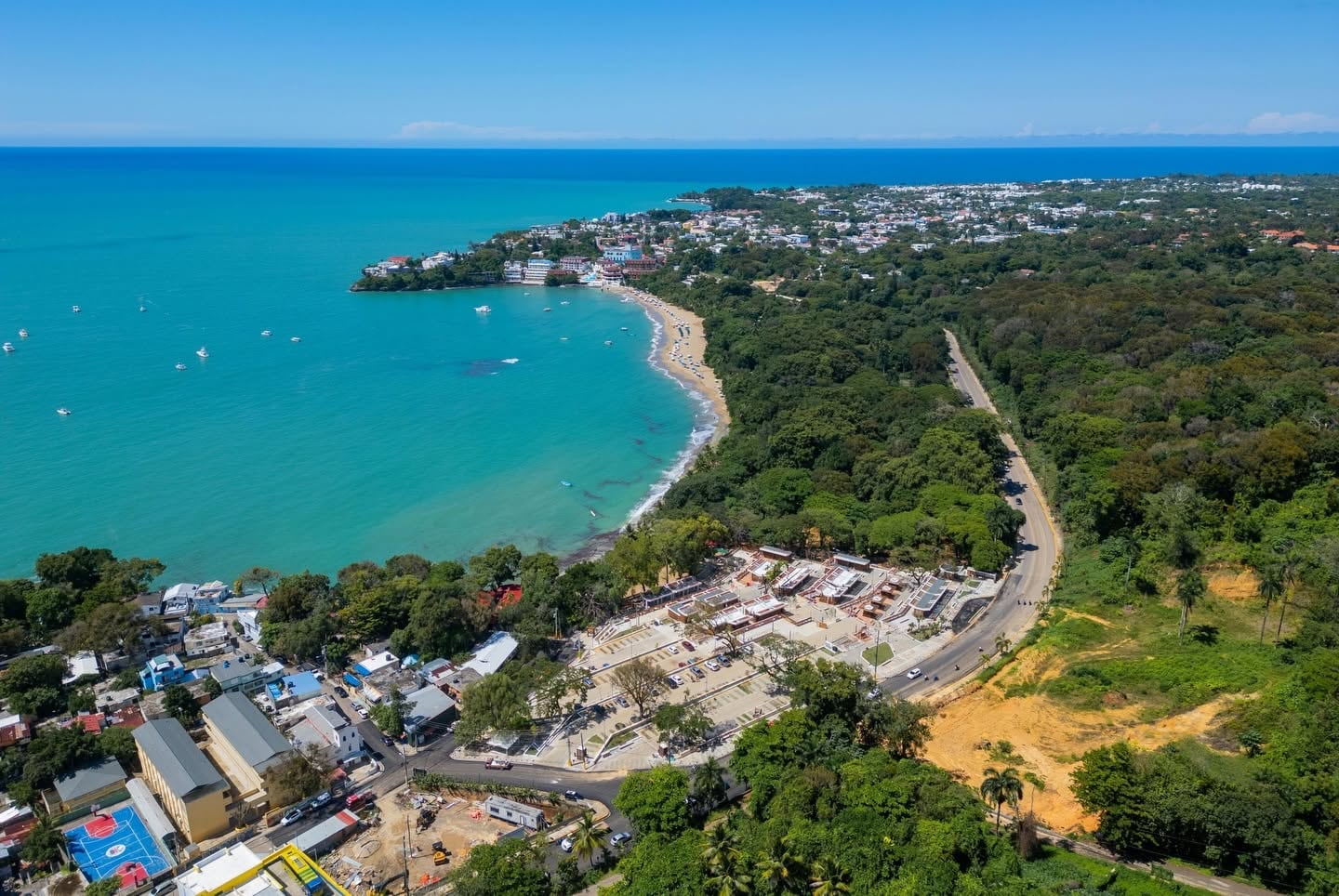
La comparación con el escenario mundial resulta favorable para el destino caribeño. Mientras el planeta apenas sumó tres millones de turistas adicionales en seis meses, República Dominicana por sí sola incorporó cientos de miles de visitantes nuevos y superó ampliamente el promedio global y regional.
Además, el Banco Central de República Dominicana informó que el país captó USD 6,716 millones por turismo durante el primer semestre. La cifra representa un incremento de 15.3% frente a igual período de 2025, equivalente a USD 891.2 millones adicionales.
El alza en los ingresos superó el ritmo de crecimiento en la cantidad de visitantes, lo que sugiere un mayor gasto promedio por turista. El Banco Central no detalló las causas específicas de esa mejora en la facturación del sector.

Estados Unidos lideró el crecimiento de visitantes con 31%
Estados Unidos se mantuvo como el principal mercado emisor del país y explicó el 31% del crecimiento adicional de visitantes durante el semestre. Canadá aportó el 20%, Colombia el 11% y Argentina el 7%.
Esa distribución muestra la dependencia del turismo dominicano de un puñado de mercados concentrados en el continente americano. Cualquier variación en la conectividad aérea con esos países impacta de forma directa en el flujo de visitantes.
Collado proyectó que el país cerrará el año con más de 12 millones de visitantes. El ministro advirtió que esa cifra dependerá de la evolución de los costos globales de transporte y de la conectividad aérea con los principales mercados emisores.
La proyección oficial implicaría sumar cerca de 3.4 millones de visitantes adicionales entre septiembre y diciembre respecto de los 8.556.415 acumulados hasta agosto.

El resultado final quedará sujeto a factores que escapan al control del sector turístico dominicano, como el precio del petróleo y la evolución del conflicto en Medio Oriente que ya condicionó el desempeño mundial durante el primer semestre.
El conflicto en Medio Oriente golpeó la demanda mundial
¿Por qué se frenó el turismo mundial en 2026? Porque la combinación de tensiones bélicas en Medio Oriente y el alza en los precios del petróleo encareció los viajes y golpeó la confianza de los consumidores, según ONU Turismo.
El resultado fue un crecimiento casi nulo en la llegada de turistas internacionales durante el primer semestre, muy por debajo del ritmo registrado un año antes.
El primer trimestre de 2026 había mostrado un crecimiento de 2% en las llegadas internacionales, pero el segundo trimestre cerró con una caída de 1%.
Abril registró un descenso de 3%, atribuido en parte al calendario de Semana Santa y a las primeras consecuencias del conflicto iniciado a fines de febrero en Medio Oriente. En junio, la contracción global volvió a ubicarse en 3%.
La región de Medio Oriente fue la más afectada, con una caída acumulada de 22% en las llegadas internacionales durante el primer semestre.

ONU Turismo señaló que las disrupciones en el tráfico aéreo comenzaron a atenuarse en mayo y junio tras el anuncio de un alto el fuego, lo cual permitió la reapertura de algunas rutas y una recuperación gradual, aunque desigual, de la confianza de los viajeros.
Europa creció 3% y África 4% en el primer semestre, mientras que las Américas mostraron una expansión moderada con resultados dispares entre subregiones.
El impacto del conflicto se propagó a otros mercados a través de tarifas aéreas más altas, cambios de rutas, reducción de la capacidad de vuelos y un desplazamiento de la demanda hacia destinos más cercanos y percibidos como más seguros.
Los precios del petróleo se dispararon y luego cedieron
Uno de los factores centrales de la desaceleración fue la volatilidad del mercado petrolero. El precio del crudo WTI pasó de USD 67 por barril el 27 de febrero a USD 113 el 7 de abril, un salto de 68% vinculado a la incertidumbre sobre la producción y el tránsito de petróleo por el estrecho de Ormuz.
El valor cayó por debajo de los USD 70 a fines de junio y luego se estabilizó en un rango de entre USD 80 y USD 90 en julio.
En la encuesta de septiembre realizada por ONU Turismo, el 53% de los expertos consultados afirmó que la crisis en Medio Oriente afecta de manera negativa la demanda en sus destinos, una proporción menor al 64% registrado en mayo. Del total, 39% calificó el impacto como moderado y 14% como alto, mientras que 47% lo consideró menor o inexistente.
ONU Turismo casi duplicó a la baja su previsión anual
Ante estos resultados, el organismo redujo su proyección de crecimiento para 2026 a un rango de entre 1% y 2%, frente al 3% a 4% estimado en enero. La revisión dependerá, según el organismo, de la duración del conflicto y de su efecto sobre los precios del petróleo y la inflación general.
“El mensaje del nuevo Barómetro es claro: el turismo internacional no ha entrado en una recesión, pero el período de crecimiento fácil y rápido ha llegado, por el momento, a su fin”, señaló ONU Turismo en el informe, según recogió Money Tourism, portal especializado en el sector.
esnórquel,República Dominicana,turismo,arrecife de coral

Lali Espósito y Tini Stoessel se besaron vestidas las dos de novia y revolucionaron todo: “Qué placer”

La elección en Brasil esconde pistas sobre el futuro de la Argentina

Su abuela denunció que abusaba de su hermana menor, estuvo tres años prófugo y lo atraparon en Banfield

Irish PM rejects antisemitism concerns in Ireland amid dramatic vote over boycotting Israel game

Milei en New York: “Si nuestro gobierno es reelecto, 2028 será el mejor año económico de la historia de la Argentina”

El beso que nadie esperaba: Lali y Tini revolucionaron la noche de River al ritmo de Madonna

La pobreza subió al 32,3% en el primer semestre del año y afectó a 15,5 millones de personas

El gesto de Moria Casán con el embajador de Noruega tras viralizarse el video con sus icónicas frases

Gira por New York: Milei se reunirá con Netanyahu y disertará en el Club Económico antes de regresar a Buenos Aires

En fotos: así fue la recepción de Xi Jinping en la Casa Blanca

 ECONOMIA3 días ago
La pobreza subió al 32,3% en el primer semestre del año y afectó a 15,5 millones de personas
- CHIMENTOS3 días ago
El gesto de Moria Casán con el embajador de Noruega tras viralizarse el video con sus icónicas frases
- INTERNACIONAL3 días ago
En fotos: así fue la recepción de Xi Jinping en la Casa Blanca