INTERNACIONAL
Republican lawmakers break with Trump on diesel deal with Russia

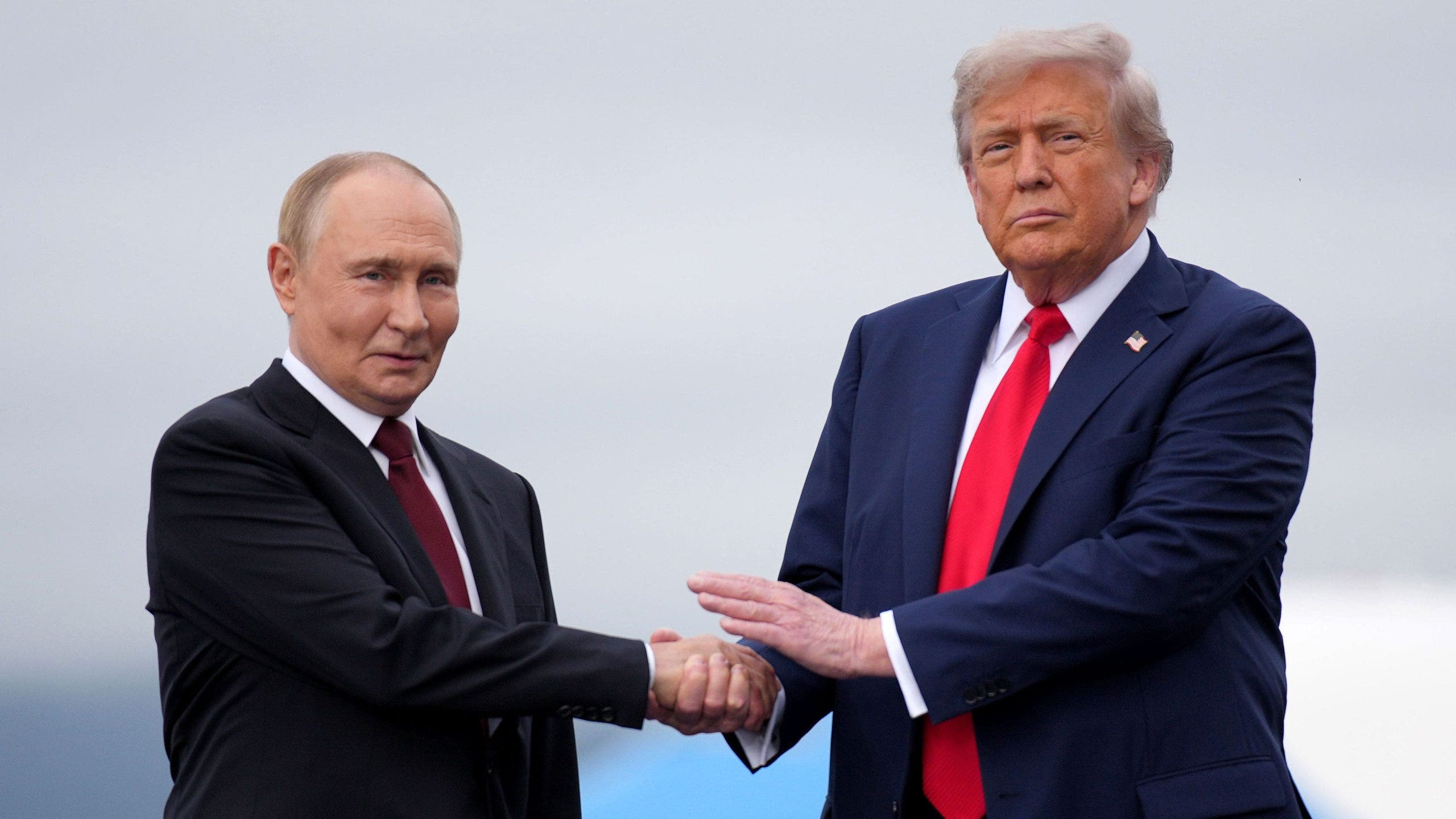
President Donald Trump last week touted a diesel agreement with Russian President Vladimir Putin, asserting that prices for the fuel would swiftly fall, but some Republicans have responded by rebuking the president’s move.
«I have just concluded a highly successful discussion with President Vladimir Putin, of Russia, wherein it was agreed that Russia will immediately supply over 300,000 Tons of Diesel Fuel to the American and Global Marketplace, another 500,000 Tons during the month of November, and 1,000,000 Tons immediately thereafter. Additionally, based on the condition of their Diesel Refineries, Russia will then deliver, within a short period of time, 3,000,000 Tons of Diesel Fuel,» Trump declared in an Oct. 9 Truth Social post.
«Between our TOTAL CONTROL of the Strait of Hormuz, and this great announcement on Russian Energy, Diesel Prices for Americans and, indeed, the World, will be COMING DOWN, IN RECORD NUMBERS, AND FAST! Lower prices for Americans, especially our Great Farmers, Ranchers, and Truckers, is my Greatest Priority. This is a very big and important announcement. Additionally, it must be understood, that Iran will not have a Nuclear Weapon!» Trump declared.
The announcement sparked blowback from some Republicans, including outgoing Rep. Don Bacon of Nebraska, who declared in a post on X that Trump’s «policies towards Russia and Ukraine are failures.»
ZELENSKYY ACCUSES PUTIN OF DEFYING TRUMP’S CEASEFIRE PUSH, SENDS POINTED MESSAGE TO WHITE HOUSE
«Propping up Putin’s war economy is morally wrong as he uses that money to bomb cities,» Bacon asserted. «We need moral clarity not moral ambiguity.»
Rep. Brian Fitzpatrick, R-Pa., declared in a post on Saturday, «We will be introducing bipartisan legislation to block any and all purchases of Russian oil. It will be called the ‘Ronald Reagan Peace Through Strength Act.’ It will be forced to the Floor via discharge and it will pass overwhelmingly.»
Bacon shared Fitzpatrick’s post and noted, «I’ve already agreed to be an original cosponsor. Congress must make a stand.»
A bipartisan group of senators — including Democratic Sens. Jeanne Shaheen of New Hampshire, Richard Blumenthal of Connecticut, Ron Wyden of Oregon, as well as GOP Sens. Susan Collins of Maine, Lisa Murkowski of Alaska, Thom Tillis of North Carolina and John Curtis of Utah — joined together in a statement pressing the administration to «reverse course.»
«Congress explicitly banned Russian energy imports in 2022 to prevent American dollars from financing Putin’s brutal war against Ukraine. Congress was clear: The U.S. should not import oil from Russia until it ends its aggression against Ukraine and ceases threats against our NATO Allies,» the statement declares.
TRUMP RUSSIA DEAL COULD FUEL PUTIN’S WAR, EX-NATO COMMANDER WARNS AS ZELENSKYY SAYS ‘NYET’
«President Trump’s decision to allow Russian diesel imports to the U.S. runs directly counter to that law. The Administration has also failed to consult with Congress or submit any explanation to justify its decision as required by statute. The United States should not provide Putin with a financial lifeline while Russia continues to kill Ukrainian civilians. The Administration must immediately reverse course,» the statement adds.
Tillis, an outgoing senator who is not seeking re-election, is the author of the recently released book, «How to Lose Friends and Antagonize Presidents.» Shaheen is also not seeking another term.
Former U.S. Energy Secretary Dan Brouillette explained during a Monday appearance on Business that he does not expect the agreement to cause the price of diesel to decline significantly.
He said that he believes «it’s important for Americans to realize that … we may not be talking about brand new barrels to the marketplace. So if there’s an expectation that prices are gonna come down dramatically as a result of this agreement, I’m a bit skeptical of that.»
TRUMP CALLS FOR UKRAINE TO REPLACE ZELENSKYY AFTER CLASH OVER RUSSIA DIESEL DEAL: ‘GET A NEW PRESIDENT’
Brouillette said that if the aim is to decrease «prices in the long term,» then it is «challenging to see how this is going to help. What we’re in essence doing is rearranging the barrels,» Brouillette explained, «we’re moving the barrels from one customer to another customer. We’re not producing new barrels of diesel, which is really what the market is expecting and wanting.»
Digital reached out to the White House on Monday.
foreign policy, politics, russia, donald trump, republicans, republicans













NEWYou can now listen to Fox News articles!
Adventurer Karl Bushby has finally stepped foot on UK soil after a 28-year journey across the world.
On Oct. 5, he announced he swam the English Channel, from France to England. While resting in Dover, he said, «I’m staring at the Union Jack flying outside this hotel. I’ve seen many flags over the days, but that one is special.»
On social media he shared one of his first meals back, overjoyed to have authentic British fish and chips again.
DALE ‘GREY BEARD’ SANDERS RECLAIMS TITLE AS OLDEST PERSON TO THRU-HIKE THE APPALACHIAN TRAIL AT 91
Karl Bushby celebrates after swimming across the Caspian Sea from Kazakhstan to Azerbaijan in September 2024. (Resul Rehimov/Anadolu via Getty Images)
His journey is not over yet. He hopes to reach the finish line — his mother’s home in Hull — by the end of the month.
According to his website, he received a birthday card in the 1990s from his father about two soldiers arguing over an impossible feat, walking from London to New York via the Bering Strait. Karl grabbed a map and drew a single line, knowing he found his life’s mission.
NAVY VETERANS REUNITE AFTER 30 YEARS FOR ‘GRUELING’ CROSS-COUNTRY BIKE CHALLENGE HONORING 9/11
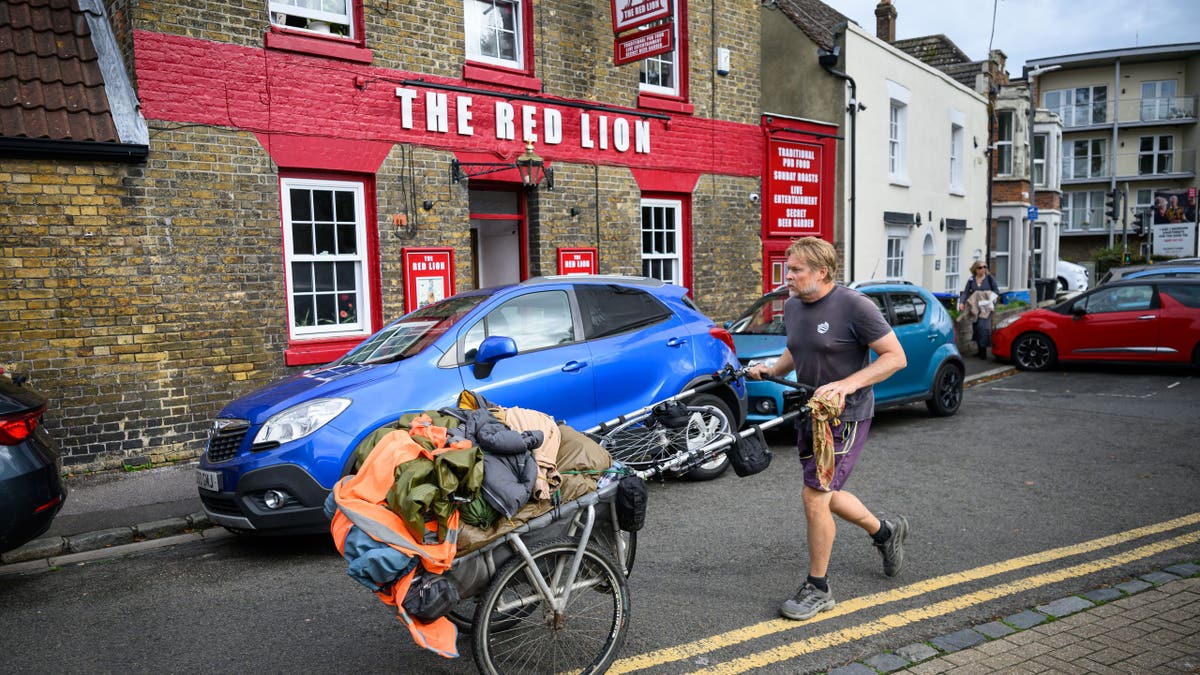
Bushby is shown moving through Dover, England, on Oct. 9 as he begins the final 250-mile leg of his 28-year journey.
On Nov. 1, 1998, the ex-paratrooper started his journey in Chile, with only a few hundred dollars in his pocket «South America, you were young, it was all new, it was the boys adventure dream,» Bushby said.
He walked north to the United States, waiting for the Bering Strait to freeze to cross from Alaska into Russia. In April 2012, Russia denied his next visa, pausing his expedition. So he started walking in the wrong direction, in protest, to the Russian Embassy in Washington, D.C. The ban was overturned and he carried on with his journey. From Russia he entered Mongolia, China, and swam the Caspian Sea from Kazakhstan to Azerbaijan.
Then it was on to Europe.
«You’ll find that you are way more capable than you think you are, people always underestimate themselves. The world always looks bigger and scarier than it actually is,» Bushby said.
MAN WHO BEAT RARE CANCER CELEBRATES BY CANOEING 2,000 MILES WITH HIS DOG
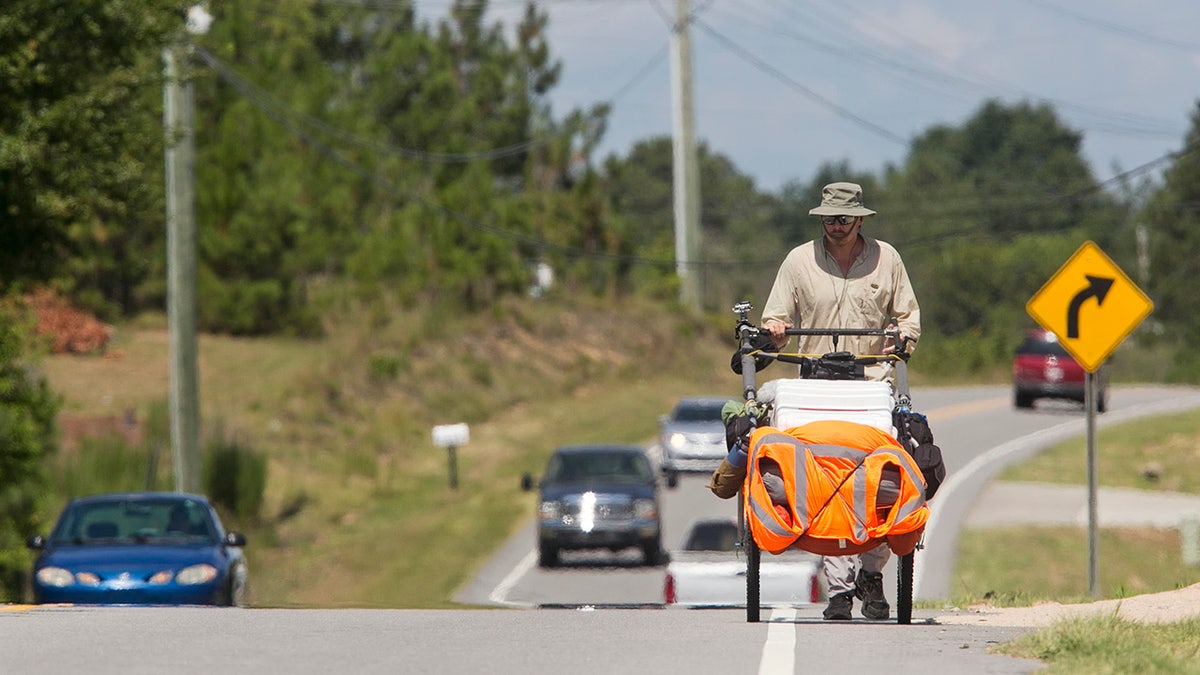
Bushby walked through Cameron, North Carolina, in 2014 during the U.S. leg of his journey. (Megan Morr/Washington Post)
He originally expected the journey to take 12 years, but visa restrictions, the 2008 financial crash, COVID-19, geopolitics, detention and some close calls slowed his progress. He says it’s the people that kept him going.
«The world is an incredible place, and it’s the people, the strangers that I have met along the way, that have kept me upright and moving forward,» Bushby said.
Bushby has roughly 240 miles left to walk. He covered more than 30,000 miles, across 29 countries. «We went at a reasonable pace, we did what we needed to do and it has worked. I know it’s time to stop, I know that much because I feel that in the knees and ankles.»
world, travel, extreme travel, united kingdom, europe
INTERNACIONAL
El Salvador mantiene sin cambios los precios de los combustibles hasta el 26 de octubre
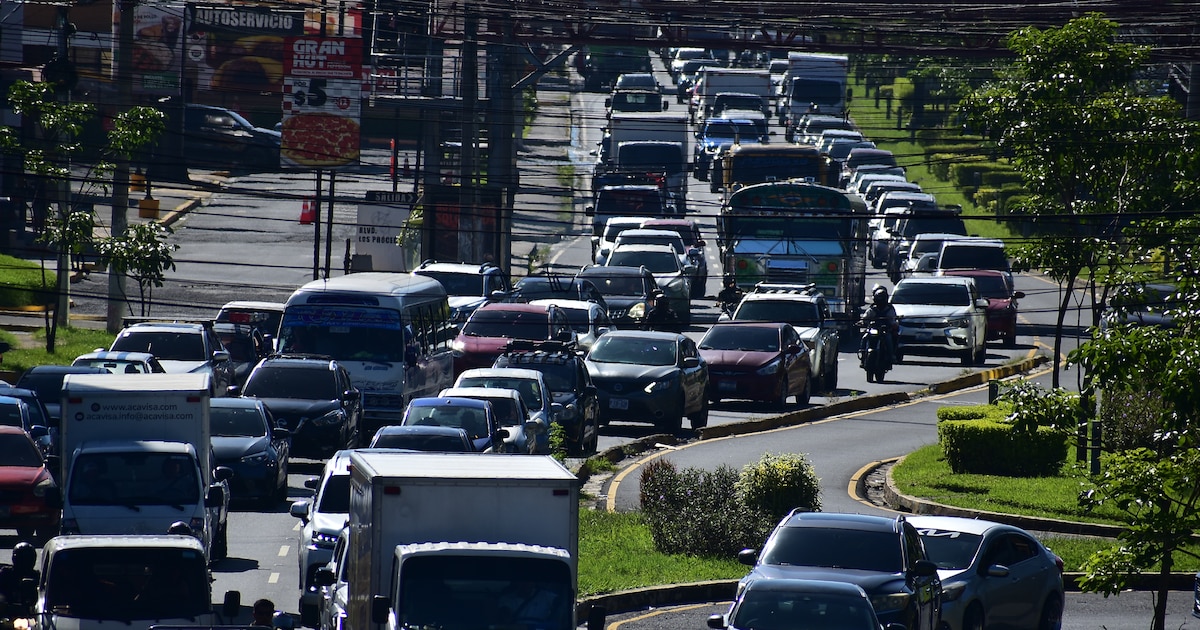
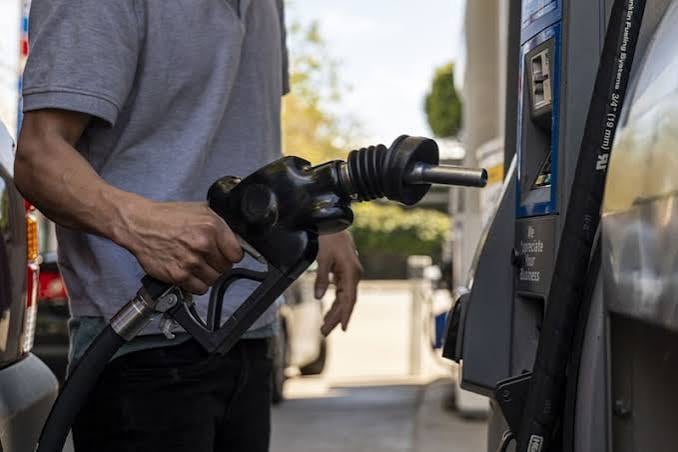
El gobierno salvadoreño mantuvo sin cambios los precios de los combustibles para la segunda quincena de octubre, pese a un contexto internacional marcado por ataques a infraestructura petrolera saudí y un huracán que afectó refinerías en Estados Unidos.
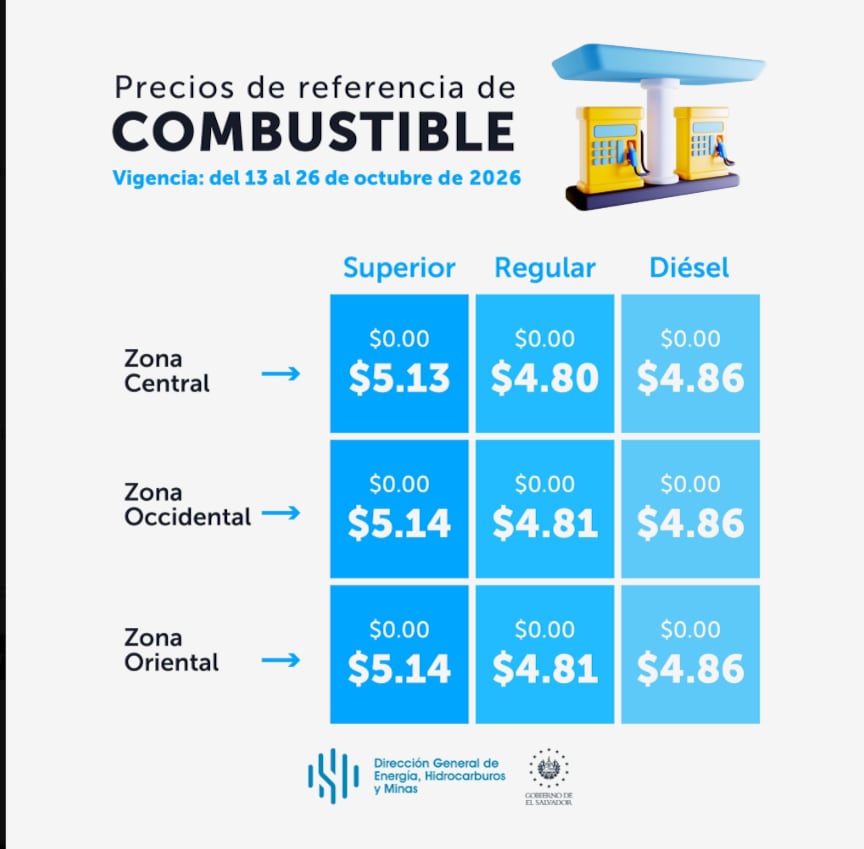
La Dirección General de Energía, Hidrocarburos y Minas (DGEHM), organismo oficial que regula el sector energético de El Salvador, informó que los valores de referencia regirán del 13 al 26 de octubre.
El galón de gasolina regular costará entre USD 4.80 y USD 4.81, según la zona del país. La gasolina superior se ubicará entre USD 5.13 y USD 5.14, mientras que el diésel se mantendrá en USD 4.86 en las tres regiones.
Precios por zona
La Zona Central tendrá los valores más bajos: USD 5.13 para la superior, USD 4.80 para la regular y USD 4.86 para el diésel.
En las zonas Occidental y Oriental, los precios suben apenas un centavo en las gasolinas: USD 5.14 la superior y USD 4.81 la regular. El diésel se mantiene igual en las tres zonas, en USD 4.86.
La estabilidad de estos valores ocurre en medio de lo que la propia dirección describe como “incertidumbre internacional y subida regional de precios” en los mercados de hidrocarburos.
Presión internacional sobre el petróleo
Los precios internacionales del petróleo se mantienen bajo presión por una combinación de factores: un nuevo ataque al oleoducto Este-Oeste de Arabia Saudita, el impacto de una tormenta tropical sobre refinerías de Estados Unidos y una caída en las reservas estadounidenses de crudo y diésel reportada por la Agencia Internacional de Energía.
Estos elementos generan volatilidad que, según el Gobierno salvadoreño, no se trasladó a los surtidores del país.
La DGEHM atribuyó la estabilidad a “el buen manejo del mercado nacional” y al “trabajo coordinado entre el Gobierno y las empresas petroleras”.

El ataque al oleoducto saudí
El oleoducto Este-Oeste de Arabia Saudita, la arteria que transporta crudo desde los yacimientos del este del reino hasta la terminal de Yanbu, en el mar Rojo, sufrió un nuevo ataque a comienzos de octubre.
Una estación de bombeo en Jurais, al este de Riad, resultó con daños graves que paralizaron el flujo de crudo, según informó a la agencia AFP una fuente del sector energético saudí citada por Infobae.
El hecho se produjo un día después de que los rebeldes hutíes de Yemen, respaldados por Irán, reivindicaran ataques contra instalaciones de Aramco en esa misma localidad.
La tubería, de unos 1,200 kilómetros de extensión, se había convertido en la ruta exportadora clave para el reino tras el bloqueo del estrecho de Ormuz por parte de Irán.
El director ejecutivo de Aramco, Amin Nasser, advirtió durante el Energy Intelligence Forum en Londres que las reservas mundiales de petróleo se encuentran en un nivel peligrosamente bajo. “El colchón de seguridad que permite hacer frente a las interrupciones del suministro es peligrosamente bajo”, dijo Nasser, según recogió Infobae.
Frente a la escalada, los países del G7 y la Agencia Internacional de Energía (AIE) acordaron acelerar la liberación de reservas estratégicas. El organismo señaló que ya se habían liberado 325 millones de barriles bajo un plan lanzado en marzo, con otros 100 millones adicionales disponibles para el mercado, y dio prioridad a las existencias de diésel ante la estrechez de ese mercado específico.
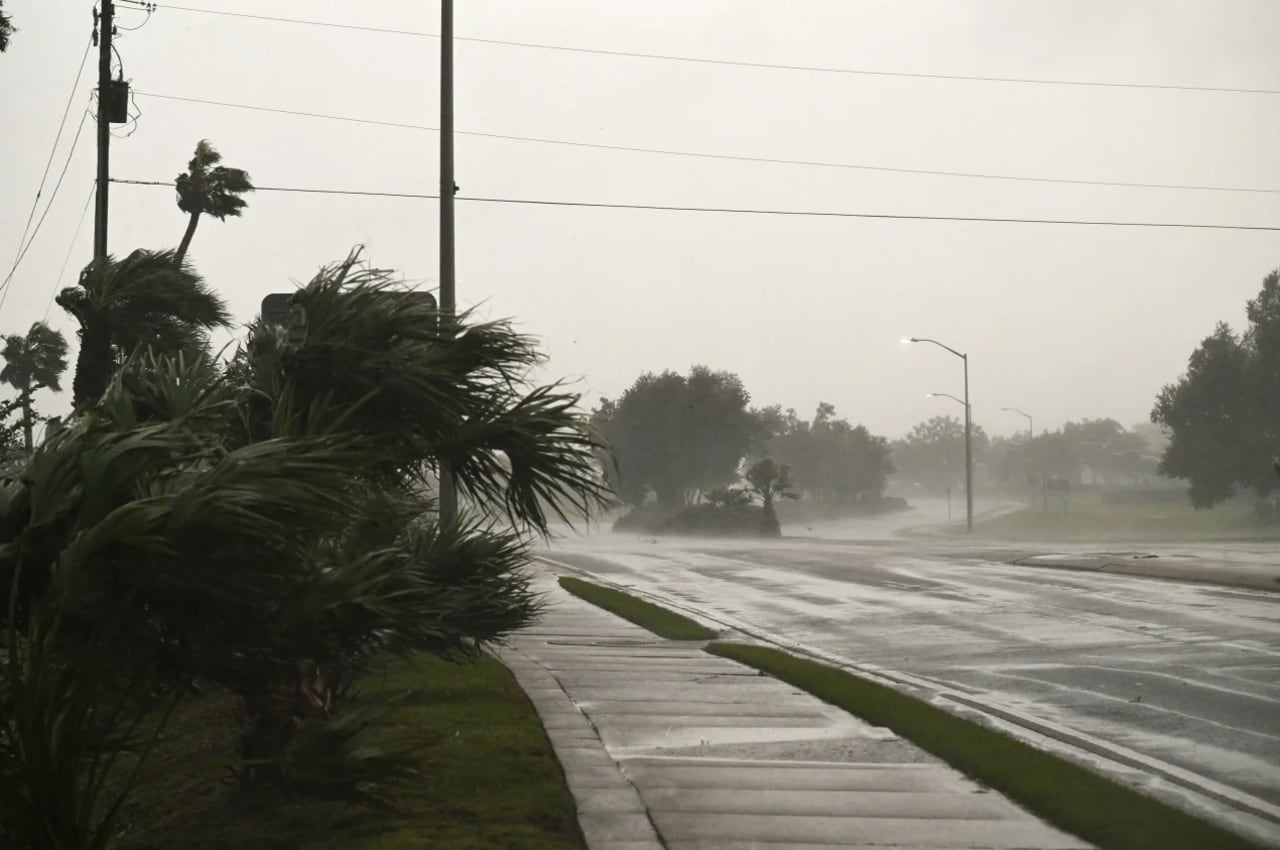
El impacto del huracán Isaías en refinerías de Estados Unidos
A la tensión en Oriente Medio se sumó el paso de una tormenta tropical sobre el golfo de México. Los productores estadounidenses llegaron a cerrar cerca del 25% de la producción de crudo y el 16% de la producción de gas natural en la región ante el avance del fenómeno, lo que añadió presión sobre la oferta.
Ese cierre de plataformas y refinerías, combinado con la caída de inventarios, contribuyó a sostener los precios del petróleo en niveles elevados durante la primera quincena de octubre.
Reservas estadounidenses en mínimos recientes
Las reservas de crudo en Estados Unidos cayeron 3,2 millones de barriles en la semana que terminó el 2 de octubre, una baja mayor a la esperada por los analistas, según datos de la Administración de Información de Energía (EIA) de ese país. Las existencias de diésel también retrocedieron y se ubicaron muy por debajo del promedio de los últimos cinco años para esa época del año.
Ese deterioro en los inventarios llevó a la EIA a elevar en USD 14 su pronóstico del precio del Brent para el cuarto trimestre, hasta USD 105 por barril, al citar los flujos restringidos desde Oriente Medio, la caída de los inventarios globales y la estrechez en el suministro de diésel.
Sin traslado al consumidor salvadoreño
Mientras el petróleo internacional atraviesa un período de alta volatilidad por conflictos geopolíticos y fenómenos climáticos, los consumidores salvadoreños pagarán exactamente lo mismo que en la quincena anterior por sus combustibles. La diferencia entre zonas se limita a un centavo en las gasolinas superior y regular, y el diésel permanece idéntico en todo el territorio.
La DGEHM remarcó que la coordinación entre el Ejecutivo y las empresas distribuidoras de combustible fue el factor que permitió sostener esa estabilidad, pese a reconocer la existencia de presiones al alza en los mercados internacionales y regionales.
tráfico en el salvador,paseo general escalón,sobrepoblación
INTERNACIONAL
Fort Hood shooter should be executed ’13 times over’ — but not on live stream, survivor says
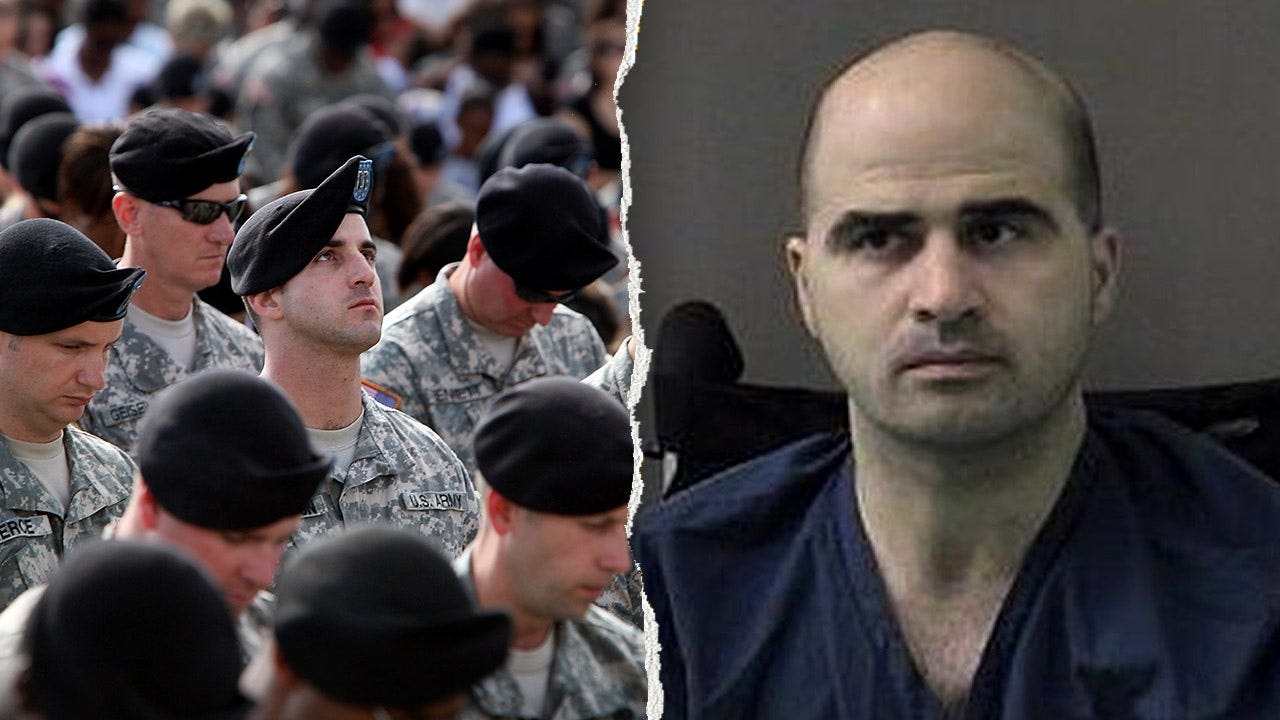
A survivor of the 2009 Fort Hood massacre says she wishes the mass shooter could be killed one time for every life he took that day – but even she is questioning the military’s decision to livestream his death.
Nidal Hasan, 56, is scheduled to face execution by firing squad on Dec. 3, 2026, and Secretary of War Pete Hegseth announced earlier this month that it will be made available to stream to the public.
«Why would people want to see that?» Julia Wilson, a former Defense Department civilian employee who survived the shooting 17 years ago, told Digital.
Wilson wants the mass shooter executed, and, as a victim, she wants to attend his execution and look him in the eye.
Hasan, an Army psychiatrist at the time, walked into a soldier readiness center on Nov. 5, 2009, on the Texas Army post and opened fire, killing 13 people and wounding 32 others. Following a military court-martial verdict, Hasan was sentenced to death on Aug. 28, 2013.
FORT HOOD SURVIVOR SHOT IN HEAD VOWS TO WATCH TERRORIST FACE HISTORIC FIRING SQUAD
On Oct. 2, President Donald Trump approved the death sentence, and days later Hegseth announced it would be by a public firing squad.
«Personally, I do want to be there,» Wilson told Digital. «I do want to look him in the eye to let him know, ‘Look, I may have been your victim that day, but I’m not your victim anymore. I survived you. My child survived you, a lot of us survived you. You didn’t do as much damage as you thought you were going to.’»
«You did what you did,» Wilson continued of Hasan’s attack. «Too bad we can’t kill you 13 times over.»
But Wilson has reservations about the decision to broadcast Hasan’s execution to the public.
«I’m kind of shocked that they’re going to go so far as to televise it,» Wilson said. «I don’t really know how to feel about that.»
She fears broadcasting his death could pose a risk of exposing children to the kind of violence she has spent nearly 17 years trying to forget.
«Unfortunately, some children may end up seeing that, that don’t need to see something like that,» Wilson said. «Seeing my soldiers murdered that day, that was the first time I’ve ever seen anything like that. And I can never wash it out of my mind.»
«I don’t know why anybody would want to actually see something like that happen.»
Wilson’s concerns echo objections raised by lawmakers on both sides of the aisle.
«Hasan should face the death penalty, but making his execution public and streaming it? Beyond disgusting,» Sen. Thom Tillis, R-N.C., posted to X on Thursday. «Public executions are what oppressive dictatorships like Iran and Afghanistan do. It should not be happening in America.»
TEXAS EXECUTES JAMAAL HOWARD DESPITE CONCERNS OVER LETHAL INJECTION DRUG USED IN FAILED TENNESSEE EXECUTION
Trump said Saturday that he will make the decision of whether or not to livestream Hasan’s execution, acknowledging that he knows «what the military would like to do» following Hegseth’s confirmation.
Vice President J.D. Vance also said Friday that he was not sure that the federal government will be livestreaming the execution, also adding that he would not personally view the livestream.
«As far as the execution, I have a lot of mixed feelings on it, to be quite honest,» Wilson said. «Yes, I’m glad that it’s moving forward. No, I…don’t ever want to see another human being die.»
«But in the same fold, an eye for an eye.»
Wilson was working at Fort Hood’s Soldier Readiness Processing Center when Hasan opened fire. At the time, she was nine months pregnant and had reached her due date.
She recalled the moment when she first saw soldiers down and heard the gunfire after pulling into the parking lot upon returning to the center from a lunch break with her mom.
«Before I got the chance to shut off my engine and really get out of the vehicle, that’s when the gunfire started,» Wilson said. «I had several things go through my mind. You know, they say that you have fight, flight or freeze. I kind of had all three. «
She recounted the chaos during the shooting after going into the center building for the first time since taking cover in her car, which she says her supervisor advised her to do.
«Eventually he came back for me and I figured, ‘Okay, maybe… I’m a little bit out of the chaos.’ No, absolutely not,» Wilson said.
THREE DEATH ROW INMATES EXECUTED BY LETHAL INJECTION IN RARE SAME-DAY STRING ACROSS US
She continued, «I get into my building. Desks are tossed everywhere. It’s a total wreck. There’s blood on the wall, blood on the floor, people working on people. And I just kind of locked up.»
«A wounded soldier came in the door opposite of me and said, ‘He’s in the building, he’s shooting, get the f–– out of here.»
Wilson said that Hasan receiving the death penalty will still not bring full justice to the victims of the tragedy.
She called out the federal government for classifying the shooting as «workplace violence,» urging the shooting to be reclassified as an act of domestic terrorism.
«We’ve been betrayed by the government for 17 years,» Wilson said. «They left this as workplace violence. They never declared it domestic terrorism because it was all about, ‘Hey, we need to be politically correct and watch out for his rights.’ Well, what about my rights? And what about me? And what about my family? And what about those that were murdered? And what about those that were injured?»
Wilson has written a letter to Trump calling for the reclassification of the shooting to be recognized as domestic terrorism.
«It’s time for healing,» Wilson said. «And that healing cannot start until the situation is fully rectified, until there’s full justice.»
politics, pete hegseth, donald trump, terror, mass murder

Los videos de Lando Norris y Oliver Bearman en una disco en Singapur que desataron la polémica: la burla a otro piloto de la F1

El Gobierno rechazó el ingreso al país de un periodista brasileño que había criticado a Milei

British adventurer returns home after 28-year walk around the world

Aumento de sueldo para las Fuerzas Armadas en octubre de 2026: cuánto cobra cada rango

Apareció la primera foto de Daniel Osvaldo en su grave internación en un hospital

El Salvador mantiene sin cambios los precios de los combustibles hasta el 26 de octubre

Conciliaciones entre comercios y consumidores resuelven reclamos por más de $12.5 millones en Panamá

Regresos importantes y una duda clave: Arruabarrena definió el equipo de Boca Juniors para visitar a Instituto

El nuevo mapa del mercado automotor: qué marcas ganaron y cuáles perdieron con la apertura de las importaciones

Cómo evitar multas durante el fin de semana largo: cuál es la documentación que hay que llevar sí o sí al salir a la ruta

 DEPORTE2 días ago
Carlos Tevez busca juntar a Cristiano Ronaldo y Leo Messi en su partido de despedida
- POLITICA2 días ago
Régimen Penal Juvenil: la Defensoría Oficial busca que la Justicia porteña revise la baja de la edad de imputabilidad
- INTERNACIONAL3 días ago
Democrats are changing their transgender message. Republicans say they’re just flip-flopping