
INTERNACIONAL
Balotaje en Perú: quién es Roberto Sánchez, el candidato presidencial que quiere devolverle el poder a la izquierda

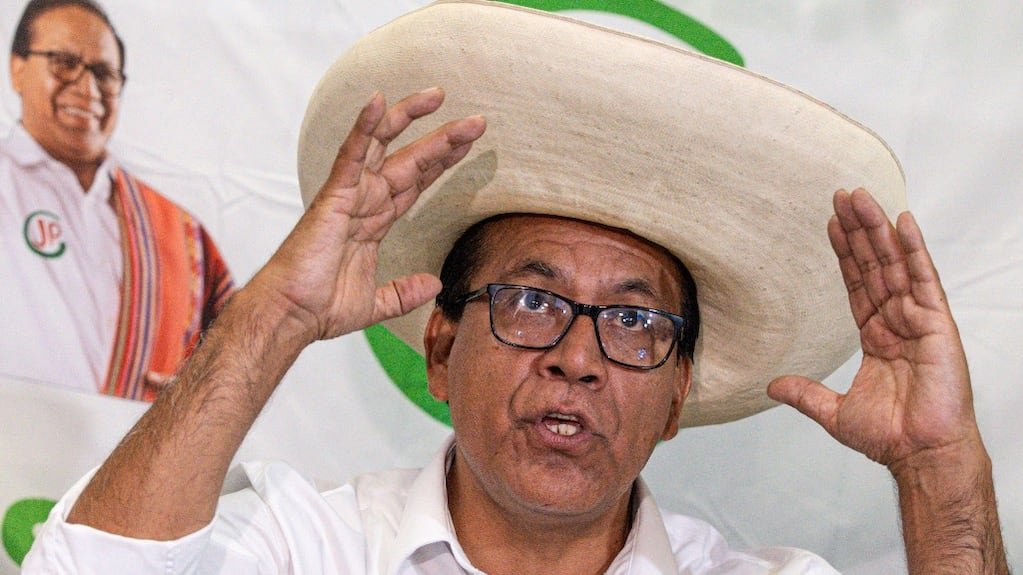
Cinco años después y con cuatro presidentes en el medio, Perú volverá a elegir a un nuevo jefe de Estado entre la derecha fujimorista y un candidato de izquierda que hizo campaña con el mismo “sombrero chotano” tradicional que solía utilizar su mentor y derrocado mandatario Pedro Castillo, condenado a 11 años, 5 meses y 15 días de cárcel por conspiración.
En el balotaje previsto para el 7 de junio se enfrentarán Keiko Fujimori, candidata de la conservadora Fuerza Popular e hija del fallecido dictador Alberto Fujimori, y el postulante del izquierdista Juntos por el Perú, Roberto Sánchez Palomino, tras un extenuante conteo de votos que se resolvió esta semana a más de un mes de la primera vuelta celebrada el 12 de abril.
Parece un “deja vu” del balotaje de 2021. En junio de ese año, el maestro de escuela Castillo, de izquierda radical, derrotó a Fujimori por un margen estrecho de menos de medio punto. Pero un año después, fue depuesto tras intentar disolver el Congreso y terminó en prisión. Desde entonces, el país tuvo cuatro presidentes en ejercicio: el propio Castillo, Dina Boluarte, José Jeri y el actual José María Balcázar.
Es un país acostumbrado a cambiar de presidente de manera constante a través de discutidos procesos de “vacancia” impulsados por el Congreso. De hecho, el 28 de julio asumirá el noveno mandatario en la última década, en medio de una convulsionada crisis institucional sustentada en la extrema debilidad de los partidos políticos y su incapacidad de sellar alianzas legislativas duraderas.
Ahora, la derecha y la izquierda volverán a enfrentarse por el poder, al igual que en 2021. Solo habrá un pequeño cambio. Ya no estará Castillo. En su lugar irá su heredero, Roberto Sánchez Palomino. El panorama es aún incierto.
“El resultado del balotaje es abierto”, dijo a TN el analista político peruano Fernando Tuesta.
¿Quién es Roberto Sánchez Palomino?
Sánchez entró en el balotaje por un puñado de miles de votos. Según los datos de la Oficina Nacional de Procesos Electorales (ONPE), obtuvo el 12% de los sufragios frente al 11,9% del ultraderechista Rafael López Aliaga. Su ventaja fue de apenas 18.799 votos.
Esa escasa diferencia derivó en airados reclamos de fraude lanzados por el exalcalde de Lima que quedó tercero dentro de un interminable listado de más de 30 candidatos, muchos de ellos desconocidos. Primera, con poco más del 17%, quedó Fujimori, que buscará la presidencia por cuarta vez.
La proclamación oficial de los resultados se conocerá este domingo.
Roberto Sánchez (izquierda) y su mentor y expresidente Pedro Castillo. (Foto: Reuters y AFP)
Sánchez Palomino, de 57 años, es un sobreviviente del naufragio político que significó el gobierno de Pedro Castillo, del que fue su ministro de Turismo y Comercio Exterior. Su currículum político es amplio: fue gerente de Desarrollo Social en la Municipalidad Provincial de Huaral y gerente de Capital Humano en la Municipalidad Distrital de San Borja. Además, desde 2021, es congresista.
Nació en la localidad agrícola de Huaral, a unos 80 km de Lima. Es psicólogo y un activo militante de izquierda.
Leé también: “Ni guerra ni paz”: Irán y Estados Unidos llevan el conflicto a un peligroso estancamiento
Mientras la mayoría de los dirigentes del depuesto gobierno de Castillo quedaron relegados en el mundo político peruano, Sánchez Palomino logró salir del ostracismo y se coló en el balotaje aprovechando el aún activo remanente de popularidad con que cuenta el expresidente en sectores populares, en especial en su bastión campesino del sur del país.
Su estrategia fue simple: mostrarse como el nuevo Castillo. Su marca electoral fue el típico “sombrero chotano” que usaba el exmandatario en campaña. Se trata de un tradicional sombrero de paja originario de la provincia de Chota, en el departamento de Cajamarca, norte del país. Es un símbolo de la identidad y la cultura campesina en los Andes peruanos.
El «sombrero chotano» de Roberto Sánchez Palomino (Foto: REUTERS/Angela Ponce)

Esa imagen le permitió posicionarse entre el campesinado más postergado que respaldó a Castillo en las elecciones de 2021 y que salió a las calles para defender al expresidente tras su derrocamiento durante violentas protestas reprimidas por la policía que causaron decenas de muertos.
Sánchez Palomino fue uno de los pocos miembros del gabinete de Castillo que no fue enjuiciado por el intento fallido del entonces presidente de disolver el Parlamento para evitar que se votara un proceso de “vacancia” por incapacidad moral. Renunció poco antes de la destitución.
Ahora, promete que indultará a su antiguo jefe si gana el balotaje y asume la presidencia. Incluso, tiene el apoyo explicito de su mentor desde la cárcel.
Pero enfrenta dos problemas serios. El primero es judicial. La fiscalía de Perú pidió más de cinco años de prisión en su contra por “declarar información falsa” ante el organismo electoral sobre aportes a su campaña entre 2018 y 2020.
Se lo acusa de ocultar más de 57.000 dólares en aportes de integrantes de Juntos por el Perú para actividades partidarias.
Leé también: De “hagan lío” a un liderazgo más tradicional: en qué cambió el Vaticano a un año de la muerte de Francisco
“Durante años han intentado instalar una mentira para desacreditarme políticamente. La justicia ya archivó las acusaciones sobre un supuesto uso personal de recursos económicos del partido, porque jamás existió fraude ni apropiación indebida”, dijo Sánchez en sus redes sociales.
El segundo problema es político. Si asume la presidencia afrontará un Congreso desfavorable.
Fuerza Popular de Fujimori tendrá la primera minoría en ambas cámaras: 22 bancas de 60 en el Senado y 39 de 130 en Diputados.
Su partido Juntos por el Perú será la segunda fuerza con 14 escaños en el Senado y 31 en Diputados.
Pero la derecha tradicional tendrá más margen de maniobra para pactar alianzas de gobierno con agrupaciones afines como la ultraderechista Renovación Popular de López Aliaga o el centrista Partido del Buen Gobierno
En ese marco de arenas movedizas, a la izquierda no le sería fácil lograr gobernabilidad y evitar su descalabro en pocos meses ante un Congreso dominado por pocas manos e inclinado más hacia la derecha.
Perú, Keiko Fujimori, Pedro Castillo













Six US hostages currently held in Iran
Chief National Security Correspondent Jennifer Griffin highlights the precarious situation of six Americans held hostage in Iran, including Kamran Hekmati and journalist Reza Valizadeh.
NEWYou can now listen to Fox News articles!
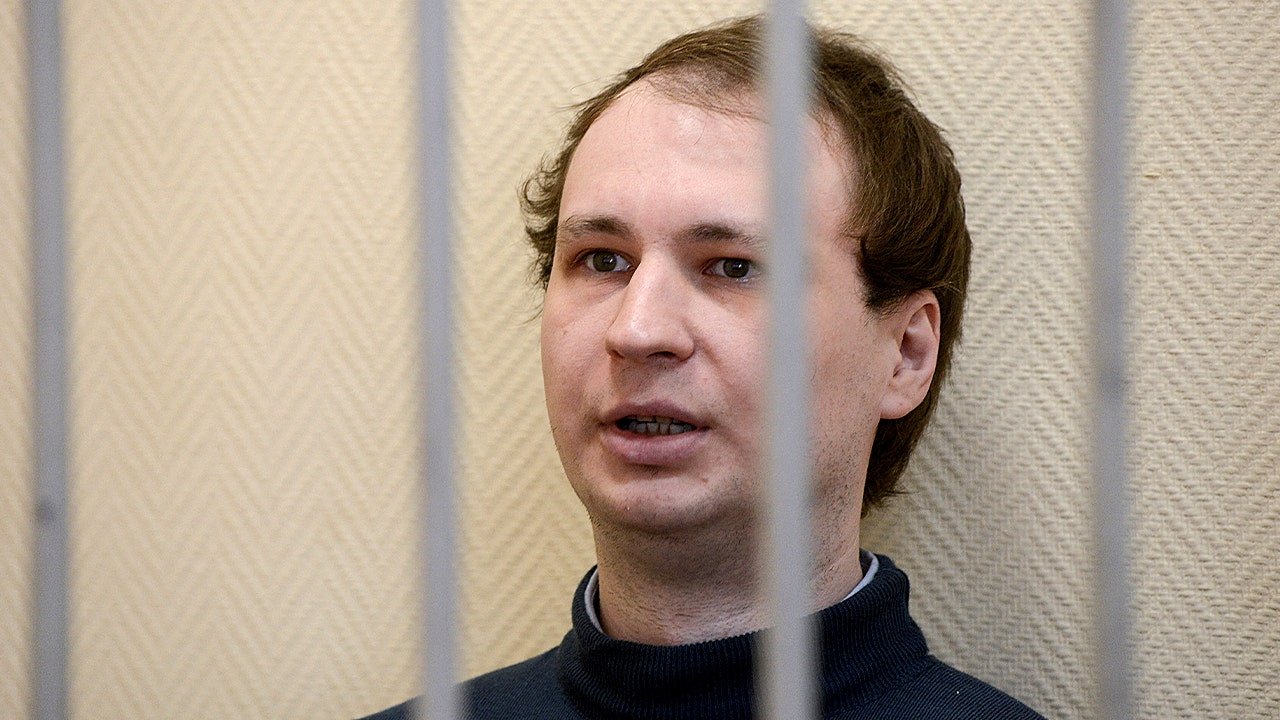
Former U.S. Marine Robert Gilman, who has been held in a Russian prison since 2022, could be close to death, advocacy groups representing his family warned Thursday.
They also say Gilman is being fed through a tube after falling into a catatonic-like state.
Hostage advocacy groups and Gilman’s sister indicated the former service member may have been tortured and injected with mind-altering drugs before falling into a stupor in June, Reuters reported.
Eric Lebson, chief strategy officer of Global Reach, an advocacy group representing Gilman’s family, told Fox News Digital that Gilman has been unable to eat on his own for more than six weeks.
US PILOT AND INFLUENCER RELEASED FROM CHILEAN ANTARCTIC DETENTION 2 MONTHS AFTER ALLEGED UNAUTHORIZED LANDING
Gilman’s legal troubles escalated since his 2022 arrest for a train disturbance while he was traveling to replace his passport. (Reuters/Vladimir Lavrov)
Gilman was transferred in late June from a prison hospital to the psychiatric ward of a civilian emergency hospital in Voronezh after entering what was assessed as a «dissociative stupor,» Lebson said.
«For the past 46 days, he has been fed through a tube,» Lebson added.
«The Russians have not been responsive,» he said before adding that the Russians have also «not allowed his mother to see him, which raises our level of concern that something serious has now happened.»
Lebson said the Russian hospital also barred his mother from visiting him despite a judicial order allowing her to see her son.
«She flew to Russia, and they are not allowing her to come and do what is needed to get him out of a stupor,» Lebson said.
«His mother and lawyer have been prohibited from seeing him since he was moved to the civilian hospital 46 days ago.»
NATIONAL GUARDSMAN ACCUSED OF SEEKING TO SEND PHOTOS OF SENSITIVE MILITARY TECHNOLOGY TO RUSSIA

Robert Gilman now faces 10 years total after a Voronezh court adds two more years for allegedly attacking guards. (Reuters/Vladimir Lavrov)
According to Lebson, the White House and the State Department have urged Moscow to release Gilman so he can receive urgent medical treatment in the United States.
«The State Department and the National Security Council have been very actively engaged in communication about the need for Robert to be released on an emergency basis,» he clarified.
Another advocacy group following the case also expressed concern for Gilmam’s safety.
«It doesn’t seem like he’s getting the care he needs, and we are very concerned for his life and safety,» Elizabeth Richards, director of hostage advocacy and research at the Foley Foundation, which has tracked Gilman’s case, told Reuters.
Secretary of State Marco Rubio raised Gilman’s case with Russian Foreign Minister Sergey Lavrov during a meeting in Manila July 23, according to Reuters.
Gilman is one of at least 10 Americans known to be imprisoned in Russia.
US AND QATAR SECURE RELEASE OF AMERICAN CITIZEN AMIR AMIRY FROM AFGHANISTAN DETENTION

The former U.S. Marine got two more years in Russian prison for assault. (Reuters/Vladimir Lavrov)
«We are deeply concerned about Robert Gilman’s health and continued detention,» the State Department said in a statement.
«I am more afraid for my brother than I have been since this horrible nightmare started,» Gilman’s sister, Lexie Hudson, said in a statement.
«I’m worried that I may never see him again if the Russians don’t release him. I’m worried that he could die.»
As previously reported by Fox News Digital, Gilman, of Dracut, Massachusetts, was first arrested in January 2022 after fellow train passengers reported he was intoxicated and causing a disturbance while traveling from Sochi to Moscow to replace a damaged passport.
AMERICAN JOURNALIST AHMED SHIHAB-ELDIN ACQUITTED ON ALL CHARGES AFTER 52 DAYS DETAINED IN KUWAIT, FAMILY SAYS
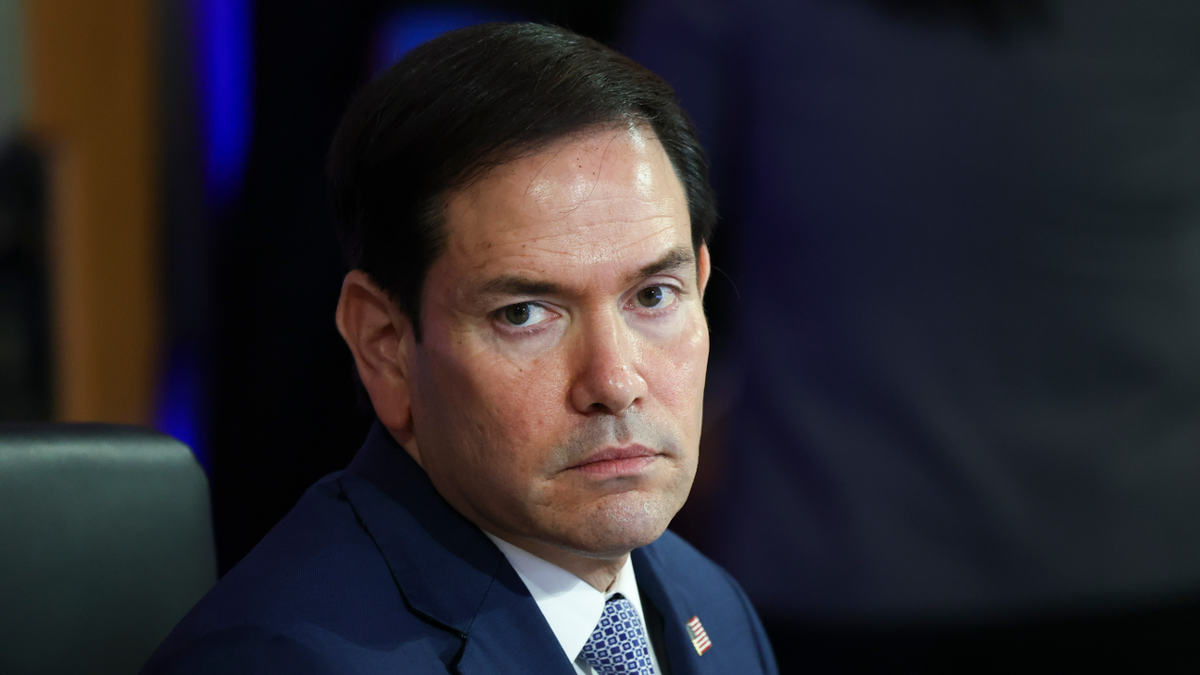
Secretary of State Marco Rubio attends the ASEAN Post-Ministerial Conference in Pasay, Metro Manila, Philippines, July 22, 2026. (Eloisa Lopez/Pool Photo via AP)
He was convicted later that year of assaulting a police officer and sentenced to 3½ years in prison. Gilman later told the court he believed his drink had been spiked.
His legal troubles escalated while in custody after he was convicted in separate incidents involving altercations with prison staff and an investigator.
In December, Russian state media reported that a regional court extended Gilman’s sentence, bringing his total prison term to 10 years.
Vladimir Gilman, Robert’s father, previously said the family asked the State Department in March 2023 to designate his son as wrongfully detained, a status that would make securing his release a top U.S. government priority.
In a statement, a senior administration official told Fox News Digital that President Trump’s administration is «closely tracking Mr. Gilman’s case and has made repeated, concerted outreach to the Russians calling for his return to the United States.»
russia, world, fox news media, human rights, military
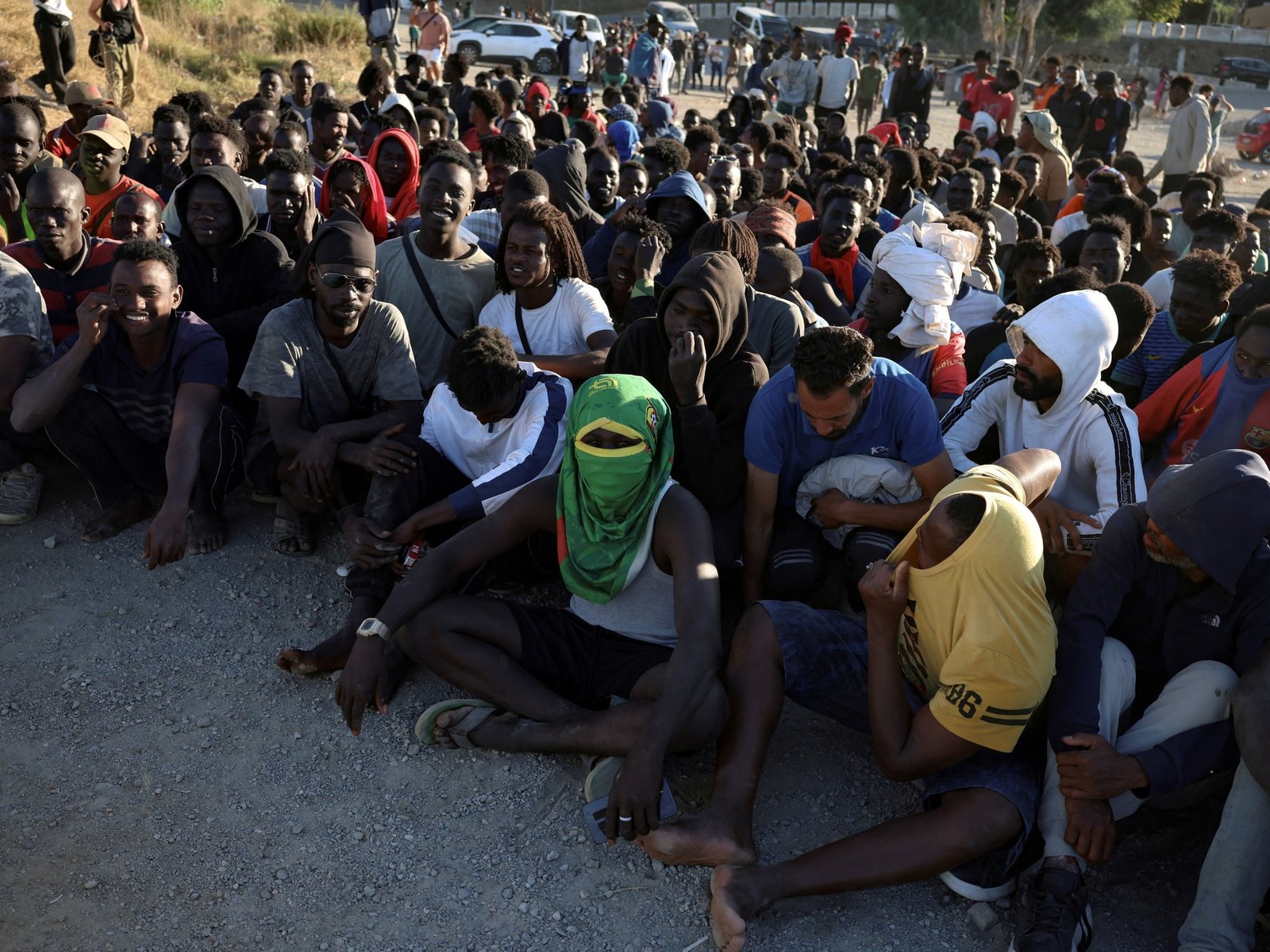
Las fuerzas de seguridad de España analizan los numerosos mensajes que circulan en los últimos días en las redes sociales marroquíes en los que se llama a una nueva entrada masiva en Ceuta para el próximo 15 de agosto, después de la catastrófica llegada de inmigrantes de la semana pasada que dejó un saldo de al menos 141 muertos.
Redes sociales como Facebook, Instagram o TikTok se volvieron a llenar de mensajes con lemas como «15/08» o «al-hajma» (la ofensiva, la embestida). La fronteriza Fnideq (Castillejos) aparece como punto de partida.
«Nos vemos allí todos», convocan los mensajes que reproducen dibujos con la bandera de España, relojes de arena y olas o nadadores. A la par, también se replicaban memes y videos que mostraban cómo miles de migrantes entraban por los controles fronterizos.
Según indicaron a la agencia EFE fuentes policiales, las fuerzas de seguridad españolas siguen desde hace días ese fenómeno y estudian los mensajes que toman con mucha precaución.
Y es así porque, de hecho, la procedencia de esos mensajes podría traspasar las fronteras de España y de Marruecos. Es decir, no descartan que el origen esté en otros países y que, incluso, el número de seguidores o ‘likes’ esté manipulado.
Pese a ello, el dispositivo policial desplegado en Ceuta se va a mantener en los próximos días, dijeron las fuentes, que se inclinaron más por otro episodio de desinformación que por una posibilidad real de que se produzca ese intento de entrada.
El delegado del Gobierno en Ceuta, Miguel Ángel Pérez, ya confirmó, por su parte, que el Ejecutivo sigue de cerca los mensajes en redes sociales que llaman a un nuevo intento de entrada el próximo día 15 y aseguró que ya se trabaja para estar preparados ante esa posibilidad.
Hace unos días, el diario El País de España había recopilado al menos cinco grupos de Facebook y WhatsApp, que reunían unos 400 mil miembros, en los que se intercambiaban mensajes con consejos para cruzar, tipos de balsas pateras, riesgos en el mar y pedidos de familiares para encontrar a quienes siguen desaparecidos.
“Nos vemos allí el día 15. Estad a la hora”, “yo subo desde Marrakech hasta el norte para vivir ese día”, decían algunos mensajes en grupos.
Este jueves, coincidiendo con ese repunte de publicaciones, el ministro de Asuntos Exteriores de España, José Manuel Albares, pidió a los usuarios de redes sociales que «no se dejen engañar por información falsa».
En un mensaje en X, el ministro insistió en que «entrar irregularmente en Ceuta o Melilla no permite permanecer en España o llegar al continente europeo».
Las redes jugaron un papel fundamental como efecto llamada para la movilización de la semana pasada con mensajes como «la puerta de Ceuta está abierta», «hoy es el día» o «Venid», que llevaron a creer a decenas de miles de personas que el cruce a España estaba abierto y podrían quedarse en territorio español.
También este jueves, la Comisión Europea afirmó que está vigilando estrechamente las redes sociales de cara a esa convocatoria del día 15 y señaló que canales vinculados a Rusia han amplificado la crisis migratoria desde el 30 de julio.
«Mantenemos la atención plena antes, durante y después del 15 de agosto, porque esta es la fecha que se ha mencionado en redes sociales como un posible nuevo intento de cruzar la frontera«, afirmó el portavoz comunitario de Interior, Guillaume Mercier, en una rueda de prensa.
No obstante, la portavoz de la Comisión Arianna Podestà insistió en que «muchos de los informes que circulan no están verificados» y que existe «un panorama poco claro» sobre lo que ocurre actualmente en la zona, por lo que se mantiene un contacto estrecho con las autoridades españolas y marroquíes.
En su intervención este jueves ante una comisión del Parlamento Europeo, el presidente de Ceuta, Juan Jesús Vivas, sostuvo que estos mensajes sobre lo que podría ocurrir el próximo 15 de agosto es «la prueba palmaria de que Ceuta vive angustiada».
INTERNACIONAL
El-Sayed win kicks Democrats’ Midwest ideological battle into high gear — and some Dems fear November fallout
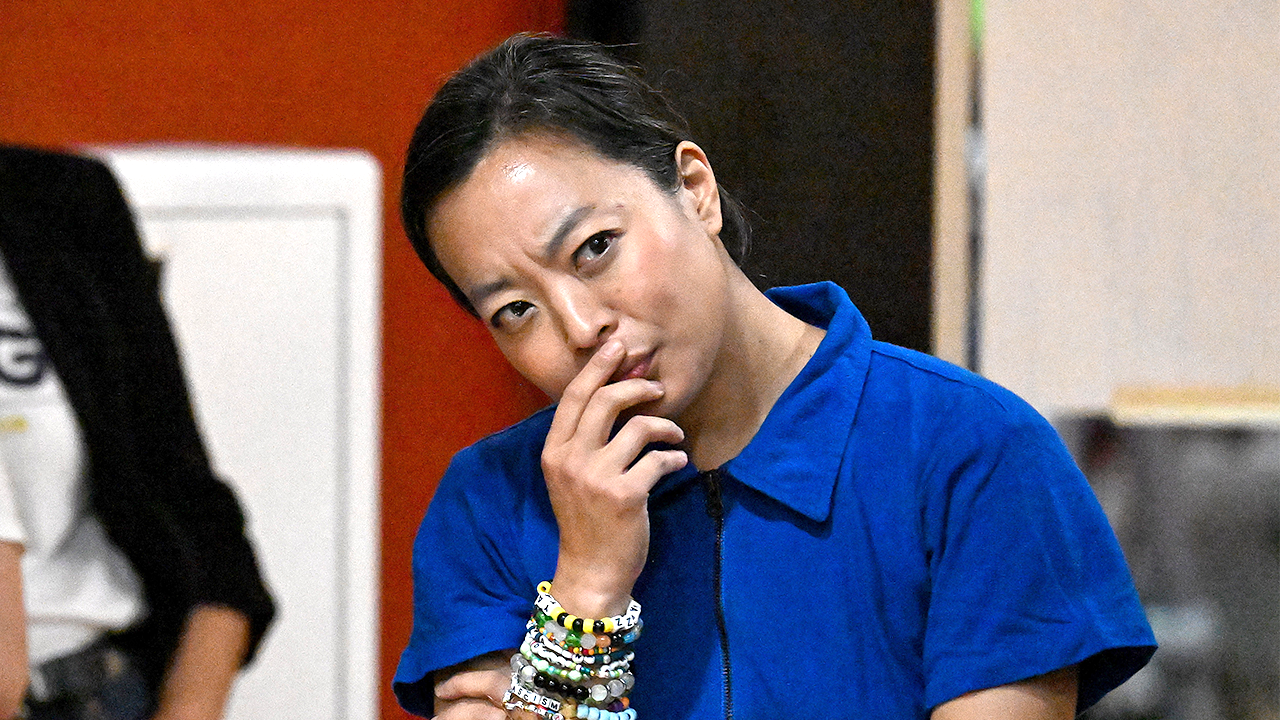
Wisconsin gubernatorial candidate Francesca Hong pressed on past far-left comments
Wisconsin Democratic gubernatorial candidate Francesca Hong defends her past controversial social media posts during an interview with Dana Perino. Hong discusses her support for defunding police, abolishing ICE and her socialist platform. Recent polling shows Hong trailing her Republican opponent Tom Tiffany by three percentage points as campaign finance reports reveal a massive fundraising gap between the candidates.
NEWYou can now listen to Fox News articles!
The battle between the left-wing and the center-left establishment for the ideological future of the Democratic Party is staying put in the Midwest.
After far-left candidate Abdul El-Sayed narrowly edged out more moderate Rep. Haley Stevens this week in battleground Michigan’s high-stakes Democratic Senate primary, the spotlight now shifts to nomination showdowns next week in Wisconsin and Minnesota.
At stake: a top-tier Senate showdown in Minnesota that’s among a dozen races nationwide that will determine if the Democrats can win back control of the chamber from the GOP, and a gubernatorial face-off in crucial swing-state Wisconsin where Republicans are aiming to flip the governor’s mansion.
«Michigan proved that working people are ready for something different, and Wisconsin is next,» Democratic candidate for governor Francesca Hong wrote following El-Sayed’s victory.
EL-SAYED’S VICTORY GIVES DEMOCRATS’ LEFTWARD LURCH MORE LEGS
Abdul El-Sayed, a progressive candidate in the Democratic primary for U.S. Senate in Michigan, speaks during a primary election night event Wednesday, Aug. 5, 2026, at the Majestic Theatre in Detroit. (Julia Demaree Nikhinson/AP Photo)
Hong, a state representative and Democratic Socialists of America (DSA) member, is the polling frontrunner in a Democratic gubernatorial nomination showdown that’s been rocked this summer after two major contenders dropped out and another candidate re-entered the race.
The primary winner will likely face off in the general election with Republican Rep. Tom Tiffany, the overwhelming polling and fundraising frontrunner for the GOP gubernatorial nomination, in the race to succeed Democratic Gov. Tony Evers, who decided against running for a third term.
Hong, a former chef, is backed by top nationally known progressives, including Reps. Ilhan Omar of Minnesota and Ro Khanna of California, a potential 2028 Democratic presidential contender.
She is running on a platform that includes guaranteed paid leave and a one-year moratorium in Wisconsin on building AI data centers. Hong has faced scrutiny over years-old social media posts calling for defunding and abolishing the police. Hong says she no longer supports cutting police budgets or abolishing police departments.
MEET THE FAR LEFT INSURGENTS WAGING WAR ON THE DEMOCRATIC PARTY IN THE 2026 MIDTERMS
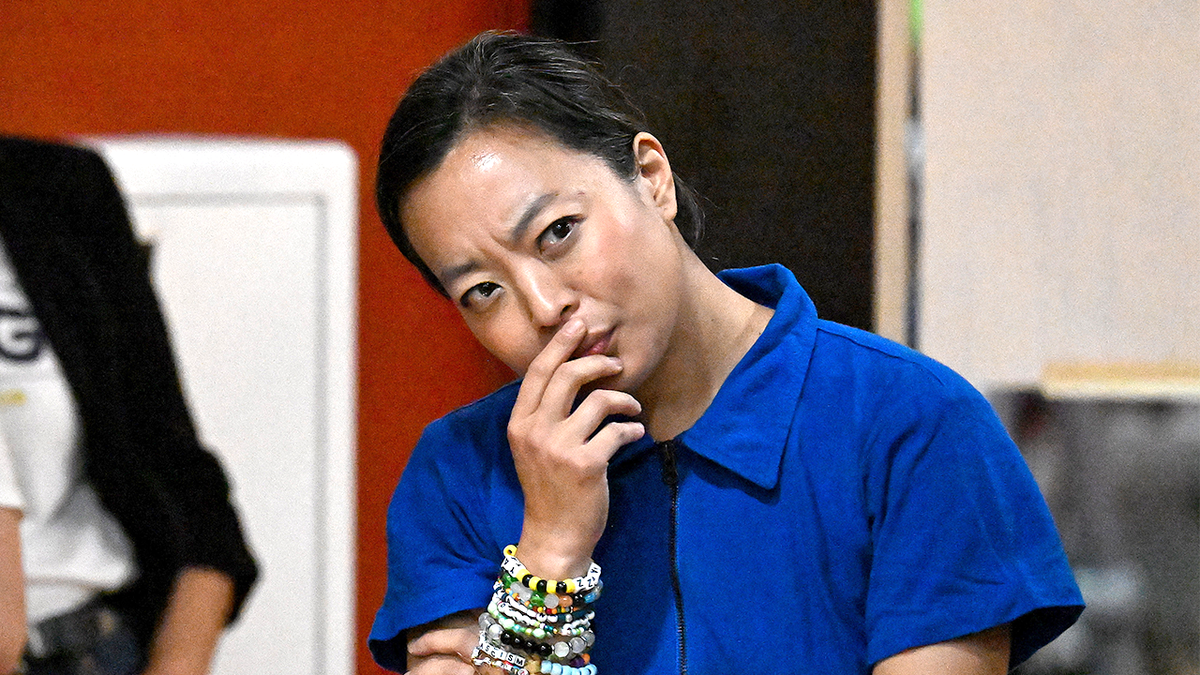
Wisconsin gubernatorial candidate Francesca Hong listens to Rep. Ilhan Omar, D-Minn., speak before being introduced during a campaign rally on Aug. 2, 2026 in Milwaukee. (Joshua Lott/Getty Images)
But Hong’s made national headlines in recent days over a resurfaced 2020 social media post that the country should «cancel Thanksgiving» in order to «stop celebrating colonialism and the original superspreader event that killed Indegenous folx [sic.] and women.» It’s a comment she has since walked back amid backlash, and now says that Thanksgiving is her «favorite holiday.»
There’s a growing number of moderate Democrats who worry that if Hong captures the gubernatorial nomination, as many expect, it will give Tiffany a big boost in his bid to flip the governor’s office.
A Wisconsin-based Democratic strategist who asked to remain anonymous to speak more freely argued with Hong at the top of the ticket, «it will hurt Democrats down ballot, in key congressional and legislative races» in the Midwestern battleground.
In Minnesota, which also holds primaries next Tuesday, the Democratic Party’s civil war is also on display as progressive Lt. Gov. Peggy Flanagan and more moderate Rep. Angie Craig are the top two contenders battling for the party’s nomination. The current senator, Democrat Tina Smith, is retiring at the end of this year.
DEMOCRACY ’26: STAY UP TO DATE WITH THE FOX NEWS ELECTION HUB
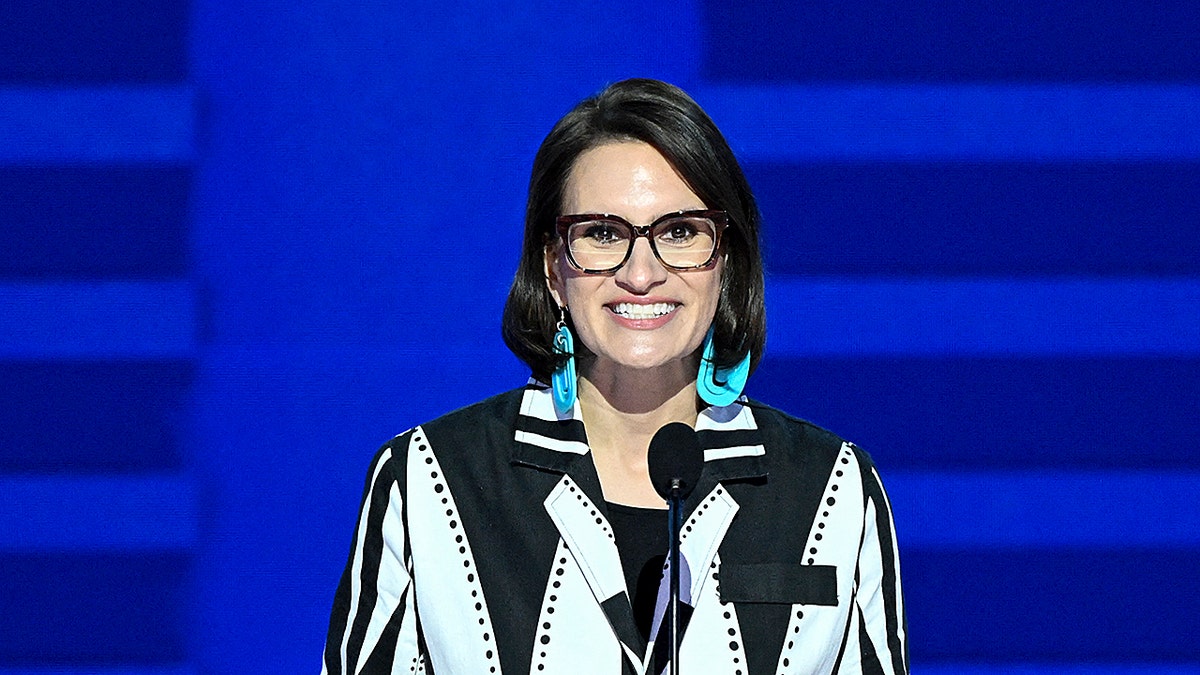
Peggy Flanagan, Minnesota’s lieutenant governor, is one of the top two contenders for the Democratic Senate nomination in the state’s Aug. 11, 2026 primary. (Photo by MANDEL NGAN/AFP via Getty Images)
A primary victory by Flanagan, who is backed by progressive champions Sens. Bernie Sanders of Vermont and Elizabeth Warren of Massachusetts, may boost the GOP hopes of flipping the seat in a blue-leaning but competitive state.
Michigan’s primary came in the wake of left-wing victories in Democratic primaries this spring and earlier this summer in deep blue congressional districts across the country, including in New York City and Denver, and in the extended race for Maine’s Democratic Senate nomination.
More than $80 million was spent on the Michigan Senate primary, making it the most expensive Democratic Senate nomination contest in history. Much of the money came from outside groups supporting Stevens or opposing El-Sayed. The largest spender was United Democracy Project, a political action committee aligned with the American Israel Public Affairs Committee, which is best known by its acronym AIPAC.
Adam Green, co-founder of the Progressive Change Campaign Committee (PCCC), a leading group on the left, referred to El-Sayed’s narrow margin over Stevens and told Fox News Digital that «any win against $60 million dollars of outside spending by AIPAC and corporate interests is a giant win and sets us on a path of proving our case in November to shake up the system.»
El-Sayed’s razor-thin win was accompanied by two other progressive victories.
William Lawrence, a co-founder of the Sunrise Movement climate advocacy group, edged out two more moderate Democrats in Michigan’s 7th Congressional District, a Republican-controlled swing seat that is among roughly two dozen races expected to help determine control of the House.
Lawrence, who was backed by Sanders and El-Sayed as well as several prominent progressive groups, will face Republican Rep. Tom Barrett in the general election.
SIGN UP TO GET THE POLITICS NEWSLETTER
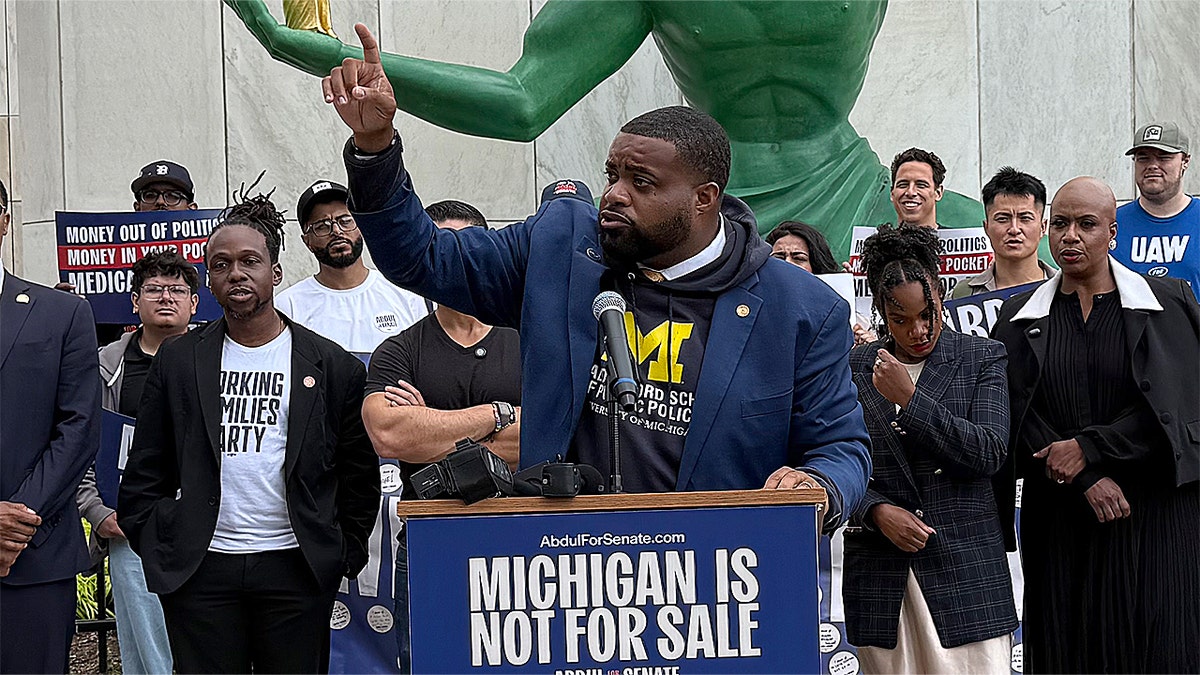
State Rep. Donovan McKinney, a Democratic congressional candidate in Michigan, speaks at a campaign event in Detroit, Michigan on August 2, 2026. (Paul Steinhauser/Fox News )
And in Michigan’s heavily Democratic 13th Congressional District, Rep. Shri Thanedar, who was supported by top House Democratic leaders, was narrowly defeated by state Rep. Donovan McKinney. McKinney was backed by Sanders, El-Sayed and «Squad» members Reps. Ilhan Omar of Minnesota, Ayanna Pressley of Massachusetts and Summer Lee of Pennsylvania.
There was a setback for the far-left: DSA member and former Squad member former Rep. Cori Bush of Missouri was crushed by Democratic Rep. Wesley Bell in their rematch, as she unsuccessfully tried to win back her old seat in Congress representing St. Louis.
But El-Sayed’s victory and the potential wins by the left next week are further fueling the ongoing Republican push to characterize all Democrats on the ballot in the midterms as far left radicals, or as President Donald Trump calls them, «communists.»
ONLY ON FOX DIGITAL: MIKE ROGERS ARGUES ABDUL EL-SAYED IS ‘A SPECIAL SAUCE OF CRAZY’
Vice President JD Vance, in an interview Wednesday on Fox News «The Ingraham Angle,» argued that «the base of the Democratic Party just wants radicals. It wants these DSA types, it wants people who hate even the idea of private property ownership.»
Whether the GOP messaging is effective will be answered on Election Night, in November’s midterms.
state and local primaries, midterm elections, socialism, democrats elections, michigan, wisconsin, minnesota

Racing Club tomó la decisión de apartar a tres futbolistas del plantel

Di Tullio quiso impugnar a Benegas Lynch de la sesión y el senador libertario lo atribuyó a la “vieja política”

EN VIVO | Senado: fracasó el intento del kirchnerismo para que la Ley de Propiedad Privada vuelva a comisión

Los veterinarios coinciden: esta es la frecuencia con la que tenés que limpiar el bebedero de tu mascota para que no se acumulen bacterias

Jornada financiera: el dólar mayorista rozó los $1.500, cayeron las acciones y el riesgo país se acercó a los 450 puntos

¡Triángulo amoroso! El video de Luck Ra de fiesta, amanecido, soltero y con dos chicas luego de separarse de La Joaqui

Javier Milei cruzó a Victoria Villarruel y elevó la tensión: “Es una opositora, replica los argumentos kirchneristas”

Reelecciones indefinidas: el oficialismo bonaerense niega que busque ampliar la Legislatura como parte de una reforma política para beneficiar a los intendentes

River Plate pierde contra Rosario Central por la tercera fecha del Torneo Clausura

Ohio GOP family feud explodes as Sen Bernie Moreno calls on Rep Max Miller to resign
-
 POLITICA3 días ago
Javier Milei cruzó a Victoria Villarruel y elevó la tensión: “Es una opositora, replica los argumentos kirchneristas”
-

 ECONOMIA1 día ago
Dólar hoy en vivo: a cuánto se negocian todas las cotizaciones minuto a minuto este miércoles 5 de agosto
-

 POLITICA1 día ago
Brasil retira a su embajador en la Argentina: qué consecuencias tiene la medida diplomática