
INTERNACIONAL
College sports sees pivotal moment as Senate looks to move legislation on NIL, transfers across goal line


Senate stepping in to regulate college sports
The Senate is actively preparing to debate a bipartisan bill that could significantly alter the landscape of intercollegiate sports. Lawmakers aim to create national standards for Name, Image, and Likeness (NIL) money and curb roster chaos from transfers. Senators Cruz, Cantwell, Baldwin, and Booker discuss the necessity of federal intervention due to perceived failures of the NCAA.
NEWYou can now listen to Fox News articles!
Congress could determine the future of college sports.
Thursday was a seminal day as to whether Congress can either salvage – or potentially ruin – intercollegiate athletics. It’s a congressional Hail Mary as senators address name, image and likeness (NIL) deals for athletes, compensation packages and transfers between schools.
«College sports is in crisis,» declared Senate Commerce Committee Chairman Ted Cruz, R-Texas.
«There’s a sense of urgency in that room you can feel it, right? You’ve got to do something rapidly,» said Sen. John Hickenlooper, D-Colo.
TED CRUZ, MARIA CANTWELL UNVEIL BIPARTISAN COLLEGE ATHLETICS BILL AMID NIL CHAOS, LAWSUITS, ‘LANE KIFFIN RULE’
Senate lawmakers advanced a bipartisan college sports bill that would create national NIL standards and limit athlete transfers. The measure now heads toward a full Senate debate. (Kevin Carter/Getty Images)
The Commerce Committee approved a bipartisan gameplan to fundamentally alter college sports. The full Senate plans to debate the bill in July.
«We have put something on the table that’s going to bring more certainty and predictability to the system,» said Sen. Maria Cantwell, D-Wash., the top Democrat on the panel.
Establishing a nationwide payout framework is a key aspect of the deal. Lawmakers know that inaction could mean that monied, major programs will simply outbid smaller schools. Perhaps even for a future NFL MVP.
«I’m worried that we’ll never see a Josh Allen again at the University of Wyoming,» said Sen. Cynthia Lummis, R-Wyo., referring to the Buffalo Bills standout quarterback. «It leaves those of us who don’t really have a donor base [to struggle to] pay for players of that caliber.»
The bill also restricts athletes to one transfer between schools during a five-year period without a penalty.
«Now we have this unbelievable number of players that get in the (transfer) portal every year and we have nothing to control the agents,» said former Alabama head football coach Nick Saban to a Senate panel earlier this month.
UCLA QUARTERBACK ATTEMPTS TO EXPLOIT LOOPHOLE IN TRANSFER PORTAL WINDOW WITH UNIQUE TACTIC
Lawmakers believe this plan will curb the constant roster chaos.
Advocates of the legislation believe it protects student-athletes.
«It definitely makes sure that predatory contracting done by agents or universities or conferences or shill organizations, don’t get students stuck in binding arbitration,» said Cantwell.
Sen. Cory Booker, D-N.J., is the only former Division I college athlete in the Senate. He played tight end for Stanford’s football team. Booker opposes the bill.
SENS MARSHA BLACKBURN, MARIA CANTWELL HUSTLING TO PROTECT COLLEGE ATHLETES’ FINANCES IN MURKY NIL WORLD
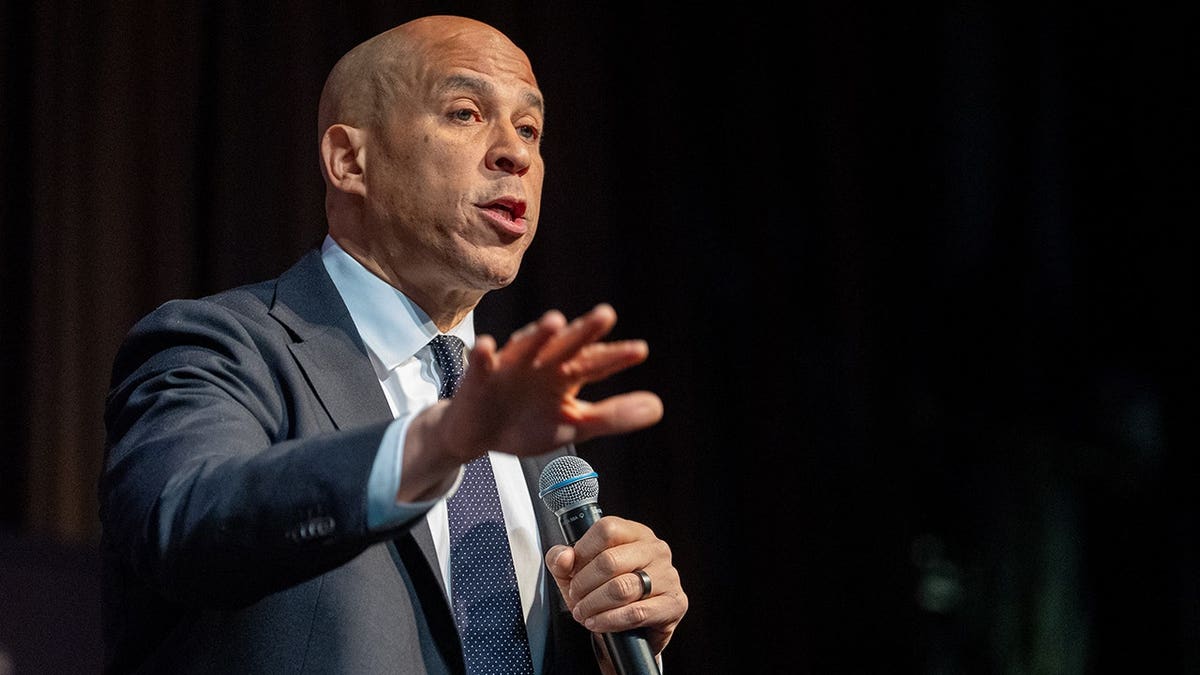
Congress is weighing major changes to college athletics, including athlete compensation, transfers and NIL regulations amid growing concerns about competitive imbalance. (David Dee Delgado/Getty Images)
«I’ve seen decade after decade, how the NCAA has screwed athletes. And so we need to make sure there’s firm athletic protections and not trust the NCAA to do it,» said Booker.
Sen. Tommy Tuberville, R-Ala., is the only former Division I football head coach in the Senate. He led programs at Auburn, Ole Miss, Texas Tech and Cincinnati. He joins Booker in condemning the legislation.
«They’re trying to turn college sports into the same situation we got in with Obamacare,» said Tuberville on Fox News Radio. «We can’t get the federal government involved in college sports.»
During a floor speech, Tuberville argued that «Congress should not decide how much money student athletes can earn.»
Yet Tuberville conceded that «college sports is facing a five-alarm fire. It’s getting ready to be over with as we know it.»
That’s why Cruz believes Congress should intervene.
«If the alternative is do nothing and allow chaos to continue in college sports to be destroyed, I think that alternative is unacceptable,» said Cruz.
Congress struggles to do lots of things right. That’s why some observers doubt that Congress is a good substitute for the NCAA.
Matt Mackowiak is a former GOP Senate aide who’s written about Brendan Sorsby, his gambling scandal and the saga involving Texas Tech megabooster Cody Campbell. Big money lured Sorsby to the school for a hot minute. Mackowiak says the Cruz/Cantwell bill fails to prevent another Sorsby situation. But Mackowiak’s biggest concern is congressional willingness to undercut the NCAA.
«I don’t know why you need to create some new system and make it overly complicated. You have a governing body. They haven’t had a lot of teeth in their enforcement in recent years.»
Some of that is because super conferences like the Big Ten and SEC wield more power than the NCAA. Notably, neither of those conferences endorsed the Senate bill. But it was the NCAA which demanded congressional intervention. The NCAA has told lawmakers it can’t address NIL on its own and pushed for a national standard set by Capitol Hill.
But Booker isn’t enamored with the NCAA.
«The NCAA, which can’t be trusted, has shown decade after decade, (of) failing college athletes,» he said.
There’s concern the bill could undercut current sports broadcasters by diversifying the number of streamers and outlets carrying games. That could complicate viewing. Additional options aren’t necessarily good for fans if they struggle to find their games.
«Then the fans get hurt because all the content is behind a paywall,» said Sen. Amy Klobuchar, D-Minn.
«I suspect everyone in this room has heard about frustrations from their constituents in trying to watch their favorite professional sports teams play. They are met with blackouts and paywalls,» said Sen. Tammy Baldwin, D-Wis.
The House of Representatives stumbled in two previous efforts to regulate college sports. The House Republican leadership had to yank completely different college sports regulation bills off the floor in December and this spring because they lacked the votes. So, now it’s the Senate’s turn to try.
There are lots of questions about whether the Senate, like the House, can command the votes for this bill. Moreover, what bandwidth does the Senate even have for serious legislating in July? The Senate is trying to figure out what’s next about the nomination of Jay Clayton to serve as director of national intelligence. The future of FISA Section 702 – the nation’s top program to fight terrorism – is up in the air after authorization expired a few weeks ago. And some Republicans are optimistic the Senate can advance a third «reconciliation package» to pay for the war in Iran, cut taxes and reduce fraud.
It would seem that those priorities might outweigh something on college sports.
REPORTER’S NOTEBOOK: HOUSE DEMS QUESTION SPORTS BILL TIMING AMID LANE KIFFIN CONTROVERSY
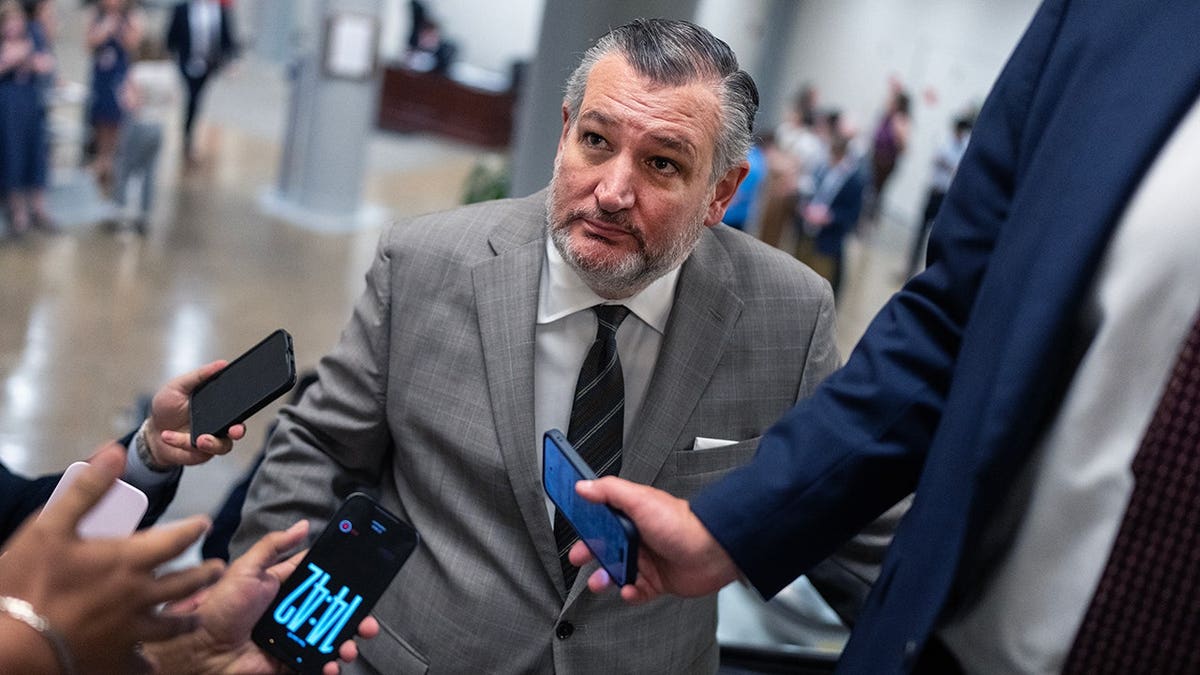
A Senate panel approved legislation supporters say would bring stability to college sports as critics warn it expands federal involvement. (Tom Williams/CQ-Roll Call, Inc via Getty Images)
But as Cruz and Tuberville both say, the situation in college sports is dire. There’s worry that the SEC and/or Big Ten might form a mega conference. Or develop their own broadcast platforms for games. And there may be a lot more Brendan Sorsbys as gaming becomes more ubiquitous.
None of this is going to get any better.
CLICK HERE TO DOWNLOAD THE FOX NEWS APP
The future of college sports is on the line.
So, to fix it, the Senate might just give it the old college try.
ncaa, congress, sec, ncaa fb, senate elections











INTERNACIONAL
Incertidumbre por el estado de las negociaciones entre Estados Unidos e Irán tras un ataque contra un buque en el estrecho de Ormuz

Estados Unidos e Irán ofrecieron este martes versiones opuestas sobre la existencia de negociaciones para poner fin a la guerra que ambos mantienen desde hace cinco meses, mientras un nuevo ataque contra un buque en las cercanías del estrecho de Ormuz volvió a exponer la fragilidad de una de las principales rutas energéticas del mundo. La contradicción entre Washington y Teherán coincidió con un tránsito marítimo reducido en la zona y con la persistencia de las tensiones sobre el control del paso estratégico.
El presidente de Estados Unidos, Donald Trump, sostuvo el lunes que las conversaciones con Irán ya comenzaron y aseguró que varios países de Medio Oriente impulsan esos contactos. Durante un acto en el Despacho Oval, el mandatario afirmó: “Están en marcha ahora mismo”, en respuesta a una consulta sobre el estado de las negociaciones.
Trump también señaló que los intercambios se desarrollan a pedido de Irán, Arabia Saudita, Emiratos Árabes Unidos y Qatar, entre otros actores regionales. Además, lanzó una advertencia al gobierno iraní al afirmar: “Esta es la última oportunidad para que (Irán) firme un buen documento.”
Las declaraciones del mandatario estadounidense llegaron después de que el fin de semana anunciara la cancelación de unos “ataques masivos” que, según explicó, ya estaban autorizados contra Irán y que finalmente suspendió debido a la posibilidad de abrir una instancia diplomática.
Sin embargo, la versión de Teherán fue completamente distinta. El lunes, el portavoz del Ministerio de Asuntos Exteriores iraní, Esmail Baghaei, rechazó que existan conversaciones con Washington y descartó reuniones previstas para los próximos días.

Según Baghaei, Irán no tiene previsto recibir delegaciones extranjeras ni enviar negociadores al exterior, y todos los integrantes del equipo negociador permanecen dentro del país, con la única excepción del ministro de Asuntos Exteriores, Abbas Araqchi, quien cumple una peregrinación religiosa en Irak.
El funcionario iraní precisó que las únicas conversaciones abiertas corresponden a Omán y se limitan a cuestiones relacionadas con la administración del estrecho de Ormuz.
La diferencia entre ambas posiciones alimentó la incertidumbre sobre el futuro del conflicto, que ya cumple cinco meses y mantiene un fuerte impacto sobre la seguridad regional y el comercio internacional.
El escenario volvió a tensarse después de que un buque de carga informara que recibió el impacto de un proyectil de origen desconocido cerca del estrecho de Ormuz, frente a la costa de Omán.
La información fue difundida por la Agencia de Operaciones de Comercio Marítimo del Reino Unido (UKMTO), que registró el incidente en una zona clave para el transporte mundial de hidrocarburos.
Durante las últimas semanas, Irán redujo de forma considerable el tránsito por el estrecho, una vía por la que normalmente circula cerca de una quinta parte de los envíos mundiales de petróleo crudo y gas natural.
Los datos de la firma especializada Kpler reflejaron que el movimiento marítimo permaneció limitado. El lunes atravesaron el estrecho seis embarcaciones, entre ellas tres petroleros y tres graneleros, frente a los siete buques registrados el día anterior.

A pesar de la persistencia de la tensión militar, los mercados reaccionaron con expectativas de una posible reducción del conflicto.
Los futuros del crudo Brent retrocedieron alrededor de un 7%, hasta ubicarse cerca de 83,77 dólares por barril, mientras el índice Dow Jones cerró en un máximo histórico. En la apertura del martes, las bolsas asiáticas y el petróleo mostraron ligeras subidas.
Trump volvió a defender esa misma jornada la posición estadounidense mediante un mensaje publicado en Truth Social, donde calificó a los dirigentes iraníes de “increíblemente hipócritas” y reiteró que solicitaron una reunión para avanzar hacia un entendimiento.
El mandatario también insistió en que la Armada estadounidense mantiene el control del estrecho de Ormuz y escribió: “¡El muro de acero de Estados Unidos! Nada llegará a Irán a menos que nosotros queramos, y nada llegará a menos que se logre un acuerdo o una rendición total”.
Las declaraciones se inscriben en un esquema que se repitió desde el comienzo de la denominada “Operación Furia Épica”, lanzada por Estados Unidos junto con Israel hace más de cinco meses. En distintas oportunidades, Trump anunció acciones militares de gran escala y posteriormente las suspendió al argumentar la existencia de contactos diplomáticos.
No obstante, Irán mantiene su rechazo público a negociar con Washington desde el fracaso del memorando de entendimiento firmado entre ambas partes el mes anterior, cuyo objetivo consistía en poner fin a la guerra.

El conflicto también dejó sin cumplir los principales objetivos planteados por la administración estadounidense al inicio de la campaña militar: desmantelar el programa nuclear iraní, limitar la capacidad ofensiva de Teherán contra sus rivales regionales y generar condiciones para un cambio político interno.
Mientras tanto, la disputa sobre el estrecho de Ormuz continúa como uno de los principales puntos de desacuerdo. Washington sostiene que el memorando firmado en junio obligaba a Irán a garantizar la apertura de la vía marítima, mientras que Teherán afirma que ese documento preserva expresamente su autoridad sobre el tránsito en ese corredor estratégico.
(Con información de REUTERS)
Society / Social Issues,Middle East,Top Pictures
INTERNACIONAL
Trump DOJ corners school district with 7-day ultimatum over trans policy keeping parents in the dark
NEWYou can now listen to Fox News articles!
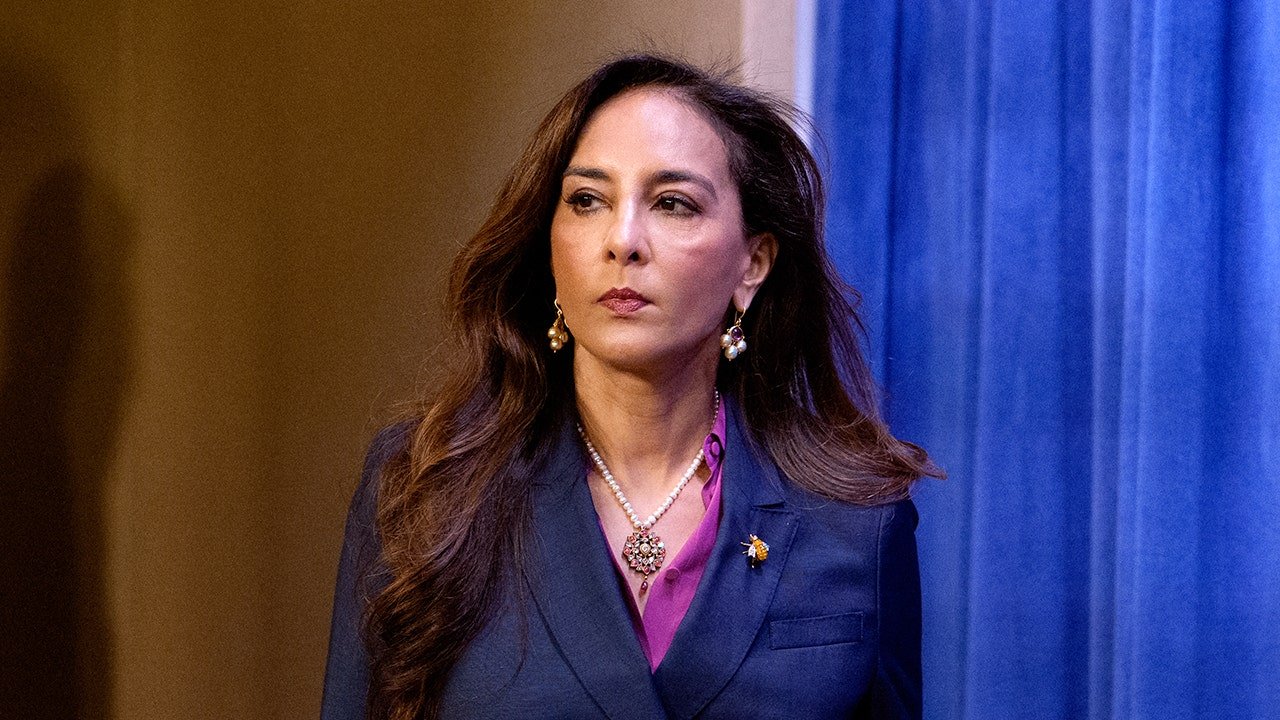
Assistant Attorney General Harmeet Dhillon demanded in a letter sent July 29 that a school district in Maryland stop hiding information about student gender transitions from parents or face litigation from the Justice Department.
«By categorically withholding ‘(i)nformation about a student’s gender identity’ from parents except where ‘legally required,’ AACPS appears to have adopted a blanket, district-wide practice of nondisclosure untethered to FERPA’s enumerated exceptions … parents were denied access to their child’s full record, information was disclosed without parental consent, and the parents were denied a hearing to correct the record,» she wrote, aimed at the Anne Arundel County school system.
«Comply with the law or face us in court,» Dhillon later added on X.
The demand marks the Trump administration’s latest effort to challenge school policies that allow students to socially transition without their parents’ knowledge, testing whether federal education privacy law requires districts to disclose gender-identity records. Anne Arundel County now faces possible litigation — and potentially the loss of federal funding — unless it reverses the policy within seven days, escalating a national dispute over parental rights, a significant plank in the president’s policy agenda.
‘SHAME ON YOU’: SHERRILL KNEW VOTER-ROLL BOMBSHELL WAS COMING WHEN SHE CALLED TRUMP A LIAR, DOJ OFFICIAL SAYS
Assistant Attorney General for Civil Rights Harmeet Dhillon arrives for a news conference at the Justice Department on September 29, 2025, in Washington, DC. (Andrew Harnik/Getty Images)
The Family Educational Rights and Privacy Act (FERPA) is designed to give parents the legal right to access their children’s educational records, which the Trump administration argues includes information related to changes in their gender identity. The law has previously been used by the DOJ in attempts to overturn similar policies in Maine and California.
LGBT advocates argue that nondisclosure for information linked to a child’s gender identity is important to preserving the safety of children growing up in non-affirming or abusive households. Social conservatives, meanwhile, take the position that schools don’t have the right to conceal information about their children from them.
Before Dhillon sent her letter Wednesday, the DOJ and the Department of Education announced that they had entered a partnership to crack down on transgender nondisclosure policies in both Anne Arundel County and Ann Arbor Public Schools in Michigan, potentially withholding federal funds from the district until it changes course.
VIRGINIA SCHOOL DISTRICT SUED OVER ALLEGED POLICY OF KEEPING STUDENTS’ GENDER TRANSITIONS HIDDEN FROM PARENTS
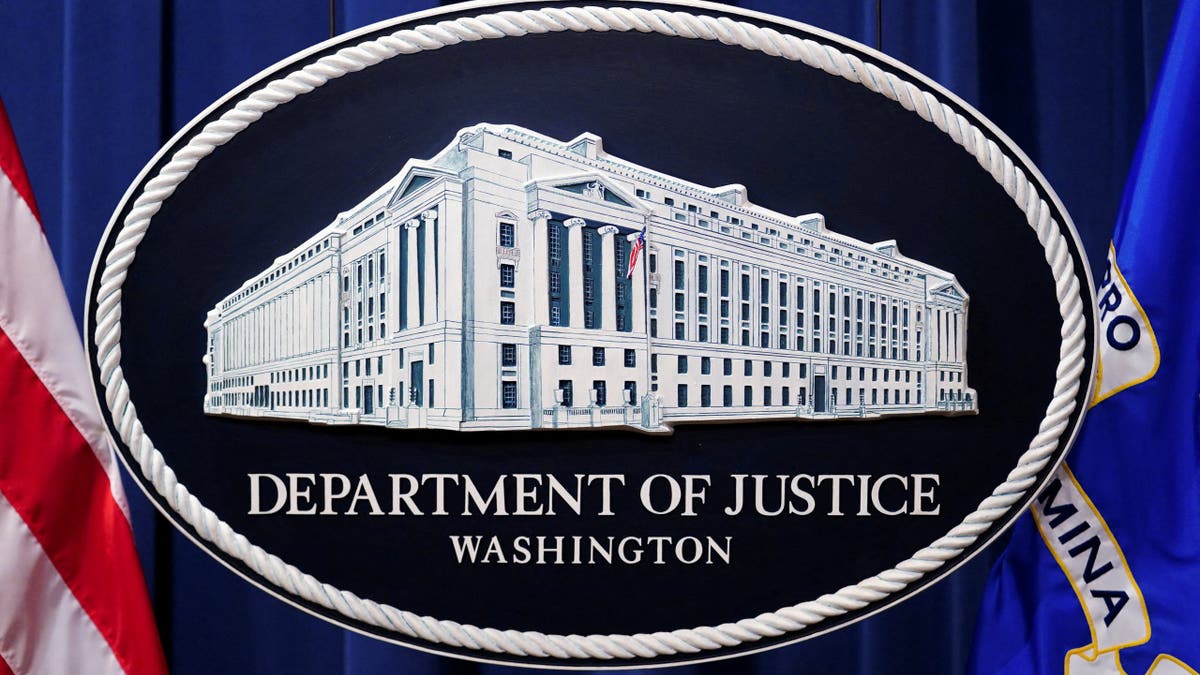
FILE PHOTO: A U.S. Justice Department logo or seal showing Justice Department headquarters, known as «Main Justice,» is seen behind the podium in the Department’s headquarters briefing room before a news conference with the Attorney General in Washington, January 24, 2023. (REUTERS/Kevin Lamarque/File Photo)
In a press release announcing the joint effort, the agencies claimed that the Education Department had received complaints from parents in Anne Arundel County who alleged the district «was secretly helping their daughter pretend to be male at school» and declined to provide information about it when confronted.
An Education Department official told Fox News Digital that the agency does not comment on ongoing investigations and a DOJ spokesperson referred Fox News Digital to Dhillon’s remarks when reached for comment.
Students enrolled in Anne Arundel Public Schools are, per district policy, allowed to use any name or pronoun they prefer, even if it doesn’t align with their sex, without requiring parental approval. Staff are, however, instructed to involve the student’s family in developing a support plan for the student unless «there is a genuine safety concern for the student’s physical, emotional, or mental health safety.»
TRUMP ADMINISTRATION OPENS FOUR TITLE IX INVESTIGATIONS INTO MICHIGAN AND NORTH CAROLINA SCHOOL DISTRICTS
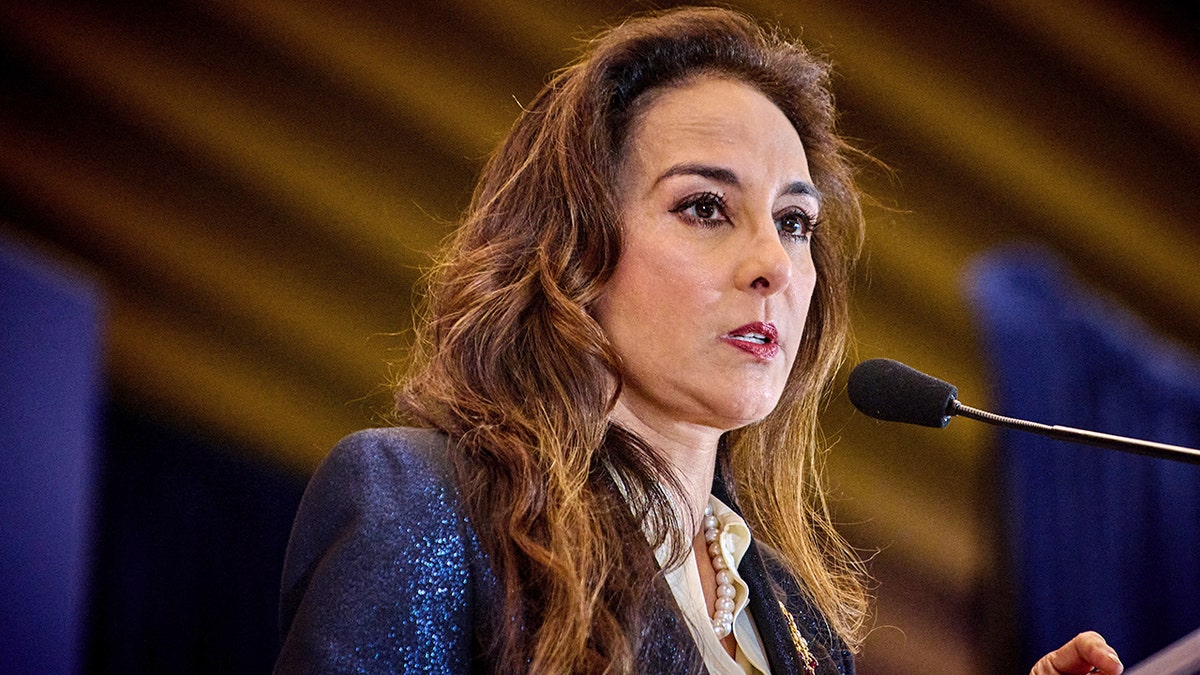
Harmeet Dhillon speaks at the National Conservative Convention in Washington D.C., Sept. 2, 2025. (Dominic Gwinn / Middle East Images via AFP) (Photo by DOMINIC GWINN/Middle East Images/AFP via Getty Images)
Additionally, the policy designates records about student gender identity as confidential medical information and advises that it should be revealed when legally necessary.
The Anne Arundel, Maryland, and Ann Arbor, Michigan, school districts did not respond to requests for comment when reached by Fox News Digital.
«School districts that hide information from parents are violating federal law,» Dhillon said. «FERPA is not optional, and any districts that attempt to bypass or distort its requirements should expect immediate federal action. In partnership with the Department of Education, the Department of Justice will initiate enforcement proceedings with districts that fail to comply.»
Dhillon’s letter gives Anne Arundel Public Schools seven days to rescind its policy, provide parents impacted with the relevant records and inform staff that they cannot withhold information from parents. If the deadline is not met, the letter claims the district could face legal action.
justice department, maryland, politics, dept of education, privacy

En Una filosofía de la risa, Bernat Castany Prado plantea una defensa del humor como herramienta para vivir con la incertidumbre, cuestionar dogmas y aliviar una condición humana que, según la tradición que recorre el ensayo, está hecha a la vez de sufrimiento y risa.
El libro se presenta como una continuación de Una filosofía del miedo, donde el autor ya había explorado, a través de pensadores como Epicuro, Spinoza y Nietzsche, una vía filosófica para contener la angustia. En esta nueva entrega, la risa ocupa ese lugar y funciona como otro repertorio para enfrentar el exceso de futuro y la inquietud.
La idea central es nítida: la comicidad no aparece solo como entretenimiento, sino como una forma de conocimiento. Castany Prado sitúa la ironía y la risa en el centro de la experiencia humana, tanto en una fiesta como en un funeral, y las entiende como instrumentos para relativizar certezas y someter a examen las convicciones propias.
El itinerario intelectual del libro va de Platón a Bergson y suma nombres como Sócrates, Montaigne, Cervantes, Borges, Sófocles y Rilke. A través de esa tradición filosófica y literaria, el autor plantea que la ironía y la comicidad han sido concebidas como una vía para conocer y como una forma de vida menos sometida al dogma.

Ese recorrido también sostiene una crítica a la solemnidad moral y religiosa. La apuesta del ensayo consiste en apartarse de los escrúpulos neuróticos, de los sermones incapaces de admitir la duda y de toda forma de decoro que impida encontrar una manera más sana de vivir y de reír.
En ese marco, el libro recupera la idea de aprender a amar las preguntas cuando no es posible resolver todo lo que inquieta. La referencia a Rilke refuerza esa defensa de la duda, no como carencia, sino como una disposición compatible con una vida menos rígida.
Uno de los argumentos más definidos del ensayo es que el humor opera como crítica y como antídoto frente a fanatismos y dogmatismos. Castany Prado lo vincula con prejuicios irracionales y con convicciones frágiles que, al no tolerar examen, reaccionan con rigidez ante cualquier fisura.

El libro conecta esa función con un presente marcado por la polarización y la indignación. En ese contexto, la risa aparece como una práctica liberadora, aunque el autor evita tanto una visión ingenua como una lectura trascendente de la comicidad.
Esa cautela se traduce en una idea concreta: para conservar el equilibrio emocional, la empatía no siempre basta y a veces debe deformarse en “em-pa-tu-tía”. La fórmula resume el tono del ensayo, que combina erudición filosófica con registros cotidianos y un uso deliberado del juego verbal.
El texto también prevé objeciones. Entre las posibles críticas menciona la acusación de idealizar el poder emancipador del humor, atribuirle una capacidad transformadora excesiva, dispersarse en una acumulación de referencias o limitarse casi por completo a la tradición occidental sin incorporar perspectivas de otras culturas.

Frente a esos reparos, la defensa del autor se apoya en su formación y en el modo en que administra su erudición. Castany Prado es licenciado en Filosofía y Filología Hispánica, se doctoró con una tesis sobre Borges y tiene estudios de música, un perfil que el libro traduce en una escritura de pulso narrativo sostenido y atención al ritmo de la lengua.
La apuesta final del ensayo enlaza el sapere aude kantiano con una exigencia paralela: el ridere aude de la ironía. Desde esa perspectiva, la filosofía de la risa no rebaja la importancia de sus temas, sino que convierte lo ligero en un asunto de primer orden para desmontar falsedades ajenas y propias.
La conclusión práctica del libro apunta a una corrección de la tendencia humana a dramatizar la vida y a victimizarse. Cuando la verdad y la identidad no terminan de fijarse, la búsqueda puede continuar, pero el ensayo propone hacerlo como los filósofos cínicos: riendo.
risa,tensión,tribunal,mujer,abogada,emociones,justicia,audiencia,formal,abogados

La historia de Zoey Kuhn, la delantera norteamericana que ilusiona a Rosario Central con sus goles y es furor en el fútbol femenino

Escándalo inédito en Gran Hermano cuando una jugadora quedó eliminada y se negó a abandonar la casa: “No me quiero ir”

Prefectura Naval intimó a más de 500 trabajadores a levantar el paro que frenó la actividad en los puertos: hay 140 barcos detenidos

Incertidumbre por el estado de las negociaciones entre Estados Unidos e Irán tras un ataque contra un buque en el estrecho de Ormuz

Un patrullero volcó en La Plata durante una persecución y terminó en una zanja: hay tres detenidos

El mediocampista que busca Racing para cerrar el mercado de pases

“Vamos a acelerar con todo”: el objetivo del Gobierno por las reformas y la agenda electoral de cara al 2027

Reelecciones indefinidas: el oficialismo bonaerense niega que busque ampliar la Legislatura como parte de una reforma política para beneficiar a los intendentes

¡Chau Luck Ra! La salida de soltera de La Joaqui, muy bien acompañada, a días de su separación

“Casta”, “parásito” y “sea democrático”: fuerte respuesta de Victoria Villarruel a Diego Santilli
-
 POLITICA2 días ago
“Vamos a acelerar con todo”: el objetivo del Gobierno por las reformas y la agenda electoral de cara al 2027
-
 POLITICA1 día ago
Reelecciones indefinidas: el oficialismo bonaerense niega que busque ampliar la Legislatura como parte de una reforma política para beneficiar a los intendentes
-
 CHIMENTOS2 días ago
¡Chau Luck Ra! La salida de soltera de La Joaqui, muy bien acompañada, a días de su separación