INTERNACIONAL
El bolívar perdió un 45% de su valor frente al dólar en 2026 y los jubilados reclamaron aumentos por la falta de necesidades básicas

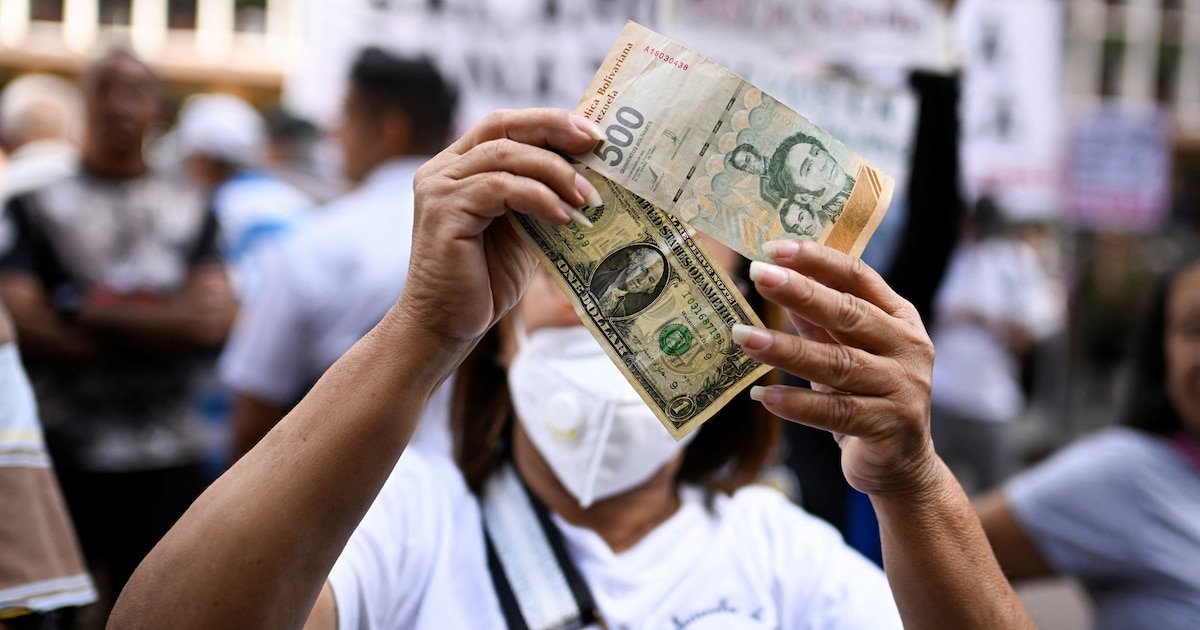
El bolívar venezolano acumuló una depreciación del 45% frente al dólar estadounidense en lo que va de 2026, según datos oficiales. El viernes, última jornada hábil de mayo, la cotización del dólar alcanzó los 549,37 bolívares en el mercado oficial, de acuerdo con el Banco Central de Venezuela (BCV). El valor de la divisa norteamericana, principal referencia para la fijación de precios en el país, subió un 82,2% desde los 301,37 bolívares registrados a comienzos de enero.
Durante mayo, el dólar aumentó un 12,2%, pasando de 489,55 a 549,37 bolívares, lo que implicó una devaluación del 10,8% de la moneda venezolana en ese lapso. En 2025, el bolívar perdió un 82% de su valor frente al dólar, que pasó de 52 a 298,14 bolívares en el mercado oficial.
Especialistas señalan que la escalada del dólar provoca un encarecimiento de bienes y servicios, así como una pérdida significativa del poder adquisitivo de los salarios en bolívares, que afectan principalmente a los trabajadores públicos y también al sector privado. Entre enero y abril, la inflación acumulada en el país alcanzó el 90%, según cifras del BCV.
El salario mínimo permanece congelado en 130 bolívares desde 2022, equivalentes hoy a unos 23 centavos de dólar a la tasa oficial, monto que también perciben los pensionados.
La depreciación constante del bolívar llevó al Gobierno chavista a otorgar bonificaciones adicionales en dólares. El 30 de abril, la presidenta encargada de Venezuela, Delcy Rodríguez, anunció un aumento de los bonos a 240 dólares para trabajadores y 70 dólares para pensionados. Esta medida generó malestar en sindicatos, ya que los bonos no se incorporan al cálculo de beneficios laborales como vacaciones y prestaciones sociales.

Delcy Rodríguez informó el viernes que más de 365.000 adultos mayores se encuentran en situación de vulnerabilidad en el país caribeño. “Más de 5.000 brigadas están desplegadas para brindar atención integral a los que la necesiten”, precisó
“Nosotros estamos desplegados para buscar a los pensionados, pensionadas, abuelas, abuelos, que estén en situación de mayor vulnerabilidad. Ya hemos encontrado a más de 365.000”, afirmó la presidenta encargada en un mensaje difundido a través de Telegram.
El anuncio coincidió con la celebración del Día del Adulto Mayor en Venezuela, jornada en la que más de un centenar de jubilados y pensionados protestaron ante el Ministerio de Educación y el Instituto Venezolano de los Seguros Sociales (IVSS), en Caracas, para exigir ingresos que les permitan cubrir sus necesidades básicas, como la compra de medicinas y alimentos.
Cabe recordar que el pasado 29 de abril, los jubilados y pensionados también se manifestaron ante Educación y el IVSS, en el centro de la capital venezolana, para exigir ingresos que les permitan cubrir sus necesidades básicas.

Carlos Gallego, de 65 años, denunció su difícil situación a la agencia EFE: “La pensión está en 130 bolívares, que significan 0,23 dólares. Eso cobramos al mes. Entonces para nosotros comernos un kilo de carne tenemos que reunirnos entre 50 (personas) y comernos un pedacito, esa es la precariedad”.
Y agregó: “El pasaje (de autobús) está en 100 bolívares y la pensión en 130, nos alcanza para ir al banco y nos quedan 30 bolívares y nos tendríamos que devolver a pie. Esa es la realidad del pensionado en Venezuela”.
Durante la protesta, la jubilada Carmen Laya declaró: “Cada vez que salimos a la calle la respuesta del Gobierno es la represión. Hoy queremos demostrarle a este régimen que los adultos mayores tenemos la fuerza para seguir en la calle”.
(Con información de EFE)
Civil Conflict,Demonstrations,Riots,South America / Central America,Civil Unrest











INTERNACIONAL
Incendios en Europa: el fuego se extiende a Grecia y Gran Bretaña, y evacúan a los Clooney de su viñedo francés
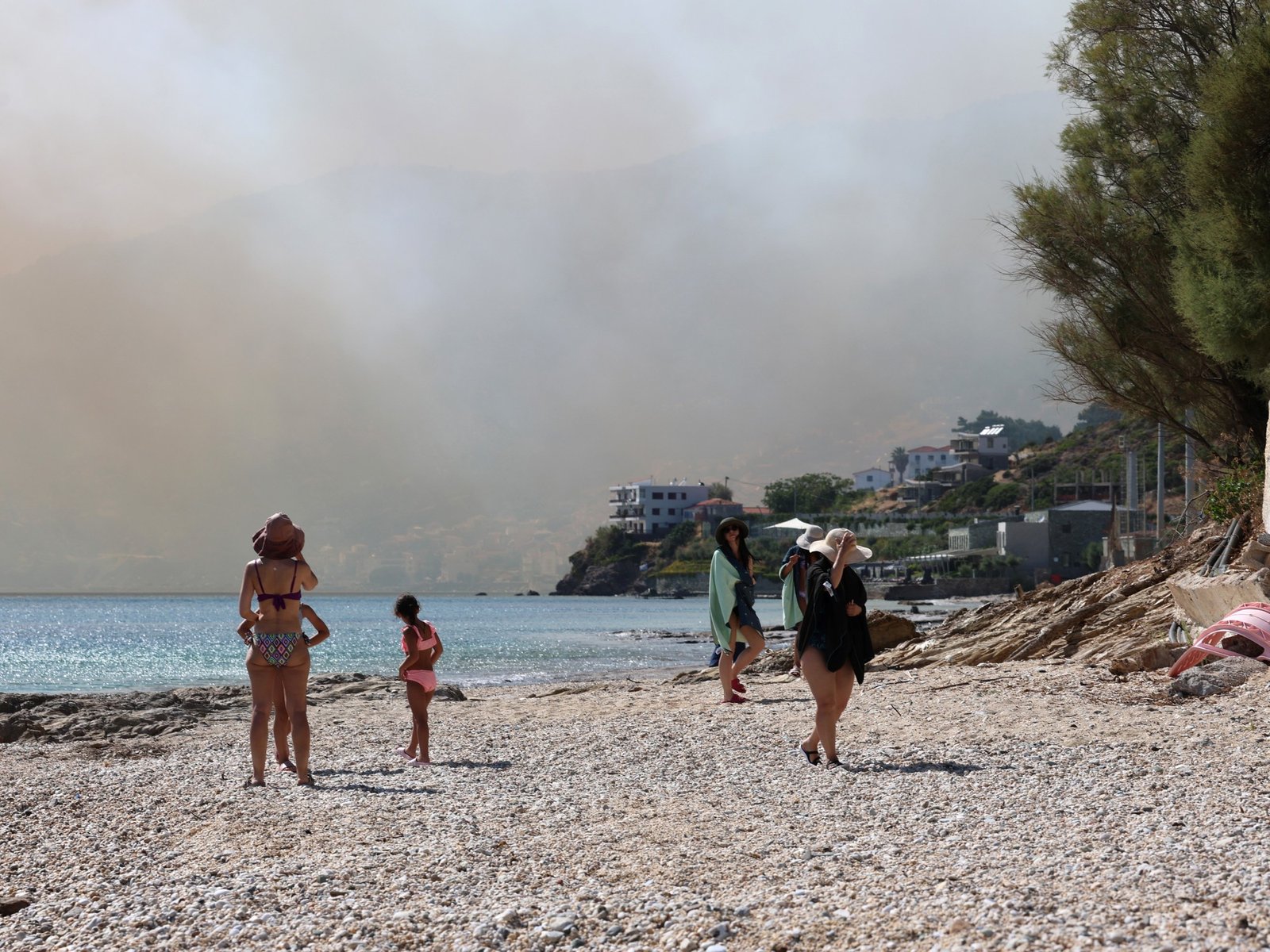
Incendios provocados en Francia
Incendio controlado en Francia

La advertencia de un alcalde de Gironda

Evacuación de los Clooney

Emergencia en Gran Bretaña

Situación en Grecia
NEWYou can now listen to Fox News articles!
Sen. Jim Banks, R-Ind., took to the Senate floor Wednesday to call out Neville Roy Singham, saying the communist tech tycoon’s vast nonprofit network is helping China wage «political warfare» against the U.S.
Singham, a 72-year-old American who sold his tech company for $785 million in 2017 and now lives in Shanghai, has funneled $278 million into the broad network of nonprofits since 2017, according to a Fox News Digital investigation. These groups regularly organize and participate in anti-ICE, anti-Israel and pro-Iran demonstrations.
«From his Shanghai office, which he shares with a CCP propaganda outlet whose avowed mission is to ‘tell China’s story well,’ Singham began funding a complex network of left-wing NGOs and nonprofits that advance the interests of the Chinese Communist Party,» Banks said.
SEE IT: GOP SENATOR FLIPS SCRIPT ON AGITATORS TIED TO PRO-CCP, SINGHAM NETWORK
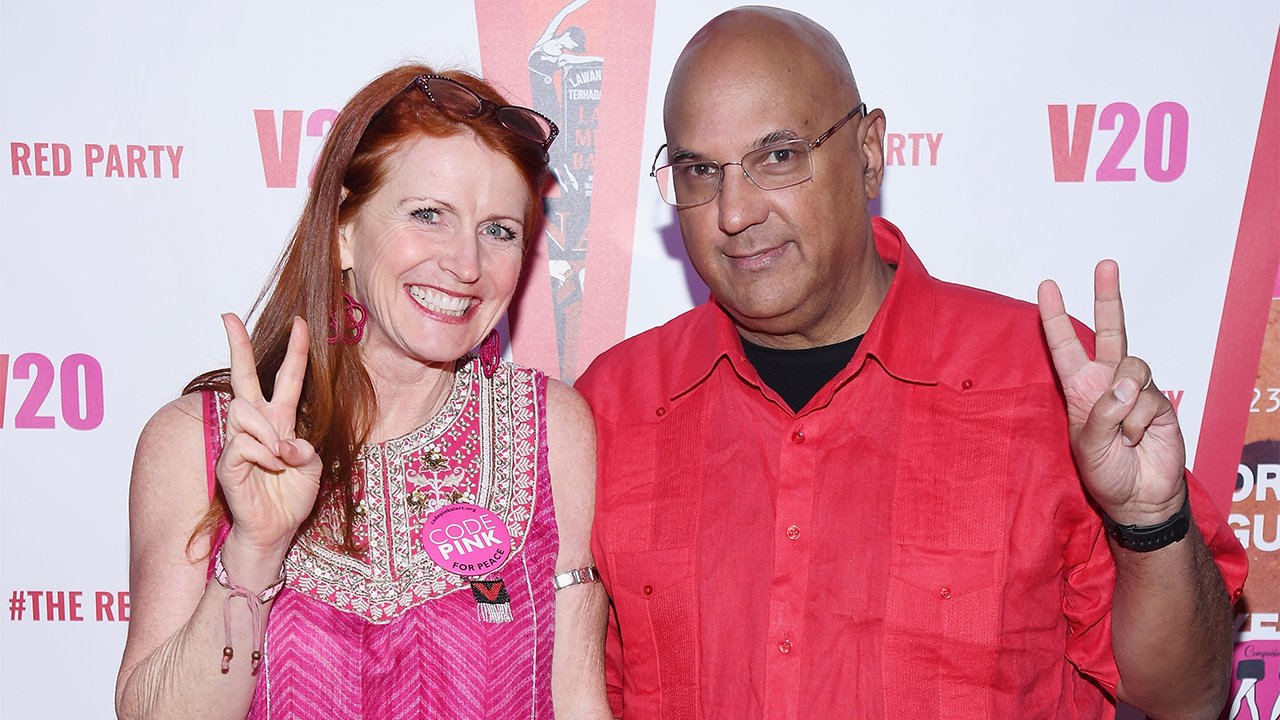
Jodie Evans and Neville Roy Singham are pictured together. (Getty Images)
«Code Pink, that radical organization that chases me and other senators throughout the halls of Congress, used to, on occasion, condemn CCP human rights abuses,» he added. «After Singham started lavishly funding the group—and married its co-founder—Code Pink stopped criticizing the Chinese government and started defending it.»
Code Pink, which was co-founded by Singham’s wife, Jodie Evans, regularly confronts lawmakers on Capitol Hill, and publicly states that «China is Not Our Enemy.» Evans and Singham have not responded to Fox News Digital’s repeated requests for comment.
Fox News Digital obtained footage of Sen. Rick Scott, R-Fla., being targeted by Code Pink on Wednesday over the conflict in Iran. Scott pushed back, questioning whether the group was bothered by the Oct. 7, 2023, Hamas attack on Israel.
TRUMP WELCOMES NETANYAHU TO WHITE HOUSE AS RAGING IRAN WAR THREATENS TO SOUR US-ISRAEL RELATIONSHIP
The Code Pink agitators did not respond to Scott’s question.
Banks’ floor speech also addressed Secretary of State Marco Rubio’s call to combat the far-left political terrorism that has taken root across the globe and in the U.S.
Rubio spoke to more than 60 countries at a summit in Washington, D.C., earlier this month, saying that networks are coordinating across multiple countries, providing training instructions and using encrypted communication to foment unrest. He said that international cooperation is critical to disrupting the financing of dangerous organizations, and that some are working with hostile foreign states.
JIM BANKS, GOP LAWMAKERS RALLY BEHIND DOJ PROBE INTO ALLEGED CCP-LINKED FUNDING NETWORK
«For far too long, however, our counterterrorism doctrine has had a blind spot – a blind spot when it comes to extremist violence from the political left,» Rubio said. «Even today, the very idea that far-left terrorism could be a serious threat is treated as a right-wing fever dream, or worse, as a dangerous fascist conspiracy.»
Singham currently faces a grand jury investigation in the Southern District of New York, a probe which was authorized by acting Attorney General Todd Blanche. The grand jury investigation focuses on Singham’s finances, and seeks to uncover any financial crimes that have taken place as he funds his pro-CCP network of nonprofits. Singham has not been charged to date.
Earlier this year, Treasury Secretary Scott Bessent held a meeting in New York with Goldman Sachs Chairman and CEO David Solomon, where he urged the firm to cooperate with the Justice Department’s investigation into Singham’s financial network, according to sources familiar with the discussion.
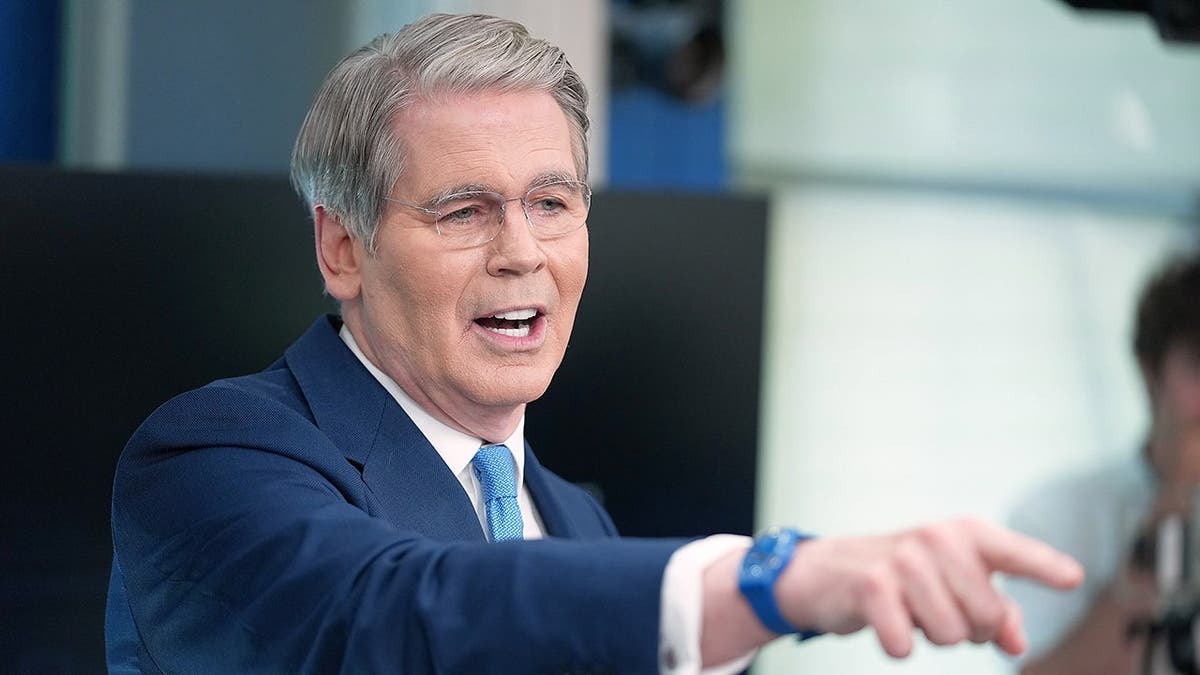
Treasury Secretary Scott Bessent. (Mark Schiefelbein/AP)
CLICK HERE TO DOWNLOAD THE FOX NEWS APP
One source familiar with the meeting told Fox News Digital the exchange was amicable rather than adversarial, adding that Solomon signaled Goldman Sachs was prepared to cooperate with the Justice Department’s probe.
«All distributions from Mr. Singham’s donor-advised fund were made to legally recognized nonprofit organizations, as determined by the IRS,» a Goldman Sachs spokesperson told Fox News Digital. «No distributions have been made from the account since August 2023, and it was closed in early 2024.»
scott bessent, politics, fbi, senate, china, capitol protests
INTERNACIONAL
Ecuador: Fiscalía investiga si tres jueces recibieron dinero de una empresa china a cambio de un fallo favorable

Una de las condenas económicas más elevadas impuestas al Estado ecuatoriano por un litigio contractual pasó de los tribunales a una investigación penal. La Fiscalía General del Estado indaga si la sentencia que obligó al país a pagar USD 59,3 millones a la empresa china China Railway No. 9 Engineering Group fue el resultado de un esquema de corrupción que habría alcanzado a tres jueces de la Corte Nacional de Justicia, quienes ahora son investigados por el presunto delito de cohecho.
La pesquisa se hizo pública el 30 de julio, cuando fiscales y agentes de la Policía Nacional allanaron inmuebles vinculados con los magistrados Milton V., Patricio S. e Iván L., integrantes del tribunal de casación que emitió el fallo cuestionado. Durante las diligencias fueron incautados teléfonos celulares, computadoras y documentos que serán sometidos a pericias para determinar si existieron pagos indebidos relacionados con la decisión judicial.
El origen del conflicto se remonta a 2015, cuando el Ministerio de Educación adjudicó a China Railway No. 9 Engineering Group un contrato cercano a los USD 196 millones para levantar 200 unidades educativas prefabricadas en distintas provincias del país. El proyecto formaba parte del plan de modernización de la infraestructura escolar impulsado por el gobierno de Rafael Correa y buscaba reemplazar establecimientos considerados obsoletos mediante un sistema de construcción industrializada.

Sin embargo, la ejecución del contrato comenzó a acumular retrasos, observaciones técnicas y controversias sobre el cumplimiento de los plazos. En 2018, el Ministerio de Educación resolvió terminar unilateralmente el contrato al concluir que la empresa había incumplido sus obligaciones. La decisión abrió un prolongado litigio en el que la constructora reclamó una indemnización por los perjuicios que, según sostuvo, le ocasionó la terminación anticipada del convenio.
El proceso atravesó distintas instancias judiciales hasta llegar a la Corte Nacional de Justicia mediante un recurso de casación. Allí, el tribunal integrado por los tres jueces ahora investigados dejó en firme una sentencia que condenó al Estado ecuatoriano a pagar USD 59.334.103,17 a favor de la compañía china. Ese fallo se convirtió en uno de los más costosos para las finanzas públicas derivados de una controversia contractual.
La decisión judicial permaneció firme hasta que una investigación completamente distinta abrió una nueva línea de sospechas. La Fiscalía informó que la causa por presunto cohecho nació a partir del testimonio anticipado rendido por Michael Ismael H., uno de los sentenciados dentro del caso Plaga, la investigación que desarticuló una presunta red de corrupción integrada por jueces, abogados, funcionarios judiciales, policías y otros operadores que, según el Ministerio Público, obtenían resoluciones favorables mediante pagos ilícitos.

De acuerdo con la versión entregada por ese colaborador, durante un encuentro realizado en Guayaquil conoció información según la cual los tres magistrados habrían gestionado la emisión de la sentencia favorable a China Railway a cambio de dinero. Algunas publicaciones periodísticas señalan que el testimonio menciona un supuesto pago de USD 30.000, aunque ese dato forma parte de la declaración del colaborador y constituye una hipótesis investigativa que aún no ha sido probada en un proceso judicial.
Con base en esos antecedentes, la Fiscalía abrió una investigación previa por cohecho para establecer si la resolución de casación estuvo influenciada por beneficios económicos indebidos. Por ahora no existen personas procesadas ni se han formulado cargos. Las autoridades buscan determinar si los elementos incautados durante los allanamientos permiten corroborar o descartar la versión que dio origen a la investigación.
Hasta el momento, la Fiscalía tampoco ha informado si representantes de China Railway o terceros relacionados con la empresa forman parte de la indagación. La investigación se concentra, por ahora, en establecer si existió una contraprestación económica destinada a influir en la actuación de los magistrados que conocieron el recurso de casación.
El caso amplía el alcance de las investigaciones derivadas del expediente Plaga, que inicialmente se centró en decisiones judiciales vinculadas con personas privadas de libertad y presuntas organizaciones criminales. Ahora, las pesquisas alcanzan una sentencia con importantes consecuencias económicas para el Estado y sitúan bajo escrutinio a magistrados de la máxima instancia de la justicia ordinaria ecuatoriana.
corresponsal:Desde Quito

Panorama Financiero | Milei busca blindar la calma financiera, pero bolsillo y empleo siguen débiles

Un testigo en la causa AFA negocia inmunidad con la Justicia de EEUU a cambio de revelar información clave

Conmoción en el fútbol mundial: UEFA anunció que sus selecciones nacionales no participarán de los torneos FIFA

La profunda tristeza de Majo Riera, la mamá de Lali, por la muerte de su íntima amiga: “Elegiste volar”

Hernán Lacunza dijo que aspira a ser candidato a presidente en 2027: “Pro debe tener una opción independiente del Gobierno”

El trasfondo del DNU que expulsa a extranjeros y la estrategia del Gobierno para recuperar la agenda rumbo a 2027

Crisis entre Milei y Lula: la trama política, personal y geopolítica detrás del mayor choque diplomático entre Argentina y Brasil

La pelea con Lula y el verdadero desafío que enfrenta Milei

San Isidro: la ballena que quedó varada en un banco de arena murió pese al operativo de rescate

Cómo manejar en el hielo y la nieve: técnicas y precauciones para usar el auto en la montaña en vacaciones de invierno

 POLITICA2 días ago
La pelea con Lula y el verdadero desafío que enfrenta Milei
- ECONOMIA2 días ago
Cómo manejar en el hielo y la nieve: técnicas y precauciones para usar el auto en la montaña en vacaciones de invierno
- ECONOMIA2 días ago
El BCRA cortó la racha de compra y en el mercado vuelan rumores de maniobras para frenar al dólar