INTERNACIONAL
El sorprendente hallazgo que muestra cómo las bacterias fabrican su propio ADN sin copiar instrucciones


El ADN es la clave que define cómo funciona todo ser vivo, incluyendo los seres humanos. Sus cuatro letras, A, T, G y C, forman la receta para armar y mantener la vida en cada célula.
Este sábado 25 de abril se celebra el Día del ADN para recordar el momento en que los científicos James Watson y Francis Crick describieron la estructura de doble hélice del ADN en la revista Nature.
Eso ocurrió en 1953 y con el paso del tiempo se encontraron indicios de que la investigadora británica Rosalind Franklin fue fundamental en este hallazgo: obtuvo imágenes de difracción de rayos X, especialmente la famosa Foto 51, que permitió ver la forma real del ADN.

Este año, el Día del ADN se llena de emoción con un hallazgo que rompe esquemas. Un grupo de científicos de la Universidad de Stanford, en los Estados Unidos, descubrió que existe una nueva forma de fabricar ADN en bacterias. Este avance cambia lo que se creía posible.
Pujuan Deng, Hyunbin Lee, Carlo Armijo, Haoqing Wang y Alex Gao fueron parte del equipo que publicó el hallazgo en la revista Science.
Sugirieron que las bacterias pueden fabricar ADN de doble cadena sin copiar un molde previo, al usar proteínas especializadas. De esta manera, dieron cuenta de una nueva forma natural de crear ADN.

En diálogo con Infobae, el doctor Gao desde los Estados Unidos explicó: “Lo que más nos sorprendió fue que la proteína Drt3b lograra fabricar una molécula llamada poli(AC). No esperábamos que se pudiera hacer la segunda cadena de ADN para formar la doble hélice de esta manera, hasta que vimos la estructura en el microscopio y todo tuvo sentido». La proteína Drt3b se encuentra dentro de ciertas bacterias.
Enseguida, el científico de Stanford afirmó: “Quiero aclarar que lo que descubrimos no contradice la idea principal de la biología sobre cómo funciona la información genética, aunque algunas personas en internet lo hayan dicho”.
La proteína está hecha solo para fabricar poli(AC) y no sirve para pasar información de aminoácidos a ADN en general.

“Lo que sorprende aquí es que en este caso se logra completar la doble hélice de ADN sin copiar otra cadena que ya existía, pero eso solo pasa en situaciones muy específicas y no cambia las reglas generales de cómo funciona la biología”, subrayó.
El científico especificó entonces que la proteína Drt3b solo funciona en casos muy especiales y no convierte información de proteínas a ADN como se hace en los seres vivos en general.

El ADN es la molécula que almacena toda la información genética. En los libros de biología se enseña que para fabricar ADN nuevo, siempre se copia una cadena ya existente, al usar enzimas llamadas polimerasas. Así se mantiene la fidelidad del código.
Antes de que se realizara el nuevo estudio, los científicos pensaban que todas las polimerasas necesitaban un molde, es decir, una cadena previa de ADN o ARN, para hacer una nueva. En bacterias, el ADN también sirve como defensa contra virus, llamados fagos.
El doctor Gao y sus colegas intentaron saber si existía en la naturaleza una forma de fabricar ADN sin copiar otro ADN o ARN, y si eso tenía algún papel en la defensa bacteriana.
Se preguntaron si alguna proteína podía construir una cadena de ADN con una secuencia exacta, sin depender de un molde previo.

Los científicos de Stanford prepararon un experimento con bacterias que tienen el sistema DRT3. Extrajeron las proteínas y el ARN especial de esas bacterias para estudiarlas en detalle.
Colocaron ese sistema en otras células y comprobaron que, con solo estas piezas, se podía fabricar ADN largo y repetitivo. Las letras GT y AC se alternaban como un patrón fijo y perfectamente ordenado.
Usaron microscopía crioelectrónica para observar de cerca la estructura de las proteínas y el ARN. Descubrieron que todo el sistema se organiza como un complejo simétrico, donde cada parte tiene su lugar exacto.
Detectaron que, si alguna proteína o el ARN fallaba, la bacteria ya no podía fabricar este ADN especial. Así, la defensa contra los virus desaparecía y la bacteria quedaba vulnerable.
Los resultados indicaron que la proteína Drt3b puede fabricar una cadena de ADN al usar solo su propia estructura. No necesita copiar ningún molde, algo que nunca se había demostrado en sistemas naturales.

“Aunque todavía es pronto para saber exactamente en qué se va a usar, lo que más nos emociona de DRT3 es que ayuda a entender mejor cómo funciona la creación del ADN”, resaltó el doctor Gao en la entrevista con Infobae.
Además -añadió- demuestra que el mundo de los microbios “guarda un montón de funciones sorprendentes en sus enzimas que aún no hemos descubierto”.
El equipo de investigadores reconoció que todavía no se sabe cómo, exactamente, este ADN repetitivo protege a las bacterias de los virus.
Por eso, consideraron que se debe seguir investigando cómo funciona el mecanismo y si puede tener aplicaciones en medicina o tecnología genética.
General Health,Medicines,Science,Technology,Europe,Health / Medicine,Science / Technology














Analyzing Trump’s influence on GOP in primary races nationwide
President Donald Trump demonstrates an iron grip over the Republican Party’s primary races, securing victories for all his endorsed candidates in the 2026 primary season. Joe Concha notes the GOP is now the ‘MAGA party.’ Former Senator John Cornyn lost his primary to Trump-endorsed Ken Paxton in Texas, further underscoring Trump’s enduring power.
NEWYou can now listen to Fox News articles!
President Donald Trump’s immense clout over the GOP and the power of his endorsements in Republican nomination races face their latest test Tuesday, as Arizona holds primary elections.
Trump’s endorsements in a handful of key races, including in a top swing congressional district, could impact the midterm battles for the House majority and control of governors’ offices.
Trump is backing Rep. Andy Biggs, a former House Freedom Caucus chairman, for the GOP gubernatorial nomination and the chance to challenge Democratic Gov. Katie Hobbs in November.
Biggs, who is also backed by the political wing of the conservative powerhouse Turning Point USA, is considered the frontrunner in a race that also includes longtime Republican Rep. David Schweikert. Also on the ballot are concrete pumping contractor Scott Neely, who’s making his second straight run for governor, and business owner Ken Miceli.
DEMOCRACY ’26: STAY UP TO DATE WITH THE FOX NEWS ELECTION HUB
Arizona Gov. Katie Hobbs, a Democrat, is running for re-election this year. (Rebecca Noble/Getty Images)
The winner will face off in the general election with Democratic Gov. Katie Hobbs, a former Arizona Secretary of State who narrowly defeated then-GOP nominee Kari Lake four years ago. Hobbs was unopposed for re-nomination.
Down-ballot, the statewide race for the Republican attorney general nomination has become combustible as state Senate President Warren Petersen and military attorney Rodney Glassman have traded fire. The winner will challenge Democratic incumbent Kris Mayes in the general election.
In the race to succeed Schweikert in Arizona’s 1st Congressional District, which is anchored in the northeastern Phoenix suburbs, Trump is backing former Arizona Cardinals professional football player and former CBS Sports NFL analyst Jay Feely.
SIGN UP TO GET THE POLITICS NEWSLETTER
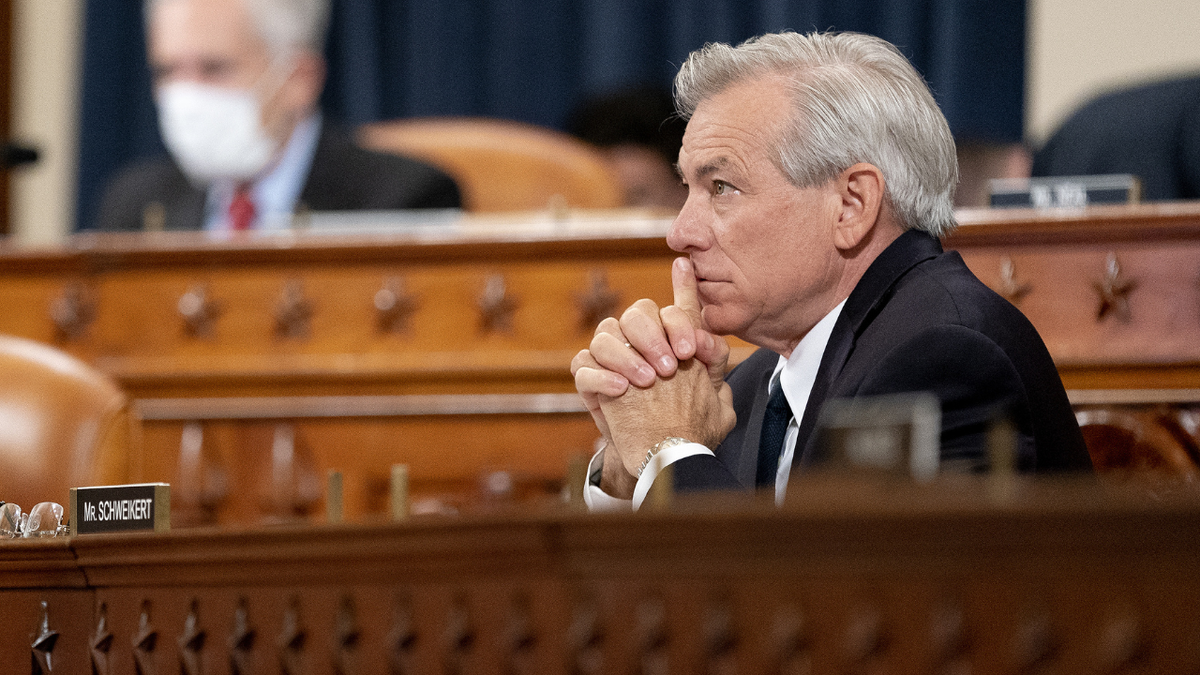
Republican Rep. David Schweikert, who represents a key swing congressional swing district, is running for the GOP gubernatorial nomination in Arizona. (Stefani Reynolds/Bloomberg/Getty Images)
Former state lawmaker Joseph Chaplik and businessman John Trobough are also running for the GOP nomination in the key swing district.
Former TV anchor Marlene Galán-Woods and former state Rep. Amish Shah are facing off in a rematch for the Democratic congressional nomination. Shah, an emergency room physician, won the 2024 faceoff.
Galán-Woods, a former Republican, has the backing of the Democratic Congressional Campaign Committee, which has big bucks to support her, as well as top Democrats Sen. Mark Kelly and former Gov. Janet Napolitano.
Rick McCartney, president and CEO of InMedia Company, and Jonathan Treble, founder of WithMe, are also on the ballot.
The midterm race in Arizona’s 1st District is one of two or three dozen across the country that will determine whether the GOP holds onto its razor-thin House majority.
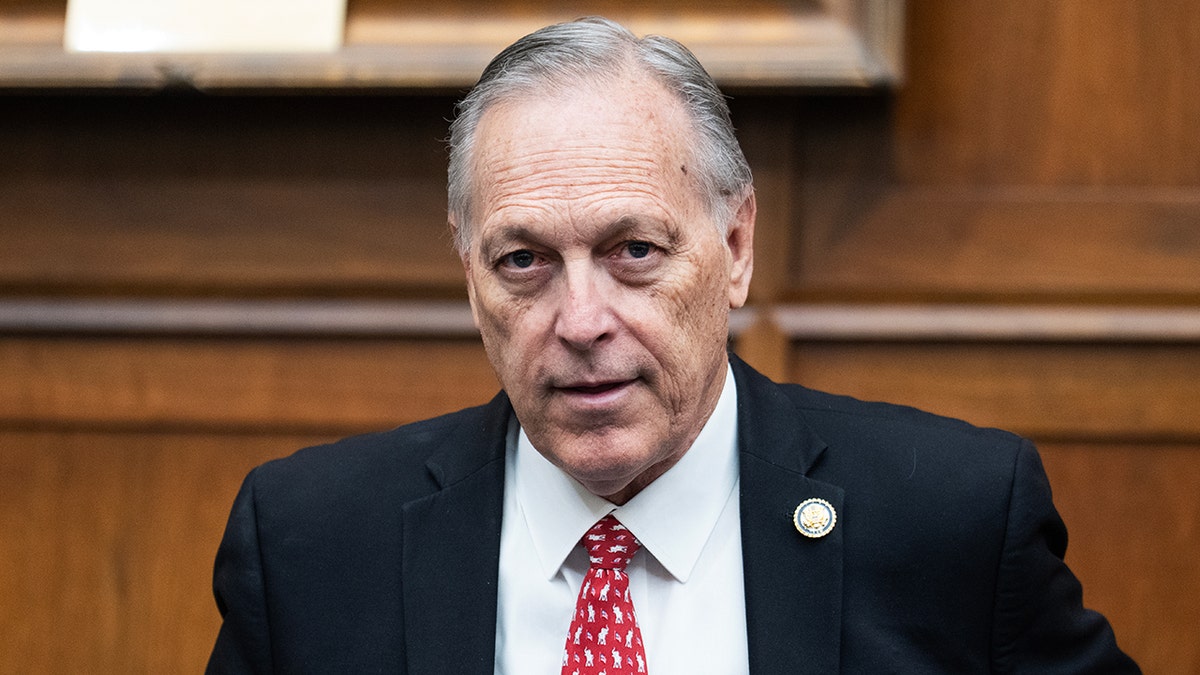
Rep. Andy Biggs of Arizona is running for the 2026 Republican gubernatorial nomination (om Williams/CQ-Roll Call, Inc via Getty Images)
In the race to replace Biggs in Arizona’s 5th District, which is located in the southeastern Phoenix suburbs, including parts of Mesa, Trump is backing former Pinal County Sheriff Mark Lamb, who is facing off with construction contractor Daniel Keenan for the GOP nomination.
Keenan has made the sexual misconduct and abuse-of-power allegations against Lamb a key part of his campaign. The Pinal County attorney last month cleared Lamb of criminal wrongdoing as it closed its investigation. And Trump, despite the controversy, reaffirmed his endorsement of Lamb earlier this month.
The winner of the Republican primary will be considered the clear favorite to succeed Biggs in the solidly red district.
The brute force of the president’s endorsement power has been on display in GOP primaries this spring and summer, with his candidates ousting incumbents he targeted in showdowns in Indiana, Kentucky and Texas, as well as the Louisiana primary.

The power of President Donald Trump’s endorsements in Republican nomination showdowns will be tested again on Tuesday in Arizona’s primary. (Mandel Ngan/AFP/Getty Images)
But Trump’s endorsement streak in statewide and congressional Republican primaries was snapped in early June when his last-minute endorsement of Republican Rep. Randy Feenstra of Iowa in the race to succeed retiring GOP Gov. Kim Reynolds wasn’t enough to propel the three-term congressman to victory.
Feenstra was narrowly edged by Zach Lahn, a businessman, farmer and former political strategist who was backed by the political wings of MAHA — the acronym for the Make America Healthy Again movement aligned with Trump’s Health Secretary Robert F. Kennedy Jr. — and Turning Point USA, the powerful conservative organization co-founded by the late Charlie Kirk.
Trump-backed candidates won two of the three top races in key GOP primary runoff elections in Georgia and Alabama last month, with the one setback coming against a billionaire businessman who shelled out over $100 million of his own money to boost his campaign.
A week later, Trump-backed first-time candidate Anthony Constantino, a businessman and former boxer, defeated Robert Smullen, a retired Marine Corps colonel and New York assemblyman who had the backing of the state party, in the upstate New York race to succeed retiring GOP Rep. Elise Stefanik.
CLICK HERE TO DOWNLOAD THE FOX NEWS APP
Meanwhile, in South Carolina’s Republican gubernatorial runoff, Trump couldn’t lose.
That’s because, besides backing Lt. Gov. Pamela Evette a few weeks earlier, he also gave a last-minute endorsement to state Attorney General Alan Wilson, who ended up winning the late June showdown in a landslide.
The president also enjoyed victory in Louisiana, where Sen. Bill Cassidy, who voted to convict Trump in his 2021 impeachment trial, was ousted as he sought re-nomination. Trump-backed Rep. Julia Letlow ended up winning the nomination in last month’s runoff election.
state and local primaries, katie hobbs, donald trump, midterm elections, politics, republicans, arizona
INTERNACIONAL
Cómo es Nido de Águila, la casa de montaña que construyeron para Hitler y que casi nunca usó: US$170 millones, un ascensor y 12 obreros muertos
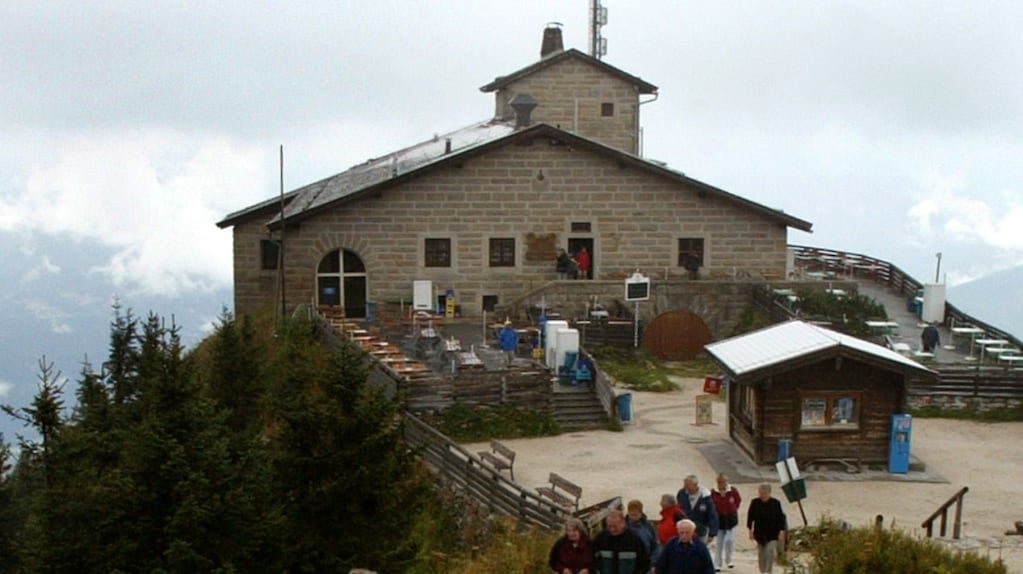
Una casa que todavía funciona como metáfora de la desmesura. El Nido del Águila (o Kehlsteinhaus). Una de las pocas construcciones que pertenecieron a Hitler, que fueron construidas para él y que aún permanecen en pie.
Fue un regalo de cumpleaños fastuoso y desproporcionado: una casa encima de una montaña, casi inaccesible, pensada como sitio de descanso del Führer. Martin Bormann, uno de los más importantes jerarcas nazis, quiso homenajear a su jefe el día que cumplía 50. El precio fue muy costoso. Más de 170 millones de dólares (a valor actual) y al menos 12 vidas de los operarios.
Leé también: La casa natal de Adolf Hitler será convertida en una comisaría
Una casa alpina en un lugar inverosímil. Lujosa, confortable, sólida pero nada excepcional. Sin embargo, su historia y el hecho de que todavía se mantenga en pie sí son extraordinarias.
Se inauguró en 1939. Contra todo pronóstico, llegaron a terminarla antes del cumpleaños de Hitler. Fue construida contra reloj. Nadie pensaba que los plazos se iban a cumplir. Pero llegar a tiempo era parte fundamental del proyecto.
Aunque oficialmente se dijo que fue un regalo del Partido Nazi, el que tuvo la idea y se encargó de todo fue Martin Bormann.
El jerarca eligió un terreno ubicado a una decena de kilómetros de Salzburgo, a 1.834 metros de altura, para construir una casa para que Hitler la utilizara en sus momentos de descanso. El Nido del Águila, la antigua residencia de Hitler en los Alpes alemanes. (Foto: Reuters)
A Bormann lo movía la necesidad de adular a su líder y también lo dificultosos de la empresa. Estaba convencido de que si llegaba en término con todas las complejidades que debió superar el proyecto, eso le haría ganar muchas posiciones en la consideración de Hitler. Parecía fascinarle la dificultad que el proyecto presentaba. Todo estaba por hacerse. Caminos para acceder a la base, perforar la montaña, llevar los materiales para la casa hasta la cumbre. El tiempo apremiaba.
Sin embargo la obra estuvo terminada puntualmente. Eso sí: el costo fue altísimo. Y no solo en lo que se refiere a lo económico. Más de una docena de obreros murieron en el proceso.
Bormann ordenó que se trabajara las 24 horas del día en varios turnos continuados. Por la noche unos precarios focos iluminaban las tareas.
La obra imposible que desafió a una montaña
Hubo que construir y asfaltar una ruta de más de 6 kilómetros, para eso se debió tallar la montaña, picar la piedra y alisar un terreno que parecía impenetrable, arreglar el sendero que por un largo trecho llevaba a la casa y disponer todo para instalar un ascensor para que Hitler llegara a la cumbre.
Eso fue lo más costoso (y también la parte de la faena que más vidas se llevó). Hubo que perforar la montaña. Hacer una cavidad dentro de ella, un túnel vertical para que pasara el ascensor.
Se construyó un teleférico para que los materiales arribaran a la cumbre. Se contrataron cientos de hombres para que acarrearan lo necesario para erigir la casa. Recibieron trato casi de esclavos debiendo soportar cargas y horarios de trabajo inhumanos.
Leé también: Del fraude del suicidio al verdadero final: las hipótesis sobre la muerte de Hitler, según su biógrafo
Se subieron bloques ya armados para acelerar los tiempos, como si se tratara de una vivienda prefabricada.
Bormann gastó una fortuna. Si el proyecto y su idea imperial ya eran caros, el apremio por llegar en fecha encareció todo mucho más.
En el pueblo se hizo popular un chiste mientras veían pasar a los obreros, a los dirigentes que controlaban el avance de los trabajos y a los contratistas llegar con sus máquinas.
Decían que era una situación similar a la de la fiebre del oro; llegaban día a día buscadores del metal precioso para que cambiara su vida. Pero que en vez de buscar oro en los cursos de agua o en las montañas solo debían ponerse debajo de una ventana. No había que encontrar oro, solo se debía esperar que Bormann lo lanzara por esa ventana.
El refugio alpino que se convirtió en el centro del poder nazi
Albert Speer escribió en sus Memorias: “Esa obra gigantesca que se realizó en la montaña, y a pesar de sus críticas ocasionales por todo aquel dispendio, era característica de la transformación que se había operado en el estilo de vida de Hitler, y también de su tendencia a aislarse más y más del resto del mundo. No se puede explicar solo por su temor a sufrir atentados, pues casi todos los días permitía que miles de personas penetraran en el recinto para expresarle su adhesión”.
Francois Poncet, el embajador francés en Alemania, fue quien bautizó esa gran obra arquitectónica, deslumbrado por la majestuosidad y por las dificultades que habían resuelto en el camino. El nombre fue adoptado de inmediato por los alemanes.
Además de su vista descomunal, uno de los principales motivos de la elección del lugar fue que el Nido del Águila se encontraba cerca del Berghof, la segunda residencia oficial de Hitler, en la que pasaba buena parte del año.
Tanto era el tiempo que Hitler pasaba allí que de lugar de descanso mutó en la sede alternativa gubernamental de Alemania. Años antes, luego de ser liberado de la prisión en 1924, Hitler alquiló una modesta casa alpina en la que descansó y se encerró a trabajar en sus siguientes pasos políticos.
Enamorado del lugar, Hitler compró la casa en 1932, según la versión oficial, con las regalías que produjeron las numerosas ediciones de Mi Lucha. Ya en 1936, esa ascética casa alpina, se transformó en una mansión de treinta habitaciones. El interior de la casa Wachenfeld, la residencia alpina que Hitler convirtió en el Berghof. (Foto: Reuters)
Para la ampliación, Hitler, cuyo fuerte no era reconocer sus limitaciones, quiso encargarse personalmente de realizar los planos. Le pidió prestado a su arquitecto y ministro Albert Speer varios implementos: mesas de dibujo, lápices, reglas y demás materiales necesarios.
Como estaba encariñado con la anterior casa la conservó, sumándole las nuevas construcciones. Este franskenstein arquitectónico tuvo que ser revisado por profesionales sin que su autor original se enterara.
Debían corregir sus errores de principiante pero también debían evitar que se diera cuenta y desatara su furia sobre ellos. Hitler decía que esa casa de montaña le proporcionaba paz interior y lo hacía pensar mejor. Allí elucubró sus discursos más importantes.
Pero no se trató solo de la ampliación monstruosa de la casa. El Berghof pasó a ser parte de algo mucho más grande, el Obersalzberg.
Ese era el nombre del complejo de viviendas y construcciones que se levantaron alrededor del Berghof. Martin Bormann, al ver la predilección del jefe por el lugar, salió a comprar todas las casas y terrenos vecinos.
El éxito fue total. Y no se trataba de que tenía grandes habilidades como negociador. Estuvieron los que aceptaron gustosos vender sus propiedades, otros se negaron pero debieron ceder ante las amenazas, algunos fueron expropiados y unos cuantos fueron lanzados de sus hogares sin indemnización alguna.
Leé también: El fallido golpe de Estado que catapultó a Adolf Hitler a la fama para someter al mundo a un sufrimiento atroz
Bormann tomó posesión, en nombre del estado alemán, de toda la zona. Evidentemente el dinero ya no surgía de los derechos de autor de Mi Lucha.
Demolió cada una de las viviendas. Tuvo también problemas con la iglesia local porque ordenó sacar todas las cruces con las que estaban marcadas las tumbas al costado del camino (una costumbre de varios siglos de antigüedad) porque el paisaje fúnebre mientras llegaba a su casa oscurecía el carácter del Führer.
Bormann, Albert Speer y Hermann Göring fueron algunos de los jerarcas que en esos terrenos construyeron viviendas cerca de la del Führer. Hacían reuniones de gabinete en ese paisaje agreste.
La zona se transformó por completo. También se levantaron hoteles de lujo, barracas para que duerman obreros y soldados, restaurantes, oficinas públicas, casas para la nueva oleada de empleados.
El Obersalzberg se había convertido en un nuevo centro del poder. Y el Nido del Águila era su corolario, la joya del nuevo poblado.
La falsa postal de Hitler que ocultaba el horror
El Berghof y también el Nido del Águila servían para brindar otra imagen de Hitler. Las fotos y filmaciones del líder en el paisaje paradisíaco, mostrándose al aire libre o en su mesa de trabajo, pretendían forjar un hombre público, un estadista sereno, firme y seguro de sí mismo.
Una falsa imagen idílica, una construcción que tapara las atrocidades que pasaban en el sistema concentracionario
Toda la zona de la Obersalzberg y el Berghof fue bombardeada después de la Segunda Guerra Mundial. Cada una de las construcciones fue destruida. Los Aliados no querían que subsistieran ni vestigios de la época nazi. Que ningún lugar se prestara para ser excusa de peregrinación y culto al régimen genocida.
Sin embargo, la ubicación en la cima de la montaña, la soledad y la complejidad para acceder a ella, debe haber hecho sentir ridículos a los generales norteamericanos cuando planearon bombardear el Nido del Águila, como hicieron con las propiedades cercanas, las que integraban el Obersalzberg. Hitler junto a su perro Blondi en el Berghof, la residencia alpina utilizada como escenario de propaganda nazi. (Foto: Reuters)
Tal vez no quisieron parecerse a los nazis con su capacidad de destrucción gratuita. Algún historiador propone otra hipótesis; sostiene que los generales norteamericanos con Dwight Eisenhower a la cabeza quedaron extasiados con la vista de El Nido del Águila y no consintieron su destrucción.
Otro factor que puede haber influido fue que a pesar de su origen, de su destino inicial, la vivienda fue utilizada en muy pocas ocasiones por Hitler, situación que a Bormann le debe haber roto el corazón.
Algunos dicen que Hitler además sufría acrofobia, y que ese temor a las alturas hizo que sólo concurriera al faraónico proyecto menos de una decena de veces.
Meses antes de su inauguración, cuando promediaba la obra, Bormann llevó a su jefe a visitarla. Todo estaba a medio hacer, era difícil tener una idea clara de cómo iba a quedar debido a la complejidad de la empresa.
Leé también: Día de la Victoria: cómo se firmó el fin de la Segunda Guerra Mundial tras la rendición de Alemania
Sin embargo, el Führer se mostró muy disgustado por el emplazamiento de la propiedad, no entendía las ventajas de que la casa estuviera tan arriba.
Los Aliados recién devolvieron El Nido del Águila a las autoridades bávaras en 1960. Durante un tiempo permaneció cerrada. Hubo muchas discusiones sobre qué destino conferirle.
En la actualidad es un restaurante con una vista única. Los beneficios económicos se destinan a organizaciones de bien público. En el mismo complejo se erigió un centro de documentación que recuerda a los visitantes las atrocidades cometidas por el nazismo.
Los turistas que acuden a esa zona de Baviera, saben que la Kehlsteinhaus o El Nido del Águila es un lugar de visita obligado.
El Nido del Águila, entre la memoria y el turismo
El acceso, como en el momento de su estreno, no es sencillo. Una opción es ir caminando por la montaña; el recorrido toma casi tres horas.
El otro es ir con auto hasta la base, tomar un colectivo hasta cerca del Nido del Águila y todavía desandar un sendero otros 20 minutos. También, todavía, se mantiene la posibilidad de ascender por el lujoso ascensor enclavado dentro de la montaña para acceder al restaurante.
El Kehlsteinhaus o Nido de Águila se mantiene en pie, sobrevivió a la destrucción de todo recuerdo nazi. Se mantiene como una edificación majestuosa, rodeada de una increíble belleza natural.
Y recuerda a cada visitante que el horror y la maravilla pueden convivir.
Nazismo, Adolf Hitler, Segunda Guerra Mundial, Alemania, Sumario
INTERNACIONAL
Guerra en Medio Oriente EN VIVO: EEUU emitió una advertencia mundial para los estadounidenses por las tensiones en Medio Oriente

El Departamento de Estado indicó que los ciudadanos que se encuentren en la región “deberían extremar las precauciones y la vigilancia, y estar preparados para posibles cancelaciones de vuelos, cierres periódEEUU emitió una advertencia mundial para los estadounidenses por las tensiones en Medio Orienteicos del espacio aéreo y posibles interrupciones en los viajes”
Estados Unidos realizó su décima noche consecutiva de ataques contra Irán, con explosiones reportadas en distintos puntos del sur del país, entre ellos la isla de Qeshm, Bandar Abbas, Sirik, Chabahar, Isfahán y Konarak, según informes preliminares.
La escalada alcanzó a Kuwait, donde el ejército iraní aseguró haber atacado sistemas de misiles HIMARS estadounidenses desplegados en el Camp Arifjan con proyectiles tierra-tierra. Las autoridades kuwaitíes confirmaron que sus defensas antiaéreas fueron activadas para responder a una incursión de misiles y drones iraníes.
La tensión también se trasladó al Estrecho de Ormuz, una de las principales rutas marítimas para el transporte energético mundial. Un carguero informó haber recibido el impacto de un proyectil de origen desconocido a ocho millas náuticas (14,8 kilómetros) al noreste de Limah, Omán, en un nuevo incidente dentro de la zona.
En paralelo, los hutíes de Yemen anunciaron un bloqueo marítimo contra Arabia Saudita, una medida rechazada de forma categórica por Riad. El gobierno saudita condenó las declaraciones del grupo, que acusa al reino de mantener un cerco sobre Yemen.
Por su parte, Israel informó el inicio de una fase piloto de las denominadas “zonas seguras” en el sur del Líbano, en coordinación con fuerzas militares estadounidenses y libanesas. La iniciativa forma parte de un esquema de control territorial que involucra a tres ejércitos en una de las fronteras más sensibles de Medio Oriente.
A continuación, la cobertura minuto a minuto:
Jordania interceptó cinco drones iraníes
Jordania afirmó haber neutralizado cinco drones procedentes de Irán, según informó el martes la agencia estatal de noticias del país.
Esta mañana, la Guardia Revolucionaria iraní reivindicó varios ataques contra objetivos militares estadounidenses en Jordania, entre ellos un sistema de radar de defensa antimisiles y un avión F-15.
El presidente del Líbano se reúne con Donald Trump en Washington para abordar el desarme del grupo terrorista Hezbollah
El encuentro ocurre un día después de que EEUU anunciara el inicio de la implementación de un acuerdo que otorga al ejército libanés el control sobre “zonas piloto” en el sur del pais, áreas ubicadas principalmente fuera de los territorios que Israel ocupó después de que el grupo terrorista involucrara al país en la guerra de Medio Oriente en marzo


El presidente de Líbano, Joseph Aoun, se reunirá este martes en Washington con su homólogo estadounidense Donald Trump, en medio de la presión internacional para que Beirut avance con el desarme de Hezbollah, una condición clave de Israel para retirar sus tropas del sur del país.
La ASEAN pide la máxima moderación y el cese inmediato de las hostilidades entre Estados Unidos e Irán
Los ministros de Asuntos Exteriores de la ASEAN expresan su “seria preocupación por la rápida evolución de la situación en Medio Oriente”, destacando en concreto la “renovación de las hostilidades entre Estados Unidos y la República Islámica de Irán”.
En un comunicado, el bloque regional advirtió que estas crecientes tensiones “disminuyen las perspectivas de una resolución pacífica a través del diálogo y la diplomacia” y “socavan gravemente los esfuerzos que están realizando los mediadores clave”.
Los ministros también hicieron un llamamiento a todas las partes implicadas para que “ejerciten la máxima moderación y eviten cualquier acto que pueda agravar aún más la situación”. Instaron a un “cese completo e inmediato de las hostilidades en todos los frentes” y exigieron el “restablecimiento del tránsito seguro, sin obstáculos y continuo de los buques” en rutas comerciales clave como el estrecho de Ormuz.
Los diplomáticos también destacaron las consecuencias económicas más amplias del conflicto, señalando las “implicaciones de las continuas tensiones en Oriente Medio para el comercio regional, la energía y la seguridad alimentaria”.
El régimen de Irán lanzó nuevos ataques contra instalaciones militares de EEUU en Jordania, Kuwait y Bahréin
El ejército iraní informó que sus fuerzas alcanzaron sistemas de defensa aérea, instalaciones de radar y edificios administrativos utilizados por Washington en los tres países del Golfo, horas después de una nueva ronda de bombardeos estadounidenses contra objetivos iraníes

Irán atacó este martes instalaciones militares estadounidenses en Jordania, Kuwait y Bahréin y advirtió que lanzará ofensivas “más decisivas y potentes” contra Estados Unidos, en una nueva escalada del conflicto en Medio Oriente que también amenaza con extenderse al Mar Rojo tras el anuncio de los rebeldes hutíes de Yemen de bloquear los puertos de Arabia Saudita.
¿Qué significa el bloqueo marítimo de los hutíes para Arabia Saudita?
El bloqueo naval anunciado sobre el estrecho de Bab el-Mandeb implica que Arabia Saudita perdería una de sus principales rutas de exportación de petróleo hacia el este de Asia, lo que podría afectar de forma considerable sus ingresos por ventas de crudo.
Según el planteo expuesto, la medida también impediría que buques comerciales con destino a Arabia Saudita transiten por ese paso marítimo. Cualquier embarcación que intente exportar mercancías al reino o realizar operaciones comerciales a través de Bab el-Mandeb sería detenida y obligada a retroceder.
En este contexto, la principal incertidumbre gira en torno a la respuesta que adoptará Arabia Saudita. El gobierno saudí podría optar por una reacción militar o intentar resolver la situación mediante negociaciones.
Mientras tanto, una delegación de los hutíes permanece en Omán para mantener conversaciones con funcionarios saudíes. No obstante, el grupo terrorista advirtió que, si Arabia Saudita decide intervenir militarmente, las instalaciones de Saudi Aramco figurarán entre los posibles objetivos de sus ataques.
Los precios del petróleo bajan en medio de informes sobre esfuerzos de mediación entre Estados Unidos e Irán
Según Reuters, los precios del petróleo han caído tras los informes sobre los esfuerzos de mediación entre Estados Unidos e Irán, incluso cuando ambos países lanzaron nuevos ataques y los hutíes de Yemen amenazaron con imponer un bloqueo naval a Arabia Saudí.
Los futuros del crudo Brent cayeron 35 centavos, o un 0,4 por ciento, hasta los 88,87 dólares por barril a las 00:52 GMT, mientras que el crudo West Texas Intermediate (WTI) estadounidense para entrega en septiembre se mantuvo estable en 82,47 dólares por barril.
Irán reivindicó nuevos ataques contra objetivos militares estadounidenses en Kuwait
La Guardia Revolucionaria Islámica ha emitido un segundo comunicado en el que reivindica ataques adicionales contra objetivos militares estadounidenses en Kuwait.
En un comunicado difundido por la agencia de noticias Tasnim, la Guardia Revolucionaria Islámica afirmó que sus fuerzas atacaron un radar de alerta temprana, un sistema de radar de defensa antimisiles, un radar FPS-117, un sistema de defensa Patriot y un sistema de comunicación por satélite de defensa aérea en la base Ahmed Al-Jaber.
El grupo añadió que la operación tenía como objetivo despejar la cobertura de radar en la región antes de nuevos ataques con misiles y drones.
Estados Unidos emitió una advertencia mundial para los estadounidenses por las tensiones en Medio Oriente
El Departamento de Estado de Estados Unidos ha aconsejado a los estadounidenses de todo el mundo que extremen las precauciones, debido al aumento de las tensiones en Oriente Medio y al riesgo de una mayor escalada.
Según el comunicado, los estadounidenses que se encuentren actualmente en Medio Oriente, en particular, “deberían extremar las precauciones y extremar la vigilancia, y estar preparados para posibles cancelaciones de vuelos, cierres periódicos del espacio aéreo y posibles interrupciones en los viajes”.
También instó a los estadounidenses que viven fuera de Medio Oriente a que reconsideren sus viajes a la región o a través de ella.
El departamento advirtió que Irán y los grupos que apoyan a Teherán podrían atacar intereses estadounidenses, instalaciones diplomáticas o lugares relacionados con ciudadanos estadounidenses en el extranjero.
Estados Unidos desvió siete buques comerciales en el mar Arábigo para garantizar el bloqueo sobre los puertos iraníes
El Comando Central informó que también dejó fuera de servicio una embarcación y difundió imágenes de las operaciones realizadas desde el barco de asalto anfibio USS Boxer
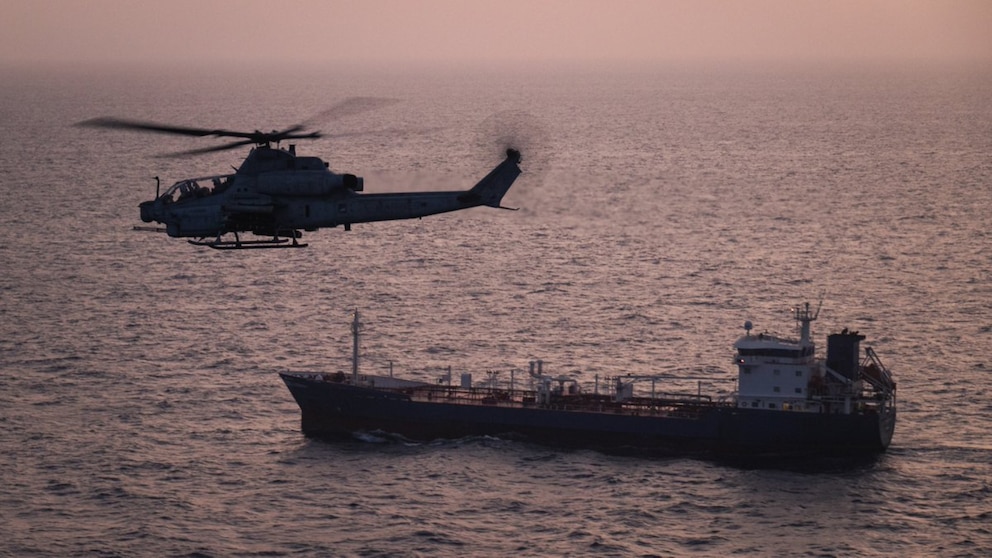
El Comando Central de Estados Unidos (CENTCOM) informó este lunes que las fuerzas estadounidenses redirigieron siete buques comerciales y dejaron fuera de servicio otra embarcación como parte de las operaciones destinadas a reforzar el bloqueo naval impuesto sobre los puertos iraníes. La medida forma parte de la campaña militar lanzada por Washington para restringir el tráfico marítimo vinculado con Irán en el estrecho de Ormuz, uno de los corredores energéticos más importantes del mundo.

Trump’s GOP clout faces Arizona test with House majority, governor’s race at stake

Post Mundial: la política vuelve a exponerse, con deuda oficialista en el Congreso y con internas en tensión

Cómo es Nido de Águila, la casa de montaña que construyeron para Hitler y que casi nunca usó: US$170 millones, un ascensor y 12 obreros muertos

“¡Es culpa de ustedes!”: la furia por radio de Pierre Gasly con su ingeniero de Alpine en el GP de Bélgica de F1

Las cumbres secretas en el country de Insaurralde cuando estalló el escándalo del yate: funcionarios, contratistas y Sofía Clerici

Es el periodista deportivo más polémico del país, estuvo en la final y culpó a Scaloni por la derrota contra España: “Me calienta, me da impotencia, ¿Por qué hicimos esto?”

Rubio’s call to combat global funders of far-left terrorism could put Singham in crosshairs

Sismo de 7.4 sacude a Guatemala: Autoridades declaran alerta anaranjada por daños y descartan tsunami

Canales para ver EN VIVO el San Lorenzo vs. Deportivo Riestra por la Copa Argentina

Rogelio Frigerio presentó un seguro multirriesgo con un fondo de USD 1 millón para el maíz en Entre Ríos

 POLITICA22 horas ago
Sin la Copa y sin Messi en el avión, vuelve Tapia y deberá enfrentar tres frentes de tormenta tras la pausa del Mundial
- INTERNACIONAL3 días ago
Estados Unidos cambia una regla histórica del jugo de naranja vigente desde 1963 y afecta a toda la industria
- CHIMENTOS3 días ago
Es el conductor más querido de la tele y tan argentino como el mate, pero pocos saben que nació en España: ¿a quién alentará en la final?