INTERNACIONAL
Escándalo en Francia: un exfuncionario del ministerio de Cultura fue acusado de drogar a más de 100 mujeres en entrevistas de trabajo


Hace una década, Marie-Hélène Brice, una mujer desempleada y madre de dos niños pequeños, consiguió una entrevista de trabajo con Christian Nègre, quien era entonces un alto funcionario en el este de Francia.
Nègre sugirió mantener la conversación al aire libre, dijo Brice. Mientras hablaban y caminaban por la orilla de un río cercano, Brice sintió unas ganas de orinar “tan repentinas, tan punzantes, tan terribles” que no pudo contenerlas, dijo. El dolor, recordó, parecía de parto.
“Incluso después de empaparme literalmente el vestido, seguía sintiendo dolor en la vejiga y necesitaba orinar”, dijo Brice, que ahora tiene 39 años. Volvió a orinar y se refugió contra un muro bajo, desconcertada por lo que había ocurrido.
Dos años después, la policía le dijo que estaba investigando acusaciones de que Nègre, director de recursos humanos, había introducido diuréticos en bebidas que ofreció a más de 100 mujeres con las que se había reunido para entrevistas de trabajo entre 2009 y 2018. Estos productos químicos suelen recetarse para la hipertensión arterial y, como efecto secundario, aumentan la producción de orina.
Las causas judiciales resultantes, que aún no llegan a juicio, han atraído una atención renovada en un país que sigue conmocionado por la devastadora historia de Gisèle Pelicot, que ahora tiene 73 años y que fue drogada y violada por quien era su esposo, Dominique Pelicot, y por decenas de hombres a los que invitó a abusar de ella con él.
La lentitud del proceso judicial ha suscitado la preocupación de los activistas de que Francia alberga una indiferencia social a la hora de abordar los malos tratos a las mujeres. También ha reavivado la preocupación, ya antigua, de que el sistema judicial francés esté mal equipado para hacer frente a este tipo de abusos, sobre todo a gran escala.
Además de una investigación penal más amplia en la que están implicadas cientos de mujeres, al menos 10 de ellas han demandado al Estado francés por no haber detectado durante mucho tiempo el abuso de poder sistemático de un alto funcionario. En algunos de esos casos, los tribunales aún no han llegado a un veredicto; en otros, absolvieron al Estado de responsabilidad al tiempo que dictaminaron que las mujeres tenían derecho a una indemnización.
“Hay problemas en todos los niveles” en el caso de Nègre, dijo Sandrine Josso, legisladora francesa que convirtió la lucha contra la “sumisión química” –el acto de drogar a alguien en contra de su voluntad– en una causa nacional después de ser drogada por otro miembro del Parlamento.
“Seguimos profundamente enquistados en una cultura de violación”, dijo Josso.
Nègre admitió en una entrevista concedida en 2019 a un periódico nacional francés que había drogado a “10 o 20” mujeres en París, pero no especificó a qué mujeres se refería y desde entonces no ha hablado públicamente. A través de su abogada, Vanessa Stein, Nègre se negó a hacer comentarios para este artículo porque, dijo Stein, la investigación policial está en curso.
Nègre, funcionario de carrera, se incorporó al Ministerio de Cultura francés en 2010. Trabajó primero como director de recursos humanos en su sede en París, antes de asumir otro alto cargo en 2016 en la delegación del ministerio en el este de Francia.
Nègre fue denunciado por primera vez a las autoridades tras ser acusado de tomar fotos de las piernas de una mujer bajo una mesa durante una reunión en 2018. Tenía tanta fama de tomar ese tipo de fotos que sus colegas lo apodaban “el fotógrafo”, según testimonios de sus compañeros compartidos ante el tribunal durante un juicio contra el Estado francés.
Según los fiscales, la policía investigó entonces los aparatos electrónicos de Nègre y encontró algo aún más sorprendente: una hoja de cálculo en la que figuraban 181 mujeres a las que Nègre parecía haber entrevistado y drogado.
La hoja de cálculo, titulada “Experimentos P”, contenía detalles sobre cada encuentro y sobre cómo reaccionaron las mujeres a la droga, según las mujeres que figuraban en la hoja de cálculo, quienes dijeron que la policía les había leído partes de su contenido.
Siete mujeres me describieron sus encuentros con él, al igual que dos de sus abogados. Tres mujeres hablaron bajo condición de anonimato para poder hablar con más libertad de una experiencia traumática.
Algunas de las mujeres dijeron que ya eran colegas de Nègre cuando este se acercó a ellas. Otras dijeron que eran personas externas que habían solicitado un empleo.
Otras más dijeron que aceptaron reunirse con él después de que las invitara de improviso, a veces a través de LinkedIn, a entrevistarse para puestos vacantes que, en algunas ocasiones, no existían. Al menos en un caso, una mujer dijo que fue invitada a entrevistarse para una vacante real para la que, en retrospectiva, llegó a la conclusión de que realmente no estaba considerada.
Nègre solía ofrecer a las solicitantes té y café mezclados con diuréticos, según los fiscales y las mujeres, antes de sugerirles que hablaran en el exterior, dijeron. Luego las llevaba a dar un paseo de varias horas, dijeron, lejos de cualquier baño accesible.
Anaïs de Vos, quien conoció a Nègre en 2011 en París tras solicitar un puesto de secretaria, dijo que intentó aguantar todo lo que pudo. Cuando De Vos, que entonces tenía 28 años, llegó por fin al baño de un café, ya se había orinado encima. “En realidad, nunca me había sentido tan mal como aquel día”, dijo en una entrevista telefónica.
Leé también: Amenazas anónimas, un acosador misterioso y un asesinato que sigue sin resolverse: el caso de Grégory Villemin
La mayoría de las mujeres dijeron que se sintieron mal físicamente durante horas o días después de las entrevistas. Algunas dijeron haber sufrido graves consecuencias en su salud, incluidos problemas urinarios a largo plazo.
Las consecuencias también fueron psicológicas. Sylvie Delezenne, quien tenía 35 años cuando conoció a Nègre en 2015, nunca pudo encontrar otro trabajo. “Estaba traumatizada”, dijo en una entrevista. “Realmente pensé que era una inútil, que era una incompetente”. Christian Nègre en una conferencia de prensa en 2018. (Foto: Préfet de région Grand Est & du Bas-Rhin)
Aurore Jeunot, quien tenía 24 años cuando conoció a Nègre en 2013, dijo que se desmayó en la estación de tren de camino a casa después de la entrevista, y pensó que era una reacción de su cuerpo a la vergüenza que sentía.
“Había dedicado toda mi vida a una carrera en el Ministerio de Cultura o en un gran museo nacional; todos mis estudios se habían orientado hacia eso”, dijo. “Pues bien, renuncié a ello”.
En octubre de 2018, Nègre fue despedido de su trabajo. Varios meses después, la fiscalía lo acusó formalmente de administrar sustancias nocivas, ejercer violencia como funcionario público, invadir la intimidad y cometer agresión sexual, por actos que la fiscalía enumeró como cometidos entre 2009 y 2018.
Cuando el periódico francés Libération le pidió que comentara al respecto en 2019, hizo una admisión parcial, y reconoció que había tomado algunas fotos y administrado drogas a “10 o 20” mujeres. “Ojalá alguien me hubiera detenido antes”, dijo. “Era compulsivo, pero no tenía intención de envenenar a esas mujeres”.
Para entonces, algunas mujeres cuyos nombres no aparecían en la hoja de cálculo se habían enterado del caso por los medios de comunicación.
Se pusieron en contacto con la Fundación de las Mujeres, una organización sin fines de lucro que ofreció su grupo de abogados para ayudar a las mujeres a emprender acciones legales.
Pero durante años, ocurrió poco. Al menos 10 mujeres presentaron demandas contra el Ministerio de Cultura.
Un tribunal administrativo dijo que siete mujeres debían recibir una indemnización económica, pero afirmó que el ministerio no era culpable de no protegerlas, según documentos judiciales y un abogado implicado en el caso. En junio, un tribunal de París evaluará los casos de al menos otras tres mujeres.
En la causa penal separada, los fiscales aún no han terminado su investigación y un tribunal aún no ha decidido si Nègre debe ser juzgado.
El pasado julio, la Fundación de las Mujeres criticó en un comunicado la “insoportable lentitud” del sistema judicial, del que dijo que era “incapaz de gestionar un caso de esta magnitud”.
Leé también: Un chofer estaba por llevar a chicos de viaje de egresados pero los padres descubrieron que estaba drogado
Laure Beccuau, fiscal que dirige la investigación, no respondió a las solicitudes de comentarios. En una declaración pública realizada en febrero, su oficina dijo que estaba trabajando con múltiples organismos encargados de hacer cumplir la ley para intentar cerrar el caso antes de finales de año. Hasta la fecha, los investigadores han identificado a 248 víctimas potenciales y 180 se han vuelto parte del caso de manera oficial.
La frustración de las denunciantes se amplificó cuando, en octubre, un periódico francés reveló que Nègre había seguido trabajando con otra identidad e impartía clases de recursos humanos en universidades y trabajaba como consultor en otra parte de Francia.
Aunque la causa penal aún no ha llegado a los tribunales, ha empezado a ganar más tracción en el discurso público. En 2019, un periódico francés calificó el caso de “una historia para mearse encima”. El año pasado, por fin pareció tomarse más en serio.
Josso, la legisladora, invitó a unas 40 de las mujeres implicadas en el caso a contar su historia en octubre en el Parlamento francés. Era la primera vez que se escuchaba a alguna de ellas en un entorno institucional, dijo Josso.
Después, algunas demandantes empezaron a conceder entrevistas a destacados medios de comunicación y a hacer publicaciones en las redes sociales. Varias dijeron que se sentían alentadas por el caso Pelicot y los estereotipos que disipó sobre la violencia sexual y la sumisión química.
“Gracias a Gisèle Pelicot”, dijo Jeunot en un video ampliamente compartido en las redes sociales, “ya no me avergüenzo”.
The New York Times, Francia, droga













INTERNACIONAL
La inteligencia artificial dificulta el acceso al primer empleo de miles de jóvenes en EE. UU. con filtros automáticos

Miles de graduados y postulantes a empleos de nivel inicial en Estados Unidos encuentran obstáculos en los procesos de selección a causa de herramientas automáticas de cribado basadas en inteligencia artificial. La adopción masiva de estos sistemas por parte de las empresas durante los últimos dos años ha repercutido en las tasas de contratación juvenil, en un contexto donde la eficiencia y el volumen de postulaciones impulsan la digitalización del reclutamiento.
Según un informe publicado en 2026 por la firma estadounidense Greenhouse, solo el 21% de los responsables de recursos humanos en el país confía plenamente en que los sistemas automáticos evitan rechazar postulantes calificados. Una encuesta paralela realizada por la consultora Gallup muestra que la desconfianza de los jóvenes hacia la inteligencia artificial en el empleo aumentó de 22% a 31% en un año, mientras que la proporción de quienes consideran que la tecnología reduce habilidades y oportunidades profesionales supera el 60%.
El uso de algoritmos de selección y sistemas de seguimiento de candidatos (ATS) se consolidó en los procesos de incorporación laboral durante la segunda mitad de la década, una tendencia reforzada por el crecimiento del volumen de postulaciones y la necesidad de optimizar recursos en las compañías. De acuerdo con la American Staffing Association, alrededor del 49% de los buscadores de empleo percibe que la inteligencia artificial aplicada a la selección es más sesgada que la revisión humana, lo que alimenta el debate sobre equidad y acceso a oportunidades.
Los sistemas de filtrado automático, conocidos como Applicant Tracking Systems (ATS), son plataformas tecnológicas que utilizan inteligencia artificial para gestionar y organizar grandes volúmenes de solicitudes laborales. Estas herramientas identifican palabras clave en los currículos y cartas de presentación, seleccionando los perfiles que mejor coinciden con los requerimientos de la vacante. Según datos de Greenhouse, en la mayoría de los casos el primer análisis lo realiza un algoritmo, sin intervención directa de un reclutador humano.
El avance de estos sistemas ha permitido a las empresas reducir tiempos y costos, pero también ha generado riesgos de exclusión para postulantes cuyos perfiles no se ajustan exactamente a los parámetros definidos. Investigadores de Stanford University, Chapman University y Northeastern University analizaron 4 millones de aplicaciones laborales y concluyeron que los algoritmos producen desigualdades, especialmente cuando los candidatos aplican repetidas veces a vacantes gestionadas por el mismo proveedor tecnológico. Esta situación puede derivar en rechazos sistemáticos y reducción de oportunidades para ciertos grupos, según el estudio.

La reducción de oportunidades para jóvenes y recién graduados es una de las principales consecuencias de la automatización en la selección de personal. El informe de Ambition Search indica que los programas de ingreso para graduados y los puestos de nivel inicial cayeron un 33% en 2025, situándose en el nivel más bajo desde 2018. En marzo de 2026, el número de jóvenes fuera de la educación, el empleo o la formación alcanzó los 1,012,000, de acuerdo con datos oficiales procesados por la consultora.
La encuesta de Gallup revela que el 62% de los estadounidenses entre 14 y 29 años considera que la inteligencia artificial dificulta el desarrollo de habilidades y el acceso a un empleo que permita el crecimiento profesional. Además, el mismo estudio detectó una disminución del 5,5% en la contratación de personas de entre 22 y 25 años en sectores expuestos a la automatización, mientras que los trabajadores mayores no experimentaron variaciones significativas.
La American Staffing Association señala que el 49% de los candidatos percibe sesgos negativos en los sistemas automáticos, lo que afecta la diversidad y la equidad en el acceso laboral. “La principal vía de ajuste ha sido la caída en nuevas contrataciones, más que el despido de empleados actuales”, señala el informe de Gallup.
La automatización en la selección de personal presenta desafíos para la diversidad y la equidad, según especialistas y entidades laborales. Ambition Search advierte que, si los algoritmos se entrenan para seleccionar perfiles que coinciden con patrones históricos, las empresas pueden perder variedad y restringir la incorporación de talentos con experiencias diferentes. El informe de Greenhouse subraya que los sistemas automáticos afectan especialmente a quienes envían solicitudes a varias compañías que utilizan el mismo proveedor tecnológico, ya que el algoritmo tiende a rechazar sistemáticamente los perfiles que no superaron filtros previos.
En la práctica, esto reduce las oportunidades de quienes buscan empleo en sectores con alta demanda y competencia. La American Staffing Association recomienda a las empresas revisar periódicamente los criterios de los algoritmos y ofrecer alternativas para quienes no avanzan en la primera fase automática, con el fin de evitar la exclusión involuntaria.

Algunas grandes organizaciones de Estados Unidos han anunciado iniciativas para asegurar el acceso de jóvenes al mercado laboral. Bank of America informó a medios estadounidenses que mantiene su compromiso de contratar anualmente a miles de graduados, revisando sus procesos internos para garantizar la equidad. El director ejecutivo, Brian Moynihan, declaró en entrevistas difundidas por Fox Business que la entidad financiera promueve programas específicos de incorporación, pese a la tendencia general de reducción de vacantes de nivel inicial.
La American Staffing Association y la Harris Poll publicaron en 2026 un informe en el que recomiendan mayor transparencia en el empleo de inteligencia artificial y la adopción de mejores prácticas para limitar los sesgos. Entre las propuestas figura la formación de equipos de recursos humanos en el desarrollo y la supervisión de los sistemas automatizados.
Expertos consultados por Ambition Search y Greenhouse sugieren que los jóvenes adapten sus currículos y cartas de presentación a los formatos digitales, utilizando palabras clave relevantes para los sistemas automáticos y familiarizándose con los procesos de selección de cada empresa. También recomiendan consultar recursos institucionales y guías de orientadores laborales para mejorar las posibilidades de superar los filtros iniciales.
El debate actual gira en torno a la regulación y supervisión de la inteligencia artificial en la selección de personal, una cuestión que sigue abierta en el ámbito académico y en organismos públicos. Las universidades y centros de investigación continúan monitoreando los efectos de la automatización en el acceso laboral y la movilidad social, según los informes de Greenhouse y Gallup.

El despliegue de sistemas automáticos de selección repercute en la estructura del empleo juvenil y en la capacidad de las empresas para atraer talento diverso. La optimización de recursos y la reducción de tiempos en la gestión de postulaciones contrastan con los riesgos de exclusión y la posible homogeneización de los perfiles contratados. El desarrollo de soluciones que permitan una evaluación más justa y transparente es un objetivo identificado por consultoras, asociaciones y responsables de recursos humanos.
El seguimiento de estas tendencias y la incorporación de mecanismos de control, revisión periódica y participación humana en las etapas críticas del proceso de selección serán determinantes para el futuro del mercado laboral estadounidense. El acceso al primer empleo y la diversidad de talento figuran entre las prioridades de las políticas laborales y educativas en el corto y mediano plazo.
búsqueda de empleo,profesional,computadora portátil,teletrabajo,incertidumbre
INTERNACIONAL
Letitia James faces scrutiny after New York City spends $81,700 per homeless person amid shelter scandals

NEWYou can now listen to Fox News articles!
New York Attorney General candidate Saritha Komatireddy is accusing Letitia James of failing to hold New York’s nonprofit homeless shelter providers accountable despite years of audits, investigations and scandals involving billions of taxpayer dollars.
The criticism comes as a New York State Comptroller report in March found New York City spent roughly $81,700 per unsheltered homeless person in fiscal year 2025, with spending on street homelessness more than tripling since 2019 as the city’s homeless population climbed 78%.
Komatireddy described the situation as a crisis, arguing that government spending has surged while outcomes have deteriorated.
NY AG HOPEFUL BLASTS LETITIA JAMES AS MEDICAID FRAUD RECOVERIES COLLAPSE: ‘SHE’S NOT DOING THE JOB’
A view of a homeless encampment near the Intrepid Museum in New York, N.Y., on July 15, 2026. (John M. Taggart/Fox News Digital)
«So there really are questions about what has happened to that money and why that’s happening,» Komatireddy told Fox News Digital. «The person who should be asking those questions, the person who should be investigating, is the attorney general. But Letitia James has totally failed New Yorkers when it comes to holding homeless shelter nonprofits accountable so that they actually help the homeless.»
Her criticism follows years of investigations by the New York City Department of Investigation, the New York State Comptroller and federal prosecutors that uncovered allegations of fraud, self-dealing, kickbacks, conflicts of interest, excessive executive compensation and weak financial oversight at organizations operating city-funded homeless shelters.
Among the highest-profile cases was that of Bronx Parent Housing Network CEO Victor Rivera, who was accused by at least 10 women in a 2021 New York Times investigation of sexual assault or unwanted sexual conduct while they lived in shelters operated by his nonprofit.
Weeks later, Rivera was federally indicted on conspiracy, wire fraud and money laundering charges tied to an alleged kickback scheme. He pleaded not guilty.
SPLC INDICTMENT BUILDS MOMENTUM FOR BESSENT’S TREASURY TO PROBE PARTISAN NONPROFITS
A 2024 Department of Investigation review found nepotism, lack of competitive bidding and exorbitant salaries were issues among 51 city-funded shelter providers, including executives earning salaries approaching or exceeding $1 million. The report specifically noted that the attorney general has authority under New York law to challenge improper transactions involving nonprofit organizations.
State Comptroller audits also identified millions of dollars in unsupported or improper costs at several nonprofit shelter providers, including CAMBA, Westhab, the Institute for Community Living and Samaritan Daytop Village, with follow-up audits finding that many recommendations remained unimplemented.
Komatireddy argued those repeated findings should have prompted broader action by the attorney general’s Charities Bureau, which is responsible for overseeing nonprofit organizations in New York.
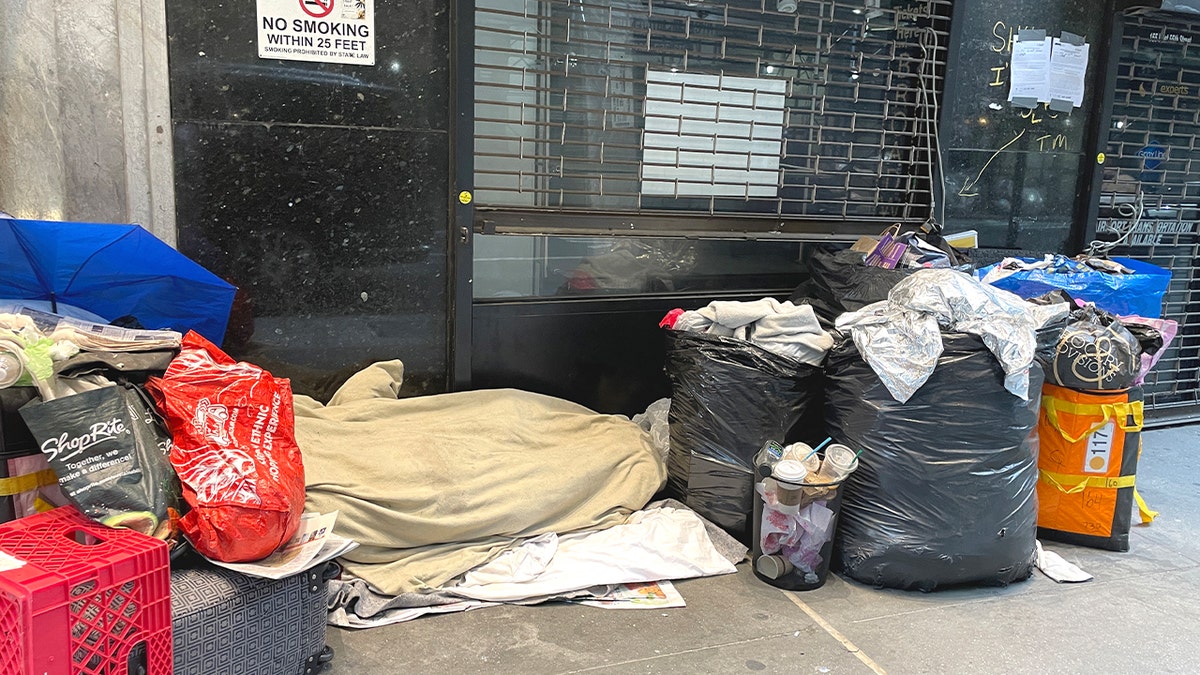
A homeless man sleeps on a New York City street alongside his possessions. The AG’s office has publicly announced only a handful of enforcement actions involving nonprofit homeless shelter providers. (Deb Cohn-Orbach/UCG/Universal Images Group via Getty Images)
«The amount of money that’s being spent is really shocking,» she said. «We know that at least one homeless shelter CEO received a million dollars in compensation. Meanwhile, New Yorkers are sleeping on the streets.»
«It’s the attorney general’s job to audit and investigate the homeless shelter nonprofits,» she continued. «We have a Charities Bureau in the attorney general’s office whose responsibility is to oversee and supervise all nonprofits in the state, but Letitia James has not been doing that job.»
James’ office has publicly announced only a handful of enforcement actions involving nonprofit homeless shelter providers during her tenure.
Among them were a 2022 settlement with HELP USA requiring governance reforms following a Charities Bureau investigation into conflict-of-interest issues involving former CEO Alan Altheide and a 2023 lawsuit seeking to dissolve Housing Bridge Inc., alleging its executives diverted charitable assets for personal benefit.
JACOB FREY PRAISES SOMALI COMMUNITY AS MINNESOTA FACES RENEWED SCRUTINY OVER FRAUD INVESTIGATIONS
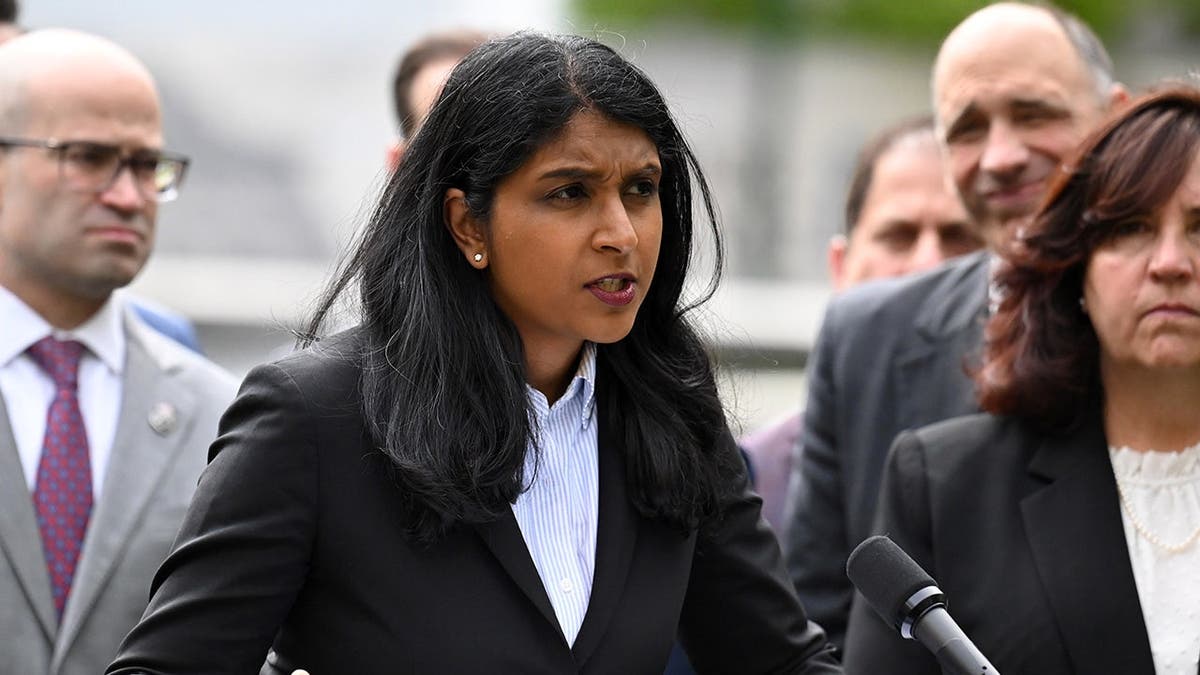
FILE – Republican candidate for New York Attorney General Saritha Komatireddy called for audits of every homeless shelter nonprofit that receives taxpayer funding. (Will Waldron/Albany Times Union via Getty Images))
Komatireddy called for audits of every homeless shelter nonprofit that receives taxpayer funding.
«We need to audit and investigate every homeless shelter nonprofit in New York,» she said. «Make sure the people who are doing a good job are supported, the people doing a bad job are cut off from taxpayer money, and the people committing crimes are prosecuted and put in jail.»
The homeless shelter criticism is the latest in a broader campaign argument from Komatireddy that James has failed to aggressively police taxpayer-funded fraud.
Earlier this year, Komatireddy criticized James’ oversight of New York’s Medicaid Fraud Control Unit after federal officials suspended its funding, alleging the attorney general had adopted «a deliberate leadership choice» to pursue fewer criminal fraud cases and allow investigations to languish.
CLICK HERE TO DOWNLOAD THE FOX NEWS APP
James’ campaign rejected the criticism.
«Saritha Komatireddy’s latest line of attack is as hollow as her record of public service,» a campaign spokesperson said. «While Saritha is busy playing politics, New York Attorney General Letitia James has spent over two decades working hand-in-hand with government partners across New York City and state to protect homeless New Yorkers and hold bad actors accountable.»
state and local, charity, state and local, homeless crisis, controversies state and local, new york
INTERNACIONAL
Avanza a toda velocidad el fuego en Francia: se acerca a la capital mundial del vino y hay 200 mil evacuados



La agenda con los partidos del sábado en la primera fecha del Torneo Clausura

Los salarios ejecutivos se recuperaron un 17% en lo que va de 2026

Canales para ver el Estudiantes (RC) vs. Tigre por el Torneo Clausura

La provocación de Mauro Icardi con la China Suárez de paseo por Milán: “¿Algún juez me lo va a impedir?»

La inteligencia artificial dificulta el acceso al primer empleo de miles de jóvenes en EE. UU. con filtros automáticos

Aumento del precio del petróleo: por ahora, domina el efecto favorable para la Argentina

Escándalo Mundial: Las presiones secretas, la amenaza de la FIFA por Malvinas y la verdad detrás del partido contra España

Jorge Berredo, general retirado de las FFAA, asumió como Secretario de Seguridad en San Isidro

Sin la anestesia mundialista, aflora la crisis del conurbano y Milei necesita reconectar con lo popular
Marc Stanley destacó el potencial de Vaca Muerta para “estabilizar la economía” y evitó hablar de política interna

 POLITICA3 días ago
Jorge Berredo, general retirado de las FFAA, asumió como Secretario de Seguridad en San Isidro
- POLITICA2 días ago
Sin la anestesia mundialista, aflora la crisis del conurbano y Milei necesita reconectar con lo popular
- POLITICA2 días ago
Marc Stanley destacó el potencial de Vaca Muerta para “estabilizar la economía” y evitó hablar de política interna