INTERNACIONAL
Europa carga también contra China y multa a AliExpress con 550 millones de euros


La Comisión Europea puede tener dudas en cómo comportarse cuando tiene conflictos con Estados Unidos o con China, pero la práctica de los últimos años muestra que cuando se trata de asuntos cuya competencia es comunitaria y no compartido con los Estados miembros no le tiembla el pulso.
El brazo ejecutivo de la Unión Europea anunció este lunes a primera hora que impone a la empresa china AliExpress una multa de 550 millones de euros por violaron el Acta de Servicios Digitales, la norma aprobada en 2024 que está torciendo el brazo a las grandes plataformas tecnológicas.
La Comisión asegura que AliExpress no ha sido lo suficientemente diligente y no ha mitigado los riesgos de que en su plataforma se vendan productos ilegales, inseguros y truchos, que terminan llegando al mercado europeo. La multa impuesta crecerá si la empresa no toma las medidas necesarias para evitar que ese comportamiento ilegal se siga produciendo.
El documento que explica la multa asegura que AliExpress incumple sus obligaciones con respecto al Acta de Servicios Digitales “de múltiples formas”.
– La empresa no ha evaluado si tiene personal suficiente para revisar que no se vendan en su plataforma productos potencialmente ilegales
– Ha sobrestimado la efectividad de su sistema de detección y borrado de productos ilegales de su plataforma.
– No ha hecho una evaluación realista que tenga en cuenta la desproporción entre el número de empleados humanos que revisen los productos a la venta y su carga de trabajo.
– AliExpress no ha hecho lo necesario para evitar que los sistemas de publicidad aumente la diseminación de productos ilegales. Las pruebas hechas por los propios servicios de la Comisión Europea muestran que la publicidad recomendó comprar artículos que eran ilegales.
– La empresa no tiene mecanismos apropiados para medir correctamente cómo funciona su sistema de revisión de productos a la venta para que no se vendan artículos ilegales.
La comisaria europea de Soberanía Tecnológica, Seguridad y Democracia, la finlandesa Henna Virkkunen, dijo este lunes que “la diseminación de ropa trucha, juguetes inseguros y cosméticos peligrosos, además de otros productos ilegales y dañinos, no es un costo imposible de impedir en el comercio online, es un fallo de AliExpress a la hora de cumplir con sus obligaciones. El tamaño no es una excusa y los riesgos deben ser identificados y combatidos sistemáticamente”.
El pliego de acusación que da pie a esta multa señala también que la empresa no tomó medidas efectivas para reducir el riesgo de diseminación de productos ilegales. La Comisión detectó, por ejemplo, que el sistema informático de detección de productos ilegales no funciona correctamente porque productos señalados como truchos o incluso juguetes señalados como peligrosos siguieron estando a la venta durante semanas antes de ser retirados.
AliExpress tiene oficialmente un sistema por el que penaliza a quien intente vender en su plataforma productos ilegales, pero Bruselas considera que no aplica adecuadamente esas penalizaciones.
Los servicios de la Comisión Europea aseguran que los controles automáticos son muy fáciles de evitar simplemente categorizando de forma incorrecta los productos. Quien quiere vender una remera trucha de la selección Argentina puede tranquilamente explicar que vende una “remera Alilas de Argentino” y ahí seguirá durante semanas o meses en la plataforma sin que el sistema la detecte. Otra solución es poner el artículo como si fuera de otra categoría diferente y no como ropa deportiva. La empresa tampoco tiene suficiente personal que revise que eso no sucede y se fía de sus sistemas automáticos.
Bruselas pone el foco especialmente en esos productos truchos: “Además de las potenciales consecuencias para los derechos de los consumidores, los vendedores de tales productos abusan de los negocios legítimos que invierten en diseño, en pruebas de seguridad, en innovación, y los obliga a competir con productos que se aprovechan de esas inversiones. El sistema de “autorización de marcas” de la empresa, que debe impedir que se vendan productos trucos, “es inefectivo y no tiene suficiente personal”, dice Bruselas.
La Comisión Europea explica que la multa impuesta se calculó teniendo en cuenta la naturaleza de las violaciones legales, la cantidad de usuarios europeos afectados y la duración de esas violaciones. La Comisión advirtió ya a AliExpress en junio de 2025.
La multa no es mayor porque la Comisión entiende que el Acta de Servicios Digitales es una norma nueva (2024).
La empresa tiene hasta el 20 de octubre de este año para enviar a Bruselas un plan con las medidas que va a tomar para eliminar o reducir los riesgos señalados y cumplir con la normativa europea. Si no cumple se le impondrán multas periódicas.

INTERNACIONAL
Nicaragua’s Ortega says country will ‘never again’ hold elections, shutting out opposition
Wall Street eyes the midterm election map
Libby Cantrill, Pimco’s Head of Public Policy, outlines how the upcoming midterm elections could reshape markets, tax policy, and the economy. She explains that while the House may flip to Democratic control, the Senate is less likely to change hands, impacting legislative predictability.
NEWYou can now listen to Fox News articles!
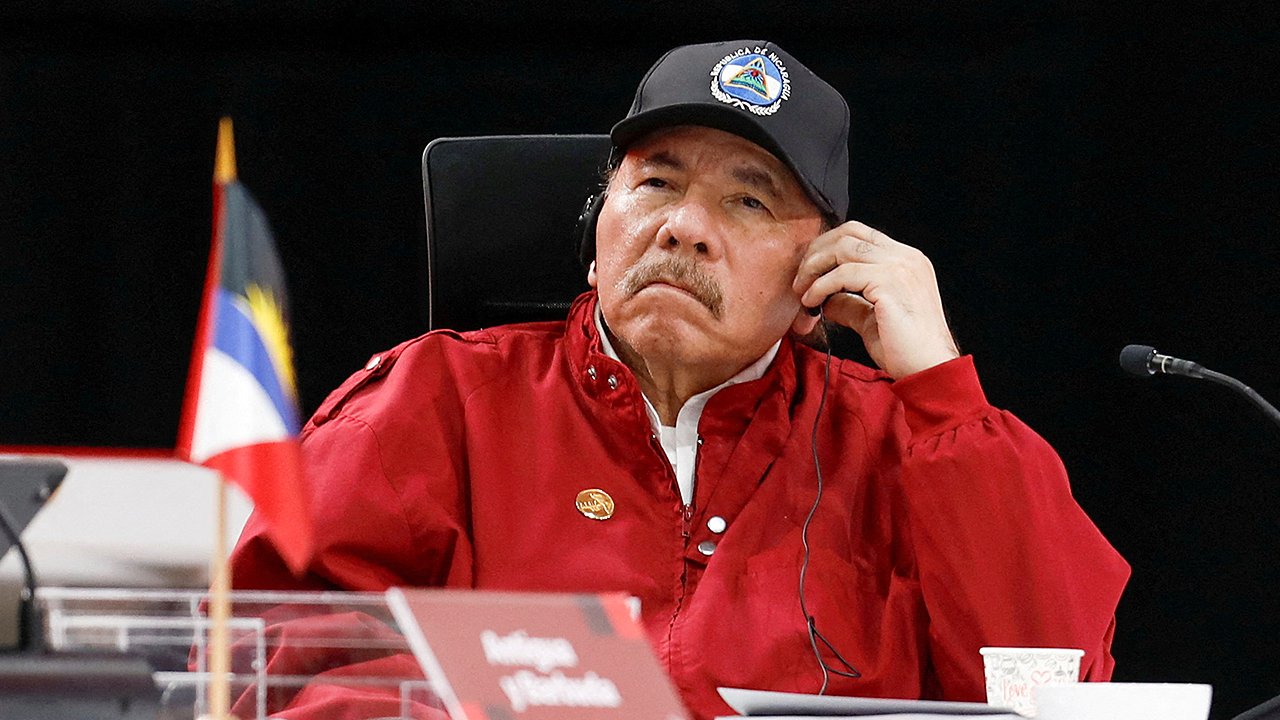
Nicaraguan leader Daniel Ortega said the Central American country would no longer hold elections, further closing off any potential path for the opposition to challenge the government he leads with his wife, Rosario Murillo.
Ortega, Nicaragua’s longest-serving leader, has remained in power since 2007 after previously governing during the 1980s. His current presidential term is scheduled to run through 2027.
«There won’t be any more elections here for them to try to seize the government and seize power,» Ortega said.
He delivered the remarks Sunday during a speech commemorating the 1979 Sandinista revolution, in which Ortega participated in the overthrow of the US-backed dictatorship of Anastasio Somoza.
TRUMP ADMIN BACKS BOLIVIA STATE OF EMERGENCY AS LEFTIST EX-LEADER’S LOYALISTS FRACTURE NATION
Nicaragua’s President Daniel Ortega said officials in the Central American country will no longer hold elections. (REUTERS/Leonardo Fernandez Viloria)
The declaration appeared to eliminate the possibility of a future electoral challenge as Ortega and Murillo continue consolidating control over the country’s political institutions.
«The days when parties backed by the Yankees (United States) and the Somocistas would return to power are over — never again,» Ortega declared.
Fox News Digital has reached out to the U.S. State Department for comment.
The Trump administration has described the Ortega-Murillo government as a dictatorship and imposed sanctions on members of the government and their allies. The State Department has also enacted visa restrictions targeting more than 2,350 Nicaraguan officials and their family members.
«The United States stands with the Nicaraguan people who, like Rivera, aspire to see a free Nicaragua,» Secretary of State Marco Rubio said in June.
TRUMP EXPANDS CUBA SANCTIONS BEYOND US COMPANIES IN MAJOR CRACKDOWN ON FOREIGN ENABLERS
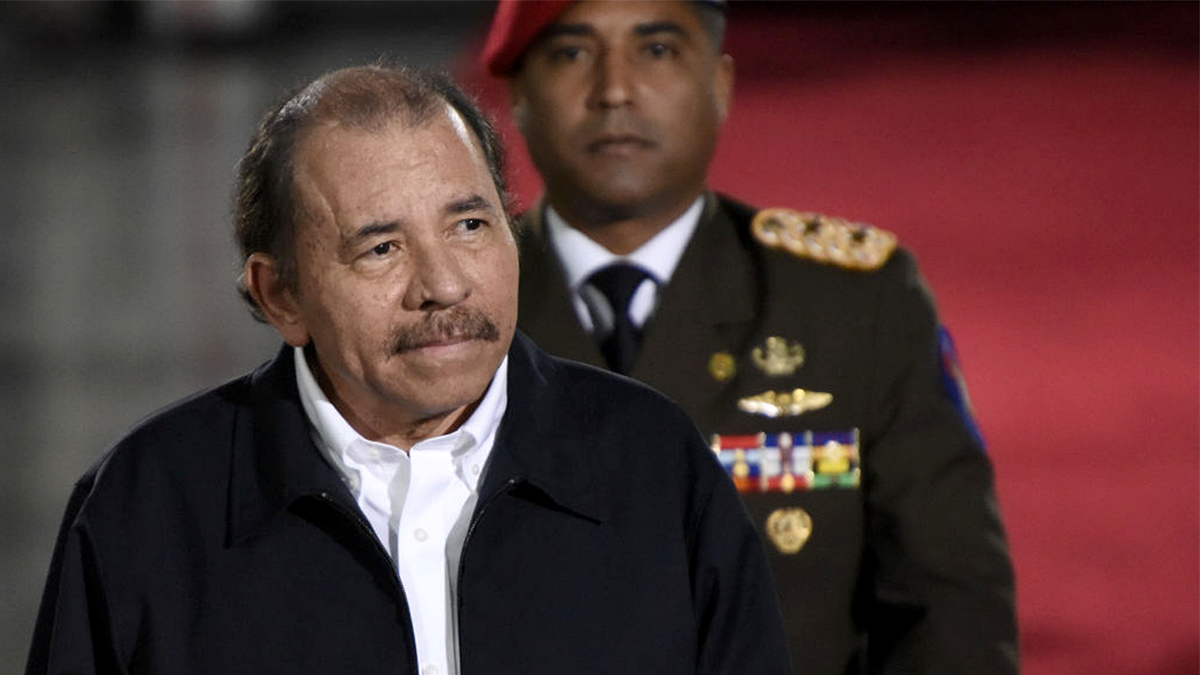
The Trump administration has described the Ortega government as a dictatorship. (Carlos Becerra/Bloomberg)
The Biden administration previously said Ortega illegitimately awarded himself another term following Nicaragua’s disputed 2021 presidential election.
Authorities arrested presidential candidates, opposition figures, business leaders and journalists ahead of that vote as the government intensified its criminalization of dissent.
Ortega and Murillo further expanded their authority through sweeping constitutional changes that took effect in 2025. The reforms extended the presidential term from five years to six and elevated Murillo from vice president to «co-president.»
The changes also placed Nicaragua’s legislative, judicial and electoral institutions under the authority of the presidency, according to United Nations experts.
Ortega and Murillo now exercise control over nearly every branch of the government, including the armed forces, police and judiciary.
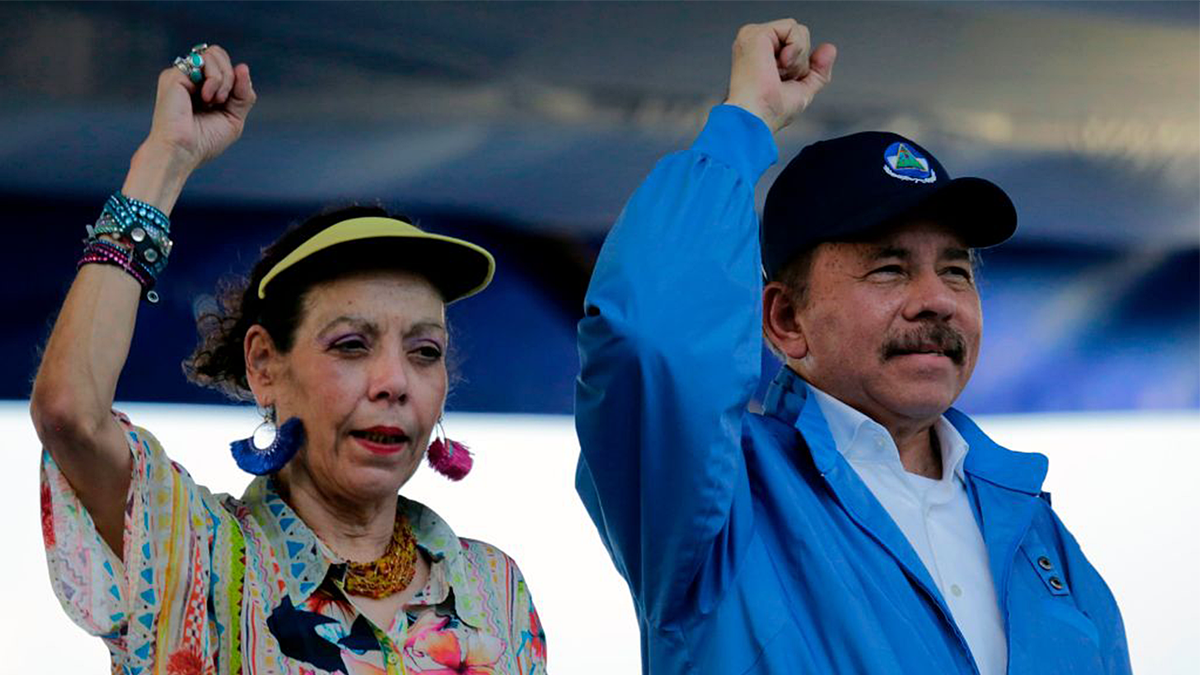
Nicaraguan President Daniel Ortega and his wife, Rosario Murillo, have control over nearly every aspect of the country’s government. (INTI OCON/AFP)
Ortega had already effectively eliminated meaningful electoral competition during elections in 2011, 2016 and 2021, Salvador Marenco, coordinator of the Costa Rica-based Nicaragua Nunca Más Human Rights Collective, told Reuters.
Many prominent opposition leaders have been imprisoned, forced into exile or stripped of their Nicaraguan citizenship, while opposition parties and independent civic organizations have lost their legal status.
A United Nations group of experts has accused the Ortega-Murillo government of systematically violating human rights as part of a campaign to eliminate criticism and preserve its hold on power. The experts said some alleged violations may amount to crimes against humanity.
CLICK HERE TO DOWNLOAD THE FOX NEWS APP
The government launched a violent crackdown on anti-government protests in 2018. More than 300 people were killed during the unrest, according to international human rights groups.
Reuters contributed to this report.
world, central america, elections, politics, world protests
INTERNACIONAL
Marco Rubio llega a Manila para participar en la cumbre de la ASEAN marcada por la guerra en Irán y las tensiones con China
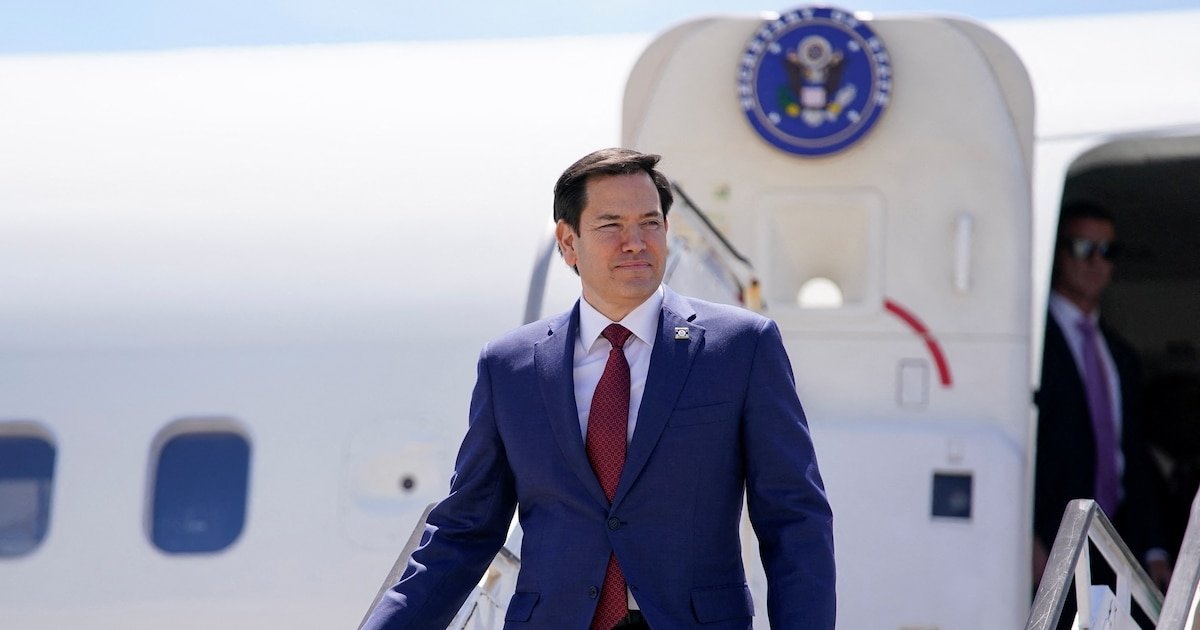
El secretario de Estado de Estados Unidos, Marco Rubio, llegó este martes a Manila para participar en la reunión anual de la Asociación de Naciones del Sudeste Asiático (ASEAN), una cita marcada por el impacto económico y político de la guerra en Irán, la crisis energética derivada del conflicto en Medio Oriente, las tensiones entre Washington y Beijing en el mar de China Meridional y la situación de Myanmar.
Los ministros de Exteriores y representantes de los once países del bloque iniciaron la reunión con una sesión plenaria en la capital filipina, donde abordarán asuntos relacionados con la seguridad regional, la interconexión energética y la estabilidad económica de una región con unos 700 millones de habitantes.
La crisis energética ocupa un lugar central en la agenda de los países del Sudeste Asiático debido a la dependencia de las importaciones de combustible procedentes de Medio Oriente. La interrupción de la navegación por el estrecho de Ormuz, tras los enfrentamientos entre Estados Unidos e Israel contra Irán, generó preocupación por el abastecimiento de petróleo y otros recursos energéticos.
Los recientes ataques iraníes contra barcos que intentaron atravesar Ormuz volvieron a elevar las alertas en la región, después de un periodo de estabilidad alcanzado en junio tras un acuerdo de cese al fuego entre Washington y Teherán que Estados Unidos dio por terminado hace dos semanas.
La llegada de Rubio a Manila coincidió con nuevas advertencias de Washington contra acciones de China en el mar de China Meridional, una zona disputada por varios países del Sudeste Asiático y considerada clave para el comercio internacional.

Antes del viaje, el Departamento de Estado señaló que el objetivo de Rubio es impulsar “un Indo-Pacífico libre y abierto que brinde seguridad y prosperidad para la región y para el pueblo estadounidense”.
En un artículo publicado en Filipinas antes de la reunión, el secretario de Estado destacó el compromiso de Estados Unidos con “la libertad de navegación en el Sudeste Asiático” y afirmó que esa condición enfrenta riesgos.
“Esta libertad no está garantizada de ninguna manera. Si estas aguas quedaran bajo el control de una potencia dispuesta a utilizar el comercio como un arma geopolítica, tanto Estados Unidos como los Estados de la ASEAN enfrentarían nuevas amenazas graves para su soberanía, seguridad y futuro económico”, escribió Rubio.
El funcionario estadounidense no confirmó si mantendrá un encuentro bilateral con su homólogo chino, Wang Yi, quien también participa de la cita en Manila. La posibilidad de una reunión ocurre después de las tensiones entre Washington y Beijing por distintos asuntos políticos y estratégicos.
La disputa marítima volvió a ocupar espacio tras un enfrentamiento entre embarcaciones filipinas y chinas en el banco de arena Second Thomas Shoal, en el mar de China Meridional. Manila afirmó que personal de la Guardia Costera china atacó a marineros filipinos cerca de un buque encallado que funciona como puesto militar en la zona disputada. Beijing acusó a Filipinas de provocar el incidente al enviar personas en pequeñas embarcaciones hacia su nave.
El episodio generó nuevas dudas sobre las negociaciones para alcanzar un Código de Conducta entre la ASEAN y China para el mar de China Meridional, un mecanismo destinado a establecer reglas sobre las actividades en esas aguas.

La seguridad energética también será uno de los principales temas durante la semana. Filipinas declaró una emergencia energética en marzo y amplió sus fuentes de abastecimiento, incluida la compra de petróleo procedente de Rusia. El ministro de Exteriores ruso, Sergei Lavrov, también tiene previsto llegar a Manila.
Los países del bloque impulsan además la ratificación del acuerdo marco sobre seguridad petrolera de la ASEAN, un mecanismo destinado al intercambio de combustibles entre sus miembros.
Otro eje de la reunión será Myanmar, país apartado de las reuniones de líderes y ministros de Exteriores de la ASEAN desde el golpe de Estado militar de 2021. El bloque analizará los recientes contactos con el gobierno castrense y las propuestas para una posible reincorporación del país a los espacios regionales.
La sublevación militar terminó con una década de transición democrática, profundizó los conflictos internos con grupos rebeldes y provocó la detención de dirigentes civiles, incluida la premio Nobel de la Paz Aung San Suu Kyi.
Tailandia impulsó el acercamiento con Myanmar y planteó recuperar su participación en las actividades de la ASEAN. El ministro de Exteriores tailandés, Sihasak Phuangketkeow, afirmó: “Es mejor traer a Myanmar de vuelta al grupo”. Además, agregó: “Creemos que después de cinco años necesitamos hablar, necesitamos escuchar y ellos necesitan explicar”.

Sin embargo, algunos países mantienen reservas sobre una mayor integración del gobierno militar. El analista político tailandés Thitinan Pongsudhirak advirtió a EFE que “ceder demasiado pronto ante el gobierno militar birmano pone en riesgo la credibilidad de la ASEAN”.
La ASEAN fue creada en 1967 y está integrada por Birmania, Brunéi, Camboya, Filipinas, Indonesia, Laos, Malasia, Singapur, Tailandia, Timor Oriental y Vietnam.
(Con información de EFE y AP)
INTERNACIONAL
Socialist insurgents force moderate Democrats into high-risk showdown over must-hold races

NEWYou can now listen to Fox News articles!
The Democratic Party’s ideological war is moving from deep-blue congressional districts to statewide contests in Michigan, Wisconsin and Minnesota, where progressive victories could reshape the party and endanger must-hold seats in November.
After far-left and socialist candidates defeated more moderate contenders in deep-blue districts last month, upcoming Senate primaries in Michigan and Minnesota and Wisconsin’s gubernatorial primary will test whether the movement can translate those wins into statewide power.
Progressive champion Sen. Bernie Sanders, the independent from Vermont and two-time Democratic presidential primary runner-up, touted on the campaign trail this past weekend, «Within the last year, we have won mayor’s races in New York City. We’ve won mayor’s races in Seattle. Washington, D.C. We have won congressional elections and Democratic primaries in Arizona, Ohio, Pennsylvania, California, Montana, Colorado, New Jersey and New York.»
After victories by far-left and socialist candidates over more moderate contenders in deep-blue congressional districts in New York City and Colorado last month drew outsized national attention, upcoming primaries in Michigan and Wisconsin are now the latest battleground in the high-stakes showdown.
And the center is pushing back.
MEET THE FAR LEFT INSURGENTS WAGING WAR ON THE DEMOCRATIC PARTY IN THE 2026 MIDTERMS
«Socialism has not worked anywhere on the globe,» former New York Gov. Andrew Cuomo said Monday in an interview on Fox Business’ «Mornings with Maria.» «Promises of free lunch, free buses, free bread, free everything. There’s no such thing as free. Someone always pays. This is a dream. This is nirvana. This is utopia. And they’re selling to young people who are buying it. It’s not going to work.»
The former governor resigned amid multiple scandals five years ago and failed in his political comeback last year, losing New York City’s mayoral election to socialist Zohran Mamdani,
The victories by a trio of far-left congressional candidates in New York City heavily supported by Mamdani, followed a week later by Democratic Socialists of America (DSA)-backed challenger and first-time candidate Melat Kiros’ defeat of 15-term Democratic Rep. Diana DeGette in Colorado, have emboldened progressives as they wage a far-left national pressure campaign against the Democratic Party.
DEMOCRATIC PARTY CIVIL WAR HITS DEBATE STAGE IN CRUCIAL PRIMARY SHOWDOWN
Congressional candidate Claire Valdez, Congressional candidate Brad Lander, Mayor Zohran Mamdani, and Congressional candidate Darializa Avila Chevalier raise their hands during a Get Out the Vote (GOTV) rally at King’s Theater on June 18, 2026, in New York City. (Michael M. Santiago/Getty Images)
«Only socialism can solve decades of capitalist mismanagement in the US. Our newly elected leaders will fight for the working class — not for crumbs,» the DSA proclaimed in a social media post celebrating the string of primary election victories.
That view is far from universal.
«I’m tired of being told that, to be a progressive, I now must swear allegiance to crazy ideas,» Democratic political analyst Van Jones, a veteran of then-President Barack Obama’s administration, lamented in a social media post.
«Supporting Hamas is not progressive. ‘No police, no prisons, no borders’ is not progressive. Celebrating the murder of Israeli civilians is not progressive. These ideas are REGRESSIVE,» Jones wrote.
Jamie Metzl, a technology and healthcare futurist who years ago served in former President Bill Clinton’s administration, said in a Fox News Channel interview that it’s time for Democrats «to stand up» to what he called «the bigots and anti-Americans in our own party.»
Metzl said the DSA and other far-left groups «who are trying to take control of our party and our brand» represent «a fundamental threat to our party and our country.»
VAN JONES WARNS FAR-LEFT AGENDA IS ‘REGRESSIVE’ THREAT TO DEMOCRATIC PARTY
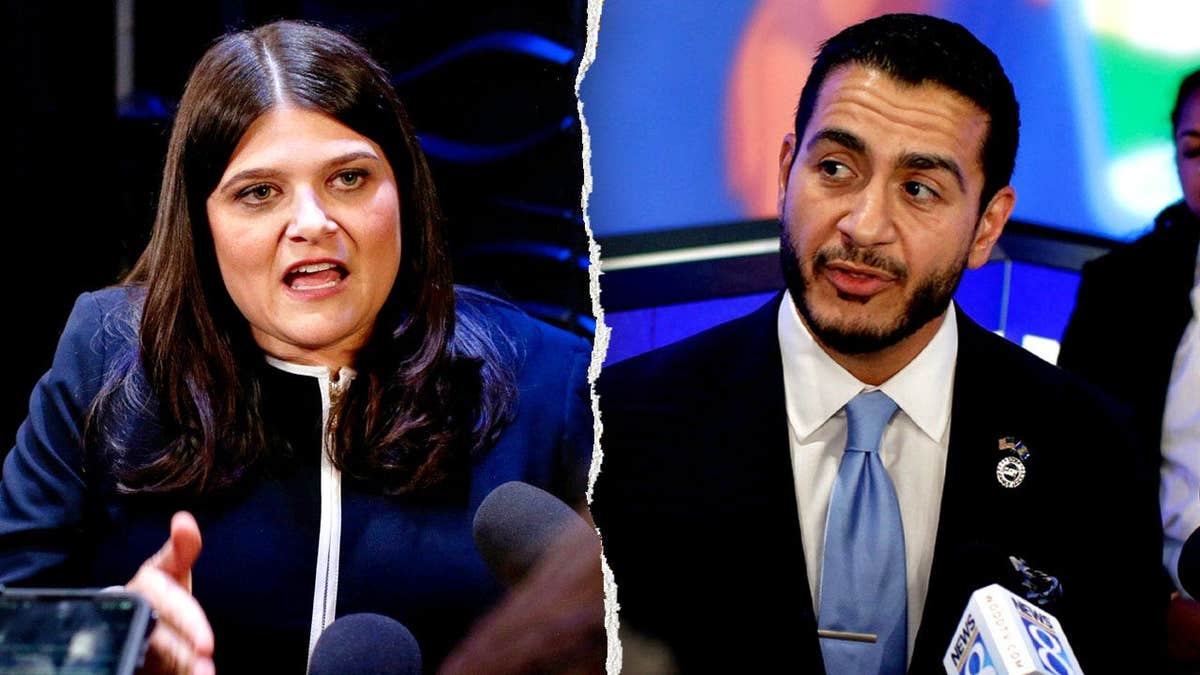
Retiring Sen. Gary Peters, D-Mich., has abandoned his neutrality in Michigan’s high-stakes Democratic Senate primary, backing U.S. Rep. Haley Stevens, pictured left, as party leaders rally to stop progressive rival Abdul El-Sayed, pictured right, from winning the nomination. (AP Photo/Kristen Norman)
Sanders and Rep. Alexandria Ocasio-Cortez, another progressive rockstar, parachuted into Michigan’s campaign trail this past weekend to boost Abdul El-Sayed, the far-left candidate they’re supporting in a crucial Democratic Senate primary.
El-Sayed, a former Wayne County Health Department director who unsuccessfully ran an insurgent campaign for governor in 2018, is facing off for the party’s nomination in the Great Lakes battleground state against Rep. Haley Stevens, a more moderate lawmaker backed by longtime Senate Democratic Leader Sen. Chuck Schumer and the establishment.
https://www.foxnews.com/category/politics/elections/republicans
The winner of the Aug. 4 Democratic primary will take on former Republican Rep. Mike Rogers, who is on a glide path to the GOP nomination, in the key midterm Senate faceoff to succeed retiring Democratic Sen. Gary Peters.
The rare open Senate seat is a top Republican target in the midterms, as well as a must-hold for the Democrats as they aim to win back the Senate majority from the GOP, which currently controls the chamber with a slim 53-47 margin.
El-Sayed, who, if elected, would make history as the nation’s first Muslim senator, has made support for Medicare for all a major component of his campaign.
DEMOCRACY ’26: STAY UP TO DATE WITH THE FOX NEWS ELECTION HUB
The far-left candidate has also called for abolishing Immigration and Customs Enforcement (ICE), and is a vocal critic of Israel amid its war with Hamas — even characterizing Israel’s actions in Gaza as «genocide» against Palestinians. And El-Sayed, who served as a top surrogate on Sanders’ 2020 presidential campaign, has vowed not to accept PAC donations.
Schumer and the party establishment view Stevens as more electable than El-Sayed, who has sparked controversy with his past comments. They worry that El-Sayed as the party’s nominee would jeopardize the Democrat-controlled Senate seat by pushing the party too far to the left in a state that President Donald Trump carried two years ago by just over one percentage point.
The primary clash is combustible and expensive, with outside groups spending big bucks to flood the campaign trail with ads. The biggest spending, to boost Stevens and attack El-Sayed, is United Democracy Project, a political action committee aligned with the American Israel Public Affairs Committee (AIPAC).
SIGN UP TO GET THE POLITICS NEWSLETTER

Rep. Alexandria Ocasio-Cortez, D-N.Y., from left, Michigan Senate candidate Abdul El-Sayed and Sen. Bernie Sanders, I-Vt., speak during the «The People v. The Powerful» campaign event at the Detroit Opera House in Detroit on July 18, 2026. (Nic Antaya/Bloomberg via Getty Images)
«I think we’re at an opportunity to show folks where the Democratic Party ought to go. Whether or not there are people who oppose that, that’s for them to decide. But if you’re opposing that on behalf of big corporations, folks like AIPAC, you’re going to find that their power is going to start to slip,» El-Sayed warned in a Fox News interview on Sunday.
Sanders, speaking alongside El-Sayed and Ocasio-Cortez on Saturday, argued, «In all due respect to Haley Stevens, everyone knows that this is not an election between her and Abdul El-Sayed. This is an election between Abdul and the billionaire class.»
Democratic Sen. John Fetterman of Pennsylvania, a vocal critic of the far left and a top Democratic supporter of Israel, fired back in a Fox News Channel interview.
«You know, humble yourself, Bernie. You know, you just pushed an accused rapist and imploded up in Maine and now you’re pushing, you know, essentially a pro-Hamas candidate that’s been anti-American and deeply anti-Israel,» Fetterman said as he pointed to Sanders’ support over the past year for now-ex-Democratic Senate nominee Graham Platner of Maine.
Platner ended his campaign earlier this month, amid calls from top Democrats in Maine and across the country to immediately exit the race following an explosive report containing an allegation of rape from a woman he previously dated. Platner denied the report but stepped aside.
One week after the showdown in Michigan, on Aug. 11, Wisconsin will hold its primary elections. That’s where DSA-backed state Rep. Francesca Hong is on the rise among a crowded field of candidates in the race to succeed retiring Democratic Gov. Tony Evers.
«It’s a great day to be a democratic socialist,» Hong posted on X last month after the progressive victories in New York City, in which two Democratic congressional incumbents lost renomination. «Wisconsin is next!»

Francesca Hong, a Democratic state lawmaker and socialist candidate for Wisconsin governor, speaks to voters at a retirement home, Tuesday, July 7, 2026, in Madison, Wis. (Scott Bauer/AP Photo)
The same day, another statewide battle will take place as progressive Lt. Gov. Peggy Flanagan of Minnesota and more moderate Democratic Rep. Angie Craig are the leading contenders in the Democratic primary faceoff to succeed retiring Sen. Tina Smith, a fellow Democrat.
CLICK HERE TO DOWNLOAD THE FOX NEWS APP
While the upcoming primary battles will impact the fight for the future of the party, there’s a more immediate concern: this year’s midterm faceoff for congressional majorities.
«What you’re seeing here are the two opposing forces of the Democratic Party,» veteran Democratic strategist Joe Caiazzo told Fox News Digital as he referred to the ballot box showdowns. «The stakes are monumentally high because Democrats have to hold these seats in November.»
andrew cuomo, bernie sanders, alexandria ocasio cortez, democratic party, democrats elections, midterm elections, michigan

Los depósitos en dólares alcanzan récord en 26 años y Caputo quiere que revitalicen la economía

Marchas y piquetes: los movimientos sociales cortarán accesos en rechazo a la baja del programa Volver al Trabajo

“Siempre serán campeones”: el emotivo mensaje de una controladora aérea que fue la primera argentina en saludar a la Selección

Cuándo volverá a jugar Messi y las señales sobre su futuro en la selección argentina

El Gobierno designó a Javier Lanari como director del Banco Nación

La esposa de Leandro Paredes habló tras la brutal pelea contra los españoles: «Nuestros hijos son grandes y entienden todo…»

Rubio’s call to combat global funders of far-left terrorism could put Singham in crosshairs

Sismo de 7.4 sacude a Guatemala: Autoridades declaran alerta anaranjada por daños y descartan tsunami

Canales para ver EN VIVO el San Lorenzo vs. Deportivo Riestra por la Copa Argentina

Rogelio Frigerio presentó un seguro multirriesgo con un fondo de USD 1 millón para el maíz en Entre Ríos

 POLITICA19 horas ago
Sin la Copa y sin Messi en el avión, vuelve Tapia y deberá enfrentar tres frentes de tormenta tras la pausa del Mundial
- INTERNACIONAL3 días ago
Estados Unidos cambia una regla histórica del jugo de naranja vigente desde 1963 y afecta a toda la industria
- CHIMENTOS3 días ago
Es el conductor más querido de la tele y tan argentino como el mate, pero pocos saben que nació en España: ¿a quién alentará en la final?